
My Housesitter Won't Leave, What Now?
Most people hire a housesitter expecting a simple arrangement: someone watches the home, cares for pets, waters plants, or collects mail while the owner is away, then leaves when the trip is over. It can be shocking to return home and discover the housesitter is refusing to move out. The good news is that homeowners have options, but the situation can become more complicated than many people realize depending on how long the person stayed and what agreements were in place.
Do Not Assume This Is A Simple Trespassing Situation
Many homeowners immediately assume they can call the police and have the person removed on the spot. Sometimes that works, but not always. In many jurisdictions, law enforcement may view the dispute as a civil matter rather than a criminal trespassing issue. That is especially true if the housesitter was originally allowed to live in the home.

The Original Agreement Matters
One of the first questions is what arrangement existed before the dispute began. Was the person a paid housesitter, a friend helping out, a pet sitter, or someone staying for free? Was there a written agreement specifying when they would leave? The answers can significantly affect your options moving forward.

Length Of Stay Can Become Important
A housesitter who stayed for a few days may be treated very differently from someone who remained in the home for weeks or months. Some jurisdictions grant additional rights to occupants who have lived somewhere for extended periods. What started as a temporary arrangement can sometimes create legal complications if enough time passes.

Tenant Rights Are What Worry Homeowners
One reason these situations become stressful is that homeowners fear the housesitter may somehow gain tenant rights. Whether that is possible depends heavily on local laws and the specific facts involved. Simply staying in a home does not automatically make someone a tenant, but certain circumstances can make the issue more complicated than expected.

Payment Can Change The Analysis
If the housesitter paid rent, contributed regularly toward housing costs, or had some type of ongoing housing arrangement, the situation may look different legally. A person who was merely watching the house often has a different legal status than someone who was effectively living there. Financial arrangements can become important evidence.

Written Agreements Can Be Extremely Helpful
A written housesitting agreement can make disputes much easier to resolve. Documents that clearly identify the purpose of the stay, the dates involved, and the expectation that the person must leave afterward help demonstrate the original intent of the arrangement. Even emails and text messages may prove useful if a formal contract does not exist.

Save Every Communication
If the housesitter is refusing to leave, start preserving evidence immediately. Save text messages, emails, social media messages, booking confirmations, payment records, and any other communications discussing the arrangement. These records may help establish that the stay was intended to be temporary.

Stay Calm During Conversations
Returning home to find someone refusing to leave can be infuriating. However, angry confrontations often make the situation worse. Try to remain calm and focus on gathering information while protecting your rights. Emotional arguments rarely help resolve occupancy disputes.

Ask Why They Refuse To Leave
The reason behind the refusal may influence how the situation should be handled. Some people genuinely need a short extension because of a canceled flight, housing problem, or emergency. Others may be attempting to remain indefinitely. Understanding their position can help determine the most appropriate next step.

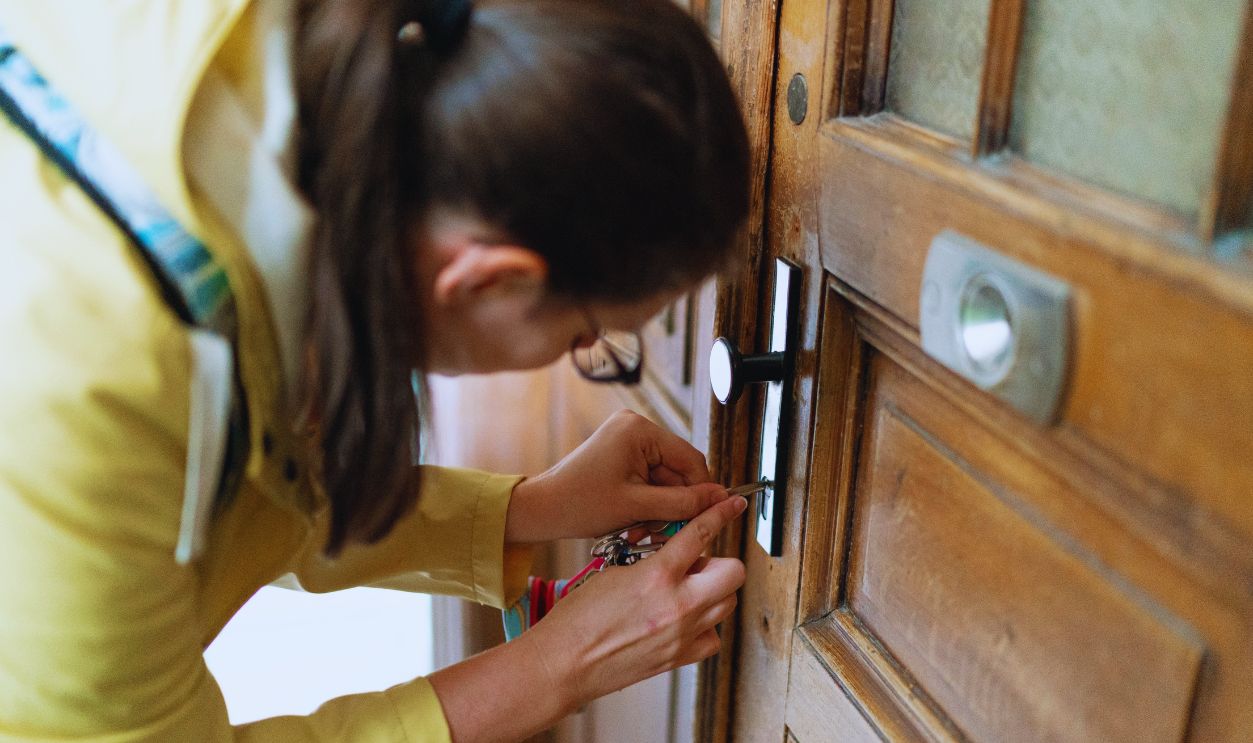
Do Not Change The Locks Immediately
Many homeowners are tempted to change the locks, remove belongings, or otherwise force the person out. Depending on local laws, that approach can create legal problems if the occupant is later found to have certain rights. Self-help evictions are restricted or prohibited in many jurisdictions. It is usually safer to understand the legal situation before taking drastic action.
Avoid Removing Their Property
The same caution applies to personal belongings. Throwing possessions onto the lawn or placing them in storage without following proper procedures can sometimes create additional legal exposure. Even when homeowners are understandably frustrated, it is usually wise to proceed carefully.

Police May Or May Not Get Involved
Many people assume law enforcement will immediately remove the housesitter. In reality, police often evaluate whether the person was originally allowed onto the property and whether a civil dispute exists. If officers believe occupancy rights are being disputed, they may decline to remove the individual and suggest pursuing civil remedies instead.

Documentation Helps When Speaking To Police
If you do contact law enforcement, having documentation available can be helpful. Written agreements, messages discussing departure dates, and proof that the stay was temporary may help clarify the situation. The stronger your documentation, the easier it may be to explain your position.

Local Laws Vary Dramatically
Occupancy, tenancy, and eviction laws differ significantly from one jurisdiction to another. A solution that works in one state or province may not work in another. That is why local legal advice often becomes important when someone refuses to leave a property.

An Attorney May Be Worth Contacting Early
If the housesitter is making it clear they have no intention of leaving, speaking with a landlord-tenant attorney may be worthwhile. These lawyers regularly handle occupancy disputes and can quickly identify the options available under local law. Early advice may prevent costly mistakes.
Formal Notices May Be Required
In some situations, a formal written notice may be necessary before additional action can be taken. The type of notice and the required timeline vary by jurisdiction. Even if the homeowner believes the occupant has no legal right to stay, following the proper procedures often remains important.

Courts Sometimes Become Involved
If the dispute cannot be resolved voluntarily, court proceedings may ultimately be necessary. While that sounds intimidating, courts routinely handle occupancy disputes and determine whether someone has a legal right to remain. The process can be frustrating, but it often provides a clear path toward resolution.

Social Media Is Usually A Bad Idea
Some homeowners consider publicly shaming the housesitter online. While that may feel satisfying in the moment, it rarely helps resolve the legal issues. Public accusations can sometimes complicate matters further and create new disputes. It is generally better to focus on documentation and proper legal channels.

Consider Whether Safety Is A Concern
Most occupancy disputes remain civil matters, but not all situations are harmless. If threats, harassment, intimidation, or violence become concerns, personal safety should become the top priority. In those circumstances, law enforcement involvement may be necessary regardless of the occupancy issues.

Homeowners Insurance Probably Won't Solve This
Many people assume their homeowners insurance will somehow fix the problem. Unfortunately, insurance policies generally do not remove unwanted occupants or resolve tenancy disputes. Coverage may help with certain property damage issues, but occupancy conflicts are often separate matters.

Mediation Sometimes Works
Not every dispute needs to end in court. In some cases, mediation or negotiated agreements help resolve the situation more quickly. A short extension, relocation assistance, or mutually agreed departure date may be enough to avoid a lengthy legal battle. While not ideal, compromise sometimes produces the fastest solution.

Future Homeowners Can Learn From This
These situations highlight why written agreements are so important. Even when dealing with friends, relatives, or trusted housesitters, clearly documenting the terms of the stay can prevent misunderstandings later. What feels unnecessary at the beginning often becomes invaluable during a dispute.

Most Housesitters Leave Without Problems
It is important to remember that the vast majority of housesitting arrangements end exactly as expected. Most sitters are honest people simply providing a service. Unfortunately, when problems do occur, homeowners can find themselves navigating surprisingly complicated legal territory.

You Still Have Options
Discovering that a housesitter refuses to leave can be stressful, frustrating, and deeply unsettling. However, that does not mean you have lost control of the situation. By documenting the arrangement, avoiding rash actions, understanding local occupancy laws, and seeking legal guidance when necessary, most homeowners are ultimately able to regain possession of their property through the proper channels.

You May Also Like: