
The Chore List Shock
You book a short-term rental expecting clean sheets, a functional kitchen, and maybe a little patio. So why are you suddenly expected to water plants, feed cats, and haul out the garbage before checkout? That kind of expectation has become a flashpoint in the bigger debate over whether some Airbnb guests are being treated less like customers and more like unpaid house-sitters. Is it time to go back to hotels? The debate is really firing up.

Why This Strikes A Nerve
Travelers usually understand basic courtesy. Most people will rinse dishes, lock up, and avoid leaving a mess. The frustration starts when hosts ask guests to handle recurring household tasks or care for pets during a paid stay, especially when cleaning fees are also part of the bill.

Airbnb Has Heard The Complaints
Airbnb publicly acknowledged guest frustration over checkout chores in November 2022. At the time, CEO Brian Chesky said on X, then Twitter, that the company had heard users “loud and clear” and would address concerns around checkout tasks and cleaning fees. That mattered because it showed the issue had moved from private annoyance to a platform-level problem.

The Rules Changed In 2023
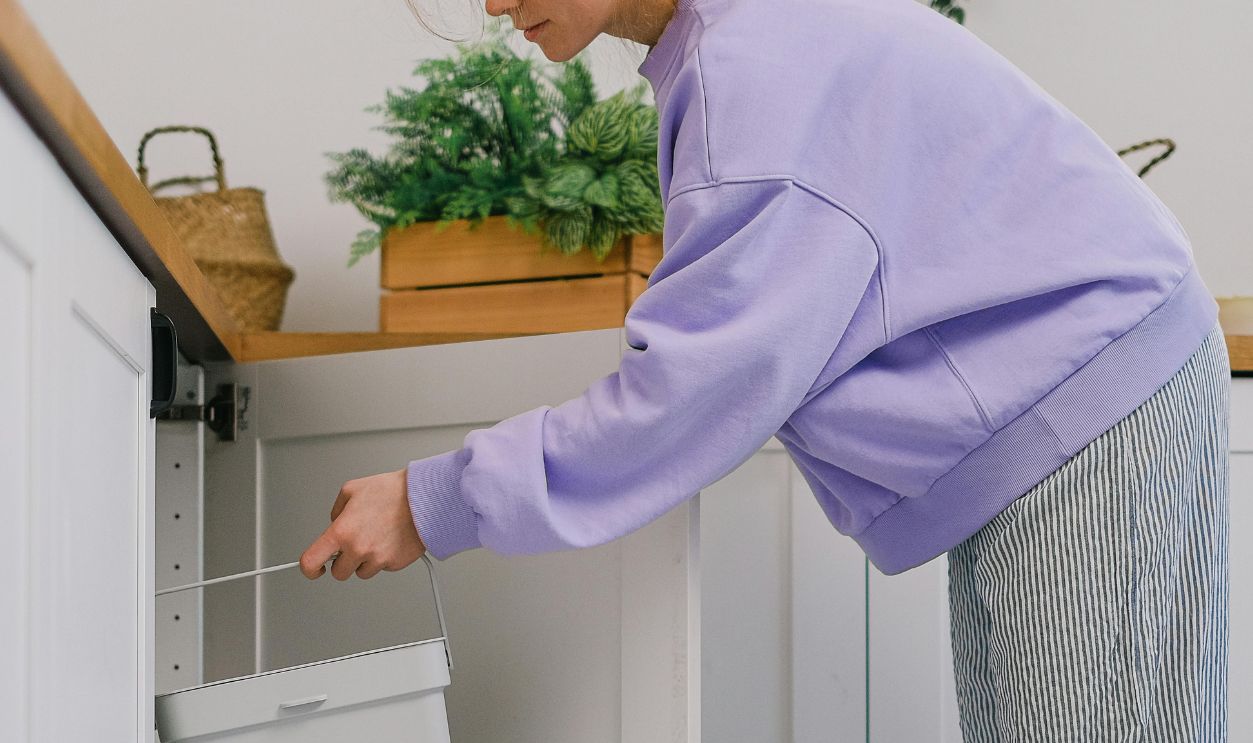
In April 2023, Airbnb announced a clearer policy on checkout requests for hosts. The company said hosts can ask guests to do reasonable things like turning off lights, throwing food in the trash, and locking doors, but they should not expect guests to strip beds, do laundry, or do heavy cleaning. Airbnb also said any checkout tasks must be disclosed before booking.

What Counts As Reasonable
According to Airbnb’s published guidance for hosts, standard requests are supposed to be simple and match the length of stay. Examples include placing used towels in one area, throwing trash into designated bins, and switching off appliances. These are meant to be basic departure steps, not labor-heavy chores.

Where Guests Tend To Draw The Line
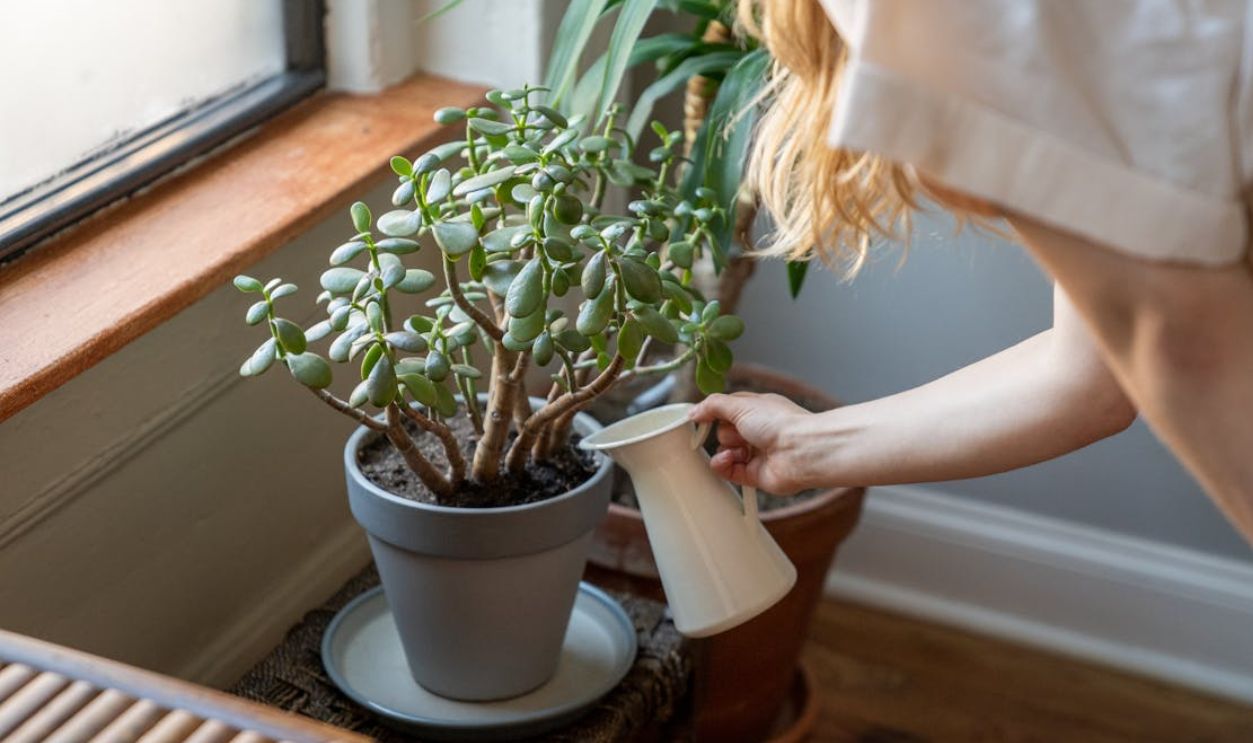
Feeding cats and watering plants feel very different from taking out a kitchen bag on your way out. Those are ongoing caretaking duties that benefit the host beyond the guest’s own use of the space. For many travelers, that crosses into house-sitting territory, especially if the expectations were not made clear before booking.
Disclosure Is The Big Test
If a host wants help with pets or plants, the timing of that request matters a lot. Airbnb’s rules say important checkout tasks should appear in the listing before a guest books. A surprise message sent after payment, or worse, after arrival, is much harder to justify and much more likely to trigger a complaint.

Cleaning Fees Made This More Explosive
The chores debate really took off because it landed on top of rising cleaning fees. In December 2022, Airbnb rolled out a pricing display update in the United States and dozens of other countries that lets users see total price before taxes by default in search results. The move was a direct response to criticism that fees were making bookings feel misleading and overpriced.

Brian Chesky Put It Plainly
When Airbnb announced the total-price change in December 2022, Chesky said guests should be able to understand what they are paying without surprises. That same logic applies neatly to chore lists. If travelers are paying a nightly rate plus a cleaning fee, they want a clear picture of both the cost and the expected effort.

Guests Are Not Crazy For Feeling Nickel-And-Dimed
Consumer frustration over hidden or extra costs has stretched far beyond Airbnb. The Federal Trade Commission has proposed rules aimed at cracking down on deceptive junk fees across industries, including short-term lodging. The basic idea is simple and very relevant here: people should know the real price and the real terms up front.

What Airbnb Says Hosts Cannot Do
Airbnb’s checkout guidance says hosts should not require guests to do unreasonable chores. The company specifically points to demands such as extensive cleaning, washing linens, or vacuuming as examples of excessive tasks. While pet care and plant care are not always spelled out in every example, they raise the same concern when they go beyond ordinary guest use of the property.

Pet Care Requests Are A Special Case
Asking a paying guest to feed resident animals can create practical and legal headaches. Pets may have special diets, medications, behavioral quirks, or safety issues that a guest is not prepared to handle. Even when the request sounds simple, it puts responsibility on someone who booked lodging, not a caretaking job.

Plants Sound Harmless Until They Are Not
Watering a few herbs on a patio may seem minor, but it still shifts upkeep onto the guest. It can also raise awkward questions about timing, frequency, and liability if a plant is overwatered or neglected. That is why many travelers see these requests as host maintenance rather than guest etiquette.

Checkout Chores Versus Daily Duties
There is an important difference between a one-time checkout step and ongoing duties during the stay. Taking out garbage at the end of a weekend trip is not the same as feeding cats every morning or watering plants every other day. The second category looks a lot more like caretaking and should be treated with much more caution by both hosts and guests.
What To Check Before You Book
The first place to look is the listing description and house rules. Airbnb says checkout tasks and other major expectations should be disclosed before booking, so that is where responsible hosts should spell them out. If you see references to pets on site, plant care, or unusual house responsibilities, ask questions before you pay.

Read The Reviews Like A Detective
Guest reviews can reveal a lot that listing text leaves vague. Look for mentions of long checkout instructions, surprise chores, hidden fees, or host requests that made people uncomfortable. If multiple reviews mention a burden, that is often a better clue to your experience than polished listing photos.

Message The Host Beforehand
If anything in the listing feels unclear, send a message through Airbnb before booking. Ask directly whether there are any checkout tasks, whether animals live on the property, and whether guests are expected to care for them. Keeping those questions on-platform creates a written record if the situation changes later.

Do Not Ignore The Power Of A Screenshot
Documentation is your best friend in short-term rental disputes. Screenshot the listing, the house rules, and any messages about chores or responsibilities before and after booking. If a host later adds duties that were not disclosed, those records can help support a complaint to Airbnb.

What To Do If The Request Arrives Late
If a host suddenly asks you to feed cats or water plants after booking, respond politely and keep everything in the Airbnb message thread. Ask whether that requirement was disclosed in the listing and note that you booked lodging, not a house-sitting arrangement. This gives the host a chance to reconsider and gives Airbnb a clear timeline if support gets involved.

When It Makes Sense To Push Back
Reasonable people can disagree on small courtesies, but recurring chores are another matter. If the request would take real time, create risk, or continue throughout your stay, it is fair to say no or ask Airbnb for guidance. The platform’s own policies give guests a strong basis to object to undisclosed or excessive tasks.

When A Guest Might Agree Anyway
Some travelers will not mind watering a tomato plant once or giving dry food to a friendly house cat for a night. If you agree, make sure the instructions are clear and the arrangement is truly optional, not presented as a hidden condition of the stay. It is also smart to confirm in writing that you are helping as a courtesy.

Hosts Have Legitimate Concerns Too
Not every host request comes from greed or laziness. Some hosts live part-time in the property, keep animals that are easy to care for, or worry about odor and pests if trash sits too long. But a host’s concern does not erase the need for transparency, fairness, and respect for what a paying guest can reasonably expect.

The Hotel Comparison Keeps Coming Back
One reason this issue hits so hard is that travelers often compare Airbnb with hotels. Hotels generally do not ask guests to vacuum, wash bedding, or tend living things on the property. As short-term rental prices rise, many consumers have become less willing to accept tradeoffs that once felt quirky and charming.

Transparency Is The Real Solution
The cleanest fix is not complicated. Hosts should disclose all meaningful responsibilities before booking, keep checkout lists short, and avoid pushing property maintenance onto guests. Travelers, in turn, should read carefully, ask direct questions, and choose listings whose expectations match the trip they actually want.

So Are Guests Unpaid House-Sitters Now
Not by definition, and not when hosts follow Airbnb’s rules. But when a paid stay comes with surprise requests to care for pets, water plants, and manage household upkeep, it is easy to see why guests feel the line has been crossed. In practical terms, if the chores are ongoing, undisclosed, or more than minimal checkout basics, travelers are right to see that as a red flag.

The Bottom Line For Travelers
If a rental asks you to take out the trash at checkout, that falls within the realm of normal. If it asks you to feed cats and water plants throughout your stay, especially without clear disclosure before booking, that is something else entirely. Guests are paying for accommodation, and the burden should stay there unless everyone knowingly agrees otherwise.