
This Is Not The Hotel I Booked
You finally arrive at your hotel after a long day of travel, walk into the room, and immediately realize something is very wrong. The sparkling modern suite from the photos turns out to be outdated, dirty, or even falling apart. Naturally, you complain to the front desk expecting some kind of solution…and instead the manager basically shrugs. Now you’re stuck wondering whether you just have to eat the cost. The good news is, you may have more leverage than you think, especially if the hotel seriously misrepresented what you paid for.
Hotel Photos Are Allowed To Be “Flattering,” To A Point
Hotels absolutely use marketing photos that make rooms look their best. Better lighting, wide-angle shots, and carefully staged images are all pretty normal. But there’s a difference between flattering photos and outright misrepresentation. If the room or property is drastically different from what was advertised, you may have grounds to push for compensation or a refund.

Start Taking Photos Immediately
The moment you realize there’s a problem, document everything. Take clear photos and videos of the room, especially anything that differs from the listing or seems unacceptable. Things like broken amenities, cleanliness issues, damage, or misleading room layouts can all help support your case later.

Don’t Rely On Memory Alone
It’s easy to think, “I’ll explain this later,” but detailed evidence matters. What feels obvious in the moment can become harder to prove afterward. Photos, timestamps, screenshots of the original listing, and written notes create a much stronger argument than just saying “the room was bad”.

Compare The Listing To Reality
Pull up the booking confirmation and original photos while you’re still there. Look for specific differences between what was advertised and what you actually received. The stronger and more objective the comparison, the easier it becomes to argue that the hotel failed to deliver what was promised.

Complain Calmly At The Front Desk First
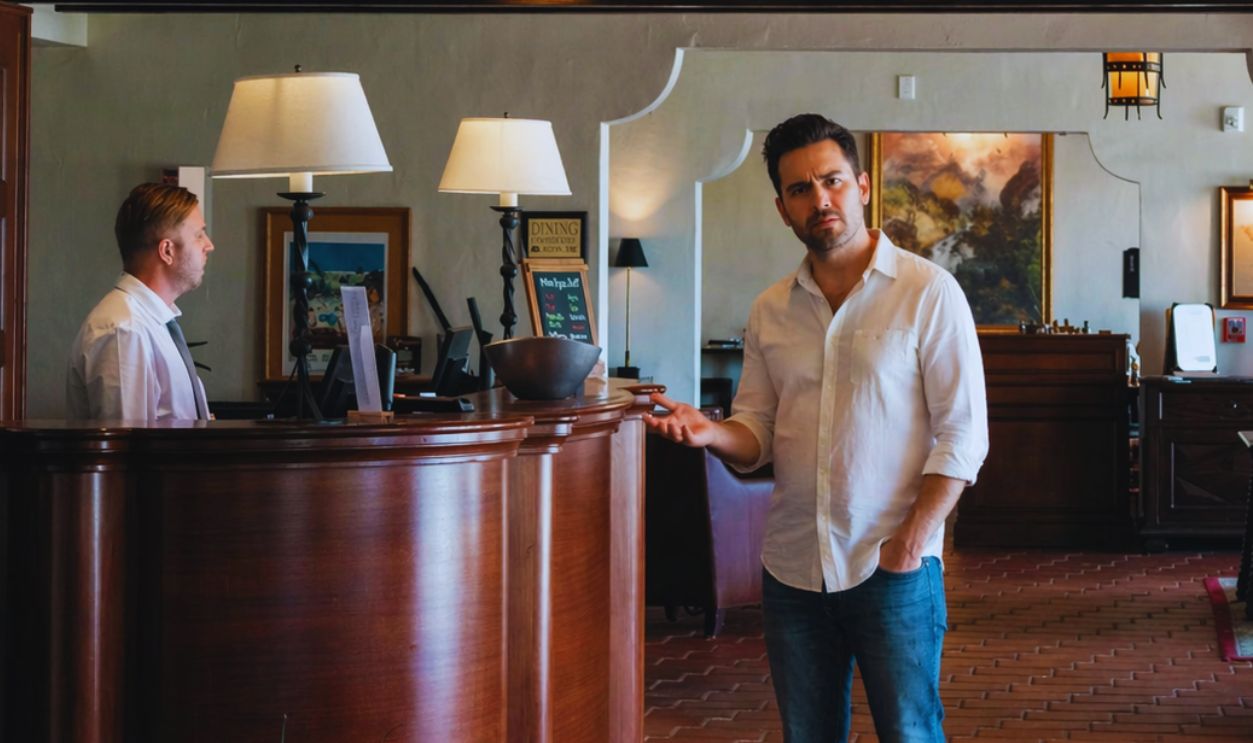
As frustrating as it is, start by giving the hotel a chance to fix the issue. Calmly explain the problem and ask for a solution, whether that’s another room, a discount, or a refund. Front desk staff are much more likely to help someone who stays composed than someone yelling five minutes after check-in.

Ask For A Manager If Needed
If the first employee brushes you off, ask politely to speak with a manager. Managers generally have more authority to offer refunds, upgrades, or credits. Sometimes the difference between getting nowhere and getting help is simply reaching the right person.

Get Everything In Writing
If the hotel refuses to help or makes promises about compensation later, ask for confirmation in writing. Even a quick email or message through the booking app can help. Documentation matters a lot if you end up disputing the charge later.
 Zoshua Colah, Unsplash, Modified
Booking Through A Third Party Changes Things
If you booked through Expedia, Booking.com, Airbnb, or another travel platform, the process gets a little more complicated. Hotels sometimes claim the platform controls refunds, while the platform says the hotel has to approve them. It can feel like getting bounced around in circles, but don’t let that stop you from pushing both sides.

Travel Platforms Often Have Buyer Protections
Many booking platforms have policies covering misleading listings or unacceptable accommodations. If the hotel refuses to help, contact the platform directly and provide your evidence. Photos and screenshots are especially important here because platforms tend to rely heavily on documentation.

Credit Card Chargebacks Are Sometimes An Option
If the hotel completely failed to provide what was advertised and refuses to cooperate, you may be able to dispute the charge through your credit card company. This works best when there’s strong evidence of misrepresentation or failure to provide services as described.

Timing Matters With Disputes
Don’t wait too long to act. Credit card disputes usually have deadlines, and the sooner you report the issue, the stronger your case tends to be. Waiting weeks or months can make it harder to argue that the problem was serious enough to justify a refund.

Be Realistic About What Counts
Not every disappointment qualifies for a refund. If the room simply looked “less nice” than expected, that’s harder to fight. But if there are major cleanliness issues, safety concerns, broken amenities, or significant differences from the listing, your case becomes much stronger.

Reviews Can Actually Help
If the hotel refuses to resolve things fairly, leaving an honest review can sometimes get their attention. Many hotels care deeply about public ratings and may respond differently once negative feedback becomes visible. Just make sure your review sticks to facts and avoids exaggeration.

Loyalty Programs Sometimes Give You More Leverage
If you booked through a major chain and belong to their rewards program, mention that when escalating the issue. Hotels are often more motivated to keep loyal customers happy, especially if you travel frequently.

Travel Insurance Might Help Too
If the hotel conditions were severe enough to force you to leave and book elsewhere, your travel insurance may provide some coverage. It’s not guaranteed, but it’s worth checking your policy.

Sometimes The Best Move Is Leaving
If the room feels unsafe, unsanitary, or completely unacceptable, don’t feel pressured to stay just because you paid. In some cases, documenting the issue and moving to another hotel is the smartest decision, especially if health or safety is involved.

This Happens More Often Than You Think
Misleading hotel listings are surprisingly common, especially online where photos can be outdated or heavily edited. Plenty of travelers have shown up to rooms that looked nothing like what they booked. So if this happened to you, you’re definitely not alone.

You’re Not Completely Powerless Here
It’s easy to feel trapped once you’ve checked in and paid, but you actually have several layers of protection. Between hotel management, booking platforms, consumer laws, and credit card disputes, there are multiple ways to push back.

So What Should You Do Right Now?
Start by documenting everything and giving the hotel a chance to fix the issue. If they refuse, escalate through the booking platform or your credit card company as quickly as possible. Stay organized, keep your evidence, and don’t let vague excuses shut the conversation down.

Final Thoughts
Showing up to a hotel that looks nothing like the photos is incredibly frustrating, especially when management acts like it’s no big deal. But depending on how misleading the listing was, you may absolutely have grounds to fight for compensation or a refund. The key is acting quickly, documenting thoroughly, and knowing that you’re not stuck just accepting a bad situation because someone at the front desk shrugged their shoulders.

You May Also Like: