
The Global Internet Price Tag
Internet is globally ubiquitous, but the cost of fixed-broadband internet access varies widely across the world when measured in cost per megabit per second (Mbps). We ranked countries by the highest cost per Mbps, and compared United States along that same metric. What we found might not be what people would expect.

Sky-High Price In The United Arab Emirates
In the United Arab Emirates the cost of fixed-broadband internet is reported at USD 4.31 per Mbps, making it the most expensive country in the dataset. This places the country well ahead of all others in cost per unit of bandwidth.
 Norlando Pobre, Wikimedia Commons
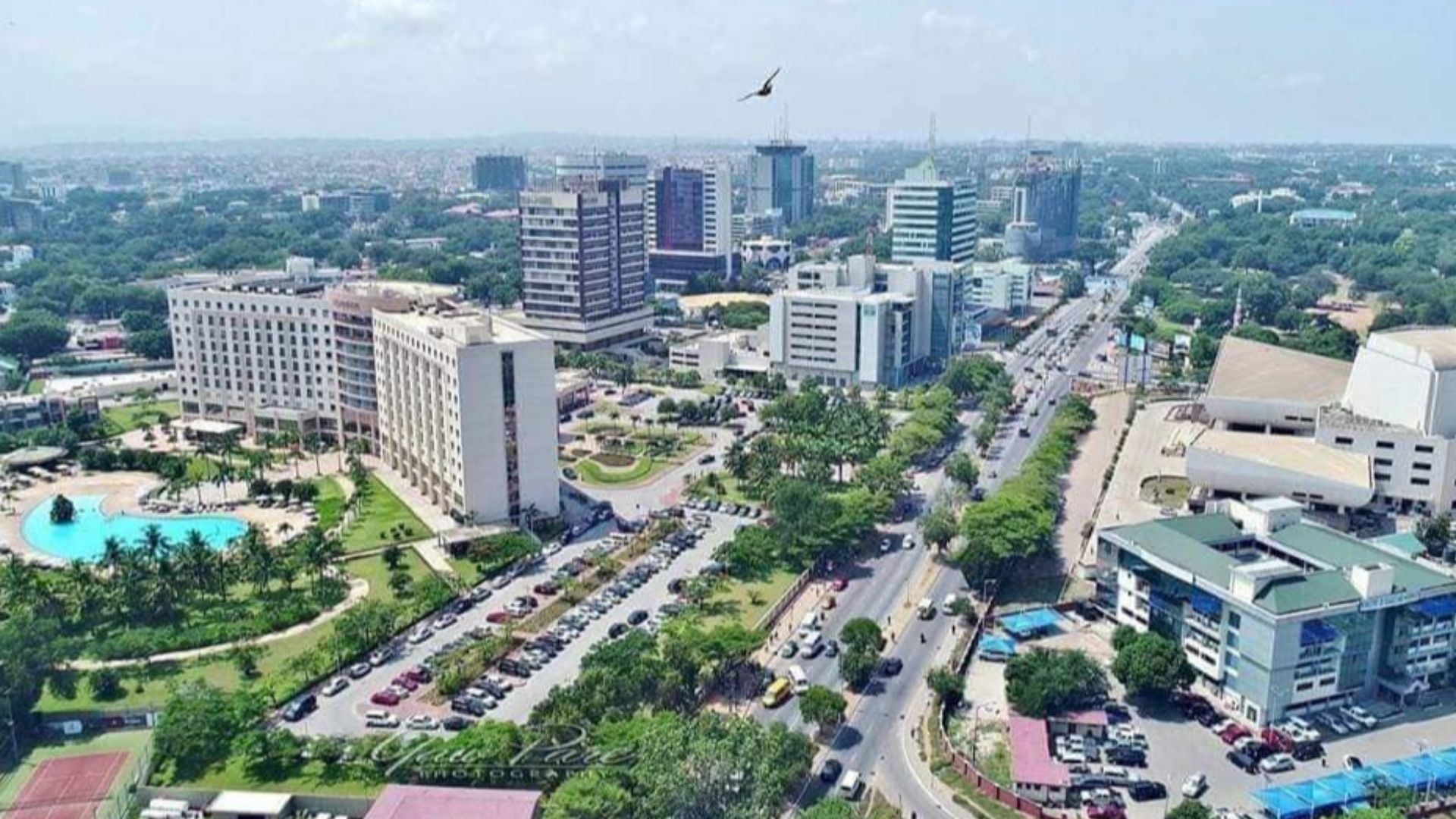
Very Expensive Access In Ghana
In Ghana the cost of fixed-broadband internet is reported at USD 2.58 per Mbps, placing it second in the ranking. This shows that even in a lower-income country the per-Mbps cost can be very high.
 Amanor kwaku, Wikimedia Commons
Switzerland Among The High Cost Tier
In Switzerland the cost is approximately USD 2.07 per Mbps, placing it third in the ranking. Despite Switzerland’s advanced infrastructure, the cost per unit remains among the highest globally.

Kenya’s Price Is Not Far Behind
In Kenya the fixed-broadband cost averages about USD 1.54 per Mbps, placing it next in the ranking. This reveals that high per-Mbps costs are not restricted to smaller or island markets.
 Tall Black , Wikimedia Commons
Morocco – High Cost In North Africa
In Morocco users pay around USD 1.16 per Mbps for fixed broadband internet, placing it further down the list of higher-cost countries. This indicates that North African markets also face relatively elevated internet-unit costs.

Australia’s Fixed Broadband Is Expensive Too
In Australia the cost per Mbps is reported at USD 1.05, positioning it ahead of many developed-country peers. Australians thus pay comparatively high unit costs for internet access.
 Benh LIEU SONG (Flickr), Wikimedia Commons
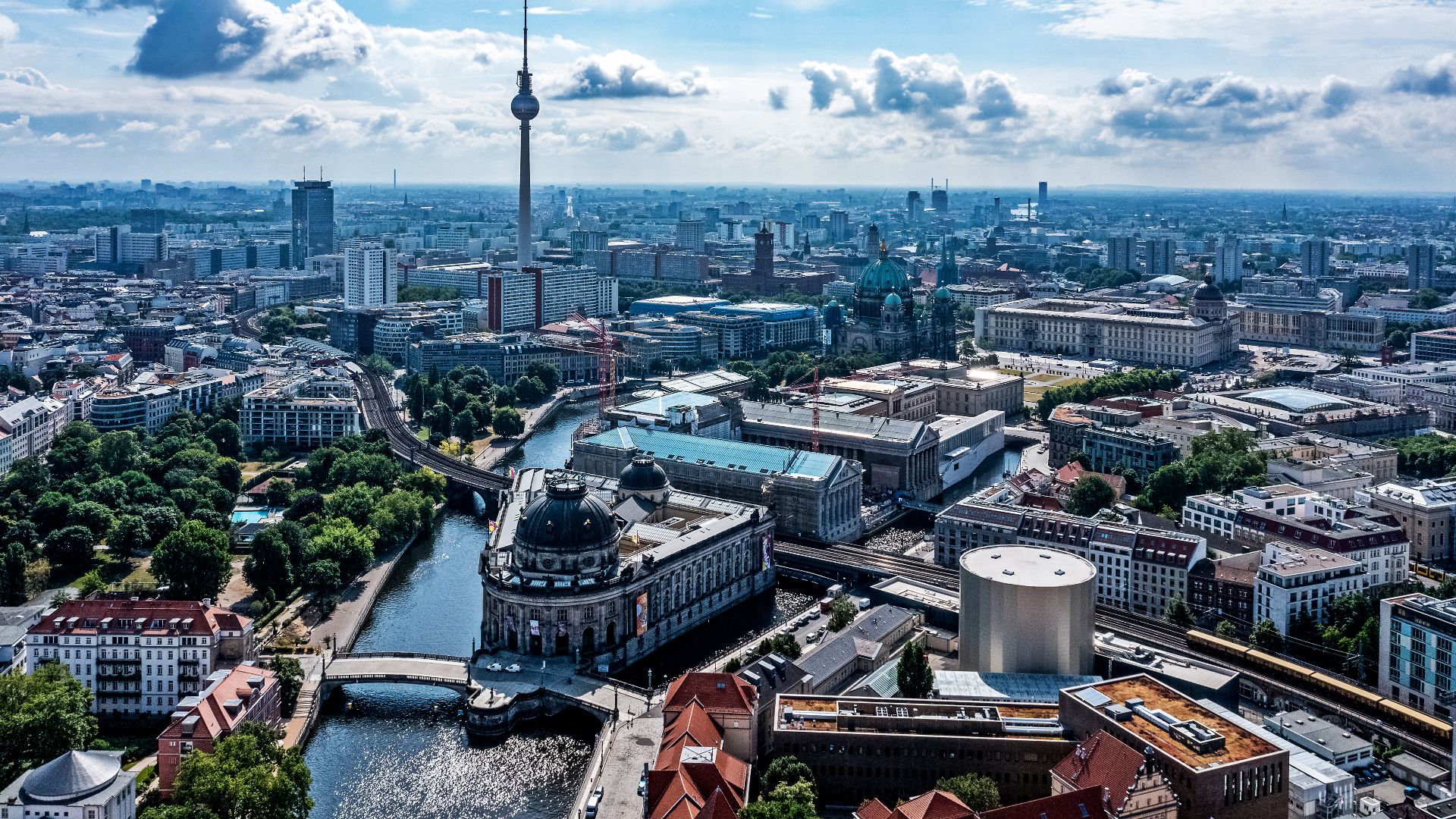
Germany’s Internet Cost Over A Dollar Per Mbps
In Germany the internet cost is reported at USD 1.04 per Mbps, placing it in the same high-cost band. Germany therefore lies among developed economies with relatively high per-Mbps cost.
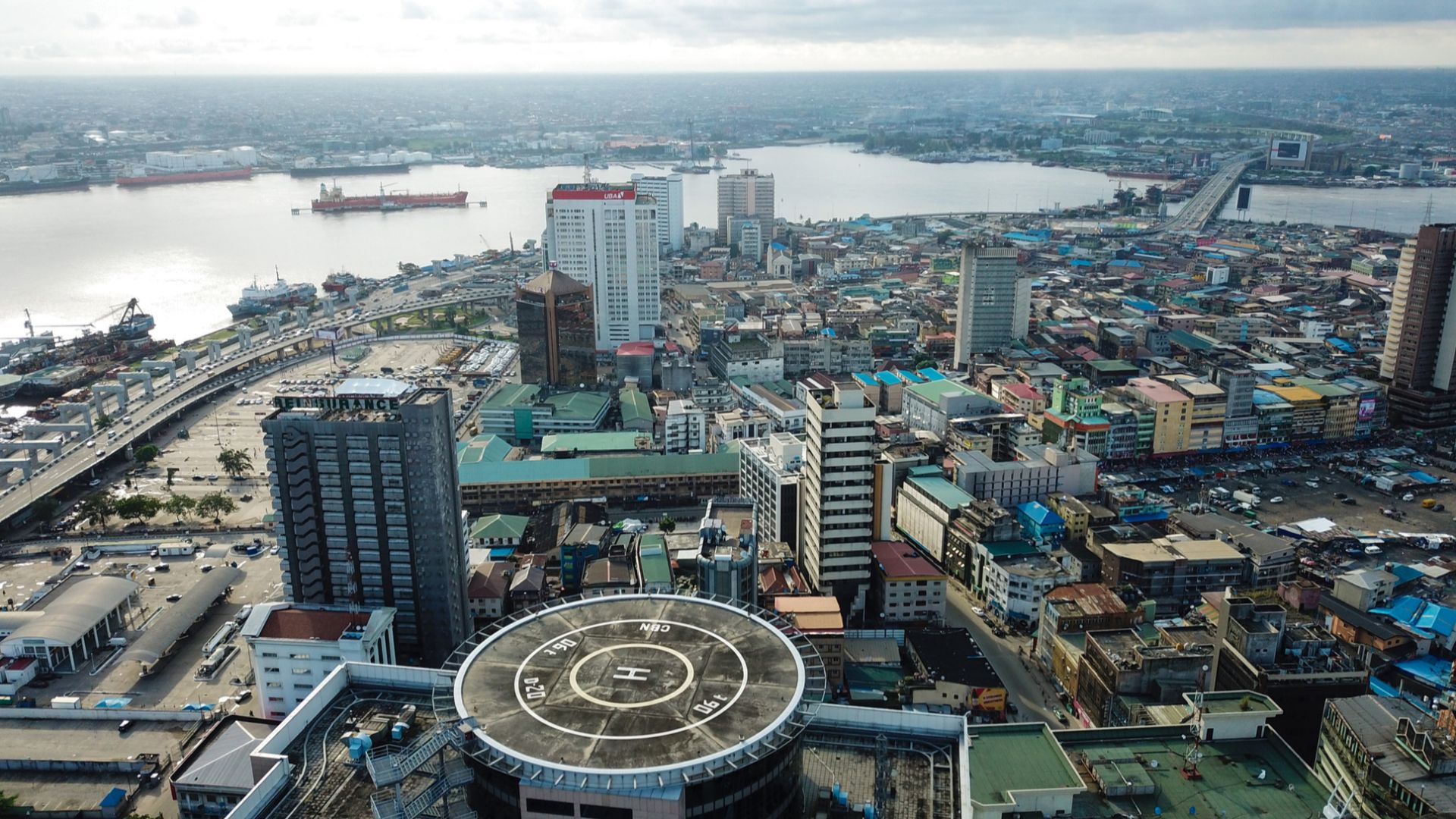
Nigeria – Cost Remains High In Sub-Saharan Africa
In Nigeria the cost per Mbps is about USD 0.72, placing it further down but still within the higher-cost group. This highlights that Sub-Saharan African markets may face higher per-unit costs compared to many other regions.
Canada’s Broadband Cost In The Top Group
In Canada users pay about USD 0.66 per Mbps, placing Canada among the more expensive countries by this metric. Even among G7-type economies Canada exhibits higher per-Mbps cost than many emerging-markets peers.
 alyssa BLACK., Wikimedia Commons
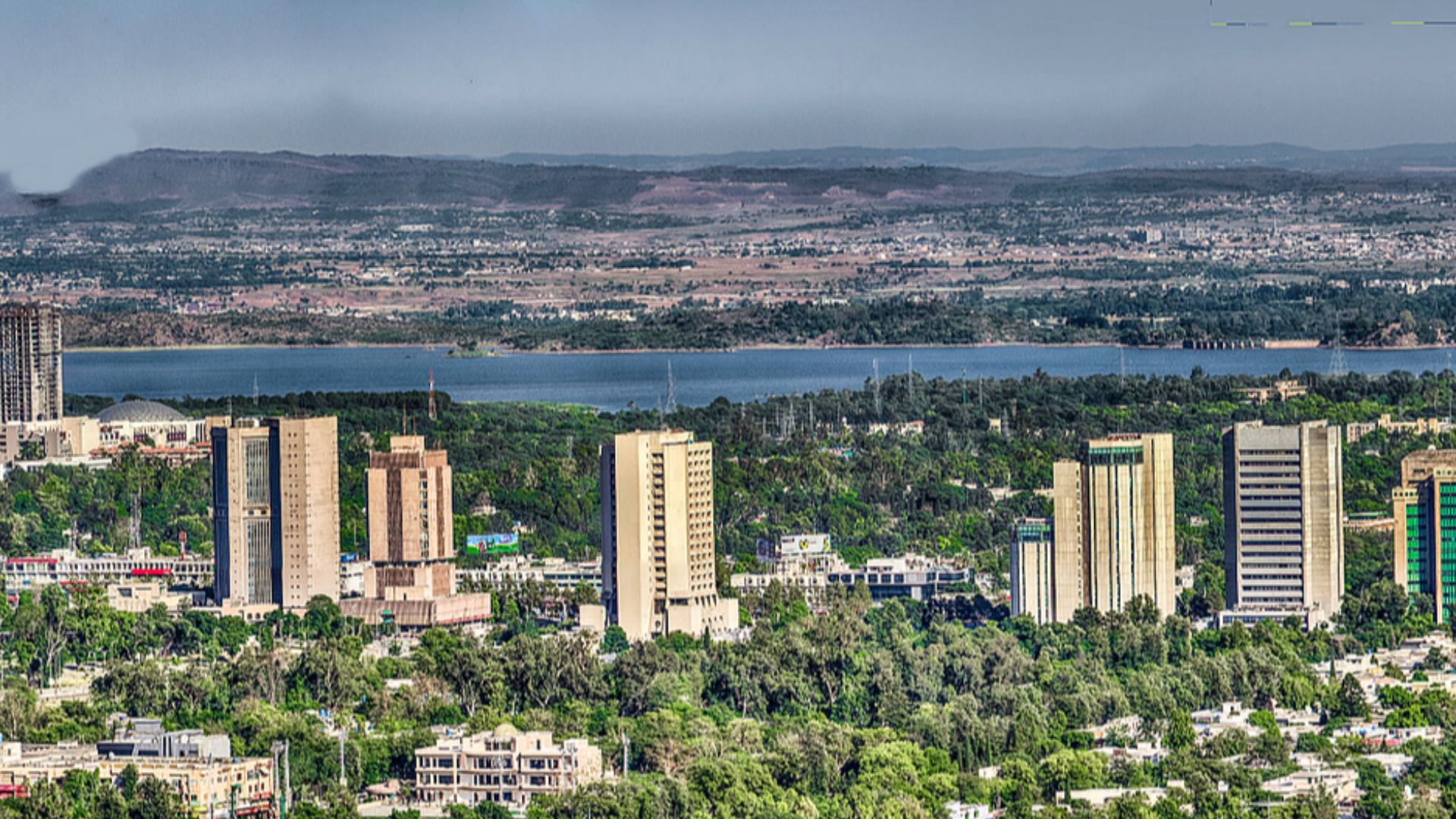
Pakistan Rounds Out The List Of Higher-Cost Markets
In Pakistan the cost is approximately USD 0.53 per Mbps, putting it at the lower end of the higher‐cost ranking. This shows that some lower-income countries can face per-Mbps pricing comparable to that of developed markets.
 Kamranmangrio, Wikimedia Commons
United States Cost Per Mbps Is Much Lower
In the United States the cost per Mbps of fixed broadband is reported at approximately USD 0.08 per Mbps, placing it markedly below the most expensive countries. The U.S. cost per unit of bandwidth is therefore substantially lower than many high-cost markets in this dataset.
Comparing U.S. To The Highest Cost Market
When comparing the U.S. cost per Mbps (~USD 0.08) to the UAE’s USD 4.31 per Mbps, the difference is dramatic. This gap illustrates the large global variation in internet affordability per unit of speed.

Comparing U.S. To Mid-High Cost Countries
Compared with countries like Switzerland (USD 2.07), Kenya (USD 1.54), Morocco (USD 1.16), Australia (USD 1.05) or Germany (USD 1.04), the U.S. cost per Mbps remains much lower. The data suggest that many other countries pay significantly more per unit of bandwidth than users in the U.S.

Methodology Notes On The Metric
These rankings are based on fixed-broadband cost per Mbps for typical unlimited plans, as reported by the We Are Social / DataReportal dataset. The metric allows comparison of relative value (speed per dollar) rather than just monthly bill totals.

Why Internet Unit Prices Vary So Much
Factors that can influence cost per Mbps include infrastructure investment needs, competition among ISPs, the regulatory environment, and average income levels in the country. These drivers help explain why some markets pay more per unit of bandwidth.
 Mika Baumeister, UnsplashU.S. Value: Relatively Better Bang For Buck
In the U.S., the cost per unit of bandwidth is among the lowest in the ranking, suggesting relatively good “value” by this metric. At the same time, this does not necessarily mean monthly bills are low — other factors like speed tier, data caps and geographic location affect cost.

Affordability Challenges Remain Worldwide
Even though the U.S. fares well on the per-Mbps metric, many countries still face high per‐unit costs which may limit access or usage. The wide global disparity — from over USD 4 to under USD 0.10 per Mbps — underscores digital-affordability challenges.

Income, Market Structure And Internet Cost
In nations where average incomes are low or telecom markets are less competitive, cost per Mbps tends to be higher. The data indicate that market structure and regulatory costs play an outsized role in determining pricing.

U.S. Caveats: Region, Speed Tier And Infrastructure
Within the U.S., monthly broadband costs vary by speed tier (50 Mbps vs. 1 Gbps), by urban vs. rural location, and by connection type (cable, fibre, fixed wireless). These variations mean that some U.S. users may pay more or less than the average per‐Mbps figure.
High Cost Doesn’t Always Mean High Speed
Some of the highest cost per Mbps countries may not deliver the highest speeds or best network quality relative to their price. The per-Mbps metric helps standardise across speed tiers but does not capture nuances like latency, data caps or service reliability.

Summary Of The Cost Rankings
In summary: UAE ~USD 4.31/Mbps; Ghana ~USD 2.58; Switzerland ~USD 2.07; Kenya ~USD 1.54; Morocco ~USD 1.16; Australia ~USD 1.05; Germany ~USD 1.04; Nigeria ~USD 0.72; Canada ~USD 0.66; Pakistan ~USD 0.53; United States ~USD 0.08. These figures highlight the large spread in how much consumers pay for fixed broadband internet per unit of speed.

Final Takeaway On Internet Cost Comparisons
The cost of internet per Mbps varies enormously, with the highest-cost country in this ranked list paying more than 50 times what the U.S. pays by this metric. While the U.S. shows comparatively good value for bandwidth, affordability remains a major issue for high-cost markets.
You May Also Like:
Photos Of The Ancient Tribe Whose Handmade Creations Outlasted Empires
Archaeologists Find Ancient God In A Sewer