
The Idea Vs The Reality
For many Americans, universal healthcare systems abroad seem like they would be a dream come true. No massive hospital bills, no surprise invoices weeks after the fact, and no visible price tag at the point of care. But Americans living or traveling overseas often find out that publicly funded healthcare systems in these foreign countries come with tradeoffs that rarely get mentioned in the glowing comparisons.

Long Wait Times For Specialists
In many countries with universal healthcare, non-emergency specialist appointments can involve long waits. Months long queues for orthopedic consultations or non-urgent surgeries are commonplace. While the most urgent cases get prioritized, Americans who are used to faster scheduling may grapple emotionally with extended timelines for care that affects quality of life.

Limited Choice Of Doctors
Public systems often assign patients to regional providers rather than allowing free selection of specialists. Americans who are used to researching their doctors and requesting second opinions may find out that they have a lot less flexibility abroad. In some countries, patients have to accept referrals within government networks instead of being able to choose privately-based professionals.

Overburdened Primary Care
In publicly funded systems, general practitioners frequently manage large patient loads. Appointments may be shorter, feel rushed, and be focused on one immediate concern rather than an extended consultation. Americans expecting an in-depth diagnostic exploration during routine visits may find the structure more streamlined and time constrained.

Restricted Access To The Latest Treatments
Some national systems delay approval or coverage for the latest and most advanced drugs and medical technologies due to cost controls. Treatments that quickly become available in the United States through private insurance may not be immediately covered elsewhere the same way. Budget based approval processes can really put the brakes on any rapid access to emerging therapies that you may be expecting to get.

Referral Gatekeeping Requirements
Many healthcare systems require patients to obtain referrals from primary care physicians before seeing specialists. Americans accustomed to direct access models may feel constrained. The gatekeeper structure is set up to manage costs and efficiency but can slow the process of diagnostics and specialty consultations.

Language Barriers In Medical Settings
Even in countries with high English proficiency, medical terminology can be the cause of misunderstandings. Americans living abroad may struggle to communicate subtle symptoms or interpret their treatment plans accurately. Translation services aren’t always readily available, especially when you get outside the major cities.

Cultural Differences In Care Philosophy
Medical cultures can differ a great deal across countries. Some systems emphasize conservative treatment and minimal intervention. Americans accustomed to aggressive diagnostics and instantaneous surgical solutions may become frustrated or perturbed by slower, observation-first approaches.

Regional Inequality In Services
Depending on the country, healthcare quality can vary widely between urban and rural regions. Major cities tend to offer stronger hospital infrastructure, while remote areas may leave you with limited resources. Americans relocating abroad sometimes find out that geographic location has a big influence on your available care.

Emergency Room Overcrowding
In some countries, emergency departments face heavy demand due to limited after hours primary care access. Wait times for non-life-threatening issues can drag on for hours. While emergency services prioritize critical cases efficiently, Americans may find the system moves a lot more slowly for routine urgent concerns.

Dental And Vision Care Gaps
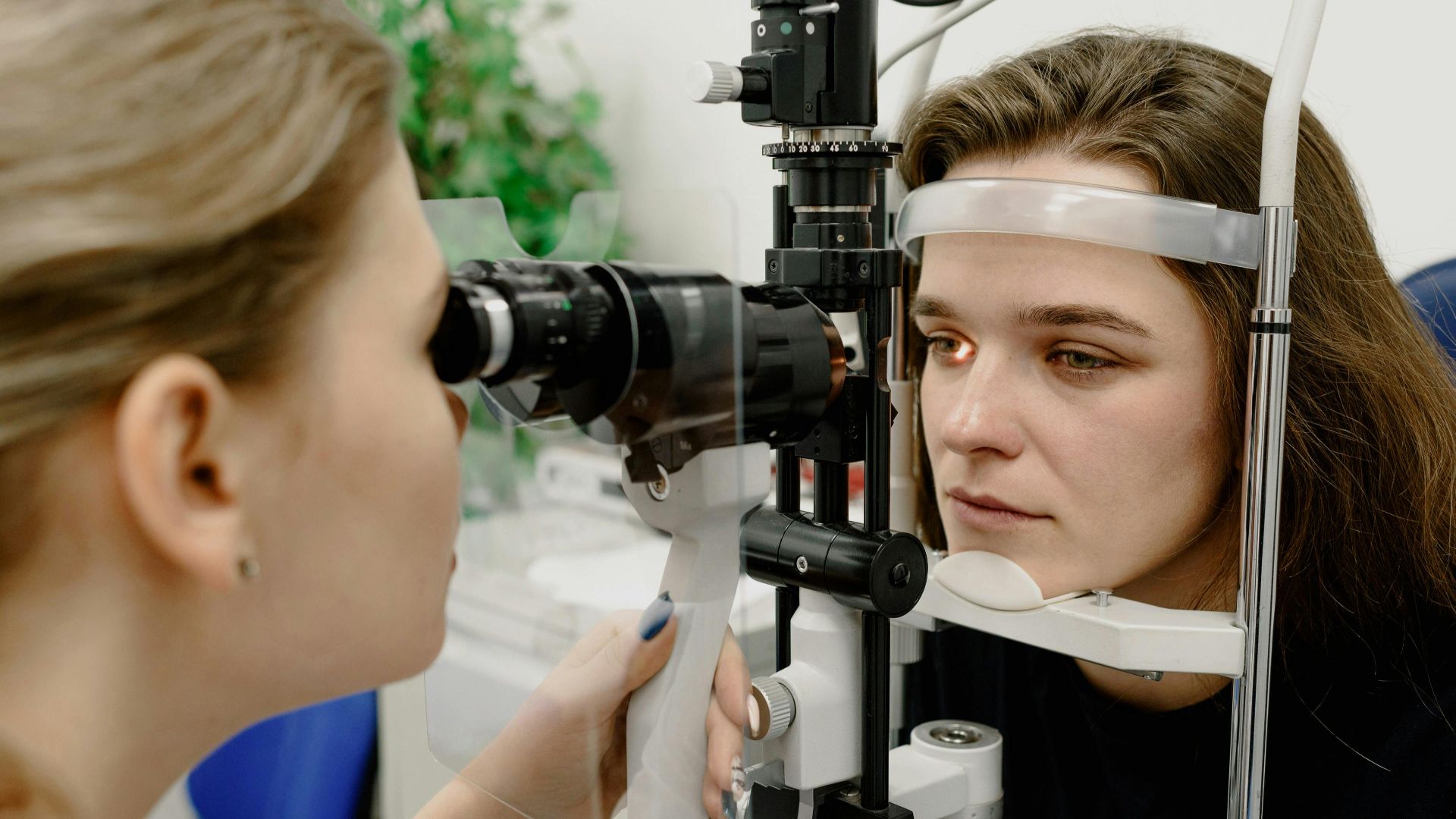
Public healthcare systems often exclude dental and vision services or provide only the most minimal level coverage. Americans who assume that they’re going to get comprehensive care discover that these needs require private insurance or out of pocket payment just like they do back home. What is seen internationally as universal may not extend to every aspect of health.
Prescription Drug Formularies
Government managed prescription plans rely on approved drug lists. If a medication isn’t included, patients may face delays, substitutions, or private payment requirements. Americans accustomed to broader pharmaceutical access may be surprised at the more restrictive formularies.
 World Sikh Organization of Canada, Pexels
Administrative Registration Requirements
Accessing public healthcare abroad in a comprehensive way often requires residency registration, tax identification numbers, or proof of employment. Tourists and short-term residents may not qualify for these benefits. Navigating paperwork can be a confusing bit of business, particularly in systems that rely heavily on in-person administrative processes.

Public Vs Private Care Divide
A lot of countries operate parallel health care systems where faster treatment requires private payment. Americans living abroad sometimes find themselves paying out of pocket to avoid delays. The public system may be more affordable, but the private option offers speed and choice at a cost, negating the perceived advantage.

Limited Preventive Screening Frequency
Preventive screenings like imaging or blood tests may follow stricter medical necessity guidelines abroad. Americans used to frequent testing may feel under-monitored. Public systems often avoid over-testing with the idea of controlling costs and reducing unnecessary procedures.

Medical Tourism Assumptions
Some Americans travel abroad specifically to get procedures done, with the expectation of universal healthcare access. But they need to realize that public systems prioritize their own residents, and foreign visitors are often billed just as they would be back in the States. Misunderstanding your eligibility can also cause you to be charged with some unexpected medical expenses during your trip.

Insurance Reciprocity Restrictions
Some countries have reciprocal healthcare agreements, but those benefits often apply only to emergency treatment. Comprehensive care still demands local enrollment or private coverage. Americans may wrongly assume broader protection under bilateral agreements.

Pharmacy Access Differences
Pharmacies abroad sometimes require prescriptions for medications that are available over the counter in the United States. Other medications may be a lot harder to obtain or approved under different regulations. Navigating unfamiliar pharmaceutical rules can complicate even minor treatment needs.

Mental Health Resource Constraints
Public mental health services in some countries face staffing shortages and extended wait lists, and are ultimately just as difficult to access as they are back home. As with many medical procedures, access to therapy or psychiatric care may be very limited outside urban centers. Americans relocating abroad sometimes underestimate the demand pressure that exist within publicly funded behavioral health systems.

Understanding The Big Picture
Universal healthcare offers clear advantages that shouldn’t be ignored, especially financial predictability and protection from catastrophic bills. But Americans dealing with these systems firsthand often realize that cost control, structured access, and limited capacity make it a matter of practical tradeoffs. Understanding clearly the strengths and constraints helps travelers and expats set more realistic expectations before they venture abroad.

You May Also Like:
Things Americans Wish Were Normal In Europe, But Europeans Would Never Want