
Do I Really Need Travel Vaccines?
You booked a trip to Southeast Asia—exciting. Then the family group chat happened. Your uncle insists travel vaccines are mandatory. Your cousin says nobody checks and it’s all overblown. Now you’re stuck wondering who to believe. This guide breaks down what’s actually required, what’s recommended, and how to make a smart decision without panicking or ignoring real risks.

First Things First: Are Travel Vaccines Legally Mandatory?
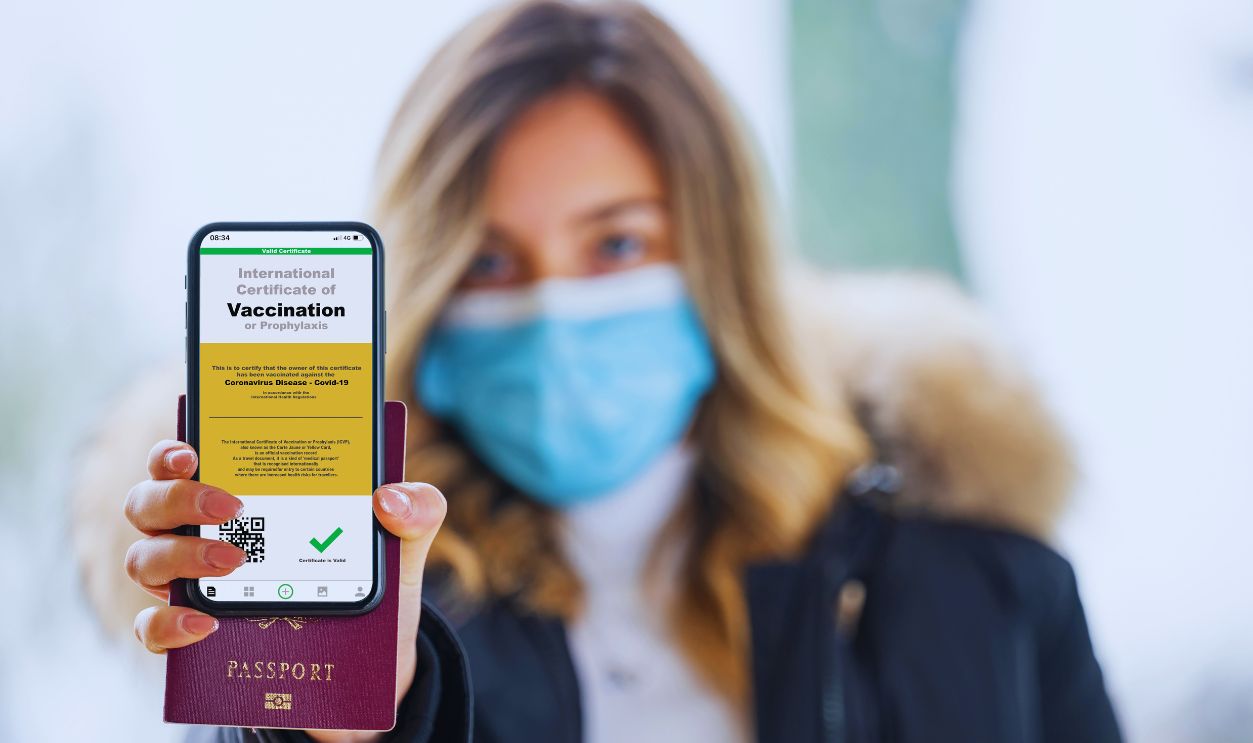
In most cases, no—travel vaccines aren’t legally mandatory for Southeast Asia. Immigration officers usually don’t stop people at the airport asking for vaccine records. That’s where your cousin isn’t totally wrong. But “not mandatory” doesn’t mean “not important,” and that’s where people get tripped up.
Mandatory vs. Recommended Are Not the Same Thing
This is the key difference. Mandatory means you literally can’t enter without proof. Recommended means doctors strongly advise it because of real health risks. Most Southeast Asia vaccines fall into the “recommended” category—but those recommendations exist for a reason.

The One Vaccine That Sometimes Is Required
Yellow fever is the main exception. If you’re arriving from a country where yellow fever exists, some Southeast Asian countries require proof of vaccination. If you’re flying from the US, Canada, or Europe, this usually doesn’t apply—but connecting flights can matter.
Why No One “Checks” at the Airport
Your cousin is right about one thing: most travelers are never asked for vaccine records. That’s because vaccines are about protecting you, not border security. Countries assume adults make informed choices—and accept the risks if they don’t.
Southeast Asia Has Different Health Risks
Diseases like hepatitis A, typhoid, dengue, and rabies are more common in parts of Southeast Asia. You don’t need to be reckless or unlucky—sometimes it’s contaminated food, a mosquito bite, or a stray animal interaction.

Short Trip vs. Long Trip Matters a Lot
A one-week stay in a major city is different from a month of backpacking, island hopping, or rural travel. The longer and more adventurous your trip, the more vaccines make sense. Risk goes up with time and exposure.

What Most Doctors Commonly Recommend
For Southeast Asia, doctors often recommend hepatitis A, typhoid, and making sure routine vaccines are up to date. Depending on your plans, they may also mention Japanese encephalitis or rabies.
 National Cancer Institute, Unsplash
Food and Water Are the Biggest Risks
Hepatitis A and typhoid are usually spread through food and water. Even careful travelers can get exposed. Vaccines don’t make you invincible, but they dramatically reduce the chance of a trip-ending illness.

Mosquito-Borne Illnesses Are Real
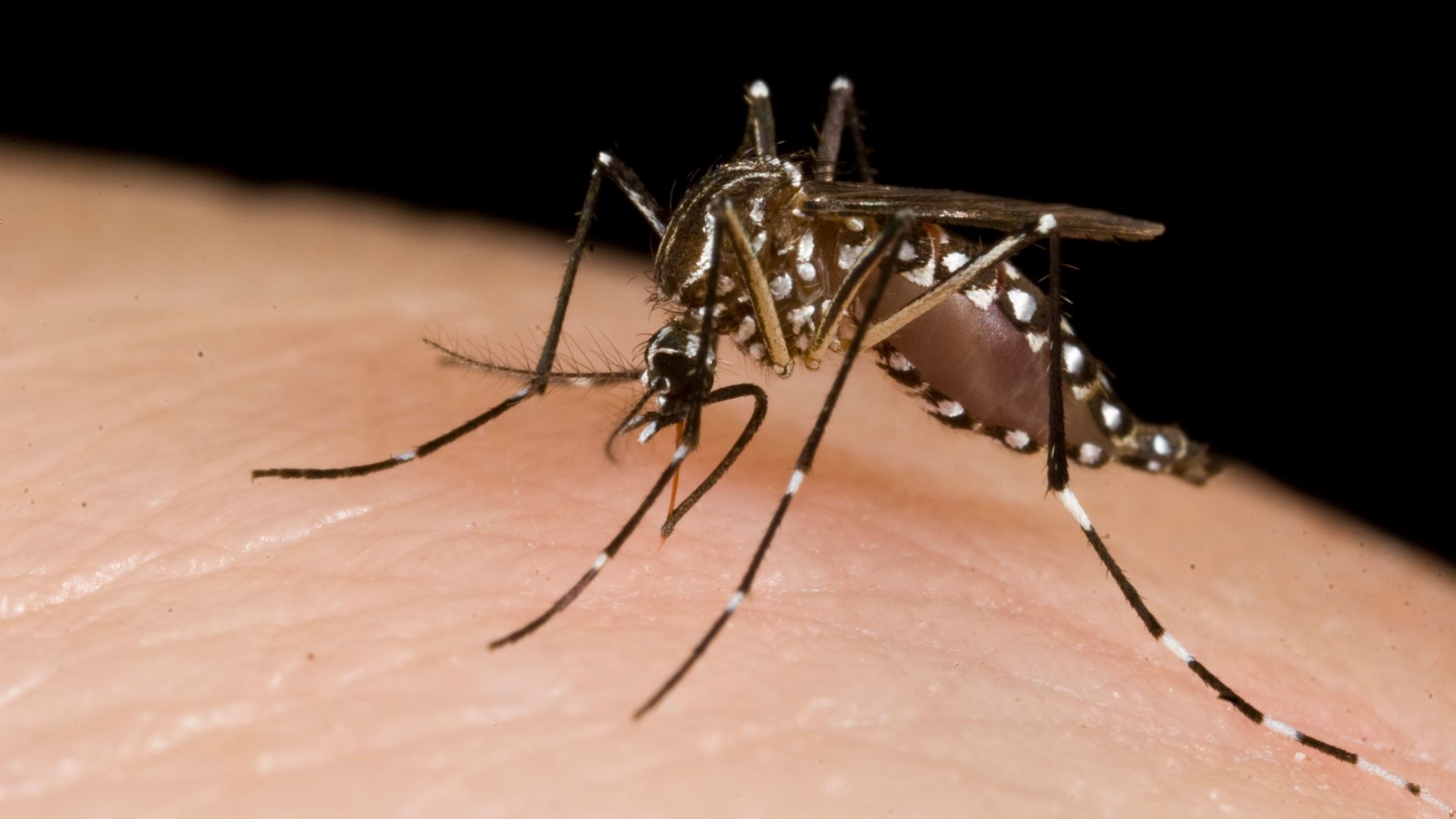
Dengue, Zika, and other mosquito illnesses are common in Southeast Asia. Not all have vaccines, but some do—or are in development. Vaccines, combined with mosquito protection, give you better odds.
 Department of Foreign Affairs and Trade, Wikimedia Commons
Rabies Sounds Extreme—Until It Isn’t
Rabies scares people because it’s rare—but in parts of Southeast Asia, stray dogs and monkeys are common. You don’t need to pet animals to get bitten. Pre-travel rabies vaccines don’t mean you’re fully protected, but they buy you time.

Travel Style Makes a Huge Difference
Staying in resorts and hotels lowers risk. Street food hopping, motorbiking, volunteering, or staying in hostels increases exposure. Be honest about how you plan to travel.

Your Regular Health Insurance May Not Help
If you get sick abroad, treatment may be out-of-pocket. Some illnesses require hospitalization or evacuation. Vaccines are cheaper than medical emergencies—and way less stressful.

Timing Matters More Than People Think
Some vaccines need multiple doses or time to become effective. Waiting until a week before departure limits your options. Starting earlier gives you more choices and avoids rushed decisions right before your trip.
You Don’t Have to Say Yes to Everything
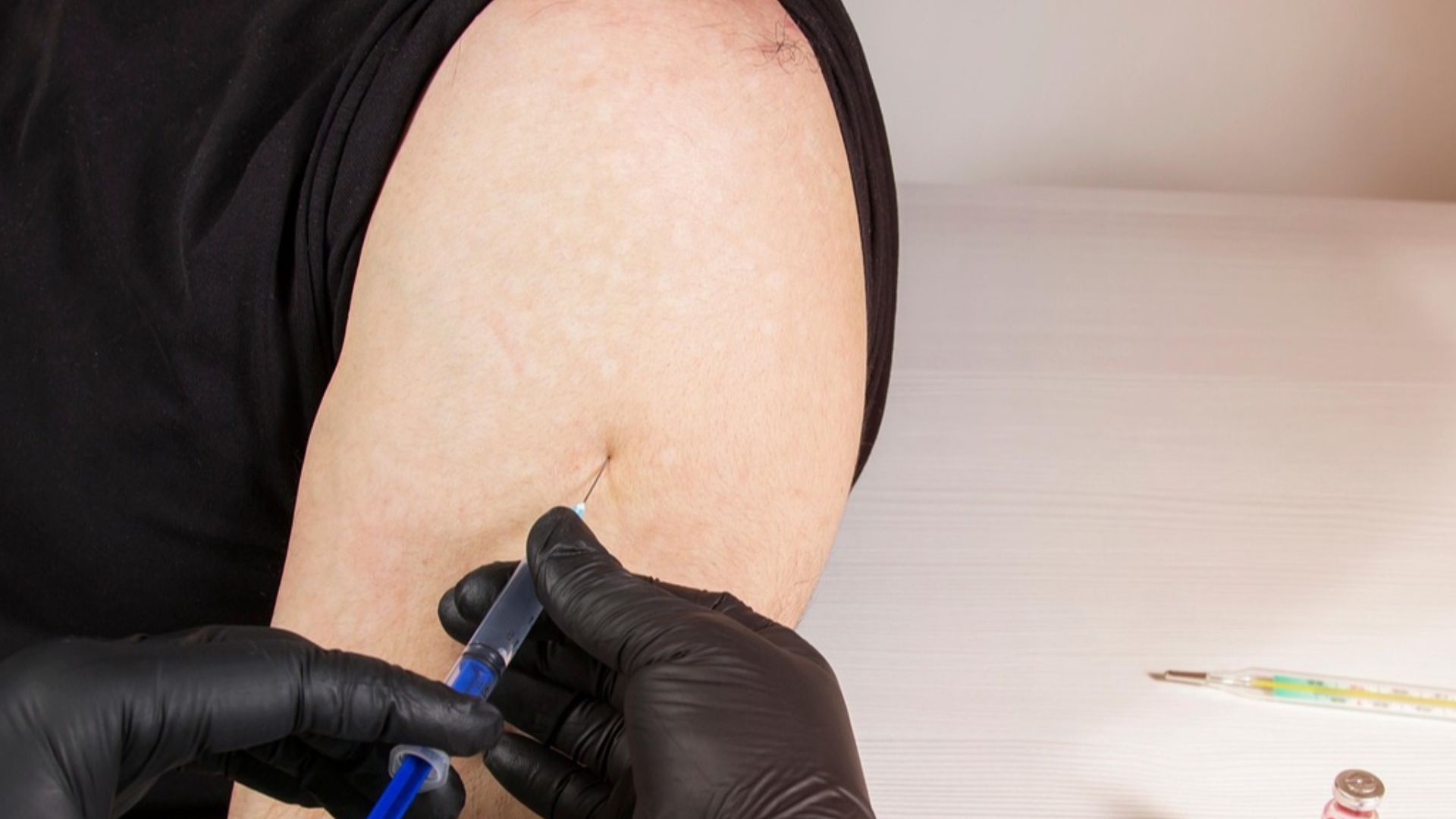
Seeing a travel clinic doesn’t mean you’re forced into every shot. Doctors explain risks, benefits, and alternatives. You’re allowed to ask questions and decide what makes sense for you.

Online Advice Isn’t Personalized
Your cousin’s experience doesn’t equal your risk level. Different people travel differently and tolerate illness differently. What worked for them might not match your health history, itinerary, or how badly getting sick would affect your trip.

What Happens If You Skip Vaccines?
Most likely? Nothing. But if something does happen, it can derail your trip fast. Vaccines reduce—not eliminate—that risk.

Peace of Mind Is Part of the Decision
Traveling is more fun when you’re not quietly worried about getting sick. Knowing you took reasonable precautions can help you relax.

The Smart Middle Ground
You don’t need to panic—or ignore the risks. A travel clinic visit gives you facts instead of opinions. That way, you can make choices based on your actual trip instead of family pressure or online guesses.

So… Who’s Right?
Your cousin is right that no one usually checks vaccine records. Your uncle is right that vaccines matter. The real answer is that vaccines aren’t mandatory—but skipping them blindly isn’t smart either.
 Frame Stock Footage, Shutterstock
Final Takeaway: Get Informed, Then Decide
Don’t rely on family myths or airport rumors. Talk to a travel health professional, look at your itinerary, and decide what level of risk you’re comfortable with.
You May Also Like: