The Listing Said There Were Security Cameras—But Nobody Mentioned They Were Watching The Pool
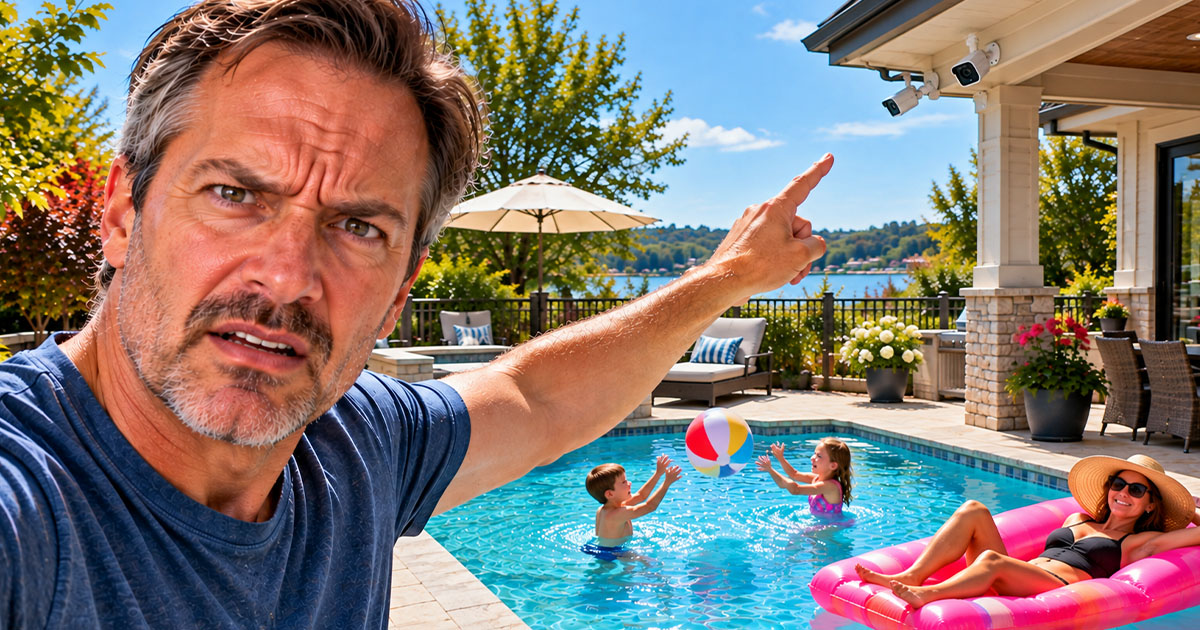
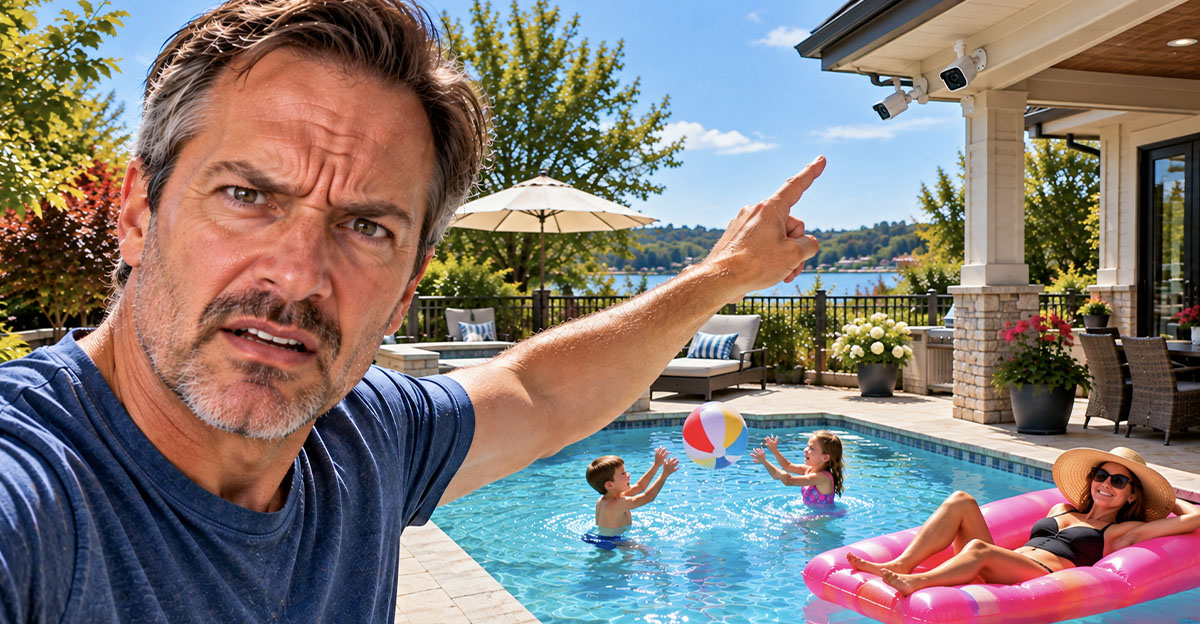
You carefully read the Airbnb listing before booking and noticed a short note saying the property had "security cameras." That didn't seem unusual. But after arriving, you realized one of those cameras overlooked the swimming pool where everyone was relaxing in swimsuits. Suddenly, the disclosure felt much less informative.
So... is it enough for a host to simply mention cameras, or should they explain exactly what those cameras are watching?
Outdoor Cameras Aren't Automatically Prohibited
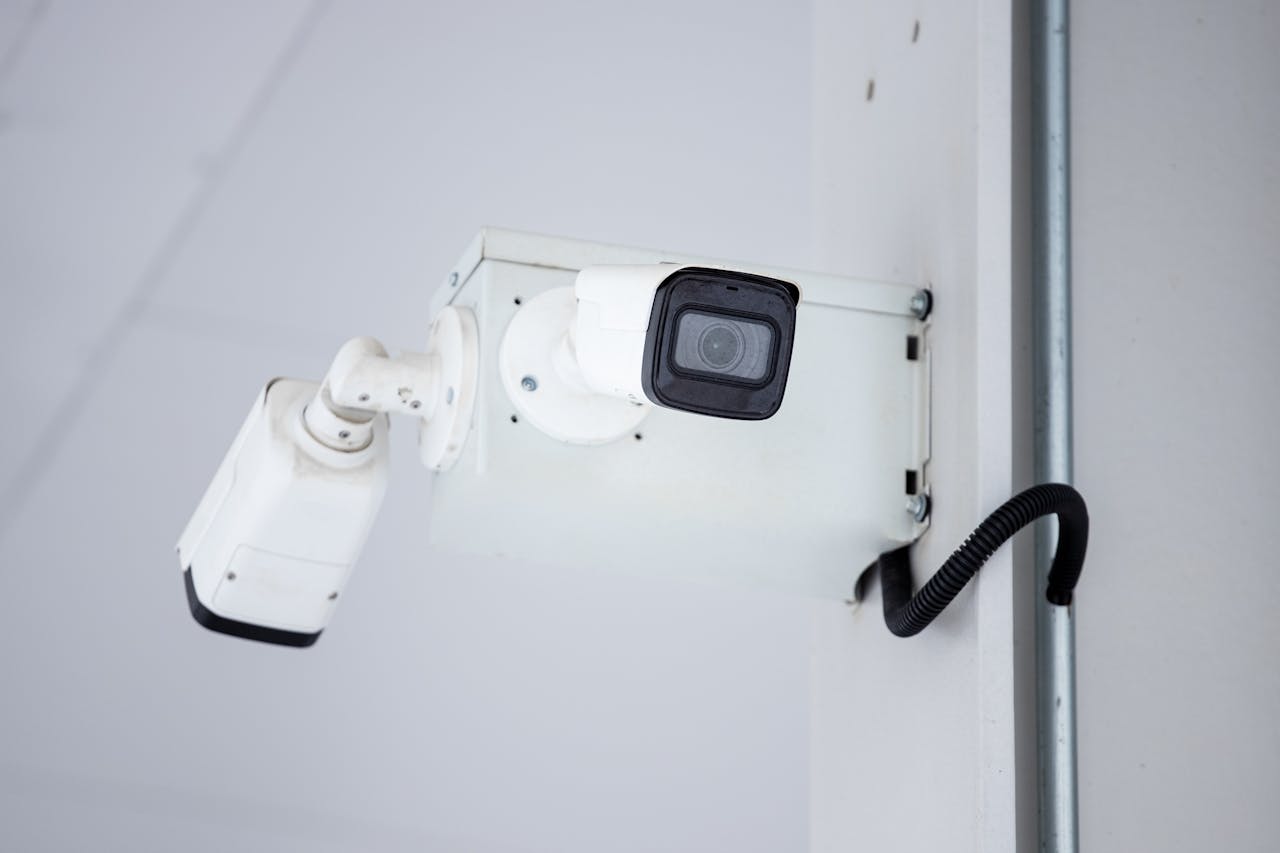
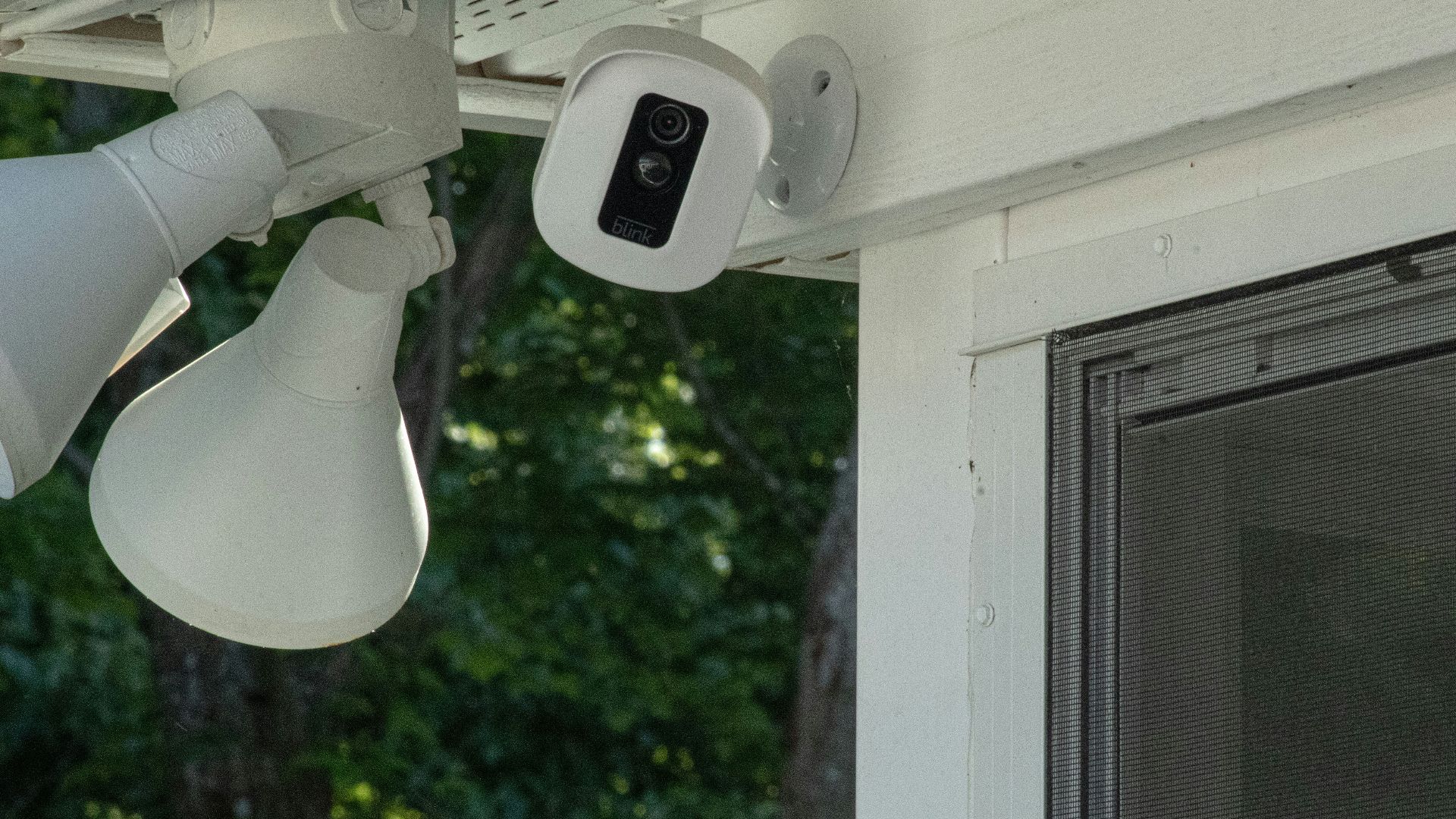
Airbnb allows hosts to have exterior security cameras in many situations. Cameras around entrances, driveways, parking areas, and other exterior locations are commonly used to help protect property and monitor arrivals.
But Airbnb Requires More Than Just Saying "Security Cameras"
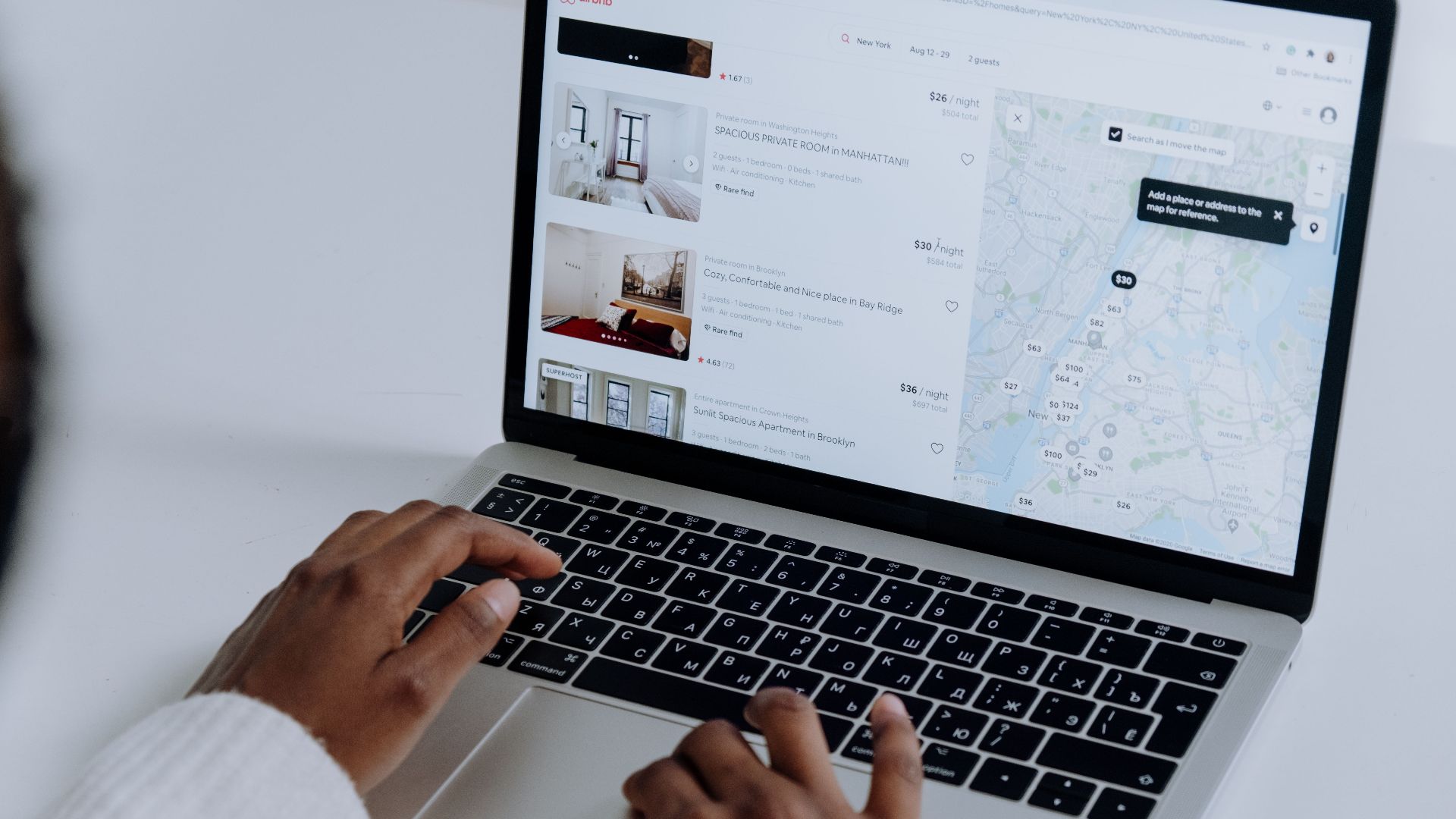
Current Airbnb policy requires hosts to disclose the location of exterior security cameras in the listing description. Examples provided by Airbnb include cameras over the front yard, patio, front door—or even over the pool. Simply mentioning that cameras exist without explaining where they are pointed may not satisfy the platform's disclosure requirements.
Pools Feel Different
People naturally expect less privacy at an outdoor pool than inside a bedroom, but they're also wearing swimsuits, spending time with family, and relaxing. Knowing a camera overlooks that space may influence whether someone decides to book the property in the first place.

Transparency Helps Guests Make An Informed Choice
Many guests aren't bothered by outdoor cameras. What bothers them is discovering the camera only after they arrive. Clear disclosures allow travelers to decide for themselves whether they're comfortable with the arrangement before booking.
Hosts Often Install Cameras For Legitimate Reasons
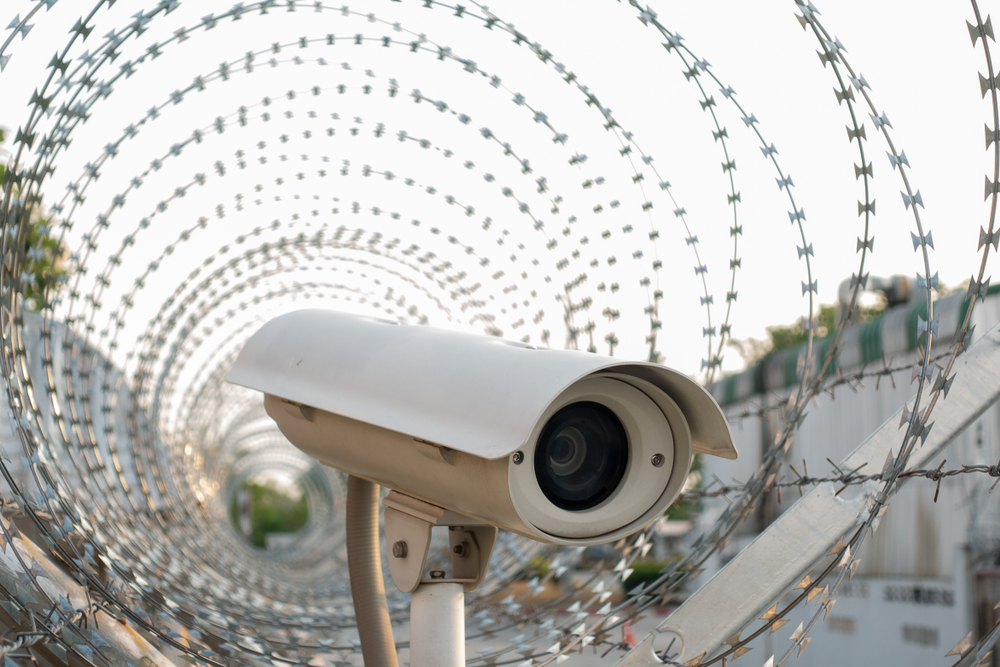
Pool areas can present significant liability concerns. Hosts sometimes use exterior cameras to document unauthorized parties, verify occupancy limits, discourage trespassing, or investigate property damage after guests leave. That doesn't automatically make the cameras inappropriate. It simply means guests should know they're there.
Indoor Cameras Are A Completely Different Story
Airbnb now prohibits security cameras and recording devices that monitor the interior of a listing, even if they're switched off. The company's current policy is much stricter than it was several years ago because of growing privacy concerns.
Outdoor Cameras Still Have Limits
Even outside, cameras aren't allowed to monitor areas where guests have a greater expectation of privacy, such as enclosed outdoor showers or saunas. Pool areas aren't automatically prohibited, but hosts must follow Airbnb's disclosure requirements.
The Camera's Location Matters
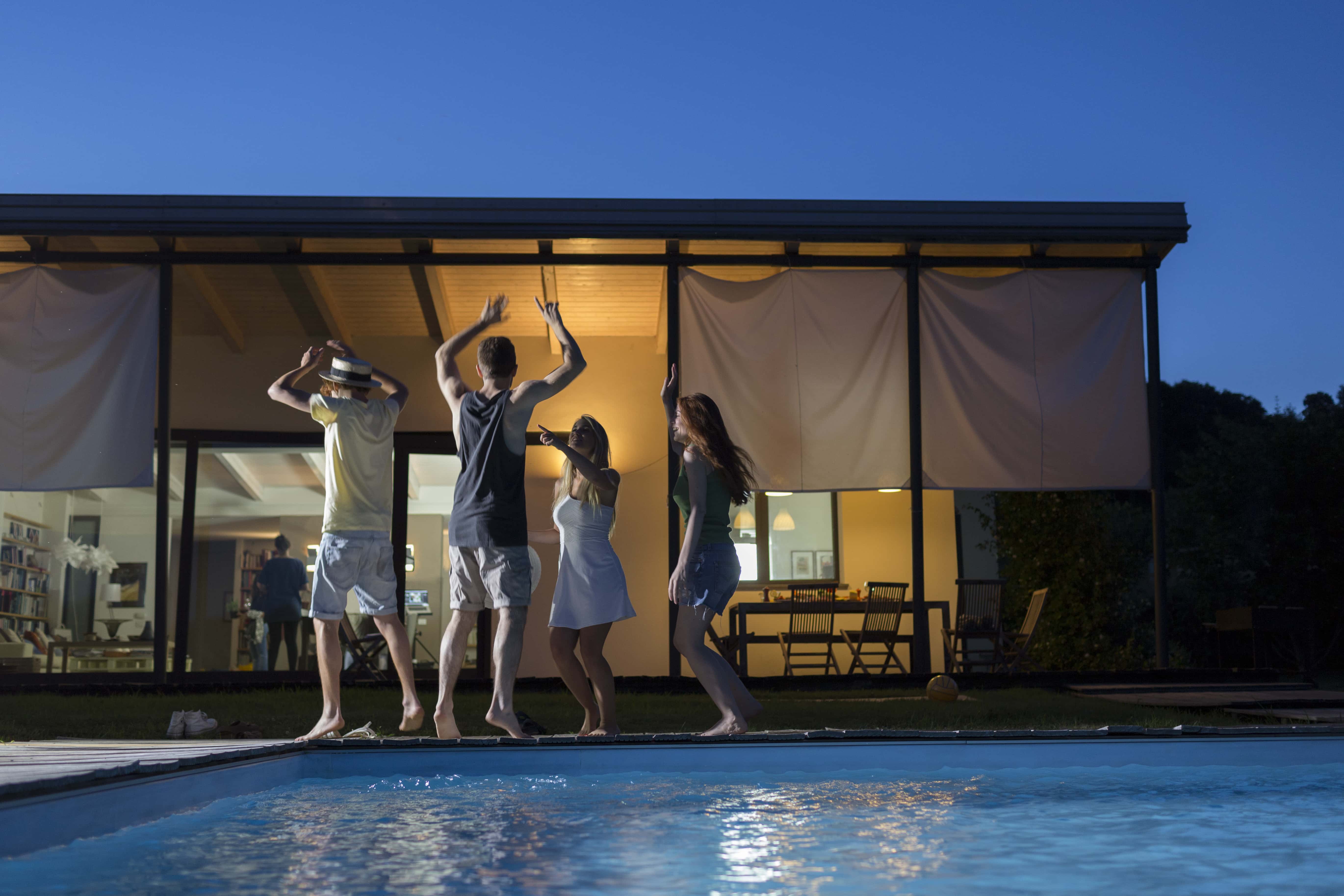
There's a difference between a camera that happens to include part of the pool in a wide-angle view and one intentionally mounted directly over the pool deck. That's one reason Airbnb asks hosts to describe each camera's location.
Guests Shouldn't Have To Guess
If the listing simply says "security cameras on property," many guests assume they're monitoring entrances or parking areas. Discovering that one overlooks the pool may feel like an unpleasant surprise—even if the camera itself is permitted.
Read The Listing Carefully Before Booking
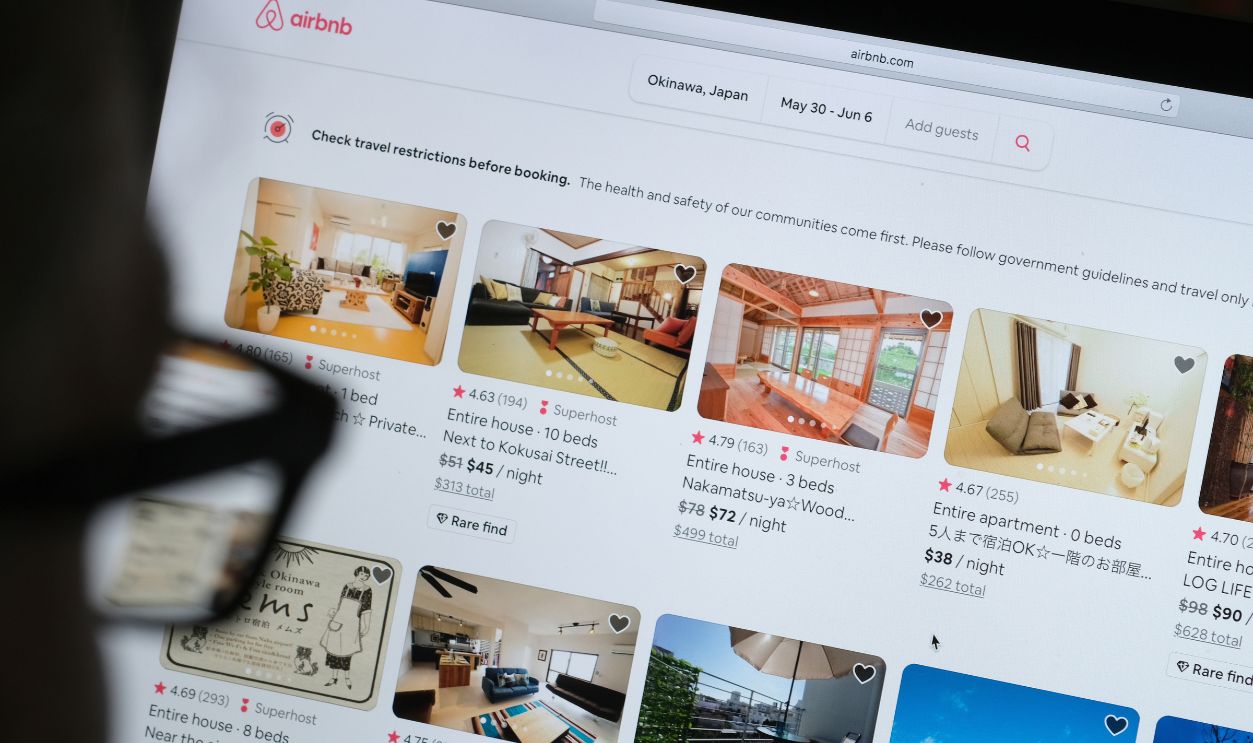
Many hosts fully disclose camera locations under the property's safety information. Taking a few extra moments to read those details can prevent misunderstandings later.

If Something Doesn't Match The Listing, Ask
If you arrive and notice a camera covering an area you weren't expecting, message the host through Airbnb right away. There may be a simple explanation, or the host may clarify exactly what the camera records.
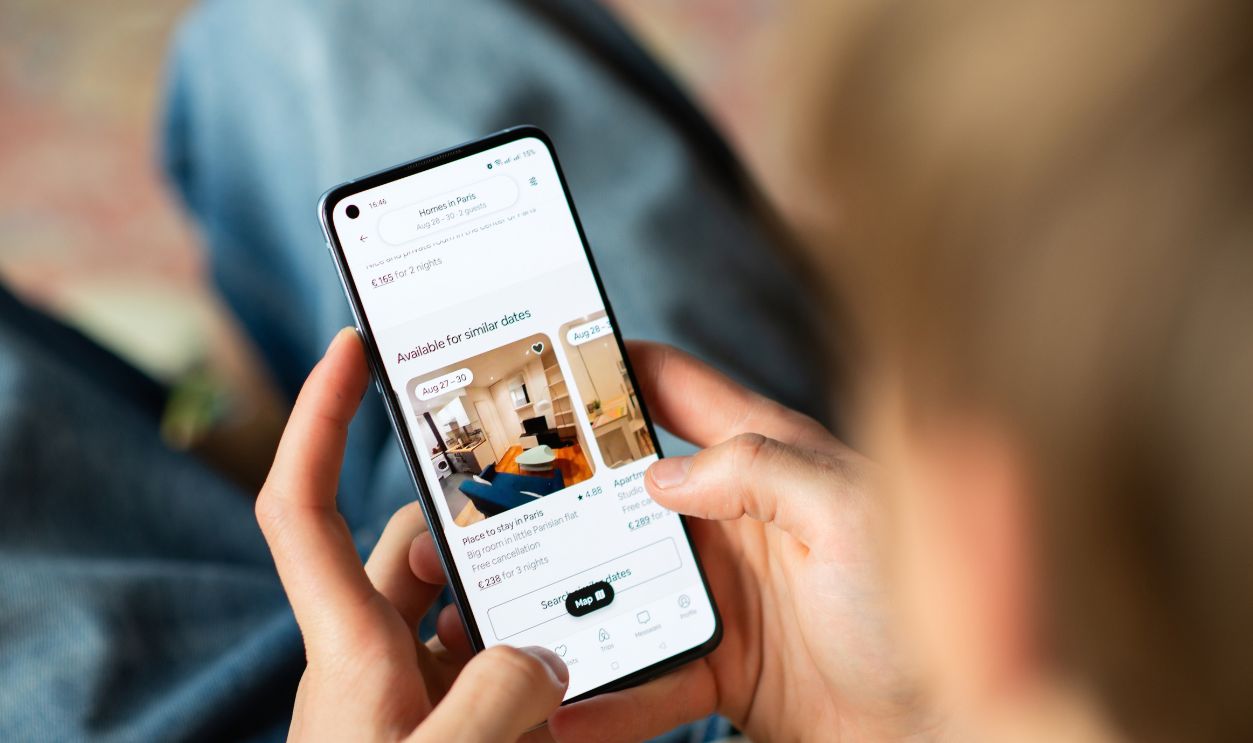
Document What You Find
Take photos showing the camera's position and what it appears to cover. If you later contact Airbnb about a disclosure issue, having clear documentation will be much more helpful than relying on memory alone.
Airbnb May Review The Listing
If you believe required disclosures were incomplete or inaccurate, Airbnb may review the listing, the host's description, and any evidence you provide when deciding whether its policies were followed.

Not Every Complaint Leads To A Refund
Finding a disclosed outdoor camera doesn't automatically entitle a guest to compensation. However, if the camera wasn't properly disclosed or its location materially differed from what guests reasonably expected, Airbnb may evaluate the situation under its policies.

Communication Usually Solves Problems Faster
Many disputes end with a simple conversation. A host may explain why the camera exists, confirm what it records, or even adjust its angle if appropriate and technically possible.
Reviews Help Future Travelers
If the camera disclosure left you genuinely surprised, mentioning that experience in an honest, factual review may help future guests better understand what to expect.
Privacy Expectations Continue To Evolve
As vacation rentals become more connected with smart locks, doorbell cameras, and outdoor surveillance, both hosts and guests are adjusting to changing expectations. Clear communication has become more important than ever.
Here's The Question That Really Matters
Would a reasonable guest have wanted to know that the security camera overlooked the pool before deciding to book the property? That's often the real issue—not whether the camera exists, but whether its location was clearly disclosed.
So... Is That Okay?
Not if the listing failed to disclose where the camera was located. Airbnb's policy allows exterior security cameras, but it also requires hosts to disclose their locations—including cameras positioned over areas such as patios or pools. If the listing simply mentioned "security cameras" without explaining that one overlooked the pool, it's reasonable to raise the issue with the host and, if necessary, with Airbnb.
Good Disclosures Protect Everyone
Most guests don't object to reasonable security measures. What they appreciate is knowing exactly what they're agreeing to before they arrive. A few extra words in the listing can prevent misunderstandings, protect hosts from complaints, and help guests enjoy their vacation without unexpected surprises.
You May Also Like: