The Wild West Never Completely Disappeared
Hollywood may have exaggerated the Wild West, but many frontier towns from the gunfighter era still survive today. Some became tourist attractions while others evolved into thriving modern communities. In many places across America, visitors can still walk dusty streets, visit old saloons, and stand where outlaws, gamblers, sheriffs, and prospectors once made history.
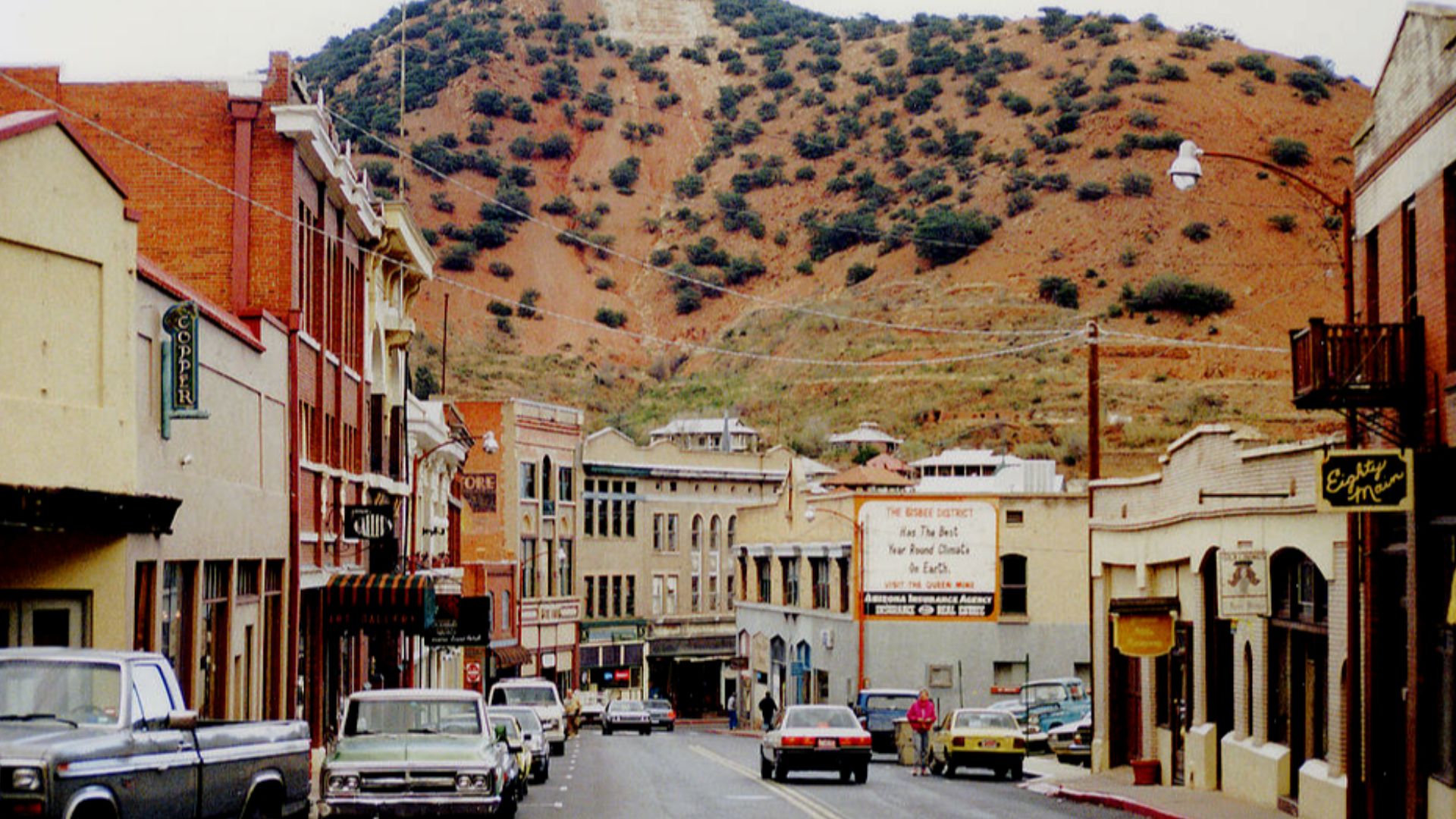
Bisbee, Arizona
Originally founded as a copper-mining town, Bisbee developed a rough frontier reputation during the Wild West era. The steep hills and colorful old buildings remain today, although modern Bisbee has transformed into a quirky arts community filled with historic hotels, saloons, and museums.
 Phillip Capper from Wellington, New Zealand, Wikimedia Commons
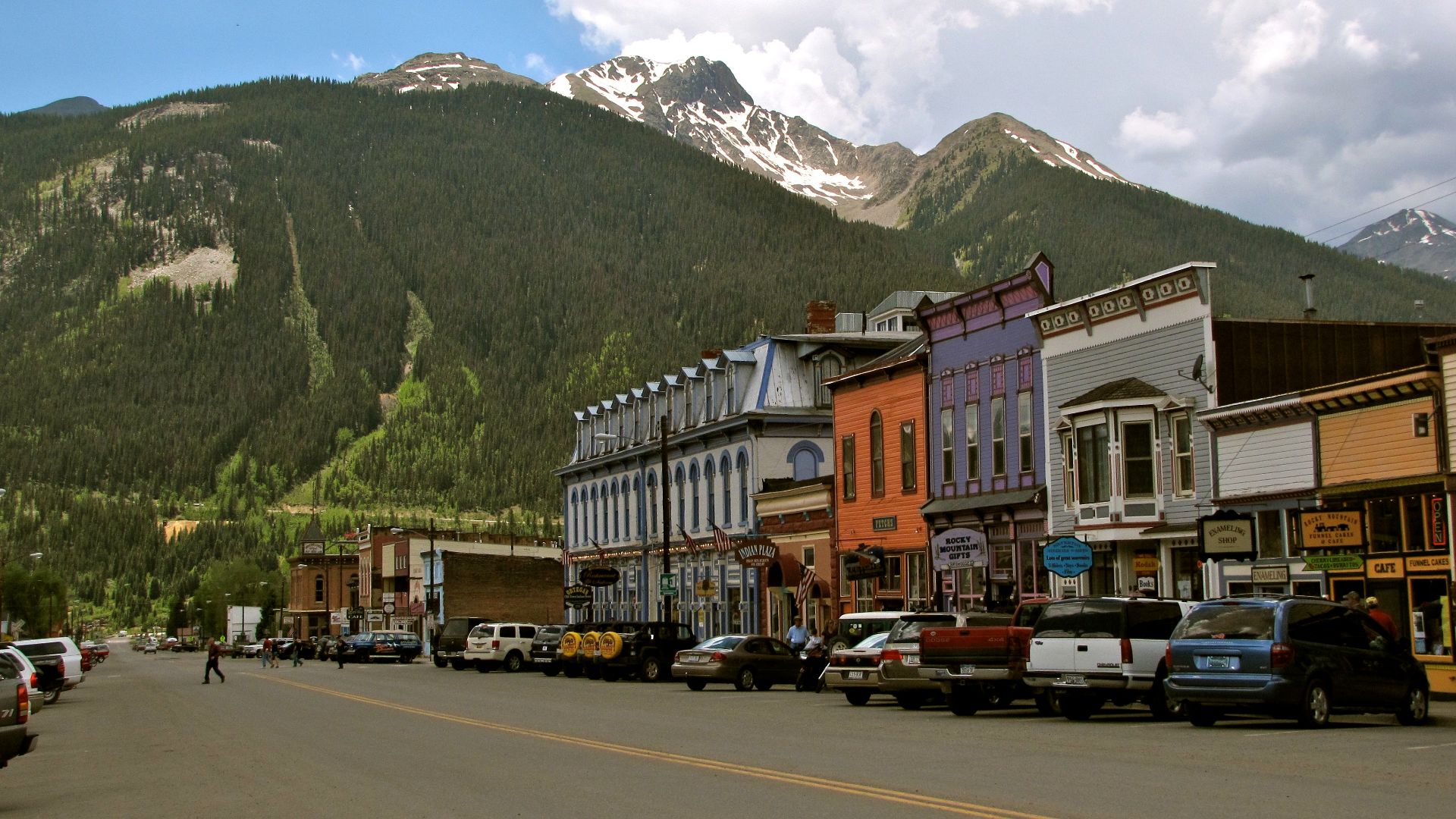
Silverton, Colorado
Nestled high in the San Juan Mountains, Silverton grew rapidly during Colorado’s silver boom. The isolated mountain town still looks remarkably similar to its frontier days, complete with old hotels, dirt roads, and historic train connections winding through dramatic alpine scenery.
 Alex Reinhart, Wikimedia Commons
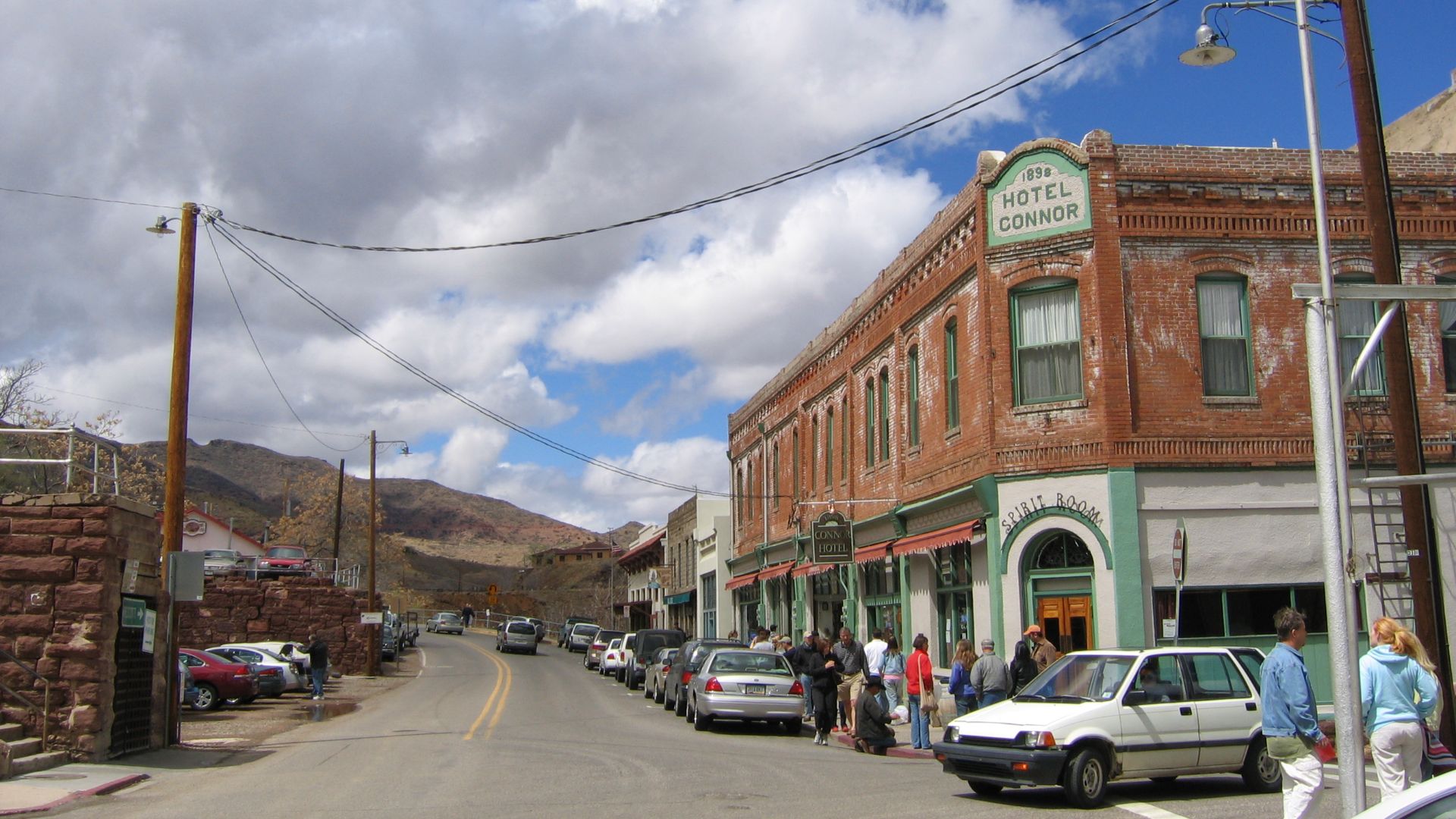
Jerome, Arizona
Jerome once earned a reputation as one of the roughest mining towns in the American West. Perched on a mountainside, it attracted miners, gamblers, and saloon owners during its copper boom years. Today visitors explore preserved buildings, haunted hotels, and narrow historic streets.
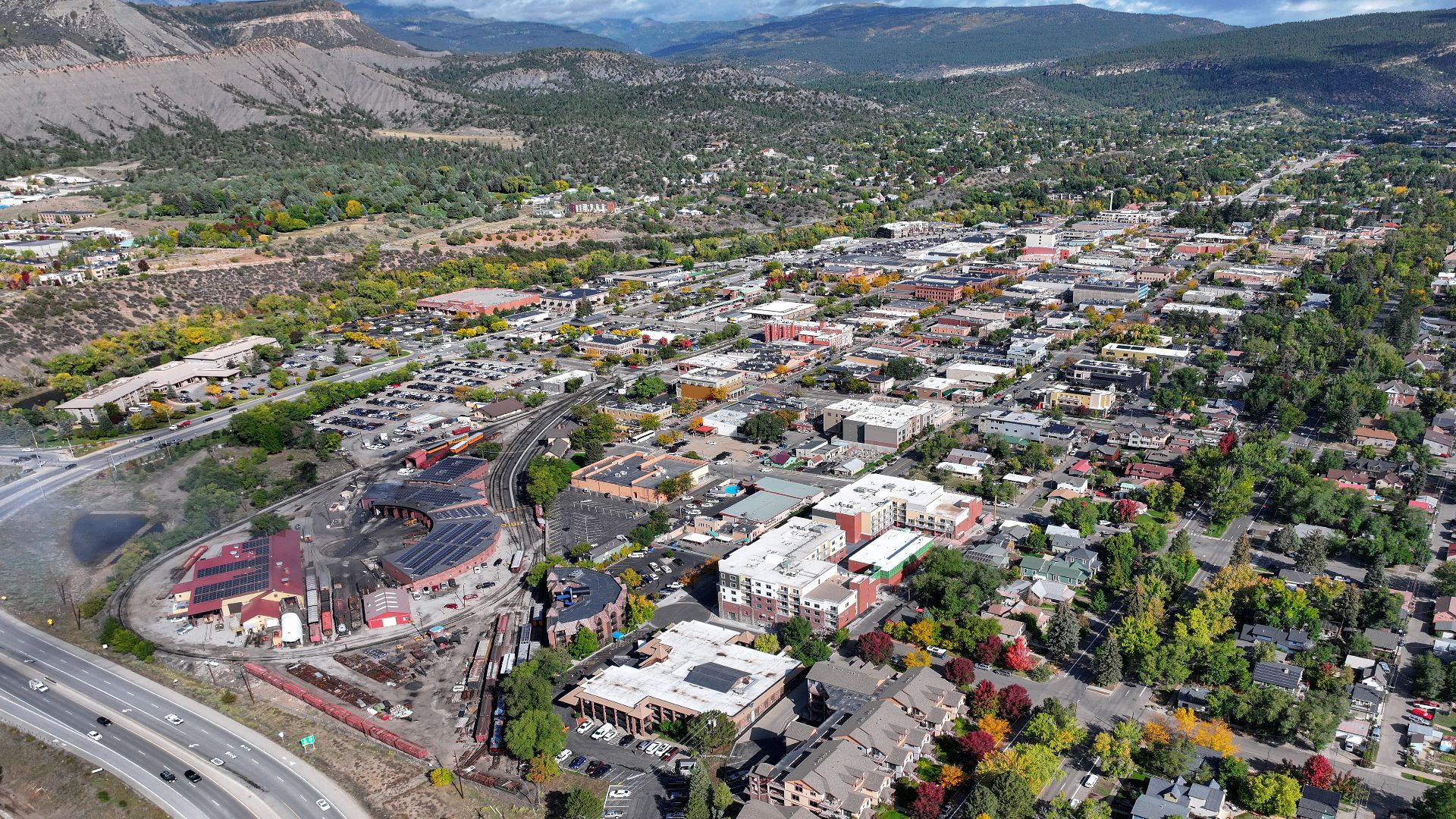
Durango, Colorado
Durango began as a railroad and mining center during Colorado’s frontier expansion. The town still features beautifully preserved brick buildings, historic saloons, and the famous Durango & Silverton Narrow Gauge Railroad, which carries visitors through spectacular mountain wilderness once traveled by prospectors and cowboys.
 Quintin Soloviev, Wikimedia Commons
Cody, Wyoming
Founded by legendary showman Buffalo Bill Cody, this Wyoming town proudly celebrates frontier history. Visitors can attend rodeos, tour Old Trail Town’s collection of historic buildings, and experience one of the strongest surviving connections to the authentic cattle-driving American West.
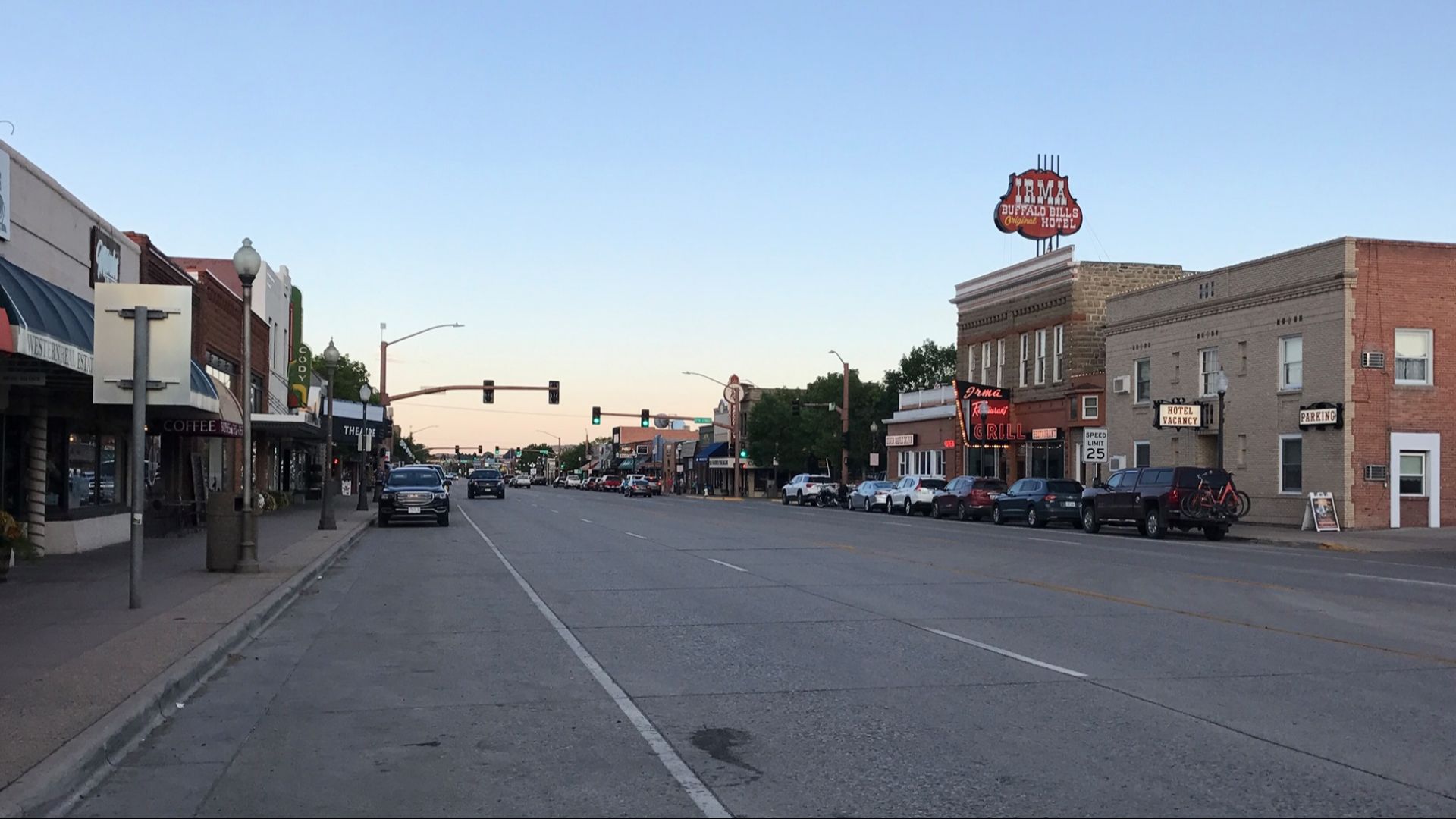 Indy beetle, Wikimedia Commons
Bandera, Texas
Bandera proudly calls itself the “Cowboy Capital of the World.” Founded by immigrant settlers and shaped by Texas cattle culture, the town still embraces its frontier heritage with rodeos, horseback riding, honky-tonks, and annual cowboy celebrations that attract visitors from across the country.
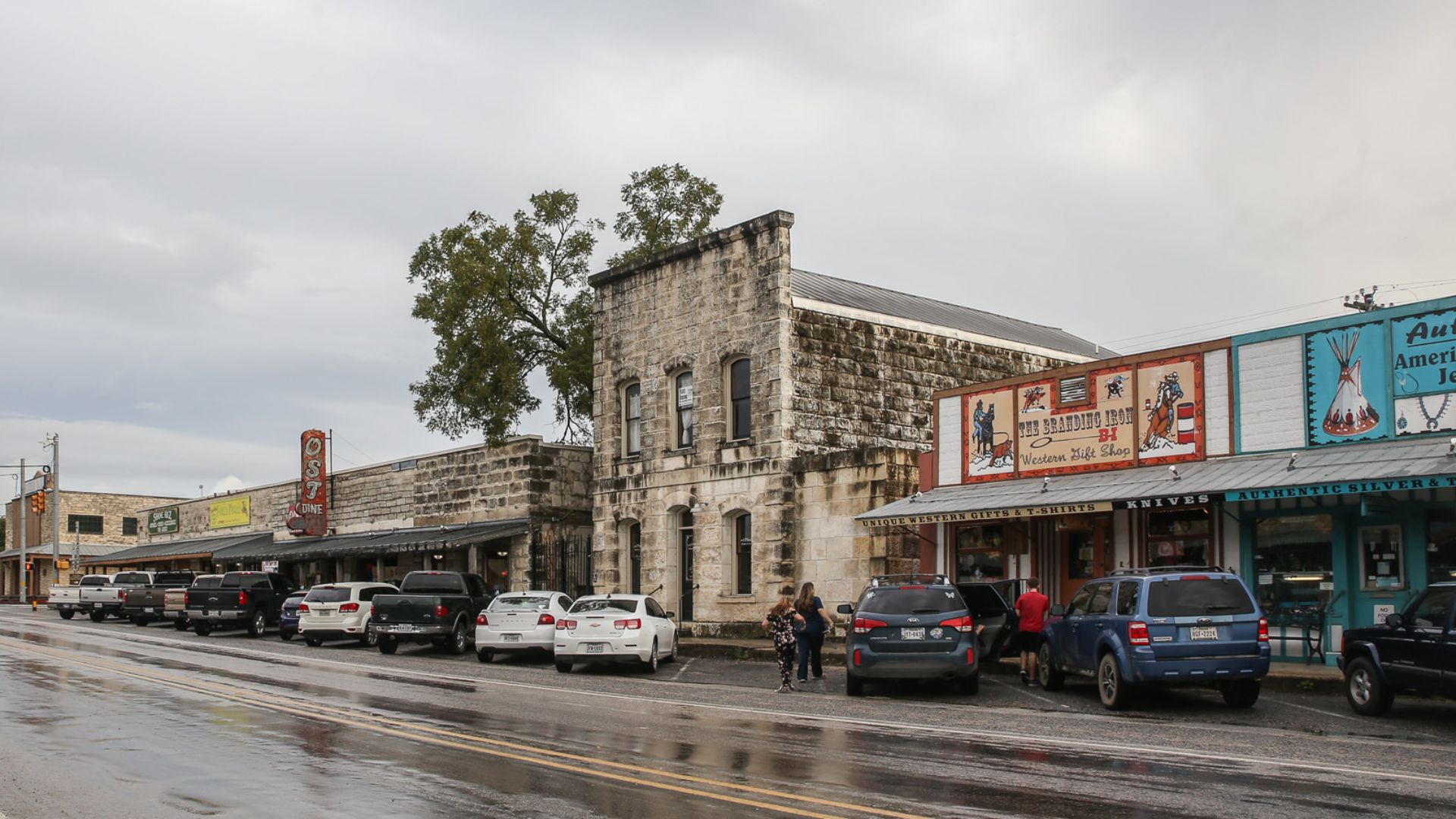 Renelibrary, Wikimedia Commons
Prescott, Arizona
Prescott once served as the territorial capital of Arizona and became famous for whiskey-fueled saloons and frontier politics. Whiskey Row still survives today after fires and rebuilds, giving visitors a vivid glimpse into the gambling and drinking culture of the nineteenth-century frontier.
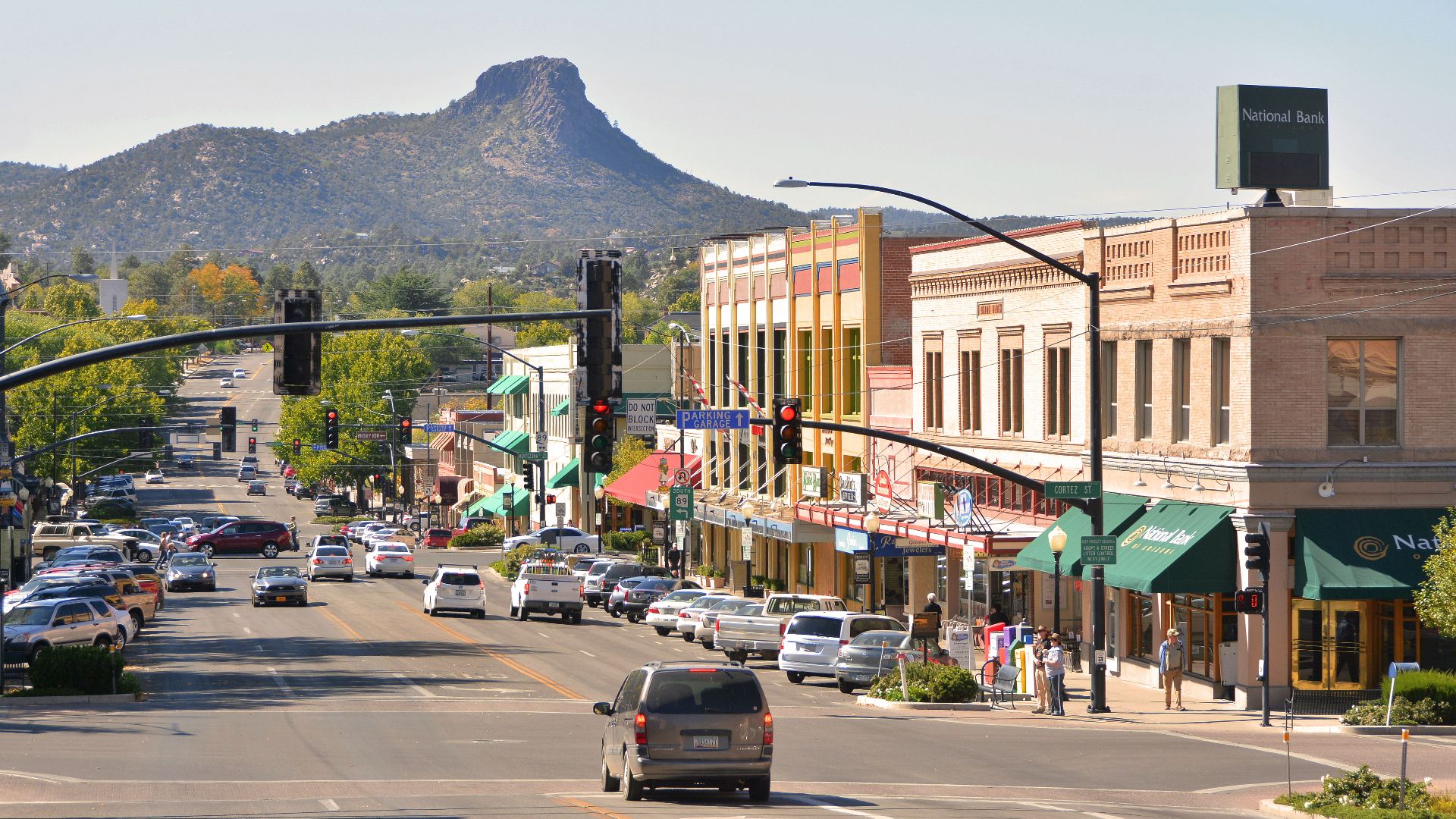
Fort Worth, Texas
Fort Worth grew rapidly as a major stop along Texas cattle trails, especially the Chisholm Trail. While now a large modern city, the Stockyards district preserves much of its cowboy heritage with cattle drives, rodeos, saloons, and wooden storefronts honoring the city’s frontier roots.
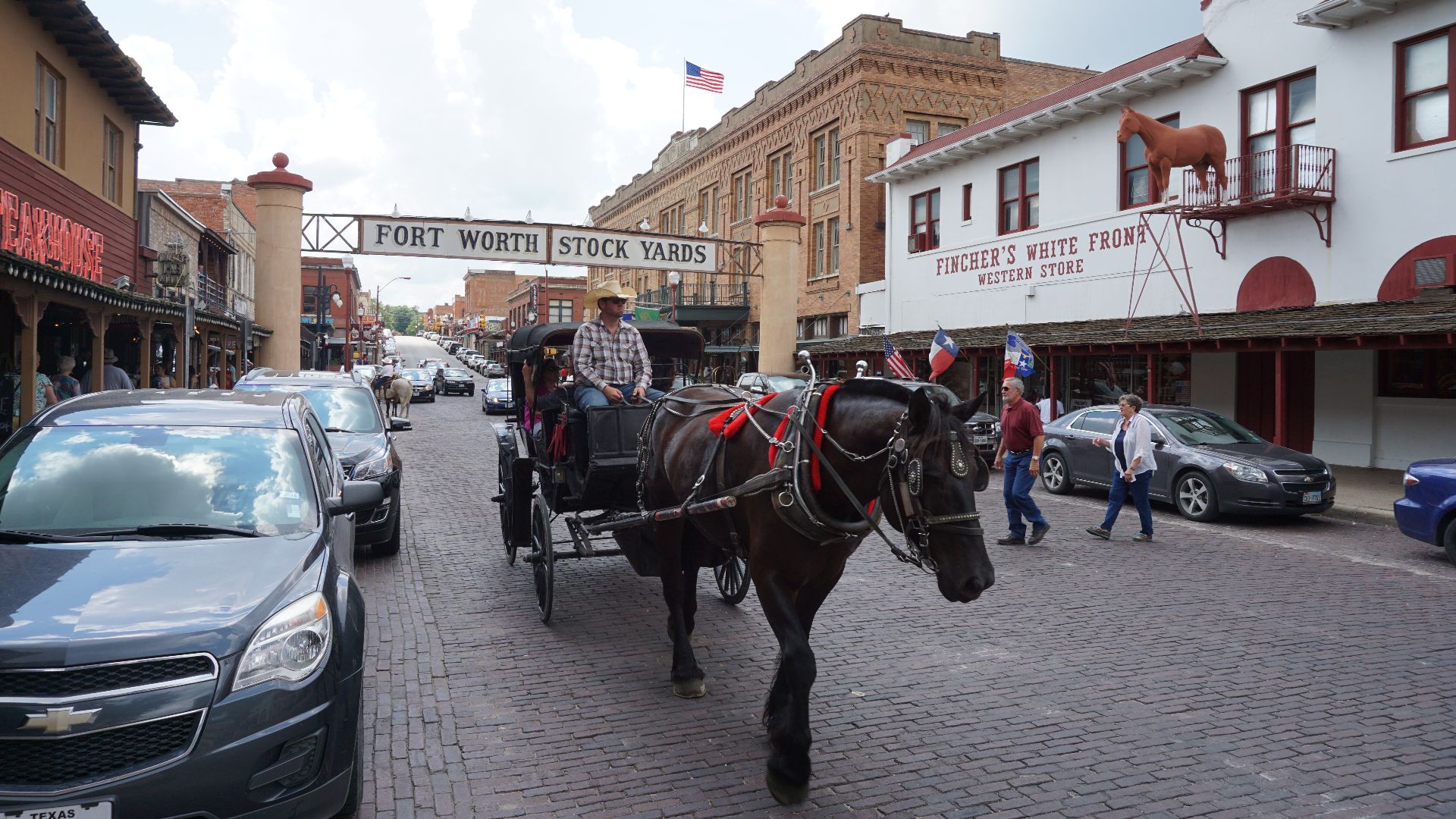 Michael Barera, Wikimedia Commons
Leadville, Colorado
Leadville became one of America’s richest silver-mining boomtowns during the late nineteenth century. Famous figures like Doc Holliday once passed through its saloons. Today visitors can explore Victorian architecture, historic mining districts, and museums preserving the town’s dramatic frontier past.
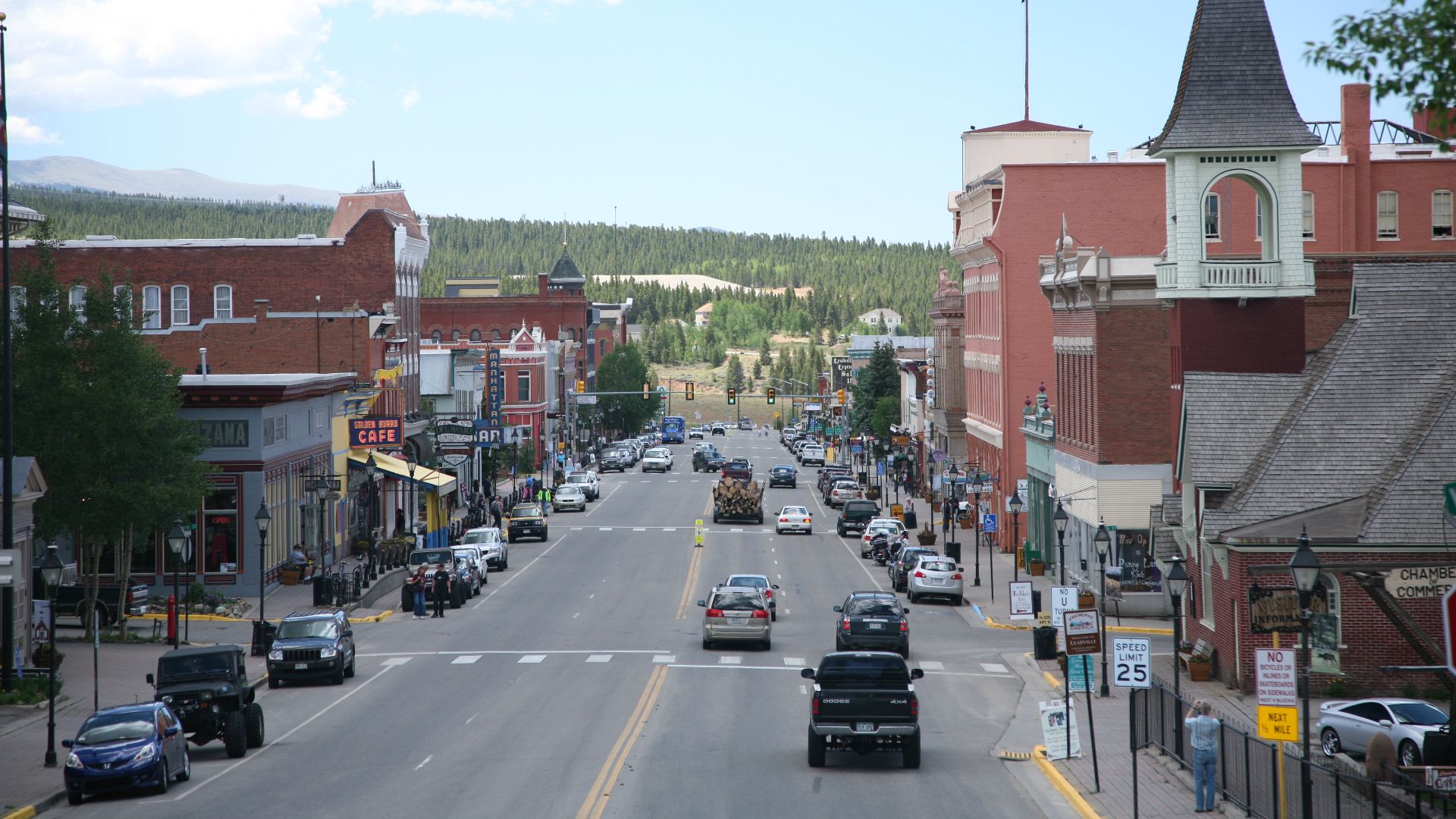 Daniel Schwen, Wikimedia Commons
Abilene, Kansas
Abilene played a crucial role during the cattle-drive era as one of Kansas’s most important railhead towns. Cowboys flooded the streets after exhausting trail drives north from Texas. Visitors today can explore reconstructed frontier districts and museums dedicated to cattle-town history.
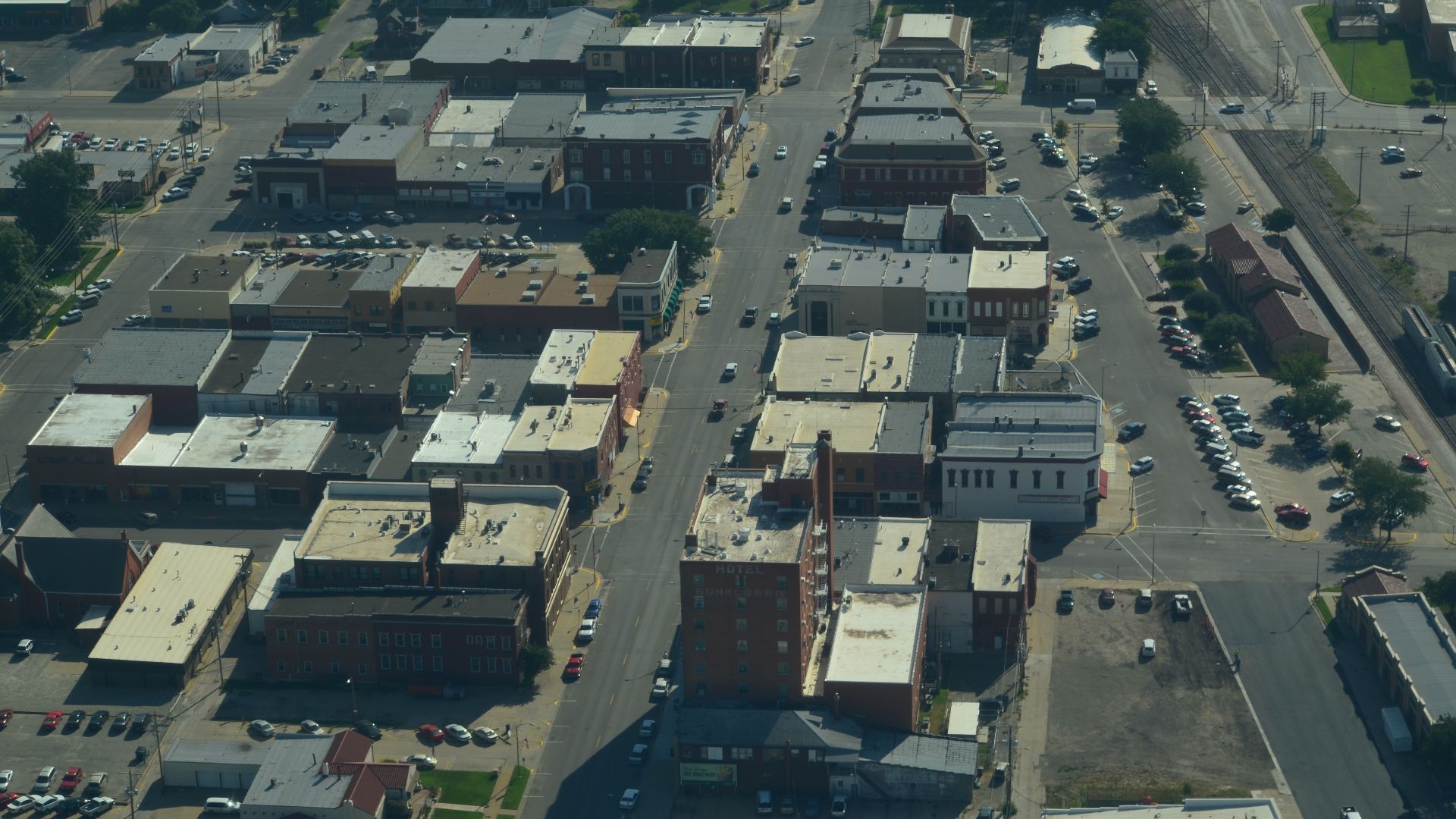
Santa Fe, New Mexico
Santa Fe predates the Wild West itself, but it became deeply connected to frontier expansion during the nineteenth century. Traders, outlaws, soldiers, and settlers all passed through the city. Today its adobe architecture and historic plaza preserve centuries of Southwestern frontier culture.
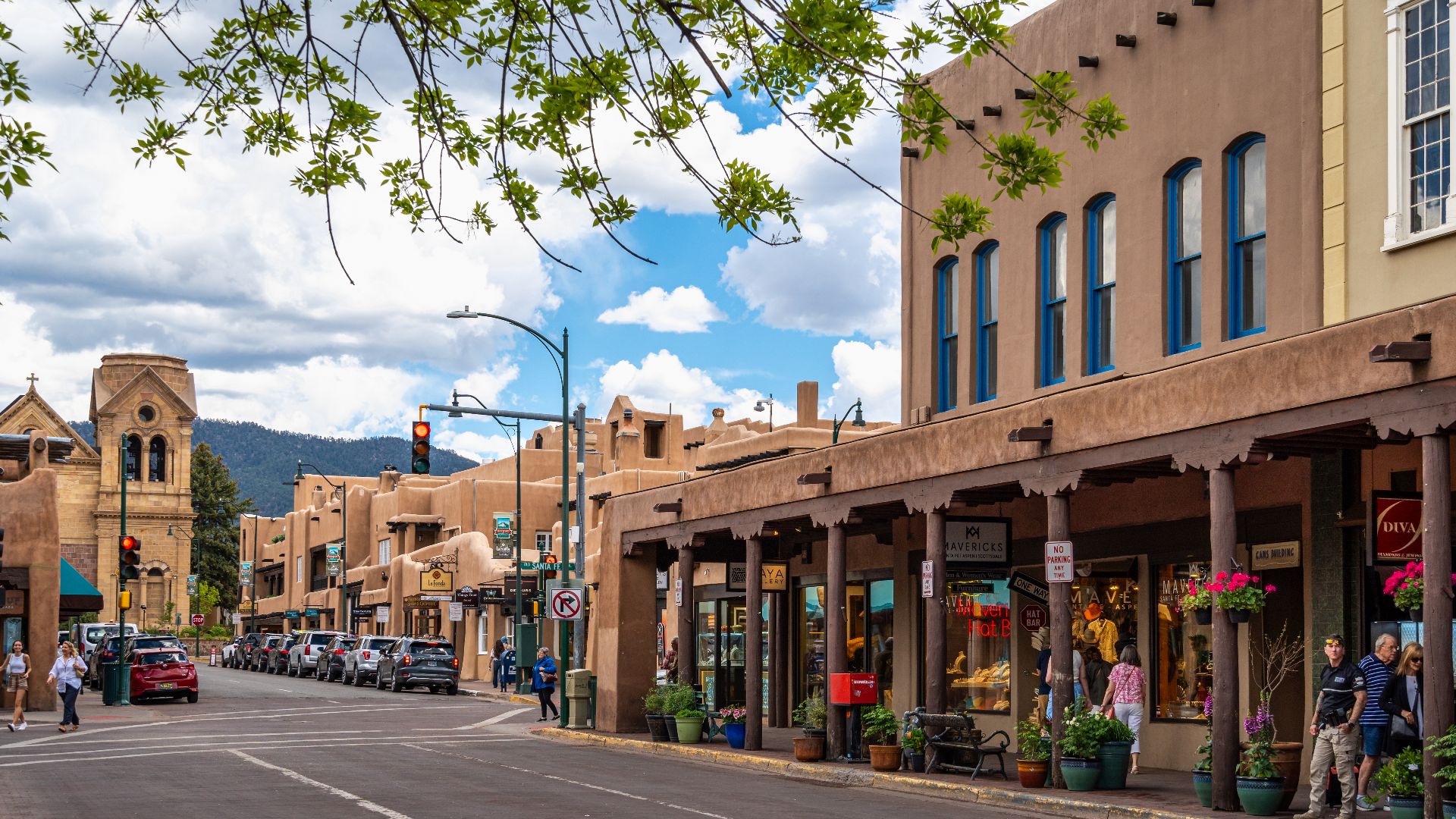 dconvertini, Wikimedia Commons
Laramie, Wyoming
Laramie emerged during railroad expansion and quickly gained a reputation for lawlessness and rough frontier living. The town eventually matured into an important Wyoming community, but visitors can still tour historic saloons, railroad sites, and preserved downtown districts reflecting its Wild West origins.
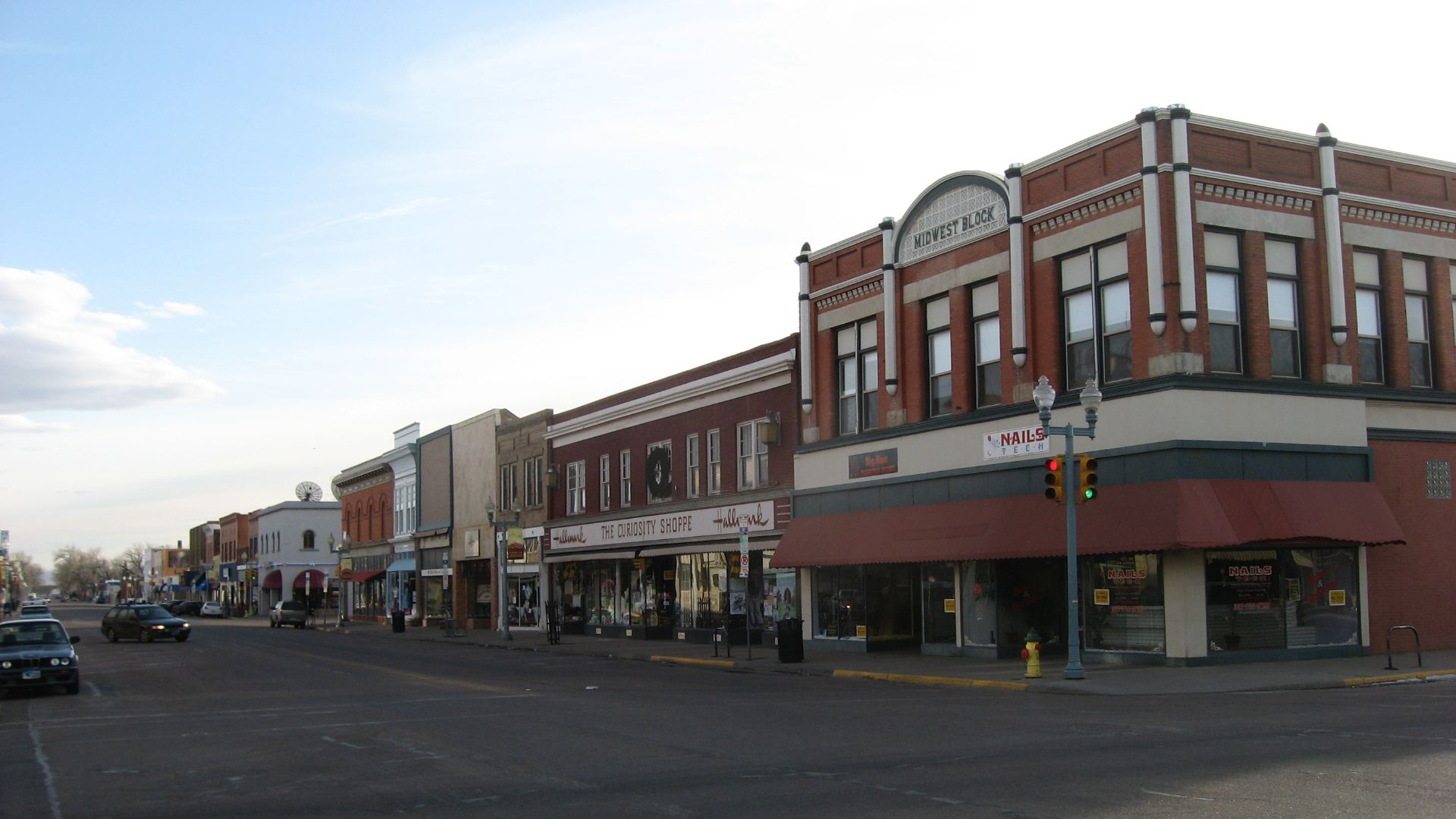
Cripple Creek, Colorado
Gold transformed Cripple Creek from a quiet settlement into a booming frontier mining town during the 1890s. Although the gold rush eventually faded, visitors can still explore casinos, preserved mining structures, and mountain streets that continue to echo Colorado’s turbulent mining history.
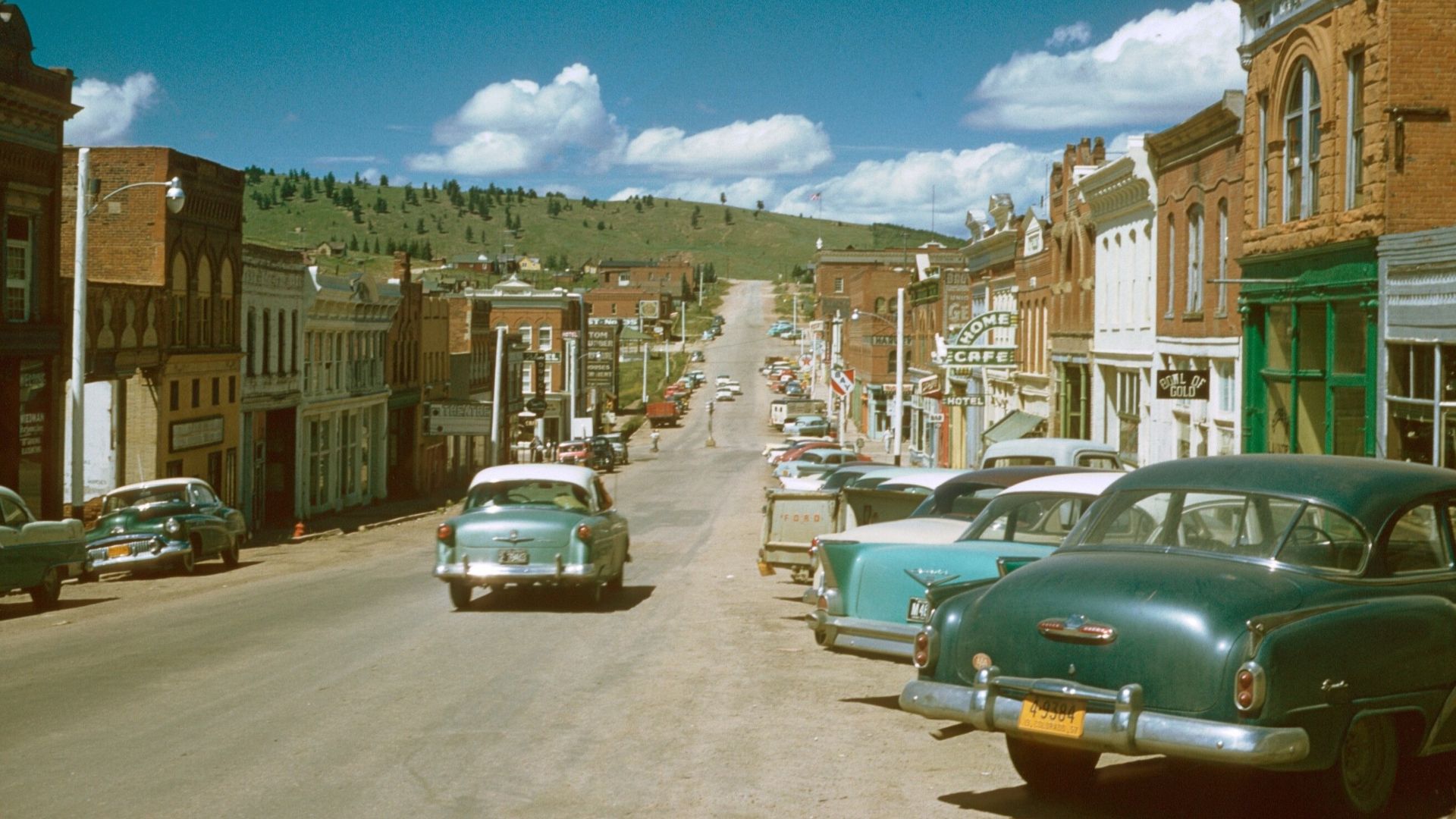 The original uploader was Sba2 at English Wikipedia., Wikimedia Commons
Winthrop, Washington
Unlike many Wild West towns, Winthrop deliberately restored itself to resemble an old frontier settlement during the twentieth century. Wooden boardwalks, false-front buildings, and rustic storefronts now create one of the most visually complete surviving Old West experiences in the Pacific Northwest.
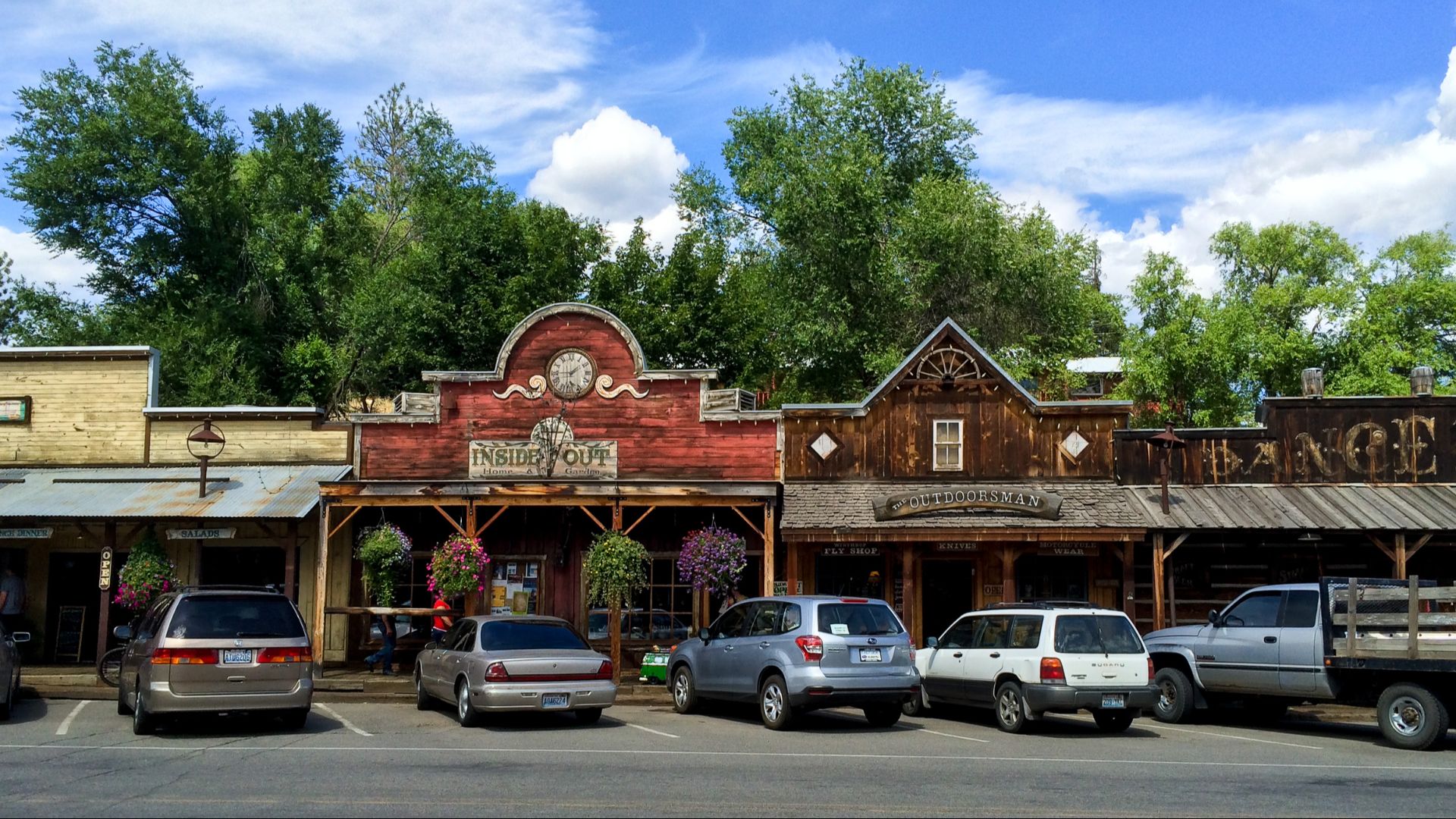 Fil.Al from Comox, Canada, Wikimedia Commons
Jackson, Wyoming
Jackson began as a rugged frontier settlement surrounded by ranches and mountain wilderness. While now famous for tourism and skiing, it still retains elements of cowboy culture through rodeos, saloons, wooden sidewalks, and the iconic antler arches surrounding the town square.
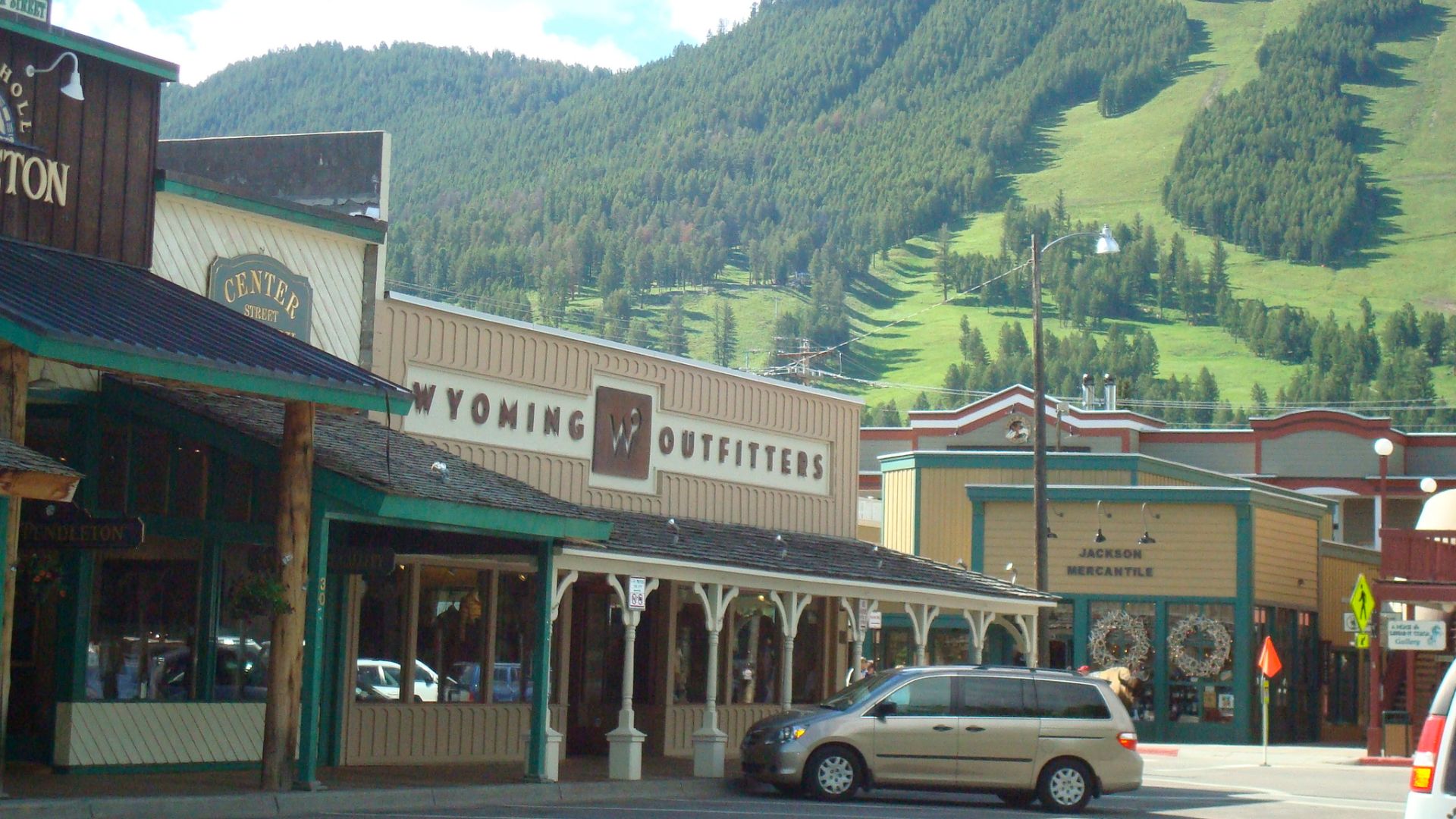 Greg Tally - User: (WT-shared) WineCountryInn at wts wikivoyage, Wikimedia Commons
Elko, Nevada
Elko developed as a railroad and ranching center deep in Nevada cattle country. The town remains strongly tied to cowboy traditions and Basque immigrant culture. Today visitors can attend rodeos, explore frontier museums, and experience a still-living ranching culture rooted in the Old West.
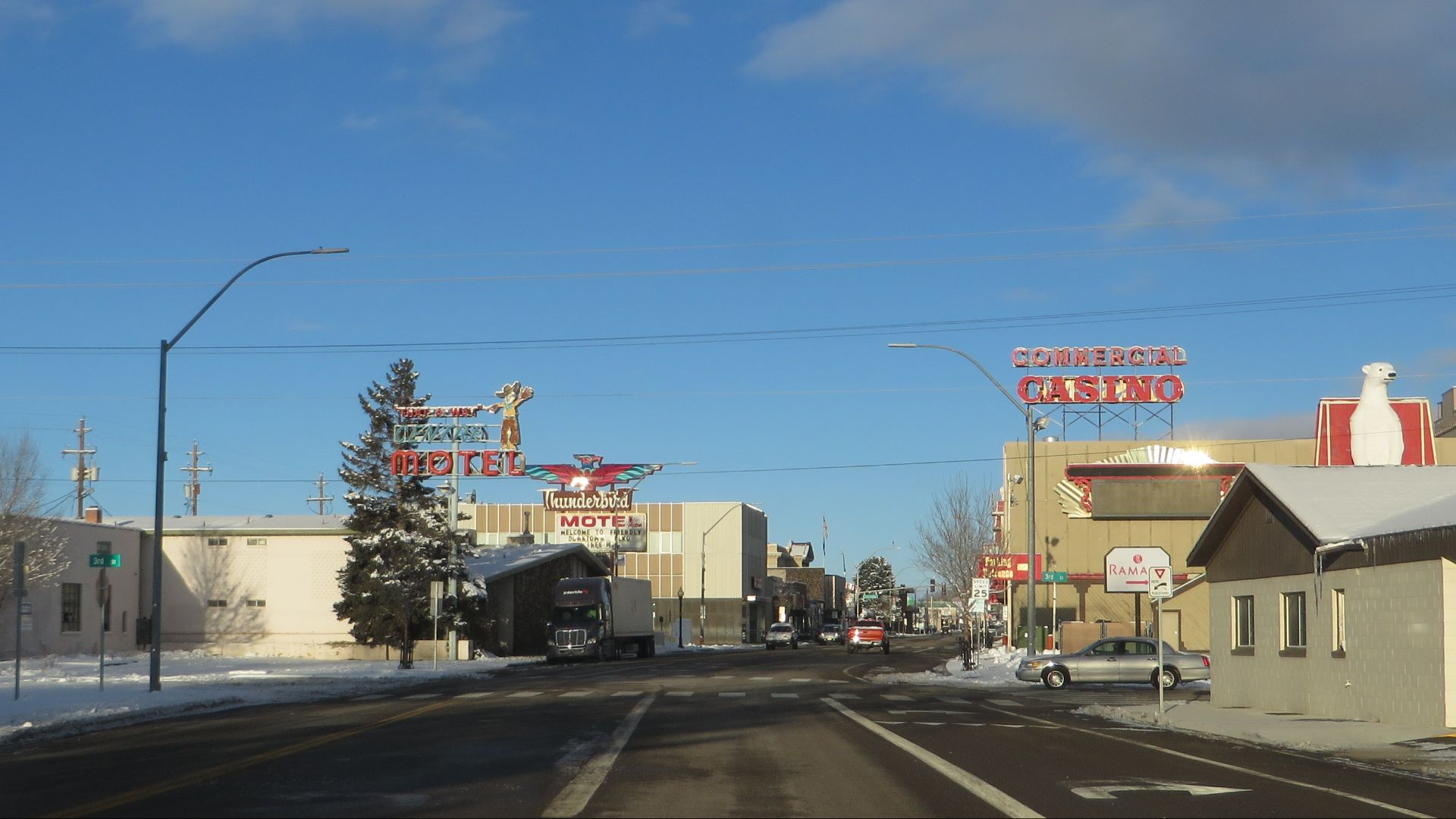
Cheyenne, Wyoming
Cheyenne earned the nickname “Hell on Wheels” during the railroad era because of its gambling halls, saloons, and transient workers. The city eventually stabilized but never abandoned its frontier image. The annual Cheyenne Frontier Days celebration remains one of America’s largest rodeo events.
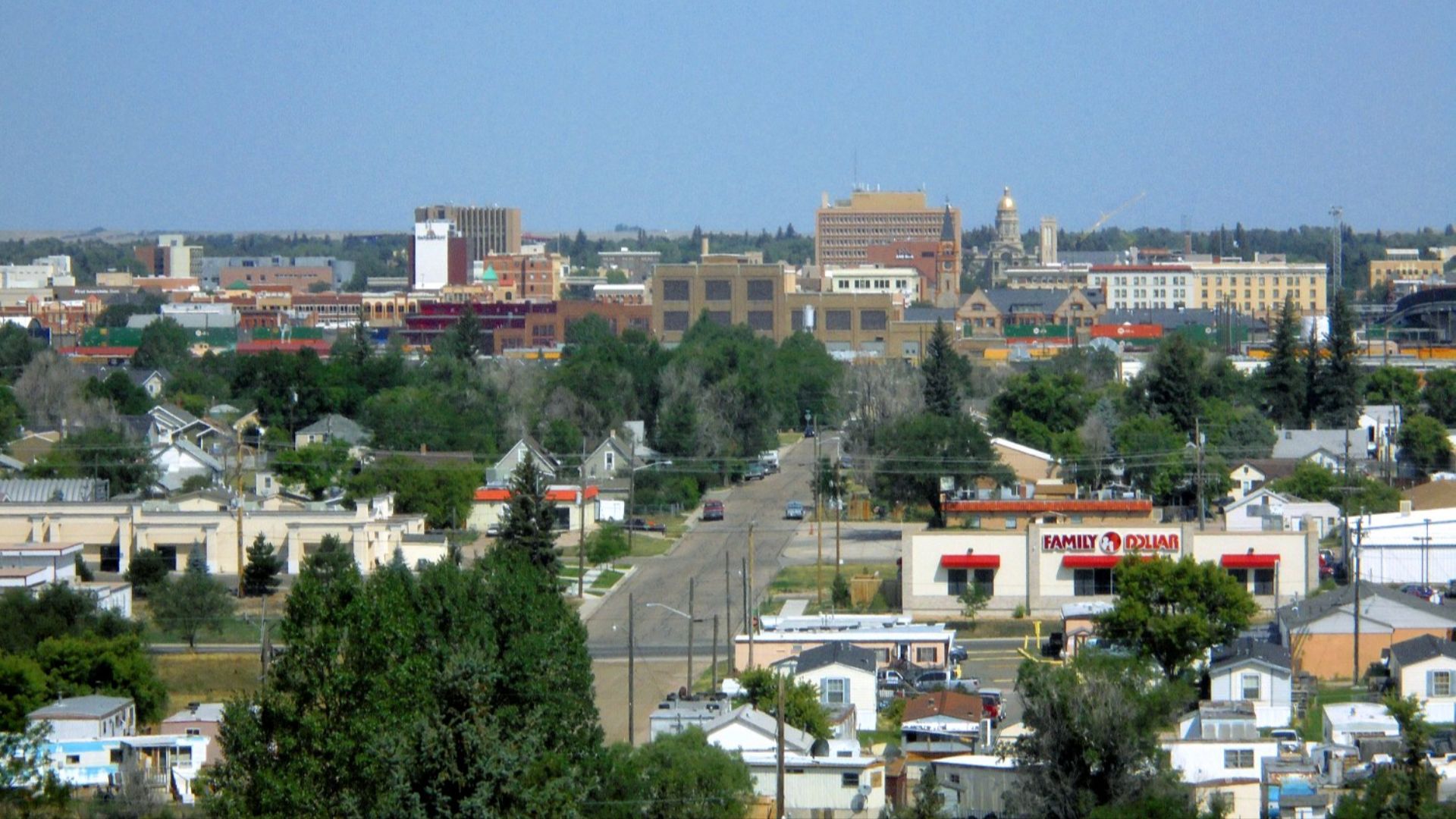 Vasiliymeshko, Wikimedia Commons
Oatman, Arizona
Oatman nearly became a ghost town after its mining boom collapsed, but tourism revived it decades later. Wild burros now roam the streets while staged gunfights entertain visitors. The surviving wooden buildings and desert setting create one of Arizona’s most memorable Wild West destinations.
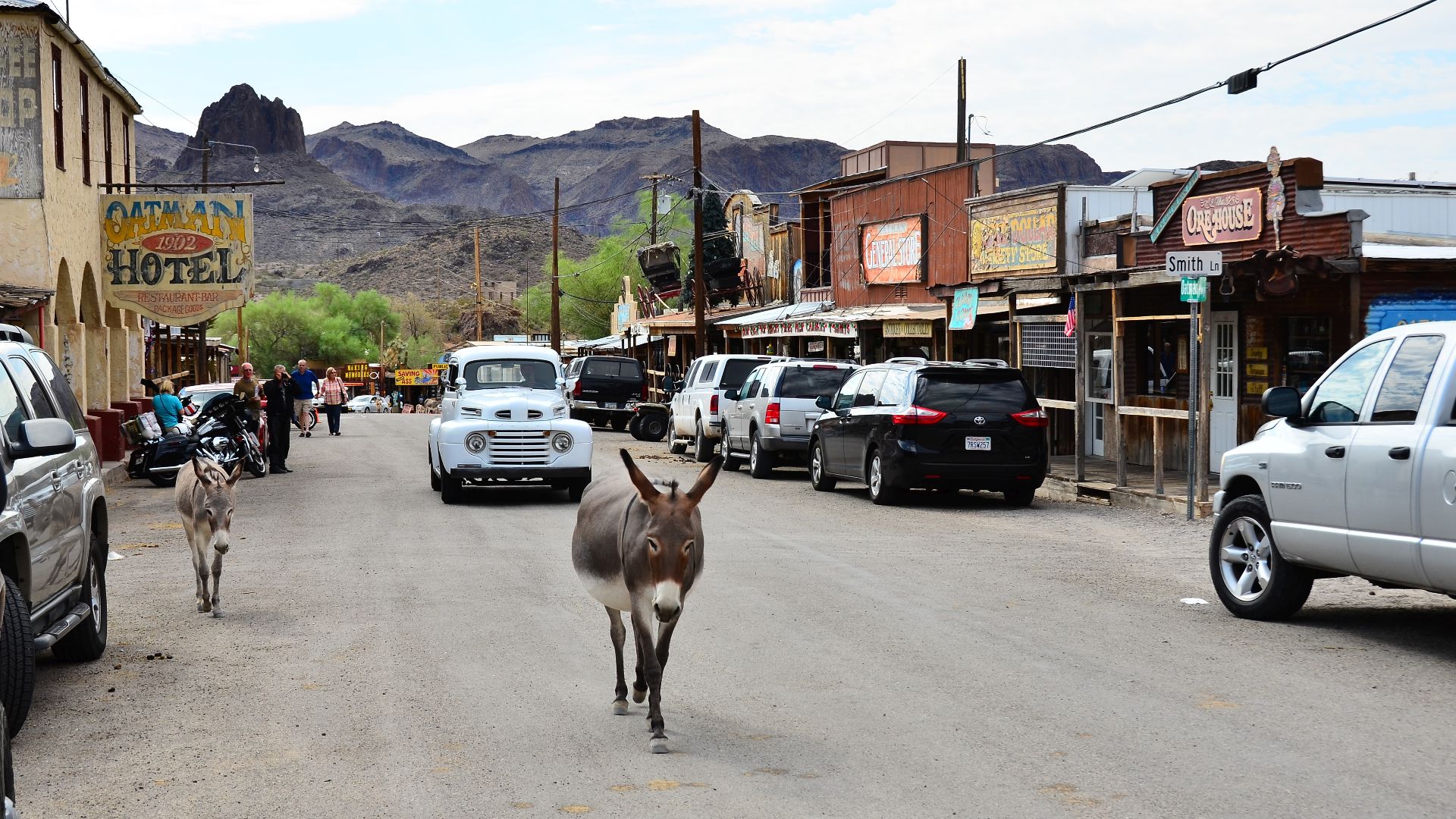 Dariusz Jemielniak, Wikimedia Commons
Helena, Montana
Helena rose rapidly after gold discoveries transformed it into a booming frontier city filled with prospectors and entrepreneurs. Unlike many mining towns that disappeared, Helena prospered long term. Visitors can still explore elegant Victorian buildings alongside reminders of its rough-and-tumble frontier beginnings.
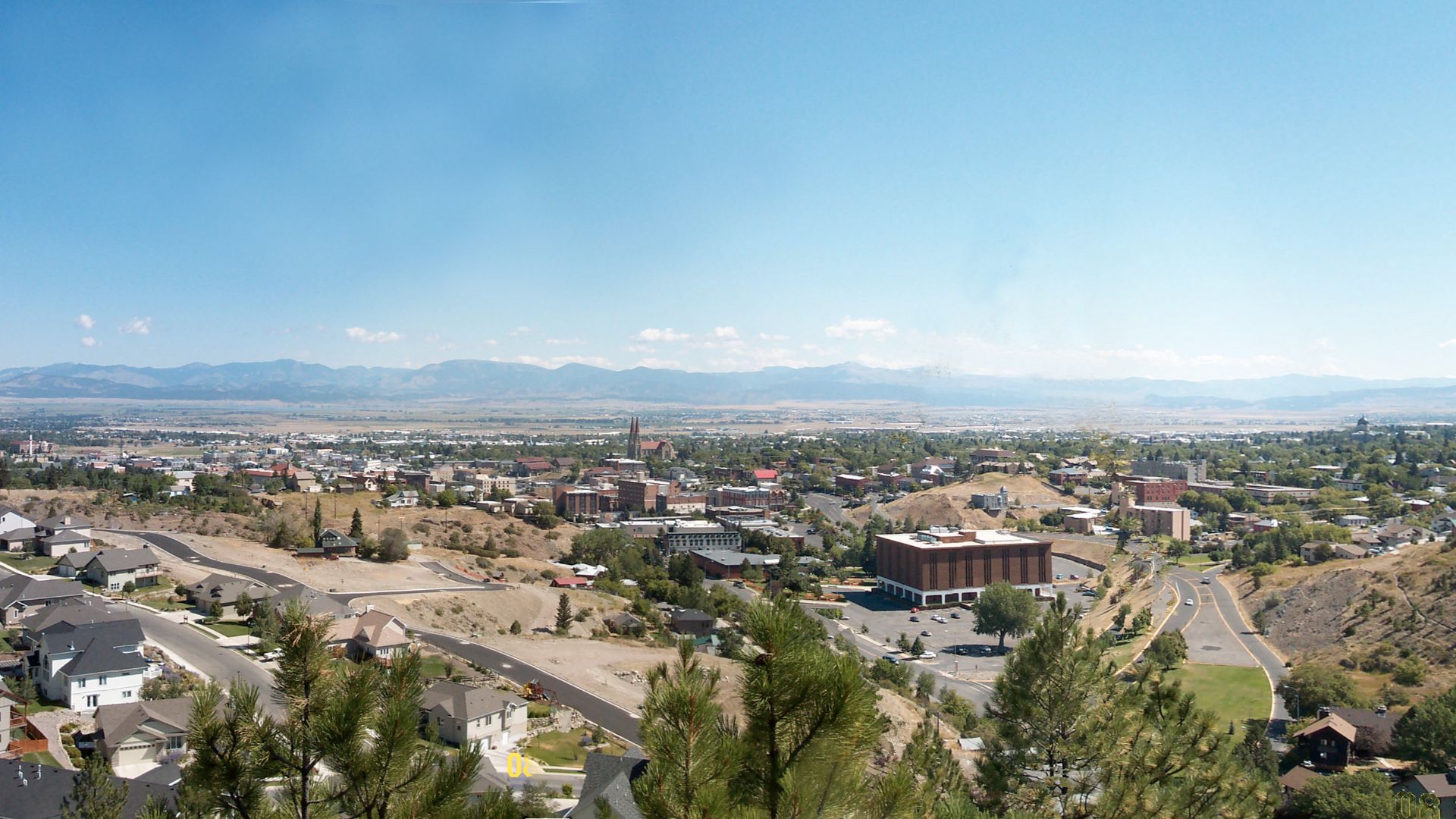 RTC at English Wikipedia, Wikimedia Commons
Pioche, Nevada
Pioche became infamous for violence during Nevada’s mining boom, with dozens reportedly dying violently before the town even built a cemetery. Today it remains small but remarkably atmospheric, featuring old mining ruins, weathered wooden buildings, and a haunting sense of frontier isolation.
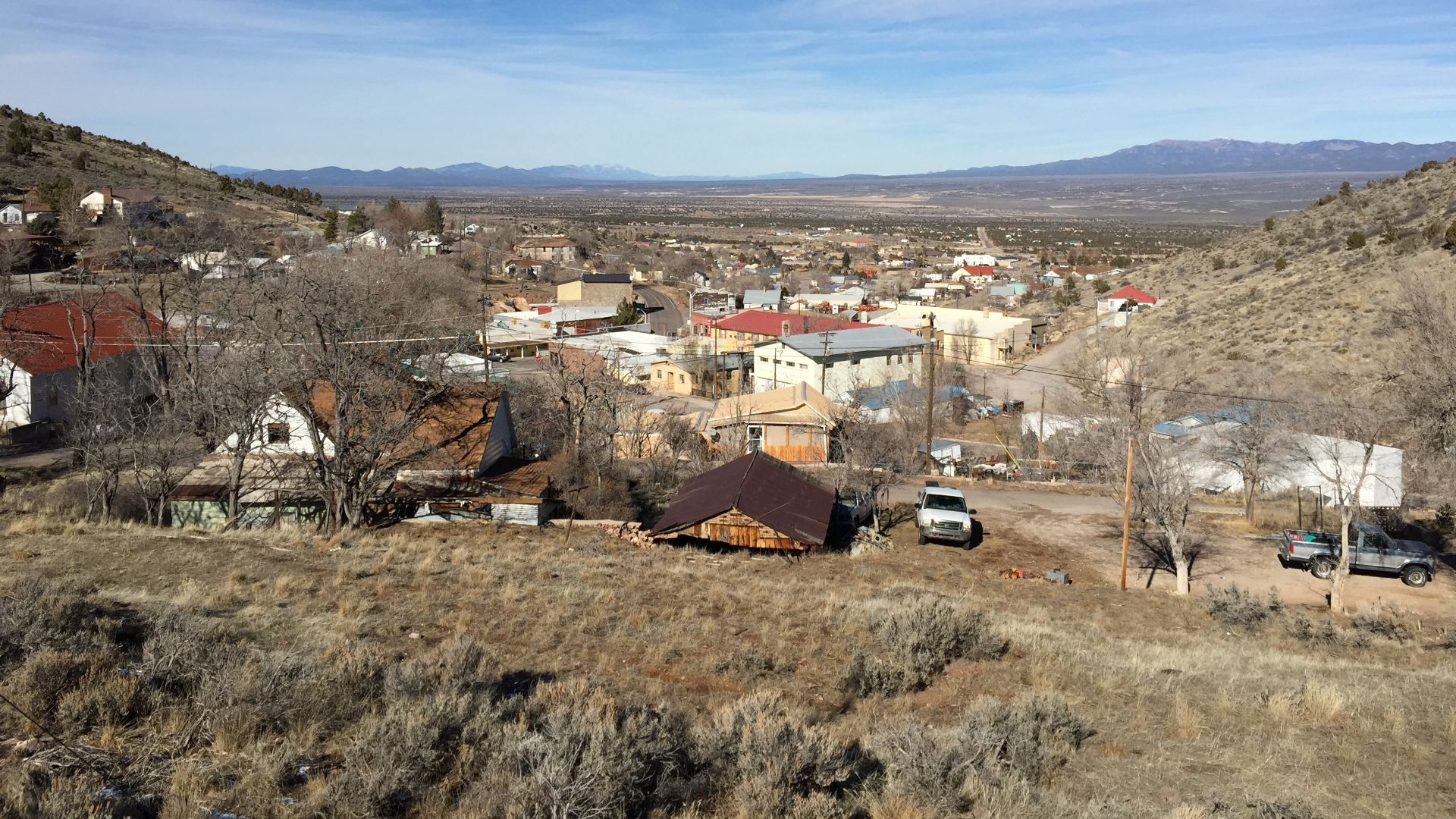
Virginia City, Montana
Virginia City flourished during Montana’s gold rush and remarkably avoided large-scale redevelopment afterward. As a result, much of the original frontier town still survives. Visitors can explore wooden sidewalks, restored saloons, stagecoaches, and preserved structures dating directly back to the gold-rush era.
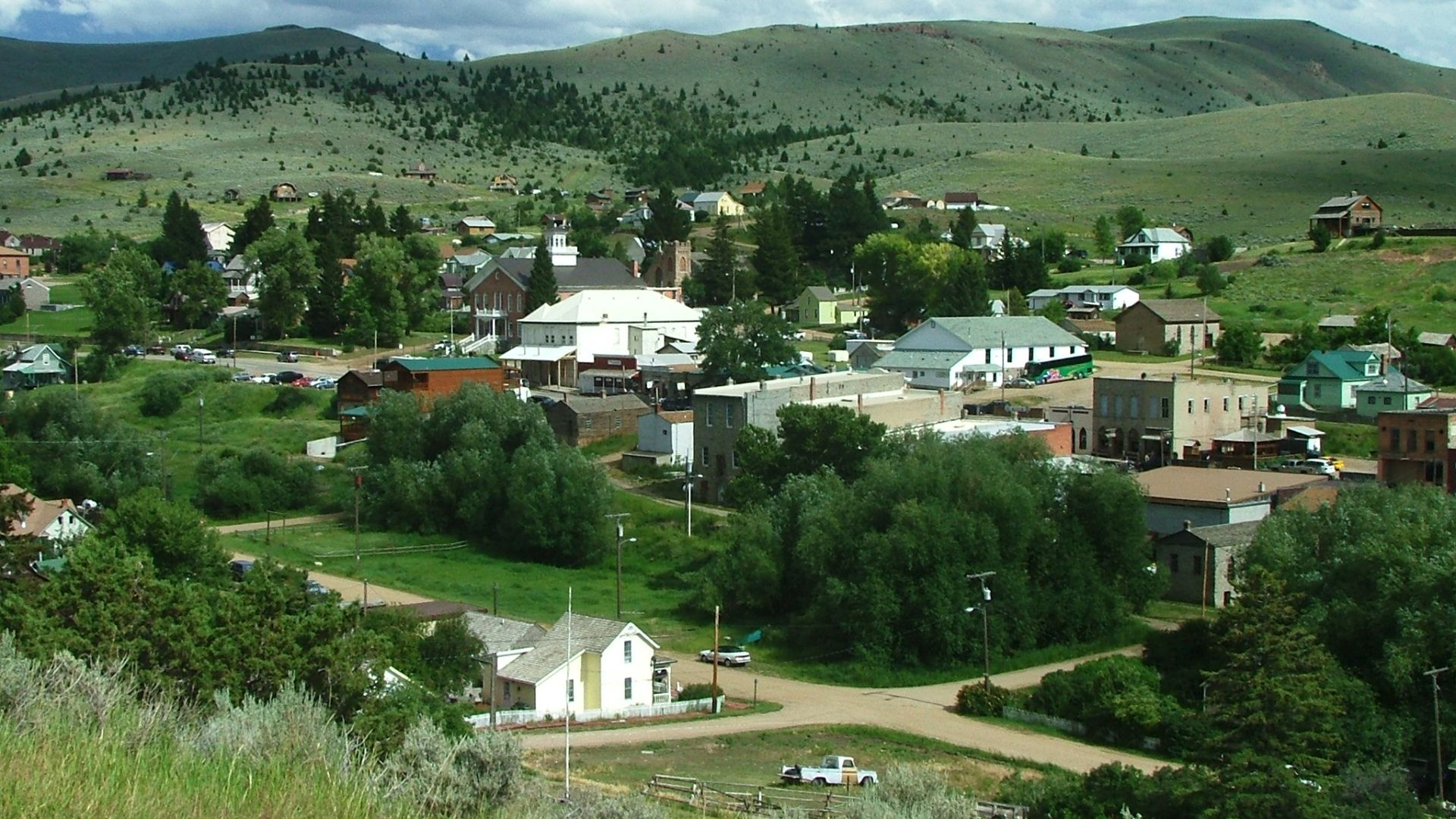 Original uploader was SchmuckyTheCat at en.wikipedia, Wikimedia Commons
Guthrie, Oklahoma
Guthrie boomed almost overnight during Oklahoma’s historic land runs and briefly served as the state’s capital. The city still contains one of America’s largest collections of preserved Victorian commercial architecture, offering visitors a fascinating blend of frontier history and political ambition.
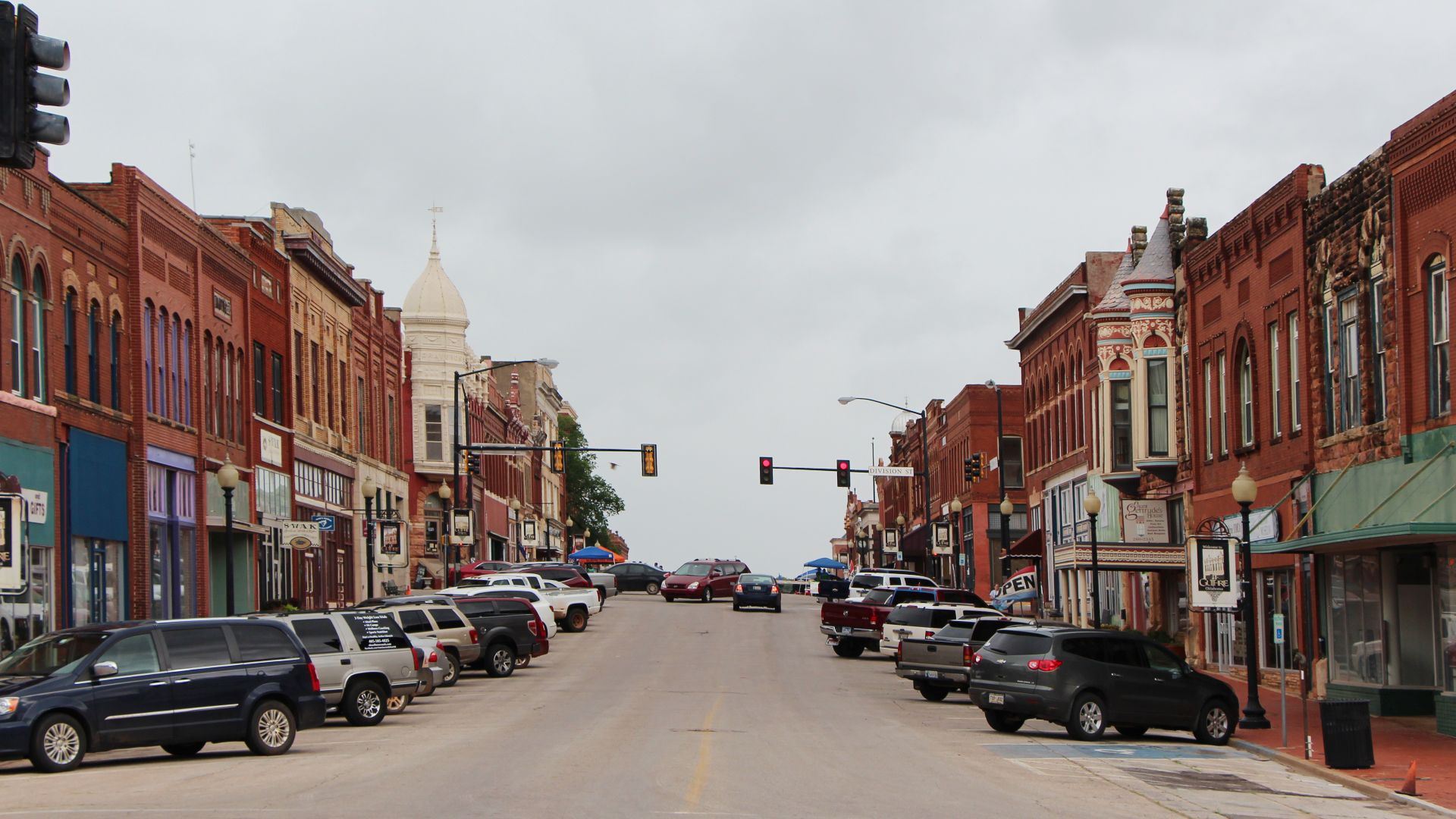 Steven C. Price, Wikimedia Commons
Calico, California
Calico exploded during California’s silver rush before declining into a ghost town after the mines failed. Later restoration projects revived much of the settlement. Today visitors can tour old mines, explore reconstructed frontier streets, and experience one of California’s best-known surviving mining camps.
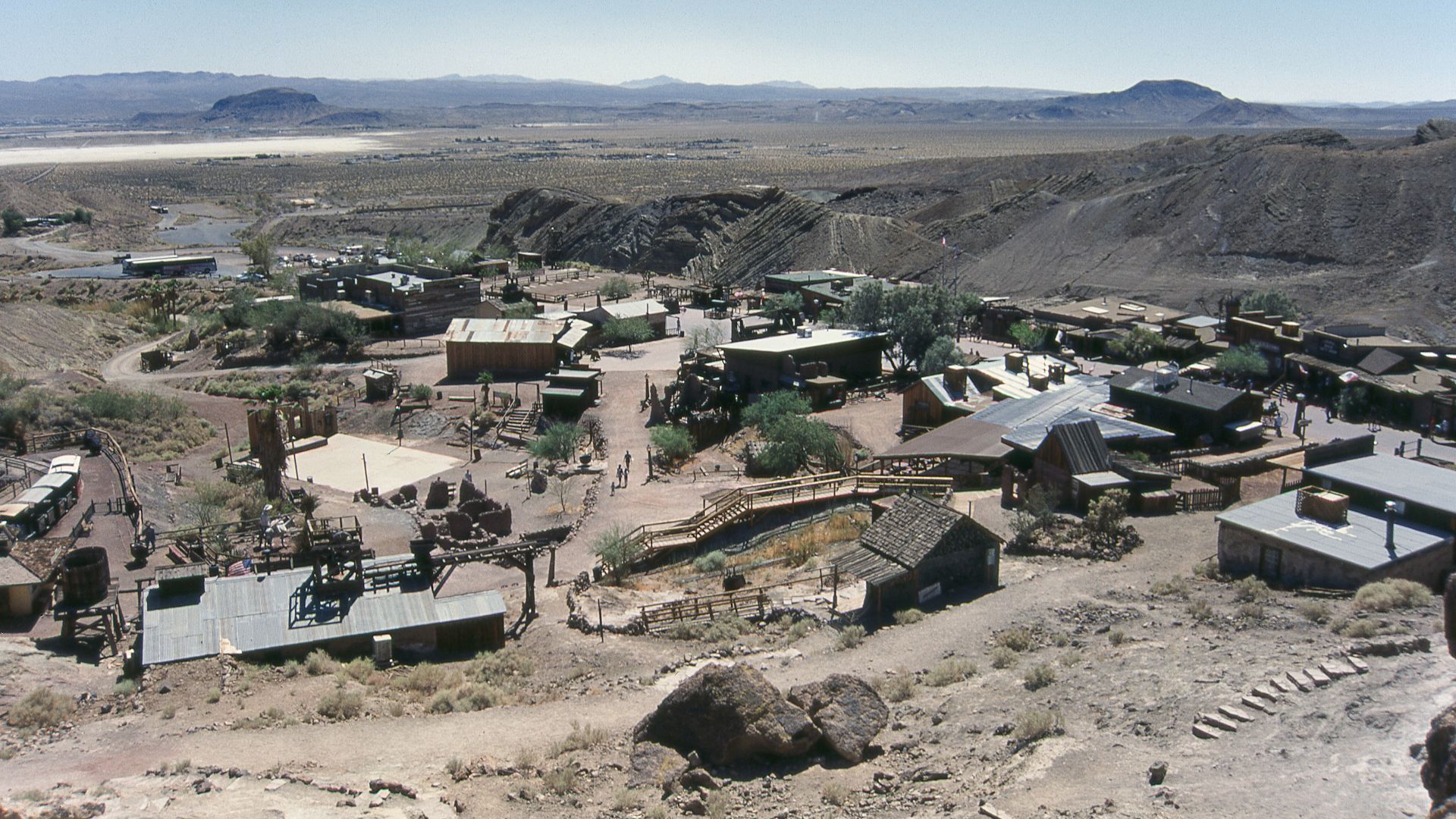 Giorgio Galeotti, Wikimedia Commons
Dodge City, Kansas
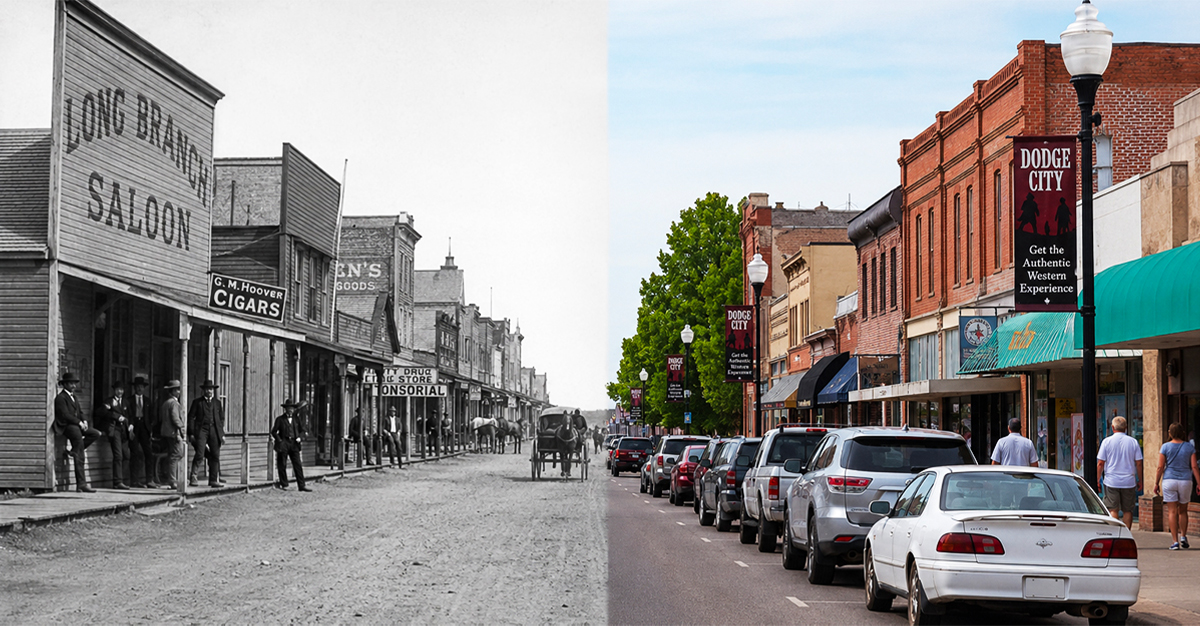
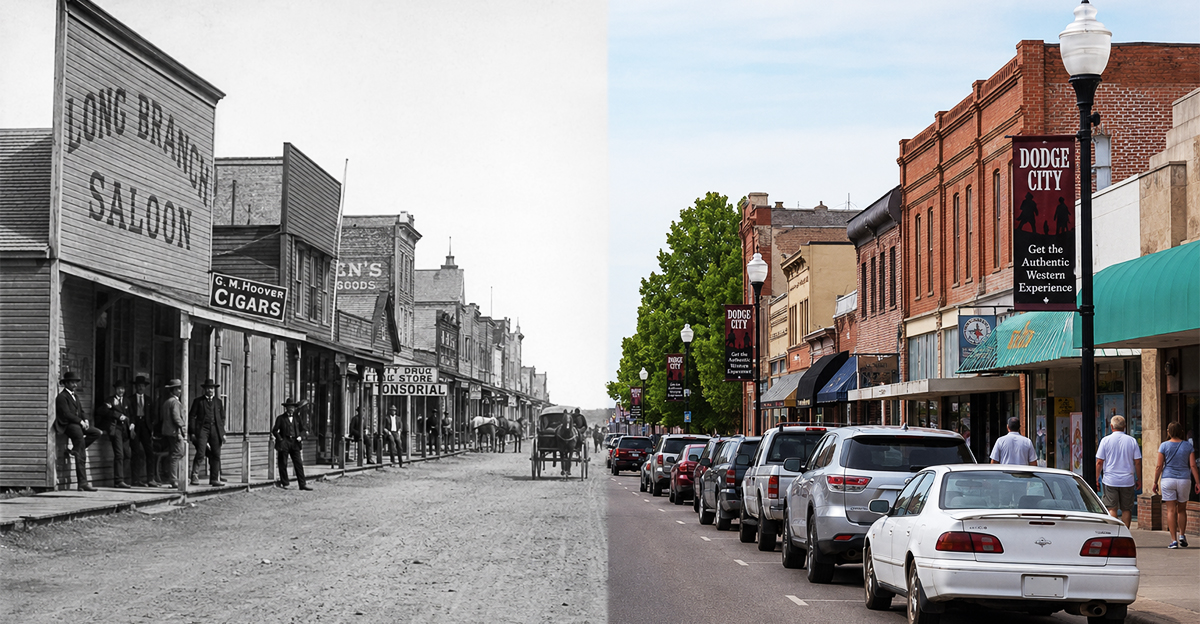
Dodge City became synonymous with cattle drives, gambling halls, and violent frontier justice during the late nineteenth century. Today the town embraces its rough reputation with museums, recreated frontier streets, and tributes to famous lawmen like Wyatt Earp and Bat Masterson.
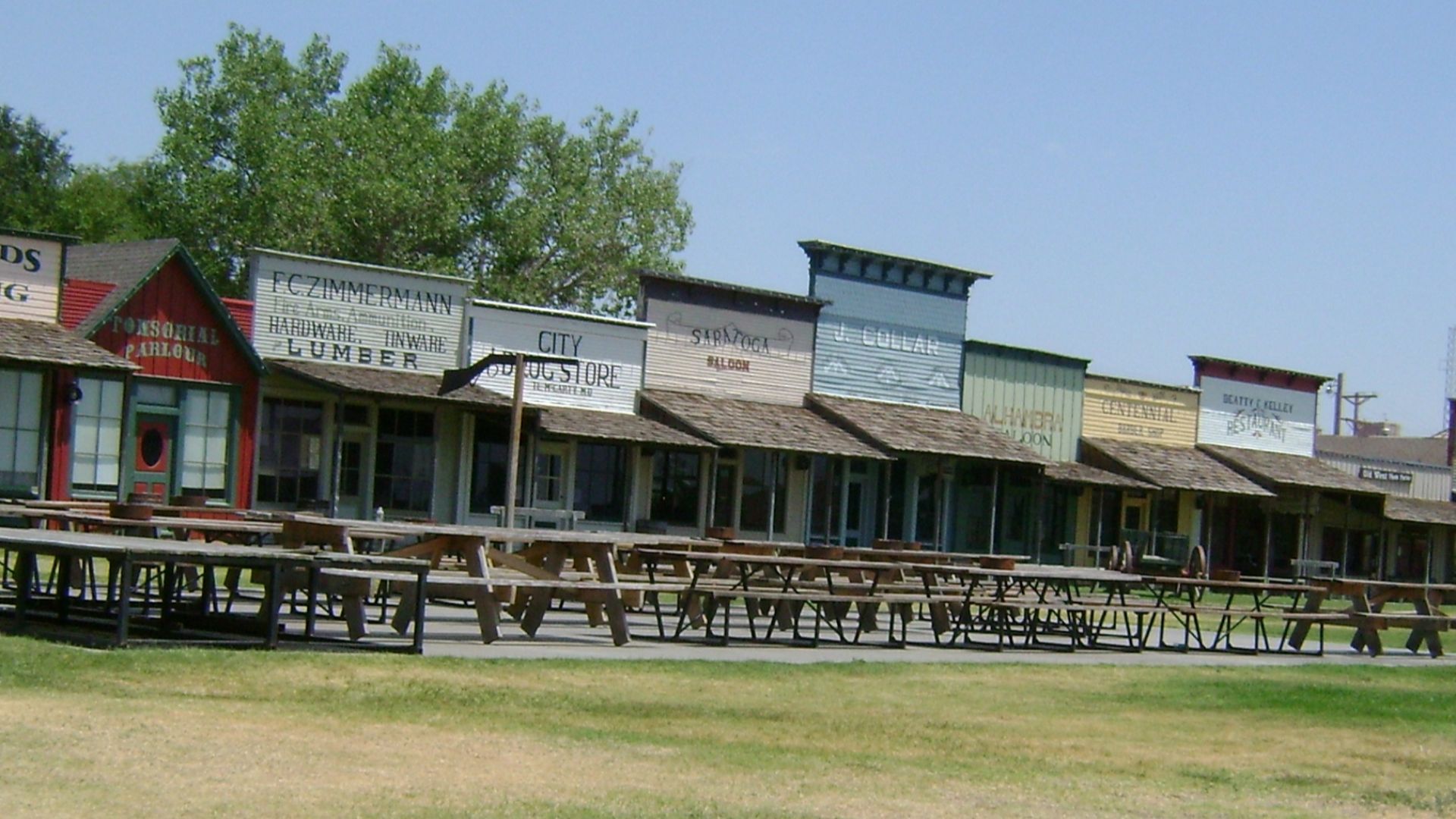
Virginia City, Nevada
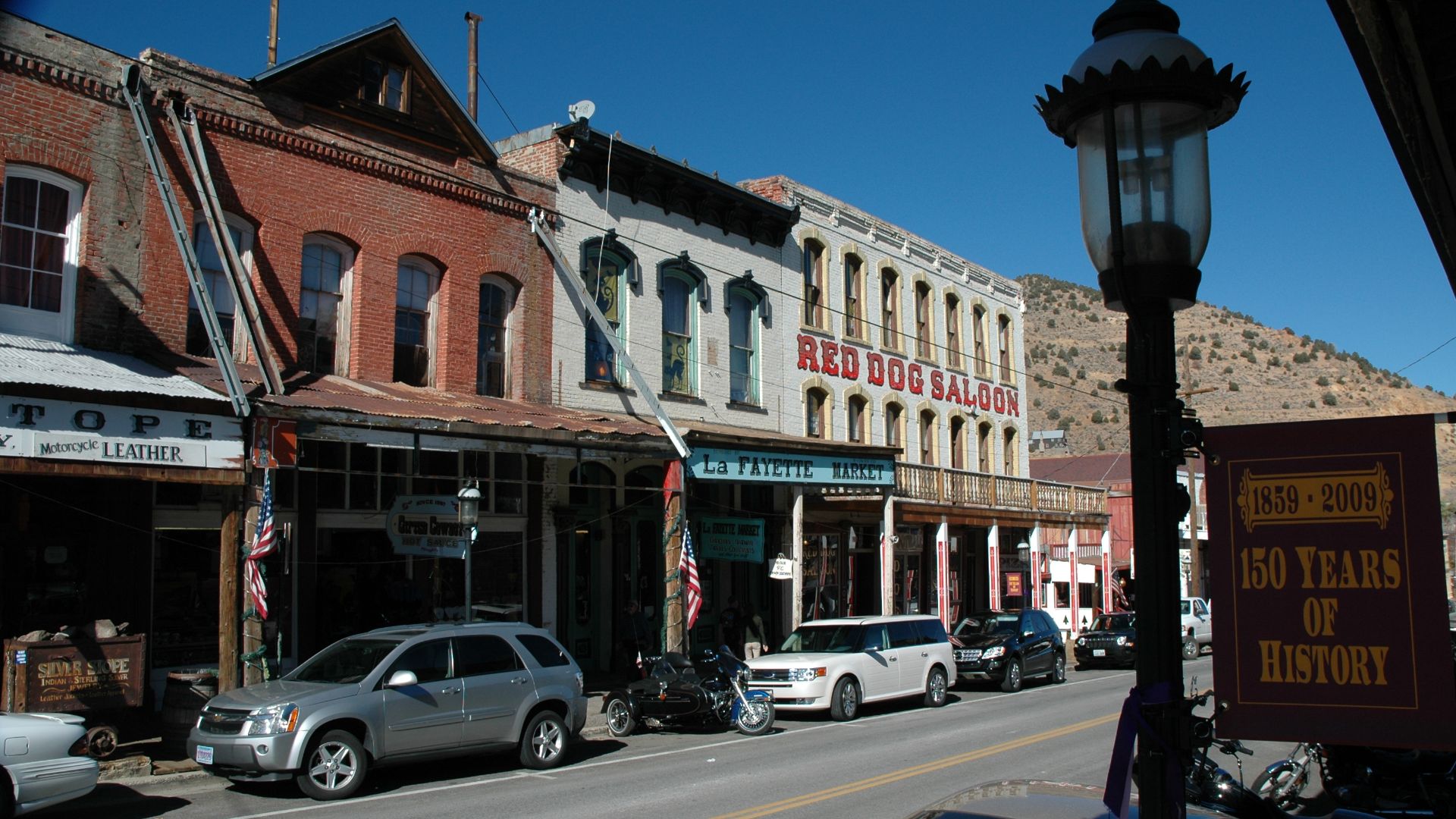
Virginia City boomed after the discovery of the Comstock Lode silver deposit and became one of the richest mining towns in the West. Visitors today can ride historic railroads, tour old mines, and explore remarkably preserved wooden sidewalks and frontier-era buildings.
Deadwood, South Dakota
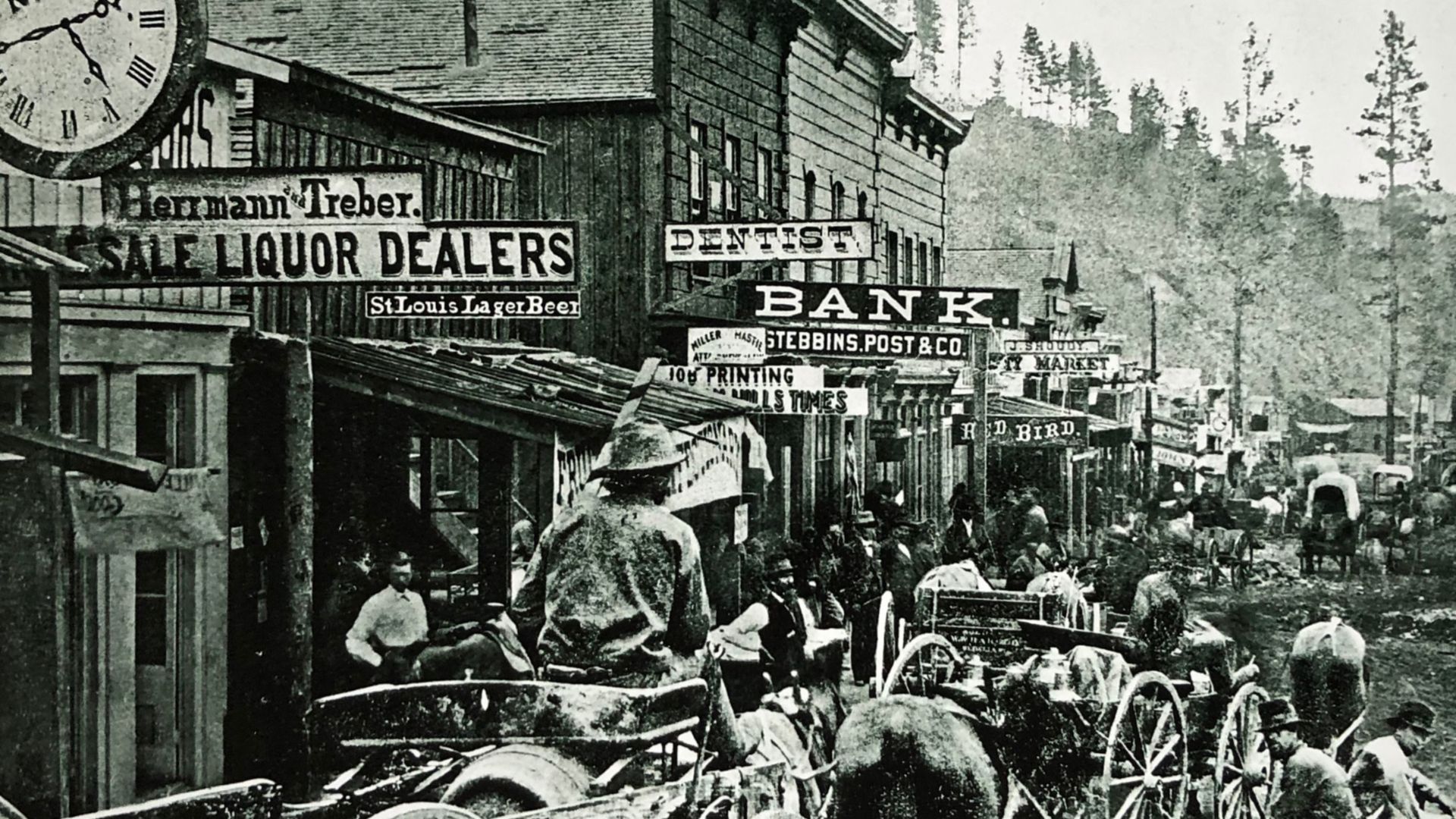
Deadwood exploded during the Black Hills gold rush and quickly attracted gamblers, gunslingers, and opportunists. Wild Bill Hickok was famously murdered here during a poker game. Modern visitors can explore historic casinos, saloons, and preserved buildings tucked into the rugged South Dakota hills.
 Unknown authorUnknown author, Wikimedia Commons
Tombstone, Arizona
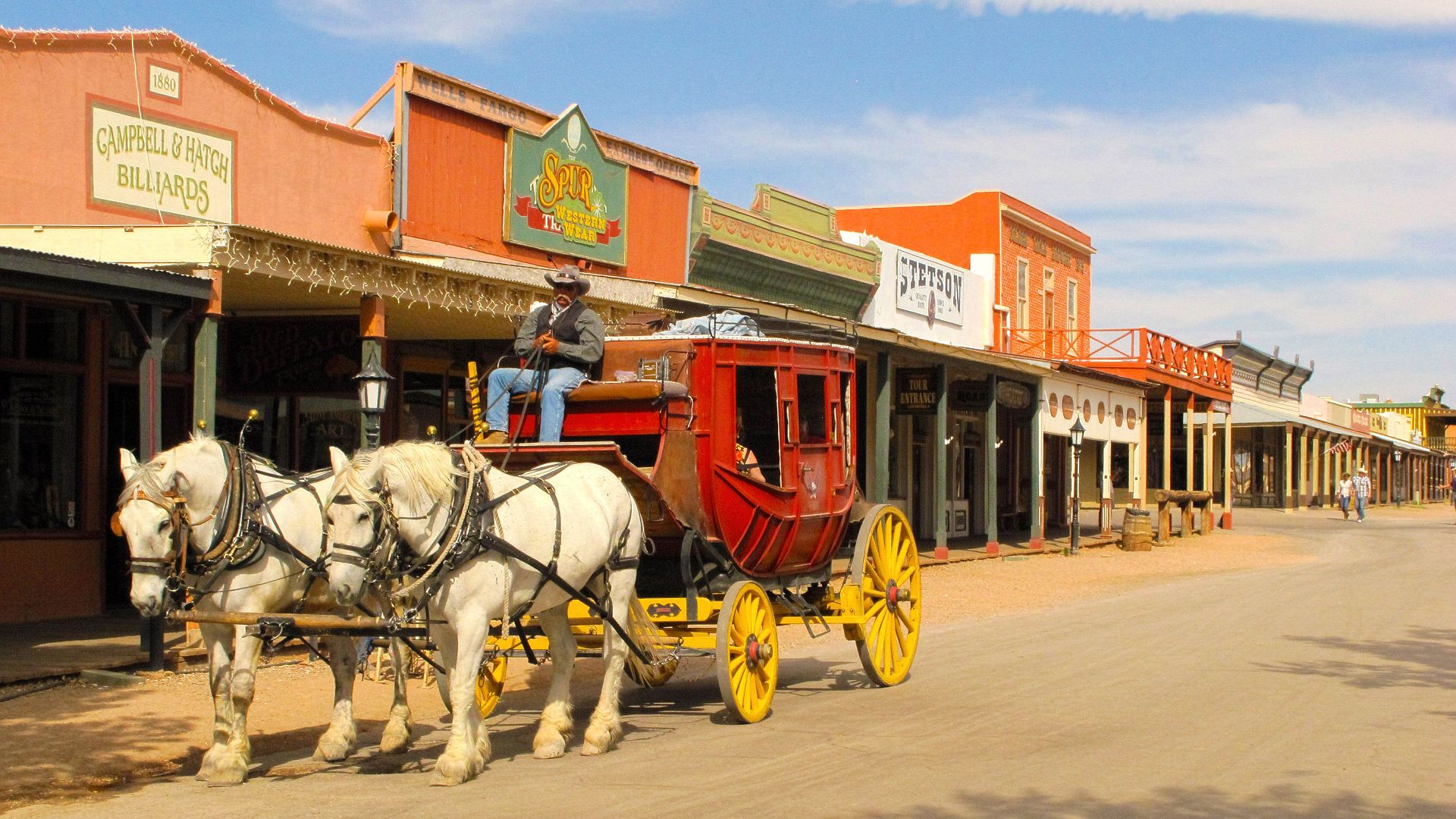
Tombstone remains perhaps the most famous Wild West town of them all thanks to the legendary Gunfight at the O.K. Corral. Visitors today can still watch reenactments, tour Boothill Graveyard, and stroll Allen Street while surrounded by preserved nineteenth-century storefronts and saloons.
You May Also Like:
"Keep Your Nose Clean." How Many Old West Sayings Do You Know?
Grave Facts About Tombstone, The Old West's Most Infamous Town
America’s greatest highway, Route 66 will be 100 years old in 2026.