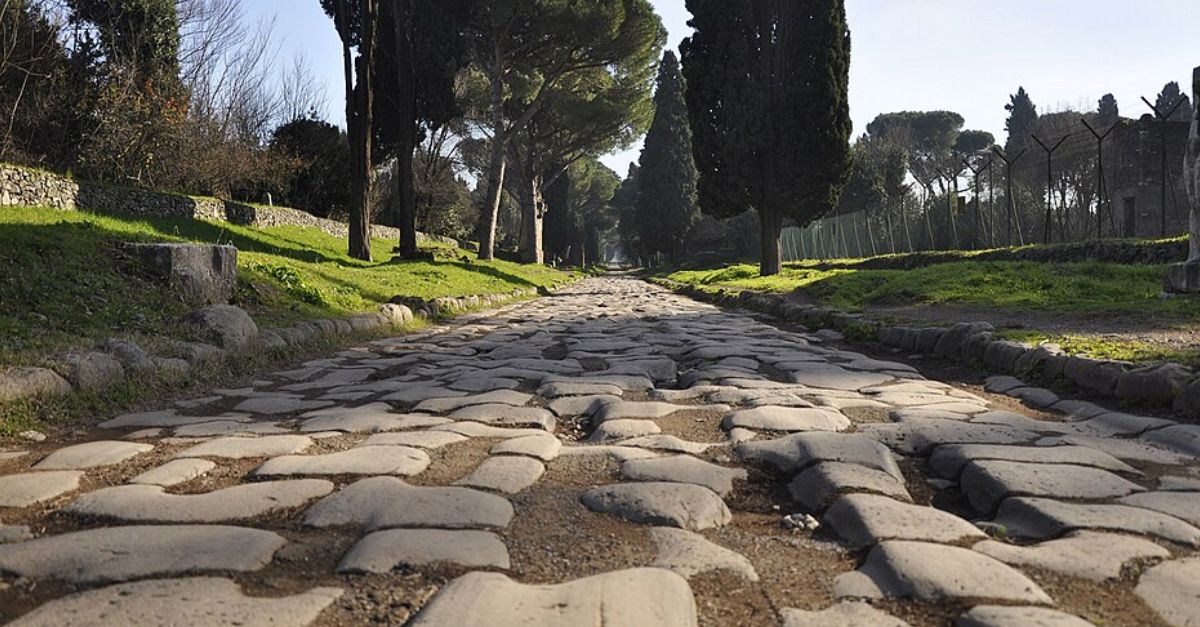
The Welcome Is Warmer Than Expected
Some states get branded rude, cold, standoffish, or downright intimidating long before visitors ever set foot there. Yet reputations built on big-city stereotypes, regional accents, or television rarely tell the whole story. Here are the places where travelers may discover that the welcome is much warmer than the stereotype suggests.
New York
New York may have the toughest reputation of any state on this list, largely because New York City moves at a speed that can look like impatience to outsiders. Yet visitors regularly discover that New Yorkers will give directions, explain the subway, or step in when someone clearly needs help. The friendliness just tends to be practical rather than chatty. Upstate communities can feel entirely different again, with a much slower, more traditionally welcoming atmosphere.
![View of the Empire State Building in New York City from the Top of the Rock at 30 Rockefeller Plaza during sunset. The tower was illuminated in green in honor of Climate Week NYC.[1]](https://www.factinate.com/storage/app/media/splashtravels/2026/9/1/17882711817c86e1e056bad655714dfd9bda1386ba188ce57e.jpg)
New Jersey
New Jersey’s image has been shaped by aggressive-driving jokes, blunt accents, and decades of pop-culture stereotypes. In practice, that bluntness can coexist with plenty of generosity. Locals may tease you while helping you, and visitors to the Shore or smaller towns often encounter a far more relaxed side of the state. Jersey friendliness doesn’t always come wrapped in sweetness, but it’s still friendliness.
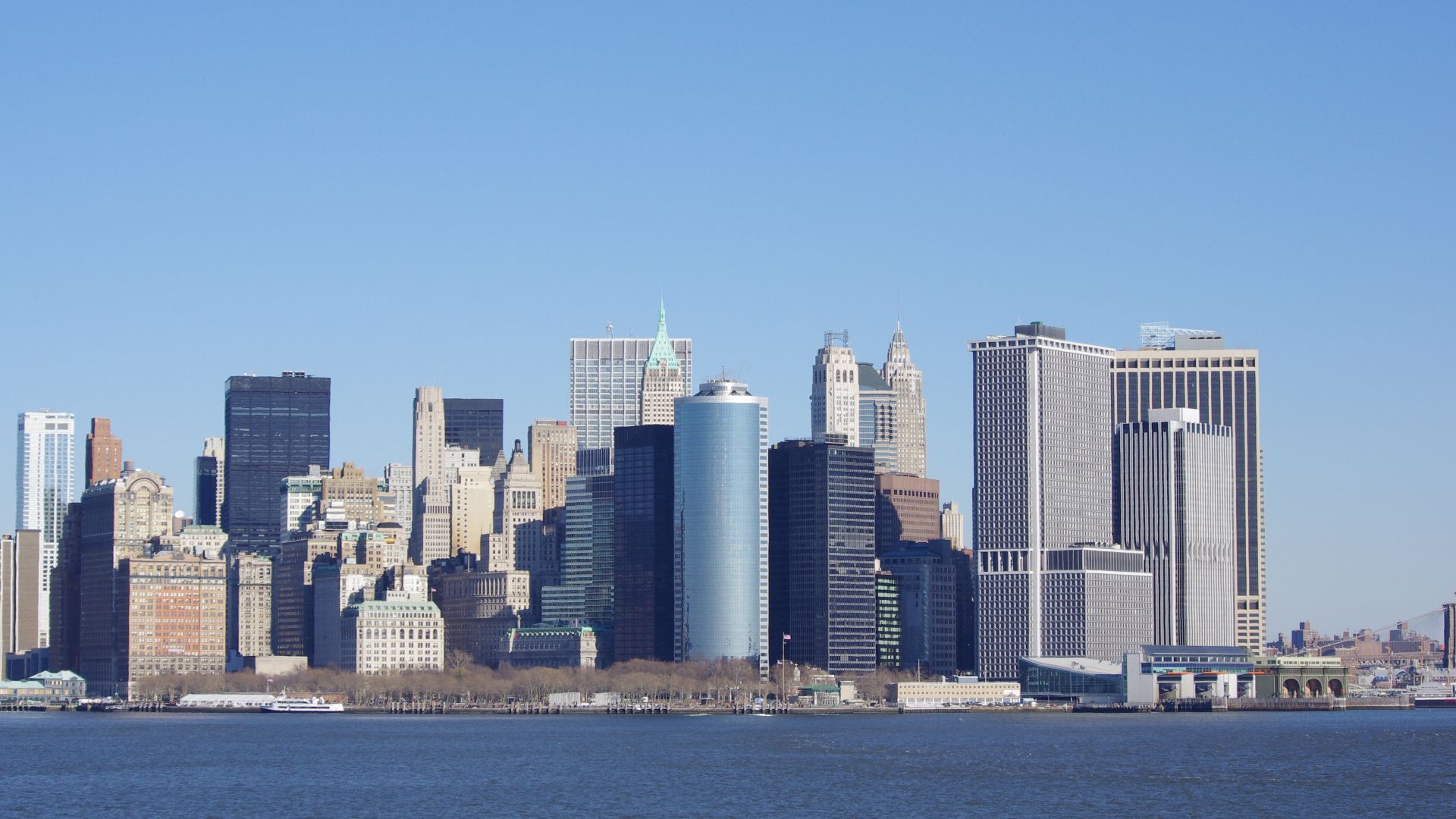 David Merrett, Wikimedia Commons
Massachusetts
Boston has such a reputation for brusqueness that Massachusetts routinely performs poorly in perception-based friendliness rankings. Actual visitors seem considerably less bothered: Massachusetts’ own recent visitor research found high satisfaction and strong intentions to return. People may not engage in endless small talk, but they’ll often provide useful advice when asked. Outside Boston, coastal and small-town Massachusetts can feel warmer still.
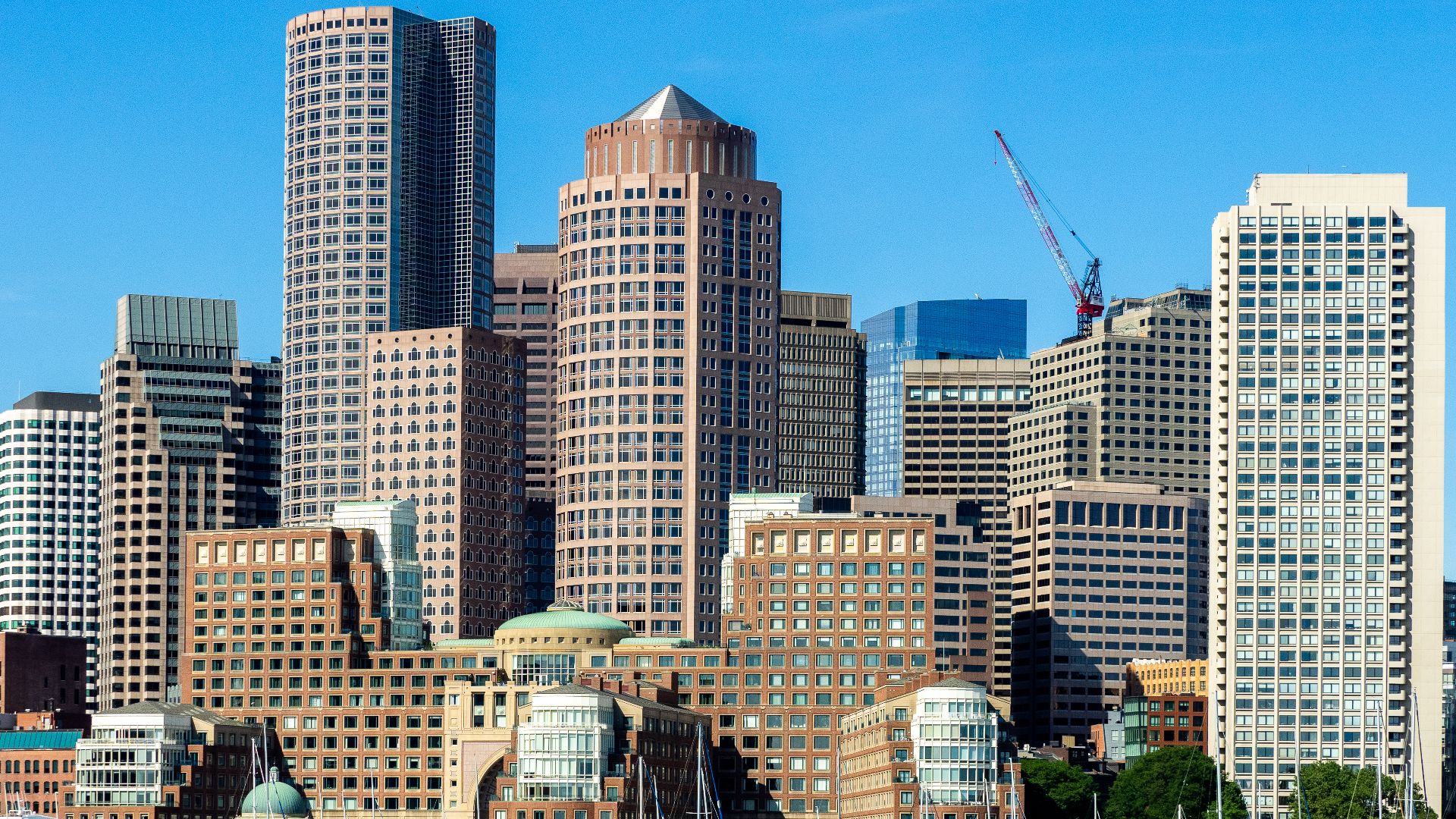 Ajay Suresh from New York, NY, USA, Wikimedia Commons
Pennsylvania
Philadelphia’s famously combative sports culture tends to dominate Pennsylvania’s reputation, which isn’t entirely fair to either Philadelphia or the rest of the state. Visitors who spend time in neighborhood restaurants, markets, smaller cities, Amish Country, or the state’s mountain communities often find a much more approachable atmosphere. Pennsylvania has even performed relatively well in some traveler-based friendliness rankings despite Philly’s intimidating image.
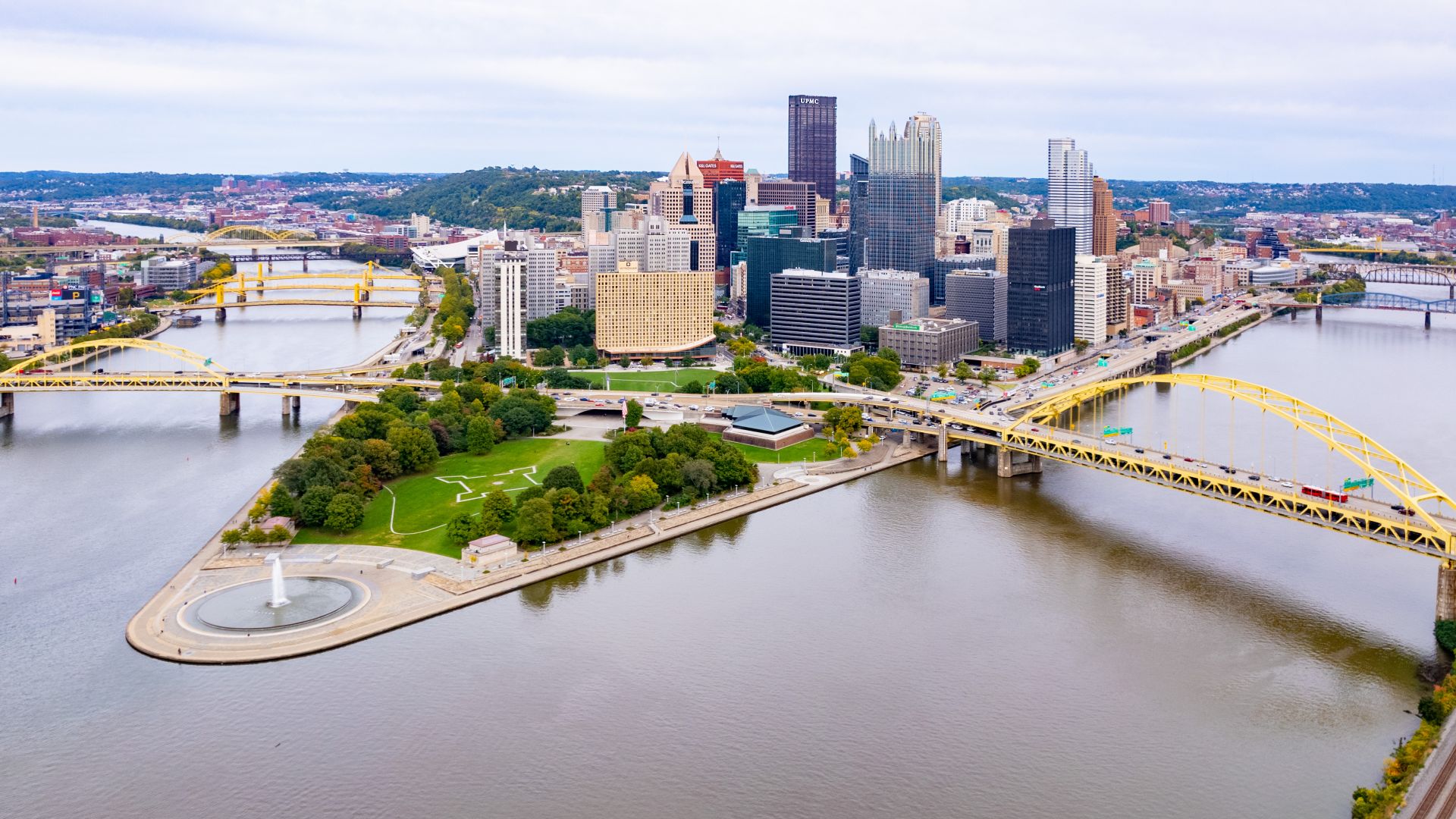 Popscreenshot, Wikimedia Commons
Maine
Mainers aren’t necessarily going to greet every stranger like an old friend, and that reserve sometimes gets mistaken for coldness. Yet Maine ranked among the most welcoming states in a recent Preply survey, which fits the quieter hospitality many travelers encounter in its coastal towns and rural communities. The friendliness tends to be understated: useful directions, conversation when it matters, and people willing to help without making a big production of it.
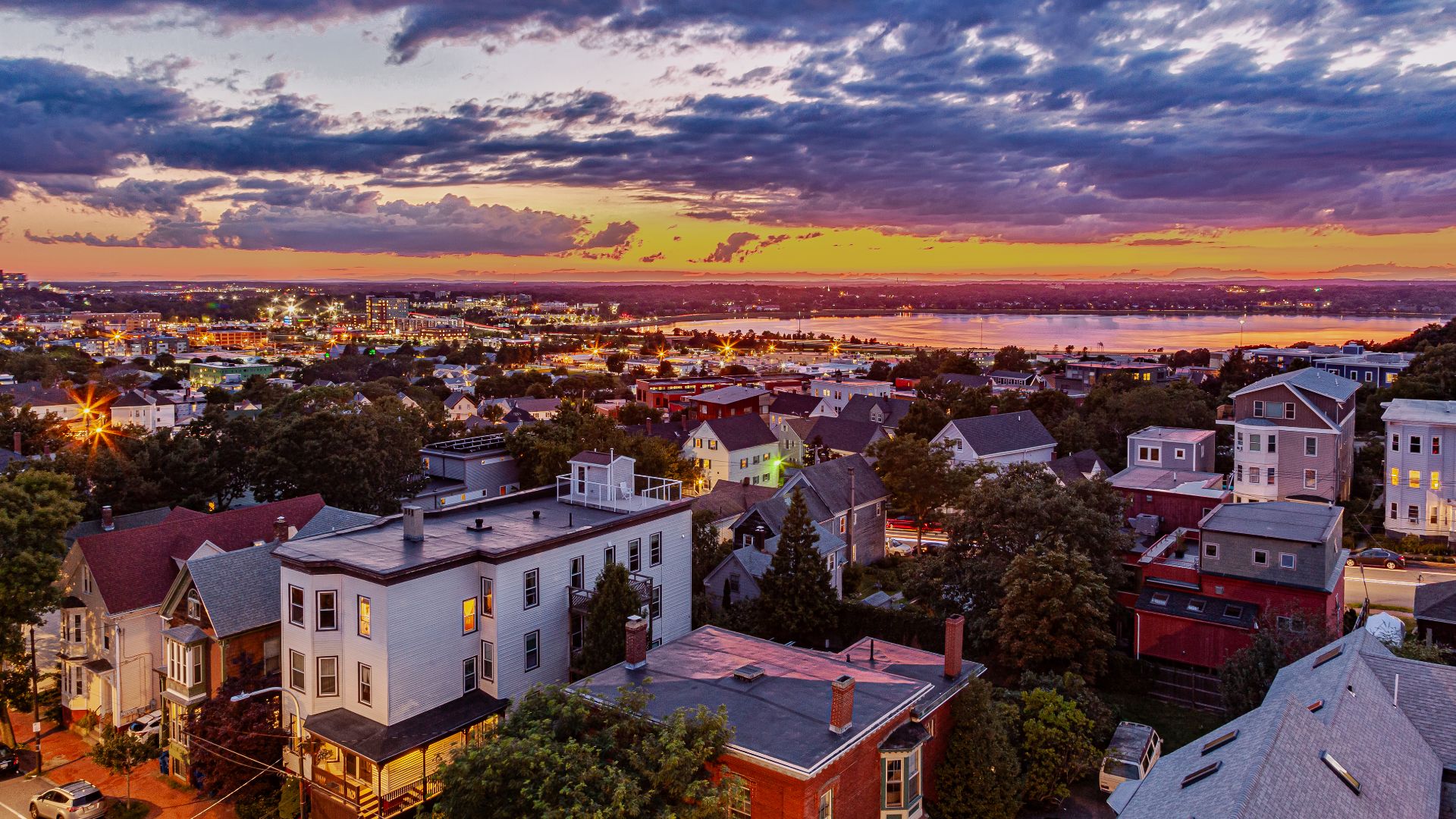 Paul VanDerWerf from Brunswick, Maine, USA, Wikimedia Commons
Washington
The phrase “Seattle Freeze” has become shorthand for the idea that Washington residents are polite but difficult to actually connect with. Yet a 2026 SmartAsset study produced a very different picture, ranking Washington among the country’s ten friendliest states based on time spent socializing, volunteering, and helping others. Visitors may find that Washington friendliness is simply lower-key than the outgoing warmth associated with other regions.
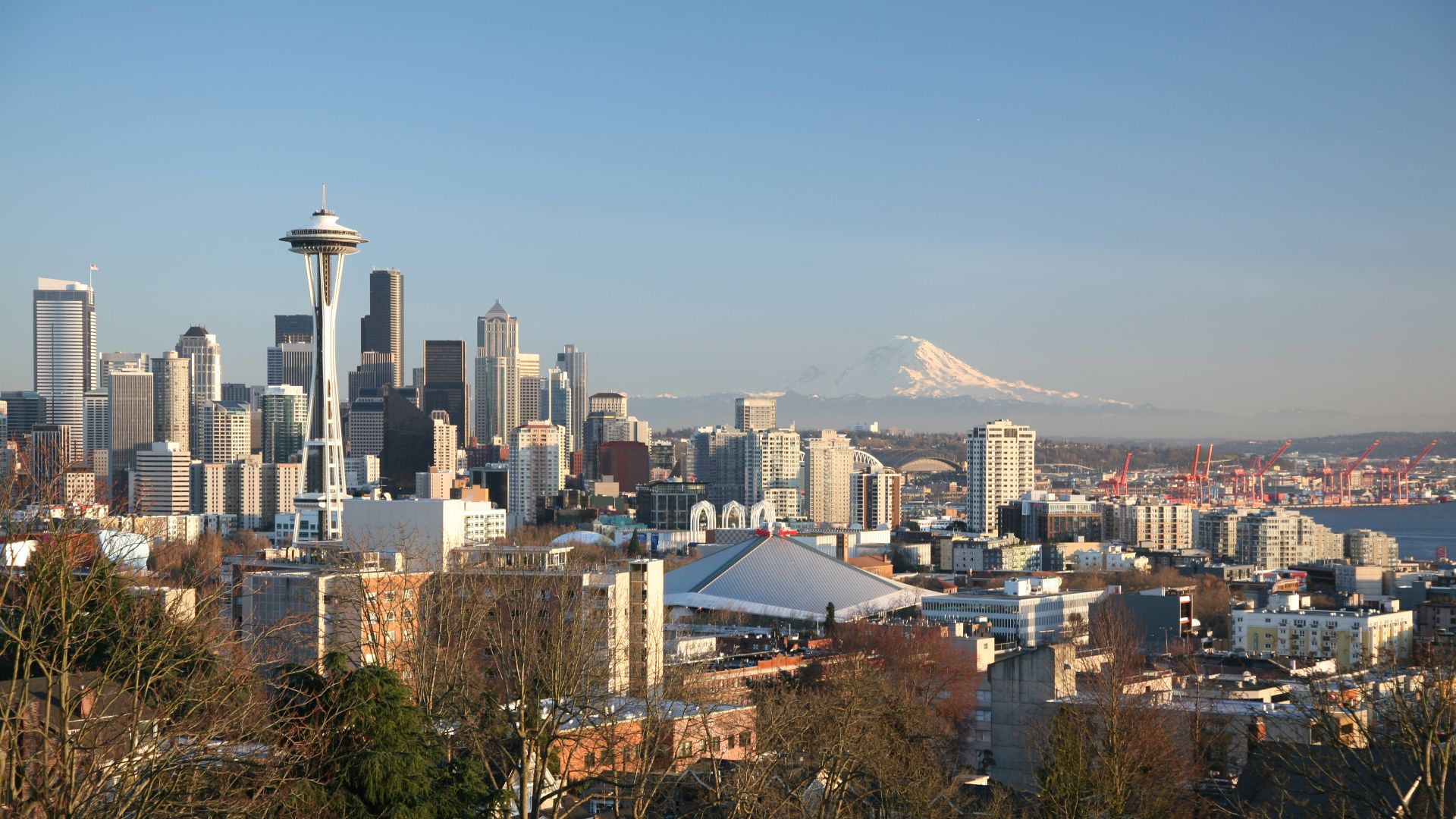 Daniel Schwen, Wikimedia Commons
Oregon
Oregon can inherit some of the same Pacific Northwest stereotypes as Washington: reserved people, established social circles, and a little distance toward newcomers. Actual visitor research paints a warmer picture, with travelers specifically citing friendliness and welcoming behavior among reasons they recommend Oregon. Smaller towns, the coast, outdoor communities, and local businesses can be especially good places to discover that side of the state.
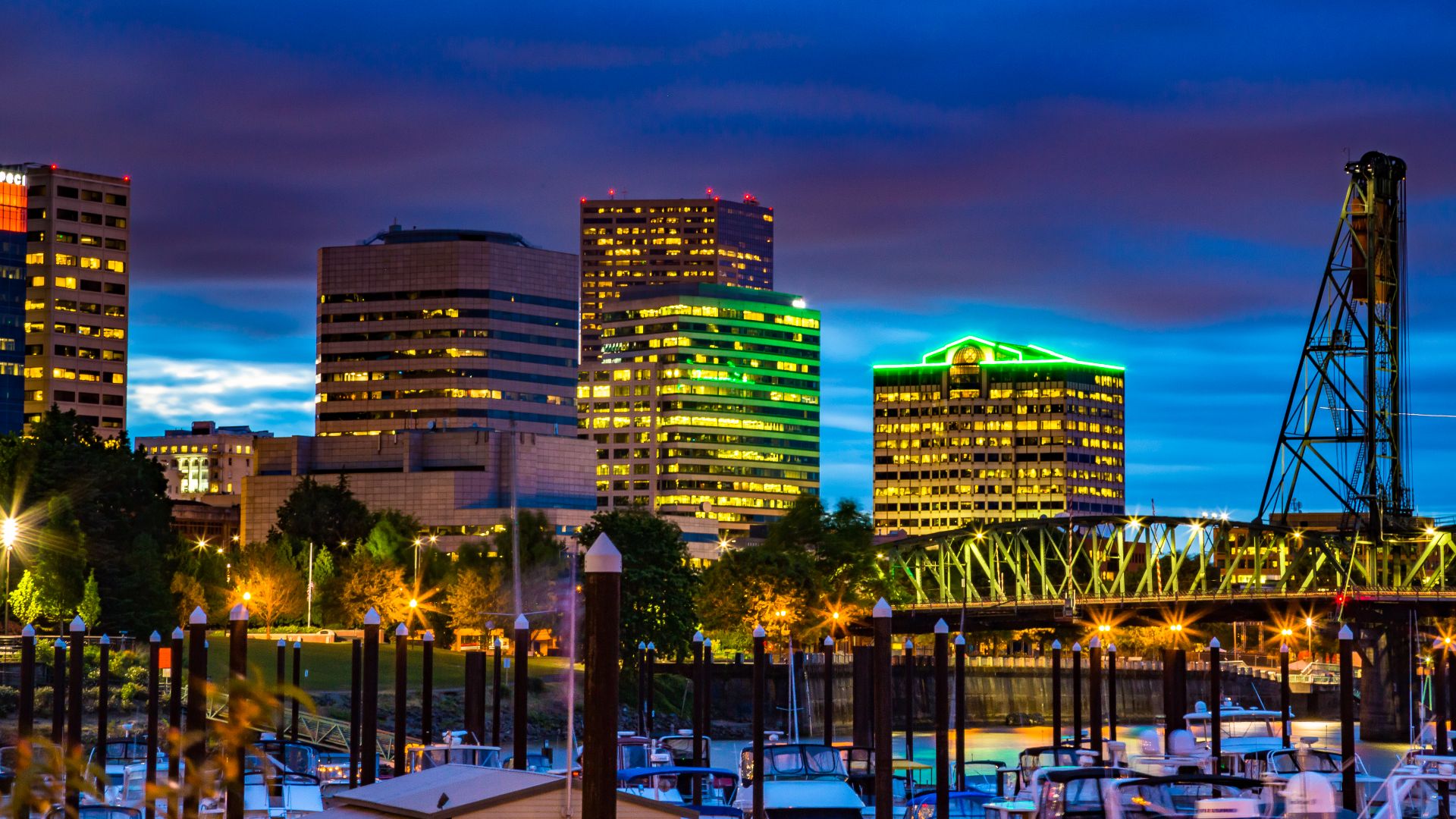 Tony Webster from Minneapolis, Minnesota, Wikimedia Commons
California
California gets hit from both directions. Los Angeles is stereotyped as superficial and status-conscious, while San Francisco is sometimes described as detached or unfriendly. But that reduces a state of nearly 40 million people to a handful of clichés. Beach towns, agricultural communities, mountain areas, neighborhood restaurants, and smaller cities can feel remarkably relaxed and approachable, and visitors quickly learn that California has dozens of distinct local cultures.
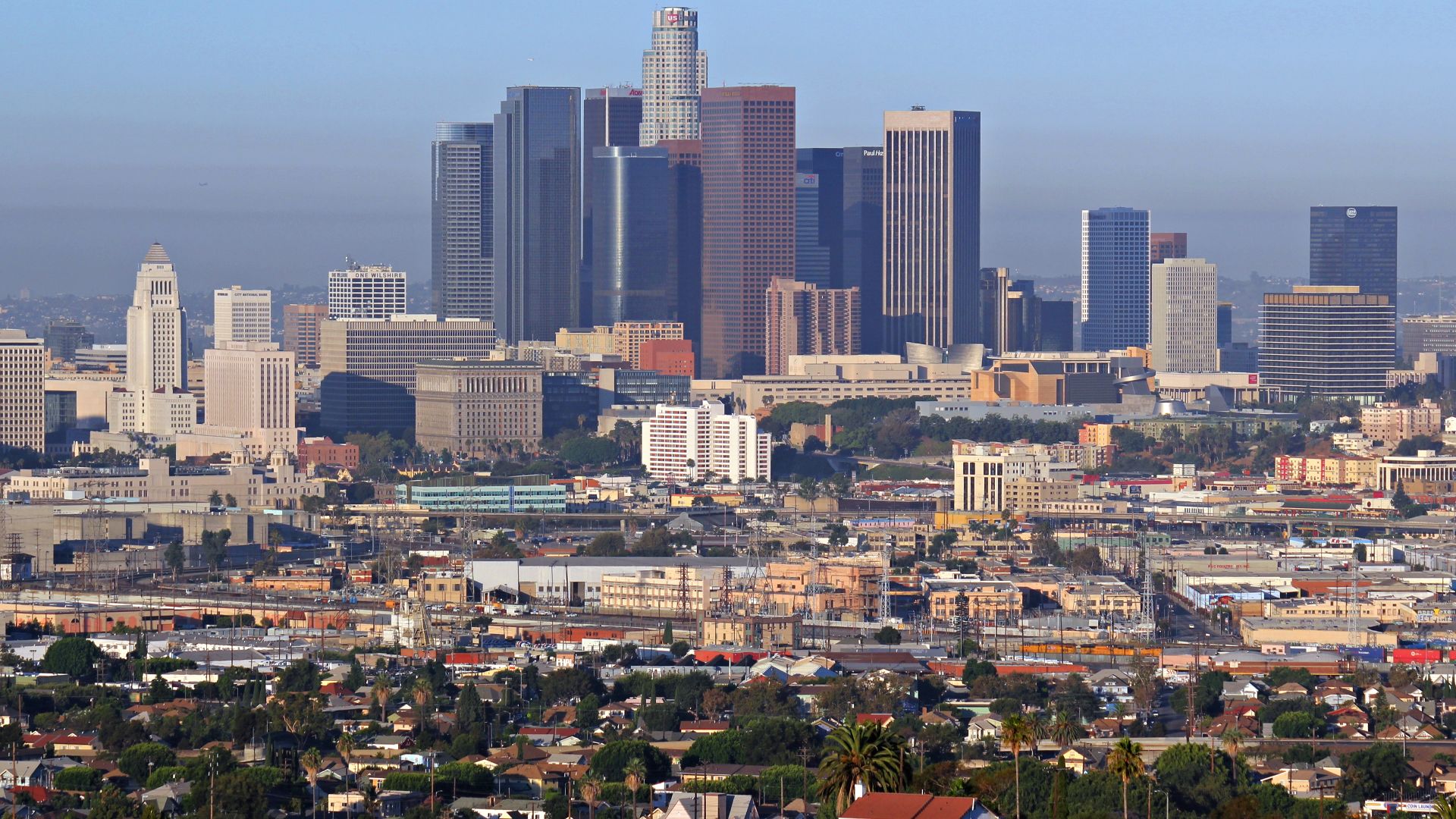 Basil D Soufi, Wikimedia Commons
Illinois
Chicago’s size, traffic, winters, and reputation for big-city bluntness can make Illinois seem more intimidating than it actually is. Chicagoans are famously opinionated, but they’re also accustomed to helping tourists navigate trains, neighborhoods, restaurants, and attractions. Move beyond the city and much of Illinois feels unmistakably Midwestern. Some friendliness studies have placed the state considerably higher than its stereotype would suggest.
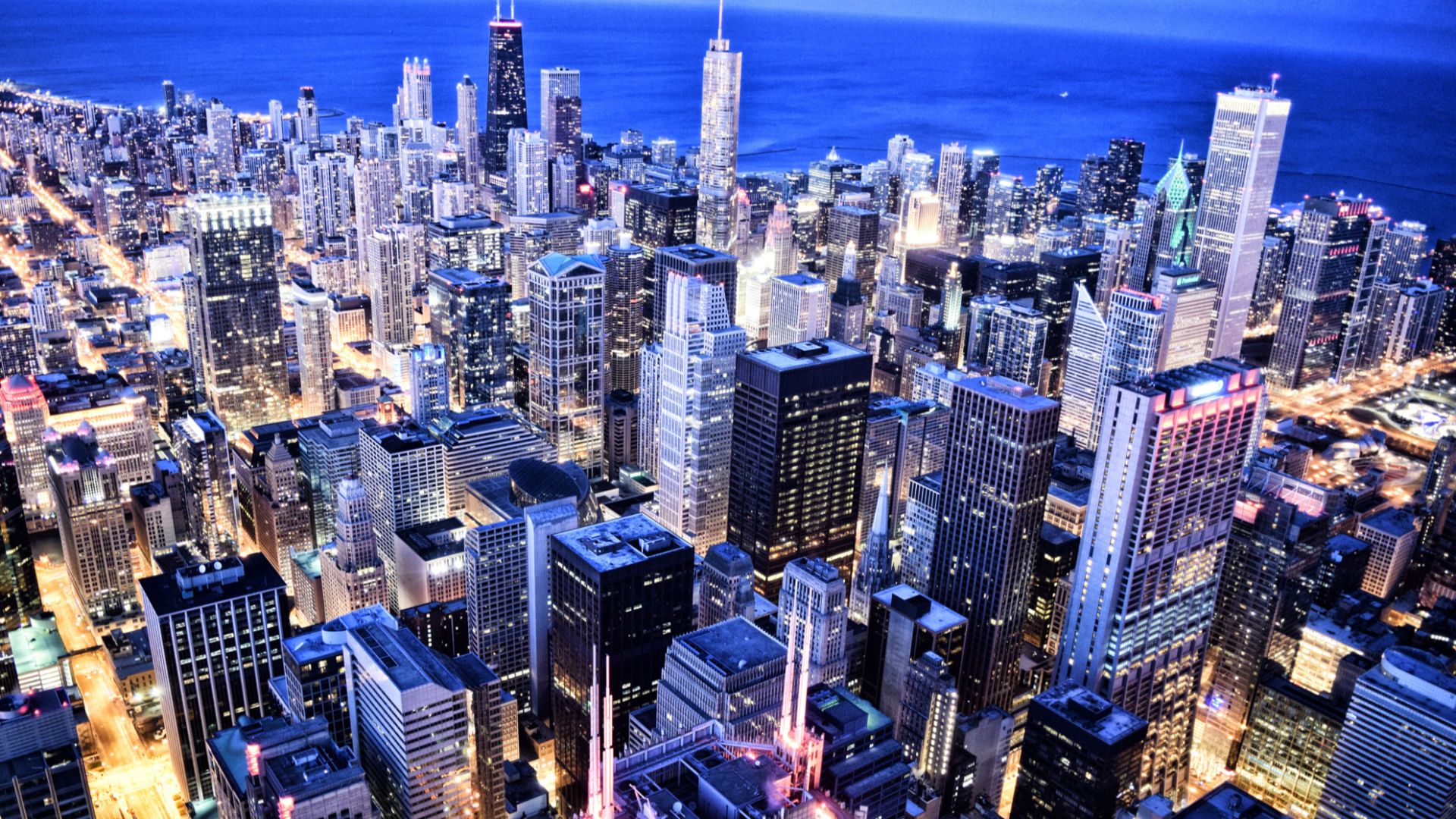 Jesse Collins, Wikimedia Commons
Michigan
Detroit’s troubled reputation has overshadowed much of Michigan for decades, but travelers who actually spend time there often encounter tremendous local pride and an eagerness to show visitors another side of the city. Elsewhere, Great Lakes vacation towns and smaller communities can feel thoroughly Midwestern. Michigan also scored strongly for socializing in SmartAsset’s 2026 friendliness study, placing it within the national top 20 overall.
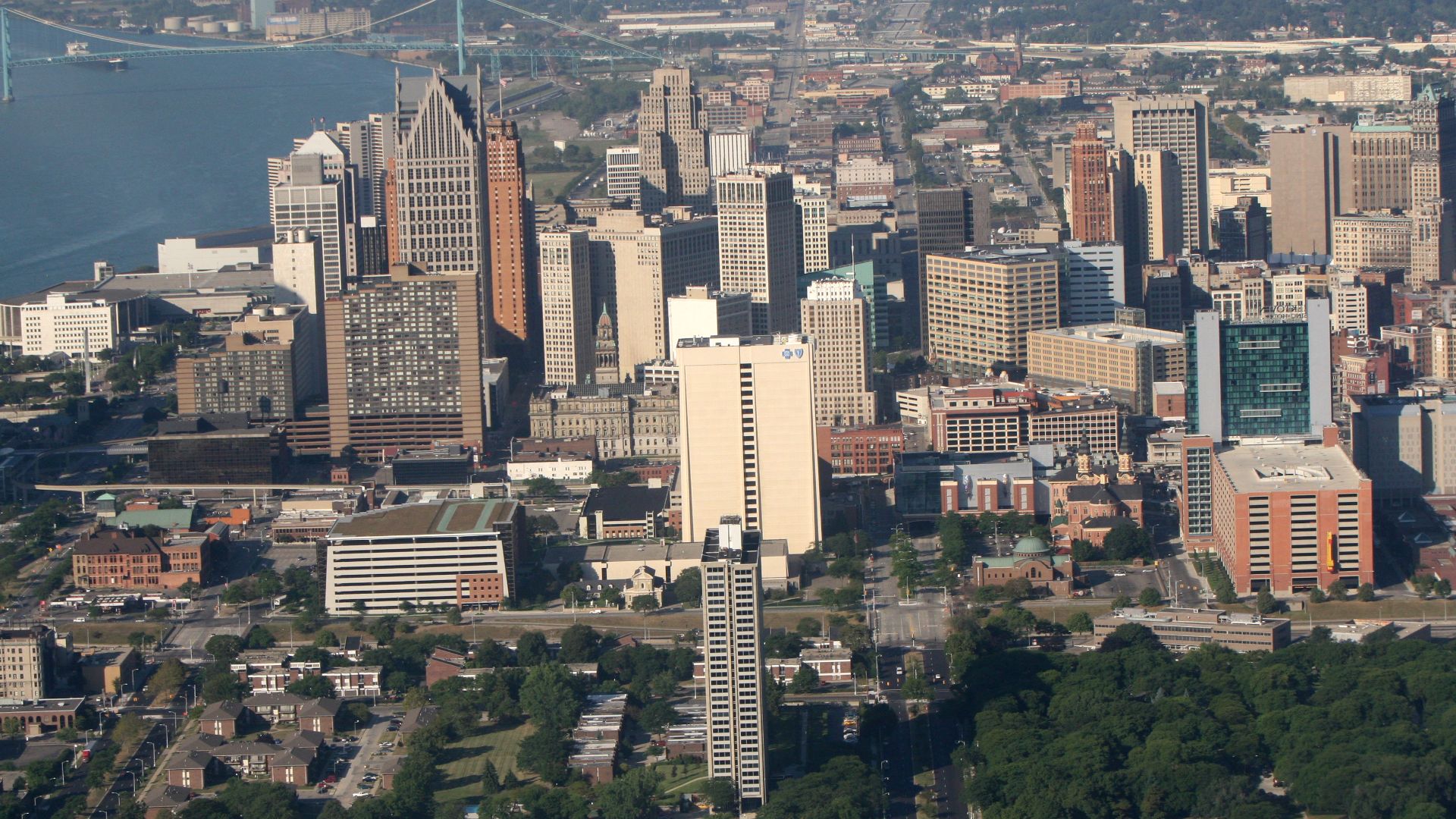 A Healthier Michigan from Detroit, United States, Wikimedia Commons
Nevada
Las Vegas can feel transactional because so much of the visitor experience revolves around casinos, hotels, nightlife, and people working for tips. That doesn’t make Nevada unfriendly. Hospitality is one of the state’s signature industries, and travelers who venture beyond the Strip often find a noticeably different atmosphere. Reno, mountain communities, desert towns, and outdoor recreation areas can feel far more neighborly than Nevada’s casino stereotype suggests.
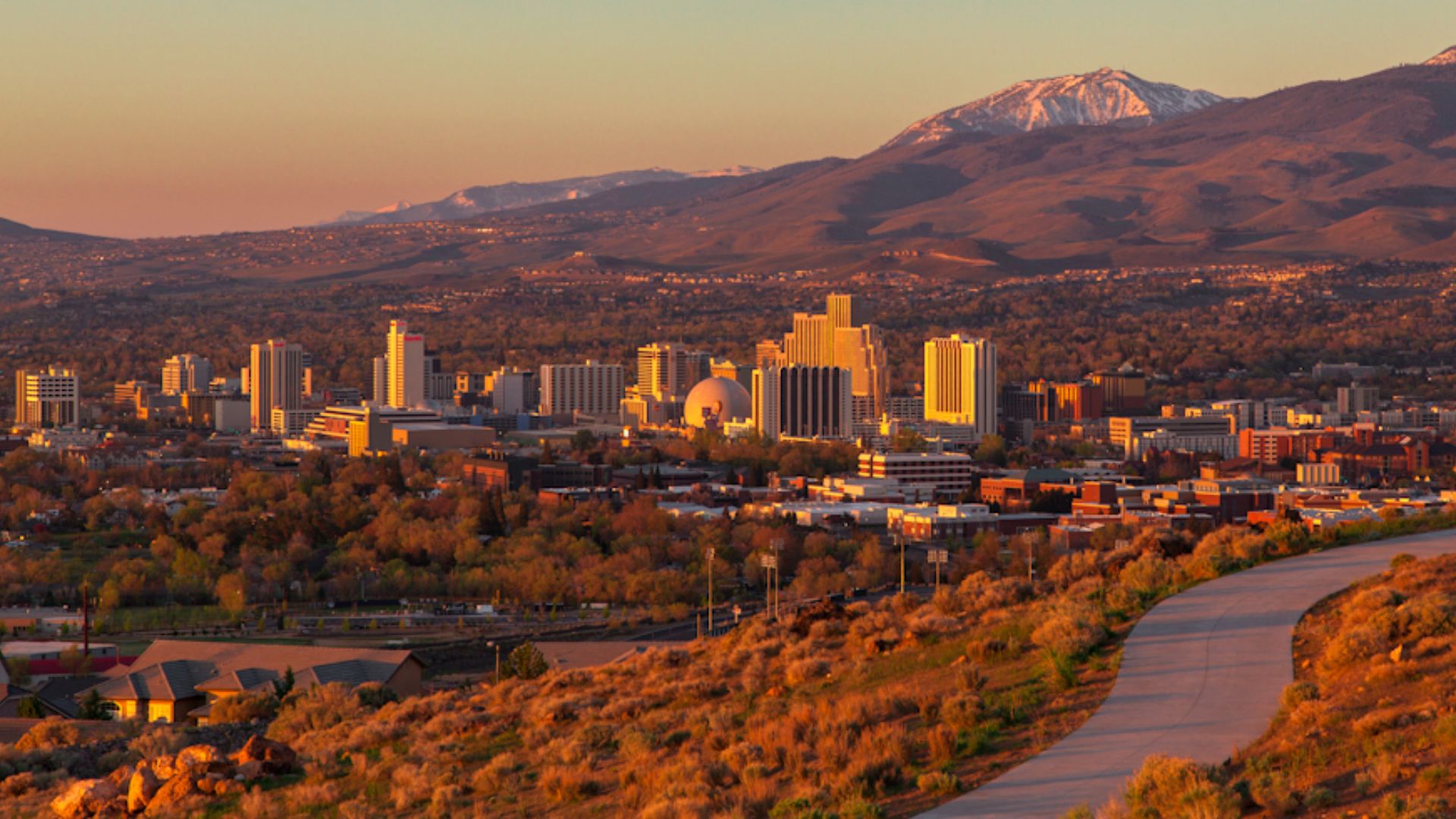 Trevor Bexon, Wikimedia Commons
Alaska
Alaska’s distance, weather, and fierce culture of self-reliance can make it seem like a place where newcomers are expected to fend for themselves. Yet tourism is enormously important to many Alaskan communities, and locals are accustomed to answering visitors’ questions about places that genuinely require local knowledge. In Juneau visitor research, friendly and efficient service has scored particularly well. Helpfulness in Alaska can also be extremely practical when conditions turn difficult.
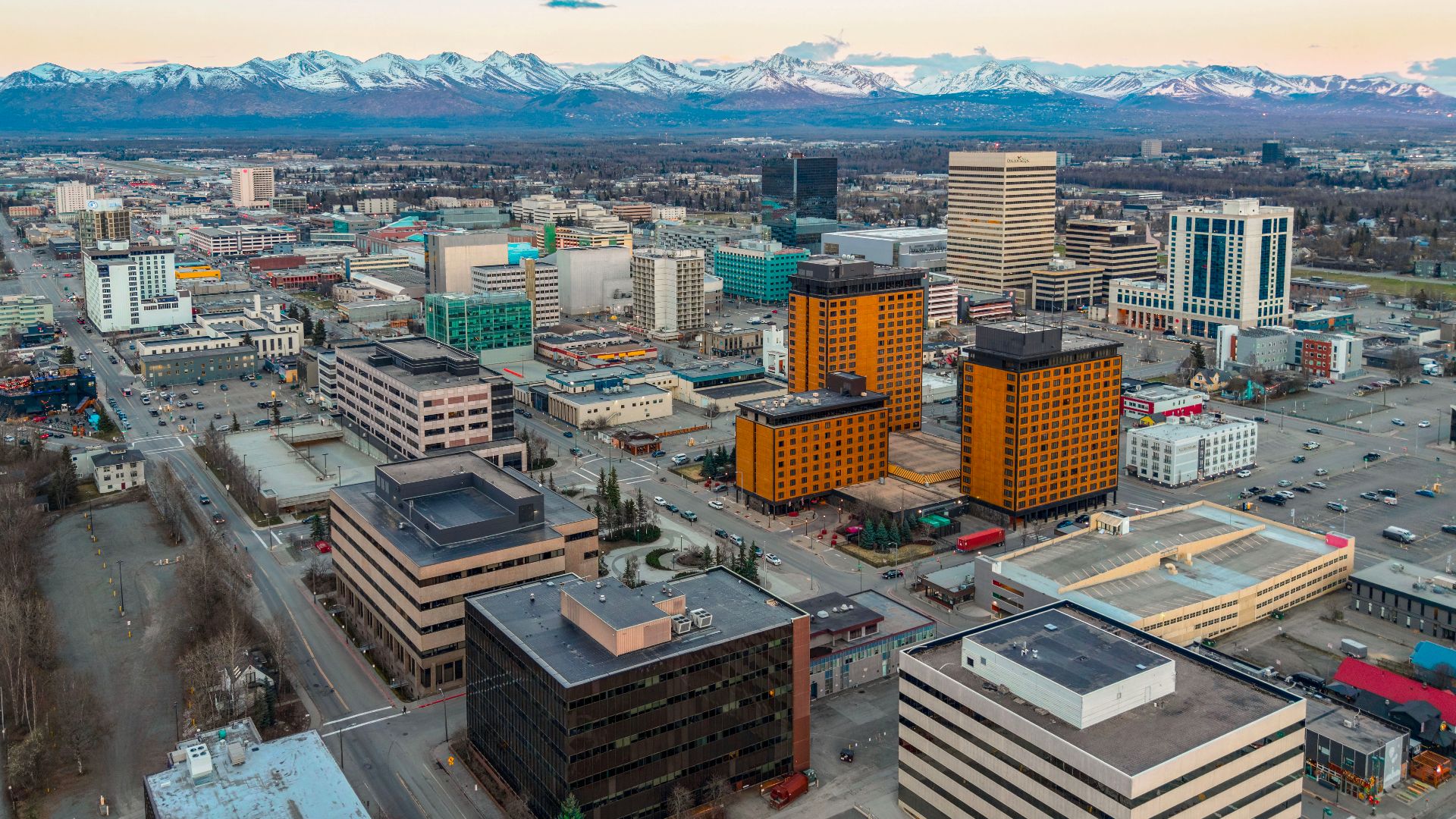 Quintin Soloviev, Wikimedia Commons
Florida
Florida’s national reputation is complicated by everything from spring-break chaos to endless “Florida Man” headlines. For tourists, however, it’s one of the country’s most experienced hospitality environments. Step away from the most frantic attractions and Florida also offers beach towns, retirement communities, historic districts, and smaller Gulf Coast destinations where casual conversation comes easily. The Sunshine State is far more socially varied than its memes suggest.
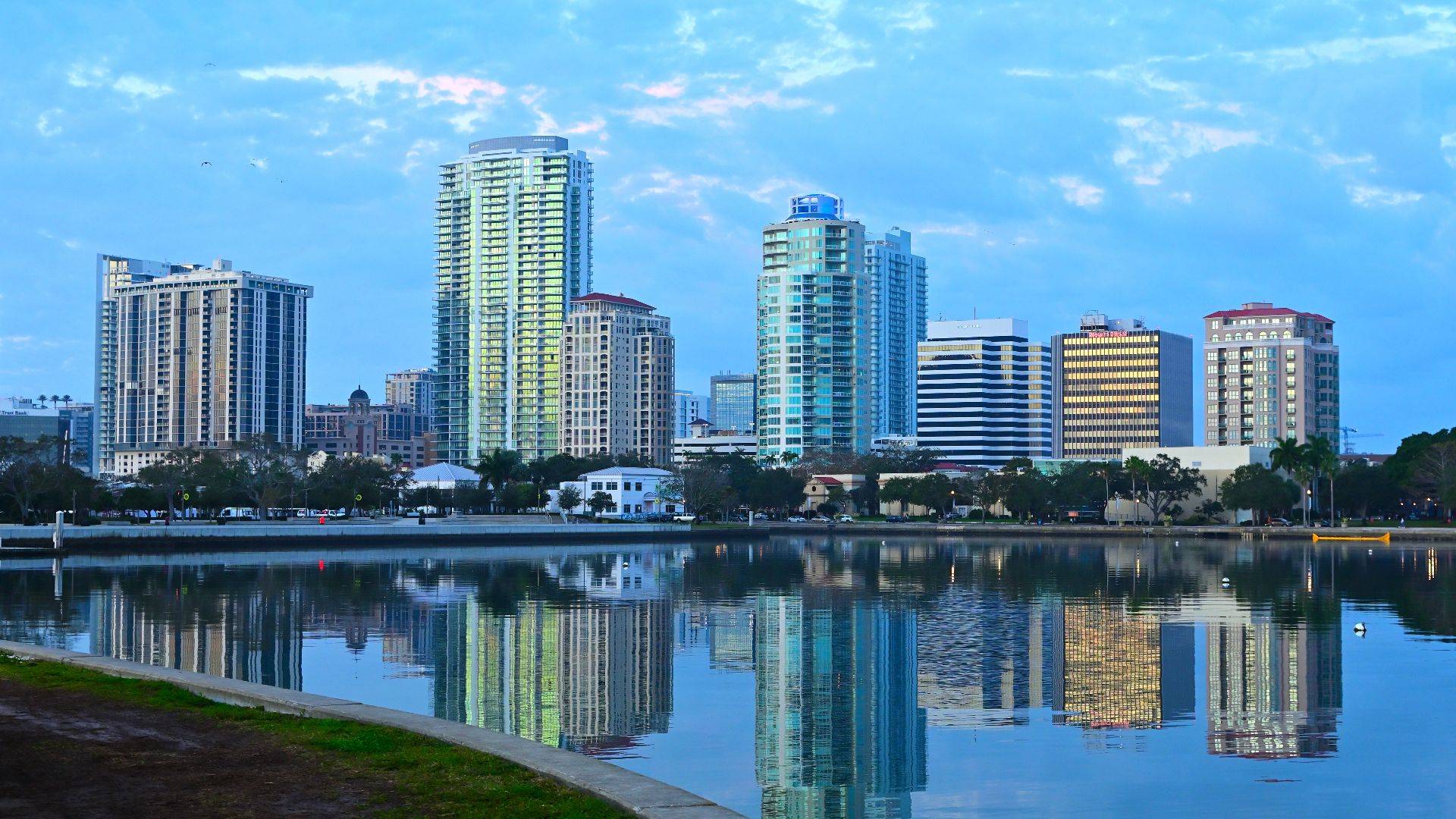 Andrew Heneen, Wikimedia Commons
Texas
Texas doesn’t exactly suffer from a universally unfriendly reputation, but its larger-than-life politics, enormous cities, and swagger can intimidate outsiders. On friendliness surveys, however, Texas regularly performs extremely well and has ranked near the top in traveler-based assessments. The familiar idea of Texas hospitality still has some substance behind it, particularly in smaller communities where conversation with strangers remains perfectly normal.
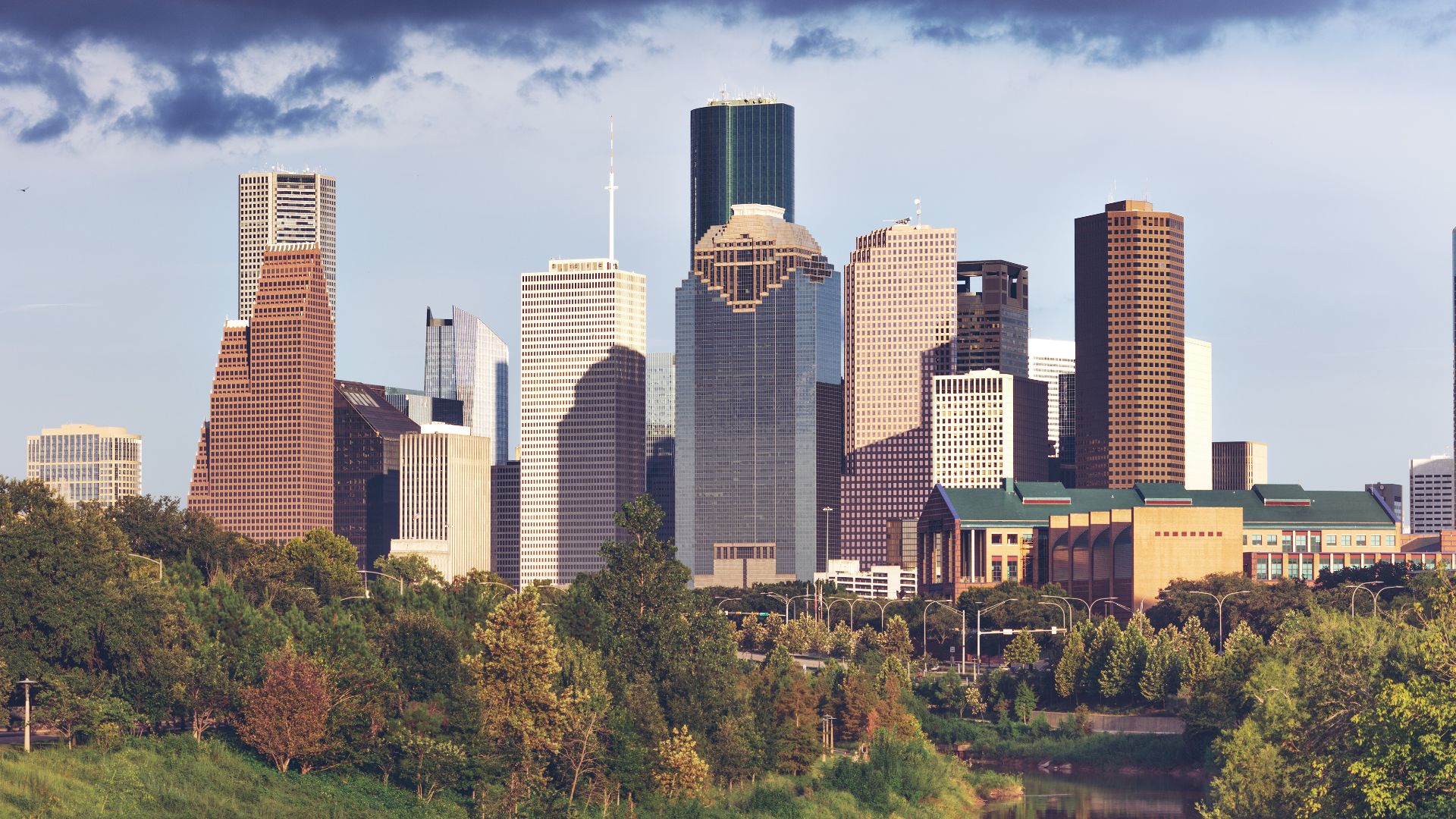 David Daniel Turner, Wikimedia Commons
Arizona
Arizona can seem harsh before visitors even meet anybody. The desert landscape, enormous distances, and sometimes transient feel of its biggest metro areas don’t immediately suggest cozy small-town hospitality. Yet visitor research in parts of Arizona has rated the friendliness of local merchants and service providers highly. Tourist towns and outdoor communities also tend to be accustomed to helping travelers navigate an unfamiliar environment.
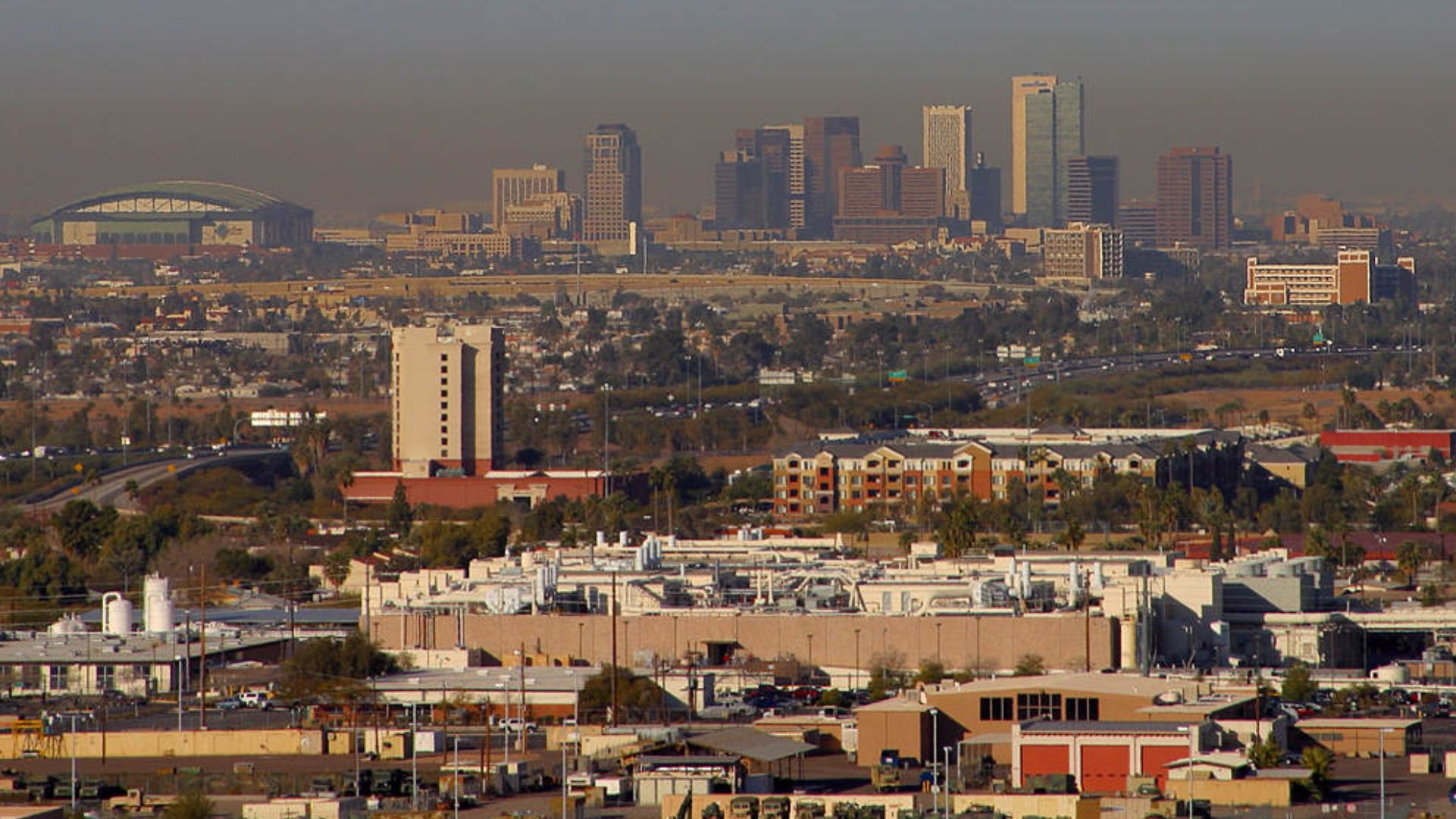 The original uploader was Black-Velvet at English Wikipedia., Wikimedia Commons
West Virginia
West Virginia carries economic and cultural stereotypes that can cause outsiders to arrive with completely the wrong expectations. One recent friendliness study found something especially interesting: West Virginians spent more time helping people outside their own households than residents of any other state measured. Travelers passing through mountain towns can encounter exactly that practical, neighborly culture, where helping somebody out still carries real weight.
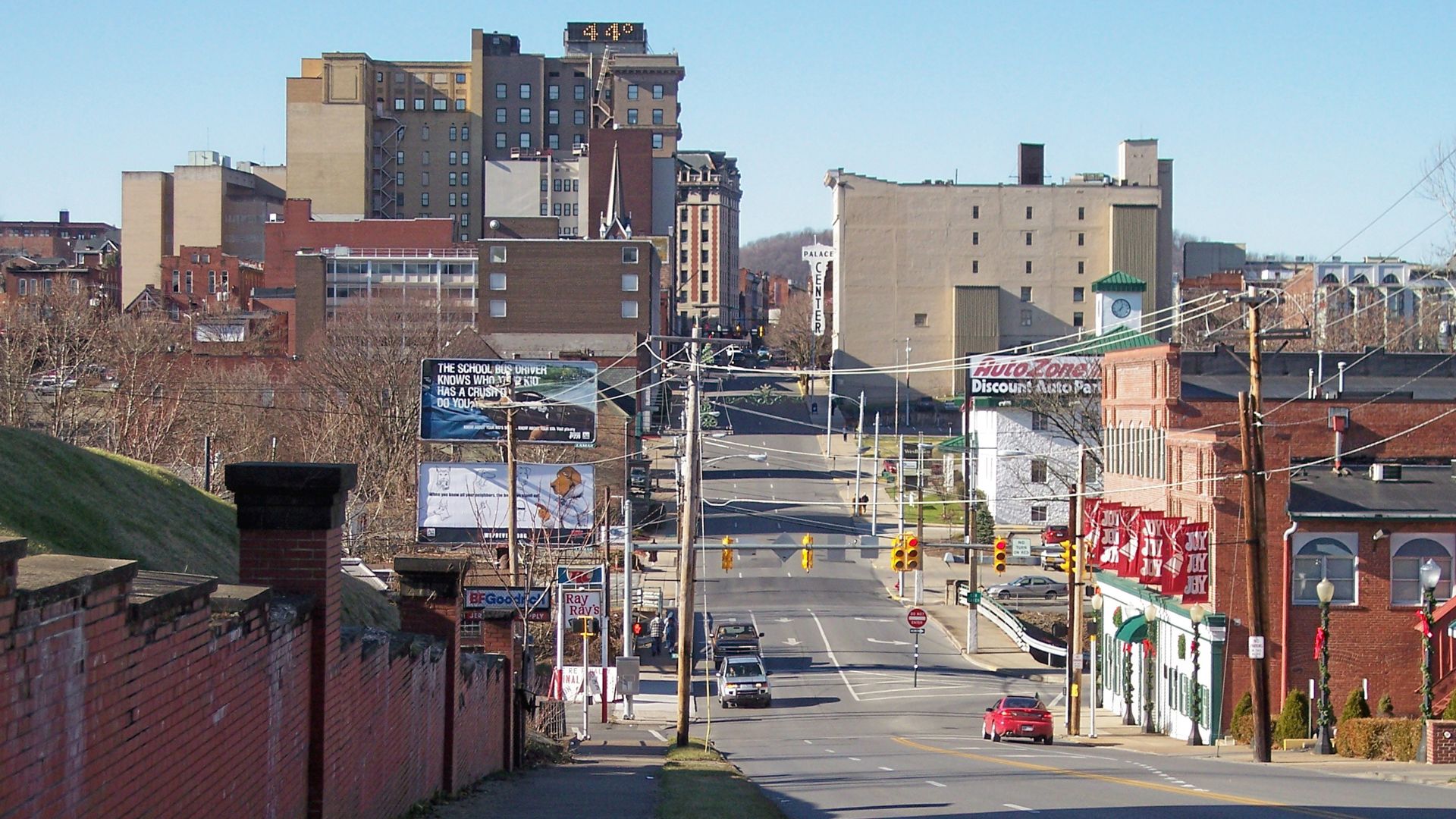 Tim Kiser (w:User:Malepheasant), Wikimedia Commons
Kentucky
Kentucky sits at a cultural crossroads between the South, Appalachia, and the Midwest, and its friendliness can reflect all three. Visitors may encounter the familiar Southern habit of conversations with strangers without the more performative side of “Southern hospitality.” Tourism organizations across the state lean heavily into welcoming communities, and places such as western Kentucky, bourbon country, and smaller Appalachian towns can feel surprisingly personal to outsiders.
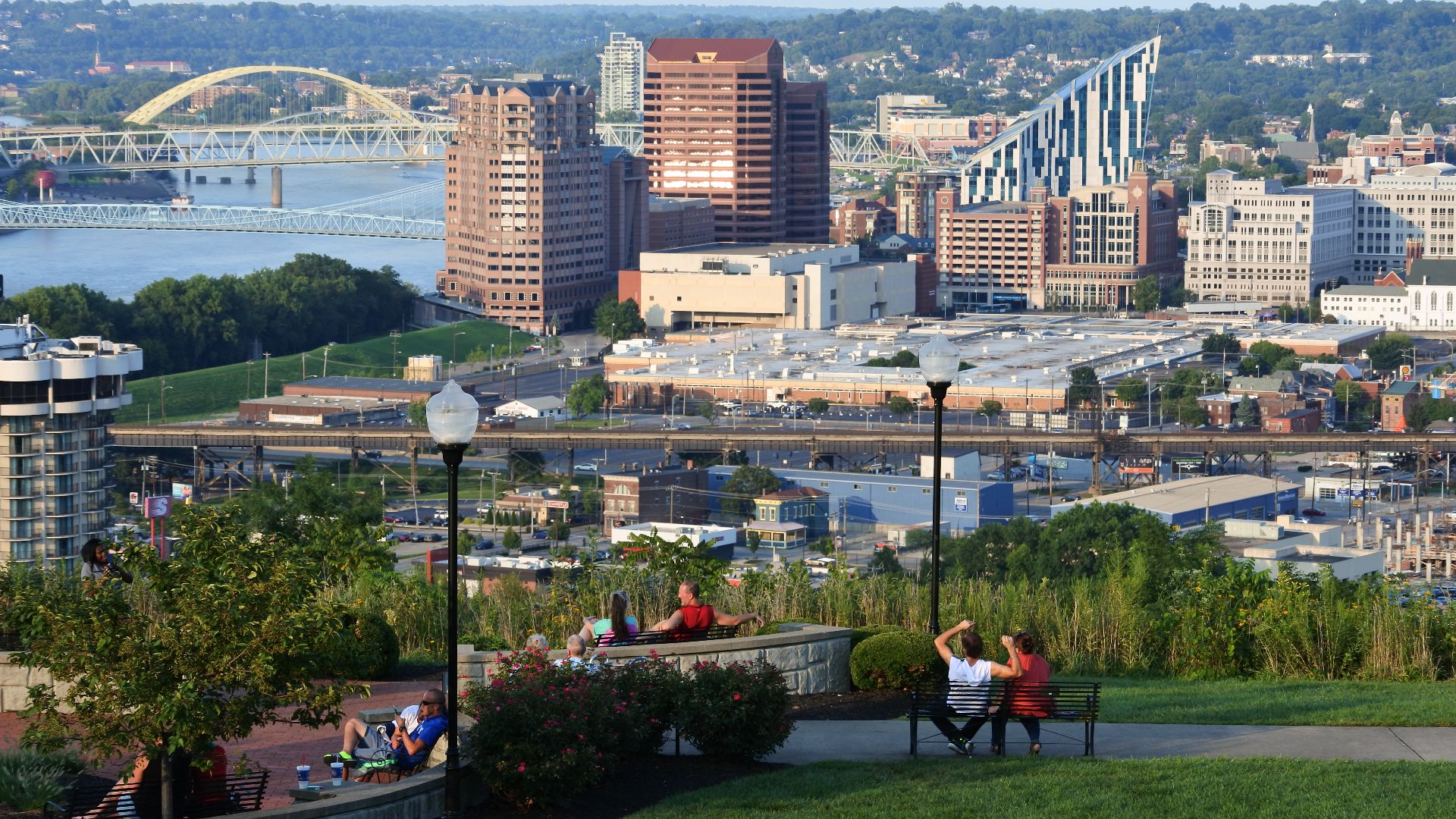
Mississippi
Mississippi’s difficult history and persistent national stereotypes sometimes overshadow what visitors actually experience day to day. Traveler-based friendliness rankings have often placed it around the middle or upper-middle of the country rather than near the bottom. Southern conversational habits remain strong, and visitors may find strangers much more willing to chat, offer recommendations, or ask where they’re from than they expected.
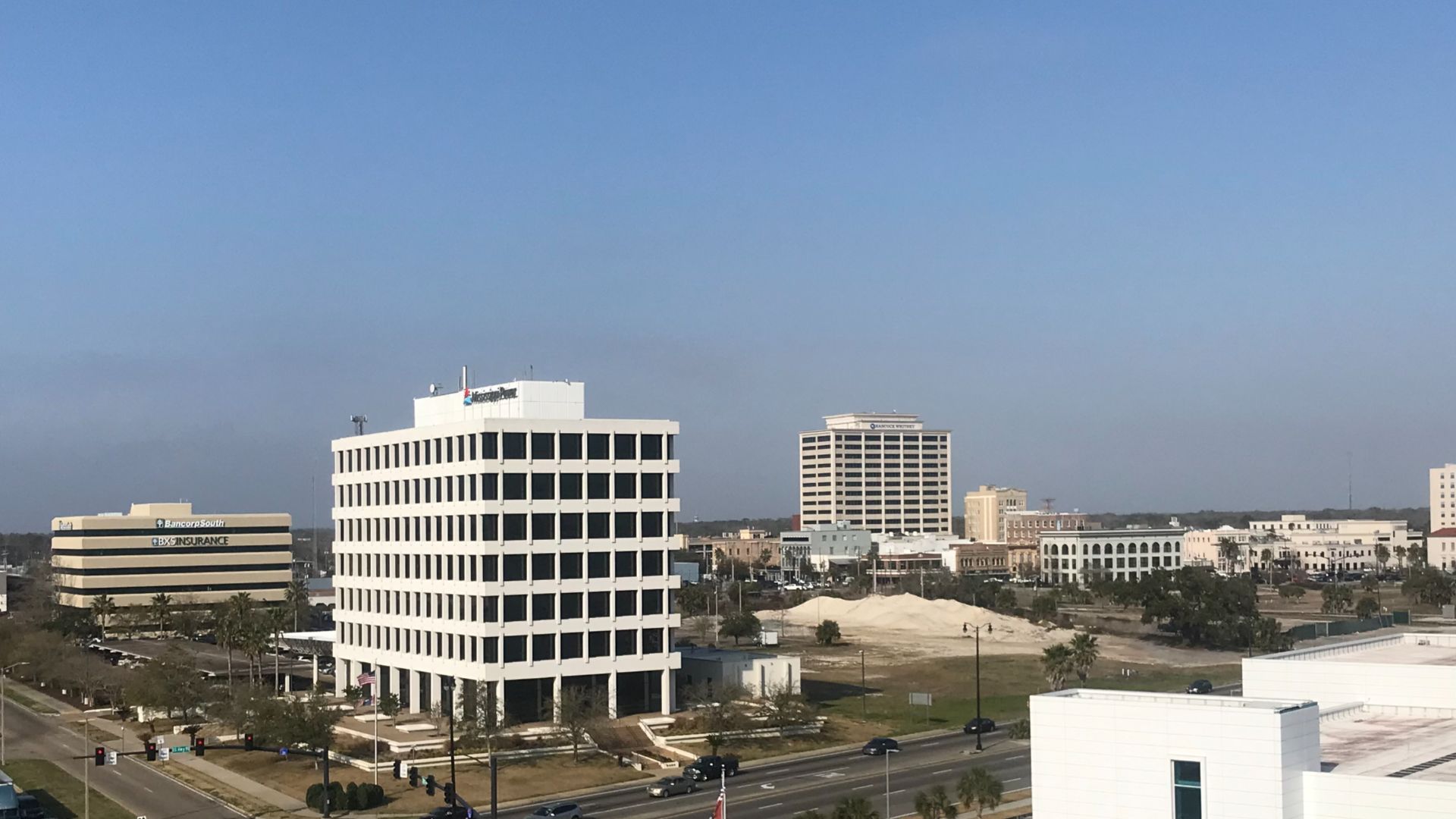 WeaponizingArchitecture, Wikimedia Commons
Connecticut
Connecticut tends to get stereotyped as wealthy, buttoned-up, and reserved, particularly because of its commuter towns and proximity to New York. That reserve isn’t necessarily hostility. Travelers exploring Mystic, the Litchfield Hills, shoreline communities, or smaller New England towns may encounter politeness without excessive familiarity. Connecticut has also been seeing strong tourism growth, suggesting plenty of travelers are finding more to like than its aloof reputation implies.
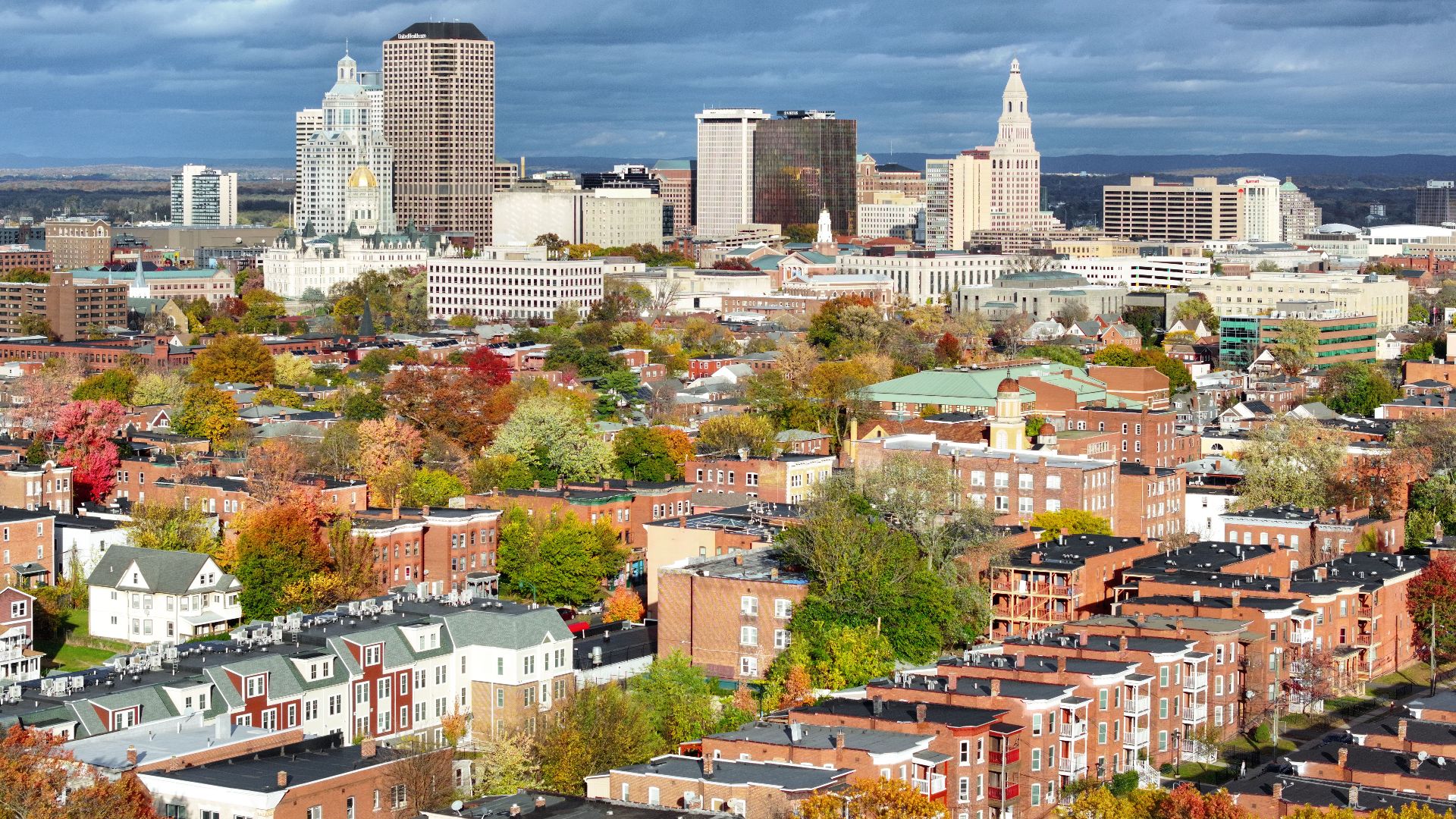 Quintin Soloviev, Wikimedia Commons
New Hampshire
“Live Free or Die” can make New Hampshire sound like a state populated entirely by people who would prefer everyone else to leave them alone. The reality is more nuanced. New Hampshire’s tourism office explicitly markets the state to international visitors as friendly and welcoming, and its small towns and outdoor communities depend heavily on repeat tourism. The welcome may be understated, but that’s often the New England way.
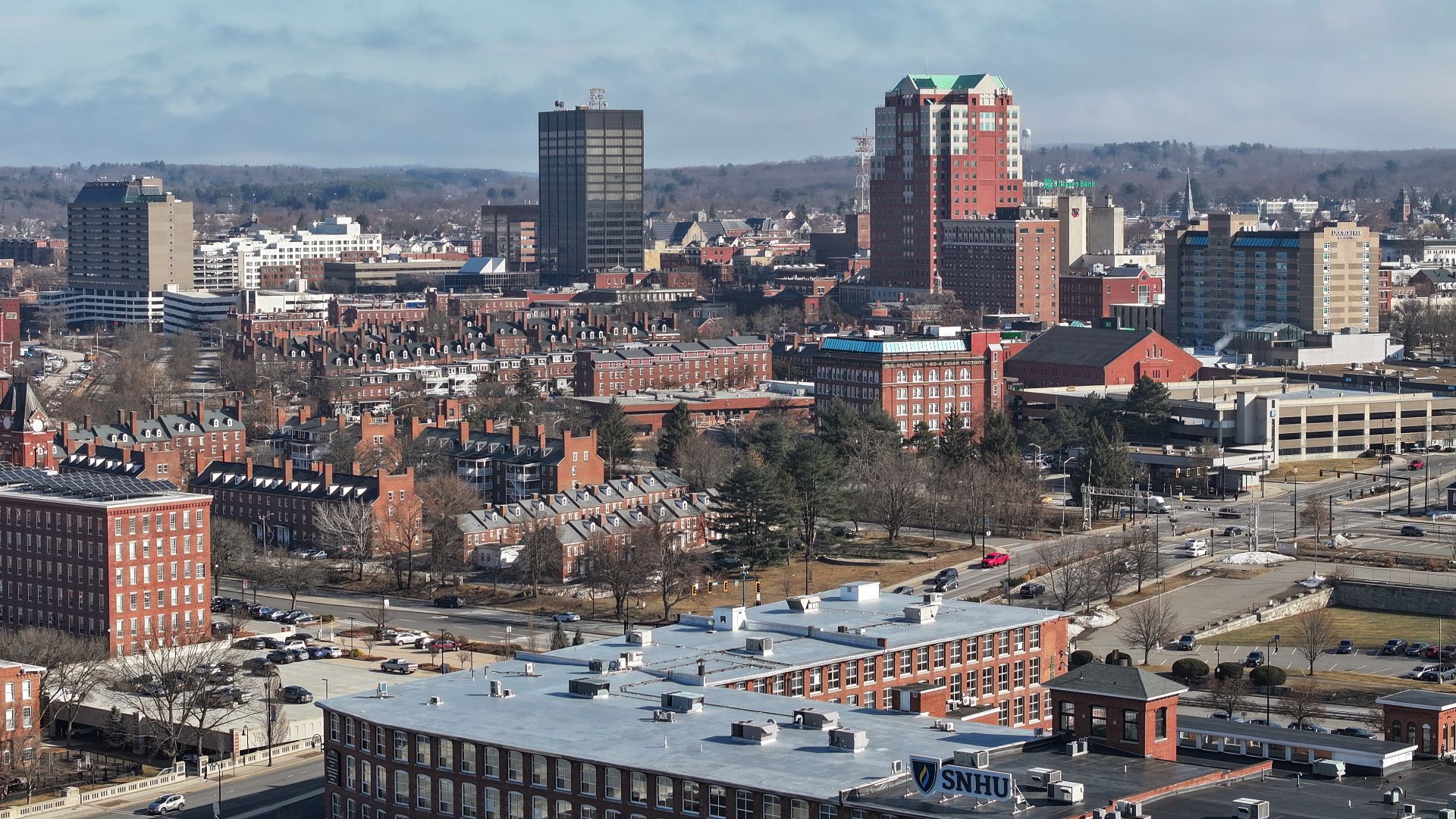 Quintin Soloviev, Wikimedia Commons
You May Also Like:
Things Canadians Find Strangest About American Roadside Attractions
The Creepiest Abandoned Place In Every US State—And The Story Behind It