What's Going On in the South?
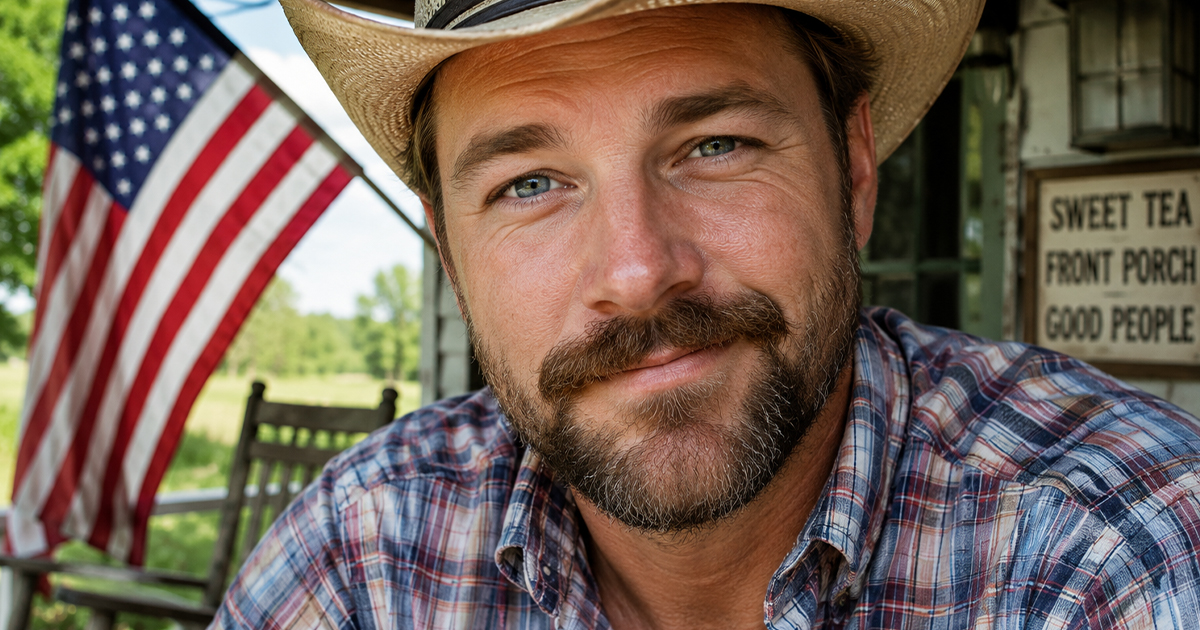
If you’ve ever crossed the Mason-Dixon line, you know things just… feel different. Not wrong—just different. From food to language to daily habits, the South has its own rhythm—and it can leave Northerners quietly wondering what’s going on.
#25. Calling Everyone “Y’all”
In the South, “y’all” isn’t slang—it’s a perfectly efficient, polite way to address multiple people. It’s warm, inclusive, and somehow solves a problem English never fixed. Up North, people either avoid it or overthink it… and it shows.
 Priscilla Du Preez 🇨🇦, Unsplash
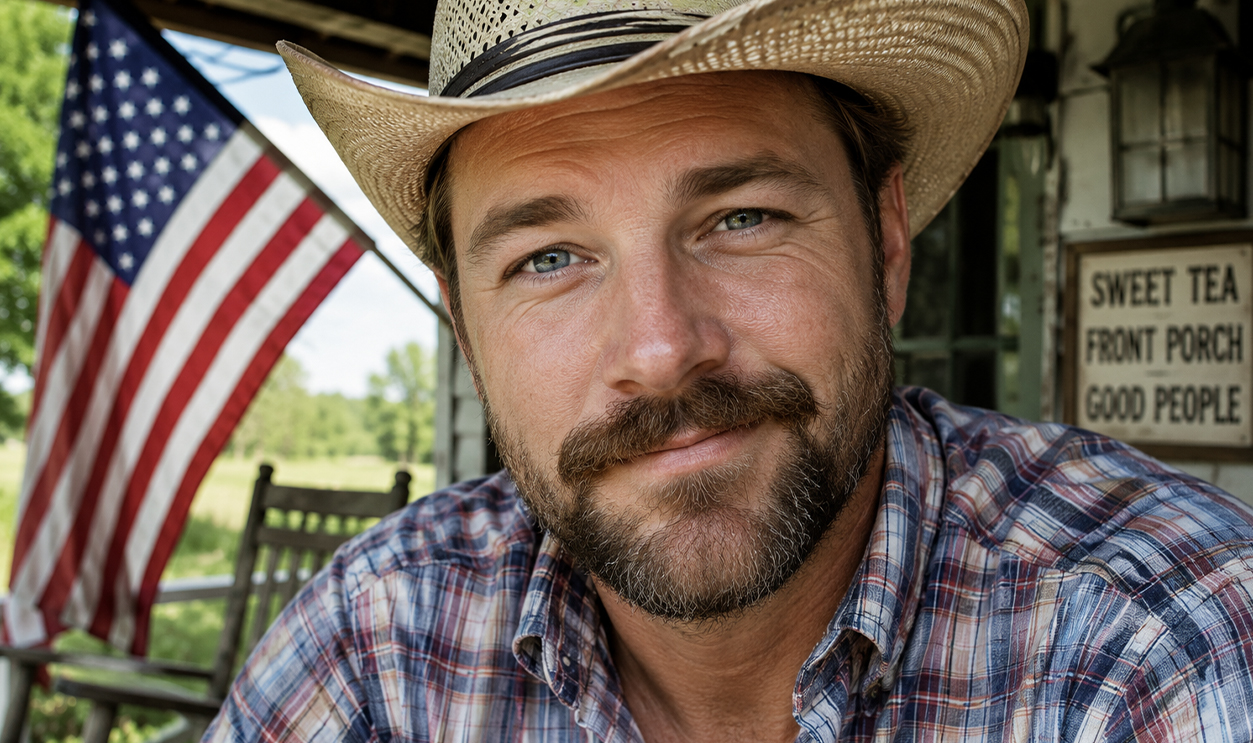
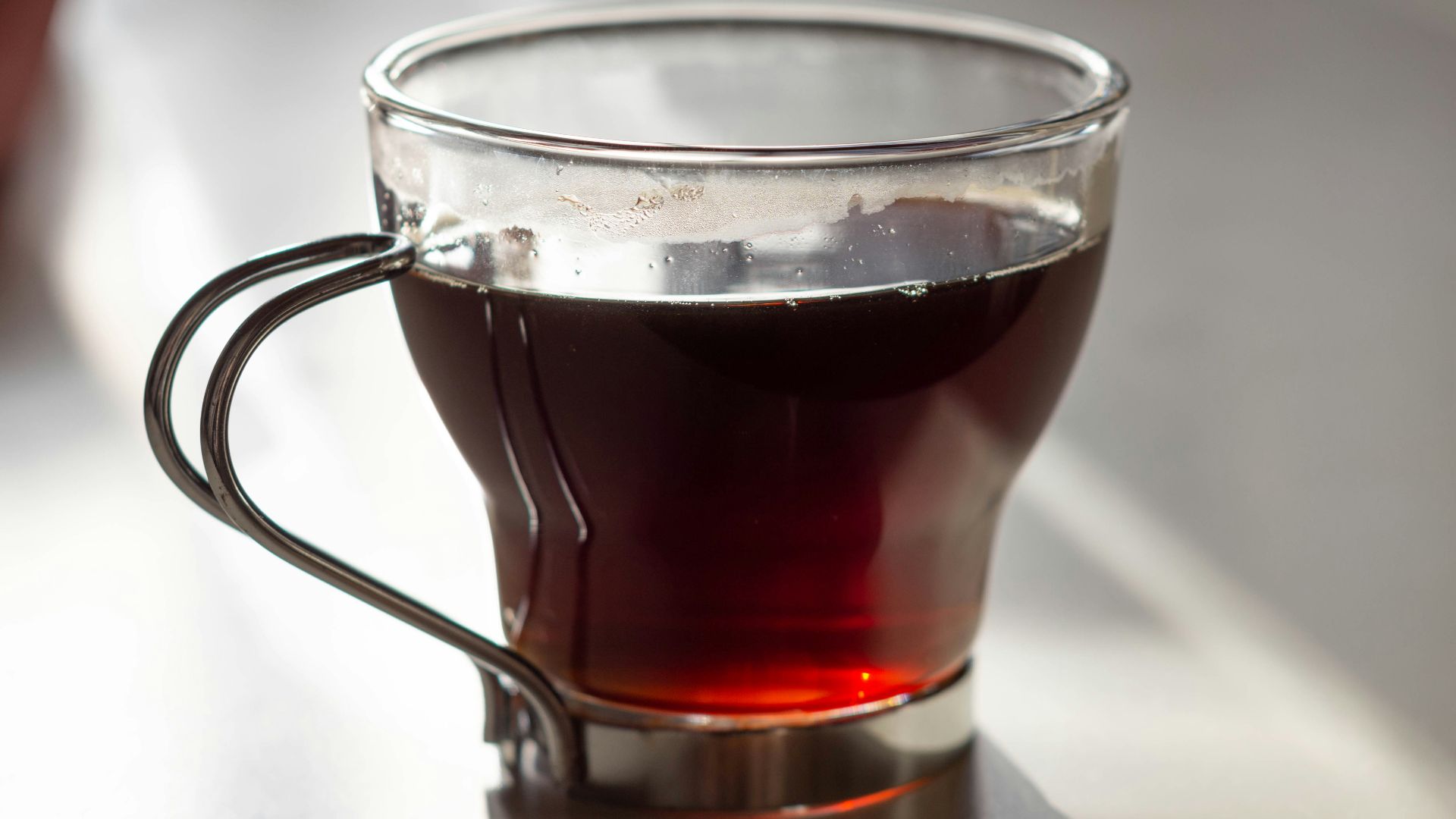
#24. Sweet Tea Being the Default
If you ask for tea in the South, you’re getting sweet tea. No follow-up questions. And not lightly sweet—this stuff is basically dessert in a glass. Northerners often take one sip and realize they were not prepared.
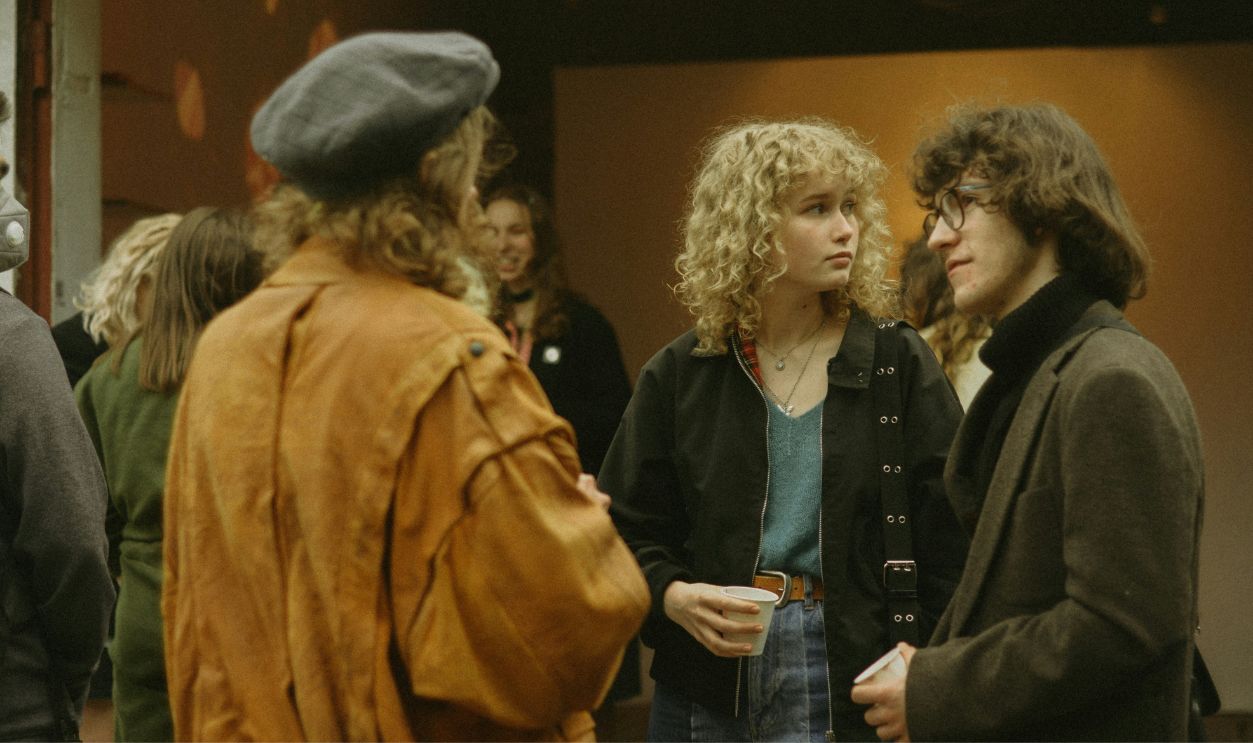
#23. Talking to Strangers Like You Know Them
In the South, it’s completely normal to chat with someone in line, at a gas station, or even across a parking lot. In the North, that same behavior might raise a few eyebrows… or at least get a polite nod and quick exit.
#22. Biscuits That Are Not Cookies
Order a biscuit in the South and you’re getting a fluffy, buttery masterpiece—not something sweet and crunchy. Northerners expecting a cookie are always a little confused… but usually pleasantly surprised.
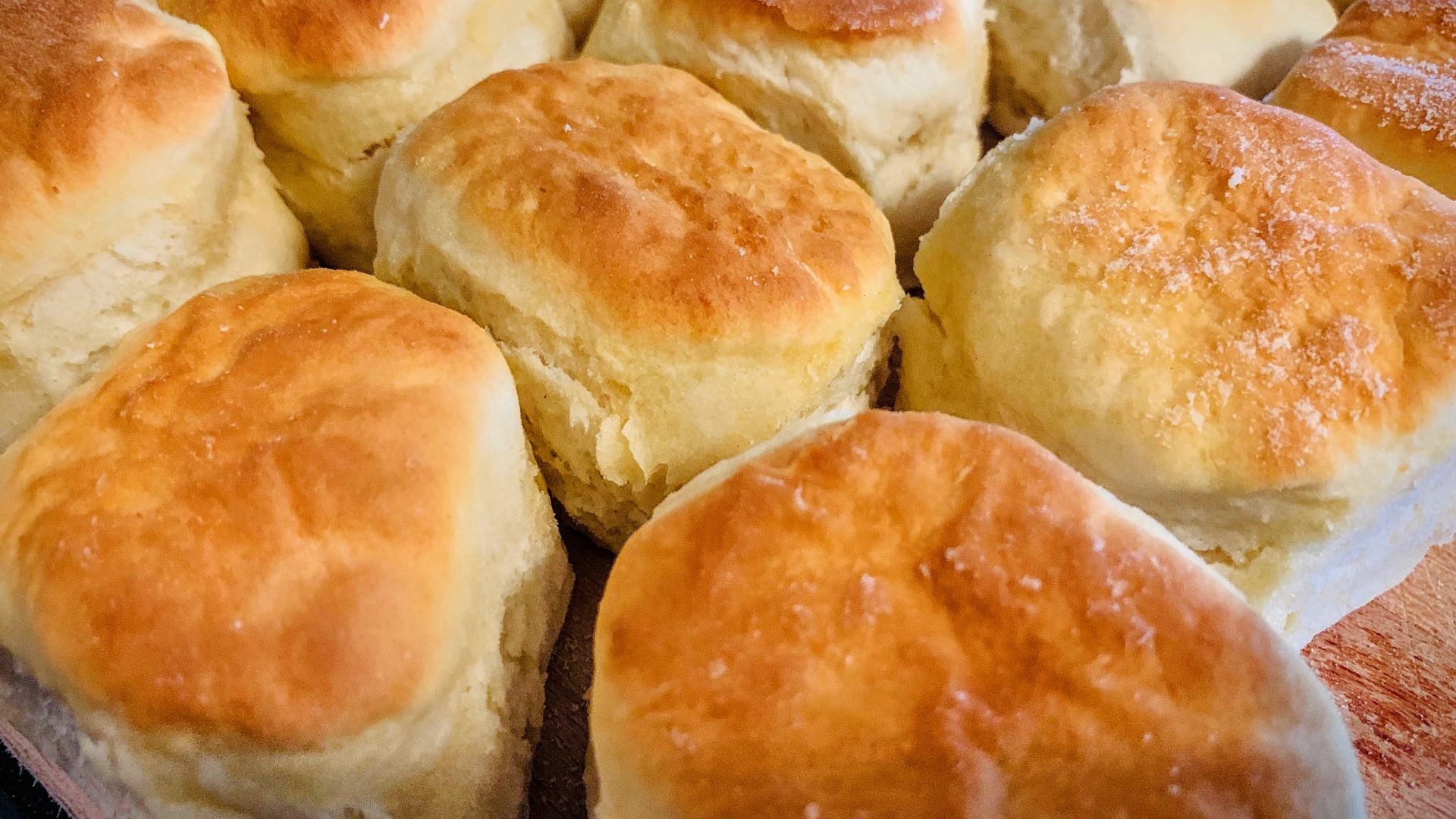 Willy Bearden, Wikimedia Commons
#21. Long Goodbyes
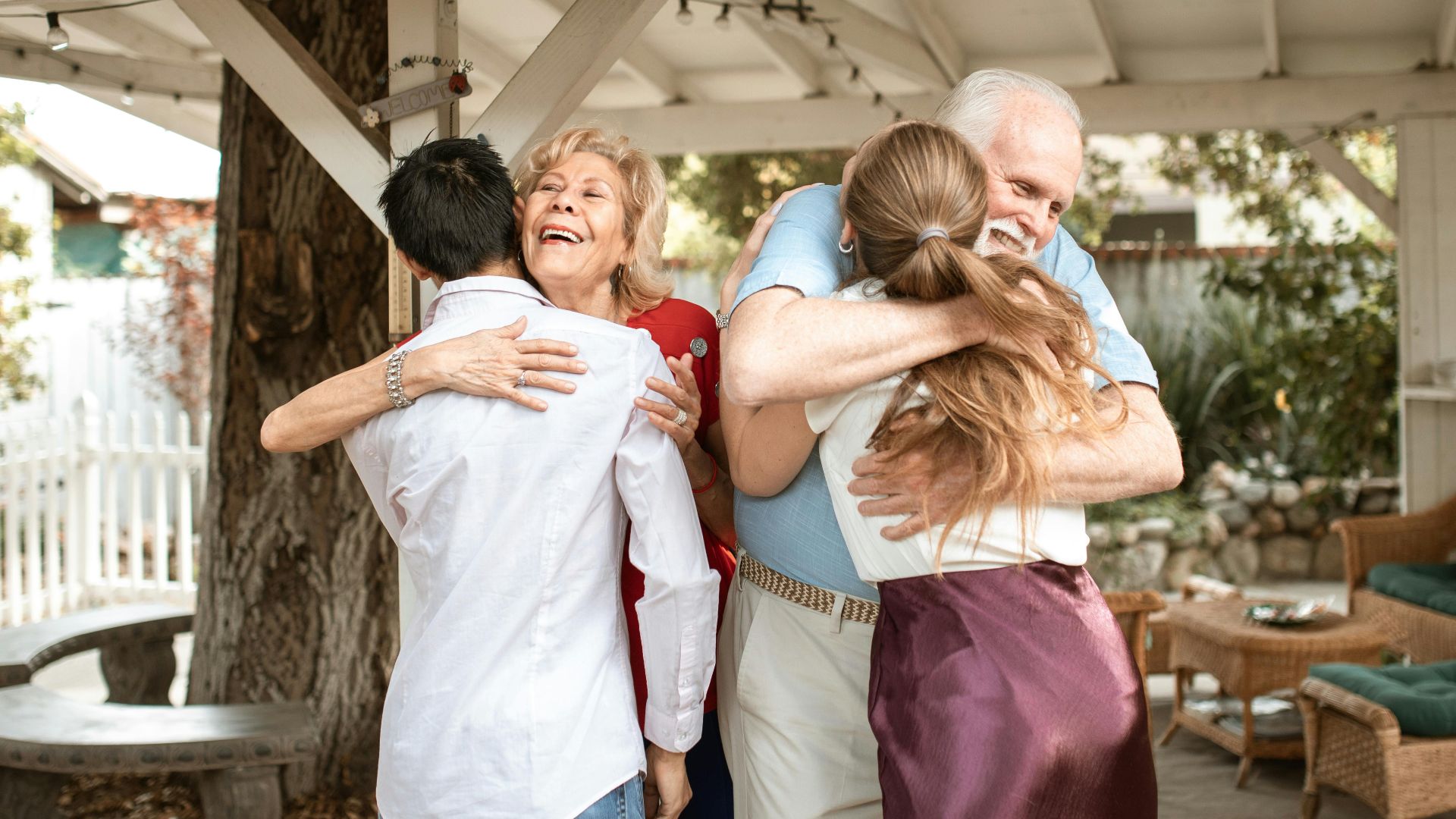
Saying goodbye in the South can take a while. There’s the initial goodbye, the porch goodbye, the driveway goodbye, and sometimes a final wave from the car. Northerners tend to leave much faster—and might not understand why it’s a whole event.
#20. “Bless Your Heart”
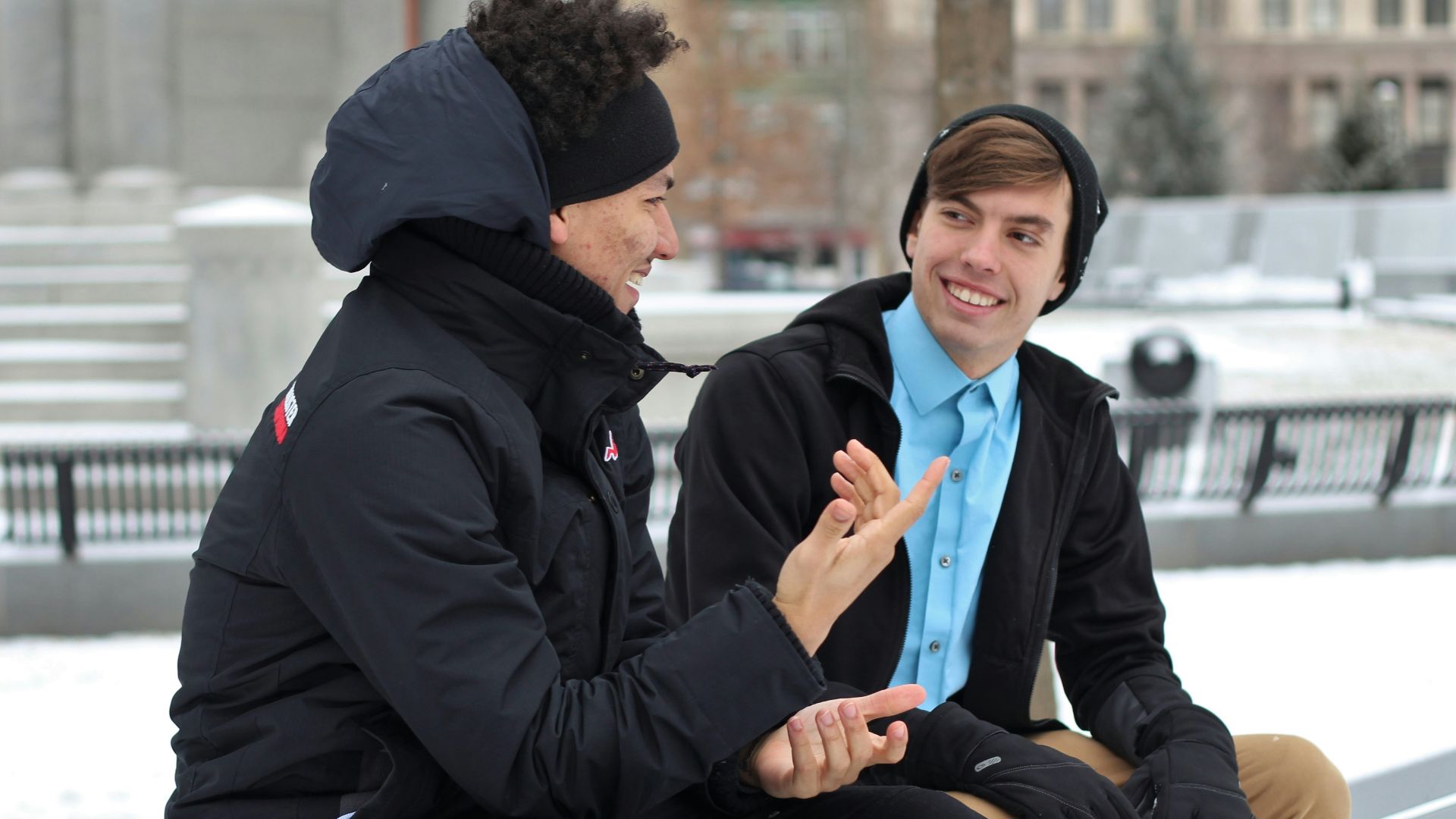
This phrase can mean anything from genuine sympathy to… something a little less kind. Tone is everything. To outsiders, it sounds sweet. To Southerners, it can be a full sentence with hidden meaning.
#19. Front Porches as Social Spaces
In the South, front porches aren’t just decoration—they’re gathering spots. People sit, talk, wave to neighbors, and watch the world go by. In the North, porches exist… but they’re not always used like this.

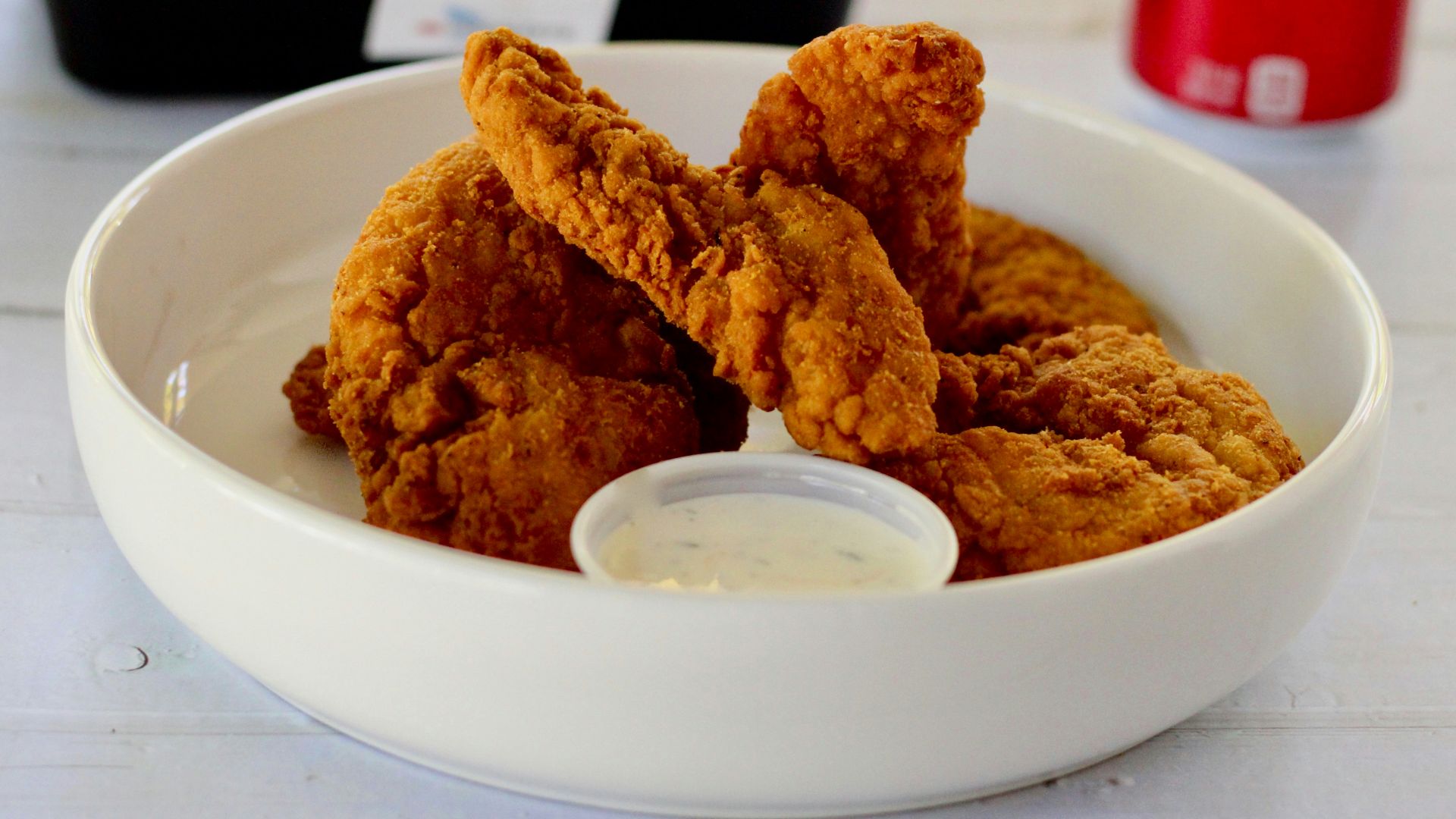
#18. Fried Everything
Fried chicken? Sure. Fried okra? Of course. Fried pickles? Absolutely. The South has turned frying into an art form. Northerners may be intrigued—and slightly concerned about how many things can go into hot oil.
#17. Calling Soda “Coke”
In many parts of the South, everything is “Coke.” You might hear, “What kind of Coke do you want?” followed by options like Sprite or Dr Pepper. Northerners are usually caught off guard by this entire system.

#16. Yes Ma’am, No Sir
Politeness is built into everyday speech in the South. Kids—and plenty of adults—use “ma’am” and “sir” regularly. In the North, this can sometimes sound overly formal or even make people feel older than they’d like.
 PeopleImages.com - Yuri A, Shutterstock
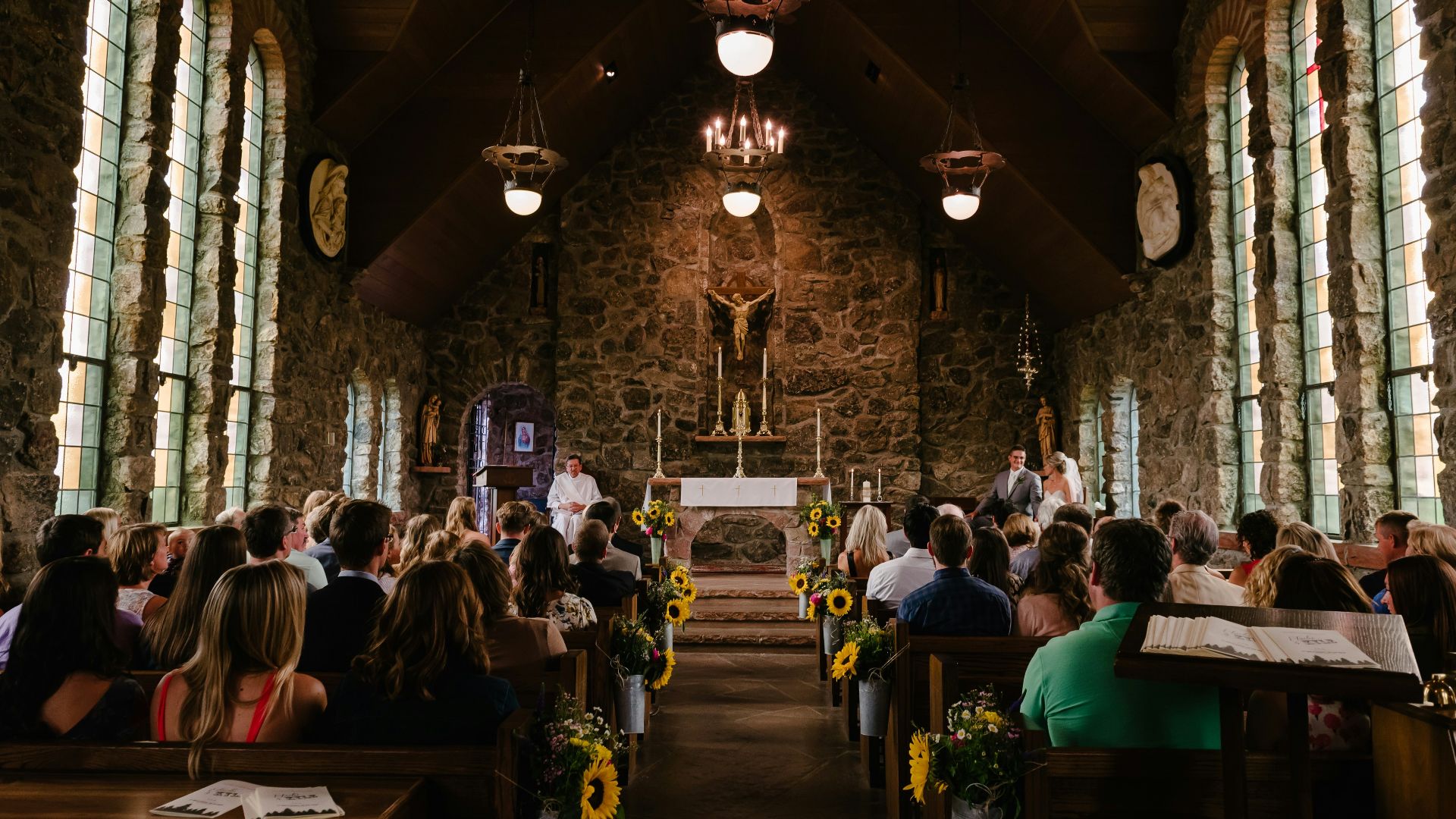
#15. Church Being a Major Social Hub
Church in the South often doubles as a community center, social network, and weekly gathering spot. Even people who aren’t deeply religious may still attend for the sense of connection. That level of involvement can feel unfamiliar to some Northerners.
#14. College Football Is Everything
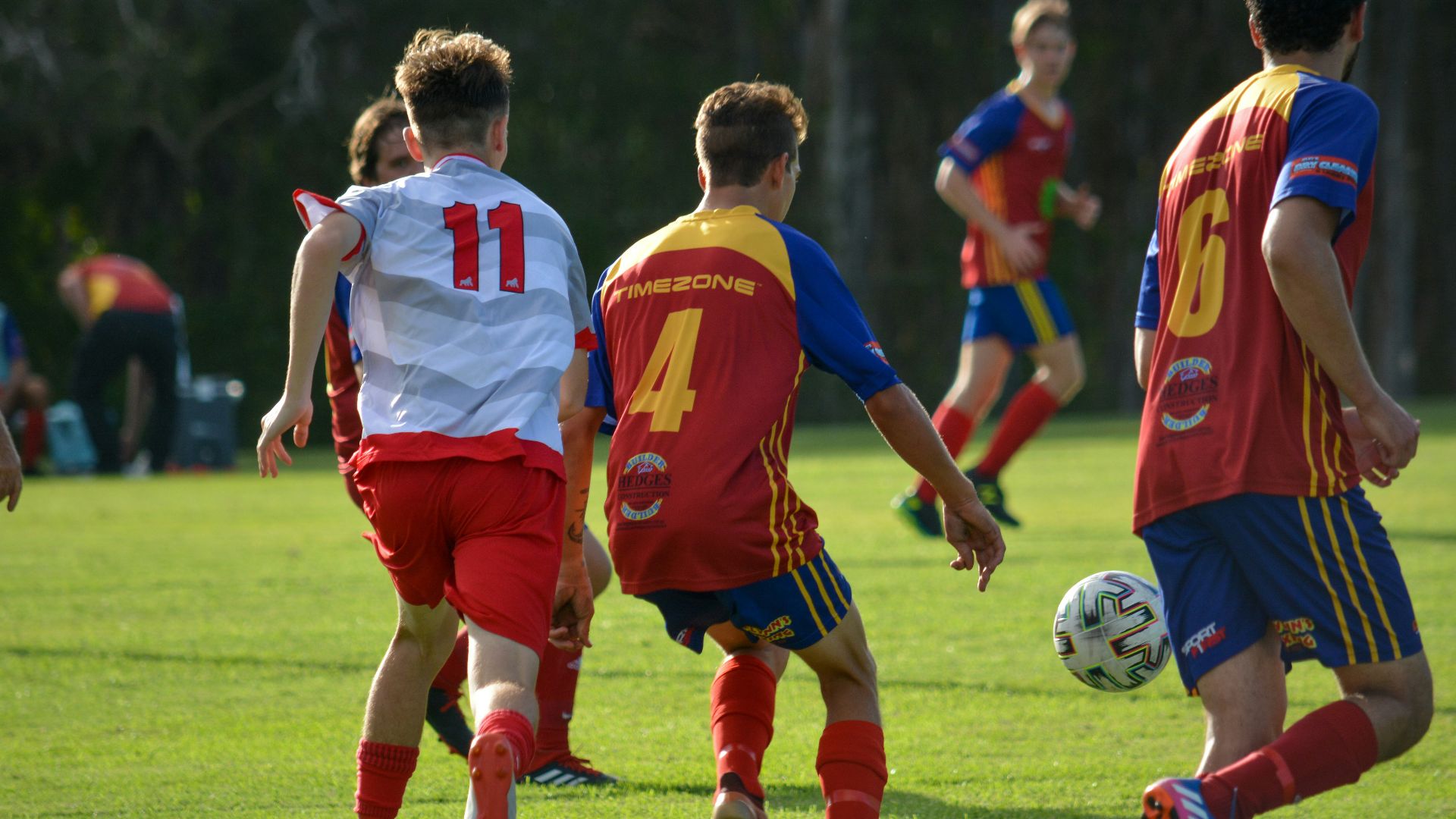
In the South, college football isn’t just a sport—it’s basically a lifestyle. Entire weekends revolve around it. Northerners who are more used to NFL culture might not expect just how intense it gets.
#13. Saying “Fixing To”
“Fixing to” means you’re about to do something. It’s completely normal in the South and sounds natural in conversation. In the North, people might pause for a second, trying to figure out what exactly is being fixed.

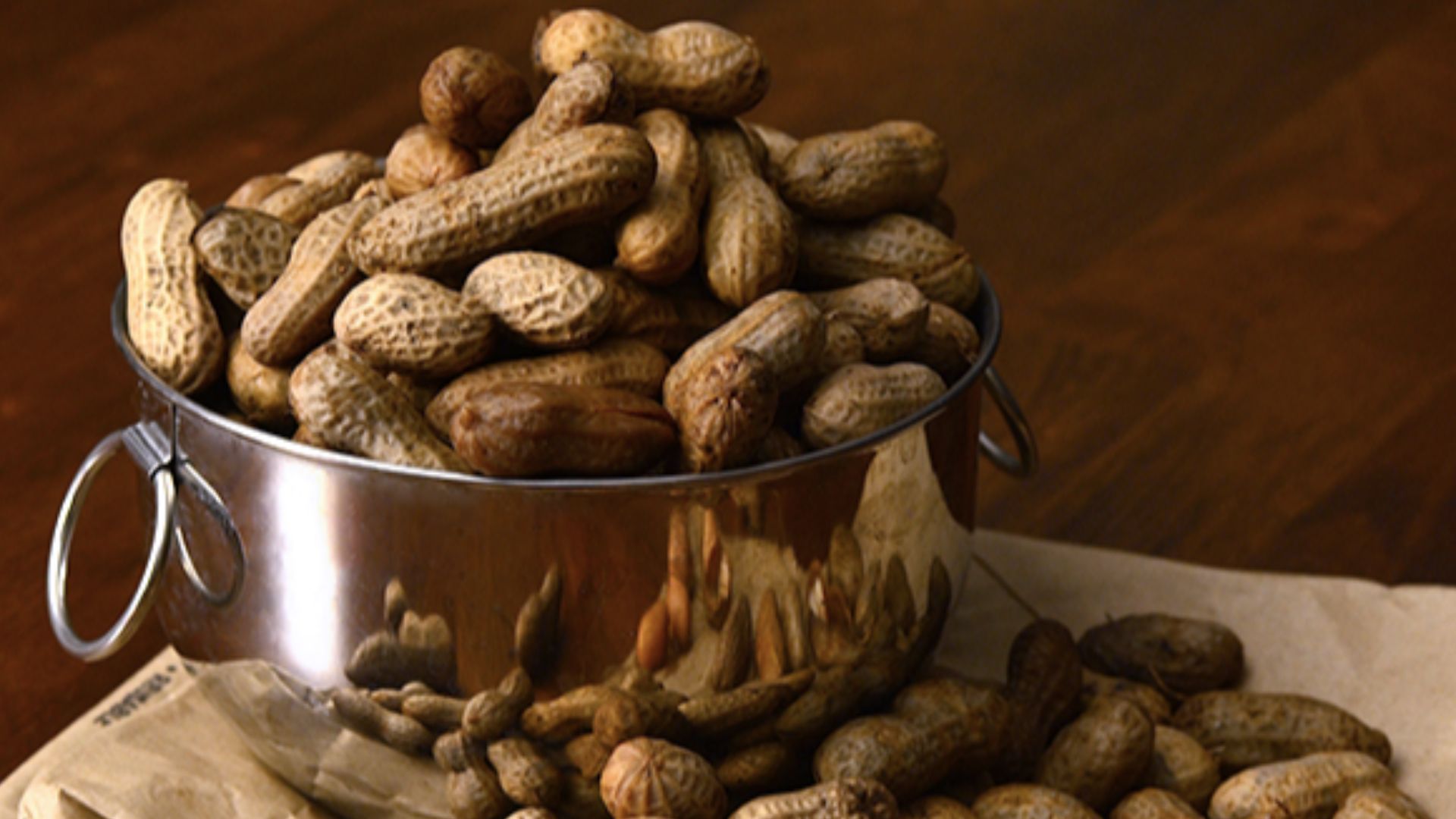
#12. Boiled Peanuts
Boiled peanuts are a roadside staple in the South. They’re soft, salty, and a little unexpected if you’ve only had roasted peanuts. Northerners trying them for the first time often need a moment to process the texture.
#11. Driving Everywhere—Even Short Distances
In many Southern areas, walking just isn’t practical. Even short trips often involve a car. Northerners from walkable cities might find it surprising how rarely people walk.
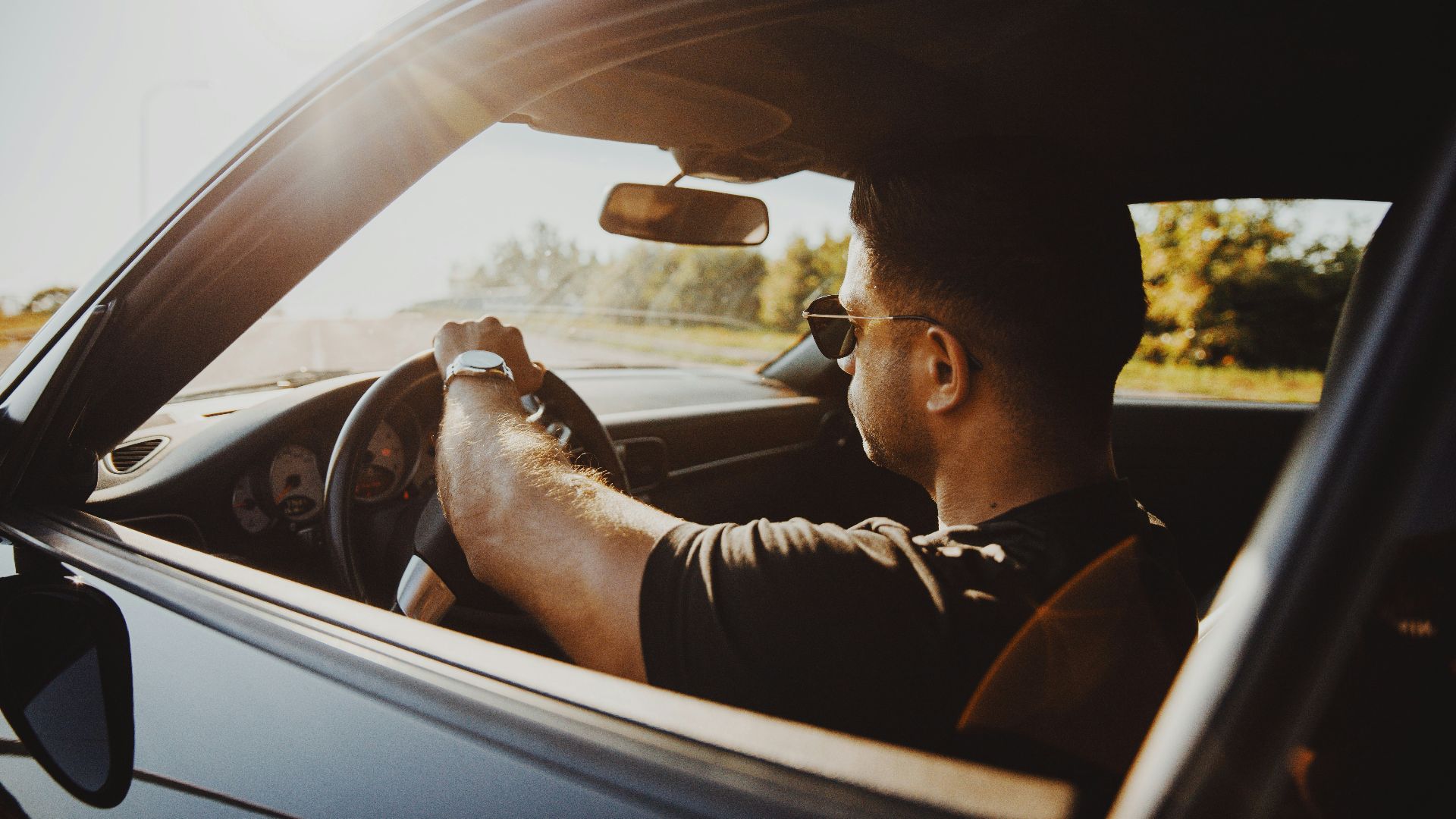
#10. Weather Talk as a Personality Trait
Yes, everyone talks about the weather—but in the South, it’s next level. Heat, humidity, storms… it’s a full conversation topic. And somehow, everyone has strong opinions about it.
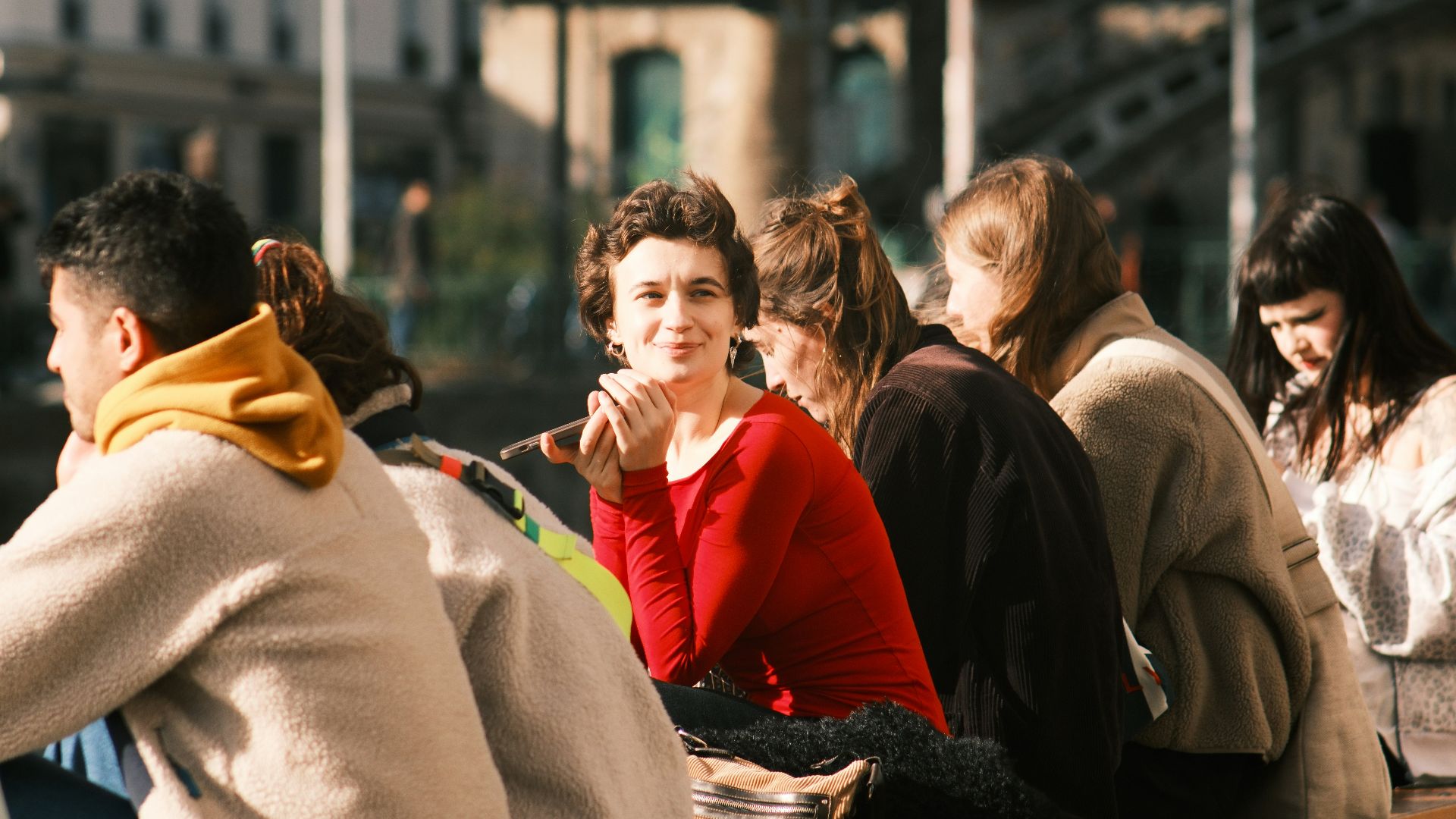
#9. Saying “Yes” Instead of “Yeah”
There’s a slightly more formal tone in everyday conversation. “Yes” is used more often than “yeah,” and it gives interactions a more polite feel. Northerners might notice it right away.

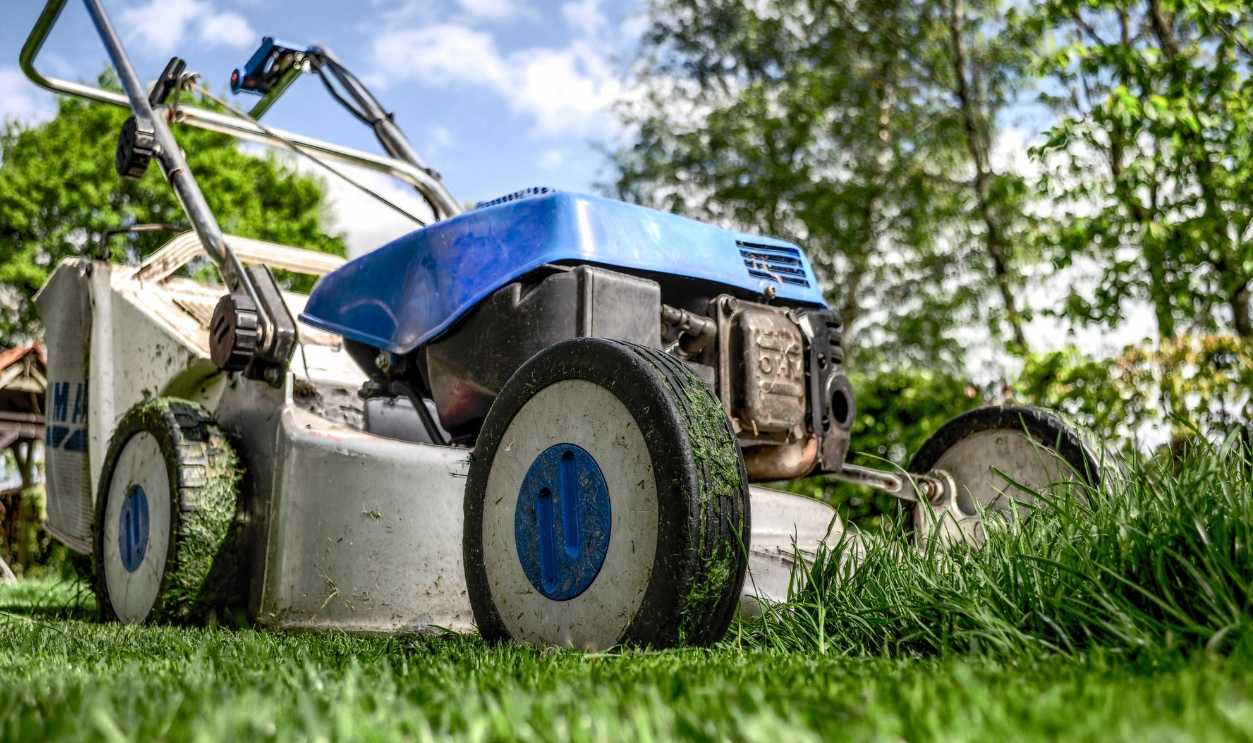
#8. Lawn Care as a Point of Pride
Keeping a yard in good shape is serious business in the South. Grass, hedges, and overall appearance matter. It’s not just maintenance—it’s a reflection of the home.
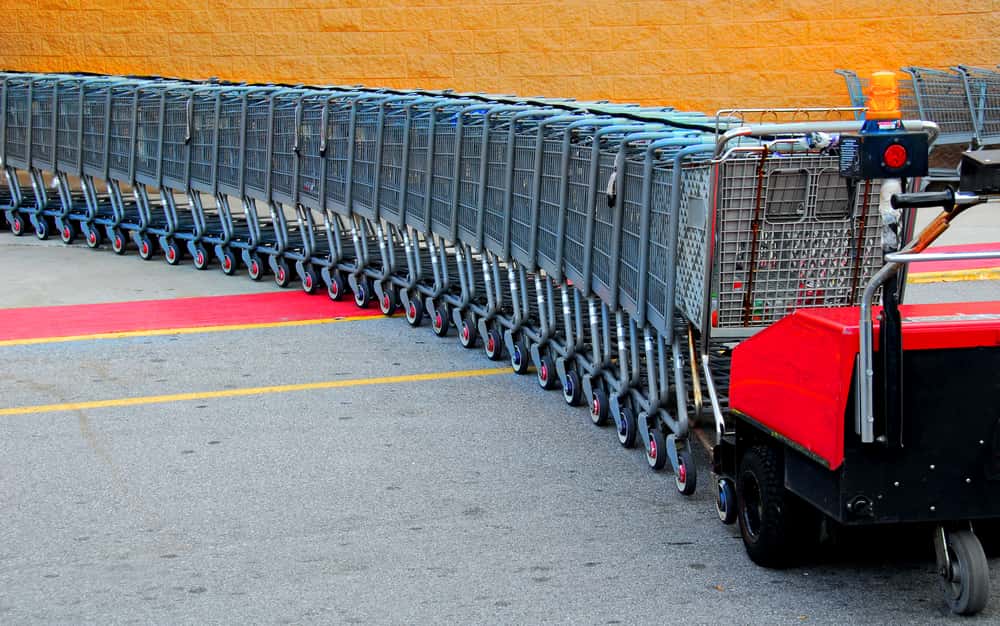
#7. Calling Shopping Carts “Buggies”
In many Southern states, a shopping cart is called a “buggy.” It’s completely normal locally—but can confuse anyone hearing it for the first time in a grocery store.
#6. Ice in Every Drink
If you order a drink in the South, expect a lot of ice. Even water comes packed with it. Northerners might find themselves wondering if there’s any room left for the actual drink.

#5. Saying “I Reckon”
“I reckon” is a casual way of saying “I guess” or “I suppose.” It sounds natural in the South but can feel like something out of a movie to Northerners hearing it in real life.

#4. Casual Conversations Taking Priority
Running a quick errand in the South can easily turn into a 10-minute conversation. People take time to talk—and that’s just part of the pace. Northerners might be checking their watch.

#3. Food Portions That Don’t Mess Around
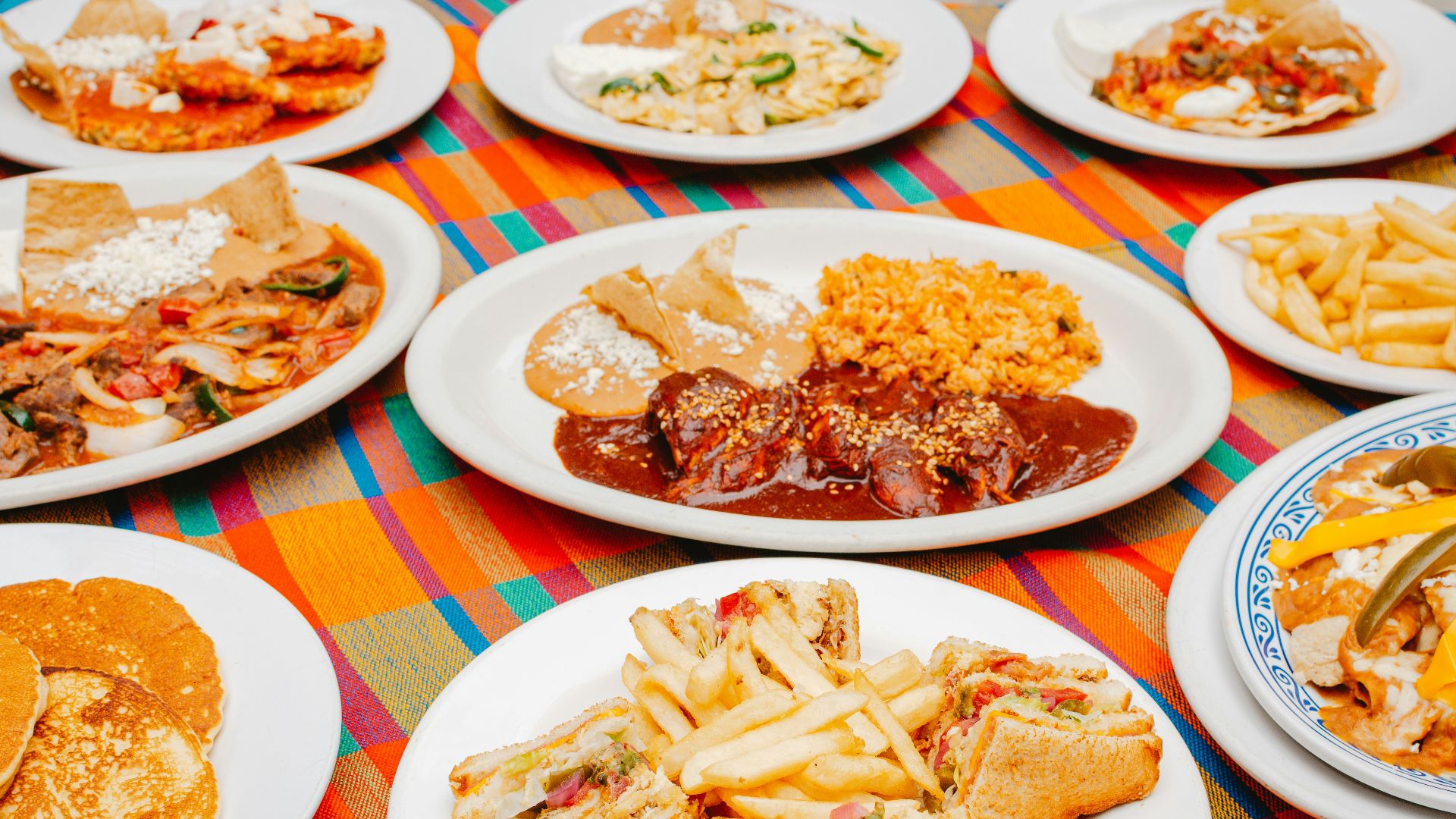
Southern portions tend to be generous—very generous. Plates are full, and seconds are expected. Northerners might not be ready for just how much food shows up.
 Alimentos Fotogénicos, Unsplash
#2. Calling Everyone “Miss” or “Mr.”
It’s common to address people as “Miss Sarah” or “Mr. James,” even outside formal situations. It’s a sign of respect. In the North, this can feel unusually formal in everyday conversation.
#1. Hospitality That Feels Almost Over-the-Top
Southern hospitality is real—and it’s everywhere. People go out of their way to make guests feel welcome, comfortable, and well-fed. Northerners may not be used to that level of kindness from someone they just met.
Why It Feels So Different
The South moves at a different pace, values conversation, and leans heavily into tradition and community. What feels completely normal there can feel unfamiliar somewhere else—but that’s exactly what makes it so interesting.
You May Also Like:
Americans Are Moving Abroad In Bigger Numbers—And This Is Where They're Going
Many Americans Think They Blend In When Traveling Abroad—But Here’s How Locals Spot Them From a Mile Away
20 American Islands That Feel Like They’re In Another World