The Campus Might Look Peaceful Until Someone Mentions Saturday's Game
A Southern college town can seem almost deceptively relaxed when you first arrive. There are leafy campuses, brick buildings, old downtown streets, students carrying iced drinks, and enough rocking chairs to suggest nobody is ever in much of a hurry. Then football season arrives and the entire place transforms.
Canadians visiting places like Oxford, Athens, Tuscaloosa, Chapel Hill, or Baton Rouge will find plenty that feels familiar about college life, but there are also some distinctly Southern quirks that are hard to miss.
College Football Feels Like A Major League Sport
The biggest adjustment may be realizing that "college sports" doesn't necessarily mean a modest student crowd in a small stadium. At major Southern universities, football games can draw tens of thousands of fans, dominate local news, and completely reshape a town for an entire weekend. Coaches become celebrities, recruits become household names, and losing to the wrong rival can sour the mood for days. Visitors quickly learn that Saturday football isn't simply an extracurricular activity. In many towns, it's one of the biggest civic events of the year.
Every Campus Has At Least One Tradition You Shouldn't Mess Up
Southern universities tend to collect rituals, superstitions, and unwritten rules. Students may avoid stepping on a particular seal, walking beneath an arch, or touching a statue until the appropriate moment in their academic careers. Other traditions involve ringing bells, rubbing statues for luck, gathering at specific landmarks, or performing certain rituals after victories. Visitors might initially laugh, but students often follow these traditions with impressive commitment. Nobody wants to be the person who ruins graduation because they walked under the wrong arch freshman year.

Meat-And-Three Restaurants Feel Like Somebody's Family Kitchen
One classic Southern format is the meat-and-three, where diners choose a main dish such as fried chicken, meatloaf, pork chops, or country-fried steak along with several side dishes. Those "vegetables" might include macaroni and cheese, fried okra, greens, mashed potatoes, beans, squash casserole, or corn. College towns often have an old local institution serving this kind of food, sometimes at prices that keep generations of students coming back.
Barbecue Opinions Become Geographically Dangerous
A visitor saying "I like barbecue" has only begun the conversation. Depending on where the college town is located, people may have strong feelings about pork versus beef, chopped versus pulled meat, dry rub versus sauce, and whether sauce should be tomato-based, vinegar-based, mustard-based, or barely present at all. North Carolina alone can turn barbecue into a regional identity argument. Canadians are advised to listen carefully before declaring one version superior.
Strangers May Actually Talk To You
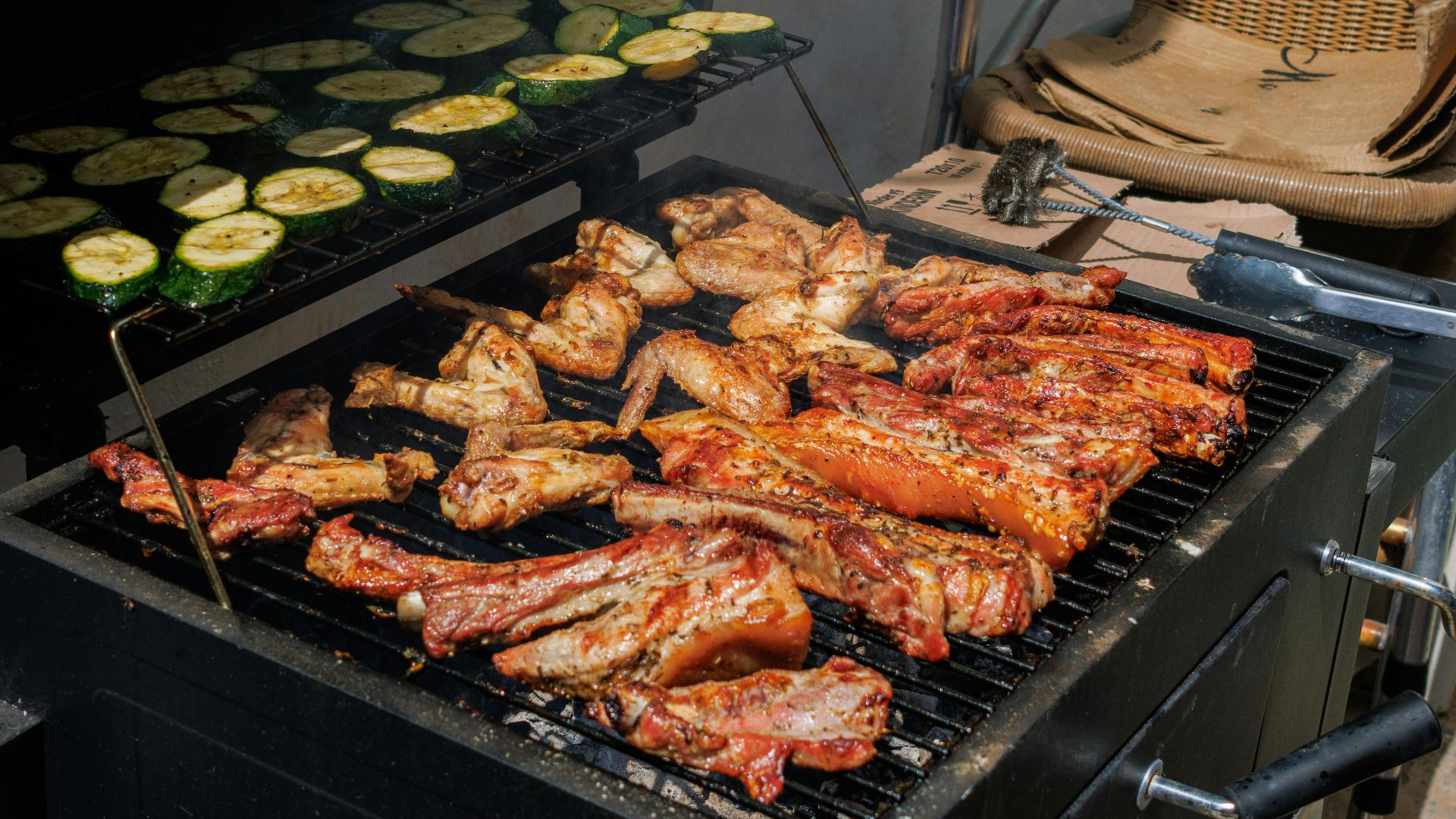
A visitor staring confusedly at a campus map may find someone stopping to offer directions without being asked. Cashiers make conversation, people say hello while walking past, and tailgaters occasionally offer food or drinks to strangers wearing the correct colors. Southern hospitality can obviously be romanticized, and experiences vary enormously, but casual conversation with strangers tends to be more normalized than some visitors expect.
"Yes, Ma'am" And "No, Sir" Are Still Alive
Canadian visitors may hear students addressing professors, older adults, staff members, or complete strangers as "sir" and "ma'am" much more frequently than they're accustomed to. Usage varies by age and region, but the habit remains common enough to stand out. For locals it can simply be basic politeness rather than excessive formality. Visitors may briefly wonder why everyone suddenly sounds as though they're addressing a military officer.

Game Day Starts Long Before The Game
If kickoff is Saturday afternoon, don't expect the festivities to begin at noon. Fans may arrive Friday, while serious tailgaters start preparing early Saturday morning. Tents, grills, televisions, coolers, decorations, and folding tables spread across lawns and parking areas long before players take the field. At Ole Miss, The Grove has become famous for turning ten acres of campus into an elaborate tailgating community. The football game is important, but for plenty of people the gathering surrounding it is almost equally important.

Tailgating Can Be Weirdly Elegant
Anyone picturing only pickup trucks, folding chairs, and hamburgers may be surprised by some Southern tailgates. Certain campuses have turned pregame parties into carefully planned social events complete with tablecloths, serving dishes, flowers, chandeliers, coordinated outfits, and food that clearly required more preparation than a hot dog. Ole Miss is particularly famous for this style, but the broader idea appears throughout the region. People are there to cheer for football, but there's no rule saying they can't use the good silverware first.
Greek Life Can Be Impossible To Miss
Fraternities and sororities exist throughout North America, but they can be particularly visible at some large Southern universities. Massive chapter houses line certain streets, recruitment weeks become major campus events, and Greek organizations can influence charity events, formal dances, tailgates, and the social calendar. During rush, entire parts of campus can suddenly fill with coordinated outfits and groups moving between houses. The prominence varies enormously by school, but where Greek life is big, visitors won't have to look very hard to find it.
The Fraternity And Sorority Houses Can Look Like Mansions
Someone expecting a slightly shabby student house with Greek letters nailed above the door may need to recalibrate. At some SEC and other Southern campuses, fraternity and sorority houses feature columns, balconies, giant lawns, formal entrances, and enough square footage to resemble hotels or antebellum-inspired estates. They're one of the most visually obvious signs of how established Greek life can be in these towns.
 Yeungb, CC BY 3.0, Wikimedia Commons
People Dress Up For Football
Another surprise can be the game-day wardrobe. Students and alumni at some Southern schools arrive in sundresses, button-down shirts, boots, school-colored accessories, and carefully coordinated outfits rather than ordinary jerseys and sweatshirts. Traditions differ from campus to campus, and plenty of fans still dress casually, but the sight of thousands of people looking ready for a garden party while walking toward a football stadium can be unexpectedly Southern.
 AlessandroBiascioli, Shutterstock
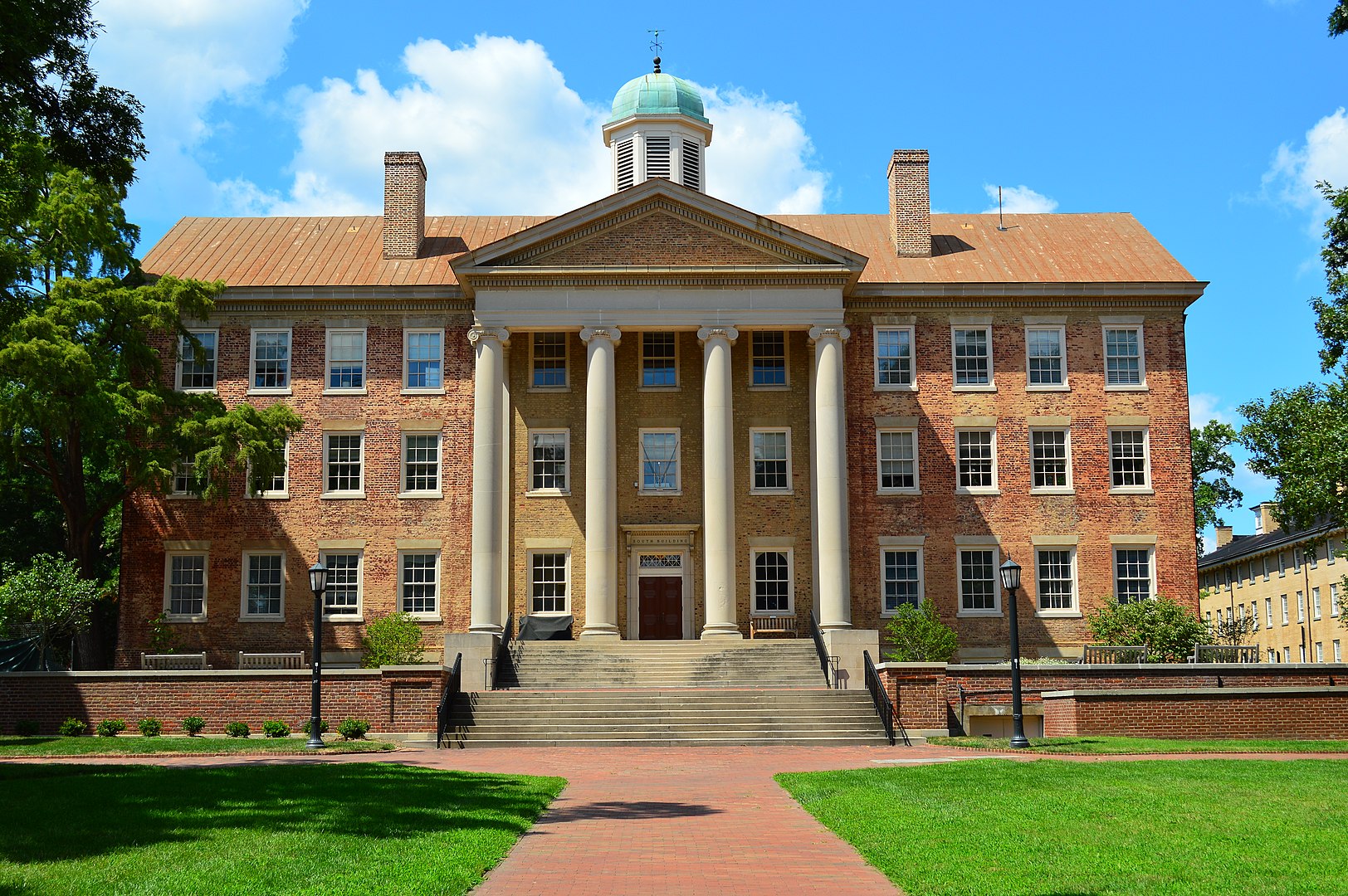
The Campus Itself Can Be Beautifully Old
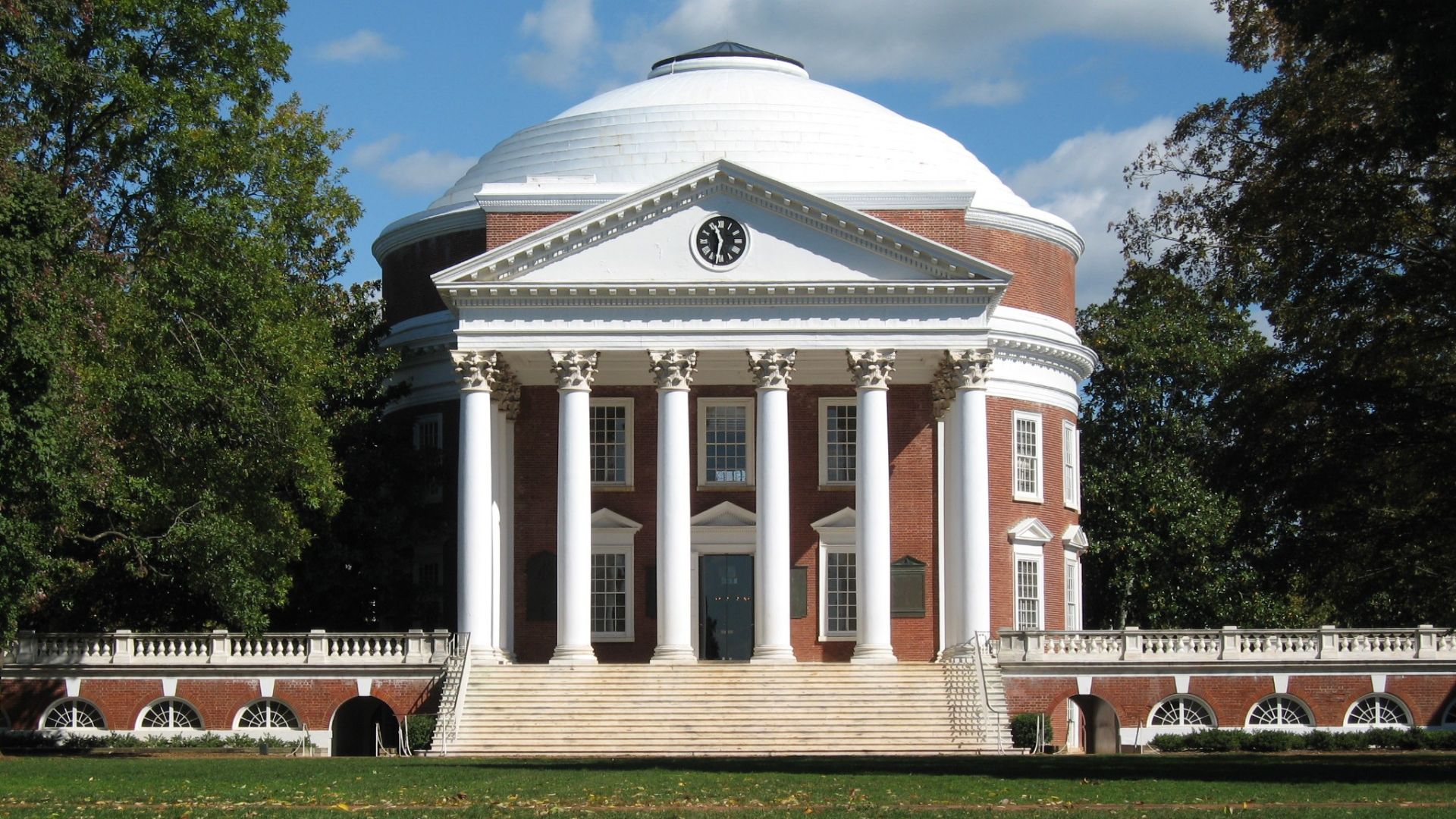
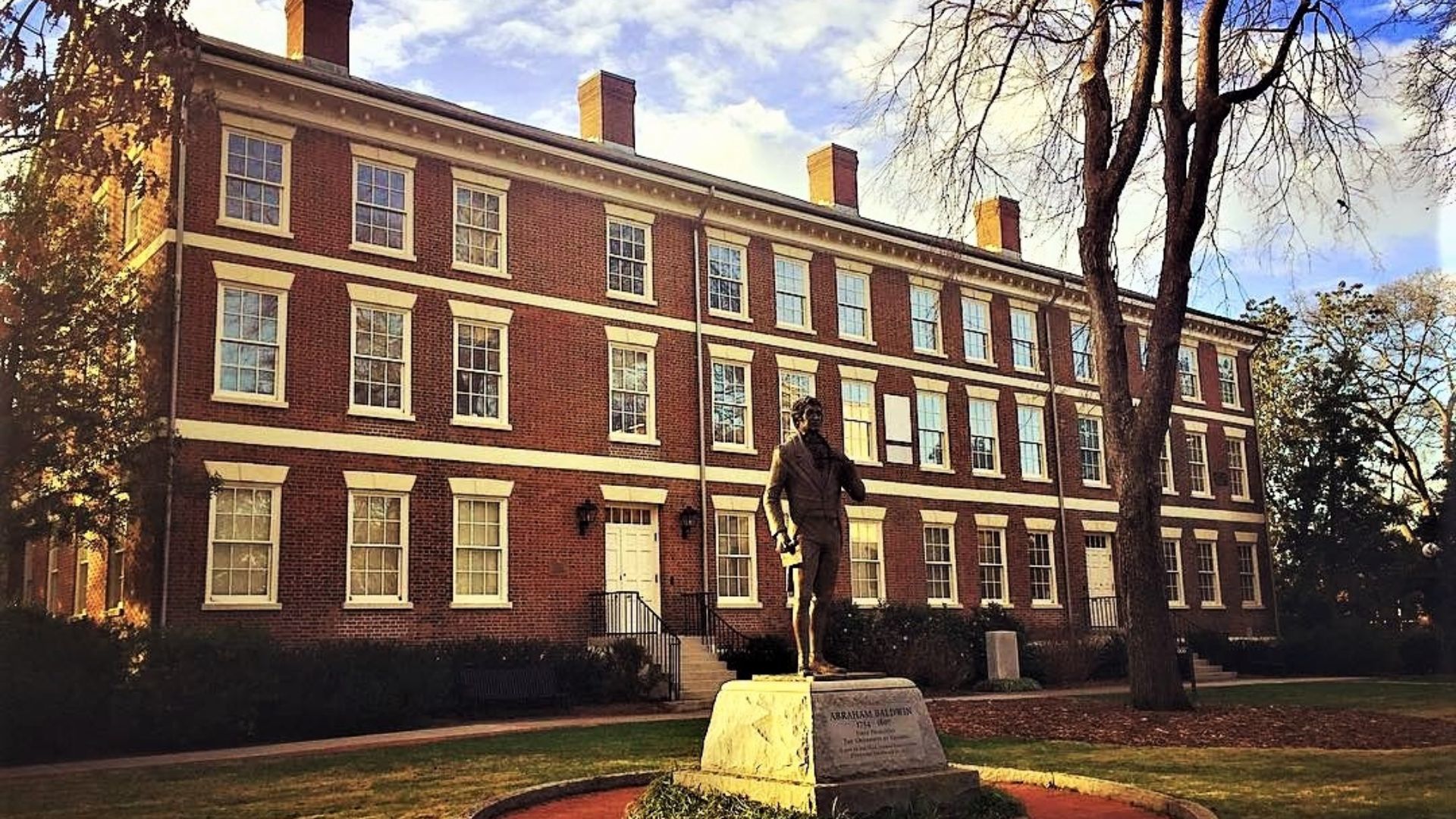
Southern campuses often lean heavily into their history. Visitors encounter brick walkways, enormous shade trees, classical columns, old chapels, historic quads, fountains, and academic buildings that have served generations of students. Places such as the University of Virginia's Lawn or the older areas of the University of Georgia and UNC-Chapel Hill can feel more like historic districts than modern campuses. Then you turn a corner and find a giant research laboratory built last year.
 Aaron Josephson; cropped by Ibn Battuta, Wikimedia Commons
Everything Seems To Have A Story Attached To It
That old oak isn't merely an old oak. Someone famous probably spoke beneath it. That building isn't simply a dormitory. A governor lived there, a writer studied there, or an important campus event happened on its steps. Southern universities often make their histories extremely visible, and tour guides can seemingly produce a story for every statue, bell tower, arch, and patch of grass.
Rivalries Are Taken Extremely Seriously
Calling two schools "rivals" doesn't quite capture some Southern college relationships. Rivalries can stretch back more than a century and involve generations of the same families. Games have nicknames, trophies, traditional chants, legendary moments, and painful losses people are still discussing decades later. Even someone with no interest in football can end up learning exactly which neighboring university they're apparently supposed to dislike by the end of a weekend.

Victory Celebrations Can Get Extremely Specific
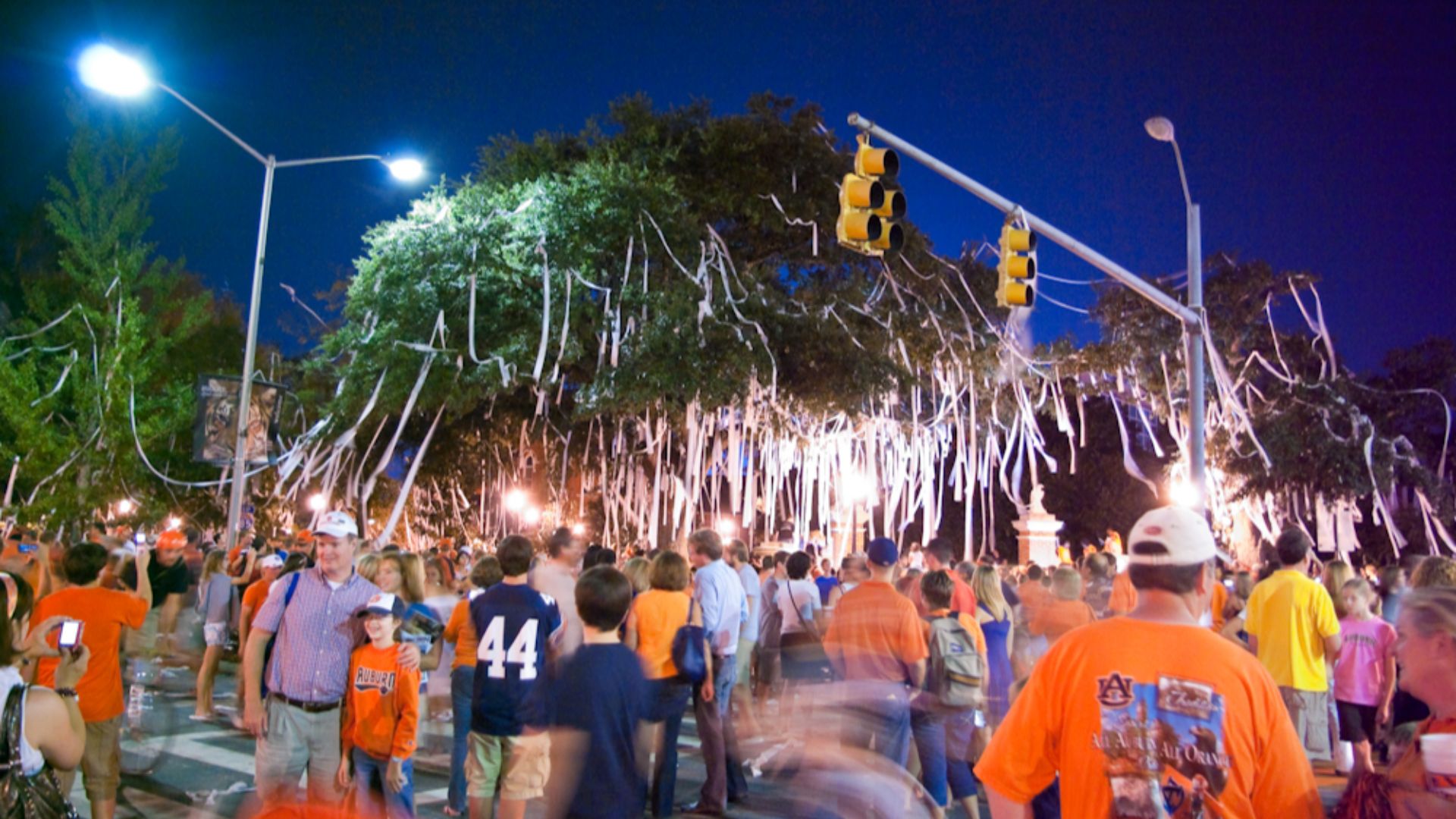
Win the right game and seemingly normal landmarks can suddenly become part of the celebration. Auburn fans famously "roll" Toomer's Corner with toilet paper after big wins, while University of North Carolina students have long gathered on Franklin Street following major basketball victories. At other schools, bells ring, songs are played, or crowds converge on particular streets and landmarks. The celebrations may look spontaneous to outsiders, but locals know exactly where everyone is supposed to go.
 Robert S. Donovan from Adams, NY, USA, Wikimedia Commons
The Marching Band Is A Serious Part Of The Show
At many Southern schools, the marching band isn't background entertainment while everyone waits for football to resume. Pregame entrances, halftime performances, fight songs, drumlines, and traditional formations are major parts of the event. Famous bands can have enormous alumni followings of their own, and fans often know precisely when a particular song or routine is coming. Anyone expecting halftime to be the moment people leave for snacks may be surprised by how many stay seated.
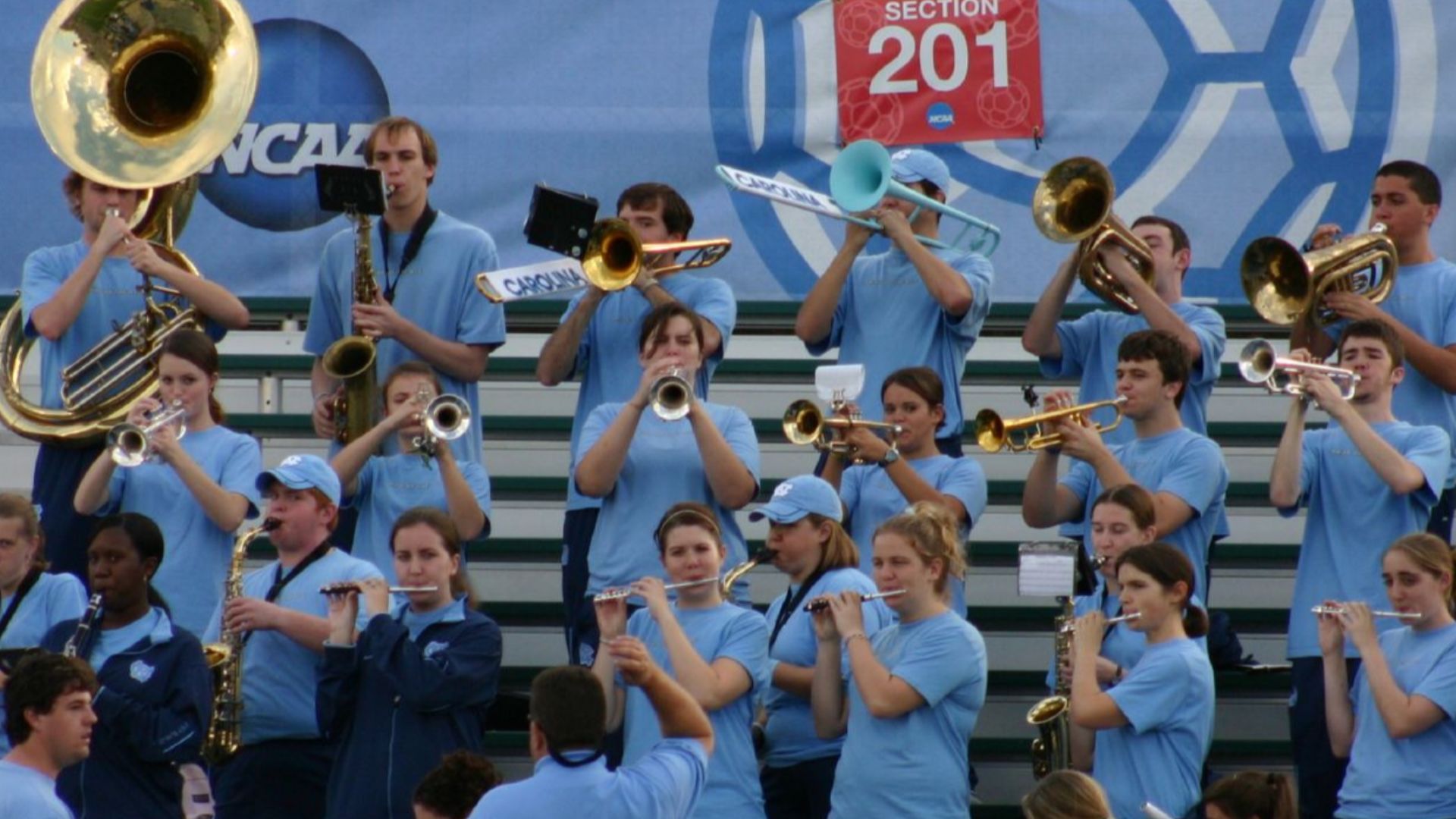 Jarrett Campbell, Wikimedia Commons
The Heat Hits Differently
A Canadian visiting in August may have several immediate regrets, starting with the decision to wear jeans. Temperatures can climb well above 30°C, but humidity is what really changes the experience. A short walk across campus can leave people wondering why anyone voluntarily schedules outdoor orientation in late summer. Students quickly learn which buildings have aggressive air conditioning and which routes offer the most shade.
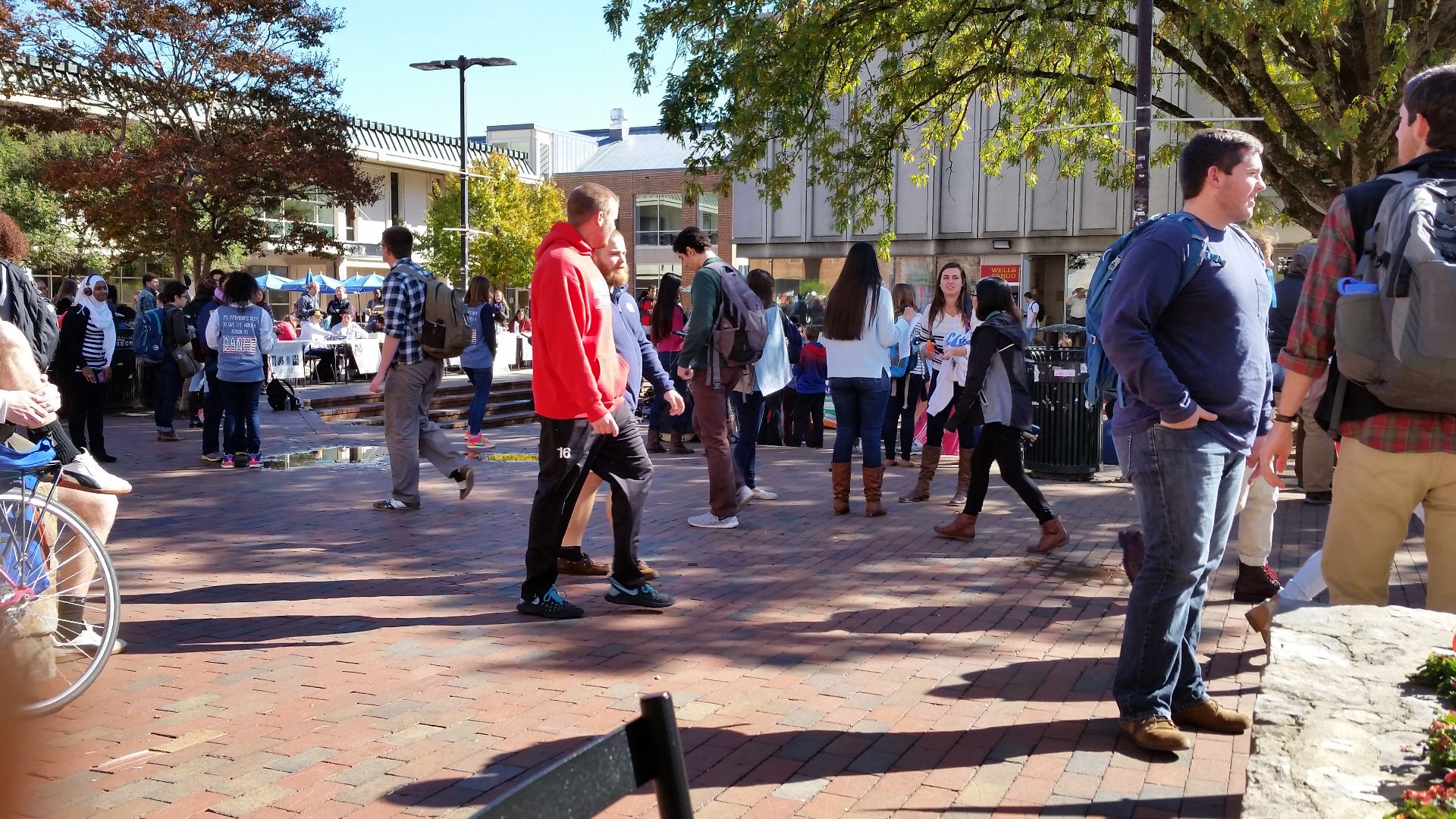
Air Conditioning Can Feel Almost Violent
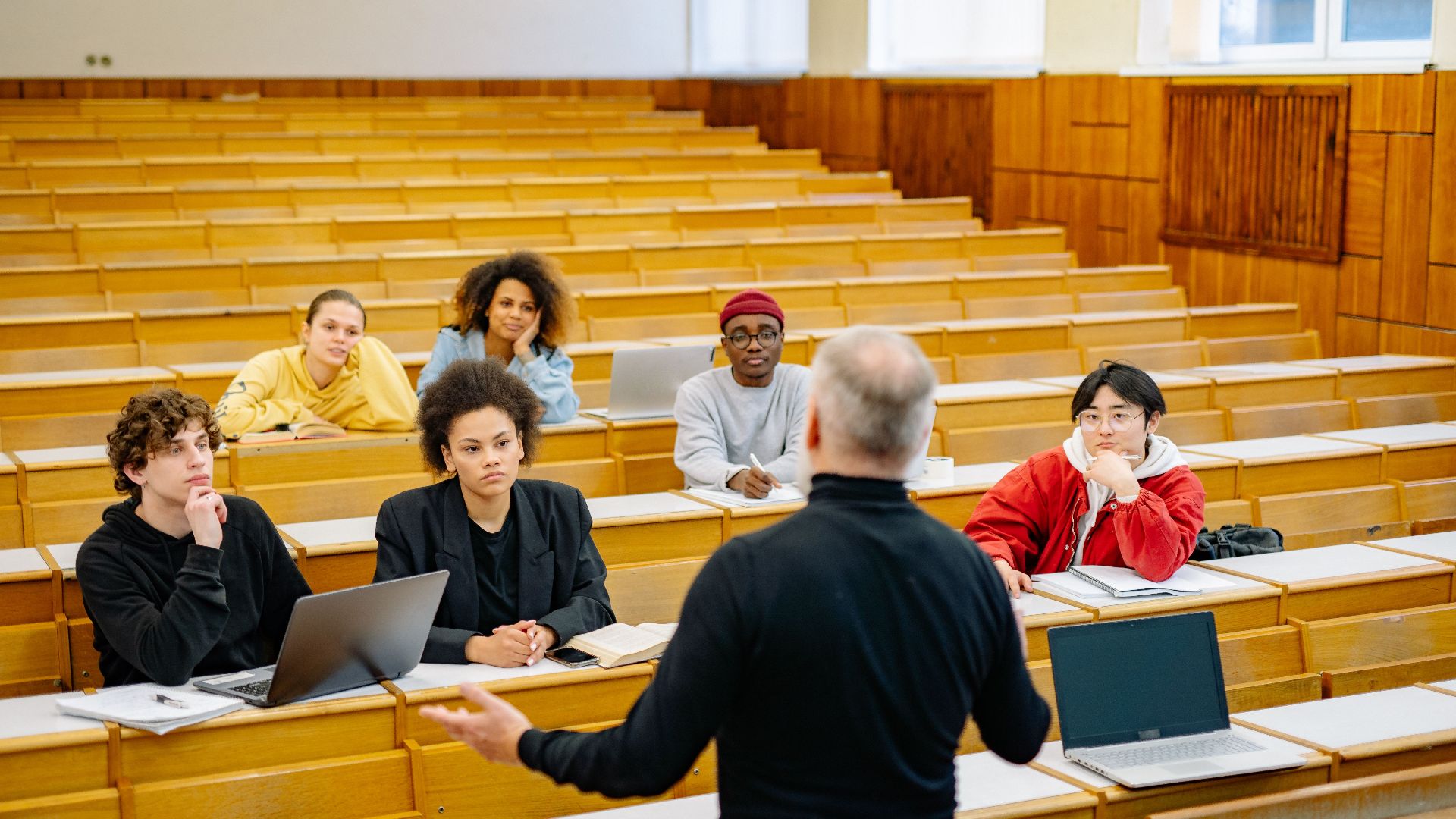
The Southern summer creates an odd daily routine of moving between outdoor heat and indoor spaces chilled to what feels like refrigerator temperature. Restaurants, lecture halls, shops, and libraries can be dramatically cooler than the sidewalk outside. Students may carry a sweater into class even when it's sweltering outdoors, which can seem absurd until you spend an hour sitting directly under an air vent.
Porch Culture Somehow Extends To Campus Life
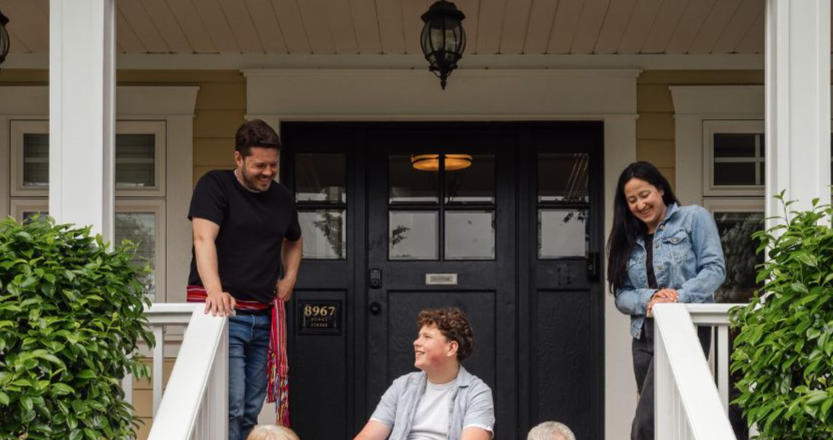
Rocking chairs, porches, balconies, patios, and shaded outdoor seating feel unusually important in many Southern college towns. Students linger outside coffee shops, fraternity houses have giant porches, restaurants spill onto sidewalks, and older homes near campus often seem designed specifically for sitting around and talking. The climate certainly helps for much of the year, although nobody is lingering very long once peak August humidity arrives.
Sweet Tea Really Is That Sweet
Ordering iced tea without specifying what you mean can be a risky move for someone unfamiliar with the region. Southern sweet tea isn't iced tea with a little sugar added afterward. It's often brewed with plenty of sugar already dissolved into it and served over a glass full of ice. People who love it really love it. Someone expecting a mildly sweetened Canadian-style bottled iced tea may discover they've accidentally ordered liquid dessert.

Biscuits Don't Mean Cookies
Canadians know this intellectually, but seeing biscuits constantly appear on breakfast menus makes the distinction unavoidable. Southern biscuits are soft, flaky quick breads served with butter, jam, honey, sausage, chicken, or creamy sausage gravy. Some local restaurants build entire breakfasts around them. A good biscuit can inspire surprisingly intense loyalty, and students often know exactly which restaurant makes the best one within driving distance of campus.
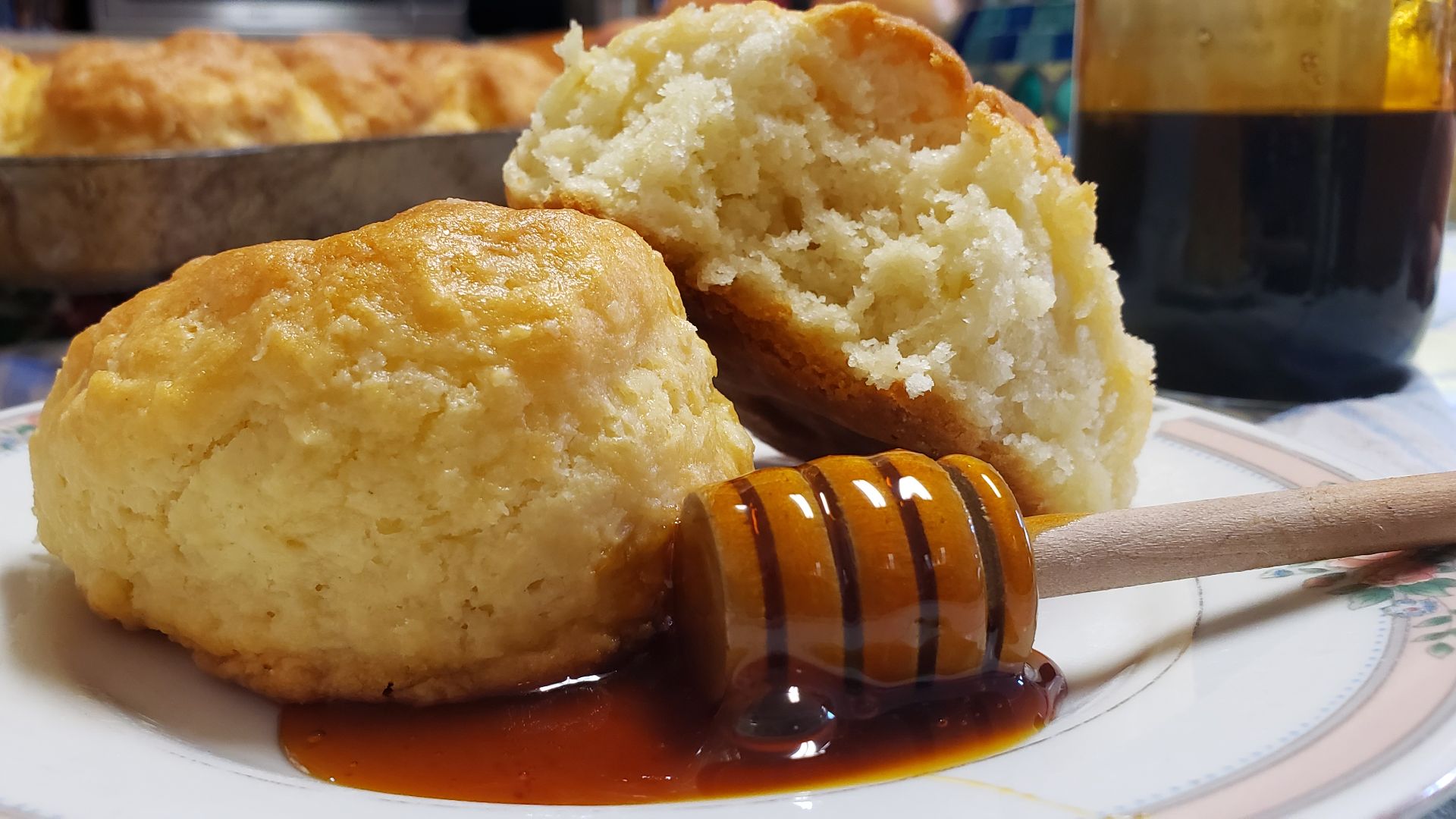 Georgiabrown24, Wikimedia Commons
Fried Chicken Can Be A Legitimate Destination
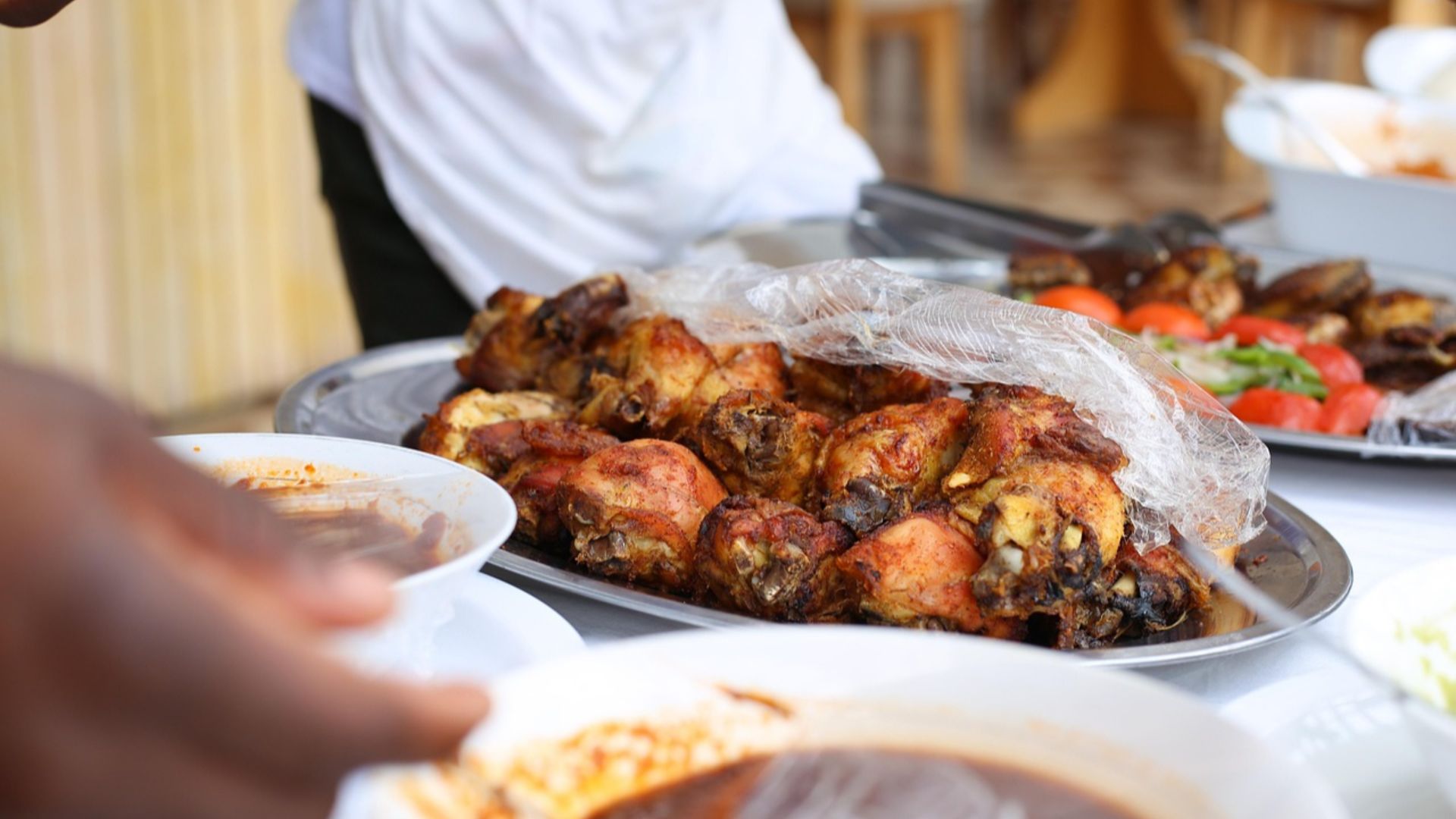
Some Southern college-town restaurants are famous enough that alumni return years after graduating specifically for one dish. Fried chicken, ribs, burgers, biscuits, or barbecue from a beloved local restaurant can become tied to people's memories of school almost as strongly as campus itself. Southern Living's college-town restaurant lists regularly highlight places whose connection to the local university community stretches back generations. The food stop isn't separate from the college-town experience. It's part of the tradition.
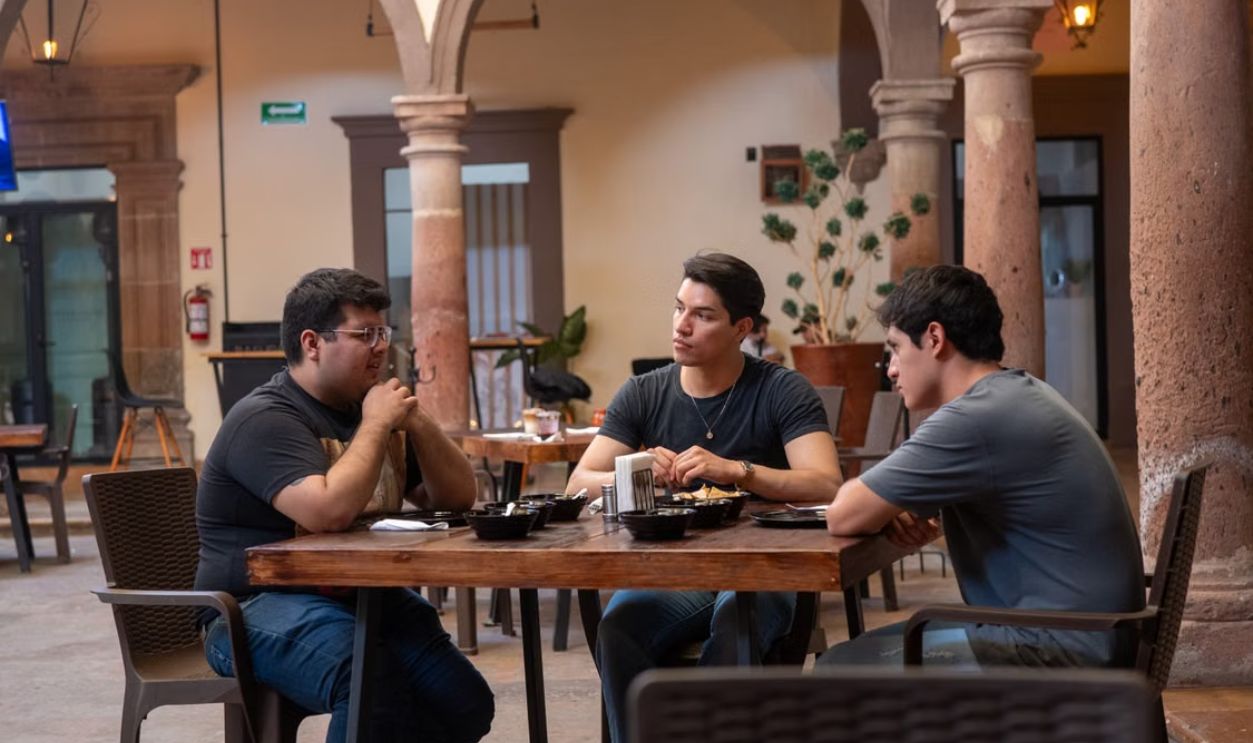
Every College Town Needs A Legendary Late-Night Place
Students eventually create a sacred relationship with whichever establishment will feed them after midnight. It might serve greasy burgers, pizza, tacos, biscuits, breakfast food, or something that tastes significantly better at 1:45am than it ever would at noon. These places rarely need sophisticated decor. They need inexpensive food, long hours, and the ability to handle a sudden crowd of students who all arrived at once.
Waffle House Starts Making A Lot More Sense
Visitors driving around the South inevitably encounter the glowing yellow-and-black signs of Waffle House. The chain operates around the clock and serves waffles, eggs, hash browns, burgers, and diner staples in a remarkably consistent format. In a college town, the appeal becomes obvious. It's open when students are awake, inexpensive enough for student budgets, and equally suitable for breakfast at 8am or breakfast at 2am.
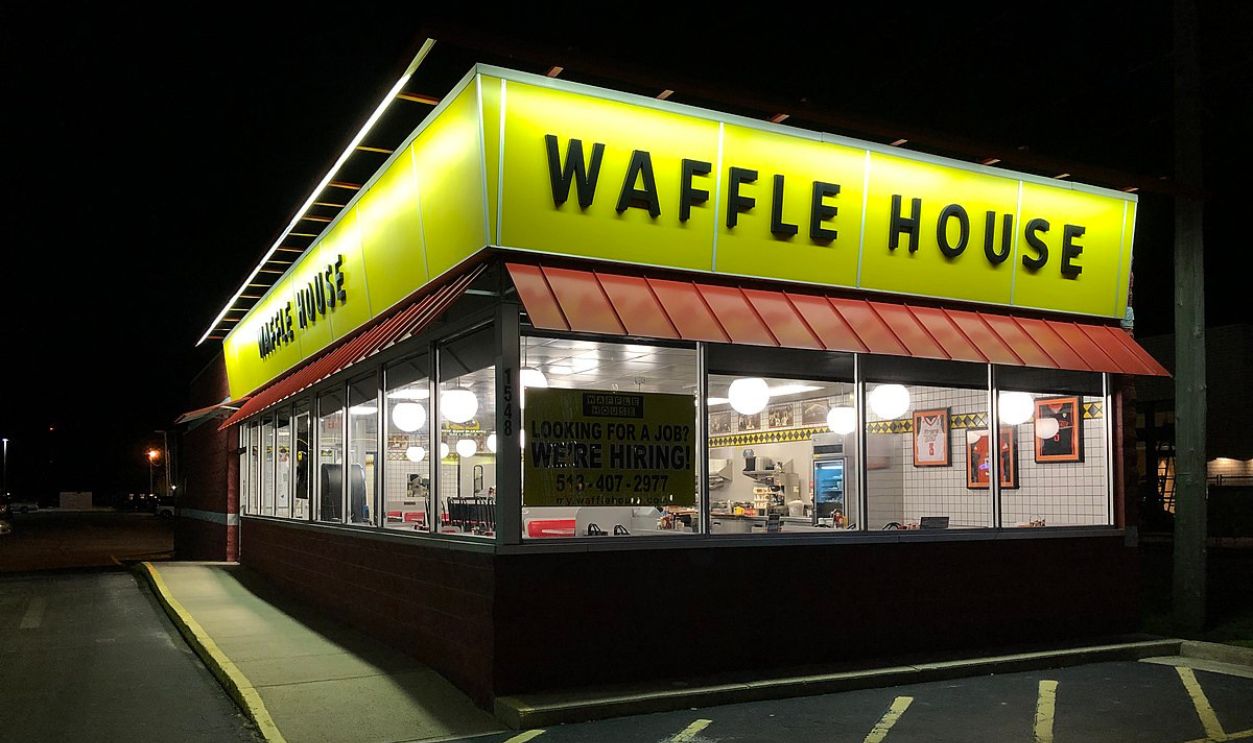 Mbrickn, CC SA 4.0, Wikimedia Commons
Downtown And Campus Often Blur Together
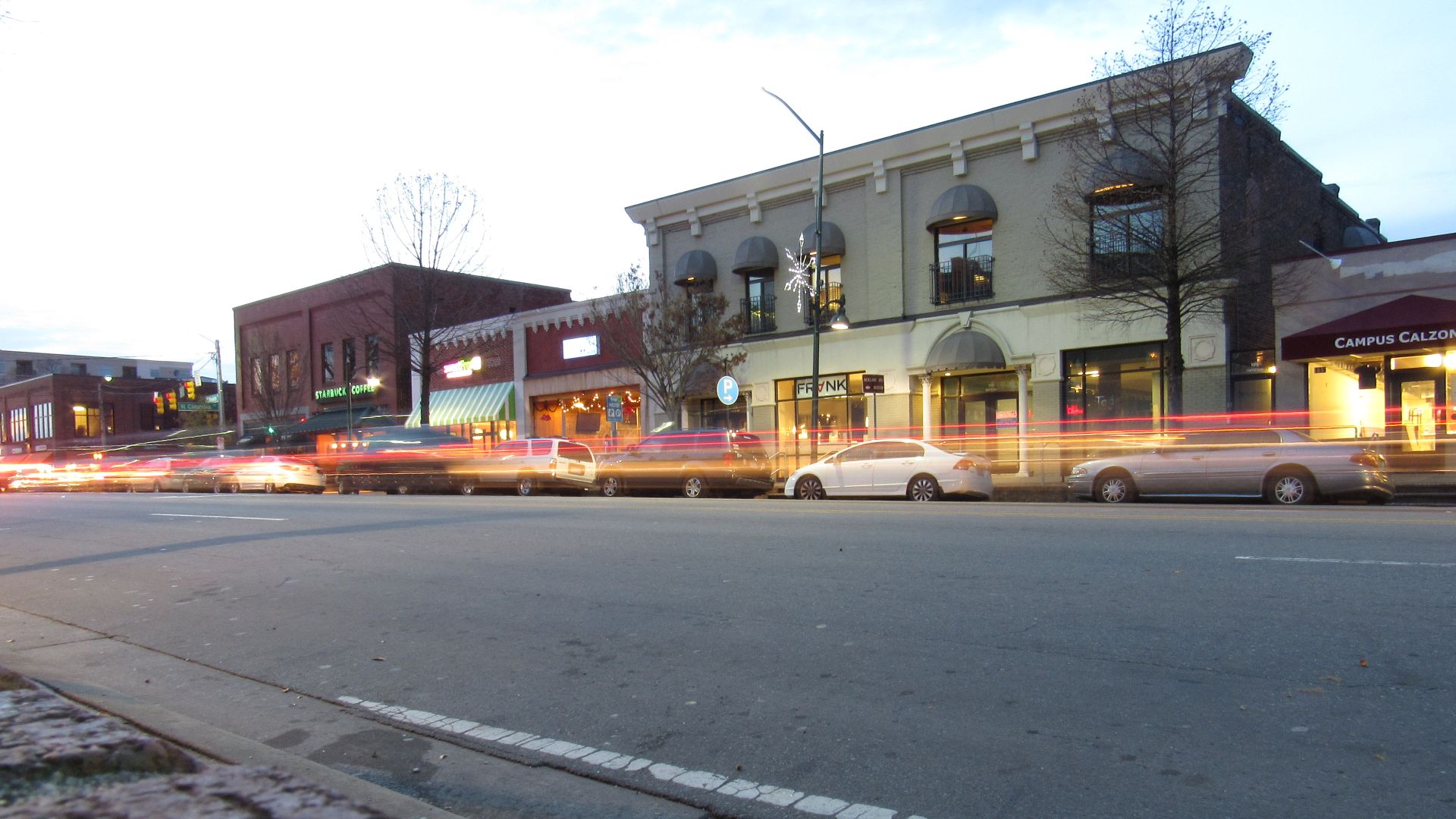
In some college towns, leaving campus doesn't really feel like leaving university life. Athens has downtown blocks immediately beside the University of Georgia, while Chapel Hill's Franklin Street sits right next to UNC. Restaurants, bars, bookstores, apartments, music venues, and shops fill with students and faculty. This creates a walkable bubble where the university and town feed off each other's energy rather than existing as separate places.
School Colors Are Basically Everyday Clothing
On game weekends this becomes obvious, but university colors appear year-round. Students wear branded sweatshirts to class, alumni wear polos to dinner, children wear miniature jerseys, and local residents may decorate cars, porches, and businesses. Someone arriving without knowing the school colors can usually figure them out within ten minutes.

Live Music Can Be Much Better Than Expected
College towns have young audiences, inexpensive venues, and a constant supply of musicians looking for somewhere to play. That combination has helped places such as Athens, Georgia, develop music scenes with reputations far beyond their size. R.E.M. and the B-52s famously emerged from Athens, but less famous university towns also support bars, small clubs, open-mic nights, and local bands. A town that feels sleepy during the afternoon can sound completely different after dark.

There Are Students Everywhere Until Suddenly There Aren't
During the semester, the coffee shops are crowded, sidewalks are busy, restaurants have waits, and apartments around campus seem packed. Visit during summer break or a major holiday and the same town can feel oddly empty. The university calendar controls the local rhythm in a way that's especially noticeable in smaller places where students make up a large share of the population.

Alumni Never Really Leave
Graduation doesn't necessarily end someone's relationship with a Southern university. Alumni return for football games, homecoming weekends, reunions, weddings, and annual trips with old friends. Families sometimes maintain season tickets across generations, and parents bring children back to the campus years before those children are thinking seriously about college. The result is a town inhabited not only by current students but by decades of former students who still think of it as partly theirs.
Homecoming Is More Than A School Dance
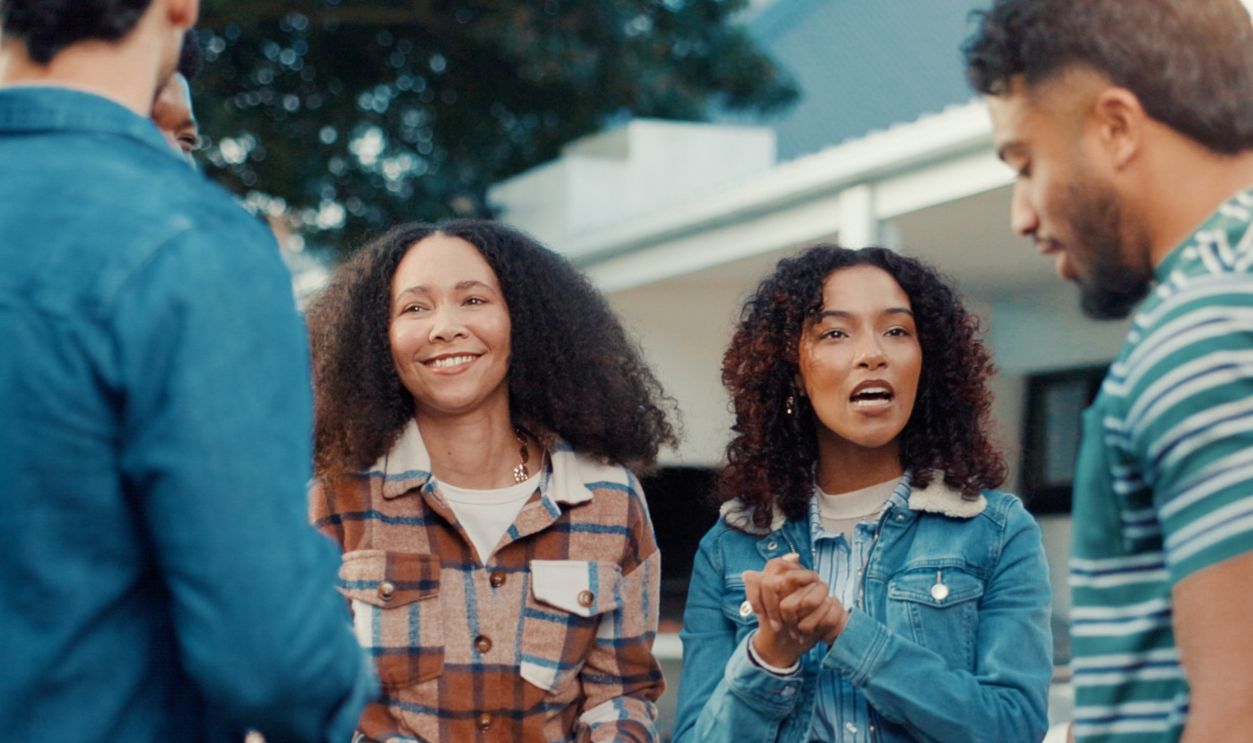
At many Southern universities, homecoming can involve parades, alumni gatherings, tailgates, football, formal events, student competitions, and traditions stretching across generations. The entire town may become busier as former students return. Canadians accustomed to a lower-key university homecoming may be surprised by how seriously some campuses treat the occasion.
The Town Can Feel Much Richer And Much Poorer Within A Few Blocks
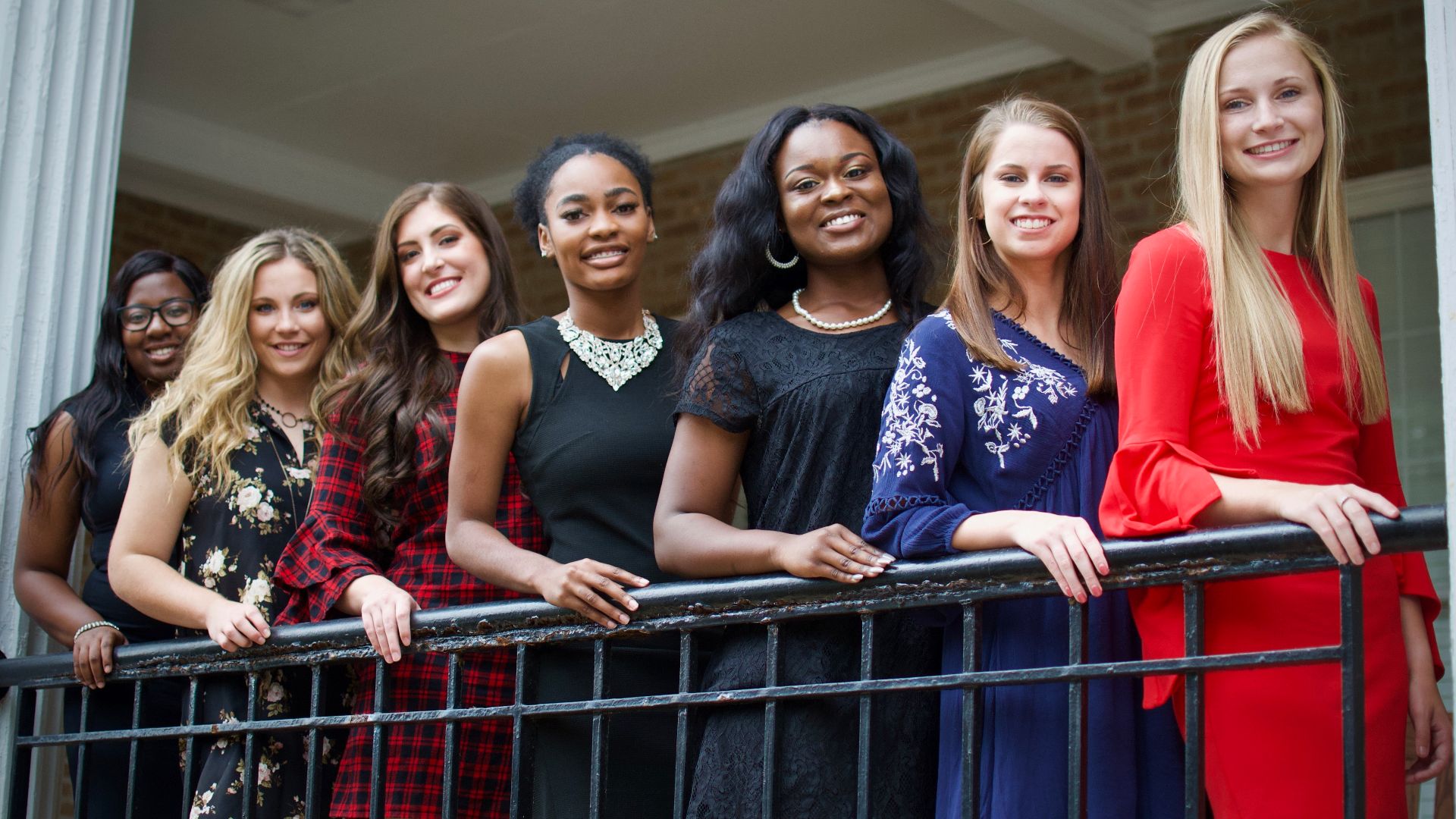
University growth can create striking contrasts. A shiny new residence hall, expensive student apartment tower, upscale restaurant, or multimillion-dollar athletic facility may sit near older neighborhoods where incomes are far lower. Successful universities can generate huge amounts of money without distributing it evenly throughout the surrounding town. College tourism sometimes hides those differences, but visitors who wander beyond the main commercial strips may notice them quickly.
The Athletic Facilities Can Be Bigger Than Academic Buildings
Walk past a major Southern football complex and it's easy to wonder whether you've accidentally reached a professional sports franchise. Stadiums can seat more people than some NFL venues, while practice facilities, weight rooms, indoor fields, training centers, and athlete amenities occupy enormous campus footprints. For visitors from universities where the biggest sports venue seats a few thousand people, the scale alone can be startling.
 Bluefiredragon09, Wikimedia Commons
The Mascot Is Everywhere
Southern colleges tend to take mascot imagery seriously. Tigers, Bulldogs, Gators, Razorbacks, Gamecocks, Volunteers, Rebels, and other identities appear on murals, store signs, license plates, flags, clothing, statues, and restaurant walls. Some schools even maintain live mascots. You don't have to follow college sports to learn the local mascot because the town will teach you repeatedly.

A Southern College Town Can Feel Like Its Own Little Country
After a few days, the combination starts to make sense. The university has its own colors, songs, symbols, legends, rivals, rituals, food traditions, landmarks, celebrities, and calendar. On game day, tens of thousands of people return wearing the same colors and performing the same traditions their parents may have followed decades earlier. That's what can make a Southern college town feel so distinctive to an outsider. The school isn't merely located there. In many ways, the school and the town have grown into one culture.
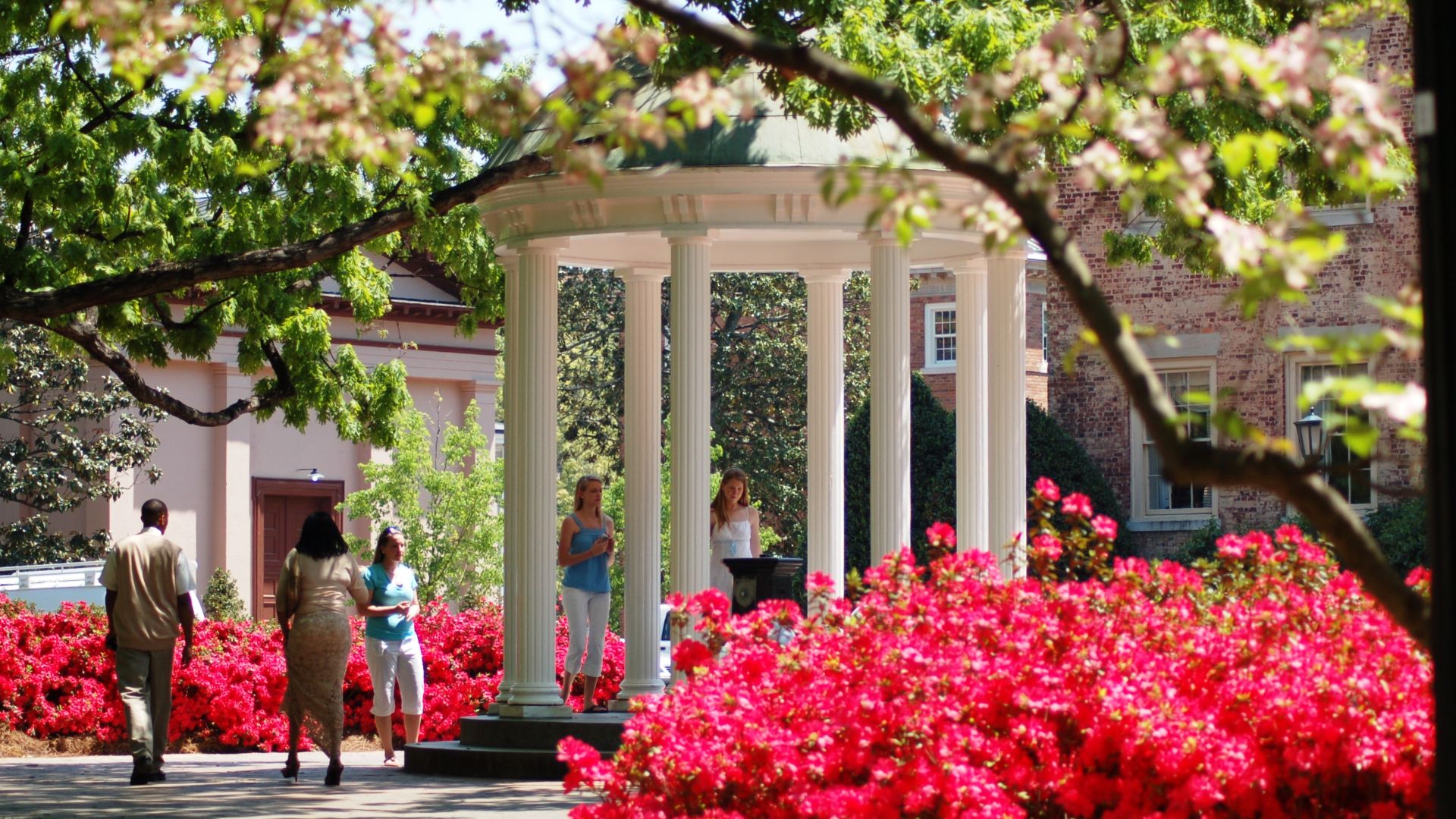 (User:Wgreaves), Wikimedia Commons
You May Also Like:
Things Americans Notice Immediately When They Visit The Canadian Prairies
Americans Immediately Notice These Things When They Take A Train Across Canada
Things Canadians Notice Immediately When They Drive Through The American Midwest