
A Signal We Never Meant to Send
What if your next flight could be announcing Earth’s existence to aliens? Recent research suggests that the very radar systems used to guide aircraft at airports might be leaking radio signals powerful enough to be detected by advanced extraterrestrials living up to 200 light-years away. That means our routine flights might be lighting up the sky in ways we never meant.
So, what exactly are we sending into space, and who are we sending it to?

Radar: The Eyes of Aviation
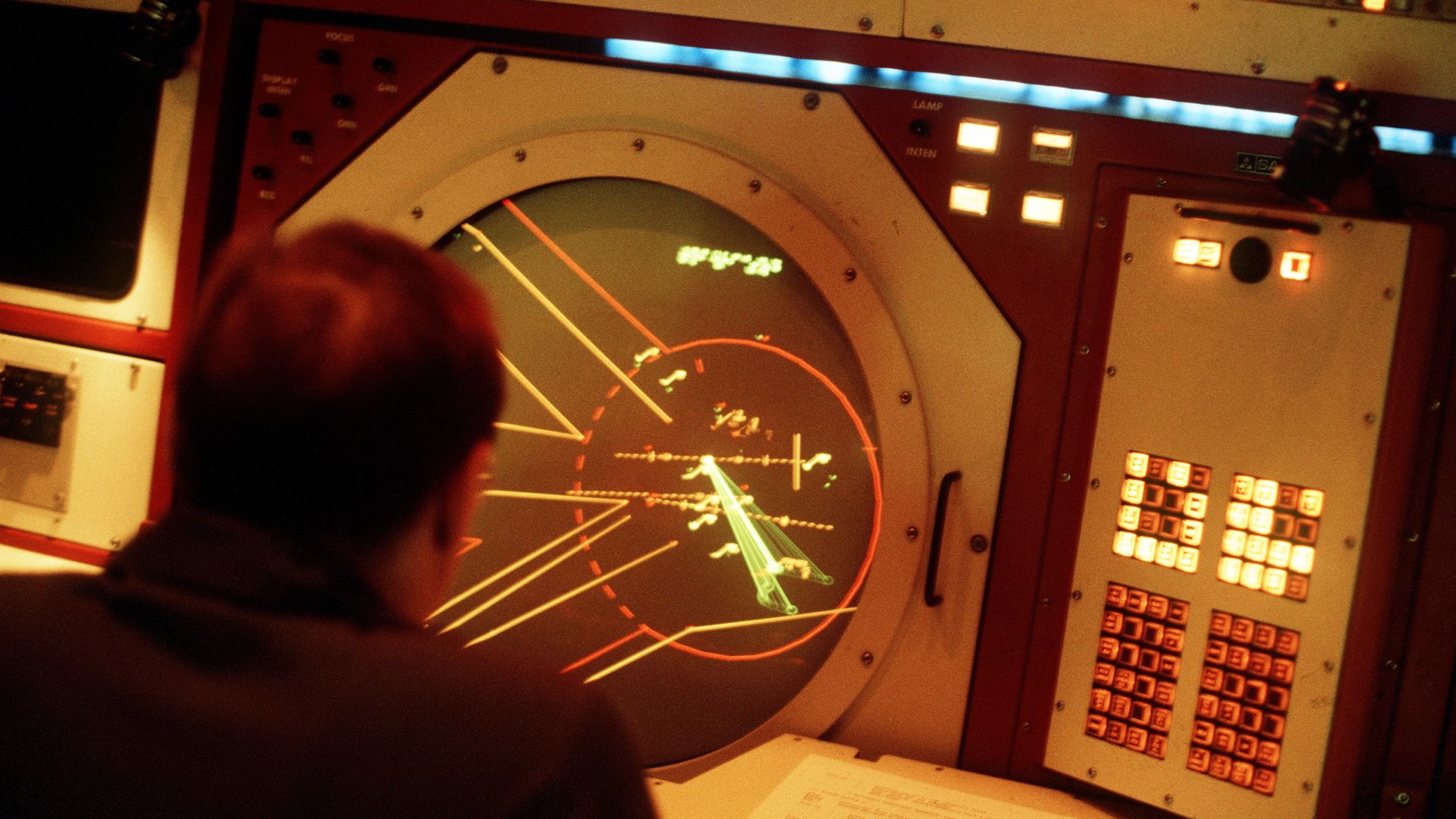
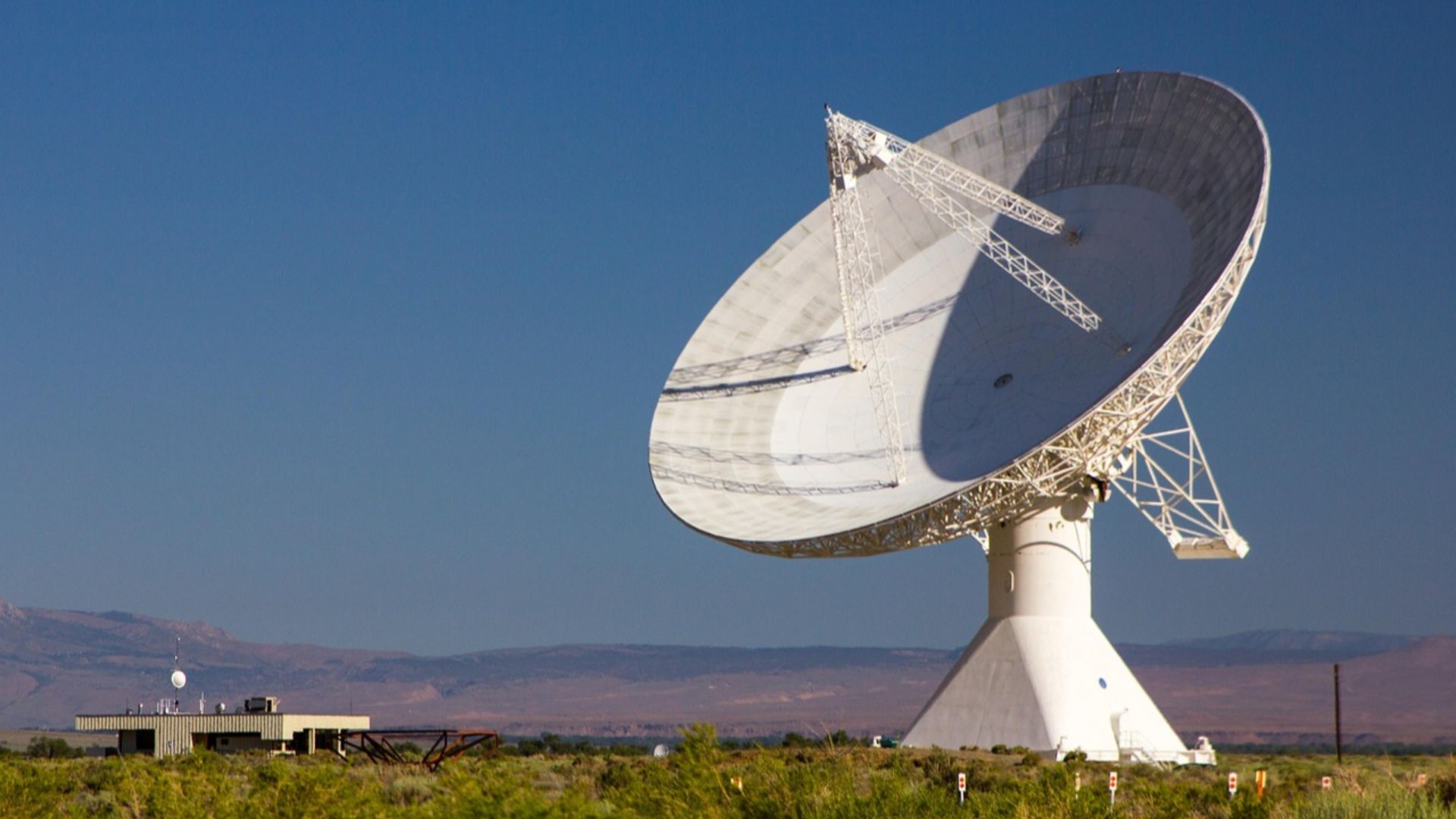
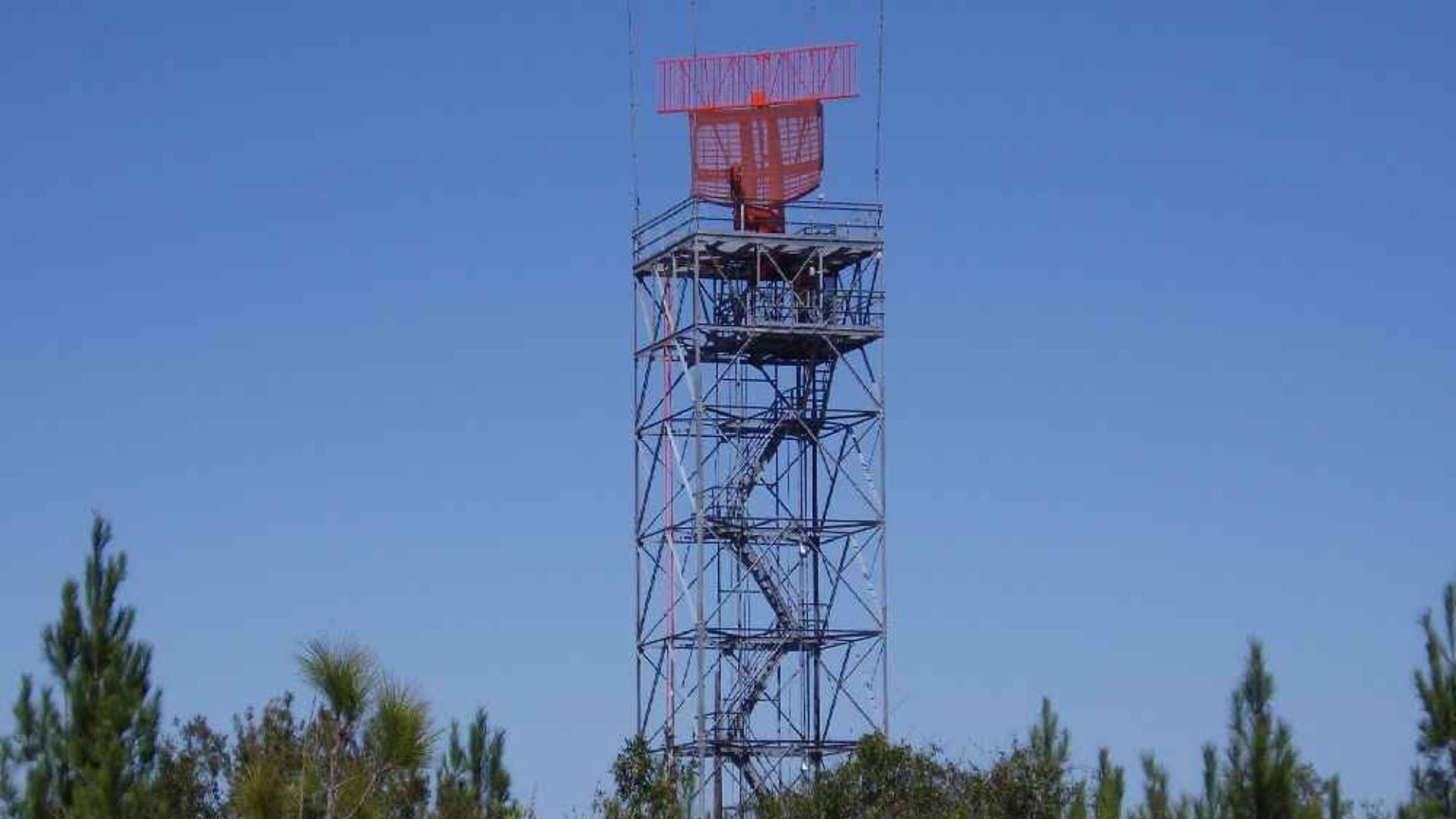
Radar systems are essential for keeping planes safe. They send out radio pulses that bounce off aircraft so controllers know where they are. These signals are strong, constant, and some of that energy escapes Earth’s atmosphere and continues traveling into space.
 Thomas Farr, Wikimedia Commons
How Far Could Our Signals Travel?
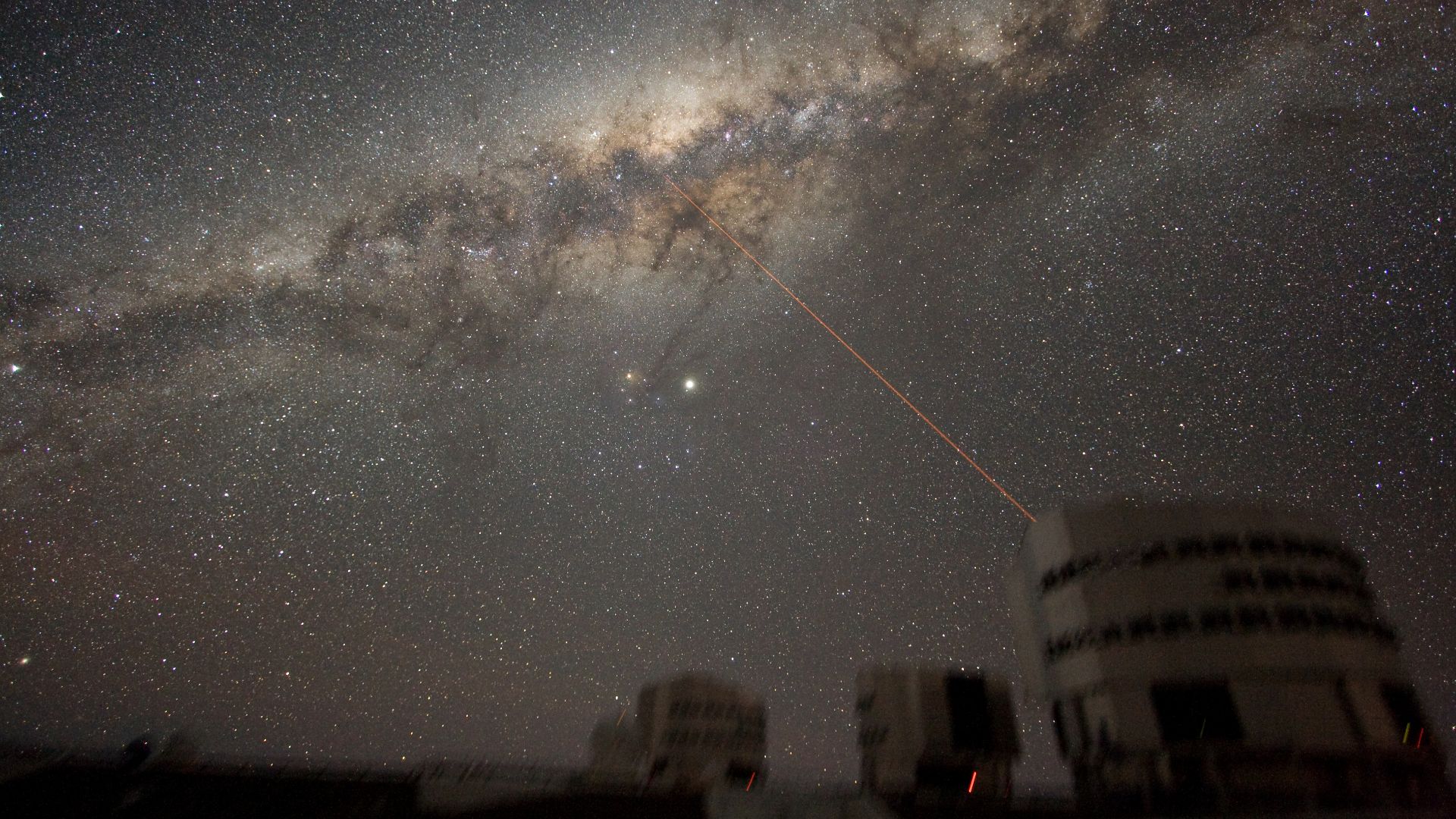
Research presented in 2025 suggests airport and military radar signals could be detectable up to 200 light years away. That distance includes tens of thousands of nearby stars, meaning Earth’s daily activity may be visible far beyond our solar system.
 ESO/Y. Beletsky, Wikimedia Commons
Who Led the Research
The study was led by Ramiro Caisse Saide, a PhD researcher at the University of Manchester, alongside Professor Michael Garrett. Their work focused on how Earth’s radar emissions spread through space and how they might appear to distant observers.

A Cosmic Beacon From Airports
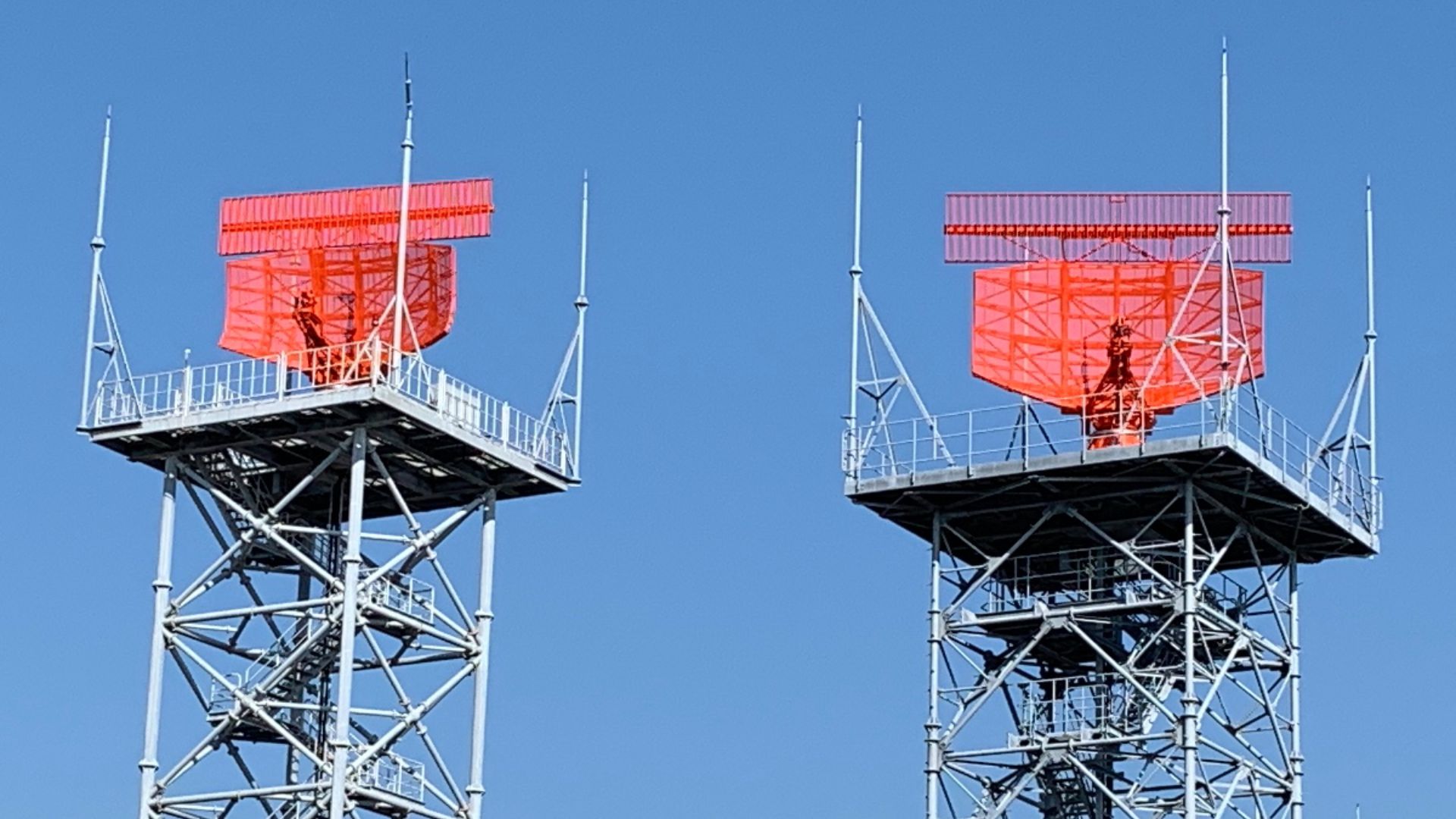
Major airports like Heathrow, Gatwick, and New York’s JFK use powerful radar systems. Combined, these systems release enormous amounts of radio energy that unintentionally leak into space, creating a detectable technological footprint.
 Project Kei, Wikimedia Commons
A Universal Technosignature
Scientists refer to detectable signs of technology as technosignatures. Radar emissions may be one of Earth’s strongest technosignatures, not because we want to broadcast them, but because they are a natural result of modern aviation.
 NASA's Earth Observatory, Wikimedia Commons
How Radar Looks From Far Away
To an advanced civilization with sensitive radio telescopes, Earth’s radar emissions might look artificial. Military radar systems in particular create sweeping patterns that would stand out against natural cosmic noise.
Think of It Like a Lighthouse
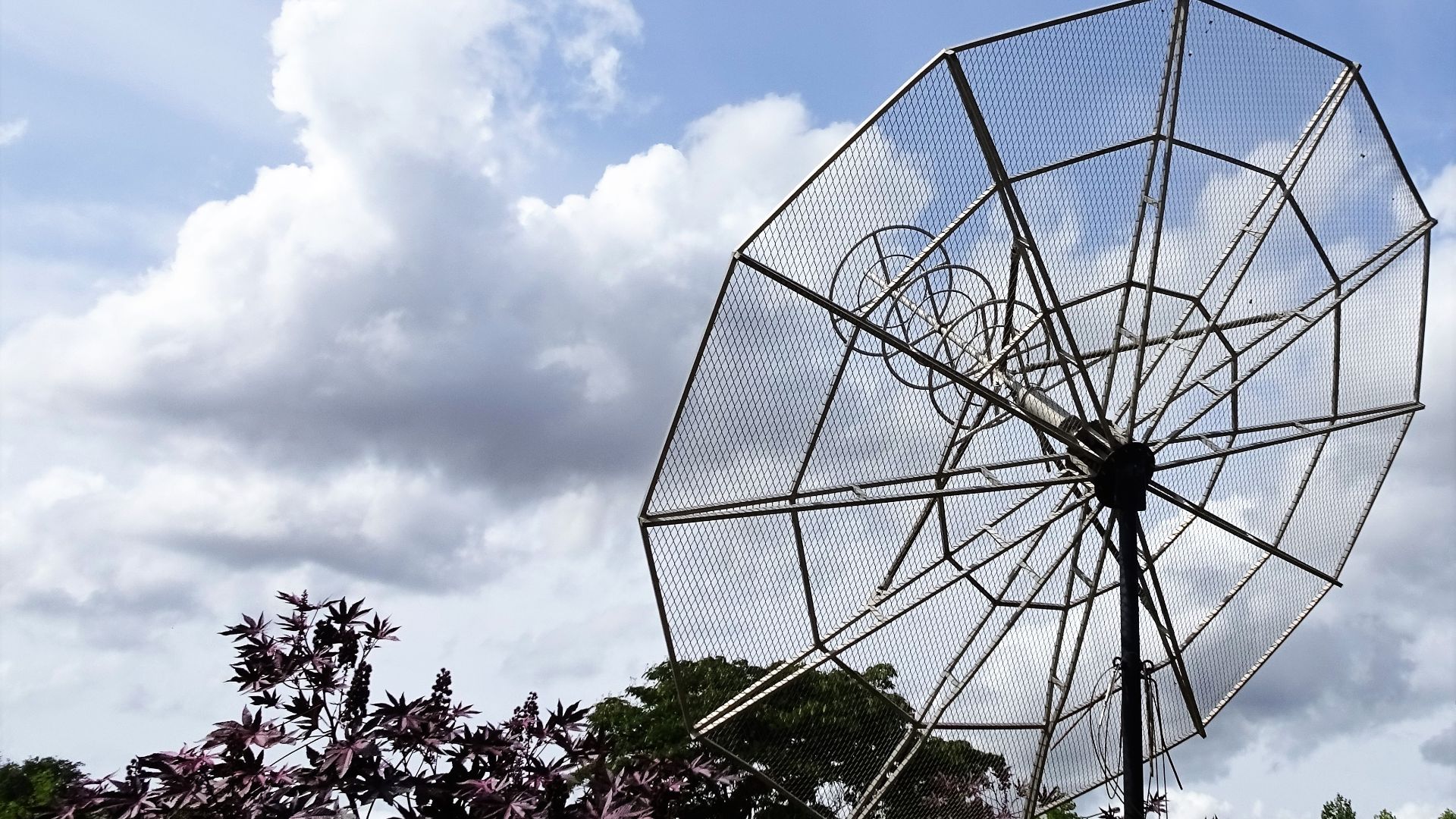
Radar systems act like rotating beacons. As Earth spins, radar beams sweep across space, sending rhythmic signals outward, similar to how a lighthouse sends flashes across the sea.

Could Aliens Really Detect Us?
Models suggest a civilization with technology similar to Earth’s could detect these signals from hundreds of light years away. That includes star systems astronomers already study for potentially habitable planets.
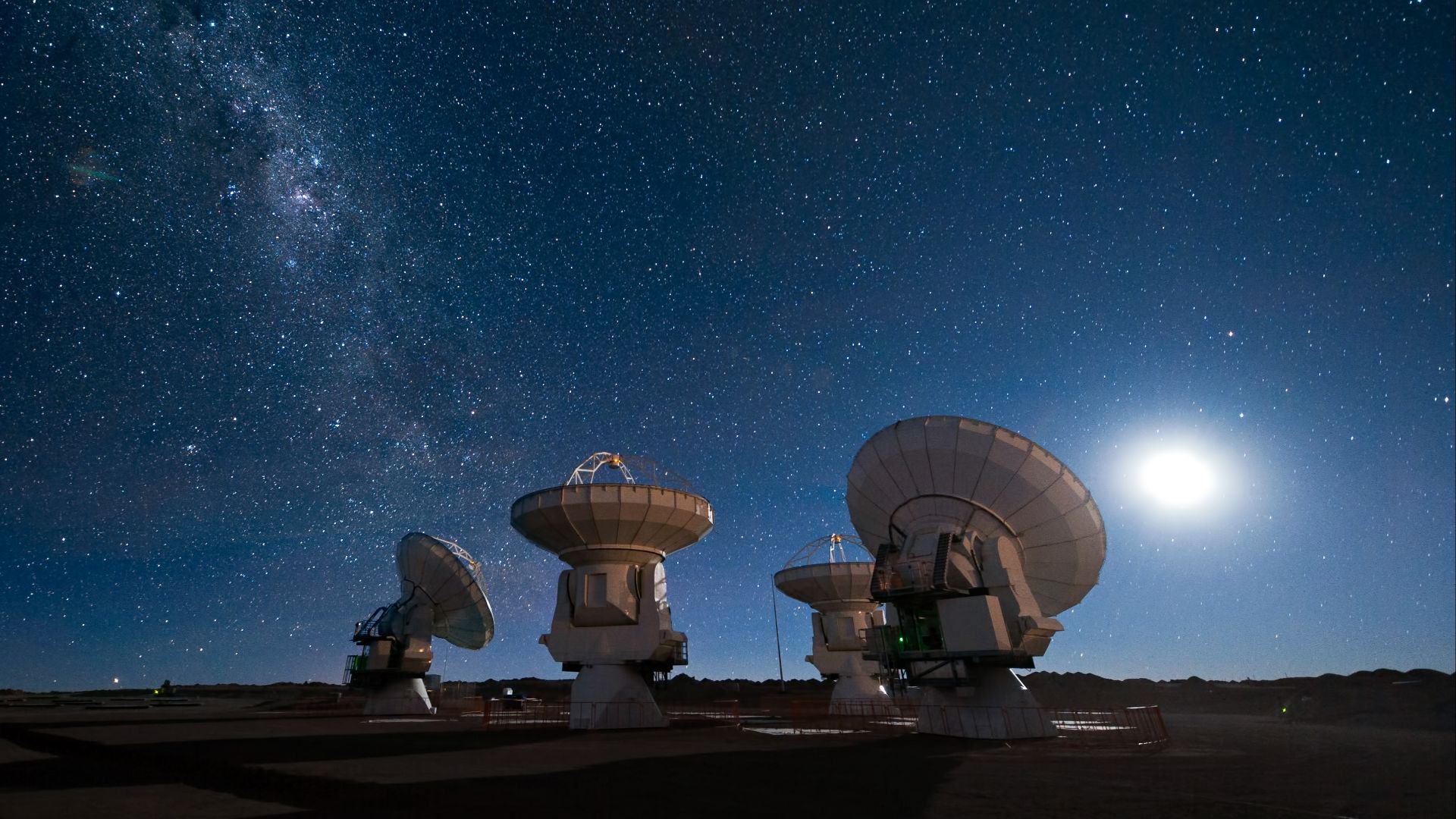 ESO/Jose Francisco Salgado (josefrancisco.org), Wikimedia Commons
Detection Does Not Mean Contact
Even if another civilization detected Earth’s signals, it does not mean they would understand them or attempt communication. Detection is only the first step in a much longer process.
The Nearest Habitable World
Proxima Centauri b, one of the closest potentially habitable exoplanets, lies just over four light years away. Earth’s radar signals would reach it relatively quickly on a cosmic timescale.
 ESO/M. Kornmesser, Wikimedia Commons
A Surprising Source of Leakage
Scientists once thought television and radio broadcasts were Earth’s main signals. Radar systems may actually be far more visible due to their strength and focused beams.
 Csnoke (http://en.wikipedia.org/wiki/User:Csnoke), Wikimedia Commons
What About Cell Phones and Wi-Fi?
Other technologies like mobile phones and Wi-Fi also leak radio waves. However, these signals are much weaker and would only be detectable from nearby stars.

A Real Beacon or a Cosmic Whisper
Despite their strength, radar signals fade with distance. Detecting them would still require advanced instruments and careful analysis.
Not Just Radar
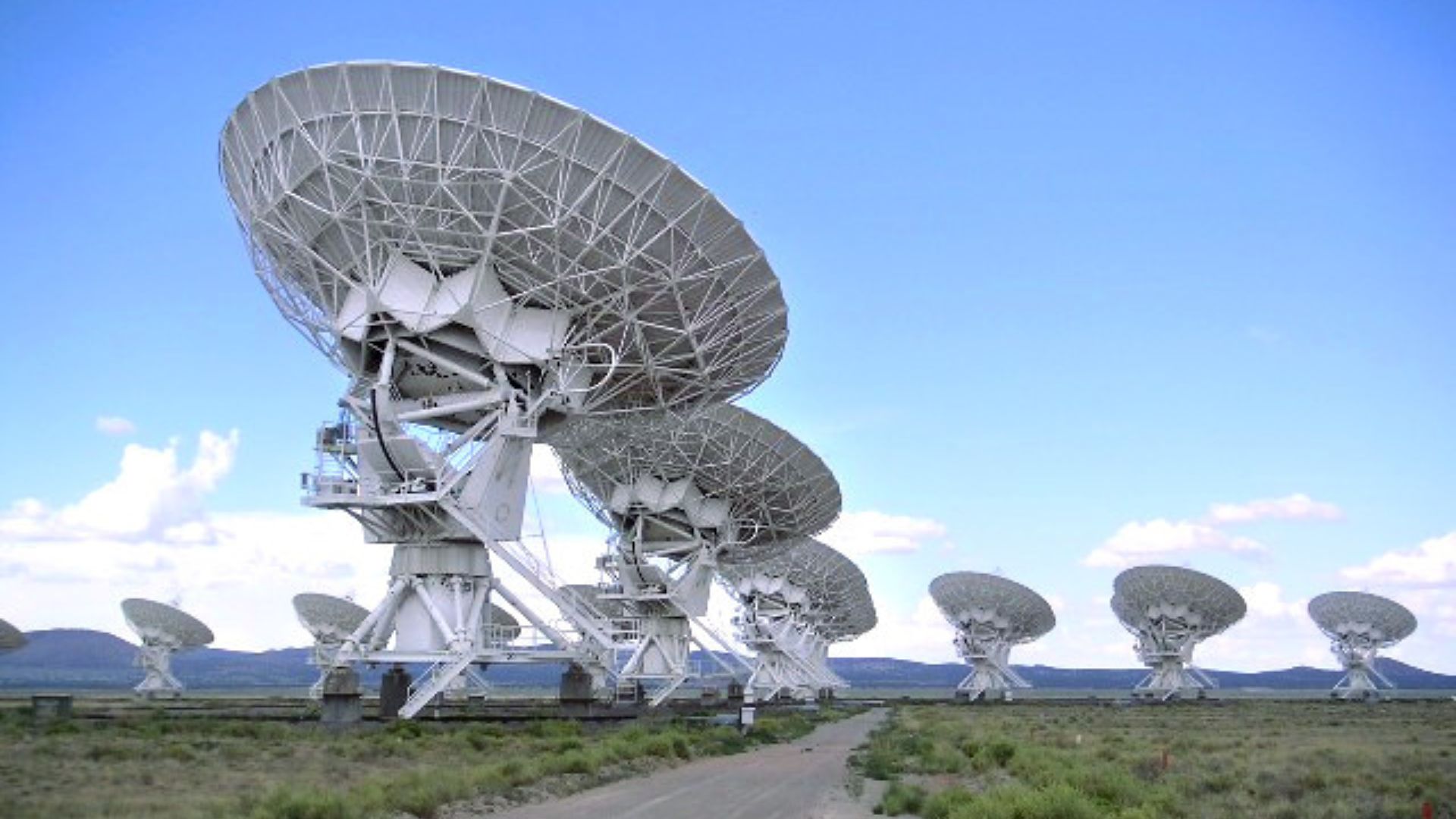
The research also changes how scientists search for alien technology. If other civilizations use radar, Earth-based telescopes may already be able to detect their signals.
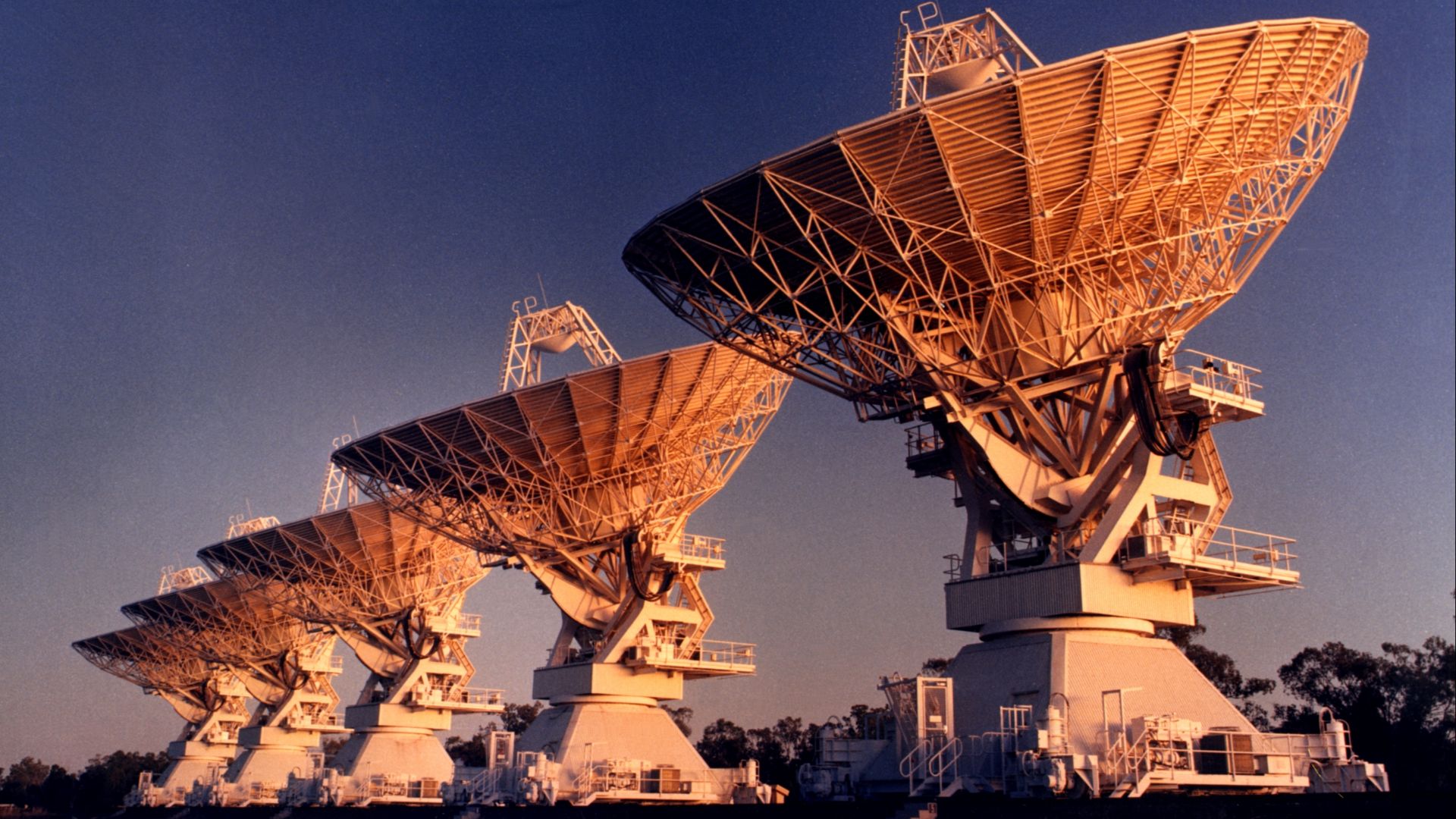 John Masterson, CSIRO, Wikimedia Commons
Protecting Our Radio Space
Understanding signal leakage helps scientists manage radio interference and protect frequencies needed for astronomy and communications.
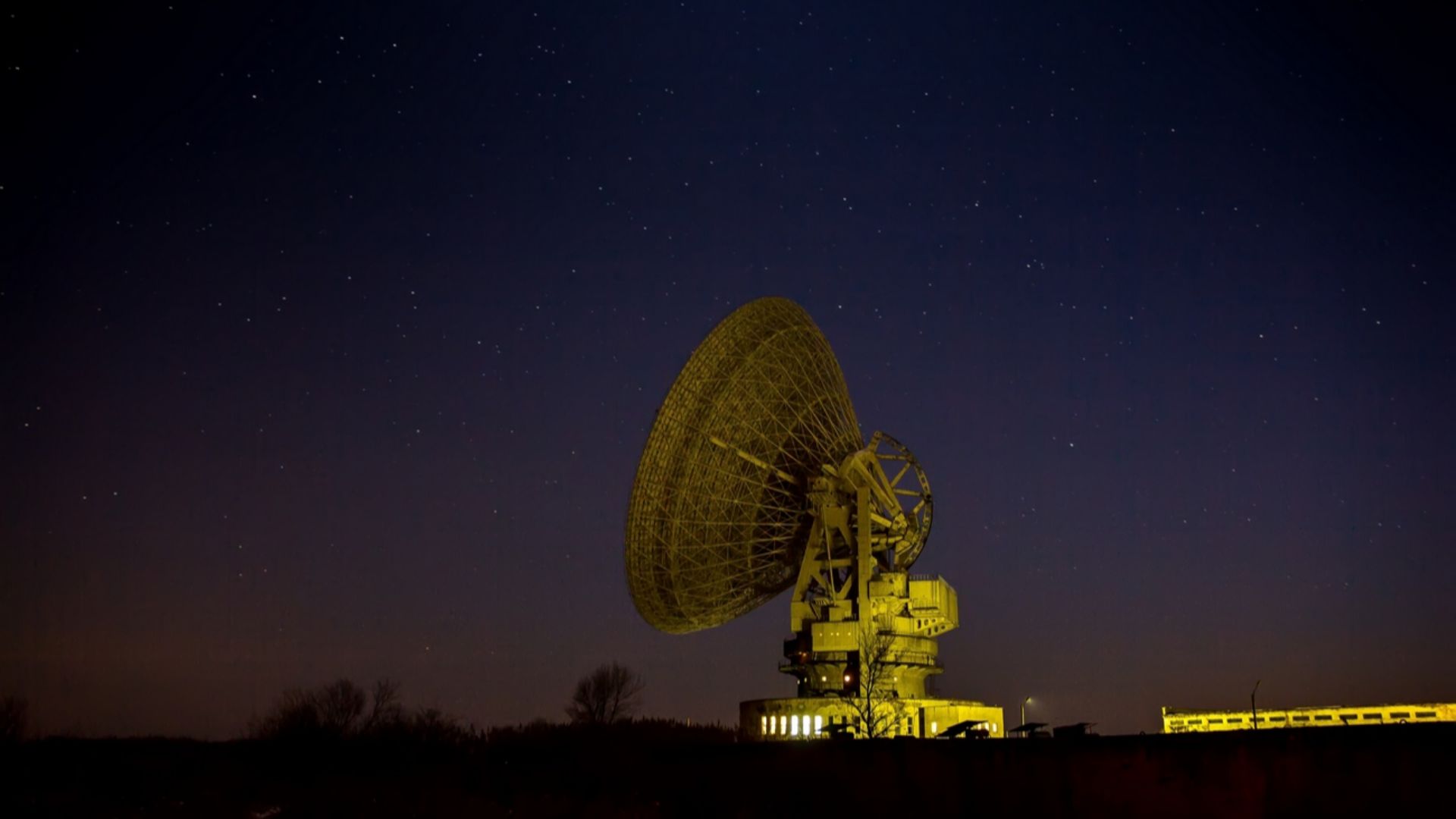 Alexander Vlasenko, Wikimedia Commons
A Two-Way Street
The same technology that makes Earth detectable could help us find others. Radar emissions may point both ways in the search for intelligent life.
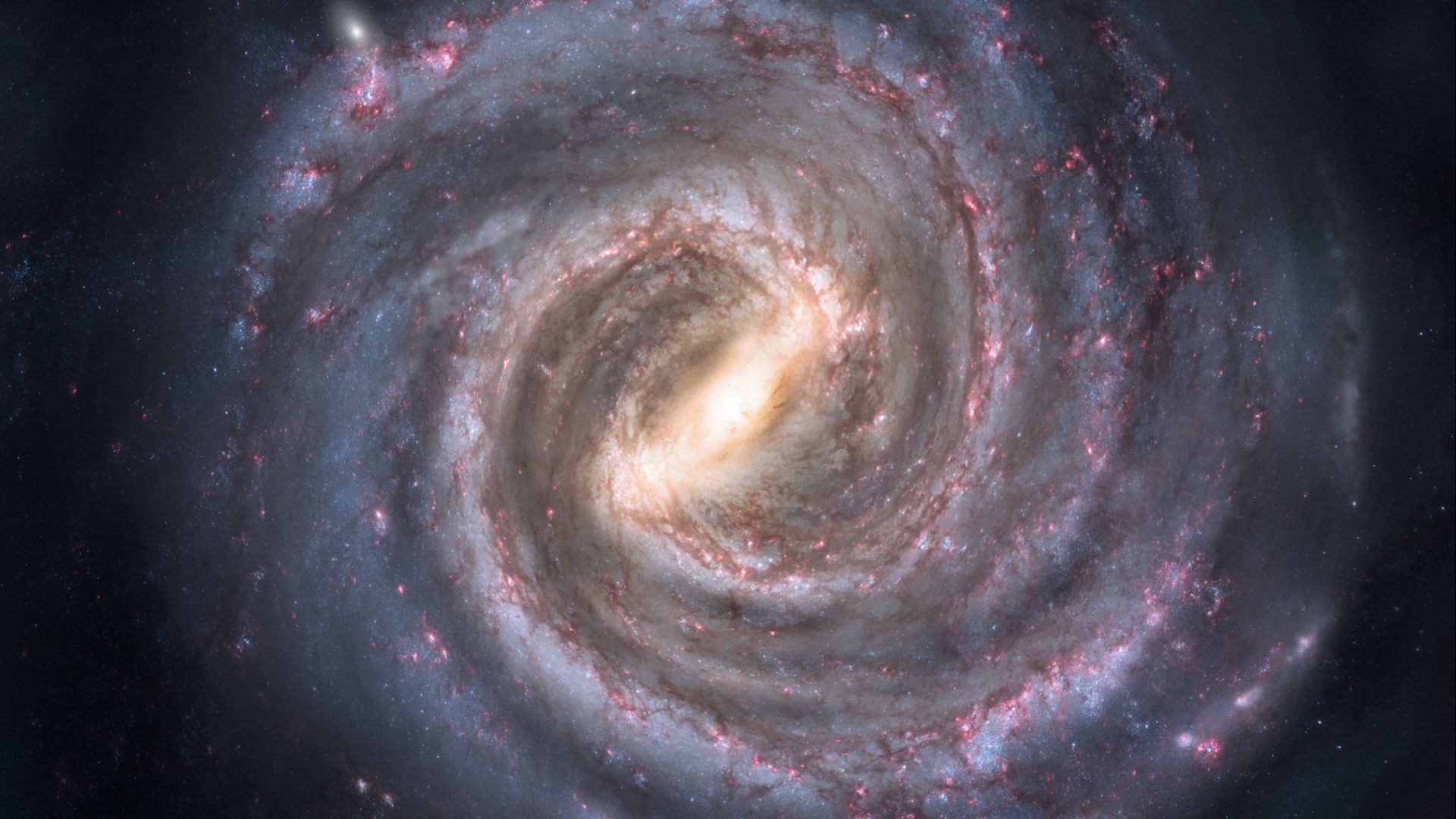 Nick Risinger, Wikimedia Commons
Still a Lot of Unknowns
Scientists do not know how common intelligent civilizations are or whether they use similar technology. Many questions remain unanswered.

A Reminder of Our Cosmic Footprint
Everyday technology leaves traces beyond Earth. Even routine activities like air travel contribute to humanity’s presence in the universe.

The Search Continues
Researchers are expanding the search for technosignatures, looking not just for deliberate messages, but for accidental signals like radar leakage.
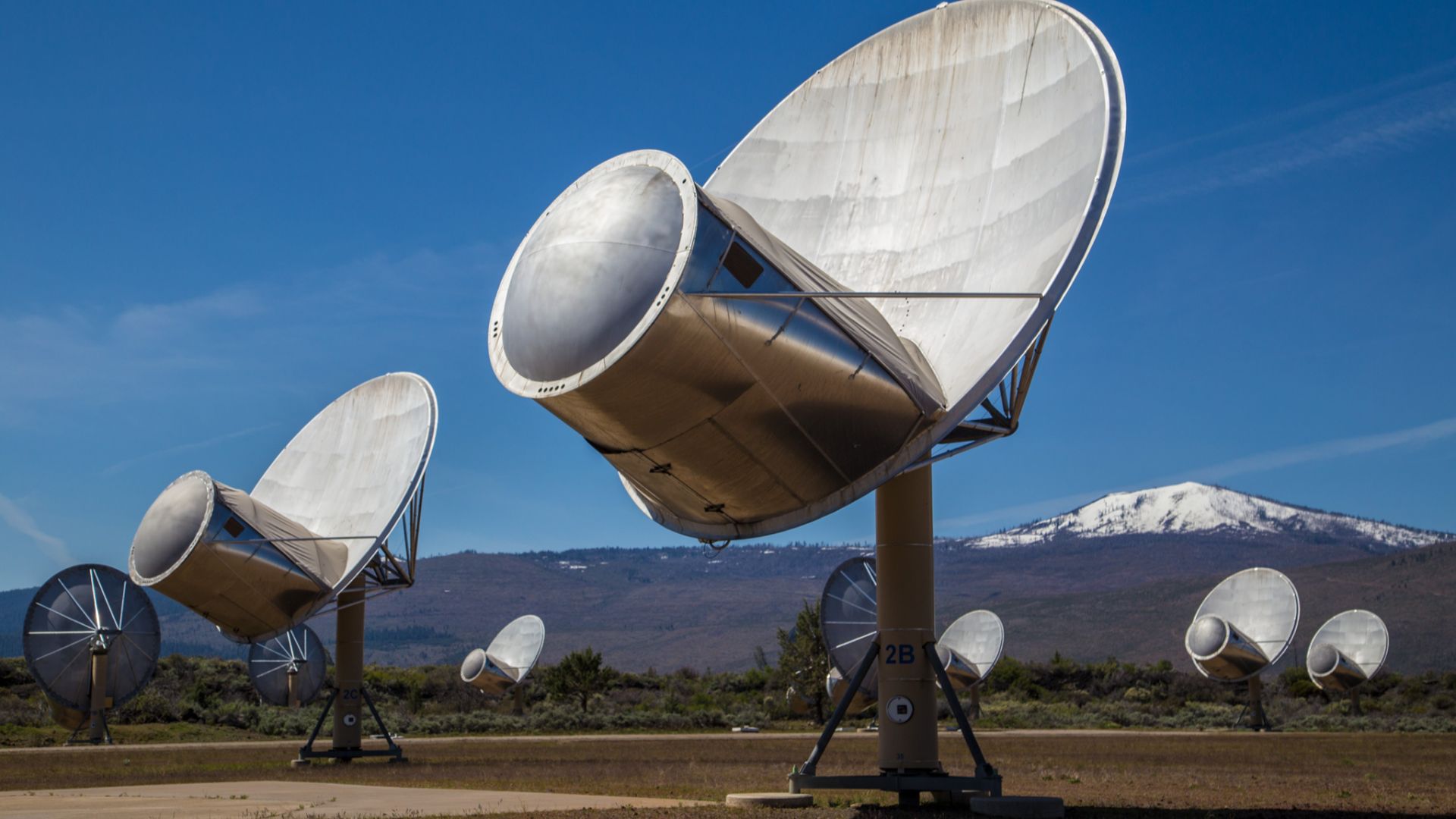 AlexanderP87, Wikimedia Commons
What This Means for Earth
Whether or not anyone is listening, the research shows that Earth may already be announcing itself to the galaxy in subtle ways.
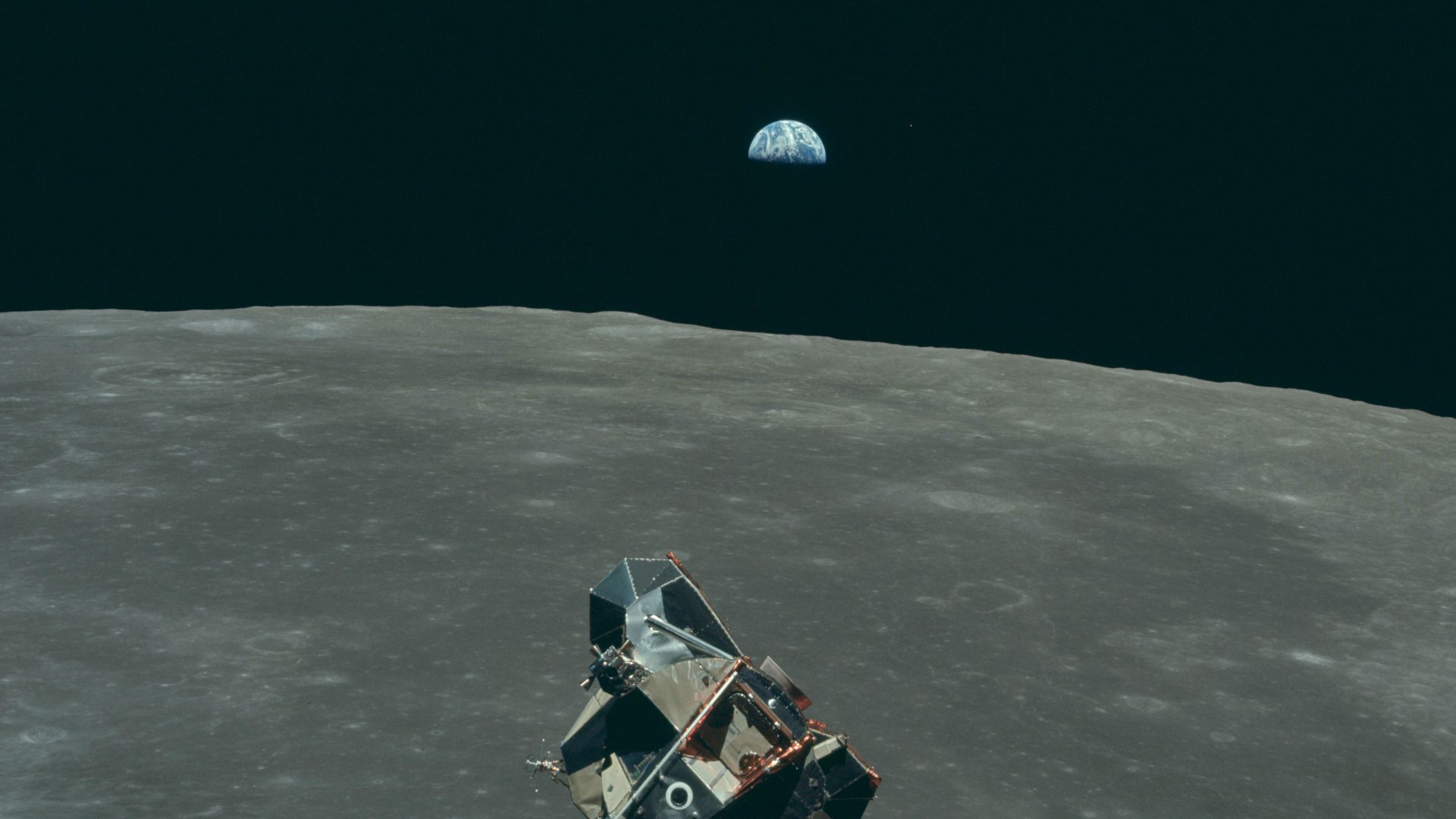 NASA / Apollo 11, Wikimedia Commons
You May Also Like: