A 250-Year Voyage To Proxima Centauri B
A ship larger than many cities is imagined to sail across the stars, carrying generations who will never see Earth again. This seemed like a dream for decades, but in July 2025, scientists showed the world that it could be happening soon.
Exploring Space
Can humans populate another planet one day? For years, scientists have asked this question, and they have always wondered how life can be carried to planets that exist several light-years away. In July 2025, they finally announced that Project Hyperion is in progress, and the dream might change into reality sooner than expected.
In A Journey That Will Never Return
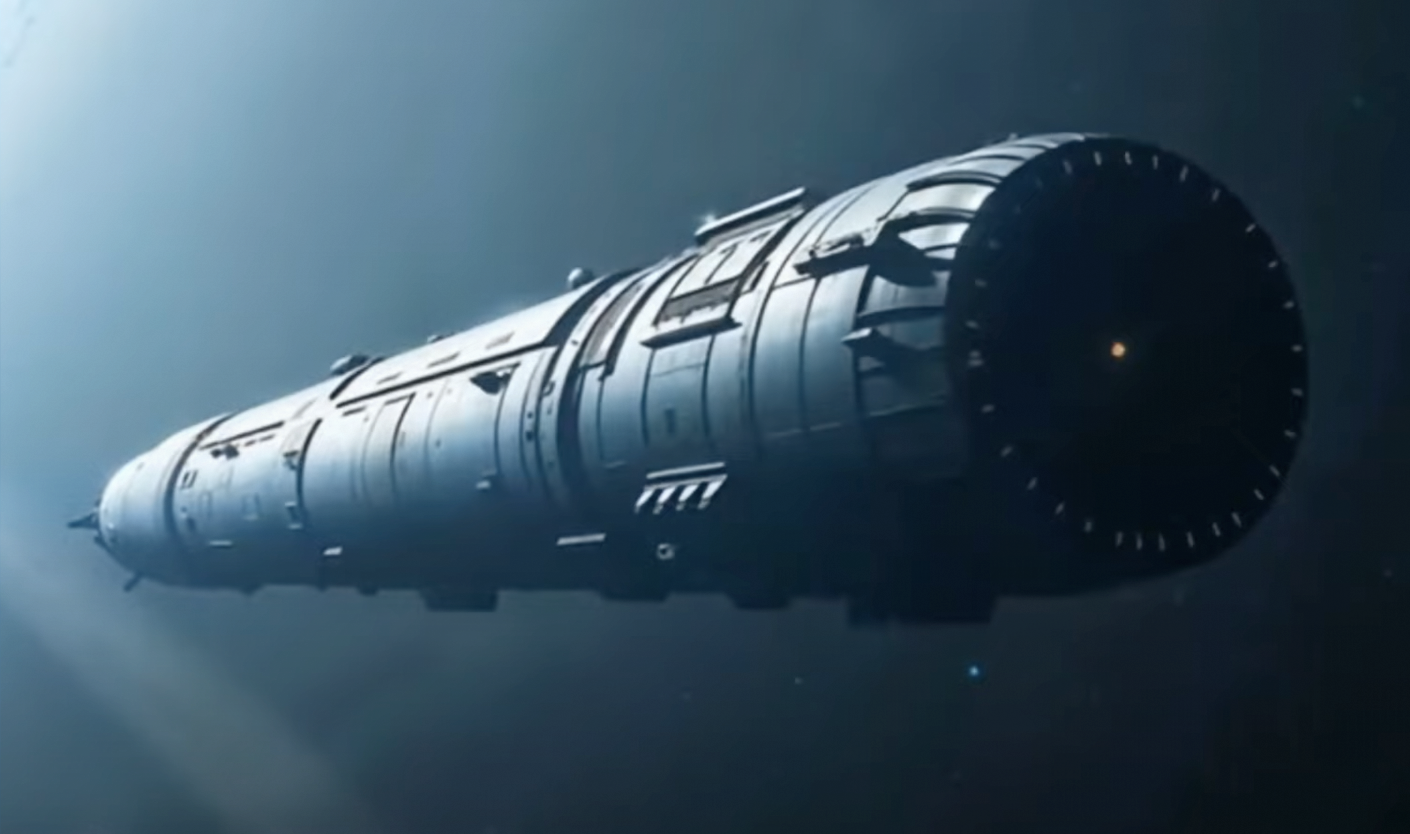
A competition was announced, and the purpose was to challenge designers to imagine a one‑way, centuries‑long journey to another star. Participants envisioned a generational spacecraft where descendants would continue the voyage long after the original crew had passed. Chrysalis was the winning design according to Project Hyperion’s official website.
The Birth Of Project Hyperion
Launched on November 1, 2024, by the Initiative for Interstellar Studies (i4is), Project Hyperion invited multi-disciplinary teams to imagine generation-ship habitats built with near-future technologies. The goal: design a realistic self‑sustaining vessel capable of a 250‑year one‑way journey as published on The Guardian.
A Ship That Will Outlive Its Passengers
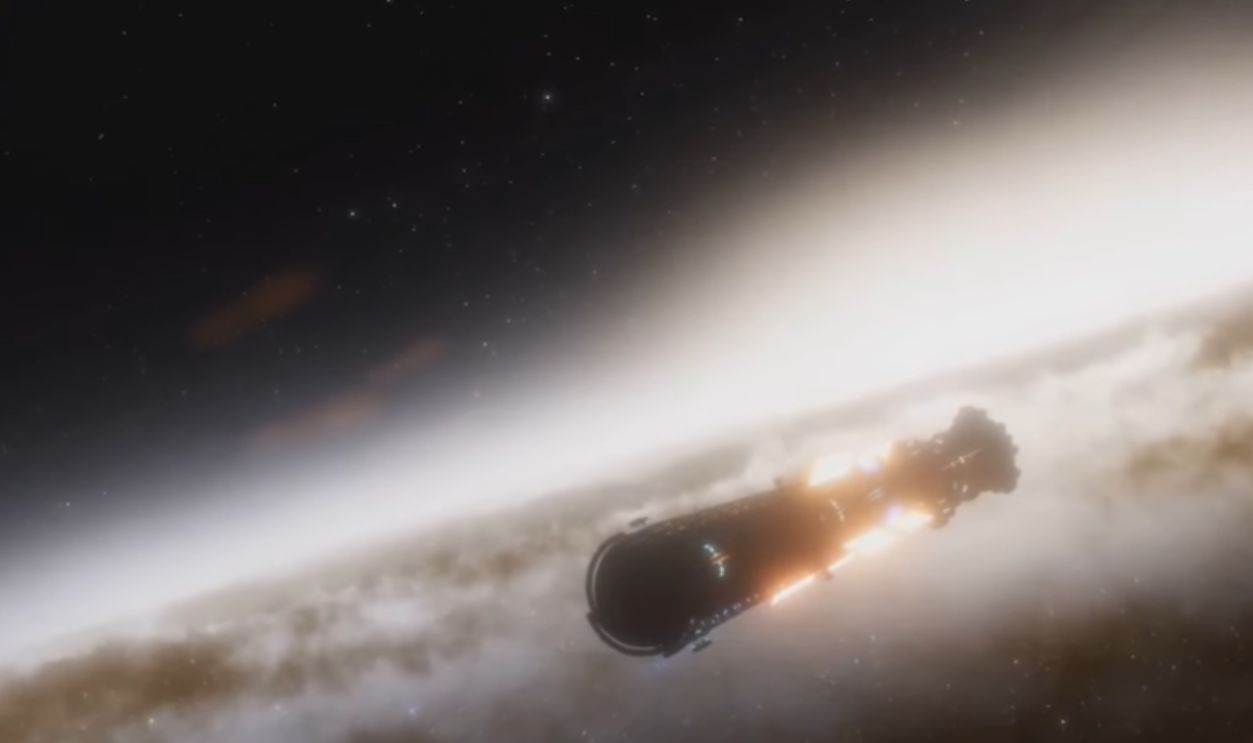
Chrysalis was developed with interlocking, concentric shells, each serving a different function, such as agriculture or living quarters. The structure’s modular design anticipates the needs of multiple generations aboard a single vessel. It ensures both continuity and adaptability over centuries.
Why Is Humanity Looking Beyond Earth?
With mounting environmental and societal pressures, Earth’s long-term viability is increasingly uncertain. Generation ships like Chrysalis respond to these anxieties by offering a bold scenario: expanding humanity beyond our planet. While speculative, such designs encourage solutions for sustainability—both onboard and on Earth itself.
 Will We Reach the Stars? The Chrysalis Starship Story by Tech Folk Insights
Choosing Alpha Centauri As The Destination
Project Hyperion focuses on a voyage to Proxima Centauri b, the potentially habitable exoplanet orbiting the nearest star system. It’s part of Alpha Centauri, and it’s four light-years away. The planet’s proximity makes it the most plausible target for extended interstellar colonization concepts like Chrysalis.
 ESO/L. Calçada/N. Risinger, Wikimedia Commons
In A Spacecraft Longer Than A City Is Wide
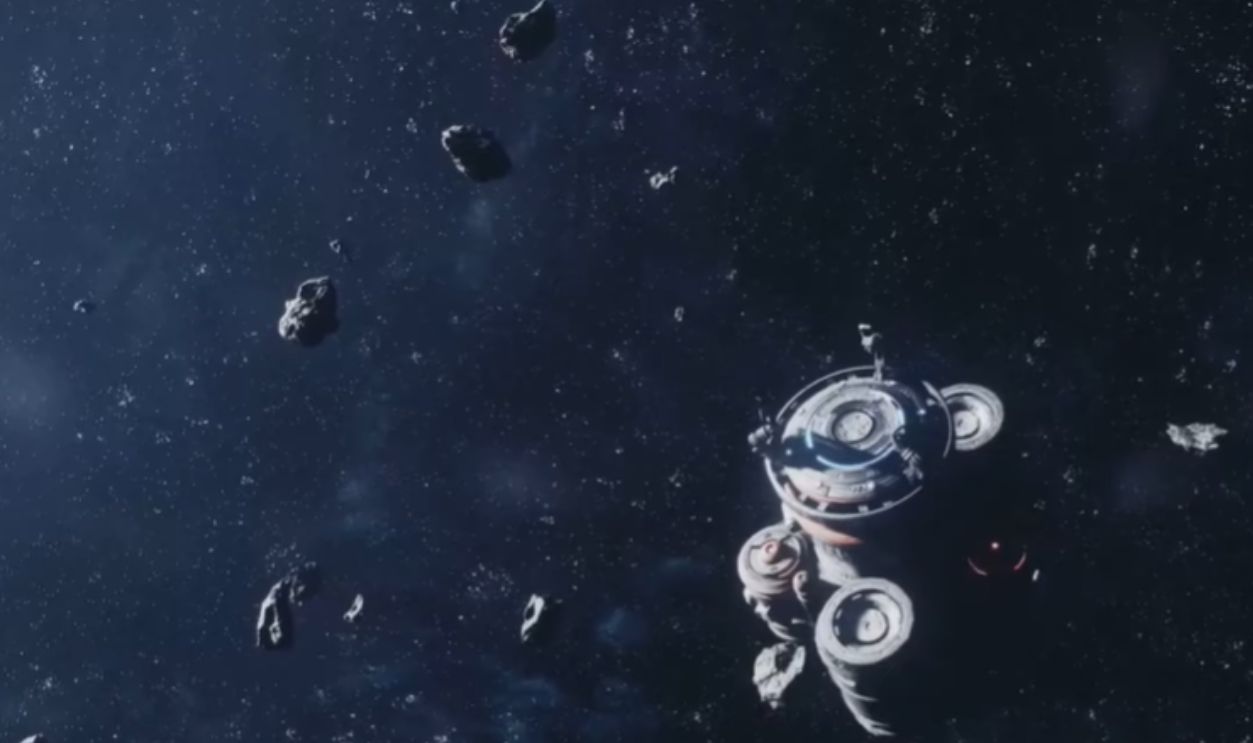
Stretching approximately 36 miles (58 km) long and spanning nearly 6 km in diameter, Chrysalis is a colossal structure comparable in length to a small city. As per Next Big Future, its sheer scale enables distinct layers for habitation and ecosystem support—essential for a multi‑generational voyage.
 Will We Reach the Stars? The Chrysalis Starship Story by Tech Folk Insights
How Rotating Cylinders Mimic Earth’s Gravity
The spaceship employs a system of continuously rotating concentric cylinders that generate centrifugal force to simulate gravity throughout the habitation zones. This artificial gravity supports physical health and normalcy across generations living onboard to ensure that life continues away from our planet.
 Will We Reach the Stars? The Chrysalis Starship Story by Tech Folk Insights
Nuclear Fusion For Endless Power
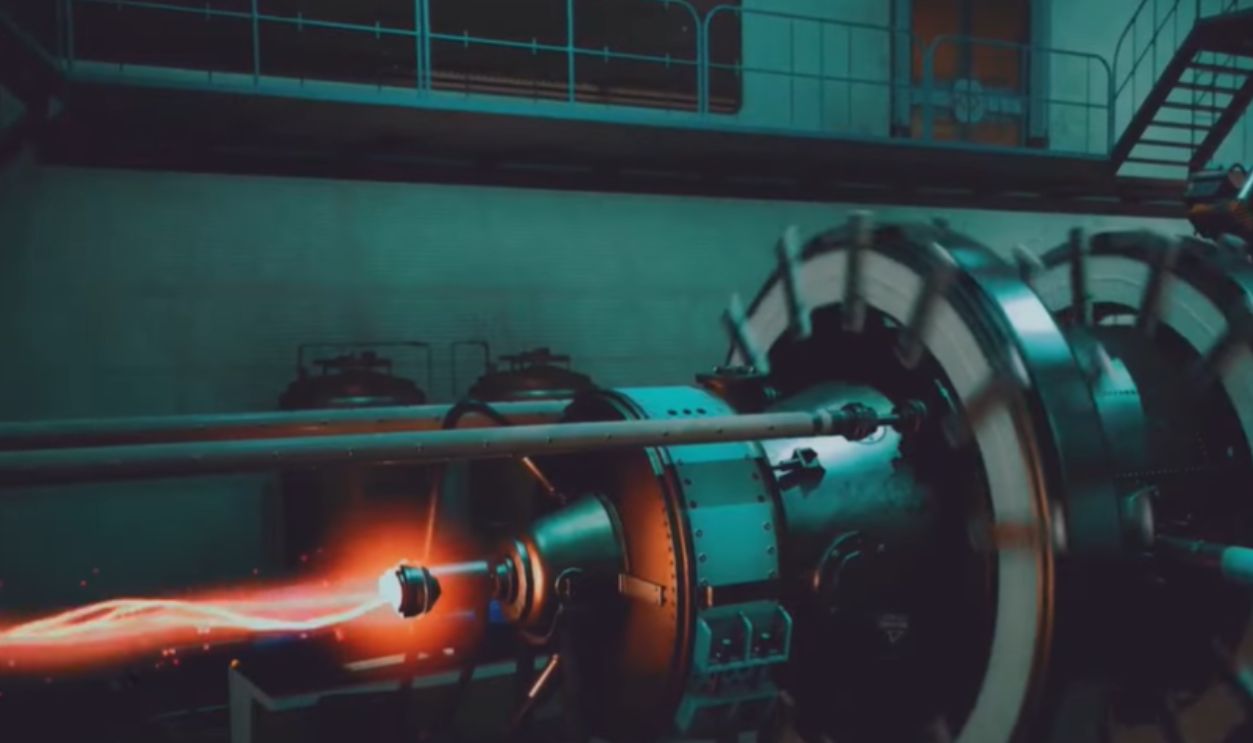
At the starship’s core is a theoretical Direct Fusion Drive, powered by helium‑3 and deuterium to generate energy. Though still speculative, fusion promises a potent, long-lasting energy source to power life support and all ship systems for centuries, and creates a safer trip for the passengers.
 Will We Reach the Stars? The Chrysalis Starship Story by Tech Folk Insights
Where Life Begins And Grows
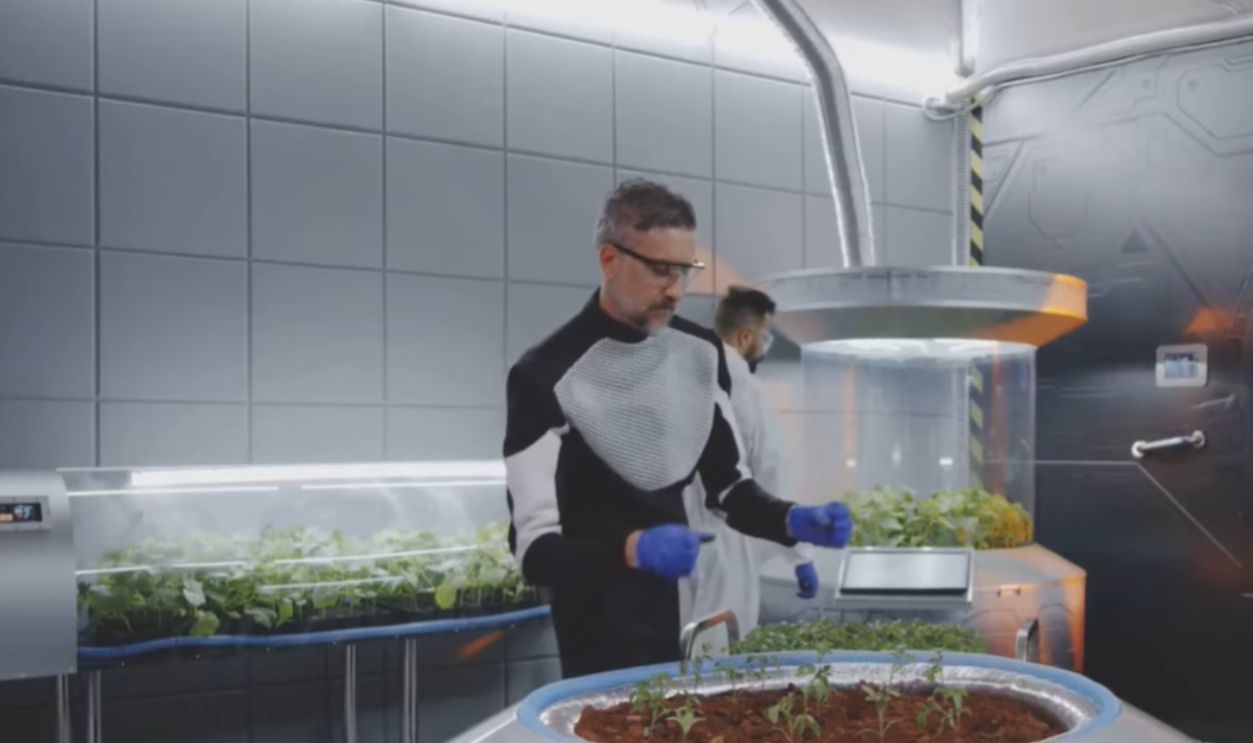
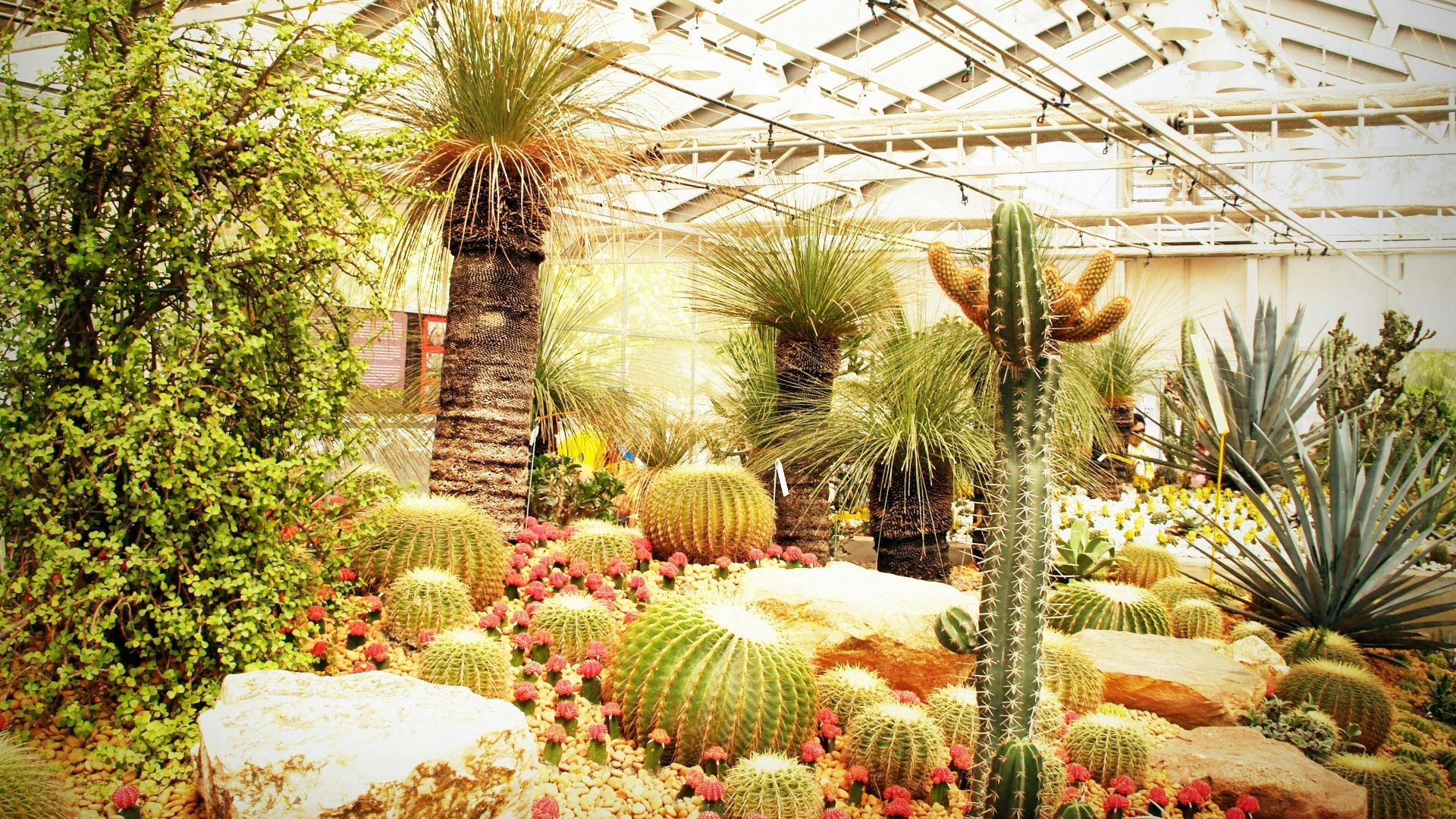
LNGRFM published that the innermost shell of Chrysalis is expected to be a verdant heart. It will feature controlled farms, forests, and biodiverse ecosystems that include plants, microbes, and even some animals. The heart is designed to generate food and oxygen and preserve Earth’s biodiversity while supporting human adaptation to alien worlds.

Recreating Earth’s Wild Ecosystems In Space
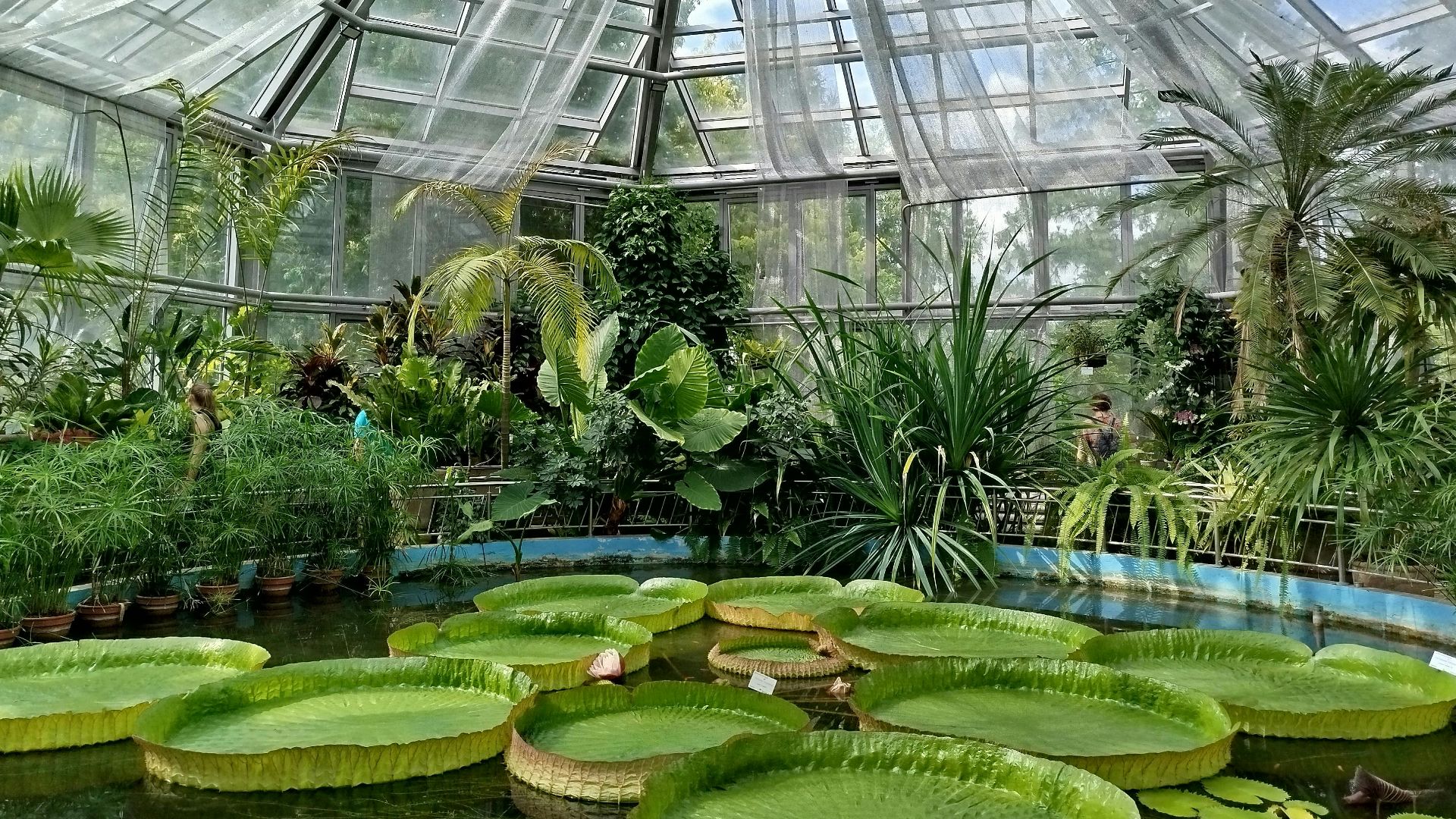
Chrysalis incorporates biomes simulating tropical forests, boreal zones, and arid scrublands. These controlled environments are vital not only for food and oxygen but also for maintaining mental health and biodiversity. They prepare inhabitants for adapting to diverse planetary conditions.
Training For Life On An Alien World
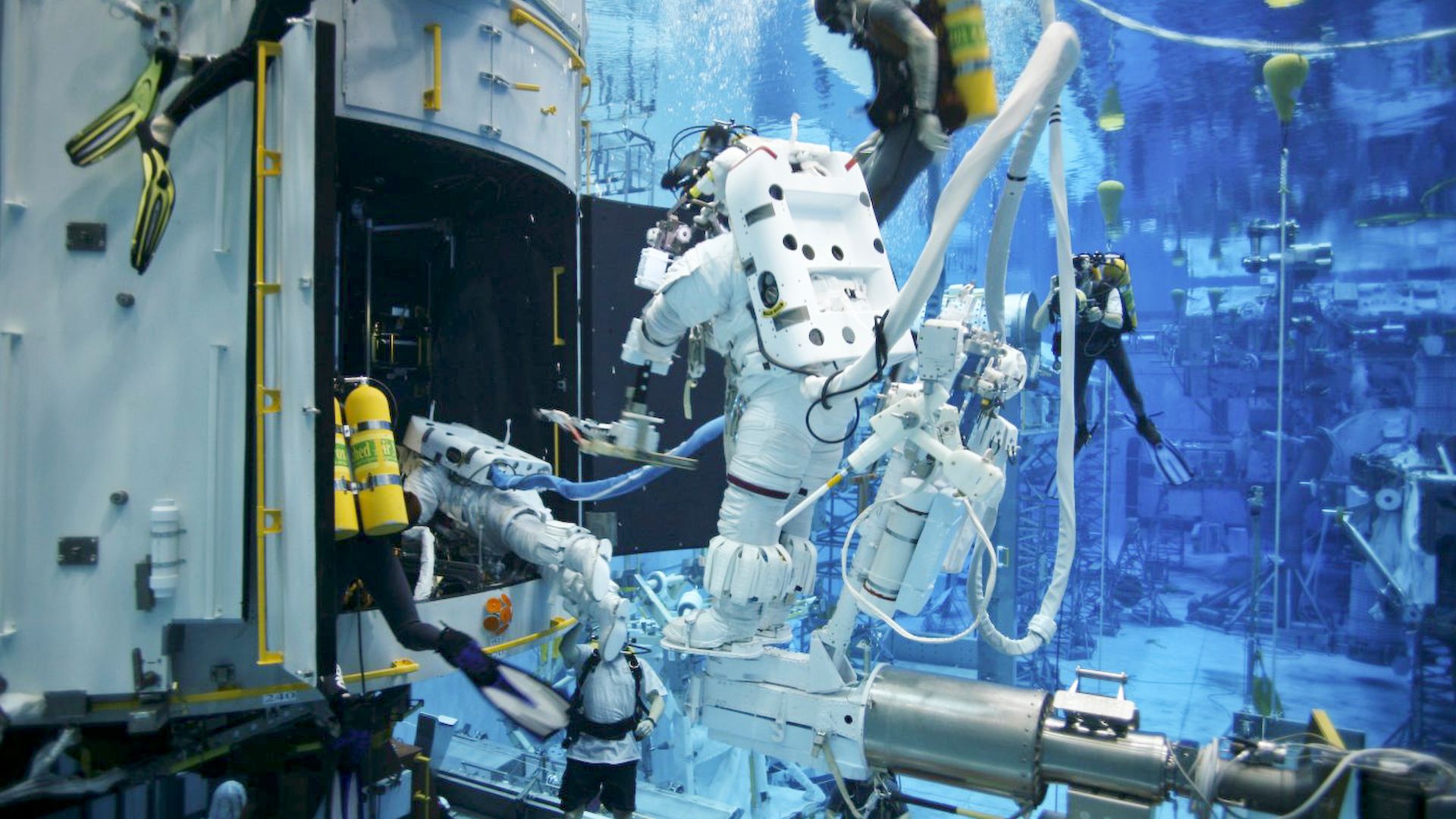
Before leaving Earth, selected crews would undergo decades of training—possibly in extreme isolation, such as Antarctic facilities. The purpose? To simulate the social, environmental, physical, and psychological challenges of deep space. This prepares settlers for the voyage and the eventual colonization of Proxima Centauri b.
And A Vault Preserving All Earth’s Species
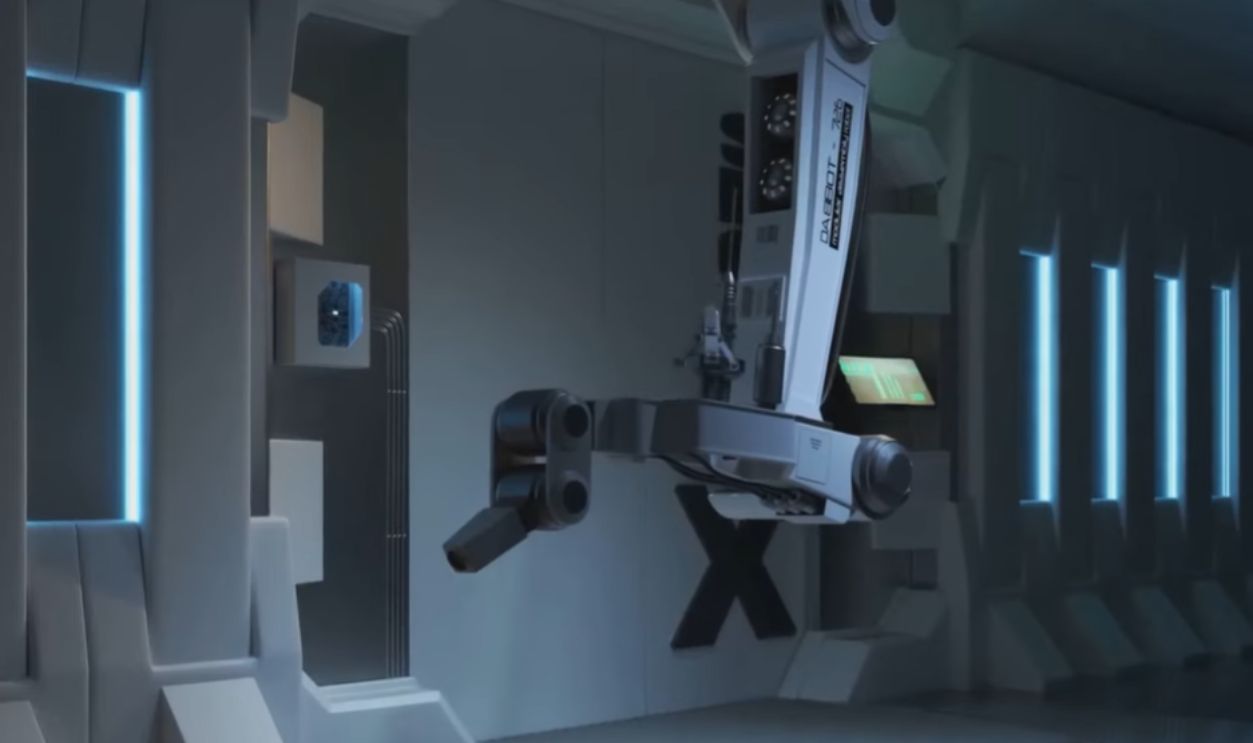
A genetic bank aboard Chrysalis stores seeds, embryos, and DNA from numerous Earth species. This archive ensures biodiversity restoration capability upon arrival, protecting against catastrophic loss during transit. Thanks to this concept, a foundation for rebuilding ecosystems in a new world would be possible.
 Will We Reach the Stars? The Chrysalis Starship Story by Tech Folk Insights
Recycling Water, Air, And Nutrients Forever
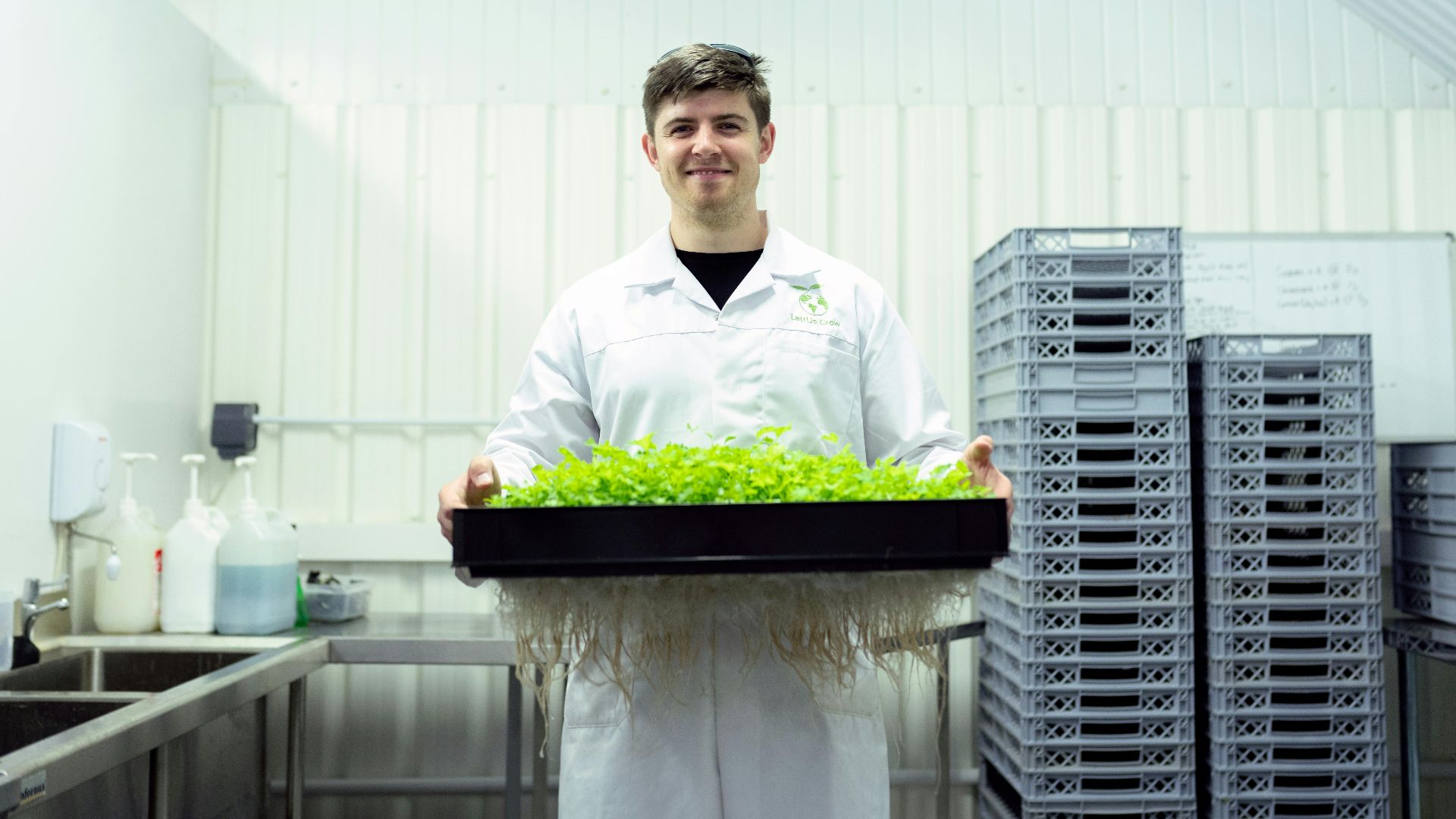
Closed-loop life support systems filter and recycle every molecule of water, air, and nutrients. These systems minimize waste and resource dependence, making it possible for 1,000 humans to thrive independently of Earth for 250 years. Such technologies would be essential to support life onboard the spaceship and in deep space.

Feeding A Thousand People For 250 Years
Food production relies on hydroponics, aeroponics, and synthetic protein technologies. While largely plant-based, synthetic proteins will add some variation to the passengers’ diet. Using animals for food is highly unlikely due to space and waste constraints. However, they’d still be part of the ship’s ecosystem for study and diversity purposes.
Homes Designed For Privacy And Community
Residential areas are arranged into twenty sectors of modular housing, which allows residents to personalize spaces while staying integrated with the broader community. This flexible layout supports privacy while allowing for social interaction and mobility between sectors. All are critical for mental health over generations.

Parks, Domes, And Places To Dream
Beyond functional infrastructure, Chrysalis includes expansive parks, recreation spaces, schools, sports complexes, and libraries. These areas serve as mental health anchors, where they encourage relaxation and creativity. Including these spaces will help passengers maintain a sense of normal life amid deep-space isolation.
Governing A Society That Never Lands
Chrysalis proposes a sociocratic governance model, where decision-making occurs in small, overlapping circles rather than rigid hierarchies. This encourages adaptability and shared responsibility in one of the most isolated communities humans will ever experience. Such qualities are essential for stability in a multi-generational voyage with no possibility of outside intervention.

A Window To The Stars
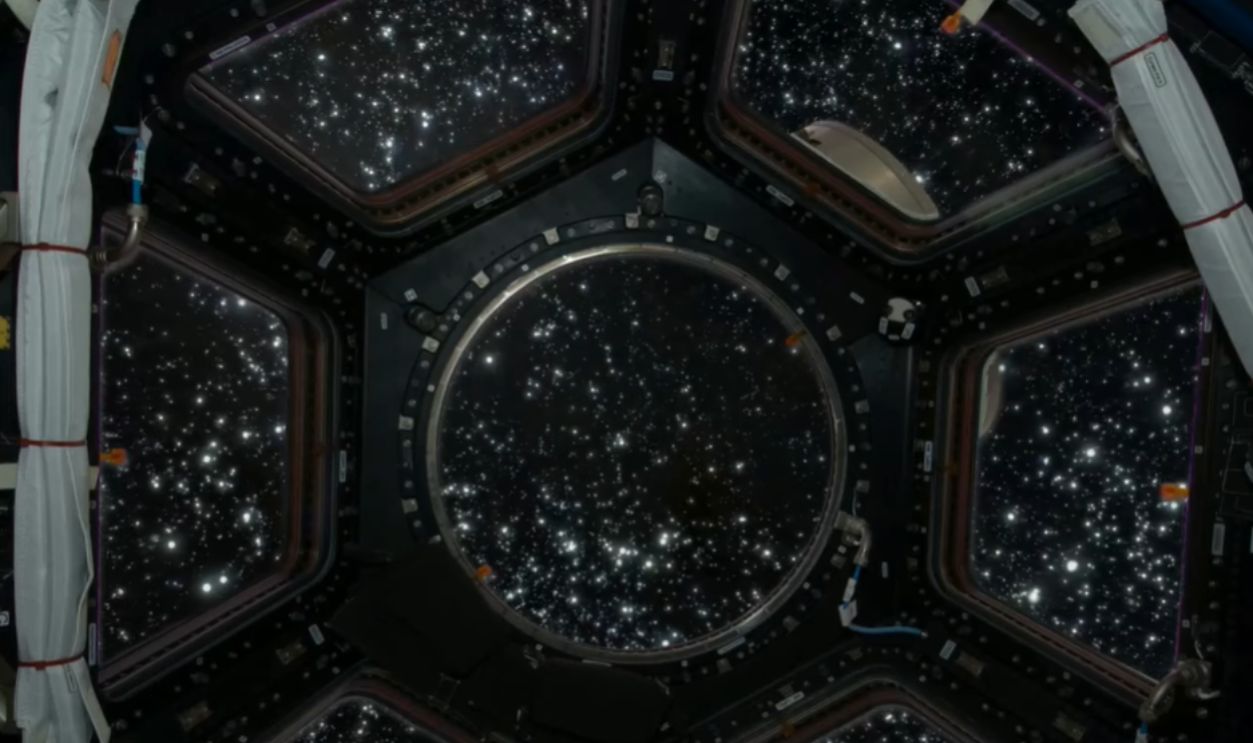
One of the spaceship’s most striking features is a 426.5-foot or 130-meter-high Cosmos Dome. This is the ship’s sole direct view into space. Serving as both an observatory and ceremonial gathering space, it connects passengers visually and symbolically to the cosmos and to Earth. This way, our planet can remain in sight for decades after departure.
 Will We Reach the Stars? The Chrysalis Starship Story by Tech Folk Insights
Looking Back At Earth From Light-Years Away
The dome faces backward toward the Sun for a constant reminder of its origin. This backward gaze is more than aesthetic. It reinforces cultural memory and keeps the crew aware of their roots and who they really are, even as they push further from humanity’s birthplace.
Engineering Challenges Are Still Unsolved
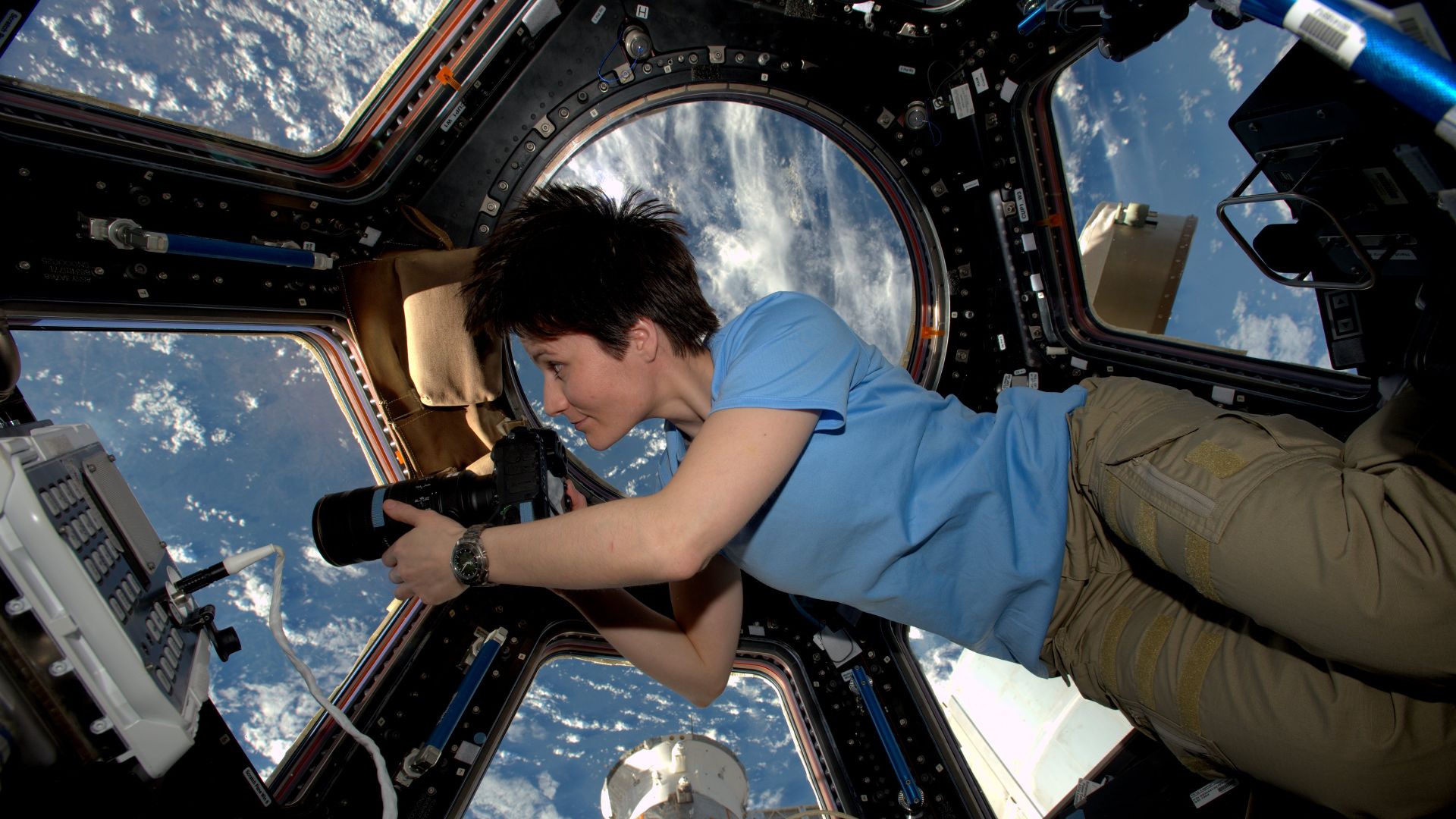
Although theoretically possible, some key systems, like large-scale fusion reactors and fully closed-loop ecosystems, are still beyond current engineering capability. Overcoming these hurdles is essential before a ship like Chrysalis could move from concept to reality. So, will it happen in the near future?
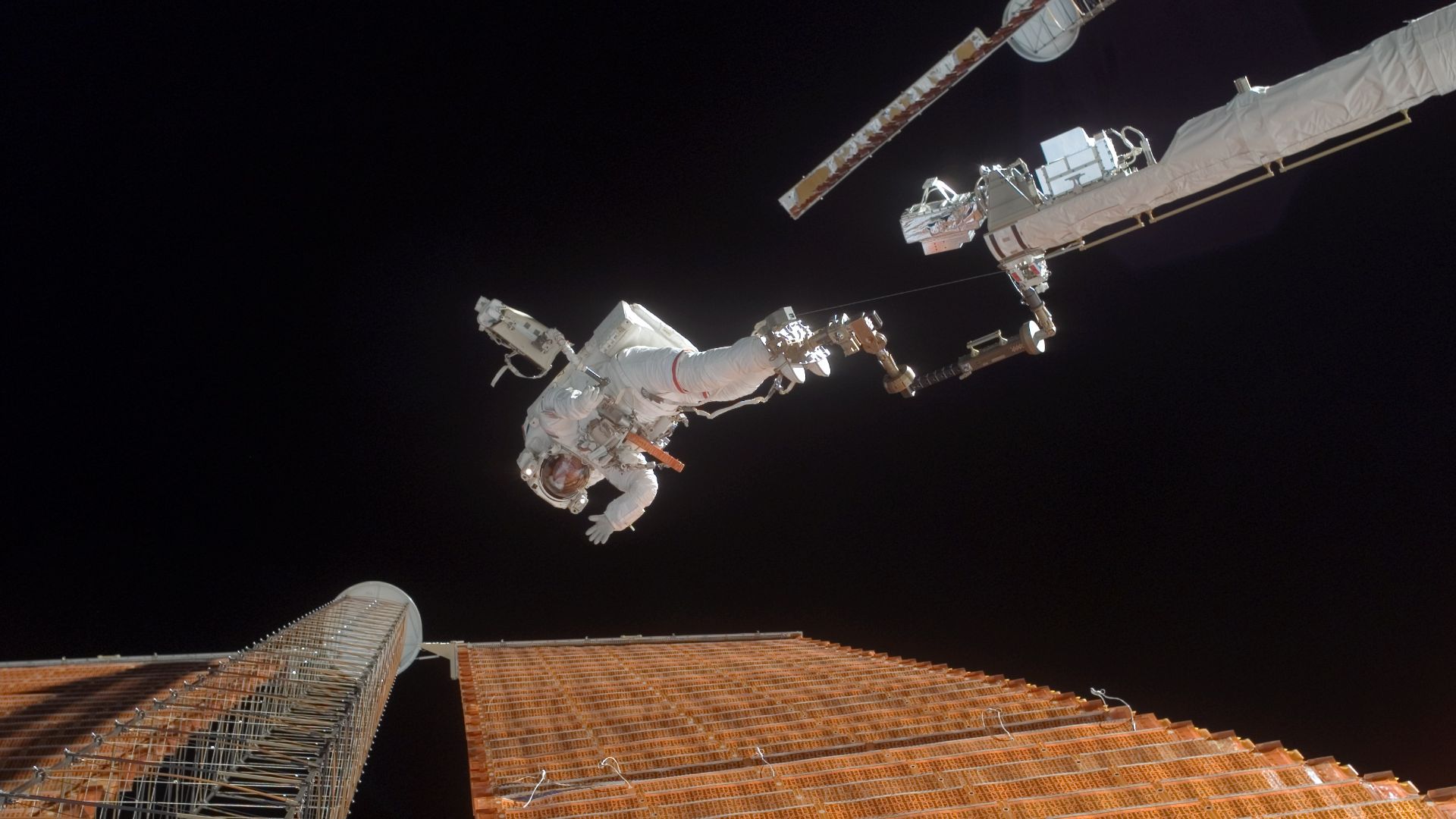 Photo Courtesy of NASA, Wikimedia Commons
And Social Experiments Are Yet To Be Tested
Simulating a multi-century, isolated society is virtually impossible on Earth. Issues like cultural drift and governance stability need extensive testing in controlled, long-duration environments before such a mission could launch. This is another aspect that the project designers are working on.

The Mental Resilience A Journey Like This Demands
Generations born in a closed habitat may never see Earth. Ensuring psychological well-being requires constant engagement through education and shared purpose, alongside architecture that encourages openness. These challenges could delay the process, but not cancel it.
 Berendey_Ivanov / Andrey_Kobysnyn, Pexels
Lessons Chrysalis Offers For Life On Earth
The technologies for resource recycling, sustainable agriculture, waste management, and social resilience envisioned for Chrysalis can power Earth-based sustainability strategies. Working on these concepts and technologies makes the project as relevant for present-day planetary stewardship as it is for space travel.

Imagining The First Steps On A New World
After 250 years, the descendants of the original crew would step onto Proxima Centauri b—a moment representing humanity’s expansion beyond our solar system. That first step would mark the beginning of a new civilization, shaped entirely by life aboard Chrysalis. It’s a dream for many, but it’s getting closer every single day.