
A Transatlantic Reality Check
For decades, the U.S. and Europe have described their relationship as a close partnership—shared values, shared history, shared goals. But recent surveys suggest that beneath the diplomatic language, public opinion across Europe has shifted noticeably. And the results aren’t subtle.
 Favorability Is Slipping—Fast
Multiple recent polling projects show that overall favorability toward the U.S. is shaky in parts of Europe—and in some places, it has dropped quickly over short time windows. In several major European countries, the U.S. is now viewed unfavorably by broad portions of the public, including in places like France, Germany, Denmark, and Sweden.

Trust Has Taken a Hit
A recurring theme in recent European polling is uncertainty about the U.S. as a steady partner. Even when Europeans still see the U.S. as important, many describe the relationship as more transactional than values-based. The underlying issue isn’t “America exists”—it’s whether America feels predictable.

Democracy Concerns Are Growing
Recent global polling suggests Europeans are often split—or pessimistic—about how well democracy is functioning in the U.S. In multiple countries, large portions of respondents say American democracy is functioning poorly, with especially negative assessments in places like Sweden and the Netherlands.
 Frankie Fouganthin, Wikimedia Commons
Political Polarization Is Hard to Ignore
Europeans don’t need to follow every U.S. policy debate to notice the conflict. International polling consistently shows that large majorities perceive strong partisan division in the U.S., and many European publics are among the most likely to describe that conflict as intense and destabilizing.
 Billie Grace Ward, Wikimedia Commons
Violence Shapes Perception
Even when surveys aren’t explicitly about safety, the U.S. is widely associated in Europe with mass shootings and arms-related violence. For many Europeans—especially in countries with tighter regulations—this becomes less of a “news story” and more of a defining shorthand for what feels uniquely stressful about American life.
 Phil Roeder from Des Moines, IA, USA, Wikimedia Commons
Healthcare Confusion Turns Into Criticism
One of the most common culture shocks Europeans cite about the U.S. is healthcare: the cost, the insurance maze, the fear of bills, the idea of medical debt. Compared to systems where coverage is more universal, the American model often reads as high-risk—and, to many respondents, unnecessary.
 National Cancer Institute, Unsplash
The “American Dream” Feels Less Real
Europeans haven’t stopped understanding the appeal of the U.S.—but the surveys increasingly suggest skepticism about whether the payoff is still there. When the conversation turns to inequality, housing costs, and affordability, the U.S. is less “land of opportunity” and more “land of huge winners and huge losers.”

Economic Strength Doesn’t Equal Quality of Life
Many Europeans still recognize the U.S. as economically powerful, innovative, and globally influential. But surveys suggest that strength no longer translates into admiration. Respondents increasingly separate GDP and corporate success from lived experience—asking not how rich a country is, but how secure life feels for ordinary people within it.

Foreign Policy Fatigue
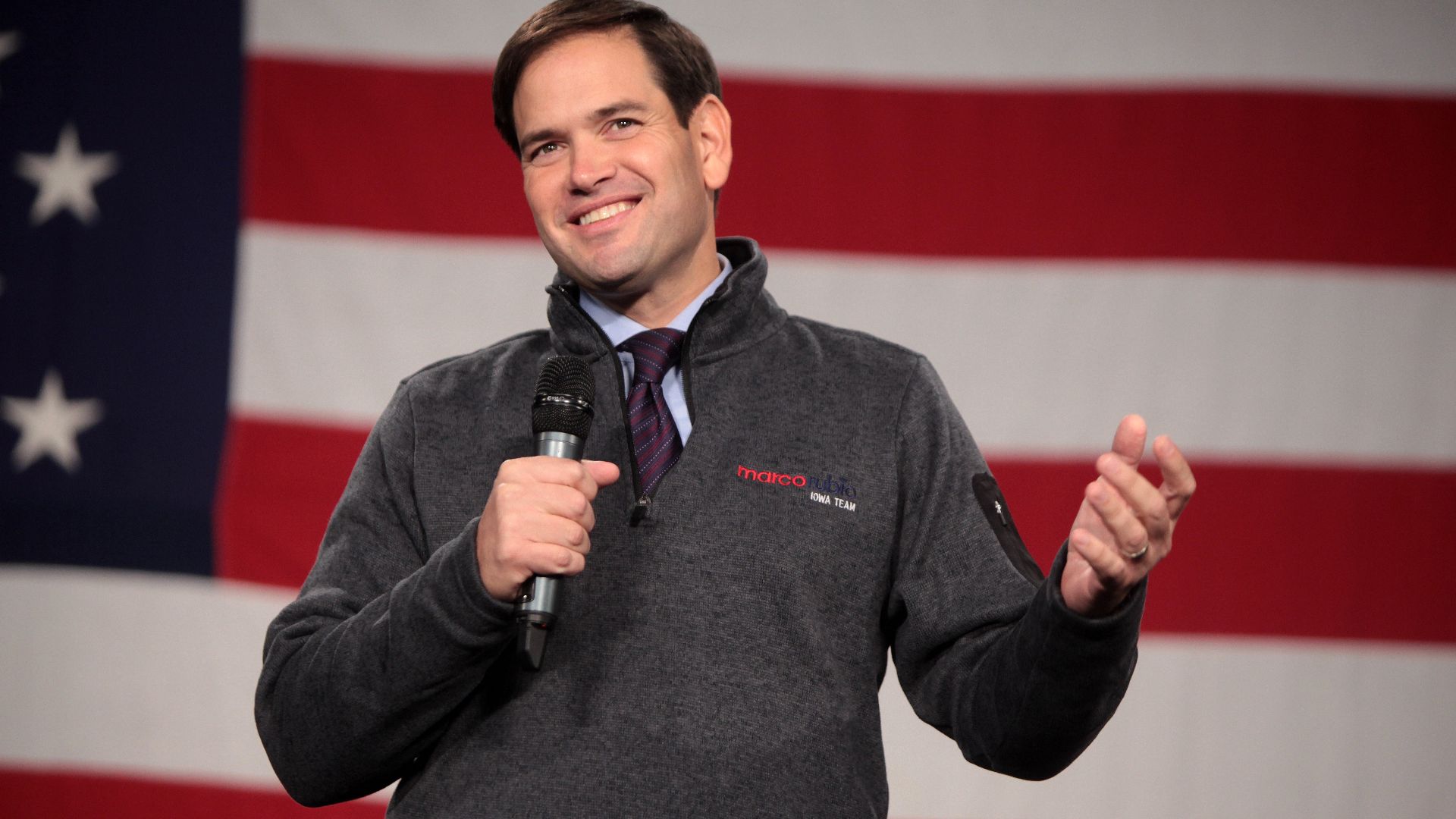
European opinion isn’t just about American domestic life. Public attitudes often dip when U.S. foreign policy feels inconsistent or overly self-directed. The U.S. may still be seen as essential—but not always as reassuring.
 Gage Skidmore, Wikimedia Commons
Climate Policy Is a Major Divider
Across Europe, climate action is typically treated as mainstream governance, not a niche issue. So when U.S. climate policy swings with elections, it can read as instability. Even people who like Americans culturally may still see the U.S. as unreliable on climate commitments.
 Maryland GovPics, Wikimedia Commons
Cultural Influence Still Exists—But With Caveats
American entertainment and tech remain everywhere in Europe. But recent sentiment often shows a split: people can love the culture, the music, the movies, and still feel uneasy about the country’s politics and social tensions. It’s admiration—with distance.

Age Gaps Aren’t Always What You’d Expect
One important correction reflected in recent polling: it’s not consistently true that younger Europeans are more critical than older generations. In many countries, younger adults are just as positive—or sometimes more positive—depending on the issue. Age divides vary widely across Europe.

Social Issues Matter More Than Ever
Europeans increasingly compare countries on everyday life metrics: inequality, worker protections, parental leave, education access, and social safety nets. Many respondents judge the U.S. as a place where individual success is possible—but where the floor feels lower if you fall.

Europe No Longer Sees the U.S. as a Social Model
One subtle but important shift in recent surveys is how Europeans frame the U.S. as a reference point. Where America was once discussed as a model—something to learn from or aspire toward—it’s now more often treated as a cautionary example. That doesn’t mean hostility, but it does signal a loss of moral authority in everyday life comparisons.

Media Coverage Plays a Role
A lot of Europeans form opinions of the U.S. without visiting it. Their impressions come from headlines—political chaos, court battles, violent incidents, culture wars, extreme rhetoric. That coverage doesn’t create problems out of nowhere, but it absolutely amplifies what people remember.
 Matt Hrkac from Geelong / Melbourne, Australia, Wikimedia Commons
Not All Countries Feel the Same
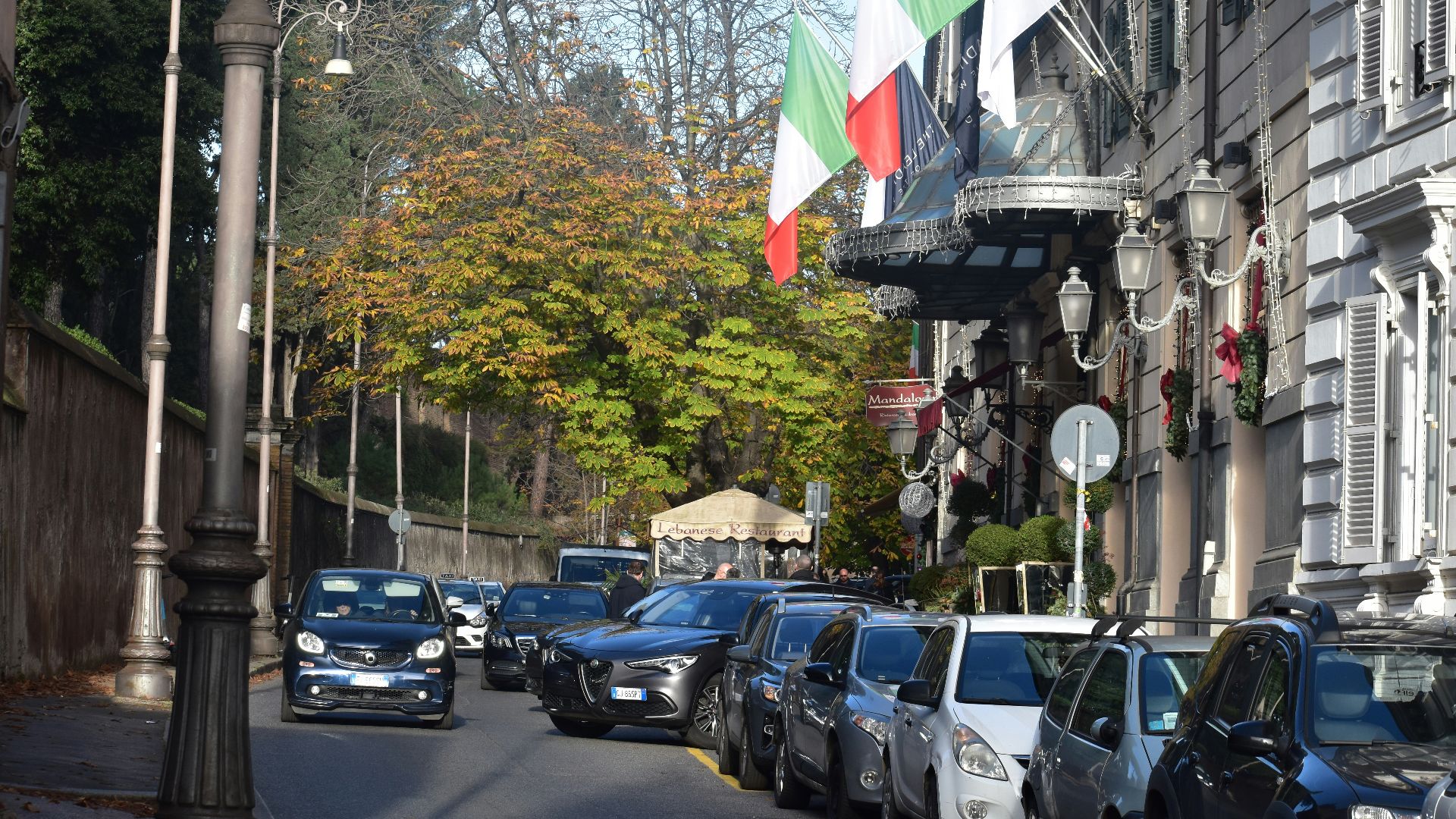
European opinion isn’t one blob. Some countries remain more favorable toward the U.S. than others, while several Western and Northern European publics are far more divided. The gap between “close ally” and “admired country,” though, is real—and widening in many places.
The Ally–Friend Distinction Is Growing
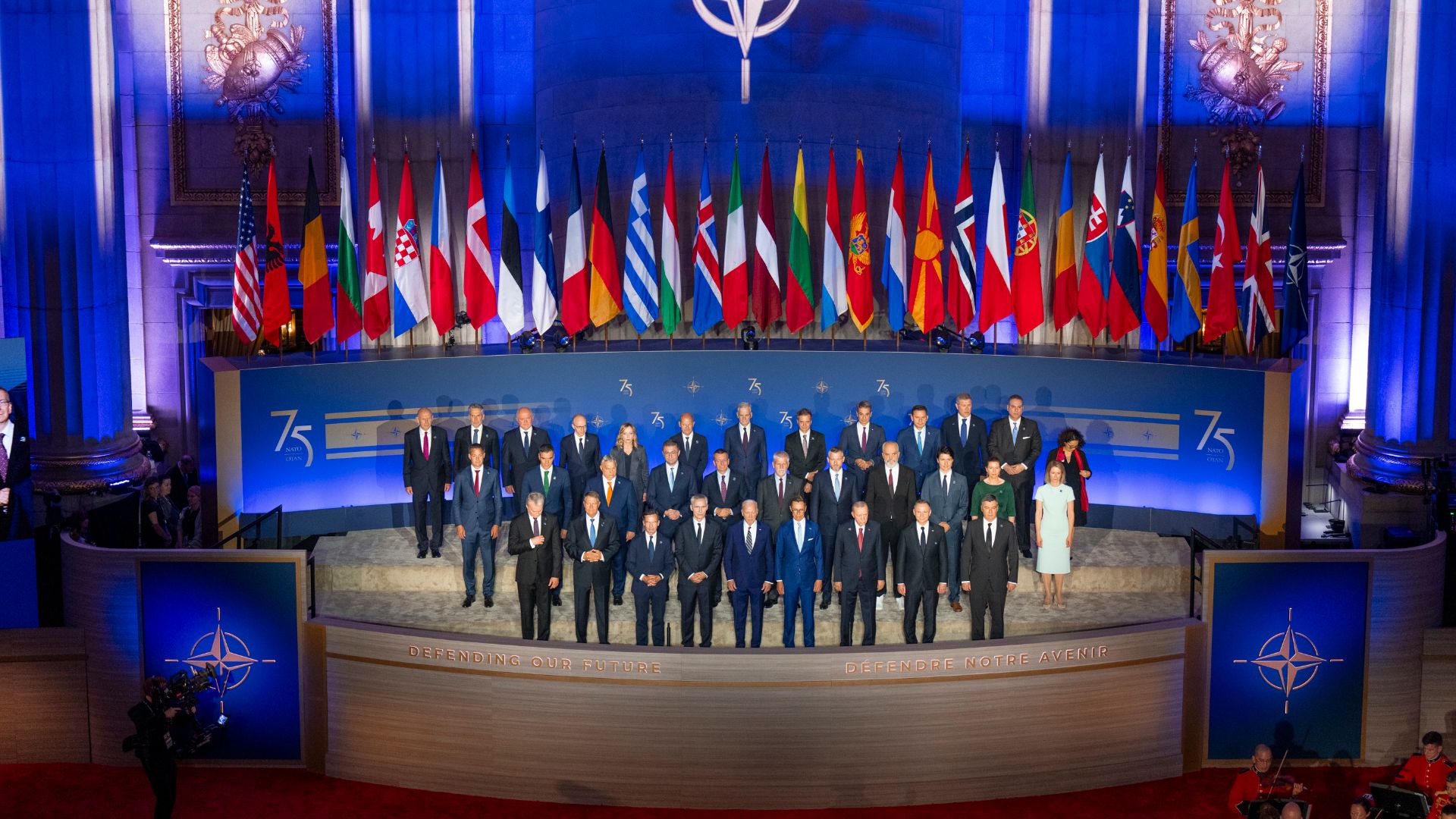
Polling reveals an interesting nuance: many Europeans still describe the U.S. as an essential ally, but fewer describe it as a country they feel emotionally aligned with. In other words, cooperation remains—but affection has cooled. This distinction matters, because alliances can survive tension, while goodwill is harder to rebuild once it fades.
 The White House, Wikimedia Commons
Leadership Changes Don’t Fully Fix It
Recent data suggests perceptions can move with leadership and events, but deeper concerns persist. Some shifts look structural: polarization, distrust, institutional conflict, and basic quality-of-life comparisons. That means PR alone can’t do the job.

Comparison Is the Real Problem
Many negative views aren’t formed in isolation—they’re comparative. Europeans look at their healthcare, safety, and social systems, then look at the U.S. The conclusion many reach isn’t that Europe is perfect—but that America can feel unnecessarily hard on ordinary people.

Respect Has Turned Conditional
The U.S. remains powerful and culturally dominant. But admiration looks less automatic than it once did. In a lot of European public opinion, the U.S. is still important—but it’s also increasingly viewed as volatile, divided, and difficult to trust long-term.

Skepticism Doesn’t Mean Rejection
Despite the criticism, most Europeans haven’t written the U.S. off. Surveys show continued interest, engagement, and concern—rather than indifference. In many ways, the disappointment reflects high expectations rather than rejection. The U.S. is still watched closely—not because it’s irrelevant, but because people believe it could do better.

The Takeaway
Europeans haven’t “turned against” the United States—but they’ve stopped idealizing it. Recent surveys paint a picture of skepticism replacing admiration, and concern replacing trust. Whether that perception changes will depend less on branding—and more on what the U.S. does next.

You Might Also Like:
You’re Saying It Wrong: Commonly Mispronounced American Cities
Foodies, Take Note: These Are The 50 Best Restaurants In The World
40 Everyday American Habits That Baffle The Rest Of The World