
From Nest Eggs to Stress Tests
Retirement dreams look very different depending on where you land. Using the latest CareScout 2026 retirement data, states were evaluated based on affordability, quality of life, and healthcare access. Some longtime favorites slipped, others surged—and the results may challenge assumptions about where retirement dollars stretch the furthest.
 51: New Jersey
High property taxes, expensive housing, and elevated everyday costs place New Jersey last. Even with strong healthcare access, many retirees struggle to make fixed incomes last comfortably over the long term.

50: Massachusetts
Excellent healthcare and cultural access come with steep housing costs and taxes. Retirement savings can erode quickly here, especially for those without significant financial cushions.
 ArnoldReinhold, Wikimedia Commons
49: New York
World-class amenities and medical care are offset by high taxes and living costs. Many retirees find affordability challenges difficult to manage, even outside major metro areas.
 Clément Bardot, Wikimedia Commons
48: Alabama
Low living costs help Alabama somewhat, but weaker healthcare outcomes and access lower its overall retirement appeal despite affordability advantages.
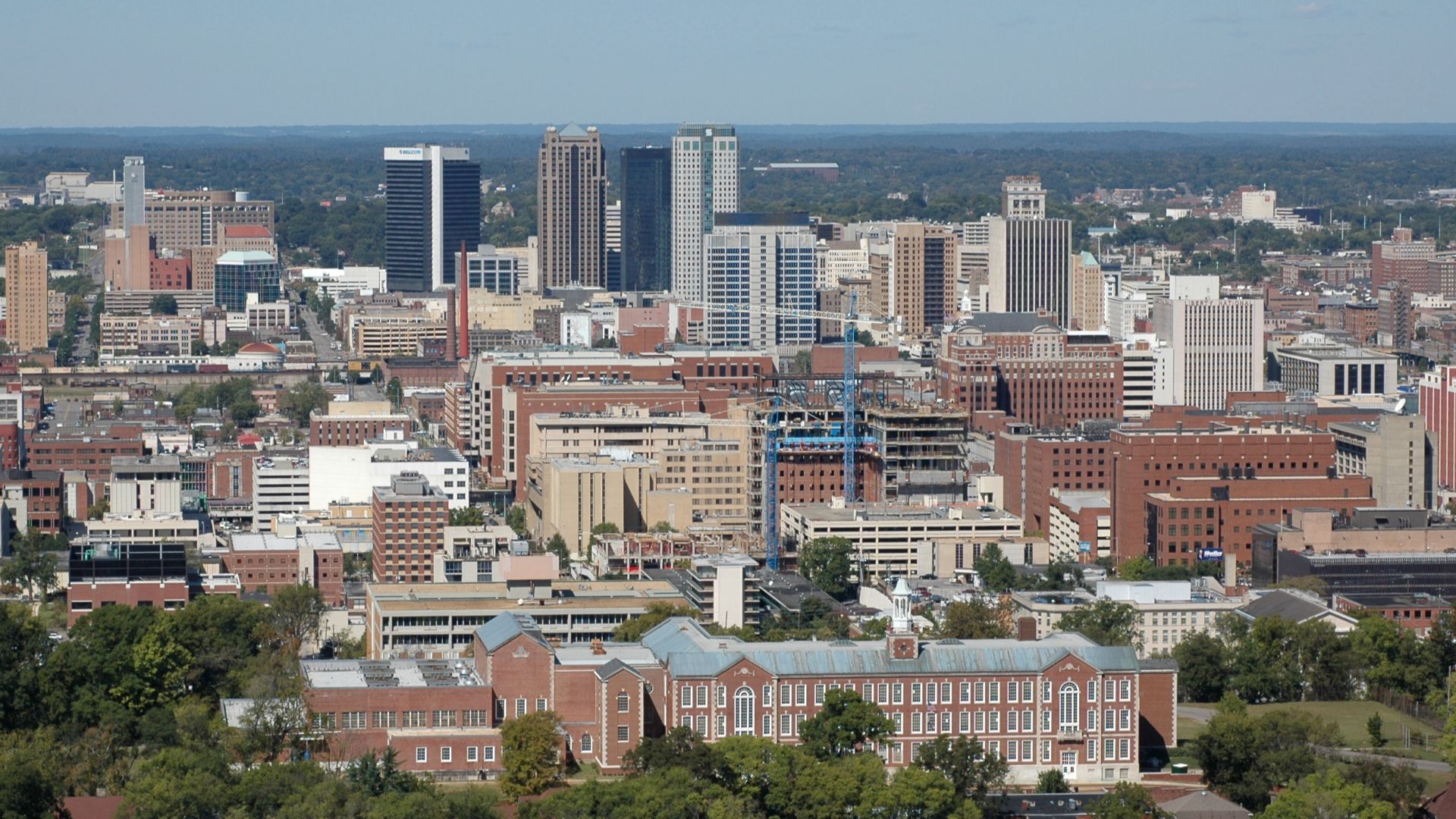
47: Mississippi
Mississippi offers extremely low costs, but limited healthcare access and lower quality-of-life scores create major trade-offs for retirees.
 chmeredith from Jackson, MS, USA, Wikimedia Commons
46: California
Lifestyle perks are strong, but housing, taxes, and insurance costs make California a tough state for retirees focused on long-term affordability.

45: Kansas
Quiet living and affordability help, though limited healthcare access—especially in rural areas—keeps Kansas near the bottom of the rankings.
 Pam Broviak from Geneva, IL, USA, Wikimedia Commons
44: Kentucky
Low costs and scenic areas appeal, but healthcare access and health outcome metrics reduce Kentucky’s overall retirement friendliness.
 Ken Lund from Reno, Nevada, USA, Wikimedia Commons
43: Illinois
High property taxes and fiscal pressures weigh heavily. While healthcare access is solid, retirement budgets often stretch further in nearby states.
 Ken Lund from Reno, Nevada, USA, Wikimedia Commons
42: Oklahoma
Affordable housing boosts Oklahoma slightly, but healthcare access issues and severe weather risks lower its overall score.
 Nils Huenerfuerst, Wikimedia Commons
41: Georgia
Mild weather and retirement tax breaks help Georgia, though healthcare quality and regional cost differences affect its ranking.
 Frank Schulenburg, Wikimedia Commons
40: Louisiana
Culture and cuisine stand out, but hurricanes, humidity, and healthcare challenges limit Louisiana’s appeal for retirees.
 Michael Maples, U.S. Army Corps of Engineers, Wikimedia Commons
39: Wisconsin
Strong healthcare access is offset by cold winters and moderate tax burdens, keeping Wisconsin in the lower tier.

38: Ohio
Affordable living and solid hospital systems help Ohio, though long winters and average livability metrics limit its climb.
 Mike Sharp - User: (WT-shared) 2old at wts wikivoyage, Wikimedia Commons
37: Michigan
Low housing costs and summer recreation help, but long winters and uneven healthcare access affect Michigan’s ranking.
 Crisco 1492, Wikimedia Commons
35 (tie): Texas
No income tax helps retirees, but property taxes, heat, and healthcare variability keep Texas from ranking higher.
 Katie Haugland Bowen, Wikimedia Commons
35 (tie): Iowa
Affordable, quiet living works in Iowa’s favor, though limited amenities and colder winters cap its retirement appeal.

34: Arkansas
Natural beauty and low costs are appealing, but healthcare access remains inconsistent, especially outside larger towns.

33: Maryland
Excellent healthcare access boosts Maryland’s score, though high housing costs and taxes pressure retirement budgets.
 supermoving from Watford, UK, Wikimedia Commons
32: Virginia
Strong healthcare systems and a moderate climate help Virginia, but higher costs near metro areas limit affordability.

30 (tie): North Carolina
Balanced affordability, healthcare access, and geography keep North Carolina competitive, though housing costs are rising.
 Harrison Keely, Wikimedia Commons
30 (tie): Nebraska
Low living costs help Nebraska, but limited healthcare access in rural regions holds it back.
 Unknown authorUnknown author, Wikimedia Commons
28 (tie): Delaware
Small size and moderate taxes help, though higher property taxes and fewer amenities affect retirees.
 Tim Kiser (User:Malepheasant), Wikimedia Commons
28 (tie): New Mexico
Cultural appeal and tax benefits lift New Mexico, but healthcare access varies widely by location.
 Ron Reiring, Wikimedia Commons
27: Pennsylvania
Decent healthcare and affordability balance out aging infrastructure and regional cost differences.
 Popscreenshot, Wikimedia Commons
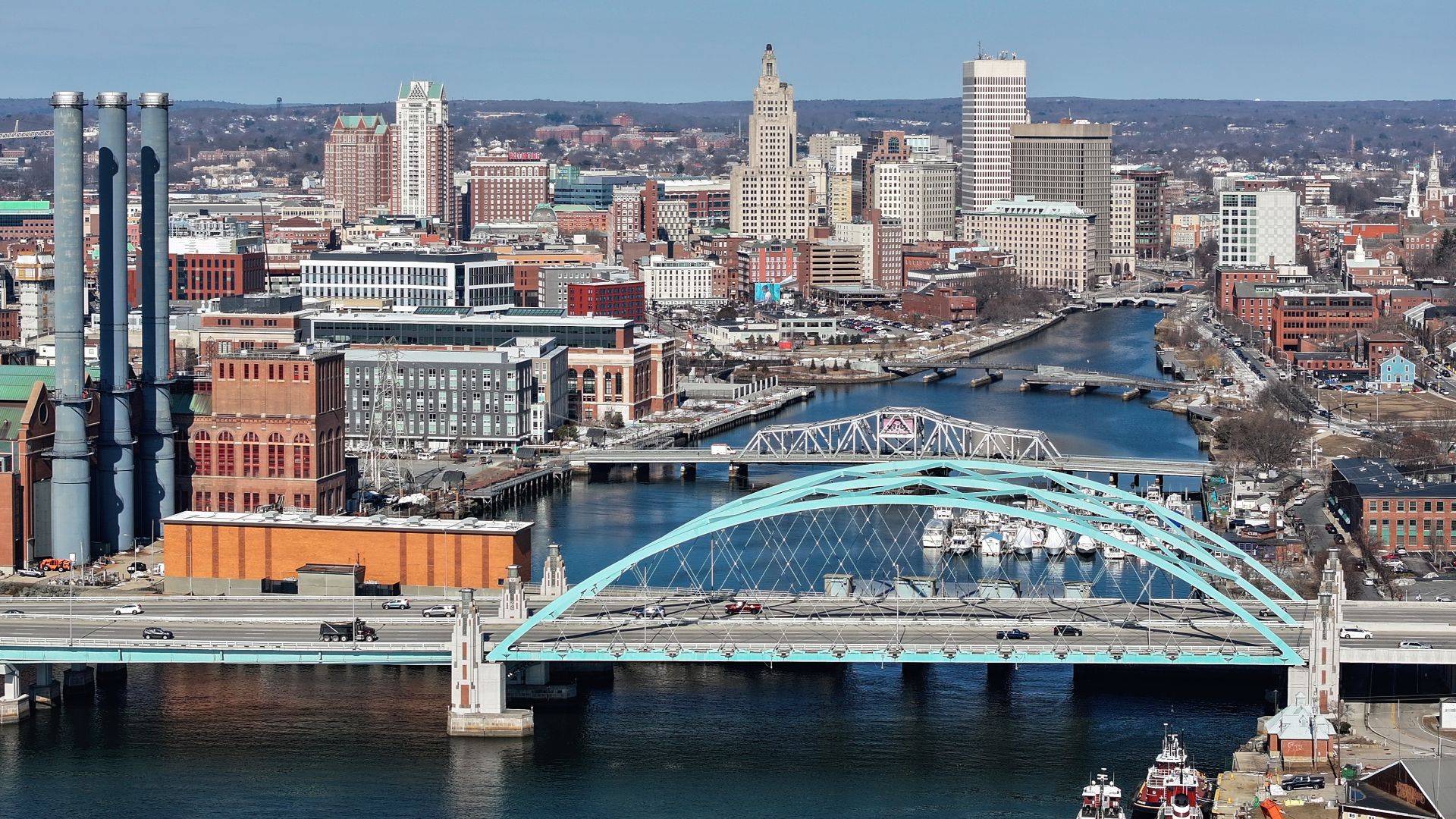
26: Rhode Island
Coastal charm and walkability appeal, but high taxes and housing costs reduce financial flexibility for retirees.
 Quintin Soloviev, Wikimedia Commons
25: Hawaii
Island living is attractive, but extremely high housing, food, and healthcare costs make long-term retirement challenging.
 Caracas1830, Wikimedia Commons
24: Missouri
Affordable living and adequate healthcare access keep Missouri squarely in the middle of the rankings.
 Daniel Schwen, Wikimedia Commons
23: Nevada
No income tax helps, but extreme heat and water concerns affect overall livability for retirees.
 Don Ramey Logan, Wikimedia Commons
22: Arizona
Warm winters and retiree communities remain strong draws, though rising housing costs slow its momentum.
 unknown; cleaned up, rotated and levels adjustment by Howcheng., Wikimedia Commons
21: South Carolina
Tax-friendly retirement policies and coastal living boost South Carolina’s appeal, especially outside tourist hubs.

20: Indiana
Low costs help Indiana, but healthcare access drops off sharply outside metropolitan areas.

19: Idaho
Natural beauty and quality of life remain strong, though rising housing costs have cooled Idaho’s retirement appeal.
 Jyoni Shuler, Wikimedia Commons
18: Maine
Scenic living and safety help Maine, but cold winters and limited rural healthcare access affect its score.
 Alex Boykov, Wikimedia Commons
17: Tennessee
No income tax, affordable living, and cultural amenities keep Tennessee popular with retirees.

16: West Virginia
Low costs and scenic landscapes help, though healthcare access and economic limitations reduce overall appeal.
 Tim Kiser (w:User:Malepheasant), Wikimedia Commons
15: Utah
Strong health metrics and community stability lift Utah, though cultural fit and taxes vary for retirees.
 Ron Reiring, Wikimedia Commons
14: Washington
No income tax helps, but high housing costs—especially in western regions—limit affordability.
 Craig Nagy from Vancouver, Canada, Wikimedia Commons
13: Connecticut
Excellent healthcare access boosts Connecticut, though high property taxes and living costs remain challenges.
 Quintin Soloviev, Wikimedia Commons
12: North Dakota
Strong affordability and healthcare metrics lift North Dakota, though harsh winters remain a drawback.
 Ron Reiring, Wikimedia Commons
11: Oregon
Natural beauty and livability help Oregon, but higher income taxes and housing costs affect retirement budgets.
 Original uploader was Jami Dwyer at en.wikipedia, Wikimedia Commons
10: Minnesota
Top-tier healthcare access elevates Minnesota, despite long winters and higher taxes.
 AlexiusHoratius, Wikimedia Commons
9: Colorado
Outdoor lifestyle and wellness culture attract active retirees, though housing costs keep it from the top tier.

8: Alaska
Strong healthcare and financial metrics boost Alaska, despite climate, isolation, and remote living challenges.
 Didier Moïse, Wikimedia Commons
7: Florida
No income tax and extensive retirement infrastructure keep Florida competitive, though insurance and climate risks persist.
 Murray Foubister, Wikimedia Commons
6: District of Columbia
Exceptional healthcare access and amenities boost D.C.’s ranking, though high living costs mean it suits wealthier retirees.
 U.S. Air Force Tech. Sgt. Andy Dunaway, Wikimedia Commons
5: South Dakota
No income tax, strong affordability, and manageable living costs place South Dakota among the best retirement states.
 Detroit Publishing Co., Wikimedia Commons
4: Montana
Low population density, tax advantages, and lifestyle appeal give Montana a top-tier retirement ranking.
 James St. John, Wikimedia Commons
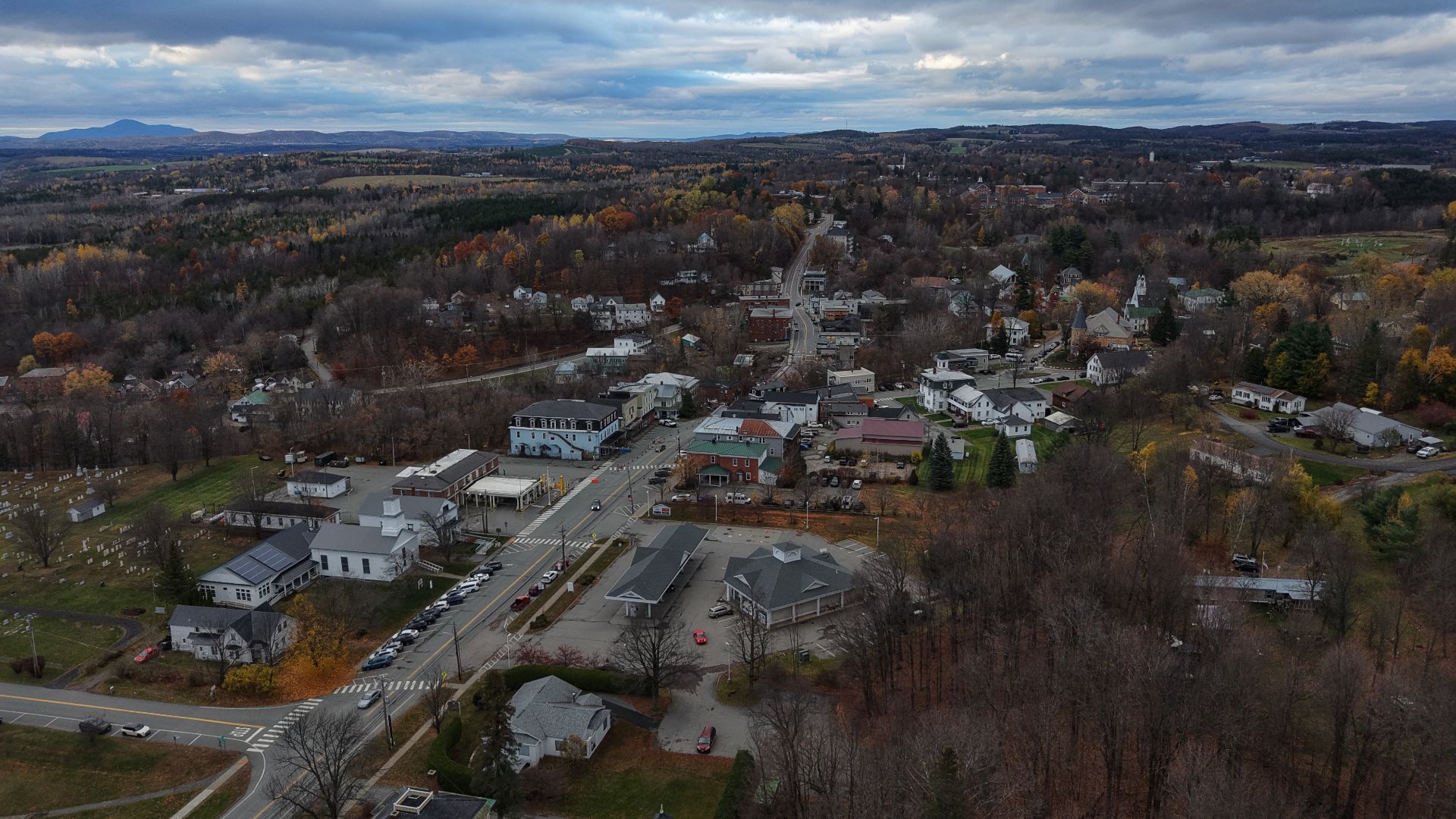
3: Vermont
Strong health outcomes and quality-of-life scores outweigh cold winters, earning Vermont a top-three spot.
 Ascended Dreamer, Wikimedia Commons
2: New Hampshire
No income or sales tax, strong safety metrics, and high quality of life place New Hampshire just shy of the top.
 Quintin Soloviev, Wikimedia Commons
1: Wyoming
Low taxes, strong affordability, excellent health indicators, and wide-open living space make Wyoming the best state to retire in for 2026.

You Might Also Like:
Sorry California—These States All Have A Better Quality Of Life Than The Golden State
The Smartest Americans Live In Which States?