Science Just Entered the Heaven Debate
For centuries, people have imagined heaven as clouds, light, and angels. But what if science could actually pin down where it is in the cosmos? Well, one former Harvard physicist says he has done exactly that.
Meet the scientist
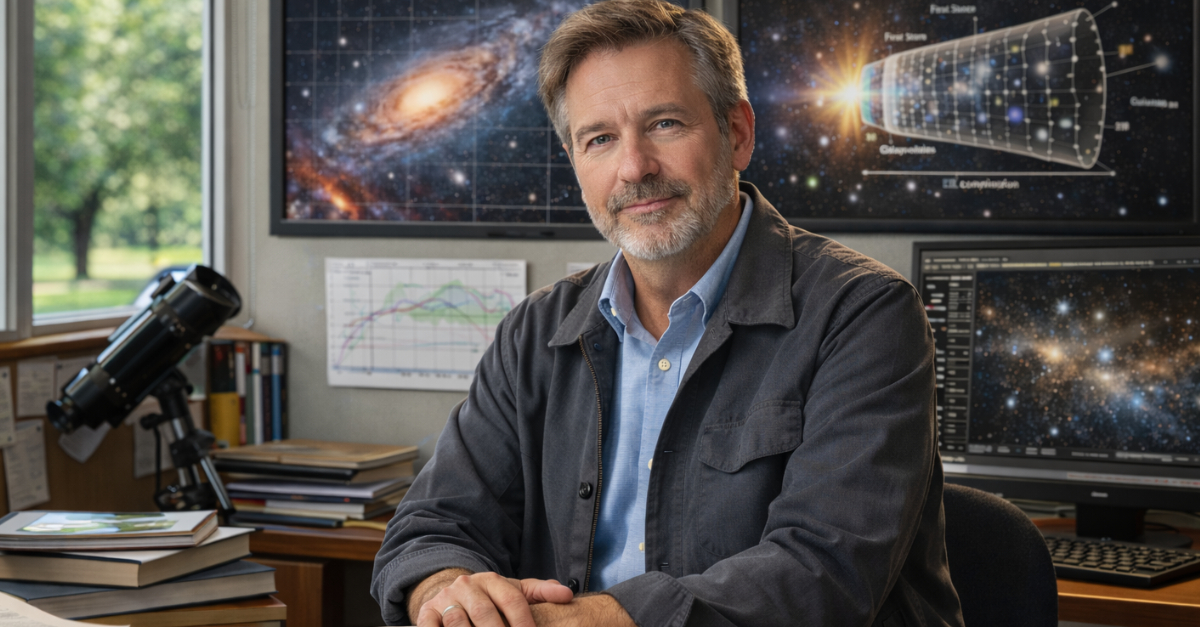
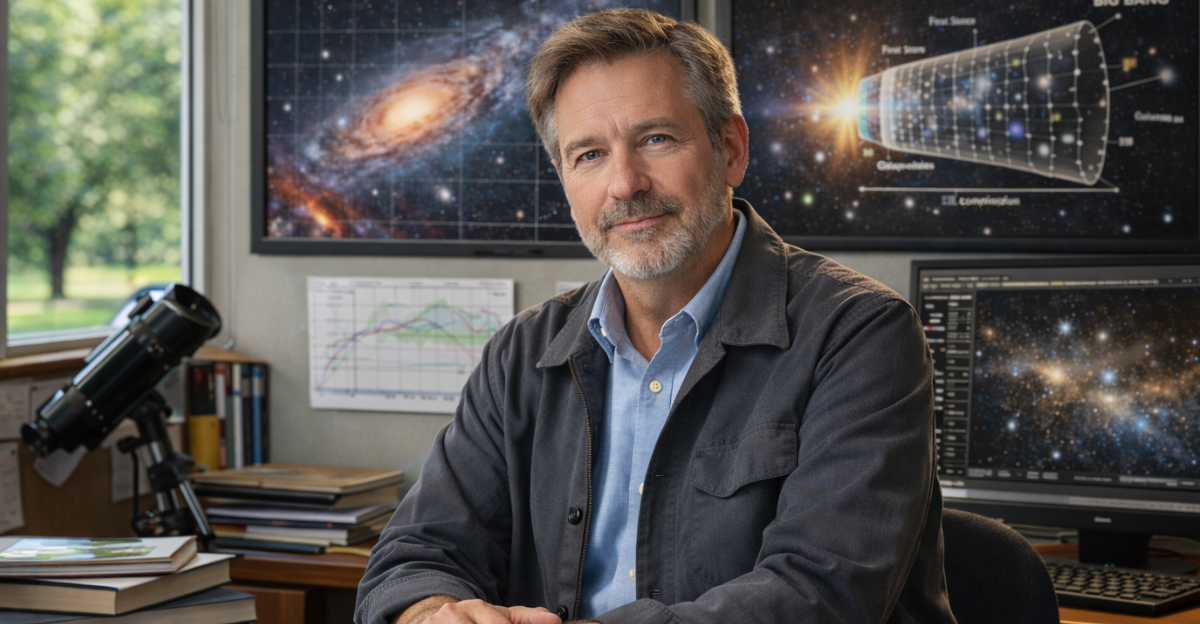
The claim comes from Dr. Michael Guillen, a former Harvard lecturer with PhDs in physics, mathematics, and astronomy. Blending science and scripture Guillen has proposed a cosmic location for heaven—one rooted in mainstream physics and also tied to biblical imagery.
 Eliot J. Schechter, Getty Images
This isn’t a new discovery
Guillen isn’t unveiling new telescope images or spacecraft data. Instead, he’s offering an interpretation—one that relies on well-established cosmology rather than new experiments. The science is familiar. The conclusion is what’s unexpected.

A reminder about the universe
Astronomers agree on one core fact: the universe is expanding. Galaxies aren’t static—they’re moving away from each other, and the farther away they are, the faster that motion becomes. This expansion follows precise mathematical rules that scientists have measured and refined for nearly a century.
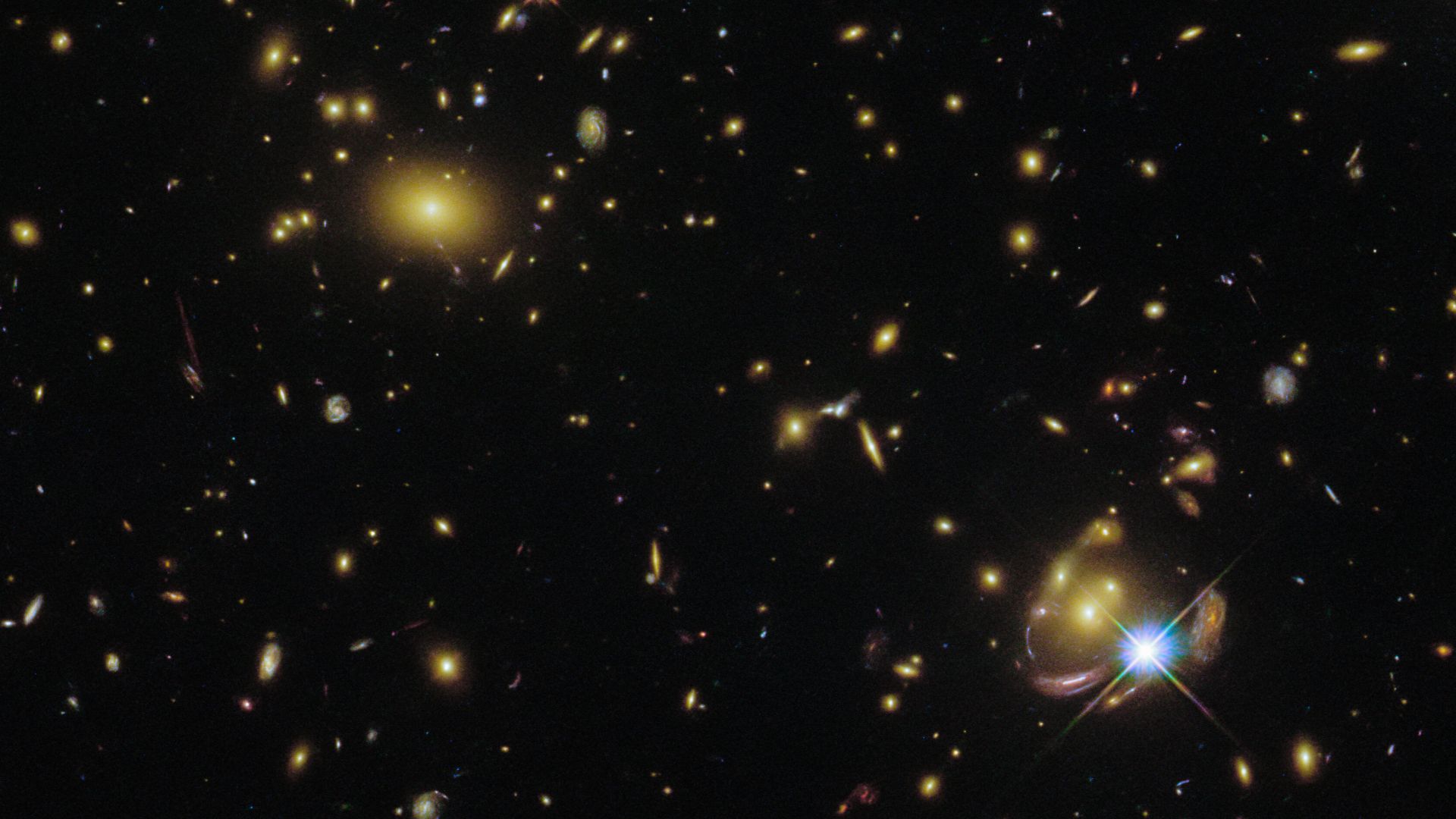 ESA/Hubble & NASA, E. Wuyts, Wikimedia Commons
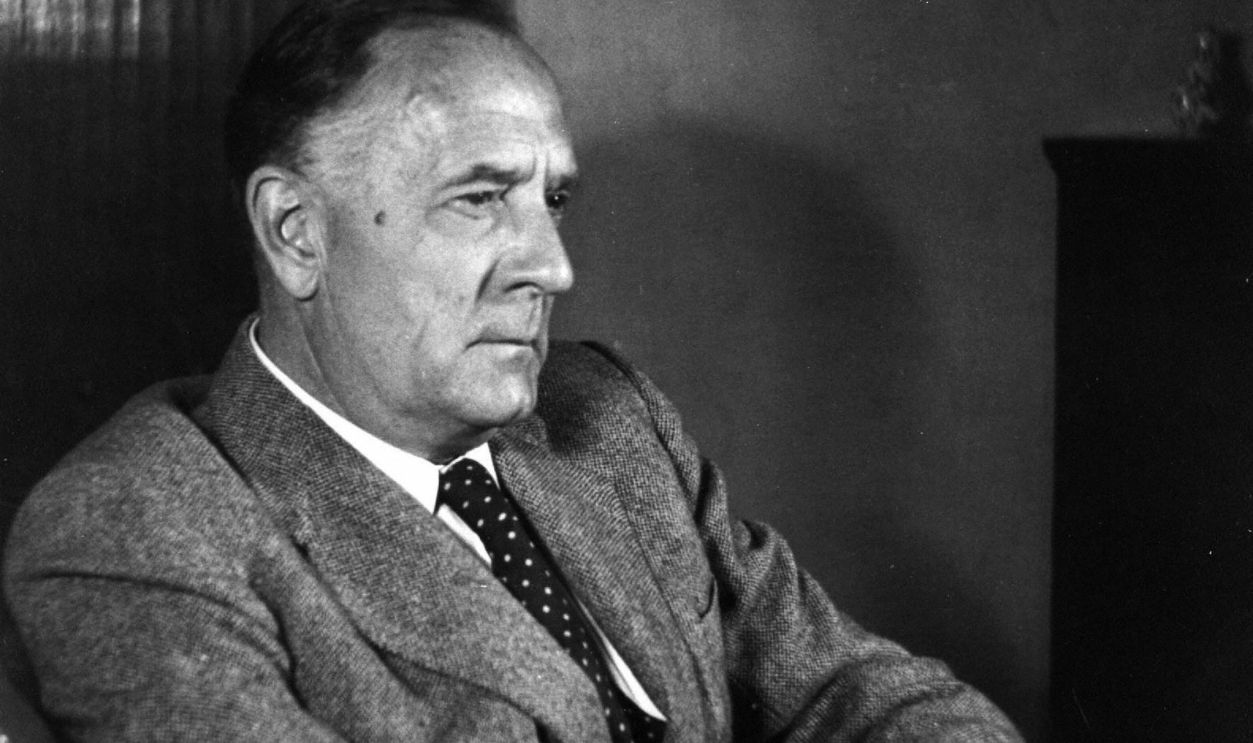
Why Edwin Hubble matters
In the 1920s, Edwin Hubble discovered that distant galaxies are moving away from Earth, proving that space itself is stretching. That discovery reshaped cosmology and revealed hard limits—real boundaries on what humans can observe, reach, or ever interact with. Guillen’s argument starts here.
The Cosmic Horizon
Because the universe has a finite age, there’s a limit to how far light has traveled since the Big Bang. Scientists call that boundary the Cosmic Horizon—the edge of the observable universe.
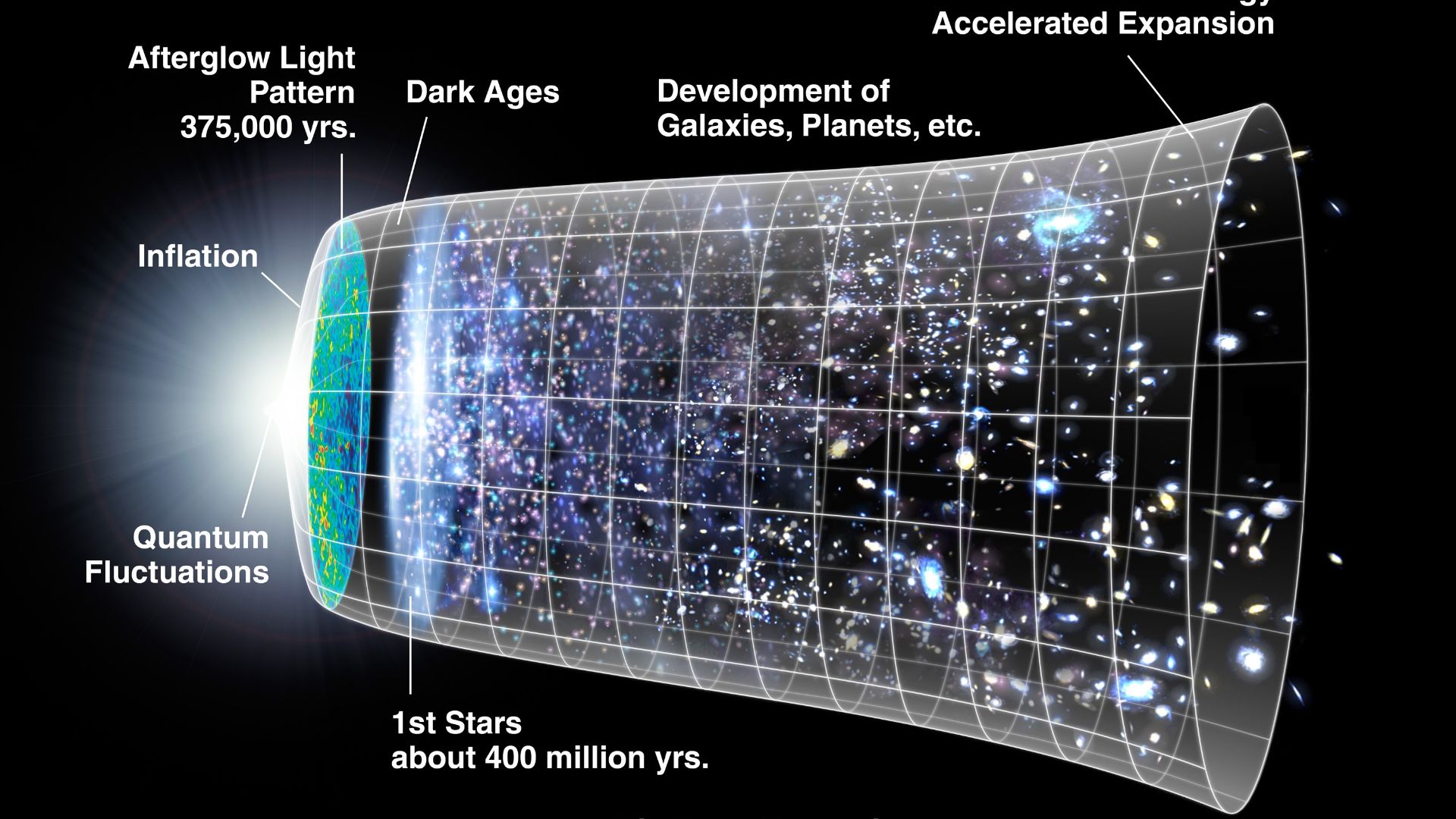 NASA/WMAP Science Team, Wikimedia Commons
Why the horizon can’t be crossed
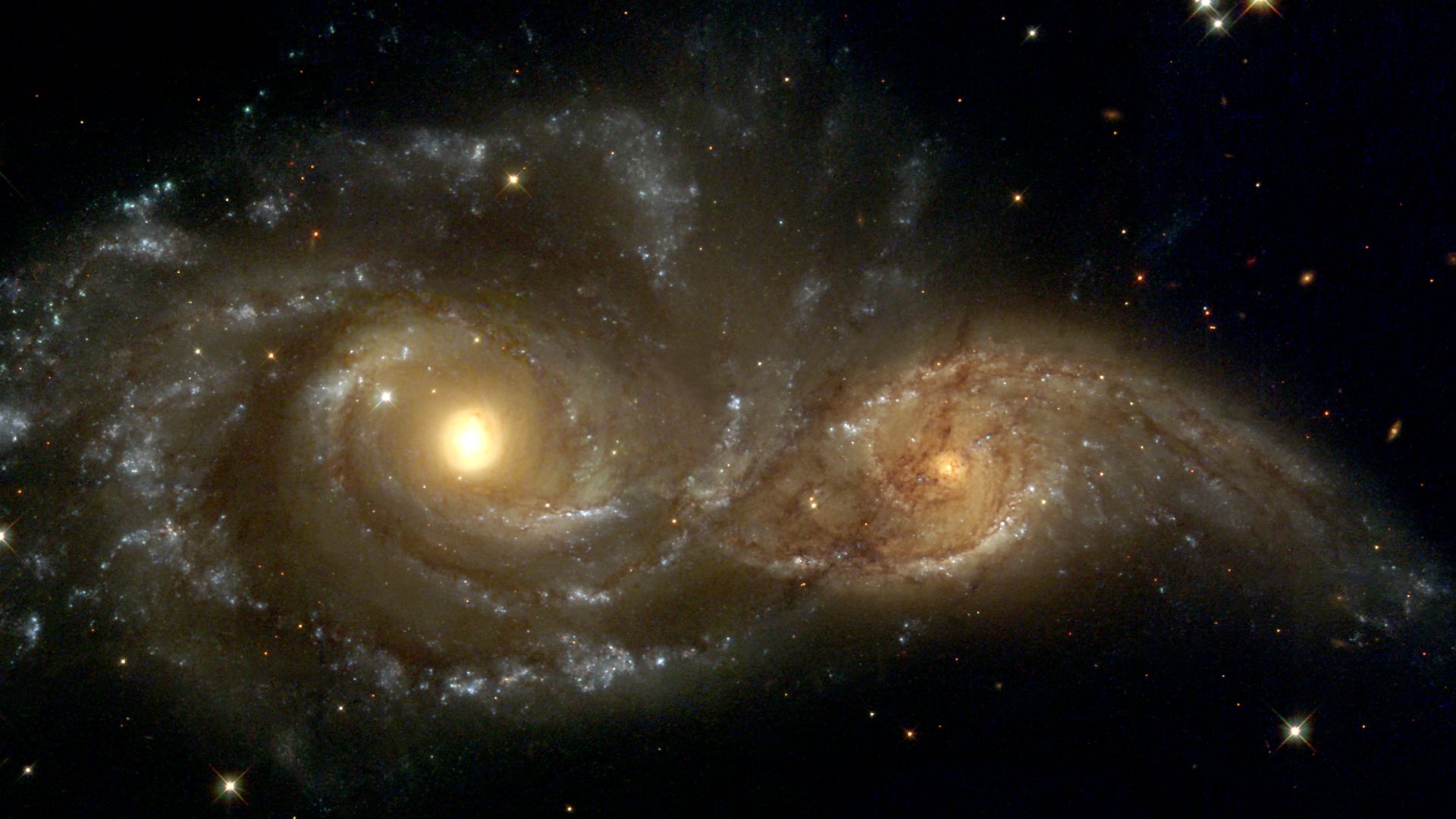
At extreme distances, galaxies appear to move away faster than light—not because they’re breaking physics, but because space itself is expanding. Anything beyond this horizon lies outside what we can directly observe or ever reach under known laws of physics, making it effectively inaccessible to humanity.
 NASA/ESA and The Hubble Heritage Team (STScI), Wikimedia Commons
Why that impossibility matters
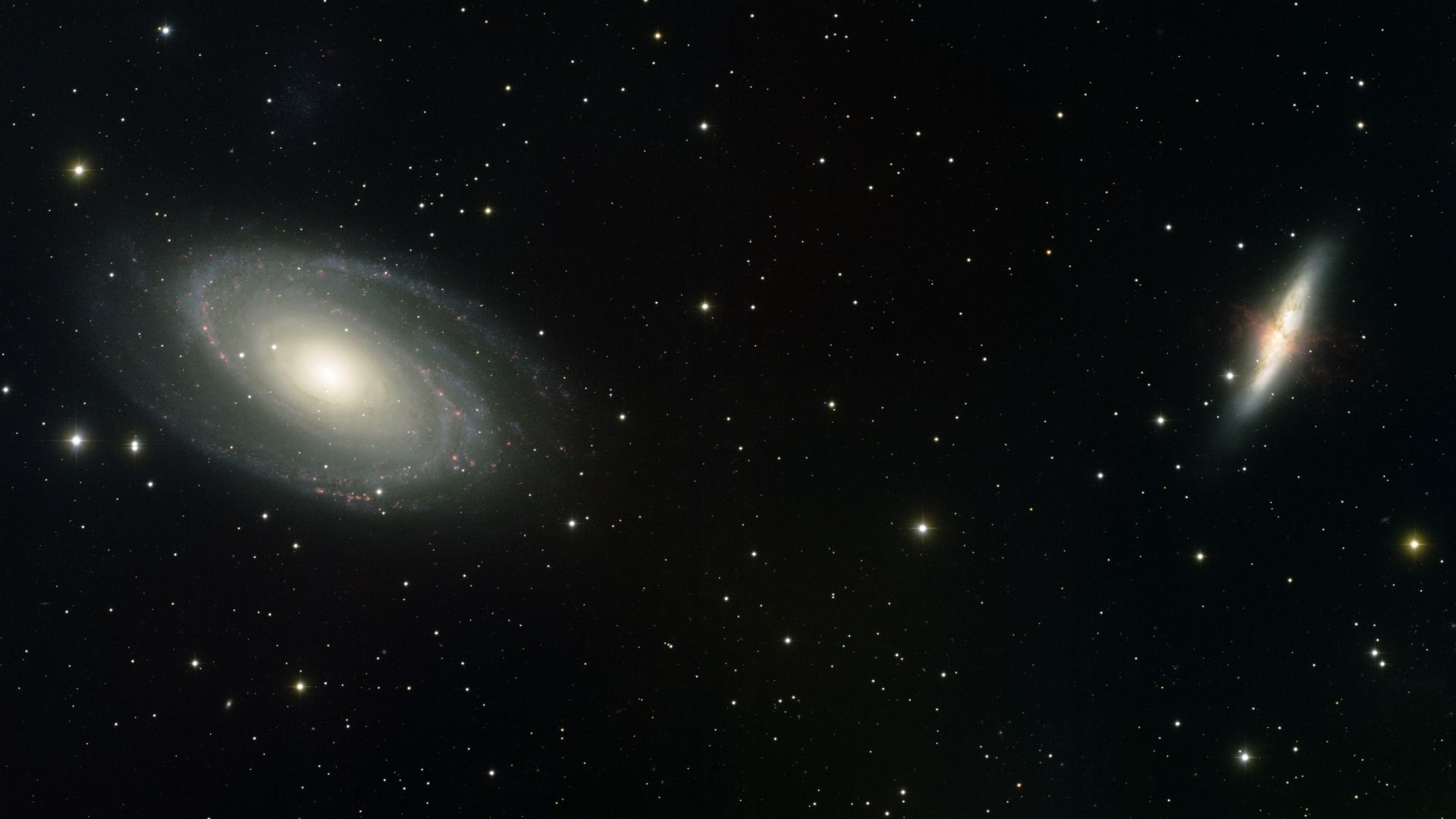
According to Guillen, a place that can never be reached, observed, or crossed has an uncanny resemblance to how heaven has traditionally been described.
 T.A. Rector (University of Alaska Anchorage) and NOIRLab/NSF/AURA/, Wikimedia Commons
The big reveal
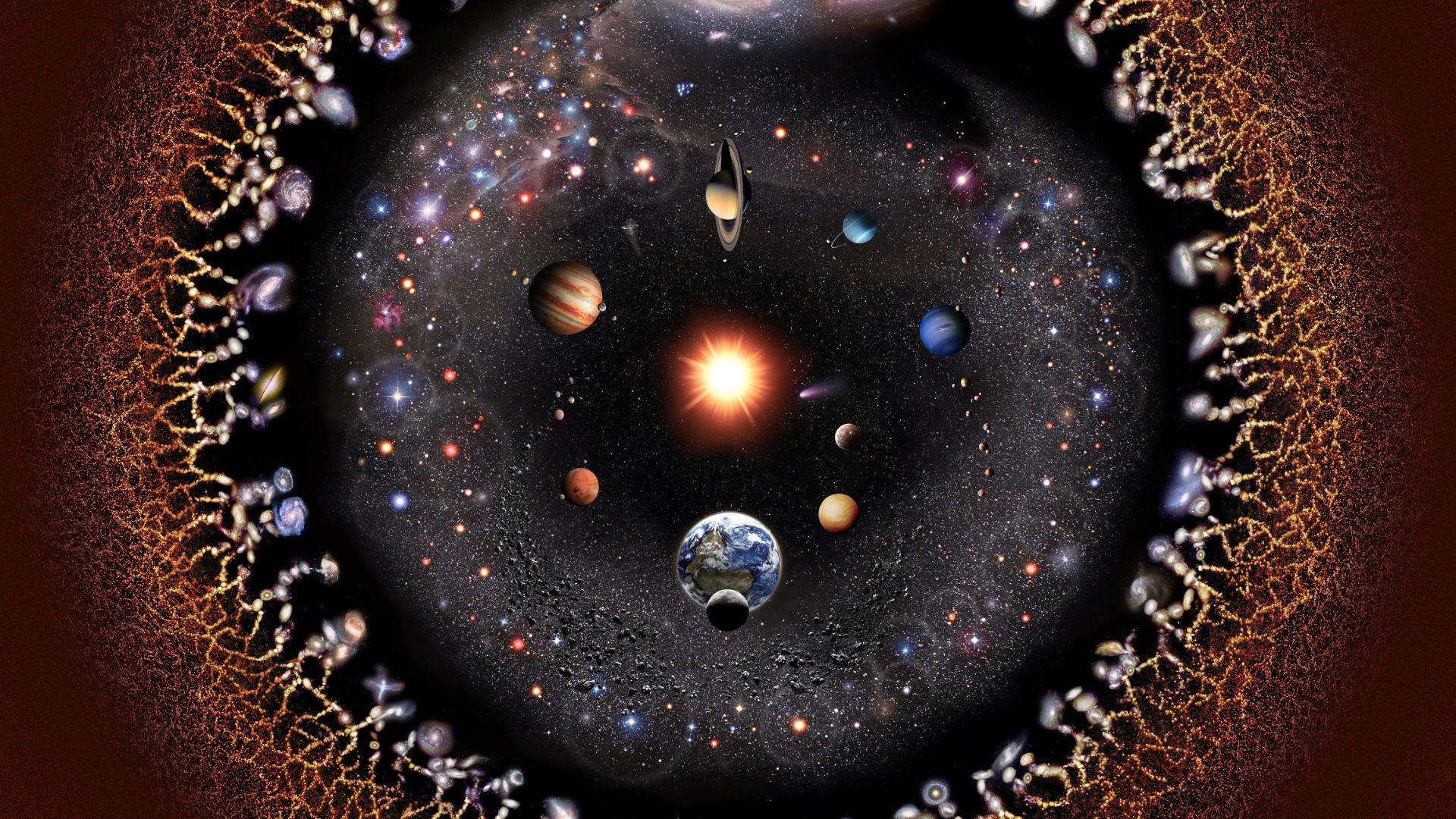
Guillen suggests that heaven could correspond to the region beyond the Cosmic Horizon—a location roughly 273 billion trillion miles away, where the laws of physics prevent any physical access.

Why that distance matters
At this boundary, nothing with mass can pass through. Even light can’t bring information back. In Guillen’s view, that absolute separation mirrors religious ideas of heaven being beyond human reach.
 Pablo Carlos Budassi, Wikimedia Commons
Science versus scripture
Guillen isn’t claiming science proves heaven exists. Instead, he argues that scientific limits may echo descriptions found in scripture—especially passages describing heaven as “above” and inaccessible.

Layers of heaven
Some religious traditions describe multiple heavens: the sky, outer space, and a highest heaven where God resides. Guillen associates that highest level with what lies beyond the observable universe.
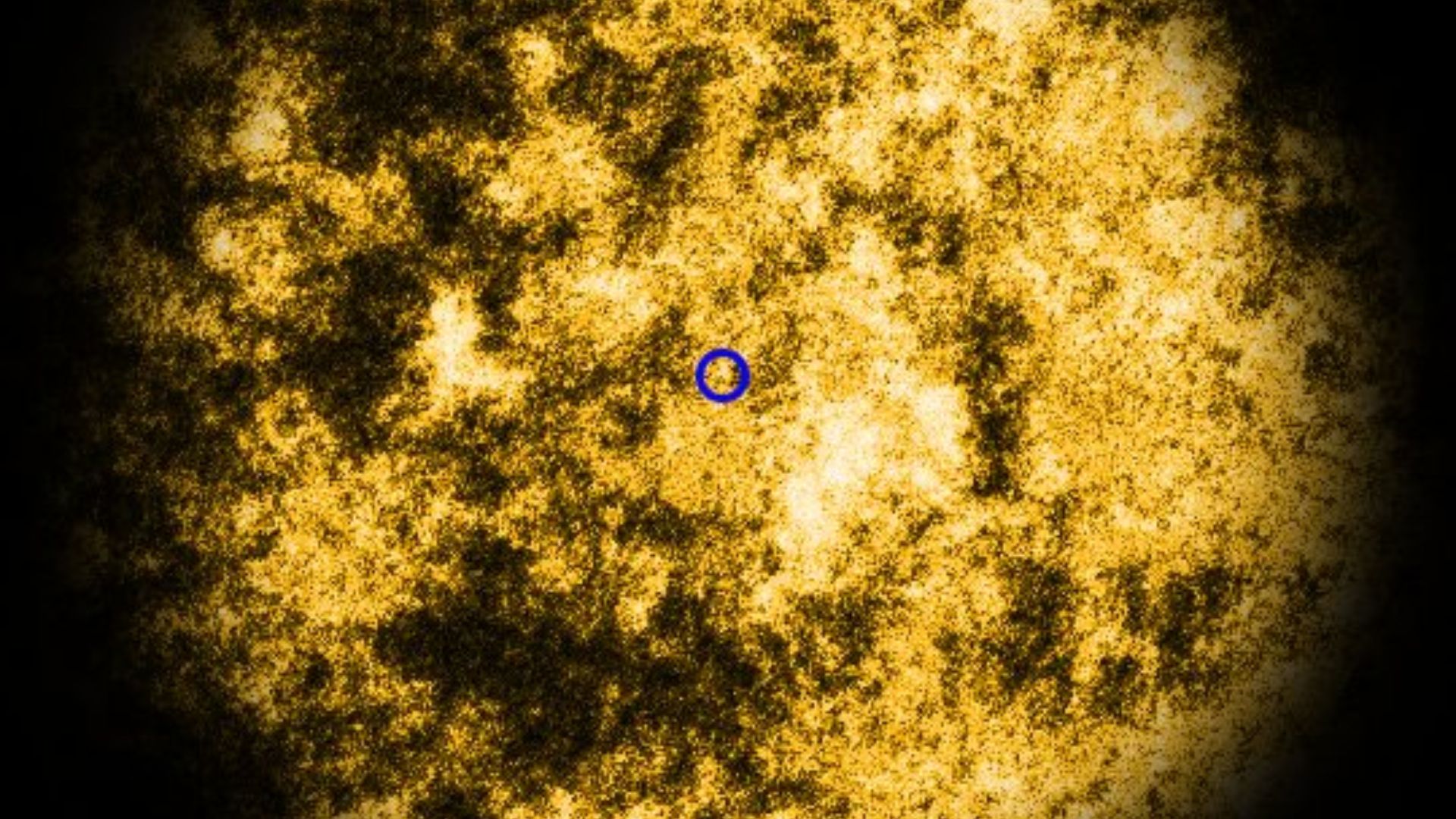 Brian Brondel at English Wikibooks, Wikimedia Commons
Why “up” keeps appearing
Ancient texts often describe heaven as upward. Guillen points out that in cosmology, every direction outward from Earth leads toward the universe’s edge—making “up” symbolic rather than literal.
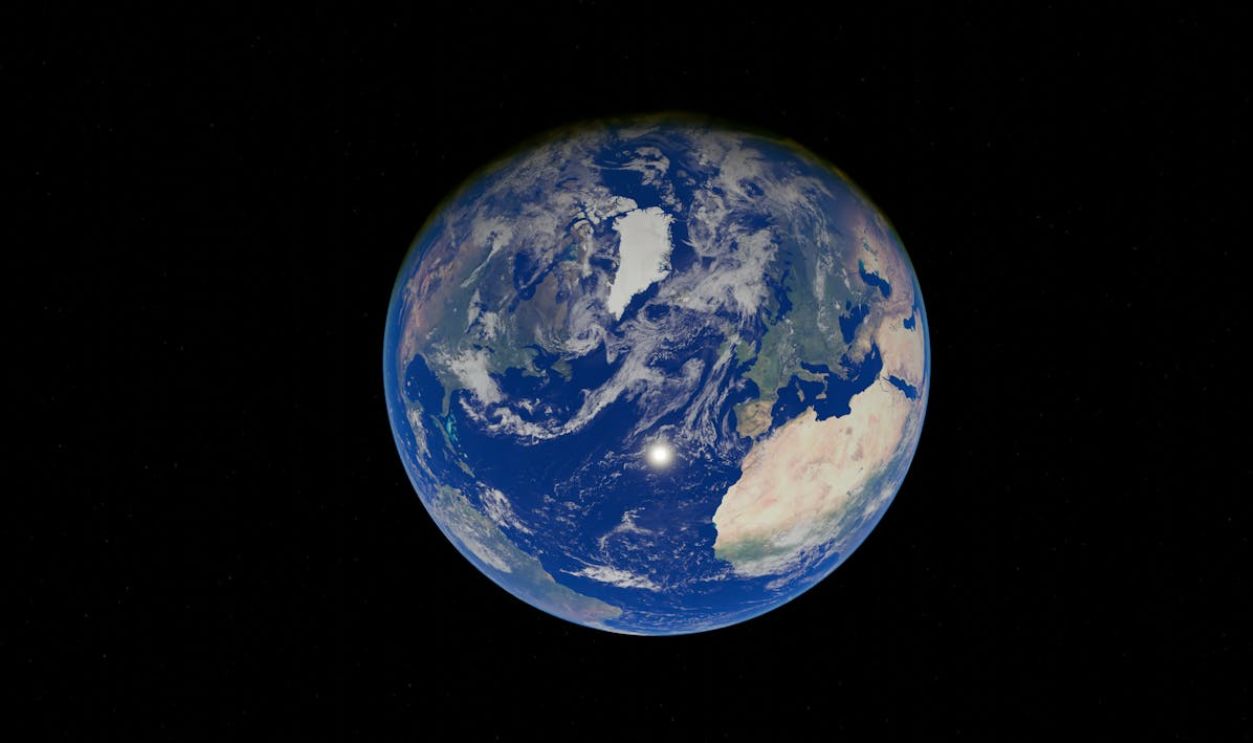
Time at the edge
Near cosmic limits, time behaves strangely under relativity. Guillen compares this to theological ideas of heaven existing outside time—eternal and unchanging.
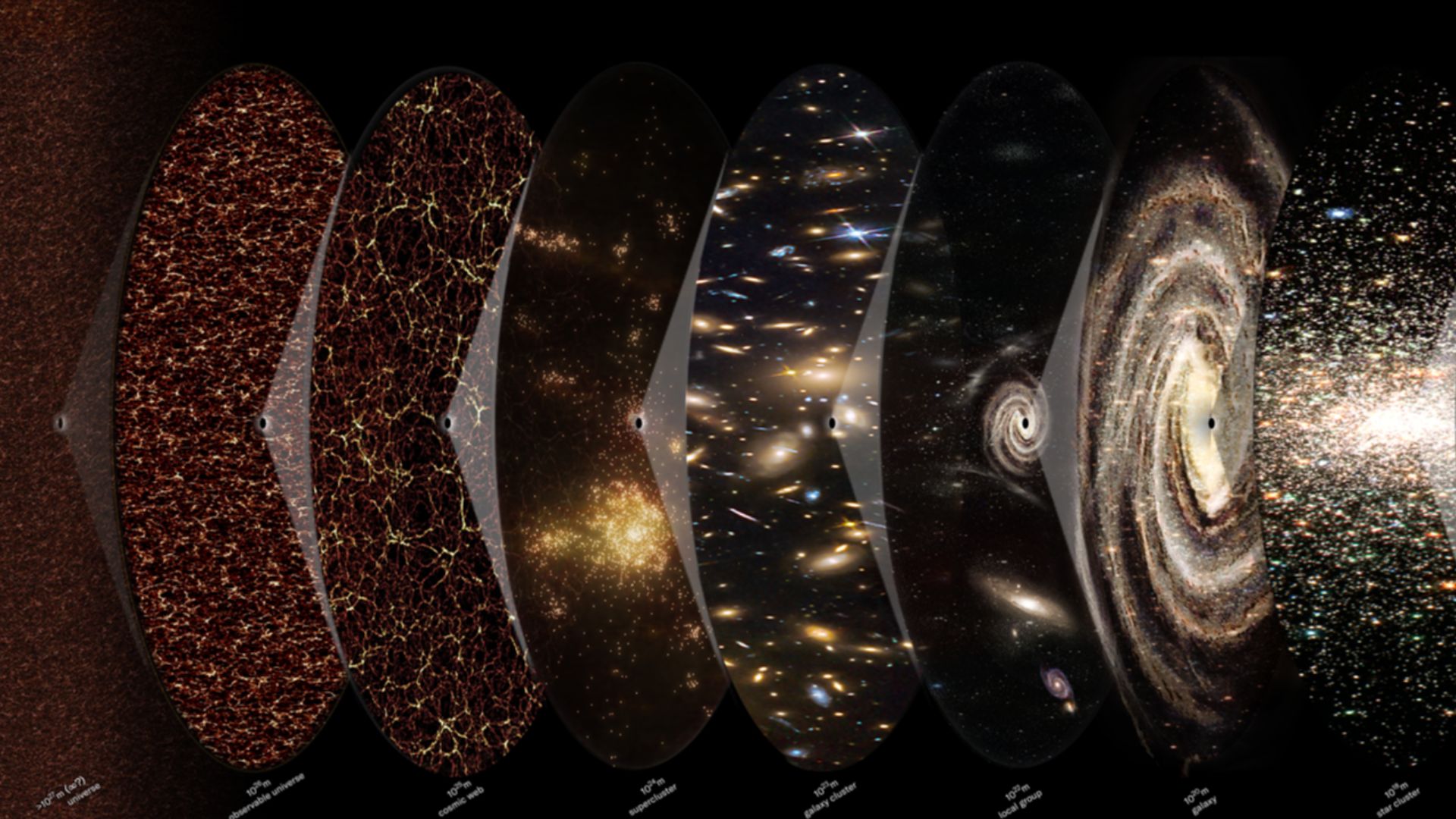 Pablo Carlos Budassi, Wikimedia Commons
What physics actually says (and why scientists are cautious)
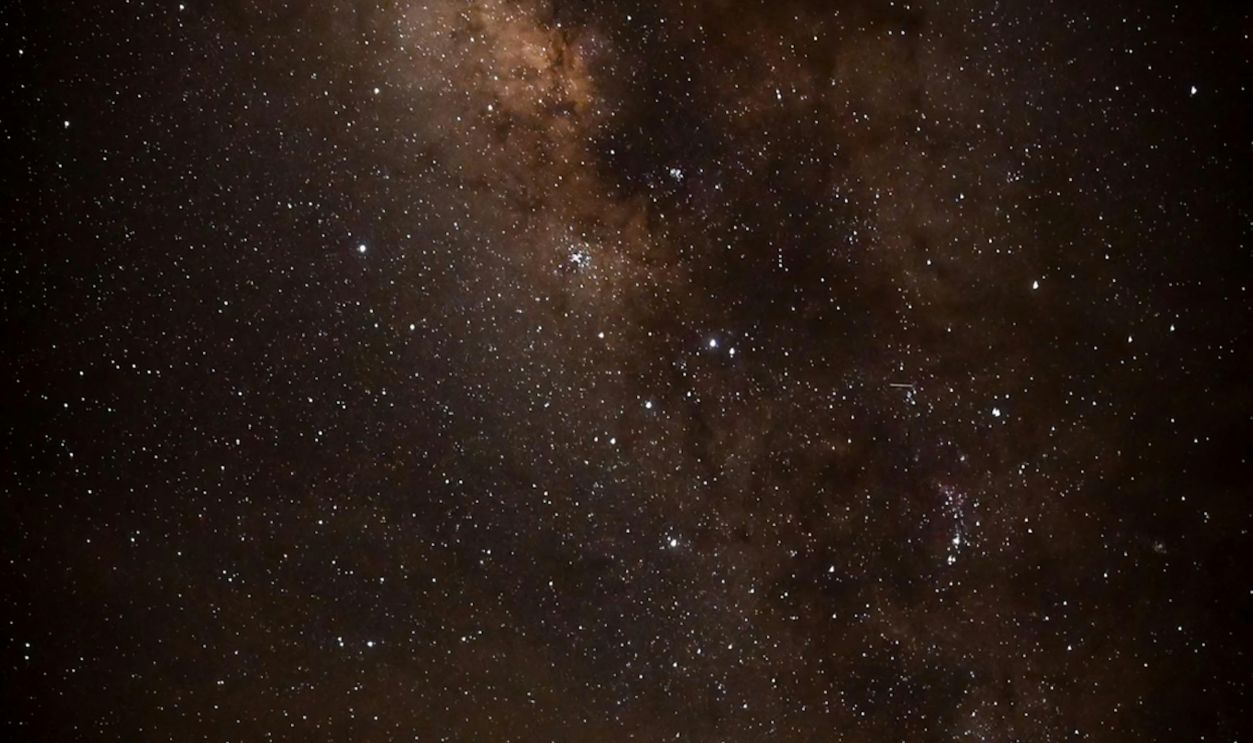
Mainstream physics recognizes the Cosmic Horizon as a boundary of observation—not a spiritual realm. It simply marks the limit of what can be measured or observed. Because Guillen’s idea doesn’t generate testable predictions, most physicists view it as philosophical rather than scientific.
Theological objections to a mapped heaven
Many theologians argue that heaven isn’t a physical location at all, but a spiritual state beyond space and time. From this perspective, attempting to assign heaven a cosmic address misunderstands its nature.

Where philosophy enters—and critics push back
At its core, this idea lives in philosophy. It asks whether physical limits might hint at metaphysical truths. Critics counter that science is designed to explain how the universe works, not why it exists.

Why this idea went viral—and why it stuck
The claim spread quickly because it tackles universal questions: what happens after death, where meaning comes from, and whether science leaves room for belief.

What this theory doesn’t do
It doesn’t introduce new data or rewrite cosmology. It doesn’t claim proof or demand belief. Instead, it reframes existing science through a spiritual lens.
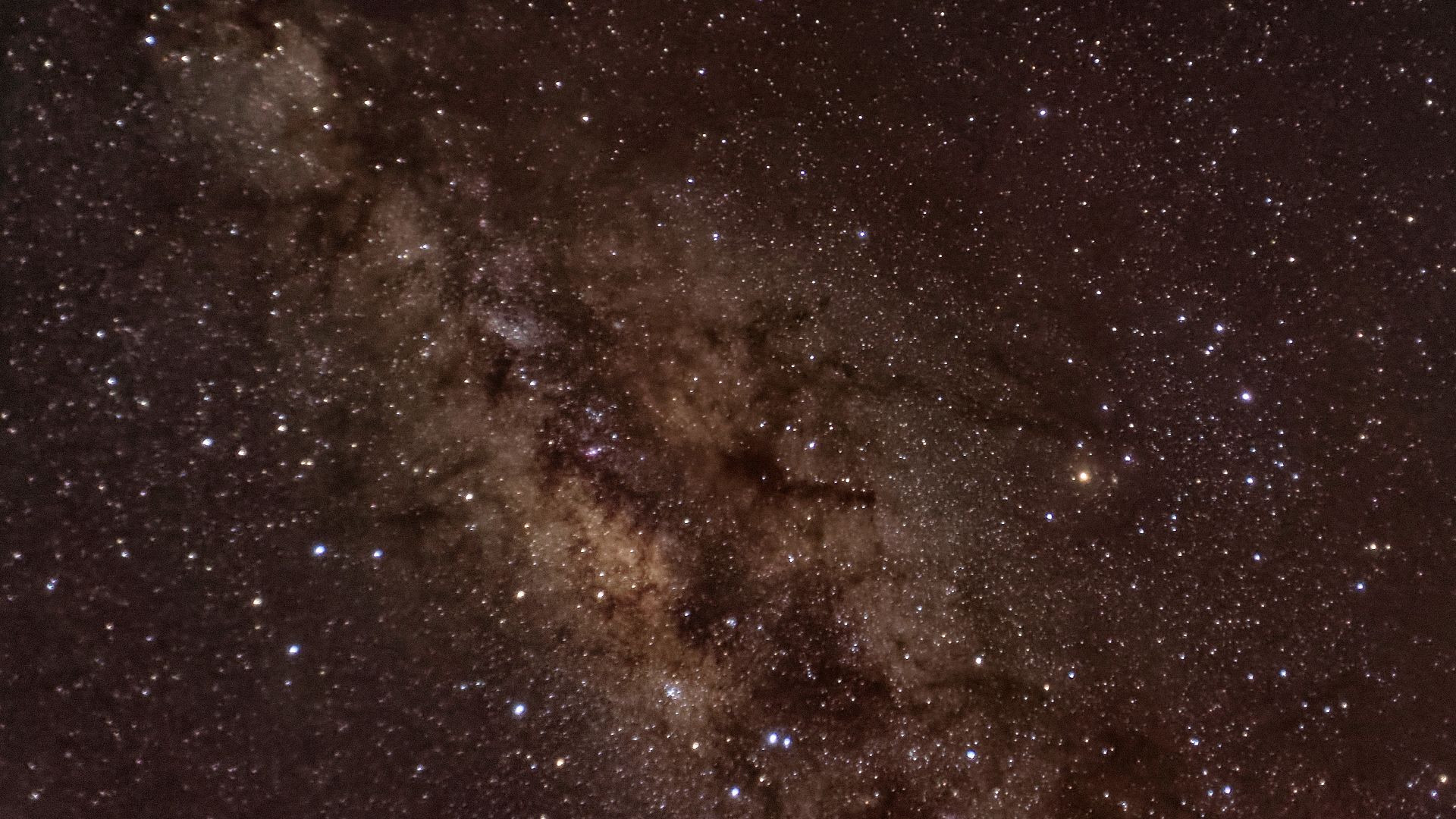 Jakub Halun, Wikimedia Commons
The value of mystery and wonder
Part of heaven’s power lies in its unknowability. Even as science maps the universe with increasing precision, it still leaves room for awe, wonder, and unanswered questions.

So—is heaven there?
Science can describe the universe’s limits with remarkable accuracy. Whether those limits carry deeper meaning remains a matter of interpretation.

Final thought
No, science hasn’t found heaven. But this idea shows how deeply humans want to connect the vast universe above with the questions that matter most here on Earth.
 Daniel Oberhaus, Wikimedia Commons
You Might Also Like:
The largest meteorite ever to hit Earth can be found exactly where it landed 80,000 years ago.