Big Dreams Rarely Come Cheap.
Some of America’s most recognizable bridges, buildings, transportation systems, and scientific achievements cost far more than taxpayers and planners were originally promised. The overruns caused scandals and outrage, but many of the finished projects eventually became treasured landmarks or defining symbols of their cities and eras.
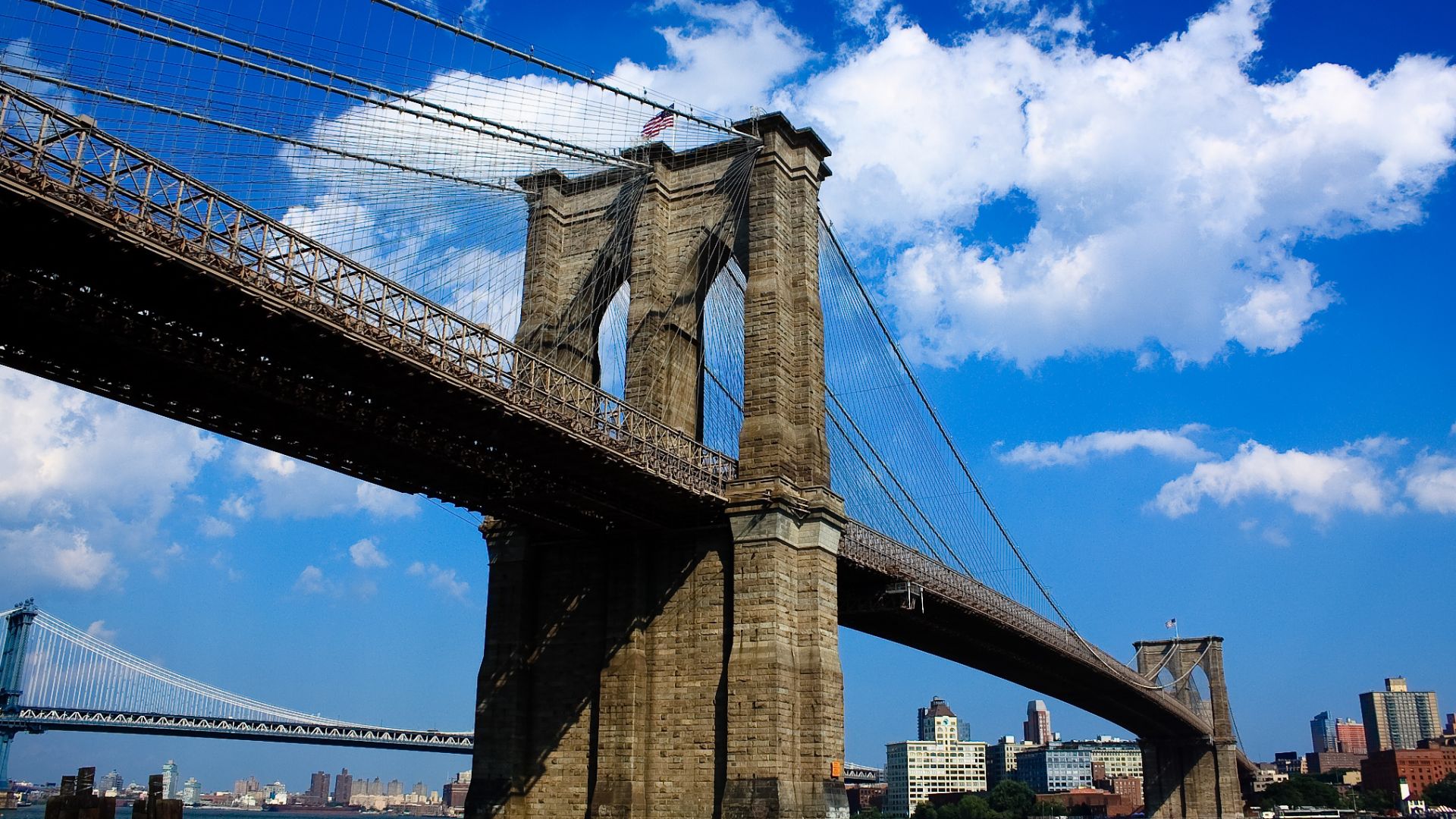
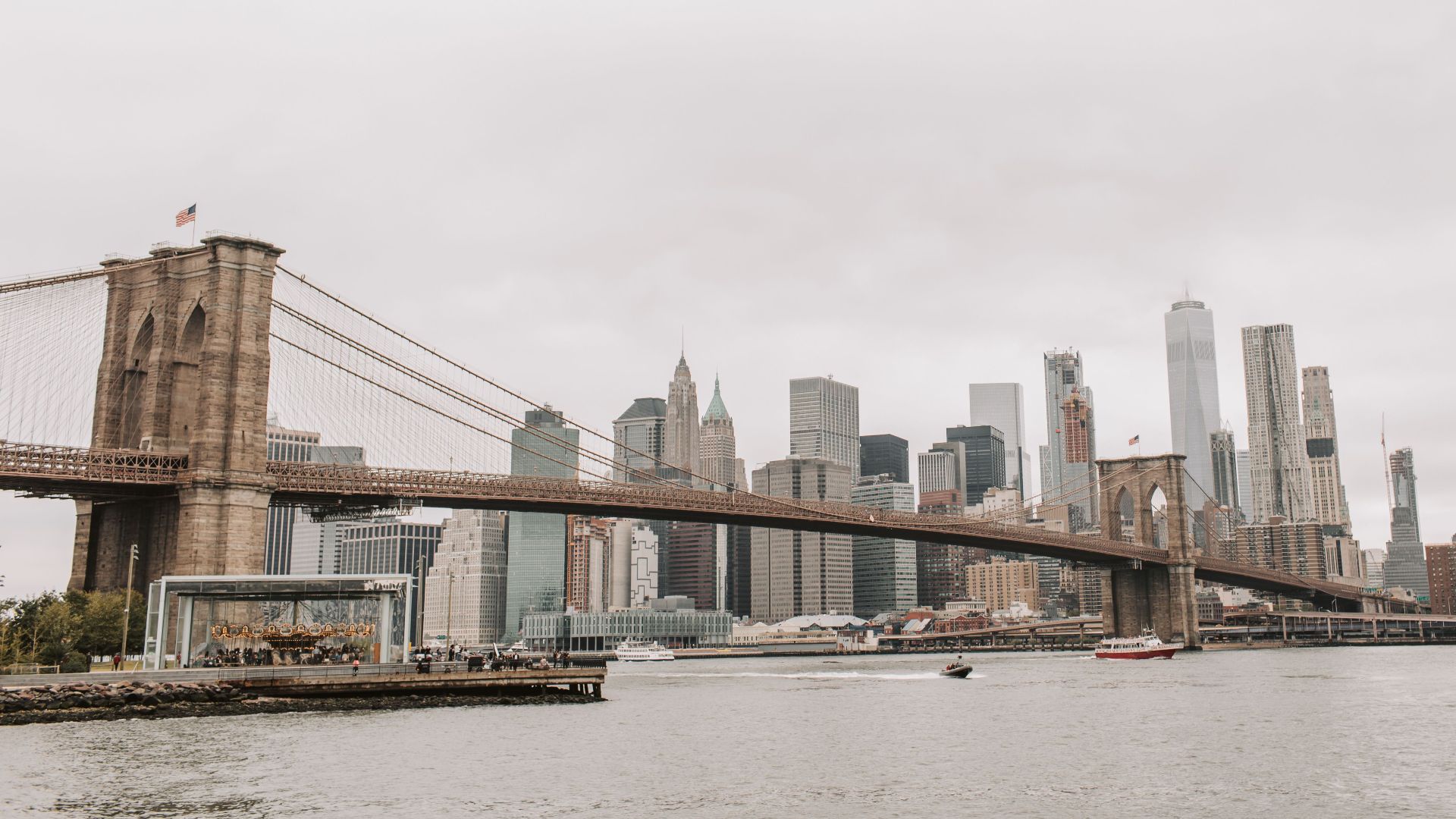
The Brooklyn Bridge More Than Doubled Its Price
John A. Roebling initially estimated that his East River bridge would cost roughly $7 million. By the time the Brooklyn Bridge opened in 1883, construction expenses had climbed to around $15 million after design challenges, political disputes, accidents, and years of difficult underwater work. The span was nevertheless the world’s longest suspension bridge when completed. Today, its Gothic towers form one of the most recognizable views in the United States.
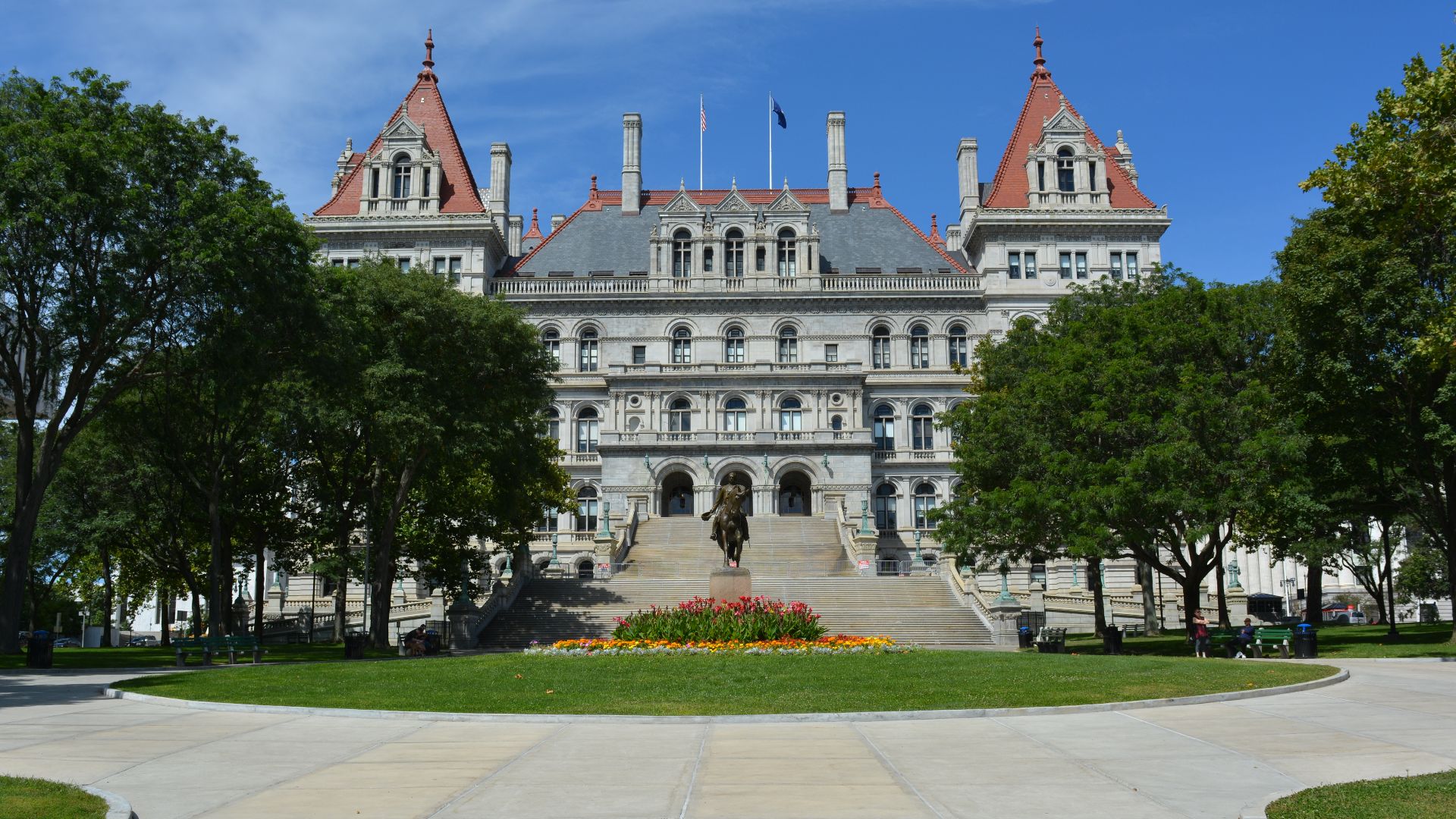
Albany’s Capitol Became A $25 Million Palace
New York officials expected their new state capitol to cost approximately $4 million when construction began in 1867. Work stoppages, economic turmoil, changing architects, and lavish design decisions eventually pushed the bill to $25 million. The 32-year project was reportedly the most expensive government building in the country when declared complete in 1899. Its monumental staircases and Romanesque exterior later earned it designation as a National Historic Landmark.
 Shaunfrombrooklyn, Wikimedia Commons
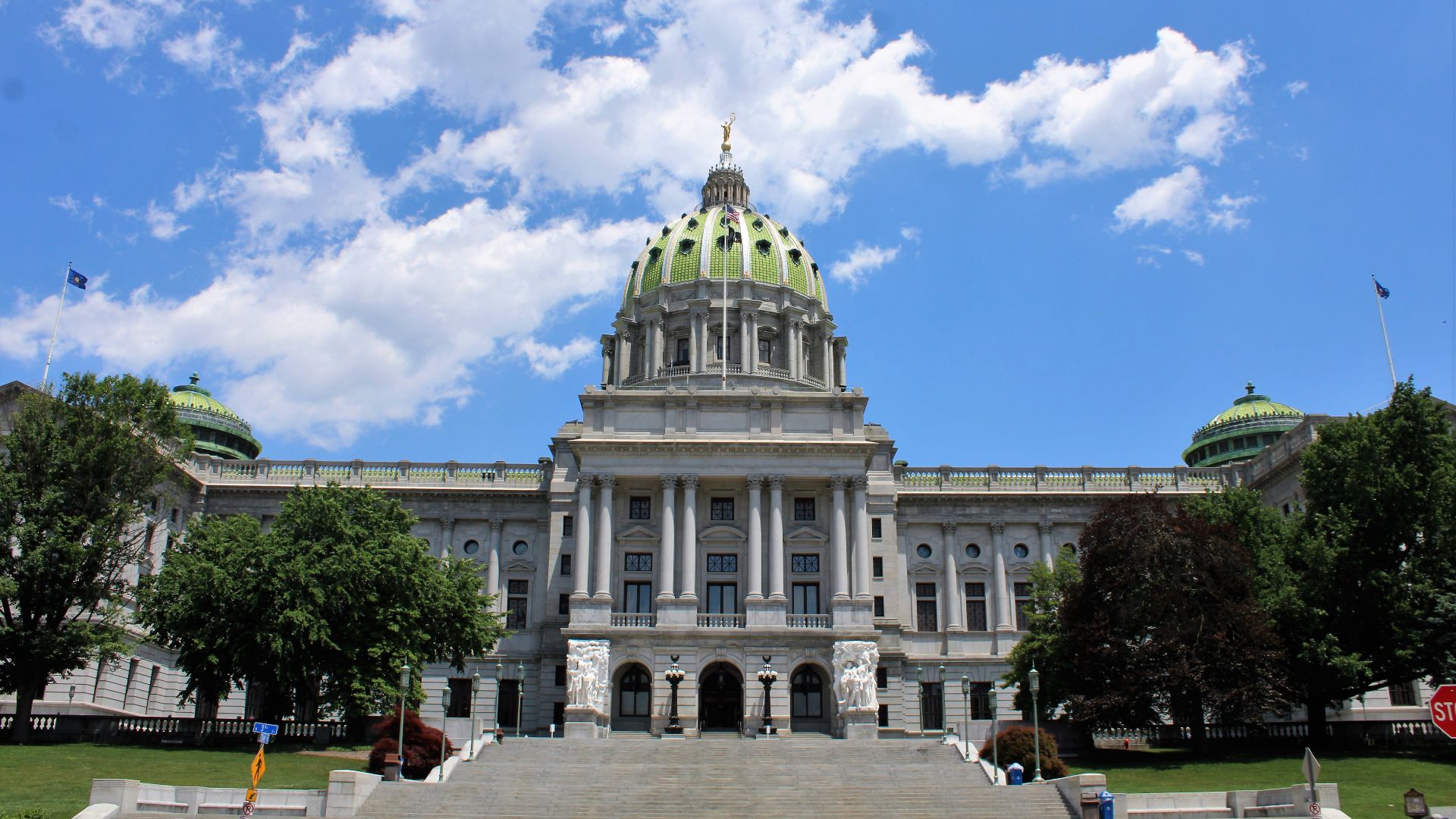
Pennsylvania Built A Temple Of Fraud
Pennsylvania lawmakers imposed a $4 million limit on the construction and furnishing of their new capitol. Expenses eventually exceeded that ceiling by more than three times, triggering investigations, criminal convictions, and accusations that the building was a “colossal temple of fraud.” The corruption scandal overshadowed the capitol’s 1906 dedication. Over time, however, its dome, murals, sculptures, and grand chambers made it one of the country’s most admired statehouses.
 Farragutful, Wikimedia Commons
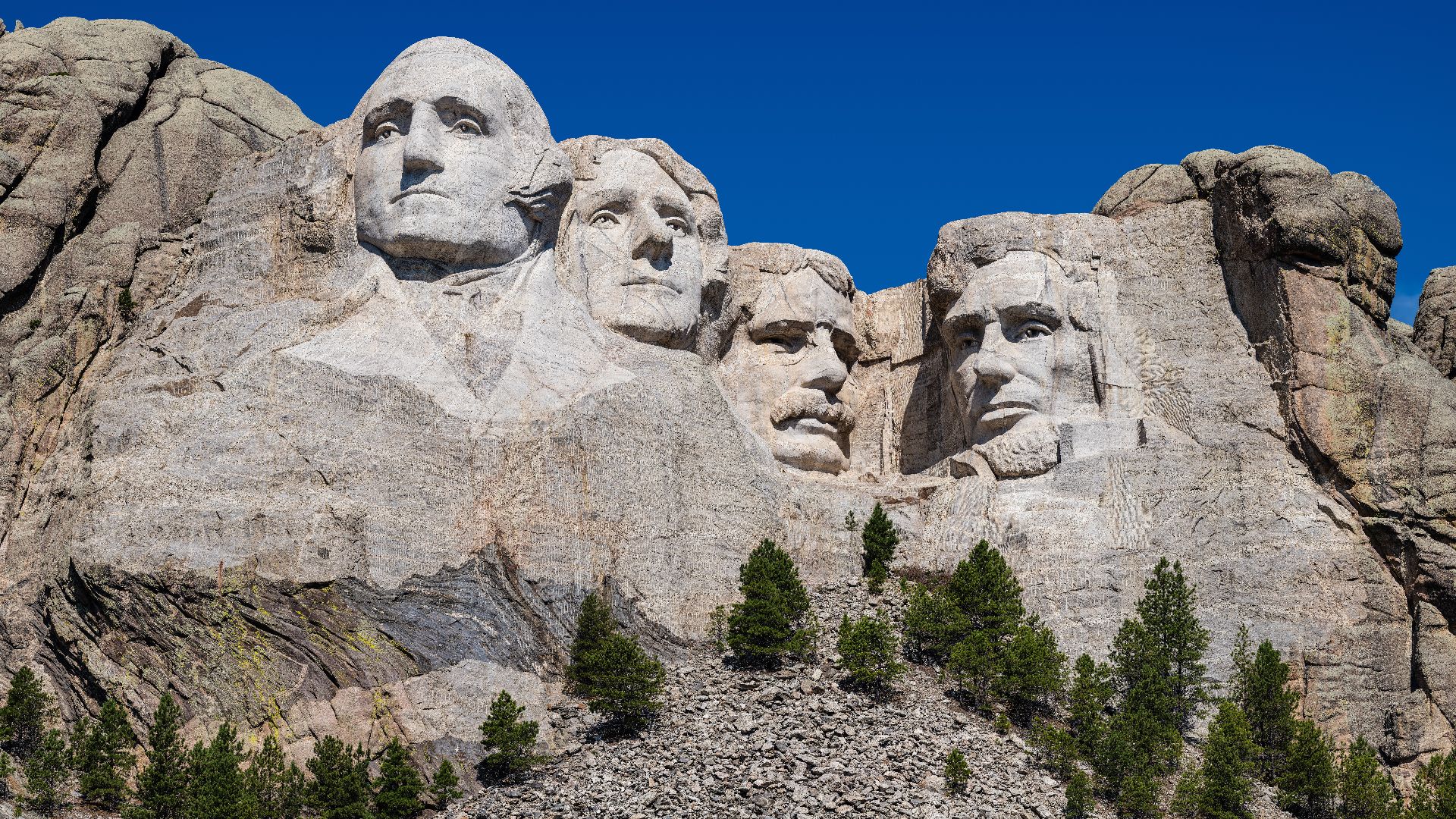
Mount Rushmore Outgrew Its Funding Plan
Federal legislation initially promised as much as $250,000 in matching funds, representing half the estimated cost of carving Mount Rushmore. The project ultimately consumed nearly $1 million and still ended before sculptor Gutzon Borglum’s full plan could be completed. Funding problems repeatedly interrupted work, and Borglum’s death in 1941 helped bring construction to an end. The unfinished monument nevertheless became one of the most instantly recognizable images of America.
 Thomas Wolf, www.foto-tw.de, Wikimedia Commons
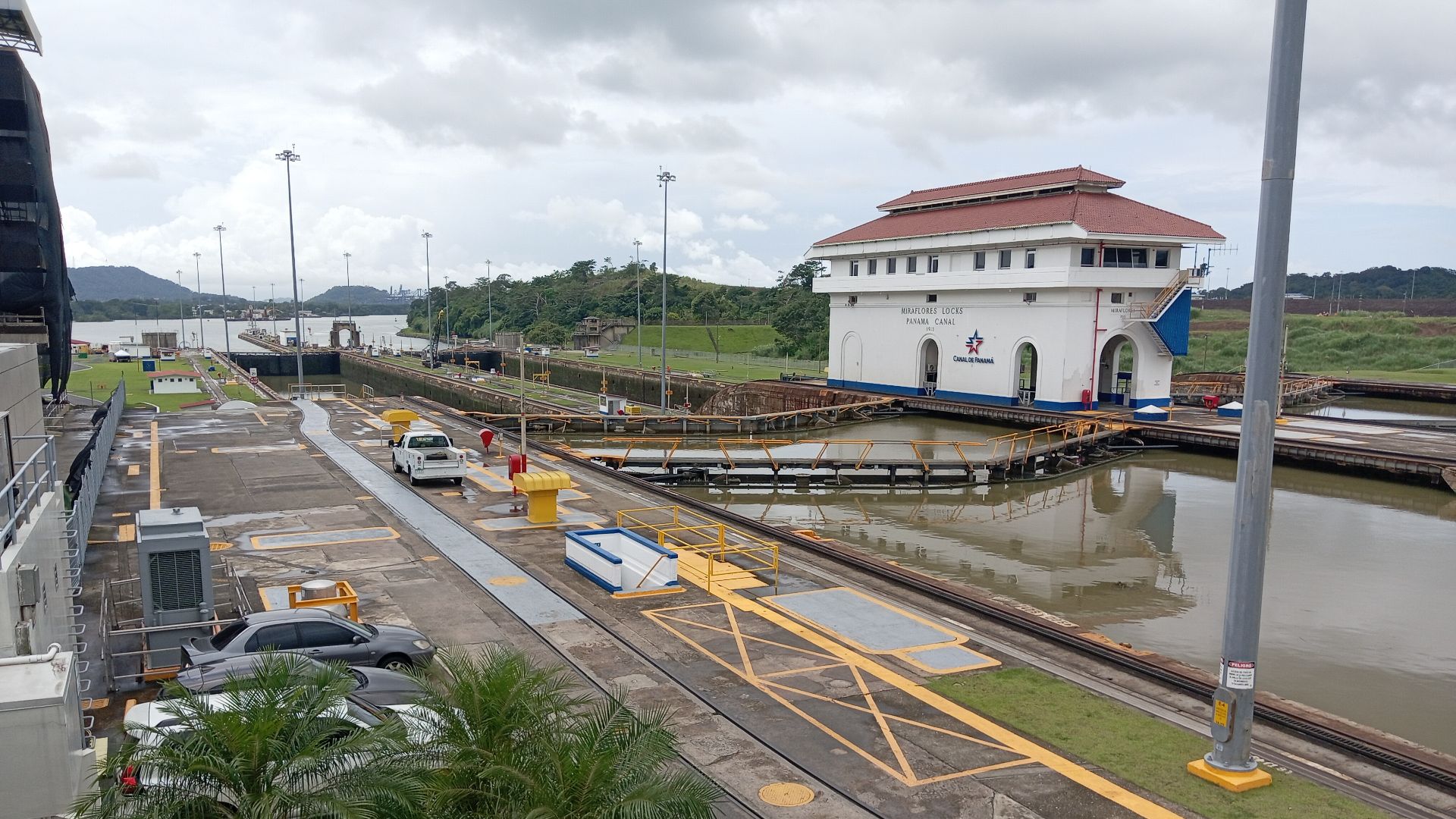
The Panama Canal Became America’s Costliest Project
The French effort to cut a canal across Panama collapsed after enormous financial losses, disease, and engineering failures. When the United States completed the waterway in 1914, American expenditures had reached approximately $375 million, making it the country’s most expensive construction project up to that time. The figure included payments to Panama and the failed French company, while fortifications cost millions more. Though the canal now belongs to Panama, it remains a defining landmark of the era of American public engineering.
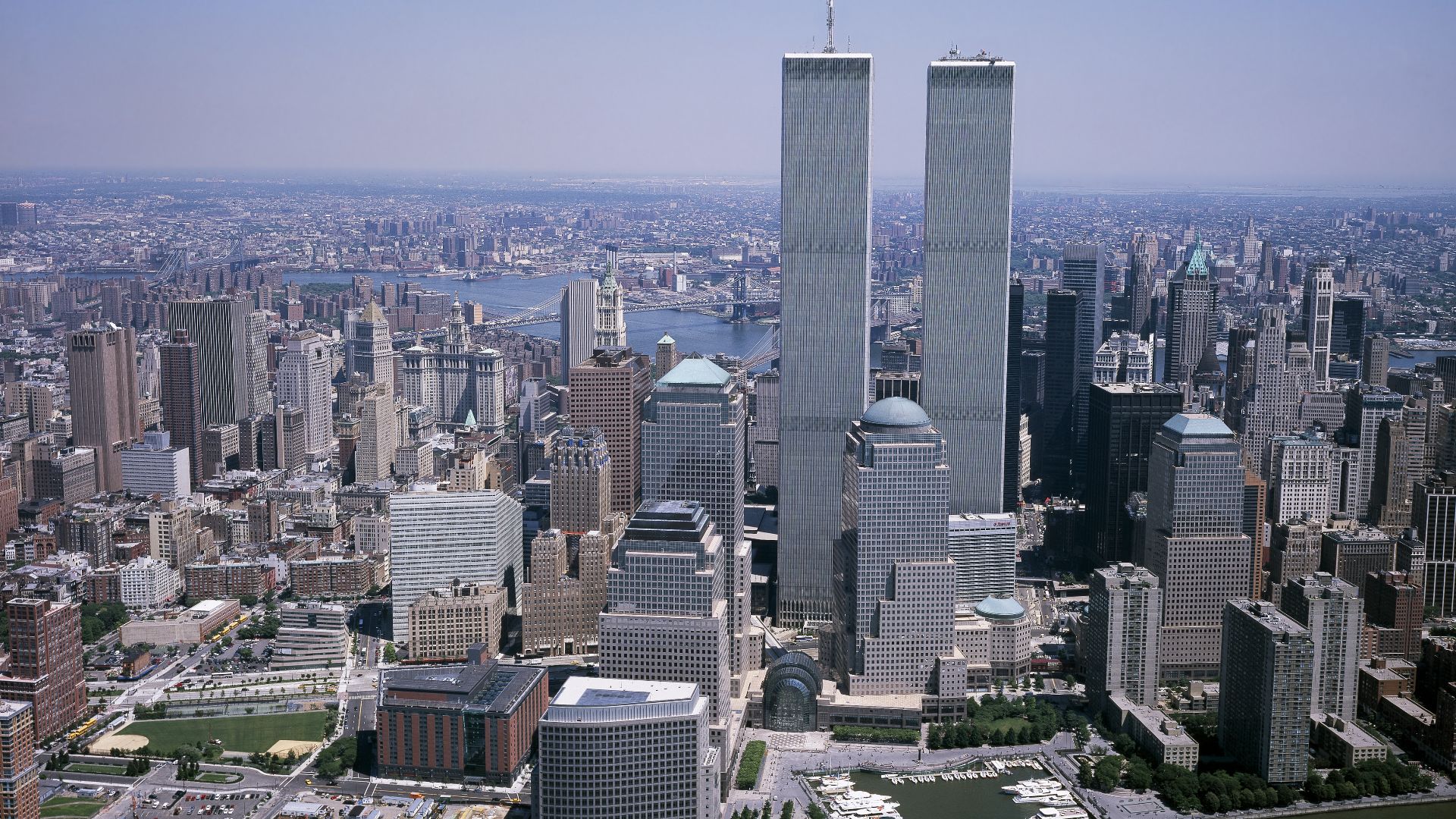
The Twin Towers Blew Past Their Original Budget
The original World Trade Center complex was projected to cost about $280 million. By the time the Twin Towers and surrounding buildings were completed, expenses had risen beyond $1 billion as engineers tackled wind loads, fire protection, safety testing, and unprecedented construction demands. Critics initially attacked the project’s price, scale, and disruption of Lower Manhattan. The towers later became inseparable from the New York skyline and remain powerful American symbols decades after their destruction.
 Carol M. Highsmith, Wikimedia Commons
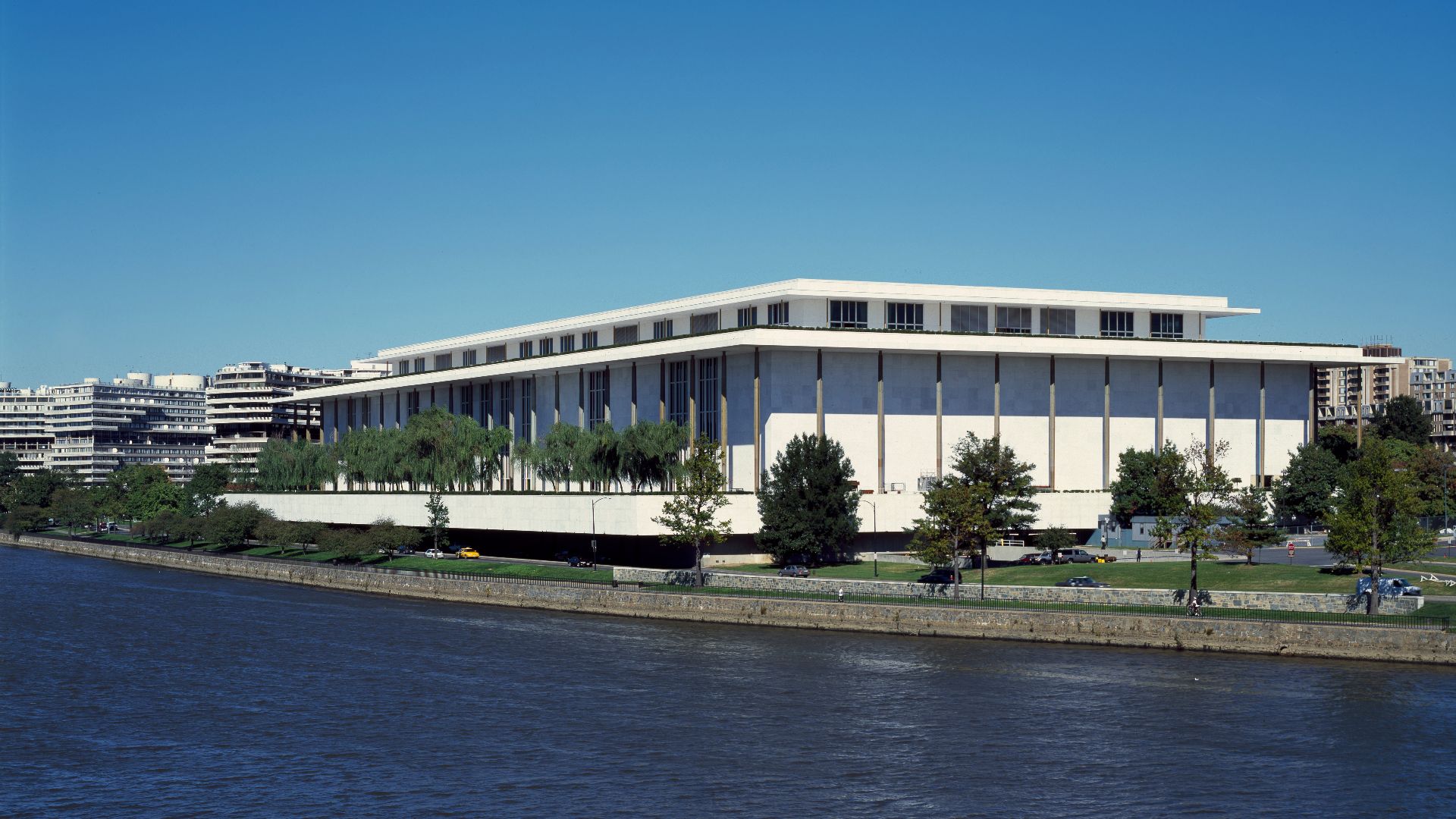
The Kennedy Center Doubled Its Early Estimate
The national cultural center that became the Kennedy Center was initially discussed as a project costing between $10 million and $25 million. Architect Edward Durell Stone’s preliminary scheme reached an estimated $50 million by 1959, while later projections climbed higher still. Fundraising challenges, design ambitions, and federal involvement prolonged the process before the building opened in 1971. The marble complex eventually became one of Washington’s central performance venues and a memorial to President John F. Kennedy.
 Carol M. Highsmith, Wikimedia Commons
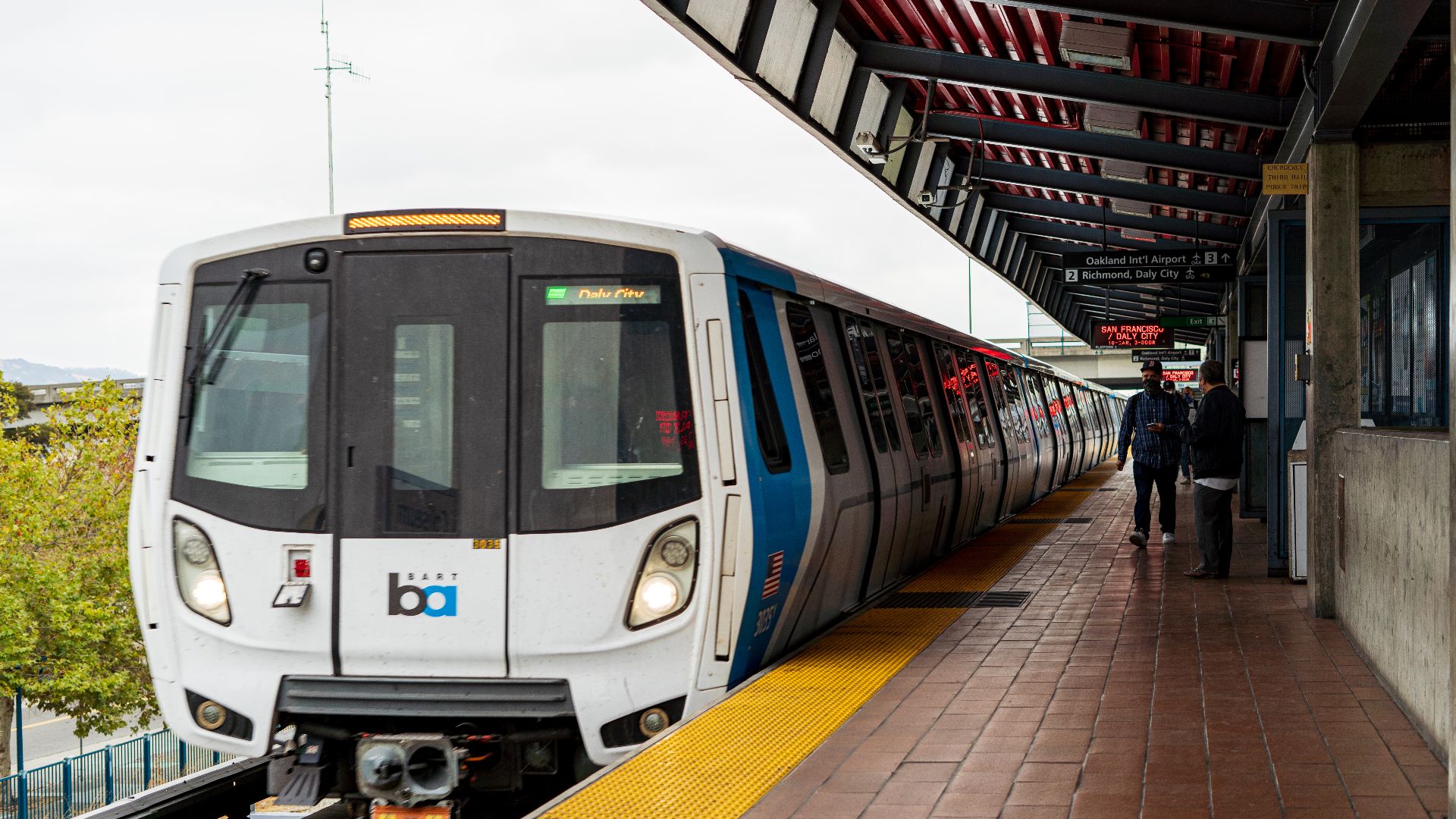
BART Grew Far Beyond Its First Plans
Early estimates for Bay Area Rapid Transit were based on an optimistic construction timetable and excluded major expenses such as train cars, bond fees, and start-up costs. Delays, inflation, revised engineering, and system improvements substantially increased the value and cost of the project. BART itself has cautioned that scope additions are sometimes mistakenly described as simple construction overruns. Whatever the accounting debate, the system’s silver trains and Transbay Tube became enduring symbols of the modern Bay Area.
 Michael Slaten, Wikimedia Commons
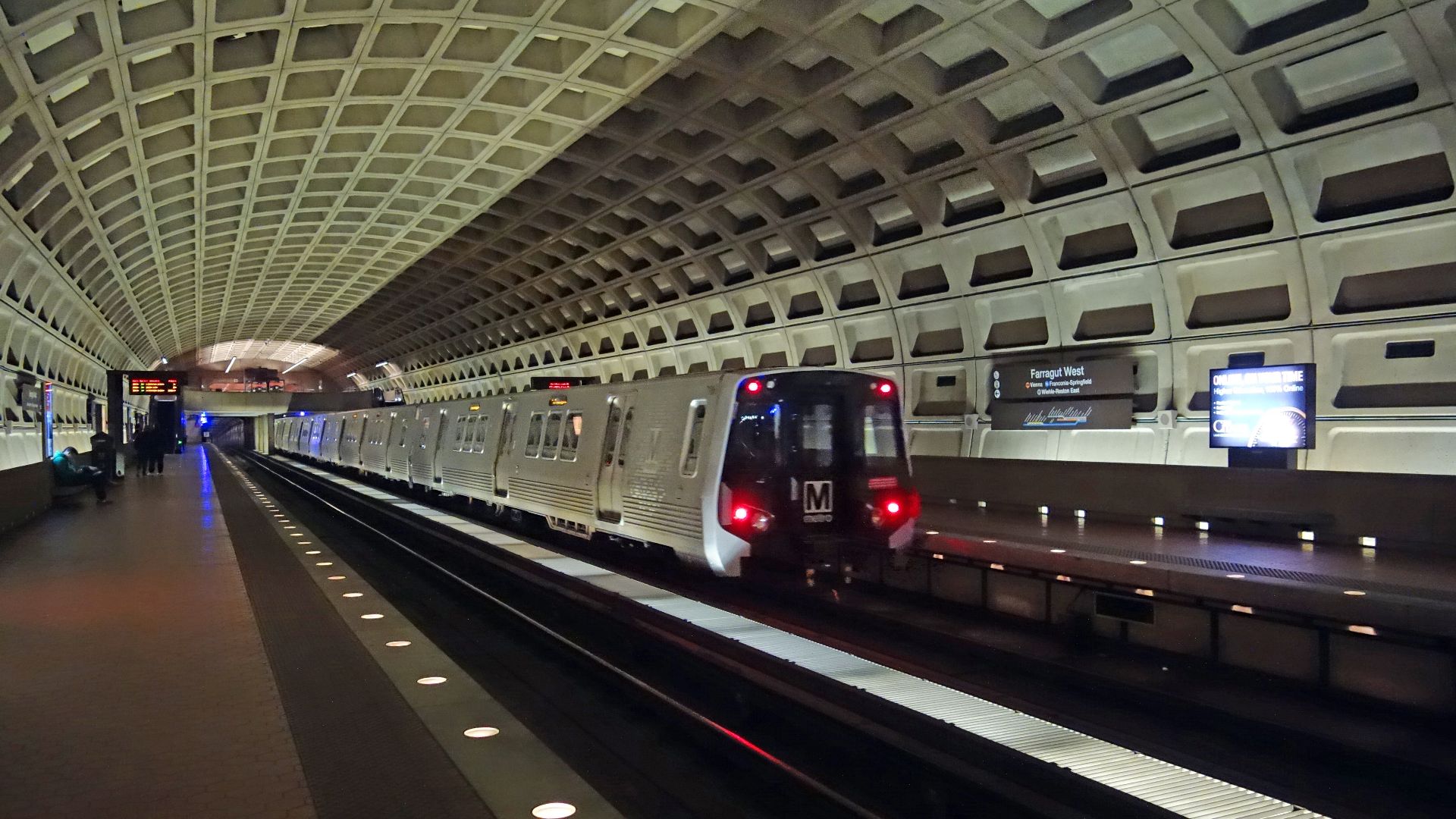
Washington Metro Became A Monument Underground
Washington’s Metro was proposed as a regional transit solution during a period of rapid suburban growth and highway opposition. Its construction unfolded across decades as the planned system expanded and costs rose through inflation, difficult tunneling, and changes in scope. The finished stations became famous for their vaulted concrete ceilings, dramatic lighting, and unusually unified architectural design. Today, Metro is both essential infrastructure and one of the capital region’s most distinctive public spaces.
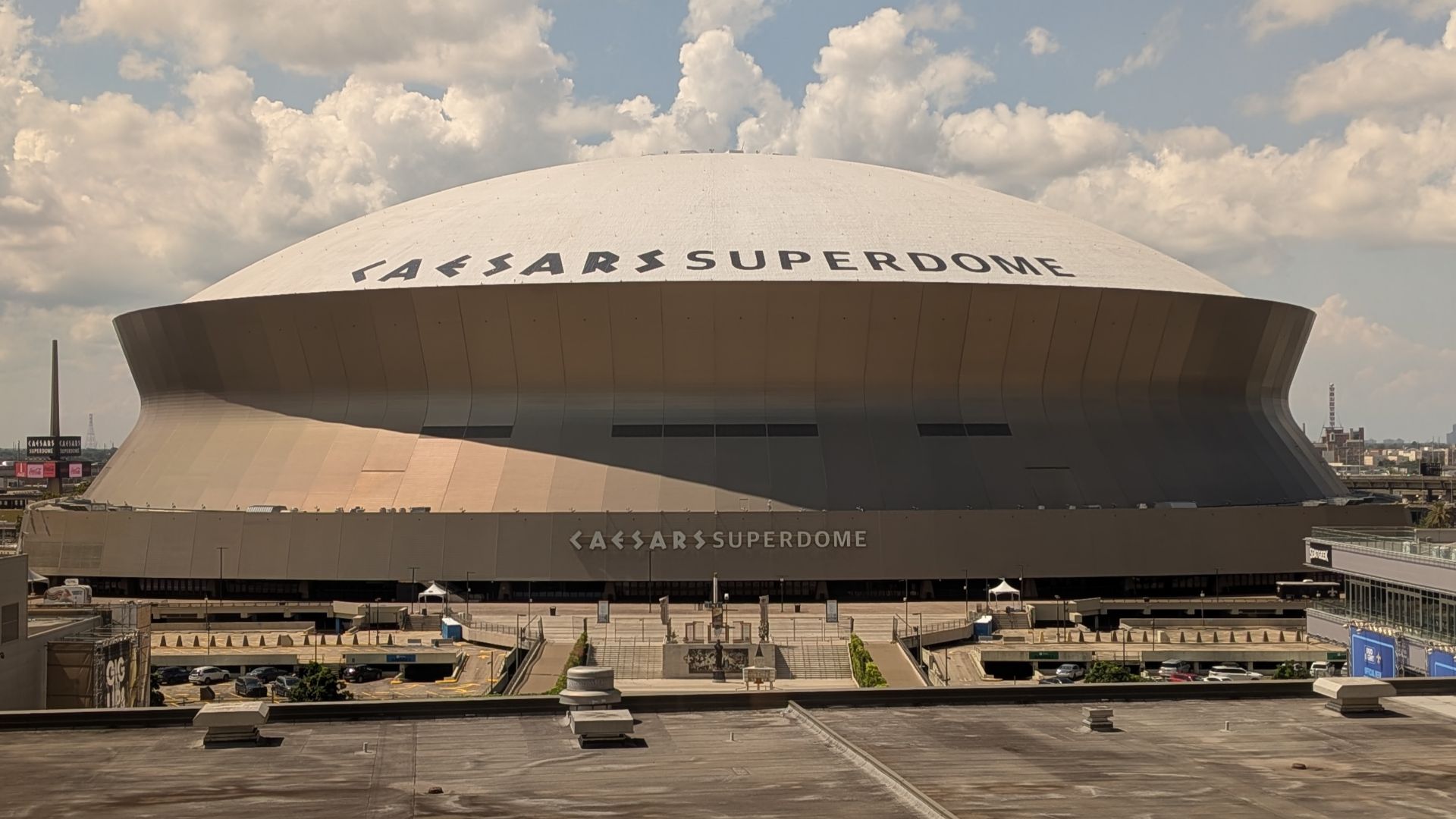
The Superdome’s Cost More Than Tripled
Louisiana officials once hoped to complete the New Orleans Superdome for approximately $46 million. Political delays, inflation, the 1973 oil crisis, and rising transportation costs helped drive the final price to roughly $165 million. The stadium opened in 1975 after missing the Super Bowl it had originally been expected to host. It later became a beloved New Orleans icon, a major sports and music venue, and a symbol of survival after Hurricane Katrina.
 Glimmergloss, Wikimedia Commons
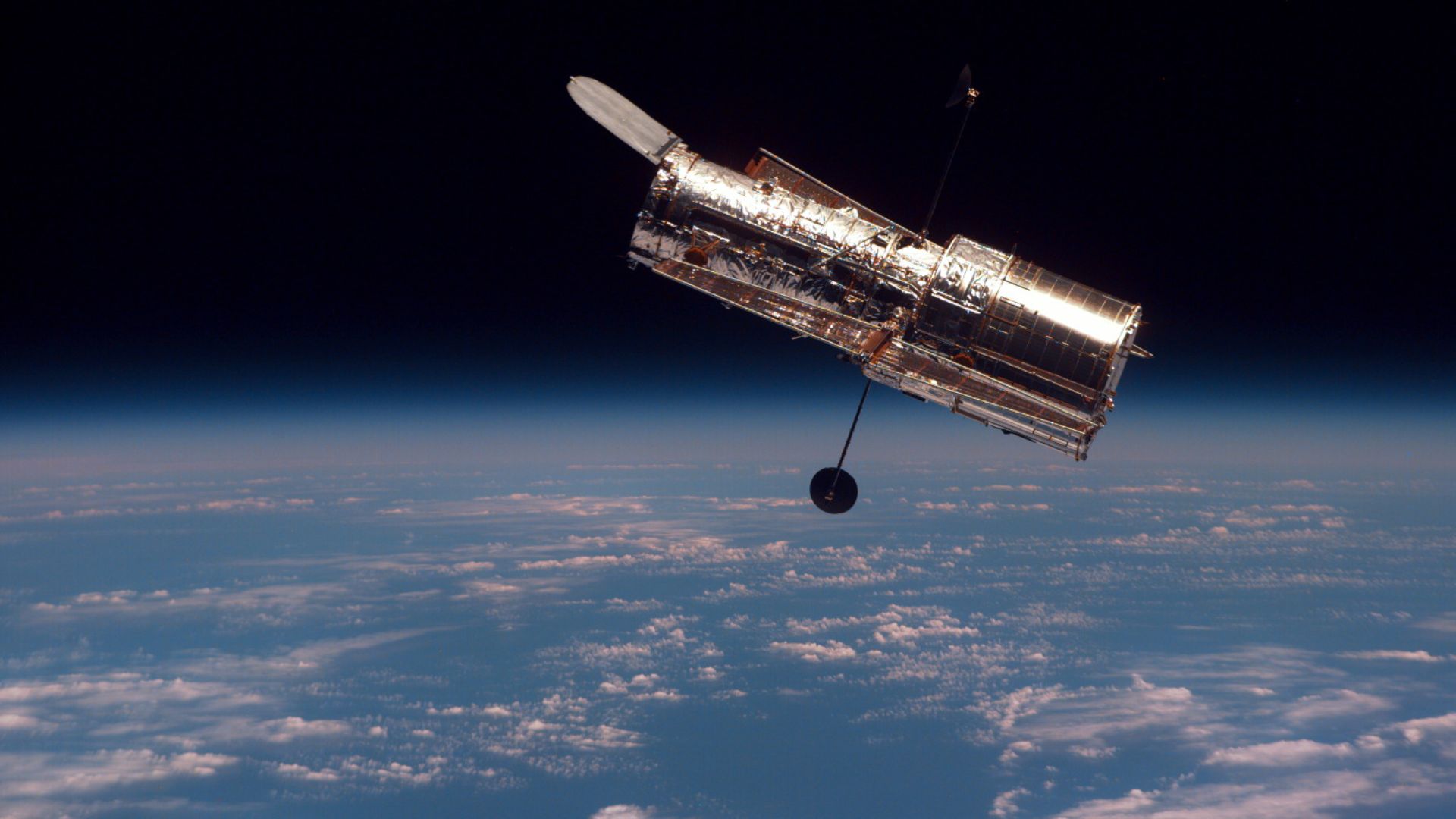
Hubble Cost Six Times Its Early Estimate
NASA estimated in 1977 that the Hubble Space Telescope could be developed for about $200 million and completed in 1983. The observatory was not finished until years later, at a development cost of approximately $1.2 billion. Its launch was followed by the infamous discovery of a flaw in its primary mirror, requiring a daring repair mission. Hubble recovered to become one of the most beloved scientific instruments ever created, producing images that changed how the public visualized the universe.
 NASA Hubble Space Telescope, Wikimedia Commons
Boston’s Big Dig Grew Fivefold
The Central Artery and Tunnel Project began with an estimated cost of about $2.6 billion. By completion, the price had reached roughly $14.8 billion because of inflation, expanding scope, environmental mitigation, underground surprises, design changes, and managerial problems. The overruns made the Big Dig a national warning about megaproject planning. Yet the work also removed an elevated highway from central Boston, created the Rose Kennedy Greenway, and added the striking Zakim Bridge to the skyline.
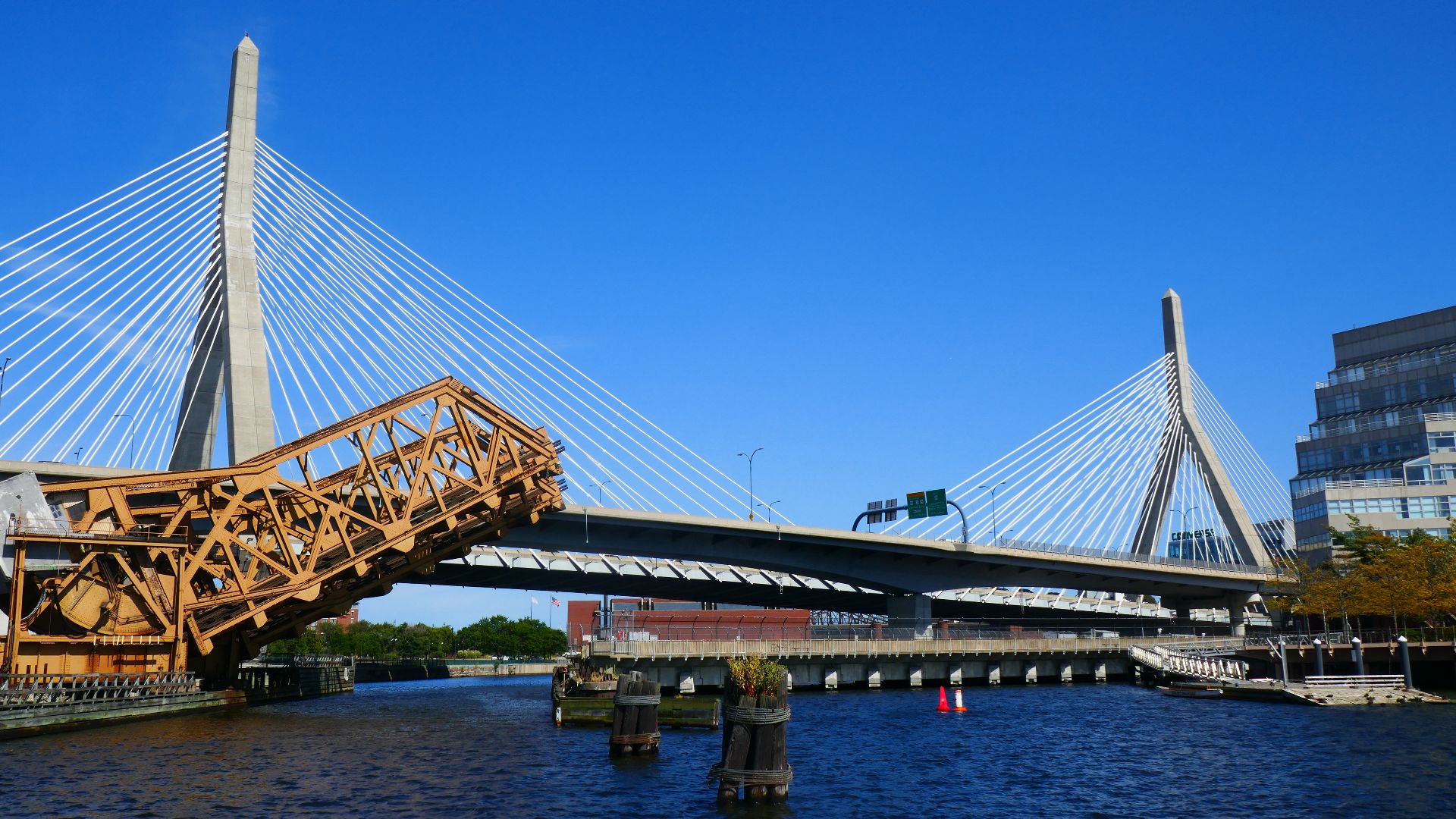 NewtonCourt, Wikimedia Commons
Denver Airport Landed Billions Over Budget
Denver’s new airport was conceptually estimated at $1.34 billion in 1988. The facility finally opened in 1995 at a cost of approximately $4.8 billion, after a 16-month delay and the disastrous failure of its automated baggage system. Its enormous size, remote location, and tented terminal inspired years of jokes and conspiracy theories. Denver International Airport later became one of the country’s busiest aviation hubs and an unmistakable regional landmark.
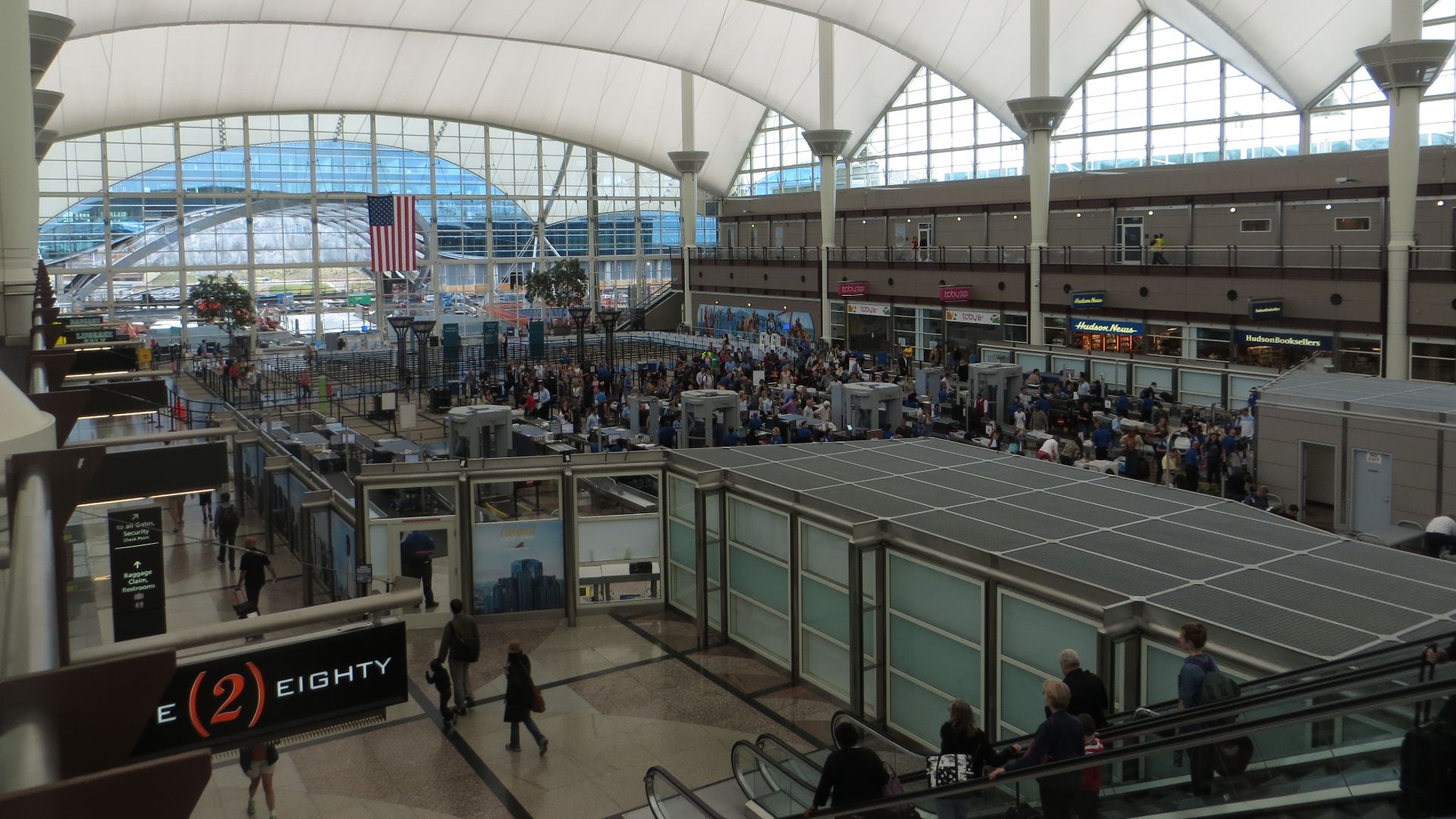
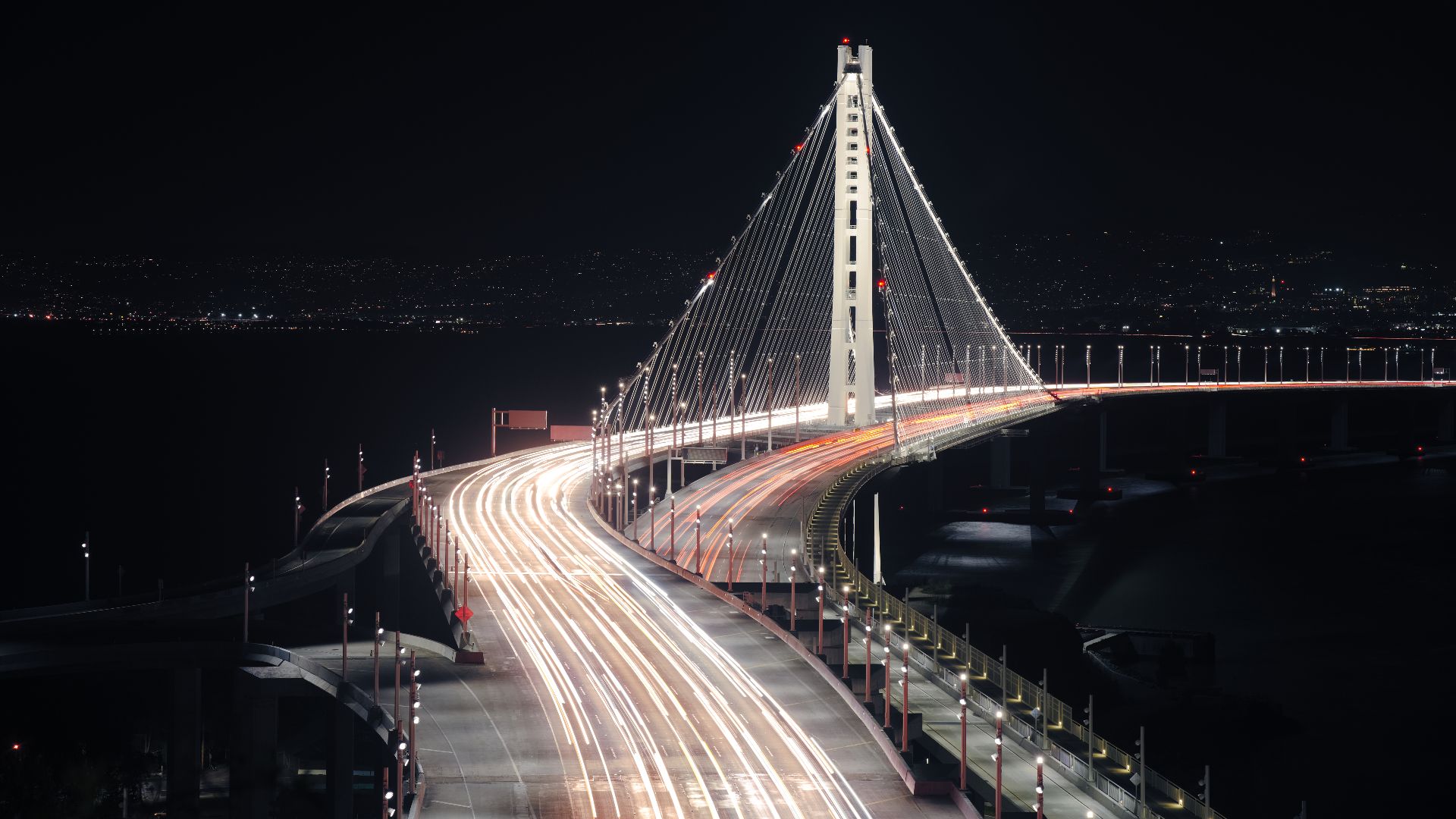
The Bay Bridge Span Became California’s Costliest Crossing
California initially considered a comparatively modest seismic retrofit of the Bay Bridge’s damaged eastern span. The state ultimately chose an elaborate replacement whose cost reached approximately $6.5 billion, many times the earliest retrofit estimate. Design changes, political disputes, steel prices, construction problems, and safety concerns pushed the opening from 2007 to 2013. Its single white tower and sweeping cables now form a prominent part of the San Francisco Bay landscape.
The Oculus Became A Four-Billion-Dollar Bird
The World Trade Center Transportation Hub was initially estimated at about $2.2 billion and expected to open in 2009. Santiago Calatrava’s winged Oculus finally debuted years later with a price approaching $4 billion. Security demands, complex underground construction, design changes, and the rebuilding of the surrounding World Trade Center site all added expense. Its cost remains controversial, but the luminous white hall quickly became one of Lower Manhattan’s most photographed structures.
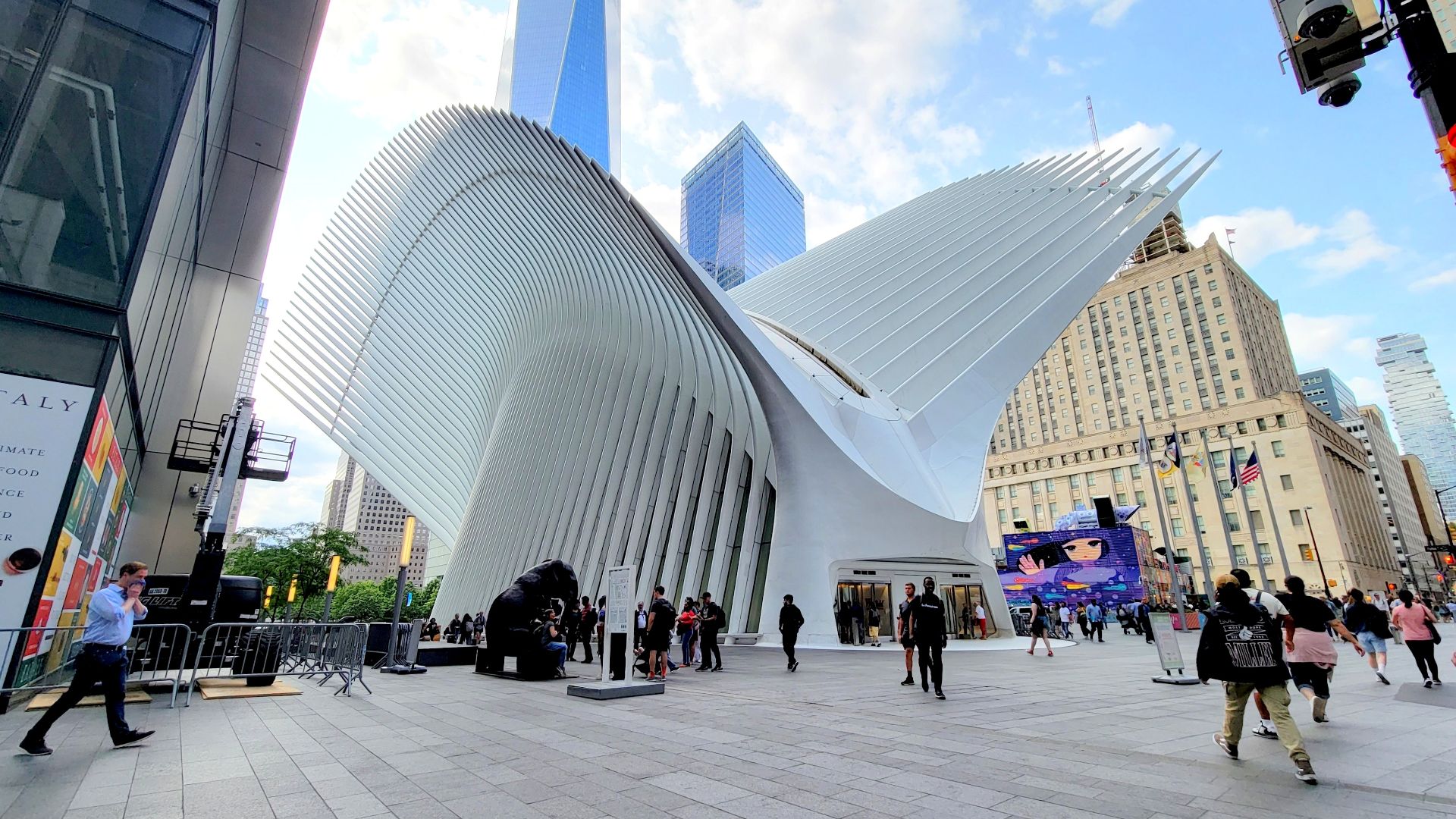 Nadia Eimandoust, Wikimedia Commons
The Capitol Visitor Center Sank Beneath Its Budget
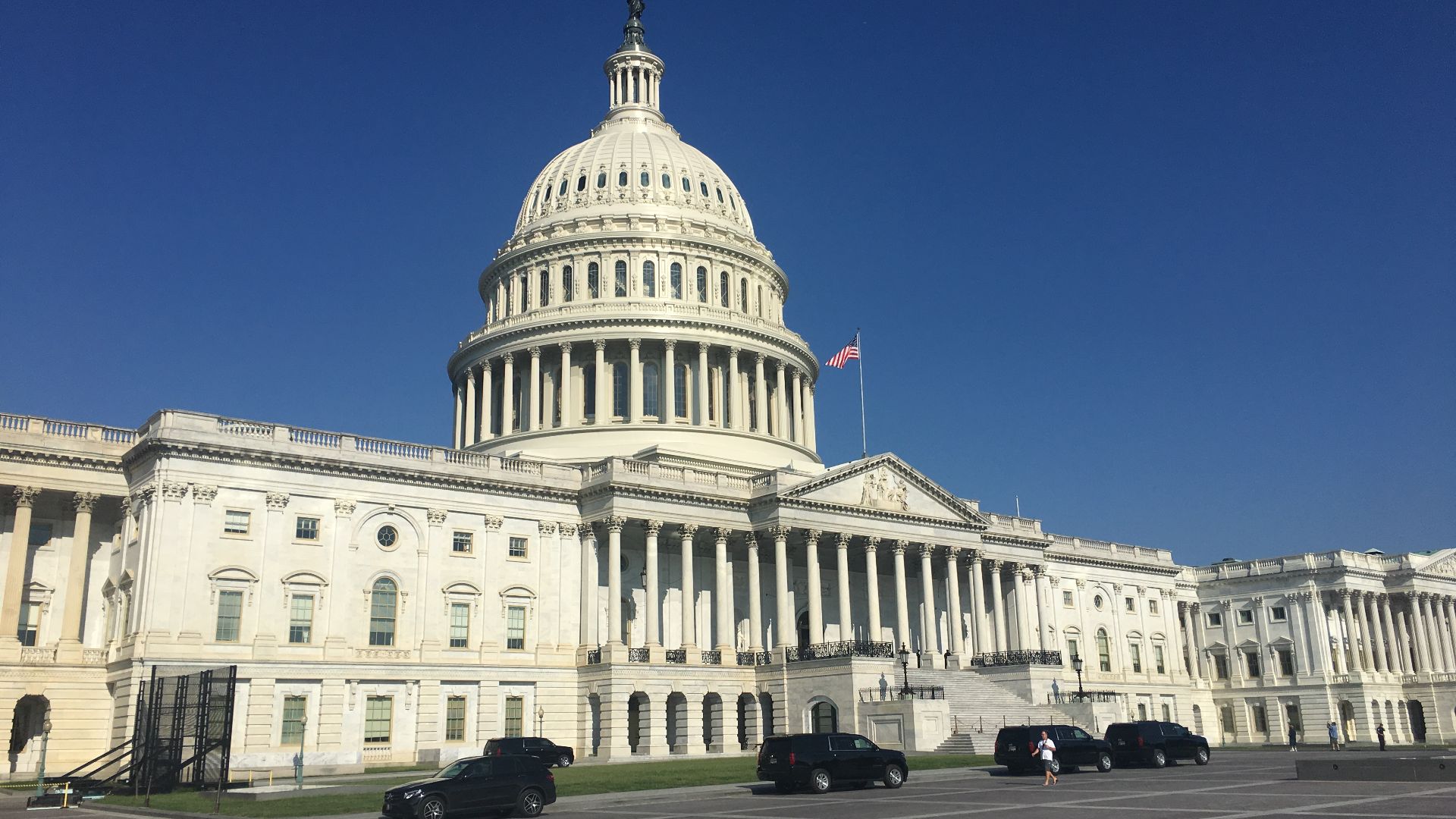
Congress’s underground visitor complex began with a base-project budget of roughly $265 million to $300 million. Security changes after September 11, expanding congressional requirements, construction problems, and schedule delays eventually pushed the cost hundreds of millions higher. The facility opened in 2008, approximately three years late and reportedly $356 million over budget. It now handles millions of visitors while keeping much of its enormous footprint hidden beneath the United States Capitol grounds.
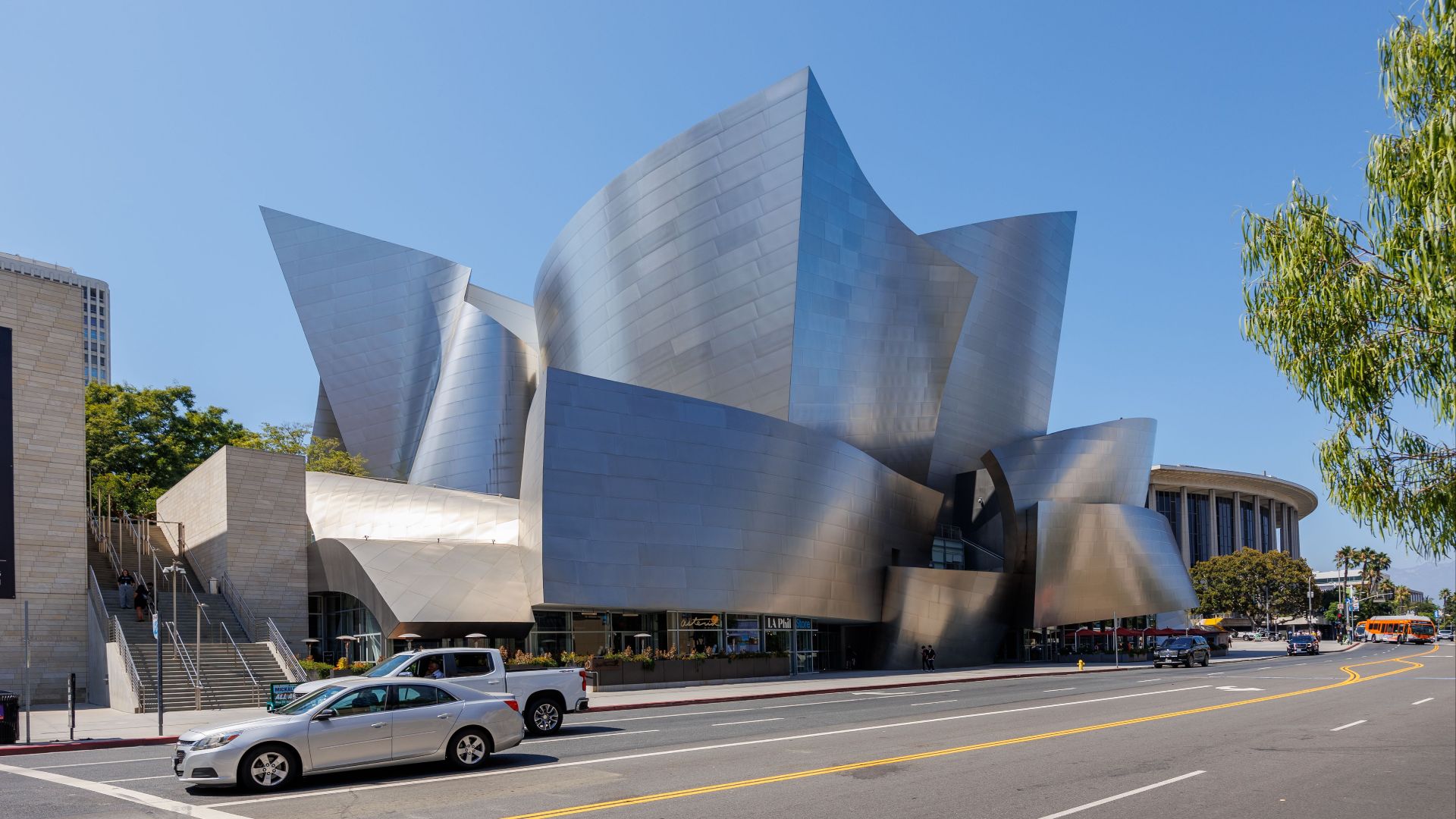
Disney Hall Survived A Financial Breakdown
Lillian Disney launched the Los Angeles concert-hall project with a $50 million gift in 1987. Fundraising difficulties, design complexity, construction delays, and a publicly financed underground garage helped raise the overall cost to approximately $274 million. The hall opened in 2003, roughly a decade later than first envisioned. Frank Gehry’s stainless-steel curves are now considered an architectural landmark and one of the defining images of downtown Los Angeles.
Milwaukee Paid Triple For Its Moving Wings
The expansion of the Milwaukee Art Museum was initially described as a project costing around $40 million. Santiago Calatrava’s ambitious pavilion, bridge, and movable brise-soleil ultimately cost approximately $120 million. The overruns left the museum with serious financial pressures, but the completed building changed Milwaukee’s international image. Locals now simply call it “the Calatrava,” and its opening wings have become the city’s most recognizable architectural feature.
![Carol M. Highsmith, Milwaukee Art Museum, 2016, LC-DIG-highsm- 40190 (ONLINE) [P&P], Carol M. Highsmith Archive, Library of Congress Prints and Photographs Division Washington, D.C.](https://www.factinate.com/storage/app/media/splashtravels/2026/7/21/1784634311d0837b825a3f1be91eb080ee704d1d9a1d66f57e.jpg) Carol M. Highsmith, Wikimedia Commons
Carol M. Highsmith, Wikimedia Commons
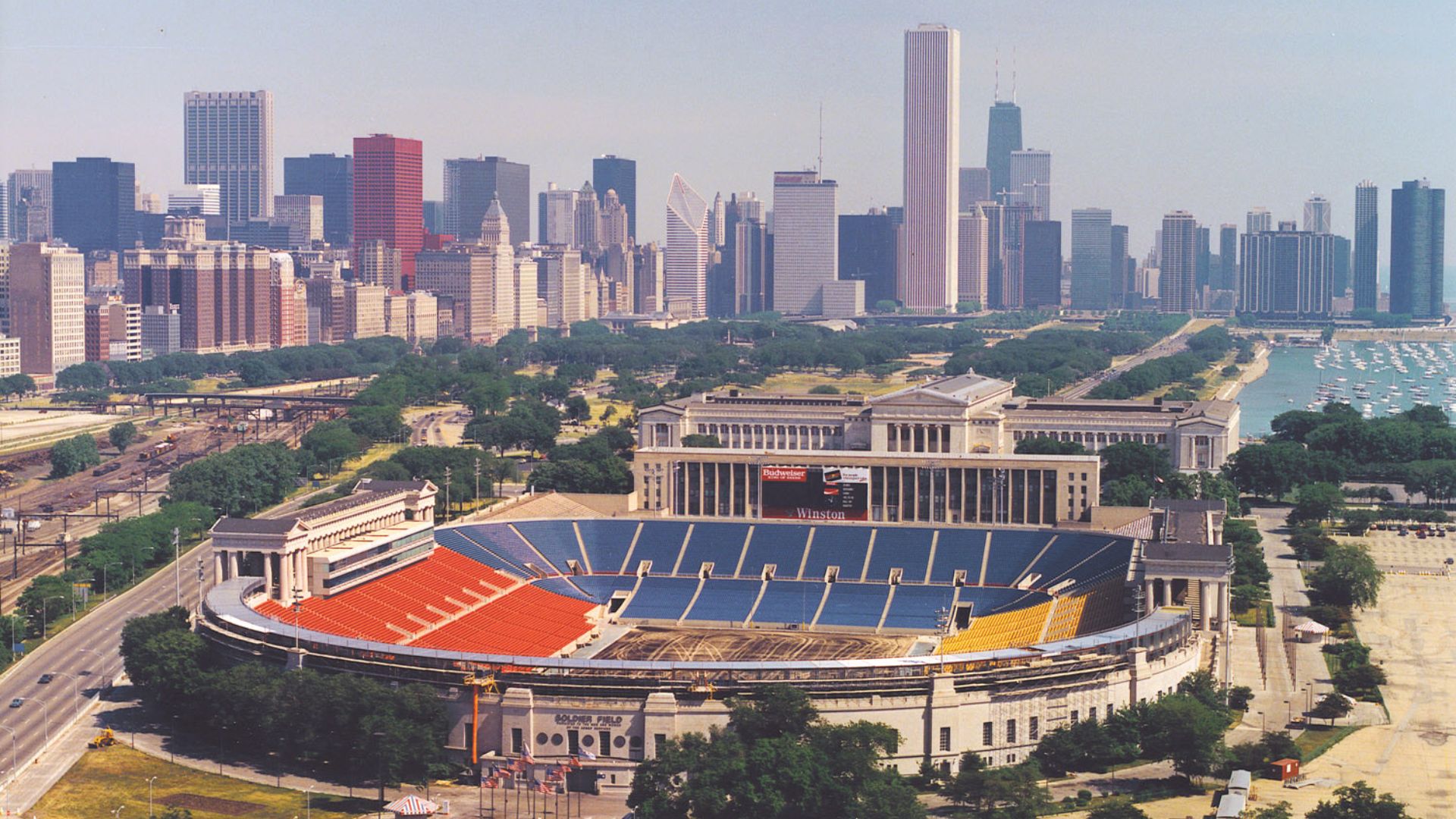
Soldier Field’s Makeover Left A Mountain Of Debt
Chicago’s 2002 to 2003 reconstruction inserted a modern seating bowl inside the historic colonnades of Soldier Field. The project reached approximately $632 million, leaving taxpayers responsible for debt that remained enormous two decades later. Preservationists disliked the design so much that the stadium lost its National Historic Landmark designation. Even with that controversy, Soldier Field remains a cherished lakefront institution associated with the Bears, major concerts, military remembrance, and generations of Chicago sports history.
 Dale Fisher, U.S. Army Corps of Engineers, Wikimedia Commons
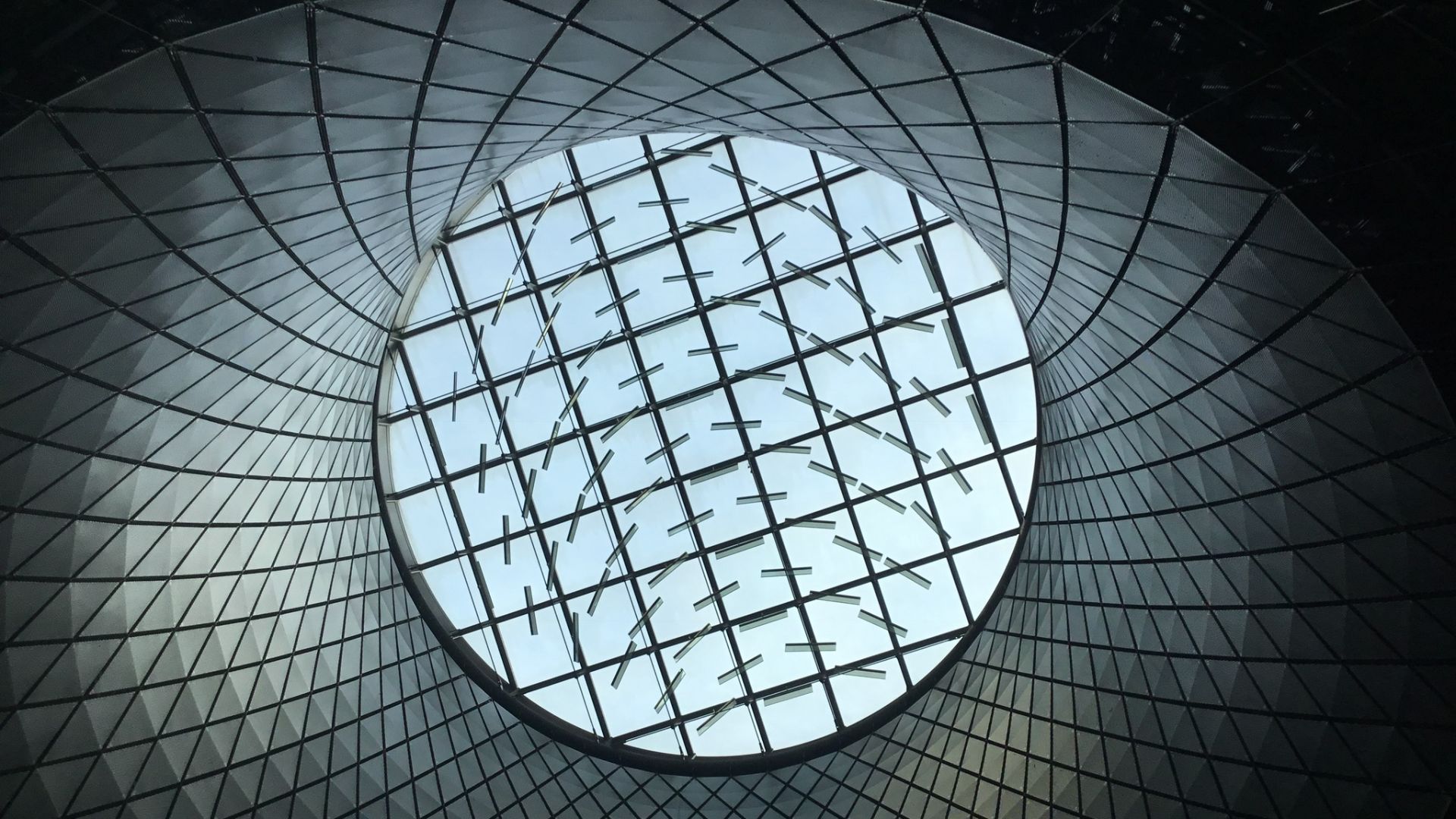
Fulton Center Nearly Doubled In Cost
Lower Manhattan’s Fulton Street transit project was intended to untangle a confusing cluster of subway platforms and passageways. Its cost climbed nearly 90 percent above the initial estimate as construction continued beneath crowded streets and active train lines. The completed Fulton Center opened in 2014, connecting five stations and nine subway services through bright, visible passageways. Its glass entrance and reflective Sky Reflector-Net transformed a notoriously difficult transfer point into a recognizable downtown landmark.
Grand Central Madison Took A Generation
East Side Access was once expected to cost about $4.3 billion and begin serving passengers in 2009. The project eventually exceeded $11 billion and did not fully open until 2023. Tunneling beneath Queens and Manhattan, connecting multiple rail systems, labor costs, management problems, and repeated scheduling failures produced one of the world’s most expensive transit projects. The cavernous Grand Central Madison terminal nevertheless gave Long Island Rail Road passengers a spectacular new gateway beneath one of New York’s most famous landmarks.
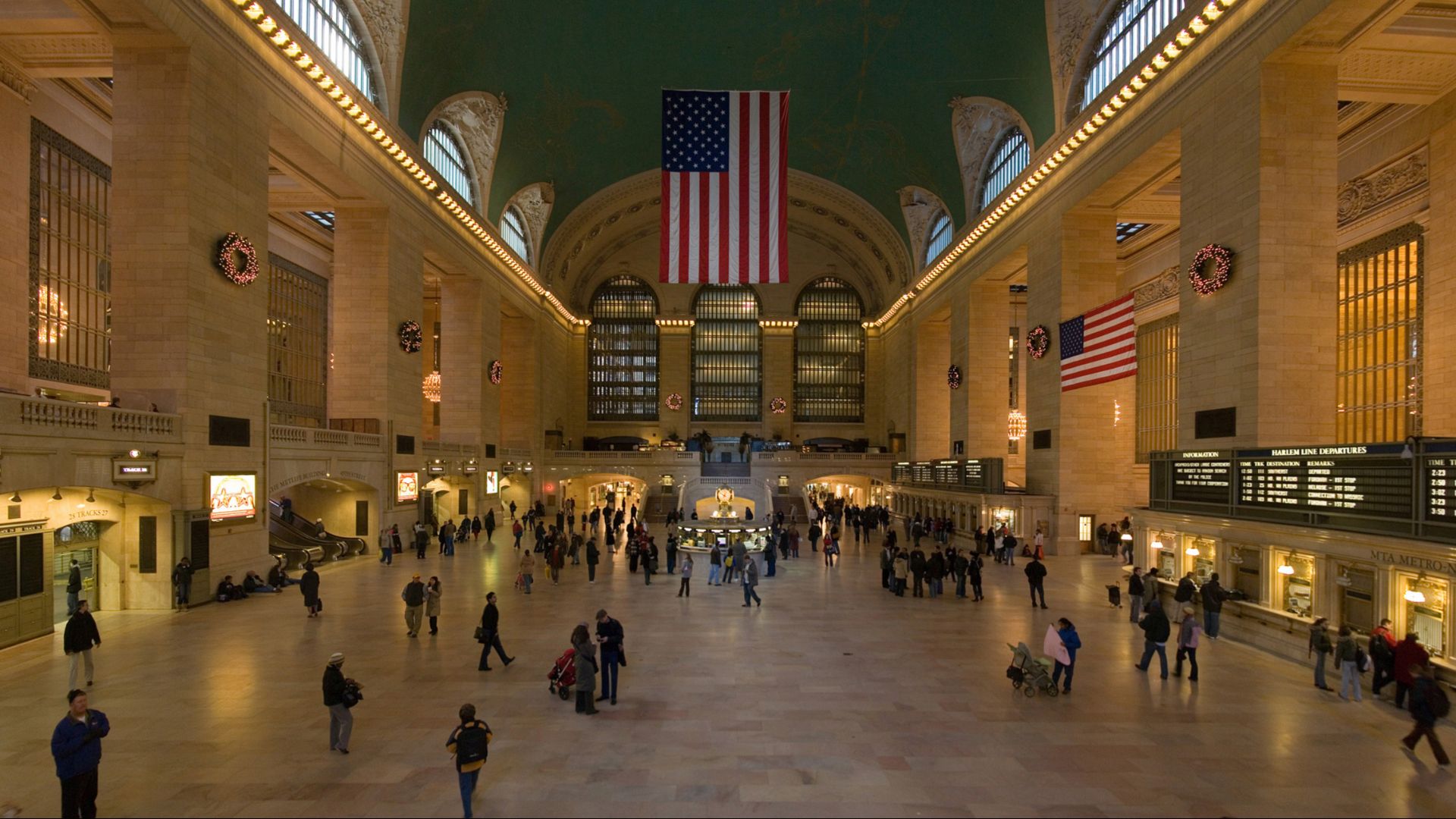 Original photography & stitching by Diliff, horizontal correction by Janke, Wikimedia Commons
The Webb Telescope Survived Cancellation Threats
The James Webb Space Telescope was once presented as a relatively modest successor to Hubble. By 2021, the cost had nearly doubled from NASA’s 2009 baseline to approximately $9.7 billion, while launch slipped more than seven years. Technical failures, redesigns, testing problems, and the complexity of its folding mirror and sunshield repeatedly threatened the program. Since beginning operations, Webb’s golden mirror and remarkable deep-space images have made it a new icon of American science.
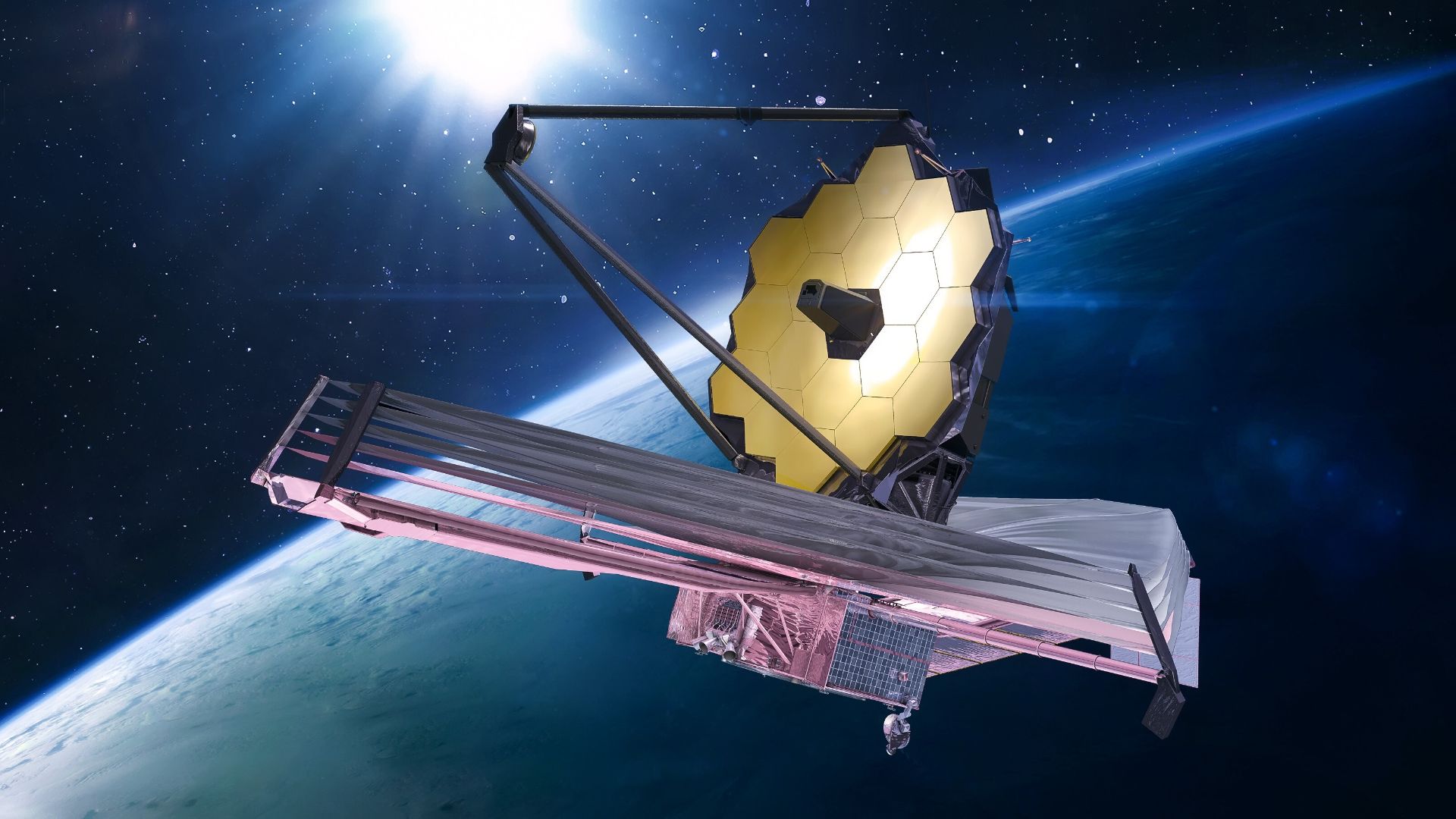 NASA/dima_zel, Wikimedia Commons
The Interstate System Cost Five Times The Estimate
A 1955 federal report placed the cost of the proposed Interstate Highway System at approximately $27 billion. The eventual construction cost reached about $129 billion, roughly five times the original projection, as the network grew and standards, land costs, and construction prices changed. The system also displaced neighborhoods and reshaped cities in ways that remain deeply controversial. Still, its shield signs, interchanges, and coast-to-coast routes became defining landmarks of postwar American mobility.
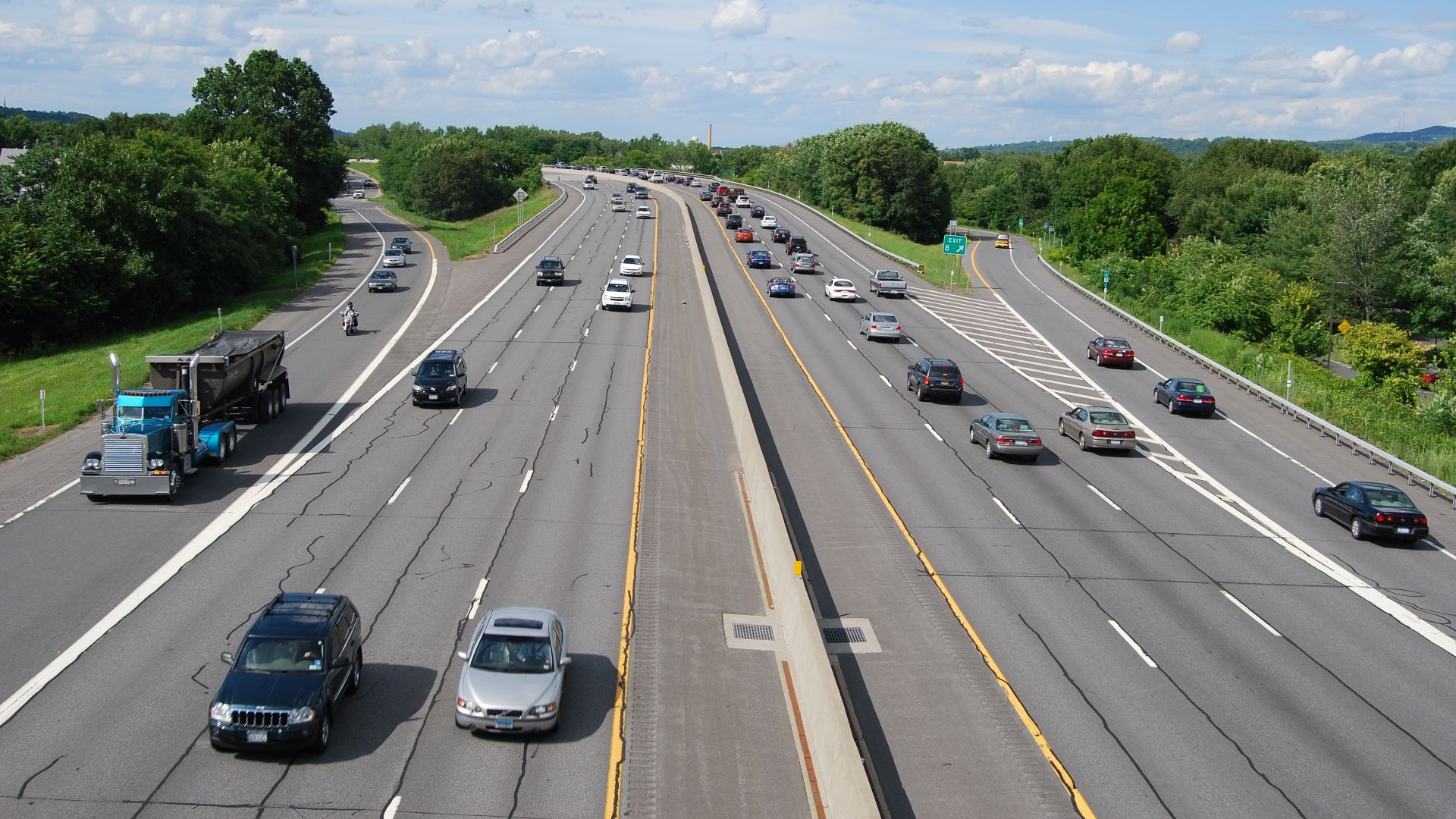 UpstateNYer, Wikimedia Commons
The Alaska Pipeline Cost Eight Times More
The Trans-Alaska Pipeline was estimated in 1969 to cost approximately $963 million. Its final price approached $7.8 billion, excluding interest, after inflation, environmental requirements, difficult terrain, technical uncertainty, and years of delay. The 800-mile system had to cross mountains, rivers, permafrost, and earthquake zones. Its raised silver pipe and zigzag supports became enduring symbols of Alaska’s oil economy and one of America’s most famous engineering achievements.
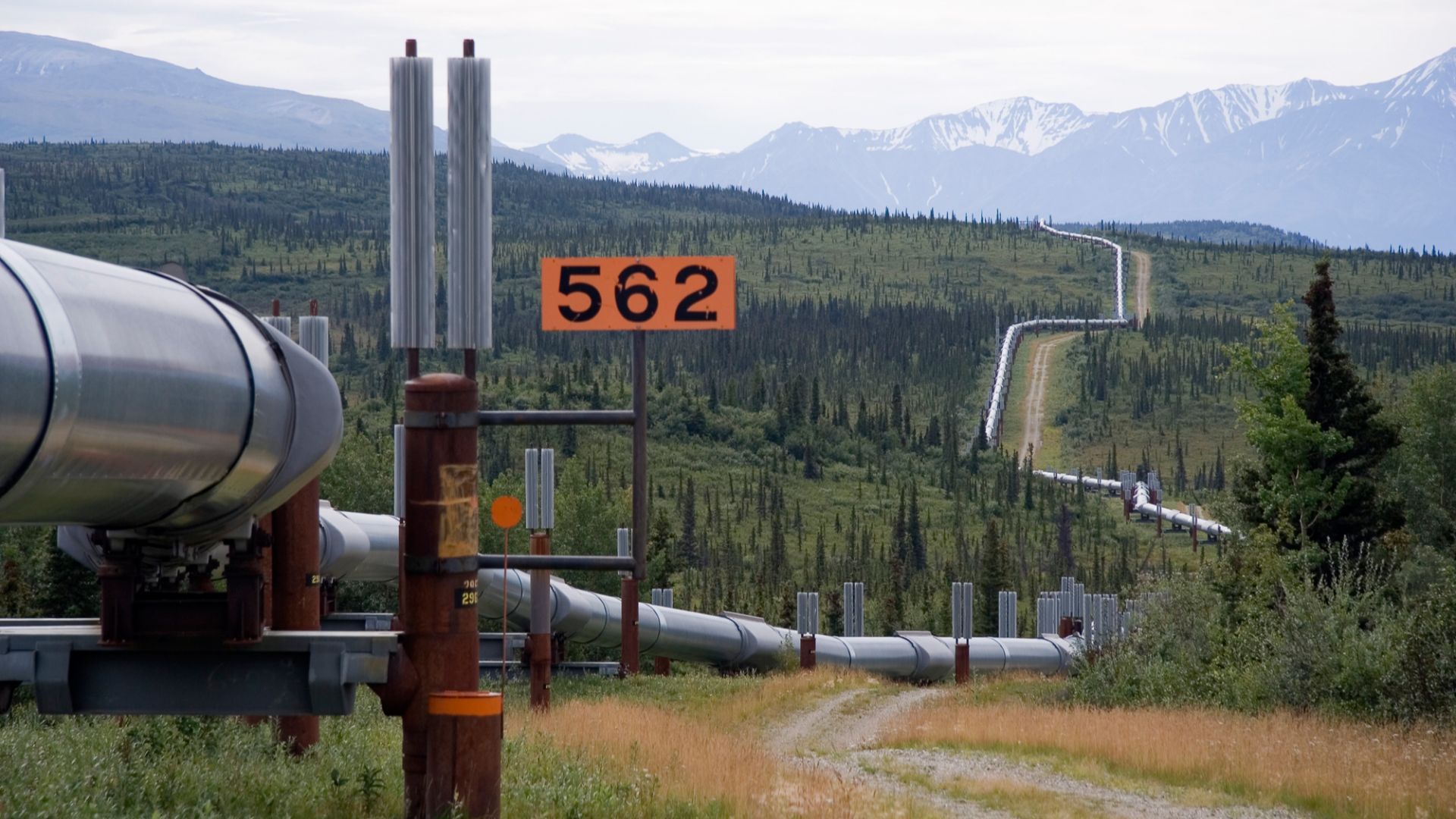 Luca Galuzzi (Lucag), Wikimedia Commons
California’s Capitol Restoration Became A Preservation Model
By the 1970s, California’s historic capitol had serious structural and safety problems. The restoration grew into a six-year, approximately $67 million undertaking, then the largest historic-preservation project attempted in North America. Craftspeople reconstructed decorative finishes while engineers strengthened the building against earthquakes and modernized its systems. The revived capitol became both a functioning seat of government and a model for restoring major public landmarks without erasing their historic character.
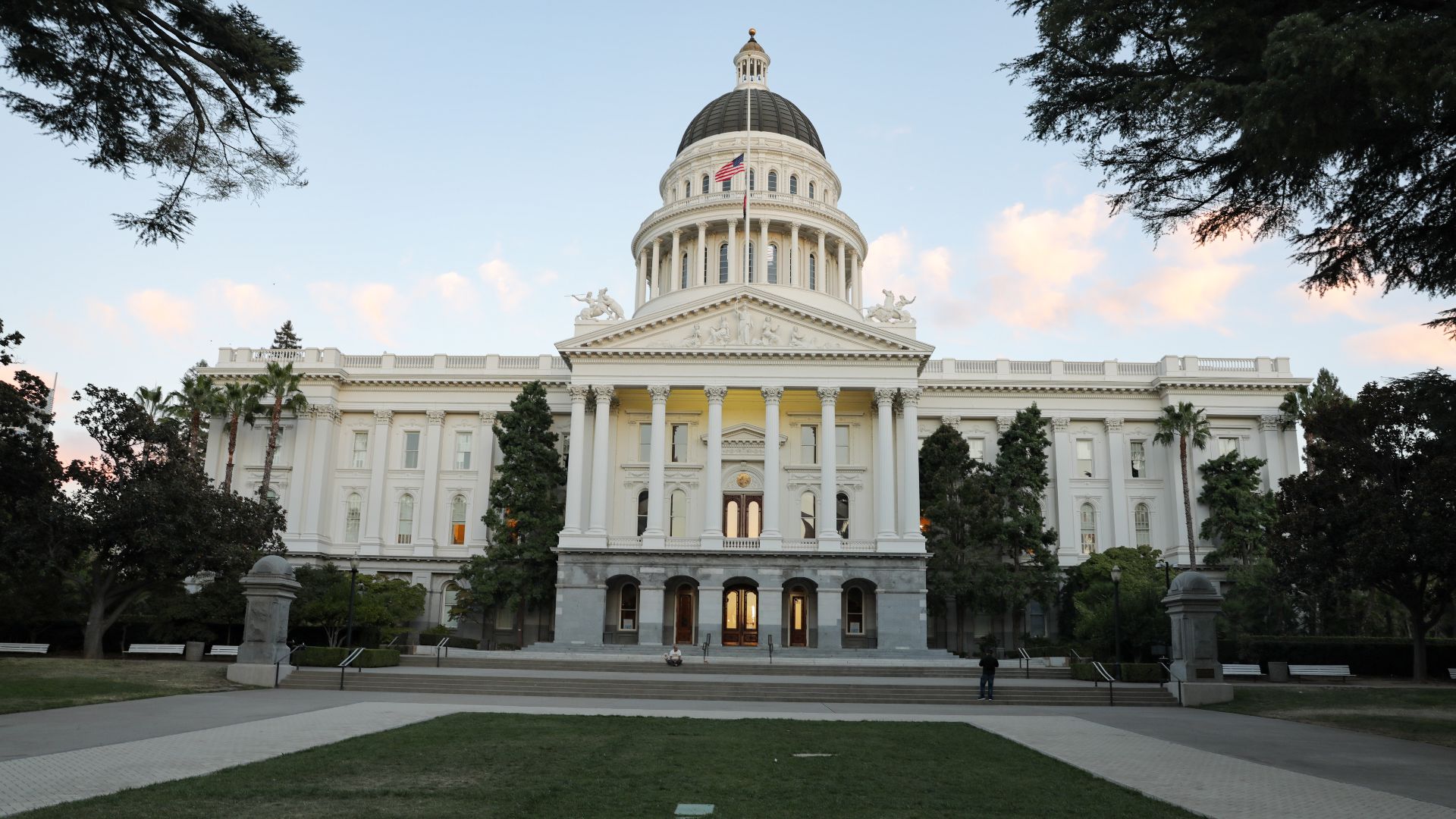 Santosh7700, Wikimedia Commons
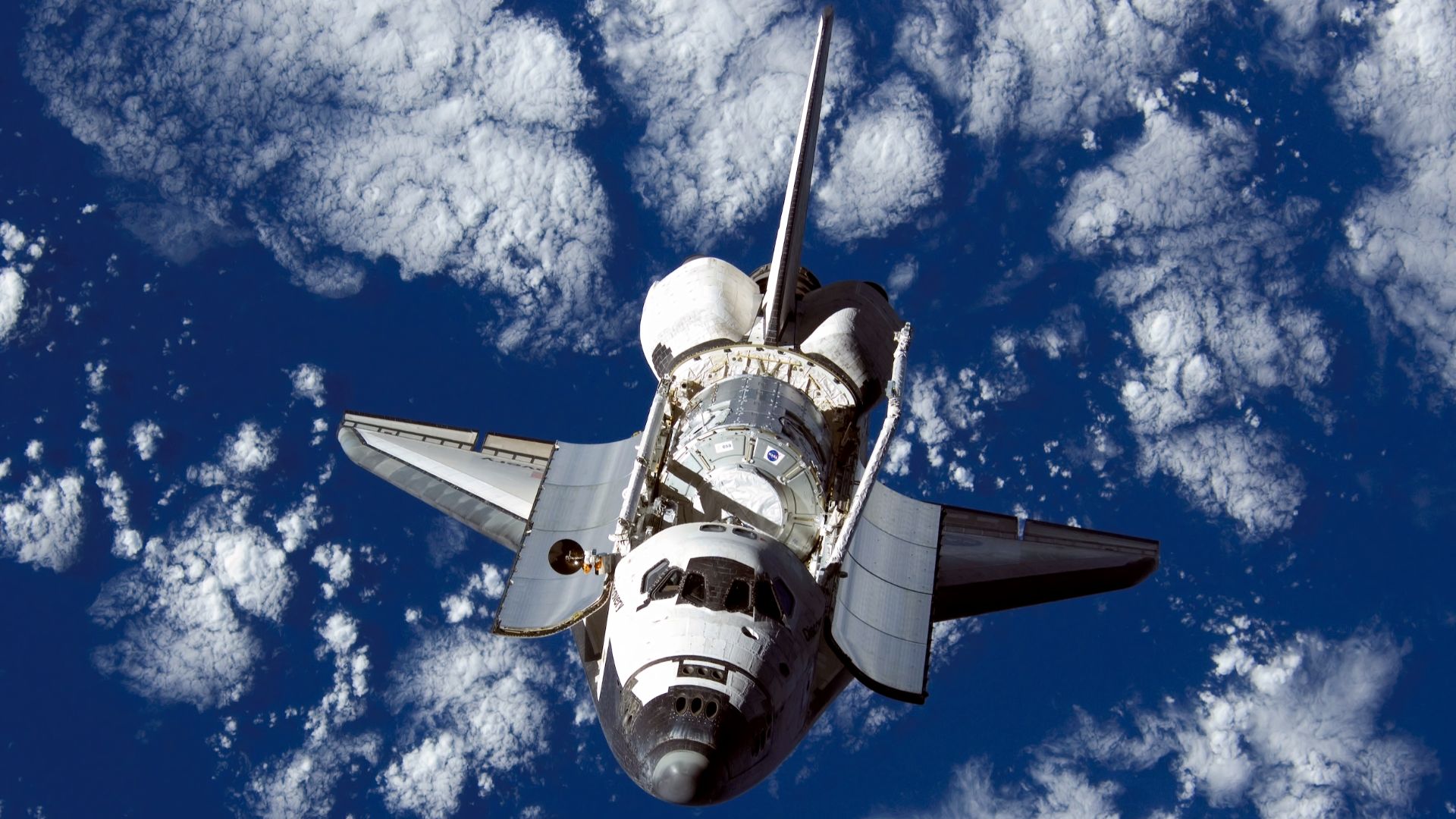
The Space Shuttle Cost More Than Promised
NASA originally promoted the reusable Space Shuttle as a way to make access to orbit more frequent and economical. Development expenses, complex machinery, safety demands, and operating costs rose far beyond the optimistic early vision. The program also endured the losses of Challenger and Columbia, exposing the risks hidden behind its familiar aircraft-like appearance. Despite its financial and human cost, surviving orbiters such as Discovery, Atlantis, Endeavour, and Enterprise now draw enormous crowds as museum landmarks.
Overruns Did Not Prevent Affection
These projects did not become financially sensible simply because later generations admired them. Their histories still contain poor estimates, political pressure, avoidable mistakes, dangerous shortcuts, and enormous public costs. Yet landmark status is shaped by what people experience after construction, not only by what appeared on an early spreadsheet. America’s costliest civic mistakes sometimes became the places, structures, and machines through which the country remembers itself.
You May Also Like:
Forbidden Places You're Not Allowed To Visit
Secret Tunnels Of The Third Reich
Archaeologists Discovered The “Holy Grail Of Shipwrecks”
Sources: 1, 2, 3, 4, 5, 6, 7, 8, 9, 10, 11, 12, 13, 14, 15, 16, 17, 18, 19, 20, 21, 22, 23, 24, 25, 26, 27, 28, 29, 30, 31, 32, 33, 34, 35, 36, 37, 38, 39, 40, 41, 42, 43, 44, 45