Some Trips Just Click
Certain countries may require a long flight from Canada, yet once you arrive, the combination of simple entry rules, familiar language, strong transportation, and traveler-friendly infrastructure can make the trip feel surprisingly effortless. This list is based on current entry requirements for Canadian passport holders and documented travel infrastructure that reduces common friction for visitors.
Ireland Feels Familiar Almost Immediately
Canadian tourists can currently visit Ireland without a tourist visa for stays of up to 90 days. English is widely spoken, road signs and visitor services are straightforward, and the country's tourism authority describes Ireland as compact and easy to navigate. The biggest adjustment for Canadian drivers is remembering that traffic keeps left.

Getting Around Ireland Is Refreshingly Simple
Ireland's intercity train journeys are relatively manageable, with many major routes from Dublin taking around two and a half hours or less. Bus networks reach places that trains do not, while Dublin adds DART rail and Luas trams for city travel. That combination makes it possible to build a varied trip without mastering a complicated transportation system.

The United Kingdom Requires Very Little Cultural Adjustment
For many Canadians, Britain feels intuitive almost as soon as they leave the airport. Canadian tourists do not require a visitor visa for stays of up to six months, although most now need a UK Electronic Travel Authorisation before departure. Shared language and familiar everyday customs remove much of the uncertainty that can accompany a first long-haul trip.

Britain Is Built For Travelers Without Cars
VisitBritain specifically promotes long-distance trains and public transport as practical ways to move around the country. Rail links make it possible to combine London with destinations in Scotland, Wales, or regional England without renting a vehicle. The hardest part may simply be deciding how much to fit into one trip.

Portugal Keeps The Logistics Manageable
Canadian visitors can travel to Portugal without a tourist visa for stays of up to 90 days within the Schengen limit. Lisbon and Porto both have metro systems, while Portugal's national railway reaches destinations across the mainland. It is an easy country to combine city sightseeing, coastline, and smaller towns without building an elaborate itinerary.

The Rail Network Does A Lot Of The Work
Portugal's Alfa Pendular trains connect Lisbon with Porto, Braga, Coimbra, the Algarve, and other major destinations. Intercity and regional services expand those options even further. For Canadians accustomed to flying between distant cities at home, the ability to simply board a train can make the country feel unusually manageable.

Spain Makes Big Distances Feel Smaller
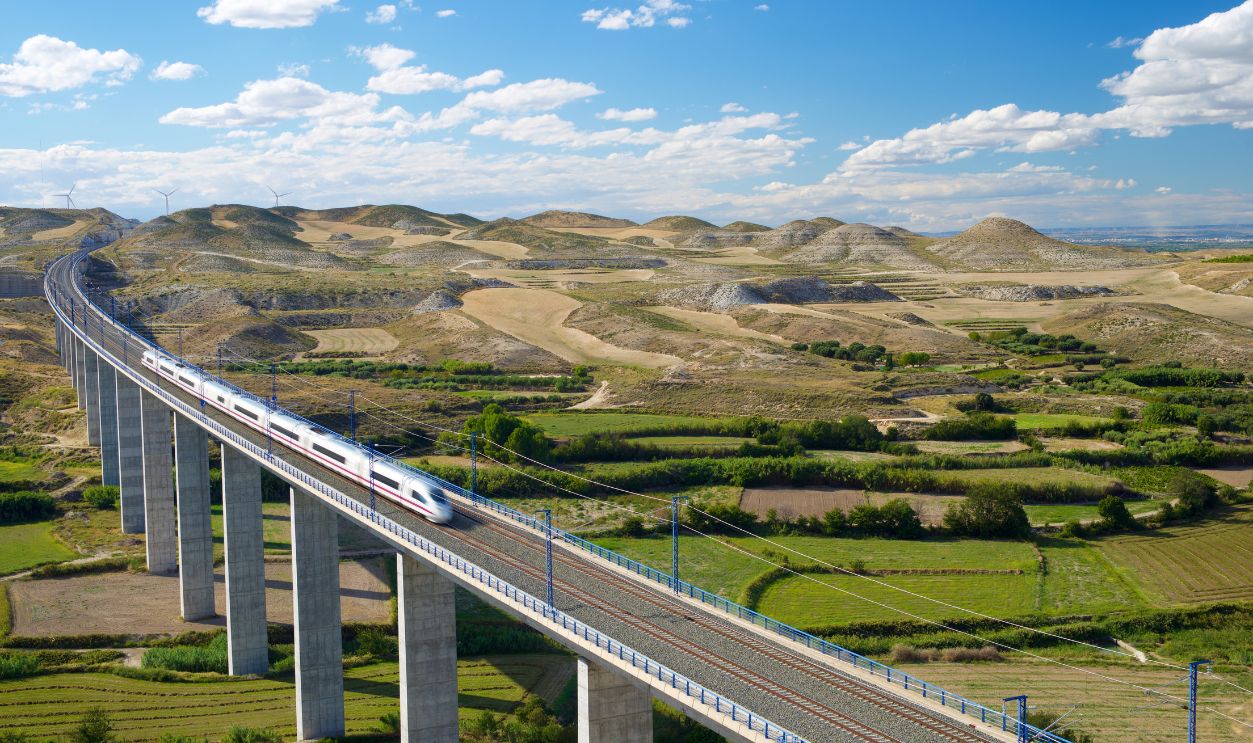
Spain is physically large by European standards, but its transportation network dramatically shrinks travel times. Canadian tourists can visit visa-free for up to 90 days within the Schengen area's 180-day window. Once there, high-speed rail links Madrid with major destinations including Barcelona, Seville, Málaga, and Valencia.
High-Speed Trains Simplify A Multi-City Trip
Spain's tourism authority says Madrid to Barcelona, Seville, or Málaga can take roughly two and a half hours by high-speed train. That allows travelers to change regions without sacrificing an entire day to transit. For Canadians used to much longer intercity distances, the convenience can feel almost luxurious.
 David Herraez Calzada, Shutterstock
Iceland Feels Designed For A Road Trip
Canadian passport holders currently do not need a tourist visa for stays of up to 90 days under Schengen rules. Iceland's main Ring Road forms a 1,322-kilometre loop connecting most major communities and many famous landscapes. Travelers comfortable with Canadian road trips often find the basic concept immediately familiar.
 b-hide the scene, Shutterstock
The Ring Road Makes Planning Easy To Understand
Route 1 is paved throughout its entire length and can be driven as a loop, which simplifies itinerary planning enormously. Visit Iceland recommends at least seven days for the complete journey and stresses checking weather and road conditions. Canadians already accustomed to changing weather and long drives may find that advice very recognizable.

The Netherlands Removes A Lot Of Transit Friction
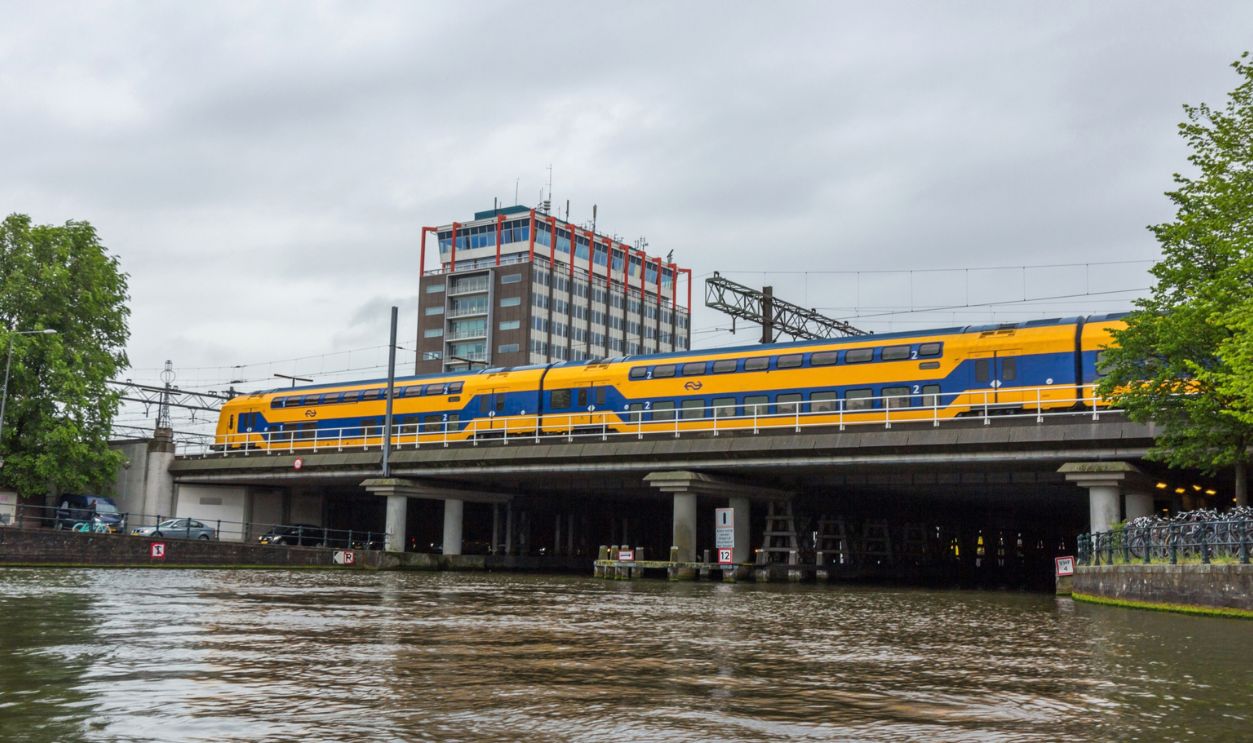
Canadian tourists can currently visit the Netherlands visa-free for up to 90 days under Schengen rules. Amsterdam's public transit combines trains, trams, metros, buses, and ferries in one dense network. Visitors can even tap a contactless bank card to check in and out rather than learning a separate ticketing system first.

Amsterdam Is Especially Easy Without A Car
I amsterdam describes the local transportation network as extensive, easy, and efficient. Rail connections also make other Dutch cities practical additions to the same trip. A Canadian traveler can land, skip the rental counter, and begin moving around almost immediately.
Germany Rewards Anyone Who Likes Trains
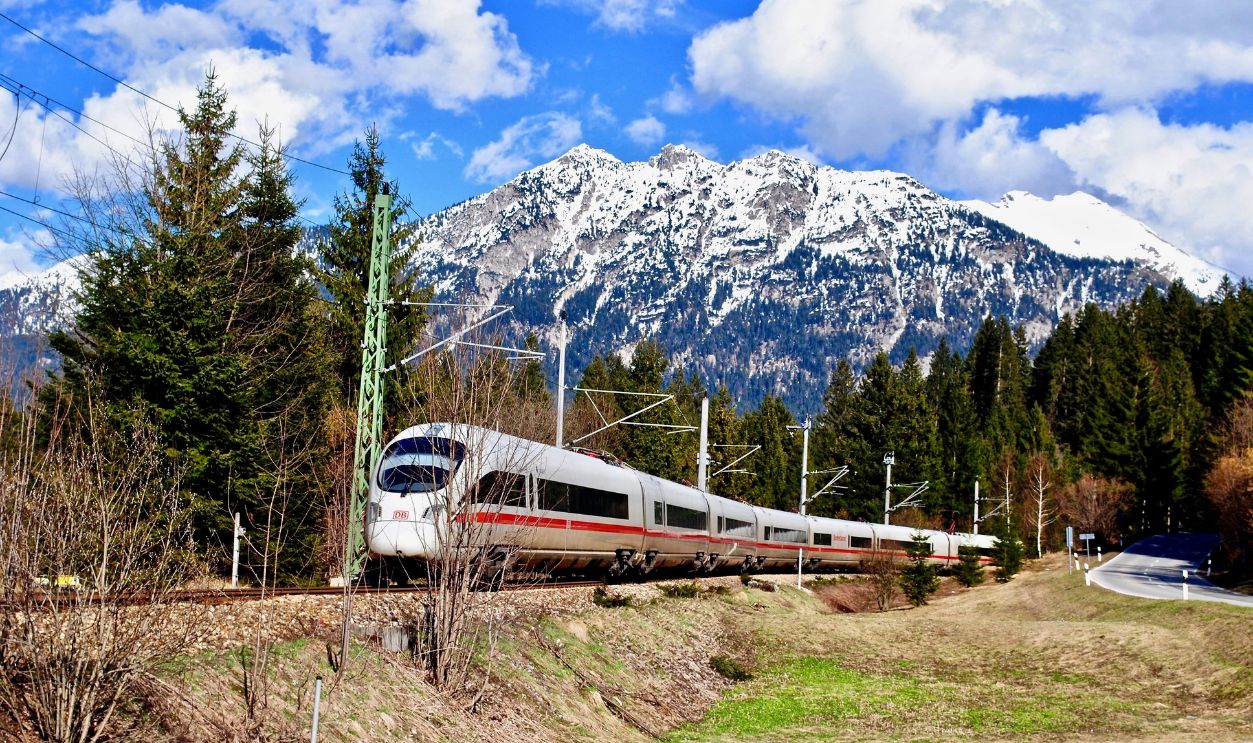
Germany allows Canadian tourists to visit for up to 90 days in the Schengen area without a tourist visa. Its extensive ICE and regional railway networks connect both major cities and smaller destinations. Germany's tourism agency says long-distance trains between major cities generally run at least hourly.

Even Cross-Country Travel Can Feel Routine
Germany's rail network covers roughly 40,000 kilometres and serves thousands of stations. High-speed ICE trains can travel at up to 300 km/h, making routes such as Frankfurt to Cologne possible in about an hour. The ability to move quickly without airport procedures makes a complicated-looking itinerary much easier in practice.
Switzerland Turns Transportation Into Part Of The Vacation
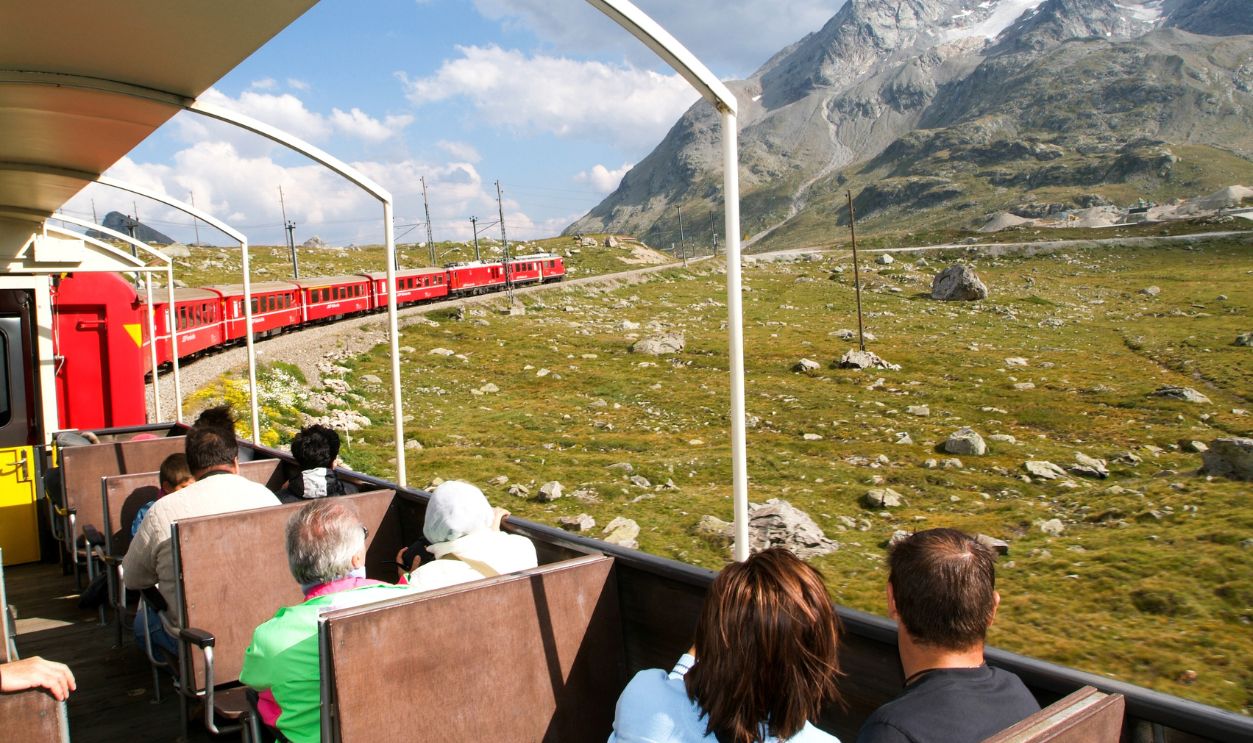
Canadian travelers can visit Switzerland visa-free for up to 90 days within Schengen limits. The country's tourist transport system deliberately integrates trains, buses, boats, urban transit, and mountain routes. Instead of fighting the geography, Swiss transportation often makes the scenery part of the journey.
One Pass Can Cover An Extraordinary Amount
The Swiss Travel Pass offers unlimited use of trains, buses, and boats on covered routes and includes public transportation in more than 90 towns and cities. It also covers many panoramic trains, although reservations or supplements can apply. For visitors nervous about constantly purchasing unfamiliar tickets, that simplicity can remove a lot of mental work.
France Is Easier Once You Understand The Trains
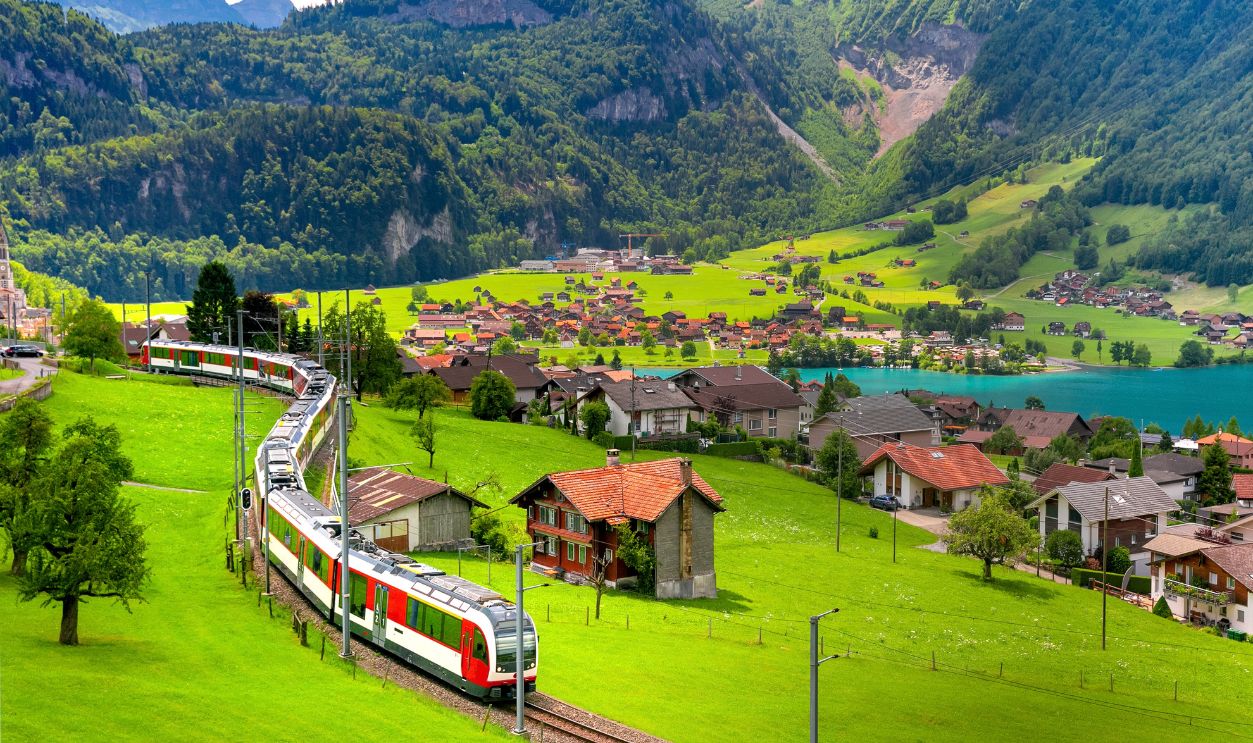
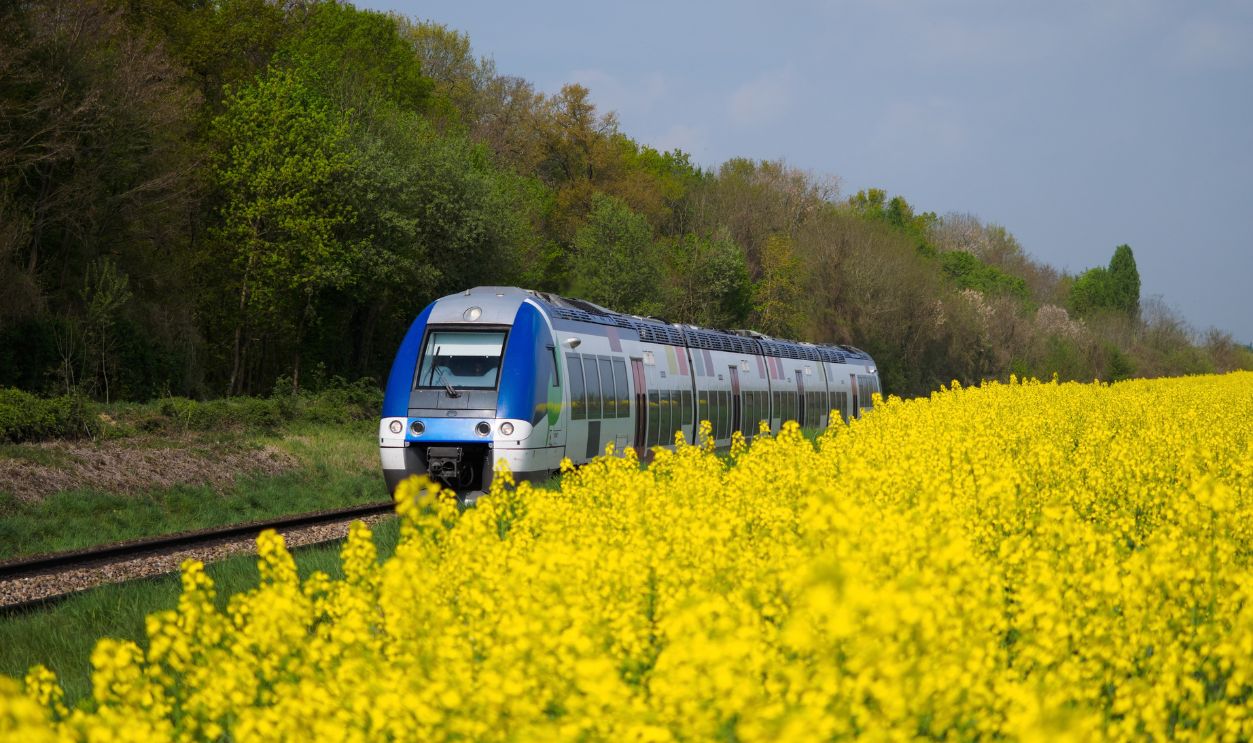
Canadian tourists can currently enter France without a visa for short stays of up to 90 days within the Schengen period. France has an unusually dense rail network combining high-speed TGV services with slower regional TER trains. Once travelers understand those two basic categories, moving between major destinations becomes much less intimidating.
Paris Does Not Have To Be The Whole Trip
France's tourism authority notes that TGV services connect Paris with major cities including Lyon, Marseille, Bordeaux, Strasbourg, and Nantes in less than three hours on many routes. Regional trains then fill in smaller destinations. Canadians who arrive expecting complicated logistics can discover that a multi-city vacation is remarkably straightforward.
Italy Looks Chaotic But Travels Surprisingly Well
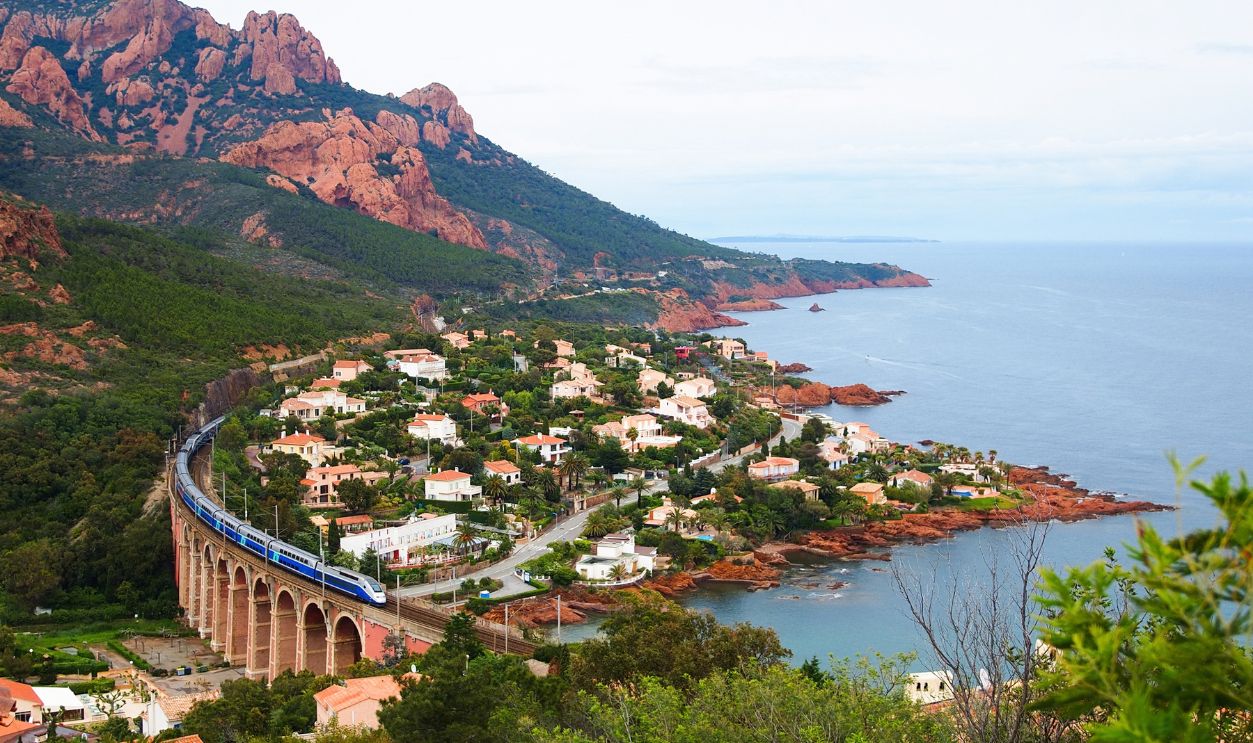
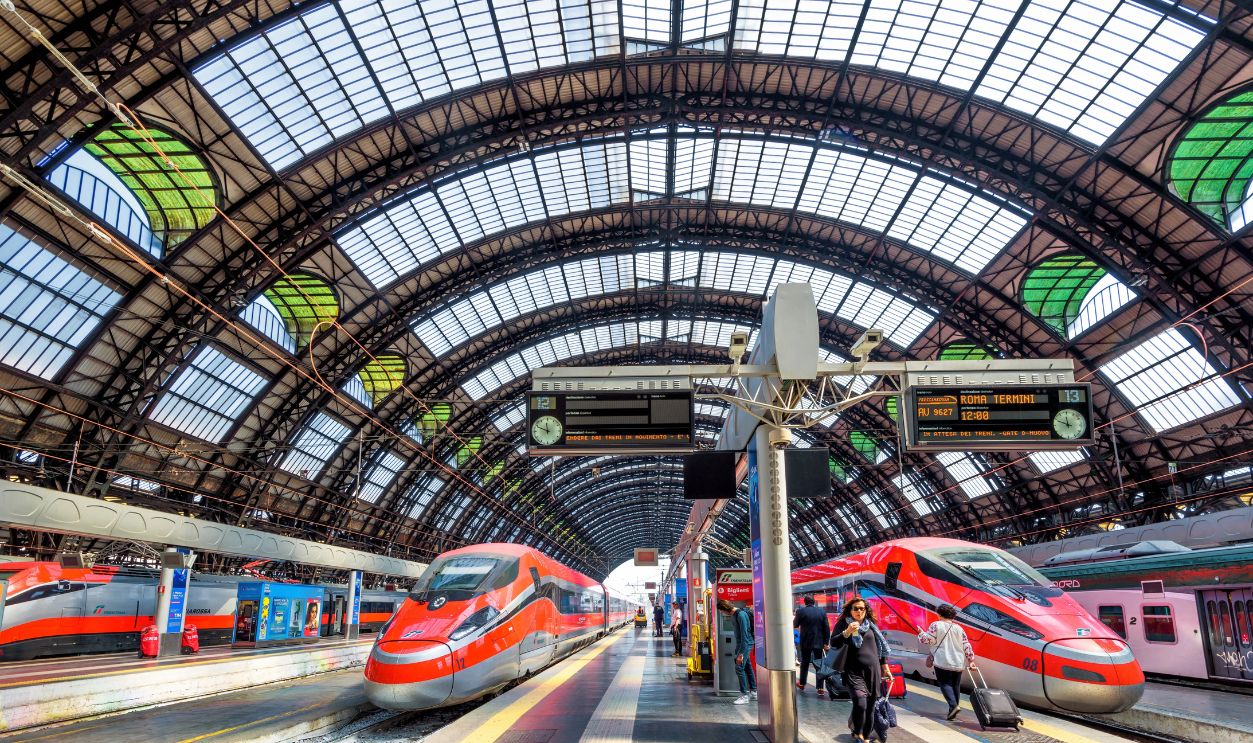
Canadian travelers can visit Italy without a tourist visa for short stays within the Schengen allowance. Italy's official tourism site describes getting around the country as easy because of its extensive transportation infrastructure. High-speed rail connects the most popular city destinations particularly well.
 Viacheslav Lopatin, Shutterstock
The Famous Cities Line Up Nicely By Rail
More than 300 daily high-speed connections are offered by Italy's major railway operators, according to the country's tourism authority. Milan to Rome can take just over three hours, while other popular routes connect Florence, Venice, Naples, Bologna, and Turin. Travelers can therefore build the classic Italy itinerary without ever renting a car.

Japan Feels Easier Than Its Distance Suggests
Japan may be one of the longest flights on this list, yet Canadian tourists currently do not need a visa for stays of up to 90 days. The country also receives Canada's lowest standard advisory level, meaning travelers are advised to take normal security precautions. The remaining challenge is mostly learning how the transportation system works.
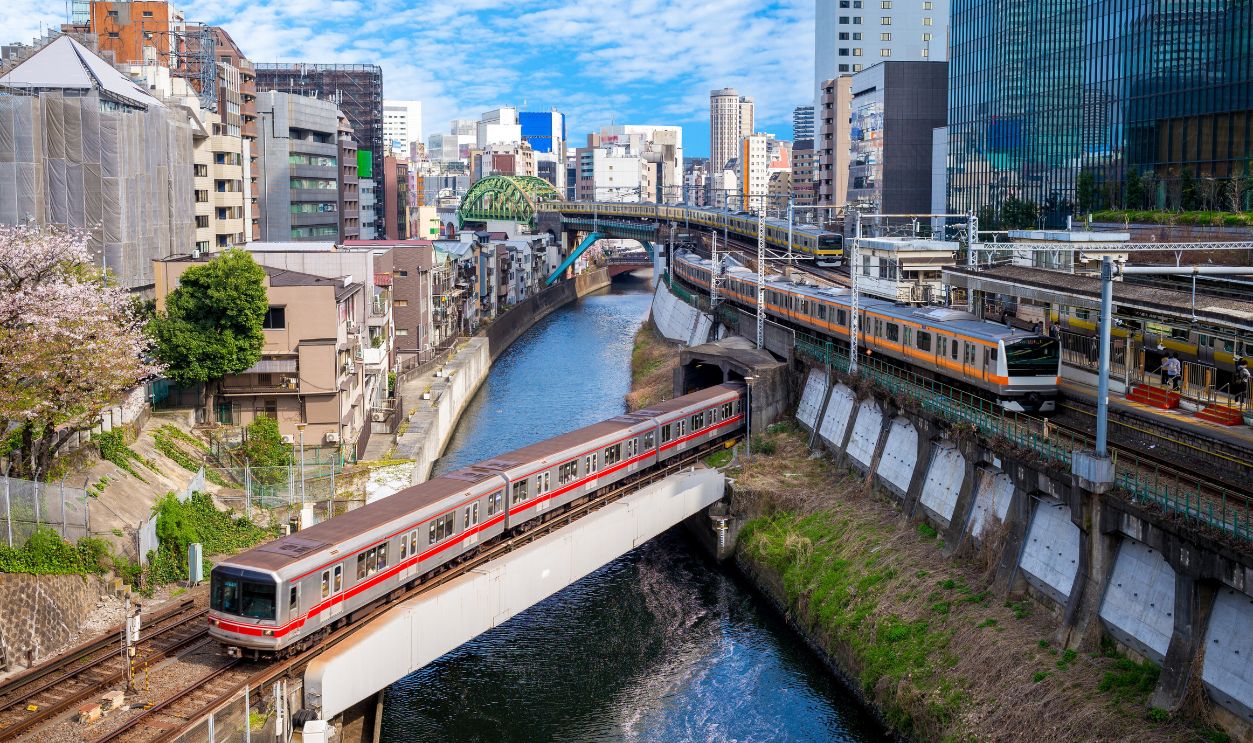
Japan's Trains Remove Much Of The Intimidation
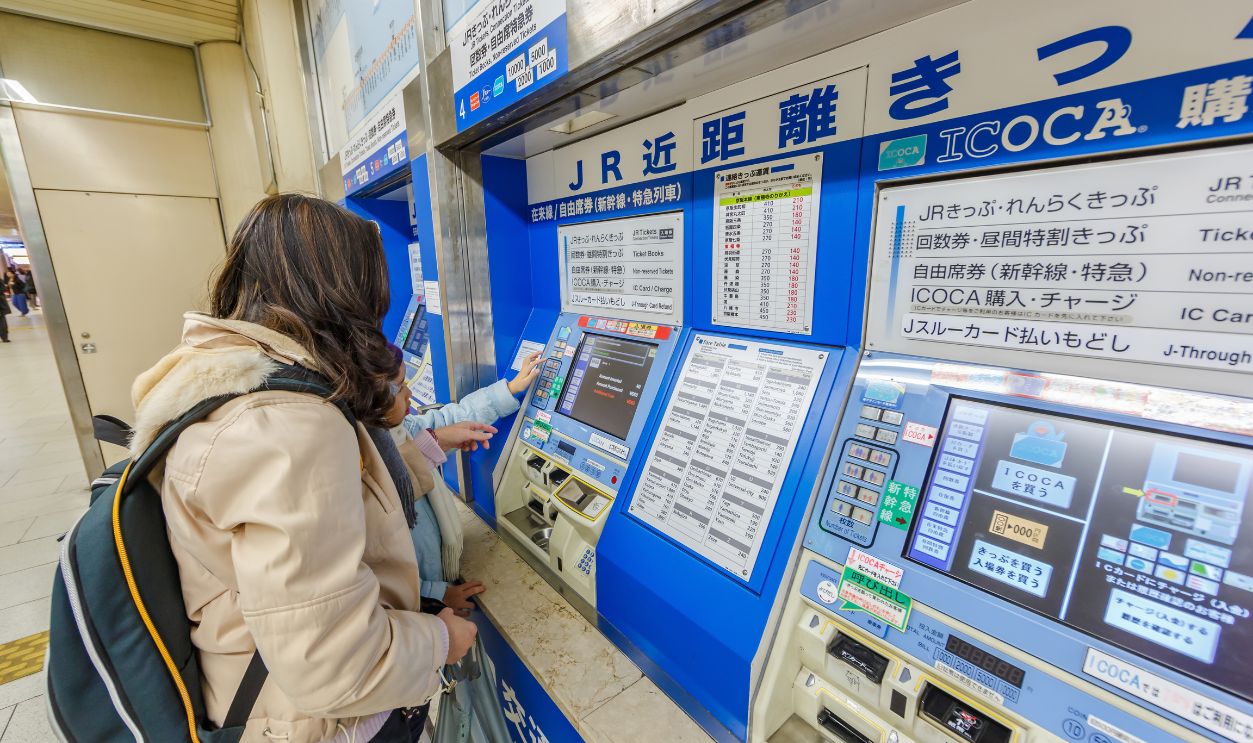
Japan's tourism organization specifically recommends prepaid IC cards for seamless travel on most public transit. Ticket machines commonly provide English menus, and major rail systems are designed around clear station infrastructure. After the first couple of rides, what initially looks complicated can start feeling extremely logical.
South Korea Has Become Much Easier For Visitors
Canadian tourists can currently stay in South Korea for up to 180 days without a tourist visa. Canadians are also exempt from the K-ETA requirement through December 31, 2026. That makes the entry process unusually light for such a distant destination.

Korea Is Actively Reducing Transit Friction
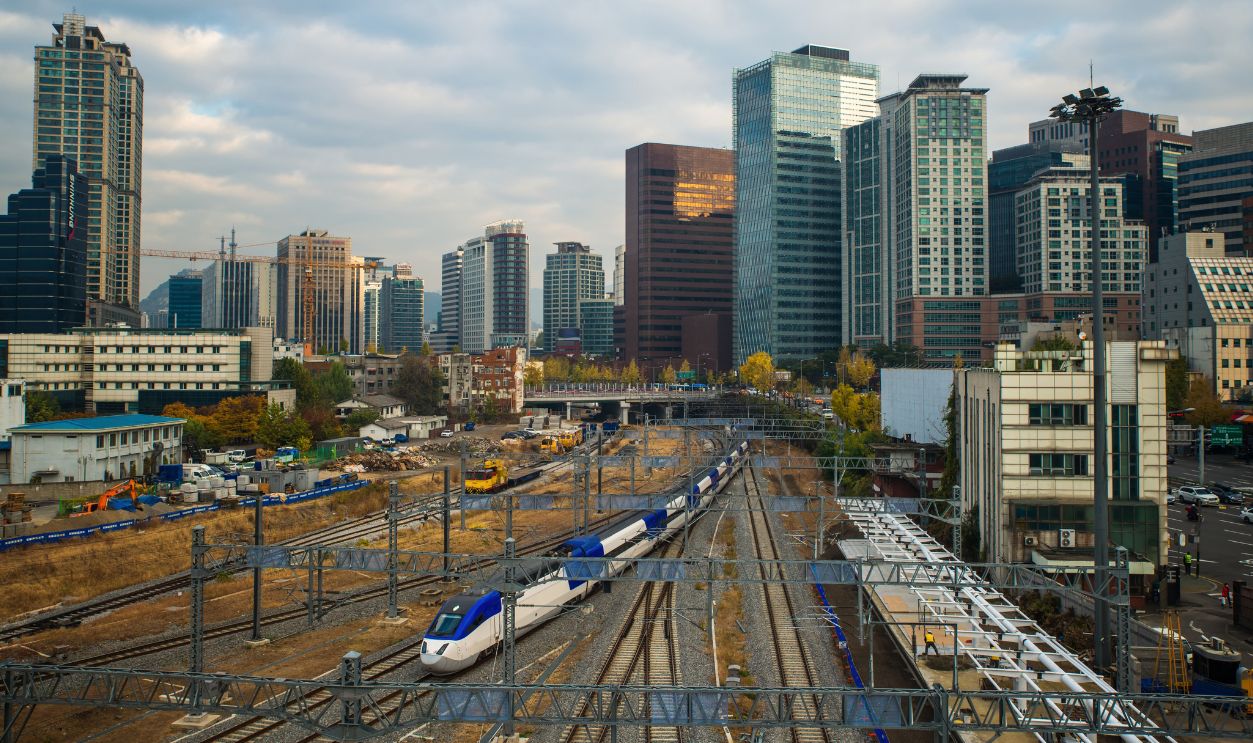
South Korea has expanded multilingual train booking, international payment options, and real-time transportation information for foreign visitors. The KORAIL PASS+ launched in 2026 combines rail access with a transportation card usable on buses and subways. Seoul's color-coded subway system further reduces the learning curve once visitors arrive.
 Anek.soowannaphoom, Shutterstock
Singapore May Be The Easiest Long-Haul City Break
Canadian tourists can currently visit Singapore without a visa for stays of up to 30 days. Travelers must submit the Singapore Arrival Card before arrival, but the process is digital and can be completed online. Once inside the country, the logistics become extremely simple.
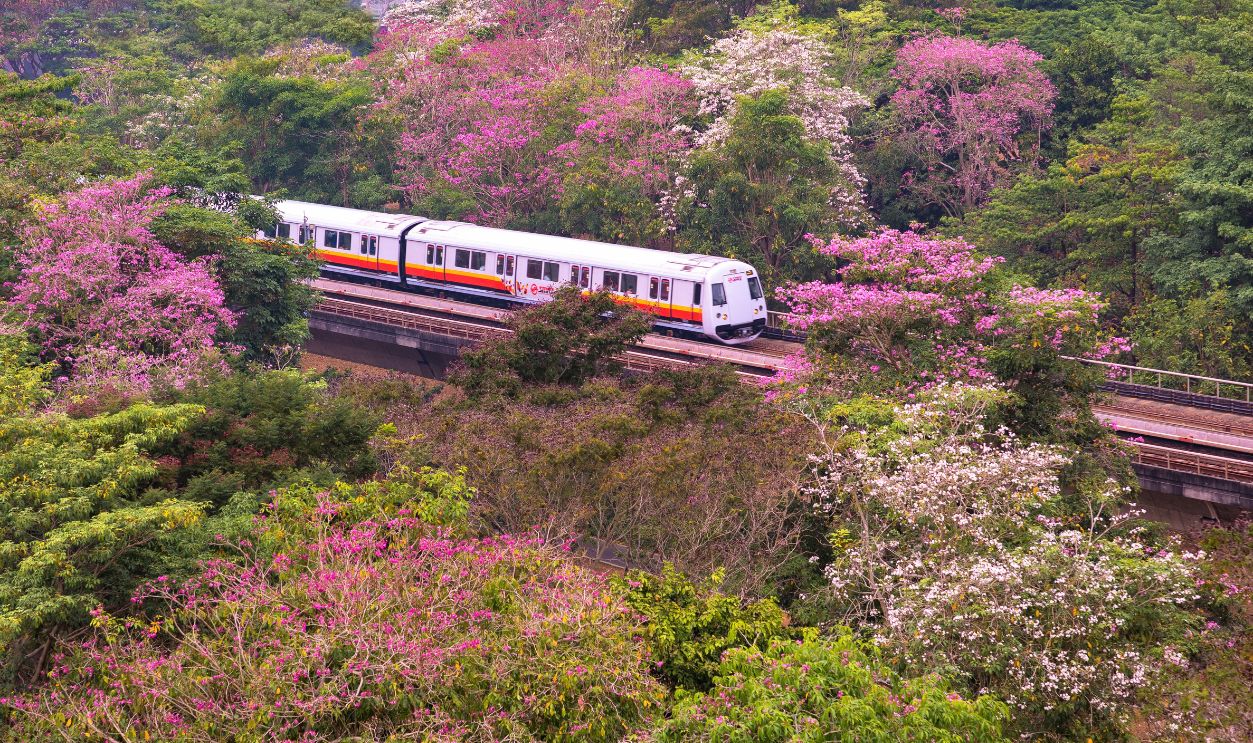
The MRT Makes Singapore Almost Effortless
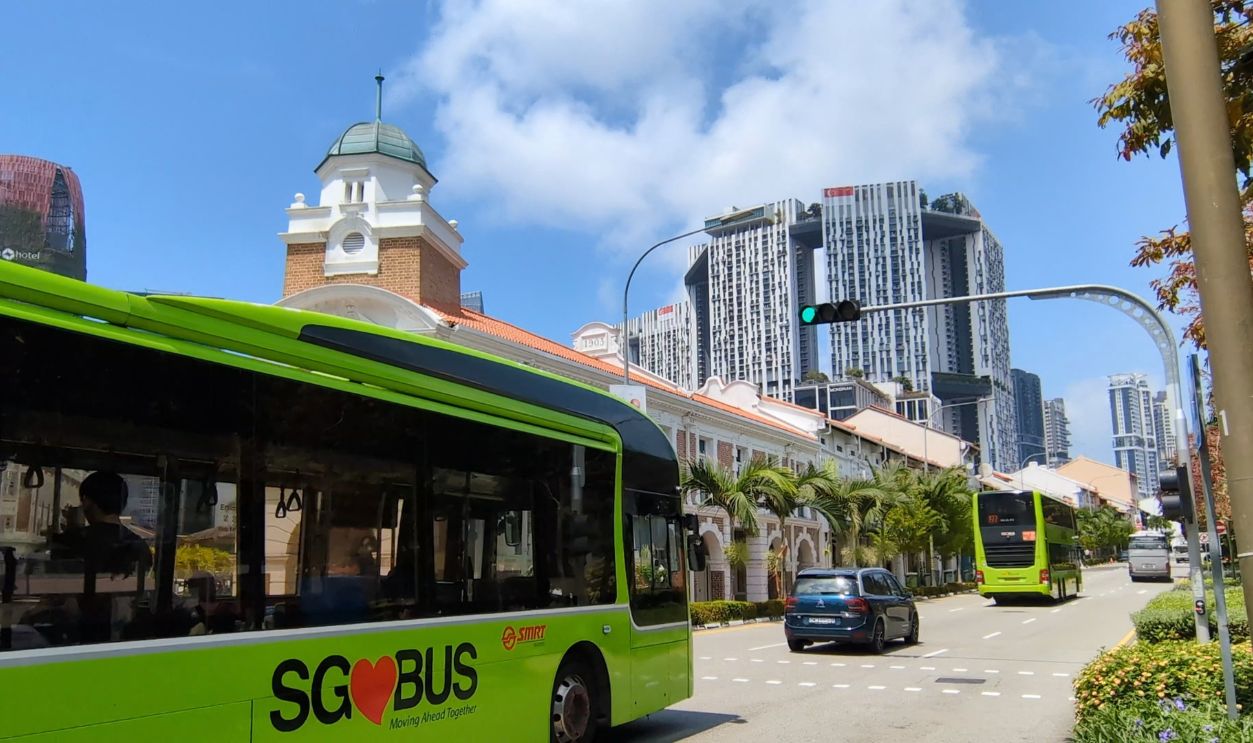
Singapore's official tourism site describes its public transportation as fast and efficient. MRT trains and buses cover the city extensively, while contactless bank cards and mobile wallets can be used to pay fares. Few long-haul destinations ask so little of a first-time visitor once they leave the airport.
Australia Feels Strangely Familiar To Canadians
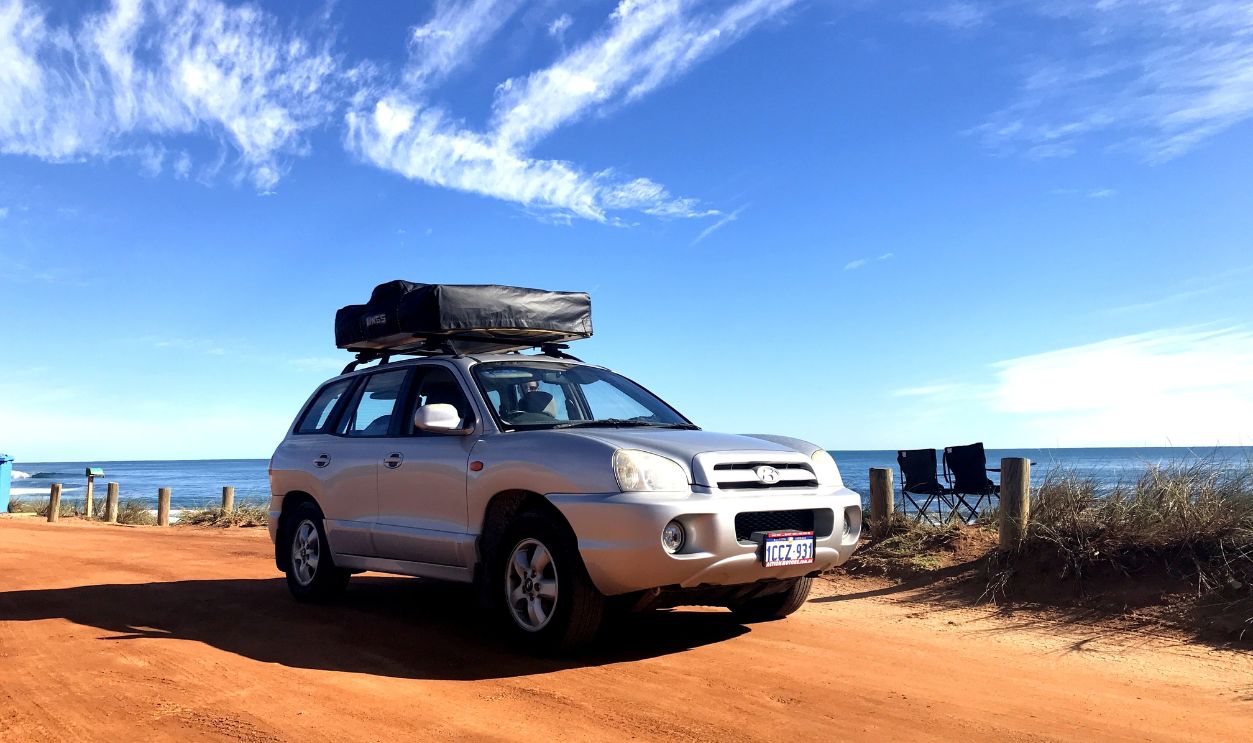
Canadian tourists can visit Australia for up to 90 days without a traditional tourist visa, although they need an Electronic Travel Authority before traveling. English, familiar institutions, similar urban layouts, and a strong road-trip culture can soften the sense of being on the opposite side of the world. The left-side driving rule remains the obvious adjustment.

Australia's Size Is Easier To Manage Than It Looks
Tourism Australia says domestic flights link all state capitals and many regional cities, making long distances manageable. Within cities, public transportation is widely available, while the national road network supports ambitious self-drive trips. Canadians familiar with planning around enormous distances may find the basic travel logic surprisingly recognizable.
New Zealand Might Feel The Most Naturally Familiar
Canadian tourists do not currently need a visa for visits of up to 90 days, although they do need an NZeTA before arrival and must complete a digital traveler declaration. English is the dominant everyday language, and the country's travel style revolves heavily around outdoor recreation and self-drive itineraries. It can feel like a very distant country operating on surprisingly familiar instincts.

New Zealand Is Practically Built For Flexible Touring
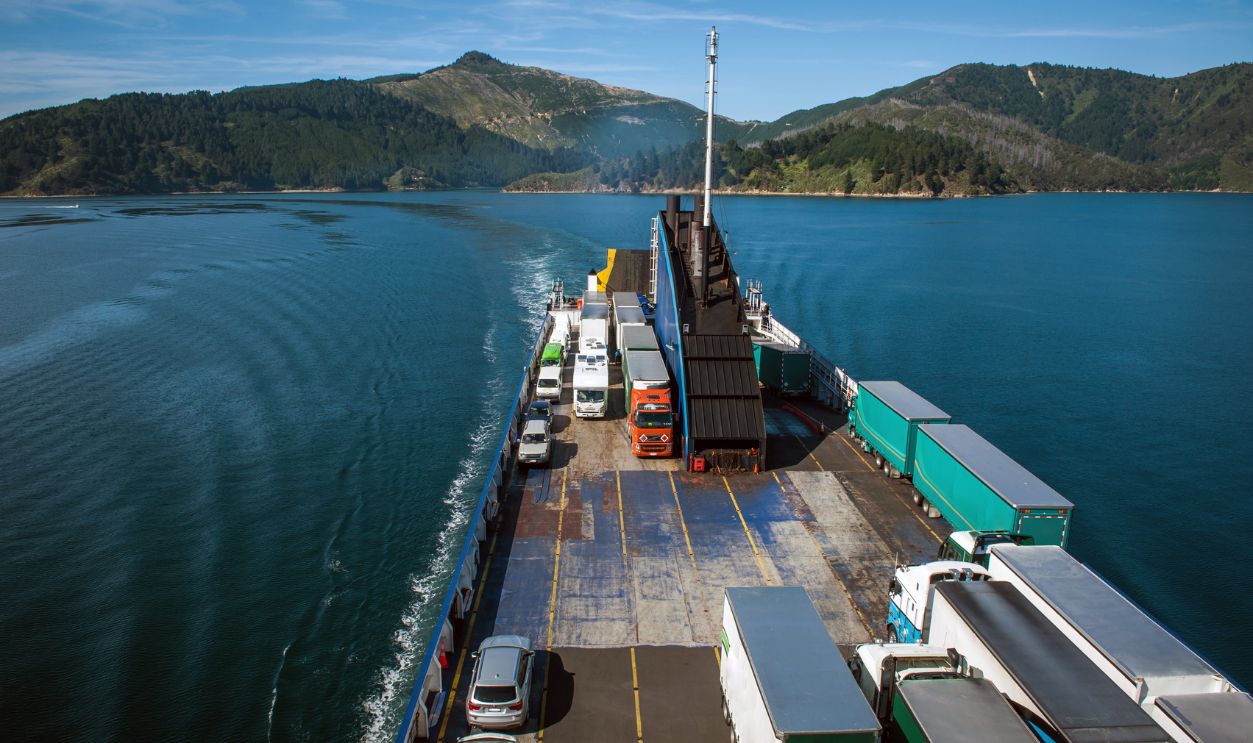
Tourism New Zealand promotes rental cars, campervans, buses, domestic flights, ferries, and scenic rail as straightforward ways to travel. Regular vehicle ferries connect the North and South Islands, while official travel calculators help visitors estimate driving times. Canadians who enjoy open-road vacations can settle into the rhythm remarkably quickly.
You May Also Like:
Things Europeans Notice Immediately When They Take An American Road Trip
What Flight Attendants Wish All Travelers Knew
Four Key Tips For Traveling On A Budget
Sources: 1, 2, 3, 4, 5, 6, 7, 8, 9, 10, 11, 12, 13, 14, 15, 16, 17, 18, 19, 20, 21, 22, 23, 24, 25, 26, 27, 28, 29, 30, 31, 32, 33, 34, 35, 36