Mother Nature Apparently Didn't Get The Memo
Americans love arguing about which places in their own country don't get nearly enough attention. And after digging through traveler discussions, underrated-destination lists, and plenty of “how is this place not more famous?” conversations, we started noticing something about many of the places that kept coming up.
A lot of these places seem to have one thing working against them. The forecast.
Point Reyes National Seashore, California
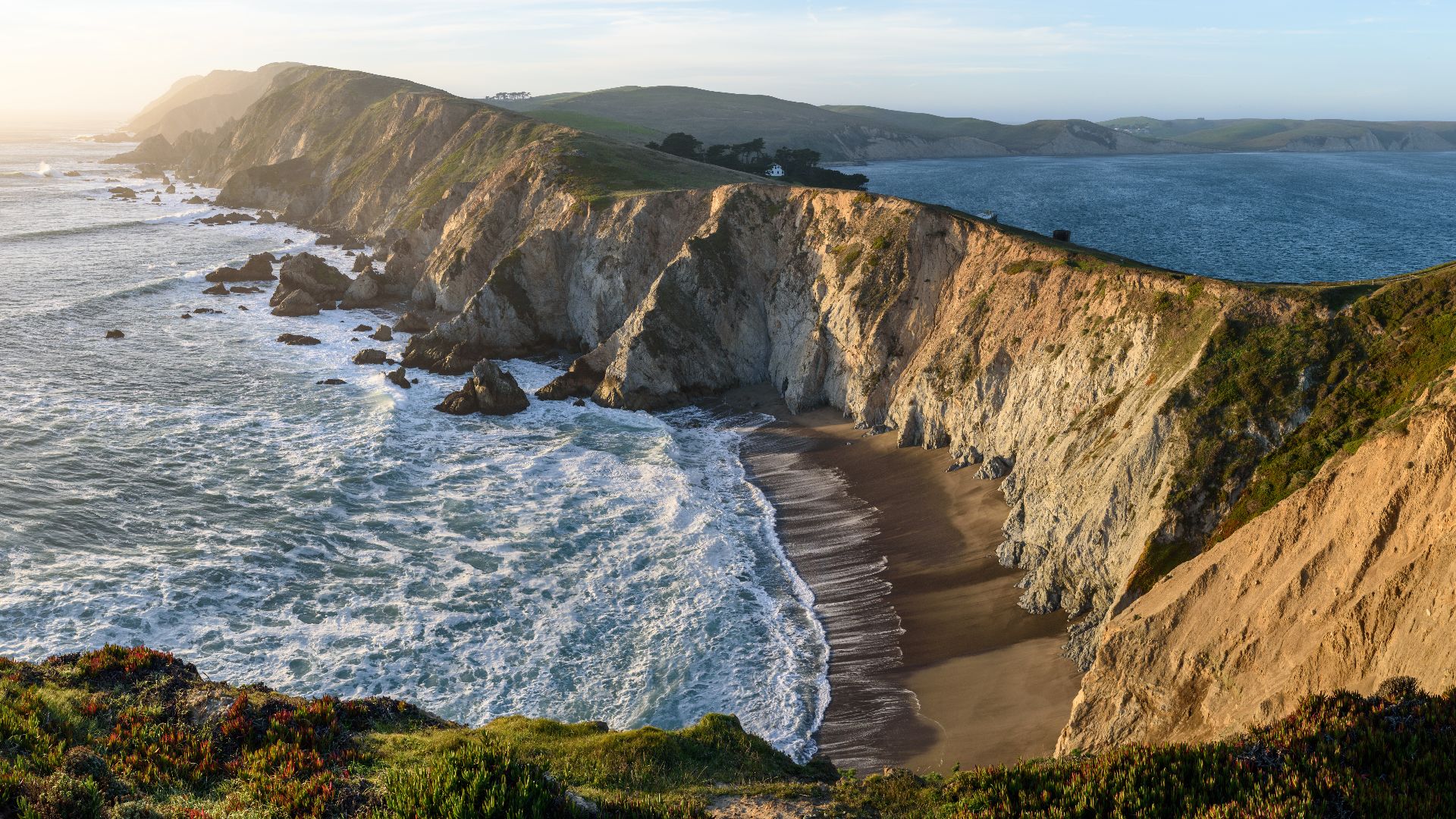
Point Reyes is barely outside San Francisco, yet parts of it look like the edge of the world. Empty beaches, cliffs, wildlife, rolling hills, and that famous lighthouse should make it even bigger than it is. The problem? The National Park Service calls Point Reyes the windiest and foggiest place on the West Coast. So much for California sunshine.
 King of Hearts, Wikimedia Commons
Great Sand Dunes National Park, Colorado
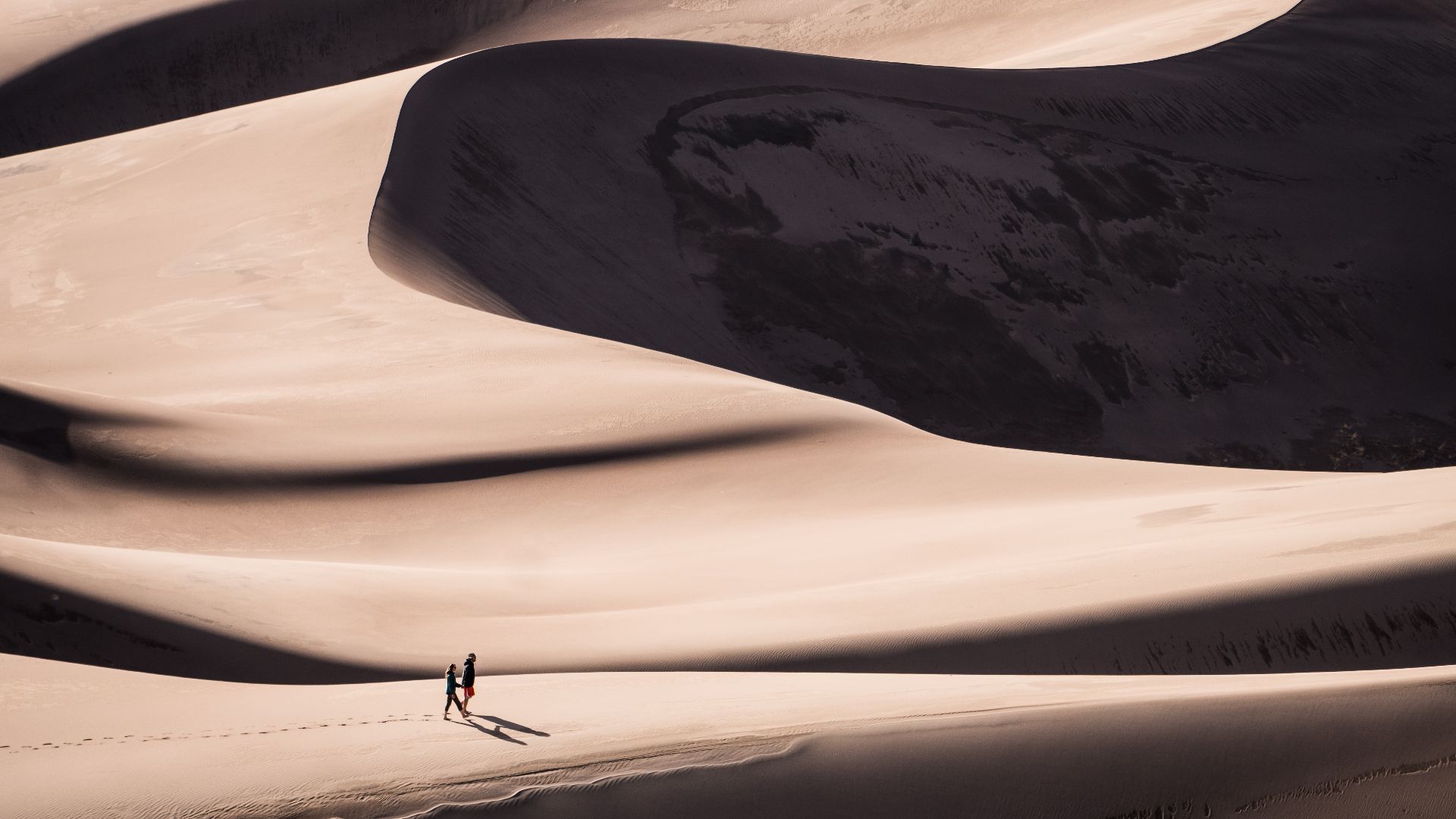
The tallest dunes in North America sitting beneath snowcapped mountains should probably be one of Colorado's signature sights. Travelers who discover Great Sand Dunes tend to agree. Unfortunately, summer sand temperatures can hit around 150°F, while afternoon thunderstorms bring lightning and wind. Barefoot dune climbing suddenly requires considerably more planning.
 Lionello DelPiccolo liodp, Wikimedia Commons
North Cascades National Park, Washington
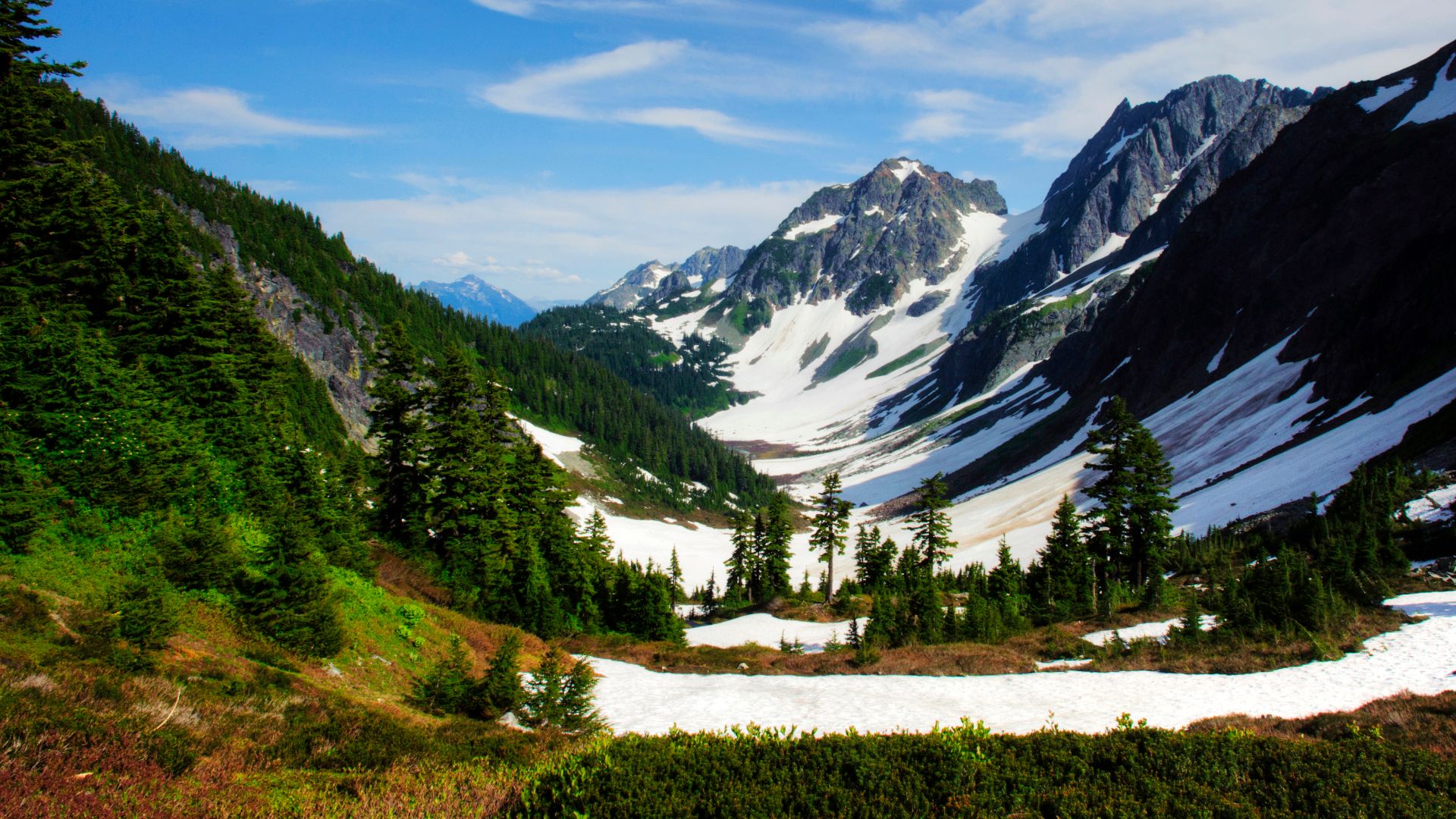
People who visit North Cascades regularly ask some version of the same question: how is this place not more famous? Jagged peaks, turquoise lakes, glaciers, and ridiculous mountain scenery make a good argument. Then you look at the calendar. Higher trails can hold snow well into summer, giving hikers a surprisingly small window to see everything.
 National Park Service/Deby Dixon, Wikimedia Commons
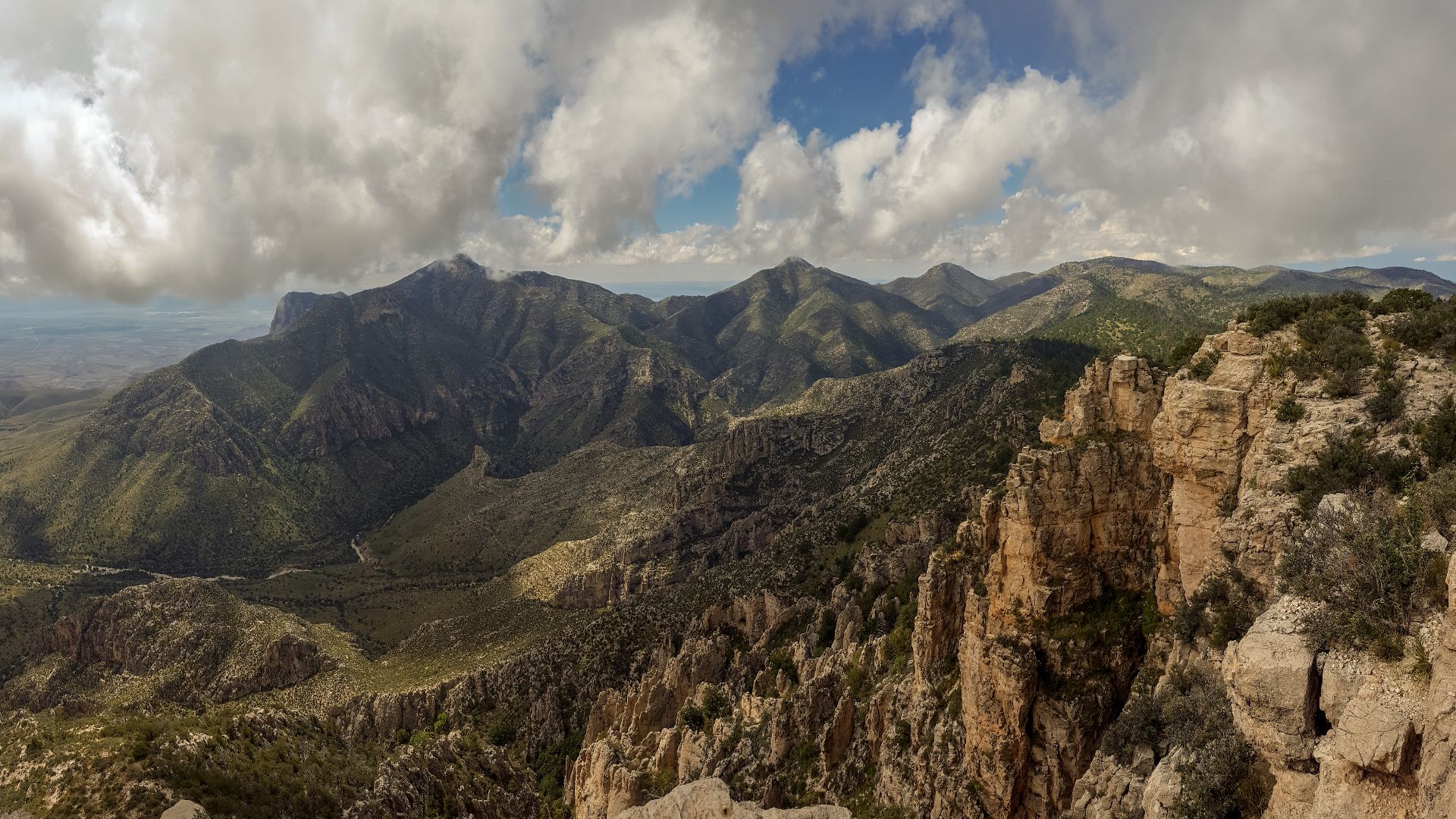
Guadalupe Mountains National Park, Texas
Guadalupe Mountains has towering cliffs, desert canyons, fall colors, and the highest point in Texas, yet plenty of travelers barely know it's there. One possible explanation starts blowing around November. Winds above 30 mph are common during the cooler months, and gusts can reach 50 to 80 mph. Hold onto your hat.
 CarlCarlsonIV, Wikimedia Commons
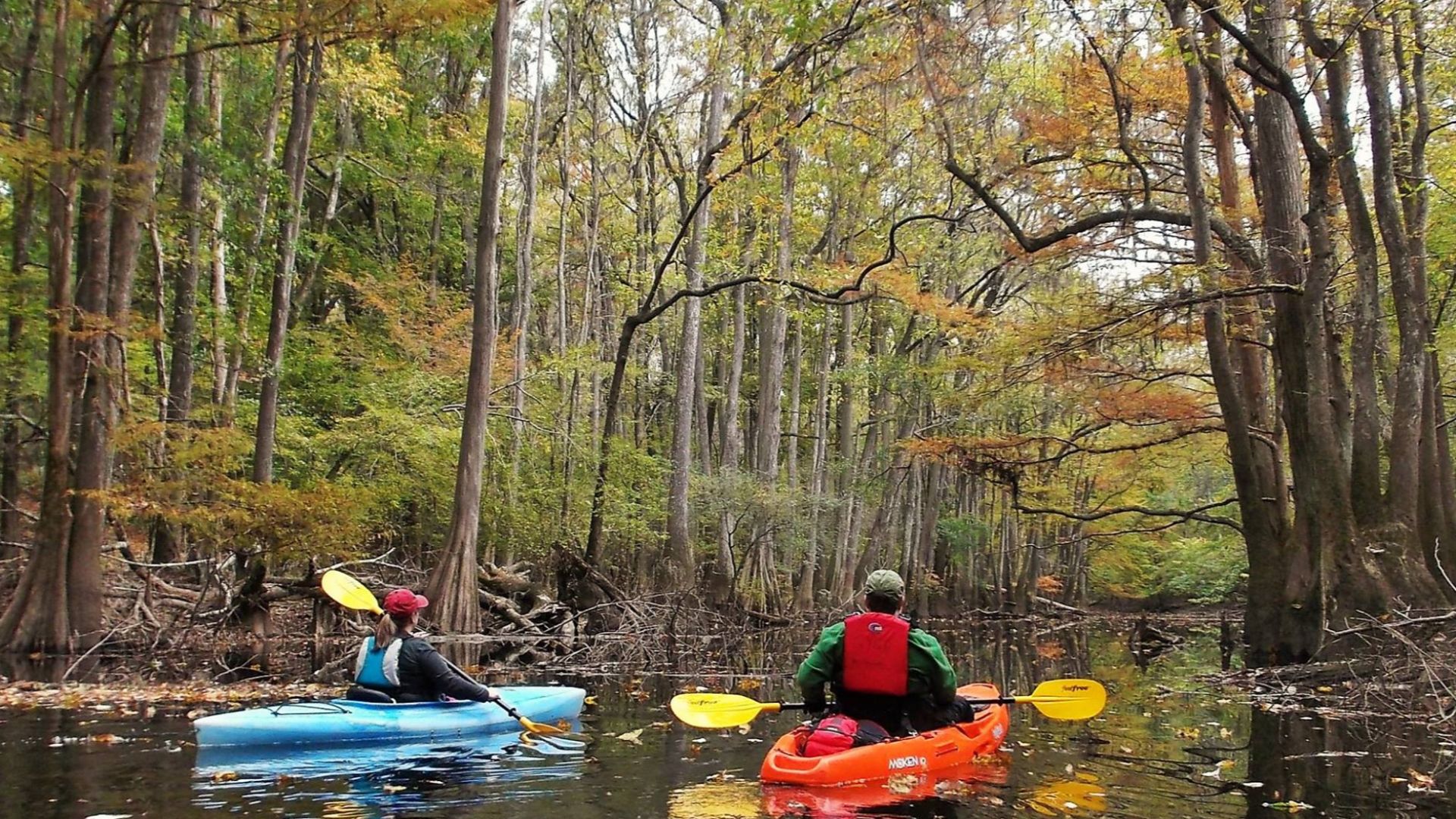
Congaree National Park, South Carolina
Congaree's enormous trees and wild waterways make it feel nothing like most people's idea of South Carolina. It also regularly appears in discussions about underrated national parks. Summer may explain some of that. Heat indexes can climb above 110°F, humidity is relentless, mosquitoes join the party, and flooding can occasionally rearrange your plans altogether.
Apostle Islands National Lakeshore, Wisconsin
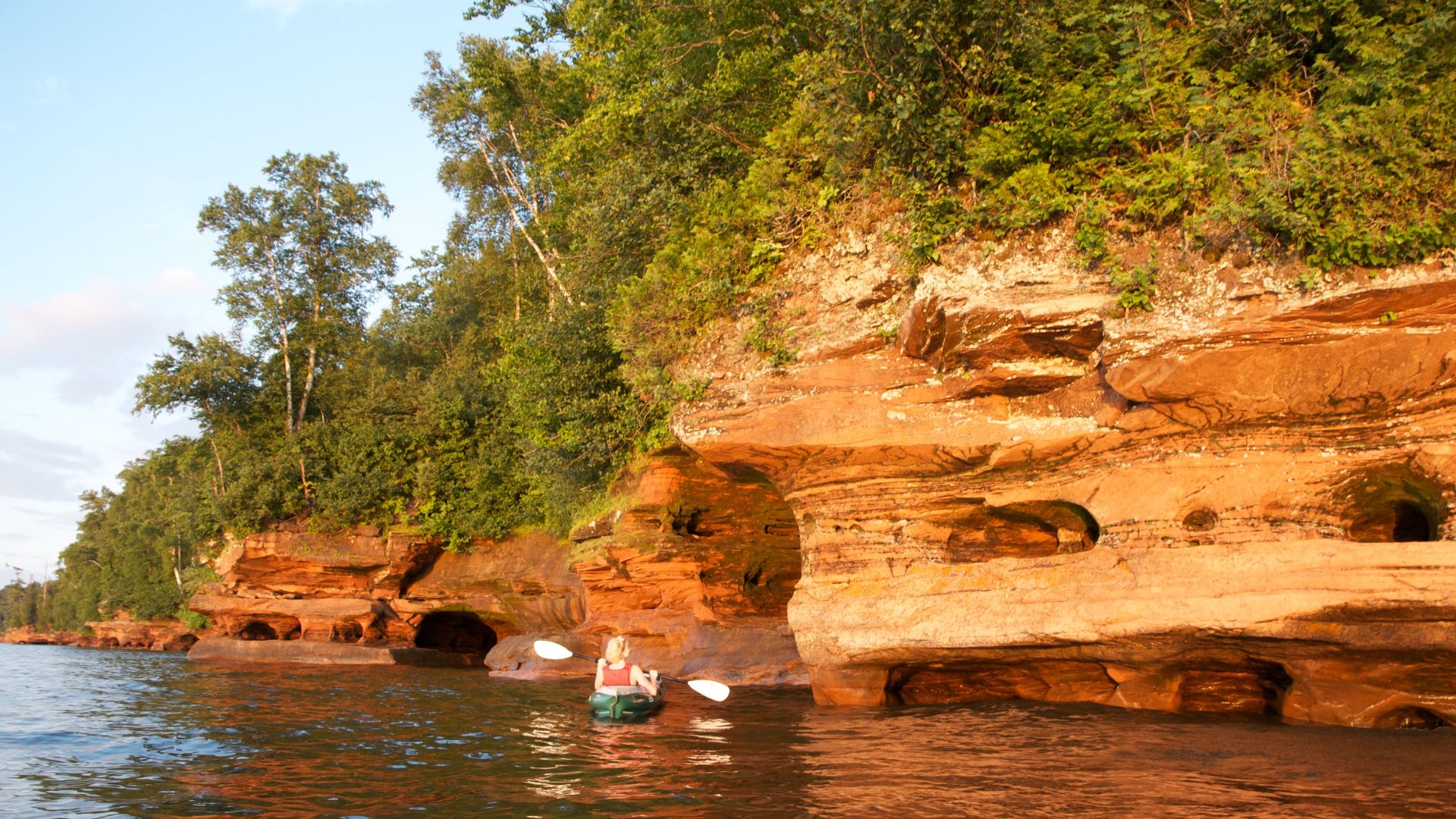
Beaches, sea caves, forests, lighthouses, and islands scattered across startlingly blue water sound like the ingredients for a major summer destination. Then you remember the water is Lake Superior. Cold water, fog, rough seas, and sudden squalls can all show up, occasionally leaving boaters with a longer island vacation than they planned.
 Tim Wilson from Blaine, MN, USA, Wikimedia Commons
Chiricahua National Monument, Arizona
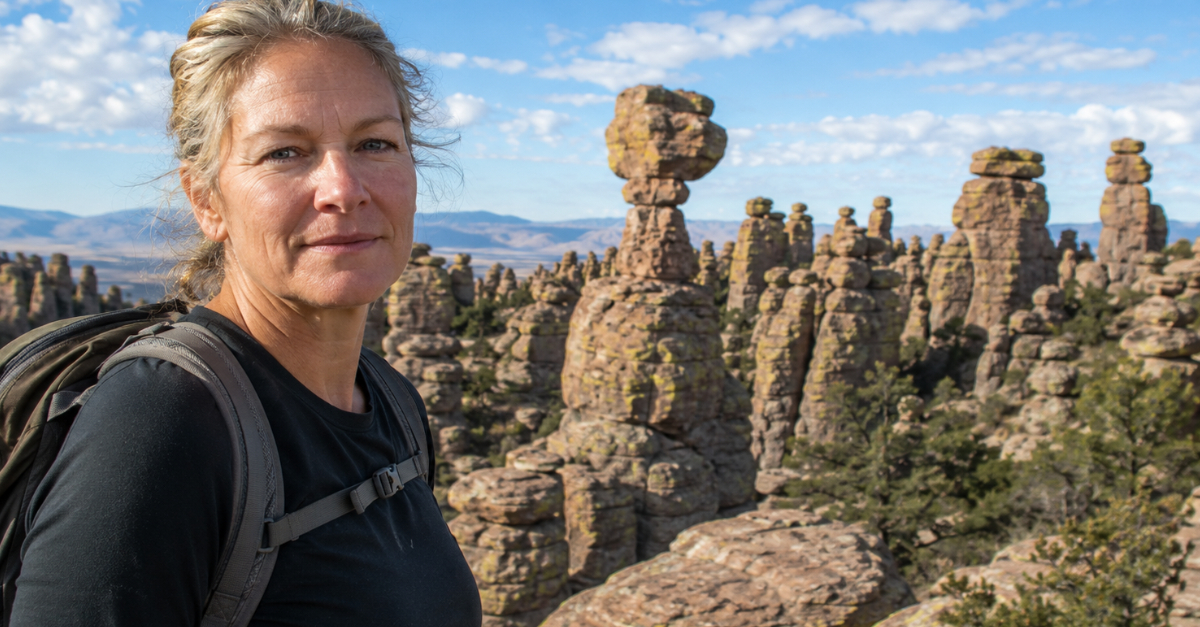
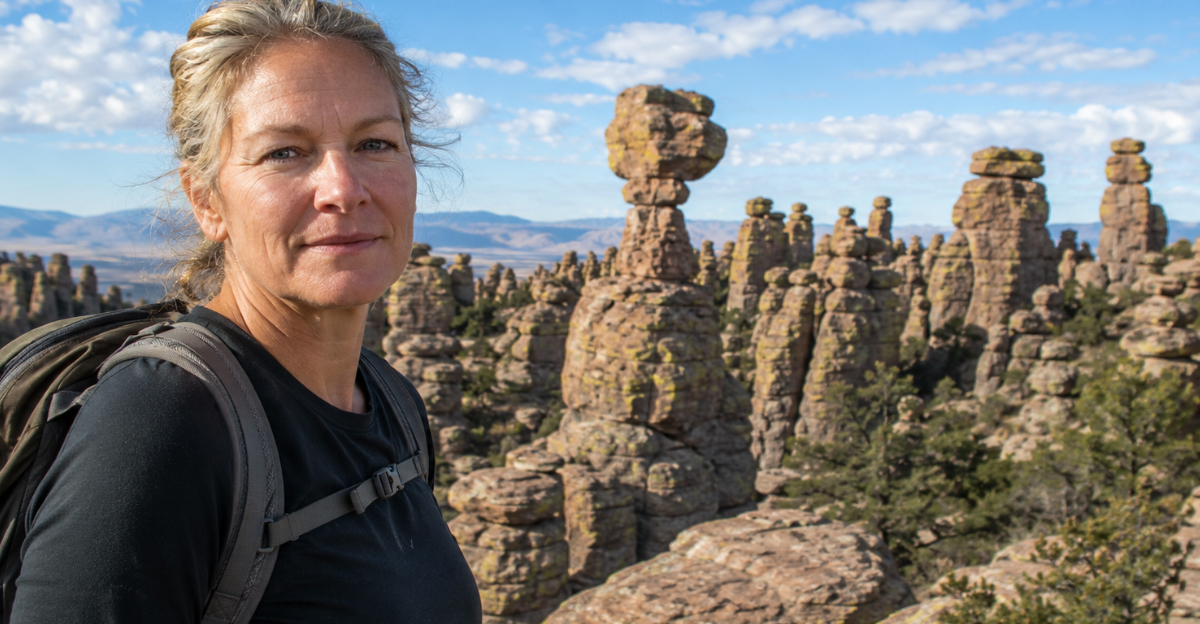
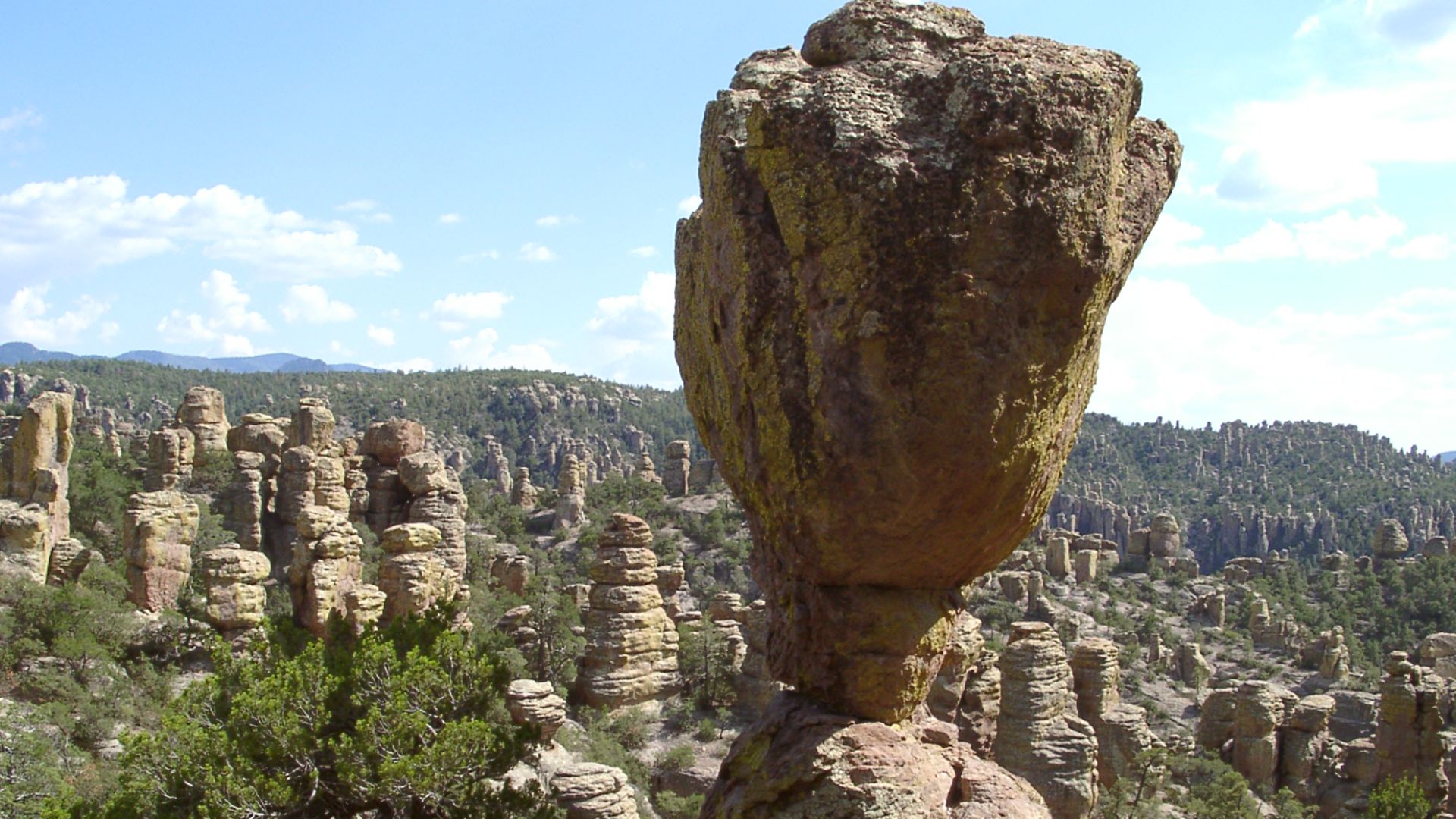
Chiricahua's towering rock pinnacles look like somebody built an entire fantasy landscape in southeastern Arizona and forgot to advertise it. Summer weather certainly isn't helping. Monsoon thunderstorms can bring lightning, intense rain, and flash flooding, sometimes from storms that aren't even directly overhead. Apparently the rock formations weren't dramatic enough already.
 Pretzelpaws, Wikimedia Commons
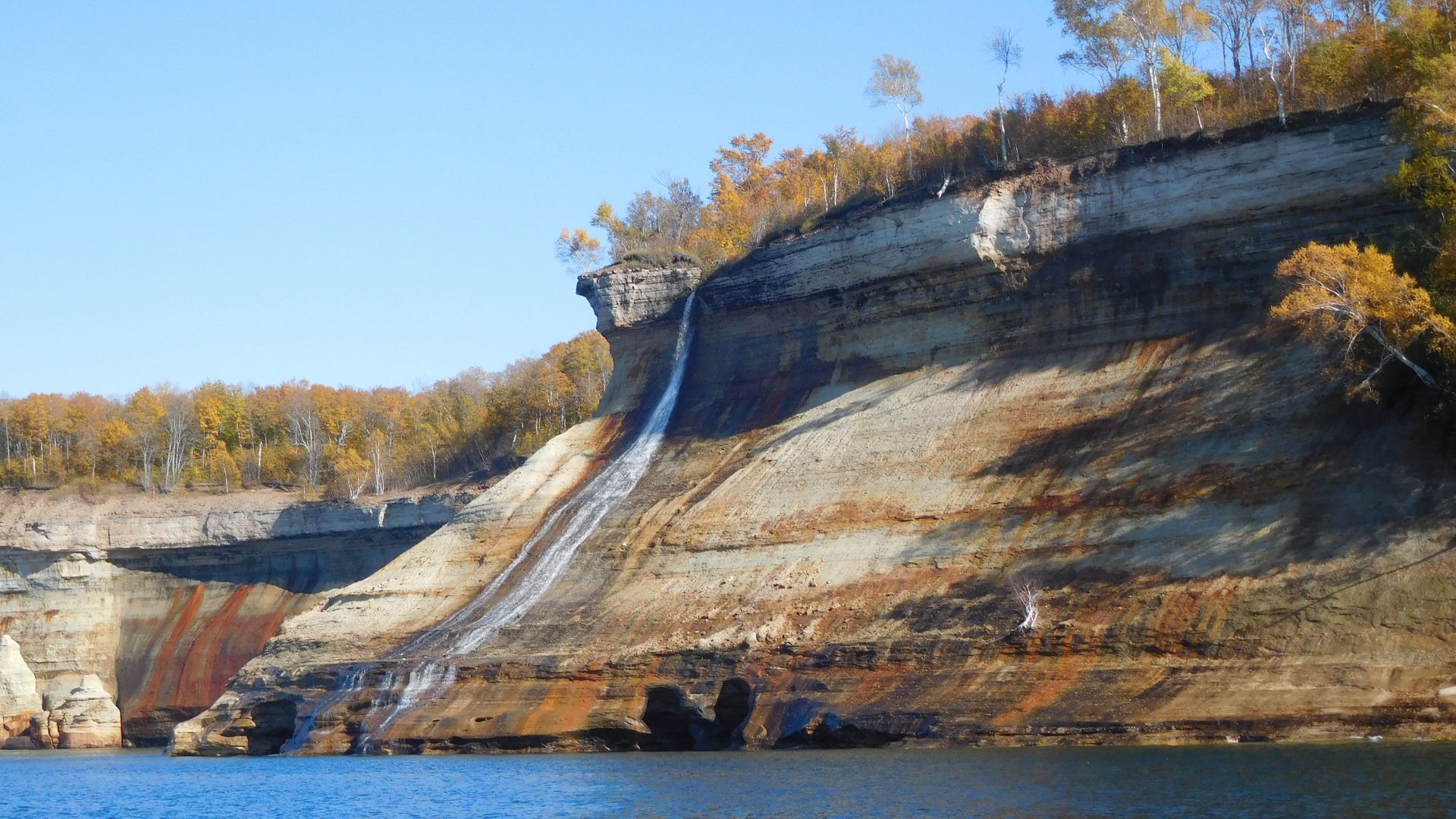
Pictured Rocks National Lakeshore, Michigan
Colorful cliffs, waterfalls, beaches, arches, and turquoise-looking water have travelers wondering why Pictured Rocks isn't mentioned alongside much bigger names. Winter provides one answer. The area averages roughly 140 to 160 inches of snow annually, with some years topping 200. Lake Superior apparently takes winter very personally.
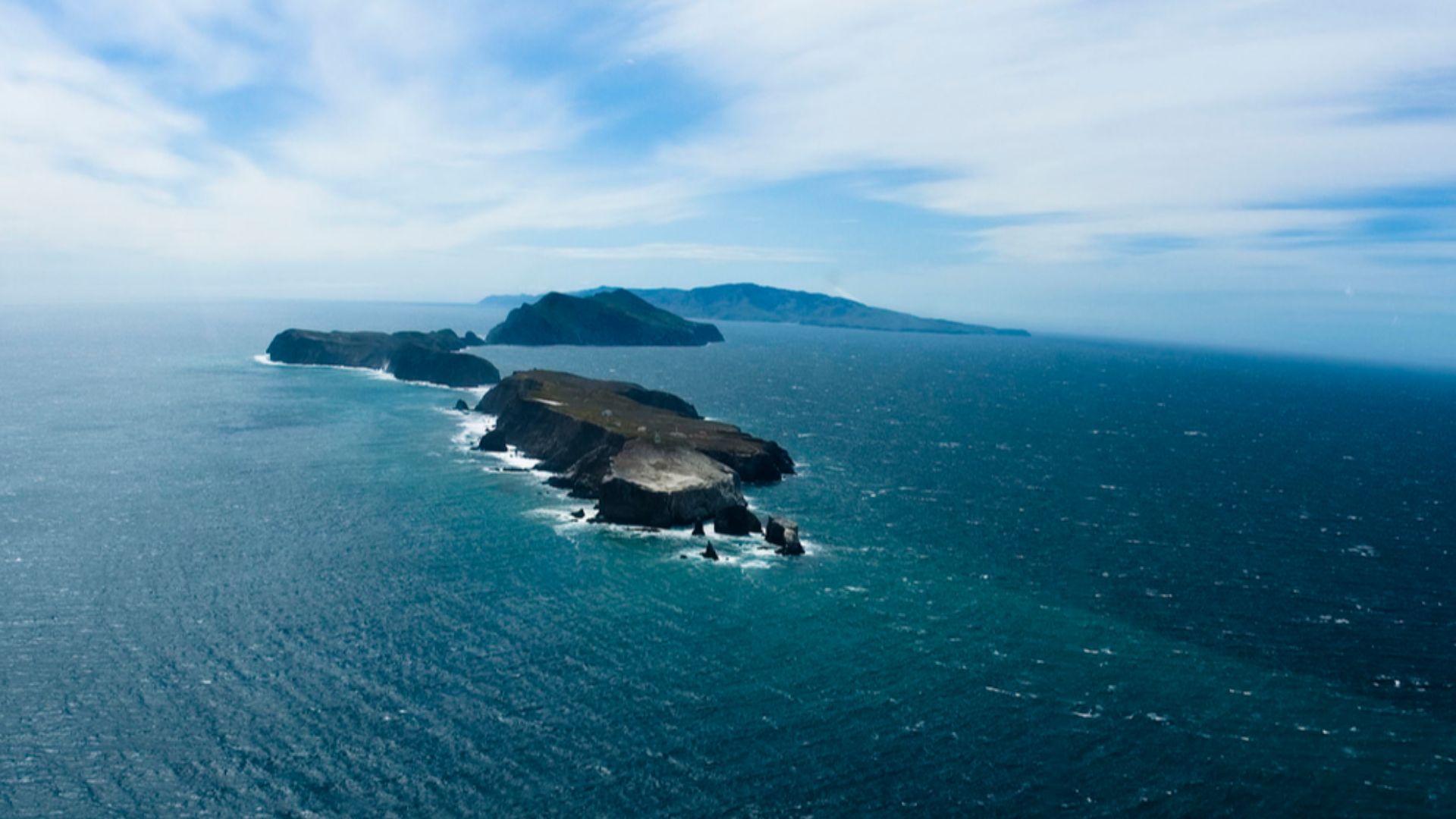
Channel Islands National Park, California
California has islands filled with wildlife, cliffs, beaches, sea caves, and almost none of the crowds you'd expect. Visitors who make the trip tend to rave about them. The catch is getting Mother Nature to cooperate. Fog, high winds, rough seas, and rapidly changing marine conditions can make paradise slightly more complicated to reach.
 filippo_jean https://www.flickr.com/people/26162032@N03/, Wikimedia Commons
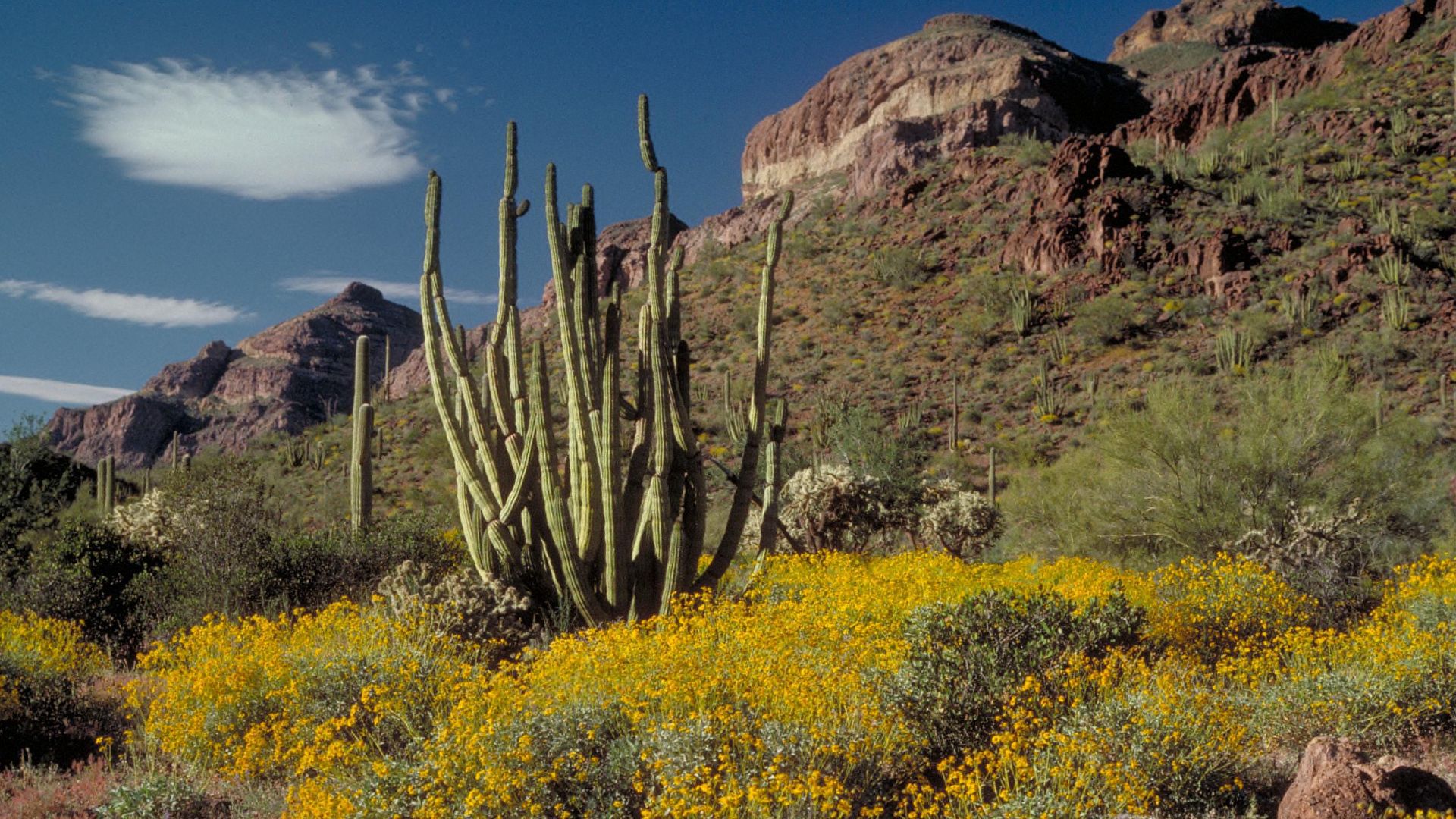
Organ Pipe Cactus National Monument, Arizona
Give Organ Pipe San Diego temperatures and this place could be packed. Mountains rise behind forests of saguaros and organ pipe cacti, creating some of the prettiest desert scenery in the Southwest. Summer daytime temperatures, unfortunately, regularly push above 100°F and can climb past 110°F. January suddenly starts sounding pretty good.
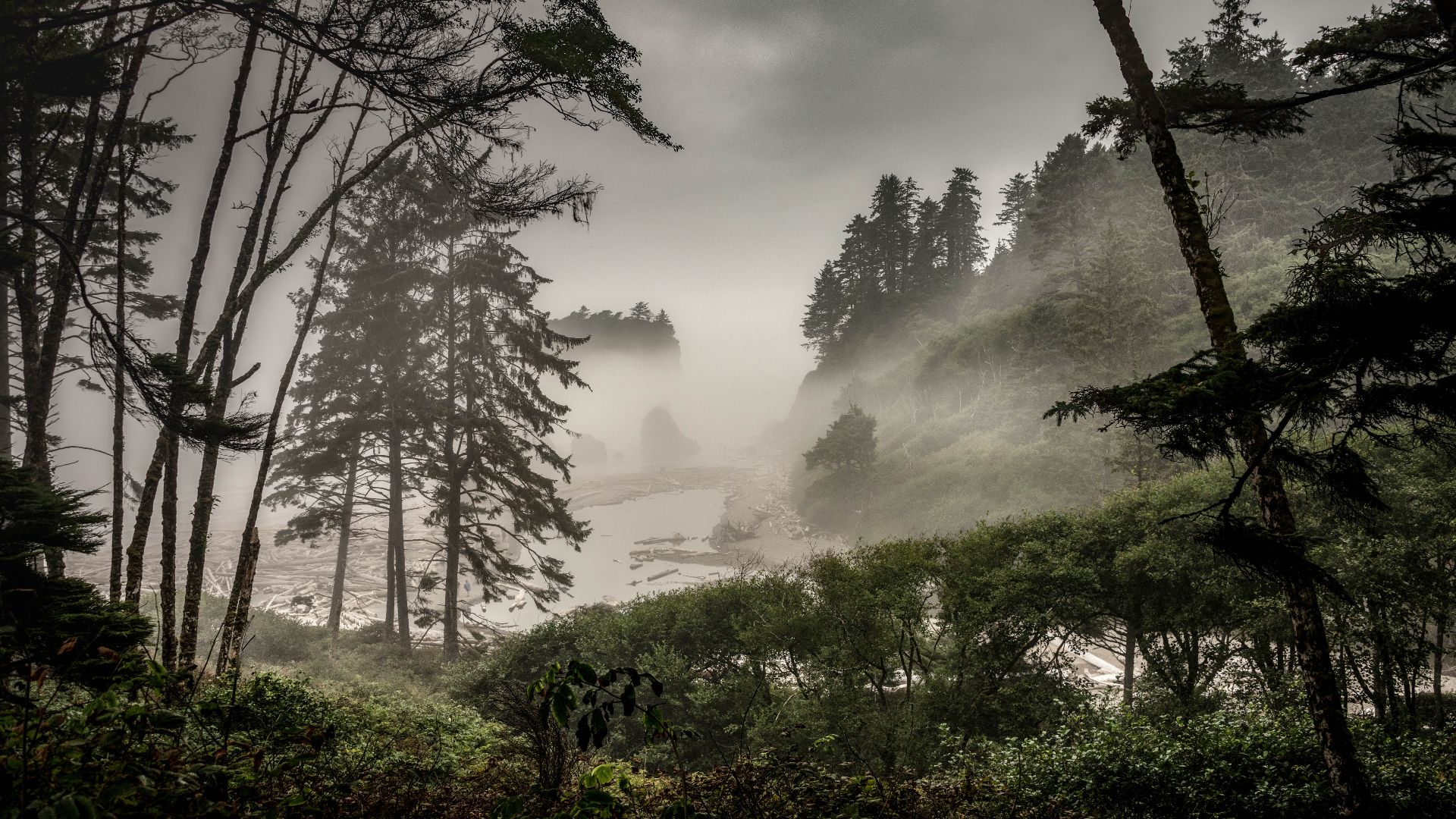
Olympic National Park's Wild Coast, Washington
Olympic National Park isn't exactly hidden, but much of its wild Pacific coastline still feels like it belongs in another century. Sea stacks, giant driftwood, dense forests, and empty beaches are the reward. The catch? The western side can receive roughly 100 to 170 inches of precipitation annually, while coastal fog has a habit of ignoring sunny forecasts inland.
 Bernd Thaller from Graz, Austria, Wikimedia Commons
Craters Of The Moon National Monument, Idaho
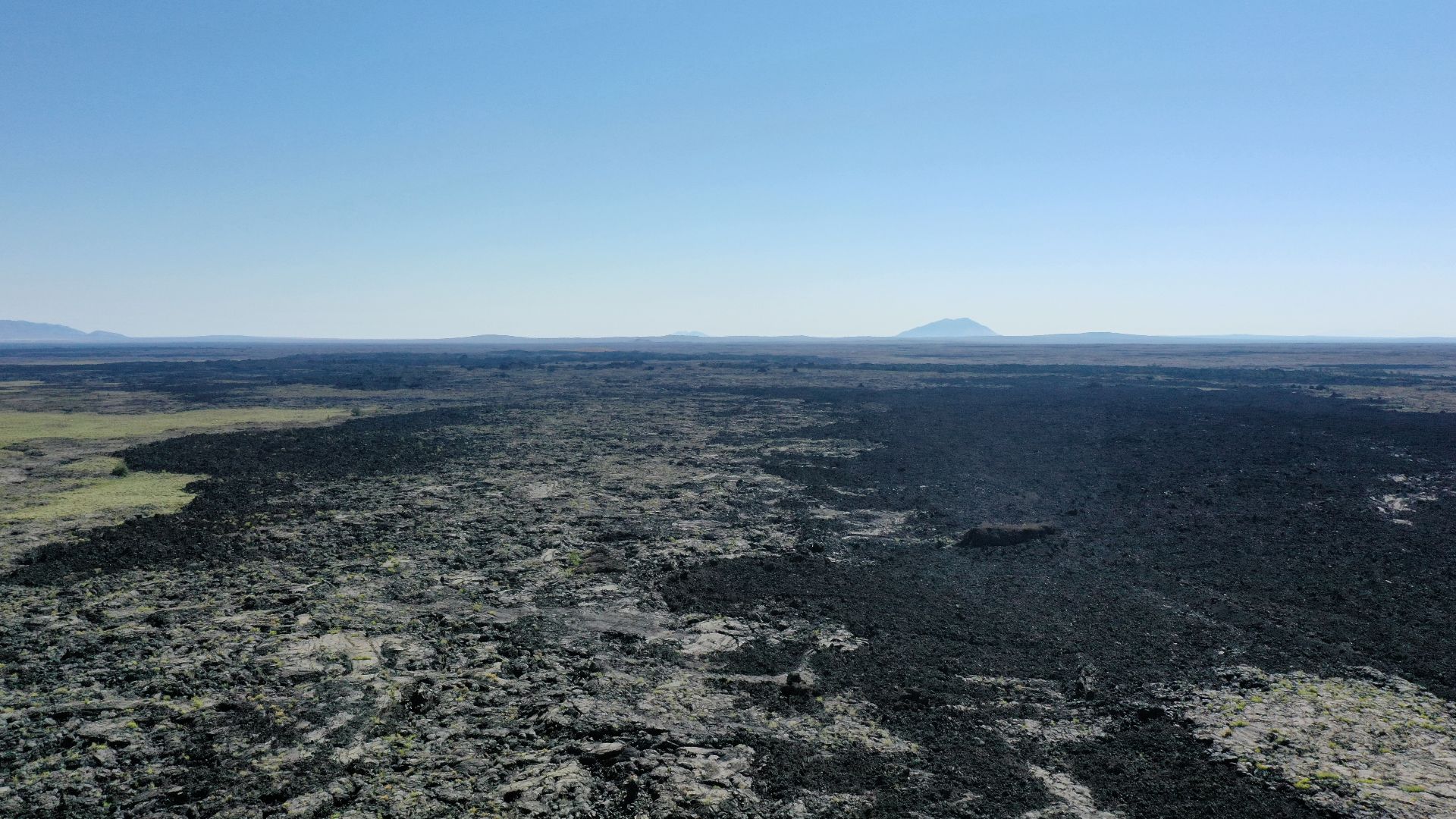
Craters of the Moon looks like somebody misplaced part of another planet in Idaho, which should probably make it more famous than it is. The weather also seems extraterrestrial. Winters get bitterly cold, summers get seriously hot, afternoon winds are common, and black lava surfaces can reach around 170°F. Lovely picnic weather.
Isle Royale National Park, Michigan
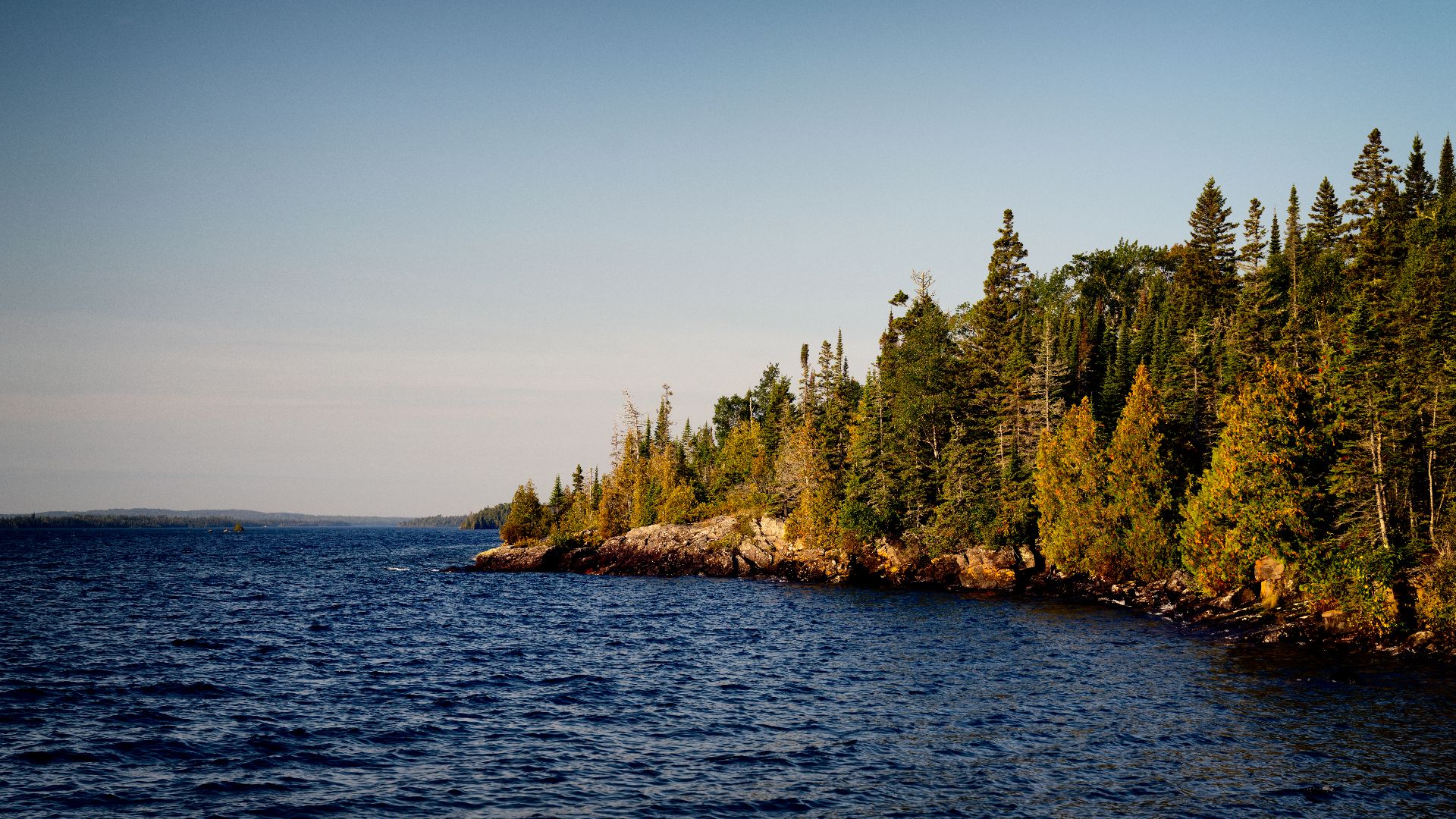
People who visit Isle Royale often describe it as one of America's most underrated national parks. Remote islands, forests, moose, wolves, and Lake Superior scenery certainly help make the case. But this isn't exactly a year-round getaway. The entire park closes to visitors from November 1 through April 15 because winter basically takes over.
 Tony Webster from Minneapolis, Minnesota, United States, Wikimedia Commons
Cumberland Island, Georgia
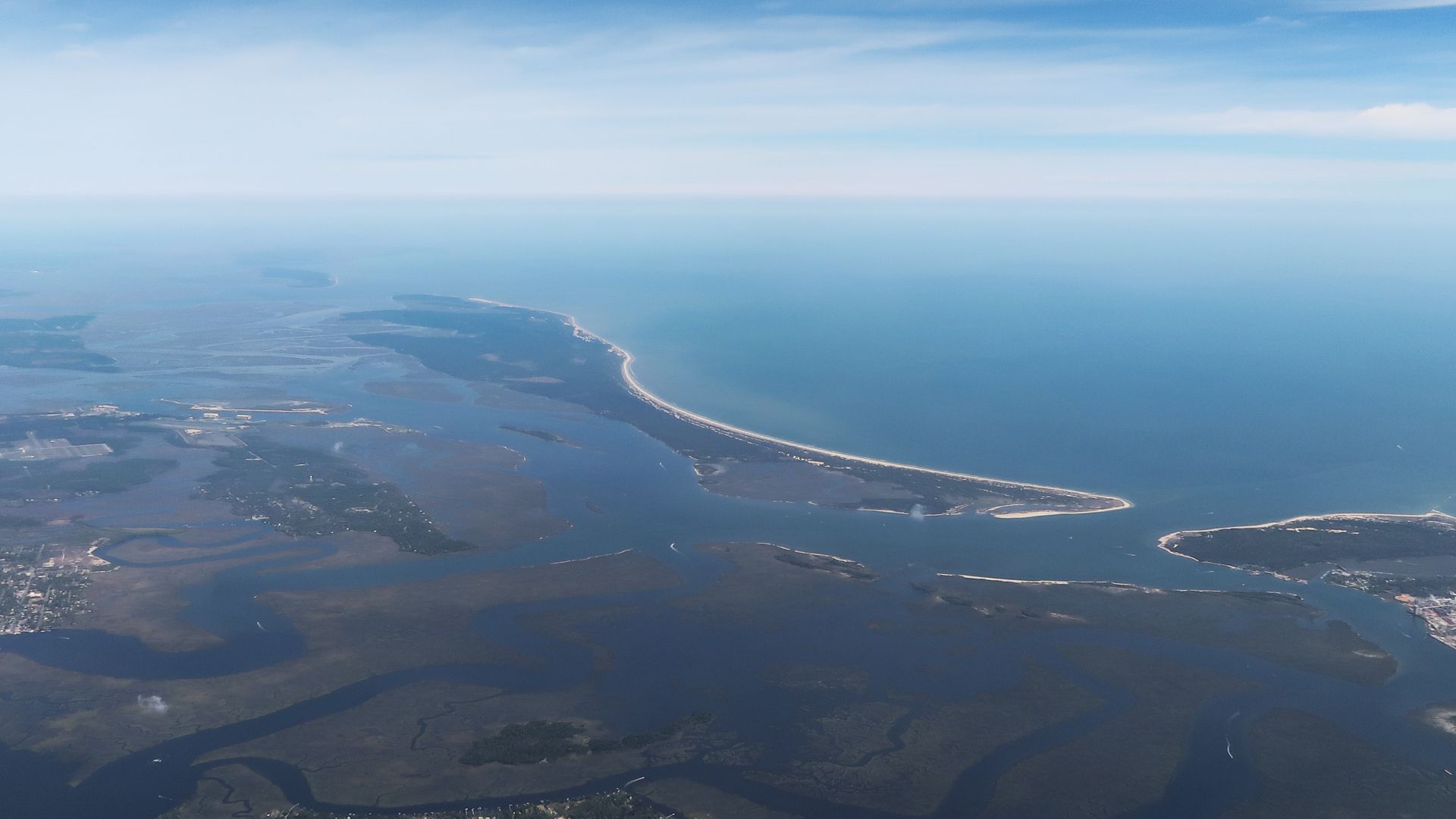
Wild horses wandering past maritime forests and enormous empty beaches sounds like something a luxury resort would charge a fortune for. Cumberland Island somehow remains wonderfully undeveloped. Summer helps explain why. Heat, humidity, afternoon storms, and exposed beaches can turn a dreamy island afternoon into a very sweaty reminder that you're still in southern Georgia.
The Lost Coast, California
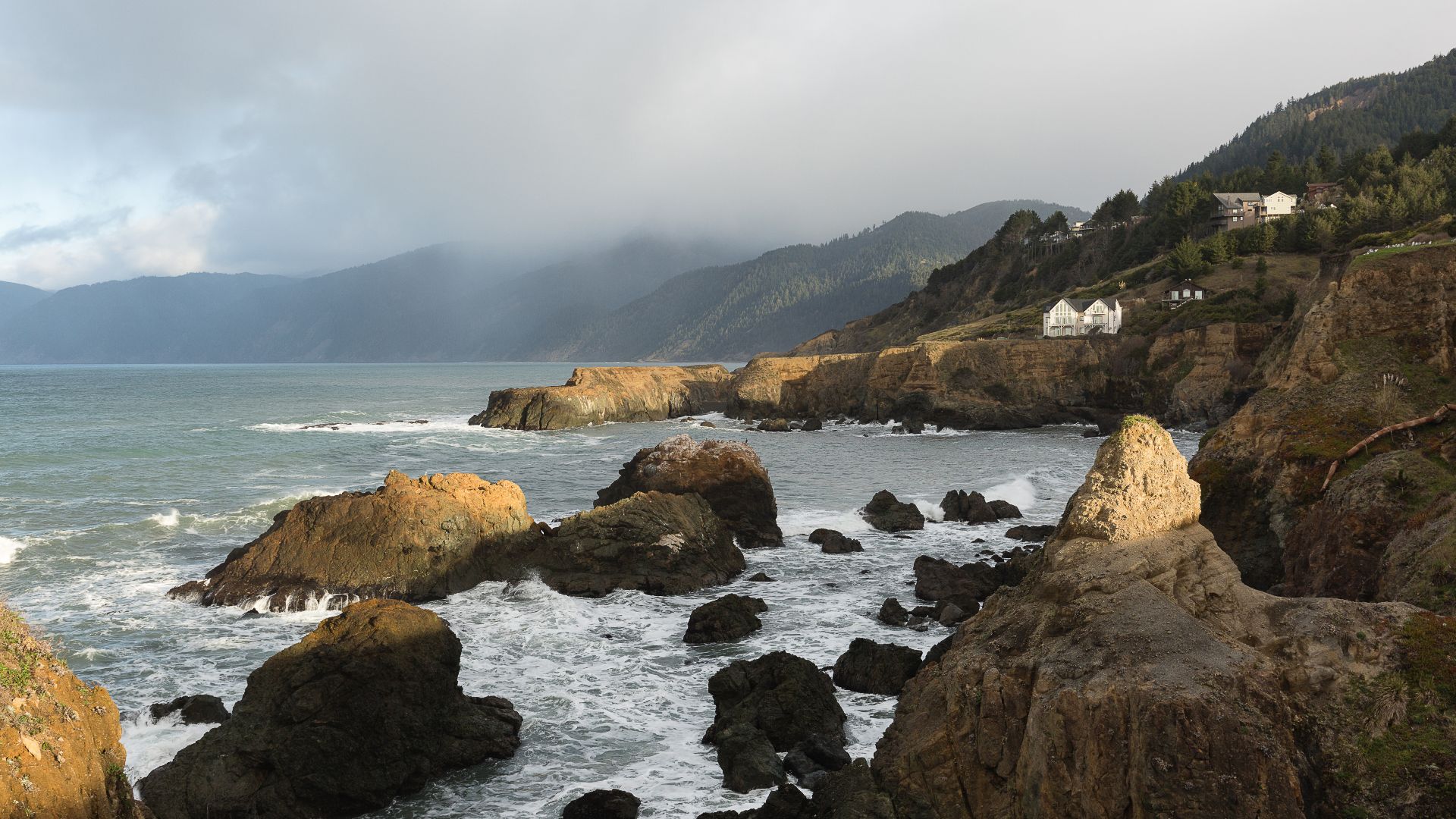
California built roads along almost its entire coastline and then essentially gave up here. The result is mountains dropping into the Pacific, isolated beaches, and miles of coastline that still feel genuinely wild. Winter storms and huge waves can make sections of the Lost Coast Trail dangerous or impassable. Beautiful? Absolutely. Convenient? Not particularly.
 Frank Schulenburg, Wikimedia Commons
Voyageurs National Park, Minnesota
Voyageurs is a giant maze of lakes, islands, forests, and hidden coves where having a boat is often more useful than having a car. It should be a summer superstar. Instead, visitors also get mosquitoes, deer flies, ticks, storms, wind, and waves. Apparently Minnesota figured the scenery was already giving us enough.
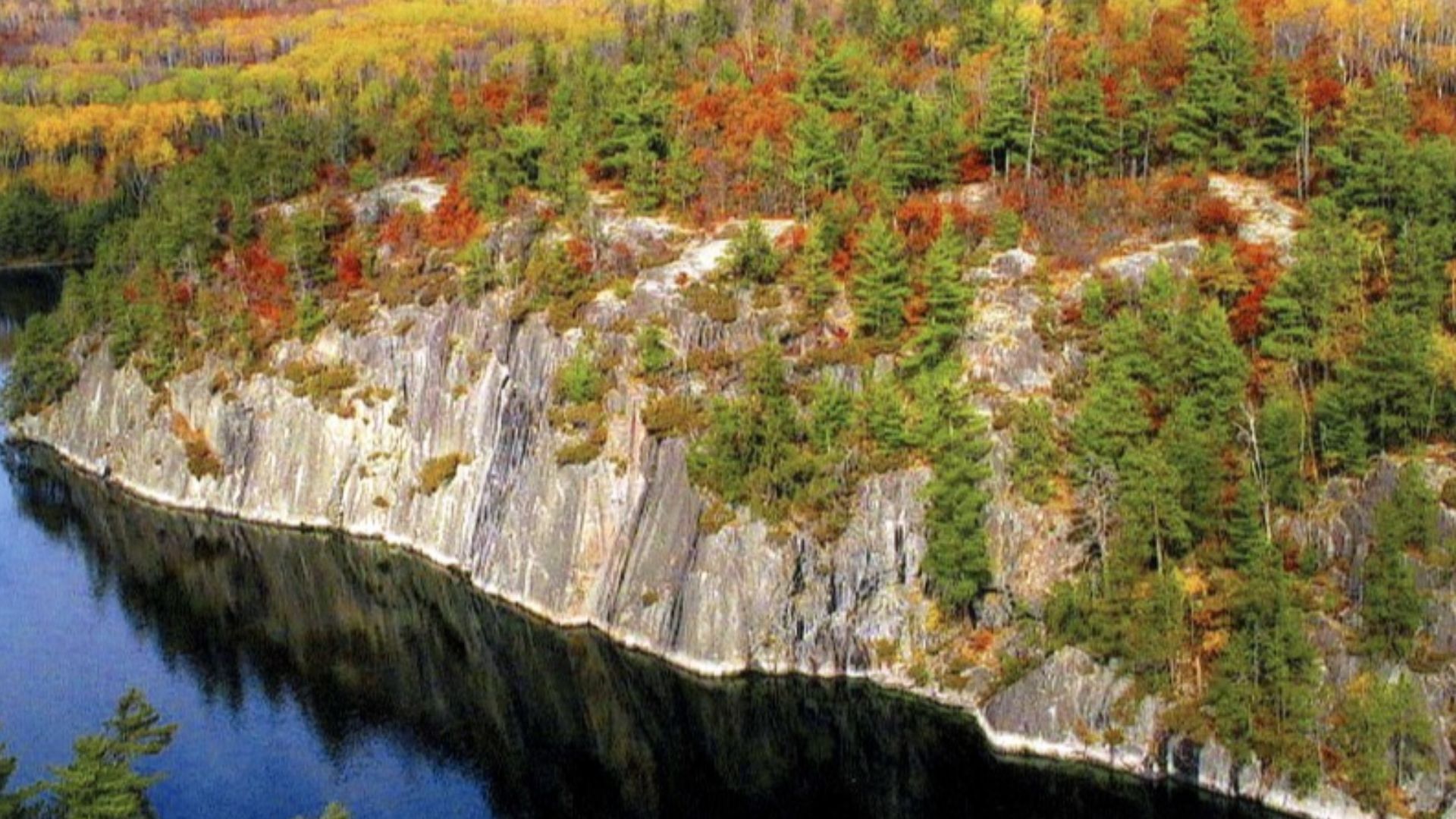
Black Canyon Of The Gunnison National Park, Colorado
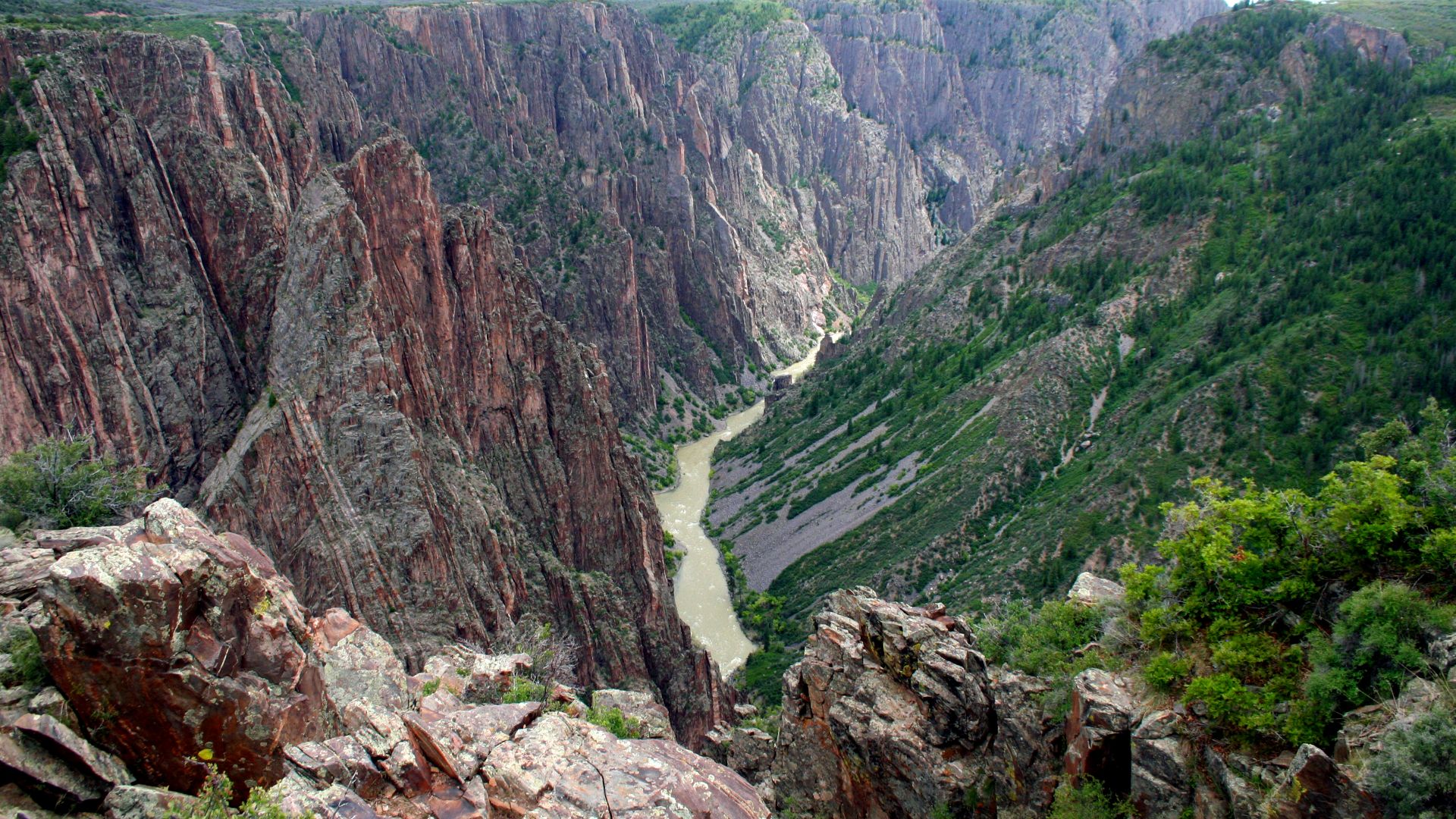
Black Canyon regularly comes up when experienced park travelers start discussing places that deserve more attention. Its dark, almost vertical walls certainly don't lack drama. Winter access does, though. Snow closes much of the South Rim Road to vehicles, turning an easy scenic drive into cross-country skiing and snowshoeing territory instead.
 Terry Foote, Wikimedia Commons
Cape Lookout National Seashore, North Carolina
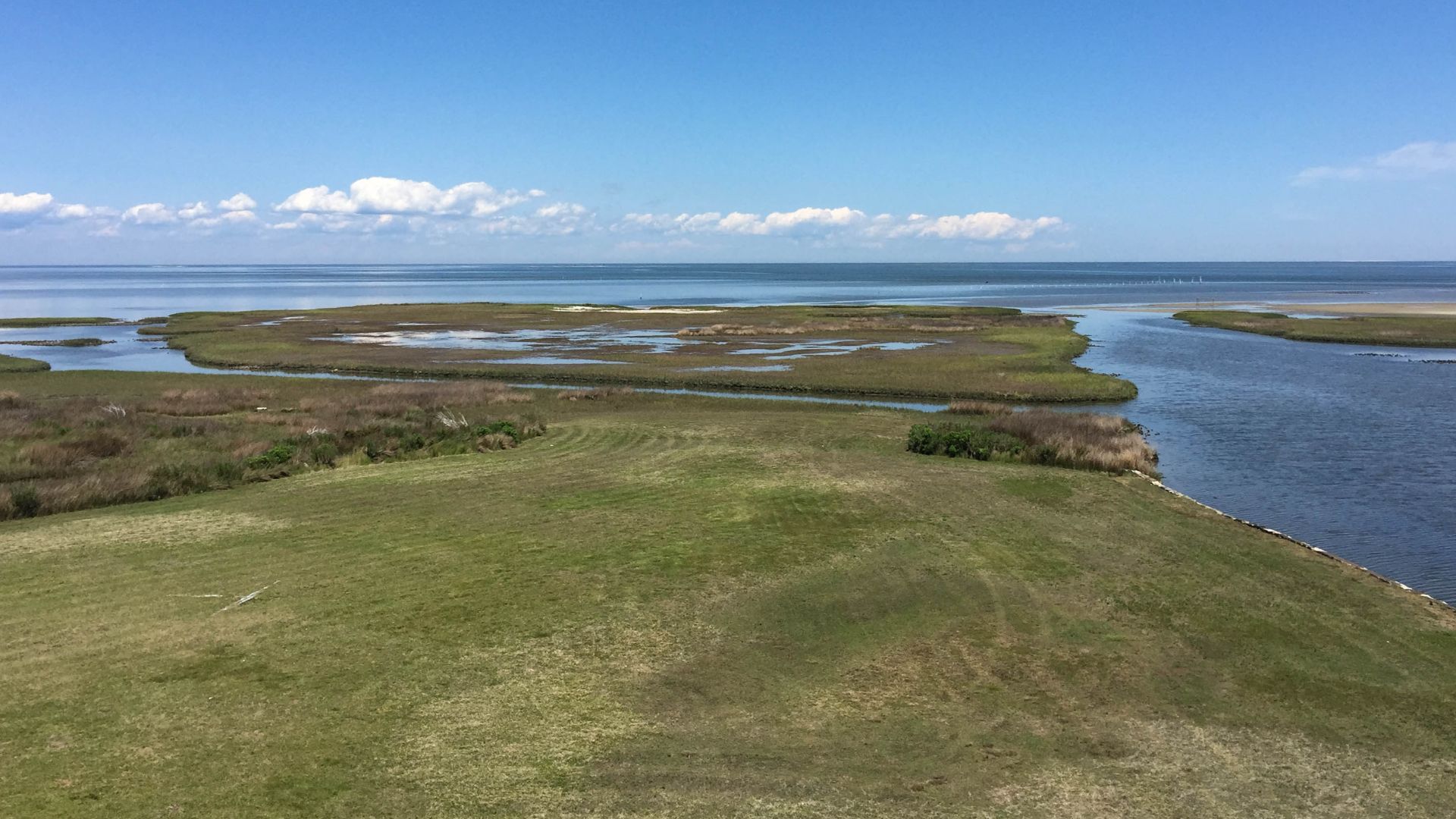
Cape Lookout has undeveloped barrier islands, wild beaches, and that unmistakable black-and-white lighthouse, yet it can still feel surprisingly empty. Summer temperatures commonly climb into the 80s and 90s with very high humidity, while coastal storms, nor'easters, tropical storms, and hurricanes are simply part of life out here.
 Victoria Stauffenberg, Wikimedia Commons
Great Basin National Park, Nevada
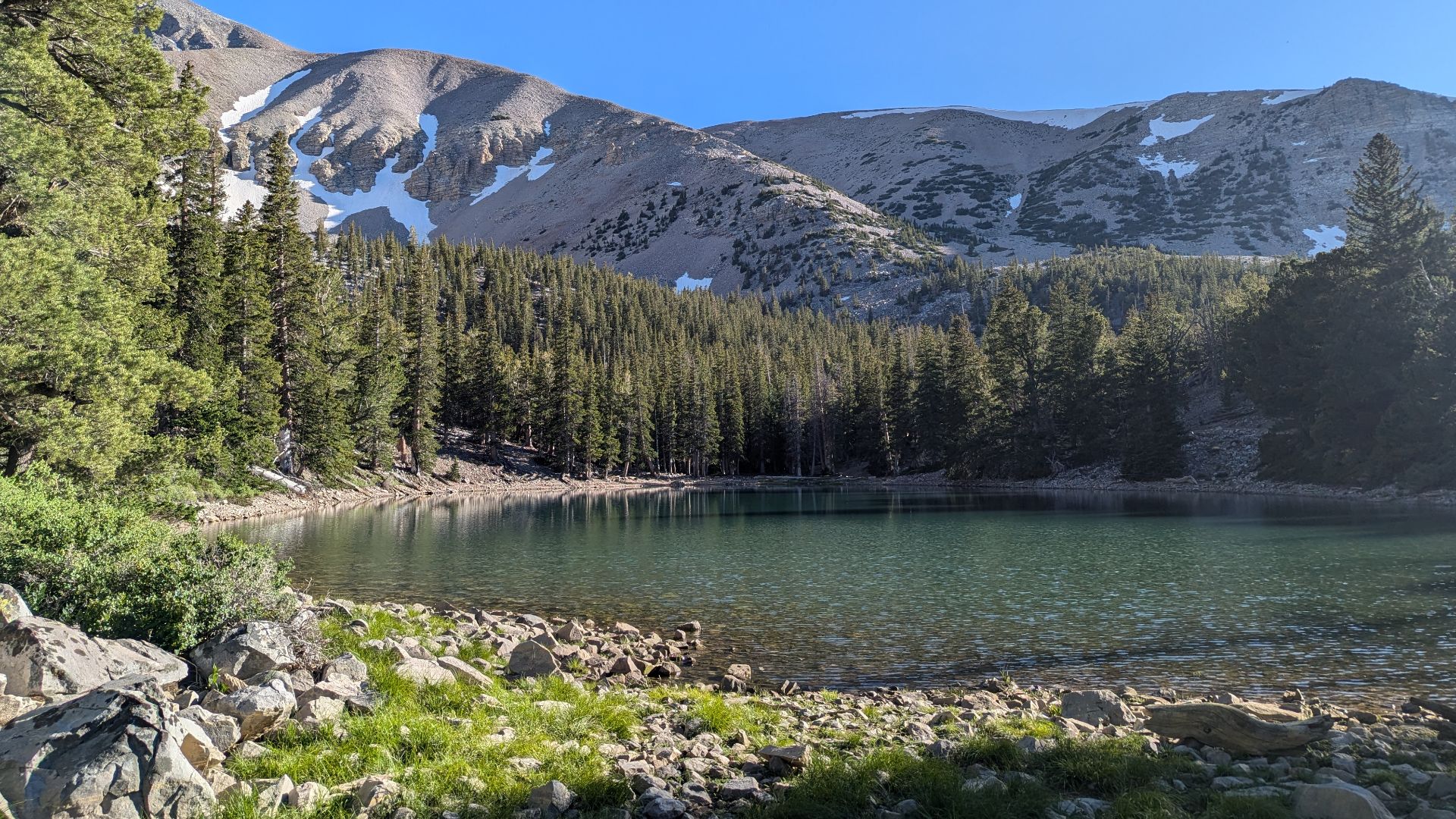
Great Basin has ancient bristlecone pines, caves, alpine lakes, dark skies, and a 13,000-foot mountain. People who've been tend to wonder why more people haven't. Snow is one answer. Much of the high country spends a substantial part of the year buried, and full access to the park's higher roads is largely a warm-season privilege.
 Roller Coaster Philosophy, Wikimedia Commons
Kenai Fjords National Park, Alaska
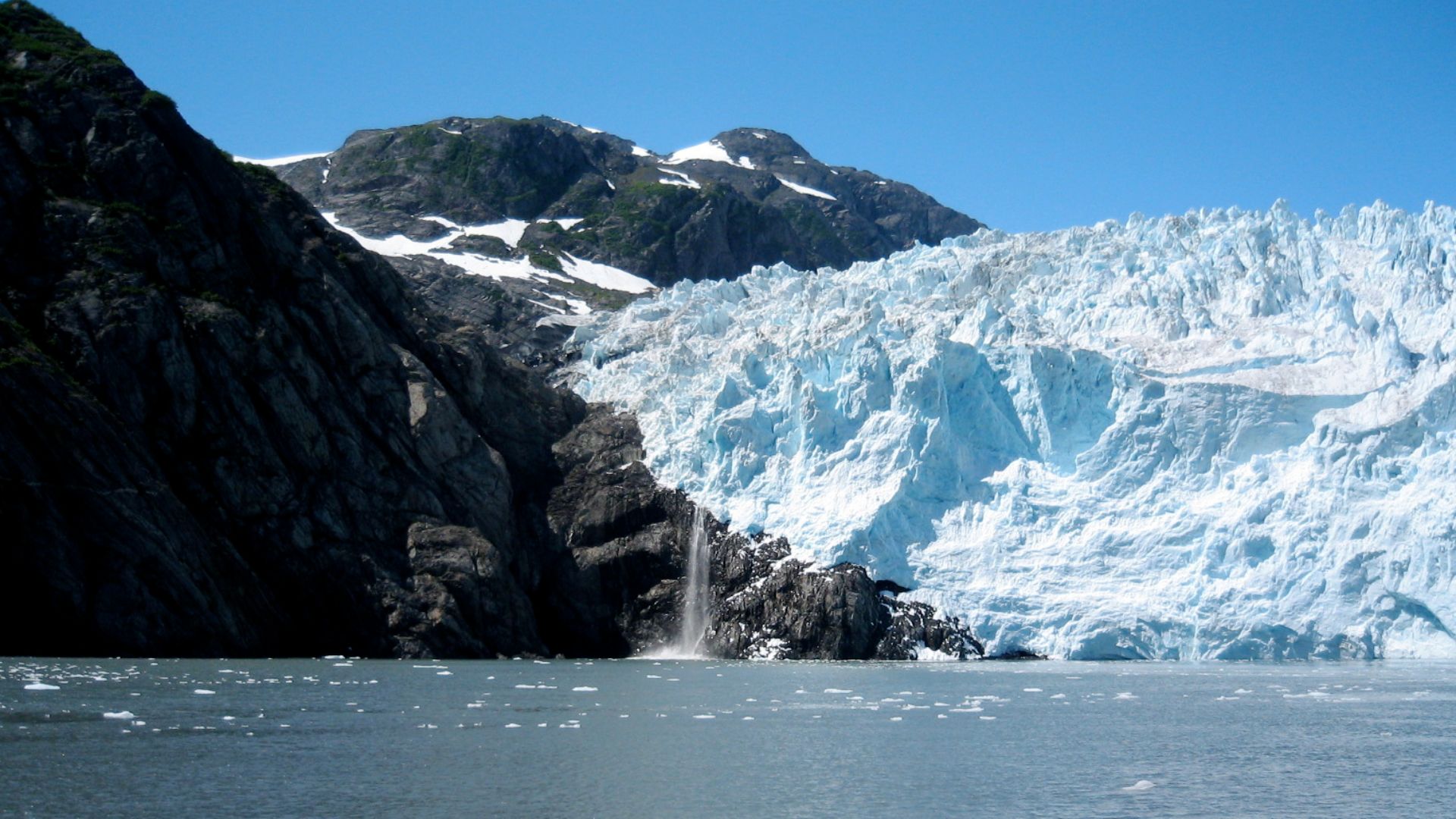
Glaciers meeting the ocean, enormous icefields, whales, sea otters, mountains, and fjords make Kenai Fjords almost ridiculously scenic. The forecast is less cooperative. Long stretches of summer rain aren't unusual, ocean storms can arrive quickly, and changing conditions can complicate trips to some of the park's most spectacular areas.
 Balazs Barnucz, Wikimedia Commons
Theodore Roosevelt National Park, North Dakota
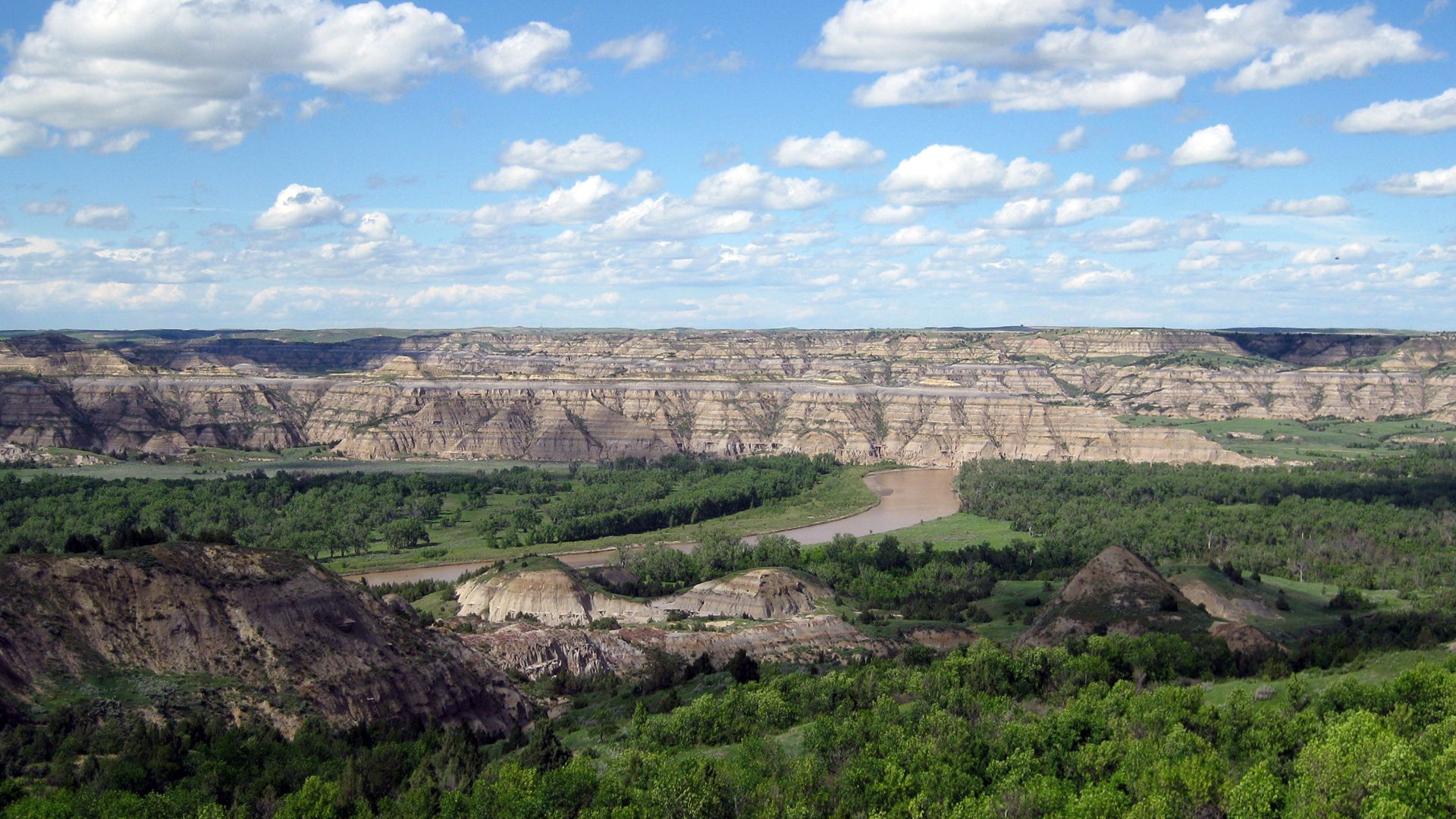
Badlands, bison, wild horses, river valleys, and wide-open scenery make Theodore Roosevelt one of those places travelers visit and immediately wonder why everyone else isn't there. North Dakota weather has an answer. Summer brings heat and sometimes violent thunderstorms, while winter can deliver bitter cold, snow, ice, and full-blown blizzard conditions.
 NPS/Mark Hoffman, Wikimedia Commons
Boundary Waters Canoe Area Wilderness, Minnesota
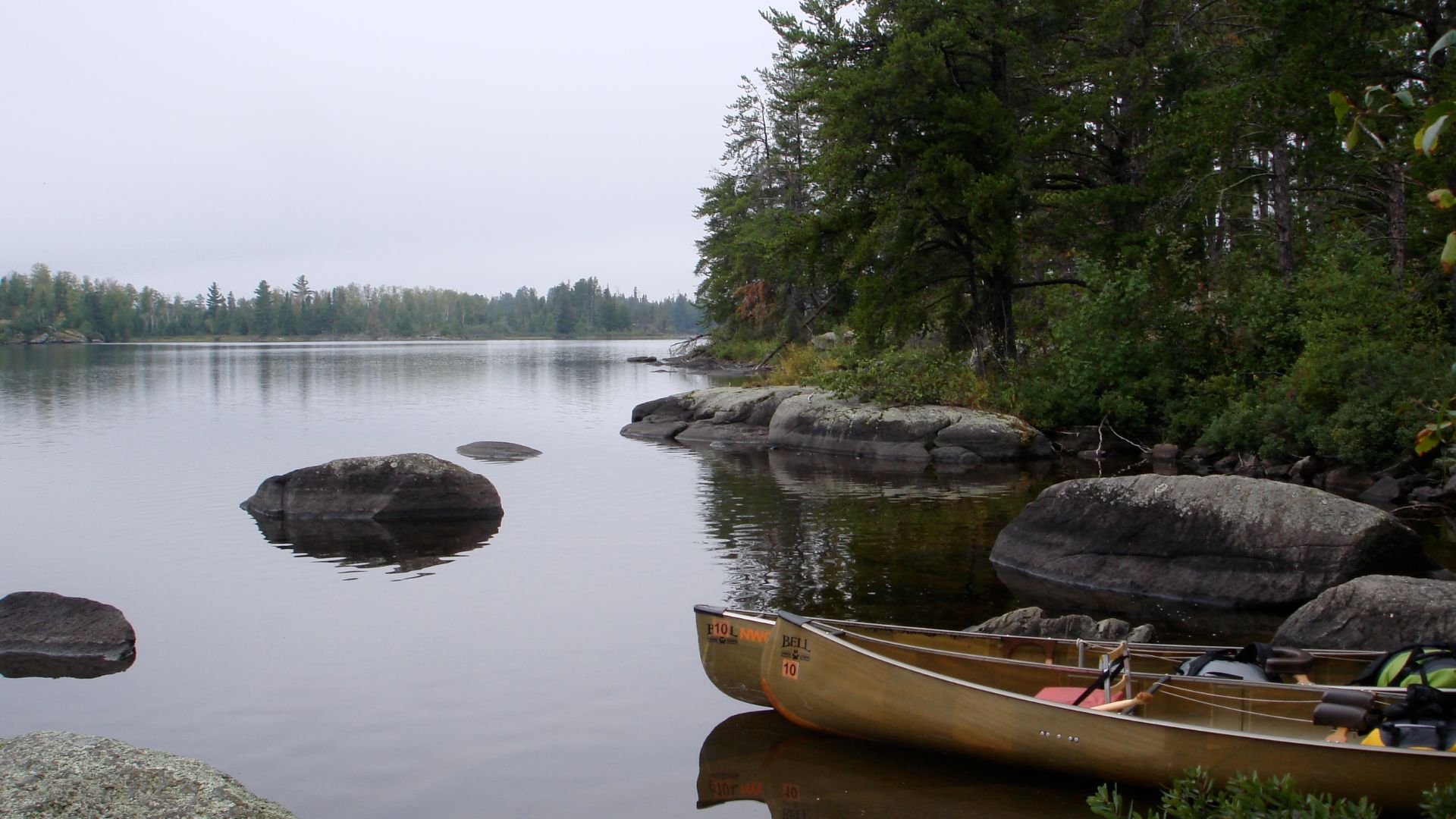
People who love the Boundary Waters really love the Boundary Waters. A million-plus acres of lakes, forests, campsites, and almost no civilization will do that. The weather is less romantic. Storms, rain, wind, lightning, cold nights, and mosquitoes can all join your canoe trip. Sometimes several of them appear to have coordinated beforehand.
 Chad Fennell, Wikimedia Commons
Lassen Volcanic National Park, California
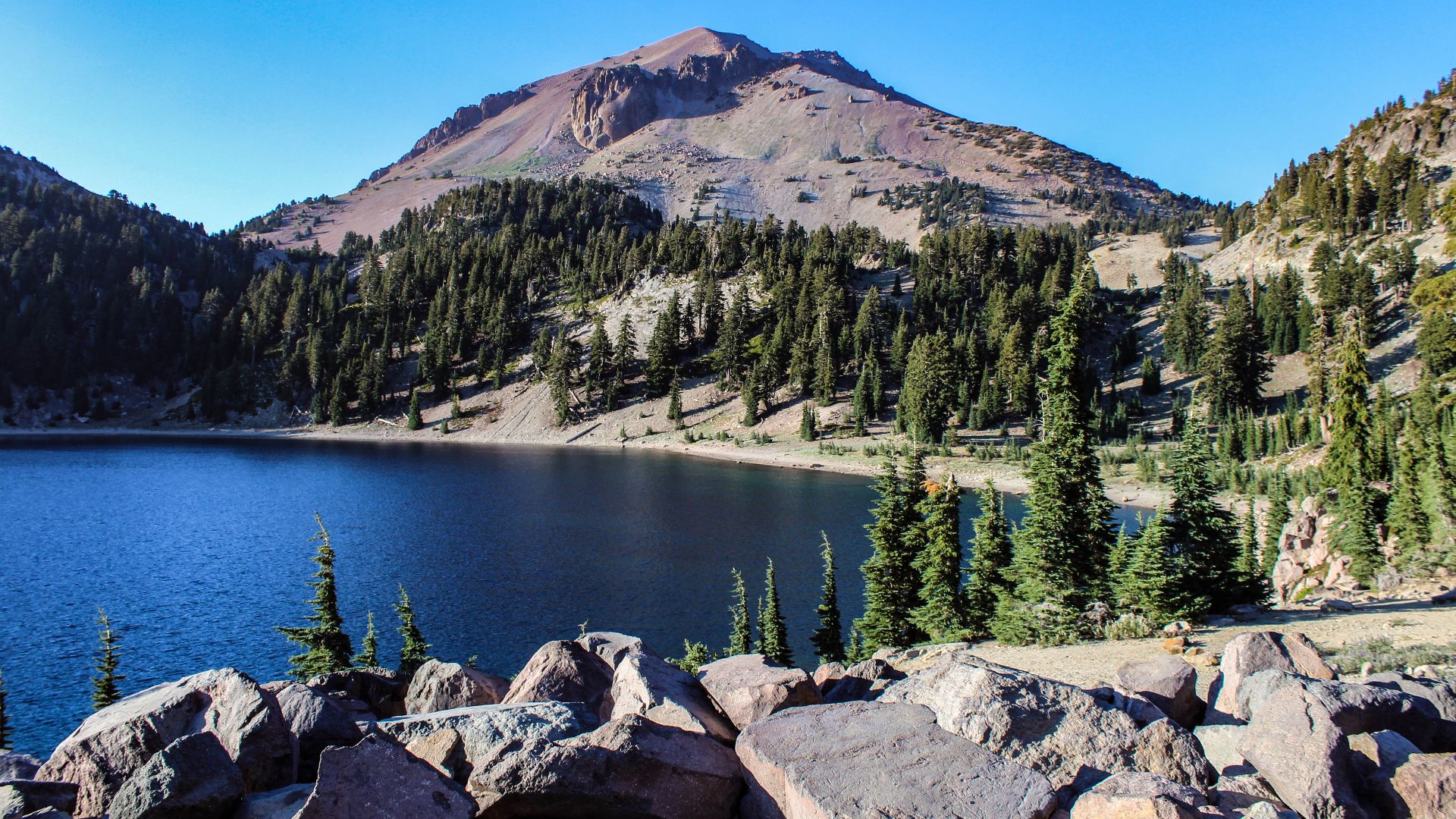
Lassen has volcanoes, steaming hydrothermal areas, mountain lakes, alpine scenery, and a fraction of the attention California's better-known parks receive. Winter is one reason. Snow can pile up so deeply that road crews occasionally face 30 to 40 feet of it while reopening the main park road. That's less snow removal and more archaeology.
 Victoria Stauffenberg, Wikimedia Commons
Wrangell-St. Elias National Park, Alaska
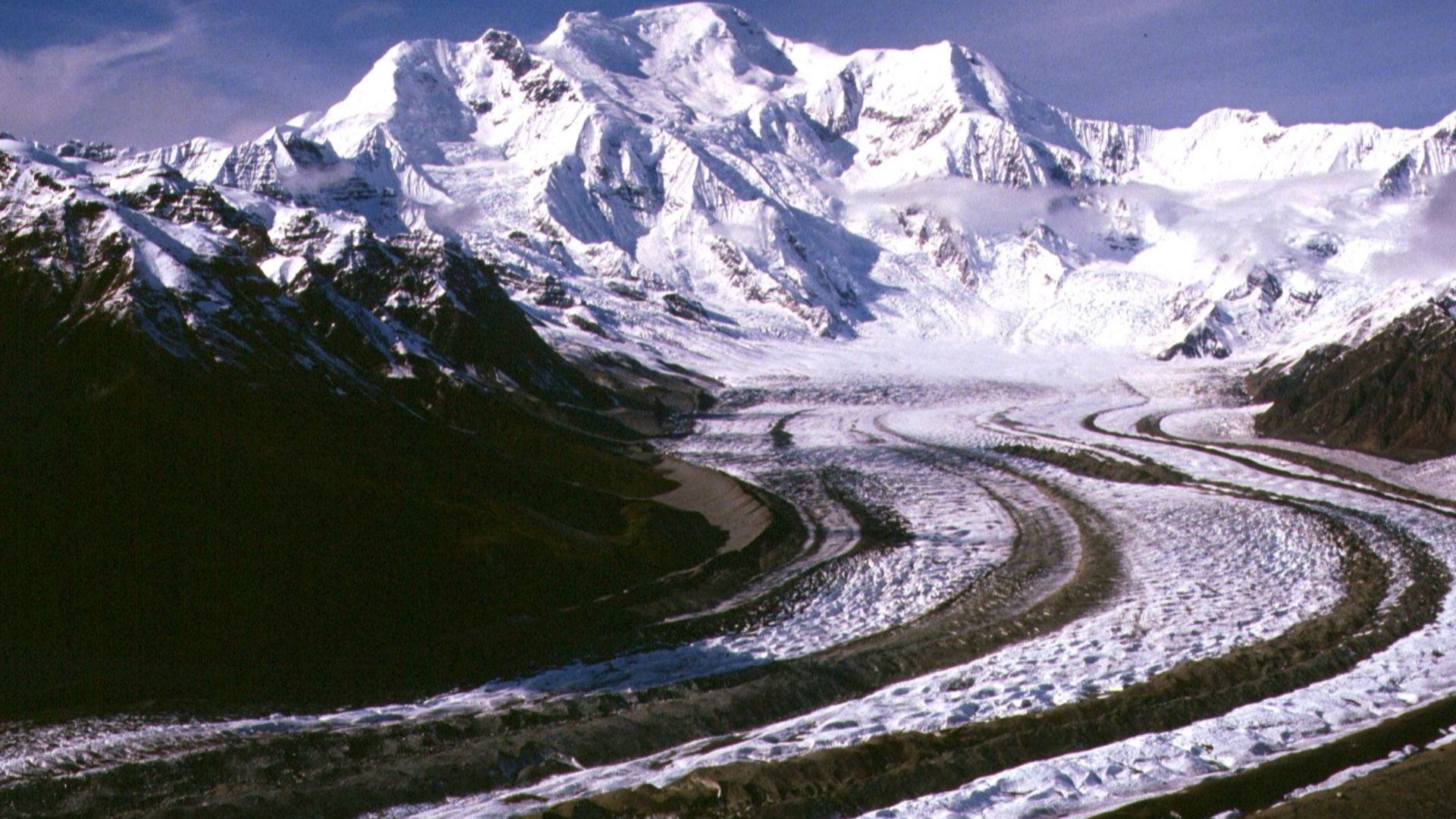
America's largest national park has mountains, glaciers, wild rivers, historic mining towns, and enough wilderness to make entire states feel crowded. But the conventional visiting season is basically mid-May through mid-September, with snow often returning by late September. Alaska apparently believes four good months should be more than enough.
Maybe The Bad Weather Is The Whole Point
Give these places endless sunshine, mild temperatures, and predictable weekends and some of them probably wouldn't stay hidden gems for very long.
Then again, maybe that's the deal. The rain, wind, snow, fog, heat, storms, and occasional mosquito invasion can be annoying…but they're also doing a pretty good job keeping the tour buses away.
You Might Also Like:
I found a collection of 10 old coins while snorkeling on vacation. Finders keepers, right?
Famous Destinations Americans Say Are Amazing—But Would Never Go Back To See Again