Retail's Lost Empire
America's biggest malls weren't built to fail. From neon-lit atriums to mirrored ceilings, they dominated the ’60s–’80s. Then came demolition, decay, and bizarre second lives as movie sets and warehouses.

Valley View Center (Dallas, Texas)
Valley View Center once dazzled Dallas with neon signs, mirrored ceilings, and a lively 1980s atrium that doubled as a performance hub. Opened in 1973 at Preston Road and I‑635, it grew to 134 stores and six anchors before the decline set in. By May 2023, demolition had cleared space for Dallas Midtown.
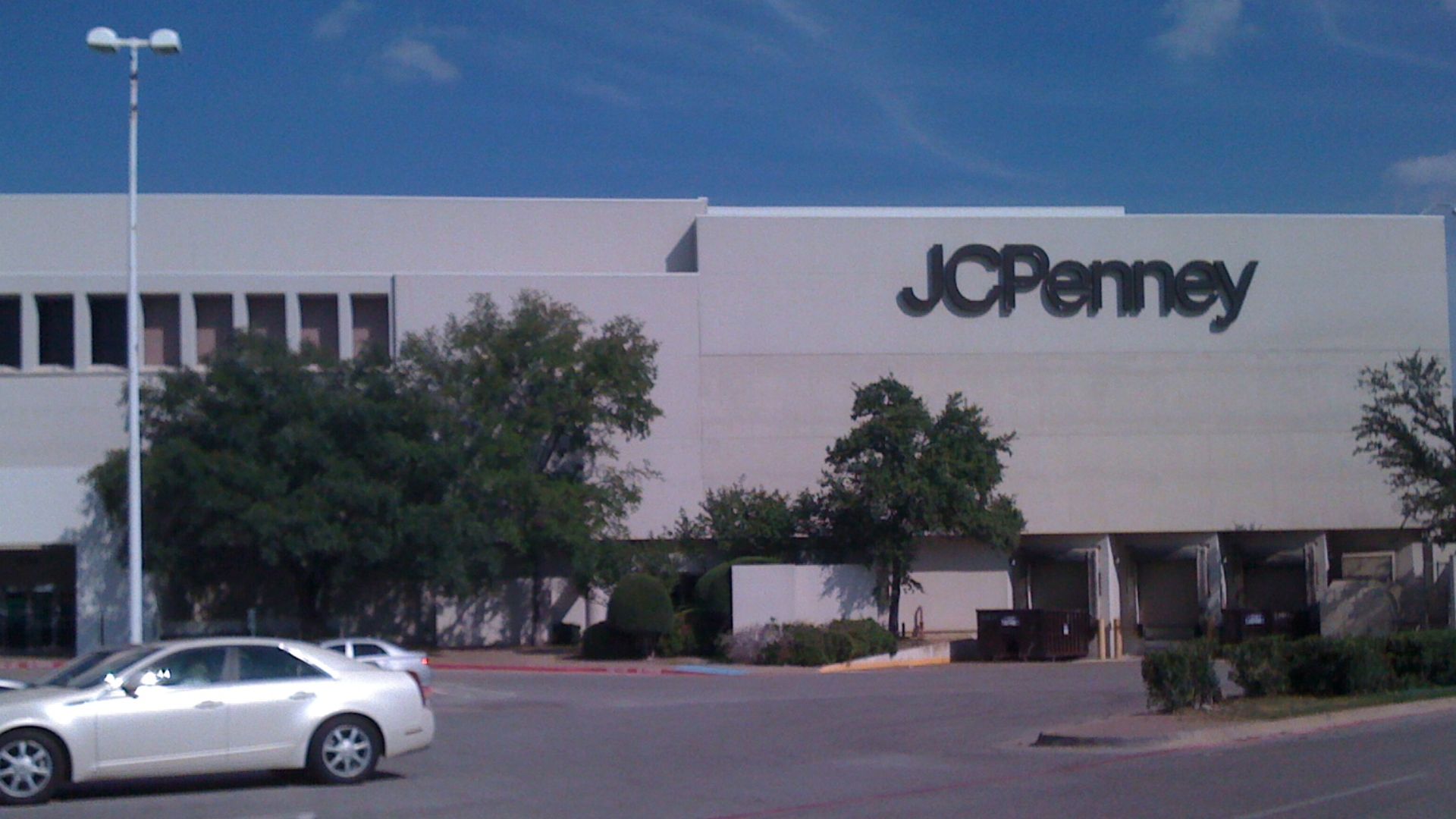
Randall Park Mall (North Randall, Ohio)
Opening in 1976 as the nation’s largest mall, Randall Park stretched across 2.2 million square feet with more than 200 stores. Decline arrived by the 1990s, resulting in its 2009 closure. The grounds were eventually repurposed into an Amazon fulfillment center, which marked a dramatic reinvention.
 MikeKalasnik, Wikimedia Commons
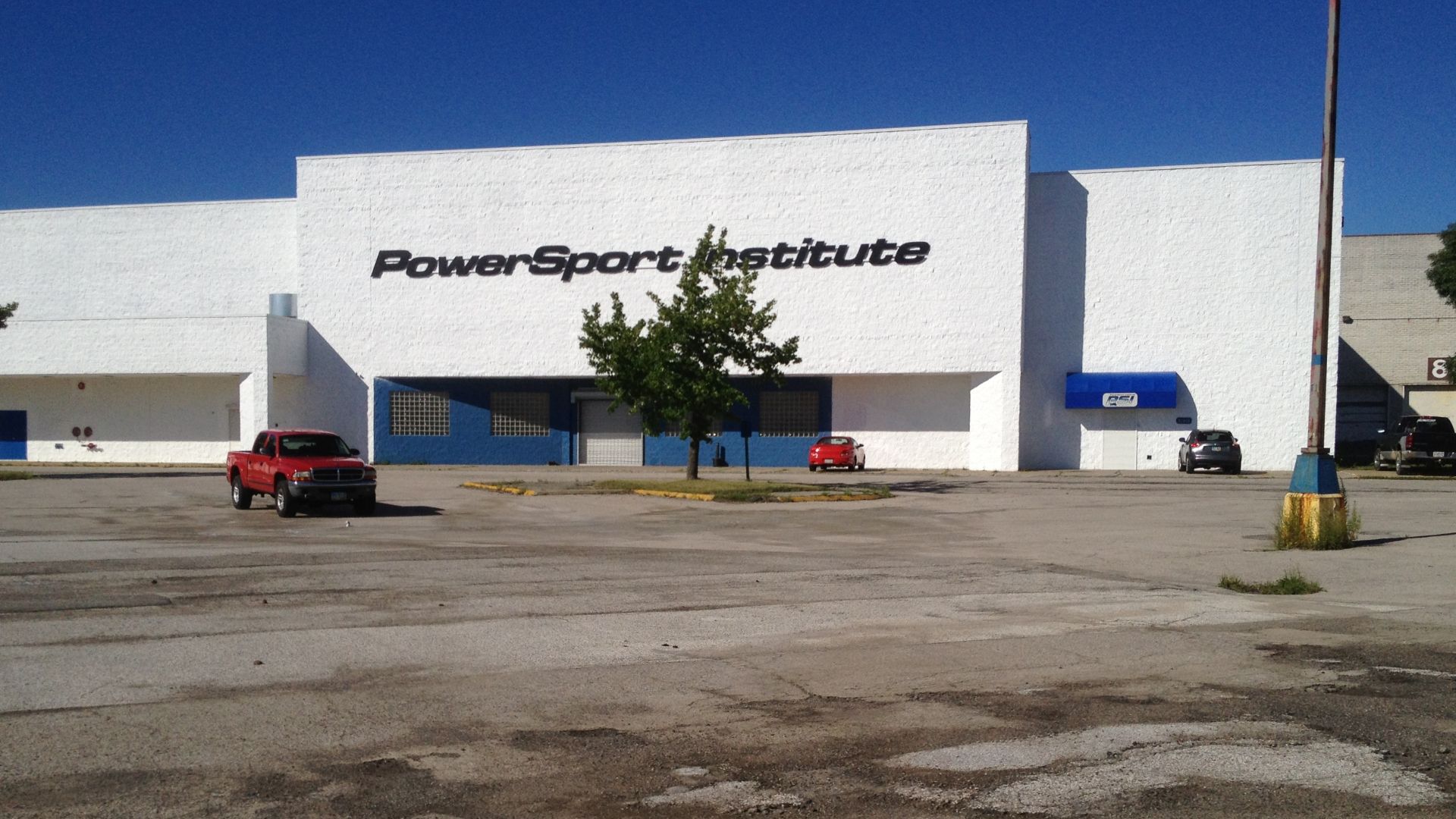
North Towne Square (Toledo, Ohio)
This mall was built in 1981 near the Ohio–Michigan border with the aim to capture growing suburban demand. Its pastel interiors and central fountain defined its early years, but competition eroded support. Closing in 2005, it was demolished in 2013 and left only memories of a mall.
 Joemcewan1983, Wikimedia Commons
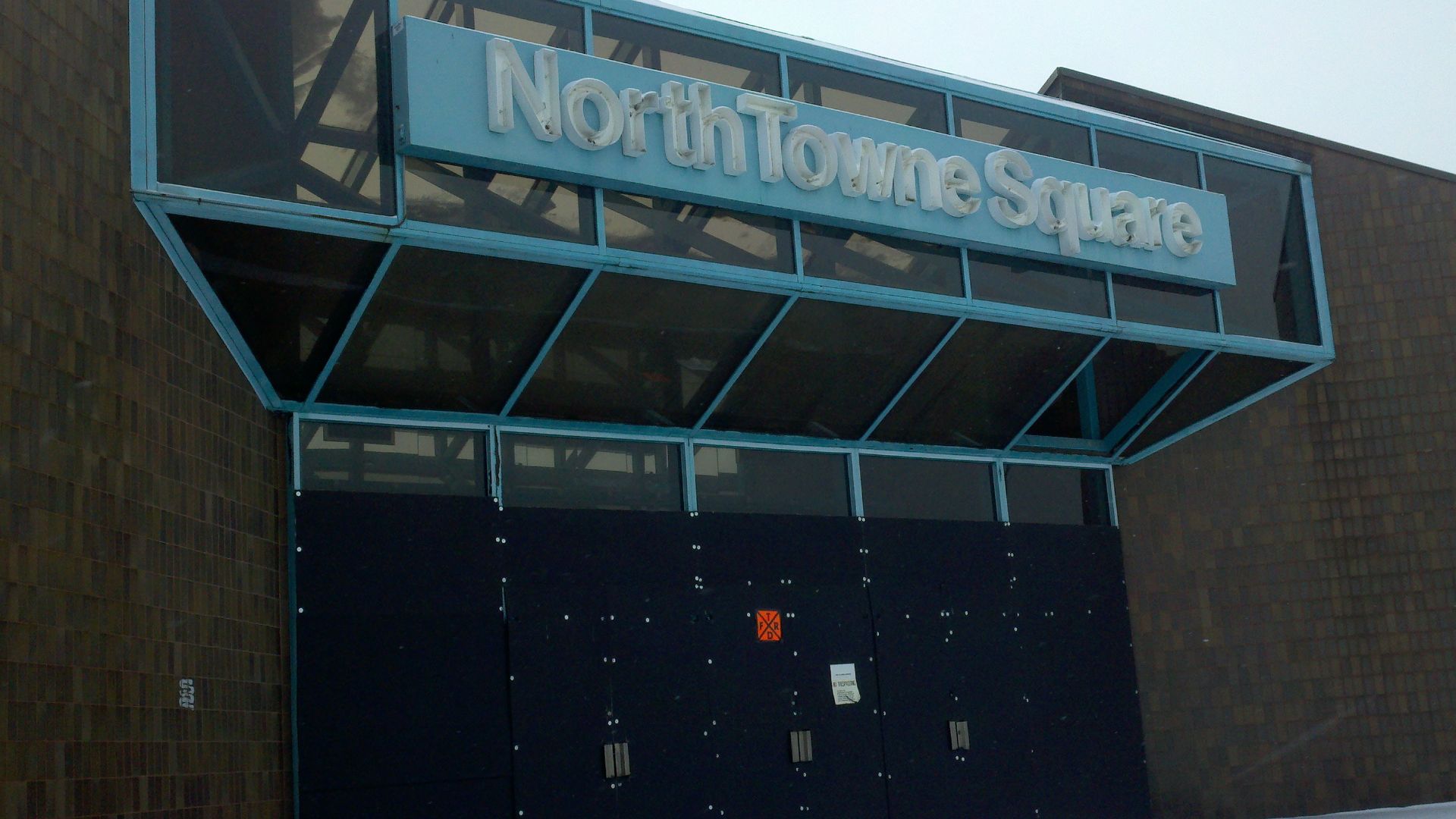
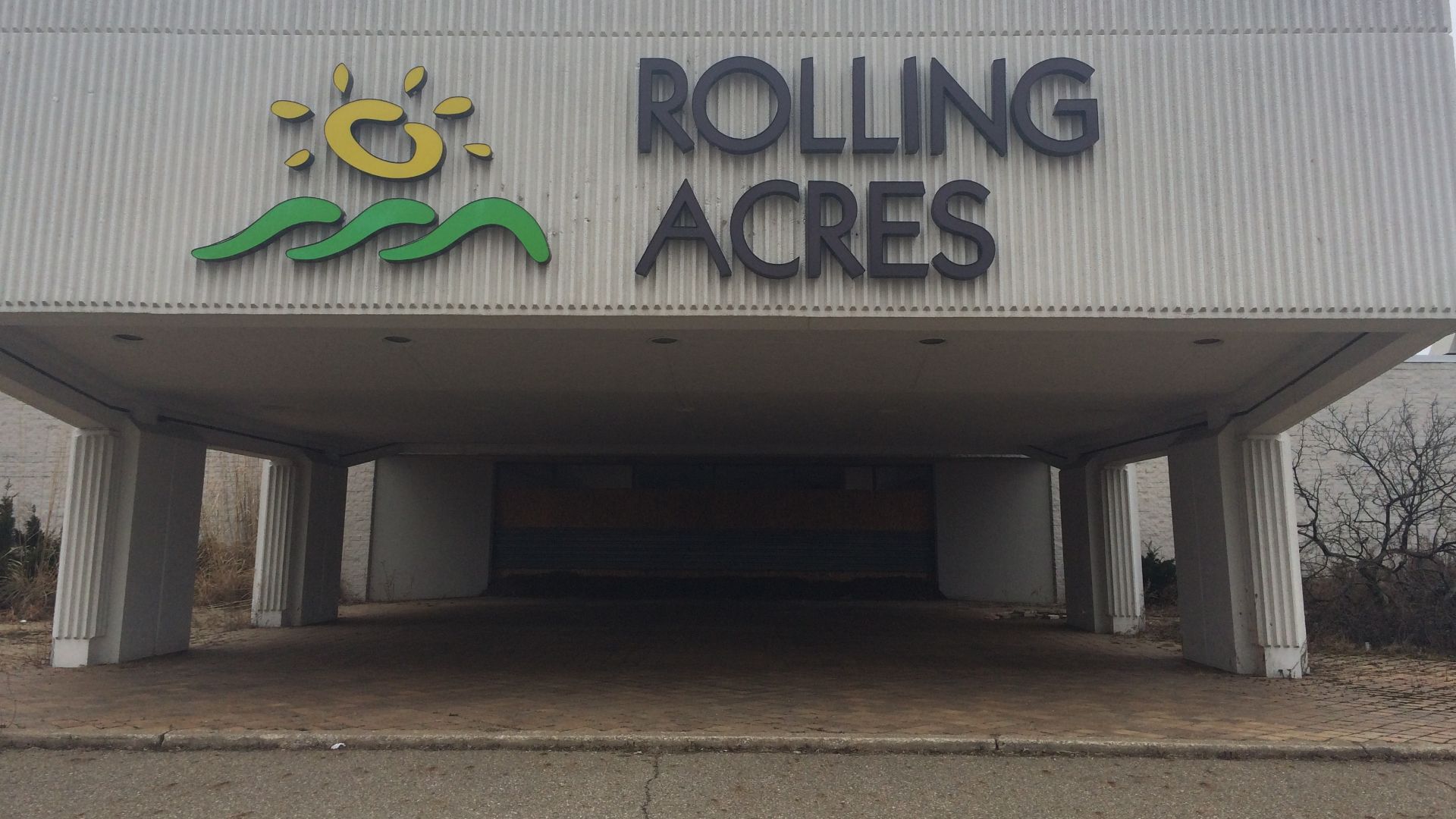
Rolling Acres Mall (Akron, Ohio)
Long before demolition arrived in 2017, Rolling Acres Mall had already become a symbol of retail abandonment. Its final years were documented by explorers who wandered through skylit corridors once filled with major anchors and 150 stores. Few remembered how futuristic the 1975 design looked when it first debuted.
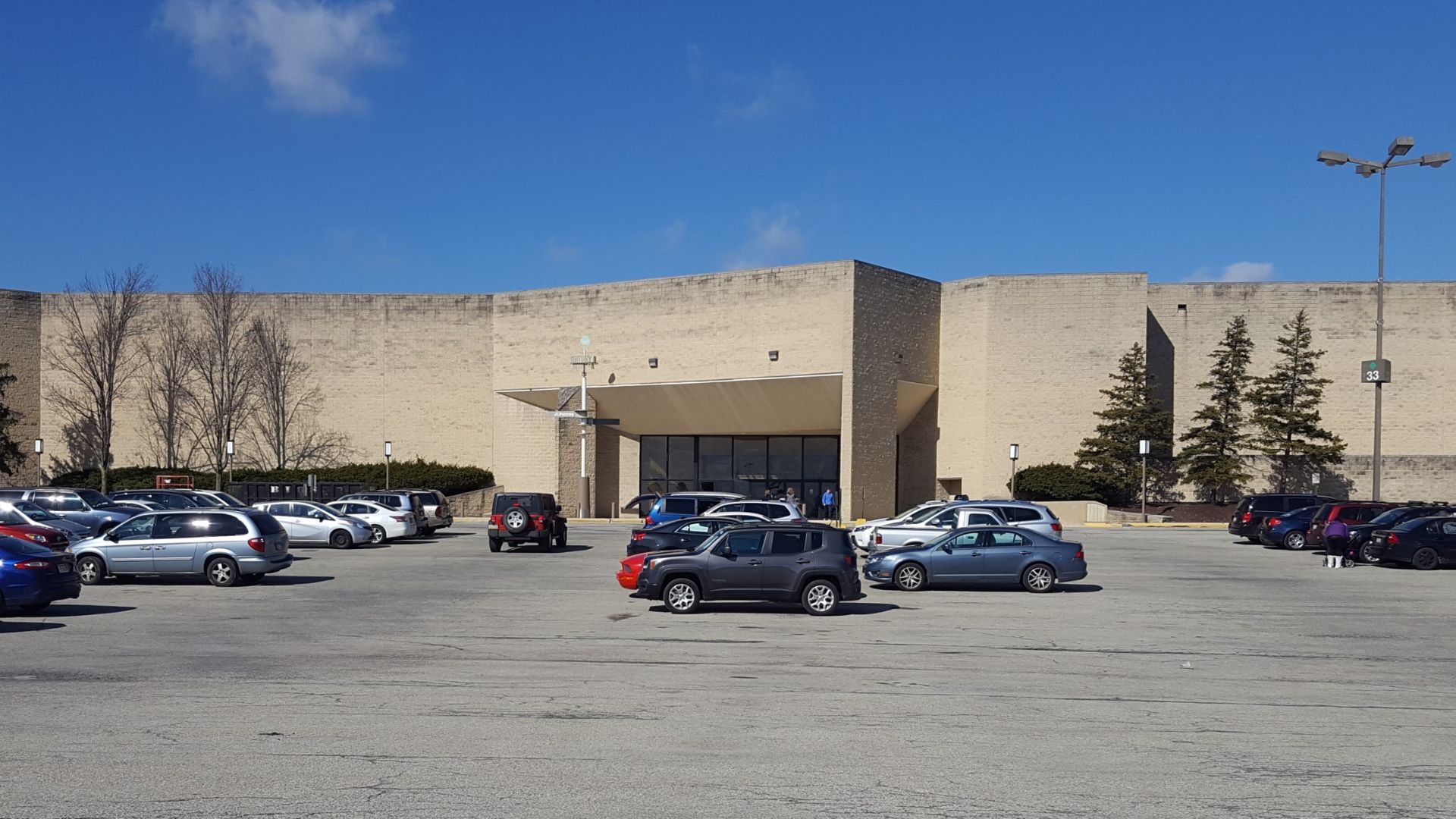
Century III Mall (West Mifflin, Pennsylvania)
Century III Mall opened in 1979 with 200 stores and six anchors, quickly becoming a Pittsburgh retail landmark. Over the decades, decline set in, and by 2019, the mall closed after years of fading activity. Demolition in the 2020s marked the final chapter of its once‑towering presence.
 MikeKalasnik, Wikimedia Commons
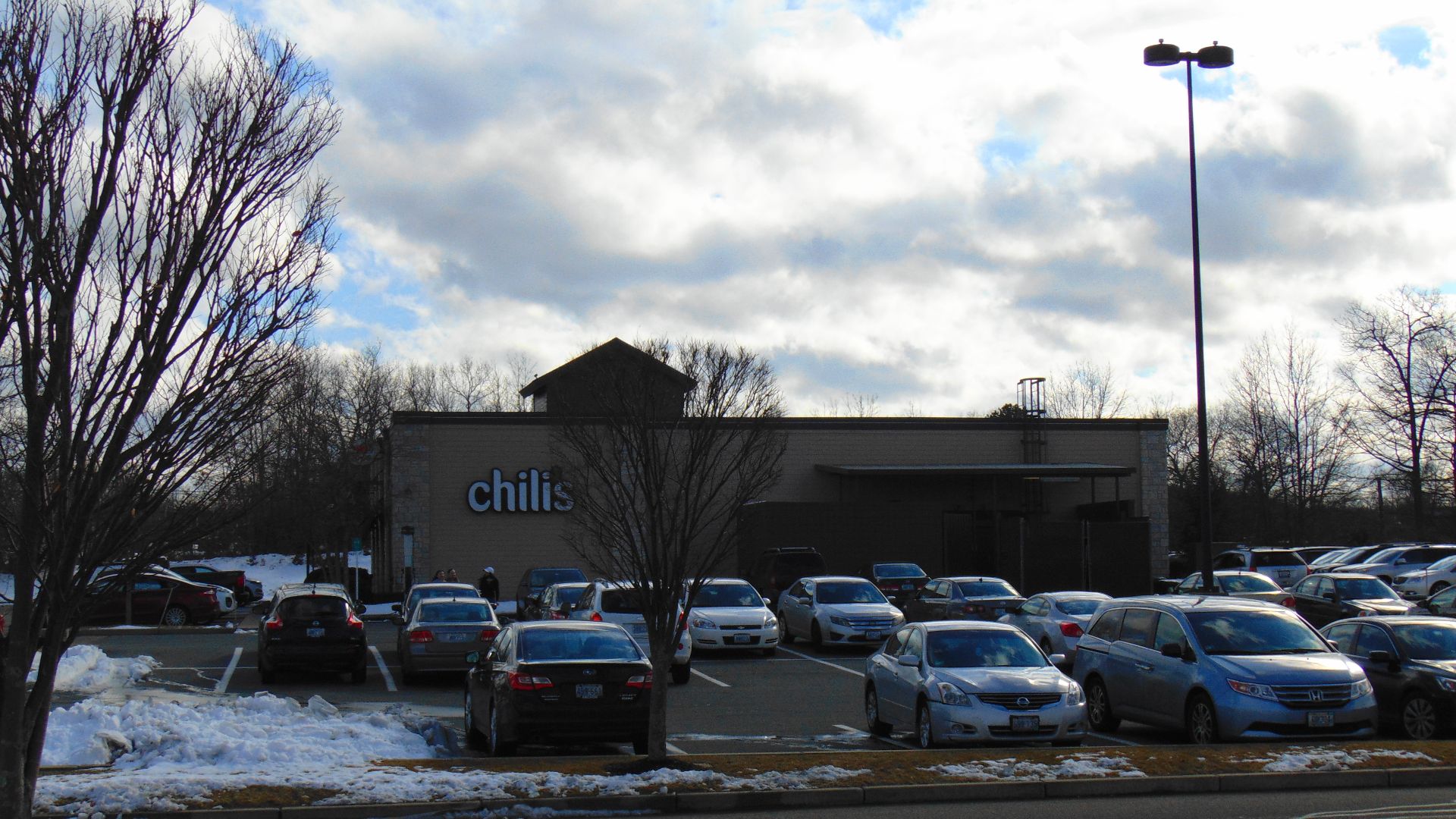
Lincoln Mall (Matteson, Illinois)
Weekend crowds once packed Lincoln Mall, drawn to its 100-plus stores and energetic food court that flourished through the 1980s. Opened in 1973, the center later unraveled as anchor closures mounted during the 2000s. Its 2015 shutdown and 2017 demolition ended a long era of community-centered retail.
 JJBers from Willimantic, Connecticut, USA, Wikimedia Commons
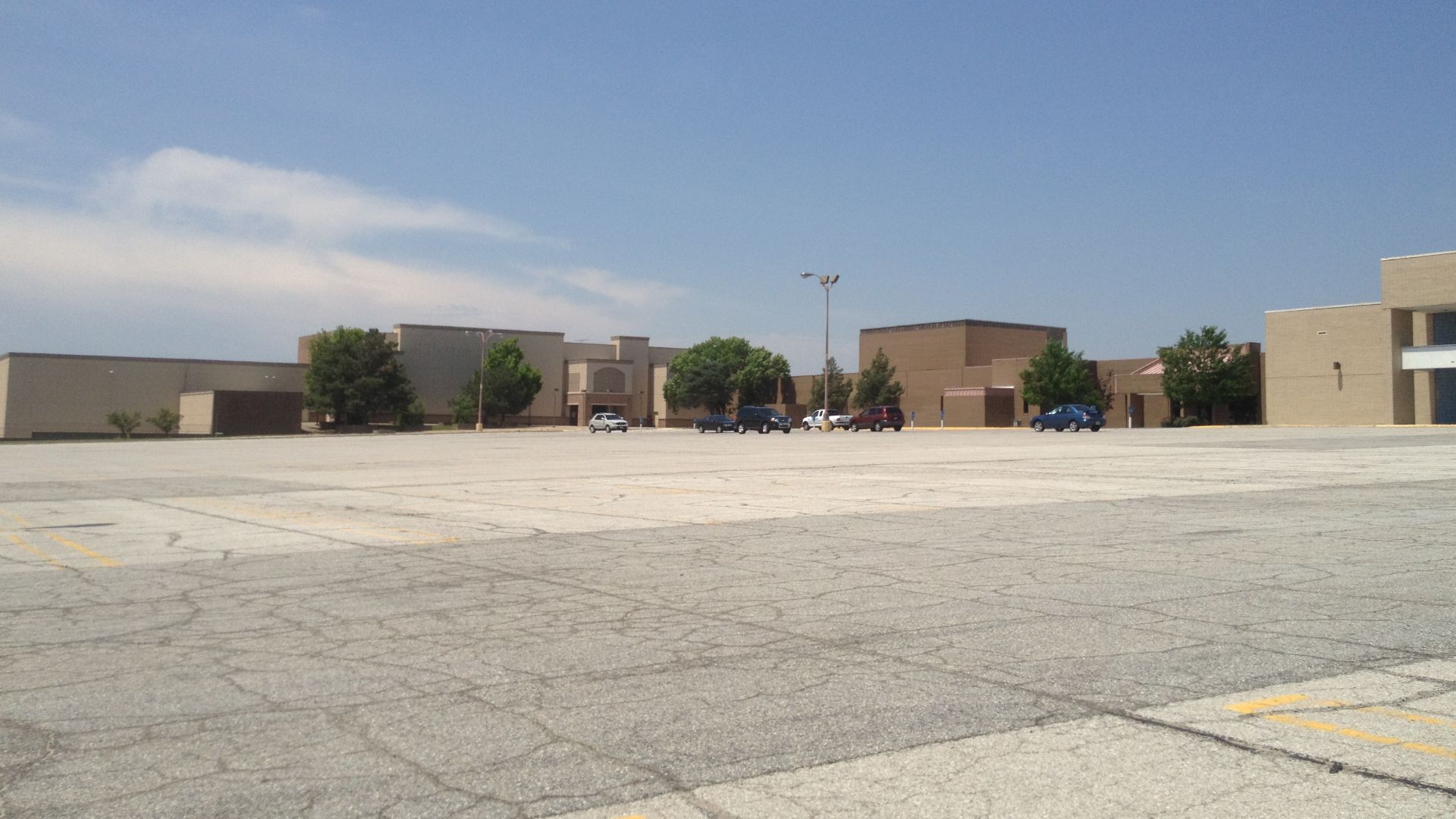
Metro North Mall (Kansas City, Missouri)
Metro North Mall’s fountain plaza and hot-air balloon displays set it apart when it opened in 1976 as Kansas City’s only enclosed mall north of the river. It eventually reached 150 stores before the decline set in. Closed in 2014, it was demolished in 2017 for Metro North Crossing redevelopment.
 Mike Kalasnik from Charlotte, USA, Wikimedia Commons
Crestwood Court (St. Louis, Missouri)
Once a regular stop along historic Route 66, Crestwood Court carried local significance beyond its stores. The mall opened in 1957 and later adopted 1980s chrome-heavy aesthetics. After decades of steady use, decline settled in, which led to a 2013 closure and demolition a few years later.
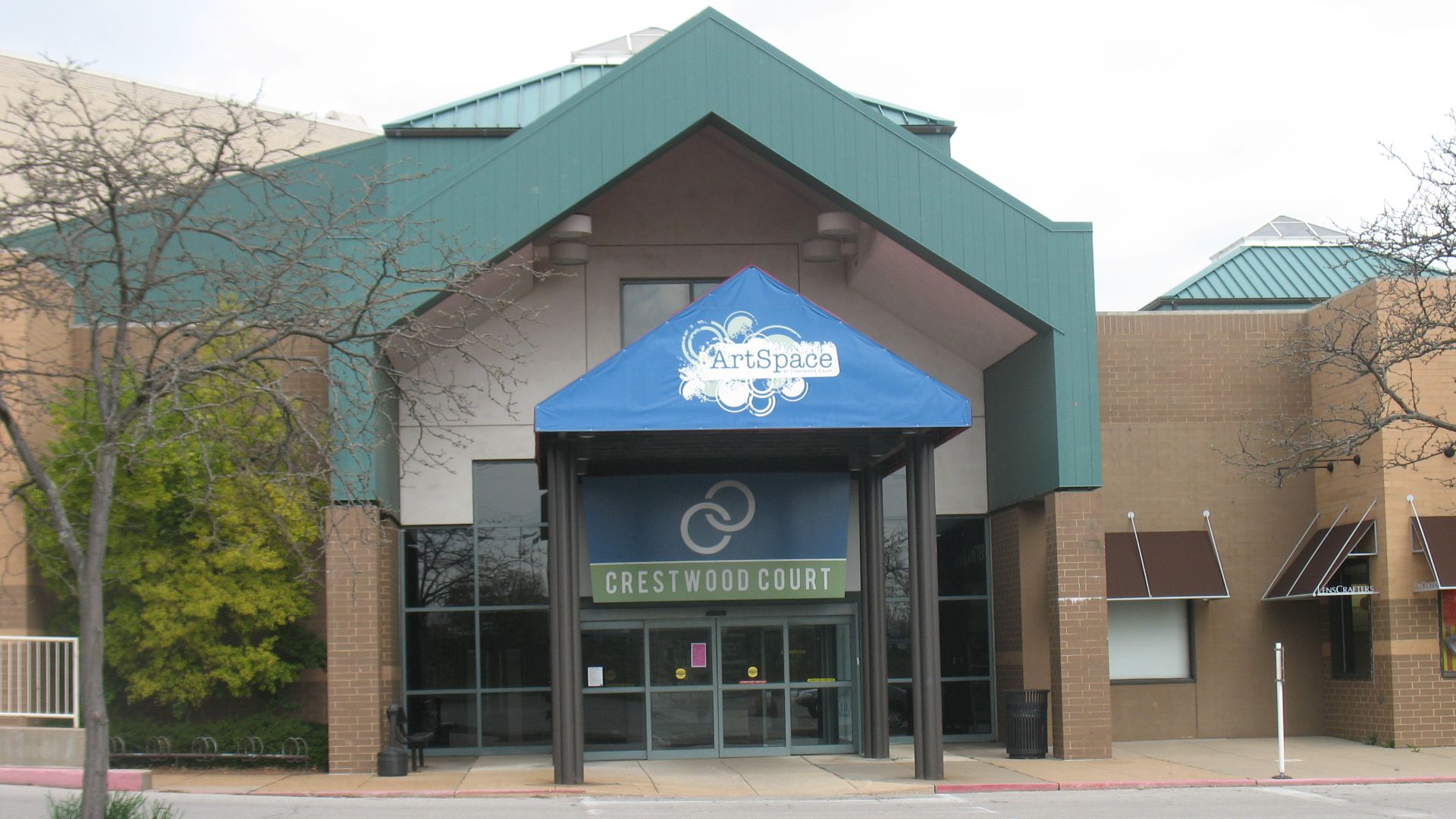 Khazar2Commons, Wikimedia Commons
Eastland Mall (Columbus, Ohio)
During its strongest decades, Eastland Mall thrived with major anchors, a busy central court, and a 1998 expansion that added a food court. It had opened in 1968 as the city’s first enclosed mall. Decline by the 2000s led to its 2022 closure and eventual demolition efforts.
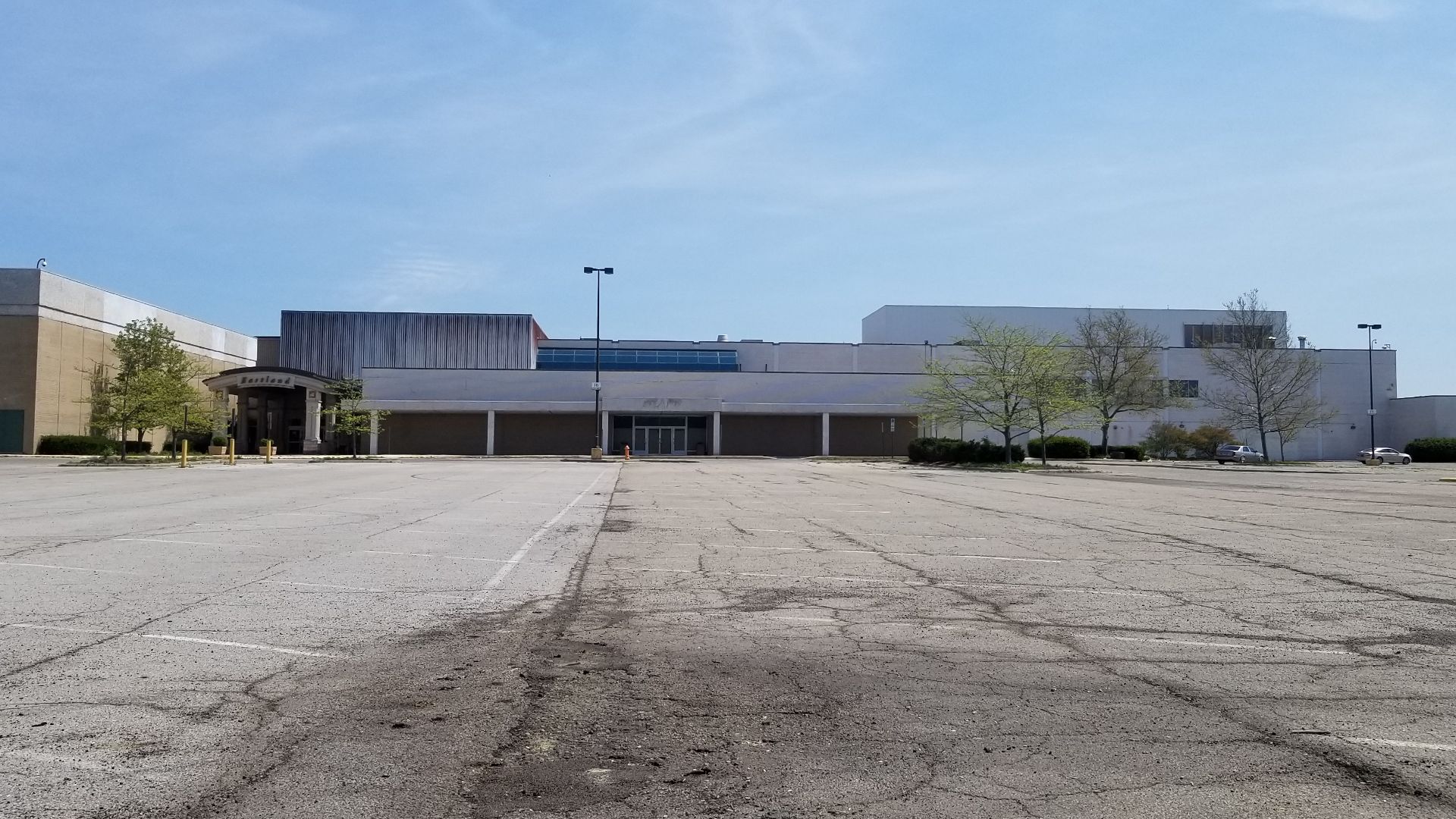 MikeKalasnik, Wikimedia Commons
Euclid Square Mall (Euclid, Ohio)
By the time demolition crews arrived in 2017, Euclid Square Mall had spent years in steady decline. Yet its 1977 debut brought a striking atrium and more than 90 tenants. The mall officially closed in 2016, which ended nearly four decades of activity.
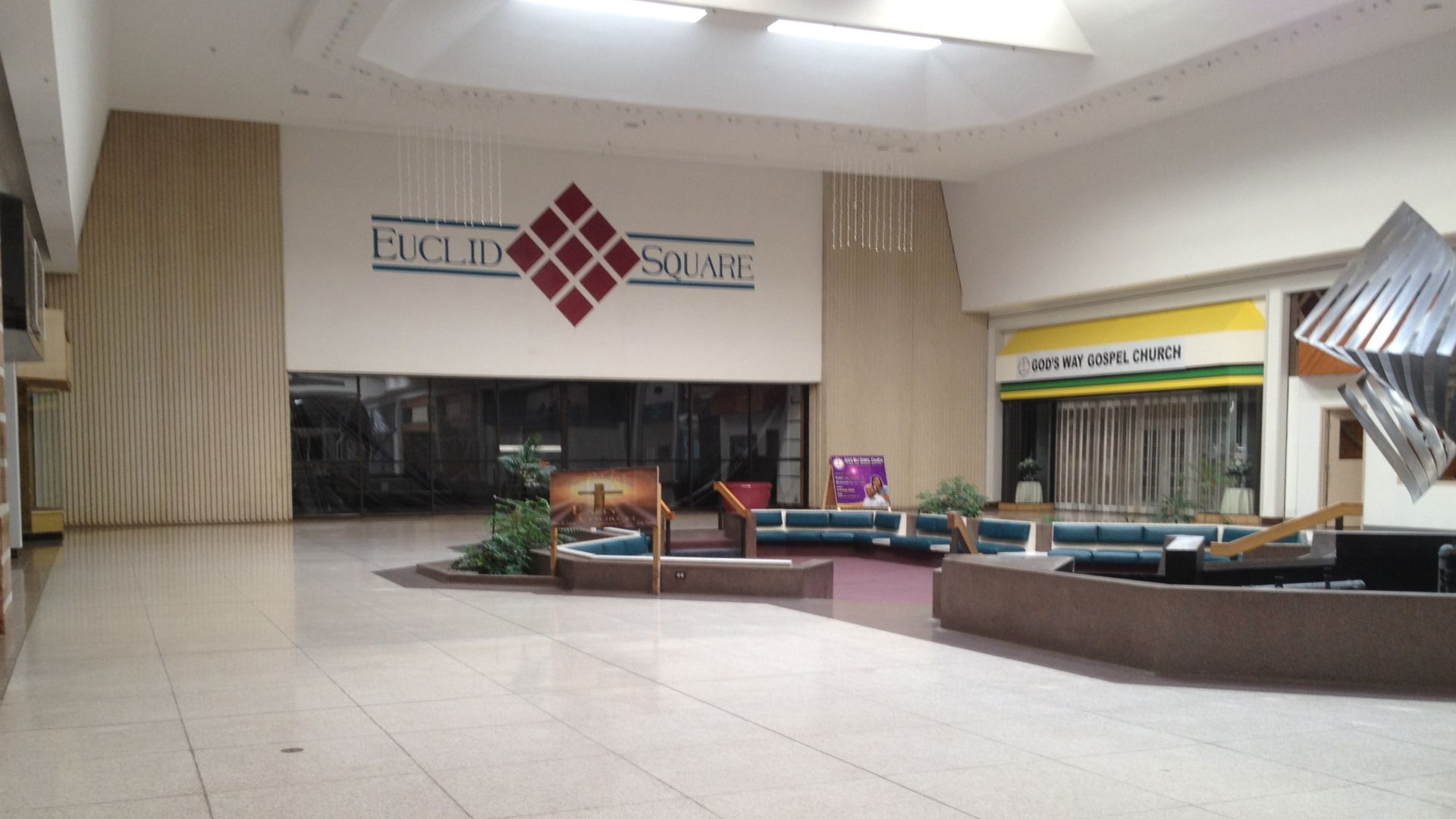 Mike Kalasnik from Charlotte, USA, Wikimedia Commons
Jamestown Mall (Florissant, Missouri)
Jamestown Mall opened in 1973 with anchors including JCPenney, Sears, and Macy’s. At its peak, it had over 100 stores and a 1.25 million-square-foot footprint. Decline began in the 2000s, and the mall closed in 2014. Demolition started in 2023, with redevelopment plans for an open‑air center.
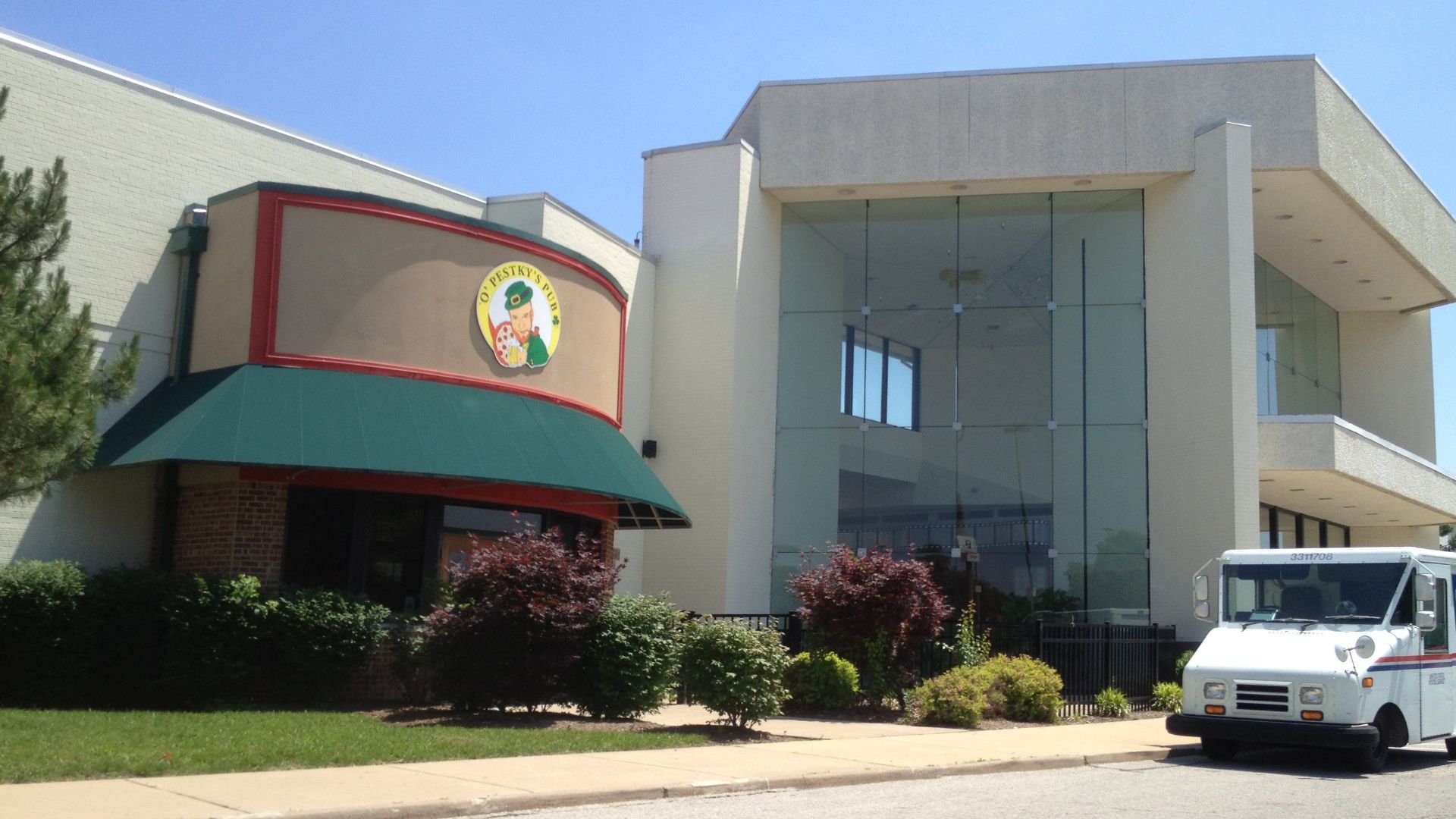 Mike Kalasnik from Charlotte, USA, Wikimedia Commons
Seminole Mall (Seminole, Florida)
Built to serve the fast-growing Pinellas County suburbs, Seminole Mall opened in 1965 with a strong anchor lineup and classic mid-century styling. Decades of retail shifts drained its momentum by 2015. The site’s transformation into Seminole City Center reflects evolving consumer preferences.
 Mike Kalasnik from Charlotte, USA, Wikimedia Commons
Regency Mall (Augusta, Georgia)
Before partial demolition began in 2020, Regency Mall had already been empty for nearly two decades. Yet in 1978, it debuted as Georgia’s biggest mall, packed with anchors and regional favorites. Its 2002 closure marked one of the state’s fastest and most dramatic retail collapses.
 Augustawiki at English Wikipedia, Wikimedia Commons
Burlington Center Mall (Burlington, New Jersey)
Many locals remember Burlington Center Mall for its reflective columns and pastel storefronts, hallmarks of its 1982 arrival. Though lively for decades, the loss of anchors gradually emptied the halls. The 2018 closure—and demolition soon after—closed the book on a mall woven into community routine.
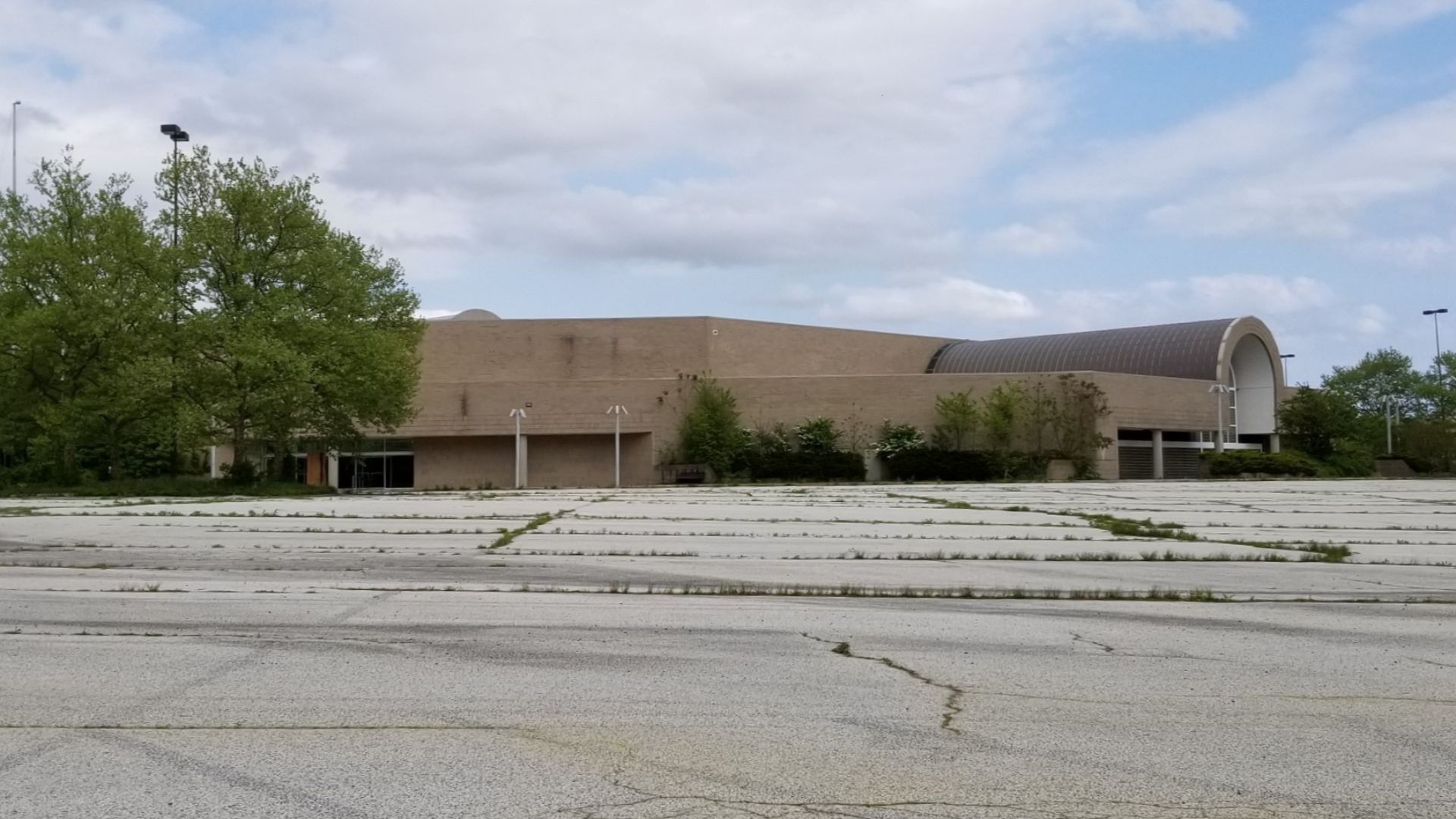 MikeKalasnik, Wikimedia Commons
Towne Mall Galleria (Middletown, Ohio)
At its height, Towne Mall Galleria buzzed with 1980s shoppers moving between McAlpin’s and Elder-Beerman. Opened in 1977, it served as Middletown’s commercial hub before competition reshaped the market. Its decline in the 2000s culminated in large-scale repurposing by leaving retail a smaller part of the site.
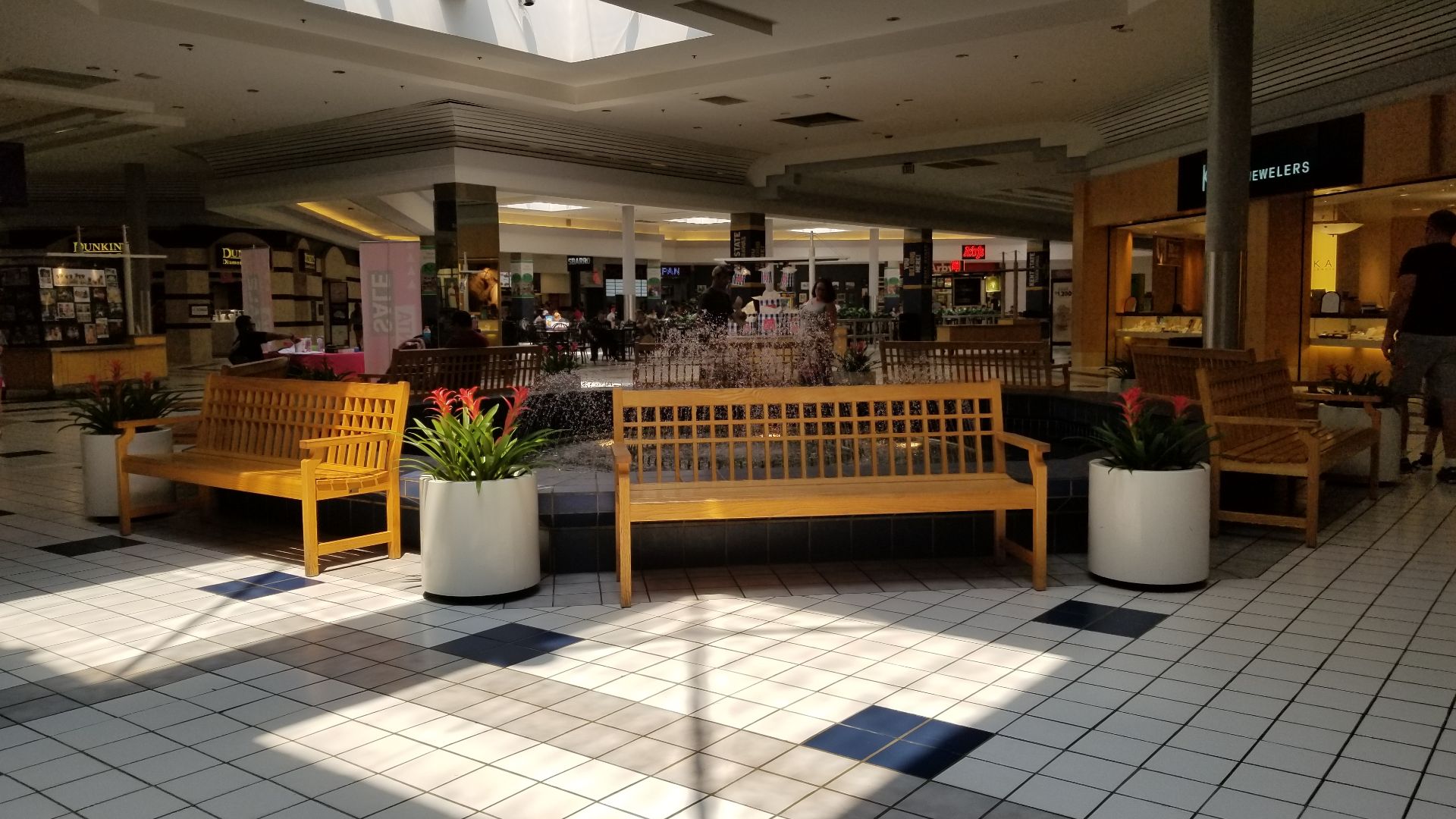 Mike Kalasnik, Wikimedia Commons
Westland Mall (Columbus, Ohio)
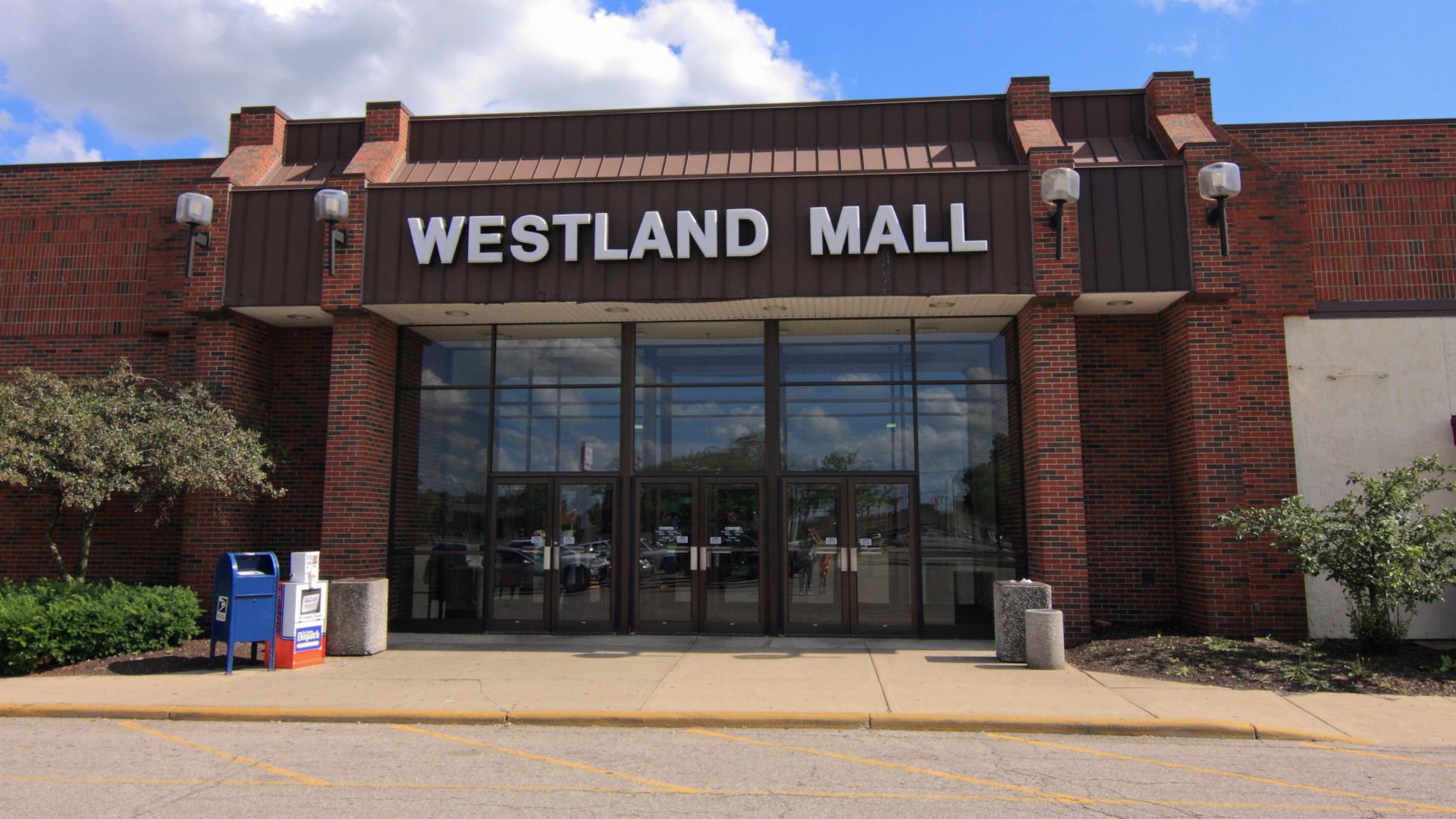
Shoppers remember Westland Mall for its wood-paneled storefronts and lively 1980s atmosphere, all layered onto a center that opened in 1969. Competition eventually drained its energy, and by 2012, most stores were gone. Demolition in 2023 removed a once-busy west-side institution.
Columbia Mall (Columbia, Tennessee)
Shoppers recall Columbia Mall for its soft pastel palette and compact anchor stores, which were hallmarks of its 1981 design. Over time, closures thinned the center with Goody’s in 2017 and JCPenney in 2020. The property now awaits redevelopment after fading from its longtime role as a community stop.
 Mike Kalasnik from Charlotte, USA, Wikimedia Commons
Gwinnett Place Mall (Duluth, Georgia)
Gwinnett Place Mall opened in 1984 and was once Atlanta’s premier shopping destination, anchored by amazing brands. Decline began in the 2000s, worsened by competition from the Mall of Georgia. The mall closed in 2021 and even gained pop‑culture fame as a filming location for Stranger Things.

Forest Fair Mall (Cincinnati, Ohio)
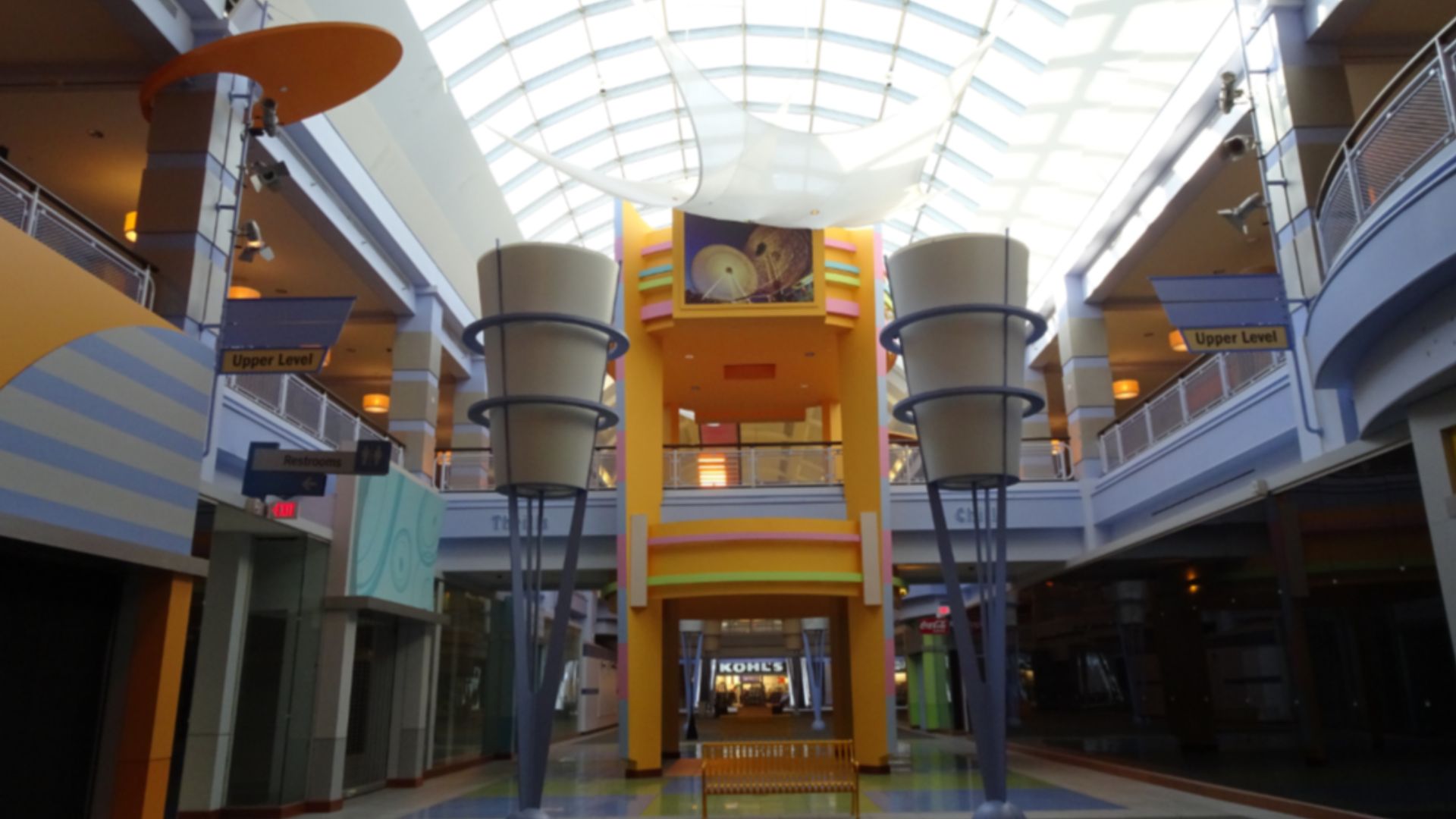
Forest Fair Mall opened in 1988 as one of Ohio’s largest malls, which spanned 1.5 million square feet. It went through multiple rebrandings, including Cincinnati Mills and Cincinnati Mall. Despite its scale, it struggled with tenancy and closed in 2022. Demolition began in 2025.
Mall Of Memphis (Memphis, Tennessee)
Nicknamed the “Mall of Memphis,” this 885,000‑square‑foot complex opened in 1981 with an indoor ice rink and multiple major anchors. Crime perceptions and lost tenants eroded its appeal through the 1990s. The mall closed in 2003 and was demolished in 2004.
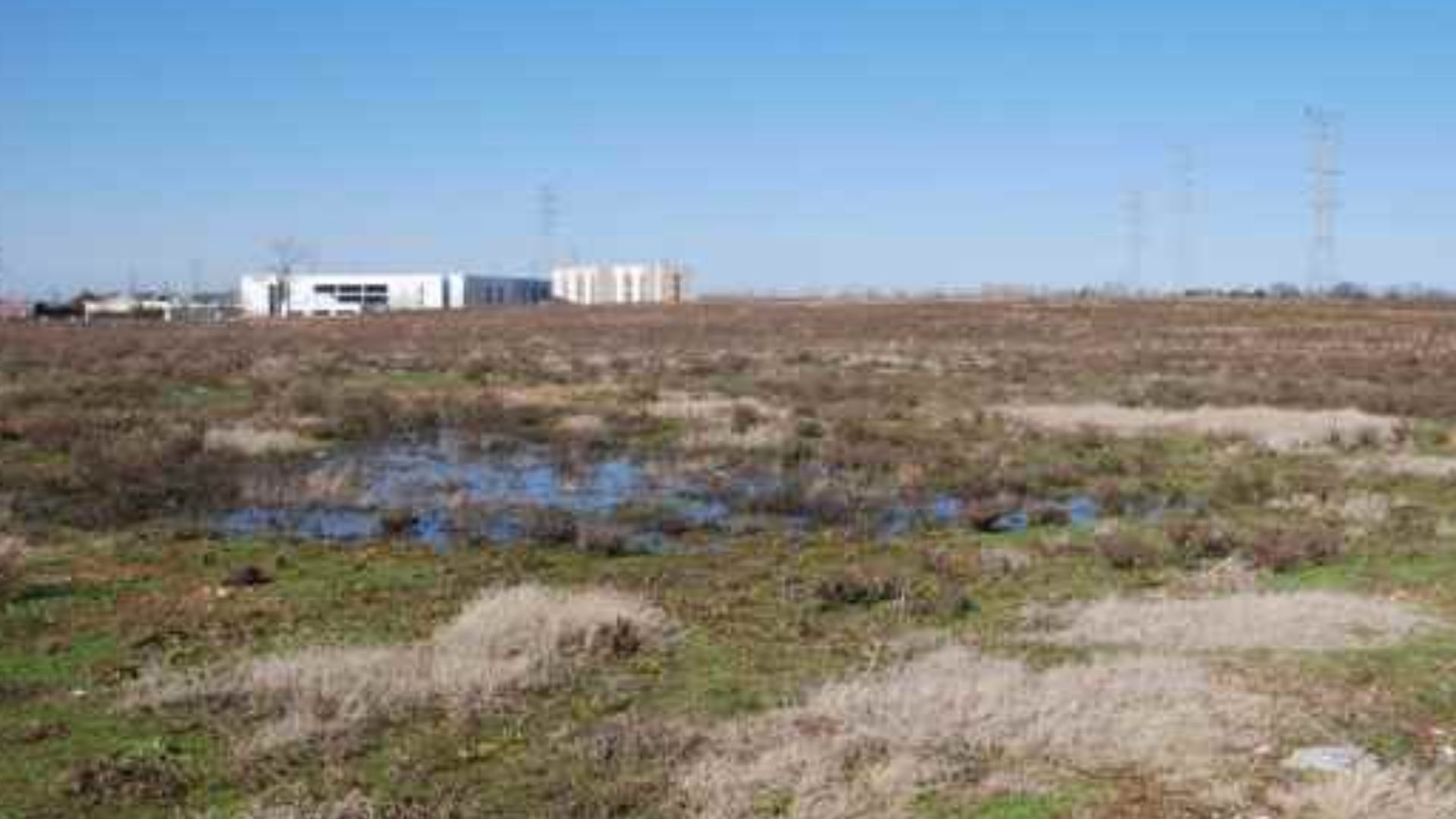 User:Dforce, Wikimedia Commons
Chambersburg Mall (Chambersburg, Pennsylvania)
Opened in 1982 with anchor brands catering to regional shoppers along Interstate 81, the Chambersburg mall was a coveted space. Decline escalated after anchor departures in the 2000s, and by 2023, the last interior tenant had closed. Today, the largely empty property awaits broader redevelopment plans.
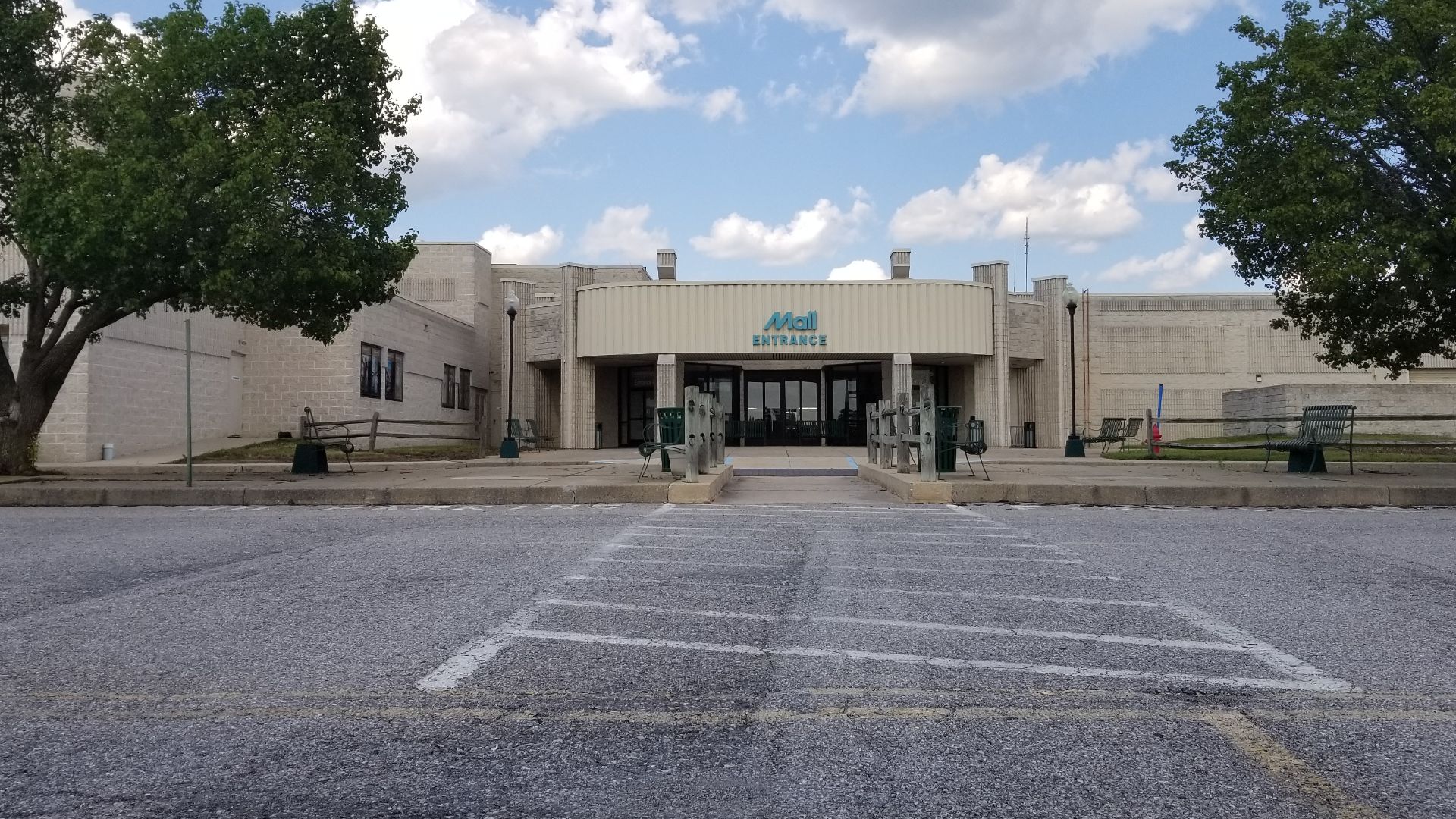 Mike Kalasnik, Wikimedia Commons
Redlands Mall (Redlands, California)
Redlands Mall opened as a modest downtown shopping center anchored by regional retailers. After anchor departures and mounting vacancies, it closed and remained largely vacant for years. It had a prolonged redevelopment challenge amid repeated planning delays, and community frustration persisted.
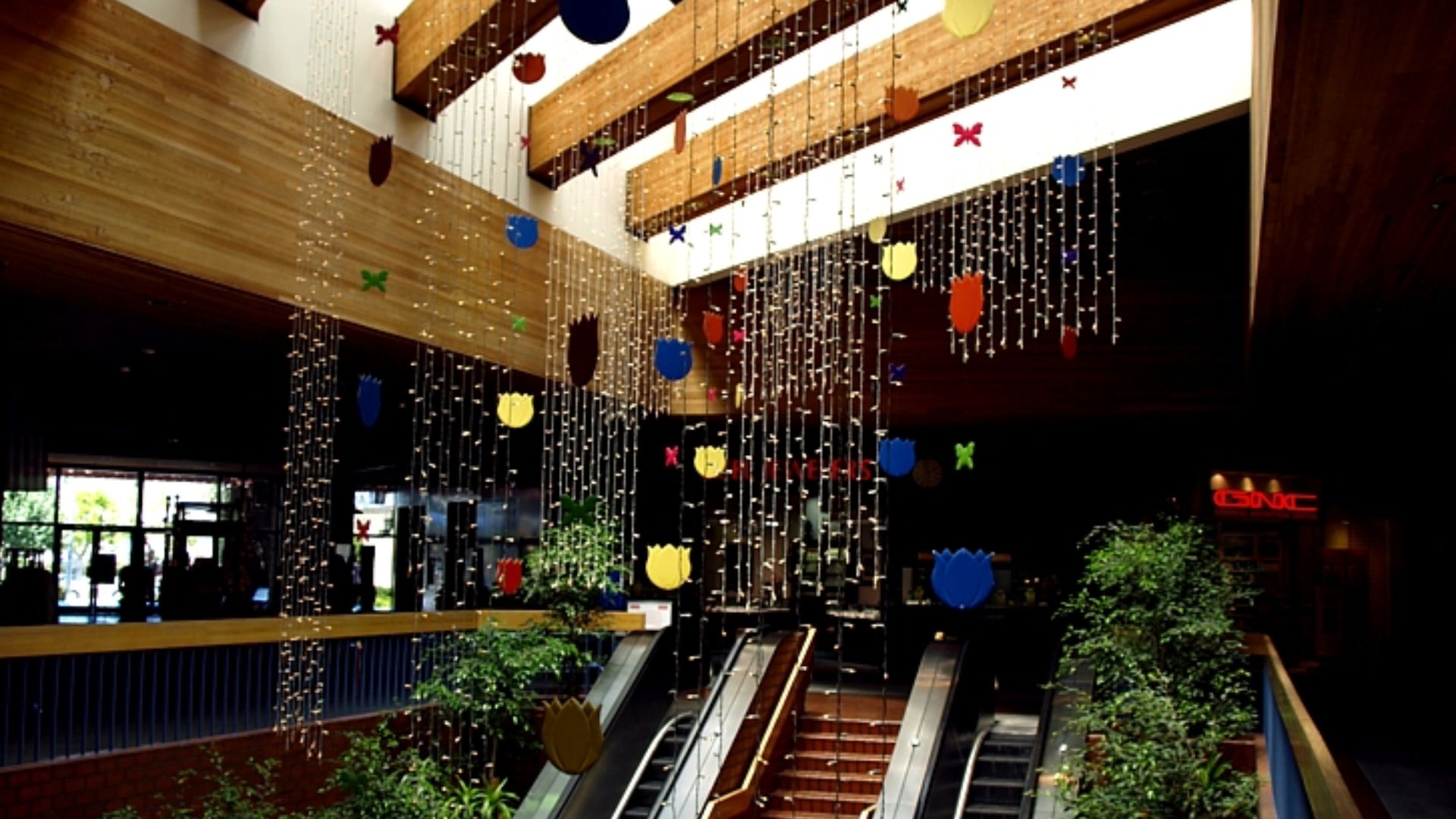 Amin Eshaiker, Wikimedia Commons
Hawthorne Plaza Mall (Hawthorne, California)
Hawthorne Plaza Mall opened in 1977 with 134 stores and anchors like The Broadway and JCPenney, but closed in 1999 after a steep decline. Abandoned for years, it became a filming site for Gone Girl and Tokyo Drift. In 2025, a court ordered redevelopment or demolition by August 2026.
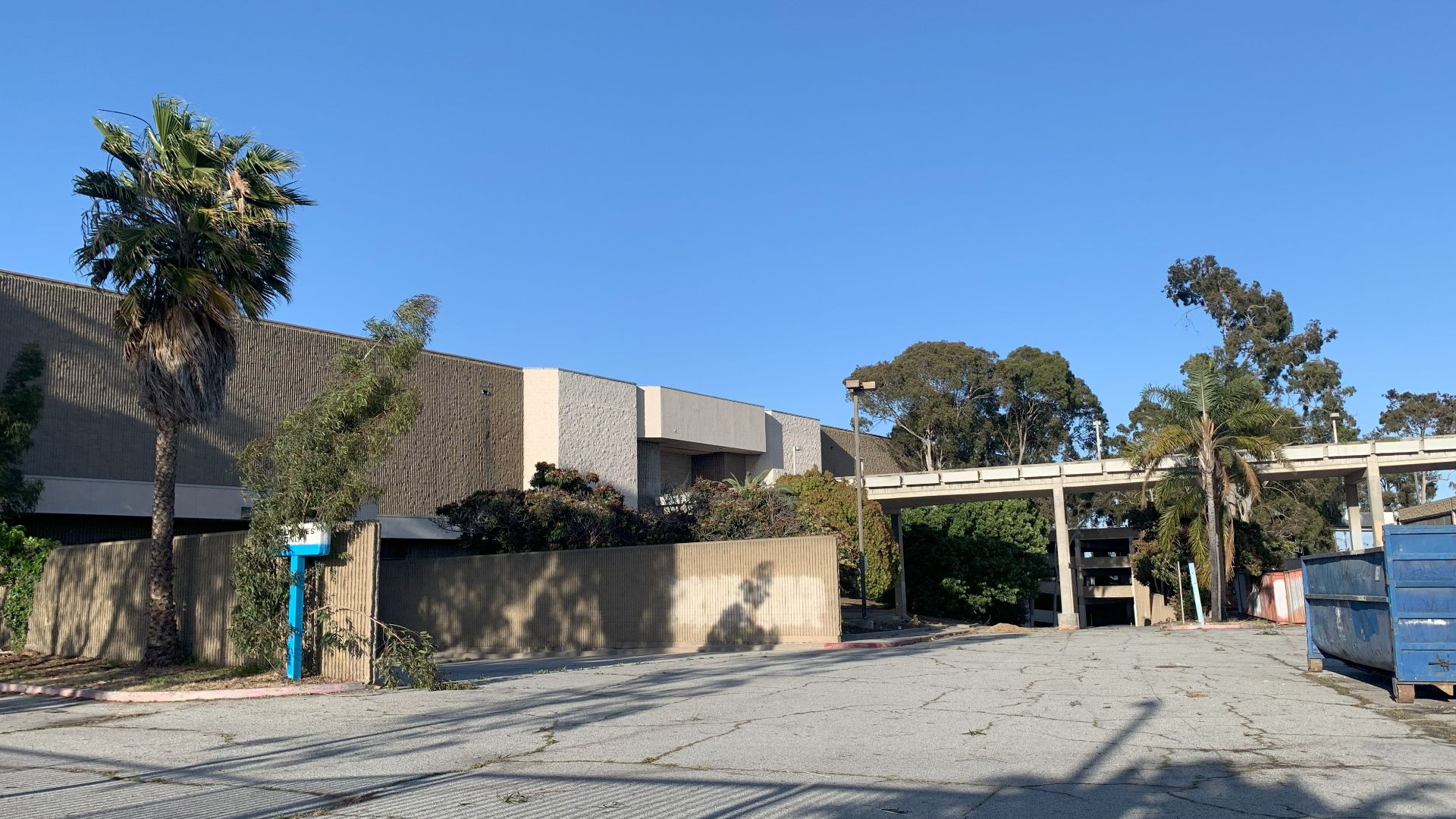 PontiacAurora, Wikimedia Commons
Dixie Square Mall (Harvey, Illinois)
Opened in 1966, Dixie Square Mall became infamous after serving as a filming location for The Blues Brothers in 1979. Despite its pop‑culture fame, the mall had already closed in 1979 due to crime and declining tenancy. It sat abandoned for decades before demolition was finally completed in 2012, ending one of the longest mall ruins in U.S. history.
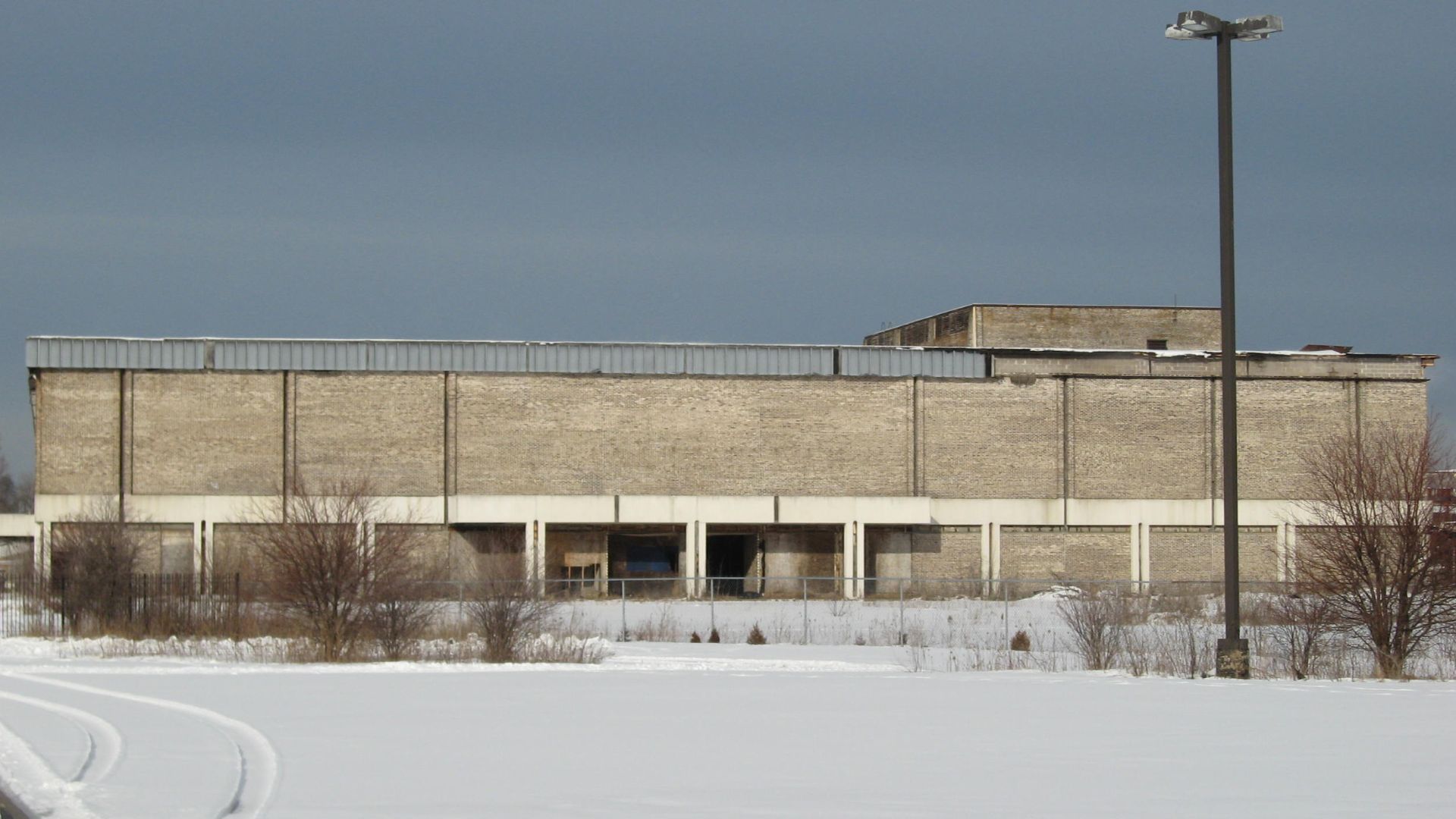 Zol87 from Chicago, Illinois, USA, Wikimedia Commons
Landover Mall (Landover, Maryland)
Debuting in 1972 with anchors like Sears and Hecht’s, Landover Mall was once a premier shopping destination in Prince George’s County. Decline set in during the 1990s, and the mall closed in 2002. Demolition followed in 2006, leaving only the Sears store standing until its closure in 2020.
 Joshua Goodwin, Wikimedia Commons