MSN Ai

Woman with clipboard looking at camera, background Old Faithful geyser

Scientists Asked What Would Happen If Yellowstone Erupted Tomorrow—The Answer Is Worse Than Most People Realize

Yellowstone looks almost peaceful from above. Tourists crowd the boardwalks. Old Faithful keeps performing. But scientists have spent decades watching what is happening beneath their feet. Then they asked the question most people would rather not think about: What if Yellowstone erupted tomorrow? The deeper they followed that scenario, the more frightening it became.
September 18, 2026 Jesse Singer
Fb

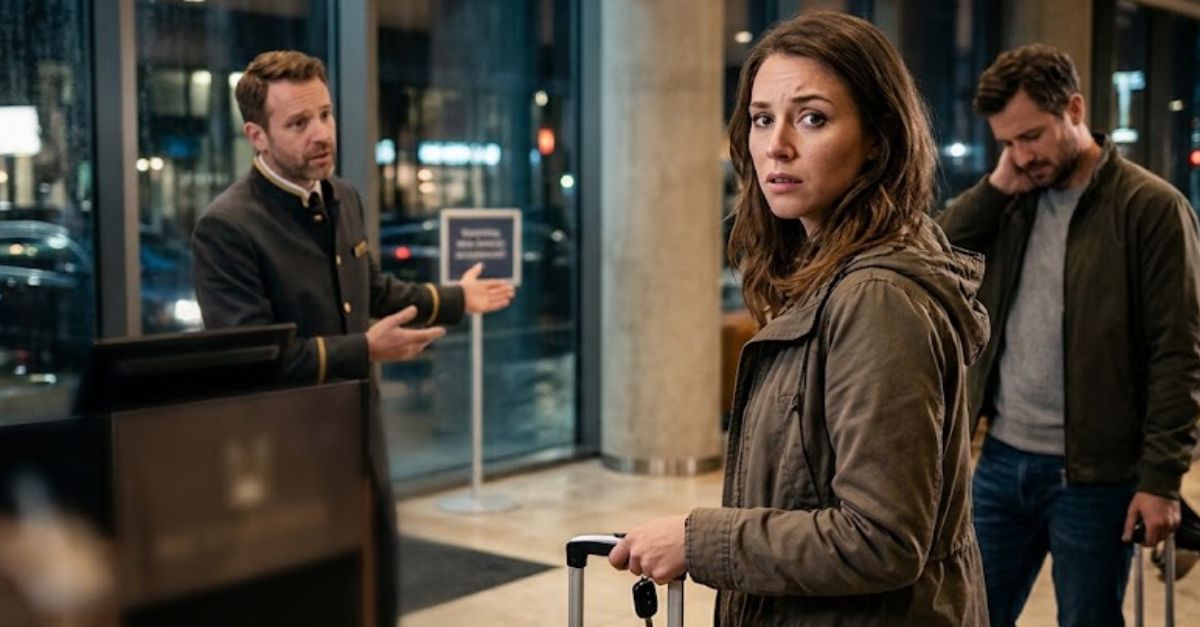
My sister secretly changed our hotel reservation from two rooms to one suite to save money. Am I unreasonable for refusing to share?

You booked a trip expecting two hotel rooms, then learned your sister quietly switched the reservation to one suite to cut costs. That kind of change can turn a fun getaway into a stress test fast. If you are wondering whether refusing to share makes you unreasonable, the short answer is no, and travel policies back that up more than many people realize.
September 18, 2026 Miles Brucker
Fb

My resort makes guests reserve pool chairs through an app at 7 AM, and everything is gone in minutes. Is this what luxury vacations have become?

Luxury vacations used to conjure images of slow mornings, plush loungers, and someone else worrying about logistics. Increasingly, some guests say the day now starts with an alarm set before sunrise so they can fight for a pool chair in an app. At a growing number of resorts, the scramble is not happening with towels at dawn but with thumbs on a phone screen at 7 AM.
September 18, 2026 Miles Brucker
Fb

My airline asked me to move so an off-duty pilot could have my business-class seat. Can crew members really displace paying passengers?

You have a boarding pass for business class, you settle in, and then a crew member asks whether you can move because an off-duty pilot needs your seat. It sounds outrageous at first, especially if you paid a premium fare. But in real-world airline operations, this kind of request can fall into a legal and operational gray area that depends on why the pilot is traveling and what the airline’s contract says.
September 18, 2026 Miles Brucker
Worried Women Traveler with Denied Insurance Claim.

My travel insurance denied my claim because the hurricane was "foreseeable" when I bought the policy. How early is a storm considered foreseeable?

You buy travel insurance hoping it will rescue your trip when nature turns ugly. Then a hurricane forms, your plans collapse, and the insurer says the storm was already “foreseeable” when you bought the policy. That single word often decides whether you get reimbursed or get stuck with the bill.
September 18, 2026 Miles Brucker
Confused Caucasian traveler indoors with passport, tickets, sunglasses, airplane model, and yellow suitcase.

My parents used my passport information to book me a family vacation before asking whether I could go. Am I responsible for cancellation costs?

It is the kind of family drama that instantly gets people talking. A traveler discovered their parents had used their passport information to book them onto a family trip before even asking whether they were free to go. The question that followed is one many adults can imagine asking: if you never agreed to the trip, are you really on the hook for cancellation costs?
September 18, 2026 Miles Brucker
My rental car company charged me hundreds in toll fees

My rental car company charged me hundreds in toll fees for roads that cost only a few dollars. Are these administrative fees actually legitimate?

A few dollars in tolls can turn into a bill for hundreds when a rental car company adds service and administrative fees. That unpleasant surprise has shown up again and again in complaints to consumer advocates, state attorneys general, and in the fine print of major rental brands. The basic pattern is simple. The road charged a small toll, but the rental company or its toll-processing vendor stacked on extra fees that often dwarfed the original amount.
September 18, 2026 Miles Brucker
Hsuv 1200X627

The Mysteries Of Ancient Human Survival That Scientists Are Still Trying To Explain

Human survival looks inevitable only because we are here to tell the story. For most of prehistory, small populations faced dramatic climate changes, unfamiliar environments, predators, disease, food shortages, and competition from other humans. Archaeology and genetics increasingly show that our ancestors survived repeated crises, although scientists still debate exactly how they managed it.
September 18, 2026 Jane O'Shea
Apot 1200X627

My Airline Changed Our Airport, Not Just Our Flight Time. Do Passengers Have To Accept That Kind Of Switch?

You booked a flight from one airport, planned your transportation around it, and perhaps chose a hotel or parking lot nearby. Then the airline announces that your flight will use a different airport instead. Under current U.S. Department of Transportation rules, that is not treated like an ordinary minor adjustment. A change to your origin or destination airport qualifies as a significant change to your itinerary.
September 18, 2026 Jane O'Shea
Camp 1200X627

Things American Visitors Find Surprisingly Different About Canadian Campgrounds

Crossing the border for a camping trip might not sound like a major cultural adjustment. Yet American visitors can discover that Canadian campgrounds have their own reservation systems, terminology, wildlife precautions, and surprisingly specific rules. Some differences vary by province, but knowing about them before arrival can prevent a few unexpected moments around the campsite.
September 18, 2026 Jane O'Shea
Acity 1200X627

Ancient Cities That Survived In Places Modern Travelers Would Think Impossible

Modern travelers usually expect cities to sit near reliable water, easy roads, and relatively forgiving terrain. Yet ancient builders repeatedly chose deserts, cliffs, mountains, caves, floodplains, and isolated plateaus, then found ingenious ways to make those places work. Some settlements were protected by their surroundings, while others turned harsh geography into an advantage. What remains today shows just how adaptable ancient urban life could be.
September 18, 2026 Jane O'Shea