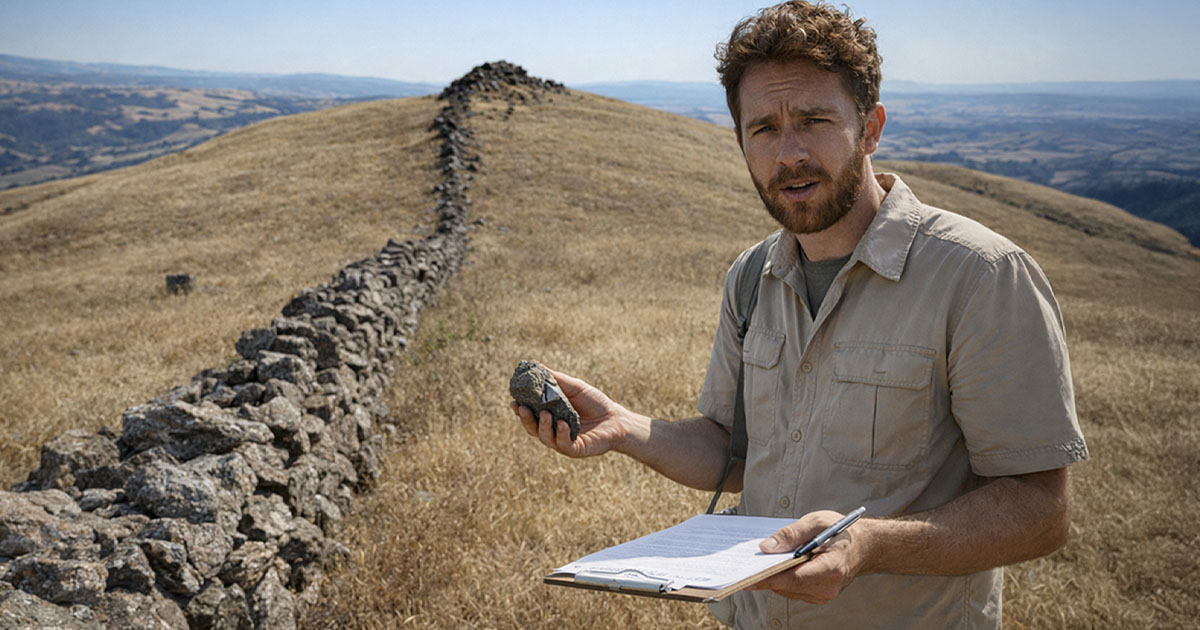
The company retreat used to feel like a break from normal office life. For remote and hybrid teams, it can now be one of the few times normal office life happens at all.
As companies spread employees across cities, states, and even countries, everyday work has become easier to separate from everyday relationships. Video calls can keep a project moving, but they do not automatically recreate the informal conversations, introductions, and shared experiences that once happened simply because coworkers occupied the same building. That is helping turn corporate retreats and team offsites from optional perks into more deliberate pieces of how distributed companies operate.
Remote Work Changed What A Retreat Is For
A traditional company retreat might have been built around getting employees away from the office. The remote-work version often has the opposite purpose. It brings people who normally work apart into the same place long enough to strengthen relationships and tackle work that benefits from being done face to face.
That distinction matters because hybrid and remote work have not disappeared. Gallup's workplace research shows that hybrid work has remained a durable arrangement for remote-capable employees, while Stanford research has found that well-structured hybrid schedules can preserve performance while improving outcomes such as work-life balance and feelings of isolation. In other words, companies do not necessarily have to choose between flexibility and being together.
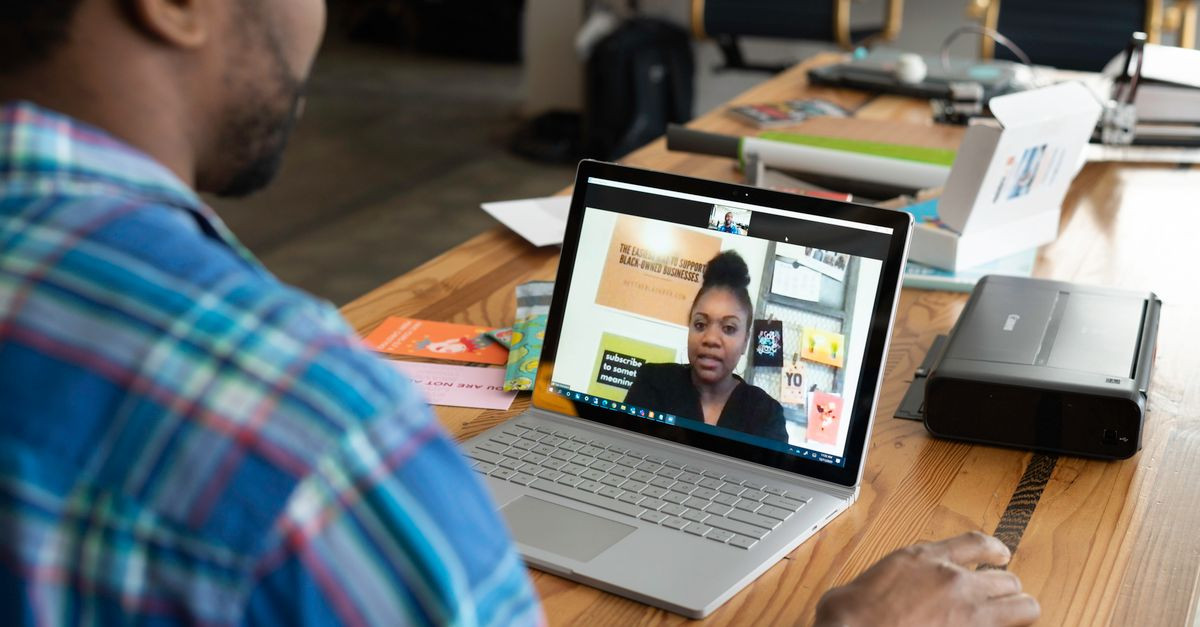
They do, however, have to become much more intentional about the moments when everyone meets. Gallup has found that collaboration and team building are among the activities that particularly benefit when hybrid workers are together in person. Simply telling employees to show up at an office is not enough if everybody spends the day wearing headphones and joining the same video calls they could have taken from home.
 LinkedIn Sales Navigator, Pexels
Microsoft has reached a similar conclusion from its own workplace research. Its guidance for hybrid teams emphasizes using in-person time for activities such as team building, onboarding, project launches, brainstorming, and difficult conversations. Microsoft has also documented how far its own workforce has become distributed, making occasional purposeful gatherings more important than assuming coworkers will naturally encounter one another around an office.
For the employee packing a suitcase, that makes the modern retreat less like a reward trip and more like a concentrated period of face-to-face work. The destination may still be appealing, but the real value increasingly comes from having people who usually communicate through screens sitting around the same table.
Relationships Need Somewhere To Grow
Remote work is very good at making scheduled communication possible. It is less effective at producing the unscheduled moments that often help coworkers get comfortable with one another.
Research from Gallup suggests that relationships at work matter well beyond making the day more pleasant. Its broader workplace research has connected strong workplace relationships with engagement, customer outcomes, and work quality. Gallup also notes that in-person interaction can be particularly valuable for building those relationships, although simply occupying the same building does not guarantee that meaningful connection will happen.
Atlassian offers one of the clearest real-world examples of how a distributed company is trying to solve the problem. Rather than requiring employees to sit in an office every day, the software company brings teams together for planned gatherings several times a year. Those events combine social time with work on important projects, and Atlassian's internal research found that employees reported a noticeable boost in their sense of connection following the gatherings.
The effect was particularly useful for newer employees and recent graduates. That makes intuitive sense. An established employee may already know who to call when something goes wrong or understand how different personalities on the team operate. Somebody hired remotely may have spent months working alongside people they have never properly met.
For business travelers attending these retreats, the social parts of the agenda therefore are not necessarily filler between the "real" meetings. A group dinner, informal walk, or unstructured hour in a hotel lounge can be part of the reason everyone traveled in the first place. Building enough familiarity to make remote communication easier afterward can be one of the most valuable things the trip accomplishes.
The Best Retreats Are Not Three Days Of Meetings
Once a company spends money flying employees somewhere, there is an understandable temptation to fill every available hour. That can quickly turn an offsite into an exhausting conference room marathon.
The research around distributed work points toward a more selective approach. Atlassian says its gatherings are designed both to advance important work and to create time for relationships, while Microsoft recommends reserving in-person periods for activities that benefit most from physical presence. Routine status updates and informational meetings can usually happen before or after the trip.
That leaves the retreat for work that is harder to reproduce online. A team might use the time to launch a major project, resolve an issue that has dragged through weeks of messages, brainstorm a new strategy, or give newer colleagues direct access to senior employees. Those sessions can sit alongside meals, activities, and downtime that allow conversations to continue without another calendar invitation.

Gallup's research on hybrid teamwork reinforces the value of that kind of planning. It found that employees benefit when teams clearly define how they will collaborate and when in-person time is deliberately focused on high-value activities. The lesson is less about forcing people into the same room and more about giving them a good reason to be there.
That matters from the traveler's perspective too. Flying several hours only to spend the entire retreat watching presentations can make the journey feel unnecessary. A well-designed gathering should contain things that genuinely would have been difficult to accomplish from home.
There is another reason planners are thinking harder about the agenda: retreats are not cheap. GBTA and CWT's 2026 travel forecast notes that companies are increasingly favoring smaller, more curated, experience-led corporate events, even as the cost of running them remains significant. That puts more pressure on organizers to make every gathering worth the airfare, hotel rooms, meals, and employee time involved.
The Destination Matters Differently Now
When a team is scattered geographically, getting everyone to the same destination can involve multiple airlines, time zones, visa requirements, and very different journey lengths. Choosing a place that is convenient for the majority of employees can therefore have a bigger effect on the experience than selecting the most glamorous resort.
Costs are another consideration. GBTA and CWT have noted that some meeting planners are considering secondary cities as they look for better value on hotels and venues. Smaller, more focused events can also carry higher per-person costs because the same fixed expenses are being divided among fewer attendees.
At the same time, meeting planners are paying more attention to the experience once attendees arrive. American Express Global Business Travel's meetings forecast has highlighted increasing demand for face-to-face connection and an emphasis on venue selection, content, and experiences that give people a reason to value being there in person.
That does not mean every remote company needs to send employees to a tropical island. Atlassian's approach is a useful counterexample. Its teams often gather at company offices, and the company has even redesigned some spaces around the needs of visiting groups. The important element is bringing the right people together intentionally, not attaching a beach to the itinerary.
For travelers, this may mean seeing more trips that occupy the territory between traditional business travel and traditional company events. There may be strategy sessions and laptops during the day, followed by dinner or an activity with colleagues at night. The trip serves both functions because distributed work has made both functions harder to achieve casually.
A Few Days Together Can Support Months Apart
The strongest argument for corporate retreats is not that employees suddenly become more productive because they shared a meal. It is that a short period together can make the months of remote work that follow easier.
Atlassian's internal research found that the connection boost following its team gatherings gradually faded over several months. The company uses that finding to support periodic gatherings rather than requiring teams to work side by side all year. It is one company's internal research and should not be treated as a universal formula, but it illustrates the thinking behind the new generation of retreats.
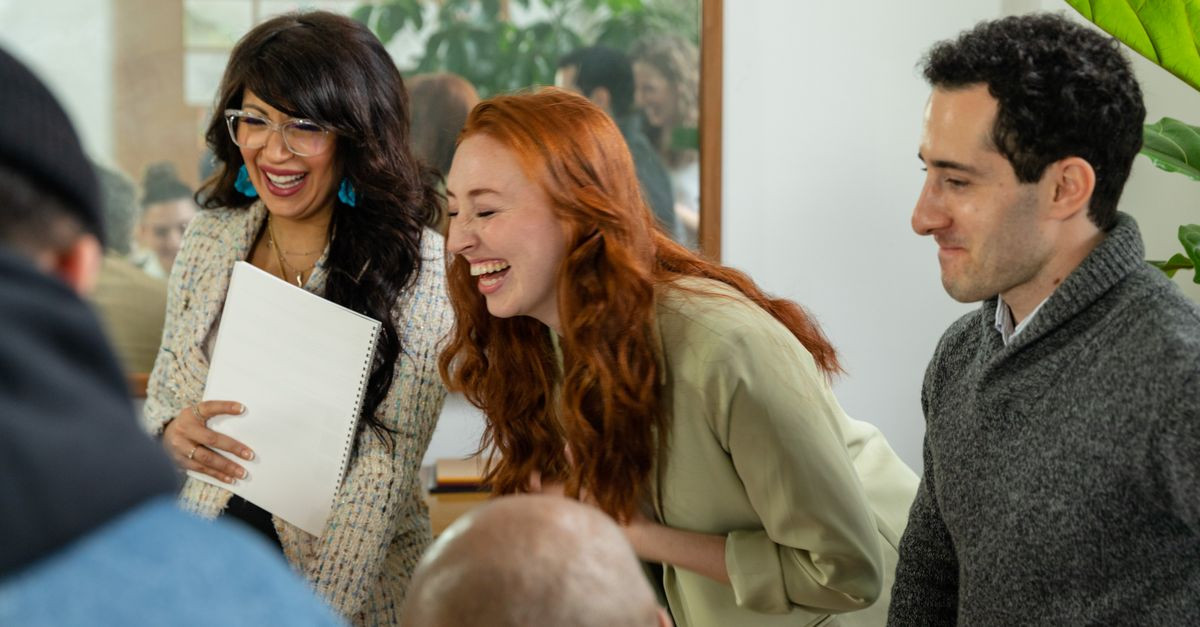
Microsoft's workplace research similarly argues for creating specific "moments that matter" rather than measuring success only by how many days people occupy an office. Its research identifies team cohesion, onboarding, and project kickoffs as situations where being together can be particularly useful.
The meetings industry is responding to the same demand. American Express Global Business Travel's 2025 forecast described human connection as a central theme for meetings and events, while GBTA and CWT have documented companies spending on smaller and more curated gatherings.
That does not make every retreat worthwhile. A badly planned offsite can still feel like a series of meetings moved to a more expensive location. Remote employees may also have caregiving responsibilities, accessibility needs, or personal circumstances that make mandatory travel more complicated than it appears on an organizer's spreadsheet.
The best retreats recognize that asking people to travel is itself a meaningful request. They give employees access to conversations, colleagues, and experiences that are difficult to reproduce remotely, while avoiding the urge to schedule every minute.
Remote work has not eliminated the value of being together. In many companies, it has done the opposite. When coworkers no longer see one another by accident, the occasions when they meet in person have to be created deliberately, and that is exactly why the corporate retreat is starting to matter more.