
Most business travelers will never sit down and read every page of their company's travel policy. Increasingly, they may not have to. Artificial intelligence is beginning to move those rules out of lengthy policy documents and into the booking screens, expense tools, chat assistants, and approval systems employees already use.
The result is a subtle change in the way corporate travel feels. Instead of discovering after a trip that a hotel was too expensive or a receipt was missing something important, travelers can increasingly receive guidance while they are making the decision. AI is not rewriting every company's rules overnight, but it is changing when those rules appear, how they are enforced, and how much work travelers have to do to understand them.
The Rulebook Is Starting To Follow You Around
Corporate travel policies have traditionally asked employees to learn a surprising amount. There can be rules for airfares, hotels, rental cars, meals, cancellations, loyalty programs, and what happens when a trip changes unexpectedly. GBTA research released in 2026 found that many North American corporate travel policies still run beyond 10 pages, with some stretching well past 20.
That creates an obvious problem for somebody trying to book a trip between meetings. Employees do not always remember whether a particular fare is permitted, whether they need approval before choosing a more convenient hotel, or which expenses require extra documentation. GBTA found that unfamiliarity with the rules remains one of the reasons travelers go outside policy.
AI offers a different model. Rather than expecting an employee to hunt down a PDF and interpret it, a travel system can surface relevant guidance as the employee searches. A compliant flight can be recommended at the booking stage, a questionable hotel choice can be identified before purchase, and an employee can potentially ask a conversational assistant what the policy allows.
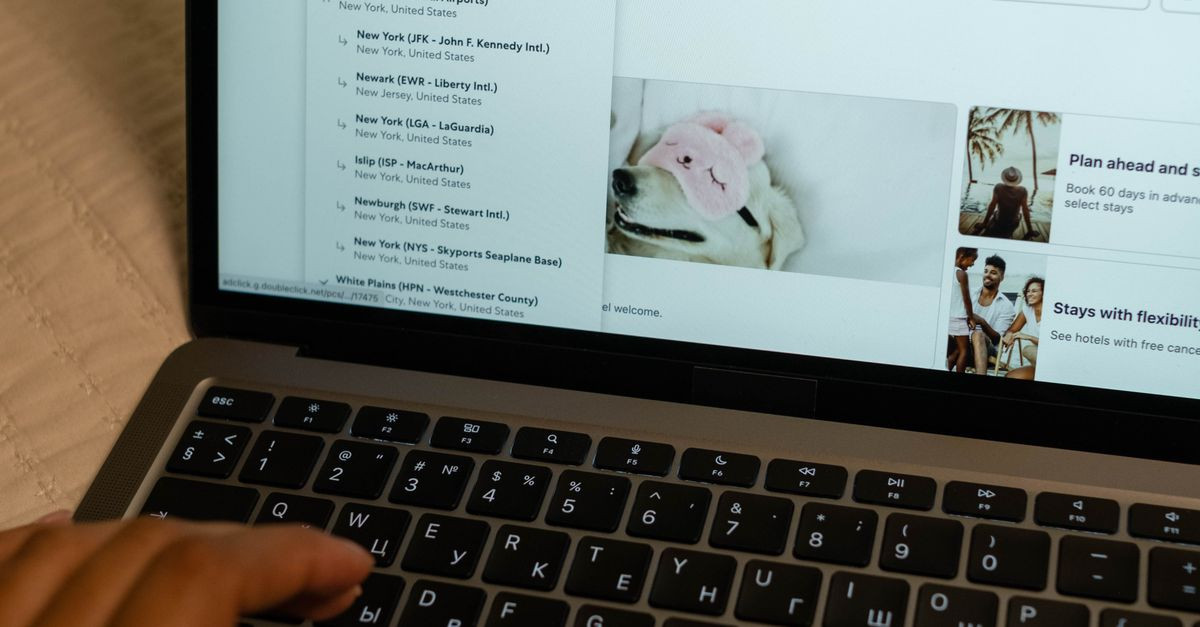
This is already appearing in commercial travel-and-expense platforms. SAP Concur says its AI tools can provide policy-aware recommendations during booking and answer questions about travel and expenses in natural language. That is a vendor's implementation rather than an industry-wide standard, but it demonstrates the larger shift: the policy is becoming something travelers interact with rather than something they are simply expected to remember.
For business travelers, that could actually make stricter rules feel less annoying. A limit is easier to follow when the system explains it before you spend the money. Finding out two weeks later, when accounting rejects the expense report, is much harder.
The Booking Screen Is Becoming A Policy Gatekeeper
Anyone who has booked a personal vacation knows how wide the internet's travel marketplace can feel. Corporate booking is different because an employer may have preferred airlines, negotiated hotel rates, sustainability goals, security considerations, and spending limits that narrow the choices.
AI can make that filtering much more sophisticated. Instead of simply hiding everything above a fixed dollar amount, a system can potentially consider company agreements, traveler preferences, route options, availability, and the organization's policy when presenting choices. GBTA's 2026 technology research found strong interest among travel managers in conversational booking and AI-assisted recommendations, particularly when the technology works with negotiated corporate rates.

That could make the business-booking experience feel more like asking a knowledgeable corporate travel agent for help. A traveler might request a morning flight near a client meeting, then receive options that also satisfy company rules. The technology can handle some of the policy checking in the background rather than forcing the traveler to compare every option against a separate set of instructions.
The important word, however, is recommendation. Corporate travel managers remain much more cautious about letting AI act independently than about letting it make suggestions. GBTA's research found widespread comfort with AI recommending flights and hotels, while enthusiasm was noticeably lower when AI was asked to change or cancel reservations on a traveler's behalf. A live poll of travel buyers at the 2026 GBTA Convention was almost evenly divided on whether AI should enforce policy automatically or simply recommend compliant choices.
That distinction matters at 7 a.m. when you are rushing to the airport. A helpful system might warn that the flight you selected is outside policy and show an acceptable alternative. A much more aggressive system could prevent the booking entirely. Companies now have to decide how much authority they want the software to exercise.
For employees, that means two companies using similar AI technology could create very different travel experiences. One might use it like an adviser. Another could effectively turn it into a digital gatekeeper.
Expense Reports Could Catch Problems Before Accounting Does
The least glamorous part of most business trips begins after the traveler gets home. Receipts need to be gathered, expenses classified, explanations added, and reports submitted. Then somebody in finance has to determine whether everything follows company policy.
AI is starting to shift that process earlier. SAP Concur describes systems that can classify transactions, flag incomplete information, identify potential policy issues, and provide guidance while an employee is assembling an expense rather than waiting until the final report reaches an approver. Its newer pre-submission tools are specifically designed to catch common receipt and expense problems before submission.

That may sound like tighter surveillance, but it can also spare travelers one of the most irritating parts of business travel: having an old expense report returned days or weeks later because something small is missing. Fixing a problem while the taxi receipt is still fresh in your mind is much easier than trying to reconstruct the trip later.
AI-based auditing is also attracting attention because expense reports contain patterns that can be difficult to spot manually. Business Travel News' 2026 research found expense auditing and fraud detection among the AI uses travel managers rated most effective, even though the technology had not yet been deployed broadly across corporate programs.
The traveler-facing consequence is straightforward. Small policy mistakes could become harder to make accidentally and harder to hide deliberately. The system may increasingly know that a receipt is incomplete or an expense looks unusual before the traveler ever presses the submit button.
That is a significant change from the old model. Corporate travel policy used to be enforced primarily after somebody broke it. AI makes it possible to intervene while the decision is still being made.
A Cancelled Flight Is Where Things Get Complicated
Travel policy is easy to write when everything goes according to plan. The difficult decisions appear when a flight is cancelled, a connection disappears, a meeting changes cities, or an employee needs a hotel unexpectedly.
These are exactly the situations where AI could become genuinely useful. GBTA's technology research found substantial interest in automated disruption management, rebooking, and AI-powered traveler support. A system that can understand both the itinerary and company policy could potentially identify acceptable alternatives immediately instead of leaving a stranded traveler to compare flights while waiting on hold.
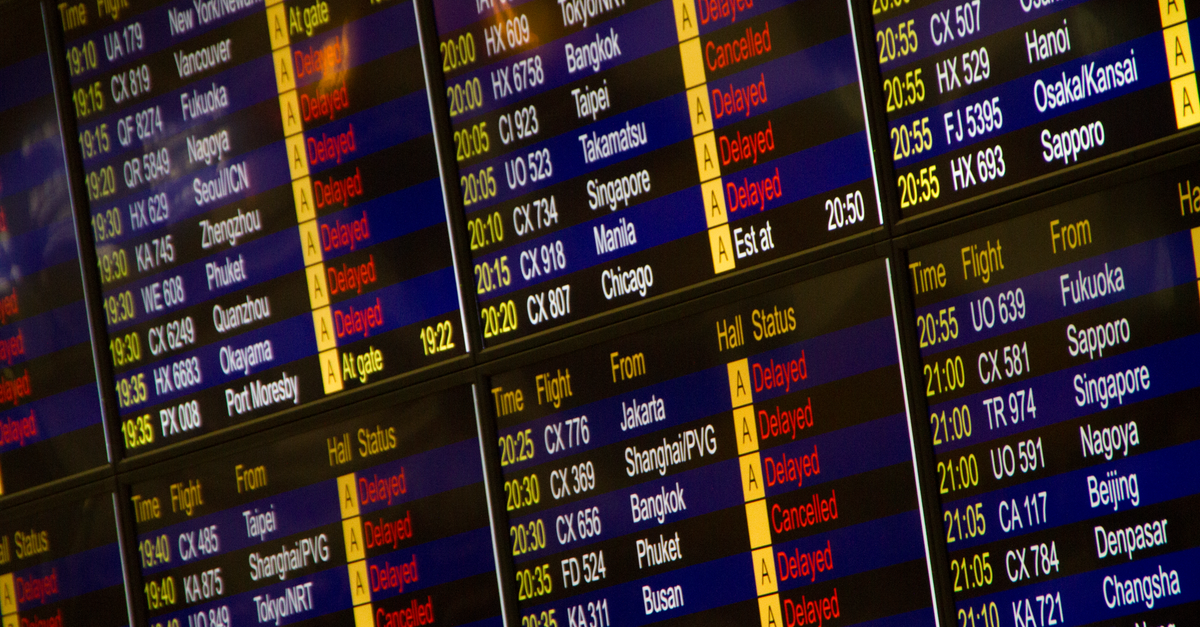
There is also more pressure on corporate travel teams to handle disruption well. GBTA's April 2026 research described geopolitical instability, affordability, and operational complexity as major concerns for business travel programs. Many organizations are already using AI either directly or through tools where it is built into the platform, particularly for analysis and decision support.
But disruption also exposes the limits of automation. The cheapest compliant replacement may not make sense if it gets an employee to an important meeting five hours late. A traveler dealing with a family emergency may need flexibility that no standard rule can anticipate. An experienced travel manager can understand context in a way that software may not.
Business Travel News found that travel managers themselves repeatedly emphasized the continued importance of human judgment for irregular situations and traveler care. AI adoption in travel is widespread at an experimental level, but relatively few programs have embedded it deeply across several workflows.
That is why the future probably will not look like travelers surrendering control to an invisible algorithm. A more realistic model is AI handling routine decisions quickly while human agents and travel managers step in when the situation stops being routine.
The Biggest Policy Question May Be What AI Gets To Know
The smarter a travel assistant becomes, the more information it may need. At minimum, it could require access to company travel rules, preferred suppliers, negotiated prices, booking history, and the itinerary currently being planned. More personalized systems could also use traveler preferences and other workplace information to make recommendations.
That creates an important trade-off. The more context the system receives, the better it can potentially understand what the traveler needs. At the same time, companies have to decide which information should be available to the technology and how that information is protected.
Privacy and security are already central concerns for corporate travel managers considering AI. In GBTA's April 2026 industry poll, data, privacy, and security issues emerged as the most frequently cited obstacle to broader AI adoption. Separate GBTA research also found that travel managers were more comfortable allowing AI to recommend ordinary travel options than giving it broader access or authority over traveler decisions.
The technology itself has another weakness: it depends on the quality of the information underneath it. Corporate travel data is often spread across booking systems, expense platforms, travel management companies, payment providers, hotels, airlines, and internal company databases. GBTA's research says fragmented data and inconsistent systems remain significant obstacles to the seamless AI-assisted travel experience the industry is trying to build.
So the quiet AI revolution in corporate travel is less about replacing the company's travel policy than changing how employees encounter it. The rules can appear when a flight is selected, when a hotel is considered, when an expense is entered, or when a disrupted trip needs to be rebuilt.
For business travelers, that could mean fewer moments spent searching an intranet for a policy nobody remembers clearly. It could also mean more decisions being evaluated instantly by software. The companies that get the balance right will make the technology feel like a knowledgeable travel assistant. Those that do not risk turning a complicated rulebook into an equally complicated algorithm.