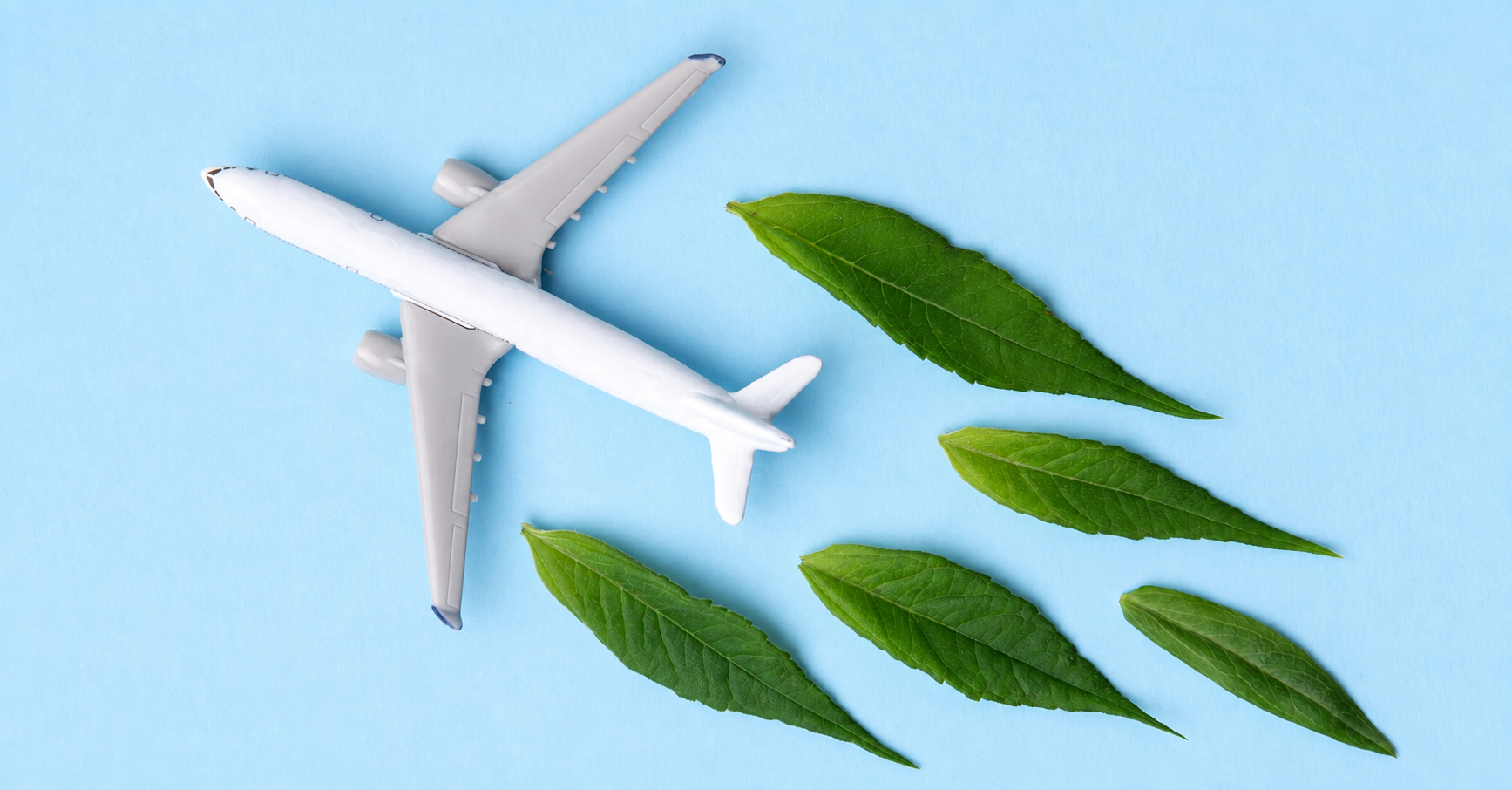
For companies trying to cut the climate impact of employee travel without giving up essential flights, sustainable aviation fuel has become one of the most talked-about options. Airlines, governments, fuel producers, and corporate travel programs are all putting money behind it. SAF can be used in existing aircraft and airport fuel systems, which gives it a practical advantage over technologies that may require new aircraft or infrastructure. The important question for business travelers is not whether SAF works at all, but how much difference it can make today.
The short answer is that SAF can make business travel greener, but it cannot make a flight emissions-free. Its climate benefit depends on how the fuel is produced, what feedstock is used, how the emissions are counted, and whether the purchase actually helps expand lower-carbon fuel use. Supply is also still extremely limited.
Because those benefits can vary so much from one fuel pathway to another, companies setting travel targets need to look beyond a polished booking-page label. The best programs provide enough information for a travel manager to understand what was purchased, what emissions reduction is being claimed, and who is entitled to claim it. SAF is best understood as a useful decarbonization tool, not a permission slip to ignore the rest of a company’s travel footprint.
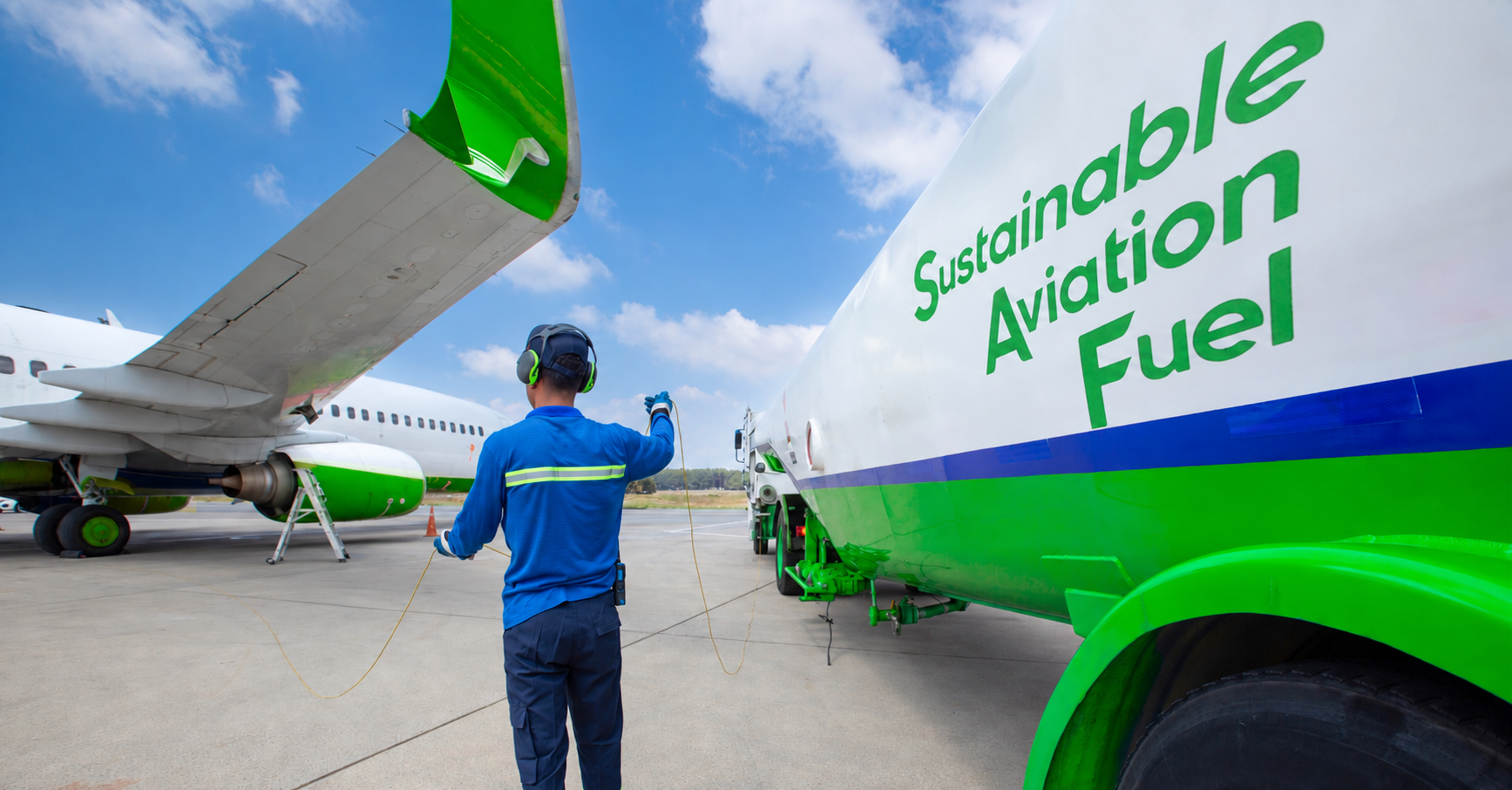
SAF Cuts Lifecycle Emissions, Not Exhaust
SAF is a liquid aviation fuel made from non-fossil or lower-carbon sources rather than newly extracted petroleum. Depending on the production pathway, feedstocks can include used fats and oils, agricultural and forestry residues, municipal waste, wet waste, or synthetic fuel made with renewable electricity, hydrogen, and captured carbon. The finished fuel is designed to behave like conventional jet fuel, so certified blends can be used in today’s aircraft. In the European Union, current rules describe approved blended SAF as compatible with existing technology at blends of up to 50 percent.
The biggest source of confusion is what happens after the fuel enters the airplane. SAF still contains hydrocarbons, and burning it still produces carbon dioxide at the engine. The potential advantage appears when the entire fuel lifecycle is counted, from feedstock production through refining, distribution, and combustion. IATA says the most common waste-and-residue-based pathway typically delivers lifecycle emissions reductions of around 80 percent compared with conventional aviation fuel, although results vary by fuel type.
That “up to” matters. A fuel made from a genuine waste stream can have a very different carbon footprint from one that depends on land-intensive crops or carbon-heavy electricity. Aviation also has climate effects beyond carbon dioxide, including nitrogen oxides and contrails. A 2025 Scientific Reports study that modeled those non-CO2 effects found that the overall climate advantage of SAF could be smaller than headline lifecycle CO2 figures suggest, while still showing a benefit over conventional fuel.
Business Travelers Have More Influence Than It Seems
Most individual travelers never buy jet fuel, but companies are unusually important customers for airlines. Corporate travel programs can concentrate demand, sign multi-year agreements, and pay a premium for lower-emission options in ways that individual passengers often cannot. That makes business travel a natural testing ground for SAF procurement. It also gives sustainability teams a way to address emissions from flights that remain necessary after a company has cut avoidable travel.
This market is already taking shape. Travel management companies and airlines now offer corporate SAF programs, while some companies purchase sustainable aviation fuel certificates rather than physically directing fuel onto a specific aircraft. Amex GBT, for example, markets access to SAF through its Avelia book-and-claim platform. Airline programs have also pooled corporate demand to support SAF purchases.
A 2026 study in Transportation Research Part A shows why corporate adoption may be more complicated than simple enthusiasm for greener flying. In an experiment involving sustainability managers from European firms, participants showed a preference for certified SAF and bulk procurement models, but cost remained an important obstacle, especially for long-haul travel. The researchers concluded that procurement structures, budget constraints, and internal decision-making all shape whether companies buy SAF. In other words, sustainability teams may want cleaner travel while finance and travel departments still have to justify the premium.
For a business traveler, however, a greener ticket does not necessarily mean that the aircraft at the gate was filled with a special tank of SAF purchased for that passenger. Aviation fuel is commonly blended and distributed through shared infrastructure. The useful question is whether a company’s spending can be tied to a verified quantity of SAF and a credible emissions benefit. That distinction becomes especially important when employers use SAF purchases in sustainability reports or Scope 3 business-travel accounting.
The Biggest Problem Is Still Scale
SAF remains a tiny part of the fuel market. IATA estimated in June 2026 that global production would reach about 2.4 million tonnes this year, equal to only 0.8 percent of total aviation fuel use. The group also estimated that this volume would add about $4.3 billion to airline fuel costs. Those numbers explain why SAF can be technically ready for commercial aircraft and still remain hard to find at meaningful scale.
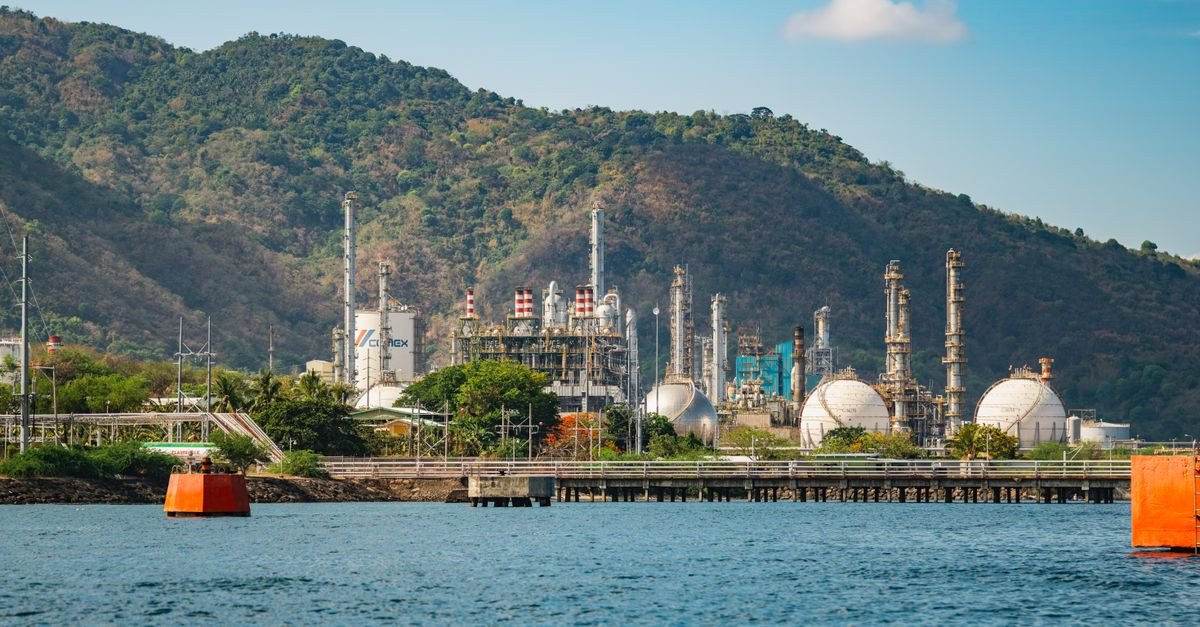
Price is part of the problem, but feedstocks and production capacity matter too. Some of today’s most established SAF pathways depend on fats, oils, and greases, supplies that are not unlimited and are also useful in other industries. More advanced fuels could broaden the resource base. E-SAF, for example, can be made using renewable electricity, hydrogen, and captured carbon, but IATA notes that these projects require large amounts of clean power and remain at a very early commercial stage.
Governments are trying to create a larger guaranteed market. The European Union began requiring a 2 percent SAF share at covered airports in 2025, with the requirement set to rise over time and reach 70 percent by 2050. The United Kingdom also started at 2 percent in 2025, with its mandate scheduled to reach 10 percent in 2030 and 22 percent in 2040. These policies are relevant to business travelers because SAF will increasingly enter the ordinary fuel supply rather than exist only as a voluntary add-on.
Book And Claim Changes What A “SAF Flight” Means
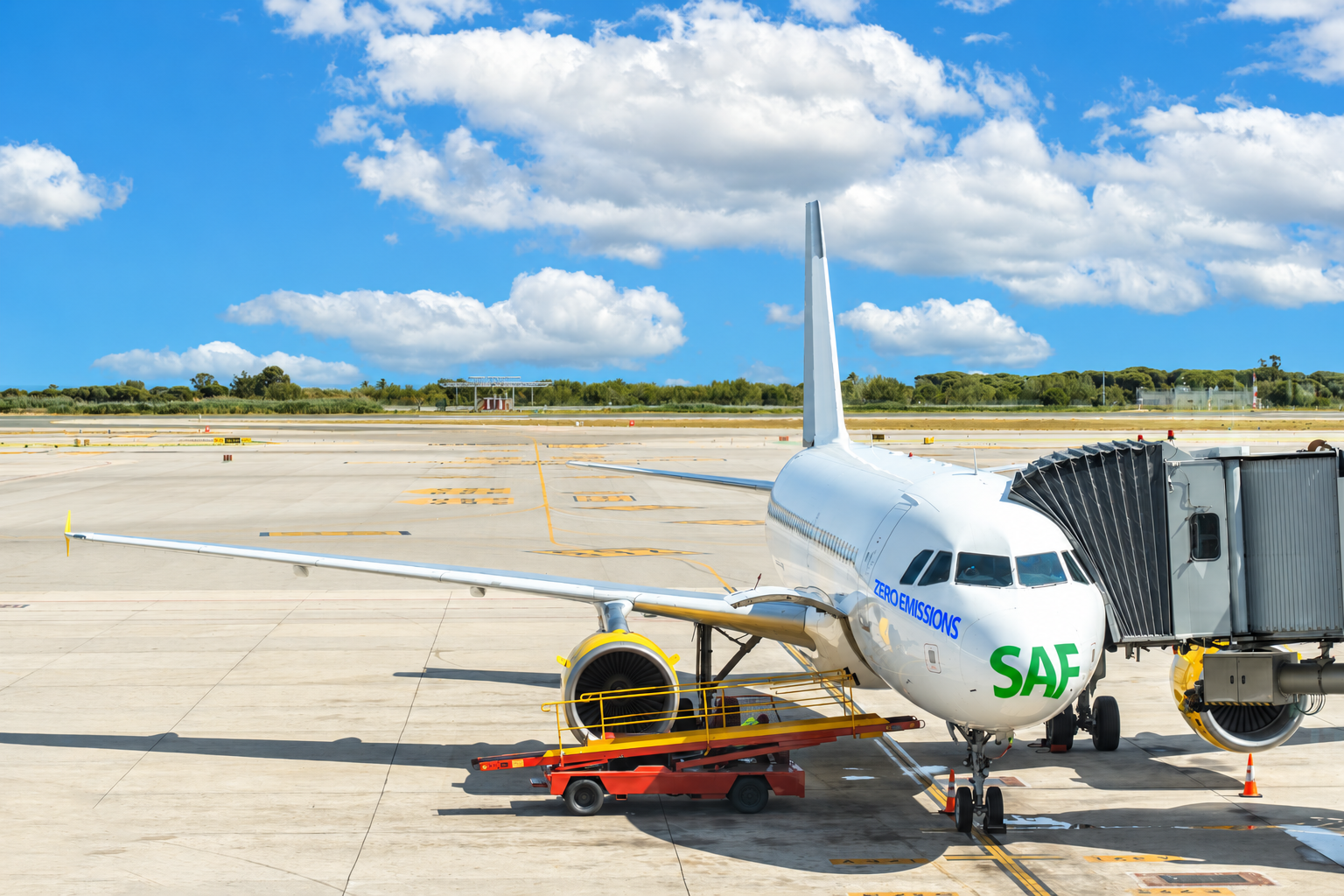
Book and claim sounds abstract, but the basic idea is simple. SAF may be physically used at an airport that is nowhere near the employee who is traveling. A company can still pay for the environmental attributes associated with that fuel, while a registry tracks ownership of the claim. This avoids the need to transport scarce SAF around the world simply so a particular traveler can say it was placed on a particular flight.
Book and claim is a chain-of-custody system that separates the verified emissions benefit from the physical fuel. A corporate buyer can purchase a SAF certificate representing a specific quantity of lower-emission fuel and then retire that certificate so the benefit is not sold again. The model can channel money toward SAF producers and airline purchases even when the buyer has no practical way to control where the fuel is delivered. For global companies with travelers departing from dozens of airports, that flexibility is a major advantage.
The catch is credibility. In June 2026, the Roundtable on Sustainable Biomaterials published guidance specifically addressing SAF and book-and-claim accounting, including business travel reported under Scope 3 Category 6. It emphasizes traceability, lifecycle emission factors, reporting boundaries, retirement statements, and safeguards against double counting. For travel managers, those details are more important than a vague label such as “green flight” or “sustainable fare.”
SAF Helps, But It Cannot Do The Job Alone
A strong corporate travel policy should treat SAF as one layer of an emissions strategy. The first question is still whether a trip needs to happen, especially when a meeting can be handled effectively without a flight. When travel is necessary, companies can also look at routing, aircraft efficiency, rail alternatives on practical short-distance corridors, and the quality of their emissions data. SAF is most useful for the flights that remain difficult to eliminate or substitute.
Business travelers and travel managers should also ask sharper questions before paying a SAF premium. What feedstock or production pathway does the fuel use? What lifecycle emissions reduction is being claimed? Is the fuel or certificate independently certified, entered in a registry, and retired after purchase? If a company plans to report the benefit, it should also know whether the accounting method prevents another party from claiming the same reduction.
So, can sustainable aviation fuel make business travel greener? Yes, especially because it works with existing aircraft and can reduce lifecycle emissions without waiting for an entirely new generation of planes. But in 2026, it remains scarce, expensive, and dependent on careful accounting. The strongest business-travel strategy is therefore not “fly as much as before, but buy SAF.” It is to cut unnecessary flying, improve the trips that remain, and use high-quality SAF to reduce the footprint that cannot yet be designed out.