When Your Flight Delay Becomes A Business Problem
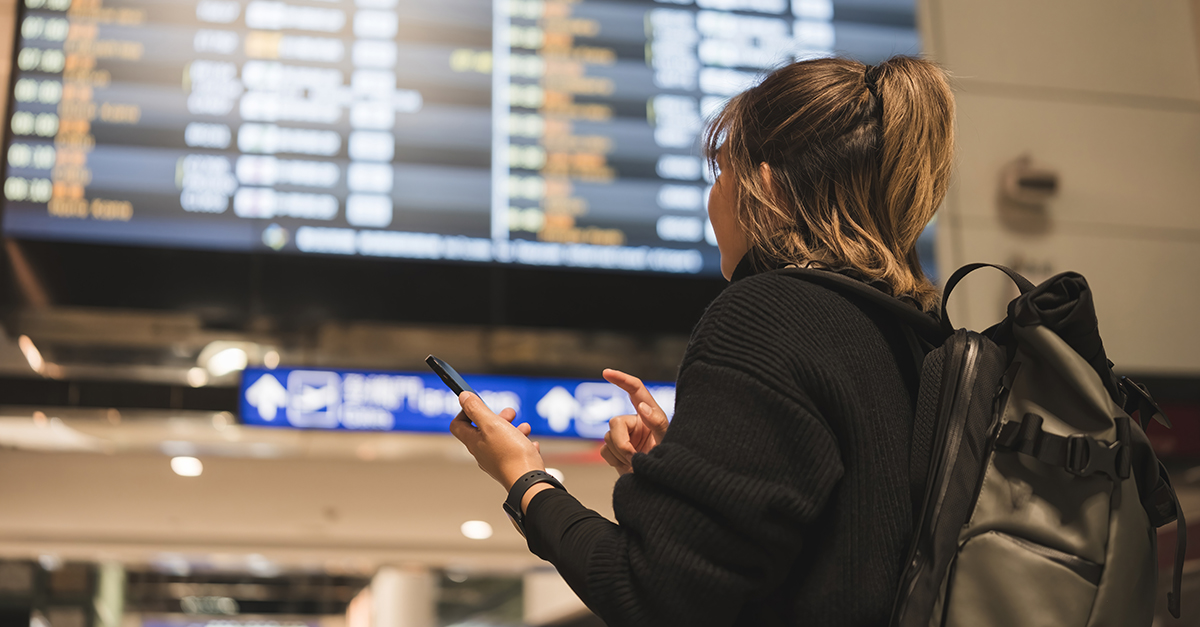
Imagine flying across the country for an important client presentation, only to discover that your flight has been delayed by several hours. By the time you finally arrive, the meeting is over, your colleagues have moved on, and a potentially valuable business opportunity has disappeared. For business travelers, an airline delay can create problems that go far beyond an inconvenient afternoon at the airport. But when a delayed flight causes you to miss something important at work, who is actually responsible for the consequences?
The answer is more complicated than most travelers realize, particularly when money, professional obligations, and company travel policies are involved. Airlines have specific responsibilities toward passengers experiencing disruptions, but those responsibilities rarely extend to guaranteeing that business commitments will be fulfilled. Employers also have their own expectations about how employees should handle unexpected travel problems. Understanding where these responsibilities begin and end can make an enormous difference when a routine business trip goes wrong.
The Airline Doesn't Have To Cover Your Lost Business Opportunity
One of the biggest misconceptions about airline delays is that passengers are automatically entitled to compensation for everything they miss. Unfortunately, airline passenger protections generally focus on transportation, refunds, assistance, and certain eligible expenses rather than the broader professional consequences of a disruption. According to the US Department of Transportation, airlines operating domestic flights are not generally required to compensate passengers simply because their flights are delayed or canceled. That means missing an important meeting does not automatically create a right to recover the value of a lost business opportunity.
Consider an employee traveling to deliver a presentation that could secure a major contract. If a mechanical problem delays the flight and the client awards the contract to a competitor, the financial consequences could be substantial. However, demonstrating that the airline caused a specific commercial loss is very different from establishing that it delivered a passenger late. Ordinary passenger compensation rules do not provide a straightforward mechanism for recovering the hypothetical value of that lost contract.
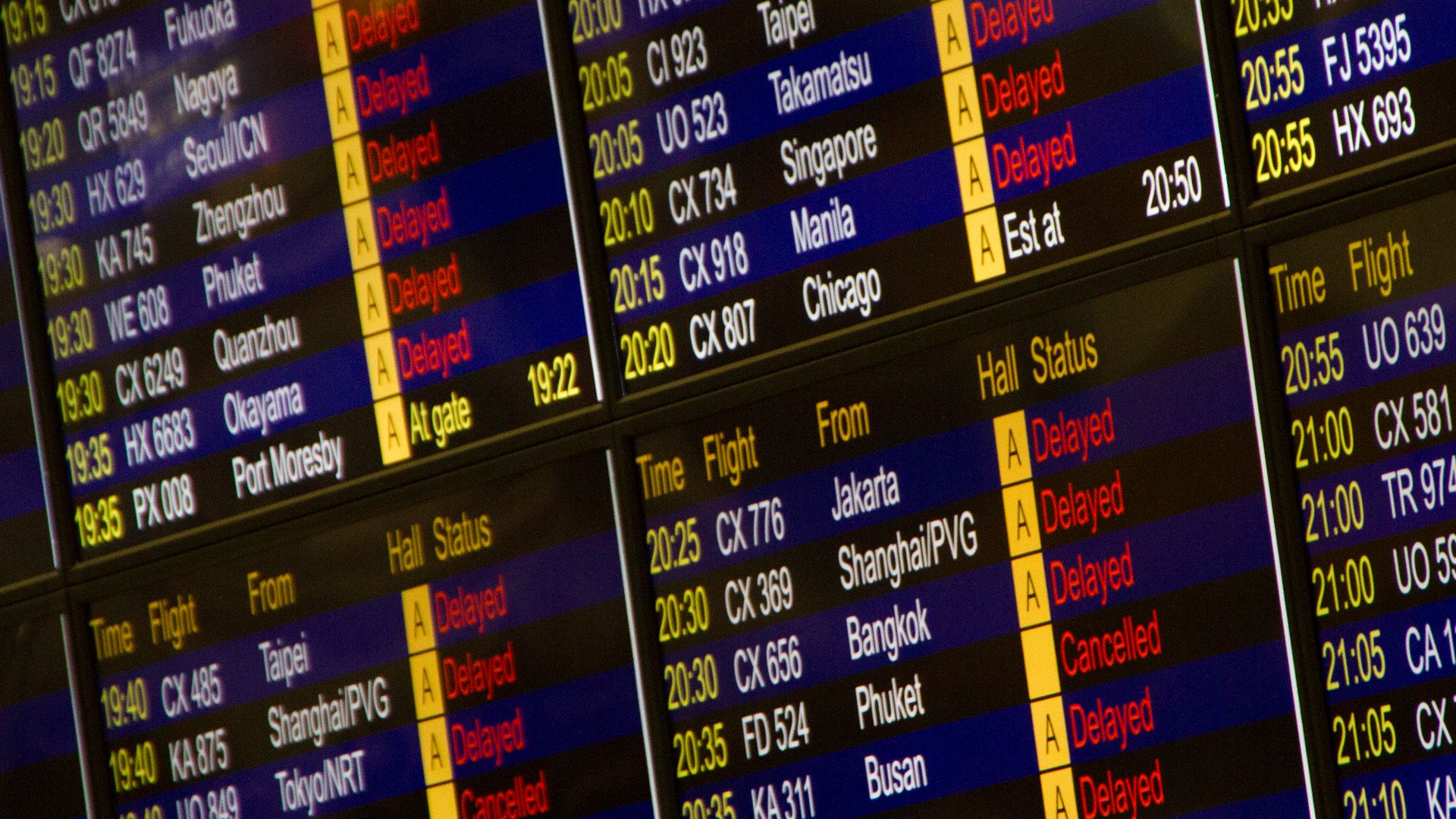
There is an important distinction between domestic and international flights, however. The Montreal Convention, an international treaty governing certain aspects of air carrier liability, allows claims for proven damage caused by delays during covered international transportation. Article 19 establishes liability for delay-related damage but also provides a defense when the airline proves it took all reasonably required measures to avoid the damage or that such measures were impossible. Recovering compensation therefore depends on evidence, applicable legal rules, and the particular circumstances rather than simply proving that a meeting was missed.
Even when the Montreal Convention applies, compensation is subject to limitations. The International Civil Aviation Organization increased the treaty's standard passenger-delay liability limit to 6,303 Special Drawing Rights, effective December 28, 2024, although the convention contains provisions concerning the applicability of liability limits. The treaty does not guarantee that every claimed financial consequence of a missed meeting will be recoverable. A business seeking compensation for substantial commercial losses would need to establish a legally recoverable claim rather than assume the airline must replace anticipated revenue.
For travelers whose main concern is reaching an important business engagement, prevention may be more effective than attempting to recover losses afterward. The US Department of Transportation specifically advises passengers traveling to close potentially lucrative business deals or deliver speeches to allow additional time and consider earlier flights. That advice recognizes the gap between the consequences of a travel disruption and the compensation passengers can realistically expect. An airline might owe assistance or reimbursement without being responsible for the full professional fallout.
Your Passenger Rights Depend On Where You're Flying
Although airlines generally do not guarantee the success of business trips, travelers may still qualify for compensation and practical assistance. In the United States, the Department of Transportation maintains a dashboard explaining what major airlines have committed to providing during disruptions within their control. These commitments can include free rebooking, meal vouchers, hotel accommodations, and transportation between airports and hotels. However, the assistance available depends on the airline, the reason for the delay, and the circumstances involved.
For example, the Department of Transportation's dashboard shows that major US airlines commit to rebooking passengers on their own flights without additional charges following significant controllable delays. Several also commit to arranging alternative transportation on partner airlines or other carriers with which they have agreements. Most listed carriers promise hotel accommodations when a controllable delay requires an overnight stay, although policies differ. Business travelers should therefore check the specific airline's commitments rather than assume every carrier offers identical assistance.
US passengers may also qualify for refunds when a flight disruption makes the original journey no longer worthwhile. Department of Transportation rules recognize significant delays or changes, including domestic arrivals delayed by at least three hours and international arrivals delayed by at least six hours. When the applicable conditions are satisfied and the traveler chooses not to take the changed flight or an offered alternative, a refund is generally required. This distinction matters when a delayed flight means the meeting has already ended and completing the trip would serve little purpose.
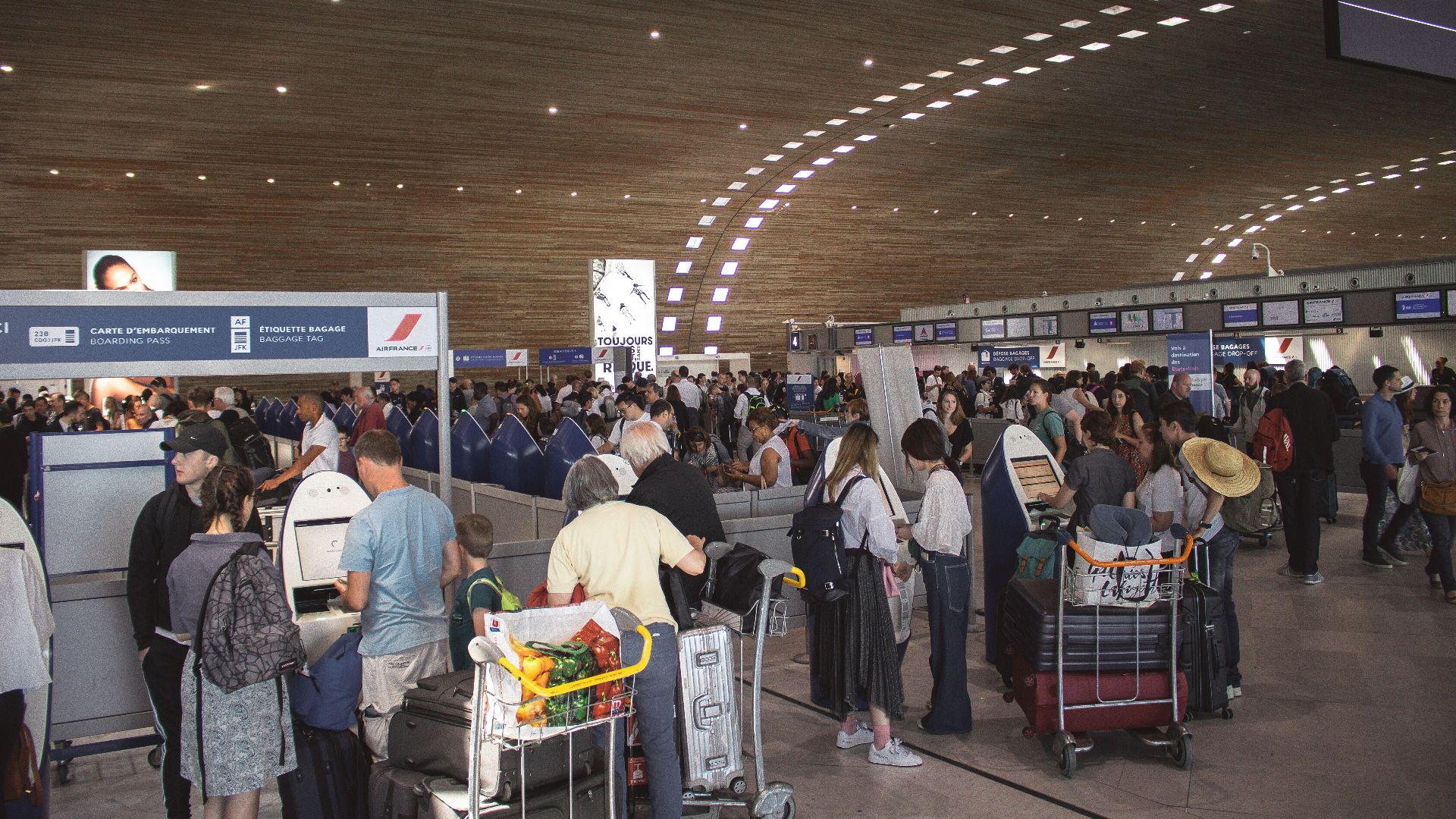
European passenger protections can be considerably more generous when applicable. Under EU rules, eligible passengers who reach their final destination at least three hours late may qualify for compensation, generally ranging from €250 to €600 depending on flight distance and delay circumstances. Airlines can avoid certain compensation obligations when extraordinary circumstances caused the disruption and could not have been avoided despite reasonable measures. Nevertheless, eligible compensation concerns the disruption itself, not the commercial value of the business meeting the passenger missed.
Canada has its own Air Passenger Protection Regulations covering flights to, from, and within the country. For eligible delays within an airline's control that are not required for safety, compensation ranges from C$400 to C$1,000 on large airlines when arrival is delayed by at least three hours. Smaller airlines have lower prescribed amounts, and passengers must meet applicable conditions, including submitting claims within the required period. The Canadian Transportation Agency also makes clear that its compensation authority under these regulations does not extend to lost income, illustrating the difference between passenger inconvenience and business losses.
What Happens With Your Employer And Your Expenses?
While passenger rights establish what airlines may owe, they do not automatically determine how an employer will respond to a missed meeting. That question usually depends on the employee's responsibilities, company travel policies, employment arrangements, and the circumstances surrounding the disruption. A worker who followed the approved itinerary and promptly reported an unexpected delay is in a different practical position from someone who disregarded travel instructions. Neither situation, however, creates a universal rule about disciplinary consequences or reimbursement.
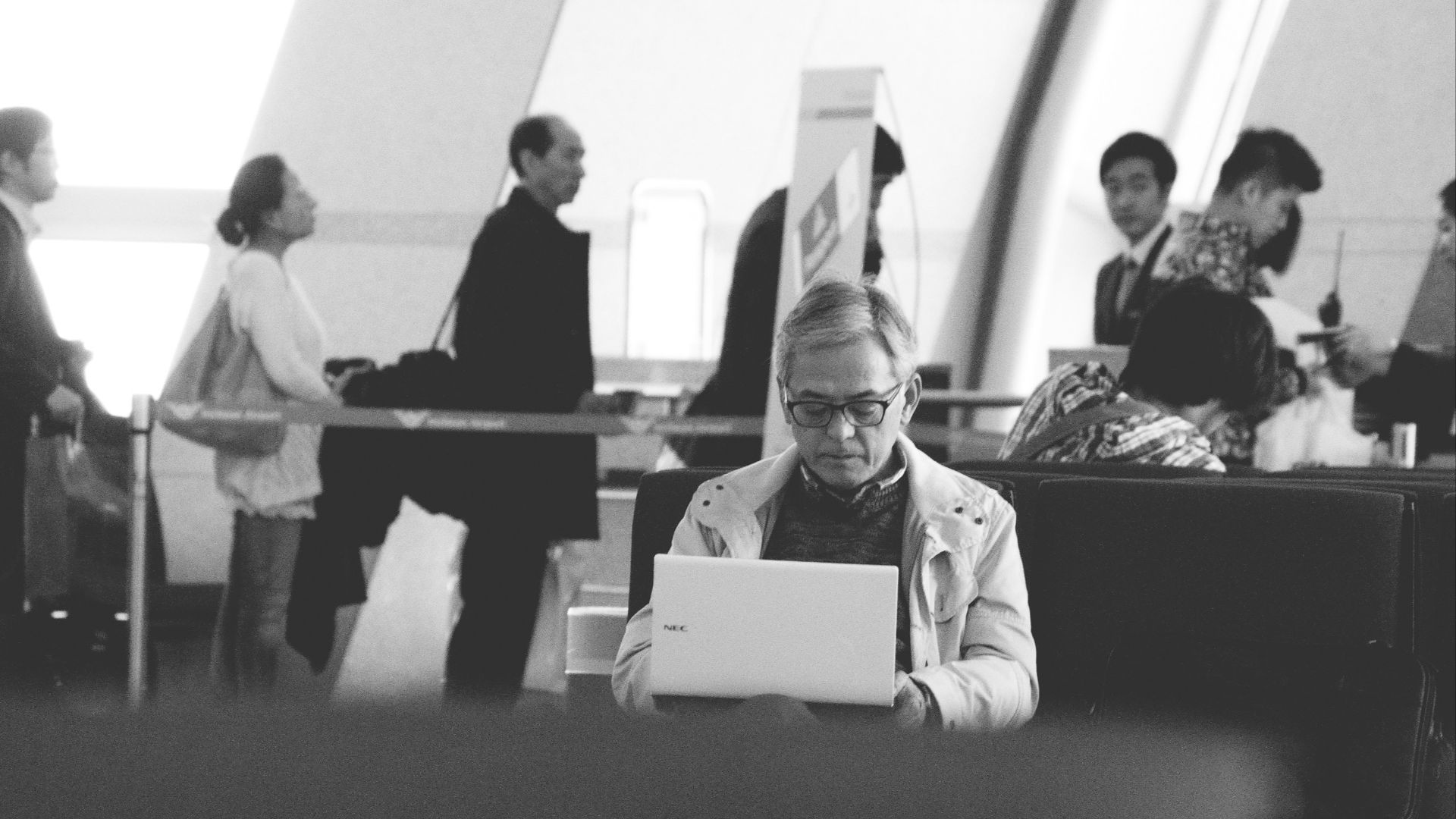
The most useful immediate action is to communicate clearly before the meeting becomes impossible to attend. Contact your manager, the meeting organizer, and any relevant clients as soon as the delay threatens your arrival. Explain what the airline has confirmed, identify the meeting at risk, and suggest alternatives such as participating remotely or having a colleague attend. This gives everyone involved an opportunity to respond while there is still time to adjust.
 Priscilla Du Preez 🇨🇦, Unsplash
Travelers should also communicate with the person or department responsible for company bookings before purchasing expensive replacement flights. An alternative route may save the meeting but involve costs that exceed the company's ordinary travel allowance. Asking for authorization helps establish whether the employer is prepared to approve those expenses. It also prevents a second dispute about an unapproved purchase after the original transportation problem has been resolved.
Documentation becomes especially important when a company needs to account for unexpected expenses. The Canadian Transportation Agency advises passengers experiencing delays to retain airline notifications, booking confirmations, itineraries, boarding passes, and receipts. Its guidance also recommends preserving evidence of communications and claims made to airlines. These records can support an airline compensation request while helping an employee explain why additional business travel expenses were necessary.
The question of who ultimately receives compensation can introduce another complication. If an employer purchased the airline ticket, a ticket refund may need to be returned through the original payment arrangement rather than paid directly to the traveling employee. Separate statutory passenger compensation may be payable to the eligible passenger, depending on the governing rules. Employees should therefore distinguish between reimbursement of company-funded costs and compensation arising from their individual passenger rights.
For employers, a missed meeting may also prompt a review of travel planning rather than a discussion about reimbursement alone. Was the itinerary approved despite leaving very little time between arrival and the engagement? Could the presentation have been delivered remotely if a backup plan existed? Would an earlier departure have been reasonable given the importance of the meeting? Addressing these questions can help prevent the same disruption from causing another professional setback.
Travel Insurance May Help, But It Has Important Limits
Travel insurance can provide an additional layer of financial protection when a business trip is disrupted. However, travelers should understand the difference between insurance for delay-related expenses and insurance for commercial losses. Allianz Partners explains that eligible travel delay coverage can reimburse certain meals, accommodations, transportation expenses, and prepaid travel costs, subject to policy conditions. That does not mean an ordinary travel insurance policy automatically compensates a company for a deal that failed because an employee arrived late.
Coverage also depends on why the flight was disrupted and how long the delay lasted. Travel Guard, for example, explains that its trip delay benefits may apply when covered events such as severe weather or strikes interfere with travel. Its missed-connection coverage addresses certain transportation expenses and prepaid arrangements when a covered event prevents a traveler from making a scheduled departure. Both the triggering circumstances and available benefits vary according to the policy purchased.
Another complication is that many employees travel under corporate insurance arrangements they have never personally reviewed. Before an important trip, it is worth asking whether the company's policy covers delays, interruptions, additional accommodation, and alternative transportation. Employees should also establish whether they must contact a designated assistance provider before making expensive arrangements. Knowing these requirements in advance can make the difference between an eligible reimbursement and an expense the insurer refuses to cover.
Filing a successful claim generally requires more than explaining that an airline arrived late. Allianz Partners advises claimants to document what happened, when it happened, the resulting losses, and the amounts they are seeking. Supporting evidence may include receipts, delay notices, and documentation showing why an expense was necessary. The more complete the records, the easier it becomes to distinguish eligible travel costs from unrelated financial consequences.
This distinction matters particularly when a business trip involves substantial financial commitments. Suppose a company has prepaid for accommodation, ground transportation, and an event venue that are no longer usable after a major flight disruption. Some of these expenses might qualify under applicable travel insurance benefits, depending on the policy and reason for the delay. However, the possibility of reimbursement should never be confused with comprehensive protection against the loss of future business.
How To Protect Your Career Before The Next Delay
The most effective response to airline delays often begins before leaving for the airport. For trips involving important presentations, negotiations, or conferences, consider arriving the previous day rather than scheduling the meeting shortly after landing. Although additional accommodation creates an upfront cost, it may reduce the risk of a minor transportation problem disrupting the entire purpose of the trip. The Department of Transportation's recommendation to allow additional time for important business commitments supports this approach.
Travelers can also reduce exposure by thinking carefully about flight connections and alternative routes. A nonstop flight removes the risk of missing a connecting service, although it cannot eliminate disruptions affecting the original flight. When connections are unavoidable, consider whether the itinerary leaves sufficient time for potential delays and airport transfers. For especially important engagements, discuss backup transportation arrangements with whoever approves company travel.
A practical contingency plan should address the meeting itself rather than focusing exclusively on transportation. Share presentation materials with colleagues in advance and ensure another participant can access the essential information. Confirm whether video participation is acceptable if travel becomes impossible, and keep the organizer's contact information readily available. These preparations cannot guarantee that a meeting will proceed successfully, but they can reduce dependence on one person's physical arrival.
If a delay nevertheless causes a missed engagement, focus first on protecting the professional relationship. Contact the affected participants, acknowledge the disruption, and explain the steps being taken to arrange a replacement meeting or provide the information another way. Keep the explanation factual and avoid making promises about arrival times that the airline has not confirmed. Once the immediate business problem is addressed, review possible airline refunds, passenger compensation, and insurance claims.
Most importantly, remember that compensation and professional recovery are two separate matters. Passenger protection rules may help recover travel costs or provide fixed payments, but they cannot automatically restore a missed negotiation, presentation, or client relationship. Employees and employers therefore benefit from treating airline disruption as a foreseeable travel risk that deserves advance planning. When an important business meeting depends on catching a particular flight, the strongest protection is usually having enough flexibility to cope when that flight does not operate as expected.
You May Also Like:
The Office Is Disappearing. The Company Retreat Isn’t
Is The Era Of The One-Day International Business Trip Ending?
The Future Of Business Travel May Be Fewer Trips That Matter More