An underwater enigma
Off the coast of Cuba, sonar scans showed something unexpected: massive geometric shapes resting on the seafloor. Experts debated, and the media swarmed, then silence followed. No answers or excavations. Just questions about early human civilization.
A Mystery Beneath The Waves
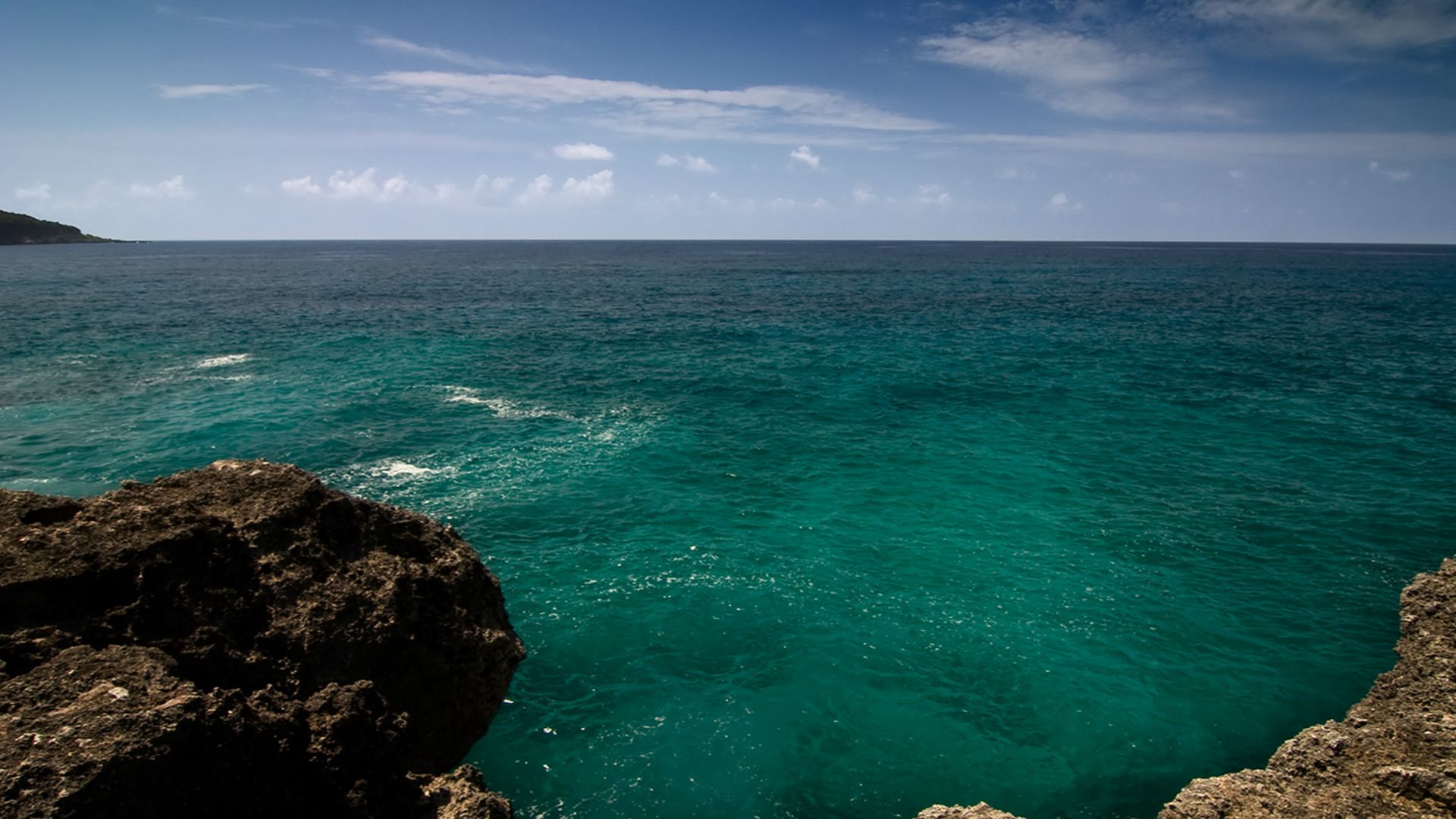
Deep in the waters west of Cuba, sonar scans revealed unusual formations on the ocean floor: massive, symmetrical shapes resting nearly 2,000 feet below. The discovery stirred curiosity across scientific and alternative communities. Could this be a forgotten chapter of human history hidden beneath the Caribbean Sea?
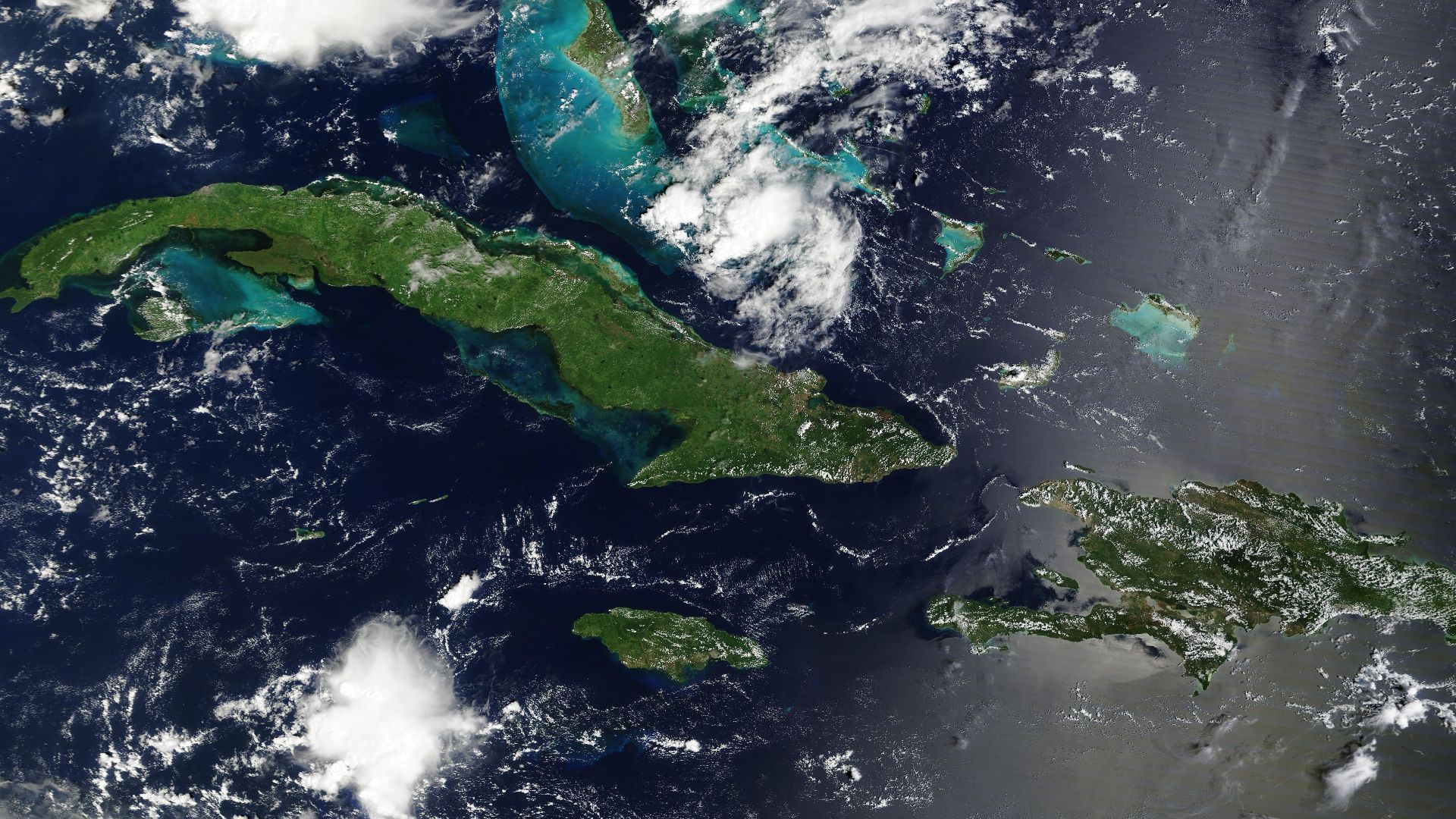 MODIS Land Rapid Response Team, NASA GSFC, Wikimedia Commons
The Discovery That Sparked Global Curiosity
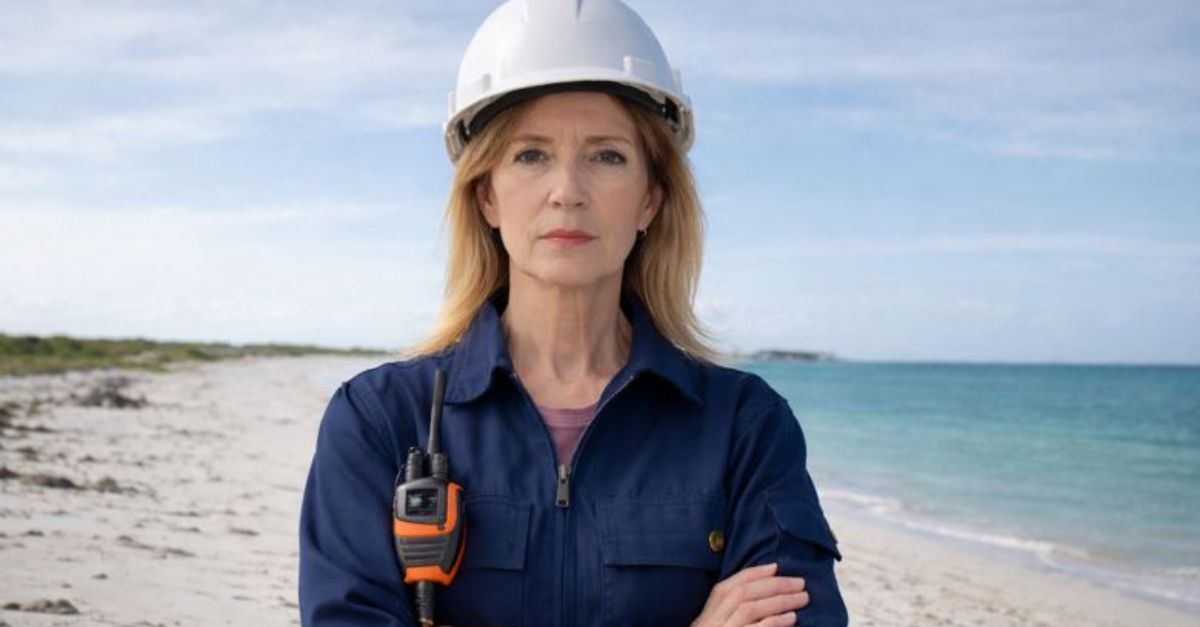
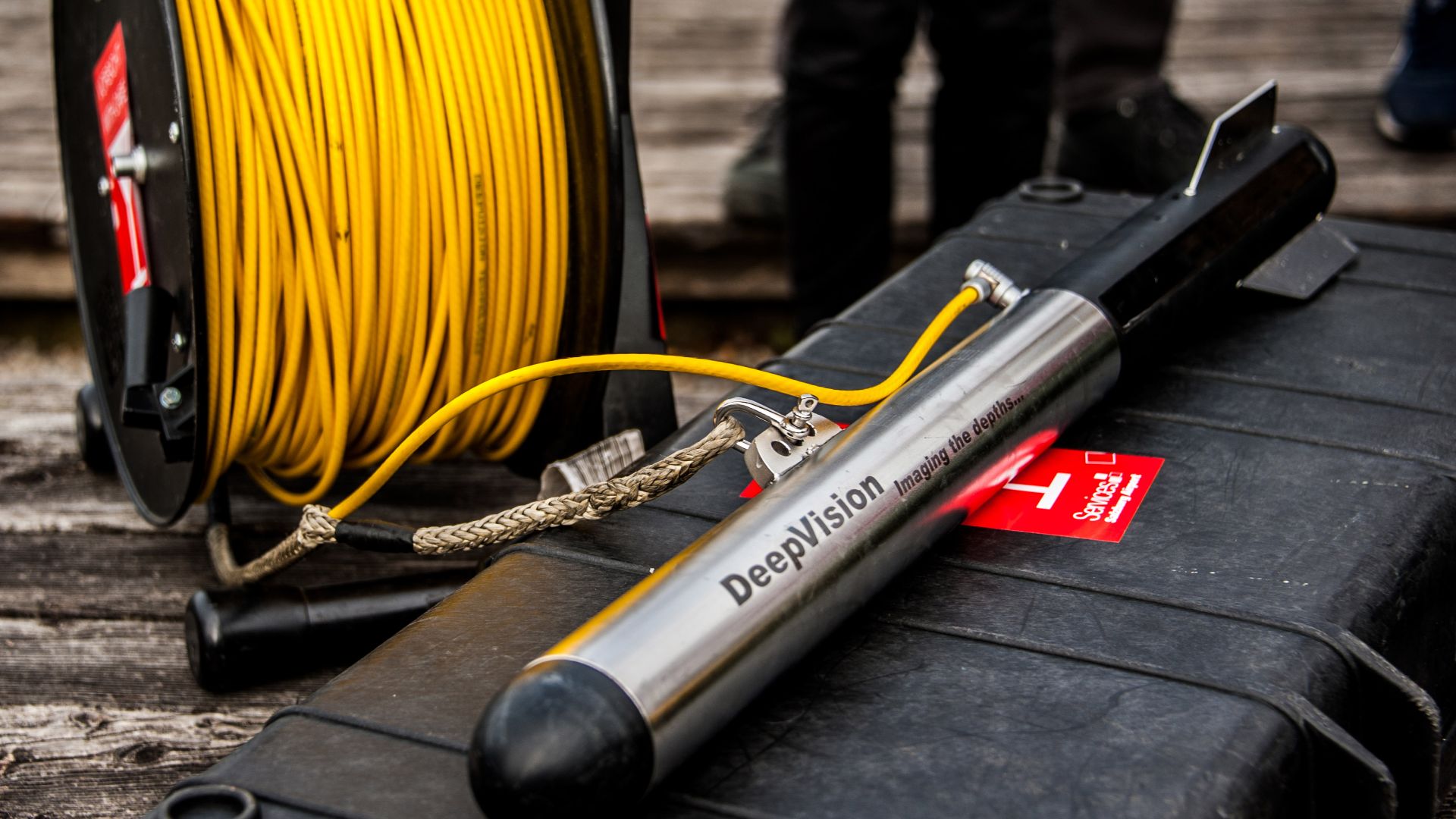
In 2001, a Canadian exploration team led by marine engineer Paulina Zelitsky detected strange underwater structures using side-scan sonar. The site covered was less than 1 square mile and appeared to contain large geometric patterns. Initial findings made headlines worldwide and suggested something remarkable might lie beneath Cuba’s waters.
 Markus Bachofner, Wikimedia Commons
Who Found It And Why They Were Searching
Zelitsky and her husband, Paul Weinzweig, were working with Advanced Digital Communications, contracted by the Cuban government to map the seafloor for treasure and natural resources. Their research unexpectedly uncovered what appeared to be unnatural, complex formations. It launched one of the most debated underwater discoveries in modern times.
What Really Lurked 2,000 Feet Below The Surface
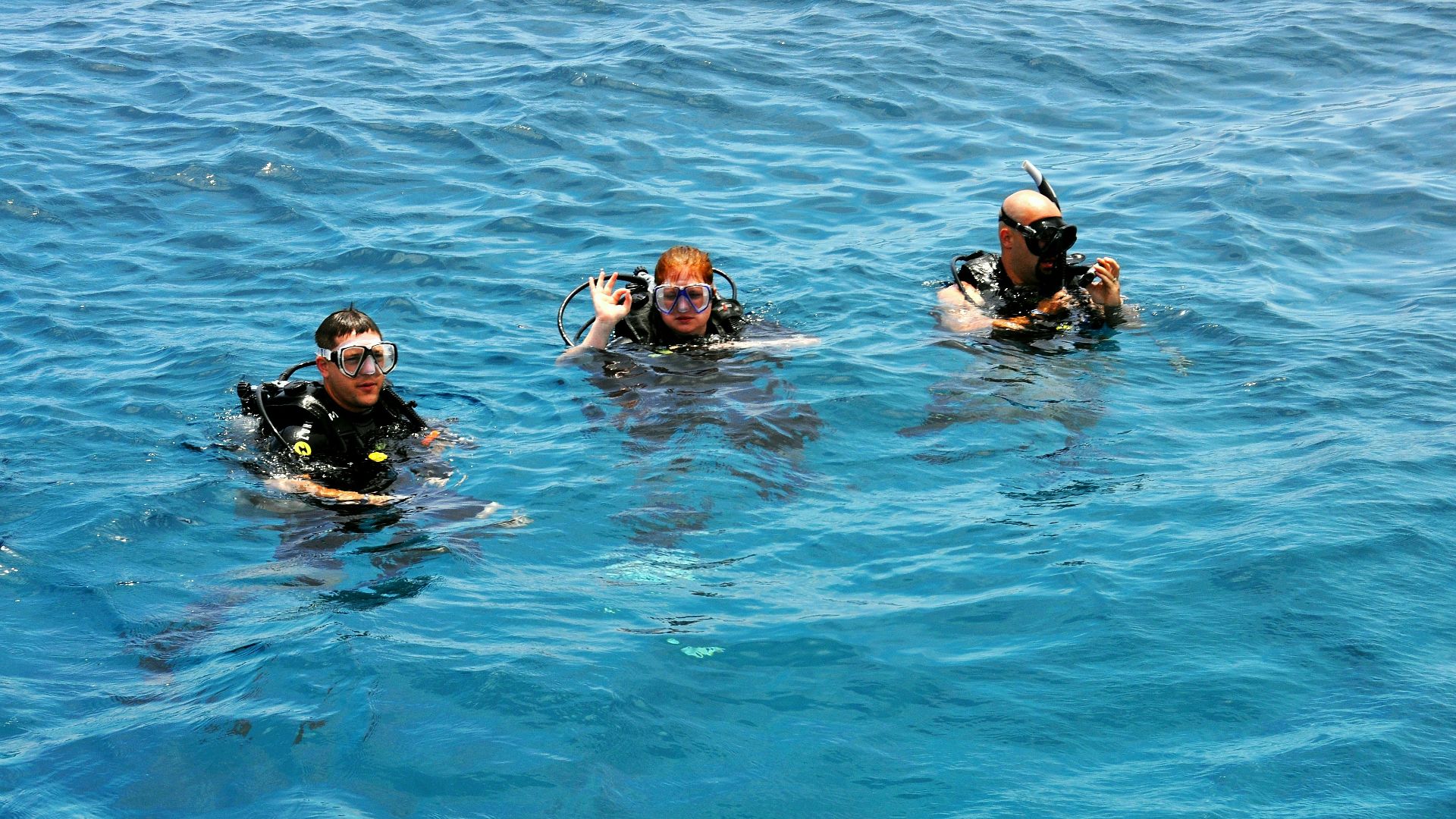
At nearly half a mile deep, traditional theories suggest no human-built structures should exist. Yet sonar images showed what looked like roads and possibly pyramid-like shapes. The depth complicates interpretations, as it would suggest the site predates known civilizations. It challenges established views on human development timelines.
 National Oceanic and Atmospheric Administration image, Wikimedia Commons
Sonar Images That Changed Everything
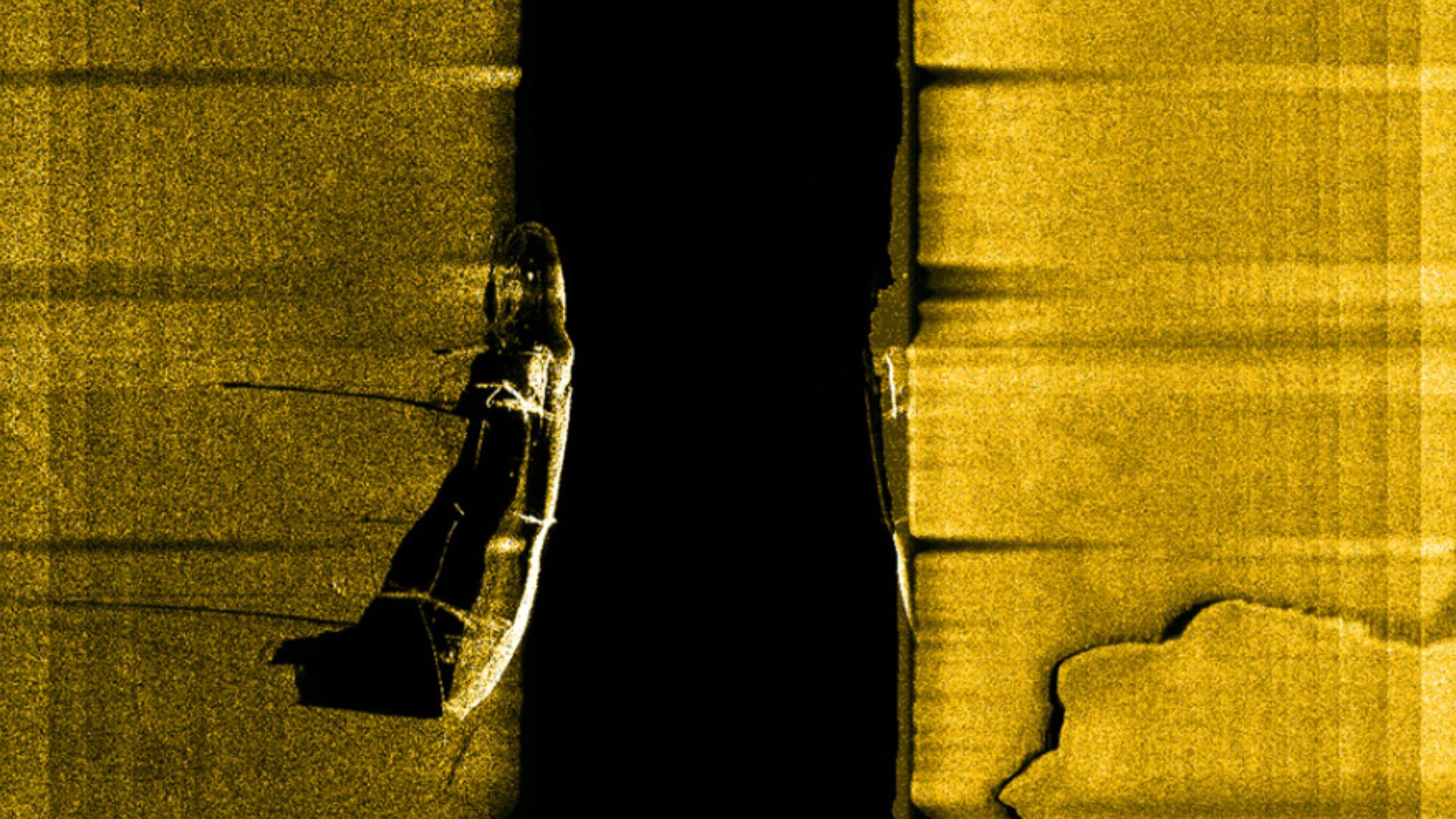
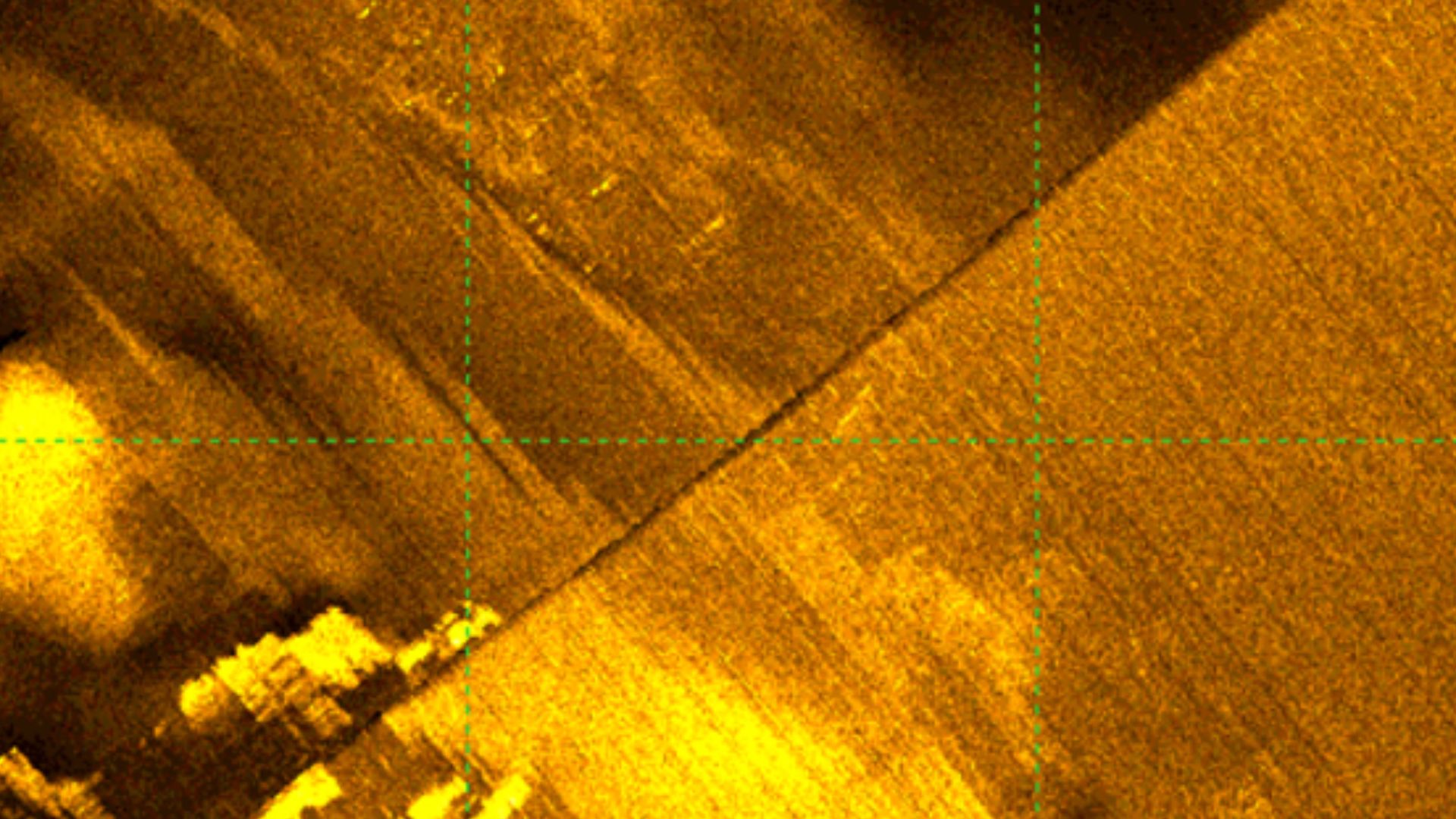
The team’s sonar scans displayed patterns that seemed too ordered to be random. Such images sparked immediate debate among geologists and archaeologists. While some believed the structures were natural, others saw potential signs of human engineering lost beneath rising prehistoric sea levels.
 ATSB, image by Fugro Survey, Wikimedia Commons
Too Precise To Be Natural?
Observers noted that some formations appeared aligned at right angles, which resembles city planning. Large stone-like blocks seemed to be stacked or shaped in unnatural ways, and that led some to argue that natural geological processes alone couldn’t fully explain what the sonar scans had captured.
The First Headlines And Media Frenzy
News outlets briefly picked up the story, framing it as a potential “underwater city” discovery. Online forums and fringe researchers amplified speculation. Yet, as quickly as interest surged, the mainstream media moved on, partly due to limited follow-up evidence and expert skepticism.

Could This Be Evidence Of A Lost Civilization?
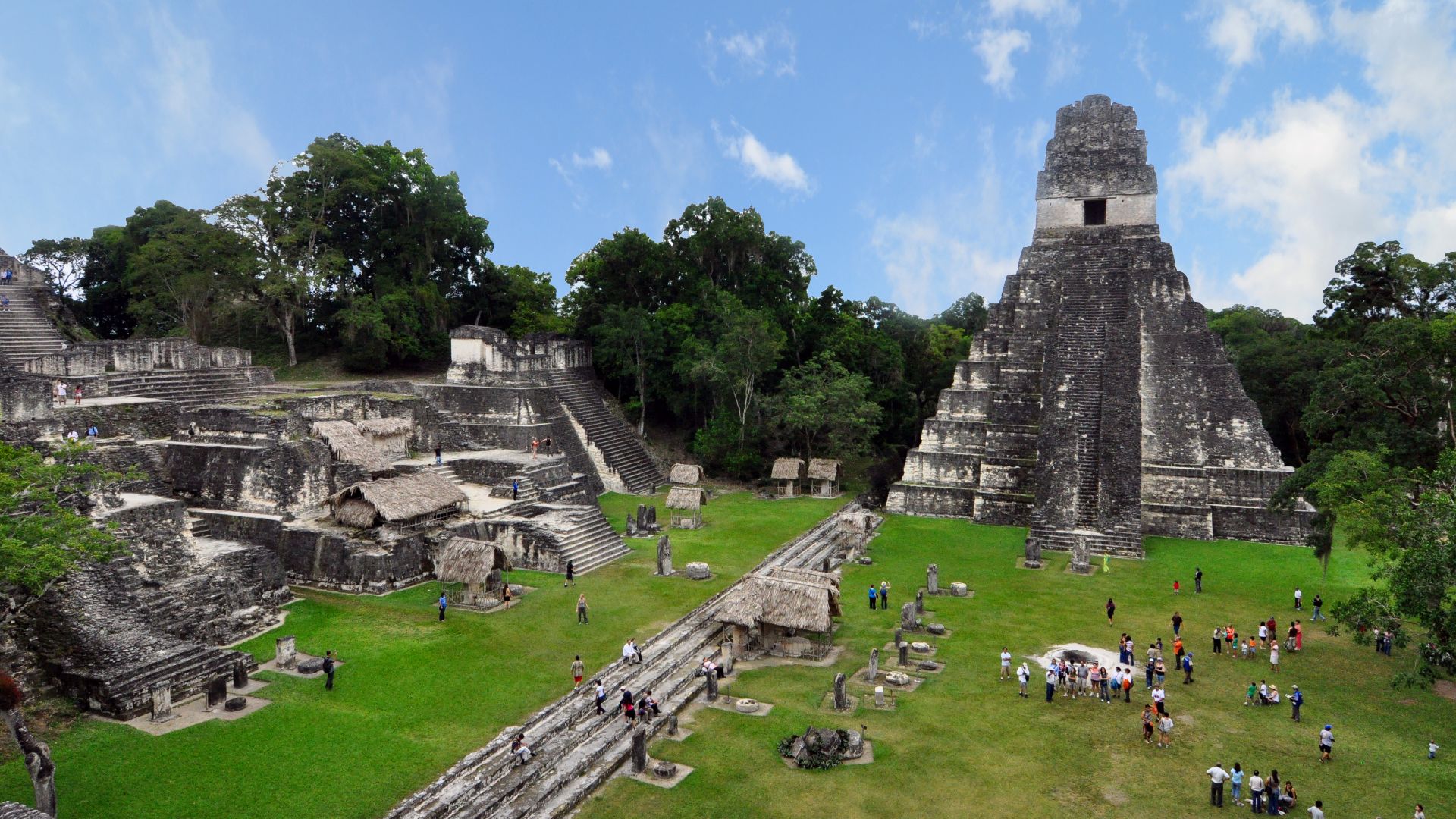
If the structures were man-made, it would suggest an ancient culture advanced enough to build stone cities, then lost to rising seas. This idea fascinated many, especially those drawn to theories of prehistoric civilizations predating Egypt or Mesoamerica. The implications could radically rewrite early human history.
The Atlantis Comparison Takes Hold
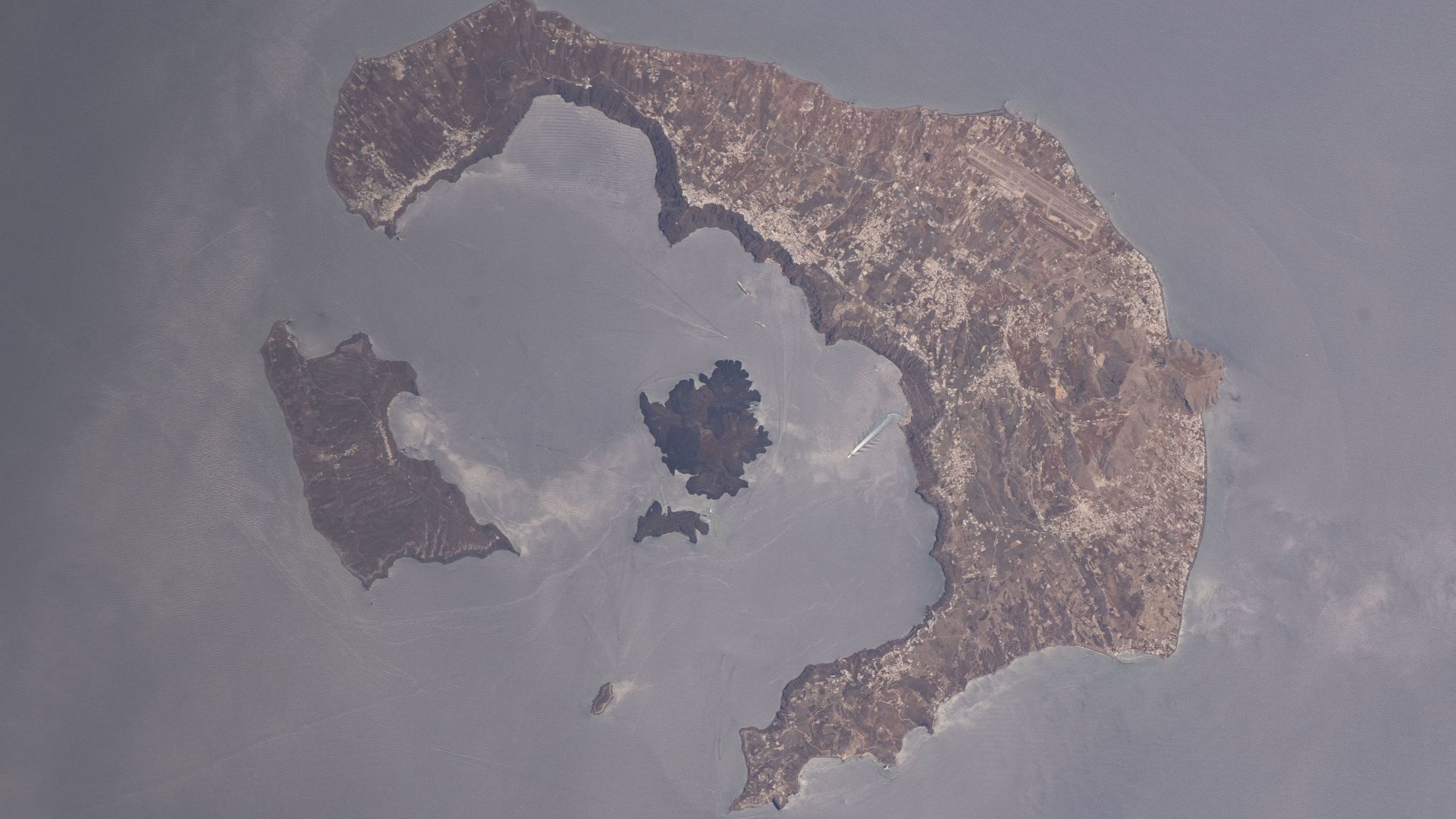
Given the Caribbean location and mysterious depth, comparisons to Atlantis were inevitable. Some theorists pointed to Plato’s descriptions of a sunken civilization beyond the Pillars of Hercules. Though lacking archaeological proof, the myth provided a compelling lens for those seeking lost continents beneath the sea.
How Old Would It Have To Be?
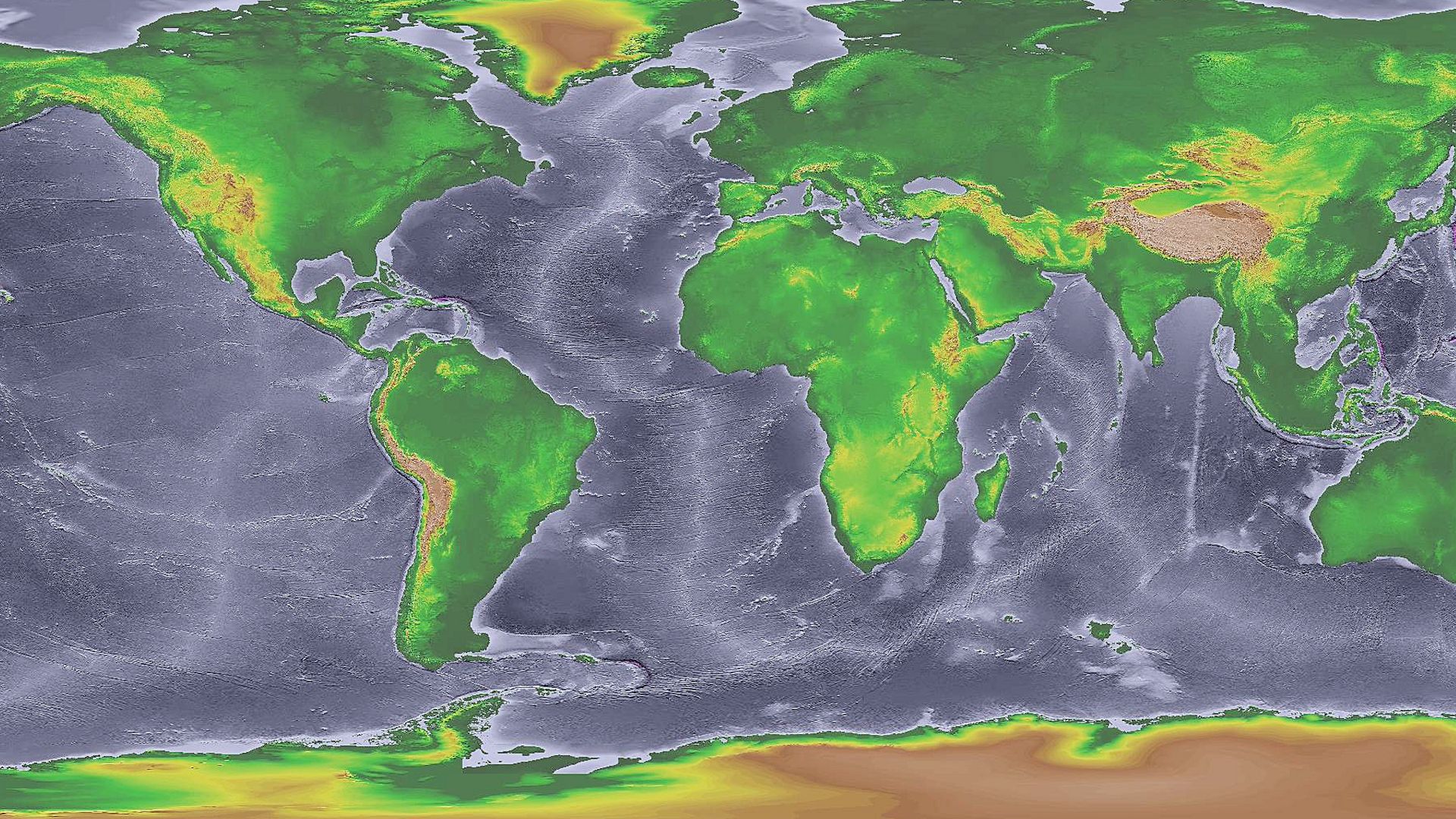
To be submerged 2,000 feet today, the structures—if artificial—would need to predate the end of the last Ice Age, around 10,000 years ago. This timeline predates the emergence of organized societies as we know them, which raises doubts and ignites intense debate within academic circles and beyond.
 National Oceanic and Atmospheric Administration, Wikimedia Commons
What History Tells Us About Early Civilizations
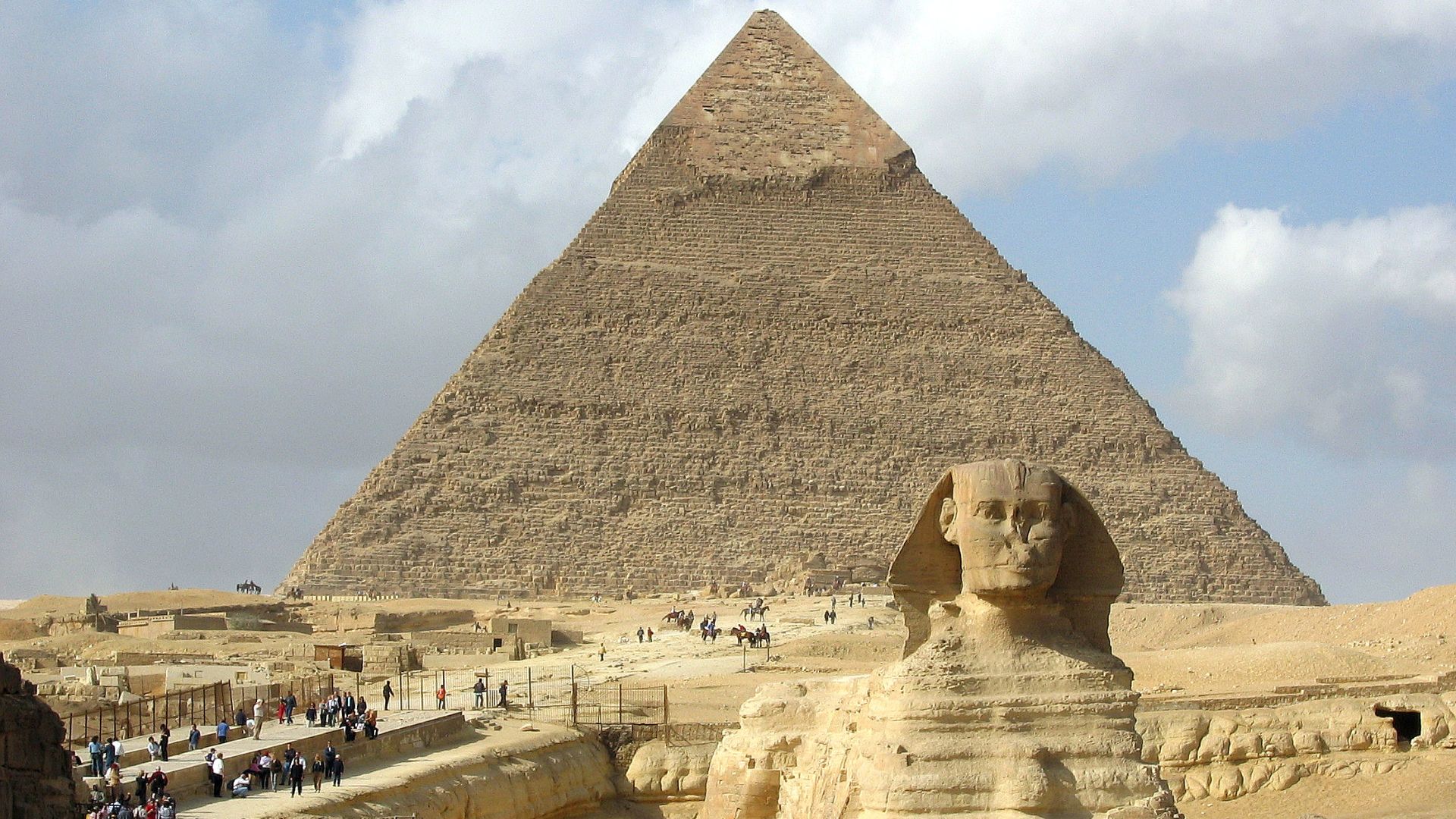
Most archaeologists agree that advanced architecture only emerged around 5,000 to 6,000 years ago in regions like Mesopotamia and Egypt. There’s no established evidence of urban development before that. The Cuban site’s possible age, if man-made, stands in stark contrast to current historical understanding.
 Most likely Hamish2k, the first uploader, Wikimedia Commons
Can Stone Formations Lie?
Underwater topography can be deceptive. Volcanic activity and tectonic shifts often create formations that mimic intentional design. Nature’s randomness sometimes aligns into forms that appear geometric. This possibility complicates interpretations and reminds us that not all straight lines or right angles are necessarily human in origin.
The Science Behind Underwater Geology
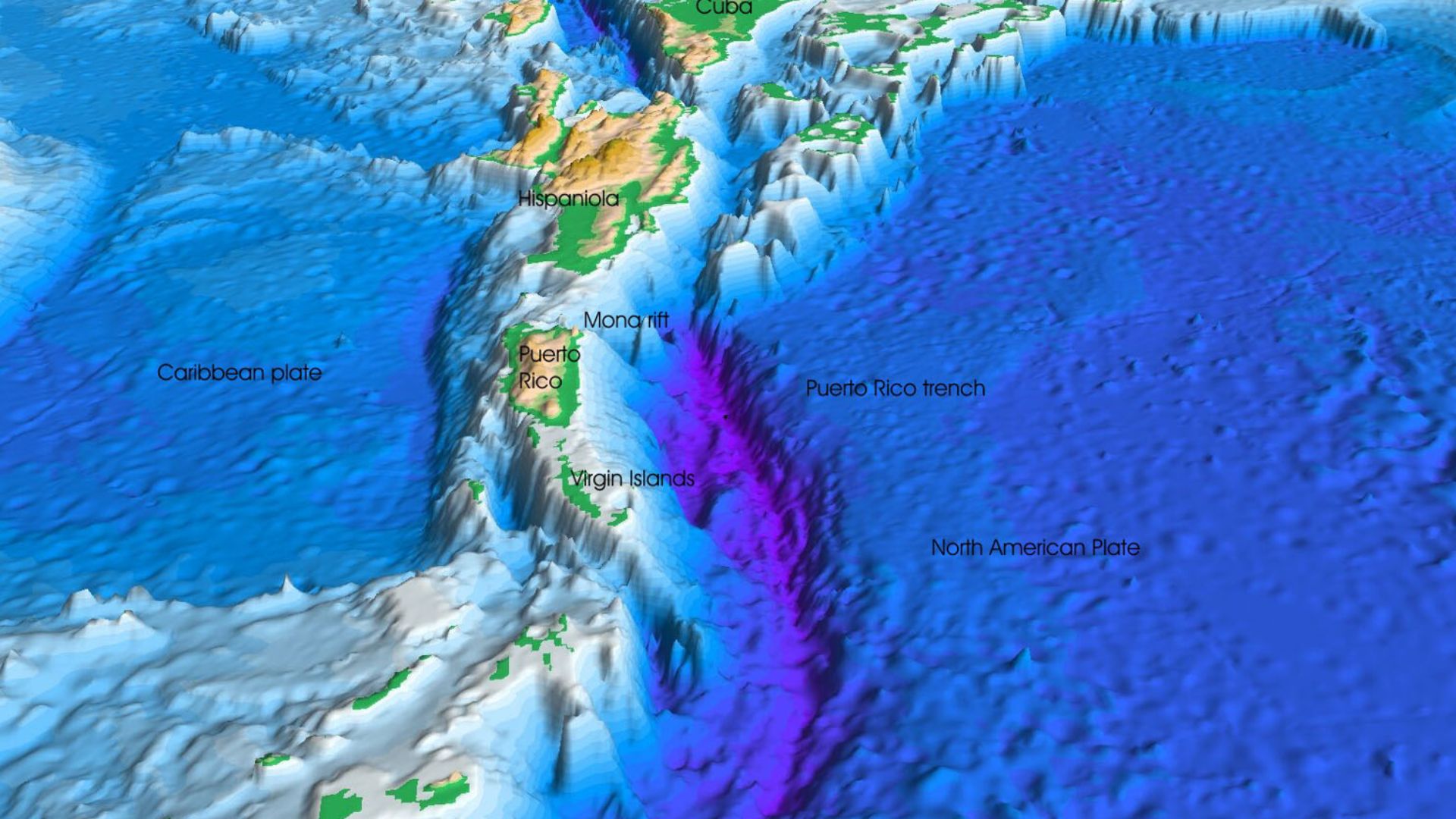
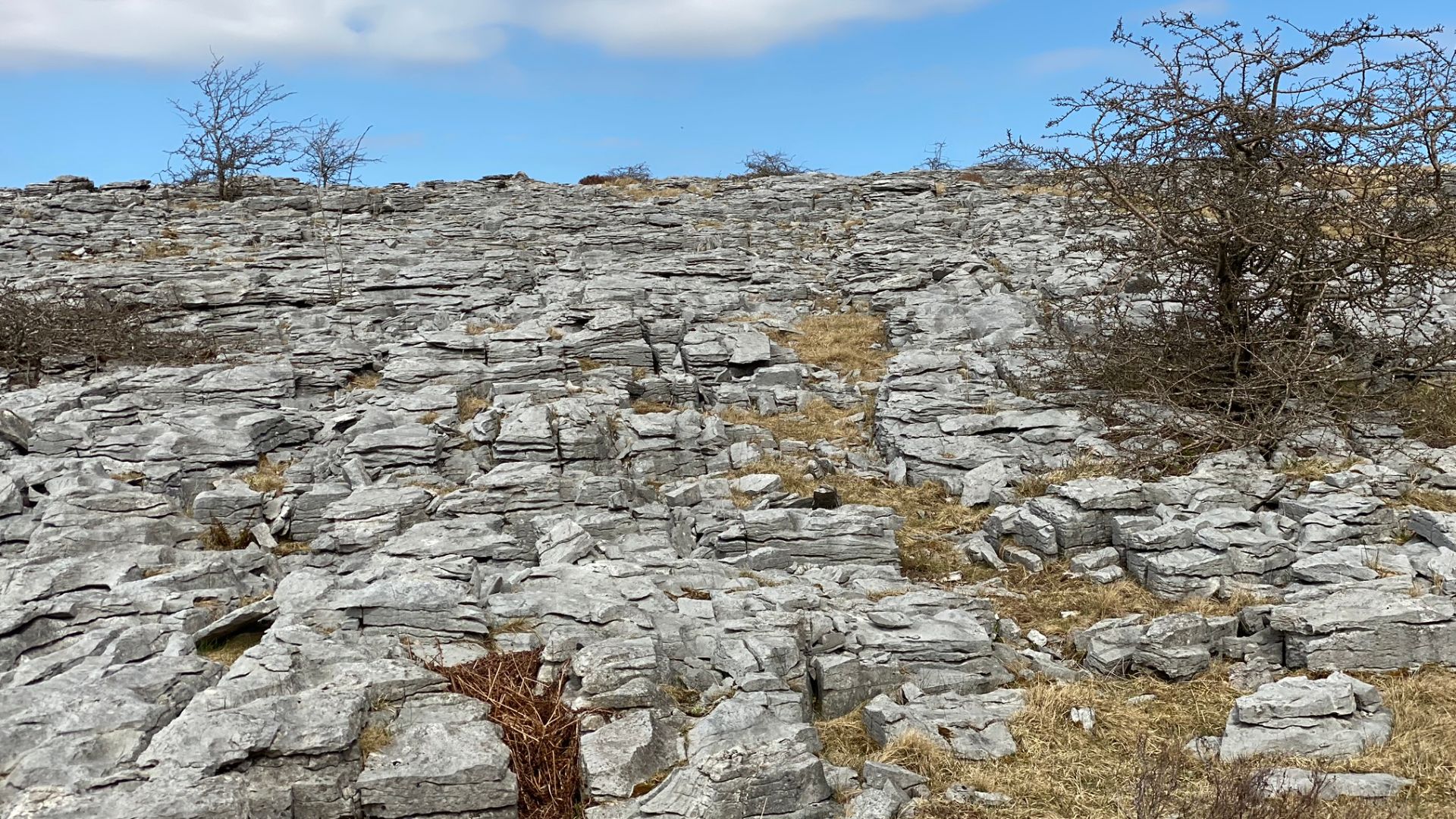
Geologists studying the Cuban site suggest natural explanations by pointing to processes like faulting and fracturing of limestone. Over thousands of years, underwater currents and tectonic activity can shape large rock formations into patterns that resemble artificial structures to fool even experienced observers.
 Alan Hughes , Wikimedia Commons
When Nature Imitates Human Design
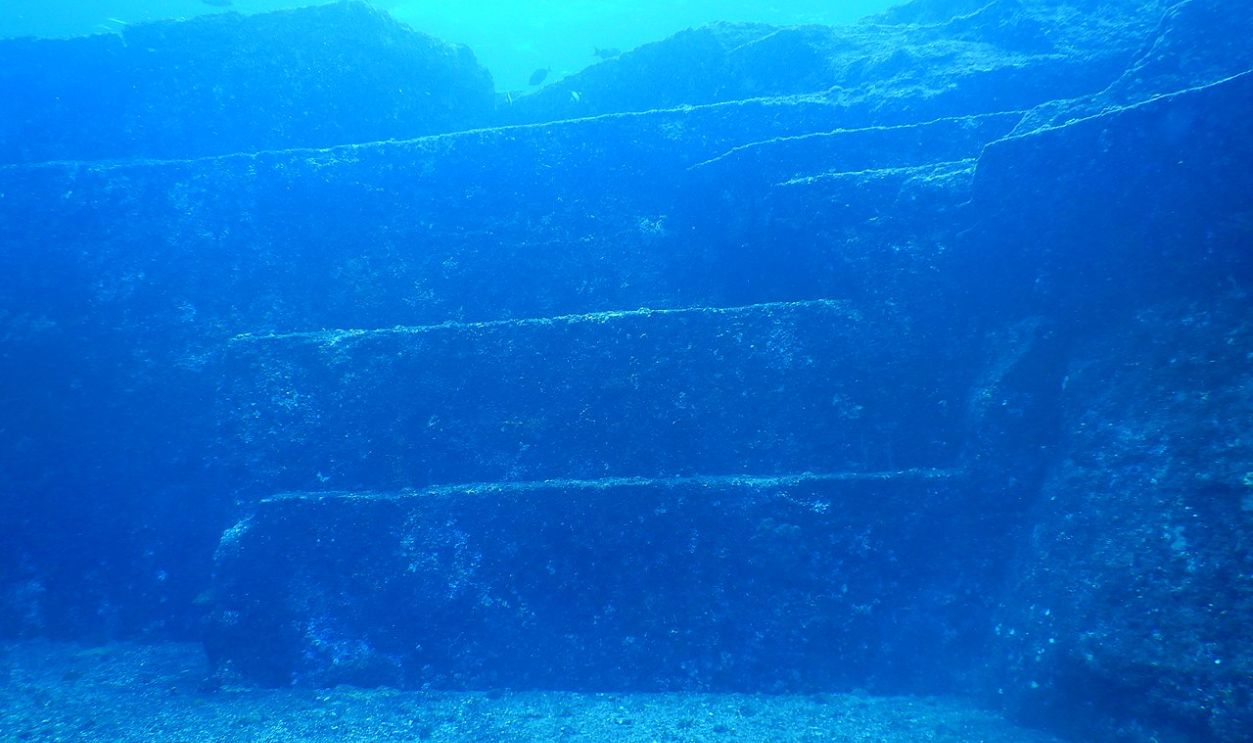
Cases like Japan’s Yonaguni Monument show how natural forces can create formations that look man-made. Sharp edges and step-like shapes emerge from erosion and shifting rock. Similar processes may explain Cuba’s underwater formations, where nature’s architecture mimics intentional construction without human involvement.
The Story Suddenly Disappeared
After the initial media interest, little follow-up occurred. No major archaeological expeditions were launched, and no peer-reviewed studies confirmed the discovery. Without physical evidence or broader scientific support, the story gradually faded from headlines to linger mainly in online forums and fringe exploration communities.
 LinkedIn Sales Navigator, Pexels
Politics Halted Exploration
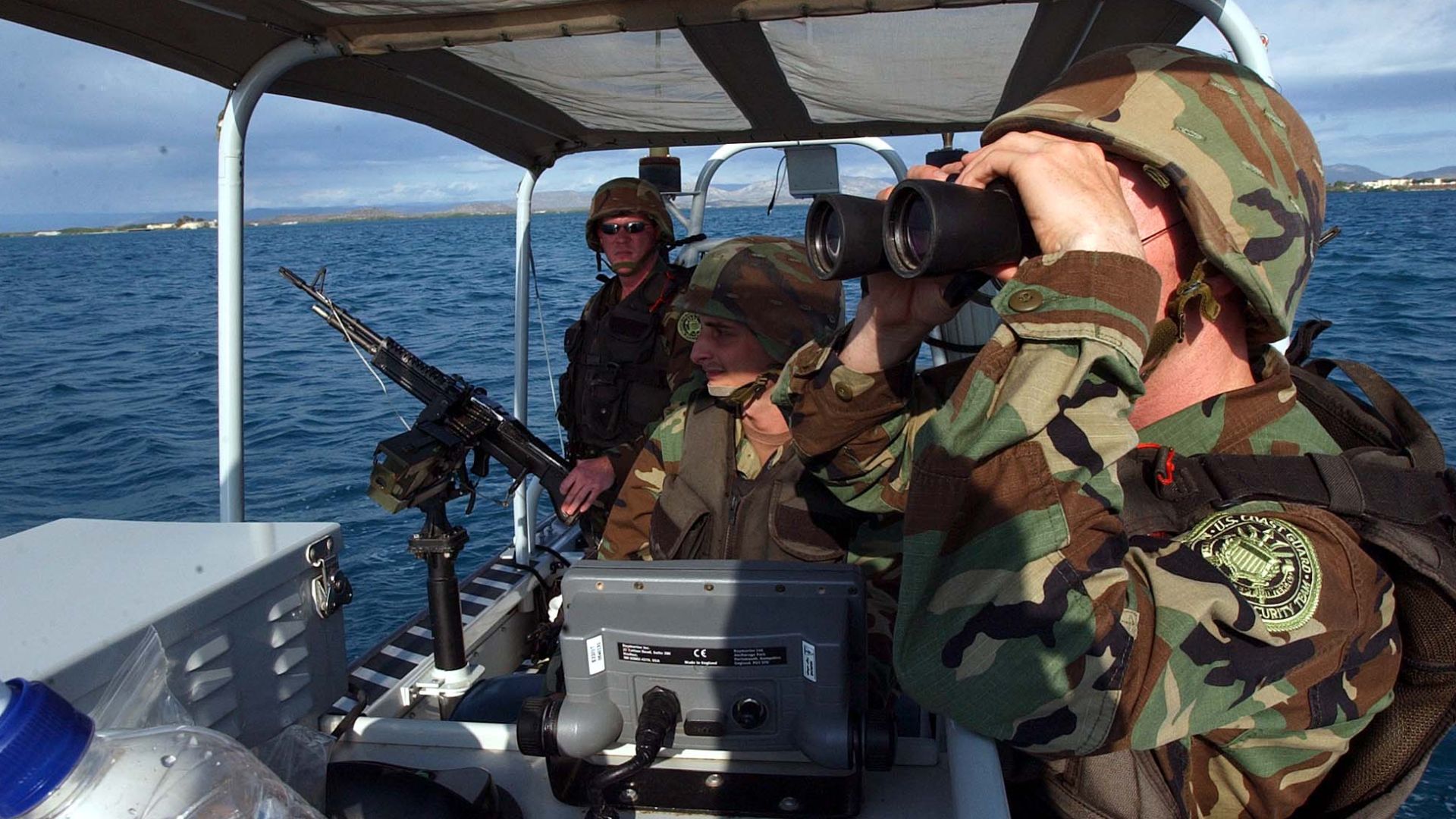
Tense US–Cuba relations in the early 2000s limited collaboration between international scientists and Cuban authorities. Political restrictions made deeper exploration difficult. Even researchers interested in revisiting the site faced logistical hurdles and limited funding that stalled any serious investigation into the discovery’s origins.
 Senior Airman Jon Ortiz-Torres, USAF, Wikimedia Commons
Silence From The Scientific Community
Academic institutions largely avoided public comment on the site. The absence of artifacts and verifiable data made the topic risky for serious scholars. Without published findings or credible peer review, many in the scientific world remained silent, wary of associating with unverified or speculative claims.
 National Cancer Institute, Unsplash
No Artifacts Or Consensus
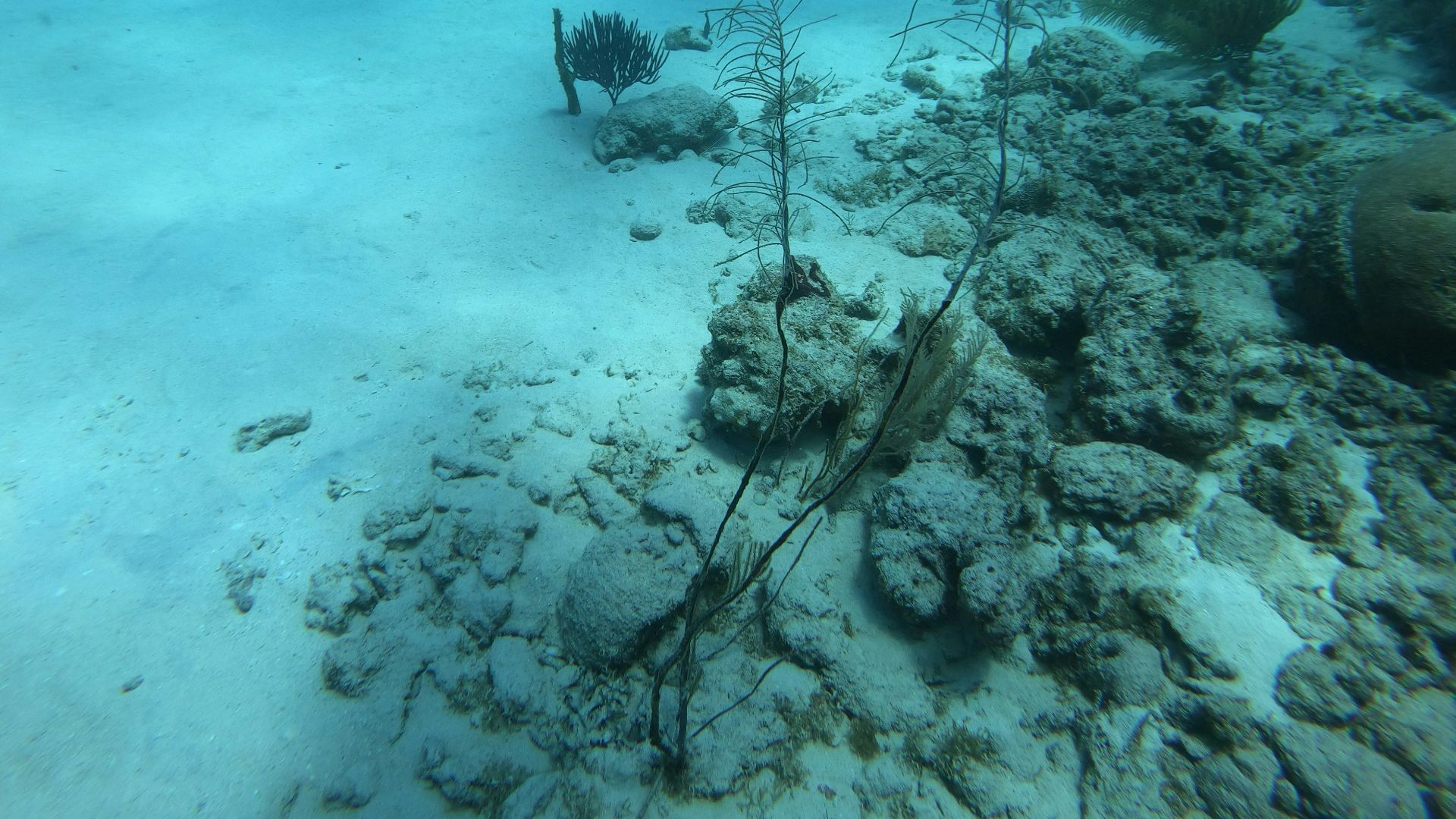
No tools or human remains have been recovered from the site. As artifacts were absent, archaeologists couldn’t date or verify the structures. The lack of tangible evidence means there's no scholarly consensus. The formations remain an unexplained anomaly rather than a documented archaeological discovery.
Theories Thrive In The Absence Of Facts
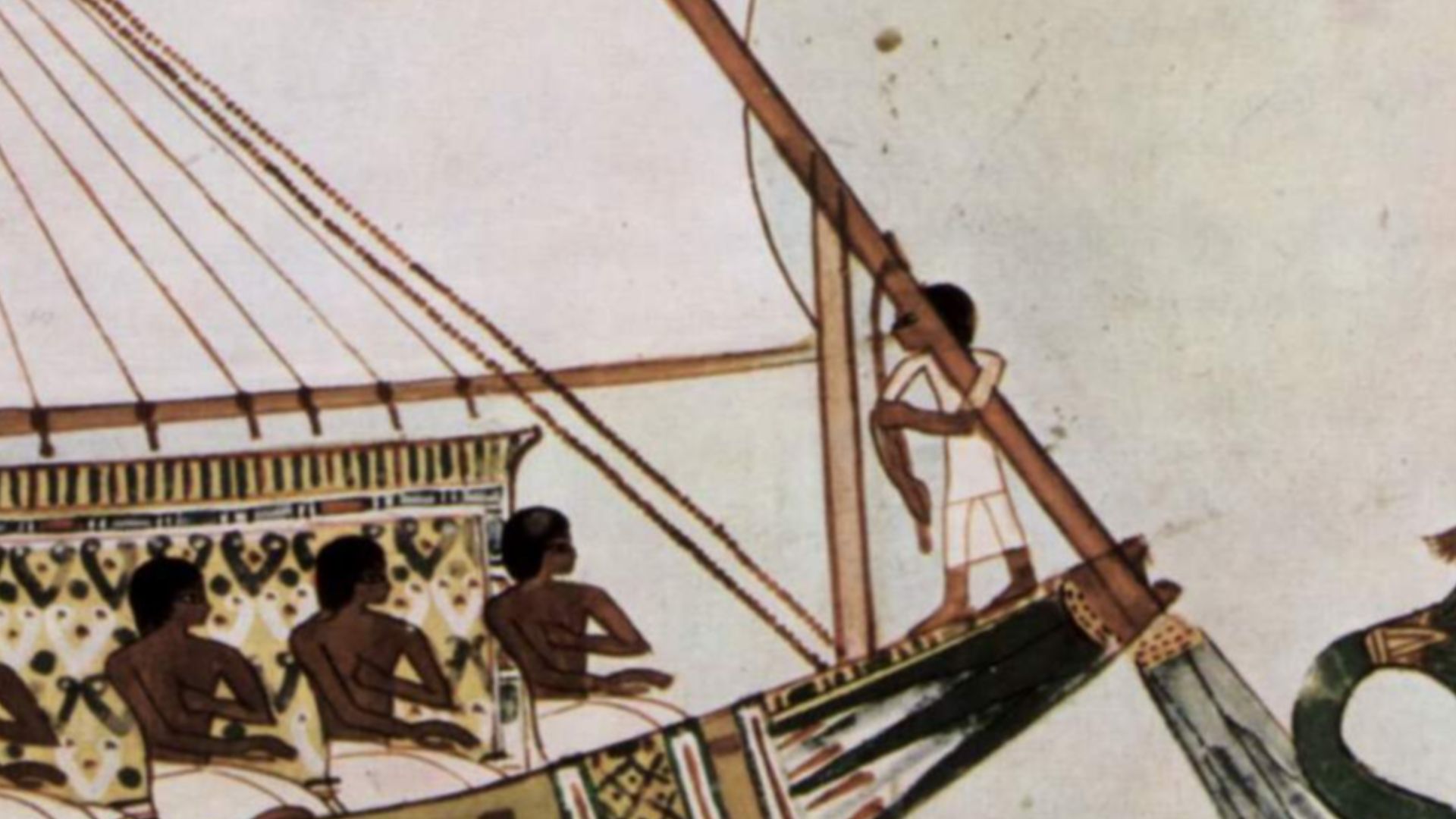
Where science hesitates, speculation fills the gap. From ancient seafarers to lost civilizations, countless theories have emerged. Some suggest advanced cultures existed before recorded history. Others tie the site to myths or even extraterrestrial influence. In the absence of facts, imagination often dominates the narrative.
 Maler der Grabkammer des Menna, Wikimedia Commons
Echoes Of Other Underwater Mysteries
The Cuban site joins a global list of puzzling underwater formations, from India’s Gulf of Khambhat to the Bimini Road in the Bahamas. These locations stir debate over what ancient knowledge may have been lost beneath rising seas and whether our history is more complex than assumed.
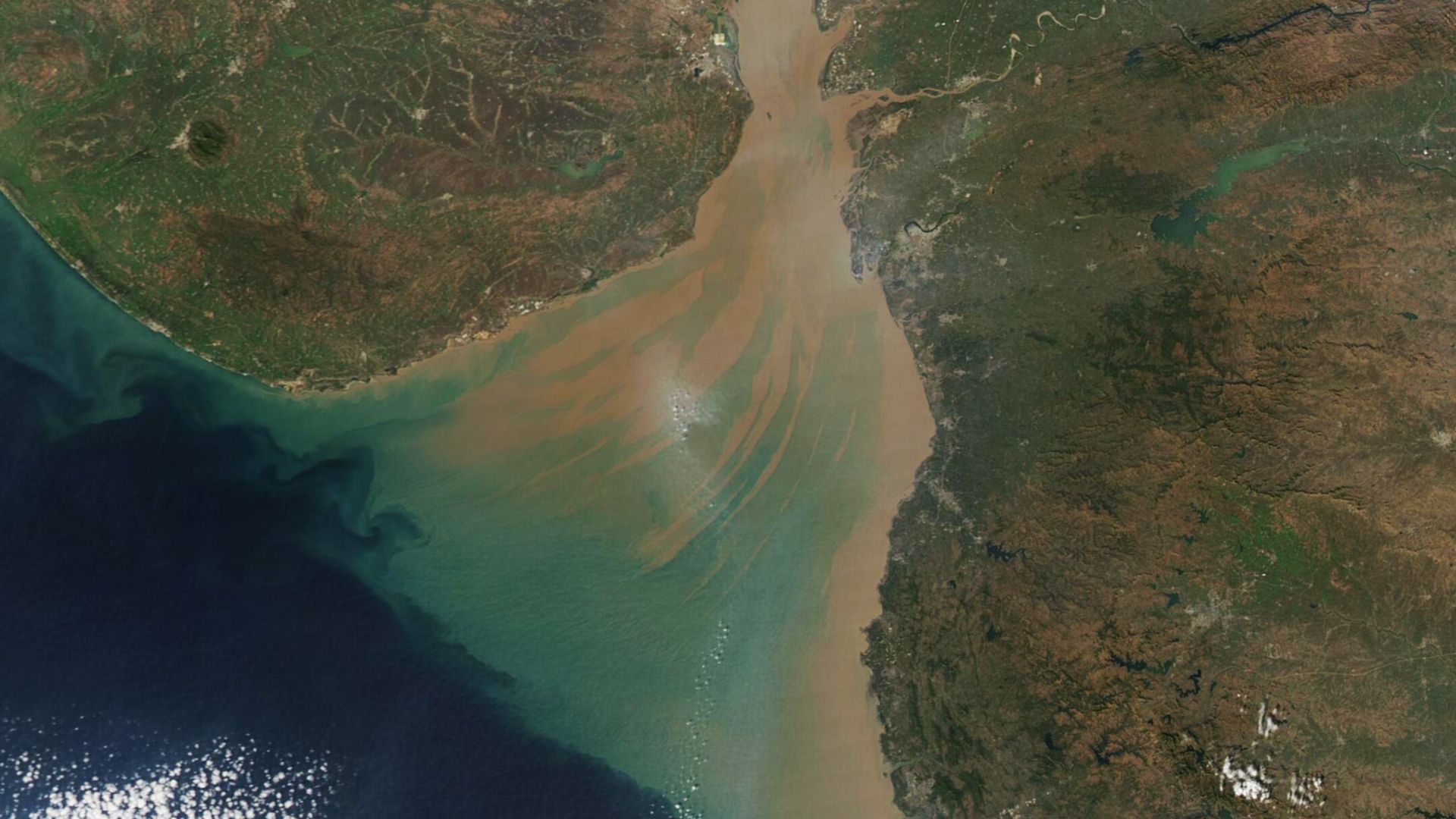 MODIS Land Rapid Response Team, NASA GSFC, Wikimedia Commons
From Forgotten Discovery To Online Obsession
Though mainstream attention faded, the story found new life online. YouTube documentaries and independent blogs kept the mystery alive. For many, the site's obscurity only deepened its appeal by fueling curiosity and challenging official narratives with questions left unanswered.

Truth, Hoax, Or Something In Between?
Was it a misinterpretation or a genuinely overlooked discovery? Although some dismiss the site entirely, others argue it deserves further study. The truth likely lies between extremes: a compelling case of limited data and the enduring power of an unsolved mystery.

Modern Technology Could Uncover The Answers
With advancements in deep-sea exploration and underwater archaeology, a return to the Cuban site could yield clearer insights. New tools might validate or refute past claims. Institutions might take up the challenge, but this depends on funding and renewed interest in unresolved discoveries.
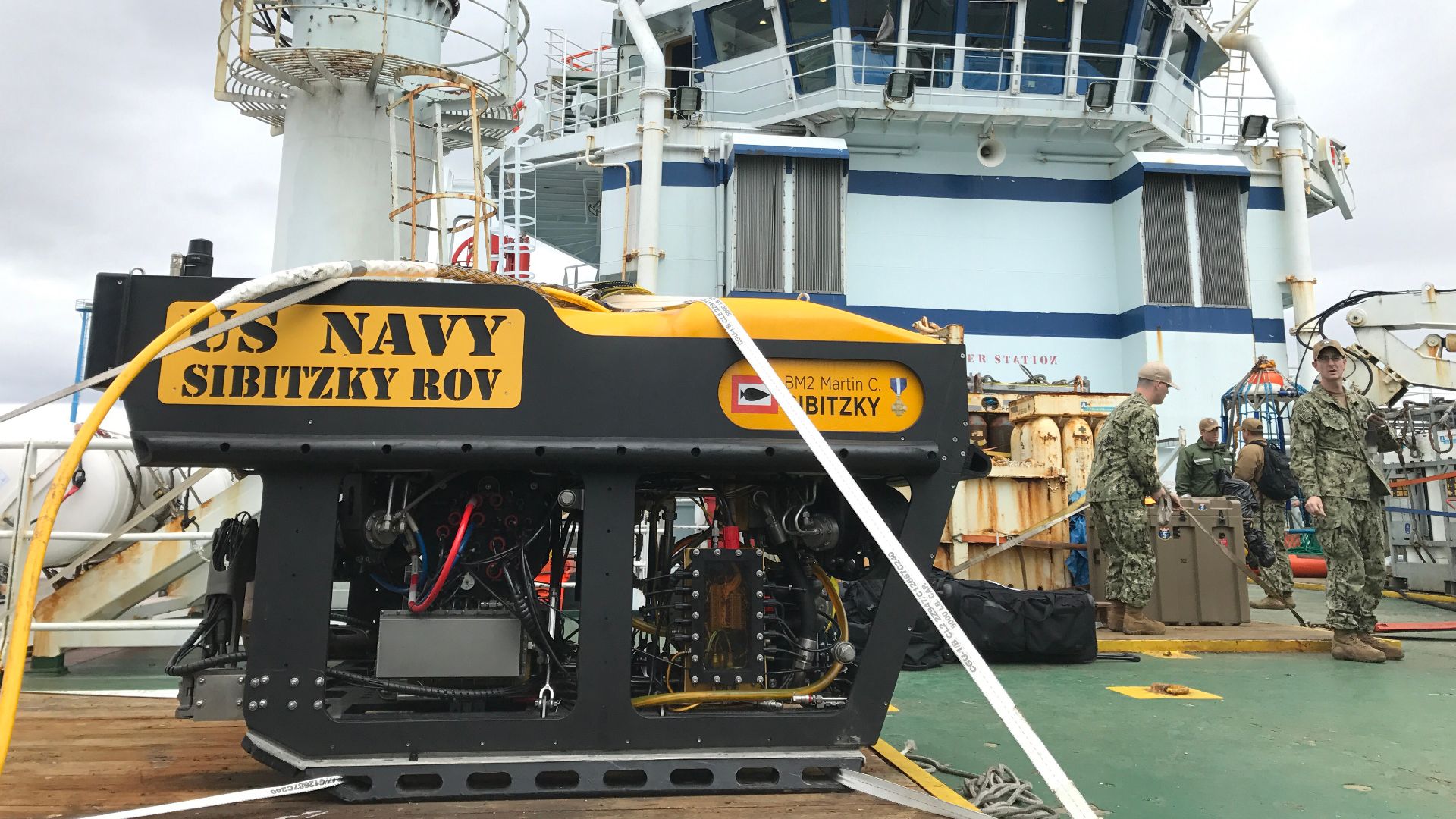 Official U.S. Navy Page from United States of America MC2 Derek Harkins/U.S. Navy, Wikimedia Commons
This Lost City Still Amazes The World
Despite decades of silence, the story never loses its popularity because it touches our timeless desire to uncover forgotten worlds. Whether it’s a city, a natural formation, or something in between, the site near Cuba reminds us how much of Earth’s past still waits to be understood.