The Mystery Beneath The Sphinx
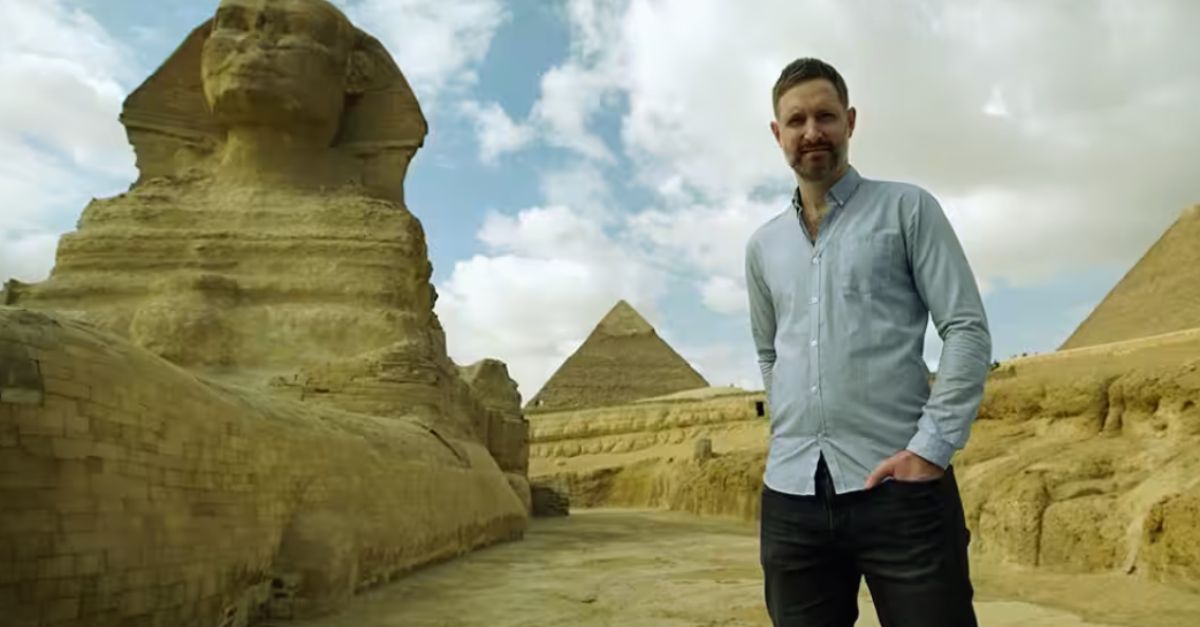
For centuries, people have wondered what sits below the Great Sphinx’s giant paws. The statue looks calm on the surface, yet the ground beneath it holds questions that archaeology still can’t fully answer. Think of it as Egypt’s oldest cliffhanger carved in stone.
Egypt’s Old Kingdom And Its Monument Builders
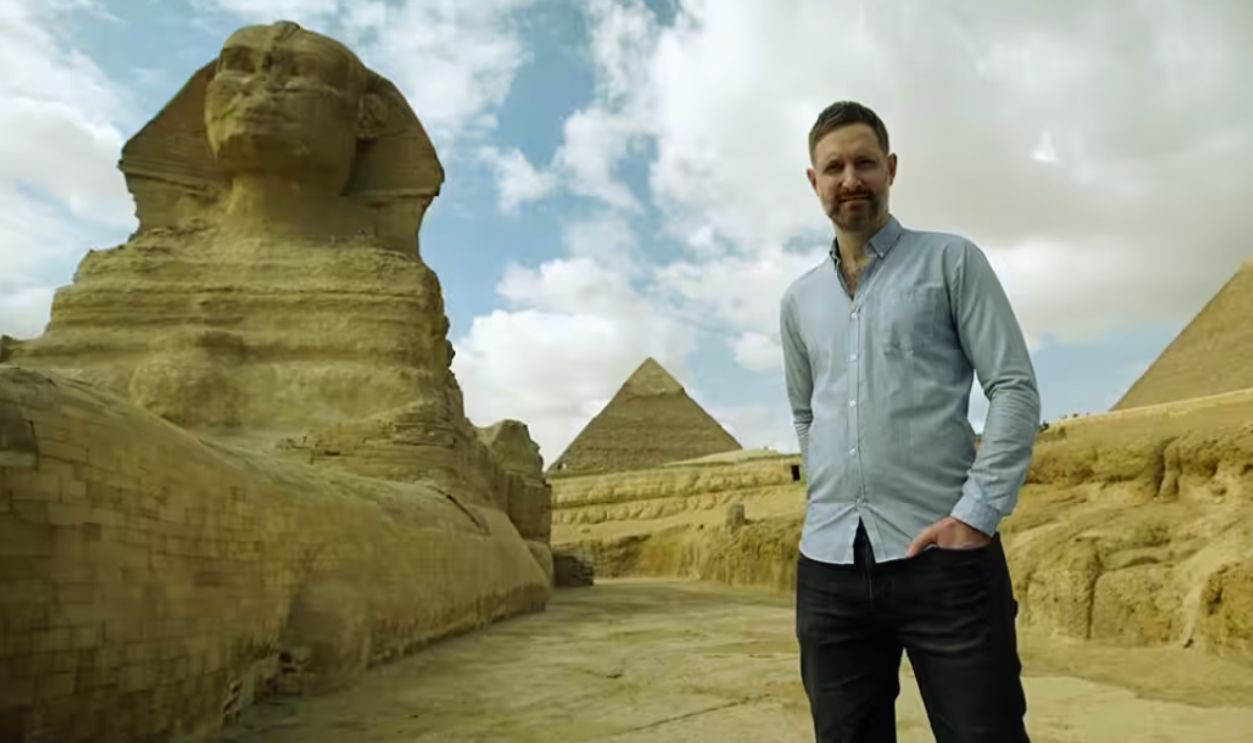
The Sphinx was created during Egypt’s Old Kingdom around 2500 BCE, a period known for massive stone projects. This was when rulers believed giant monuments kept their legacy alive. The desert around Giza became a canvas for pyramids, temples, and one unforgettable guardian statue.
 MusikAnimal, Wikimedia Commons
Why Pharaohs Built Guardians In Stone
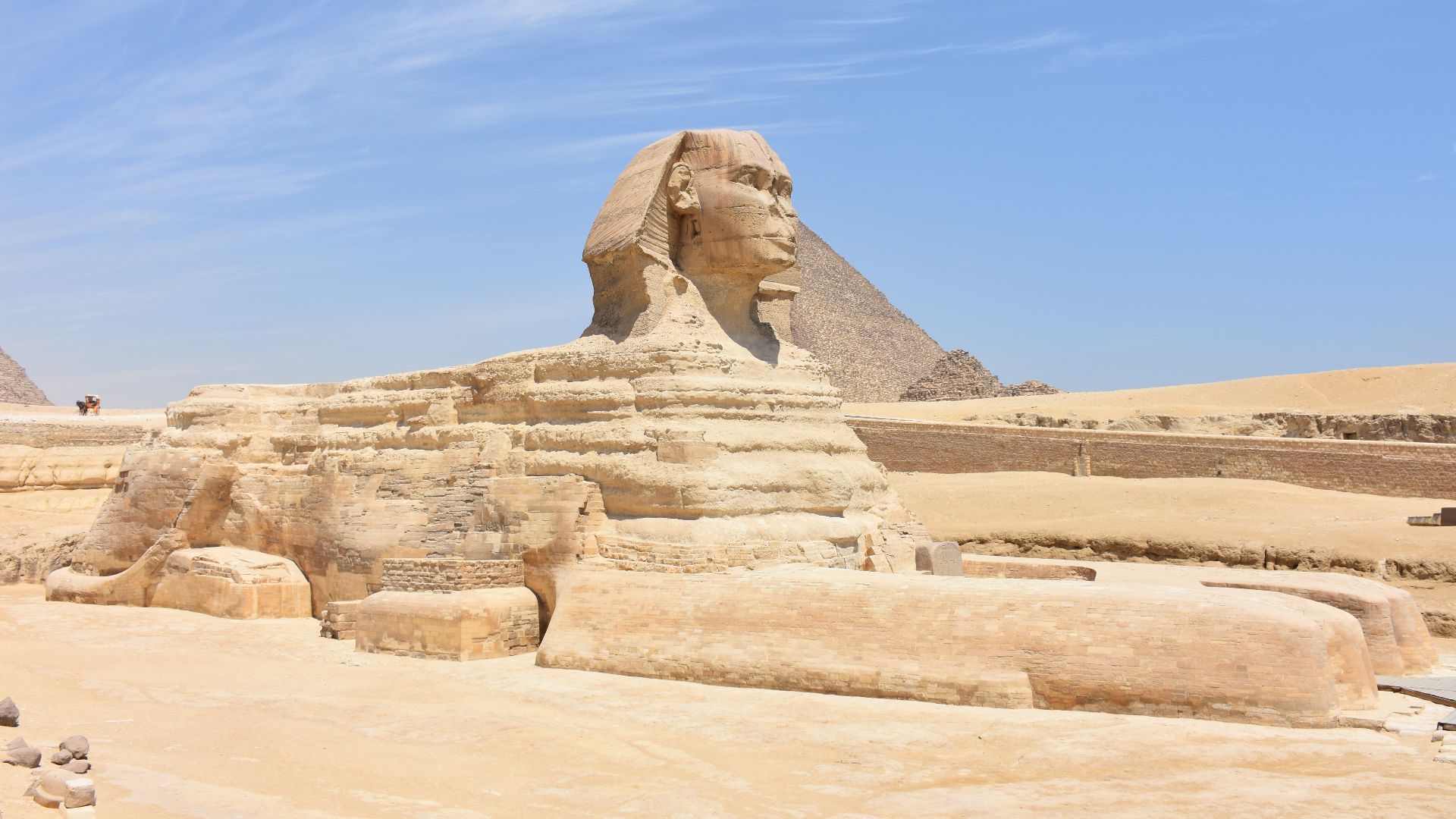
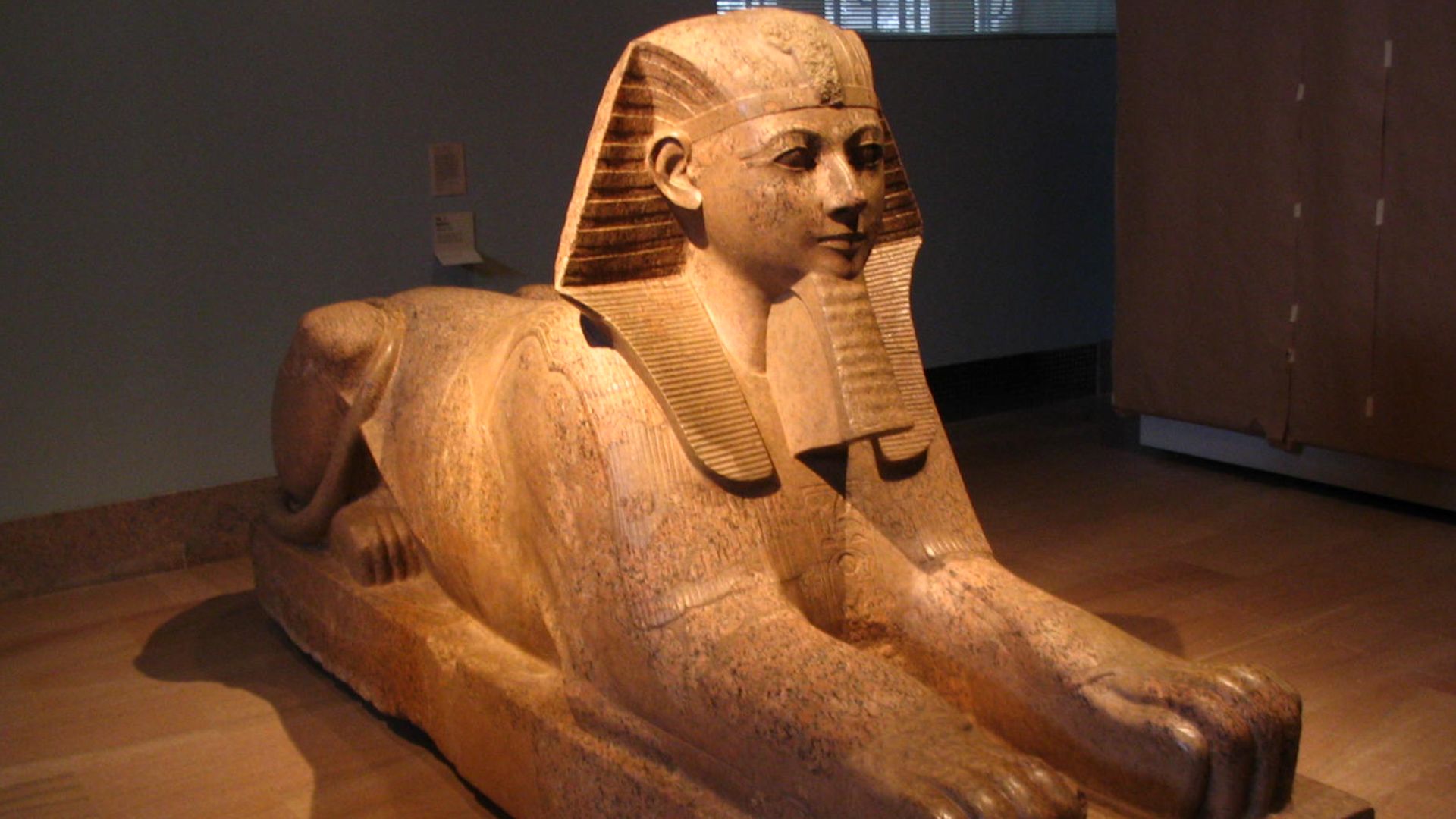
Egyptians believed powerful symbols protected sacred places. A lion’s body showed strength, while a human head represented royal intelligence. Combining the two created a guardian placed beside important structures. The Sphinx wasn’t decorative art. It was built as a watchful protector facing the rising sun.
 Most likely Hamish2k, the first uploader, Wikimedia Commons
Khafre And The Vision Behind The Giza Plateau
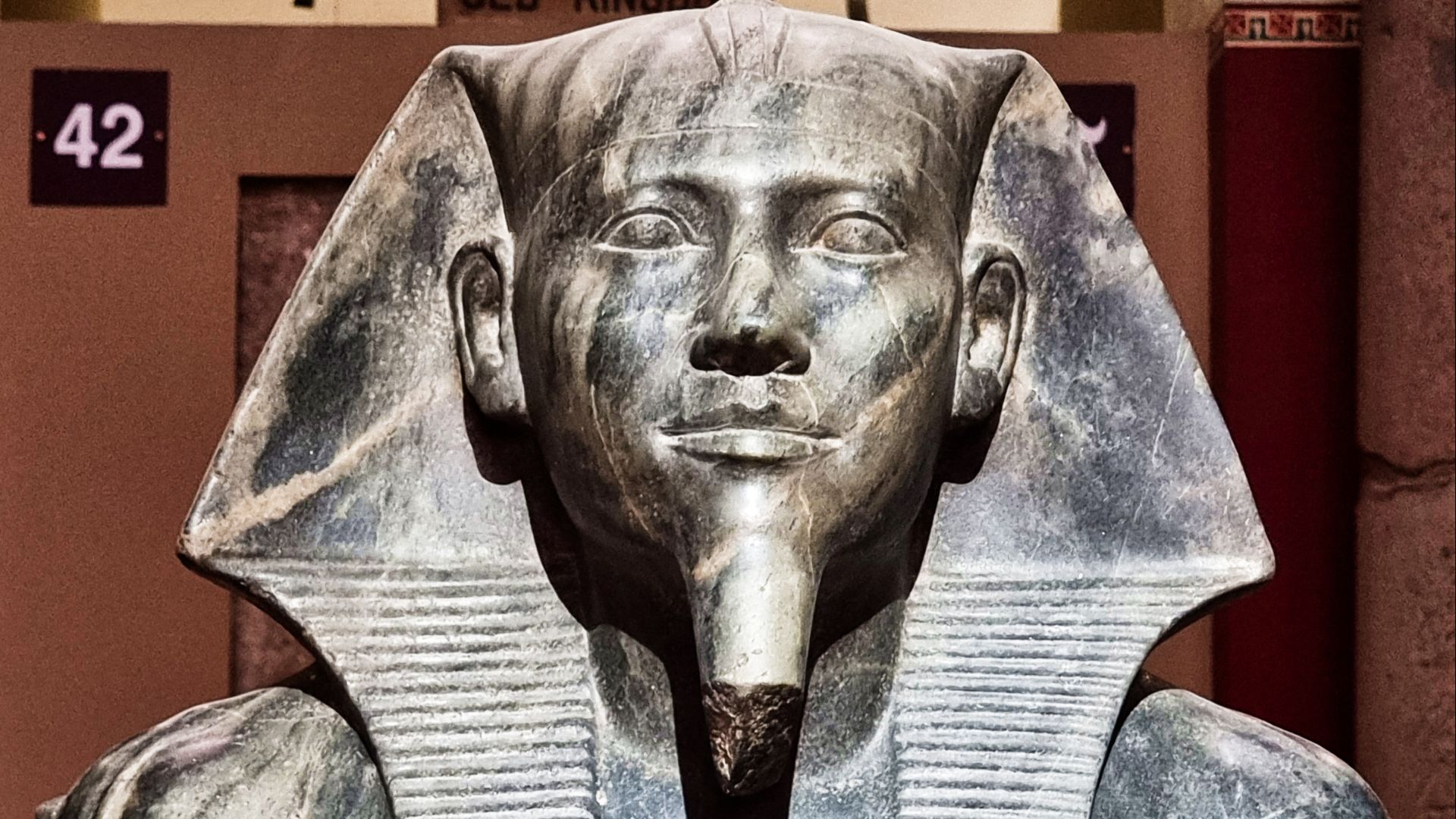
Most scholars link the Sphinx to Pharaoh Khafre, the ruler behind the second pyramid at Giza. His complex included temples, causeways, and carefully aligned structures. Creating a guardian overseeing the entire site fit his goal of presenting himself as a king favored by divine forces.
 Prof. Mortel, Wikimedia Commons
How The Sphinx Became The Face Of Royal Power
The Sphinx’s face was carved to resemble Khafre, turning the statue into a public declaration of his authority. Its calm expression, broad chest, and stretched paws gave the pharaoh an eternal presence. To ancient Egyptians, this wasn’t sculpture—it was the ruler transformed into stone.
 Yucatan (Yucatan), Wikimedia Commons
The Carving Of A Single Limestone Ridge
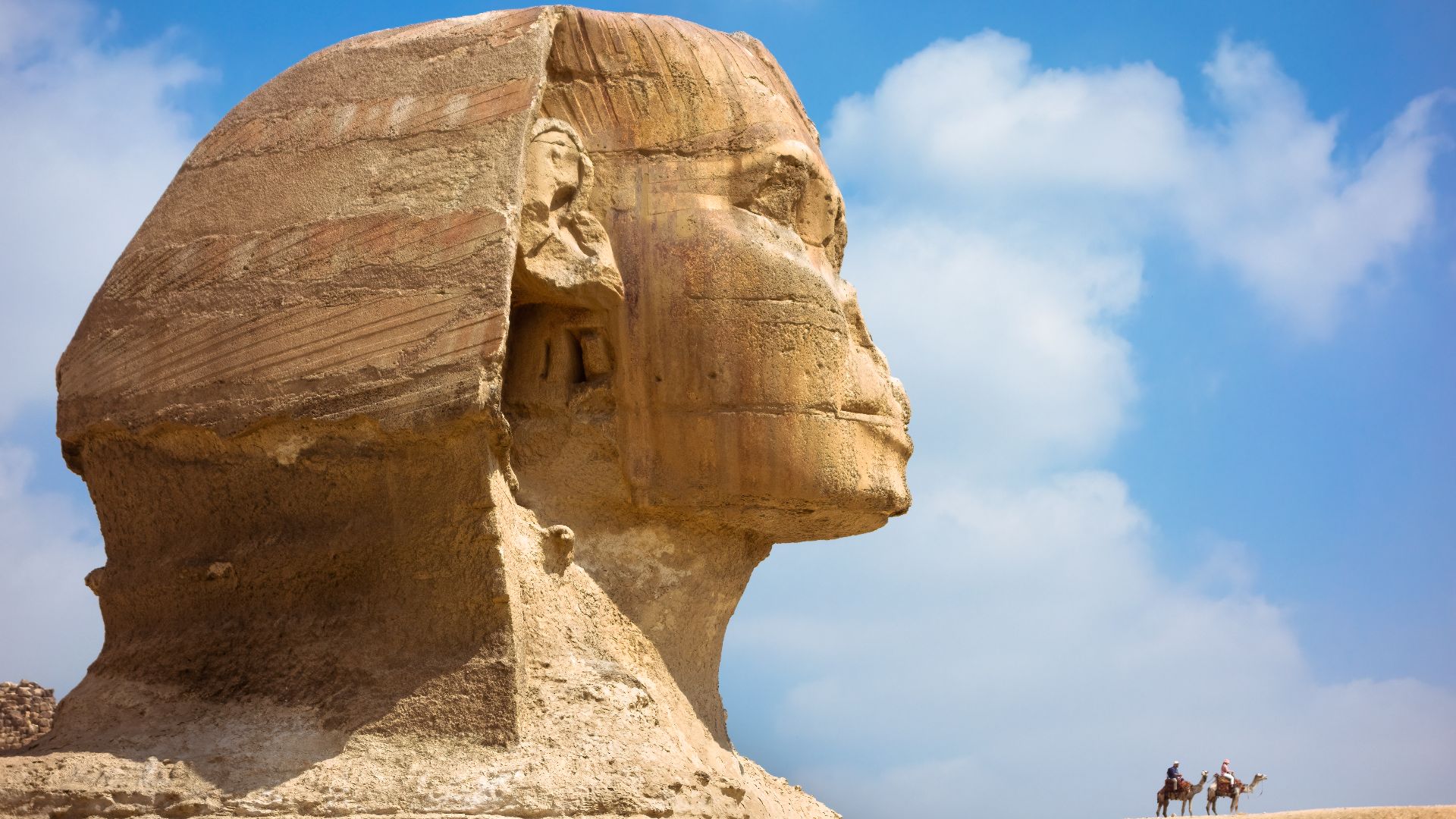
Workers shaped the Sphinx directly from a natural limestone outcrop instead of building it block by block. Softer layers formed the body, while harder stone created the head. This carving choice explains why some parts eroded quickly and why the monument’s shape feels unusually seamless.
 Petar Milošević, Wikimedia Commons
Early Repairs That Hint At Its Enigmatic Age
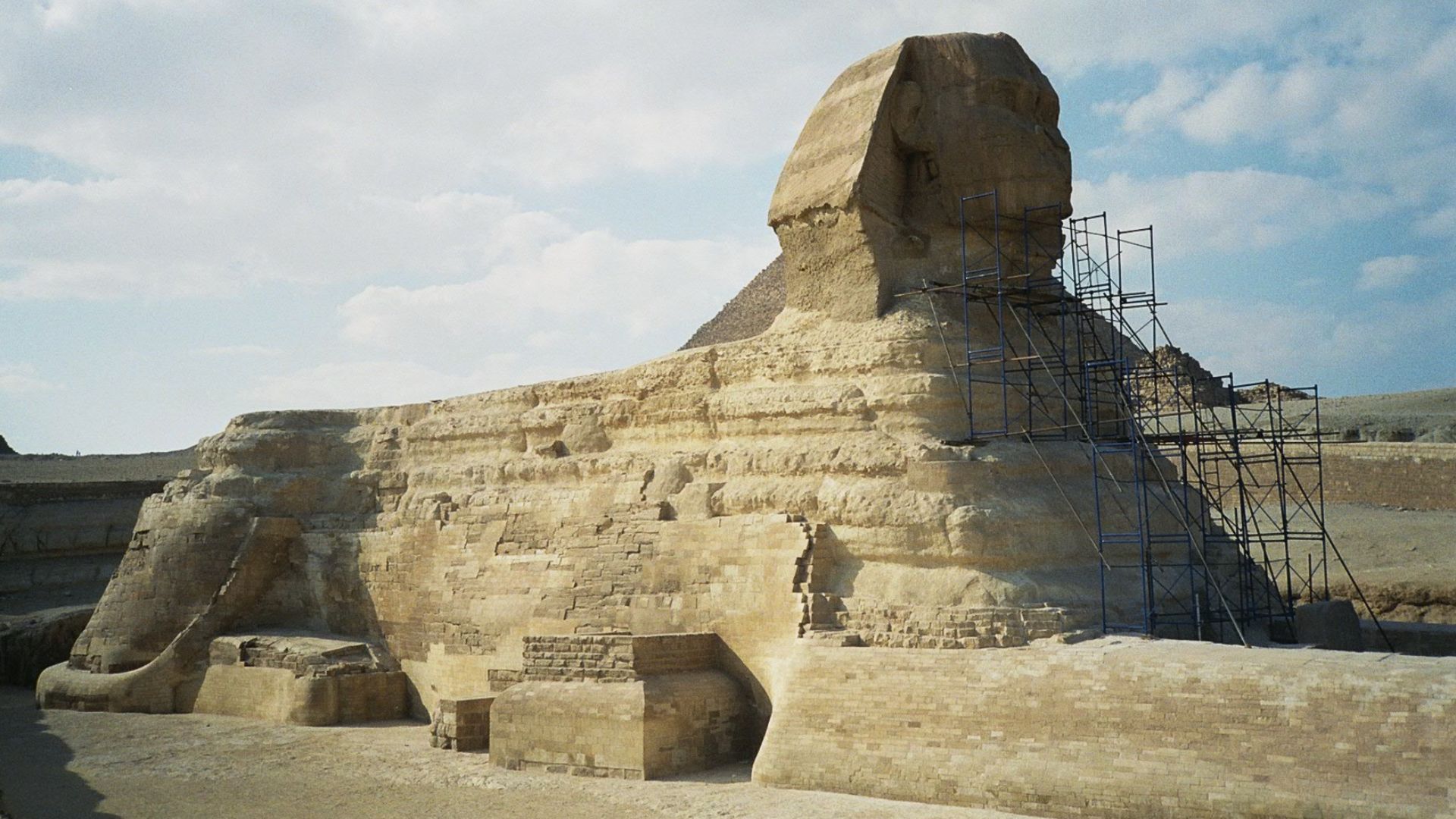
Ancient Egyptians repaired the Sphinx long before modern archaeology, adding stone blocks around damaged sections. These fixes show the statue was already worn centuries after its creation. The repairs don’t change its age, but they reveal how valued it remained across shifting royal generations.
 Ilonamay at Dutch Wikipedia (Original text: Marion Golsteijn), Wikimedia Commons
The Shifting Sands That Buried The Monument
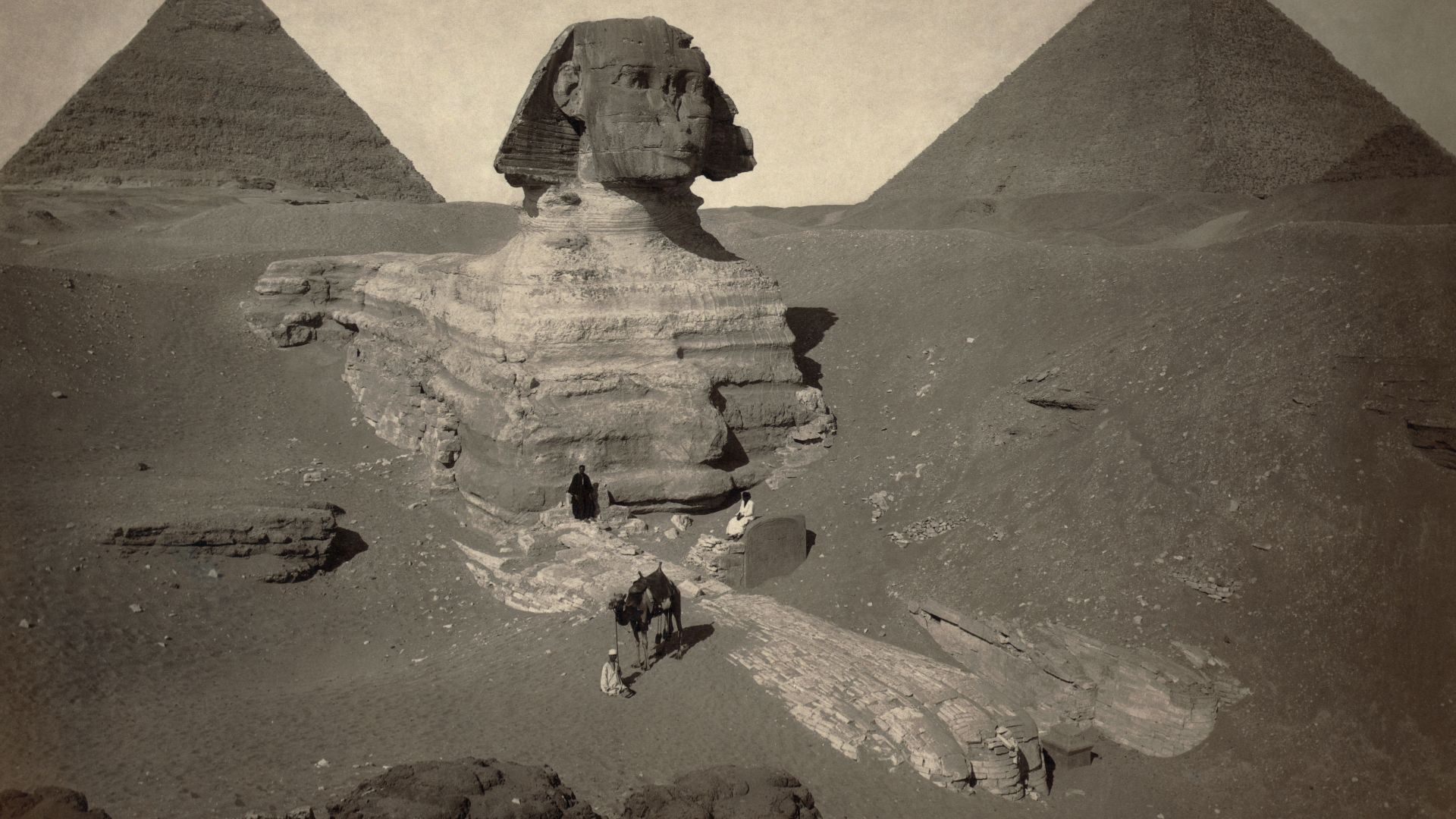
Wind kept blowing desert sand into the Sphinx’s enclosure, burying the statue up to its neck for long stretches of history. These repeated coverings protected parts of the body but also hid details for centuries, leaving generations unsure of its full size and original form.
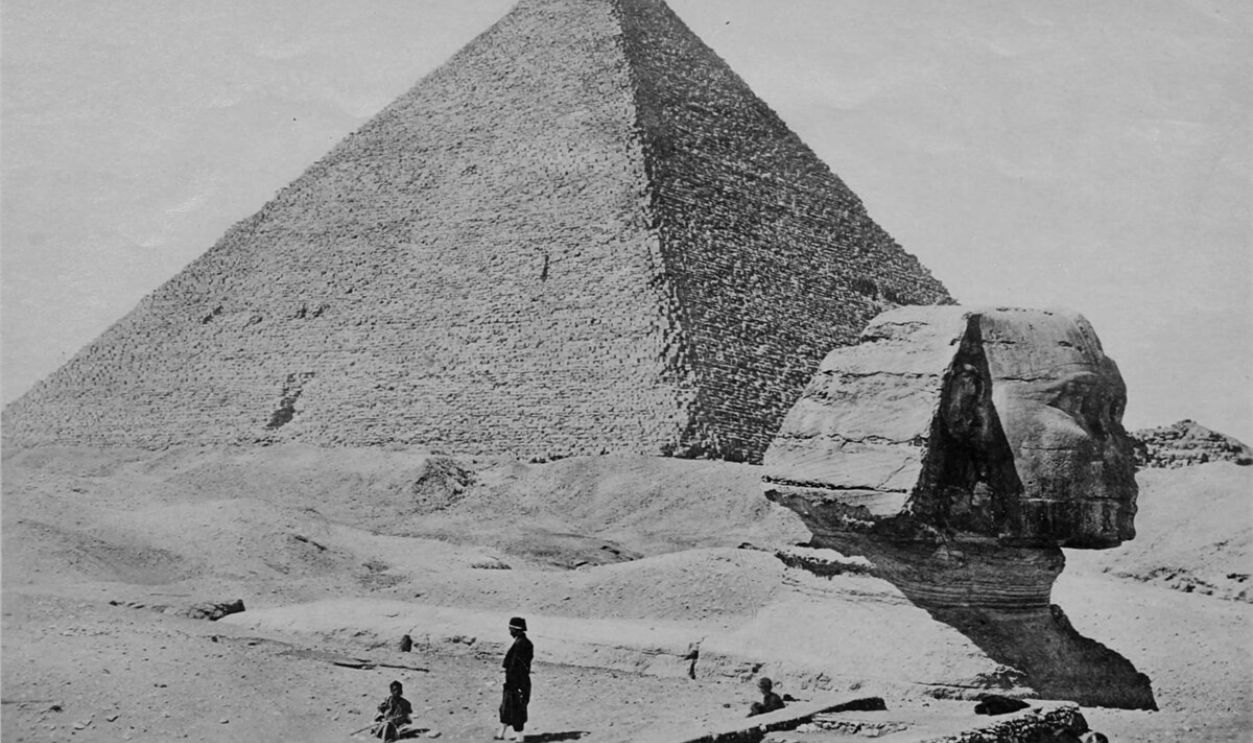 Fogg, Wm. Perry (William Perry), b. 1826, Wikimedia Commons
Rediscoveries Across Ancient And Medieval Eras
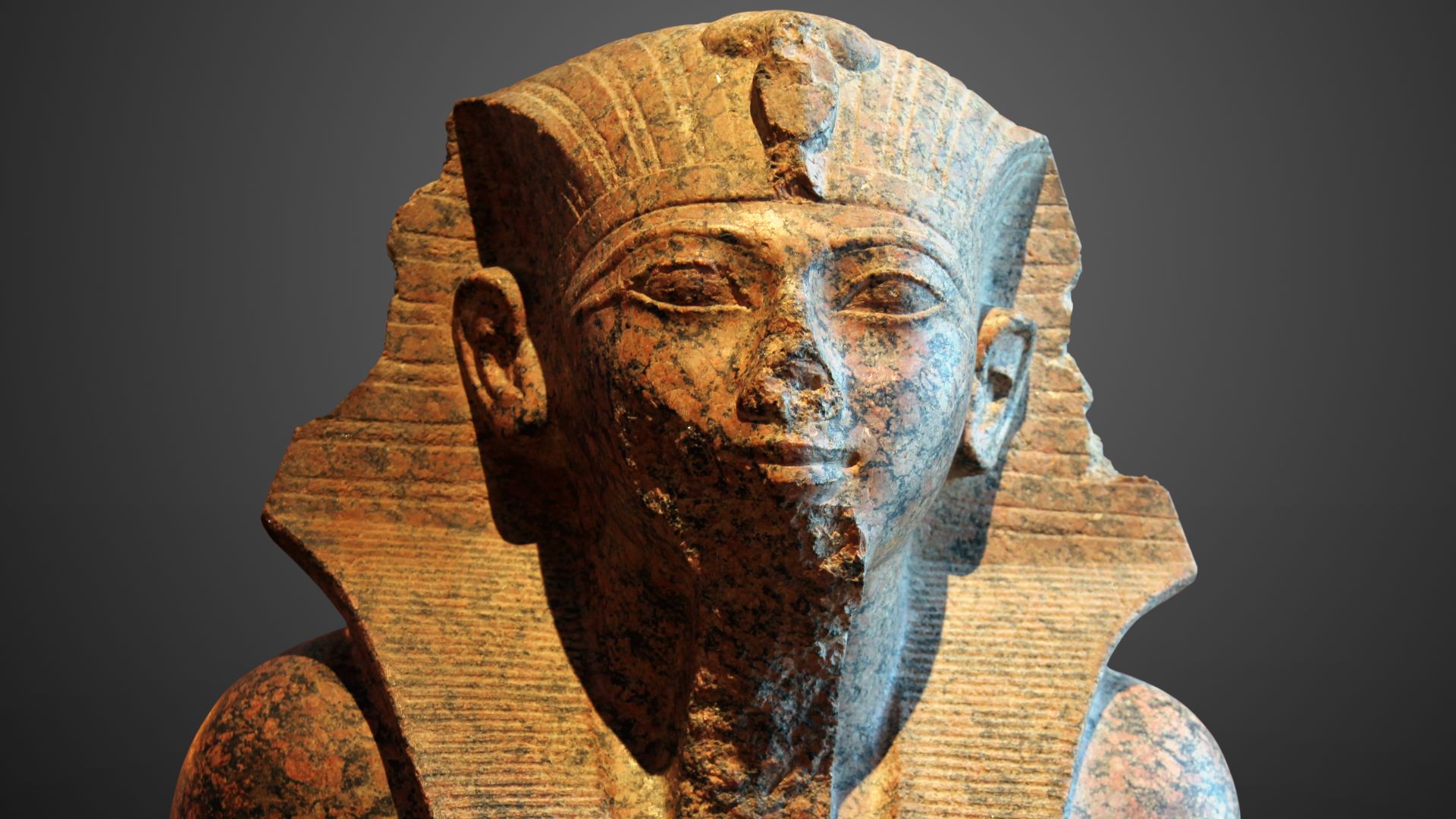
Different eras uncovered the Sphinx at different times. Pharaoh Thutmose IV cleared it in the 1400s BCE and left a stone record of his effort. Later Greek and Arab writers described the statue with fascination and tried to explain who built it and why it stared toward sunrise.
Erosion Clues That Spark Geological Debate
The Sphinx shows heavy erosion on its body walls, mostly from wind and occasional ancient rainfall. These patterns helped archaeologists study how long the monument stood exposed before being buried by sand. The erosion highlights how the weather shaped its story.
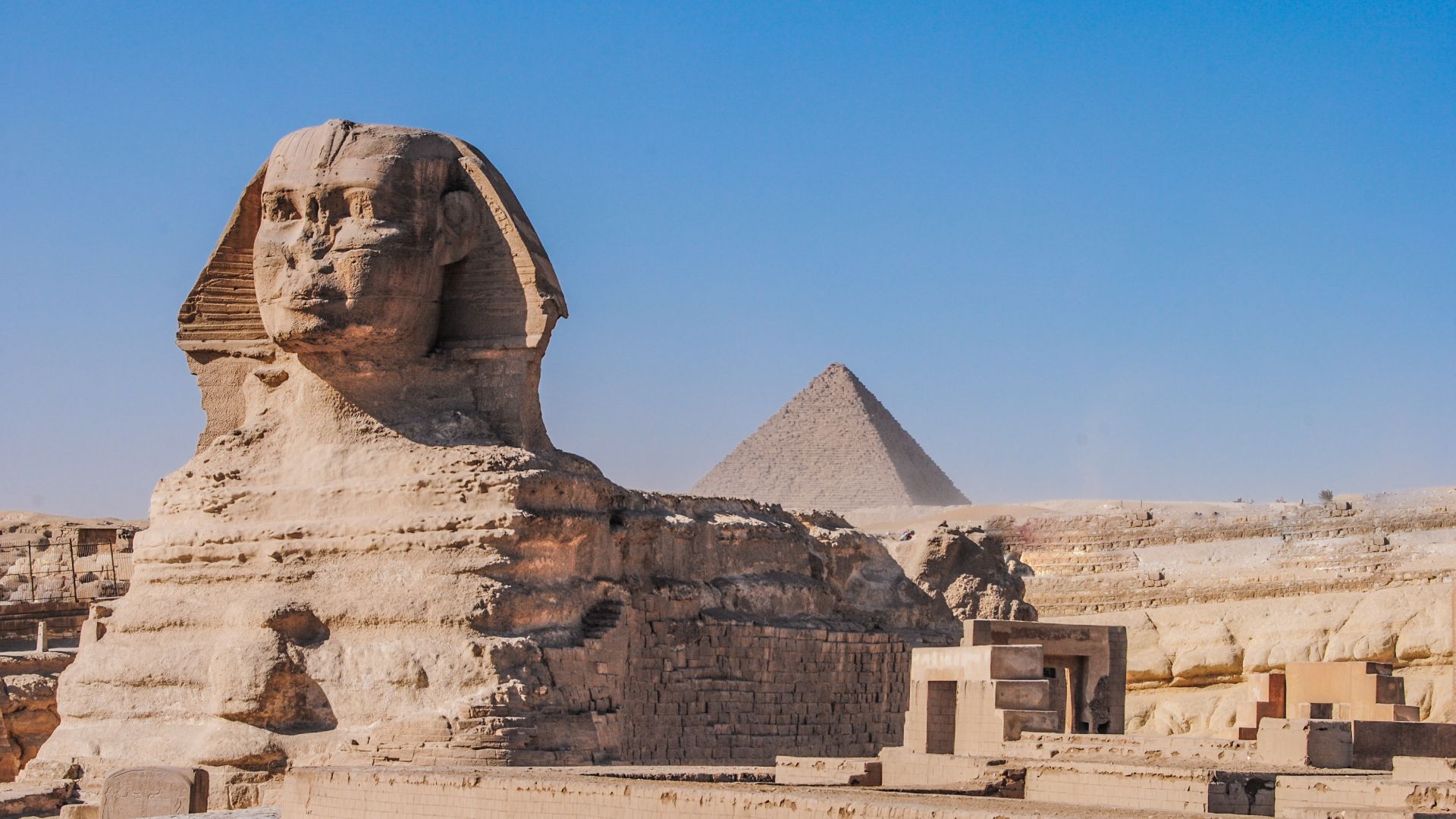 Hesham Ebaid, Wikimedia Commons
Artistic Records That Document A Different Sphinx
Ancient drawings and inscriptions show a Sphinx with details now missing, like a full nose and ceremonial beard. These records help historians understand how the statue originally looked. They also reveal how pieces broke away over time through natural decay and possible deliberate damage in later eras.

Excavations That Revealed The Sphinx Enclosure
Major digs in the 1800s and early 1900s removed deep layers of sand, exposing the entire Sphinx for the first time in centuries. Archaeologists discovered that the statue sits in a carved pit surrounded by tall limestone walls shaped during the original construction process.
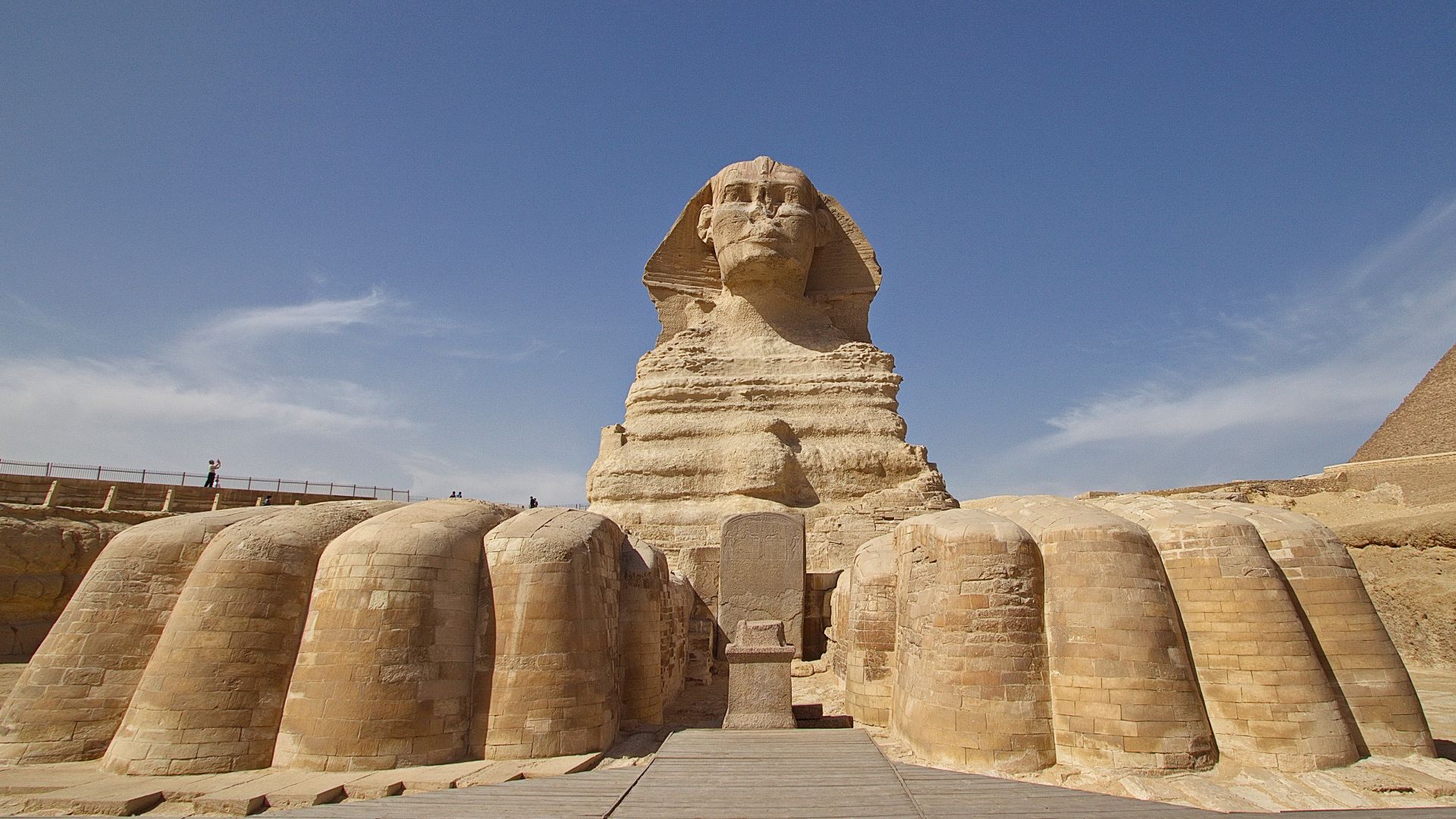 Mohamadkassem, Wikimedia Commons
The Sphinx Temple And Its Massive Stone Blocks
Next to the Sphinx stands a temple built with enormous limestone blocks weighing dozens of tons. Its layout follows solar alignments connected to Khafre’s complex. Studying this temple helps researchers understand the Sphinx’s purpose and how both structures formed a united ritual on the plateau.
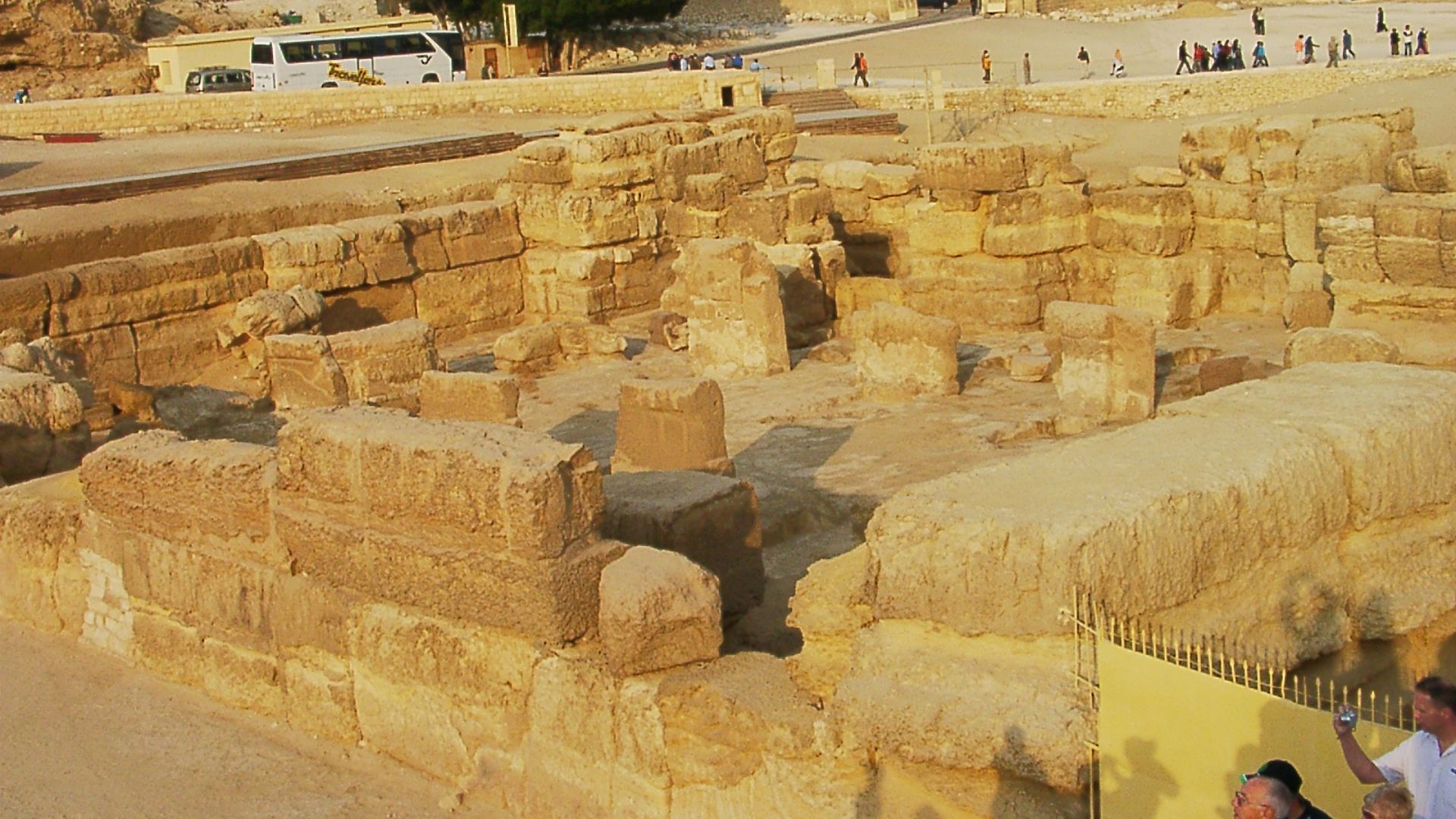
Lost Paths And Processional Walkways
Archaeologists have identified ancient pathways that once guided priests and workers around the Sphinx. These routes connected the statue to nearby temples and ceremonial spaces. Their layout shows that the monument wasn’t isolated. It functioned as part of a larger, carefully planned religious environment.
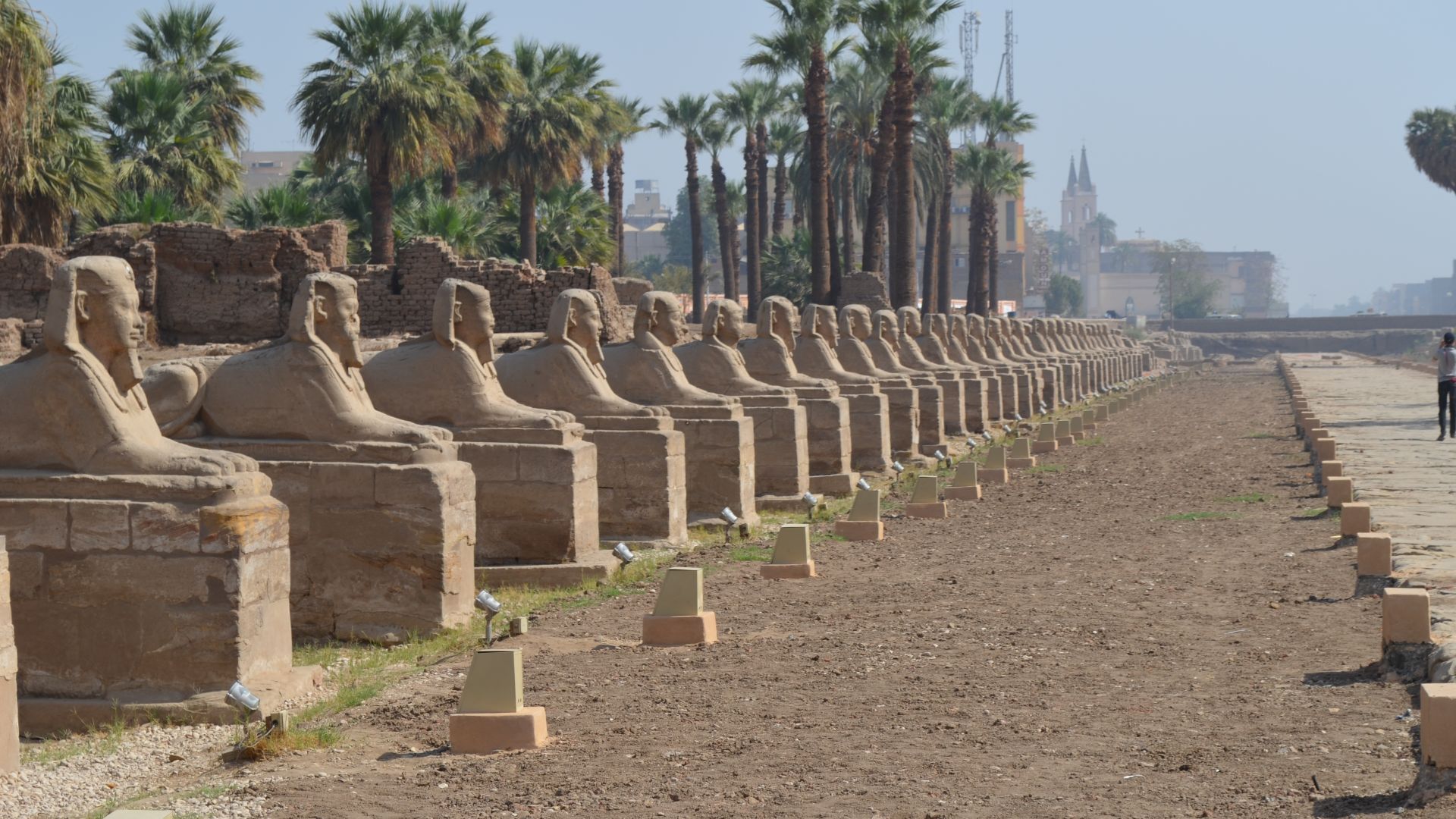
Geological Faults Beneath The Giza Plateau
The bedrock under the Sphinx contains natural cracks and small fissures formed by ancient geological shifts. These features create pockets and uneven layers beneath the statue. Understanding these natural faults helps archaeologists separate real human-made structures from ordinary cavities shaped by the Earth itself.
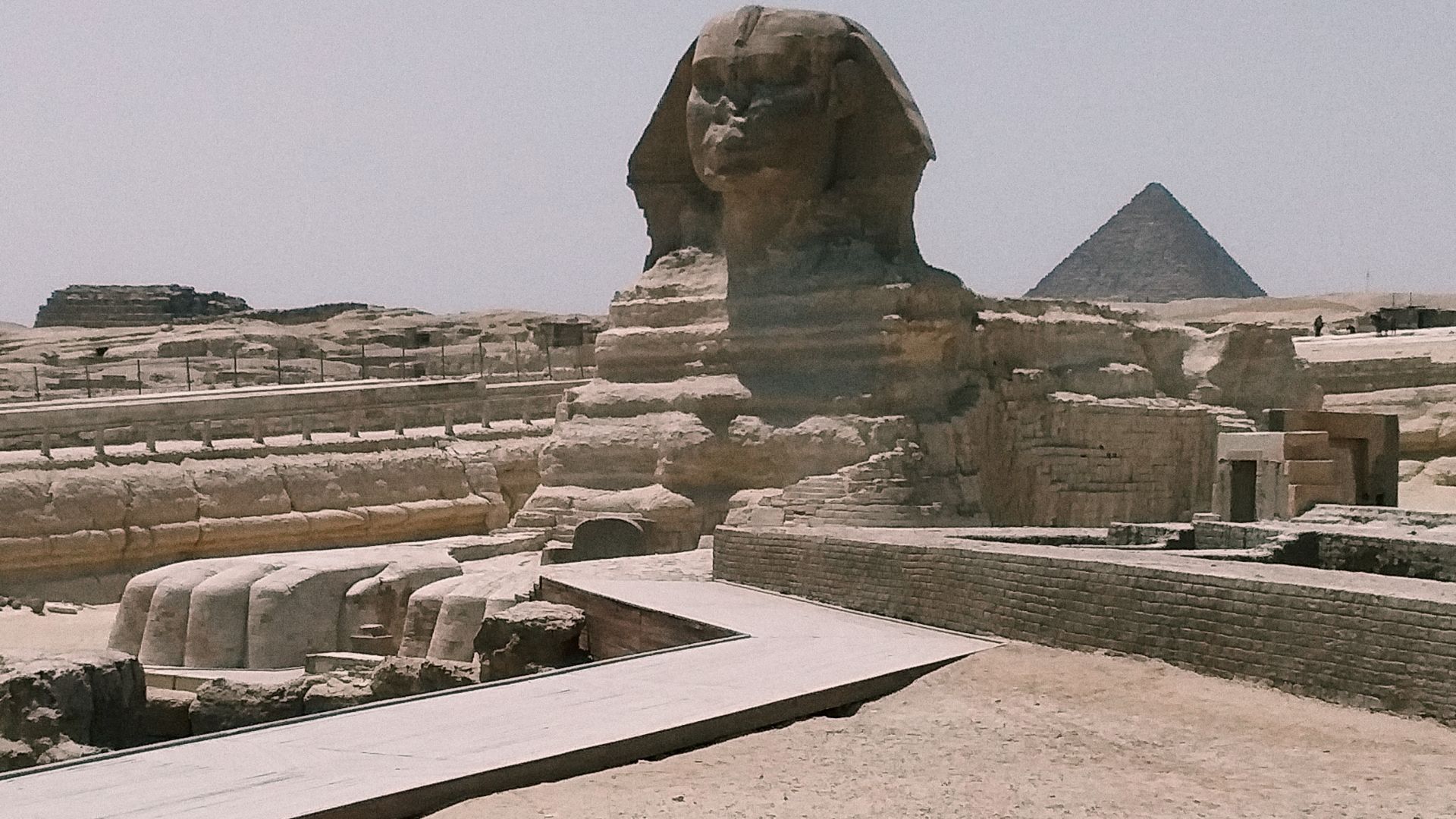 Bilal Detailz, Wikimedia Commons
Early Searches For Hidden Chambers
Nineteenth-century explorers drilled into the Sphinx and the surrounding ground, hoping to uncover buried rooms. Most attempts found only natural cavities or solid stone. Although their methods were crude by today’s standards, these early searches fueled public fascination with the idea of secret spaces below the monument.
Modern Mapping Tools That Changed Everything
Ground-penetrating radar, infrared scans, and seismic surveys now offer noninvasive ways to study the Sphinx. These tools detect differences in density below the surface to reveal possible voids or irregularities. They don’t produce clear images, but they give researchers far better clues than past digging ever could.
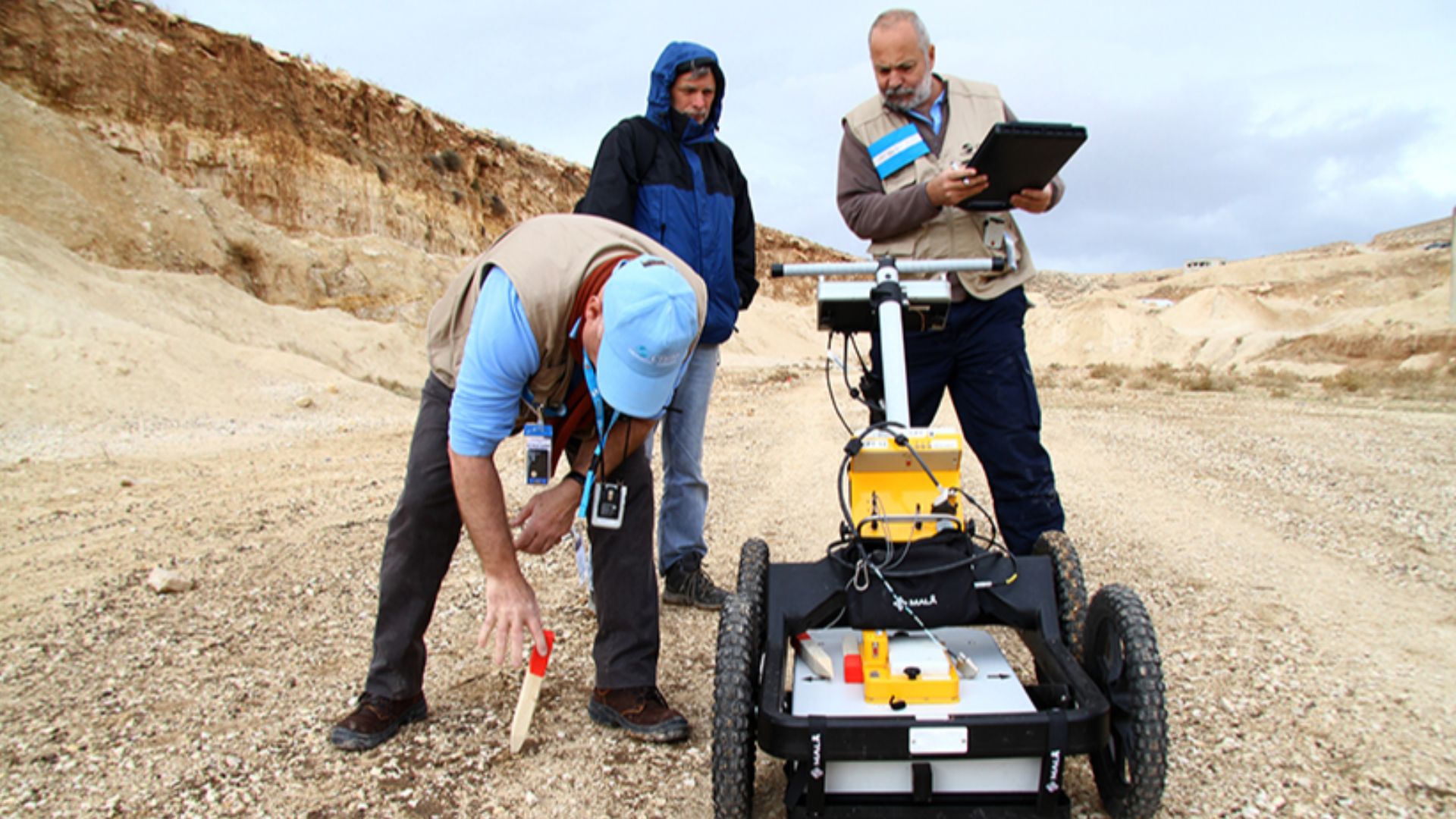 The Official CTBTO Photostream, Wikimedia Commons
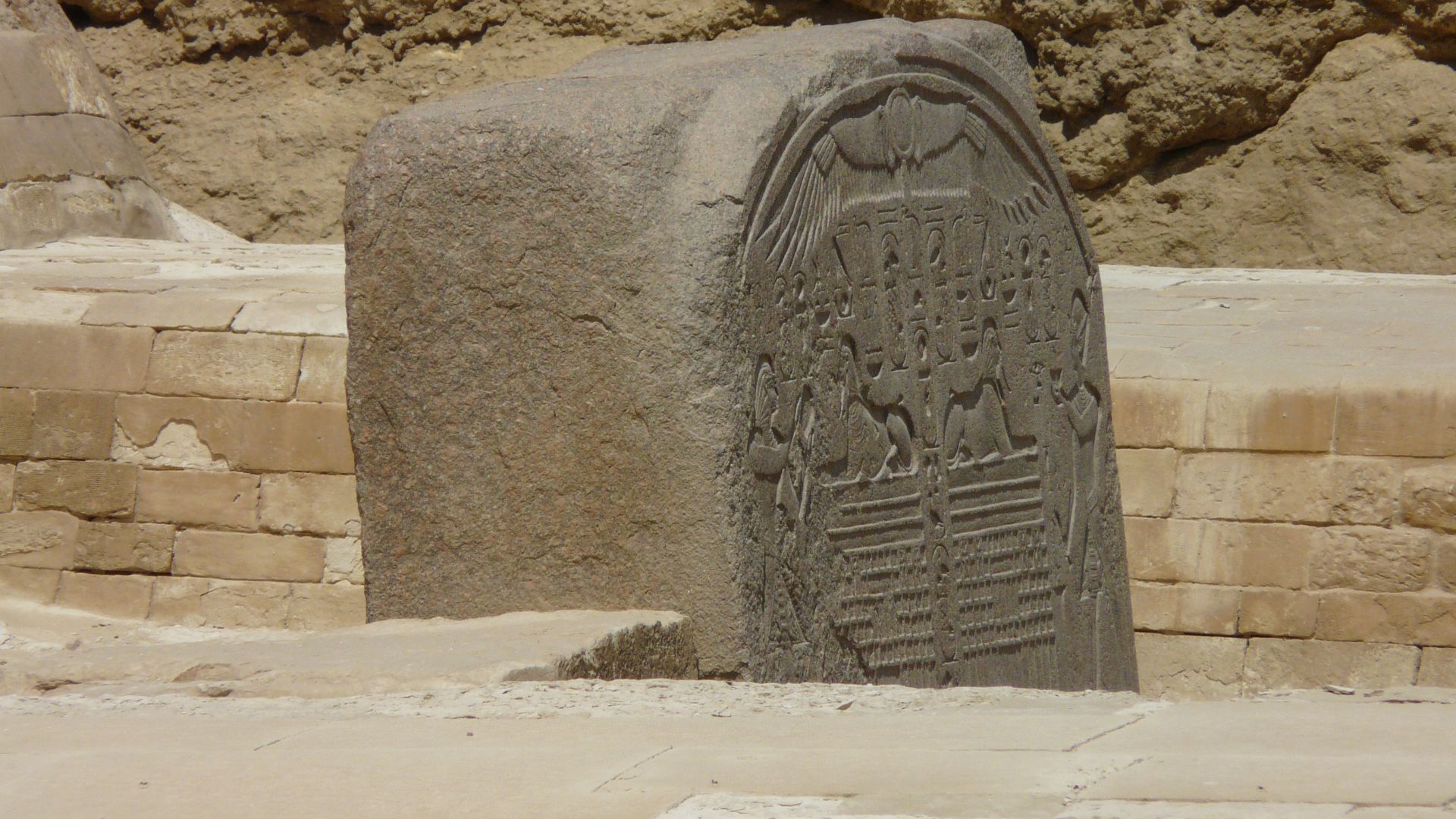
The Discovery Of The Dream Stele’s Foundation
Between the Sphinx’s paws stands the Dream Stele placed by Pharaoh Thutmose IV. Excavations revealed its foundation rests on older stonework set into the bedrock. This discovery shows that activity around the paws continued long after the statue’s carving, leaving layers of construction beneath the front area.
Subsurface Voids Detected Beneath The Paws
Modern scans have detected small anomalies under the area in front of the paws. These readings suggest changes in the rock’s density, possibly from natural pockets or ancient cuttings. The data confirms that something irregular exists below, though no evidence supports large chambers or elaborate underground rooms.
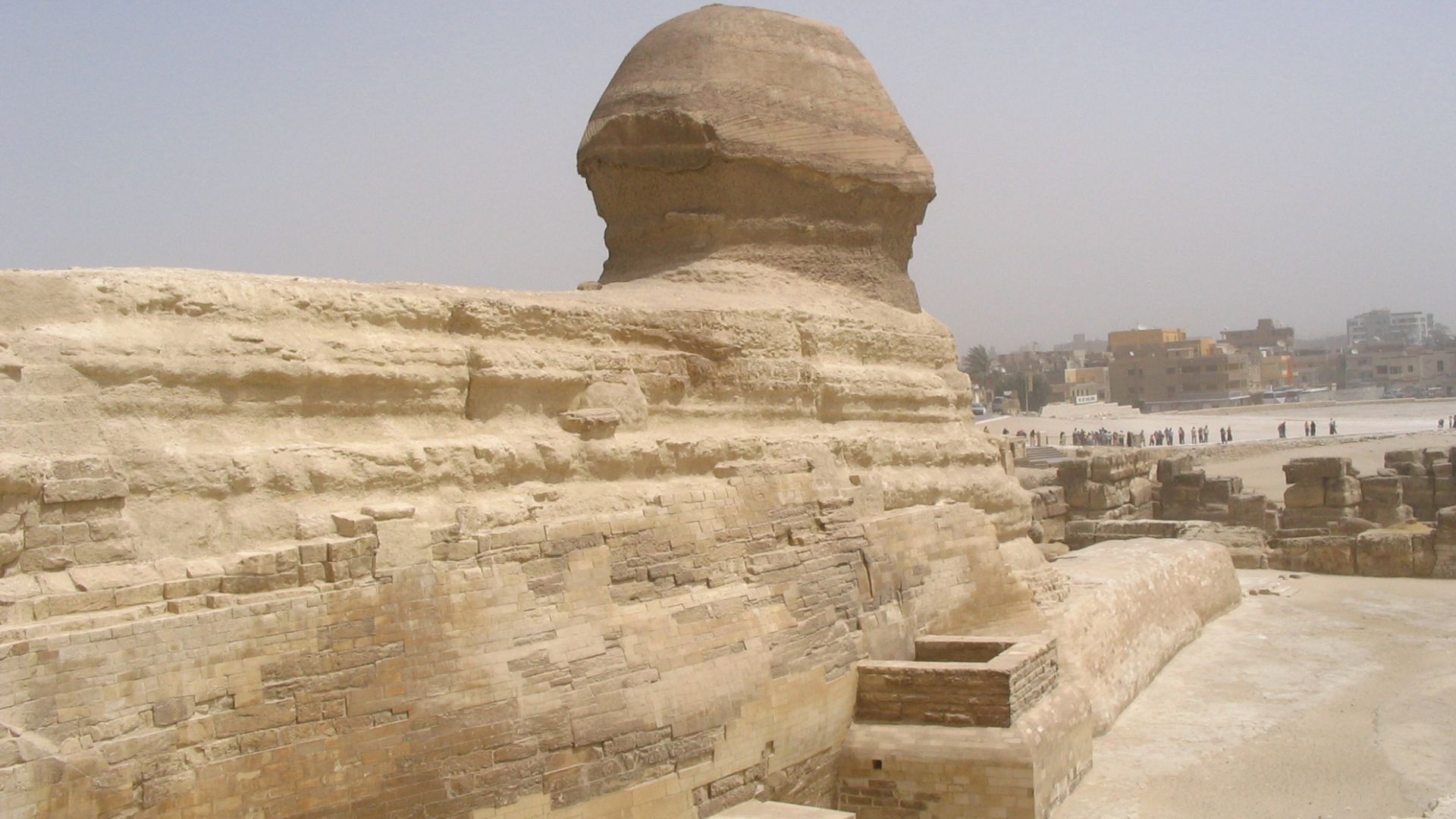
The Shaft On The Sphinx’s North Side
Near the Sphinx’s northern flank sits a narrow vertical shaft uncovered during earlier excavations. It leads only a short distance into the bedrock before ending. Researchers believe it was a later addition, possibly a repair access point rather than a passage connected to deeper structures.
The Tunnel Attributed To Baraize’s 1920s Work
During restoration in the 1920s, engineer Emile Baraize cleared a small tunnel starting near the Sphinx’s rear. It travels through weakened rock but stops abruptly. The tunnel showed no hidden rooms. Instead, it revealed how previous excavators followed cracks, hoping for larger discoveries.
Myths About A Hall Of Records Beneath The Monument
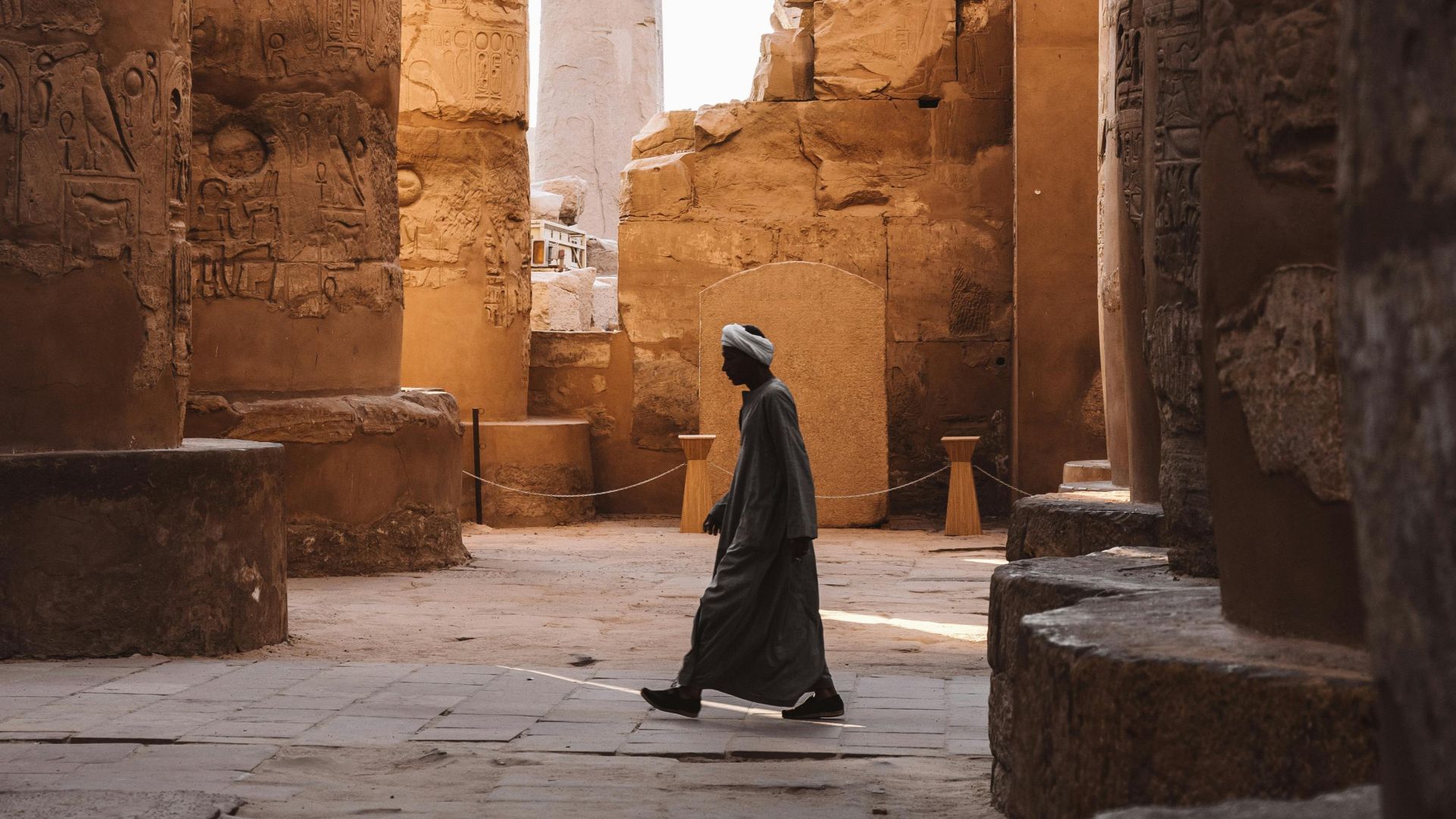
A popular story claims a vast library lies under the Sphinx, a belief spread in the early twentieth century through modern mystics. Archaeologists have never found evidence for such a chamber. The idea remains a legend unconnected to anything documented in ancient Egyptian sources.
 Marco Chemello (WMIT), Wikimedia Commons
Scientific Consensus On What The Cavities Represent
Researchers agree that the voids found beneath or near the paws are most likely natural pockets or small cuttings from ancient maintenance. No scans show large rooms or tunnels. The Sphinx’s base is mainly solid limestone, leaving little space for major man-made chambers.
Ongoing Restoration Efforts That Shape New Questions
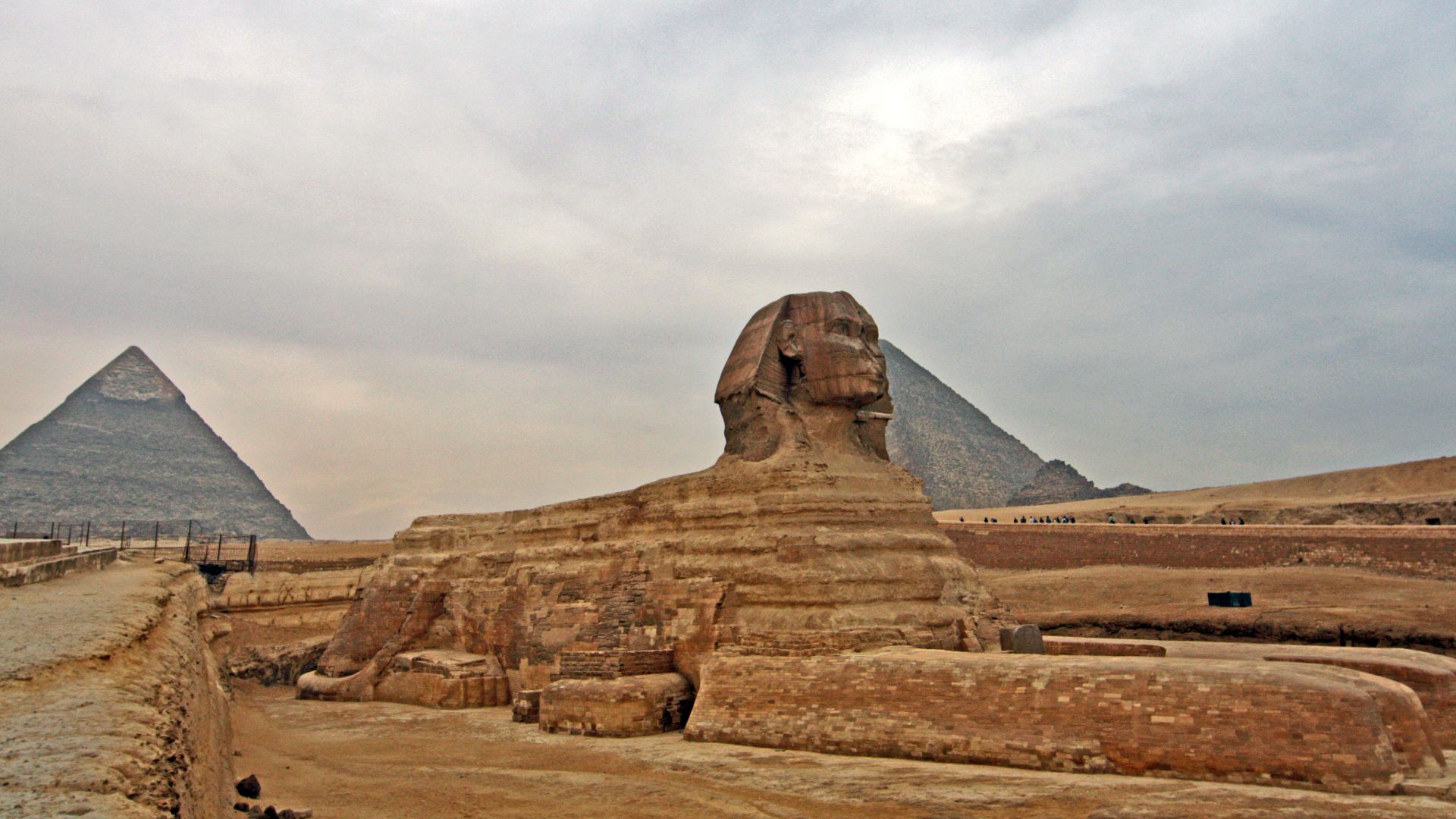
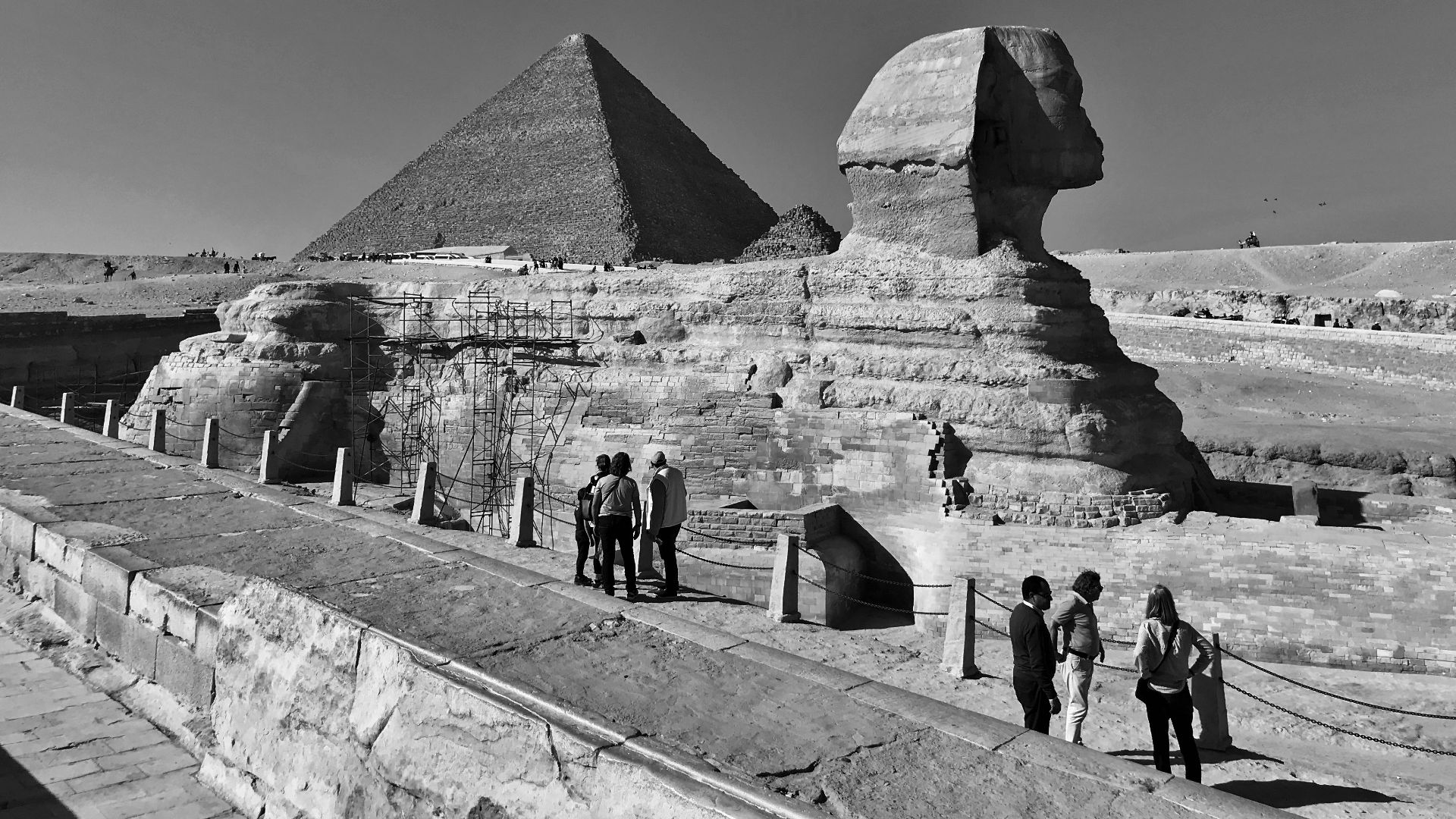
The Sphinx needs regular repairs because its limestone layers weather at different rates. Modern teams reinforce cracks, replace weakened blocks, and study the bedrock as they work. Each restoration phase reveals small details about ancient construction techniques, which adds fresh clues to the monument’s long history.
Why Ancient Egyptians Left Few Clues Behind
Egyptians usually documented temple functions, but the Sphinx carries almost no inscriptions explaining its purpose. Some scholars think it was so widely recognized that explanations weren’t needed. The lack of writing leaves modern researchers piecing together its story through surrounding evidence.