A Discovery Of Jade & Gold In Oaxaca
High in the mountains of Oaxaca, where ridges fold like green paper and ancient footpaths wind through valleys carved long before recorded history, archaeologists stumbled upon a tomb so dazzling it seemed almost mythical.
Overflowing with gold, jade, crystal, shell, and carved bone, this Mixtec-repurposed Zapotec burial offers one of the clearest, most intimate peeks into the world as it existed just before Europeans set foot in Mesoamerica. It is a story of artistry, ritual, identity, and the astonishing ways past civilizations continue to shape the present.
The Mountain Kingdoms Of Oaxaca
To understand the tomb, you first have to understand its landscape. The Mixtec and Zapotec homelands were worlds of steep valleys and terraced hillsides, where city-states rose like stone islands. These cultures flourished for thousands of years, producing rich traditions in artistry, writing, and sacred architecture. It is within this rugged topography that Monte Albán, the region’s great ancient capital, stood watch for centuries.
 Bobak Ha'Eri, Wikimedia Commons
Monte Albán: A City Above The Clouds
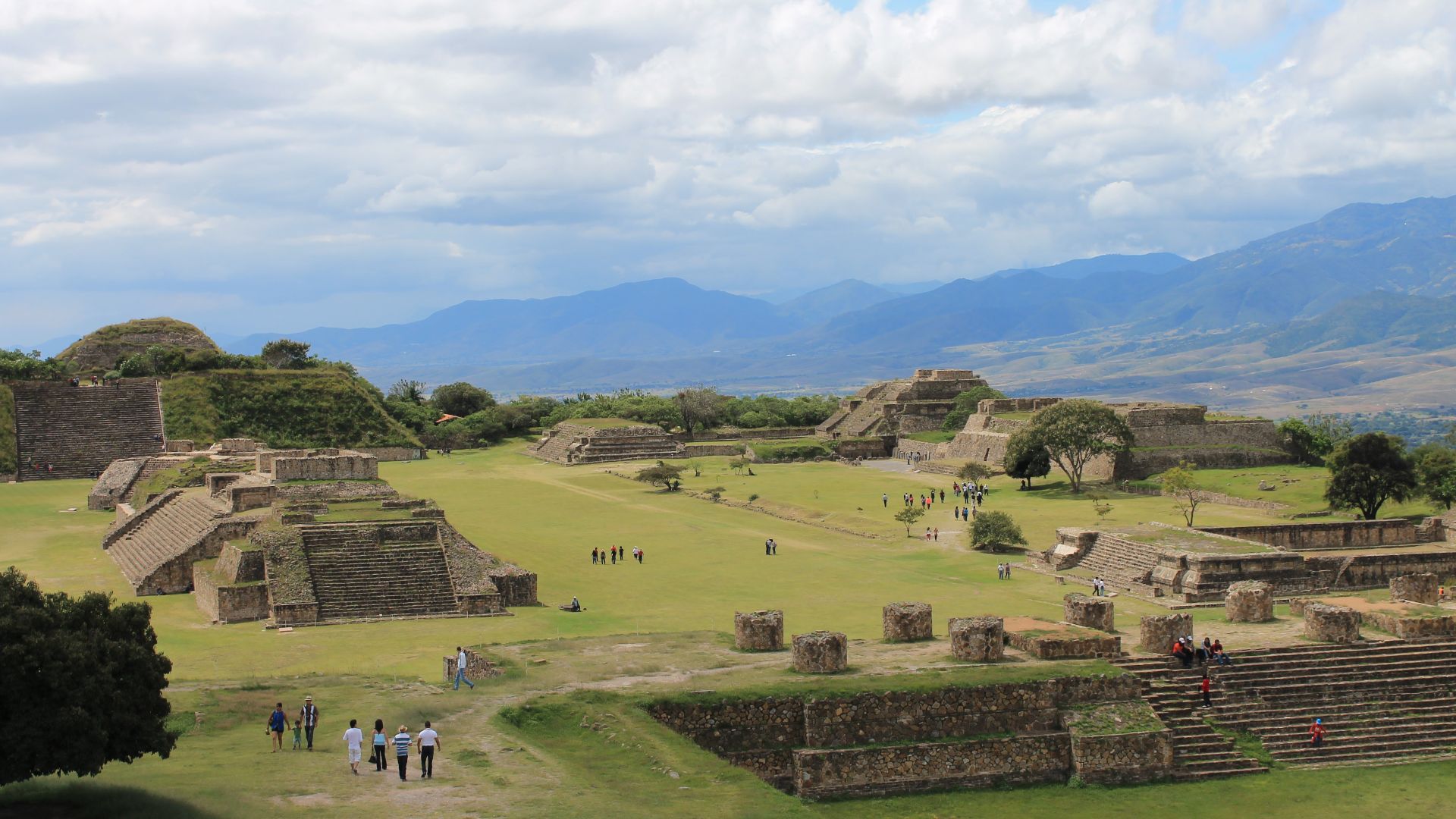
Monte Albán was the Zapotec heartland during the Classic period, a ceremonial city perched high on a leveled mountaintop. Even after its political decline around 800 CE, the site never lost its spiritual pull. Later peoples — particularly the Mixtec — saw it as a place soaked in ancestral power. This reverence is what makes the tomb discovered beneath its terraces so extraordinary.
 DavidConFran, Wikimedia Commons
Tomb Seven: A Rediscovery For The Ages
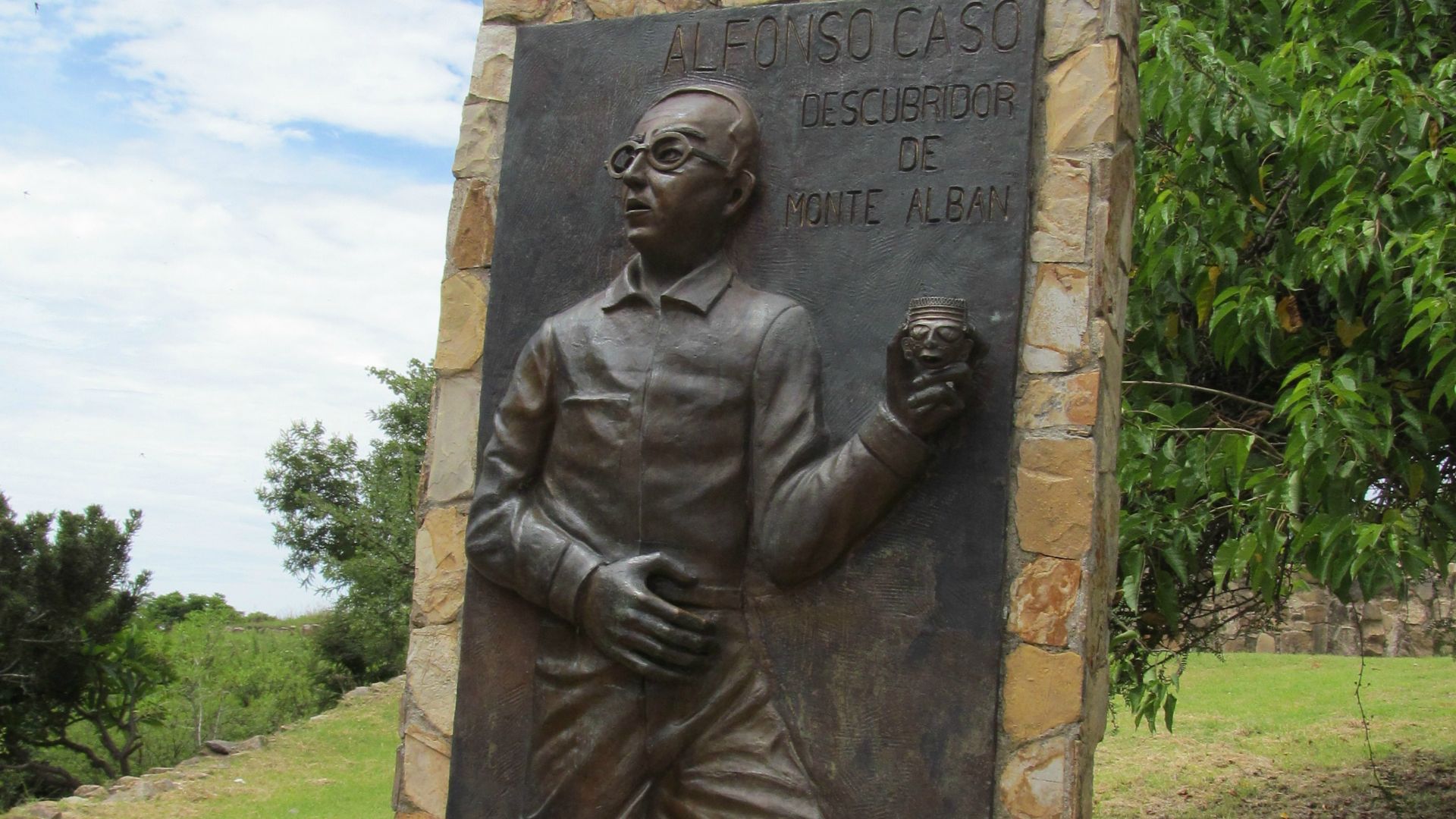
Originally uncovered in 1932, Tomb 7 shocked the archaeological world. Beneath the stonework lay a chamber bursting with offerings: hundreds of ornate objects, many crafted with techniques that seemed almost impossibly refined for their time. Its reopening in modern exhibitions has renewed fascination with its treasure trove and the cultural stories woven into each artifact.
 Christian Cariño, Wikimedia Commons
A Zapotec Tomb Given New Life
Although the Zapotec first built the tomb, the Mixtec later took it over centuries later. This wasn’t simple reuse — it was a deliberate act, a way of tying their own lineages to a prestigious ancestral site. It speaks to how the Mixtec viewed territory, ancestry, and the ongoing dialogue between past and present.
A Mixtec Signature On Every Surface
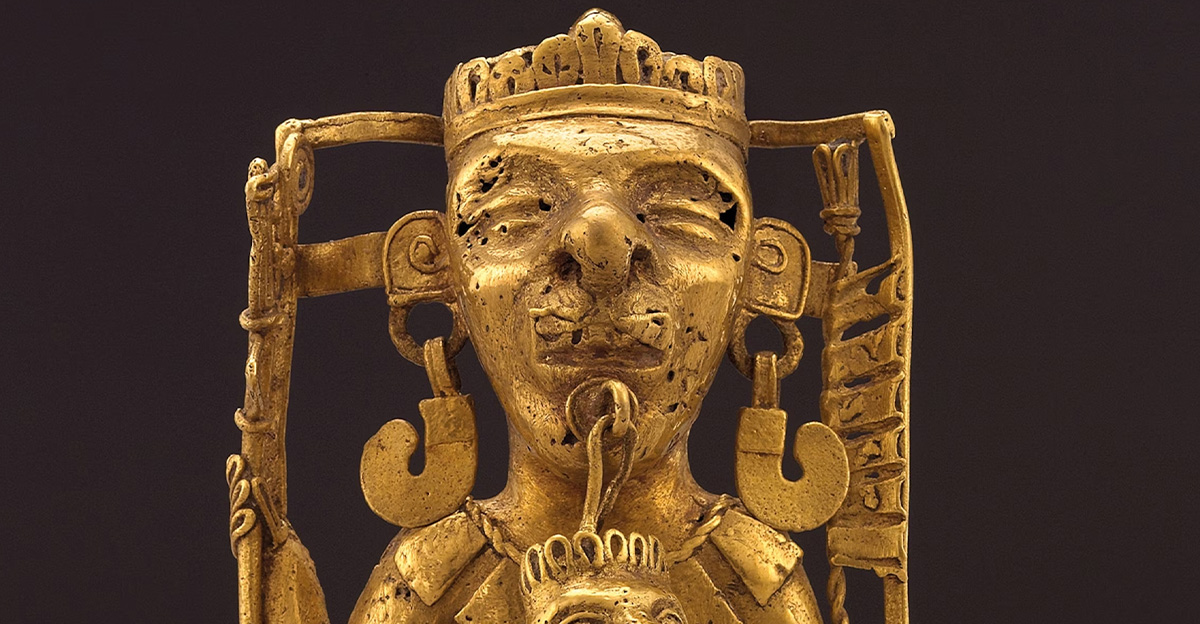
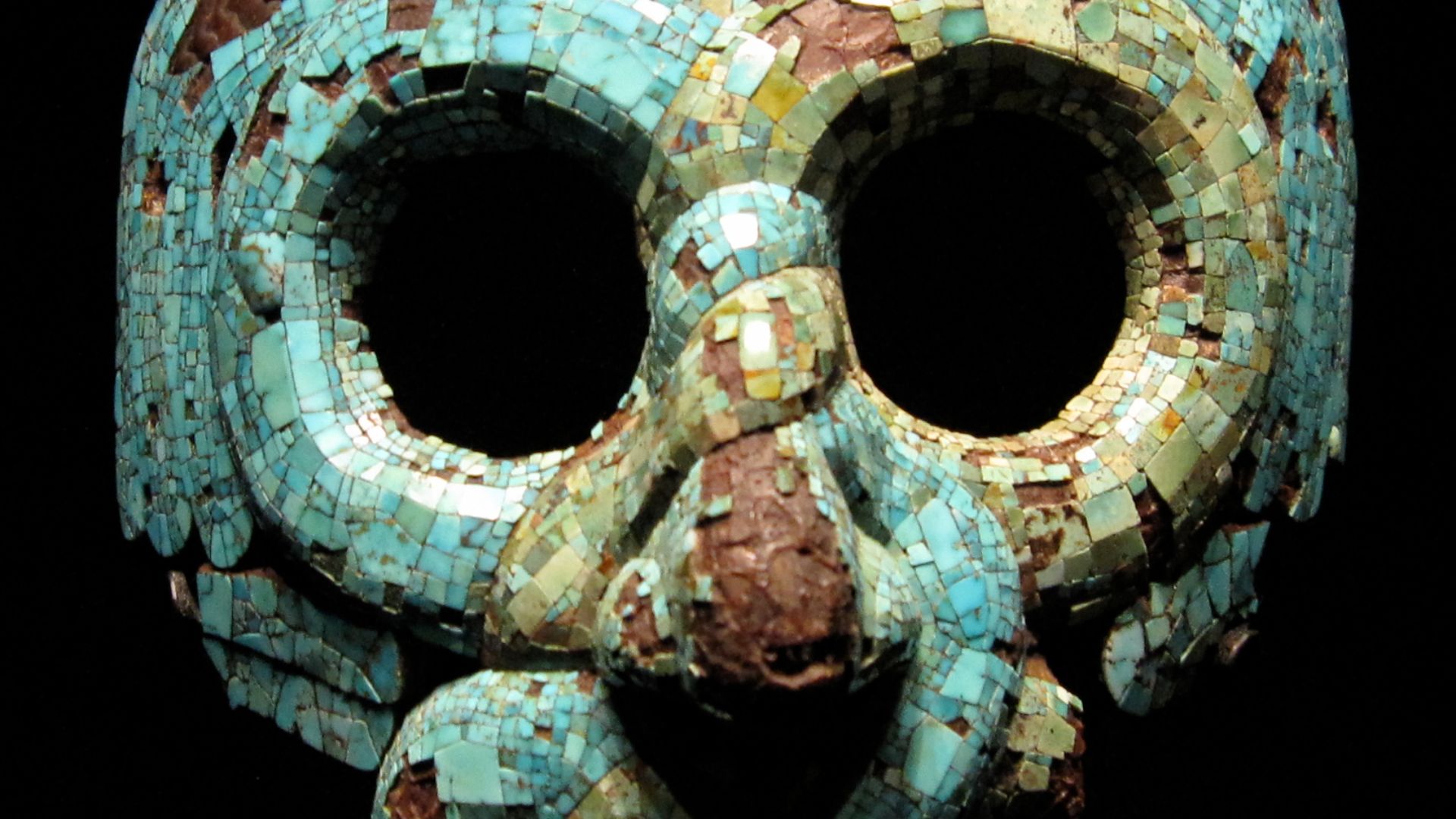
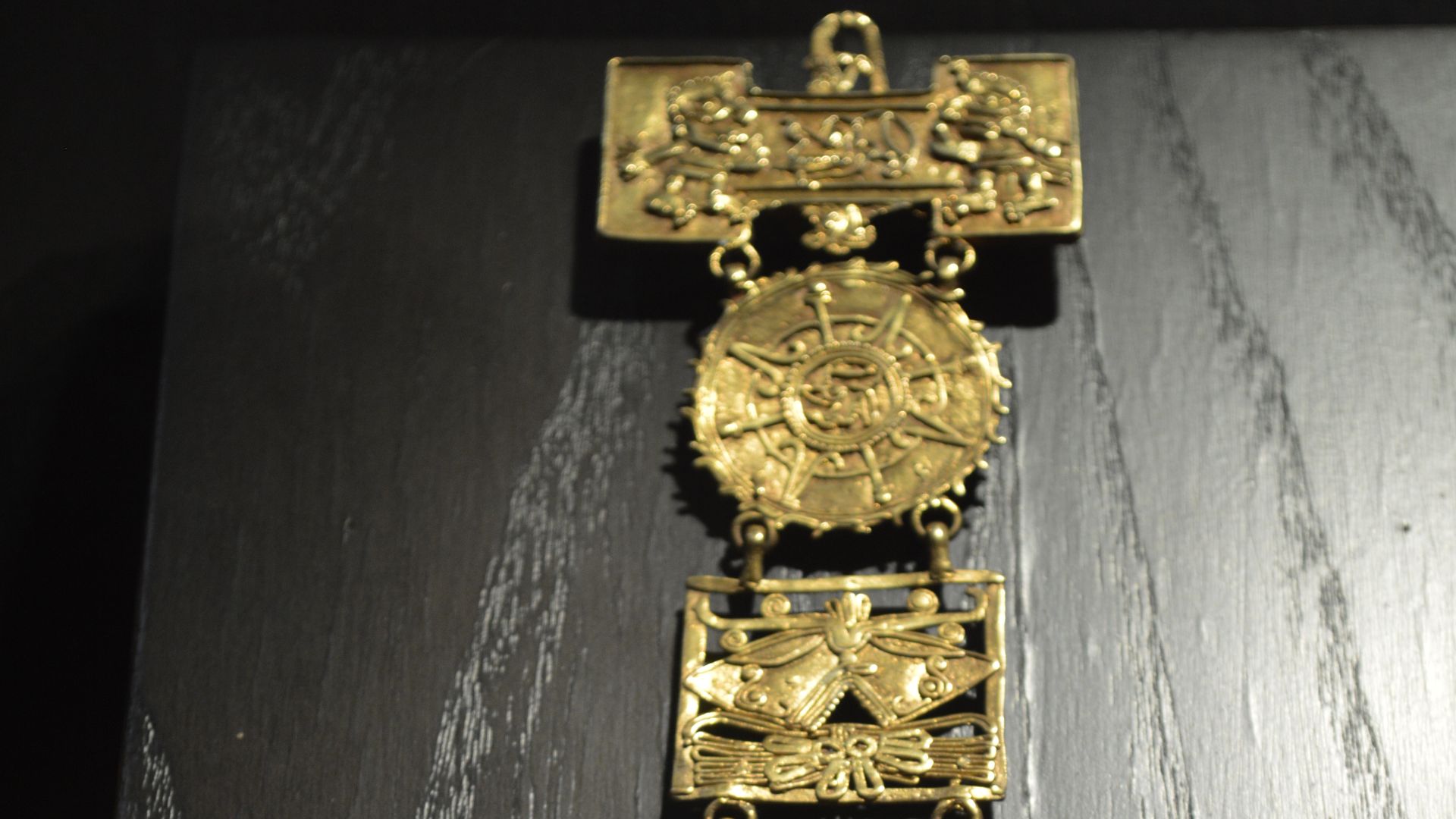
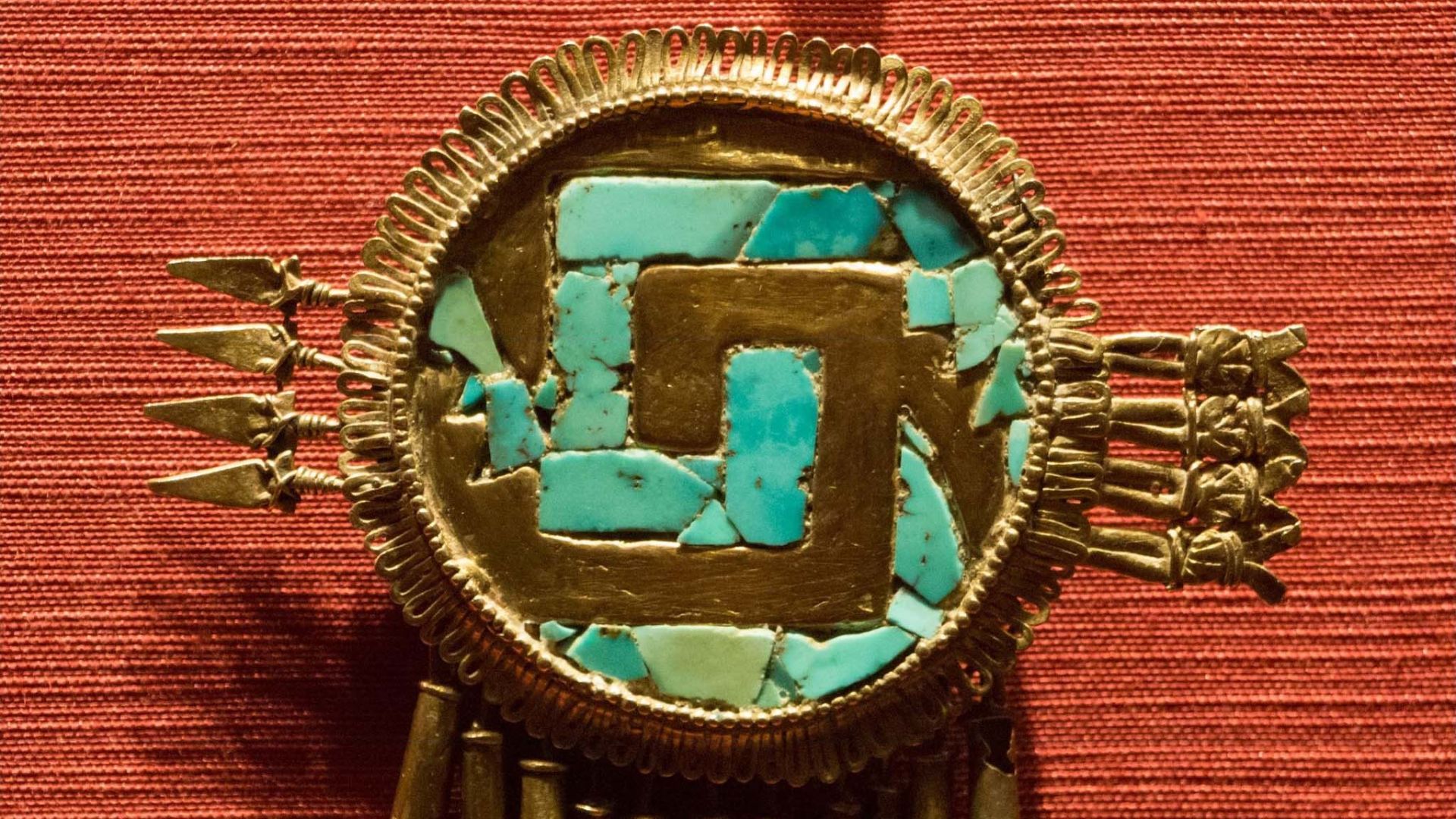
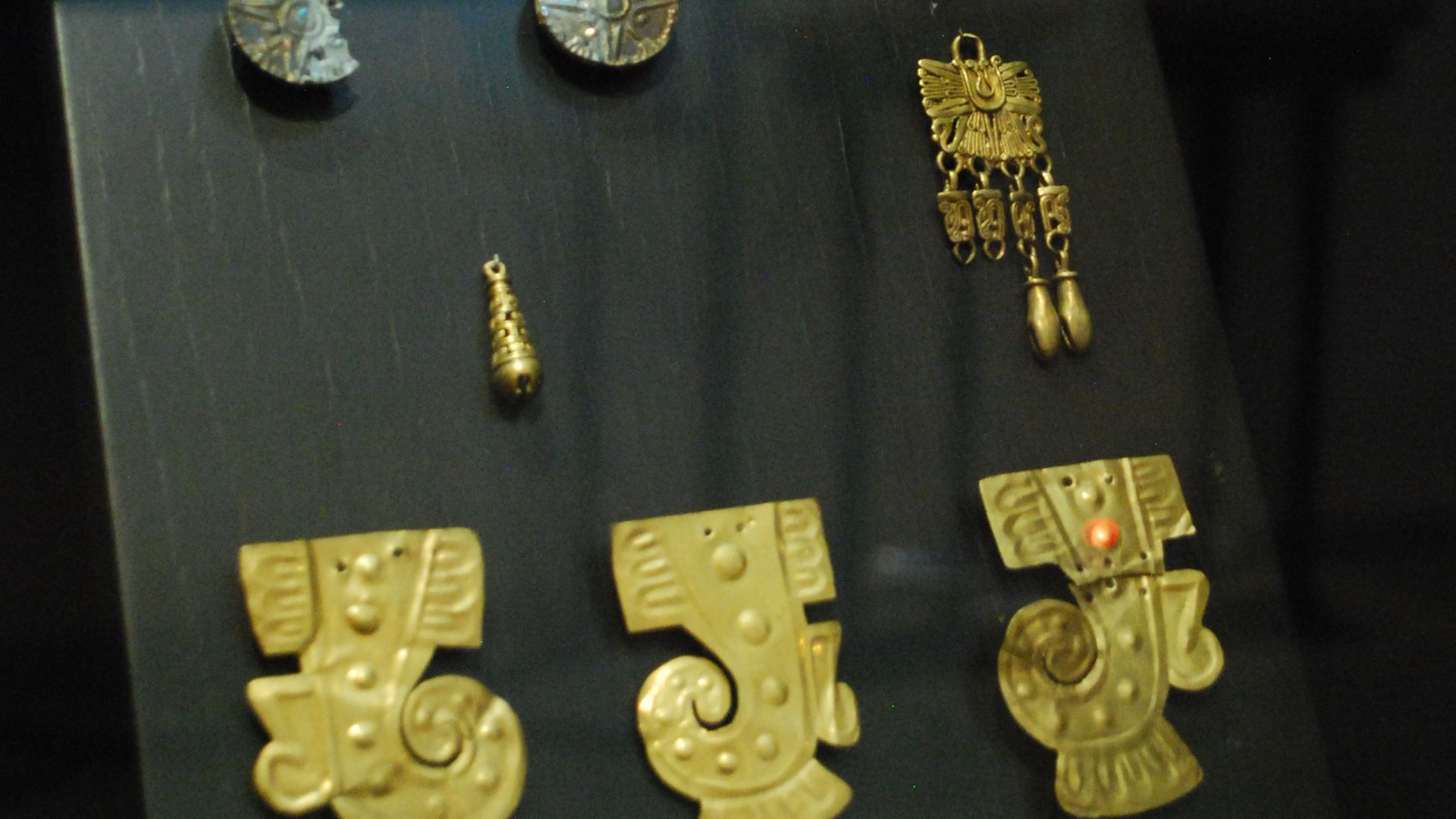
The Mixtec were famous metalworkers and jewelers, and Tomb 7 bears their unmistakable signature: delicate gold filigree, miniature bells, jade mosaics, turquoise inlay, and shell ornaments carved with surprising tenderness. These weren’t merely luxury items — they were symbols of cosmic order, personal prestige, and ritual obligation.
 AlejandroLinaresGarcia, Wikimedia Commons
Gold As A Language
In Mixtec cosmology, gold wasn’t just wealth — it carried meaning. It shimmered like the sun and evoked divine power. To place gold in a tomb wasn’t an act of extravagance; it was a conversation with the gods, a way to bridge the terrestrial world with the celestial.

Jade: The Stone Of Breath
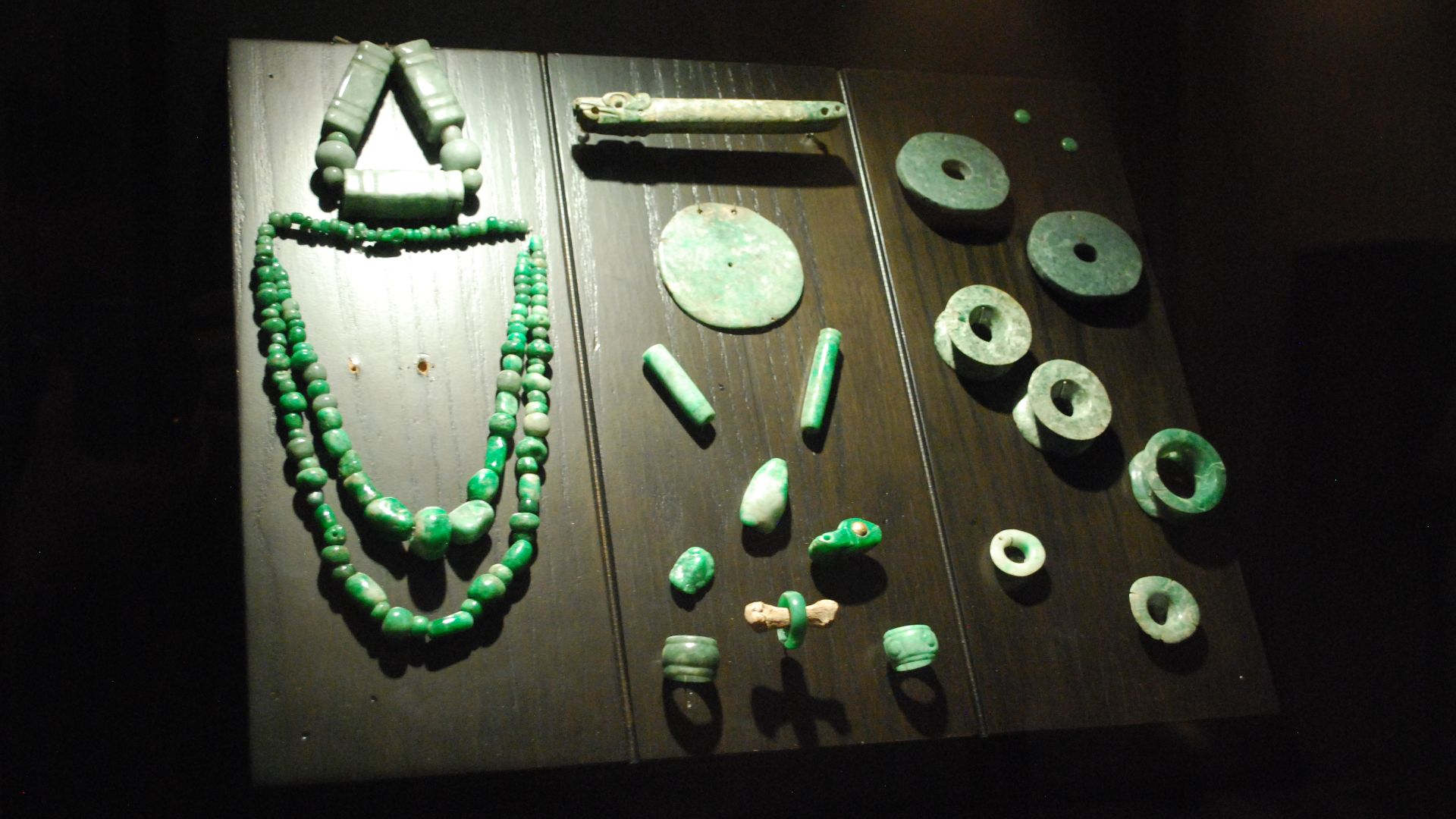
If gold symbolized the sun, jade represented life itself. Its green hue was tied to maize, vegetation, and renewal. Jade beads, pendants, and ear ornaments found in the tomb suggest that the people interred were meant to carry the essence of life into the afterworld.
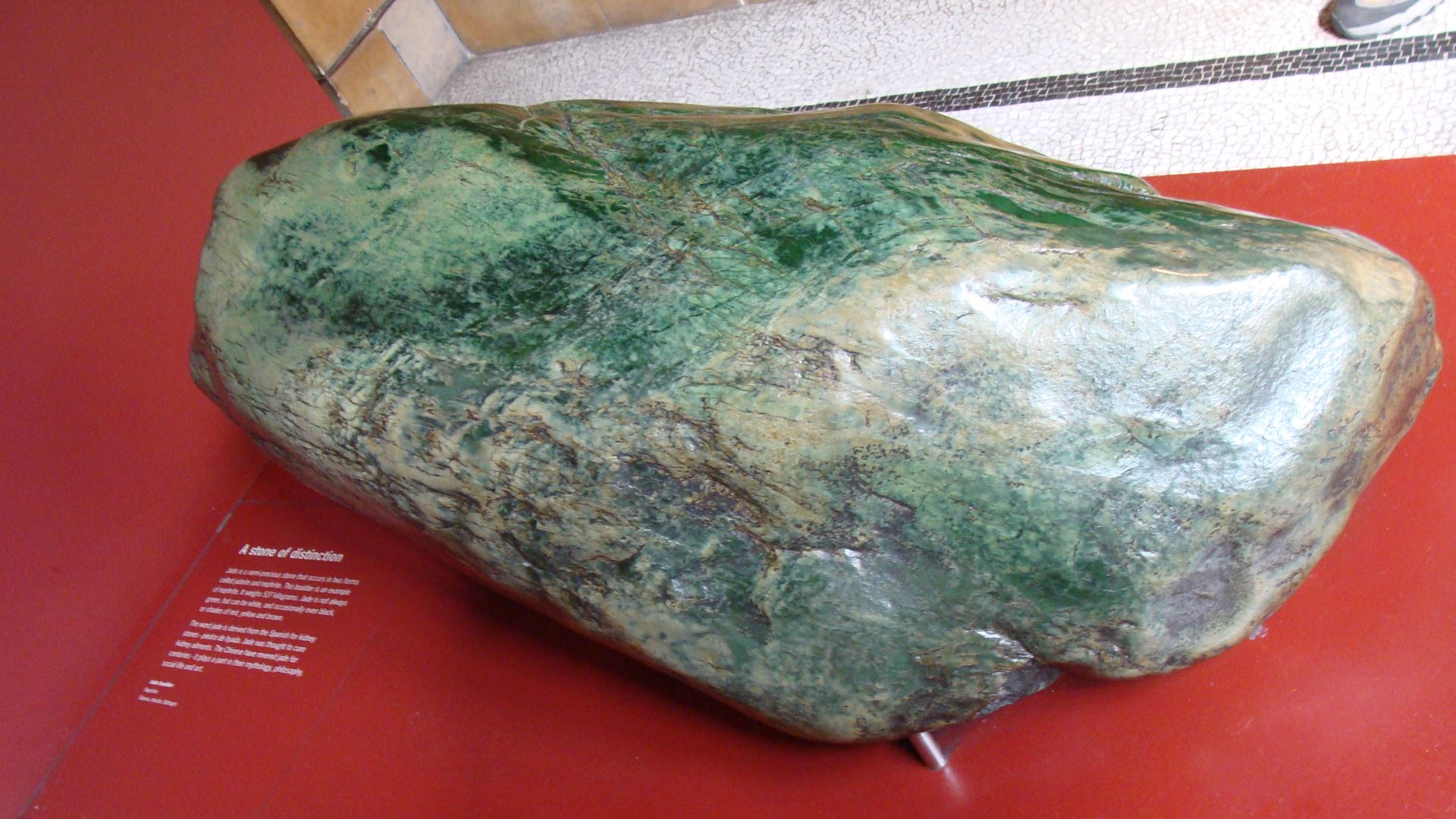 Fernando Losada Rodríguez, Wikimedia Commons
Shell, Bone & Crystal Offerings
Shells from distant coasts, finely carved bone tablets, and crystal vessels all appear in the tomb. Each material held a different spiritual charge — shells linked to water and fertility, bone to ancestry and tradition, and crystal to clarity and spiritual sight. These objects turned the tomb into a miniature cosmos.
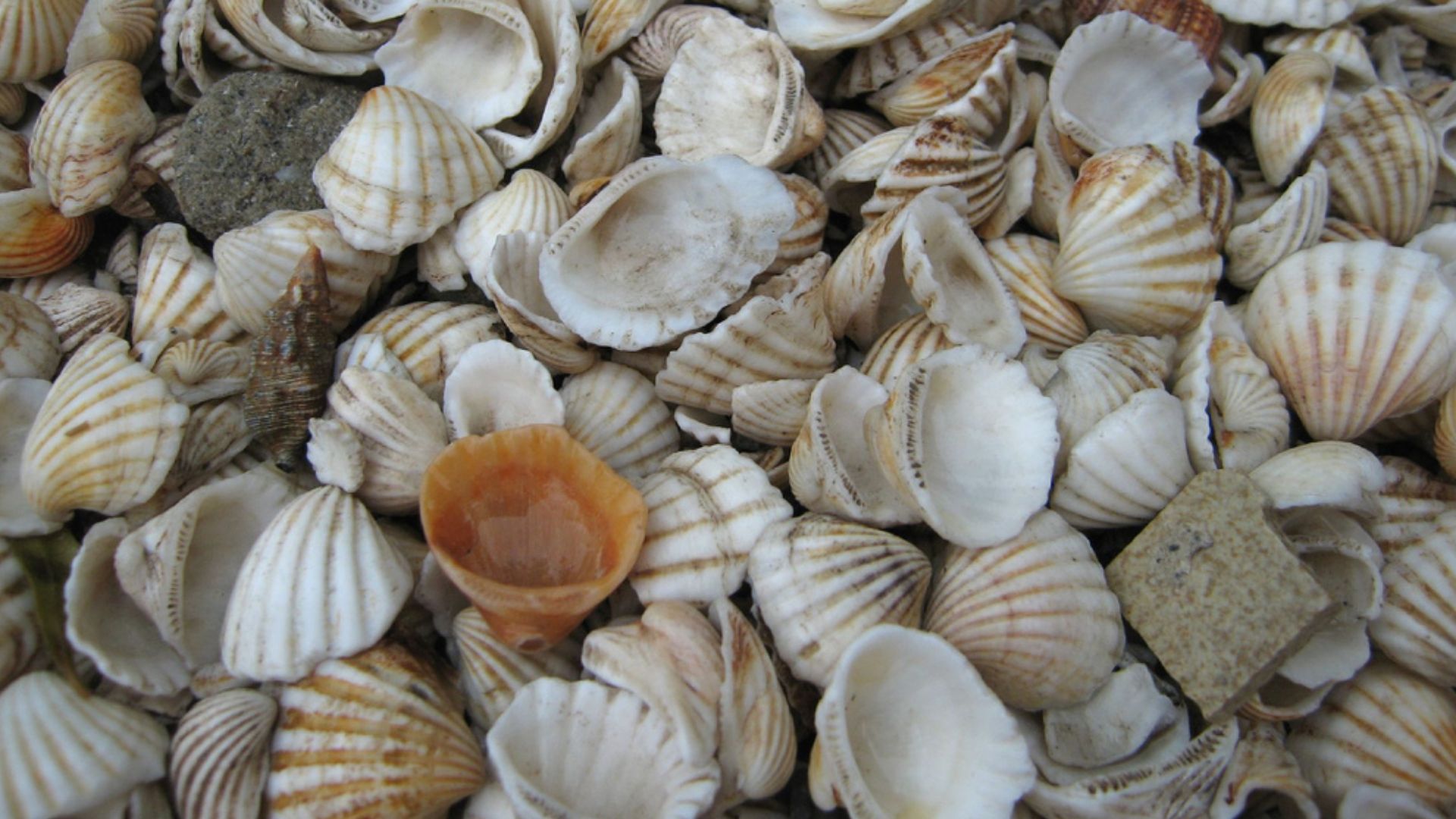 seriocomico, Wikimedia Commons
Trade Routes Stretching Across Mesoamerica
The materials in Tomb 7 did not all come from Oaxaca. Jade likely came from Guatemala, turquoise from northern Mexico or the American Southwest, shells from Pacific and Atlantic coasts. The Mixtec were plugged into a vast network of trade and cultural exchange. These objects tell a story not only of individuals but of connections that spanned regions.
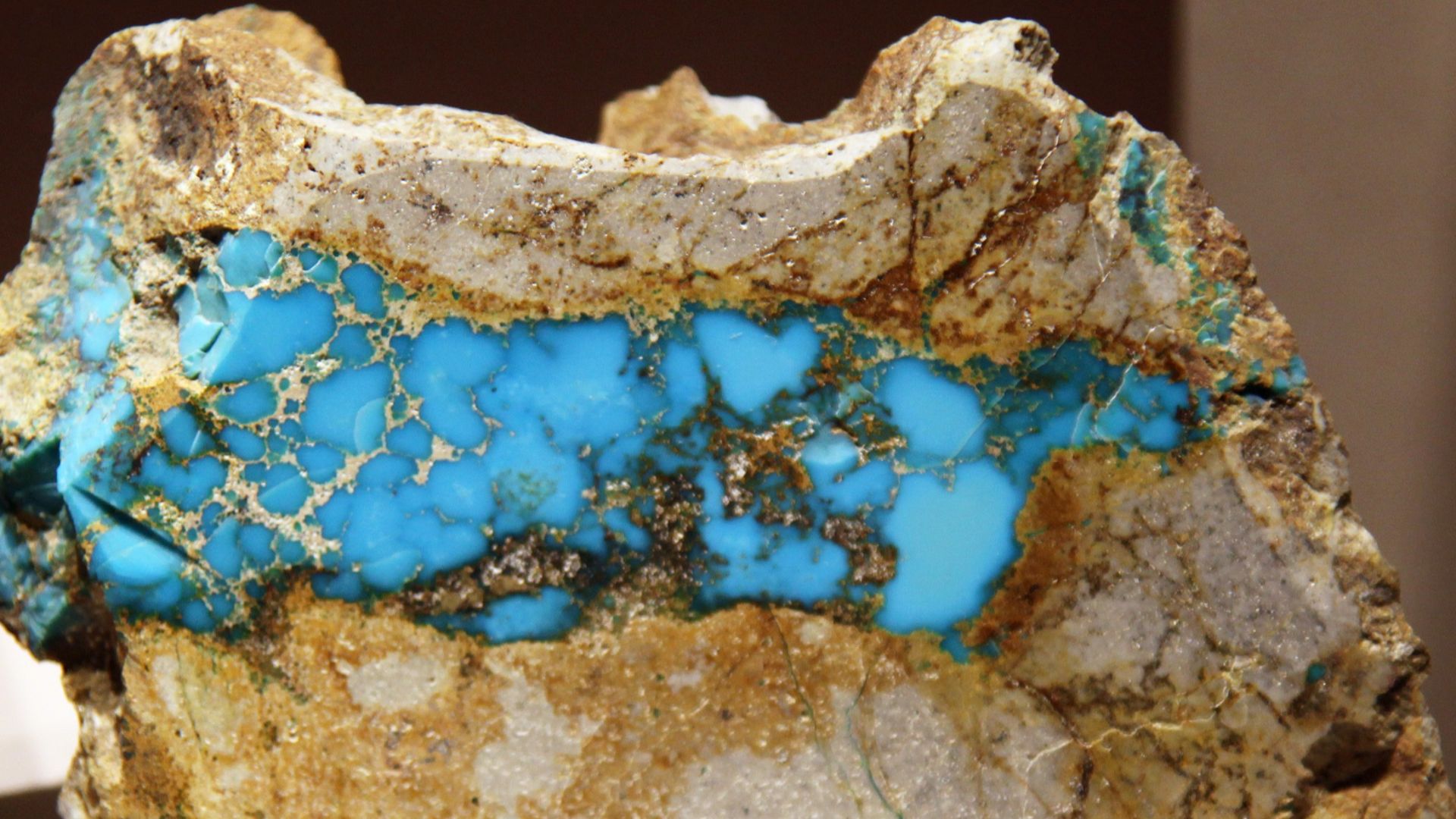 Tim Evanson from Washington, D.C., United States of America, Wikimedia Commons
Reimagining Monte Albán’s Legacy
By burying their dead beneath this once-Zapotec capital, the Mixtec weren’t erasing the past — they were folding themselves into it. They created a cultural overlap, a shared sacred heritage that makes Monte Albán one of the most layered archaeological sites in the Americas.
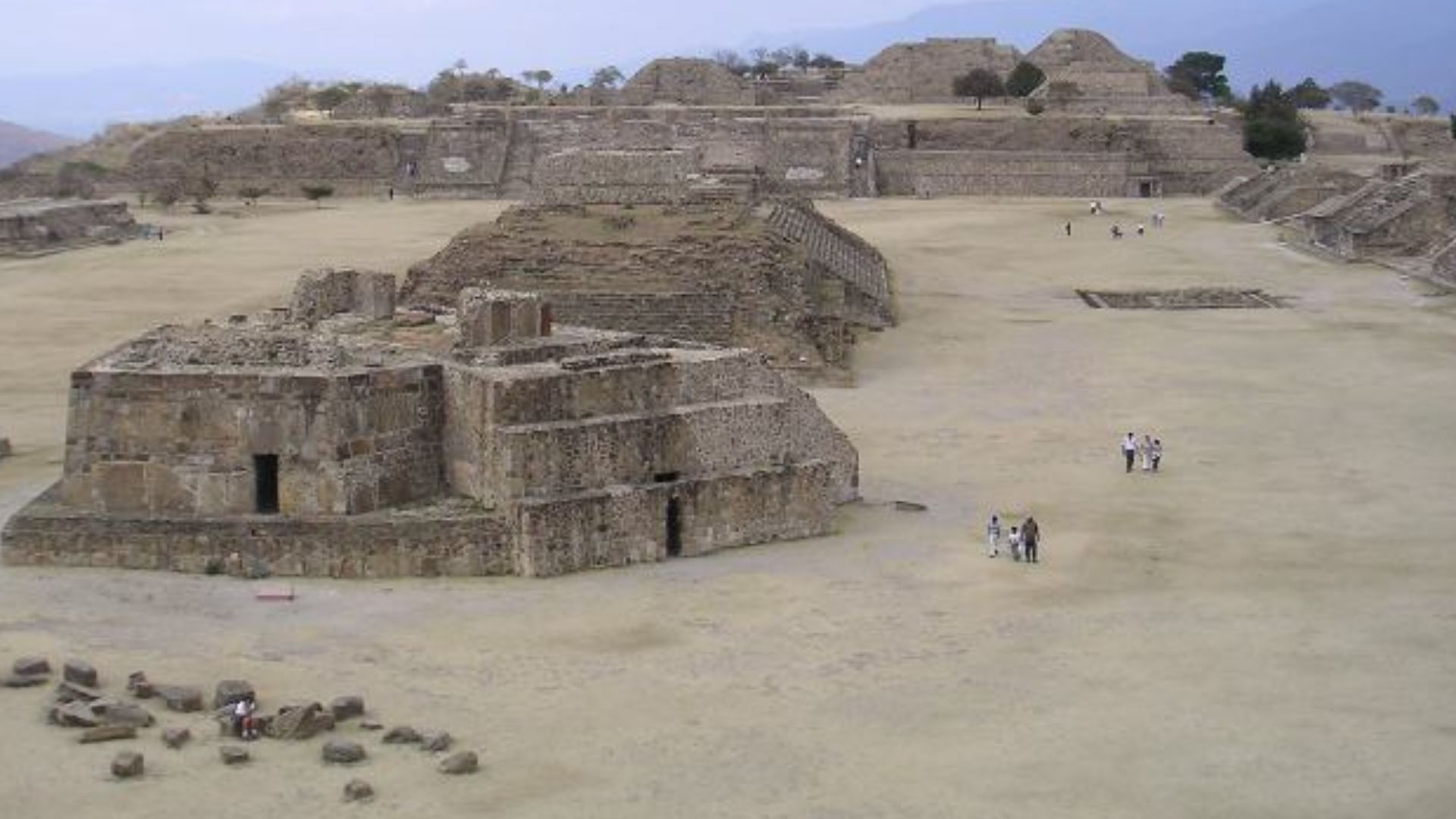 Petrusbarbygere, Wikimedia Commons
An Ossuary For Generations
Researchers now believe Tomb 7 may have served as a communal burial space used over a long period of time. This transforms our understanding of it: less a royal burial and more a dynastic memory chamber, filled with offerings that accumulated with each ritual return.
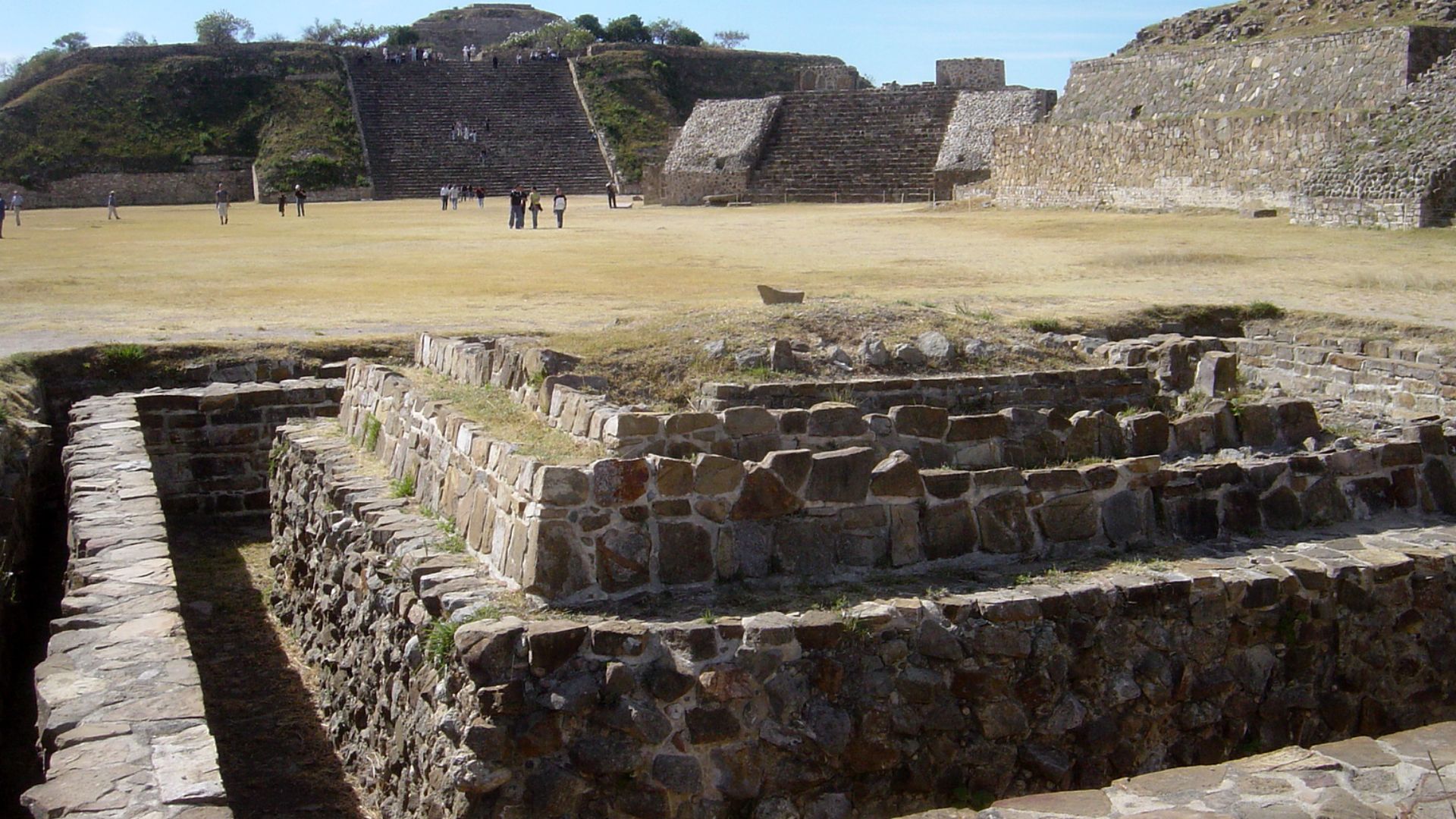 Bobak Ha'Eri, Wikimedia Commons
Who Was Buried Here?
The tomb held bones of multiple individuals, but no single body appears to dominate the space. Instead, the offerings speak of collective identity: a lineage, a ruling family, or a priestly group rather than one kingly figure. This challenges common expectations of “treasure tombs” belonging only to monarchs.
 AlejandroLinaresGarcia, Wikimedia Commons
Gendered Objects, Gendered Roles
Among the items is a crystal spindle whorl — an object often linked to female craftwork. Its presence suggests that women or feminine-associated roles held significant ritual value in this community. In a world often interpreted through masculine warrior ideals, this is a compelling corrective.
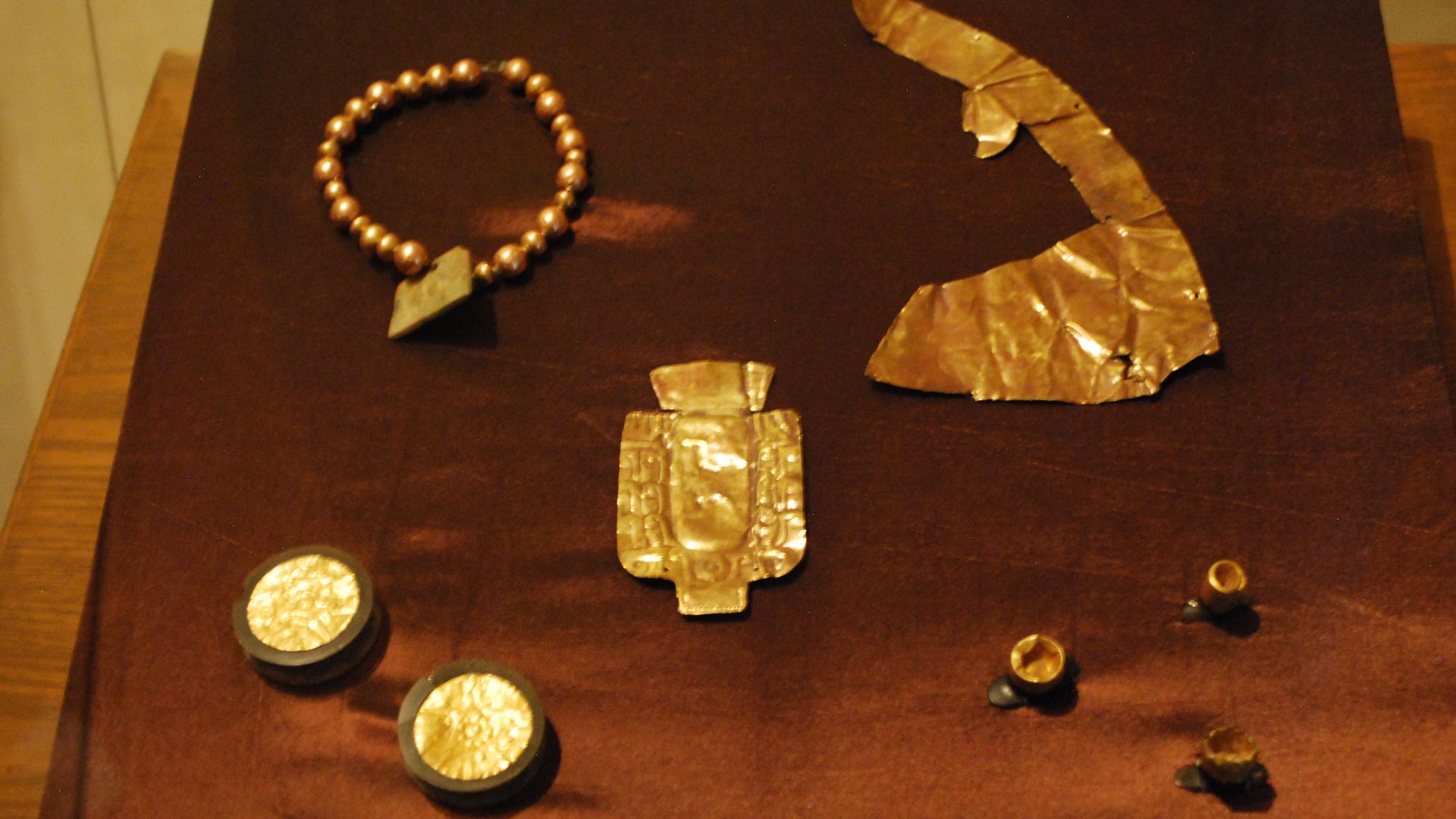 Thelmadatter, Wikimedia Commons
A Glimpse Of Mixtec Mythology
The Mixtec believed in a cosmos layered with heavens, earth, and the underworld. Death was a journey, not a stopping point. Objects in the tomb appear chosen to support that journey — bells to attract divine attention, jade to fuel rebirth, gold to light the way.
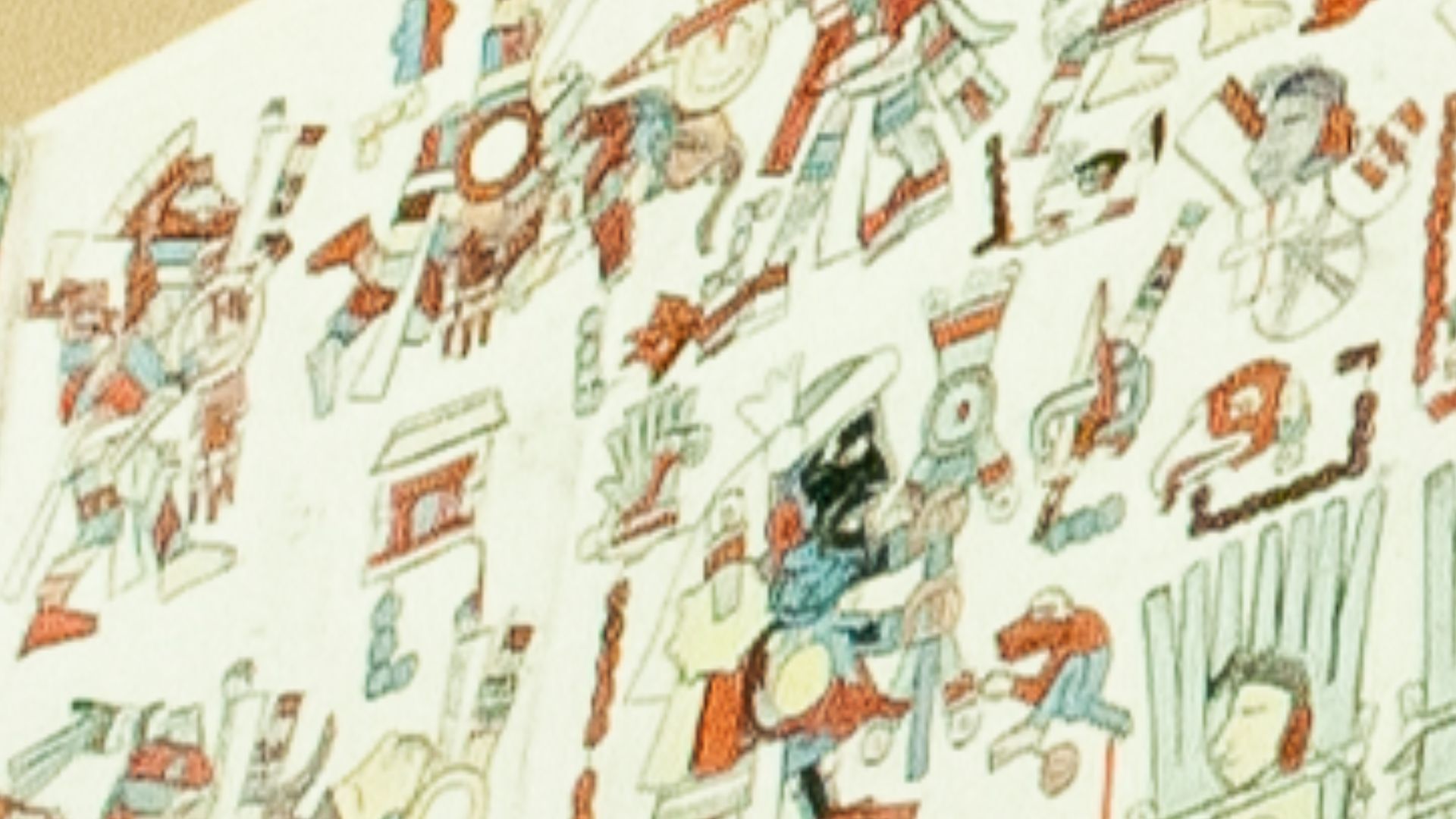
Tools Of Ritual Specialists
Some artifacts likely belonged to ritual practitioners. Carved bones and etched shell pieces bear imagery of gods, animals, or mythic scenes. These were not mere decorations — they were working tools, imbued with narrative and power.
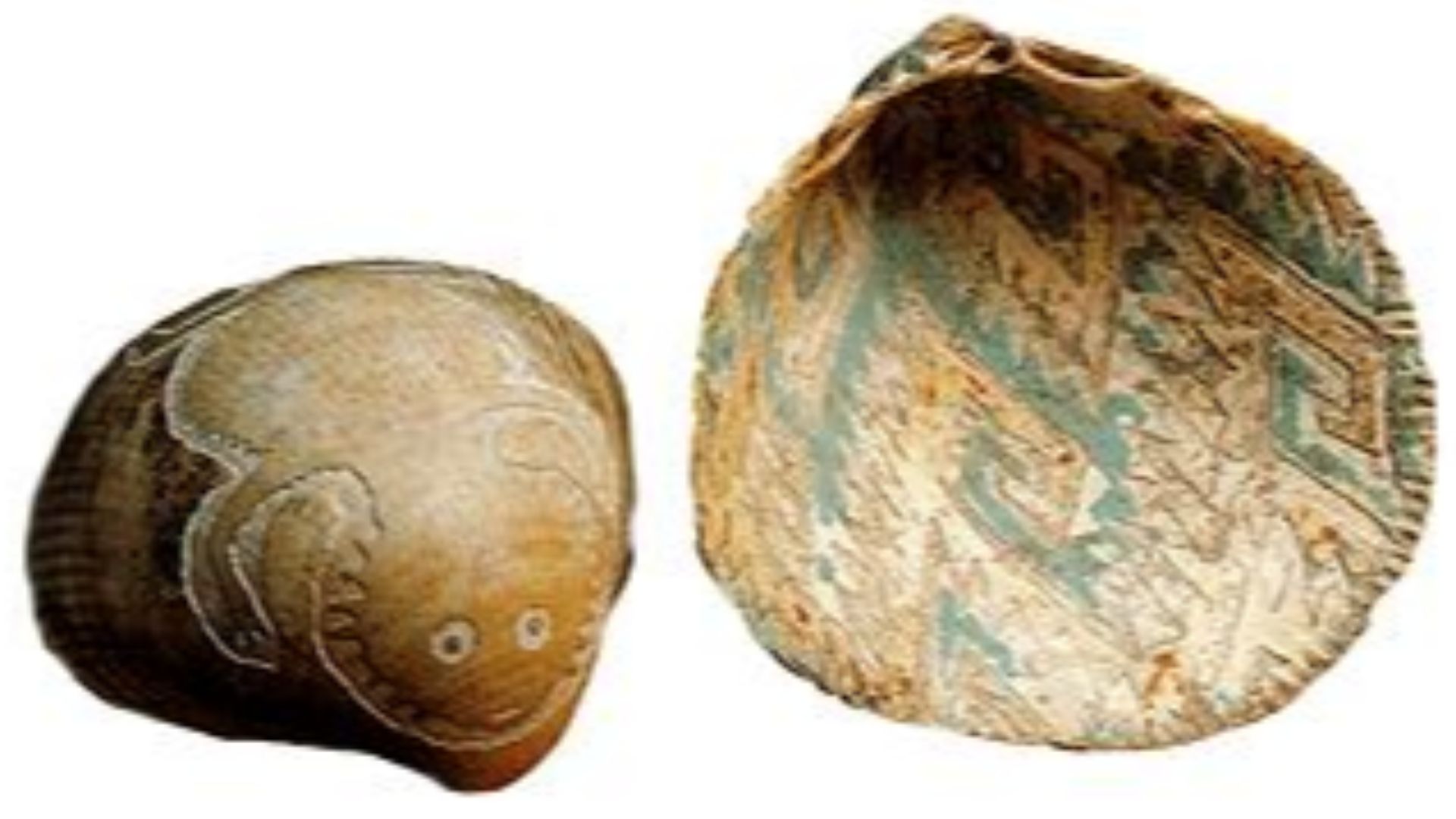 National Park Service, US depatament of the Interior, Wikimedia Commons
Metallurgy As Mastery
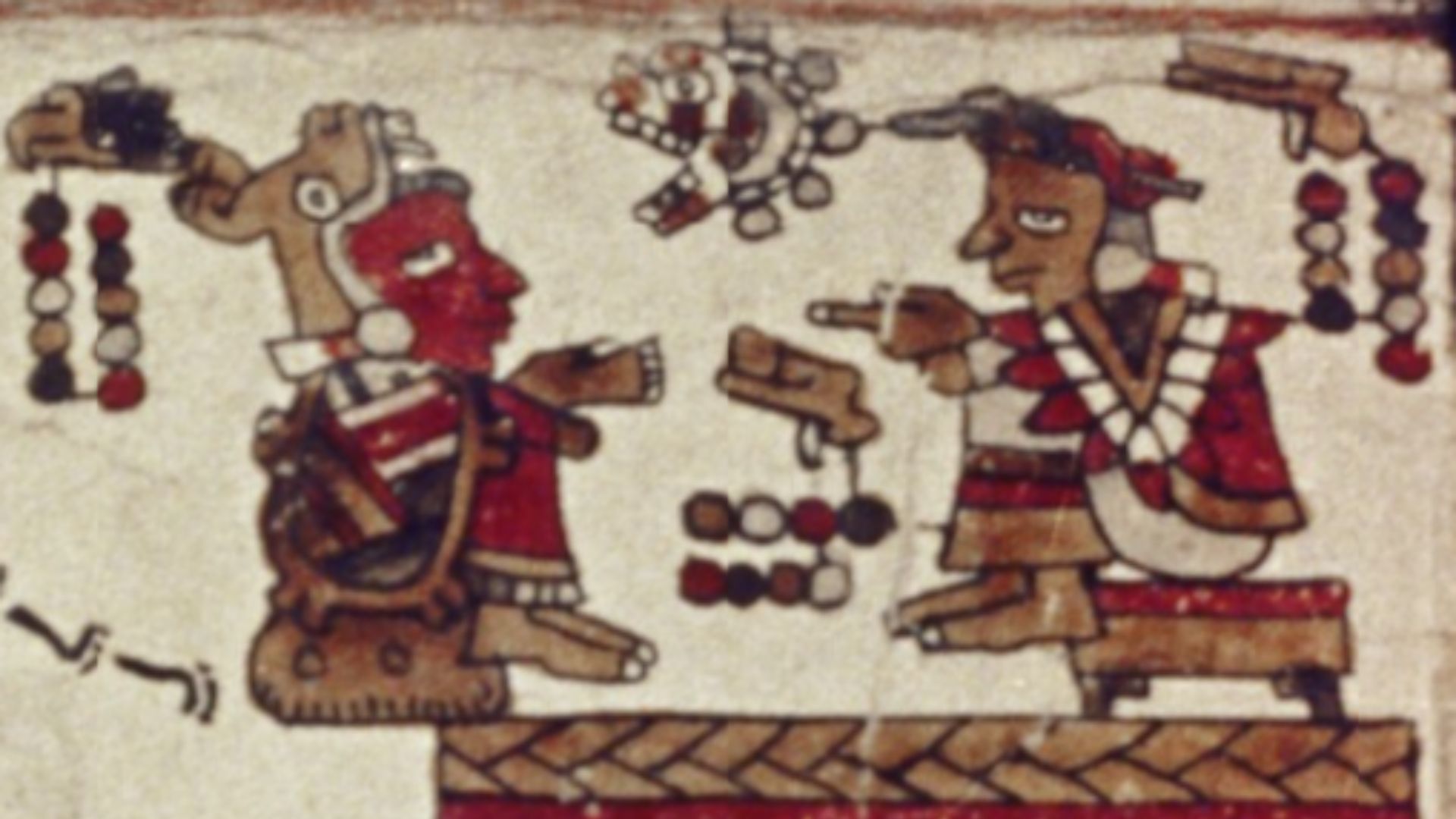
Recent metallurgical studies reveal remarkable sophistication in Mixtec workshops. Lost-wax casting, alloy blending, precision hammering — these techniques produced lightweight yet durable objects that still dazzle today. Their skill rivals that of Old World metalsmiths, despite developing independently.
 A mixtec author from the 16th century, Wikimedia Commons
Ceremonial Containers & Vessels
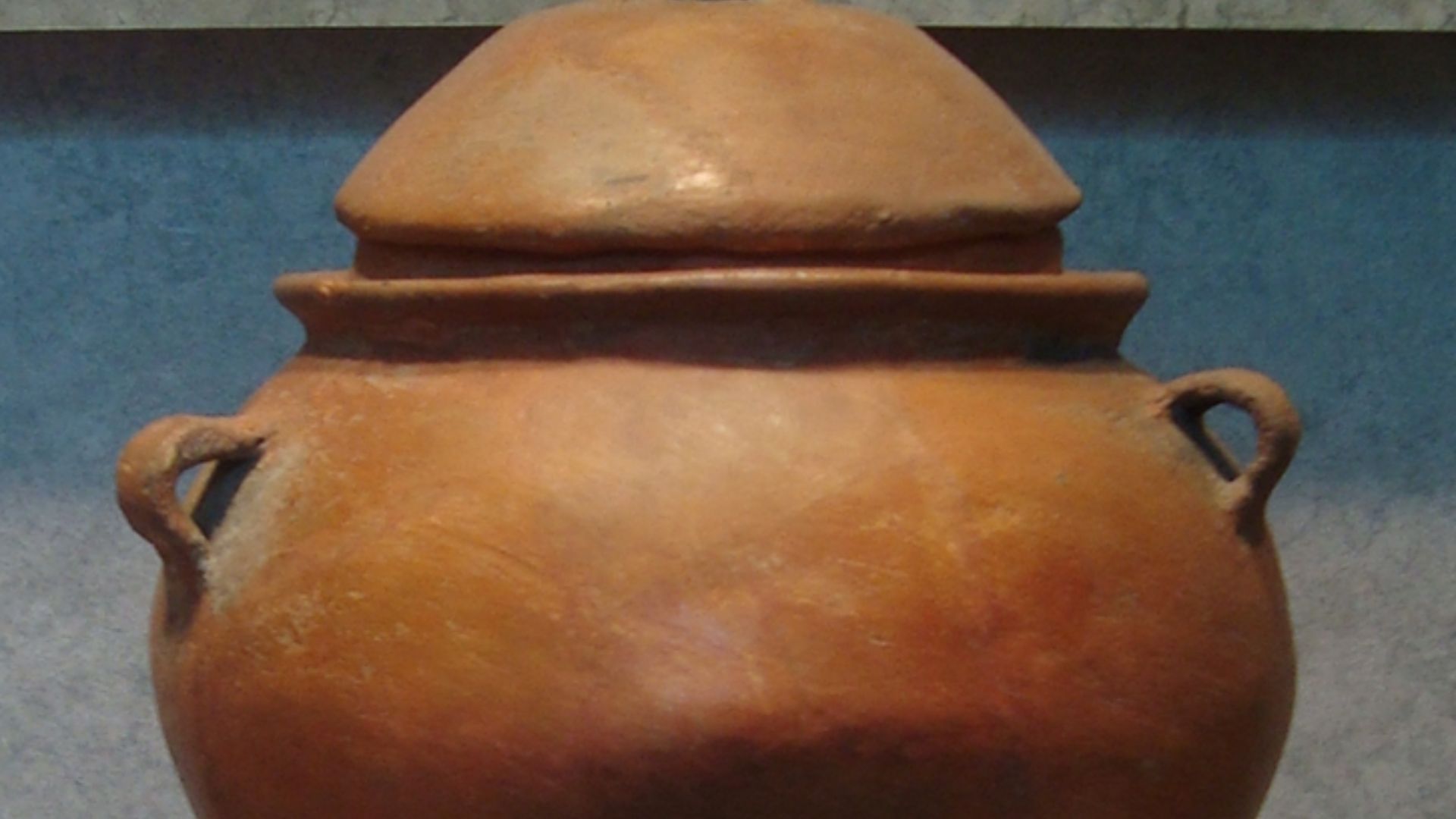
Crystal goblets, carved cups, and small vessels found in the tomb may have held pigments, incense, or ritual liquids. Their fragility and clarity suggest ceremonial, not everyday, use. Each vessel might have played a role in rites of passage or funerary offerings.
Symbols Woven Into Every Artifact
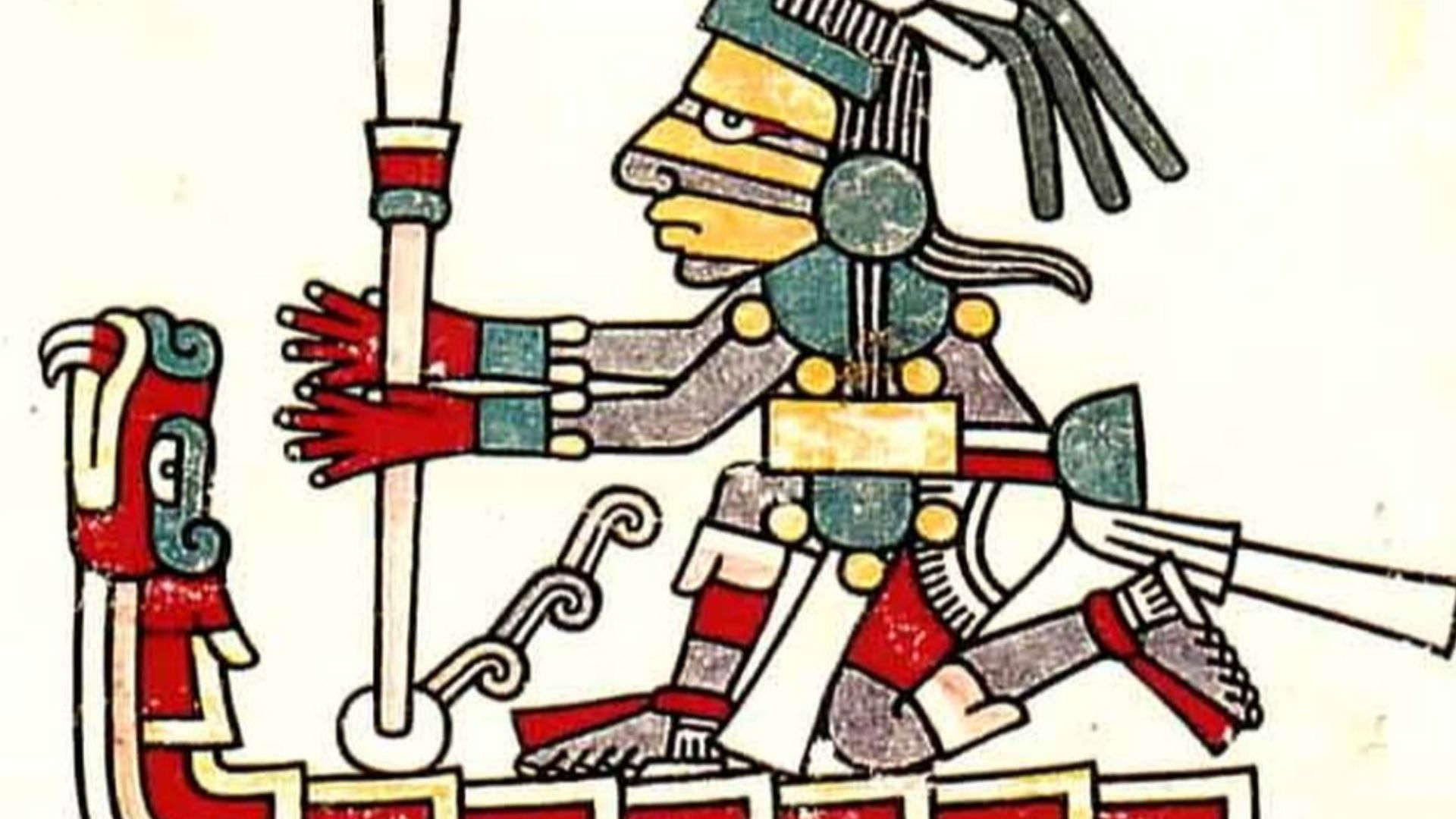
Many objects depict serpents, birds, or deity figures recognizable from Mixtec codices. These weren’t random motifs — they were part of a visual language that tied humans to gods, ancestors, and cosmic cycles.
 Unknown authorUnknown author, Wikimedia Commons
A Tomb As A Storybook
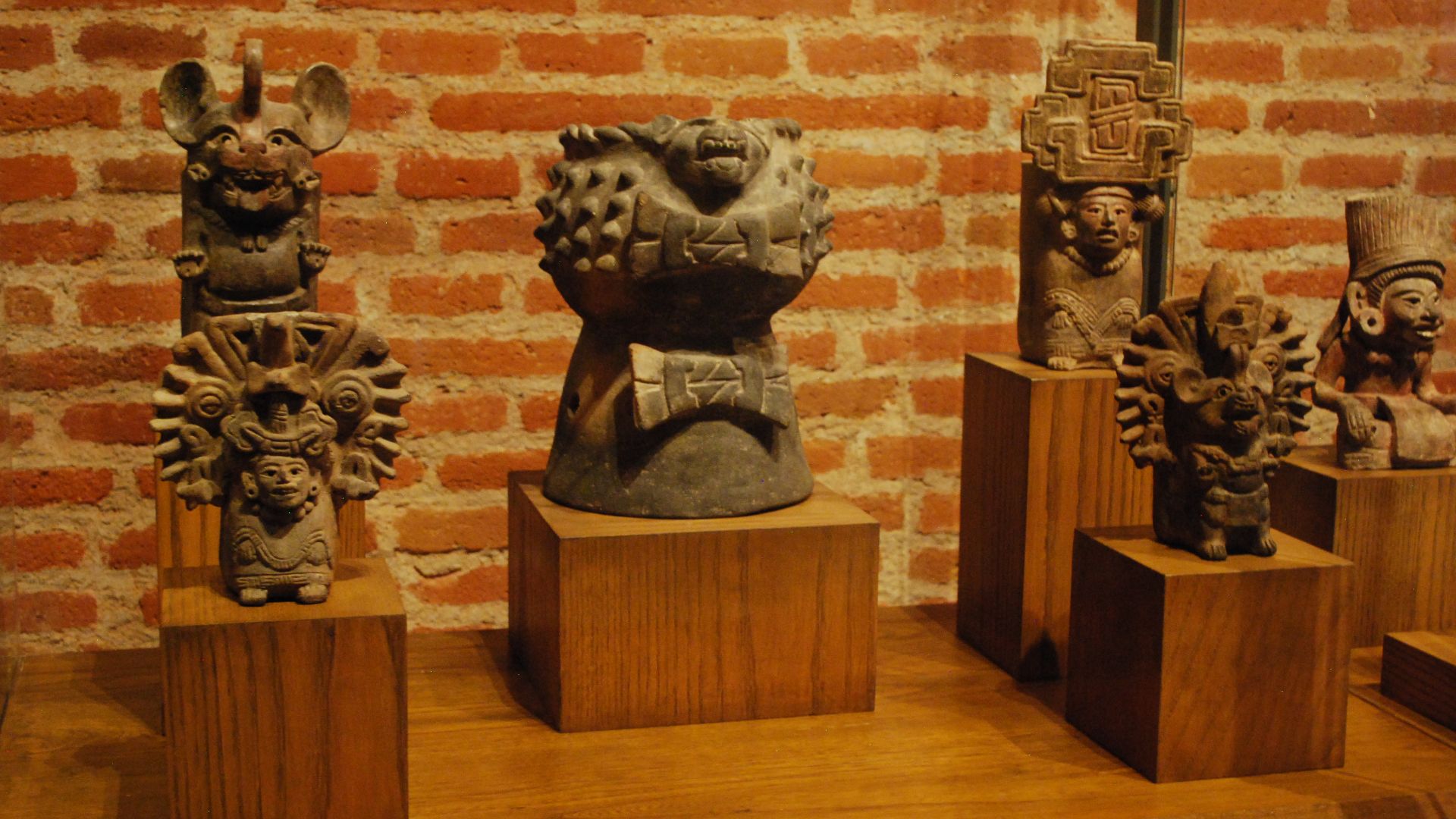
When viewed together, the hundreds of artifacts act almost like a three-dimensional codex. They tell stories of trade, status, craft, belief, and identity. Archaeologists read these items the way one might read a manuscript — line by line, interpreting symbols across materials and time periods.
 Thelmadatter, Wikimedia Commons
Earthquakes & Rediscoveries
Oaxaca’s seismic activity has, at times, revealed previously hidden tombs. Recent finds — including a Mixtec-Zapotec burial uncovered after an earthquake in Nochixtlán — remind us that much of this ancient world remains literally underground, waiting for the right moment to speak again.
 God.extincion, Wikimedia Commons
New Excavations Across Southern Mexico
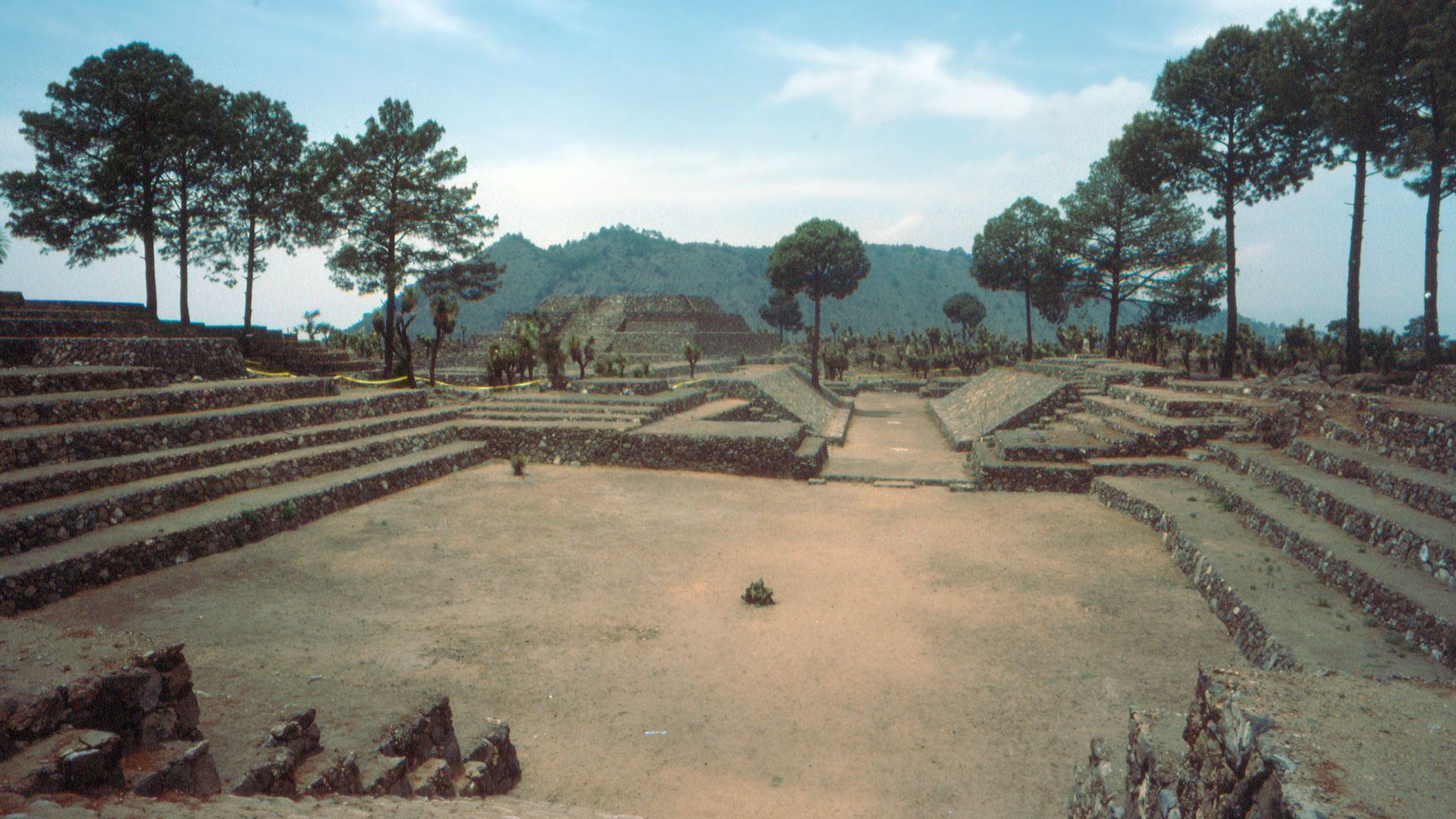
Archaeologists continue to uncover Mixtec and Zapotec burials in Puebla, Oaxaca, and Guerrero. Each one adds new clues about shifts in politics, trade, and ritual practice across the centuries leading up to European arrival.
Museums & Modern Meaning
The reopening of the Tomb 7 exhibition in Oaxaca allows audiences today to see these artifacts with fresh eyes and improved interpretation. Rather than presenting them as static treasures, museums now emphasize their cultural, spiritual, and technological significance.
 Janice Waltzer, Wikimedia Commons
What Tomb 7 Means Today
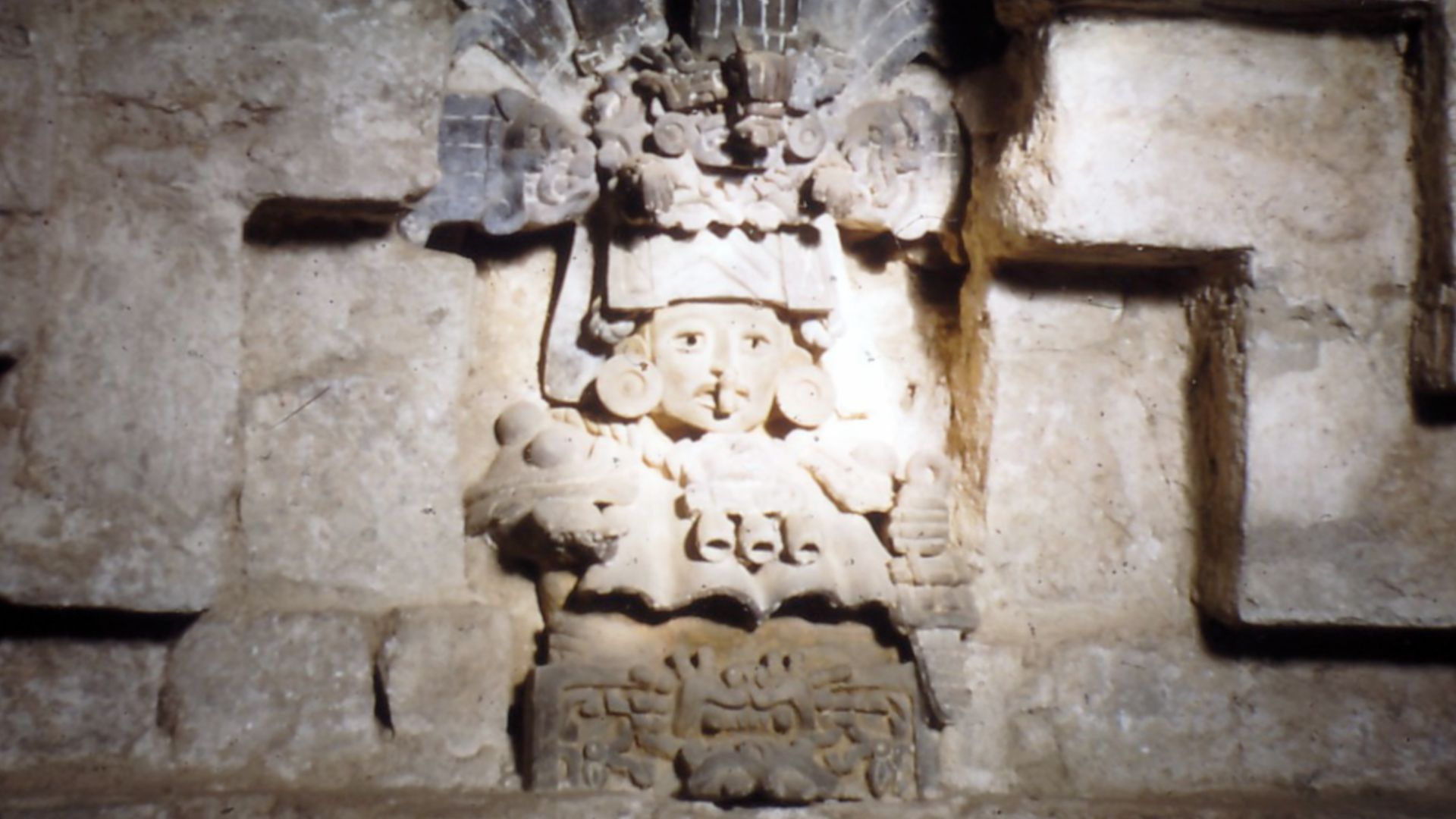
This tomb reminds us that ancient Mesoamerica was not a monolith but a mosaic of cultures in dialogue with each other. It gives the Mixtec — often overshadowed by the Aztec and Maya — a well-deserved spotlight as innovators, artists, and storytellers.
 Michael Gäbler, Wikimedia Commons
Lessons From A Gold-Laden Grave
The tomb teaches us about continuity: how people hold onto traditions, repurpose sacred places, and embed meaning in objects. It reveals a world where craftsmanship was cosmology, and beauty was inseparable from belief.
 Thelmadatter, Wikimedia Commons
An Insight Into The History Of The Aztecs
The jade beads, gold pendants, carved bones, and polished shells of Tomb 7 are more than museum pieces — they are the lingering voices of people who lived with deep intention. Through their artistry, they preserved their identities, their myths, and their hopes for the future. And though centuries have passed, their objects still resonate with life. For archaeology lovers, Tomb 7 remains a reminder that even buried worlds can still speak, if we’re willing to listen.
 Thelmadatter, Wikimedia Commons
You May Also Like:
My passport expires in five months and I’m flying to Europe. Will I be turned away at check-in?