The Discovery That Sparked A Thousand Questions
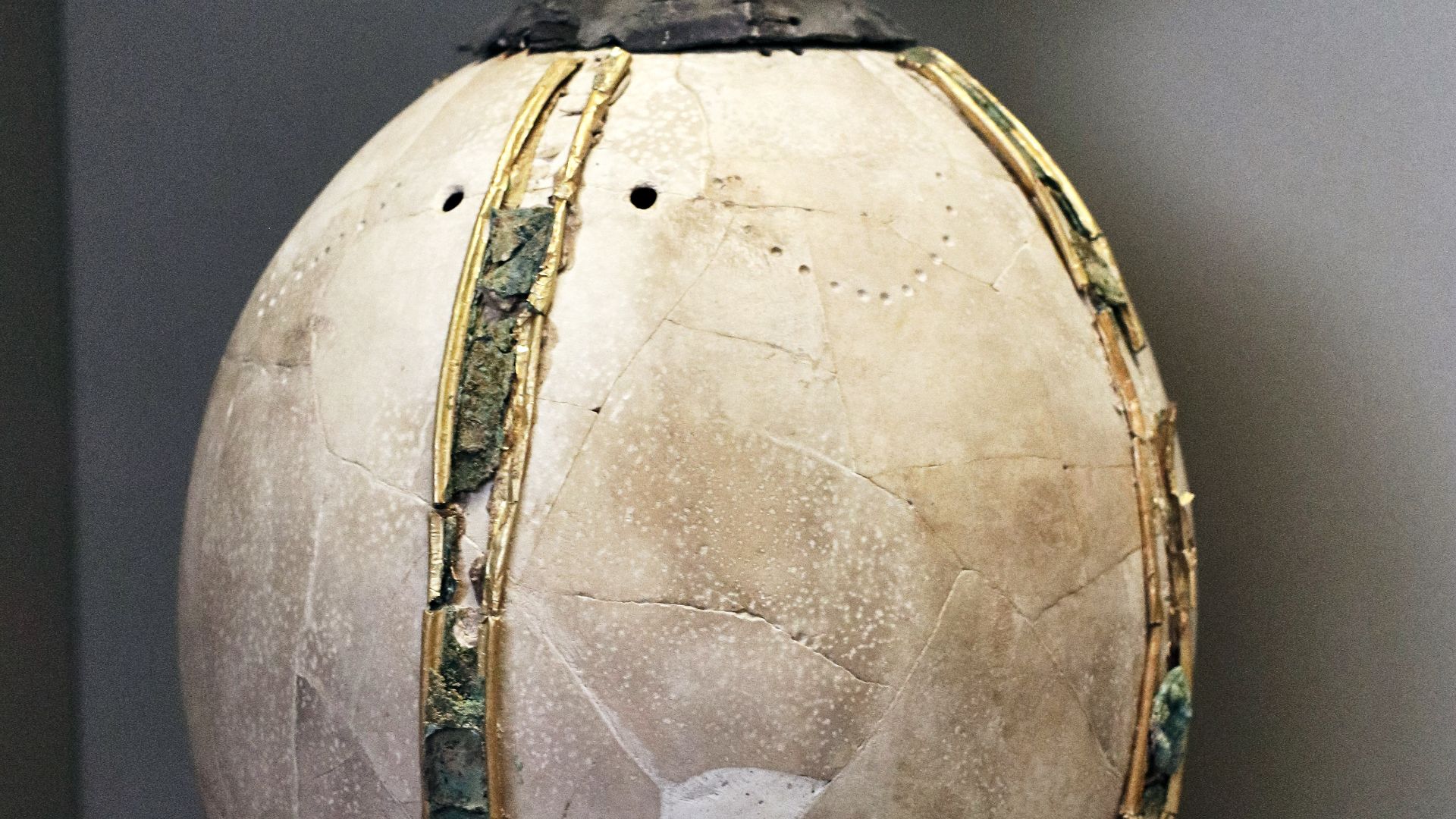
When archaeologists opened a Nubian grave dating back approximately 5,500 years, they expected the usual remains—bones, beads, maybe a tool or two. But what caught their eye was an ancient ostrich egg. At first glance, it looked plain. Then they saw the carvings.
Long Before Pyramids Were Ever Built
The egg itself is older than Egypt’s pyramids by over 1,000 years, dating back to around 3800 BCE. This was a time before kings or written language. Small riverside communities lived simple lives and left behind only silent objects to speak for them.
 George E. Koronaios, Wikimedia Commons
Who Were The Nubians Of 3800 BCE?
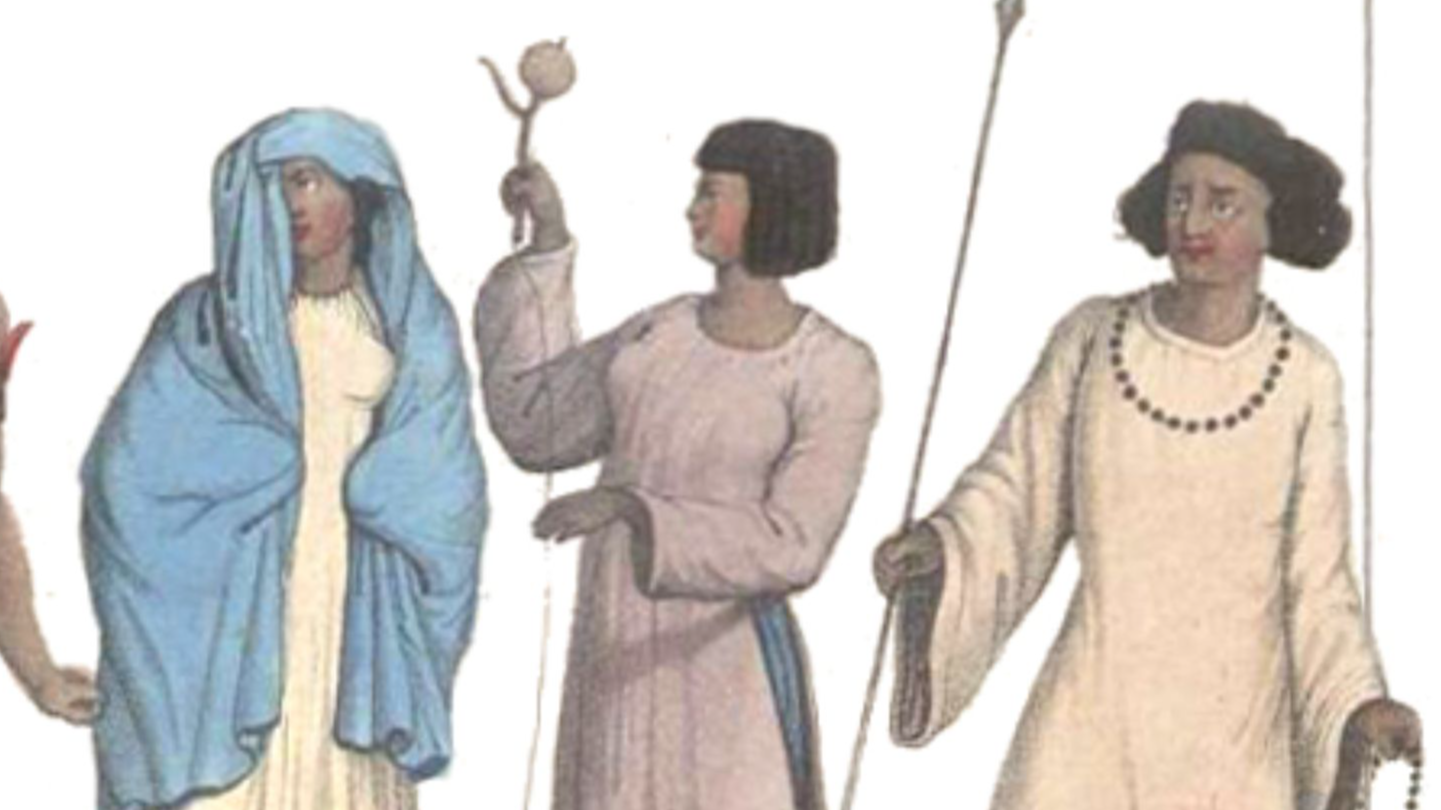
These early Nubians lived in what’s now southern Egypt and northern Sudan. They hunted wild animals and raised livestock to survive. Though they left no written language, the objects buried with their dead hint at a culture that valued memory and possibly belief.
 Goedsche and others, Wikimedia Commons
How The Egg Ended Up In A Grave
Among the bones in this particular grave, the egg had clearly been placed with care. Ancient Nubians often buried their dead with items they believed had a purpose beyond life. Whoever added the egg must’ve thought it had a role to play after death.
Ostrich Eggs Were A Big Deal Back Then
People didn’t just collect these eggs for food. Ostrich shells were used as containers or worn as beads. Some were engraved or painted with designs. So finding a carved one in a grave suggests it held deeper value that still isn’t fully understood.
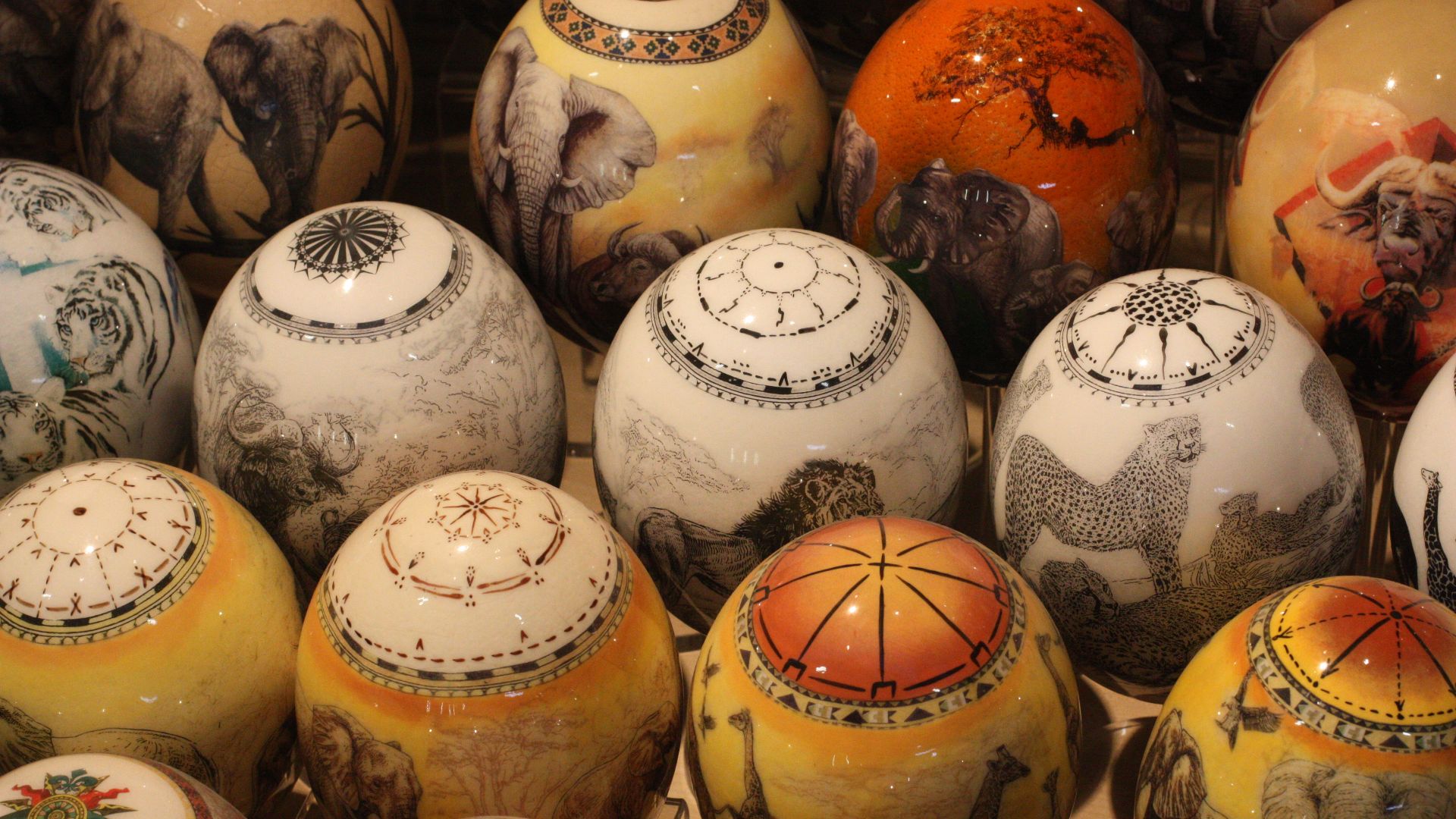 Politikaner, Wikimedia Commons
The Nubian Egg Was Strange
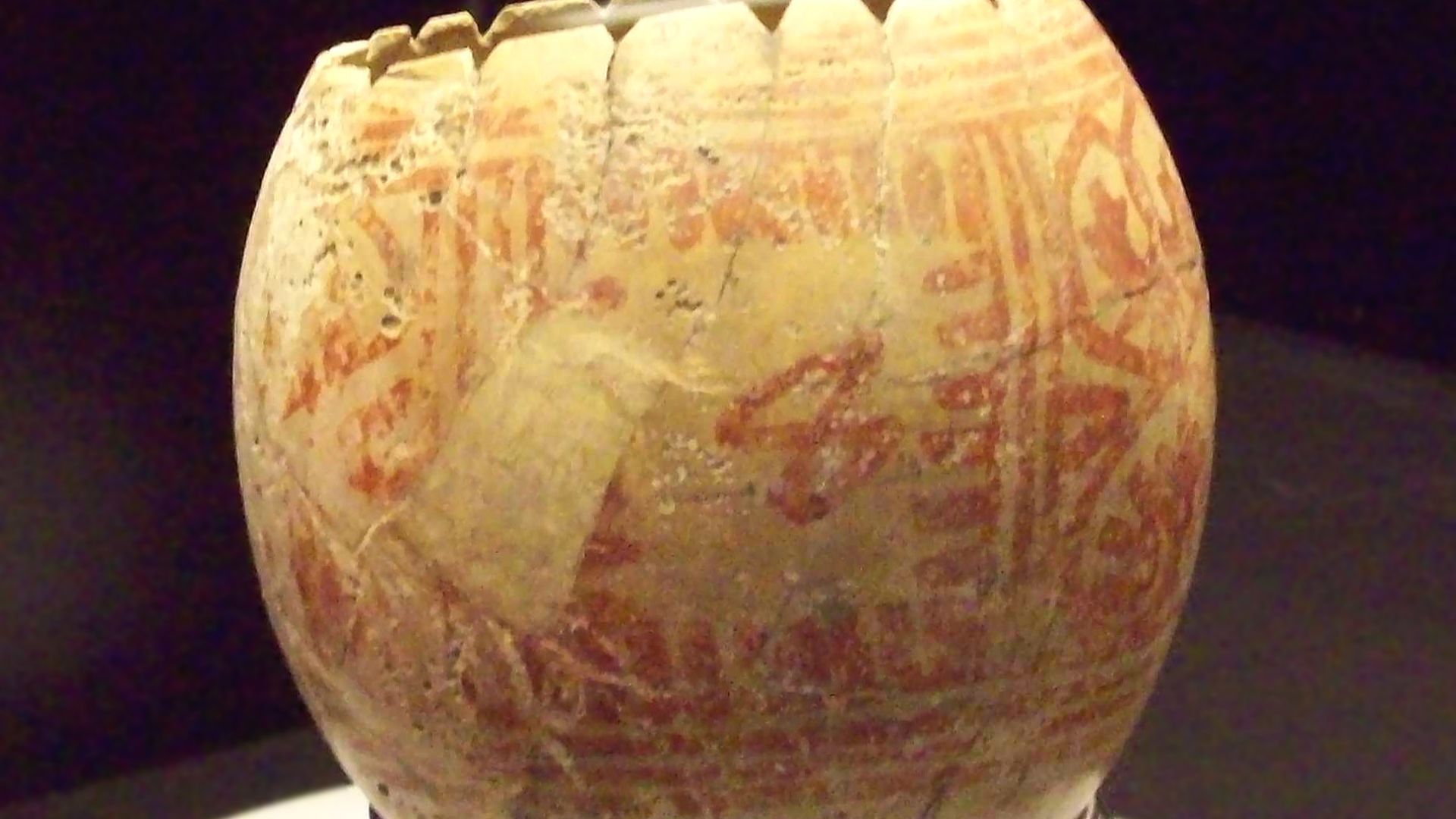
Unlike most burial objects, this egg had markings carefully carved into its surface. They weren’t random scratches or natural cracks. They formed distinct shapes—triangles, lines, and curves that seemed intentionally placed. To those who found it, the designs didn’t match anything they’d seen before.
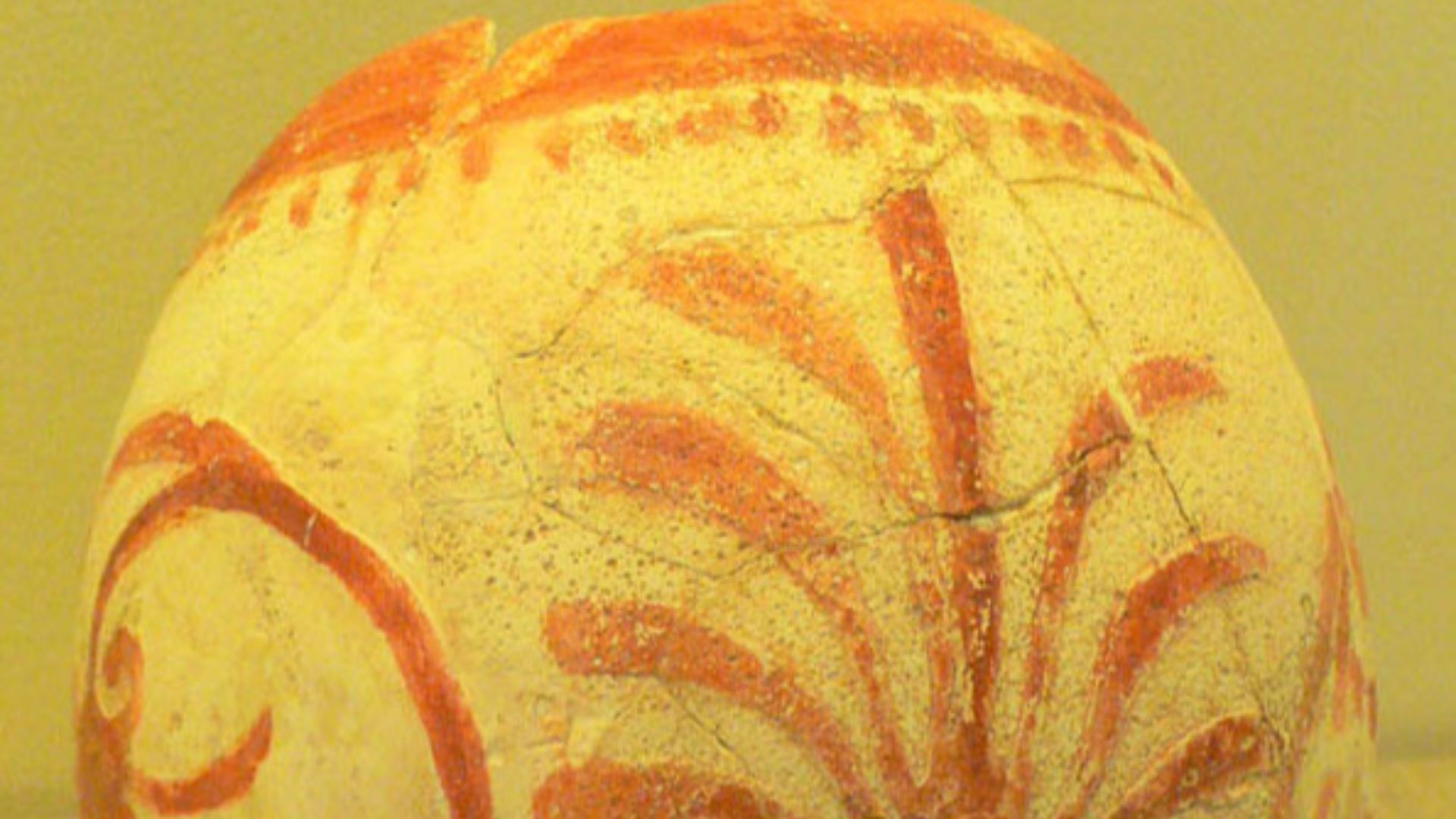 Nanosanchez, Wikimedia Commons
Carvings That Looked Like More Than Decoration
As experts examined the markings, one detail stood out. Some of the triangles appeared to be arranged in a specific pattern. They weren’t scattered across the shell but grouped in a way that suggested thought. That’s when someone pointed out a strange resemblance.
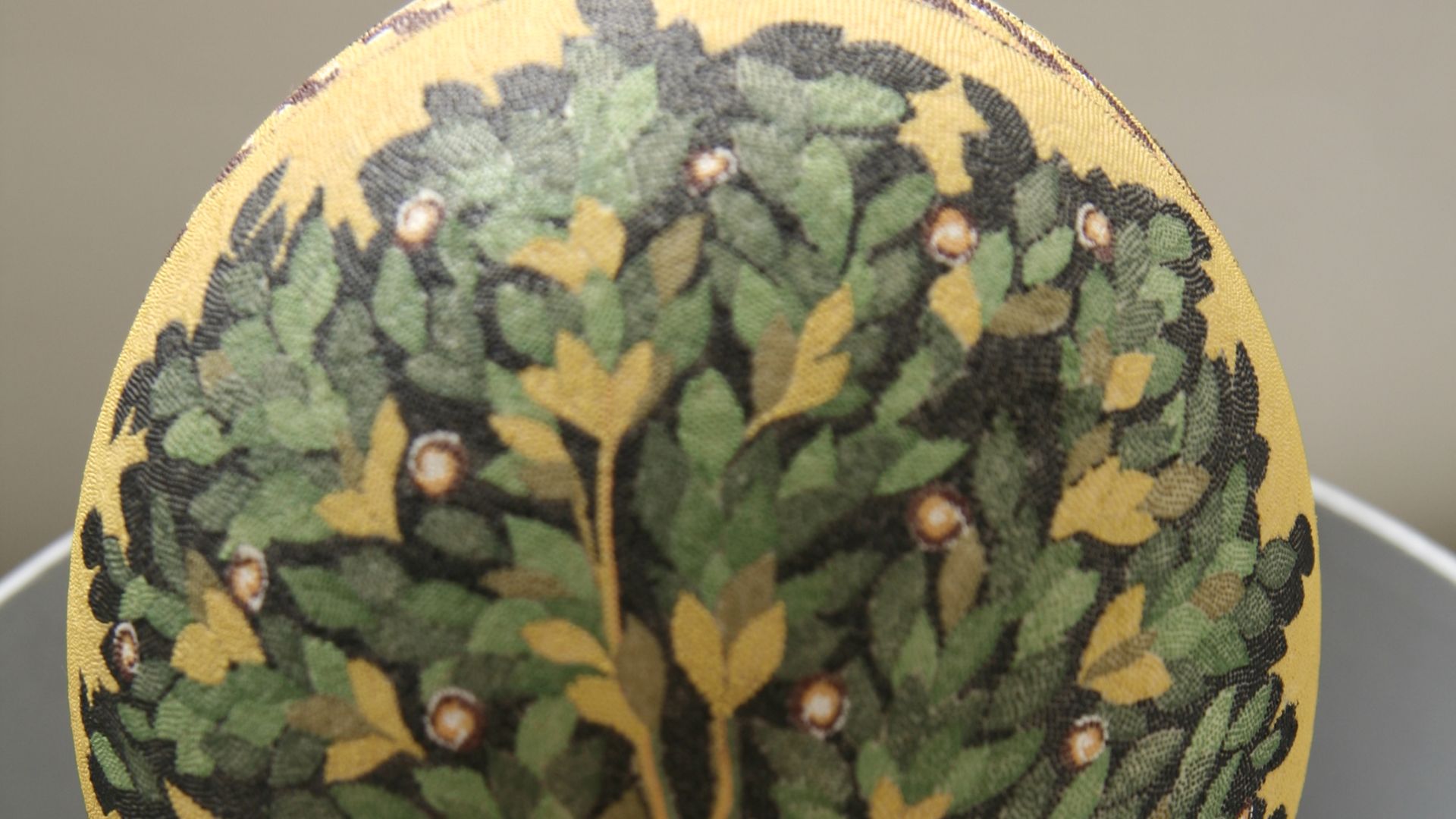
The Moment Someone Mentioned The Pyramids
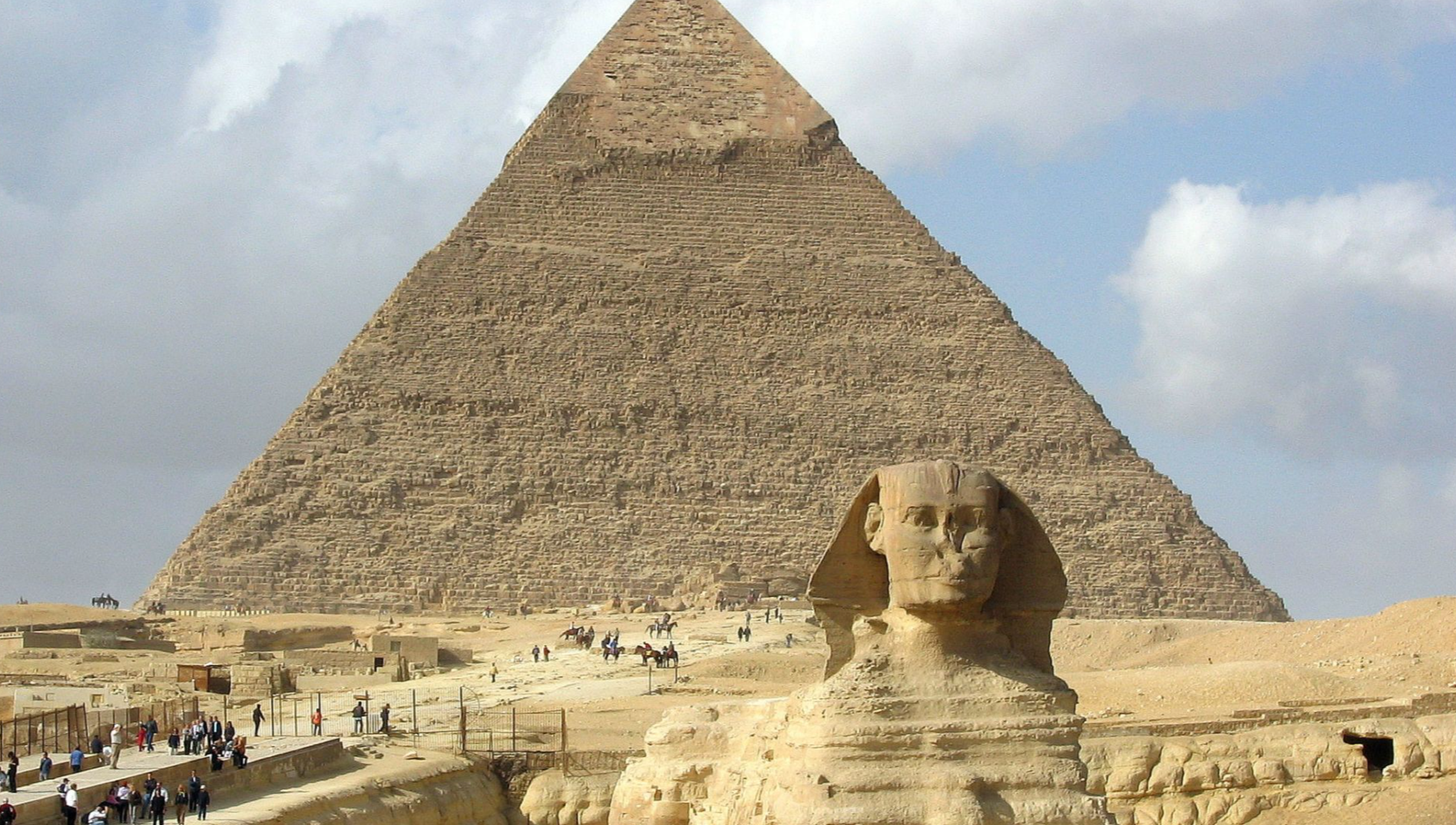
A researcher noticed the triangular shapes looked oddly familiar—like the Great Pyramids of Giza. Not just in shape, but in how three of them seemed positioned together. That single comment sparked a wildfire of debate, questioning everything historians thought they knew about ancient timelines.
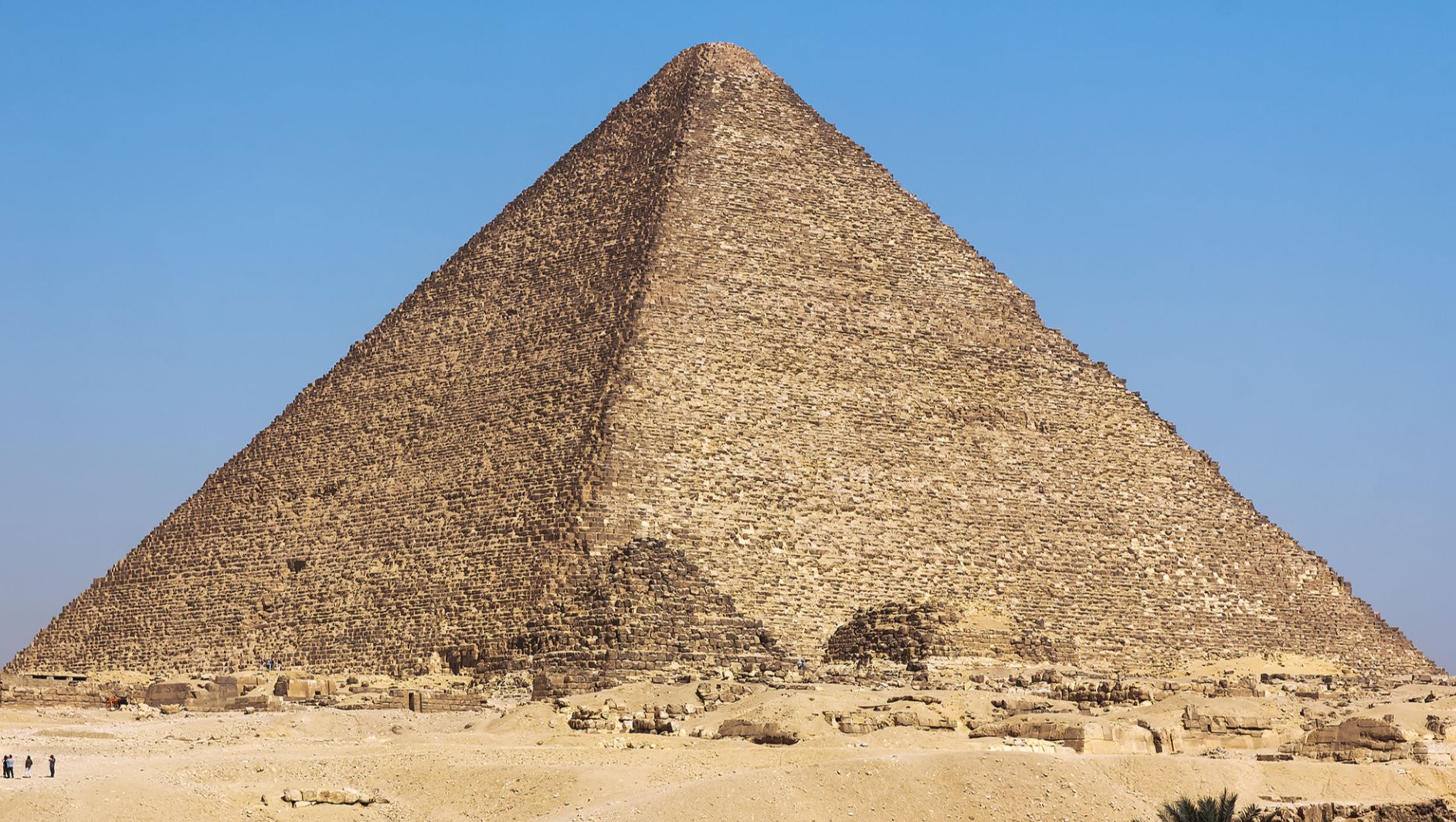 Douwe C. van der Zee, Wikimedia Commons
Why That Idea Turned Heads Fast
If those carvings really showed pyramids, it would mean someone carved them over 1,000 years before the real pyramids were built. That’s a massive claim. It would challenge Egypt’s history, prompt timeline reviews, and encourage scholars to rethink what early Nubians actually knew.
 Most likely Hamish2k, the first uploader, Wikimedia Commons
Experts Took A Closer Look At The Design
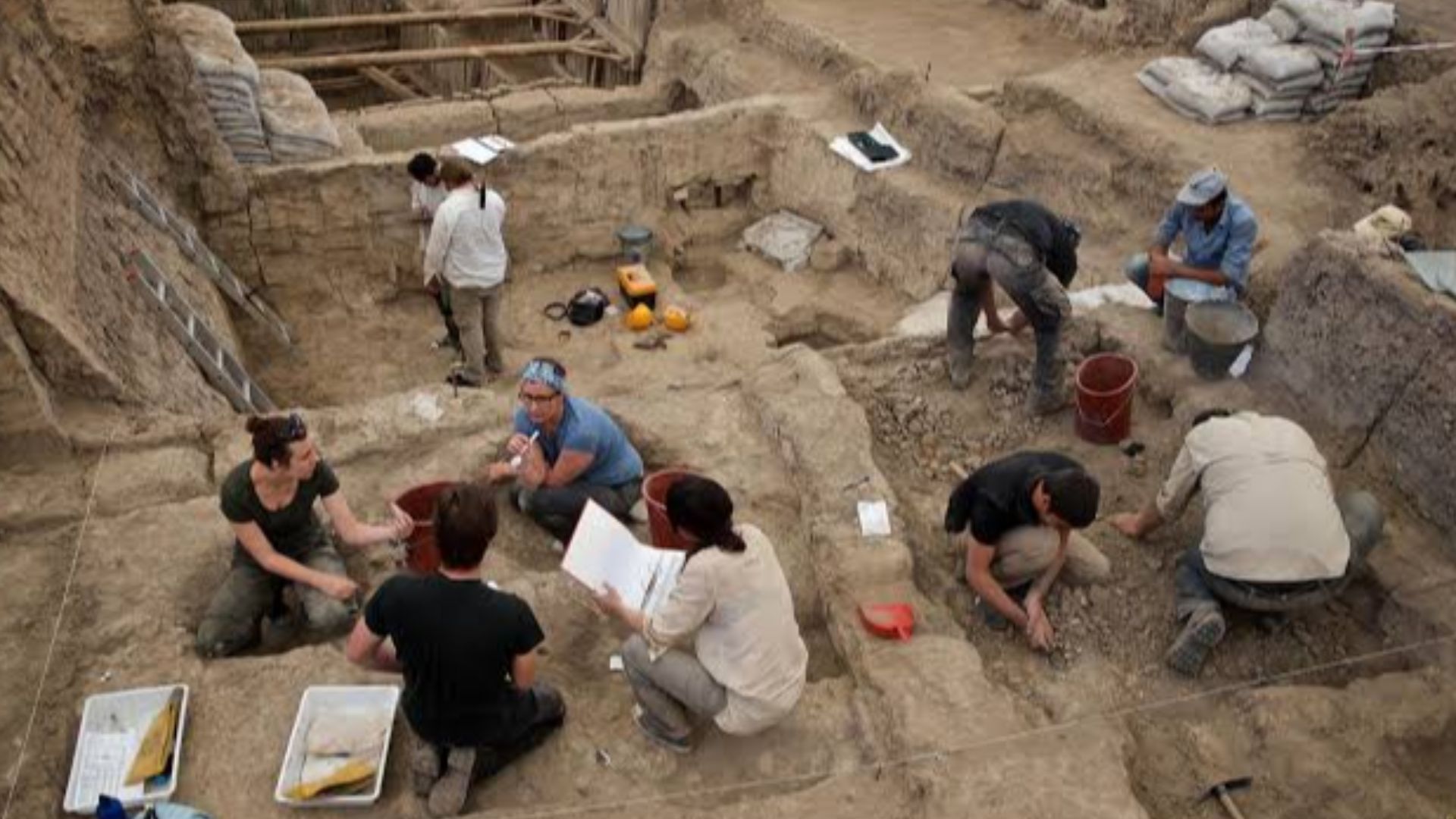
Archaeologists returned to the egg, this time with sharper tools and a skeptical eye. They studied the angles and spacing, hoping for clarity. Some believed the triangles were just abstract symbols. Others weren’t so sure. Either way, the egg wasn’t giving up its secrets easily.
Some Said The Triangles Meant Mountains
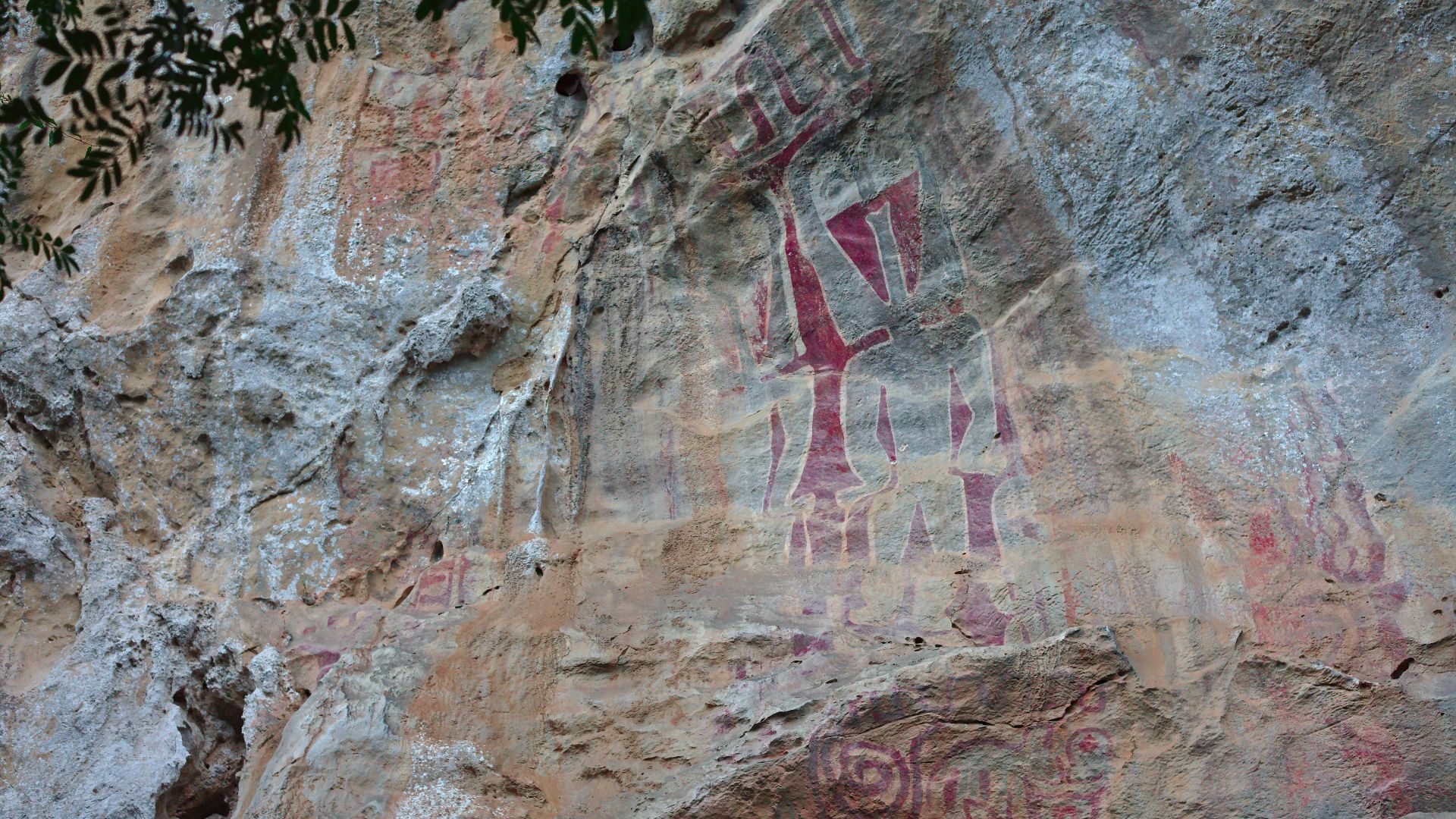
Not everyone bought the pyramid theory. Some archaeologists argued that triangle shapes weren’t unusual in prehistoric art. They suggested the carvings could represent mountains or natural features familiar to the carver. The theory didn’t make headlines, but it lined up with older interpretations.
Symbols Meant Different Things Back Then
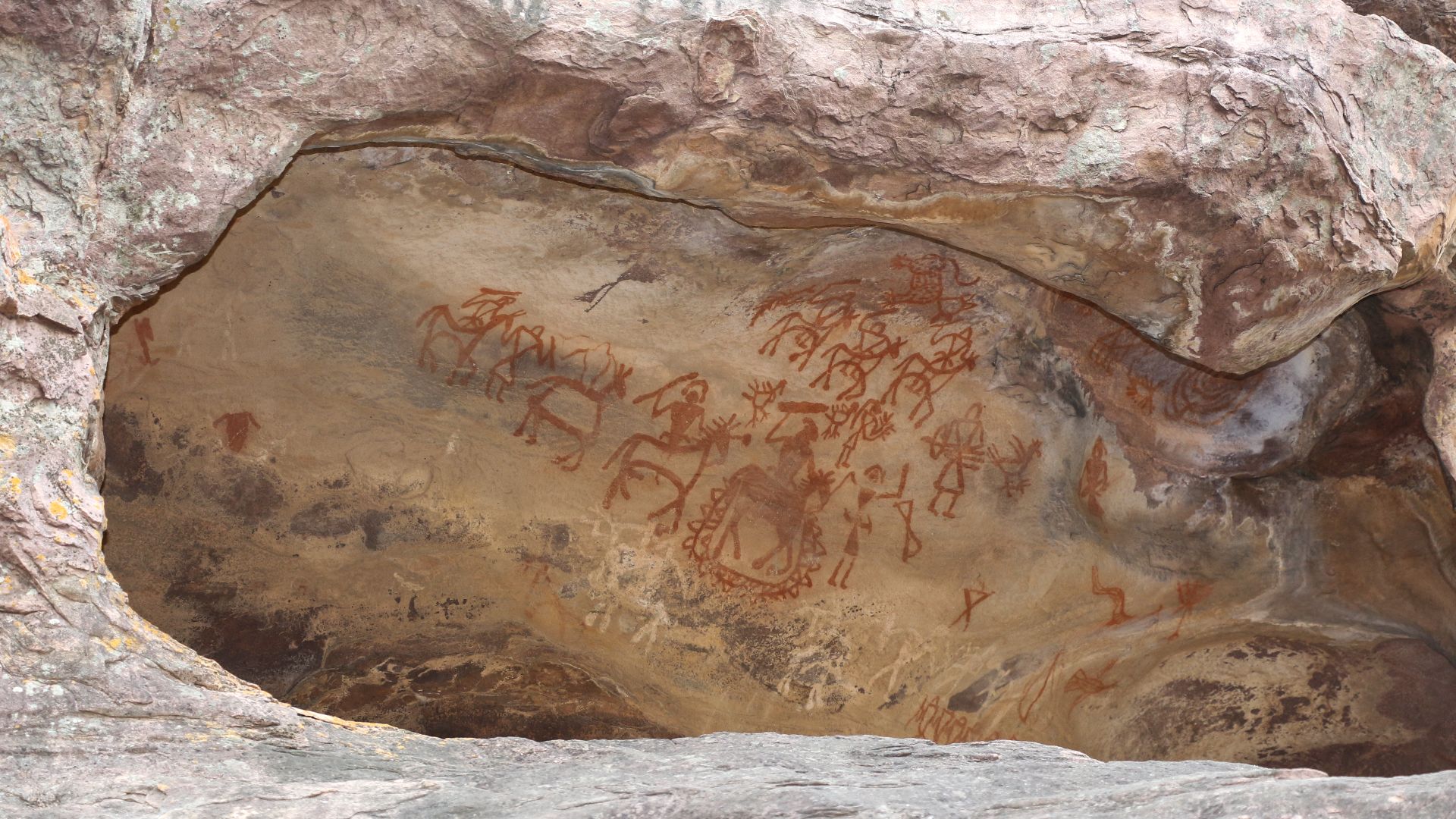
In ancient times, a triangle didn’t always mean what we think it means now. Without written language, people used shapes to express ideas we might never fully decode. What looks like a pyramid to us might have meant shelter or something spiritual to them.
 Bernard Gagnon, Wikimedia Commons
A Lot Can Happen In 2,000 Years
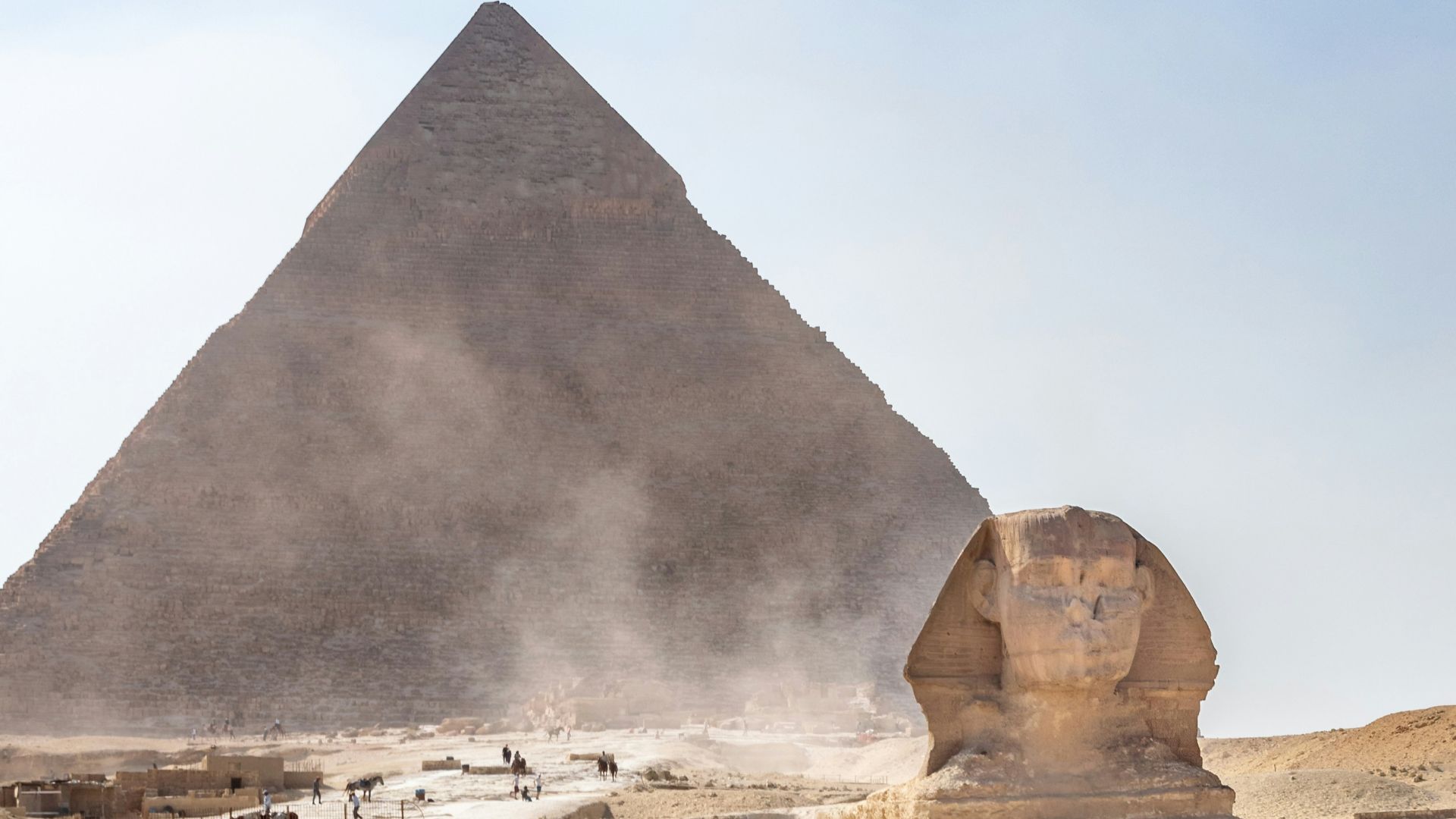
The pyramids of Giza weren’t built until around 2580 BCE. That’s over a thousand years after the egg was carved. Suggesting the egg shows those structures means accepting that someone predicted or imagined something that hadn’t yet been built. It’s a bold leap.
The Oldest Pyramid In Egypt Came Later
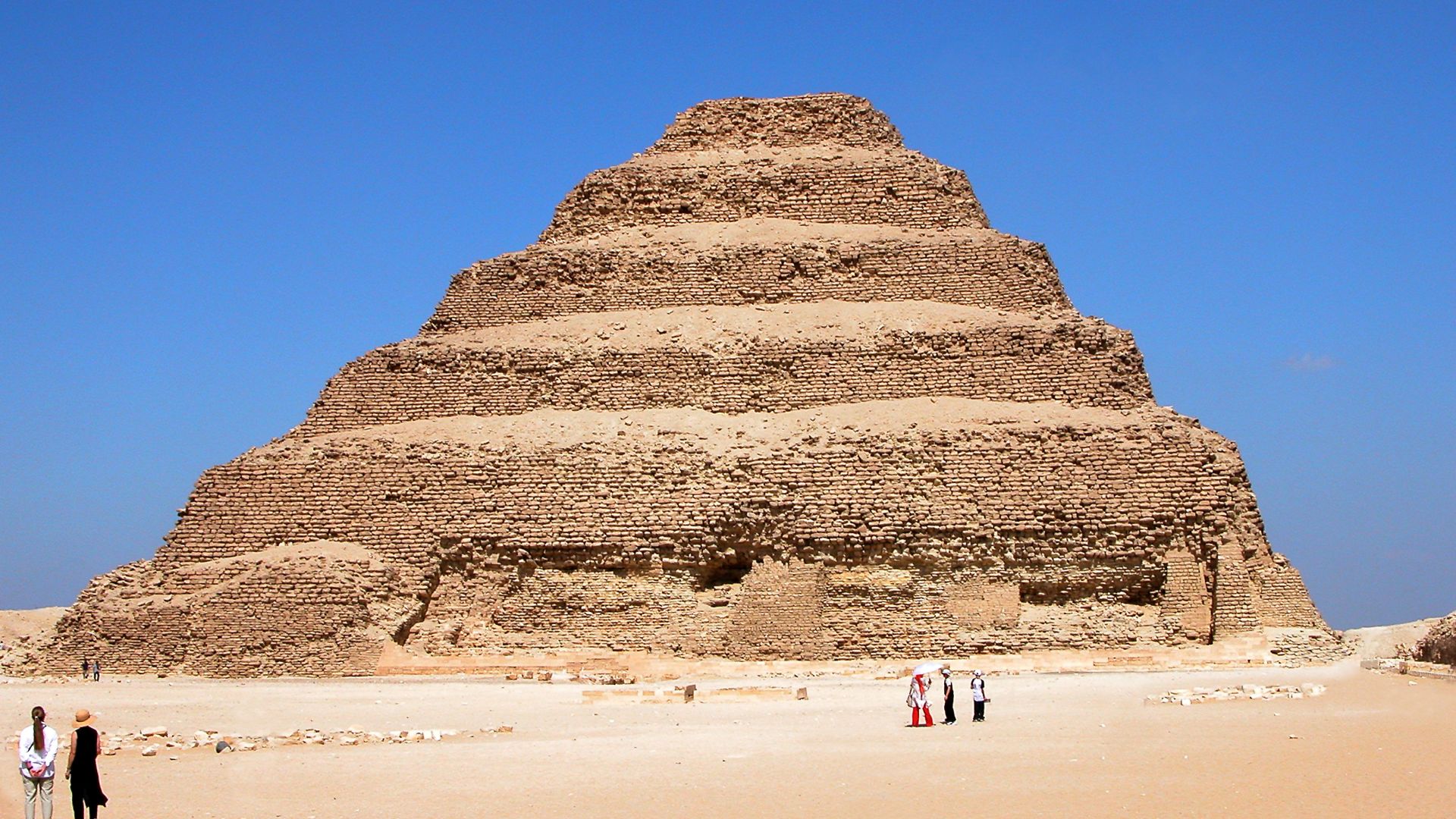
The earliest confirmed pyramid in Egypt is the Step Pyramid of Djoser, built during Egypt’s Third Dynasty. That was about 4,700 years ago. If the Nubian egg really showed pyramids, it would mean they existed centuries earlier than even that—something no physical evidence supports.
 Dennis G. Jarvis, Wikimedia Commons
Could The Egg Be A Primitive Map?
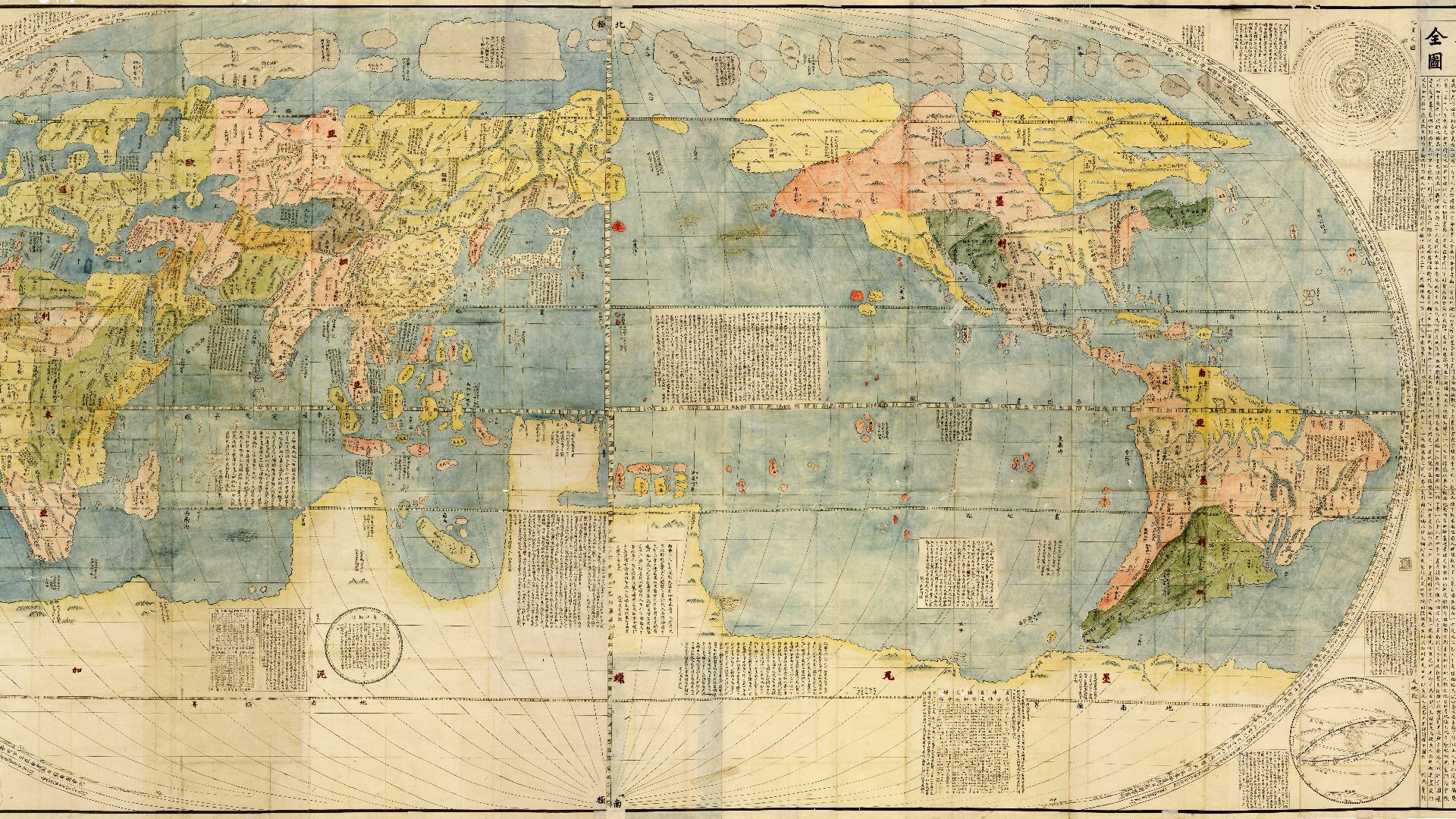
One theory suggests the carvings weren’t pyramids or mountains, but something entirely different—a map. Maybe the lines showed a river, and the triangles marked nearby settlements. If true, it could be one of the oldest known attempts to show the world from memory.
 Matteo Ricci, Wikimedia Commons
The Nile May Have Been Carved Onto The Egg
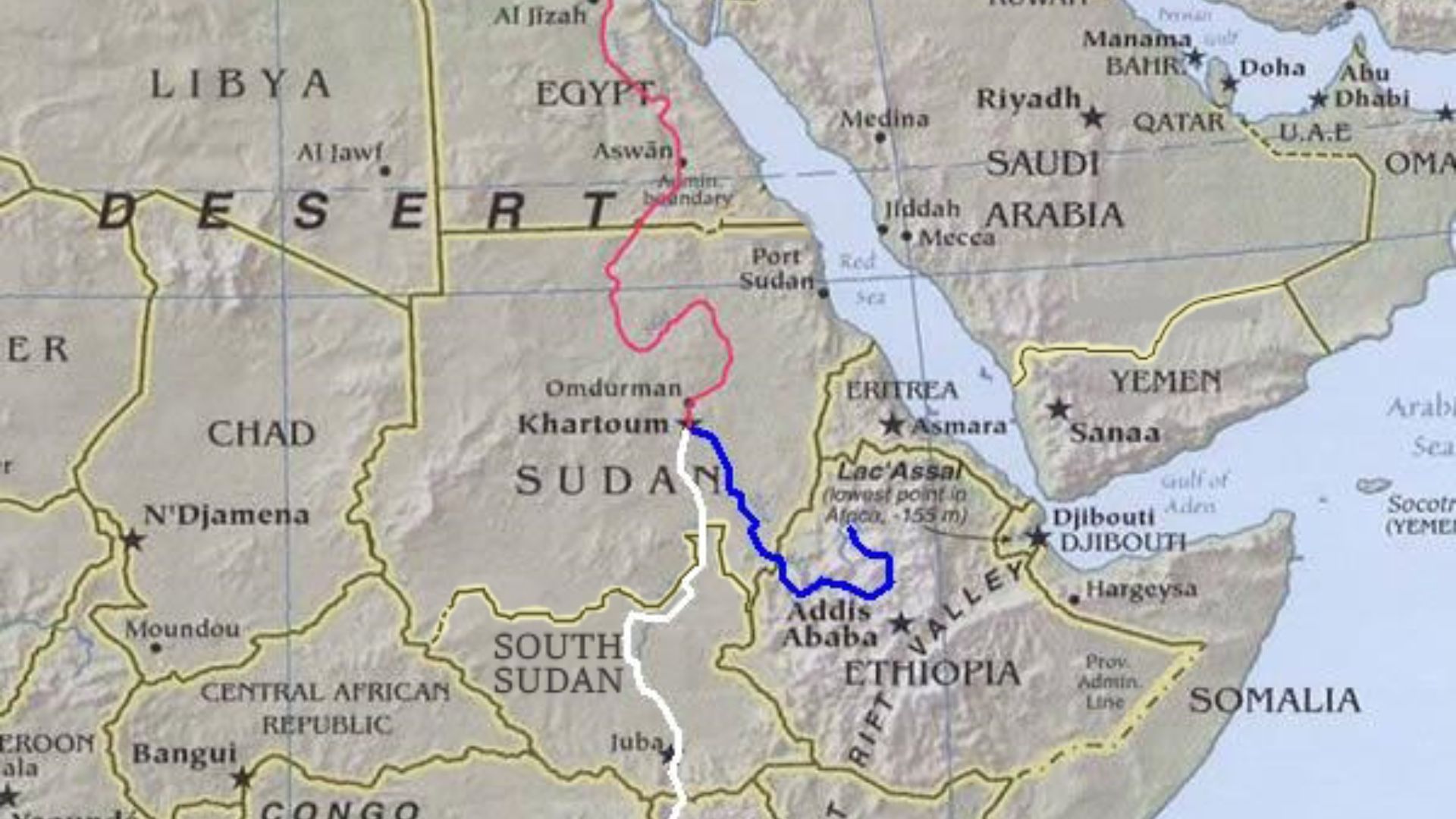
Some researchers noticed a long, curved line running across the shell. They wondered if it represented the Nile River, which was central to life in ancient Nubia. If the egg showed the river, then maybe the surrounding triangles marked important places along its path.
 The original uploader was DanMS at English Wikipedia., Wikimedia Commons
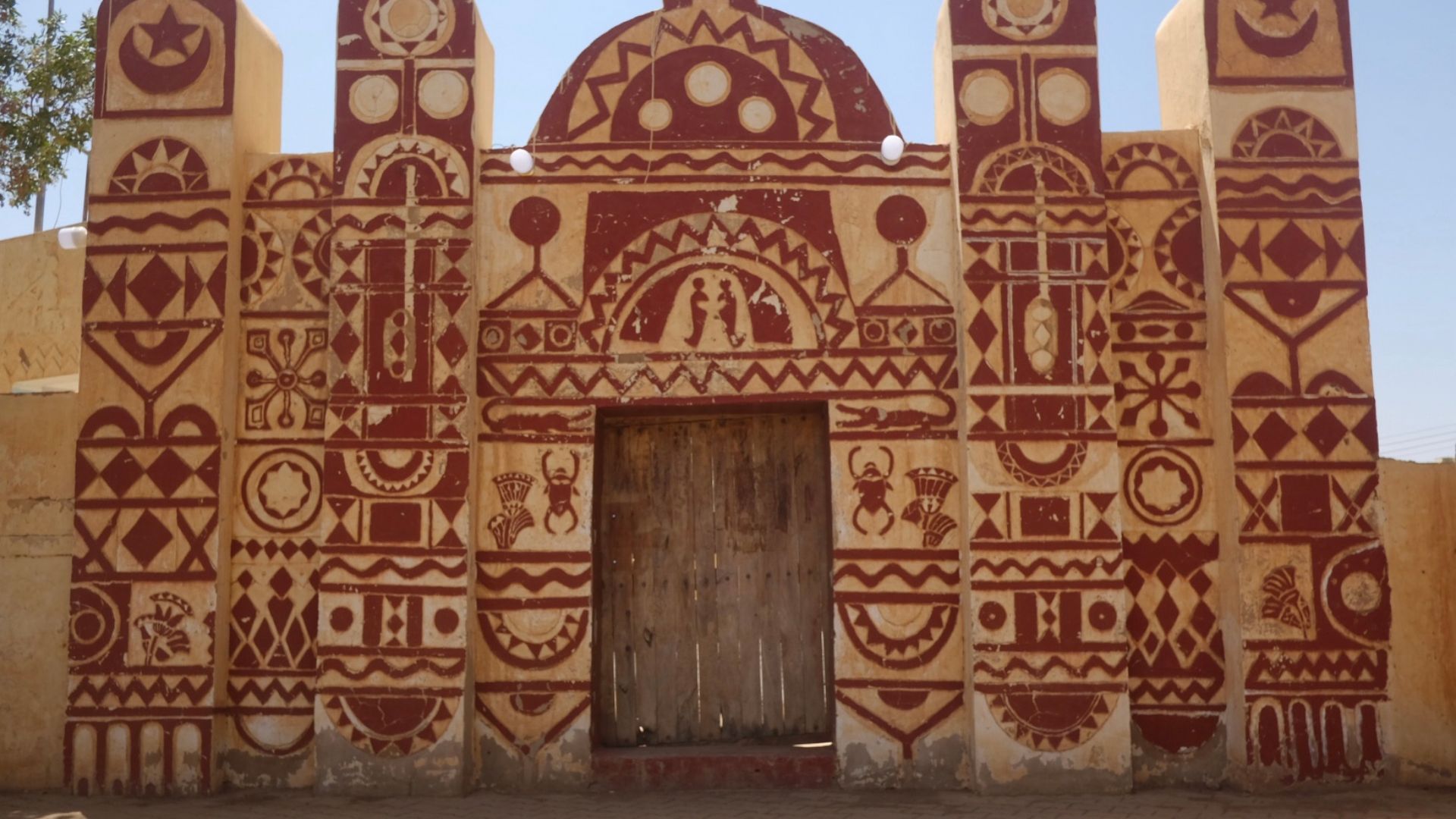
Nubian Art Had Its Own Style And Symbols
Ancient Nubian art was different from what we associate with later Egyptian styles. It featured geometric patterns and abstract shapes carved into pottery, tools, and jewelry. The egg’s carvings may follow that same tradition—meant to communicate, but not meant to be realistic.
 Ola A .Alsheikh, Wikimedia Commons
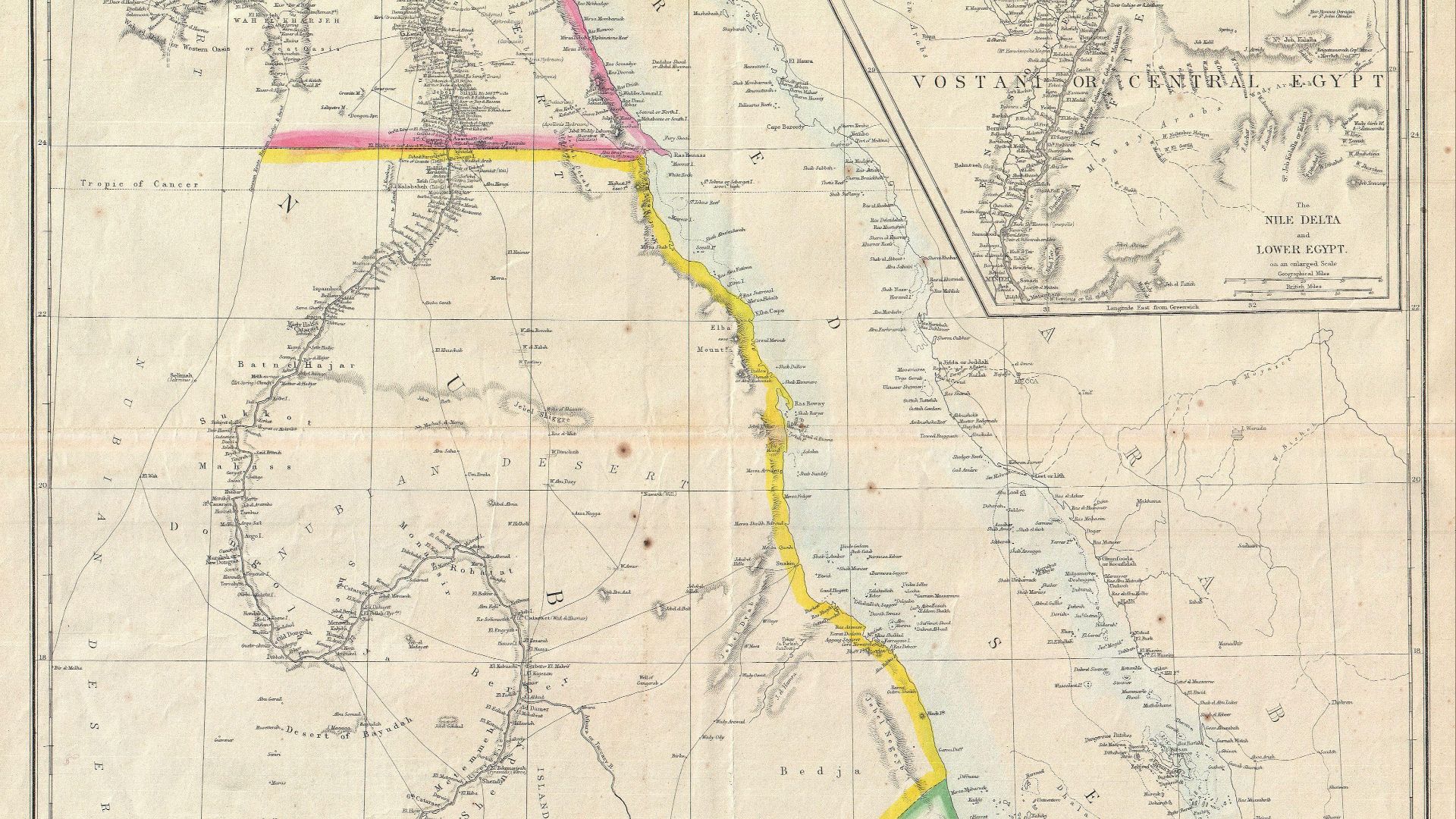
Egypt And Nubia Had A Complicated Relationship
Centuries later, Egypt and Nubia would trade, fight, and even rule over each other. But back when the egg was carved, they were just two early cultures finding their place. Nubia wasn’t copying Egypt. It was developing its own rich identity and beliefs.
 http://www.geographicus.com/mm5/cartographers/dispatch.txt, Wikimedia Commons
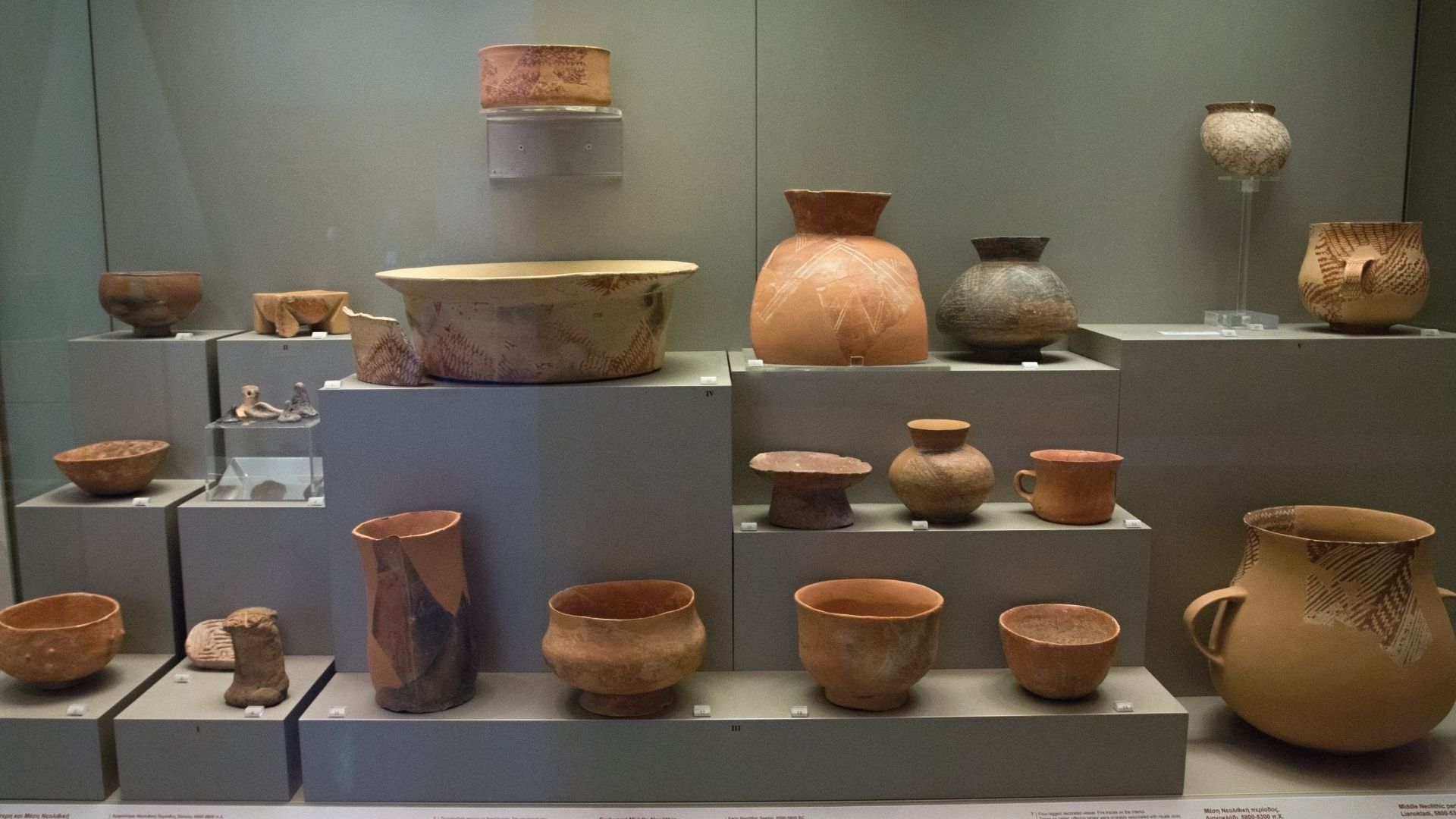
The Egg Is Still Holding Onto Its Secrets
Despite all the research and debate, no one knows for sure what the carvings mean. The egg remains on display, protected in a museum, as one of the oldest carved artifacts from the region. People still come to see it and wonder what it’s really saying
.
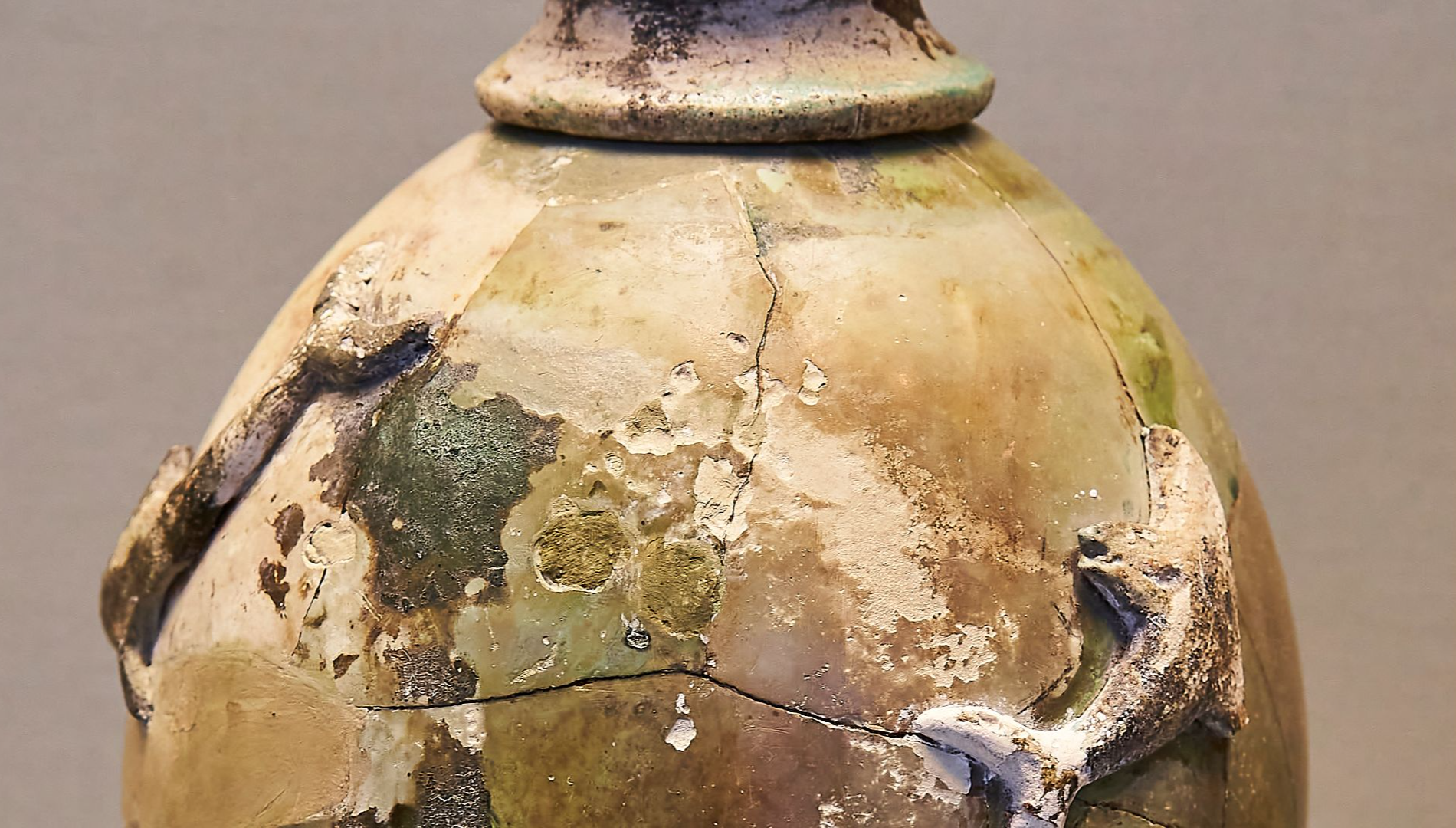
Then The Internet Got Involved
Years after the egg was first studied, photos of it began spreading online. People zoomed in on the carvings and started posting bold claims. Some insisted it was undeniable proof that ancient people knew about the pyramids long before history says they were built.
 George E. Koronaios, Wikimedia Commons
Fringe Theories Took Off With No Evidence
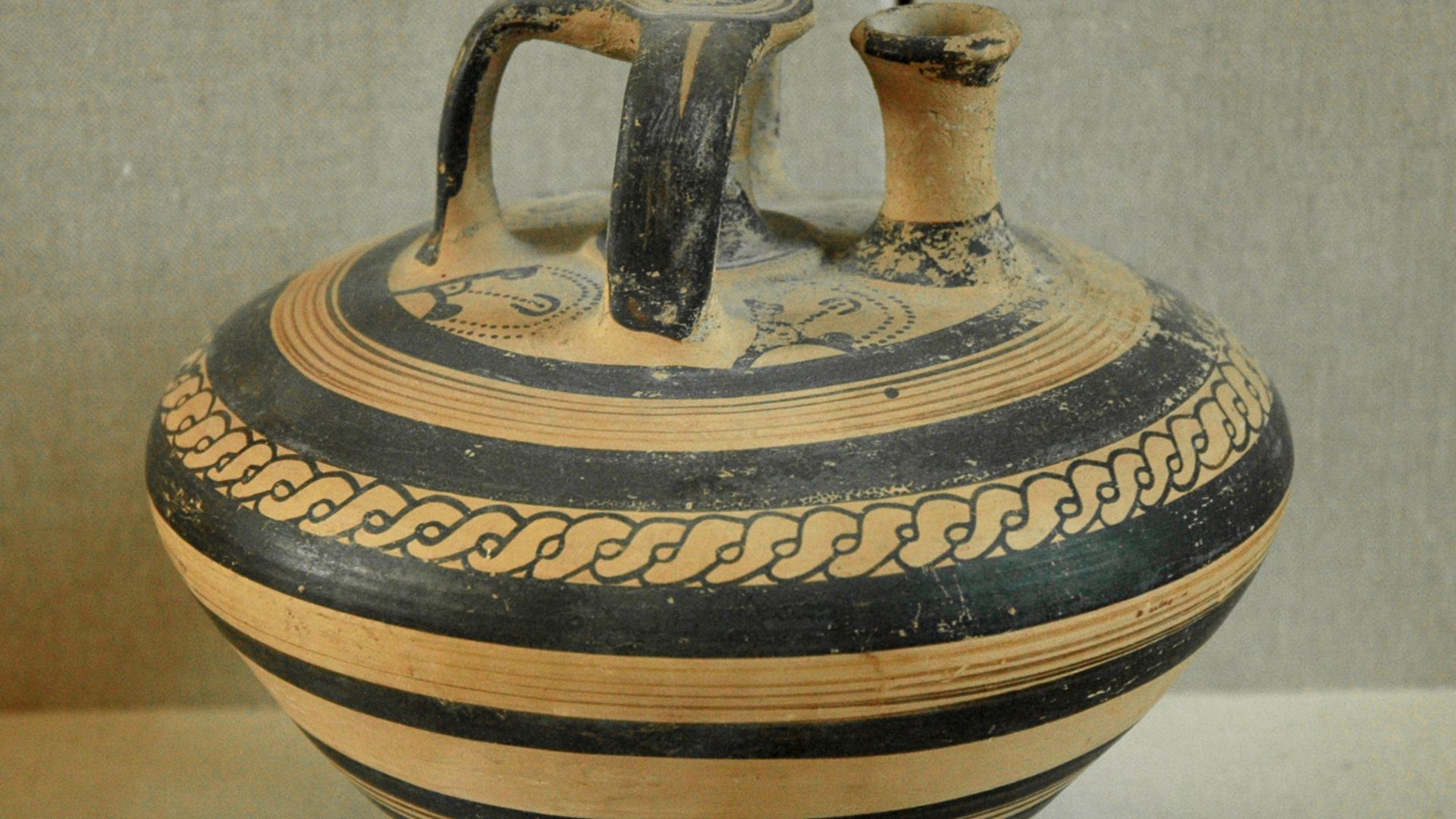
Some people claimed the egg was linked to aliens, time travel, or a forgotten super-civilization. These ideas had no supporting evidence, but they sounded exciting. And in the age of algorithms, exciting often travels farther than accurate, especially when the artifact looks so mysterious.
 Unknown artistUnknown artist, Wikimedia Commons
Real Archaeologists Spoke Up
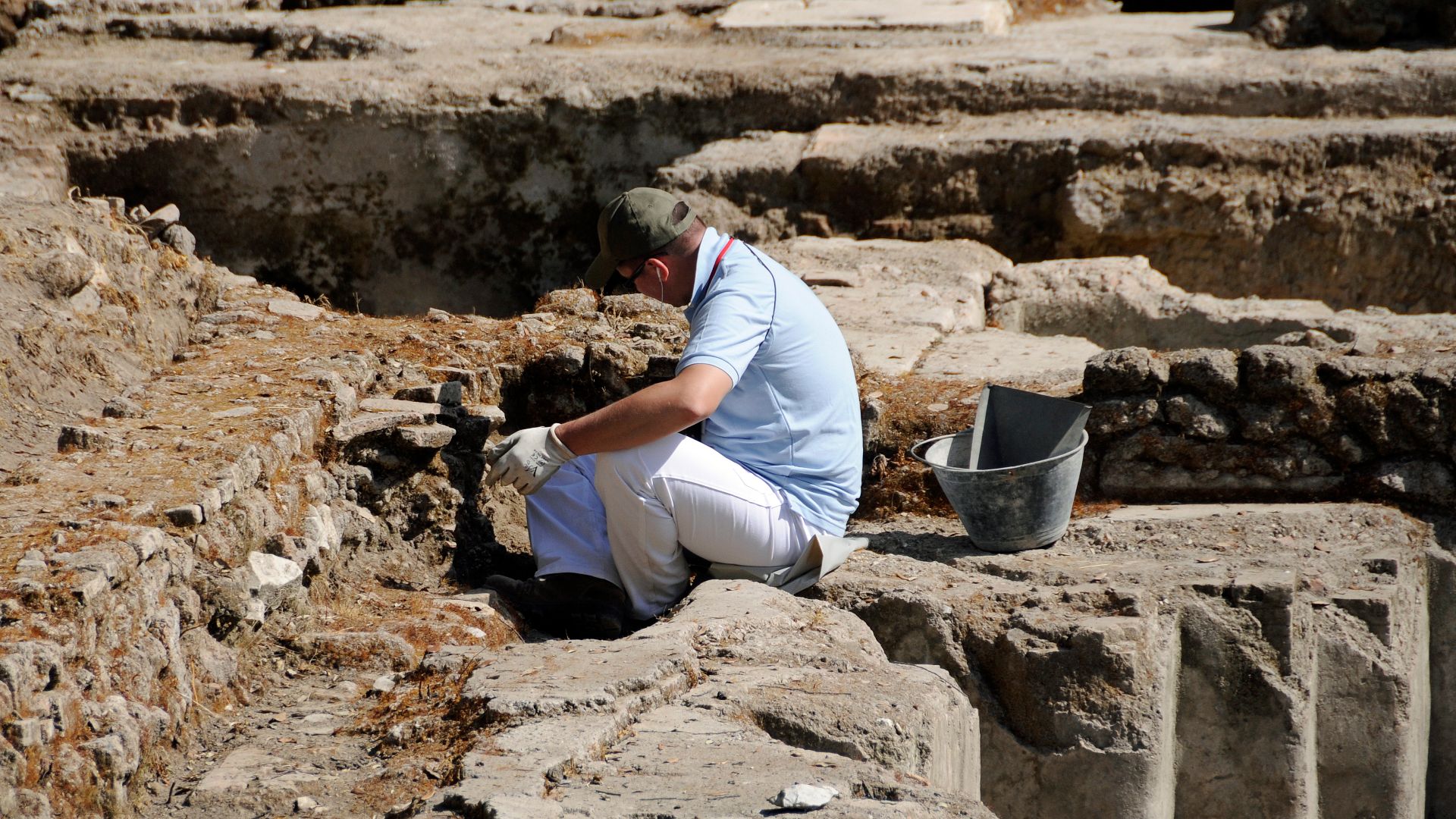
Experts who had studied the egg for decades reminded the public that ancient art often used simple shapes. They pointed out that triangles appeared in many prehistoric cultures and didn’t always mean pyramids. The egg was impressive, but not a glimpse into the future.
 Son of Groucho from Scotland, Wikimedia Commons
Why This Happens Again And Again
Every few years, an old artifact sparks a new wave of wild theories. People are drawn to mysteries, especially when they challenge accepted history. The Nubian egg became the latest in a long line of discoveries that stirred imaginations far beyond the evidence.
 Roger from Derby, UK, Wikimedia Commons
What The Egg Actually Proves
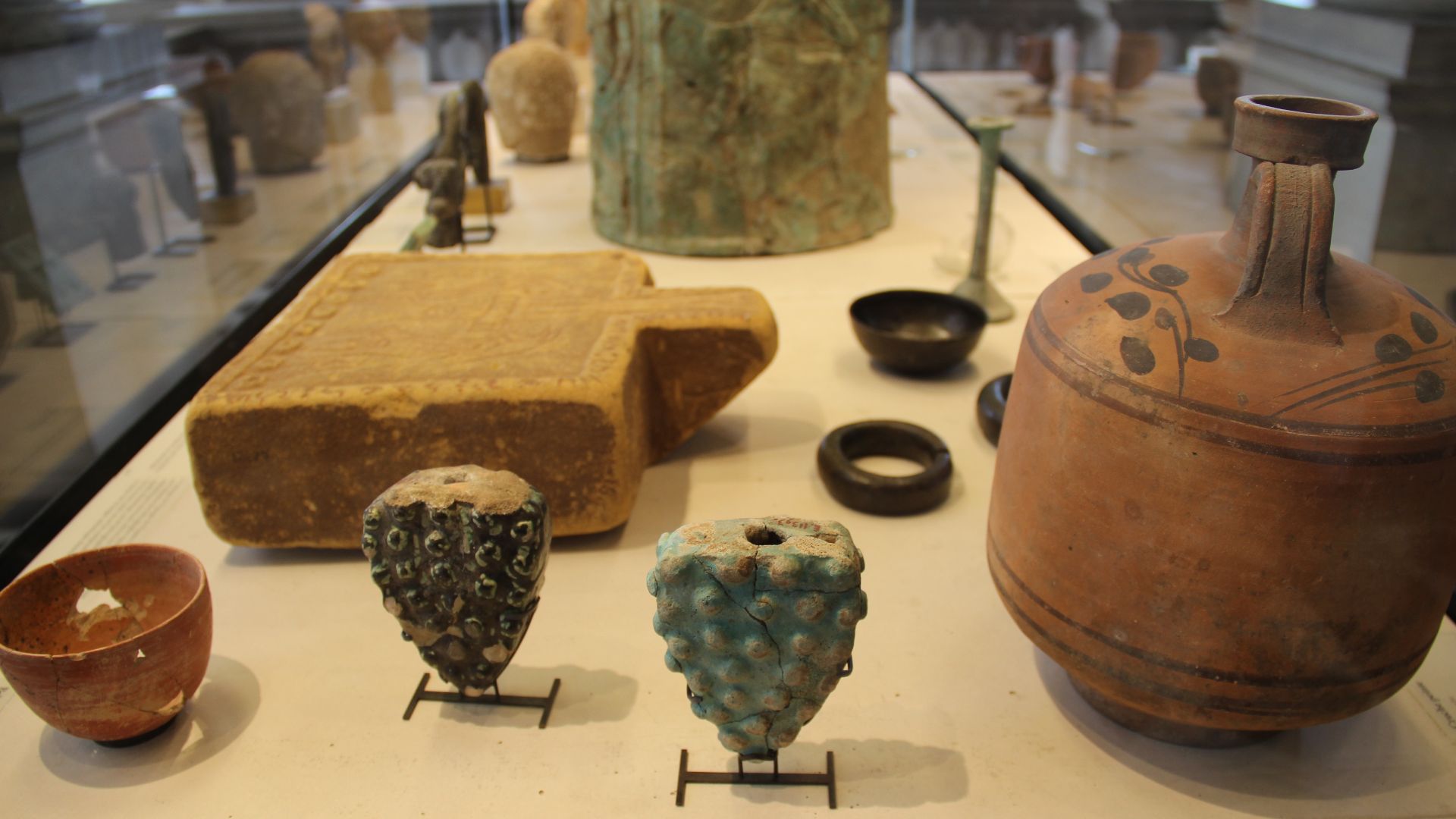
The carvings don’t prove anything supernatural or futuristic. But they do prove something remarkable: over 5,500 years ago, someone took the time to decorate an object with care. That alone shows creativity, belief, and a desire to be remembered long after death.
 Gary Todd from Xinzheng, China, Wikimedia Commons
The Past Isn’t Finished Yet
Discoveries like the Nubian egg remind us that history is always expanding. Every object we unearth has the power to shift what we think we know. The past isn’t frozen—it’s full of surprises, waiting quietly beneath the surface for someone to start asking new questions.
 Tadeusz Biniewski, Wikimedia Commons