
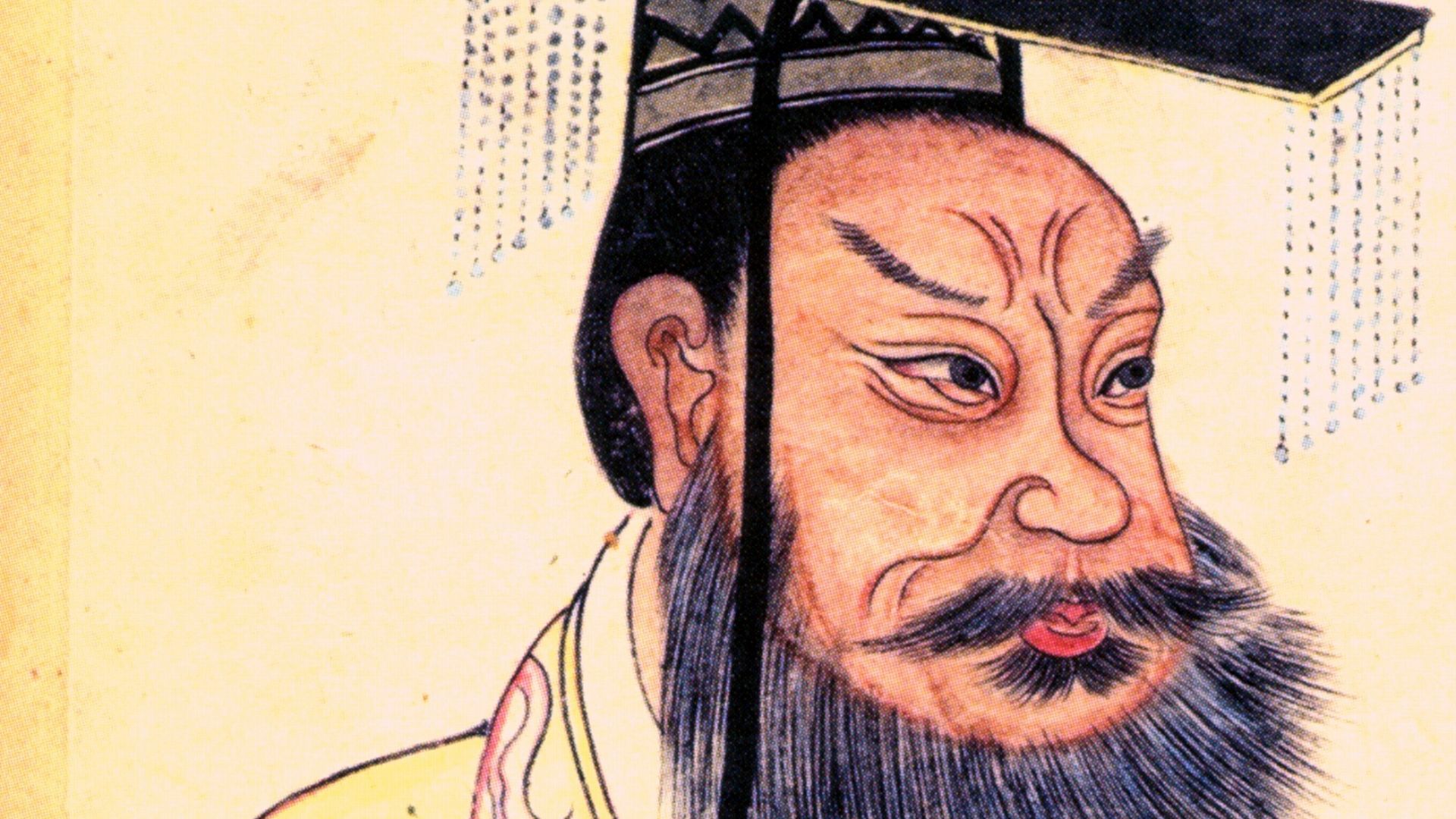
 Anonymous artist of the Qing dynasty, Wikimedia Commons
When people picture the Great Wall of China, they often imagine stone fortifications snaking over mountains north of Beijing. A quiet discovery in Shandong Province has rewritten that timeline. Archaeologists uncovered a rammed earth wall predating the Qin Dynasty’s famous unification by about 300 years, reshaping how scholars understand China’s earliest defenses and who first began building them. The find also highlights how regional powers experimented with protective strategies long before a centralized vision existed. It’s an inventive beginning to China’s known border-building traditions.
The Wall Before The Great Wall
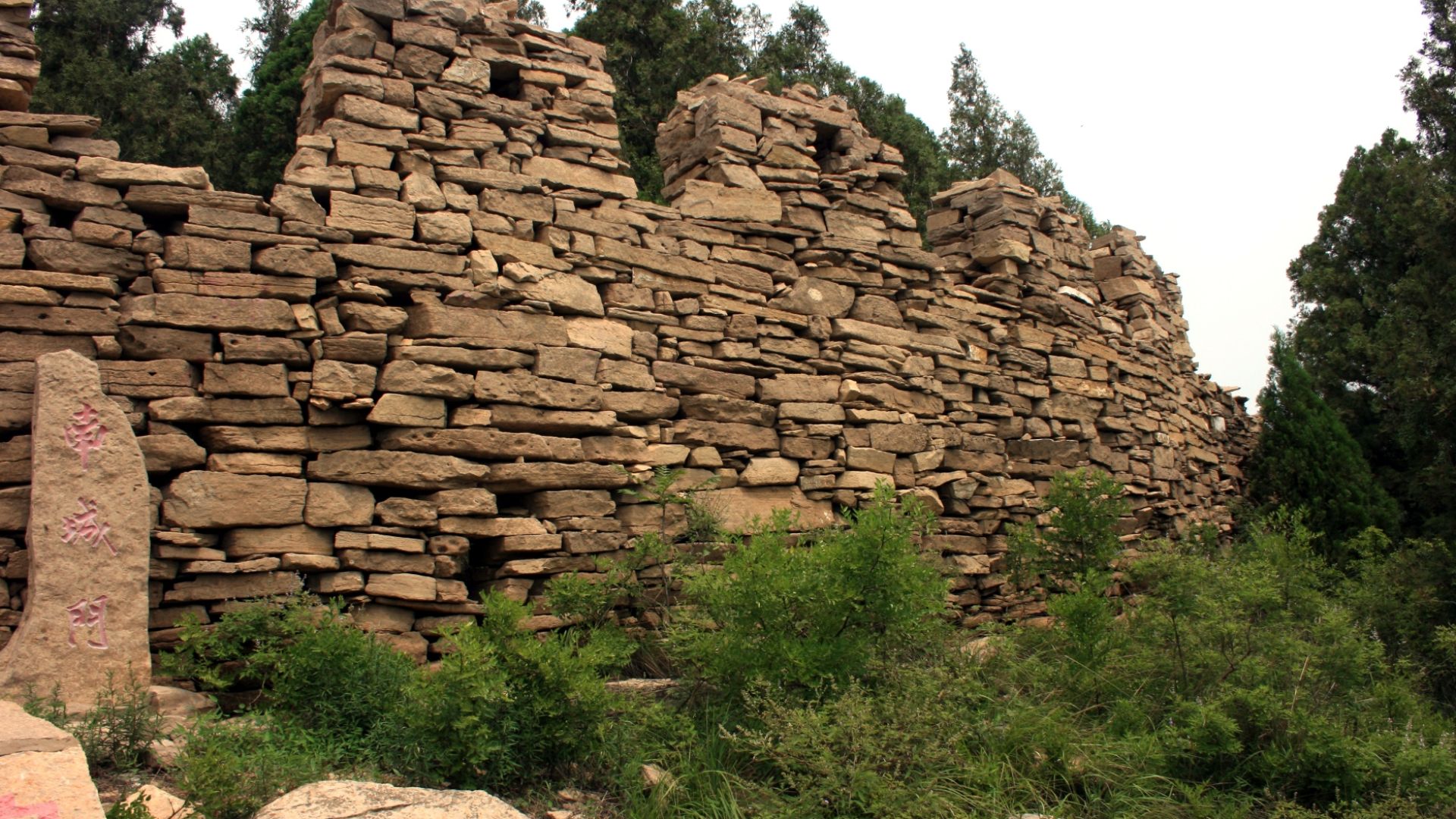
Near Linzi in Shandong, once the capital of the ancient Qi state, excavations revealed a long stretch of compacted earth running east to west. Dating tests and pottery fragments place its construction around the seventh century BC, centuries before Qin Shi Huang unified China in 221 BC. Unlike later stone walls, this barrier was built from local soil layered and tamped into a dense structure. Its purposeful alignment suggests coordinated planning, with builders shaping terrain to control access points and create a defensive line that balanced speed, durability, and the political urgency then.
This structure likely stood around sixteen feet high, designed not for grandeur but for immediate protection against rival northern states. Its simplicity reflects a formative stage in military engineering when practicality mattered more than monumental scale. Archaeologists note that its preserved footprint reveals surprisingly consistent construction methods, implying a shared understanding of defensive design among workers. The wall’s uniform density also suggests that teams followed standardized techniques. The Qi leaders invested in training laborers to ensure the barrier held firm during conflict.
 Unknown (18??–18??), Wikimedia Commons
Qi State’s Strategy And Skill
Historical records describe the Qi state as one of the most prosperous of its age, fiercely protective of its fertile lands. The newly uncovered wall aligns with accounts of Qi’s early defenses built to shield territory from neighboring Lu and Jin. Its rammed soil, mixed with gravel and clay, offered durability with minimal resources. Experts also uncovered traces of nearby platforms that may have supported early watchtowers, and this suggests coordinated surveillance. These features point to a structured defense system in which Qi leaders monitored borders and adapted fortifications accordingly.
The wall’s composition and strategic placement reveal how seriously Qi approached border security. Rammed earth allowed rapid construction on short notice, letting officials respond quickly to emerging threats without relying on distant quarries. Over time, erosion softened the barrier’s edges, but its alignment remains strikingly straight. This precision was both an engineering skill and a political message signaling Qi’s control over contested ground. The wall’s visibility across open terrain would have reminded others that Qi possessed the organization and the will to defend its agriculture.
Redefining The Wall’s Origins
Before this discovery, scholars believed the Great Wall’s earliest segments appeared during the Warring States Period, around the fifth century BC. The Shandong evidence now pushes that origin back to roughly 2,700 years ago. This shift reframes the Great Wall as a mosaic of regional defenses, each created to address local conflicts. Back then, early border building was more a series of responses to immediate pressures. Its age highlights how independent states experimented with land engineering long before later dynasties fused scattered barriers into a singular symbol of national strength.
Each layer of pressed earth carries clues about the people who built it. The Shandong segment shows how early engineers shaped local soil into a dependable barrier, creating a foundation for later architectural advances. Its survival illustrates the effectiveness of simple materials used with discipline and intention. Archaeologists emphasize that such early structures reveal experimentation rather than imitation. Regional builders tested methods suited to their terrain, and these findings remind researchers that innovation often begins in small, practical steps that accumulate into traditions.
History still hides in unexpected places, sometimes beneath quiet farmland instead of dramatic ridgelines. The Shandong discovery shows that even the grandest landmarks begin as practical solutions to danger, built by ordinary hands securing their community’s future. By revealing how early states shaped defenses long before unification, the find encourages a broader understanding of China’s past. It reminds us that major achievements grow from modest beginnings, and that careful excavation can restore missing chapters in stories we assume are already complete.
 Rolfmueller, Wikimedia Commons