The Pattern Keeps Repeating
For thousands of years, great civilizations seemed permanent—right up until they weren't. Nearly every civilization that collapsed believed it would somehow avoid the fate of those that came before it. Now, scientists studying these collapses are saying that we could be next. And it could happen sooner than we think...

History's Greatest Mystery
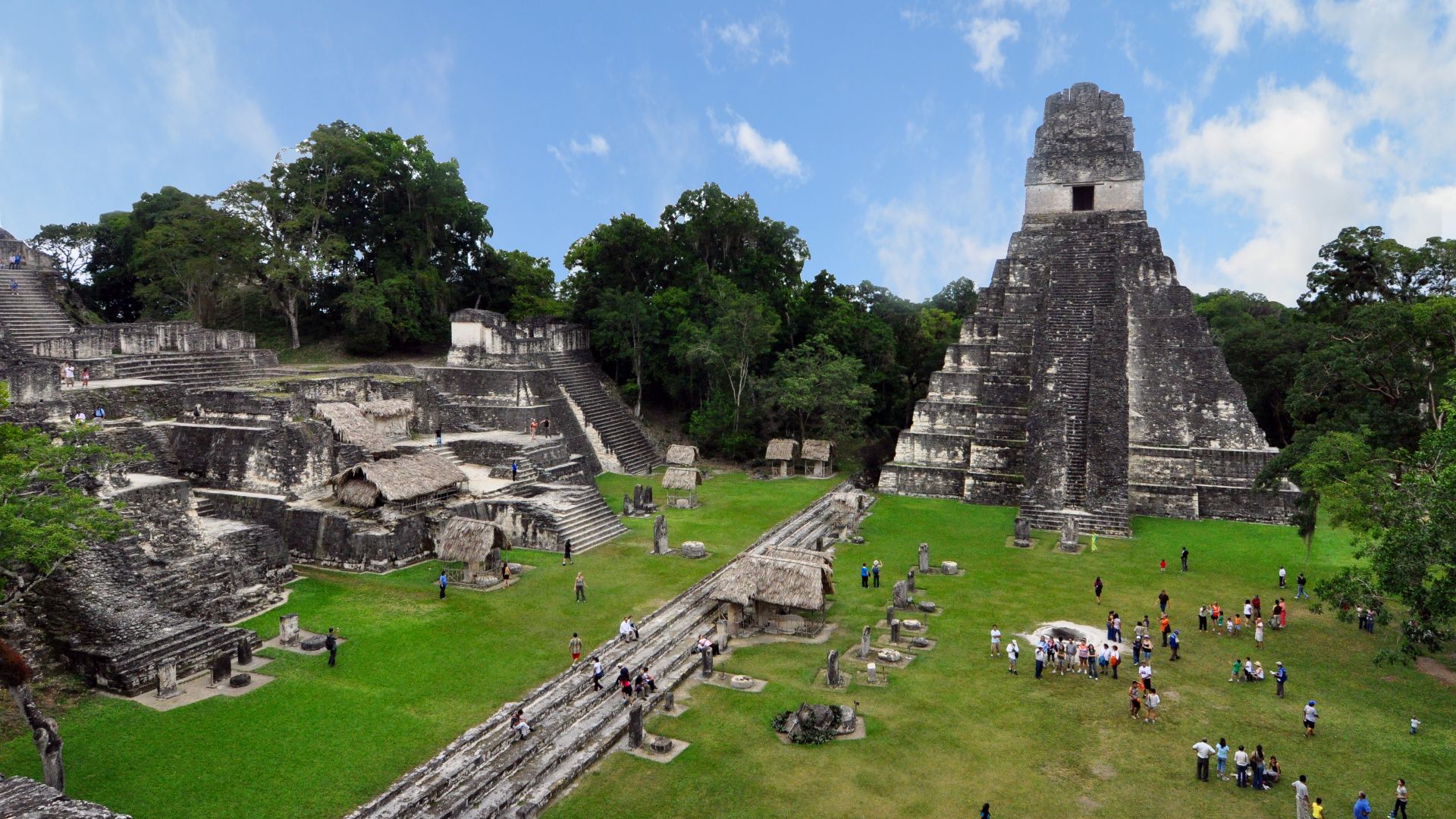
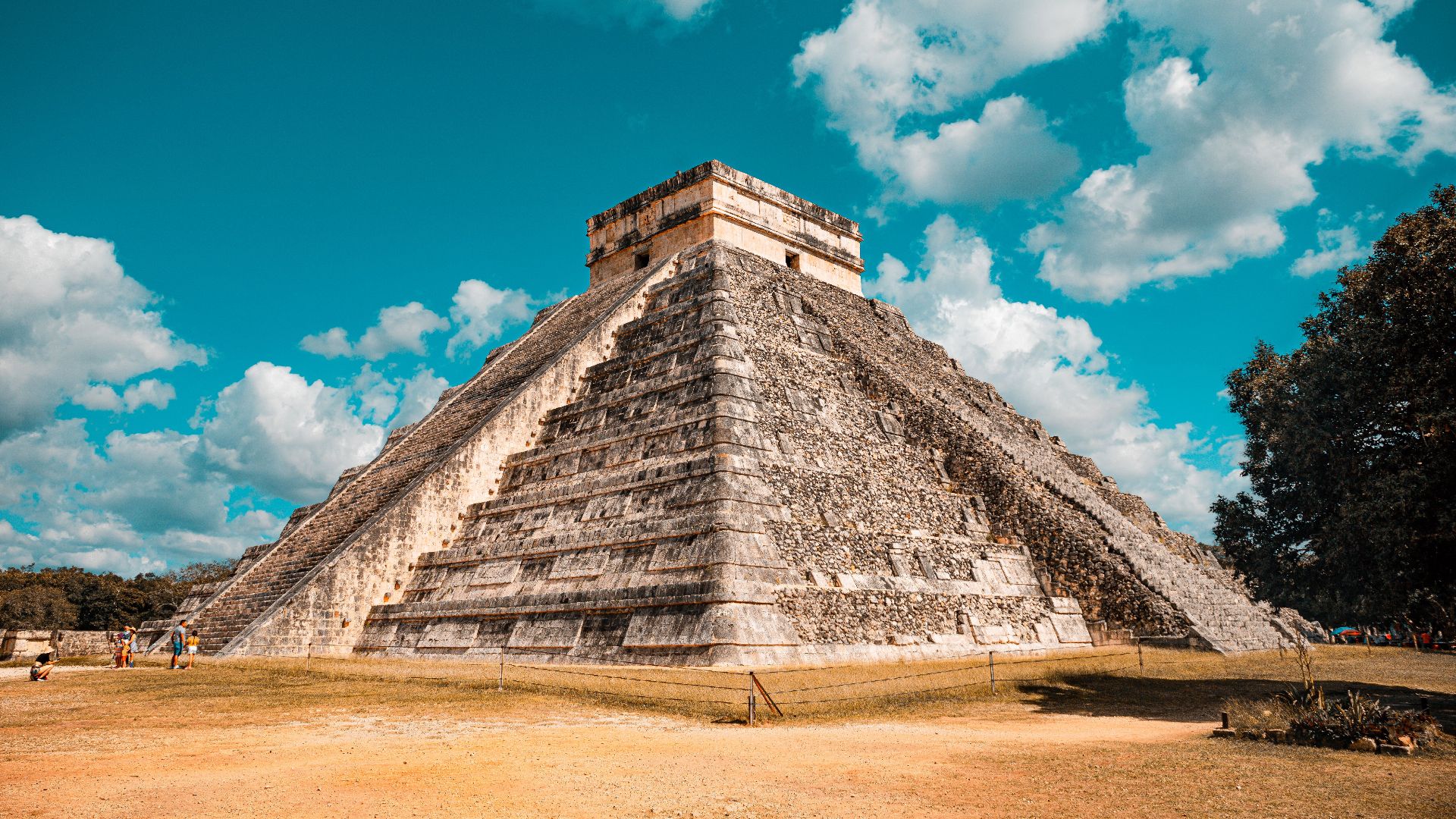
One question has fascinated historians for generations: how do powerful civilizations suddenly disappear? Rome dominated much of the known world. The Maya built incredible cities. Mesopotamia helped create civilization itself. Yet all of them eventually entered periods of decline that changed history forever.
The Answer Wasn't What Researchers Expected
For years, many people assumed collapsed civilizations were brought down by one catastrophic event. A war. A plague. An invasion. A natural disaster. But when researchers started comparing ancient collapses side by side, a very different picture began to emerge.
 Teomancimit, Wikimedia Commons
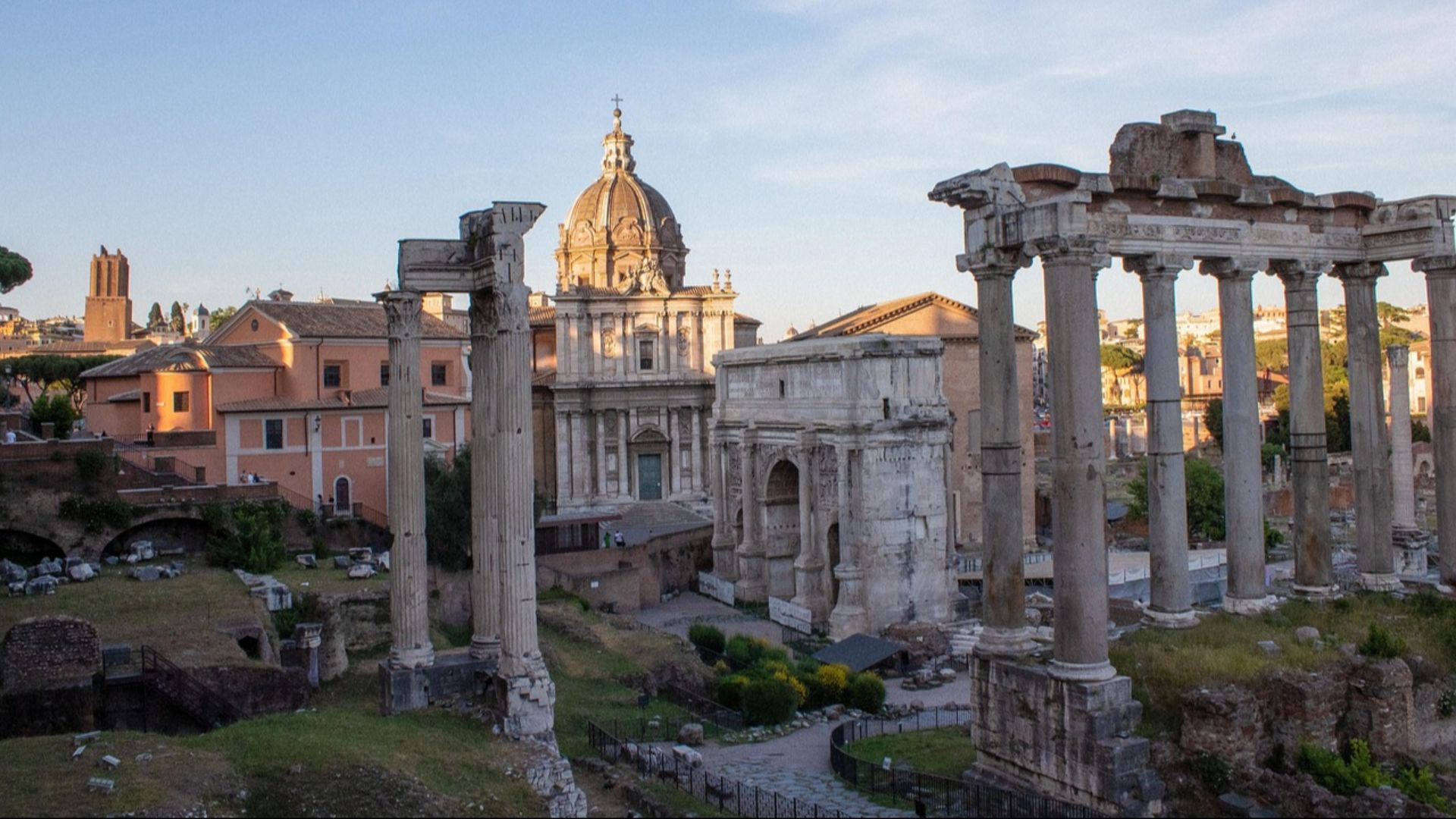
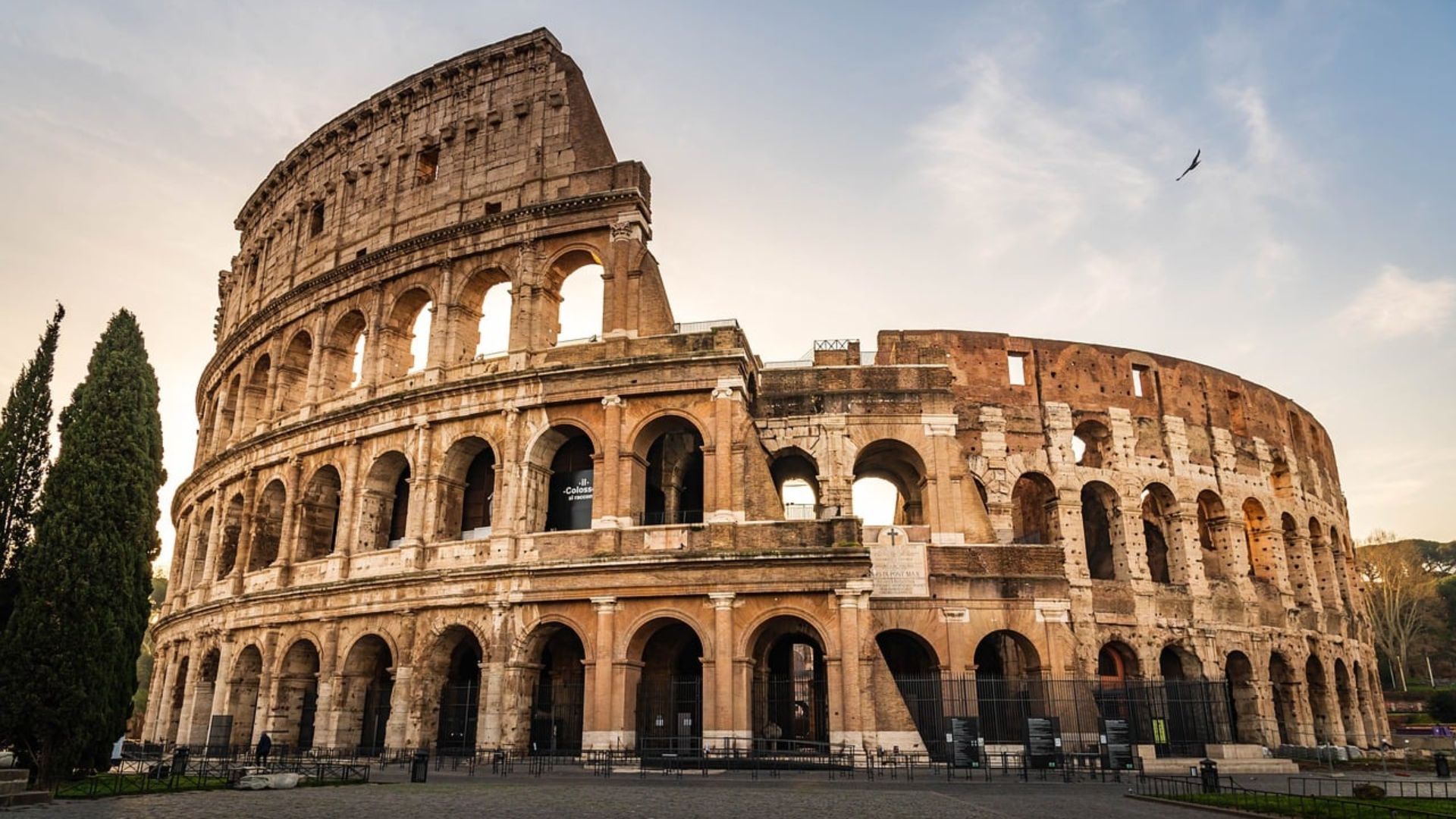
Rome Wasn't Supposed To Fall
At its peak, the Roman Empire looked unstoppable. The same could be said of the Classic Maya city-states centuries later. Yet both eventually entered periods of decline that researchers now believe shared surprising similarities. That realization led scientists down a fascinating path.
That's When Scientists Started Connecting The Dots
The more civilizations researchers examined, the more they noticed a surprising trend. These societies looked very different on the surface, but many appeared to follow remarkably similar paths before things started going wrong.
It Was Rarely One Big Disaster
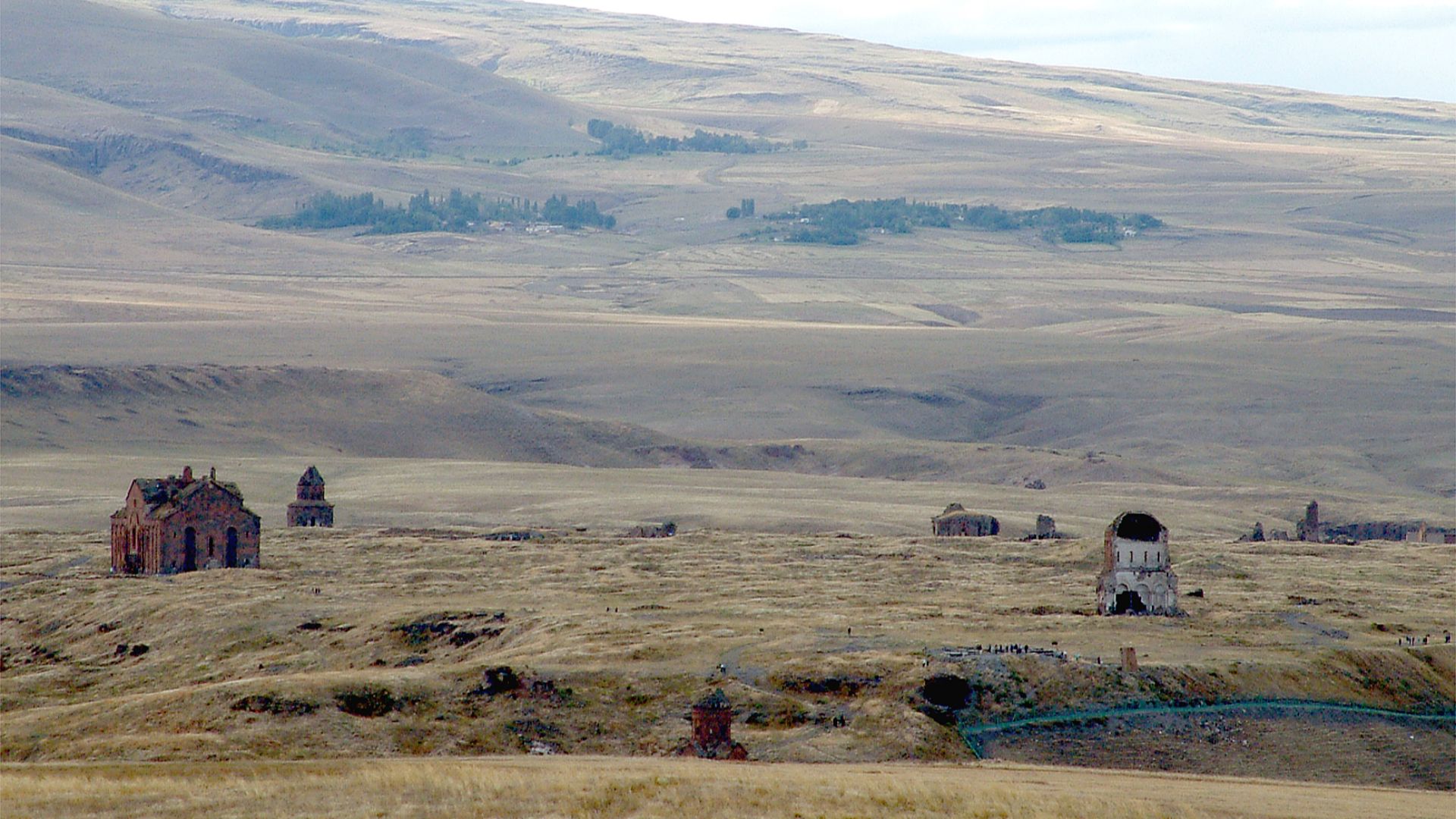
This may be the most important finding of all. Most civilizations didn't collapse because of a single event. They survived wars. They survived droughts. They survived economic crises. Trouble usually began when multiple problems started happening at the same time.
Resource Pressure Was Usually Near The Beginning
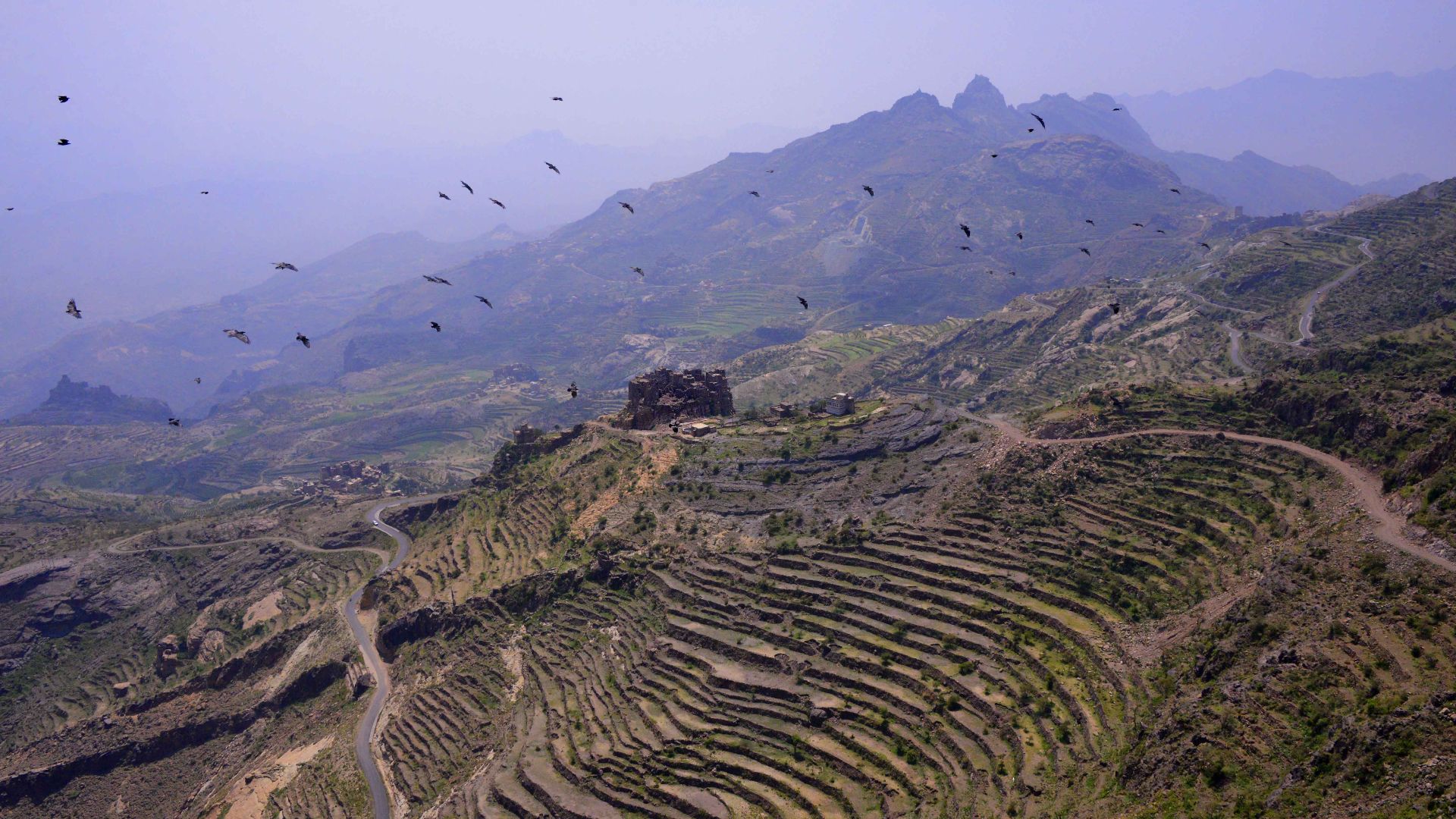
Growing populations, rising consumption, and increasing demands on food, water, energy, or trade networks appeared repeatedly in collapse research. Things often looked fine on the surface for years. The problems usually became visible only after the strain had already been building for a long time.
 Rod Waddington from Kergunyah, Australia, Wikimedia Commons
Then Environmental Stress Entered The Picture
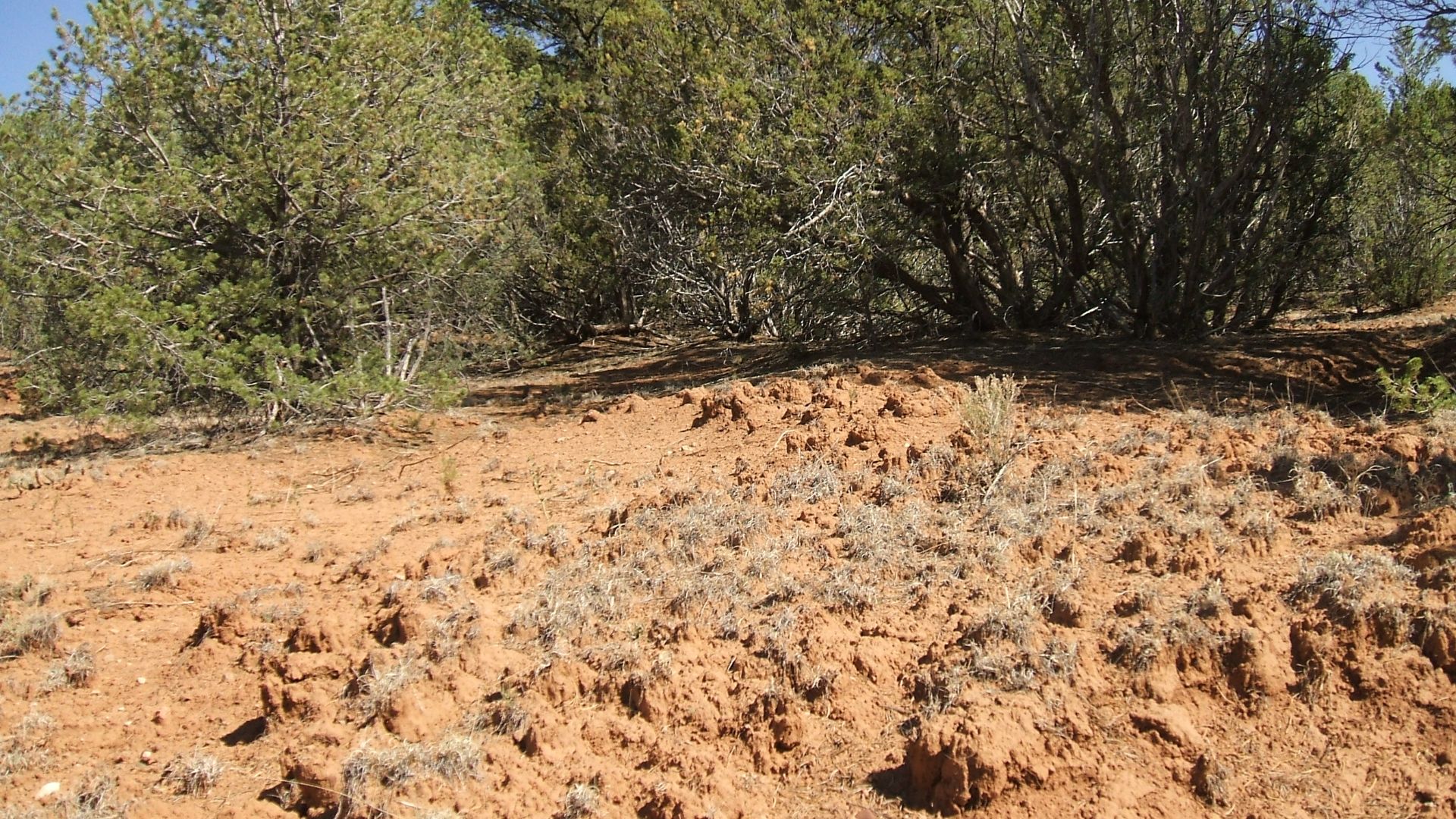
Droughts, changing climate conditions, soil degradation, and other environmental pressures appear throughout the historical record. Researchers increasingly believe these weren't always the main cause of collapse. Instead, they often acted like gasoline poured onto an already smoldering fire.
 Chris English, Wikimedia Commons
Societies Became More Complicated
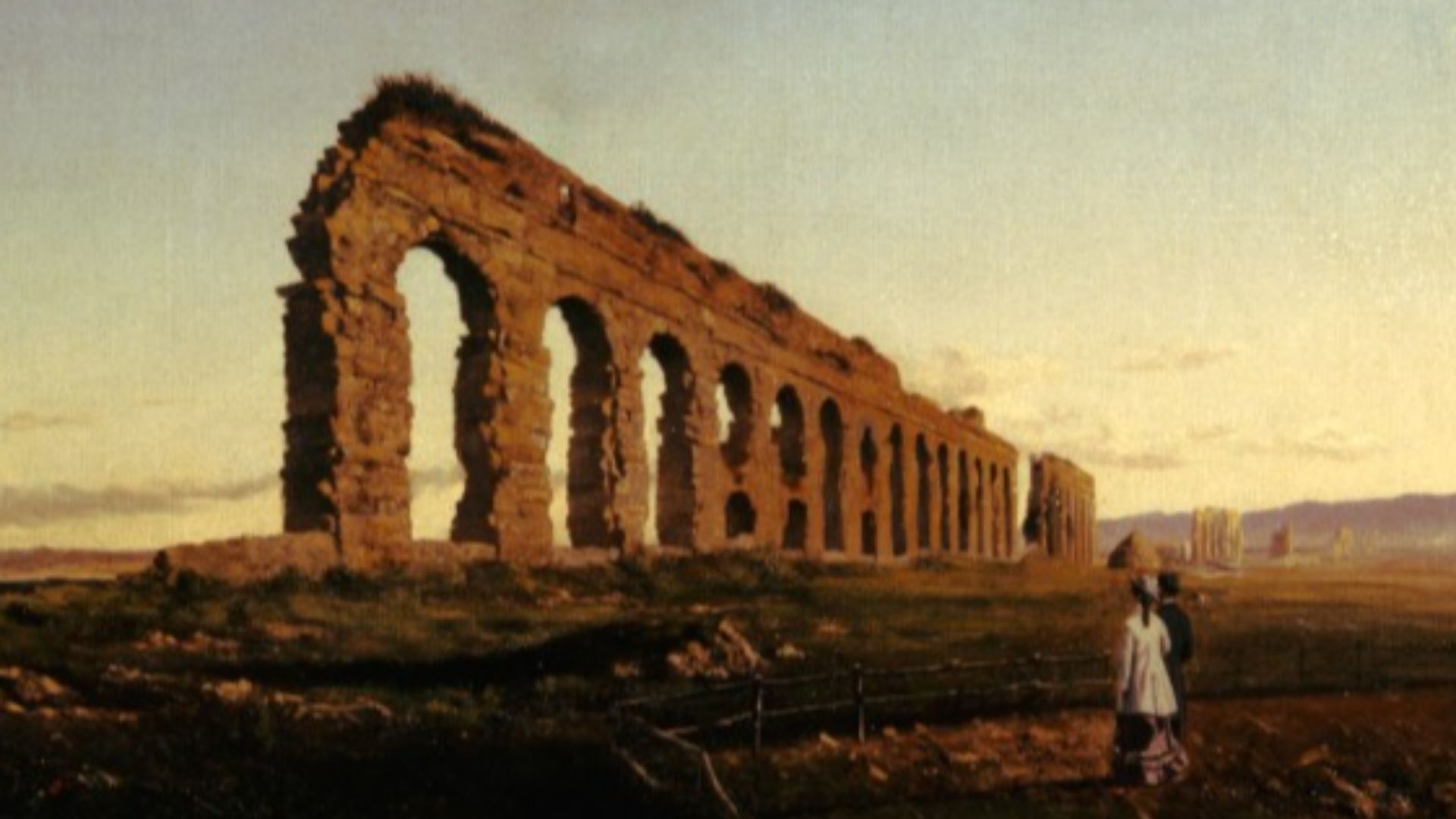
Anthropologist Joseph Tainter became famous for arguing that civilizations solve problems by becoming more complex. More institutions. More infrastructure. More bureaucracy. The strategy works remarkably well—until maintaining all of it starts consuming more resources while delivering fewer benefits.
 Adolfo Tommasi, Wikimedia Commons
Inequality Was Often Part Of The Story
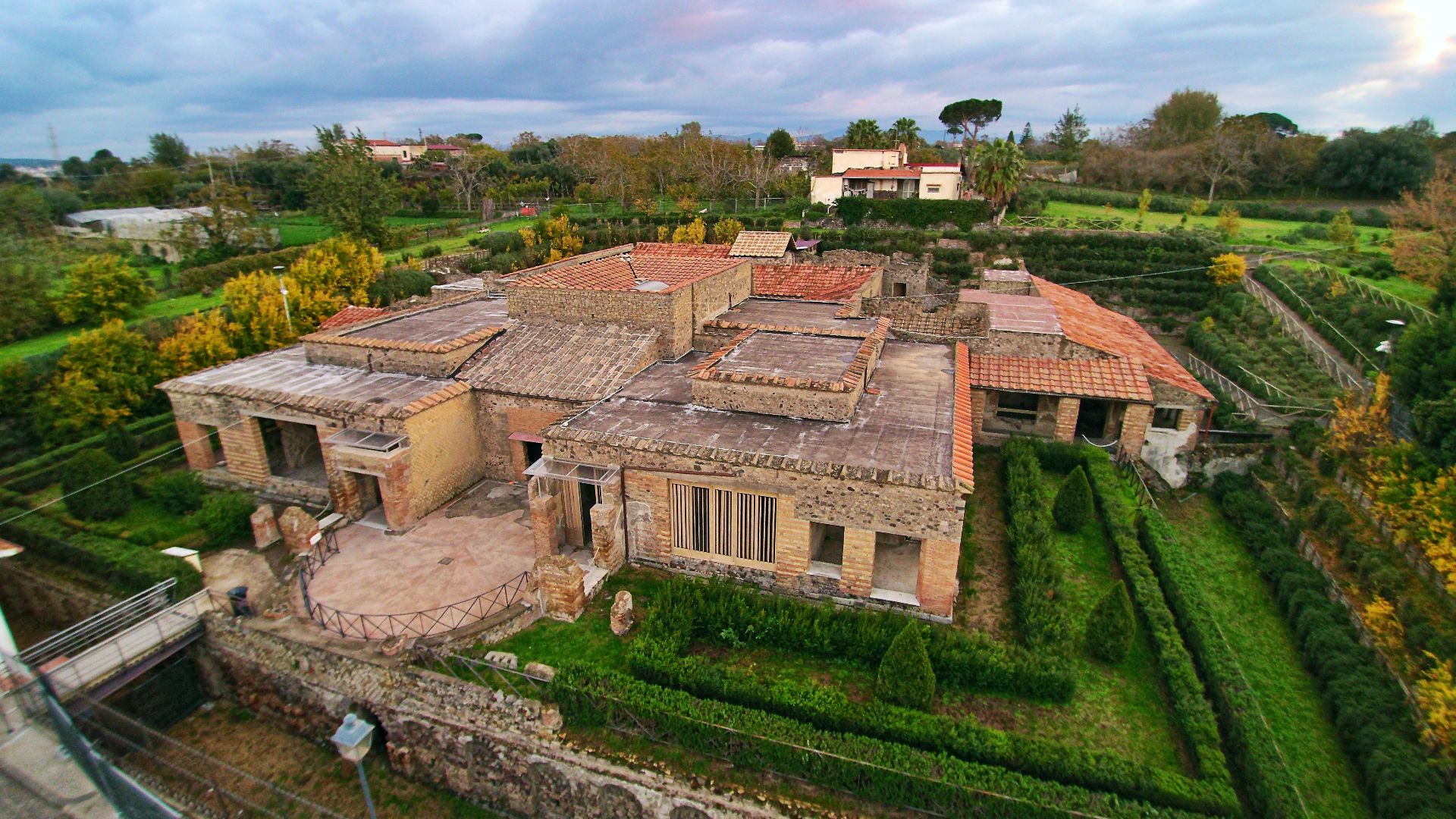
Researchers studying collapsed societies repeatedly found evidence that elites and ordinary citizens often experienced growing problems very differently. When large portions of society begin losing faith in institutions, solving complex challenges becomes much harder.
The Question Everyone Was Thinking
If these warning signs appeared before so many historical collapses, are any of them visible today? The answer is exactly why this research has become increasingly popular over the last decade.

The Same Four Themes Kept Showing Up
Across decades of research, four broad warning signs repeatedly appeared before major societal declines: resource pressure, environmental stress, social instability, and institutional problems. Different civilizations experienced them differently, but the pattern was difficult to ignore.

Here's Why Researchers Are Concerned
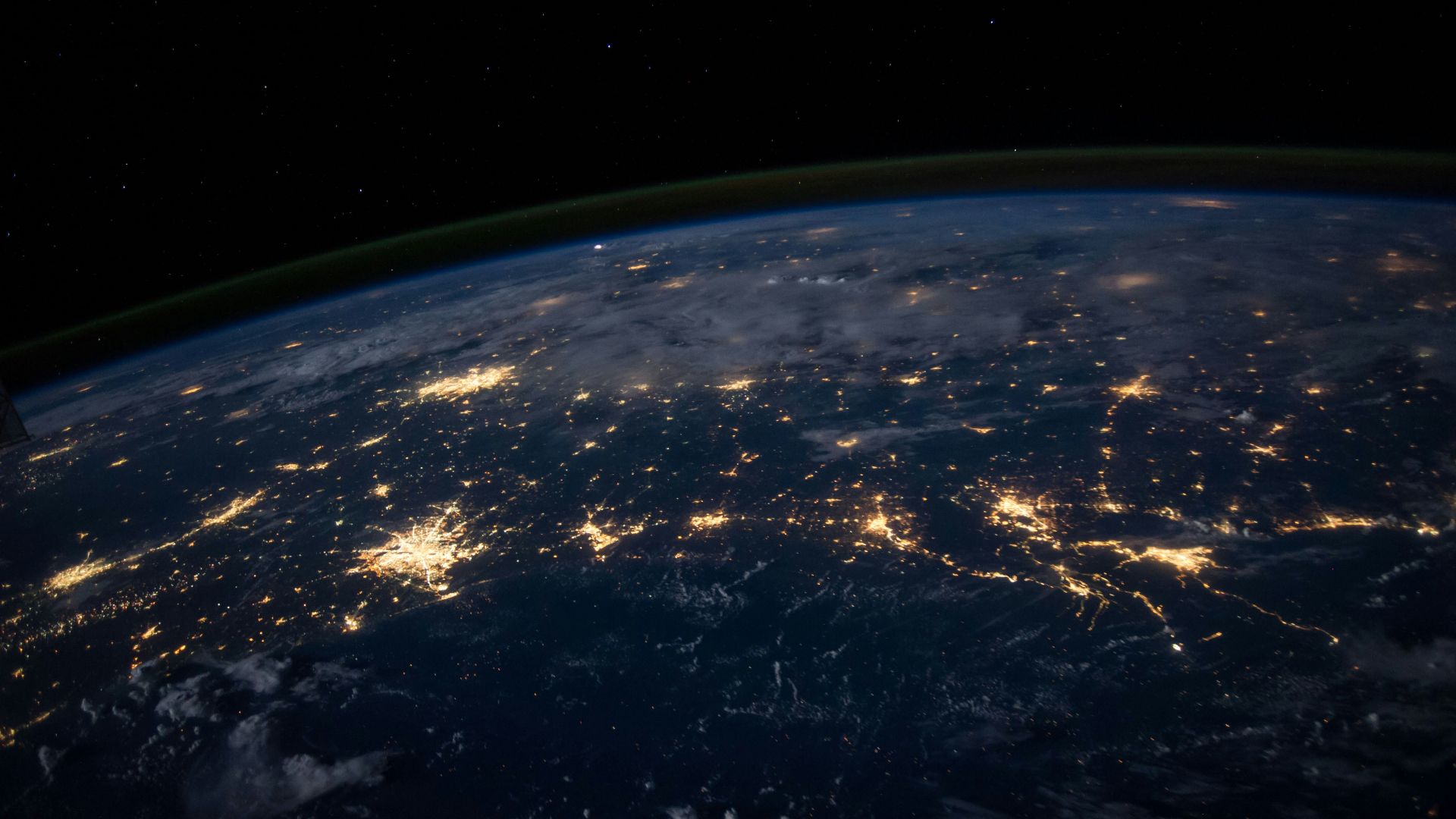
All four of those categories can be measured today. Climate pressures. Resource concerns. Political polarization. Declining trust in institutions. Scientists aren't claiming collapse is guaranteed. They are pointing out that the similarities deserve attention.
Peter Turchin Saw Something Familiar
Researcher Peter Turchin has spent years studying historical cycles of social instability. Using historical data and mathematical models, he has argued that rising polarization, elite competition, inequality, and declining trust can create conditions that resemble periods of instability seen repeatedly throughout history.

A NASA-Funded Study Raised Eyebrows
In 2014, a study known as HANDY explored how resource depletion and economic inequality can affect societal stability. The researchers weren't predicting the future. But their models repeatedly showed how certain combinations of pressures could produce outcomes that looked surprisingly familiar to historians studying collapsed societies.

Modern Civilization Has One Advantage
Unlike Rome or the Maya, we can actually study the societies that came before us. We understand climate systems, economics, demographics, and history better than any civilization in the past. That knowledge gives us opportunities previous societies never had.

Modern Civilization Also Has One Huge Disadvantage
Ancient societies weren't connected the way we are today. A problem in one region couldn't instantly spread around the globe. Today's financial systems, supply chains, communications networks, and energy grids are more interconnected than anything in human history.
One Problem Starts Feeding Another
This is the pattern that concerns many researchers most. Environmental stress affects economies. Economic pressures fuel political tension. Political conflict makes solutions harder to implement. Problems that seem manageable individually can become dangerous when they start reinforcing one another.
Does This Mean We're Doomed?
Not at all. Researchers are identifying warning signs, not predicting an exact future. History contains examples of collapse, but it also contains examples of adaptation, resilience, and recovery. The outcome is not predetermined.
So Why Study Collapse At All?
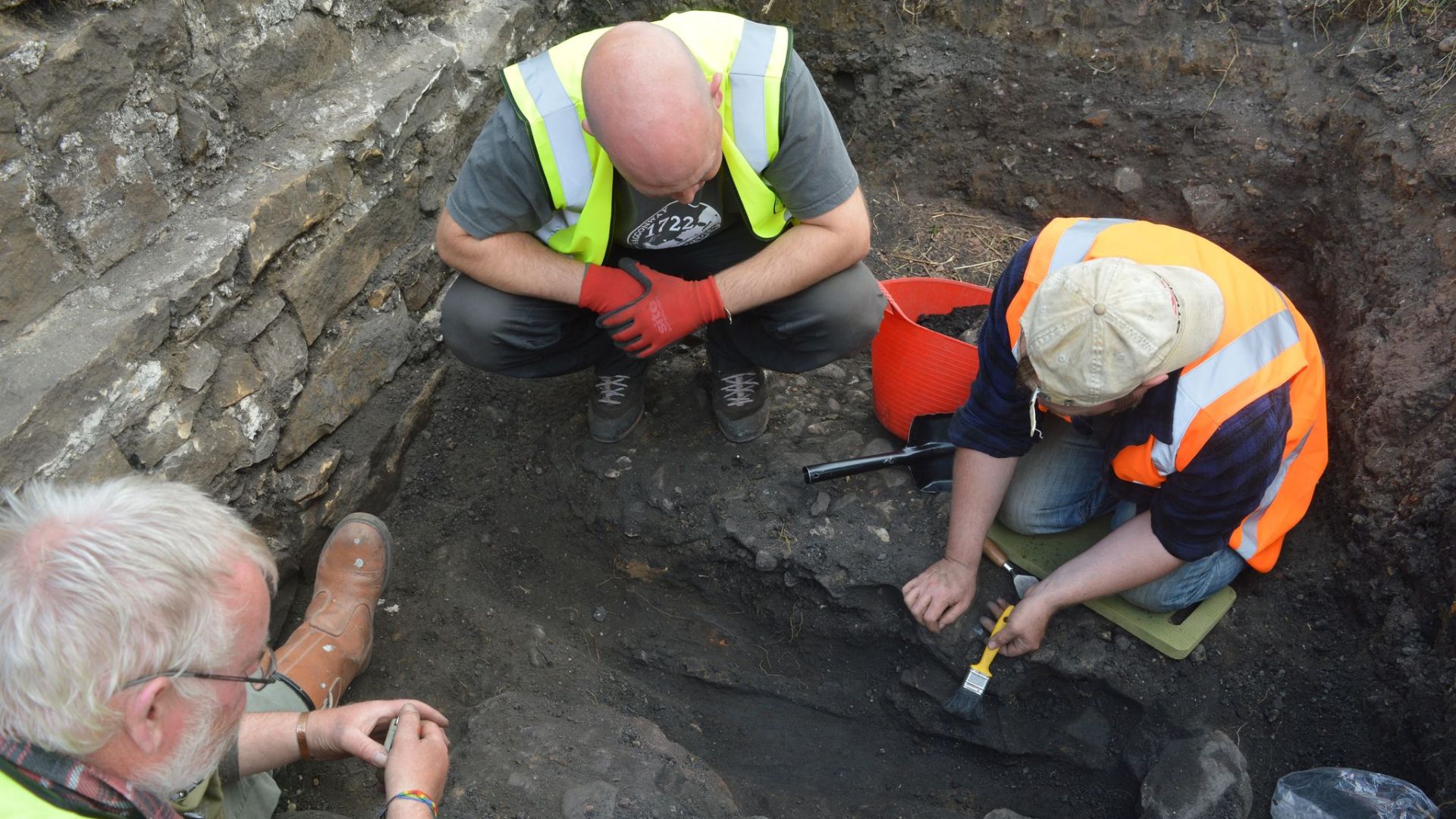
Because understanding how civilizations fail may also reveal how they survive. Every collapsed society leaves behind clues. Researchers believe those clues can help identify vulnerabilities before they become crises.
The Most Unsettling Finding
Rome looked nothing like the Maya. The Maya looked nothing like Mesopotamia. Different continents. Different cultures. Different eras. Yet after decades of studying collapsed civilizations, researchers keep running into the same problem: the warning signs before the fall often look surprisingly familiar.
The Question Scientists Can't Ignore
The real question isn't whether Rome was Rome or the Maya were the Maya. It's whether modern civilization is paying attention to the lessons they left behind. Because if history teaches anything, it's that most societies don't think they're vulnerable—until they are.

The Warning Hidden In The Ruins
The people living through history's greatest collapses didn't know they were becoming history's greatest collapses. Life simply became a little more difficult, then a little more difficult again. That's why scientists continue studying the past today. They aren't just trying to understand what happened to ancient civilizations. They're trying to understand whether the same story is beginning to unfold again.
You Might Also Like:
The world's most misunderstood tourist attractions—how many have you visited?