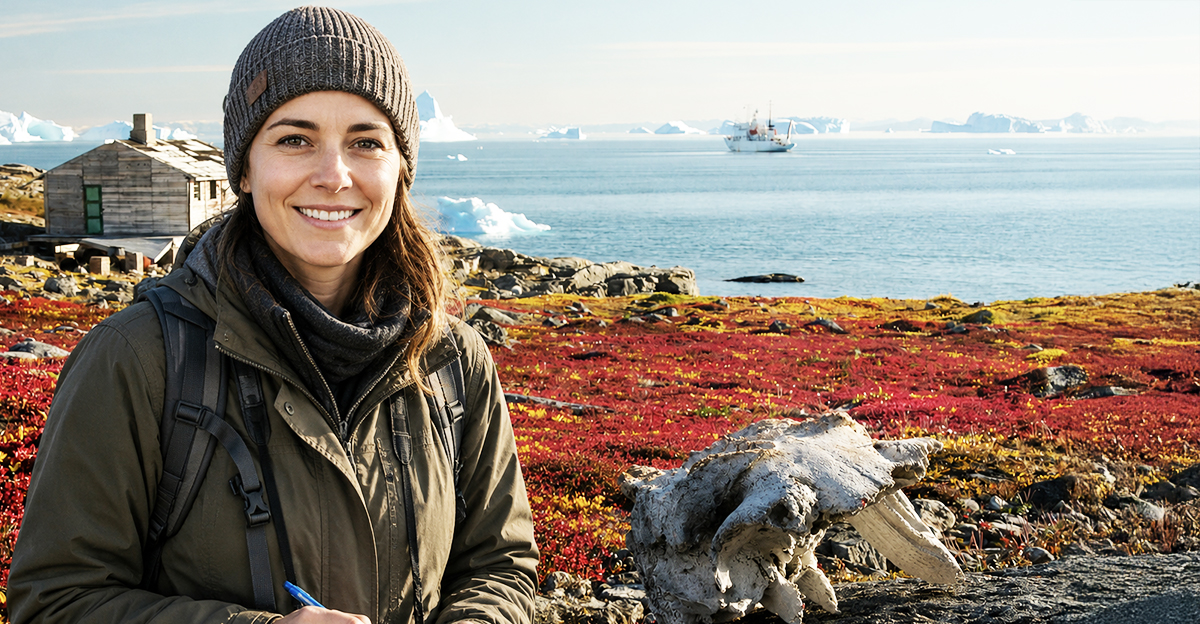
An Ancient World Reappears
Scientists have recovered the oldest DNA ever identified, preserving genetic traces from an ecosystem that existed about two million years ago in northern Greenland. The discovery transformed what researchers knew about the Arctic, revealing a surprisingly lush environment filled with forests, wildlife, and climates unlike anything found there today.
 Hannes Grobe, Wikimedia Commons; Factinate
Breaking The Record
The environmental DNA fragments are approximately two million years old, nearly doubling the previous age record for ancient DNA. The discovery demonstrates that genetic material can survive for vastly longer periods than researchers once believed when preserved under the right geological conditions.

Greenland Looked Different
Today, northern Greenland is an icy polar desert. Two million years ago, however, the region supported forests, shrubs, and a remarkably diverse collection of plants and animals. Scientists reconstructed this vanished ecosystem entirely from microscopic DNA preserved inside ancient sediments.
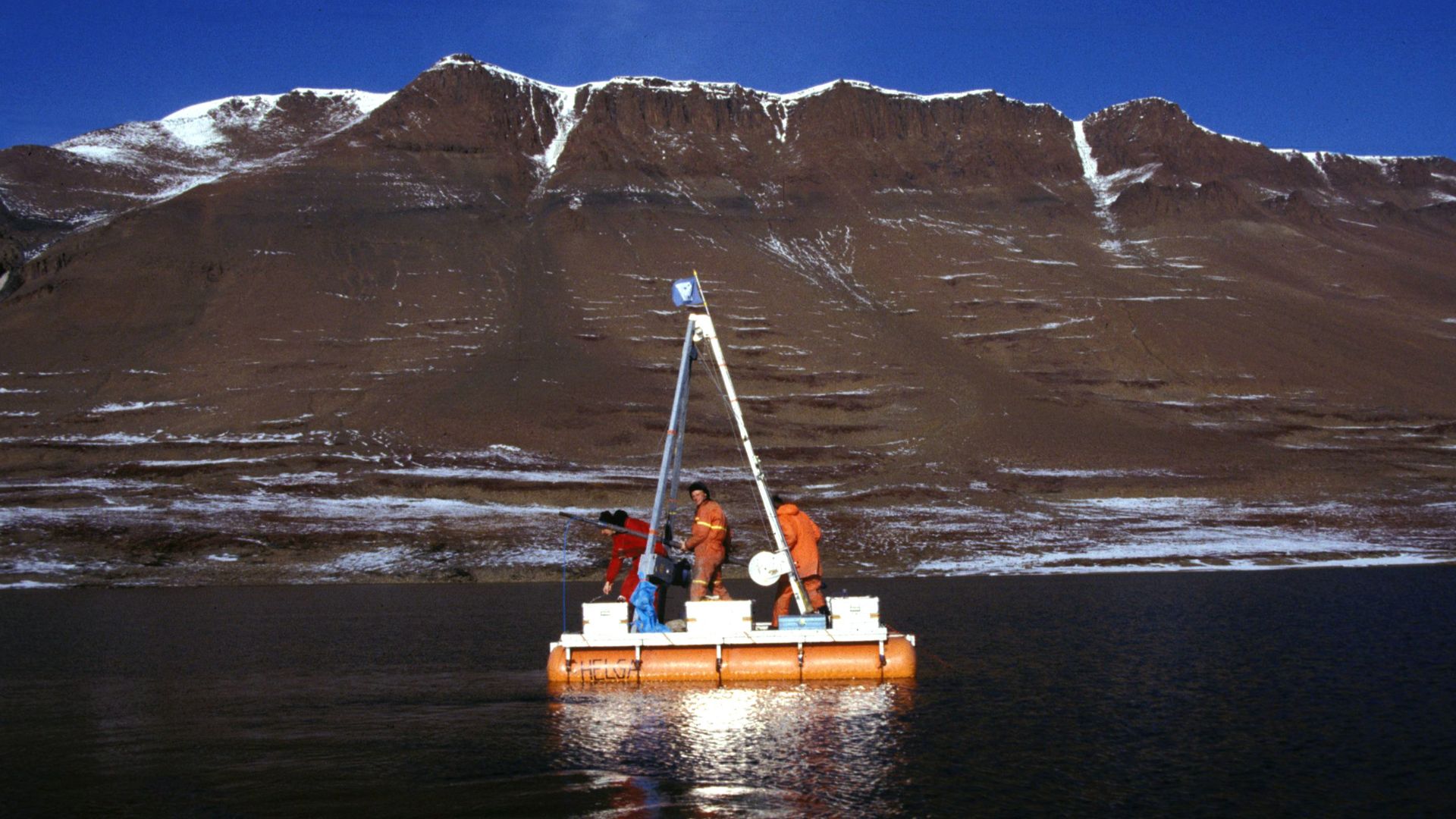
The Kap København Formation
The DNA came from the Kap København Formation in northern Greenland. Sediments accumulated there over roughly 20,000 years before becoming buried beneath ice and permafrost, preserving countless microscopic fragments of ancient genetic material for millions of years.
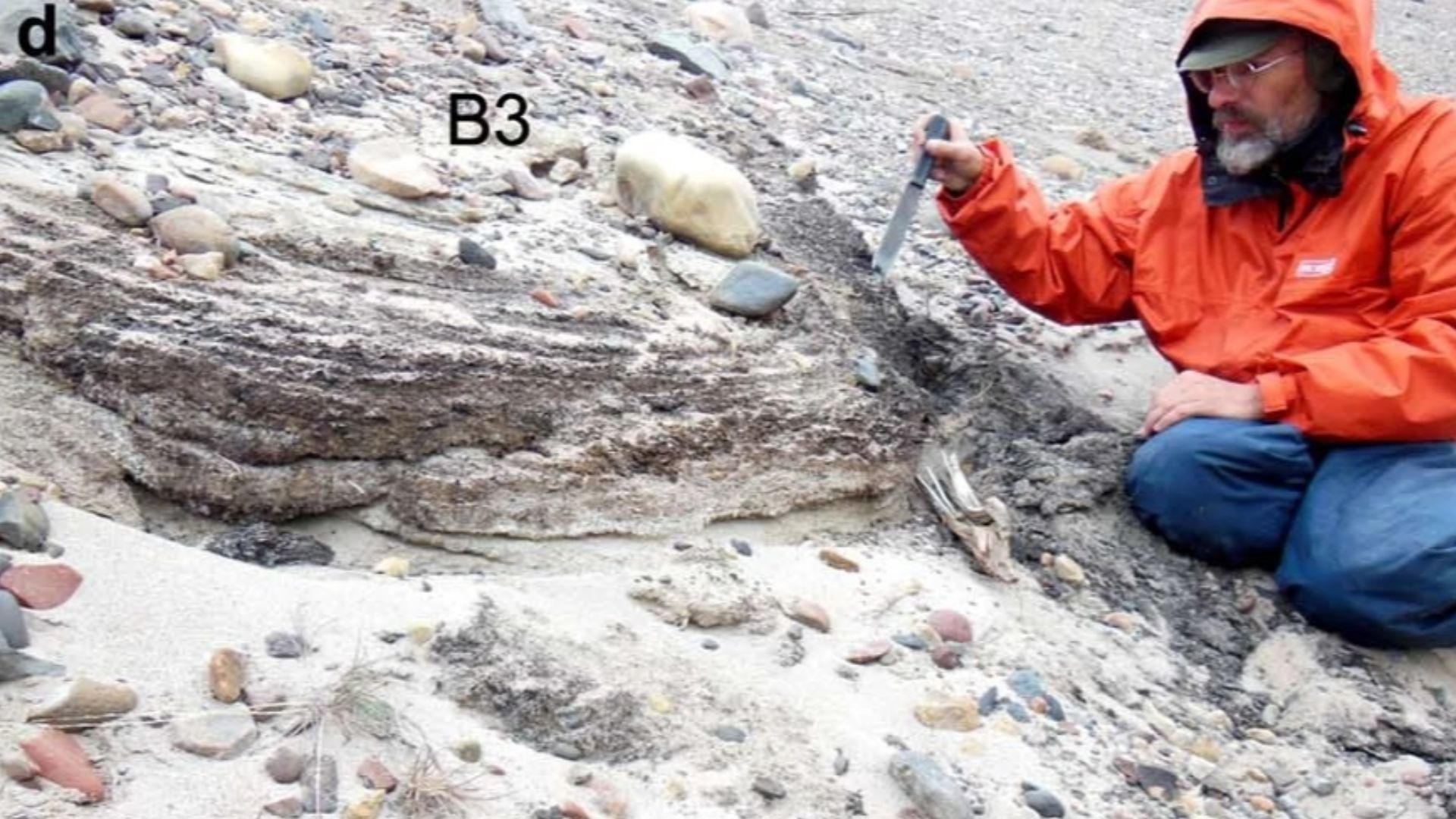
Environmental DNA Explained
Unlike traditional ancient DNA recovered from bones or teeth, this discovery relied on environmental DNA. Tiny genetic fragments shed by plants, animals, fungi, and microorganisms became trapped within soil and sediment, allowing scientists to reconstruct an entire ecosystem rather than a single species.
 Photographer Daniel SoneNational Cancer Institute, Wikimedia Commons
Preserved By Clay
Several unusual factors helped preserve the DNA. Extremely cold temperatures slowed chemical breakdown, while clay and quartz particles bound tightly to DNA molecules, shielding them from degradation over an extraordinary span of geological time.
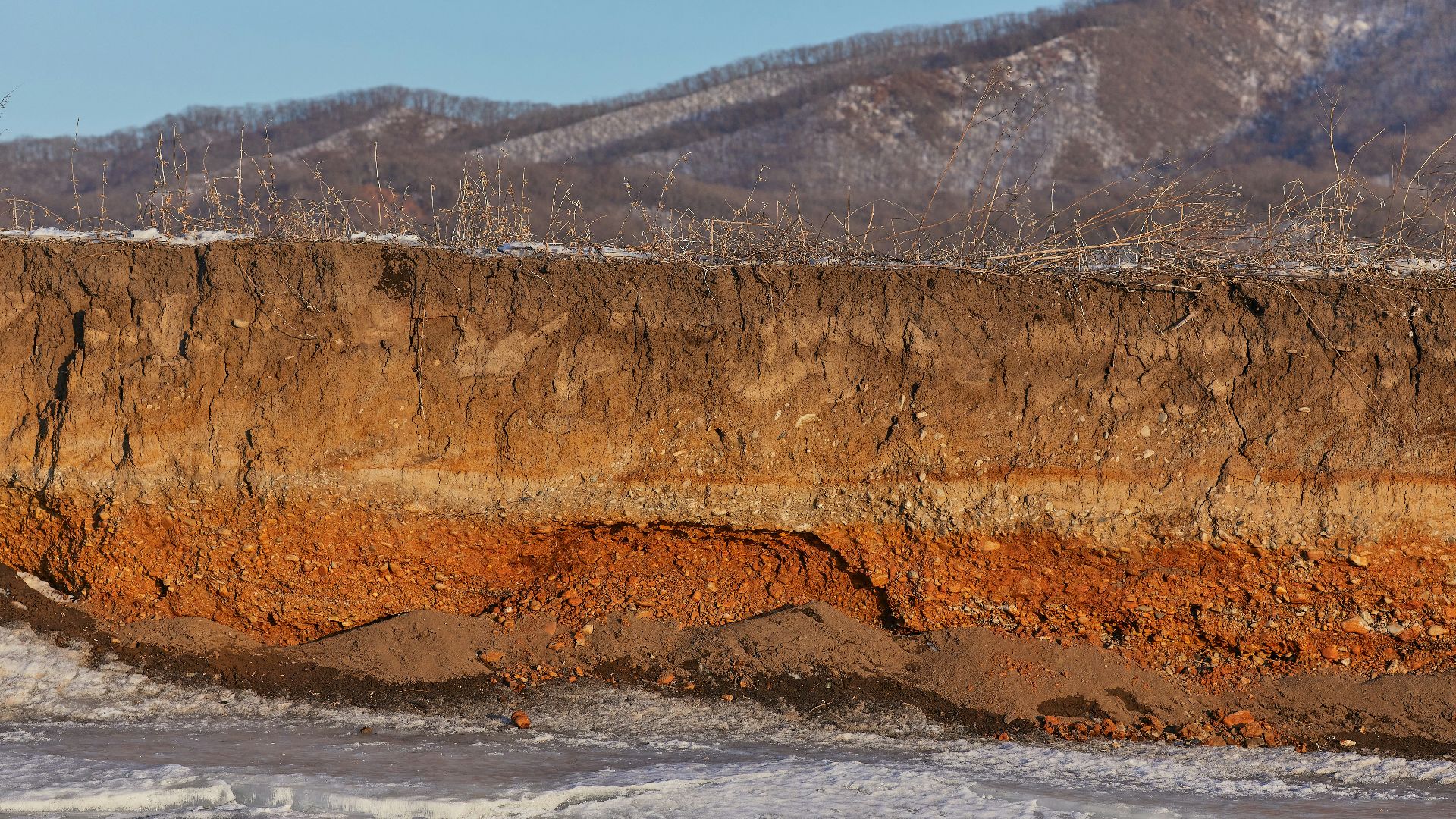
Tiny Fragments Remained
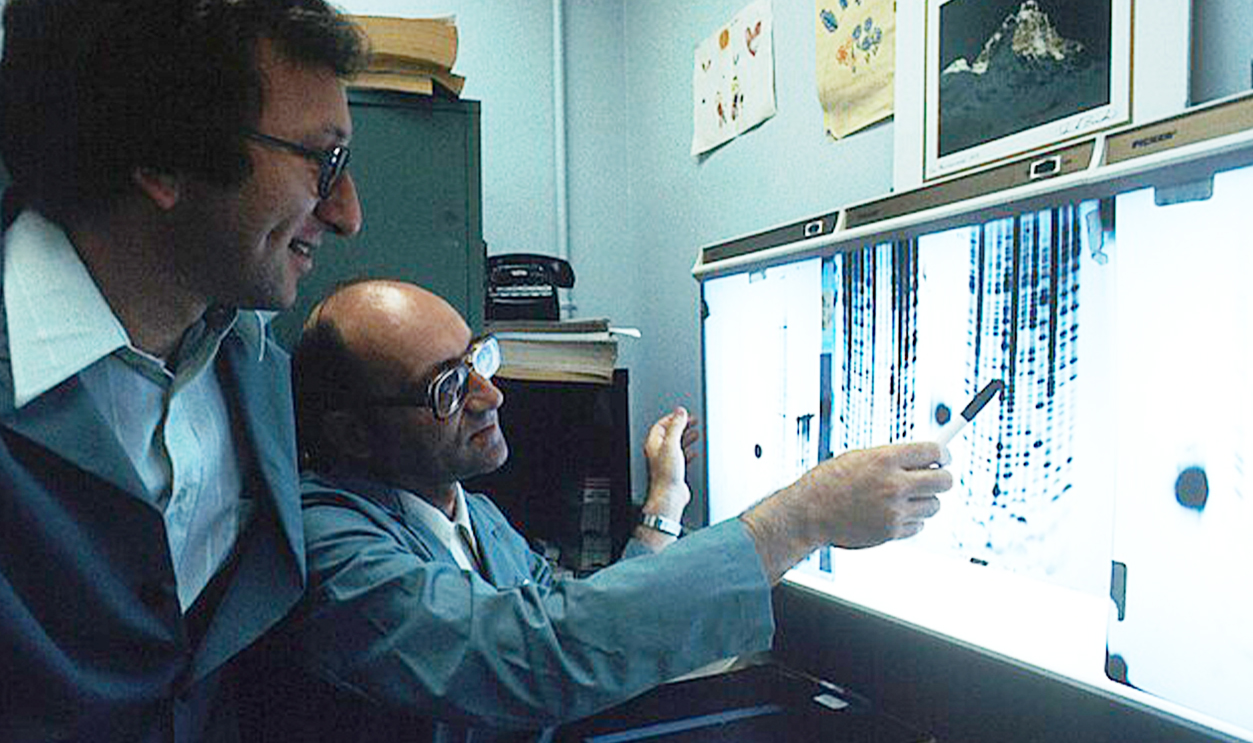
Rather than finding complete genomes, researchers recovered countless microscopic DNA fragments. Individually they revealed little, but together they allowed scientists to identify dozens of species that once occupied Greenland's ancient landscape through advanced sequencing and computational analysis.
 National Cancer Institute, Unsplash
Advanced Sequencing Techniques
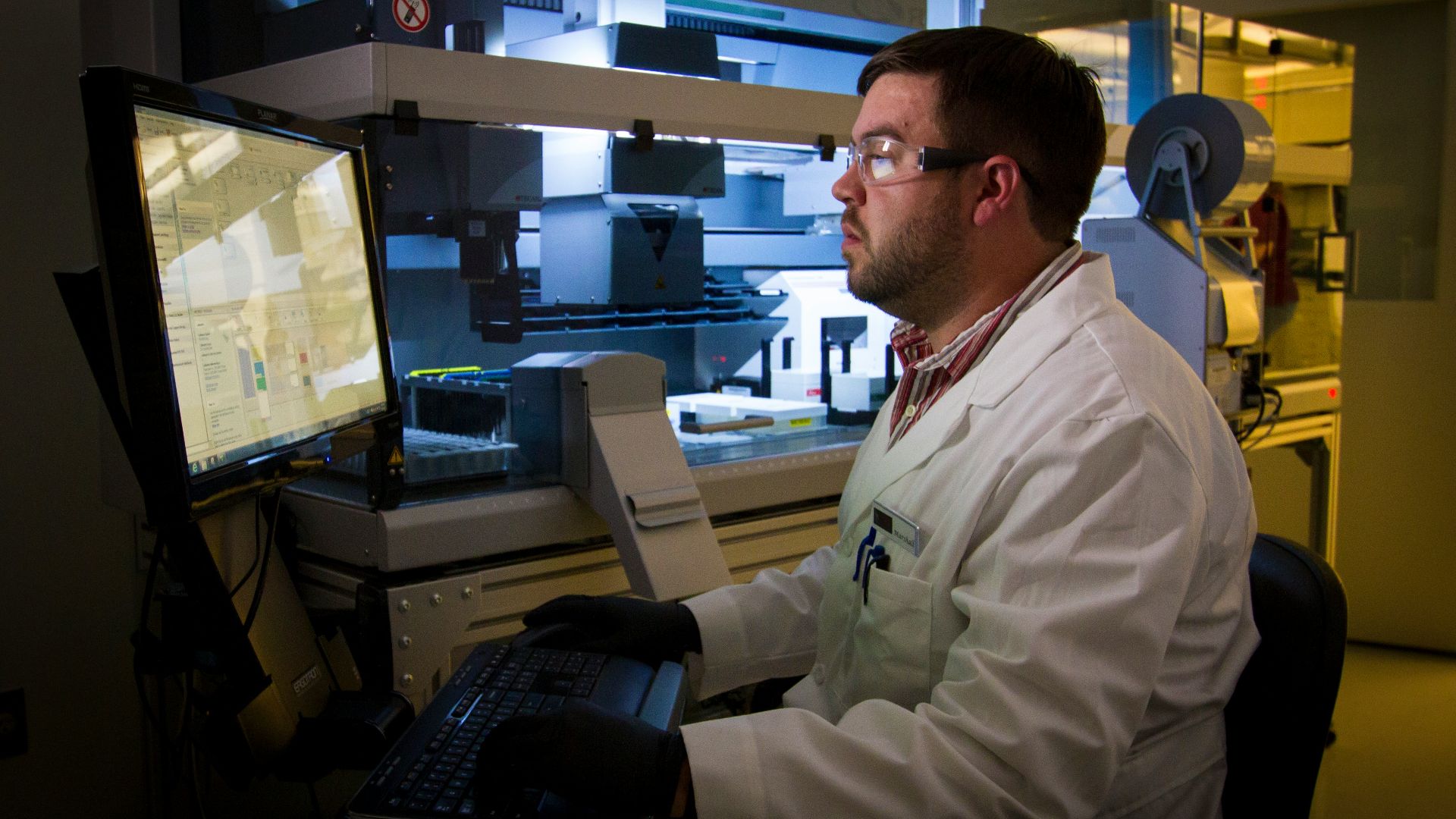
Scientists extracted the DNA from frozen sediment samples before using high-throughput sequencing technology to compare the fragments with modern genetic databases. Matching millions of tiny sequences allowed researchers to identify organisms that had vanished from Greenland long ago.
 National Cancer Institute, Unsplash
An International Team
The study involved researchers from Denmark, the United Kingdom, Germany, Sweden, Norway, and Canada. Professor Eske Willerslev of the University of Copenhagen was among the leaders of the international collaboration that analyzed the remarkable ancient DNA collection.

A Forested Landscape
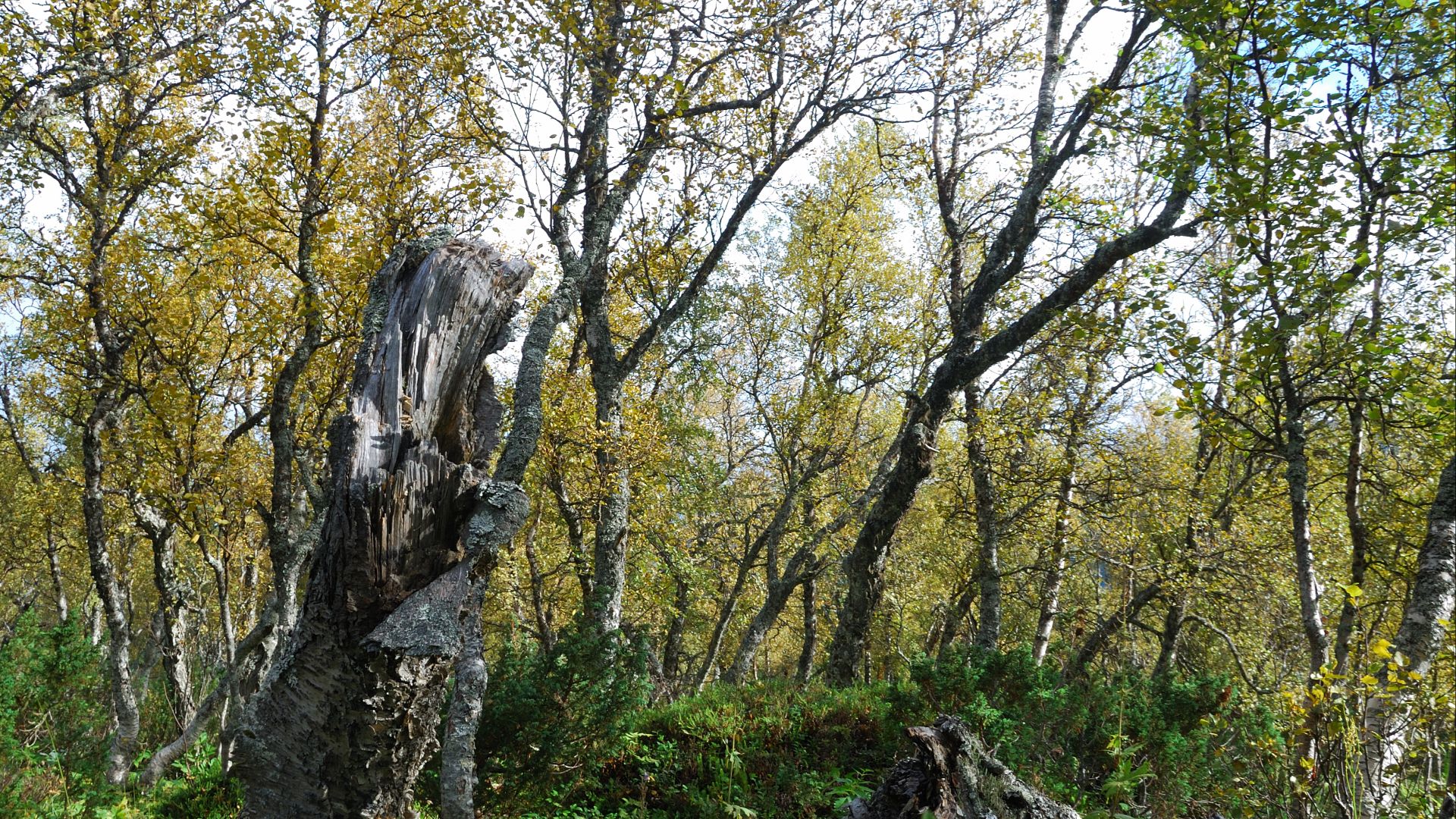
The recovered DNA showed that northern Greenland once supported forests dominated by poplar and birch trees. Willows, junipers, and many flowering plants also grew across the landscape, producing a surprisingly productive Arctic environment during the Early Pleistocene.
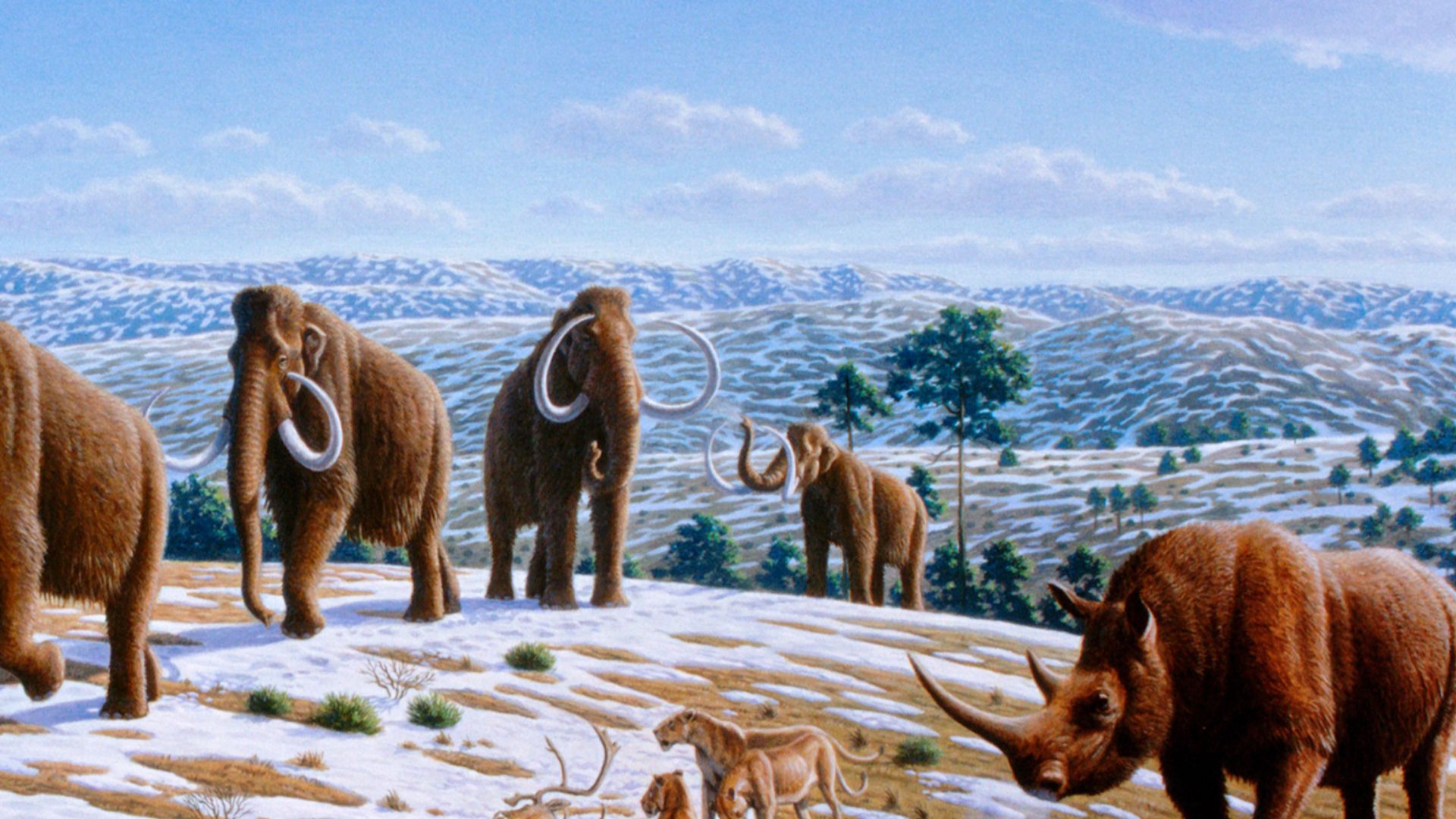
Mastodons In Greenland
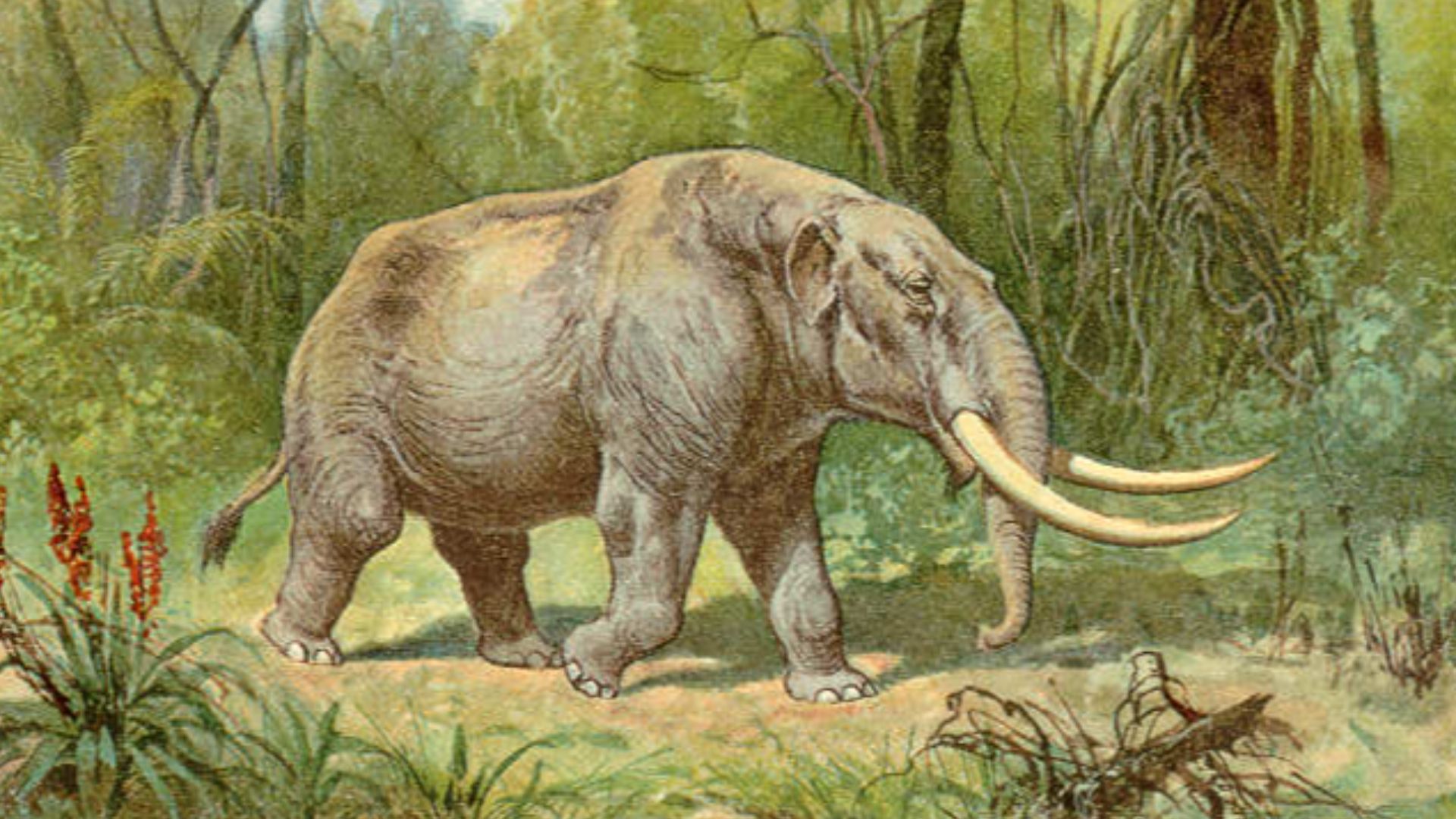
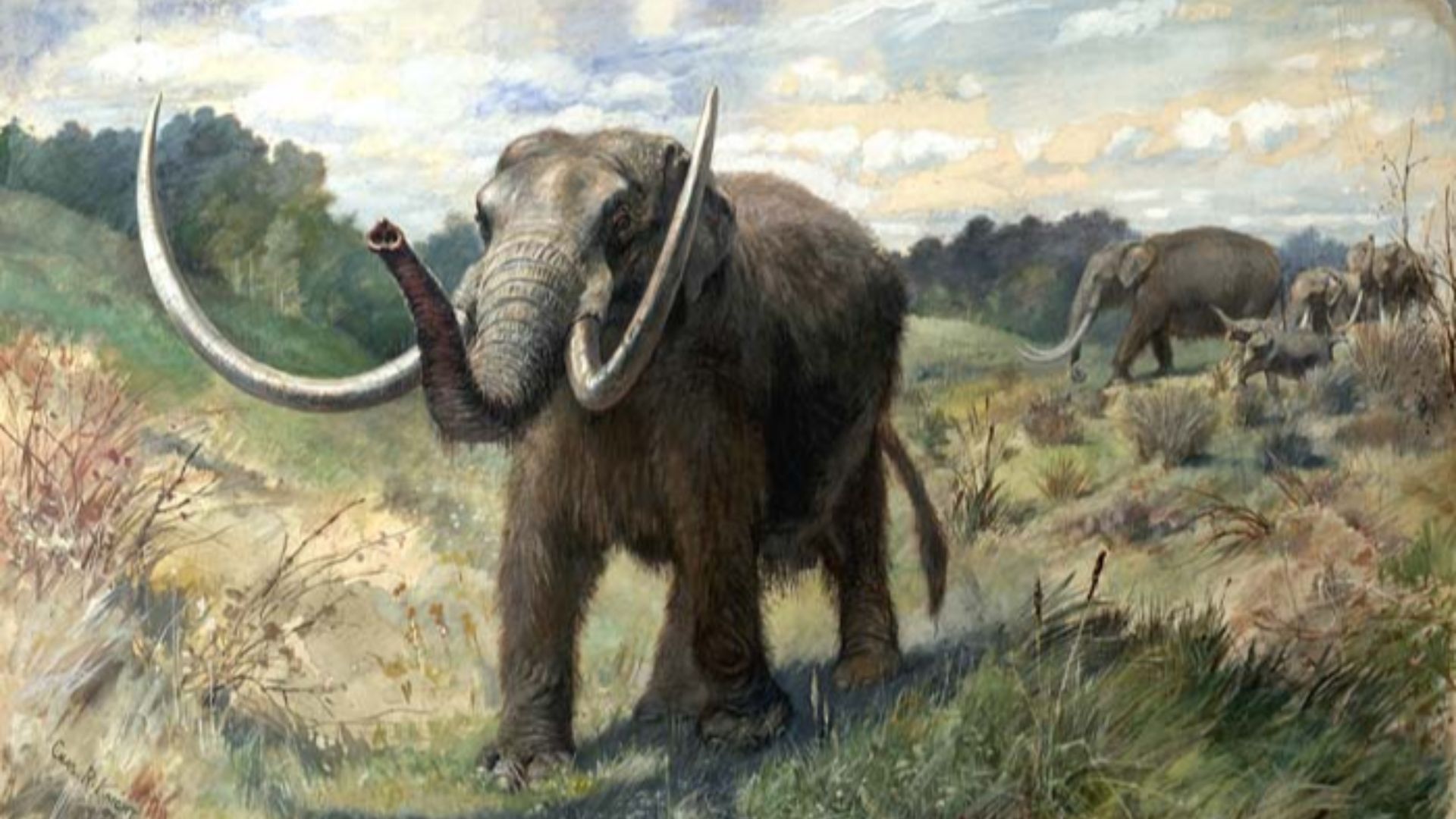
Perhaps the most surprising discovery was evidence of mastodons. These elephant relatives had never previously been known to inhabit Greenland. Their DNA demonstrated that these enormous browsing mammals once wandered forests located far north of their previously recognized range.
 Heinrich Harder (1858-1935), Wikimedia Commons
More Than Mastodons
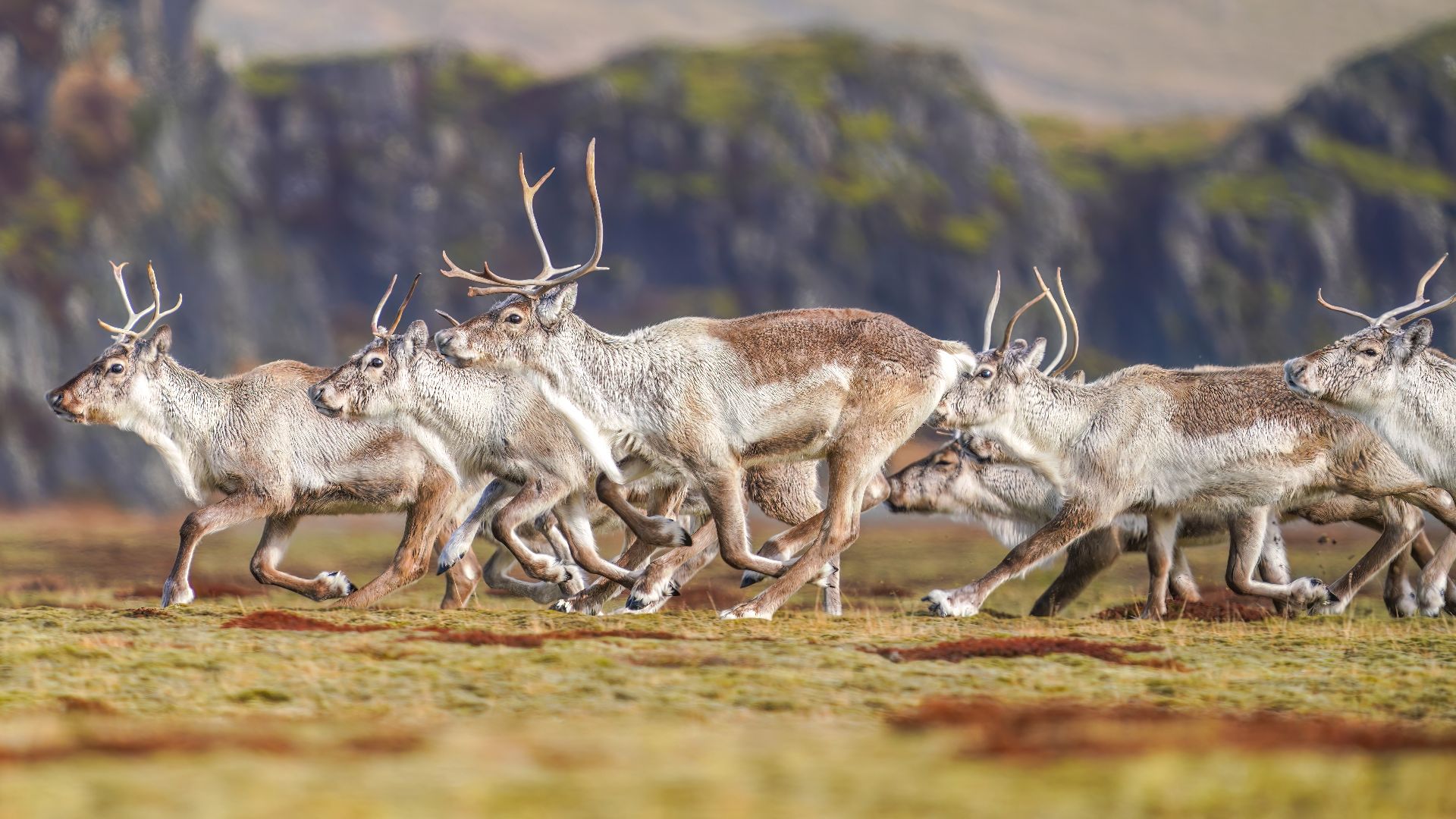
The ecosystem supported far more than giant mammals. Scientists identified DNA from reindeer, geese, hares, rodents, and other wildlife, along with insects, fungi, and many plant species that together painted an unusually complete picture of an ancient Arctic ecosystem.
 Giles Laurent, Wikimedia Commons
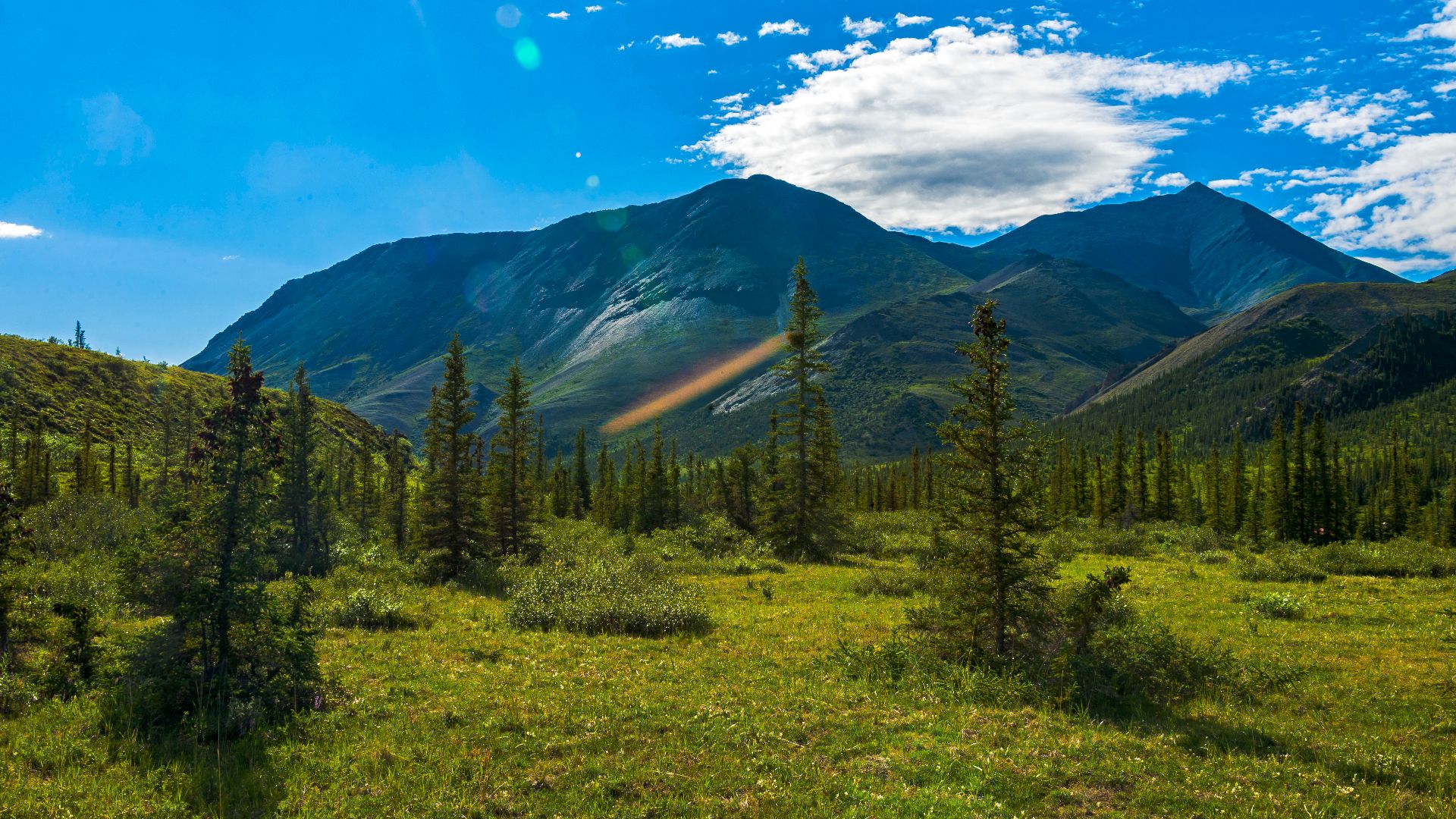
A Mixed Ecosystem
Researchers were especially intrigued because the recovered species normally occupy different climates today. Arctic and temperate organisms appeared together in combinations unlike any modern ecosystem, suggesting environmental conditions that no longer exist anywhere on Earth.
 Daniel Case, Wikimedia Commons
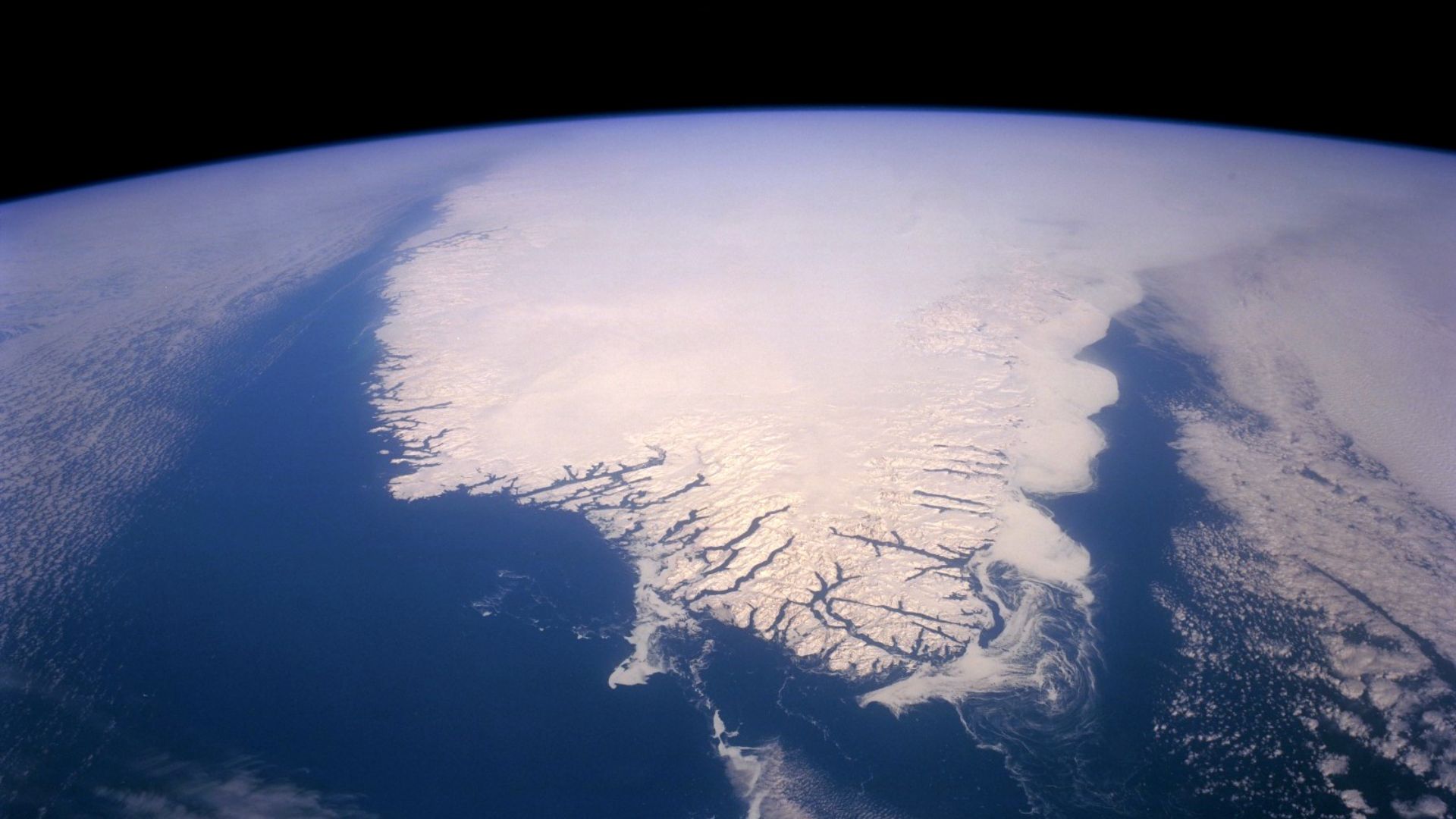
Warmer Than Today
The DNA indicates Greenland's climate was substantially warmer than today. Scientists estimate average temperatures may have been roughly 11 to 19 degrees Celsius higher than present conditions, supporting forests where glaciers now dominate the landscape.
 InformationToKnowledge, Wikimedia Commons
No Human DNA
Although the discovery transformed understanding of ancient ecosystems, researchers found no evidence of humans. Modern humans would not appear for well over a million years, making the Greenland environment a snapshot of a world long before humanity emerged.
 Mauricio Anton, Wikimedia Commons
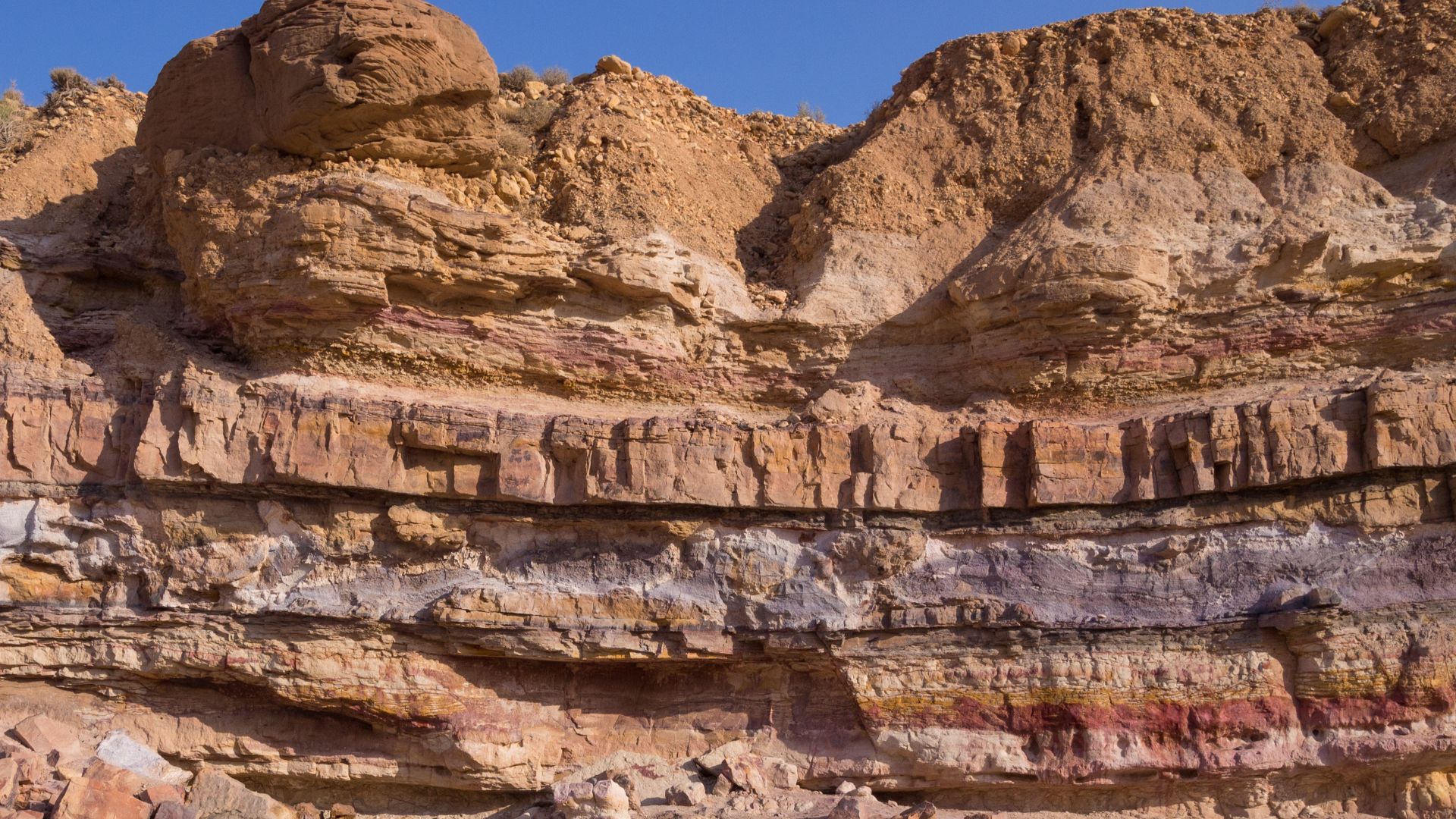
Reading Ancient Sediment
Every layer of sediment represented another chapter of environmental history. By analyzing DNA preserved throughout the deposit, researchers reconstructed changing plant and animal communities that occupied Greenland over thousands of years during the Early Pleistocene.
 Rhododendrites, Wikimedia Commons
Why It Matters
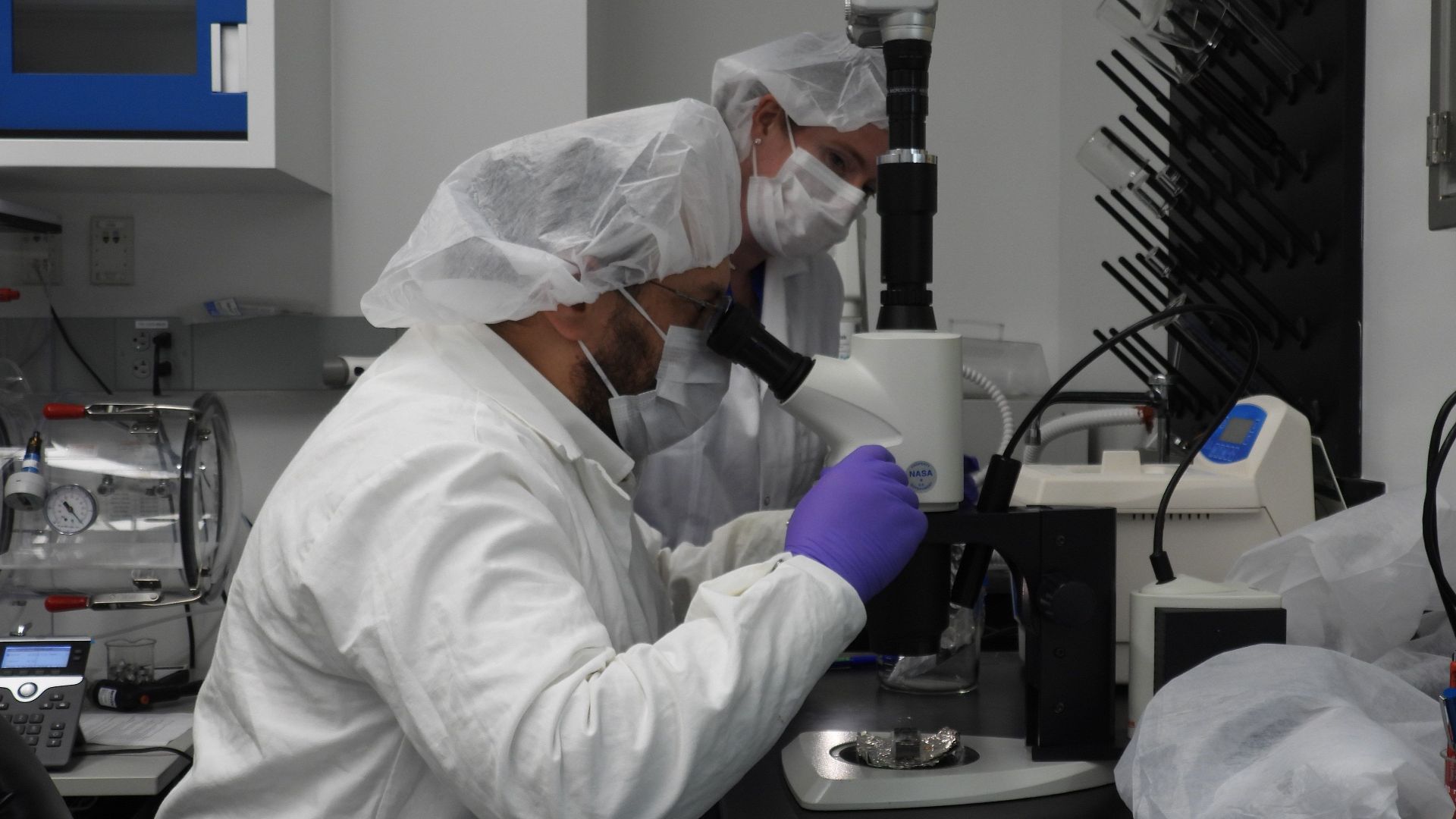
The discovery demonstrates that ancient environmental DNA can preserve ecological information far beyond previous expectations. Rather than relying only on fossils, scientists can now recover evidence of entire ecosystems that left few visible remains behind.
 NASA Goddard Space Flight Center / Molly Wasser, Wikimedia Commons
Lessons For Climate Science
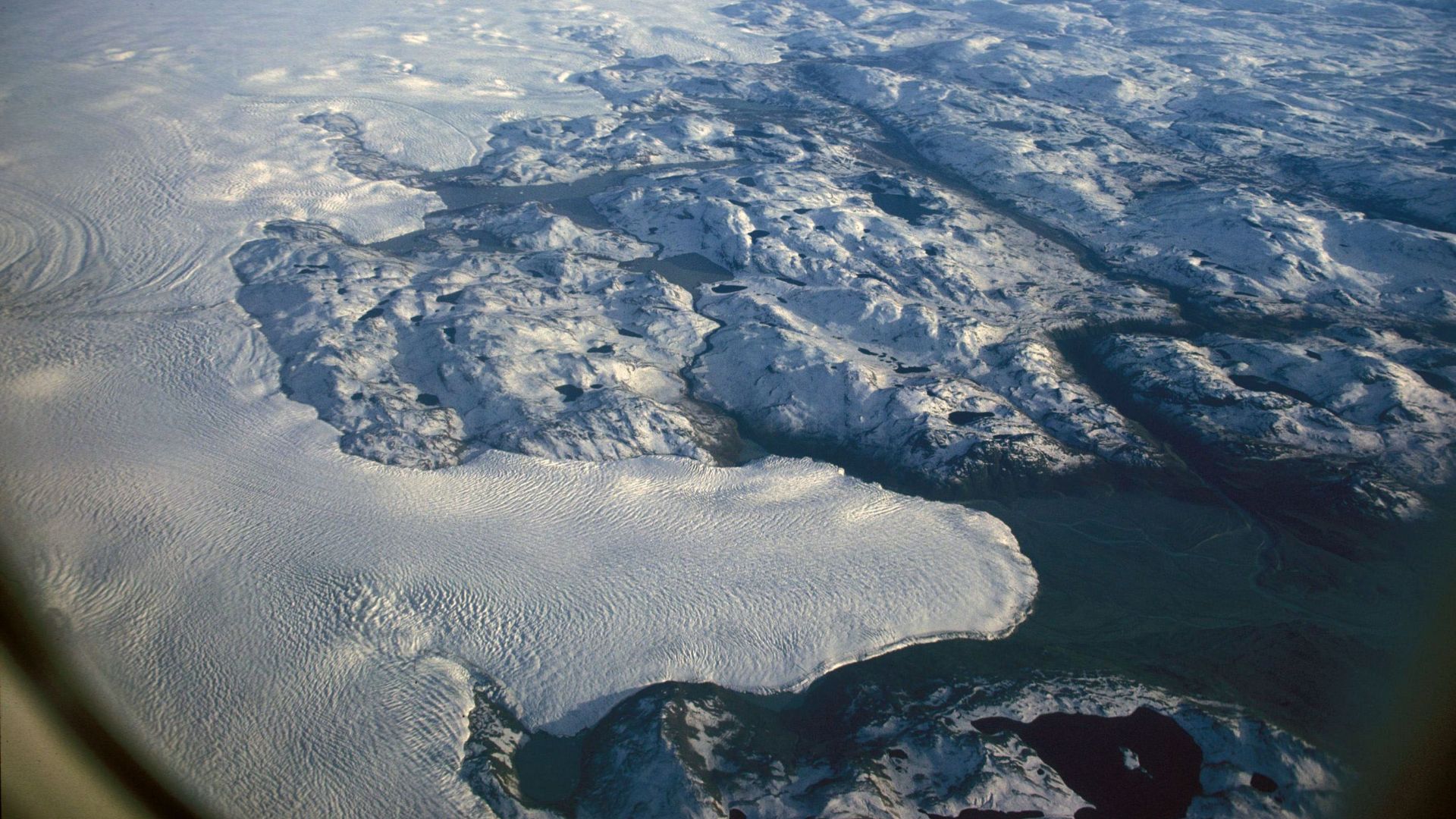
Understanding how ancient plants and animals responded to warmer climates could improve scientists' understanding of how ecosystems may respond to modern climate change. The Greenland ecosystem provides an important natural comparison from Earth's distant past.
 Hannes Grobe, Alfred Wegener Institute for Polar and Marine Research, Wikimedia Commons
Better Places To Search
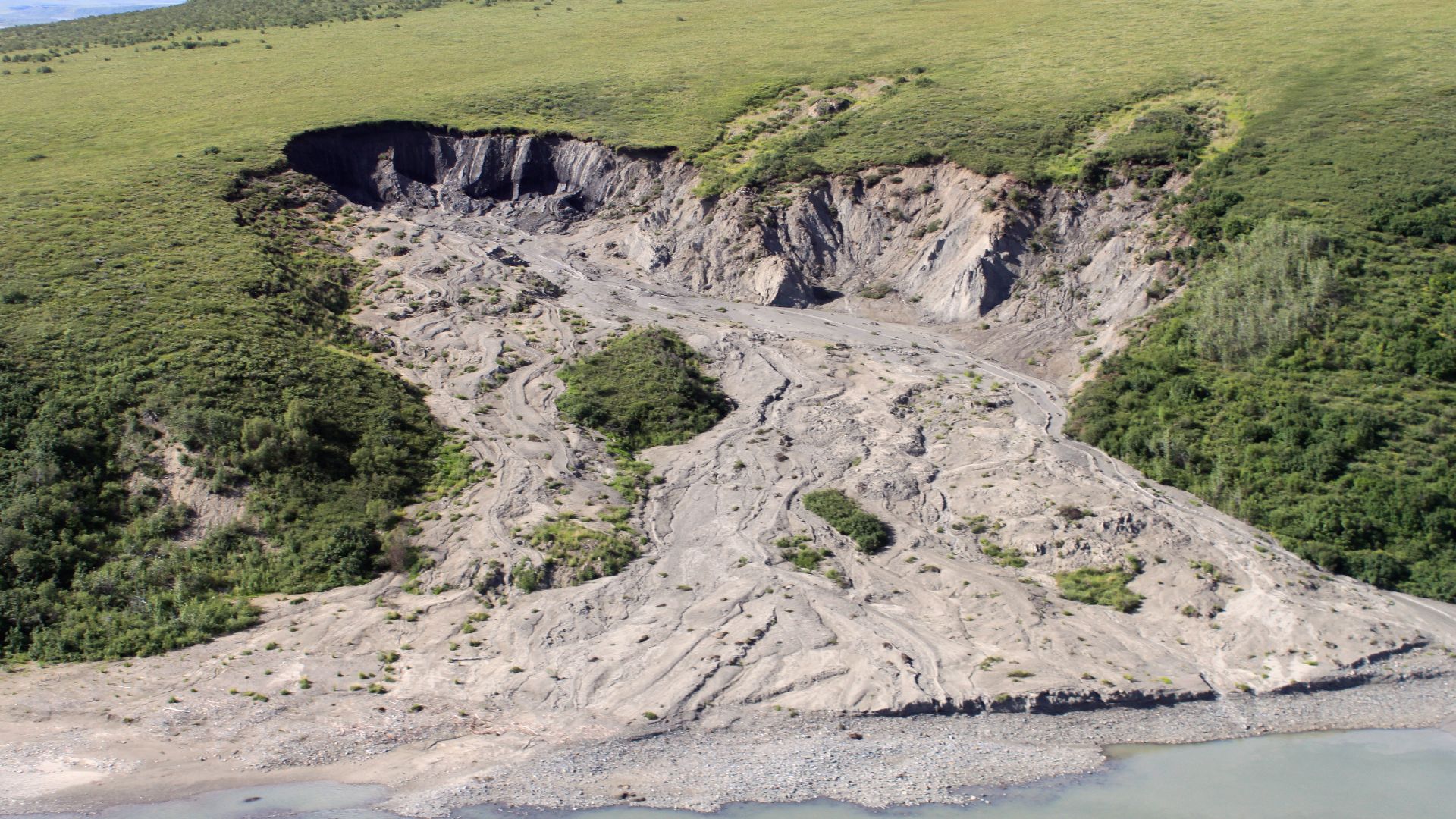
The study also showed researchers where similarly ancient DNA might survive. Cold environments combined with clay-rich sediments appear especially effective at preserving genetic material, guiding future searches for ancient ecosystems elsewhere around the world.
 NPS Climate Change Response, Wikimedia Commons
Searching Older Deposits
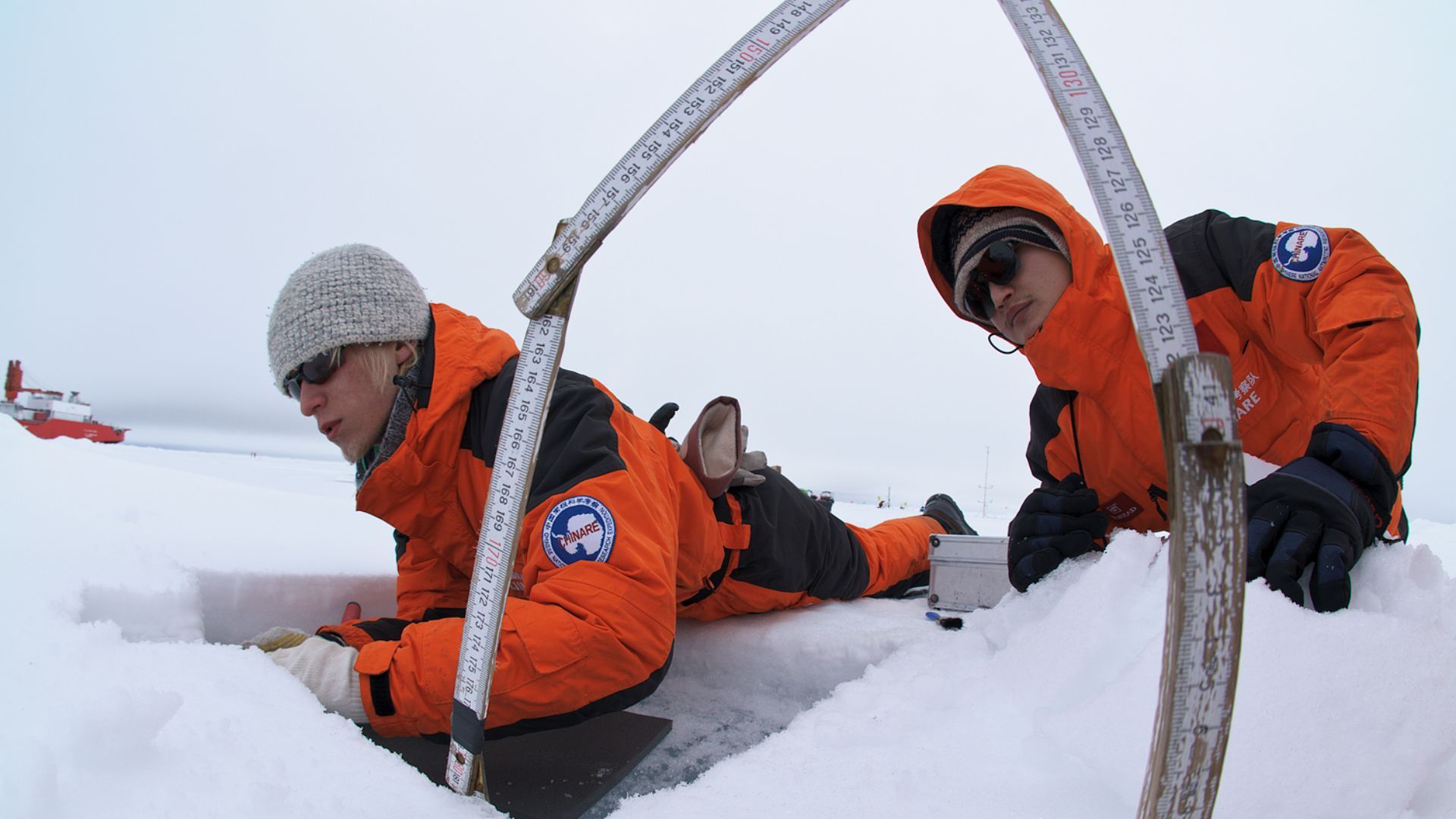
Researchers believe other ancient sediments may contain equally valuable DNA if preservation conditions were favorable. Similar deposits in Arctic regions and elsewhere could reveal ecosystems even older than the Greenland discovery, although finding suitable material still poses a challenge.
Expanding Ancient Genetics
The success of this project demonstrates how rapidly ancient DNA science continues to advance. Modern sequencing technology can recover meaningful information from fragments once considered too damaged or too old to provide any scientific value.
 Linda Bartlett (Photographer), Public domain, via Wikimedia Commons
Rewriting Arctic History
Before this discovery, Greenland's ancient environment could only be inferred from scattered fossils. Environmental DNA allowed scientists to reconstruct an ecosystem in unprecedented detail, fundamentally changing understanding of the Arctic's distant geological past.

A Vanished Ice Age Forest
The forests, mastodons, flowering plants, and countless smaller organisms that once thrived in northern Greenland have disappeared completely. Yet microscopic DNA fragments preserved beneath frozen sediments have allowed scientists to bring this extraordinary lost world back into view.
 Charles Robert Knight, Wikimedia Commons
The Power Of Tiny Fragments
Two million years after these organisms disappeared, fragments of their DNA have become one of the greatest archaeological discoveries of recent decades. They reveal that even the smallest traces of life can preserve astonishing stories about Earth's ancient environments.
 Air Force Staff Sgt. Nicole Leidholm, photographer, Wikimedia Commons
Looking Ahead
Scientists expect environmental DNA to transform future archaeology and paleontology. As sequencing techniques continue improving, more forgotten ecosystems may emerge from ancient sediments, offering unprecedented insights into climates, evolution, and the remarkable history of life on Earth.

You May Also Like:
NASA radar discovered an abandoned secret US military base hidden underneath ice in Greenland.