 Ahmad Hasaballah, Getty Images
Deep in the ancient necropolis of Saqqara, beneath layers of desert sand, archaeologists made an extraordinary discovery in 2021. A limestone statue, standing just over 40 inches tall, emerged from its 4,300-year slumber to challenge everything experts thought they knew about Old Kingdom art.
An Artistic Revolution In Stone
This exquisite Fifth Dynasty sculpture, unofficially dubbed "Messi" after an inscription found nearby, depicts a nobleman standing proudly with his wife and child, a depiction which was never before seen in ancient Egyptian statuary. The nobleman stands in the traditional left-foot-forward stance, symbolizing youth, vitality, and strength.
His anatomically detailed torso, short lappet wig, and pleated kilt reflect the master sculptor's keen attention to form. His wife kneels at his right leg in a smaller scale, representing the typical artistic hierarchy of the era. But it's the daughter who turns this from beautiful to groundbreaking. Unlike her parents, who are carved fully in three dimensions, she appears behind her father's left leg in high relief.
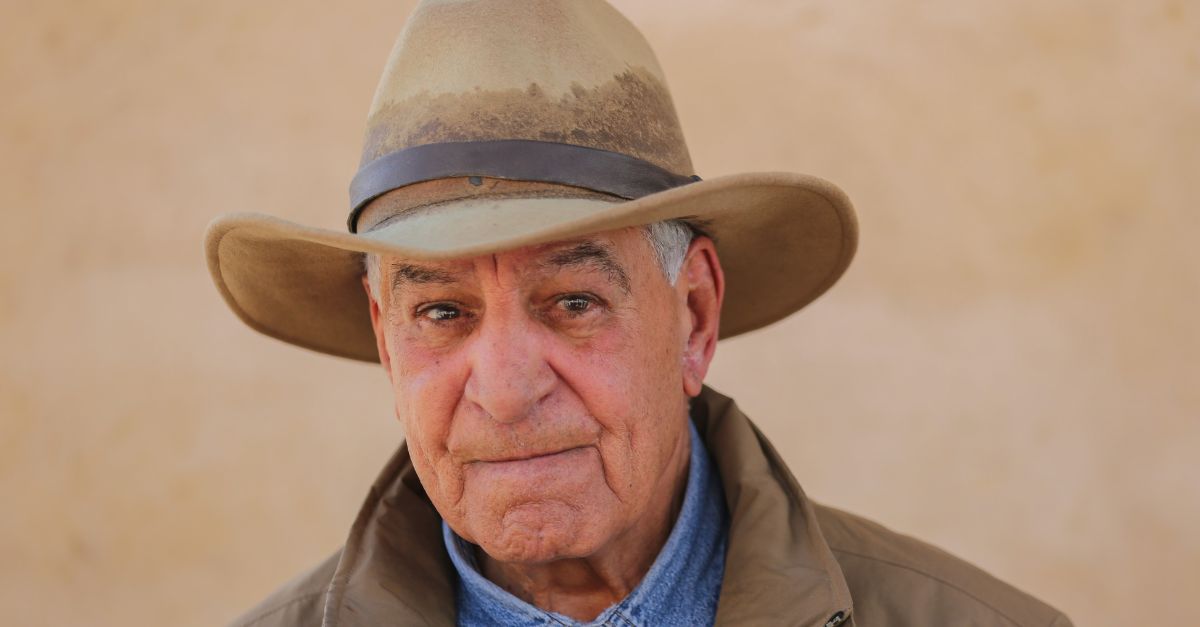
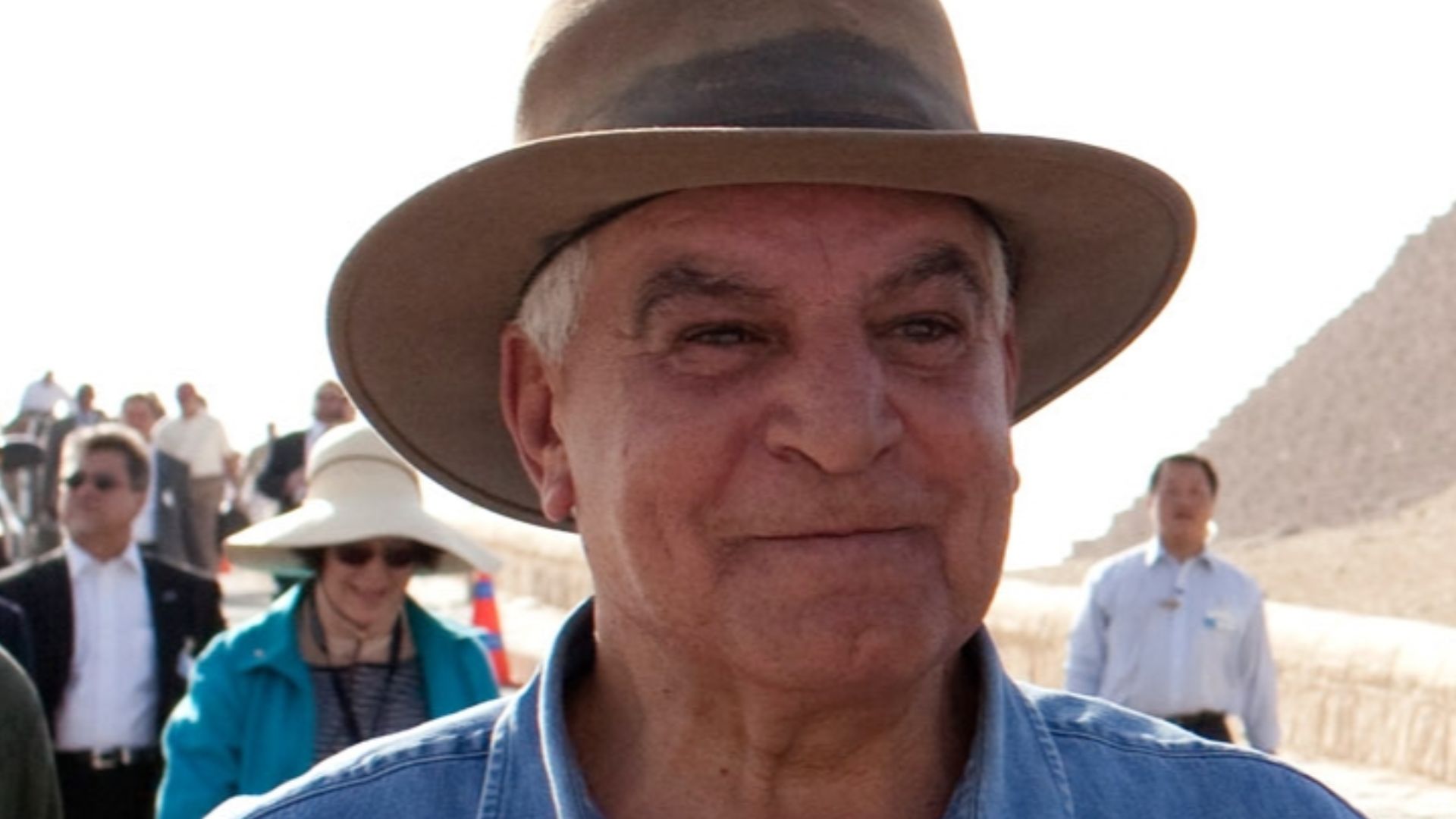
As noted by the well-known Egyptologist Dr Zahi Hawass, who discovered the statue, this artistic choice positions it as the only known example of its kind from the period, fundamentally reshaping our understanding of Old Kingdom Egyptian art.
 The Official White House Photo Stream, Wikimedia Commons
Why A Statue Like “Messi” Still Echoes So Powerfully Today
A find like the Messi family statue gains significance the moment it leaves the ground. Much of its impact comes from the clarity with which the sculptor combined multiple carving methods within a single composition. The contrast between fully three-dimensional figures and high-relief elements is rare for the period and immediately draws specialist attention.
The statue also demonstrates a shift in how archaeologists analyze Old Kingdom workmanship. Researchers now study workshop habits, tool marks, and stylistic signatures to understand how sculptors coordinated complex scenes. The arrangement in this piece, especially the integration of varying carving depths, provides evidence of advanced planning within a Fifth Dynasty workshop.
Another reason the statue remains influential is the precision of its excavation. Carefully recorded stratigraphy and documentation allow scholars to reconstruct its original architectural context. That context helps identify the workshop traditions active in Saqqara at the time and clarifies how such statues functioned within broader Fifth Dynasty production.
For modern specialists, the object also serves as a reference point for technical studies. Surface finishing, chisel patterns, and proportions visible on the statue contribute to research on training systems and the distribution of stylistic schools across Saqqara. Each detail strengthens the comparative record used to map artistic development across the Old Kingdom.
The nickname “Messi,” taken from a nearby false door inscription, provides the find with clear identification in excavation records. It allows researchers to distinguish this statue from others uncovered in the same area while preserving its archaeological context.
Ultimately, the piece endures because it expands the dataset for understanding how sculptors blended technique, scale, and spatial planning. Its combination of methods, preserved condition, and securely documented context makes it a key reference for examining workshop networks and artistic decision-making in the Fifth Dynasty.
Family Bonds Transcending Millennia
Well, the Messi statue also offers a touching glimpse into ancient Egyptian family life and beliefs. The composition, with the wife embracing her husband's leg and the daughter clutching a honking goose, captures intimate family dynamics rarely preserved from this distant era.
Though the nobleman's actual name remains uncertain, the nearby false door bearing the name "Messi" suggests he was a person of importance during the Fifth Dynasty (circa 2465–2323 BCE).
In ancient Egyptian belief, such statues served as eternal vessels for the family's ka (spirit), ensuring they would reunite in the afterlife just as they had lived in mortal existence. The size differences between figures emphasize social hierarchy, while the goose held by the daughter references both daily life and sustenance needed in the afterlife.
 Olaf Tausch, Wikimedia Commons
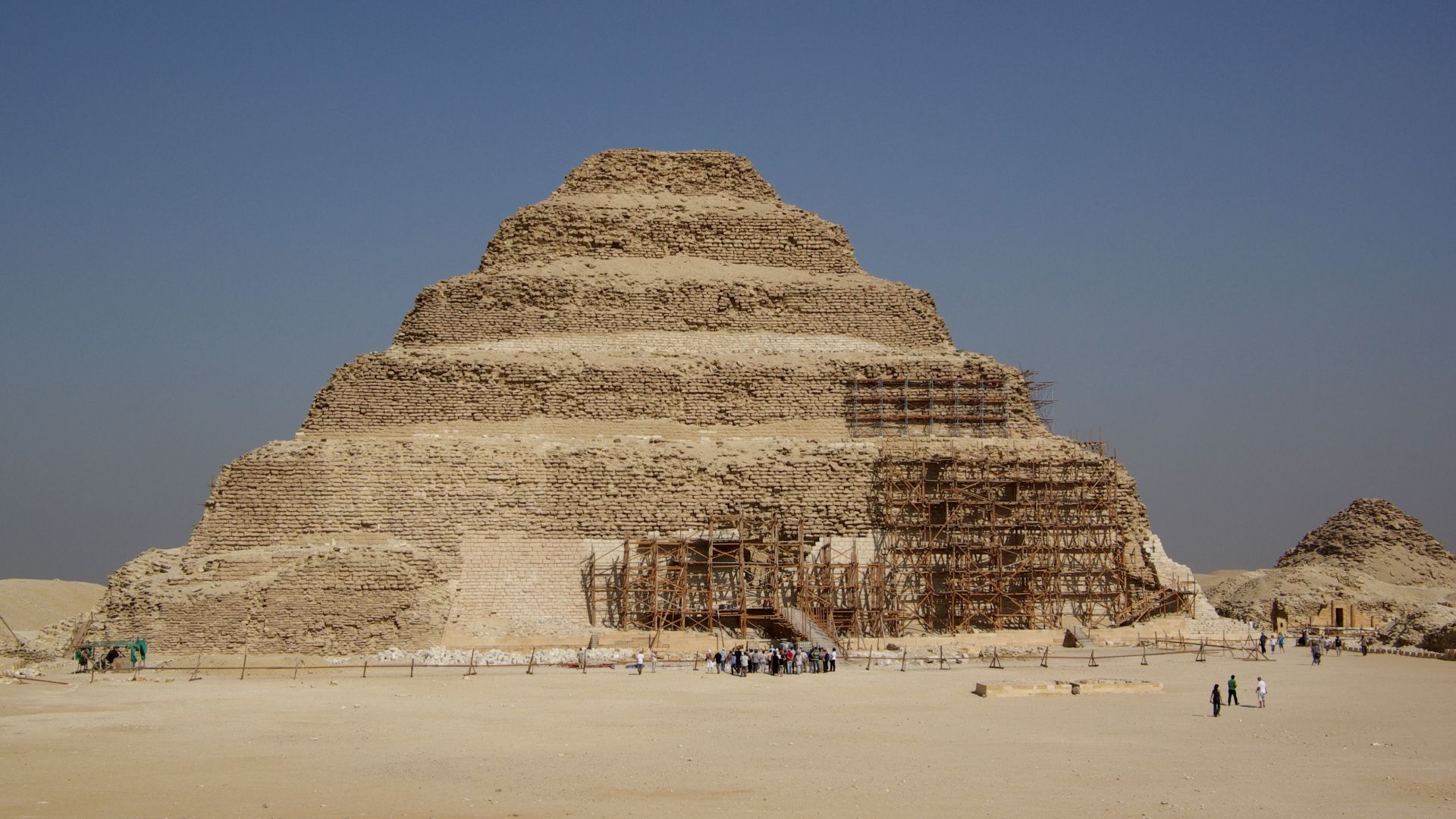
Saqqara: An Ever-Unfolding Archaeological Marvel
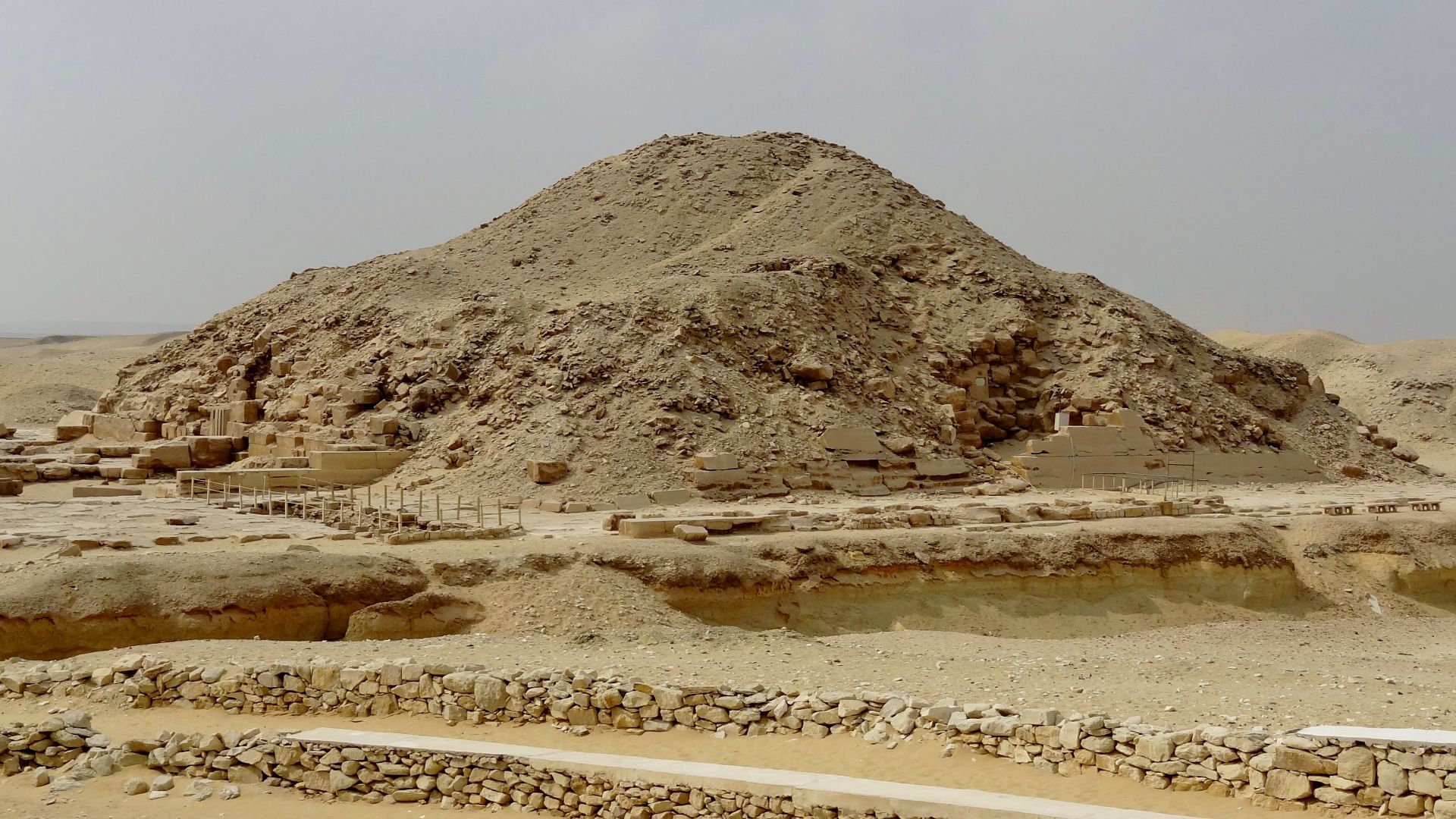
The Messi statue's discovery reinforces Saqqara's status as an archaeological treasure trove of immeasurable importance. For thousands of years, this vast necropolis served as the final resting place for officials, priests, and artisans. Each new find adds another piece to our understanding of ancient Egyptian civilization.
Stylistically similar to the Irukaptah statue housed in the Brooklyn Museum, experts believe both works may have originated from the same workshop or artistic "school" operating in Saqqara. This connection helps archaeologists trace the development of artistic traditions across the Old Kingdom period.
 Berthold Werner, Wikimedia Commons