 Livioandronico2013, Wikimedia Commons
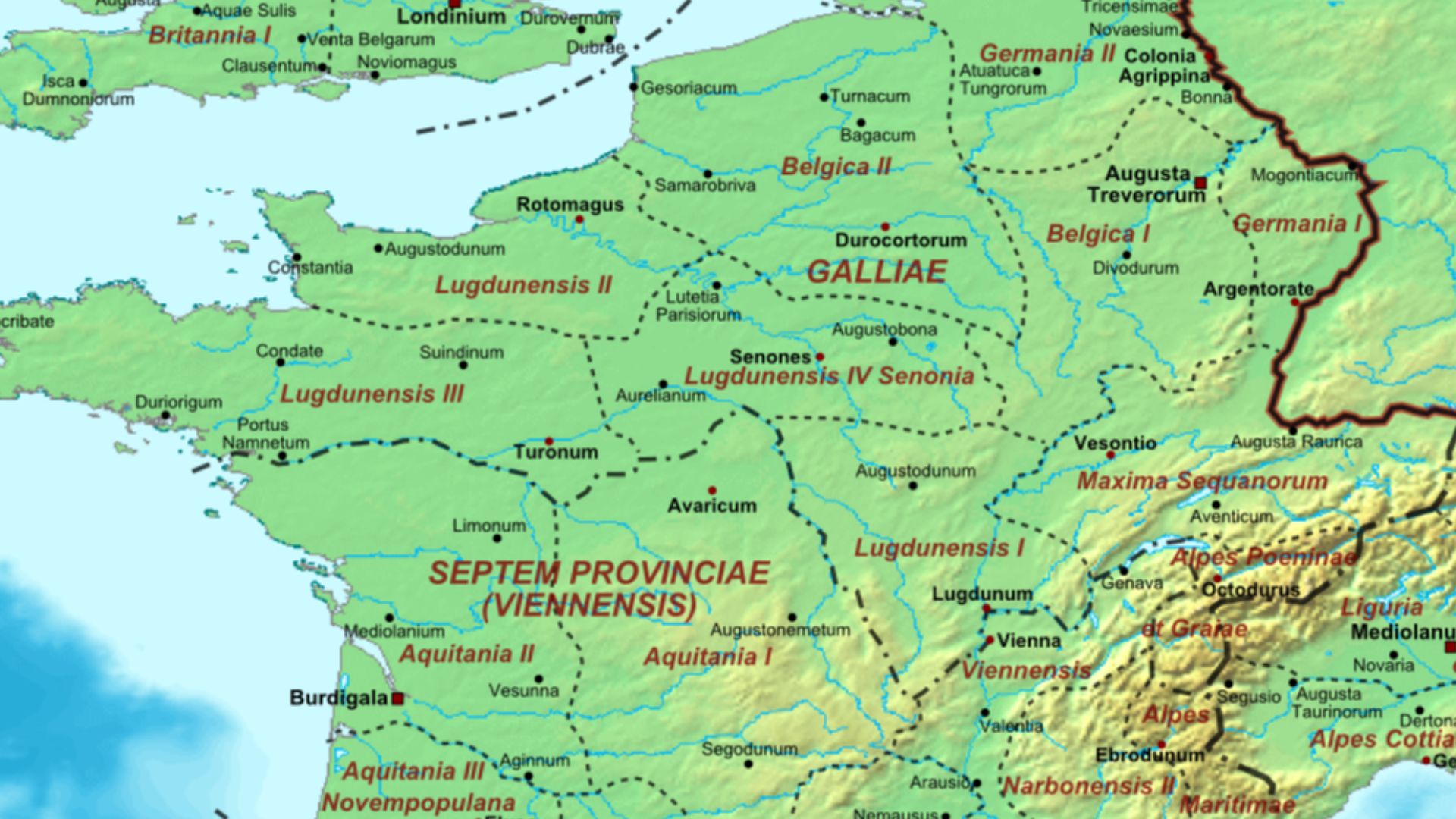
Preventive excavations along a construction corridor in southern France revealed a Roman road segment that had remained sealed beneath layers of soil for nearly two millennia. Archaeologists uncovered the structure while assessing the land before modern development, a standard procedure in regions with long settlement histories. The exposed road lies near Nimes and appears to have belonged to the network that once connected the city to wider Roman Gaul. Its condition surprised researchers; ruts carved by repeated cart traffic remain visible, and portions show evidence of ancient repairs. Nearby discoveries of tombs, ceramic vessels, and lamps add depth to the picture, highlighting a land shaped by routine travel and burial traditions.
A Roadway That Carried Centuries Of Movement
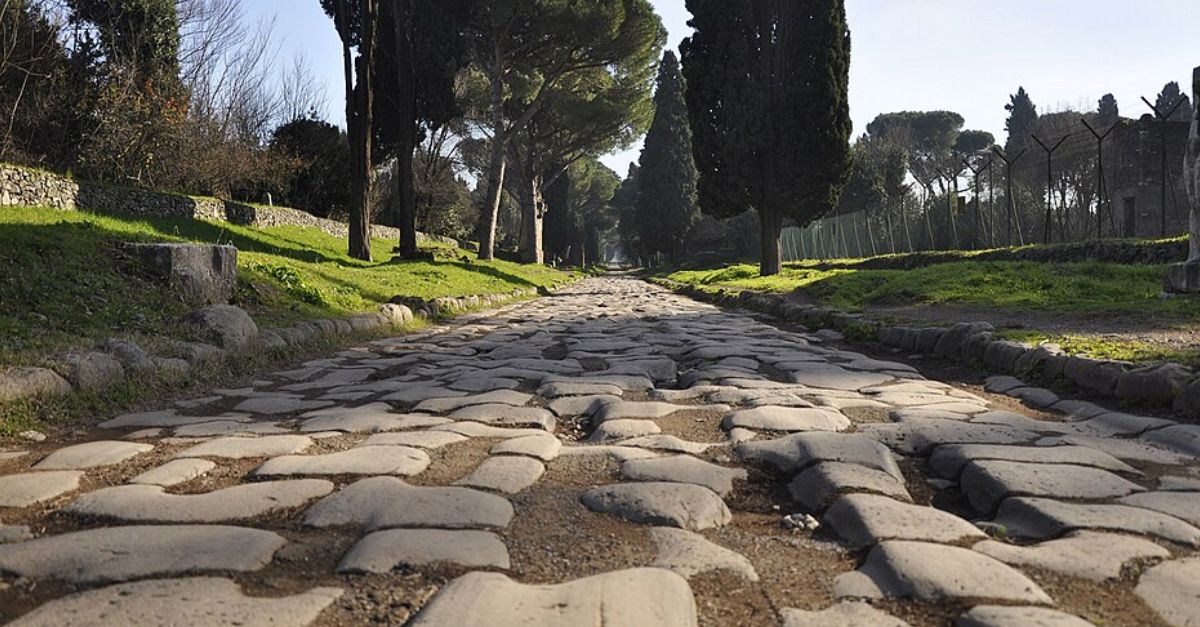
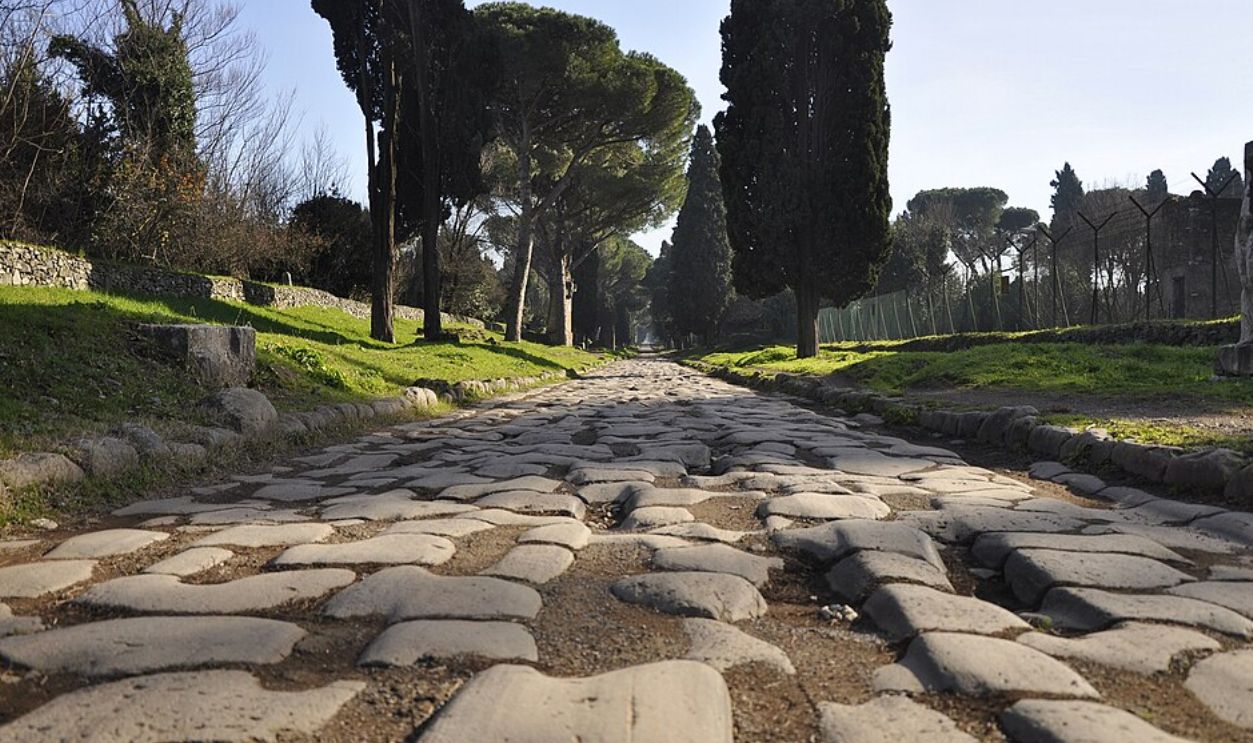
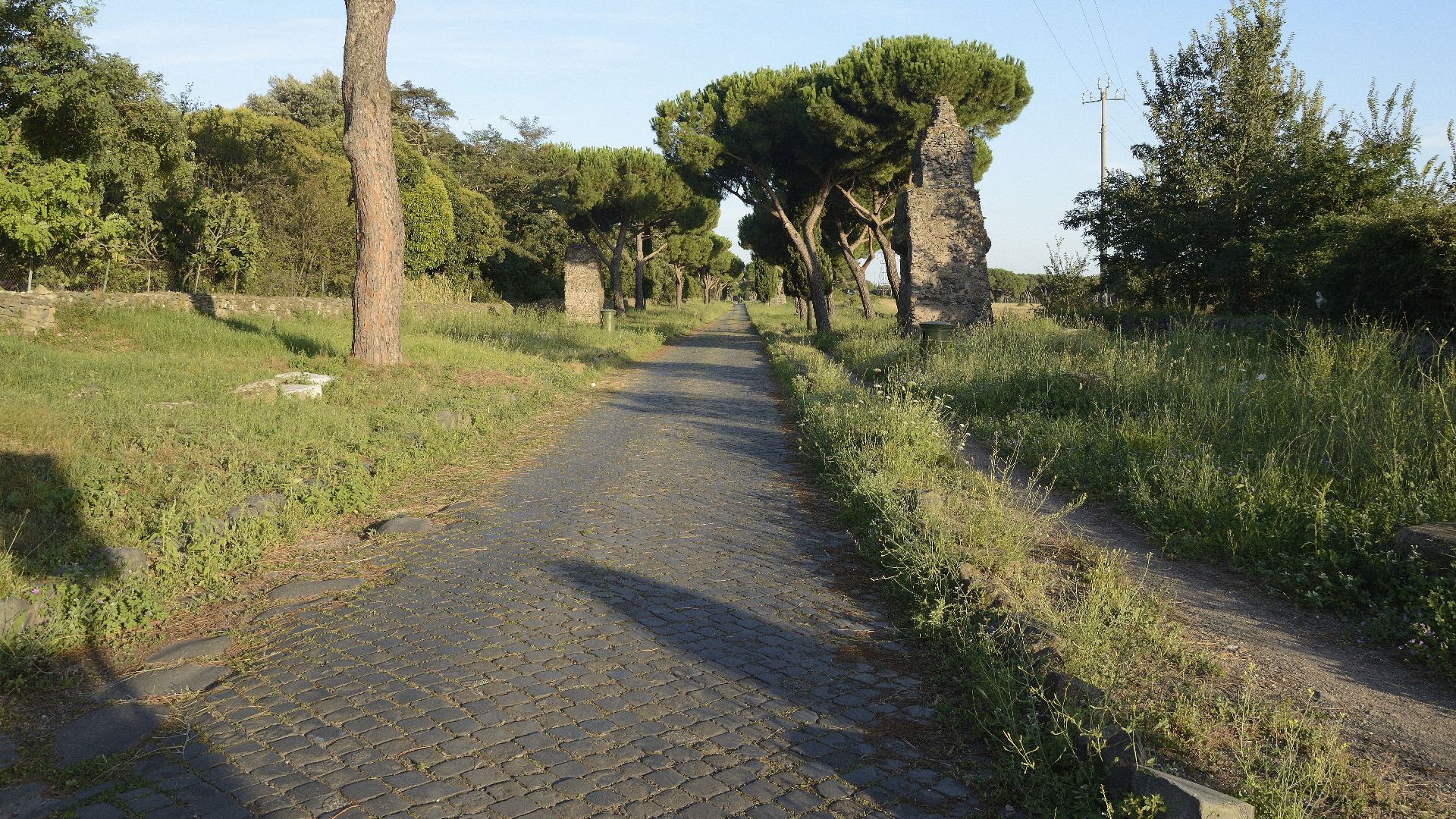
Archaeologists report that the uncovered road spans a notable width and features tightly fitted paving stones characteristic of Roman engineering. Its alignment and construction style suggest that it may have been connected to the Via Domitia, the major route leading travelers toward Nimes. Wear patterns impressed into the surface demonstrate long-term use by wheeled vehicles, and some stones appear to have been replaced, indicating periodic maintenance during antiquity. The road’s durability offers a measurable example of Roman investment in infrastructure and reflects the practical needs of communities dependent on reliable routes linking settlements, trade centers, and administrative hubs across the region.
The excavation also revealed that the roadway sat within a broader setting shaped by repeated occupation and changing practices over time. Sediment layers showed long phases of stability followed by episodes in which the road surface received adjustments or patching, hinting at shifts in traffic or settlement patterns. These details allow researchers to examine not only engineering methods but also social rhythms tied to travel corridors. Preventive archaeology enabled this close study, since the road might have remained unknown had construction proceeded without preliminary investigation in an area known for dense ancient activity.
 Livioandronico2013, Wikimedia Commons
Burials And Objects That Trace Daily Rituals
Between two parallel alignments of the road, archaeologists found a cluster of tombs containing cremated remains. The ashes had been placed inside ceramic or glass vessels, a practice documented across Roman Gaul that reflects established funerary customs. The burial area included urns, containers, and objects commonly associated with ritual remembrance. These findings suggest that the zone served not only as a transportation passageway but also as a designated space where families honored their dead. Locating graves near major roadways was customary in Roman territories to allow passersby to see funerary markers and acknowledge the individuals laid to rest along heavily traveled routes.
Excavators also recovered pottery and lamps that survived centuries underground. Some items served practical household functions during daily life, while others likely held symbolic meaning within funerary ceremonies. Lamps in particular appear frequently in Roman burial contexts, illuminating rituals or acting as companions for the deceased. The presence of intact vessels provides valuable insight into local production, trade, and consumption patterns around Nimes during the Roman period. Together, these artifacts help researchers reconstruct social habits and beliefs about death, which reveal a community whose daily routines intersected with long-standing ritual responsibilities along the corridor.
What The Discovery Reveals About Roman Gaul
The combination of a well-built road, neighboring tombs, and preserved artifacts creates a cohesive picture of how infrastructure and ritual practices shaped Roman southern France. The width and construction quality indicate that planners designed the road for sustained use by carts and travelers moving toward key urban centers such as Nimes. The visible maintenance features show that local authorities or nearby communities continued to care for the route, reinforcing its role as a dependable connection in a region essential to imperial logistics. These observations help refine modern understanding of how Roman infrastructure functioned within everyday provincial life.
The excavation underscores how preventive archaeology brings buried history back into view before construction removes the chance to study it. By uncovering the road alongside nearby burials, researchers opened a window into Roman behavior shaped by travel routes and the rituals carried out near them. Upcoming analyses will link the road’s structure to the placement of artifacts and the organization of the graves to understand how people shaped this land over long periods. In the end, the corridor’s findings show how ordinary development work can unexpectedly reveal traces of movement and workmanship that continue to echo beyond southern France.
 The_Roman_Empire_ca_400_AD.png: Cplakidas
derivative work: Jbribeiro1, Wikimedia Commons
The_Roman_Empire_ca_400_AD.png: Cplakidas
derivative work: Jbribeiro1, Wikimedia Commons