A Place Built For Power, Past And Present
Energy usually points forward. This time, it pointed back. What emerged beneath the soil added unexpected depth to land already carrying serious weight. Royal weight.
 Simon Mortimer, Wikimedia Commons, Modified
Discovery During Nuclear Site Preparation
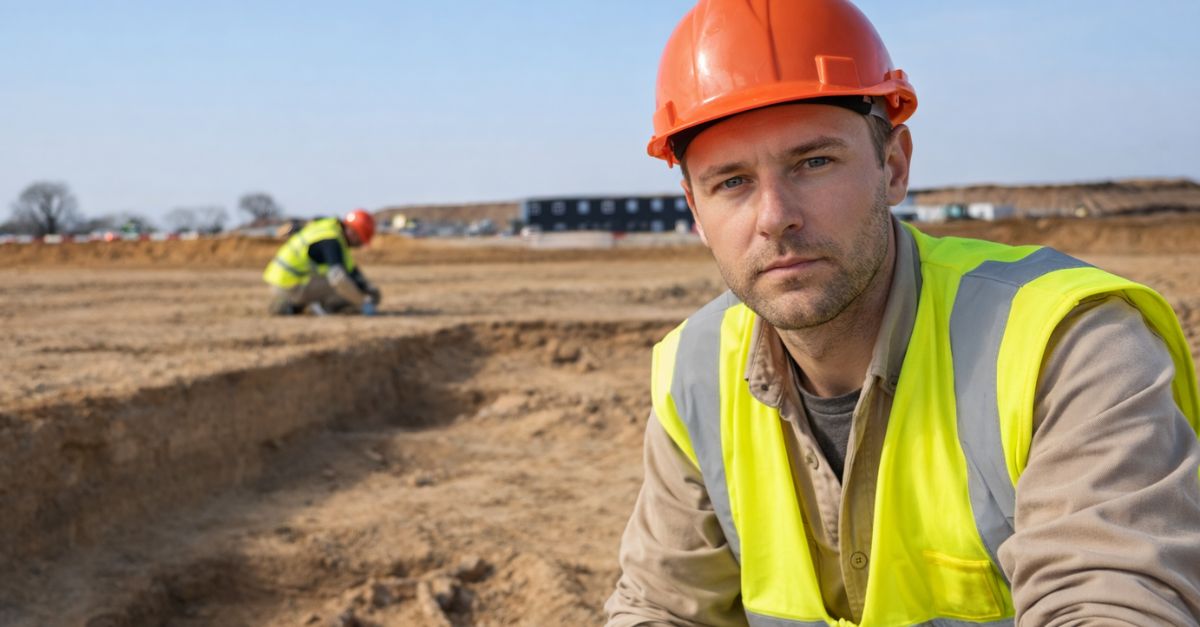
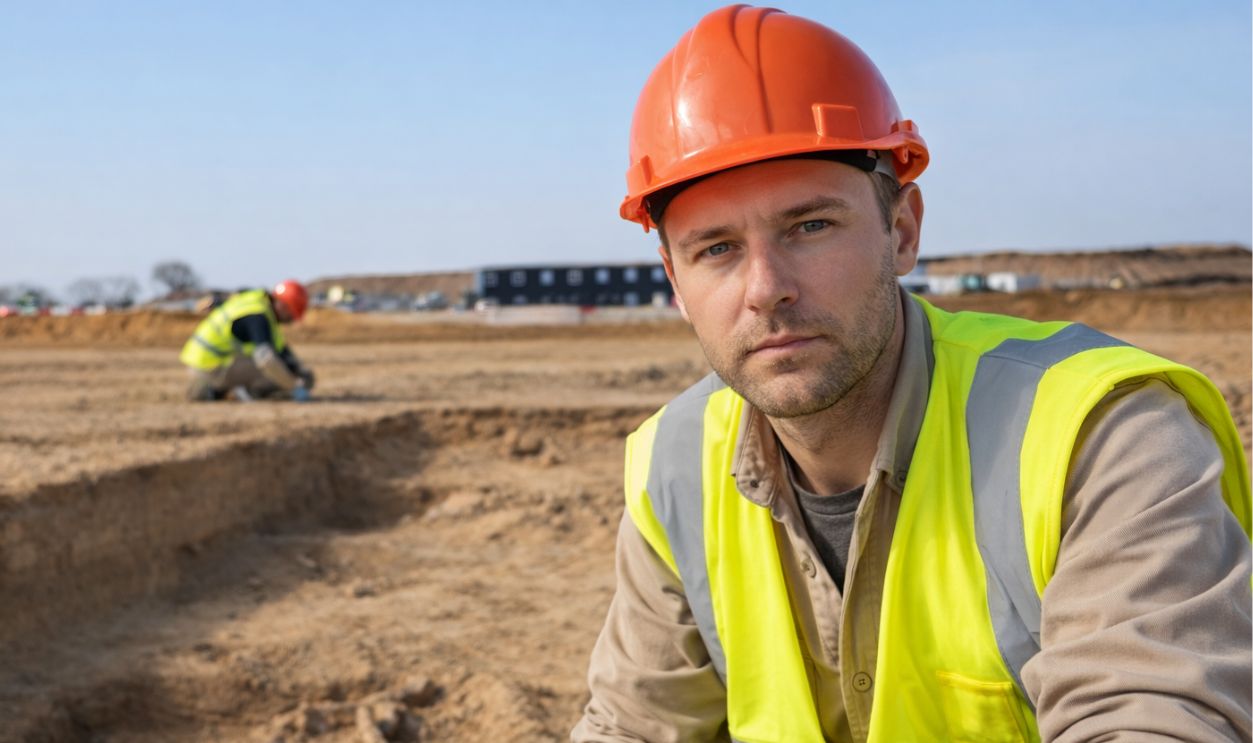
The find occurred in Suffolk, England, during ground preparation for the Sizewell C nuclear power station near Leiston. Workers were stripping soil and digging test trenches when unusual burial shapes appeared, which prompted an immediate halt and a call to archaeologists.
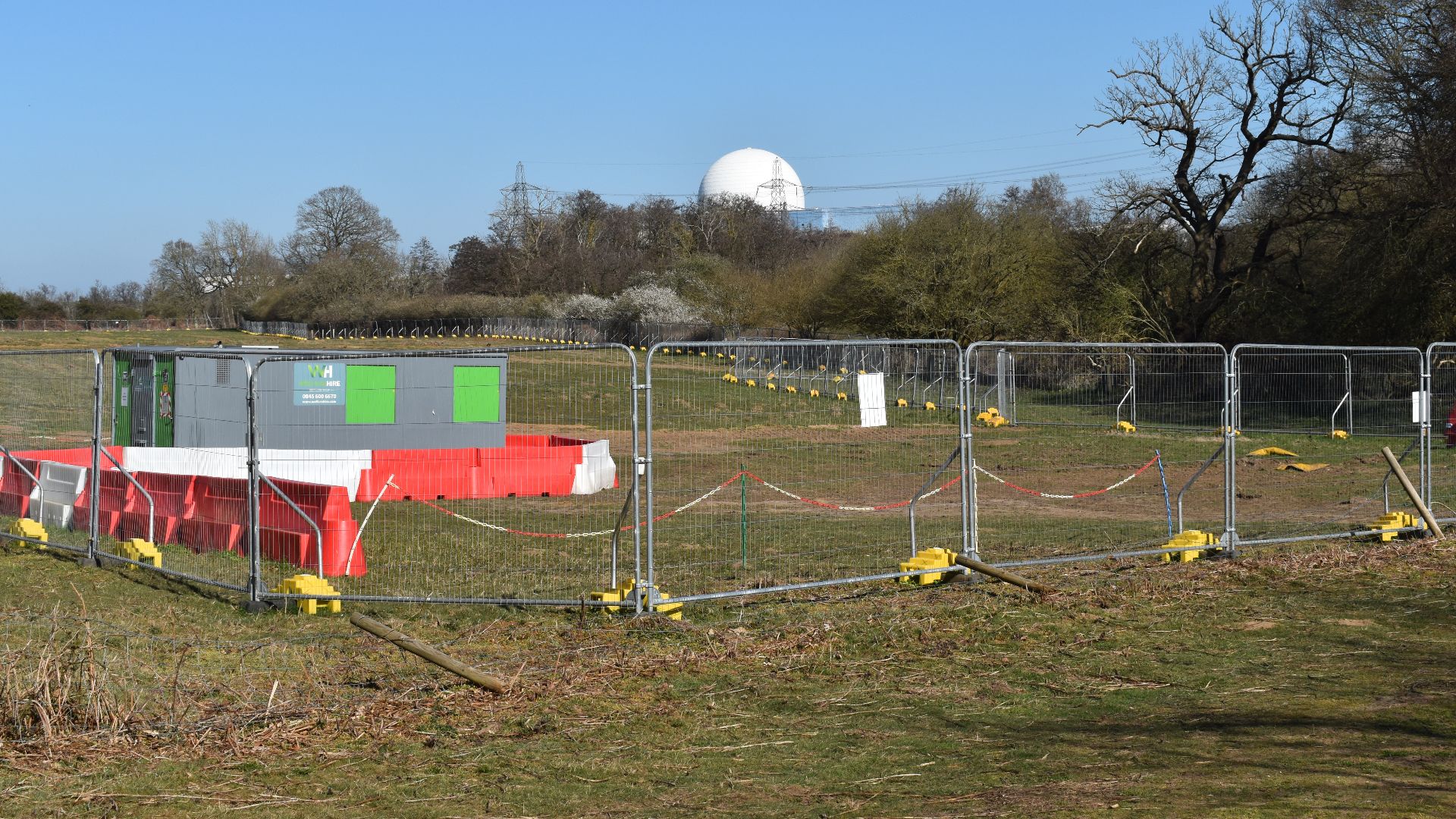 Simon Mortimer , Wikimedia Commons
Sizewell C Construction Grounds
The remains were uncovered on land designated for the Sizewell C nuclear power station along England’s east coast. Before reactors or containment buildings were planned, the same ground served as a chosen burial spot for early medieval elites.
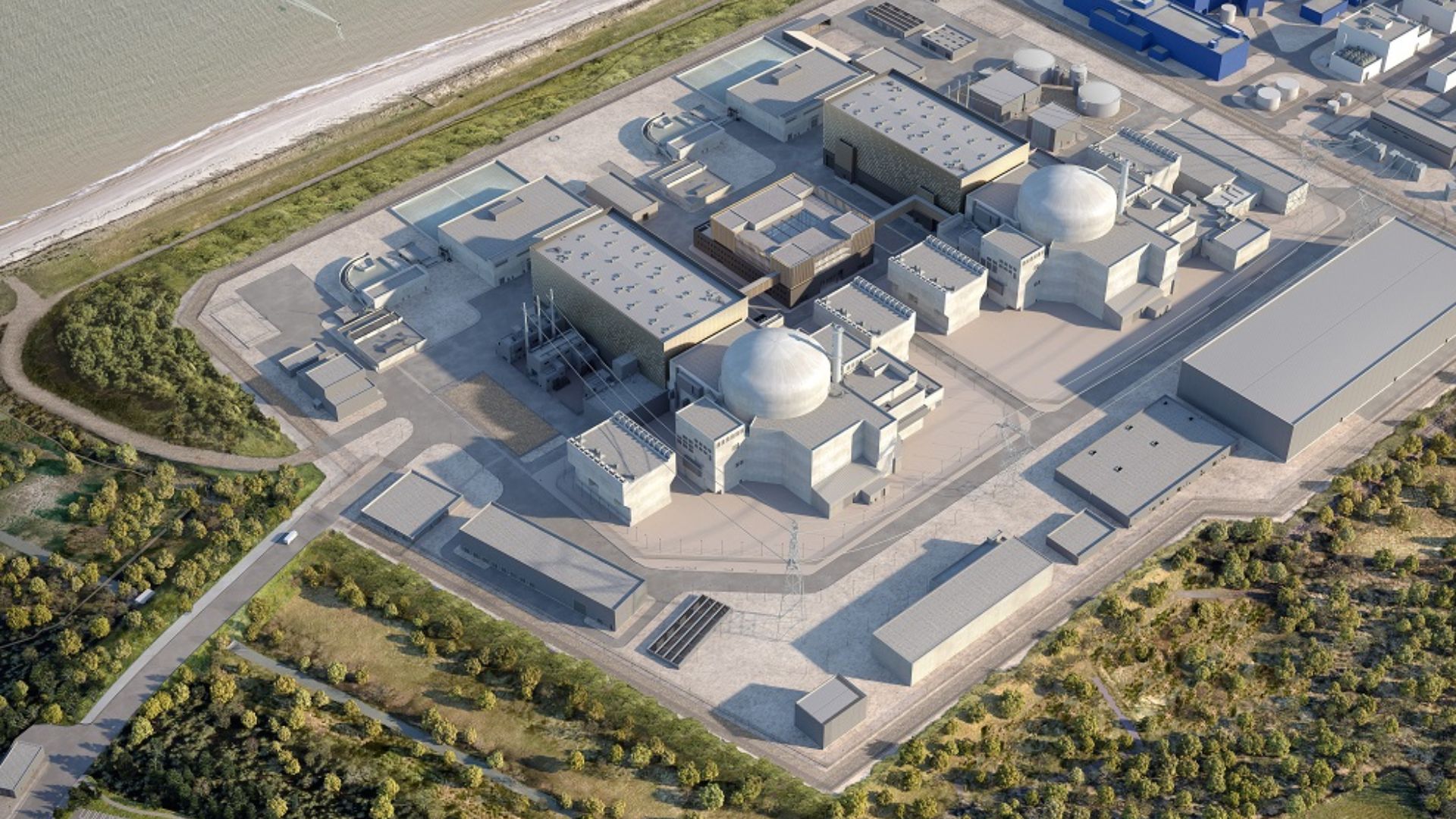 UK Government, Wikimedia Commons
Suffolk Location
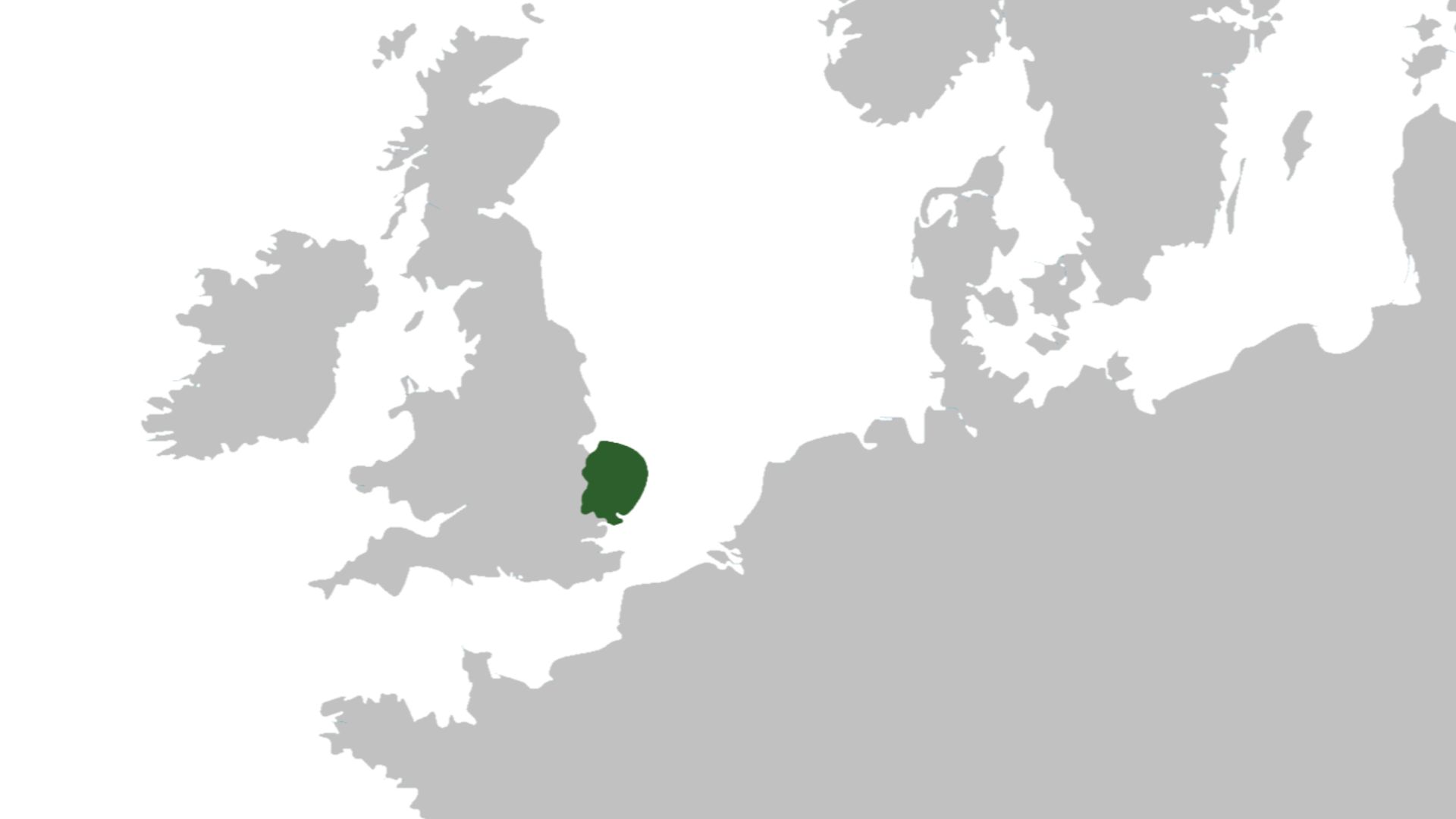
Look east, and the story deepens. Suffolk sits at the heart of early Anglo-Saxon settlement, shaped by rivers and open land. Those features encouraged movement, trade, and carefully placed burials meant to command attention.
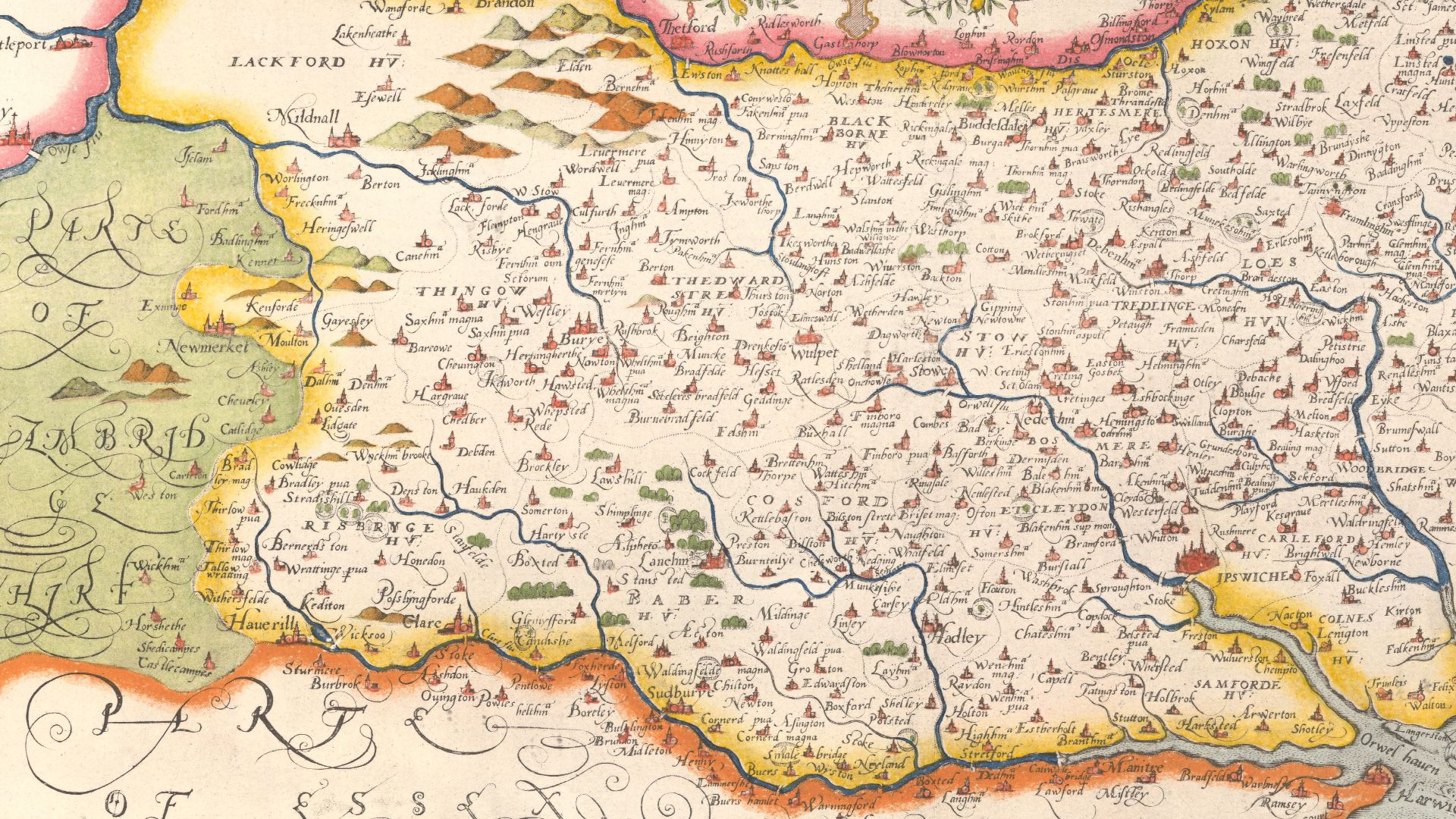 Christopher Saxton, Wikimedia Commons
Anglo-Saxon Burial Culture
What they found was nothing accidental. Burial traditions adhered to clear social codes, allowing rank to be discerned from the arrangement alone. Anyone familiar with the customs of the time would immediately recognize who held power just from this.
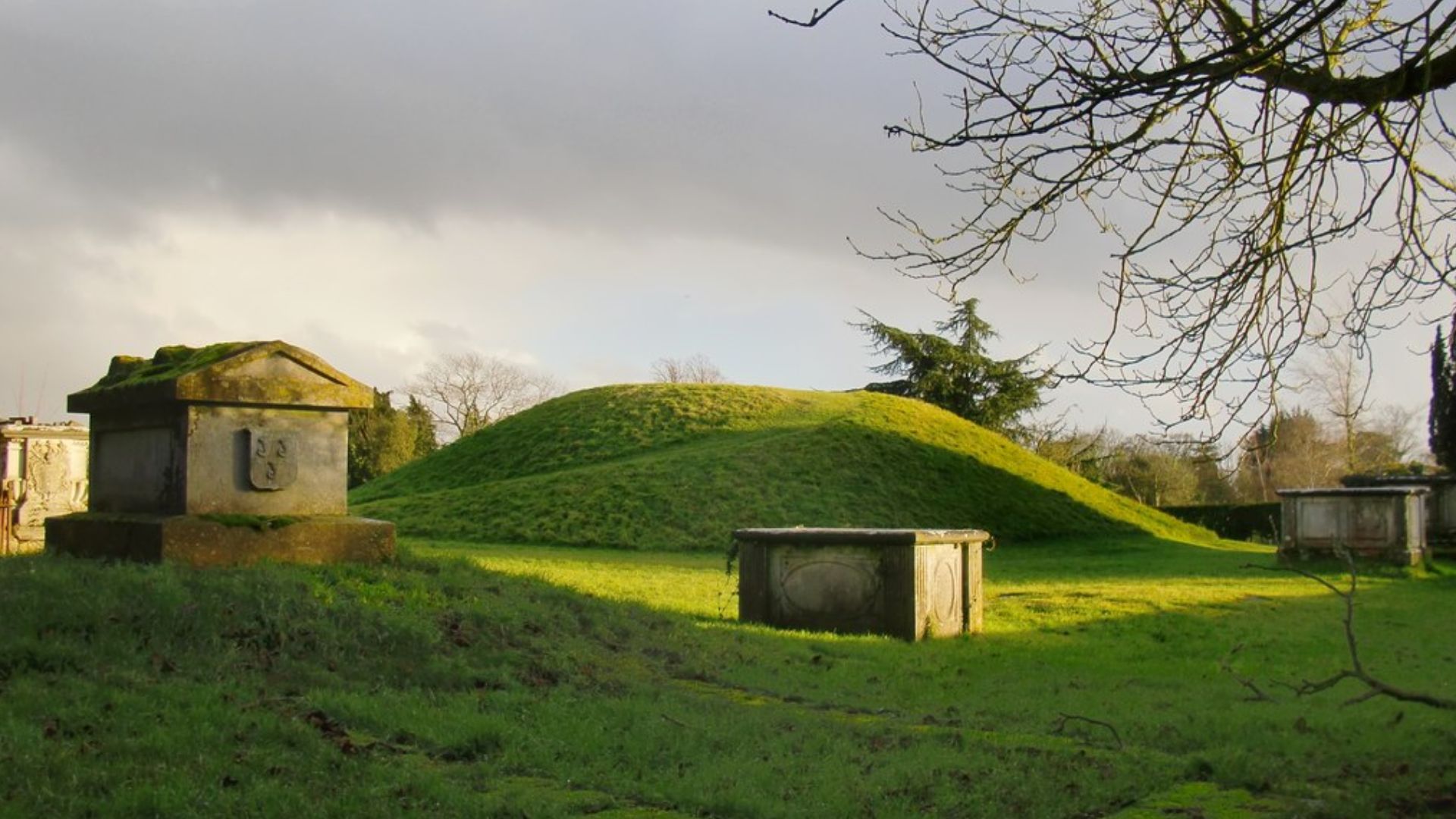 Stefan Czapski, Wikimedia Commons
Elite Social Status Indicators
You wonder, what gave? Well, weapons carried messages beyond warfare. Placing them in graves signaled authority and protection. These objects told a story about leadership roles tied to land and control within early English society.
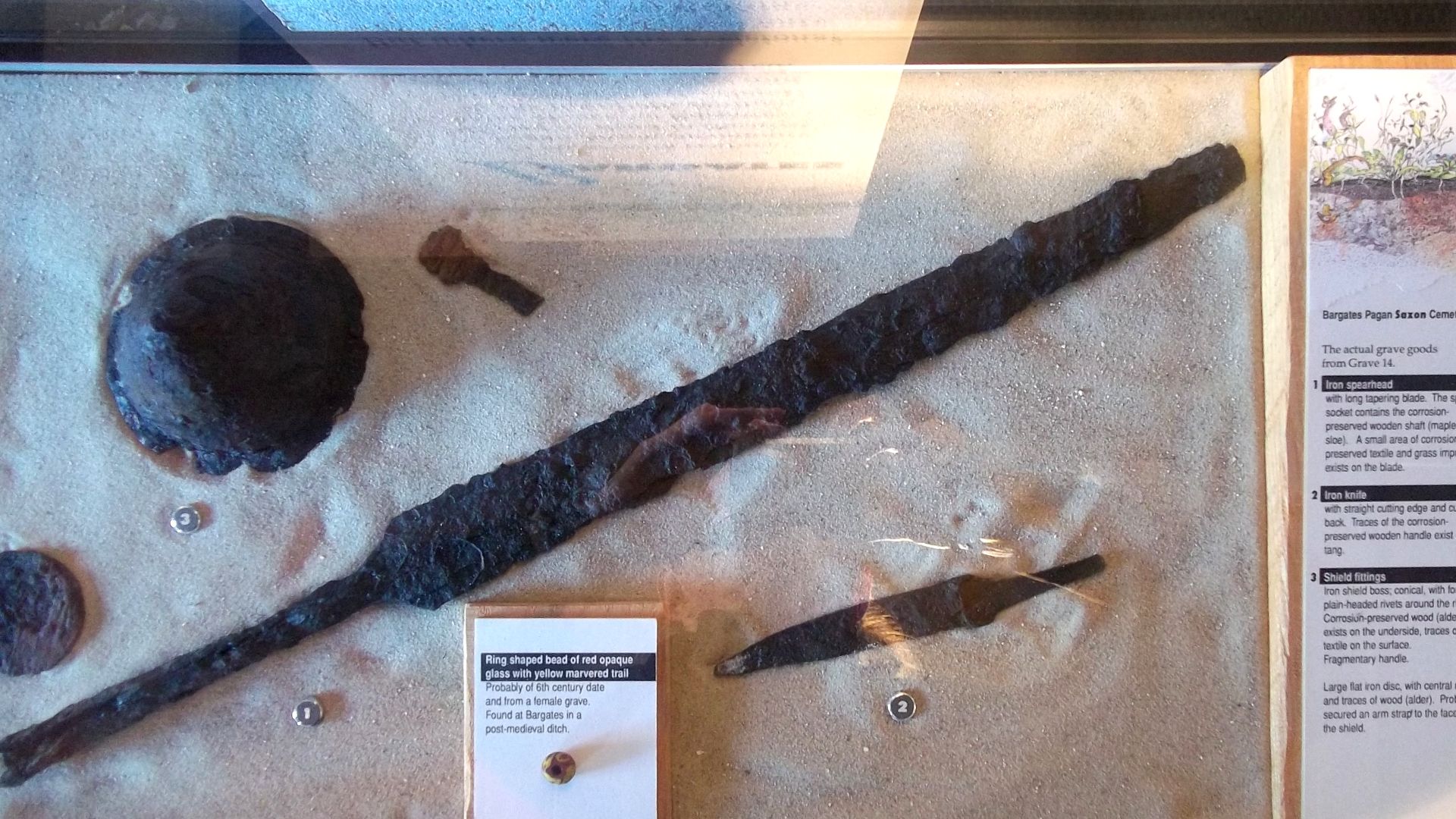
Double Burial Layout
Back then, sharing a grave was rare and meaningful. Two individuals placed together suggest a deliberate connection, possibly familial or political. Such choices reflected how elite relationships shaped influence during life and remembrance after death.
 Mark Percy , Wikimedia Commons
Horse Interment
Then comes the detail that stops you: A horse buried alongside the person laid to rest here. Now, when a horse was laid to rest beside humans, it spoke loudly. Horses symbolized wealth, mobility, and command, reserved for the powerful.

Weapon Grave Goods
The archaeologists also noticed how the placement was done. Weapons rested close to the body, reinforced identity even in death. As with the burial arrangement, anyone with this information would immediately know the role and status of the person buried here.
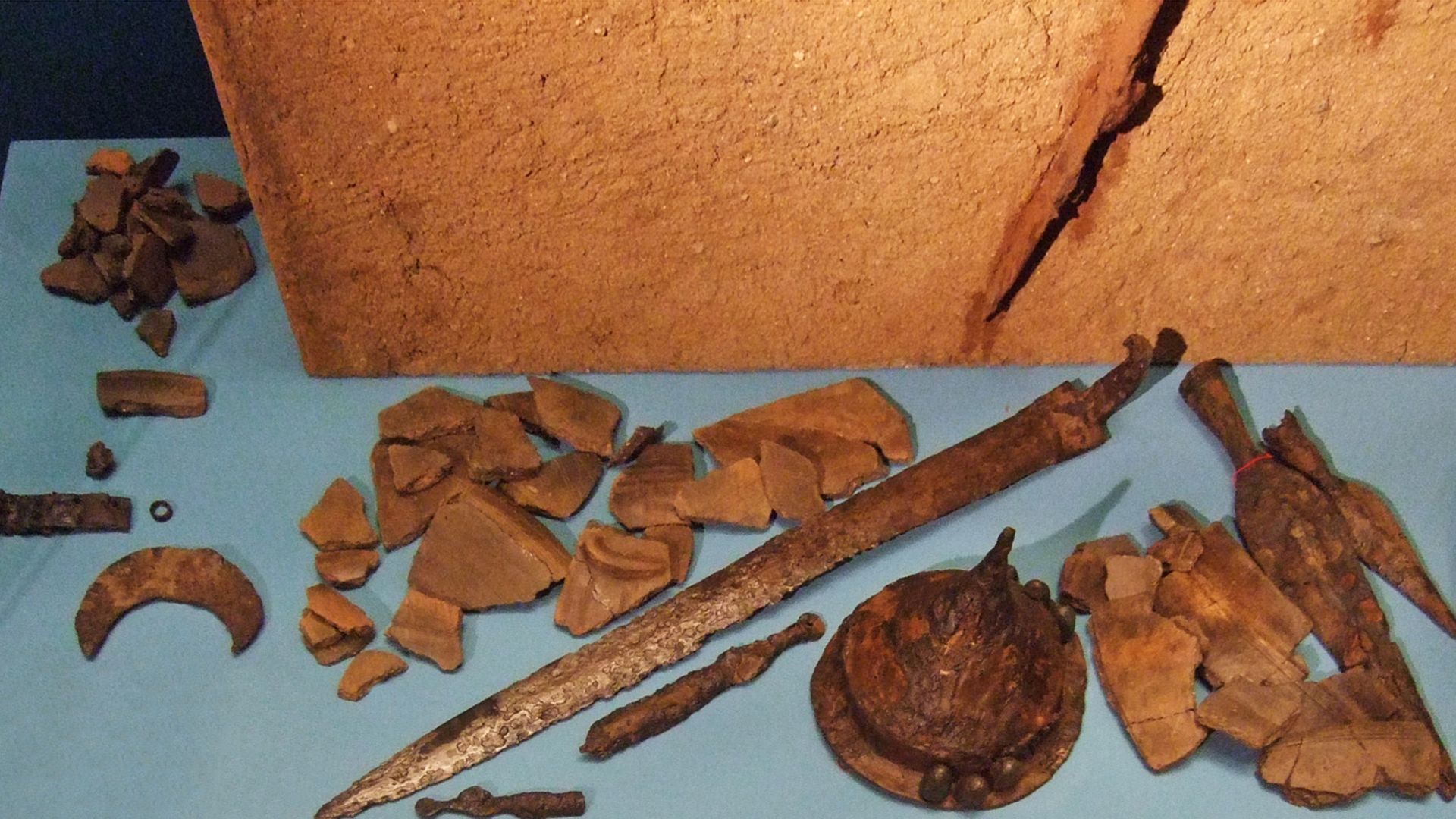 Photo by James Steakley, Wikimedia Commons
Shield Evidence
Even though the wood decayed, the outlines remained well preserved. This shield's impressions came with surprising clarity to reveal defensive styles favored by high-ranking warriors. The craft choices lingered long after materials vanished.
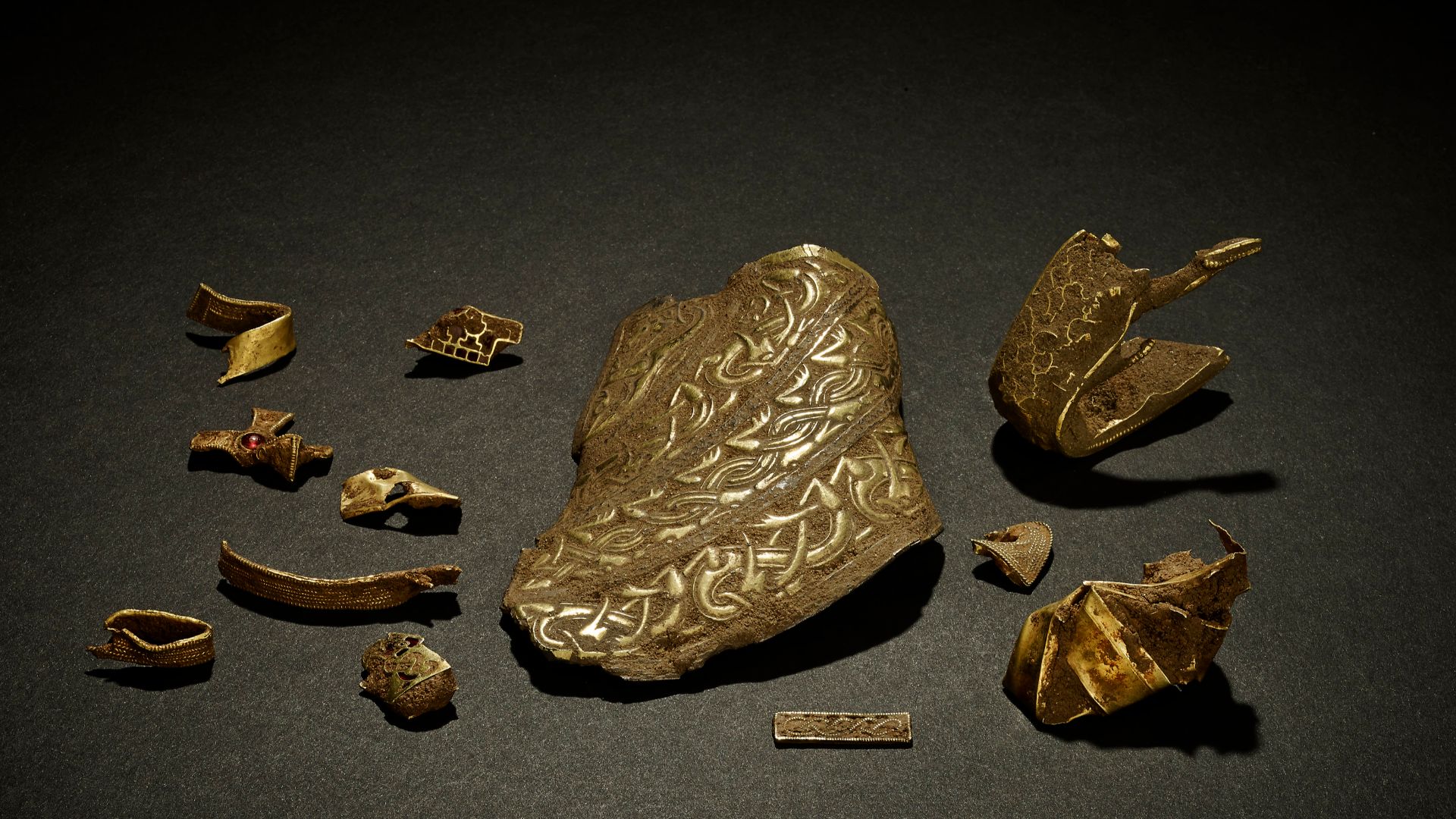 The British Museum, Emma Traherne, 2013-03-13 15:58:27, Wikimedia Commons
Spear Inclusion
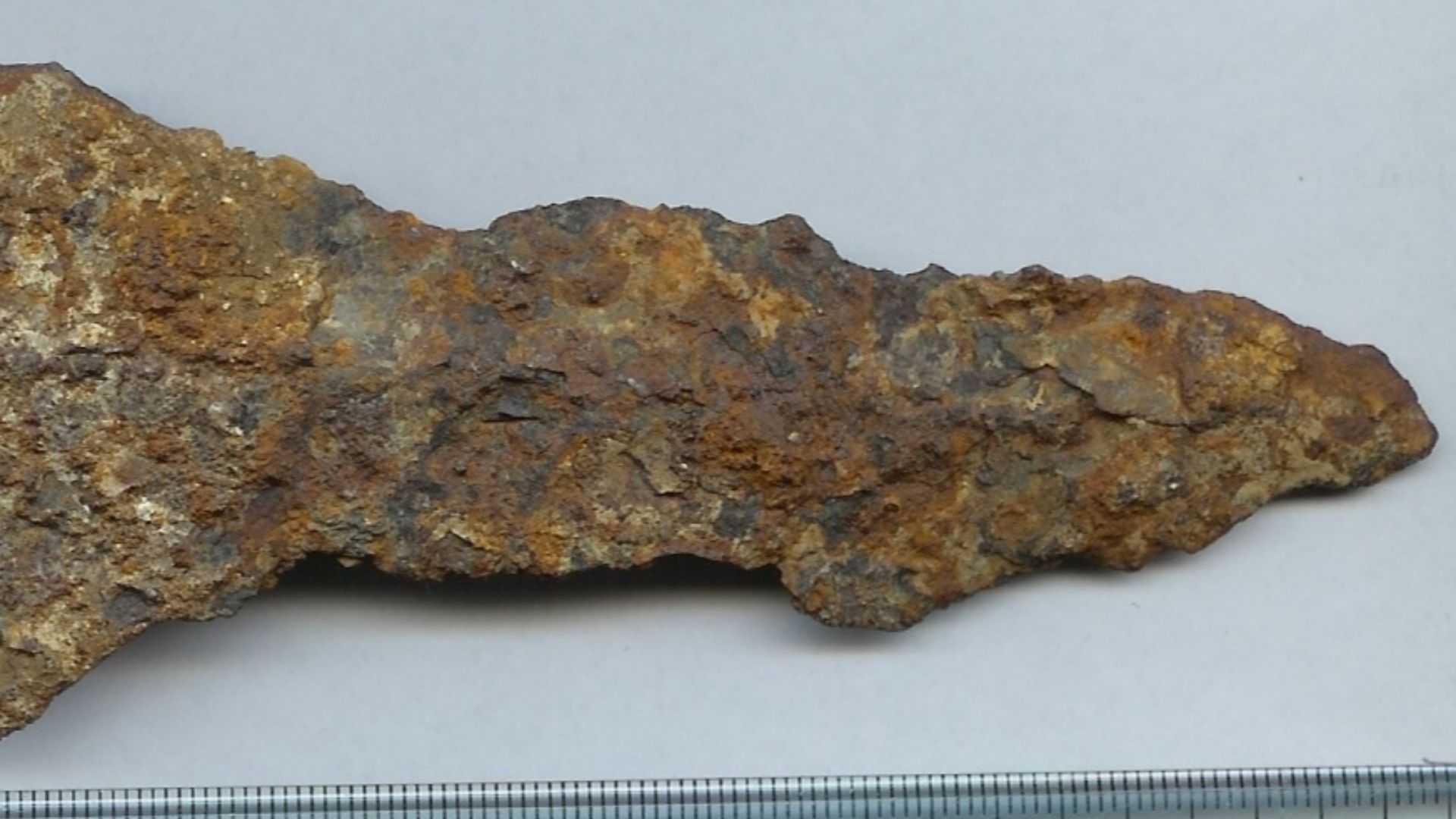
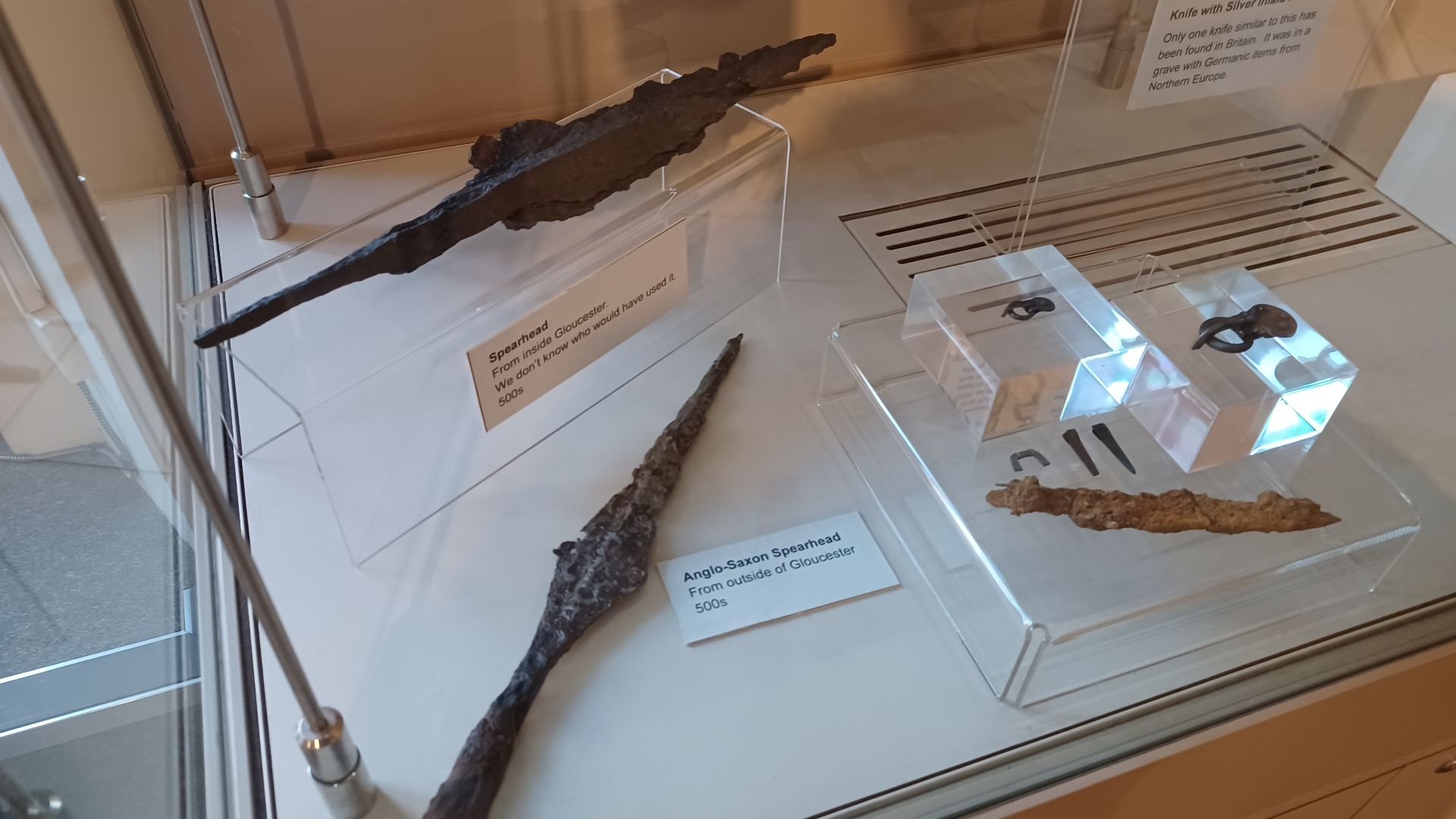
A spear placed within the burial followed known Anglo-Saxon customs. Such weapons often accompanied individuals associated with authority or defense, reinforcing a public identity connected to leadership and protection within the community.
 The Portable Antiquities Scheme, Kurt Adams, 2004-04-07 10:30:49, Wikimedia Commons
Acidic Soil Conditions
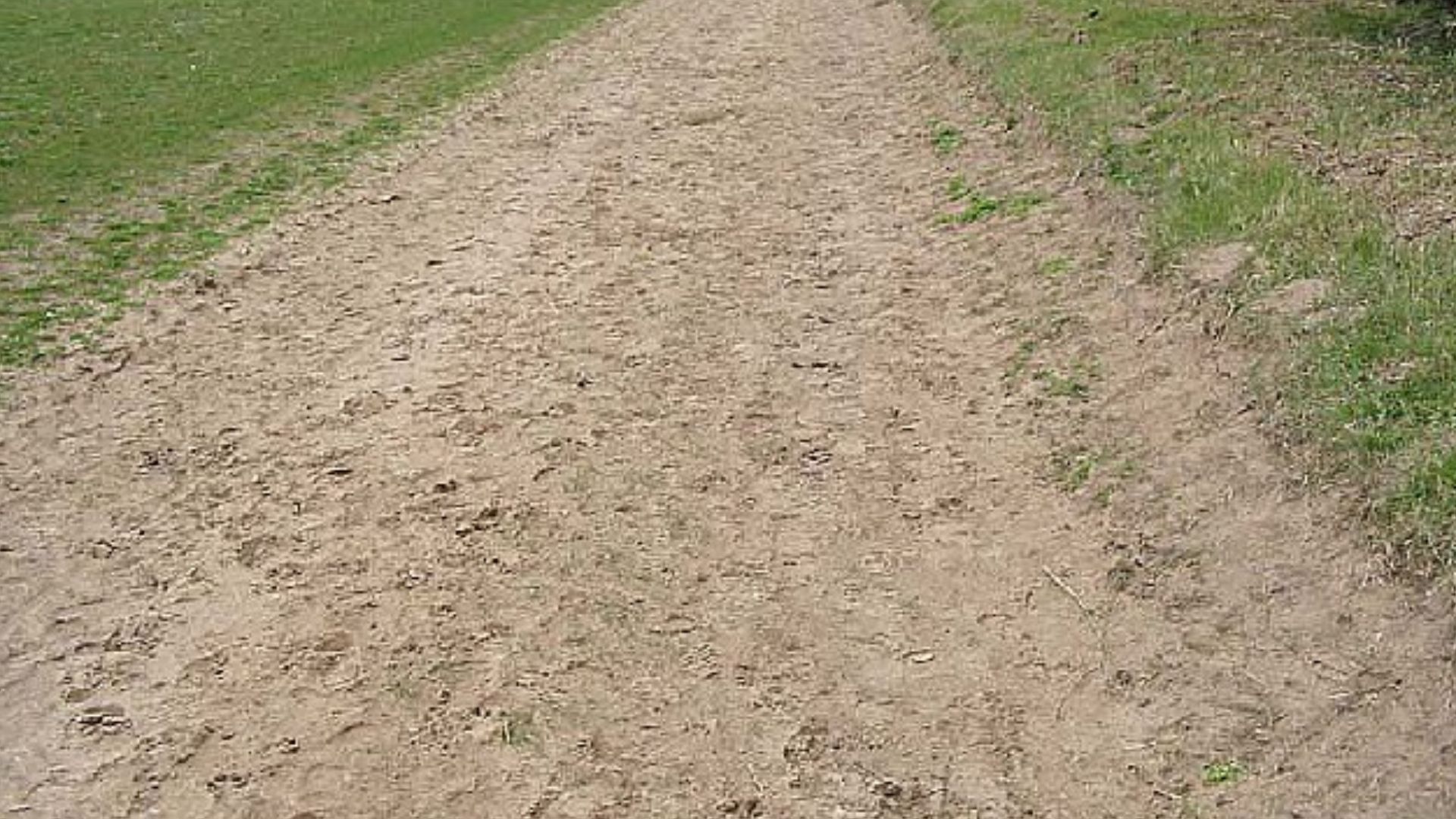
Suffolk’s soil chemistry played a decisive role. High acidity dissolved organic material over centuries, and it left no intact bones behind. That same process preserved subtle impressions that allowed archaeologists to reconstruct burial positions.
 Stephen Dawson, Wikimedia Commons
Sand Silhouette Preservation
Even though the acidic soil ate away the organic matter, fine-grained sand still recorded body outlines where remains once lay. These silhouettes captured the shapes of people, animals, and objects, providing spatial clarity even when the physical material had long since perished.

Human Remains Confirmed
Although the bones dissolved in the acidic soil, clear body outlines confirmed the remains were human. Those impressions preserved how the body rested within the grave space, and this allowed researchers to understand its position and placement at burial.
 Crossrail/MOLA, Wikimedia Commons
Archaeological Oversight
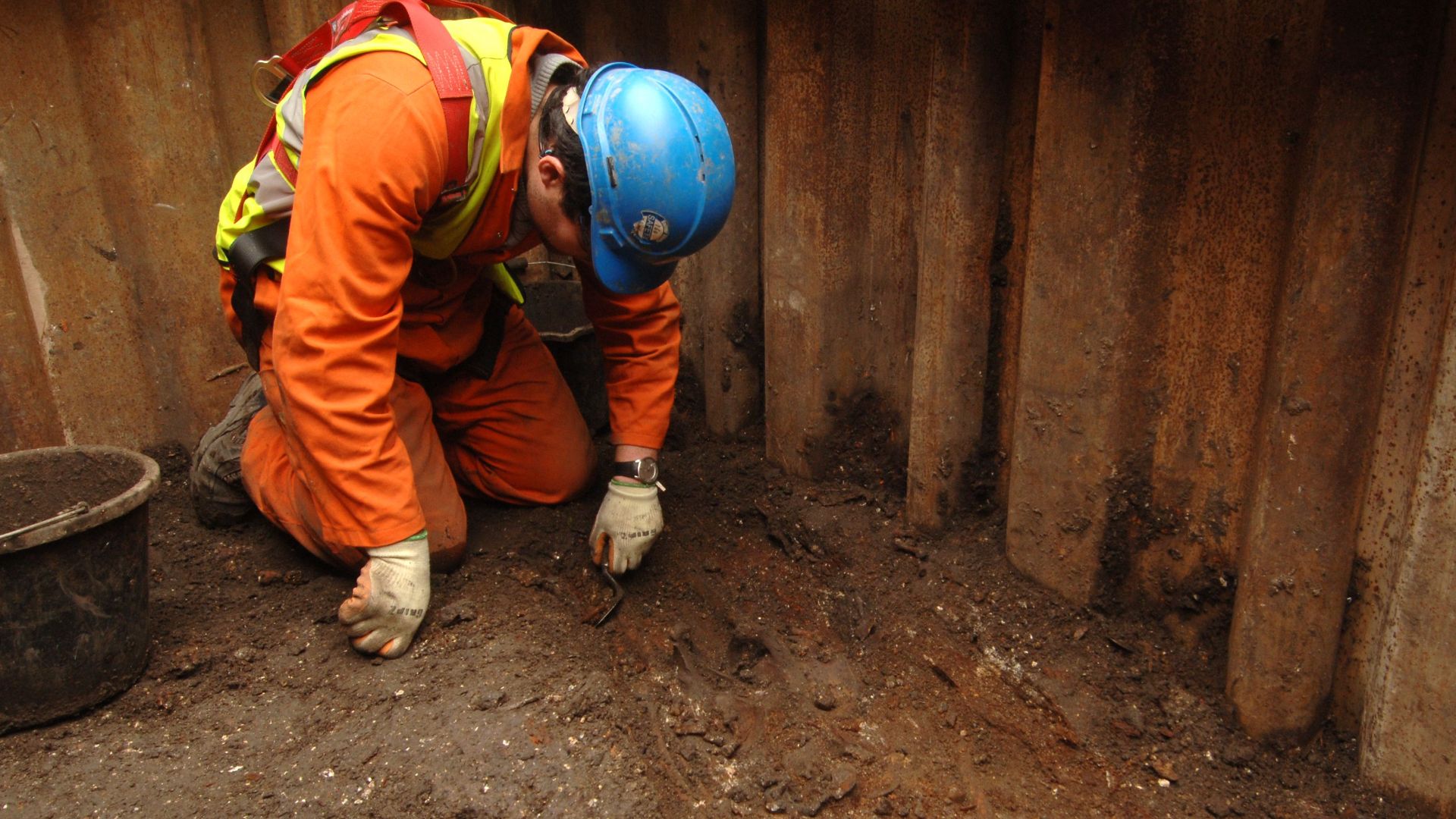
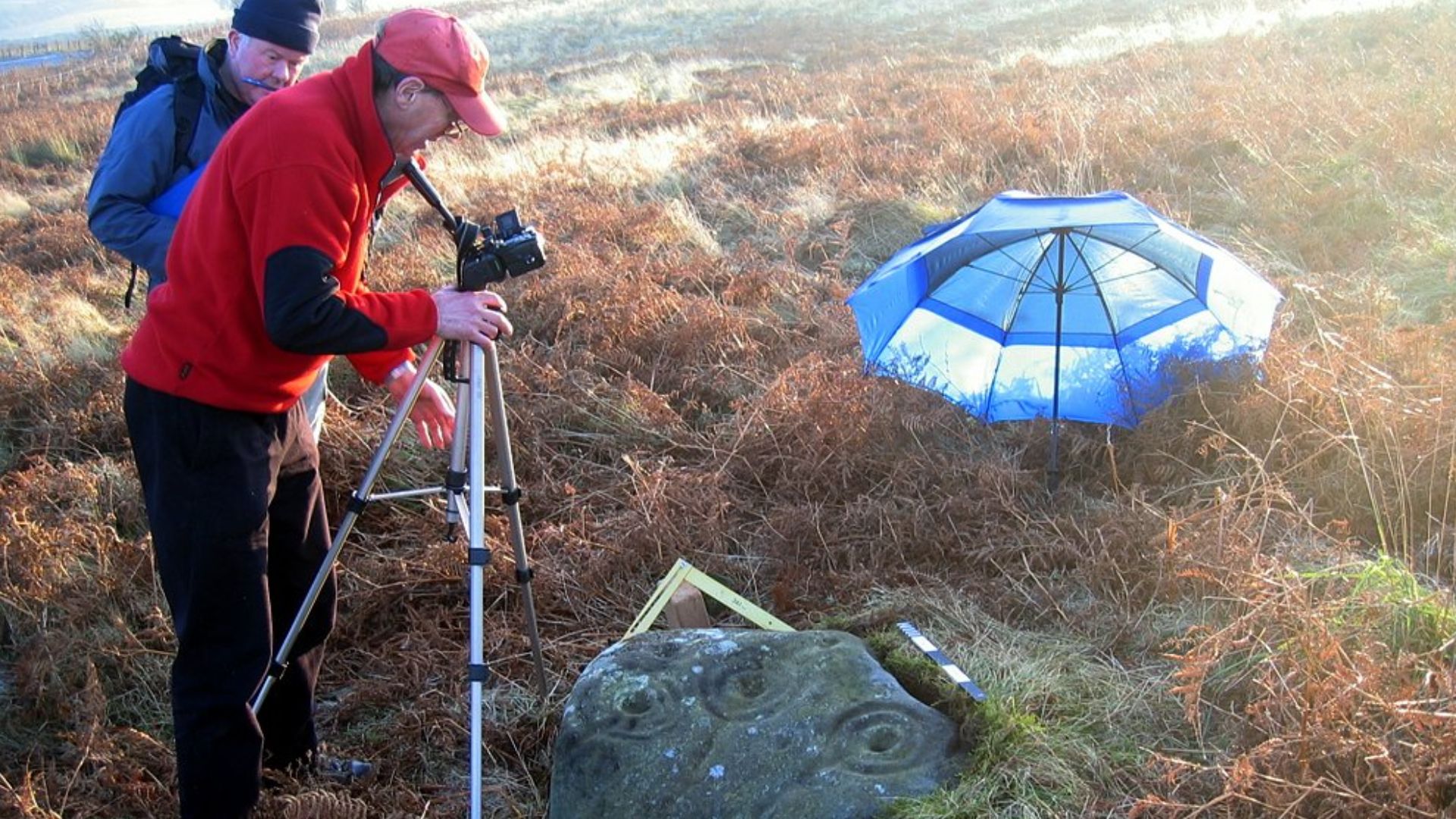
Specialist teams supervised the excavation once anomalies appeared. Their role first focused on documenting layouts. Second, they were to record impressions and preserve context before construction activity could resume safely and legally.
 Andrew Curtis , Wikimedia Commons
Princely Identification
Then came the best part: the princely identification. Grave arrangement, the presence of weapons, and horse burial were the giveaways. Archaeologists describe the individual as princely, a classification based on material culture rather than named identity or written records.
 Simon Burchell, Wikimedia Commons
Sutton Hoo Cultural Parallels
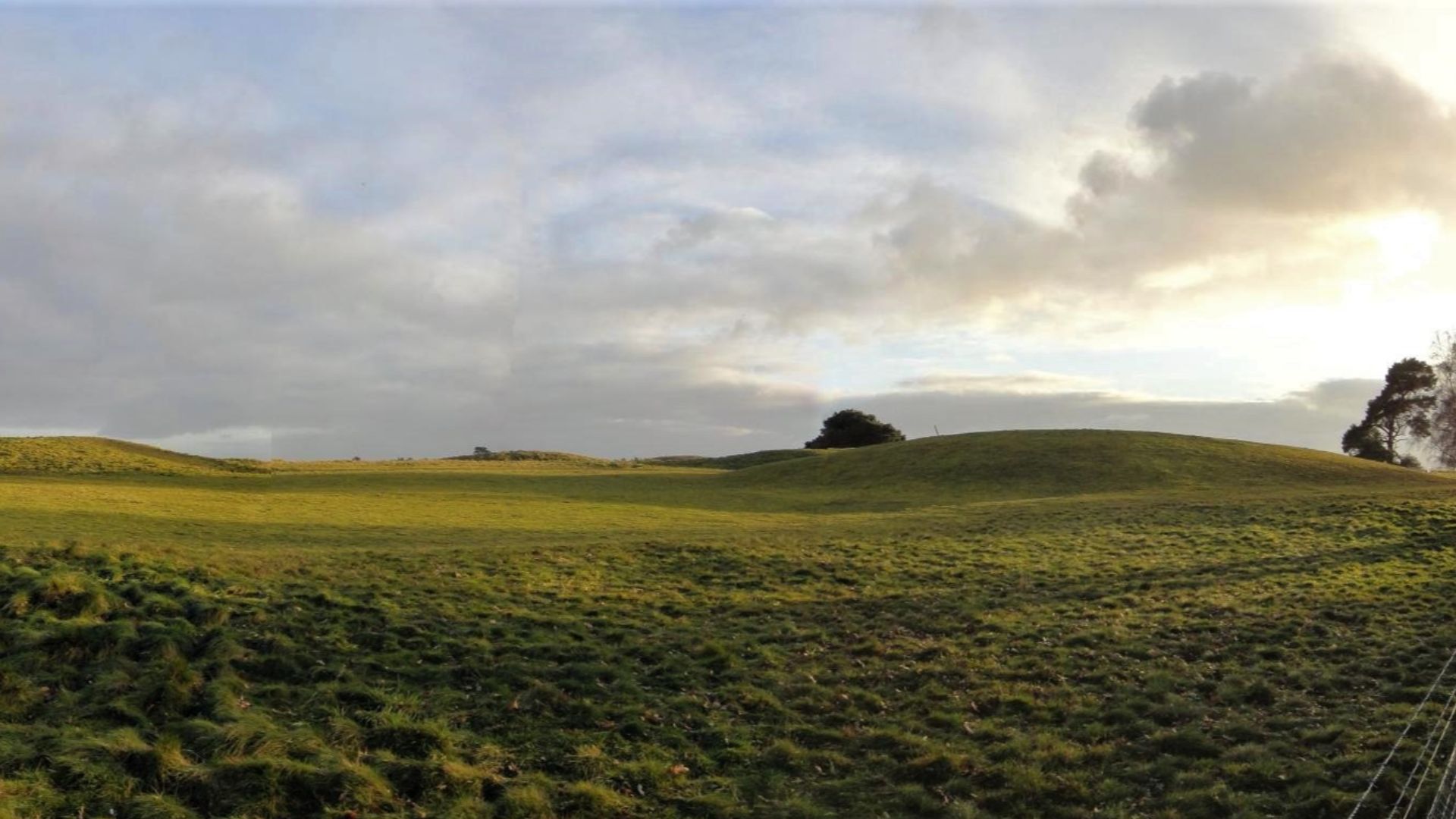
Several burial features echo practices seen at Sutton Hoo, including weapon groupings and ceremonial layout. These similarities place the site within a known elite tradition, though regional choices shaped how power and identity were expressed locally.
 Alex Healing, Wikimedia Commons
East Anglian Elite Networks
Early medieval East Anglia supported overlapping centers of authority rather than a single ruler. Burials like this one suggest elites may have shared visual symbols, using familiar objects and layouts to signal rank across neighboring territories.
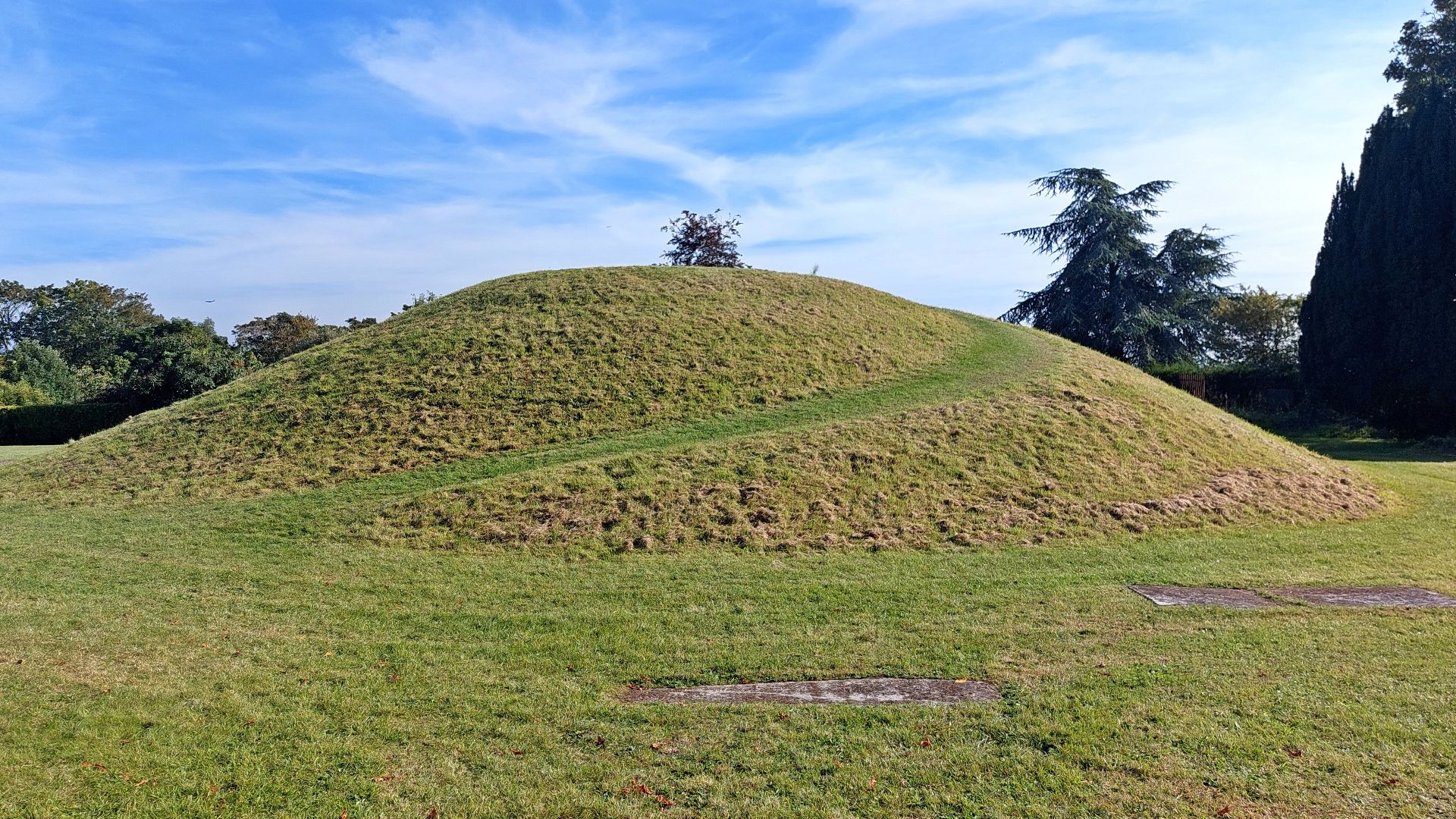
Burial Mound Structure
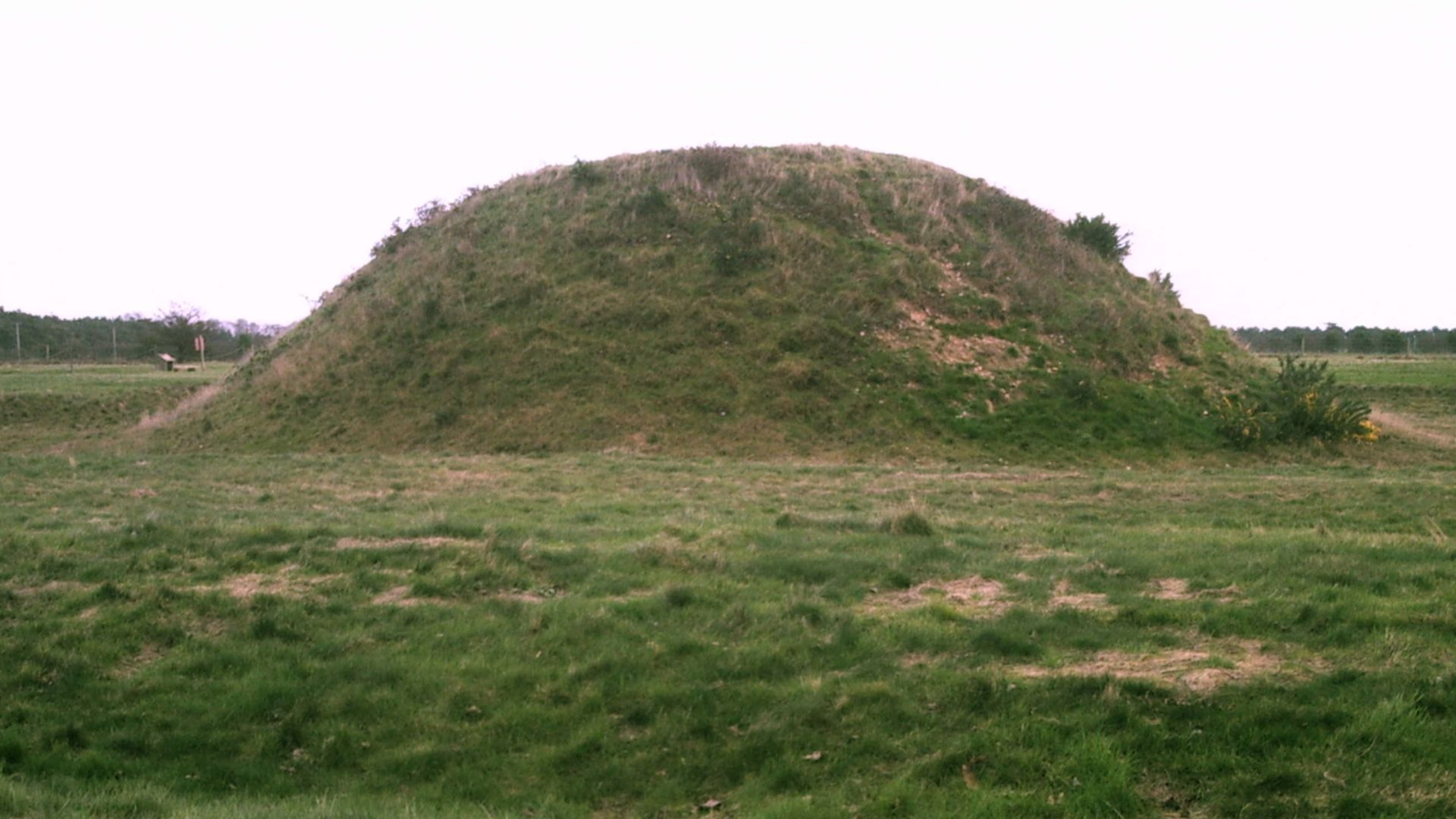
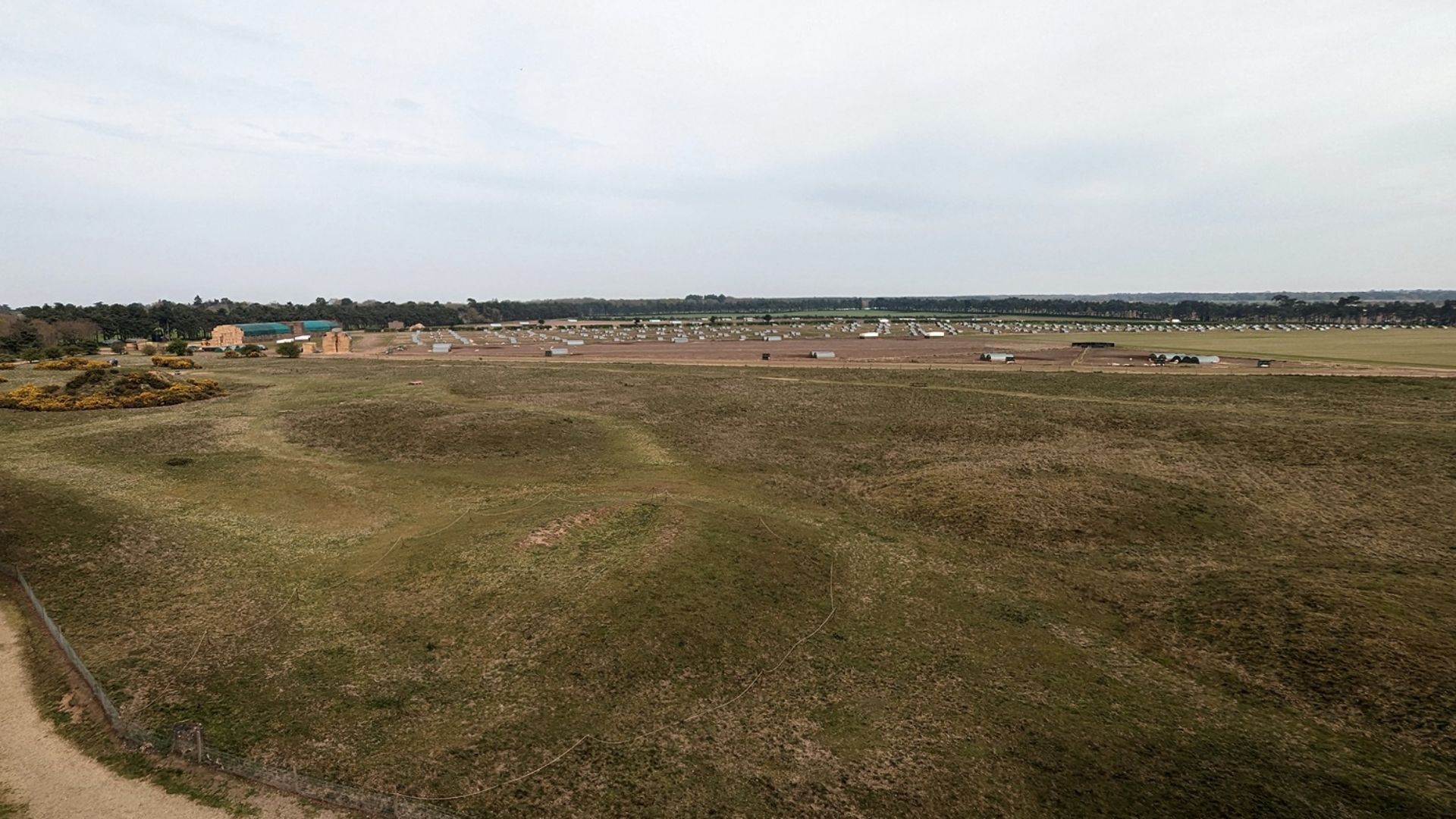
The grave followed a barrow-style tradition common among high-status Anglo-Saxon groups. Raised mounds increased visibility across flat terrain, and they served as long-term markers of importance within carefully curated terrains.
 Hugh Venables , Wikimedia Commons
Cemetery Context
Evidence from the burial points to a wider cemetery zone rather than an isolated grave. Multiple features suggest repeated use of the area over time, and this reinforces its role as a designated space for prominent individuals.
 Sandy Gerrard , Wikimedia Commons
Pre-Construction Excavation
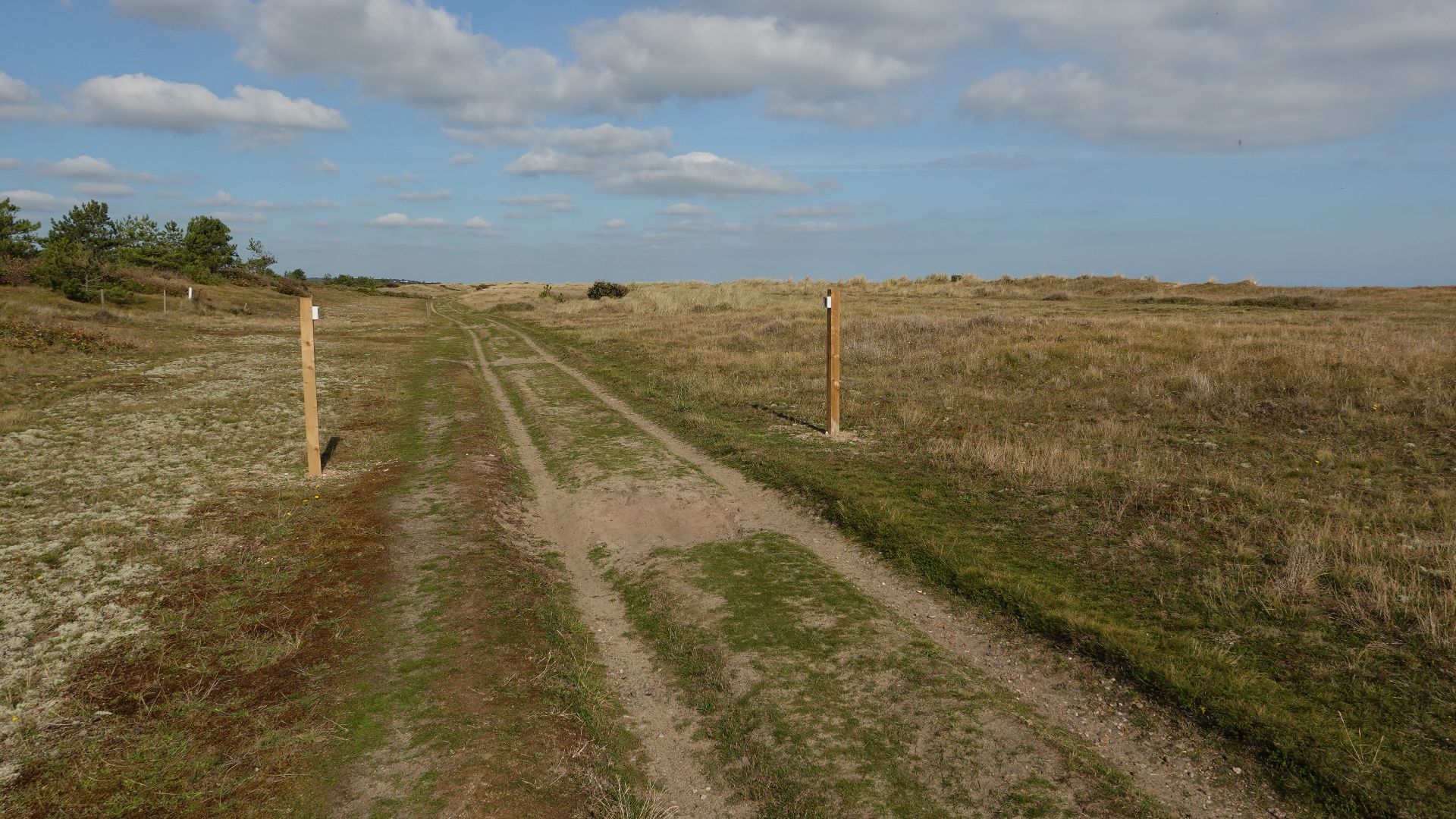
Excavation took place during mandated surveys ahead of major construction. The process allowed archaeologists to document and preserve significant finds while enabling large infrastructure projects to continue without permanent delays.
 Hugh Venables , Wikimedia Commons
Work Stoppage For Archaeology
Construction activity paused once burial features appeared. Legal protections required archaeological teams to document the site fully before work could continue. The process balanced heritage preservation against modern development schedules.
Careful Documentation
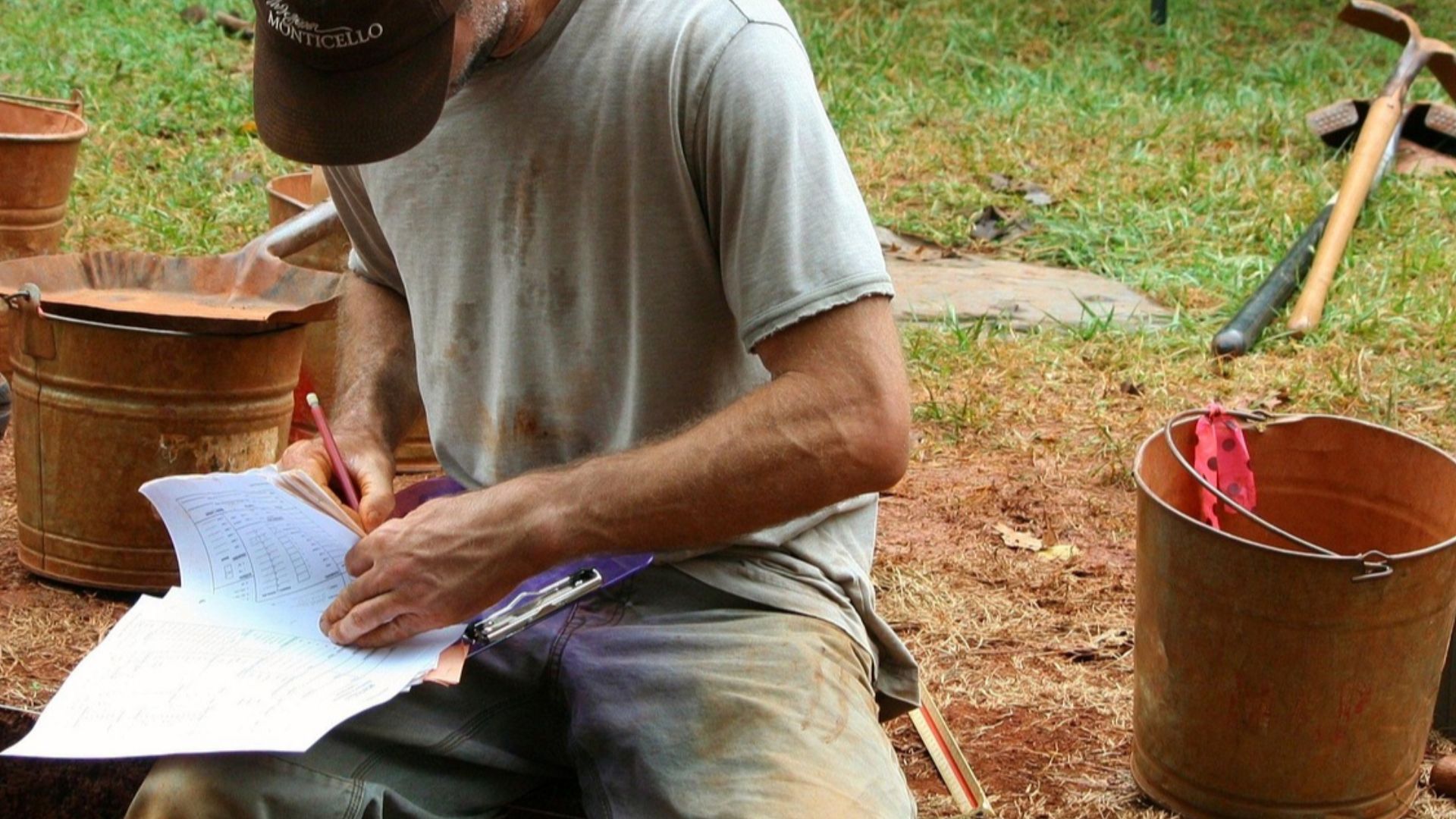
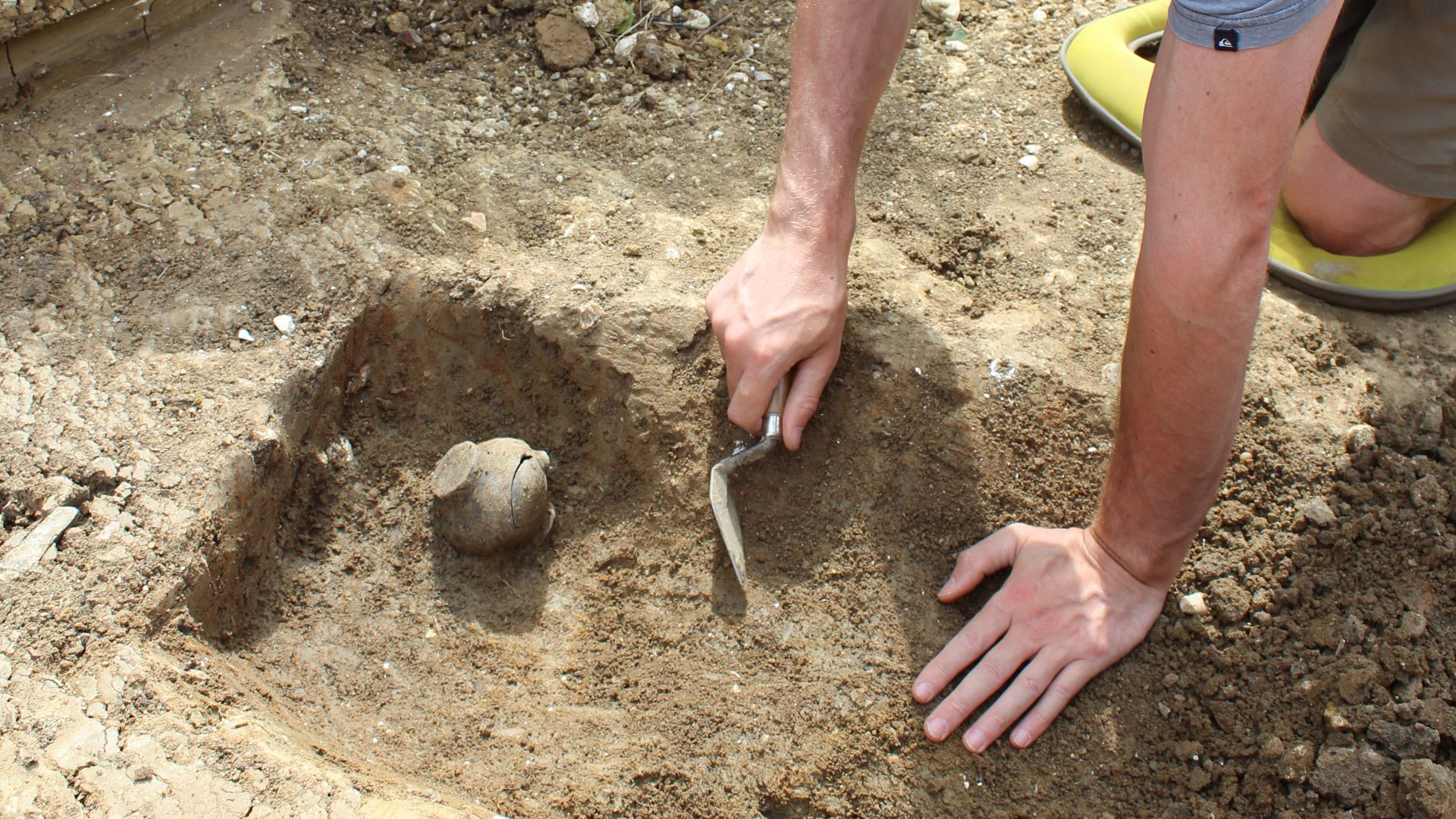
Every feature received a detailed recording through photographs, drawings, and soil mapping. This approach preserved spatial relationships between graves and impressions long after physical excavation concluded.
 USFWS Mountain-Prairie, Wikimedia Commons
Non-Disturbance Protocol
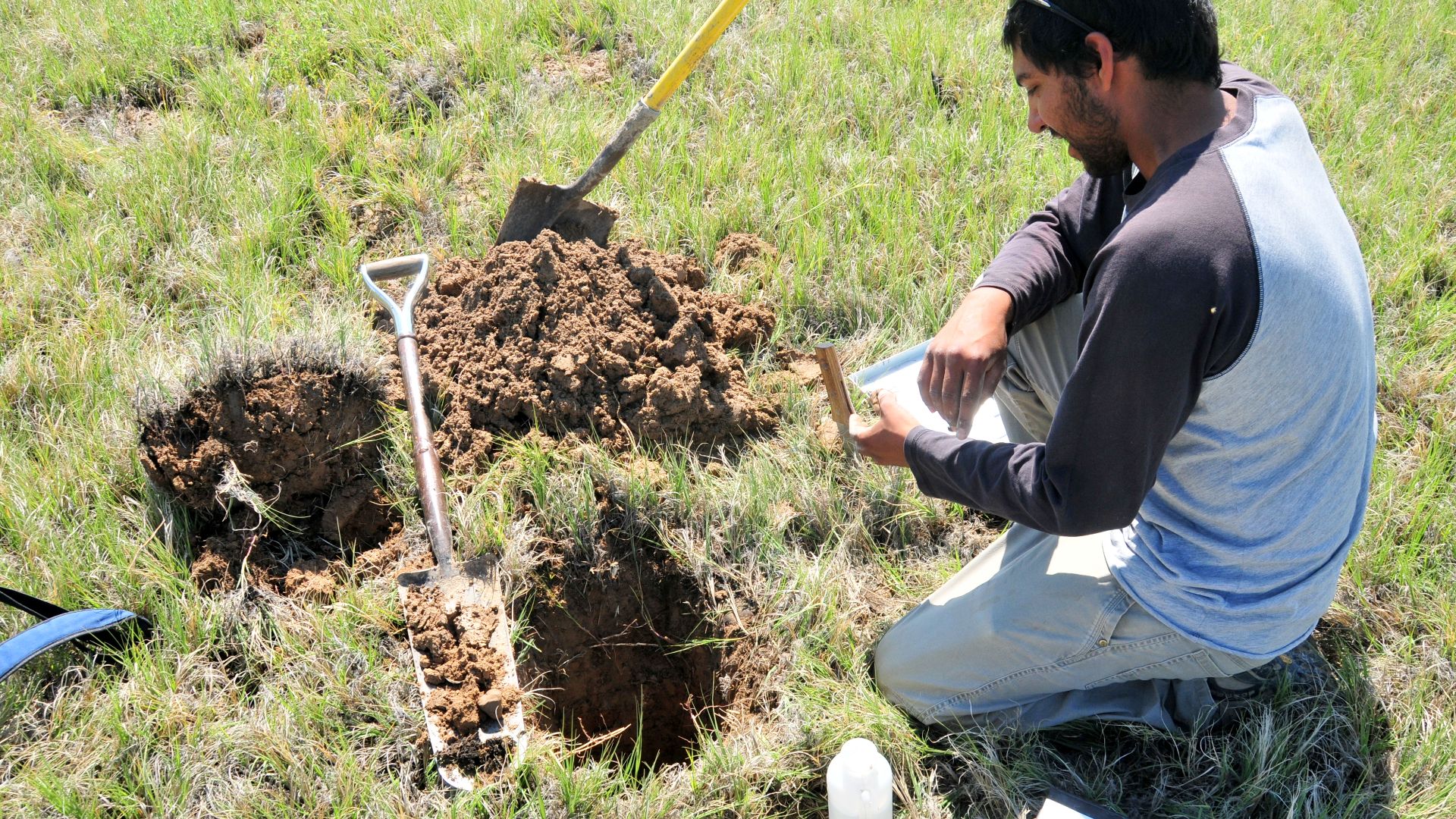
Everything—and we truly mean everything—was preserved under optimal conditions. Human remains and associated materials were handled according to strict protocols. The excavation emphasized minimal disturbance while ensuring every piece of material evidence was carefully recovered and cataloged.
 Cotswold Archaeology, Wikimedia Commons
Evidence-Based Conclusions
Archaeologists relied on three factors to draw conclusions: material culture, burial form, and surrounding contexts. With no written records identifying individuals, all conclusions rested entirely on physical evidence recovered from the grave and its immediate setting during excavation work.

Public Disclosure
After the discovery, all findings were entered into the public record through official announcements and media coverage to ensure future generations can access and study the evidence. Sharing discoveries helps contextualize large infrastructure projects within Britain’s longer human history.