The Basket That Came Out Of The Ice
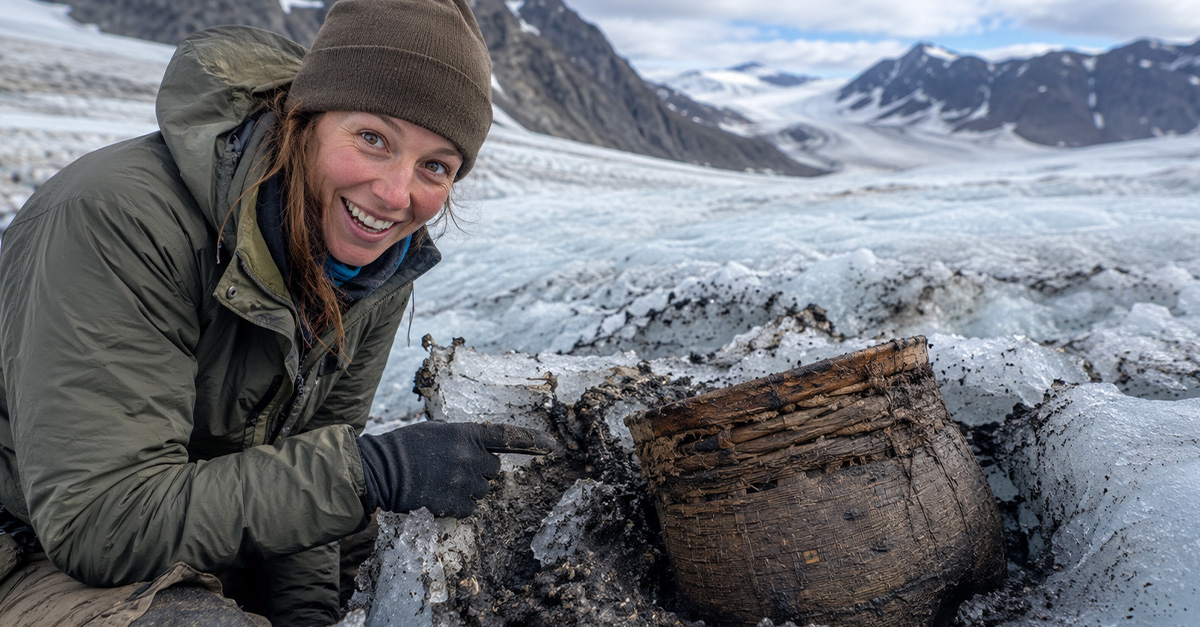
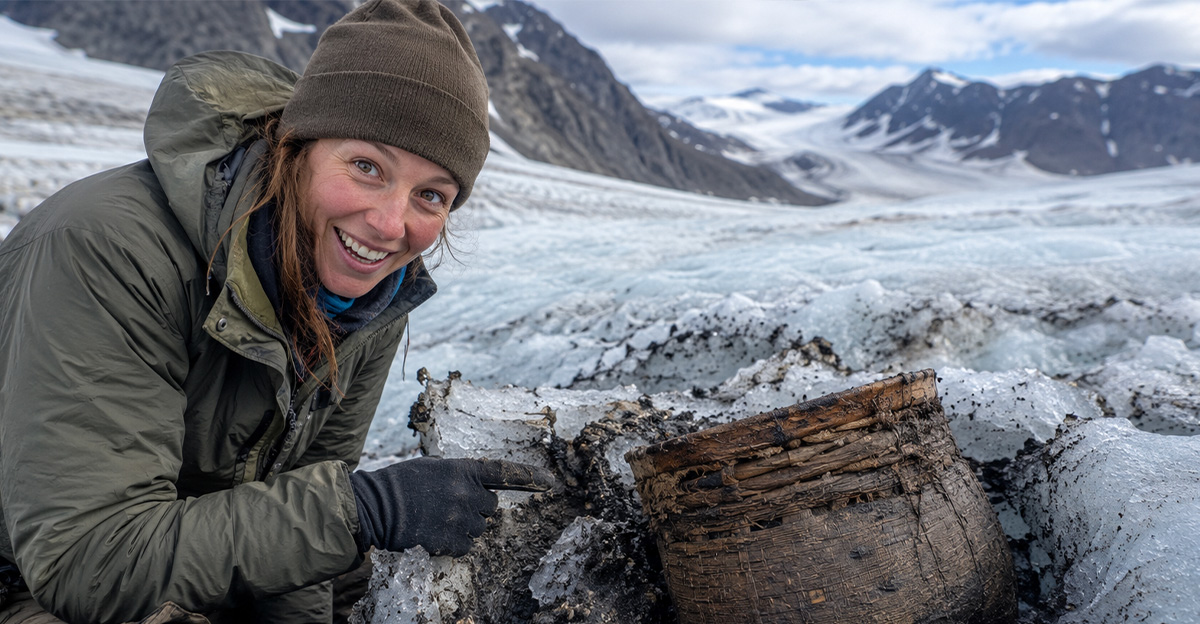
When archaeologists study the ancient past, they usually expect stone, bone, and maybe a few stubborn bits of pottery. What they do not usually expect is a bark basket, still recognizable after centuries in the cold. But that is exactly the kind of surprise melting ice has revealed in northern British Columbia: a stitched bark container, preserved long enough to give researchers a rare look at how ancient people made practical, durable gear from the materials around them.
A Find From Tahltan Territory
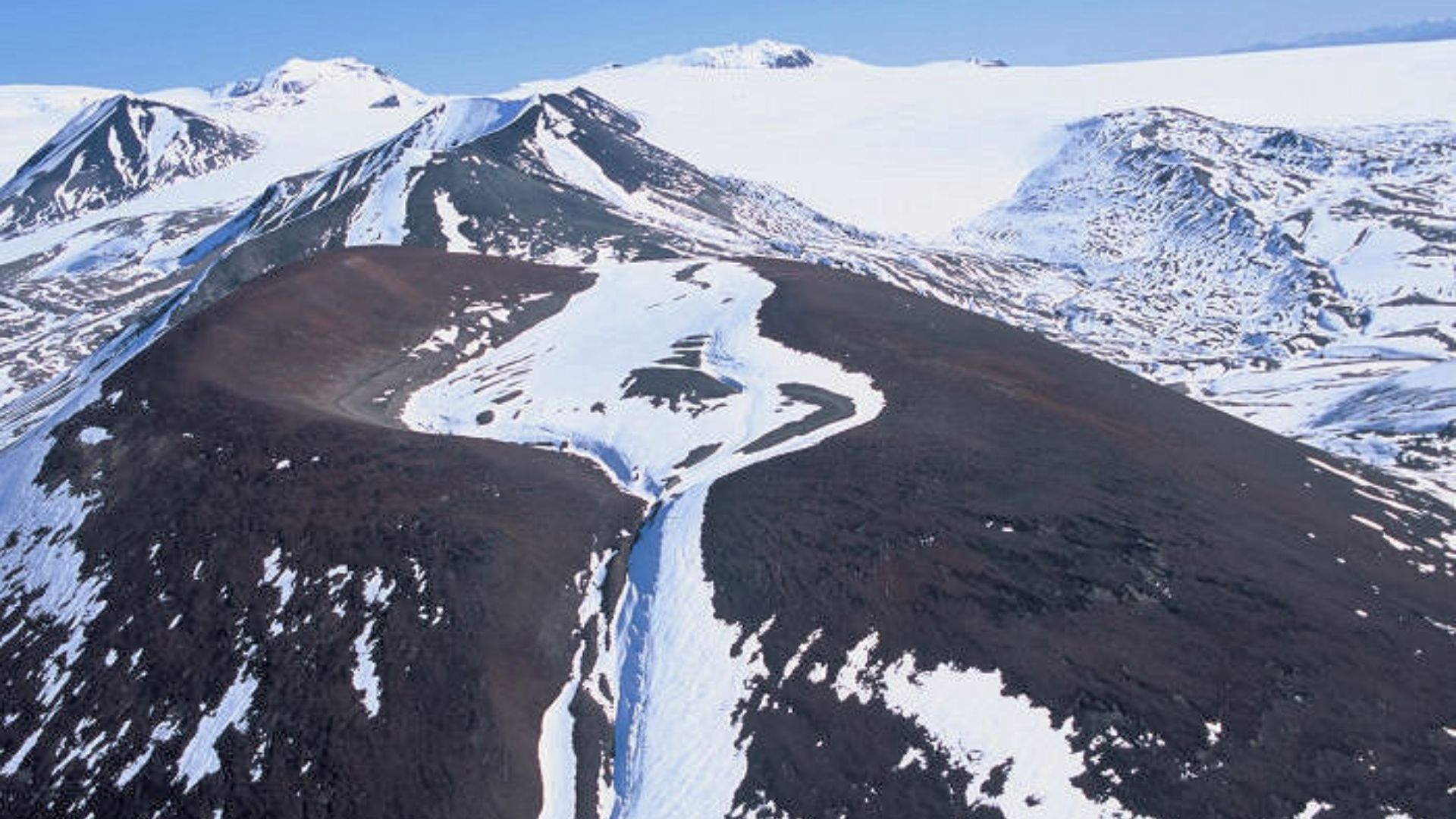
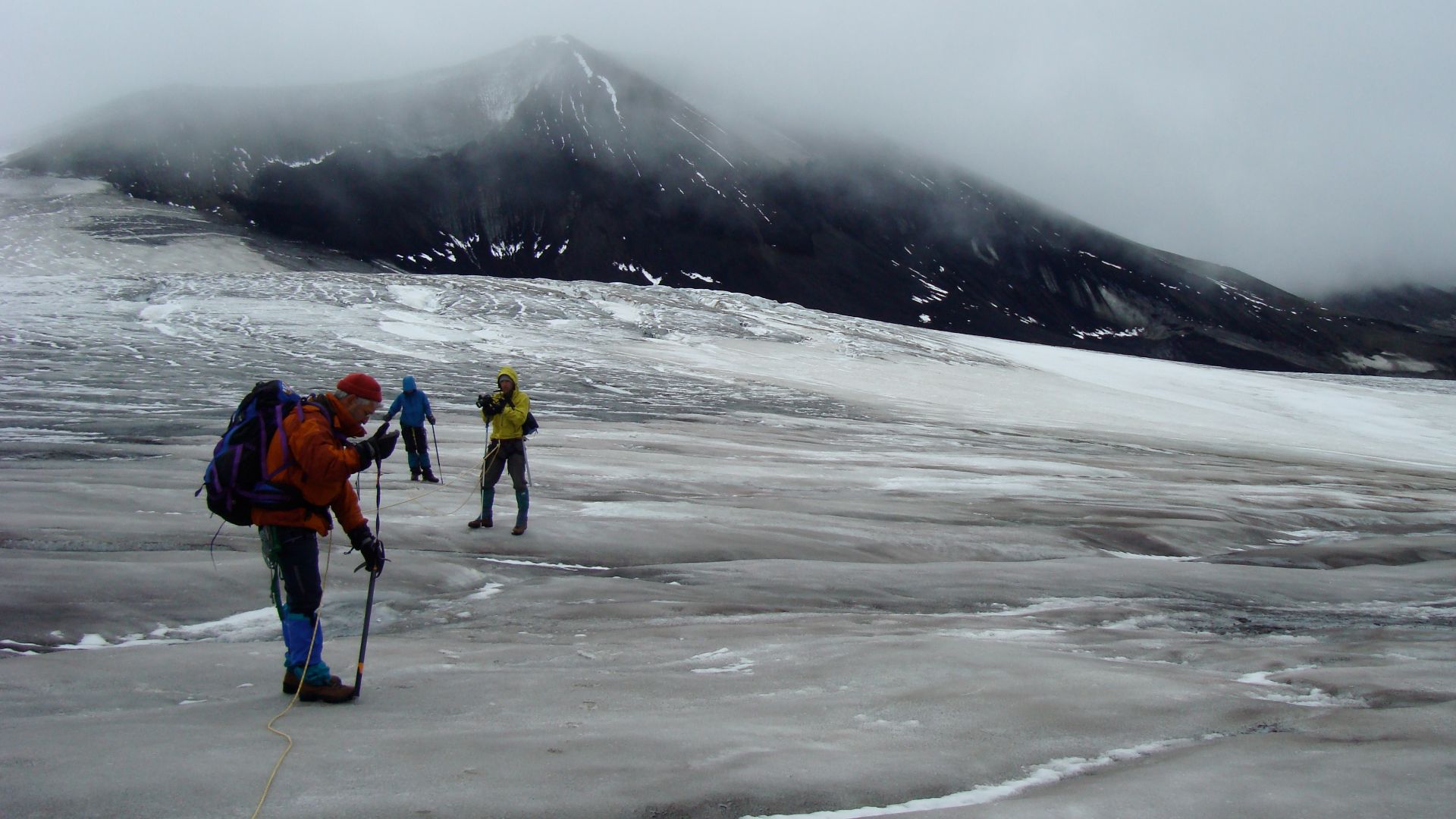
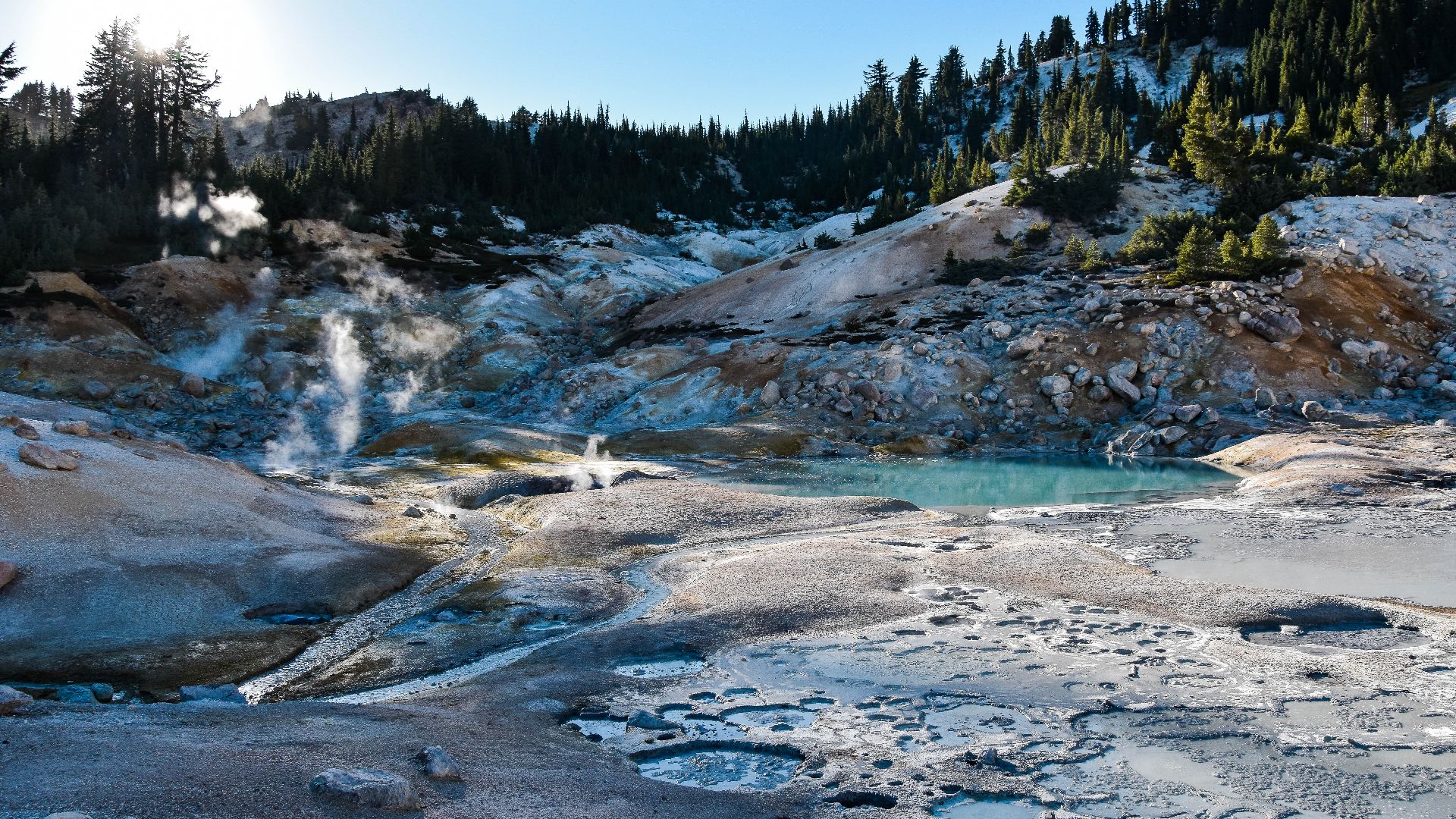
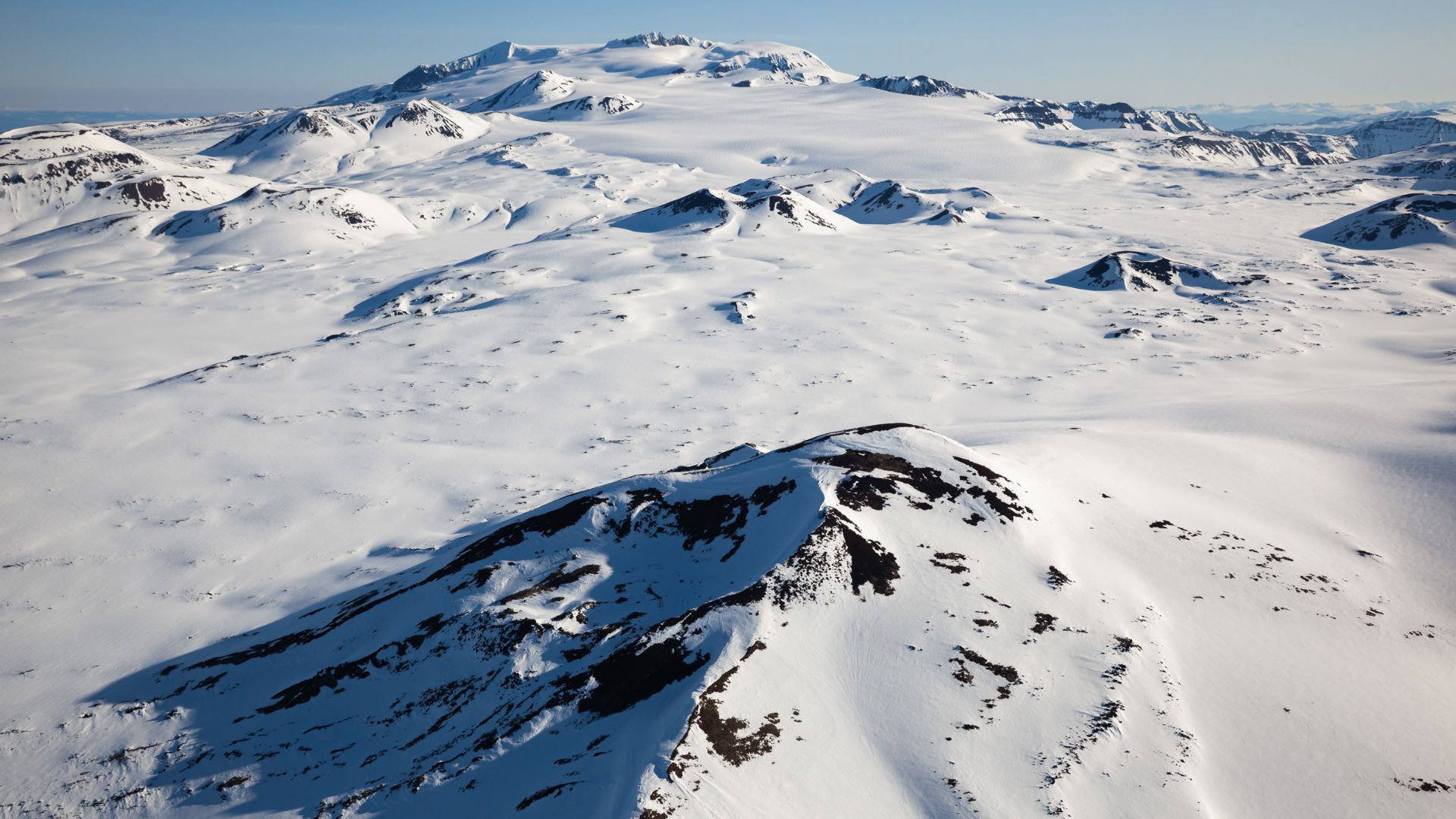
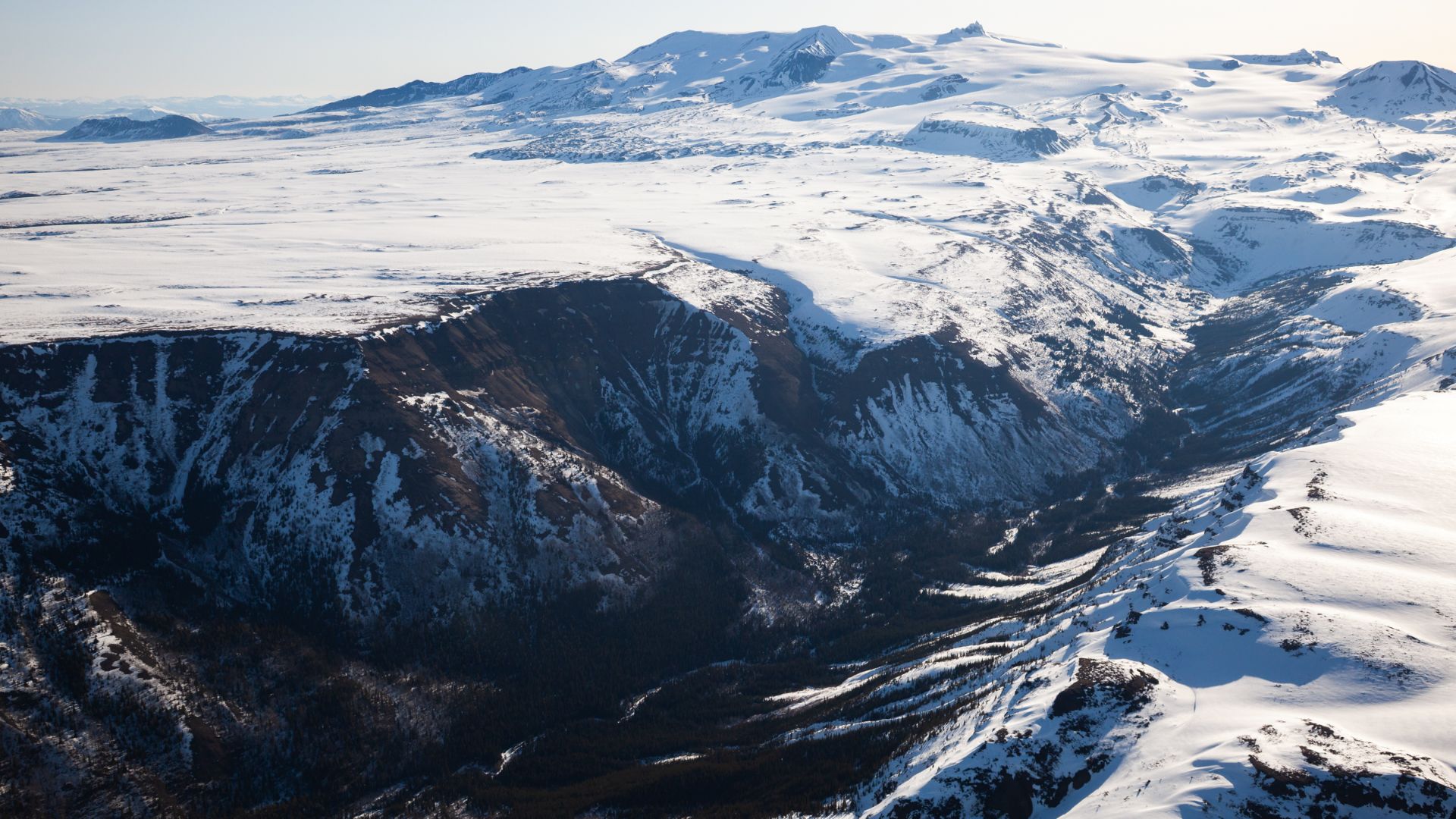
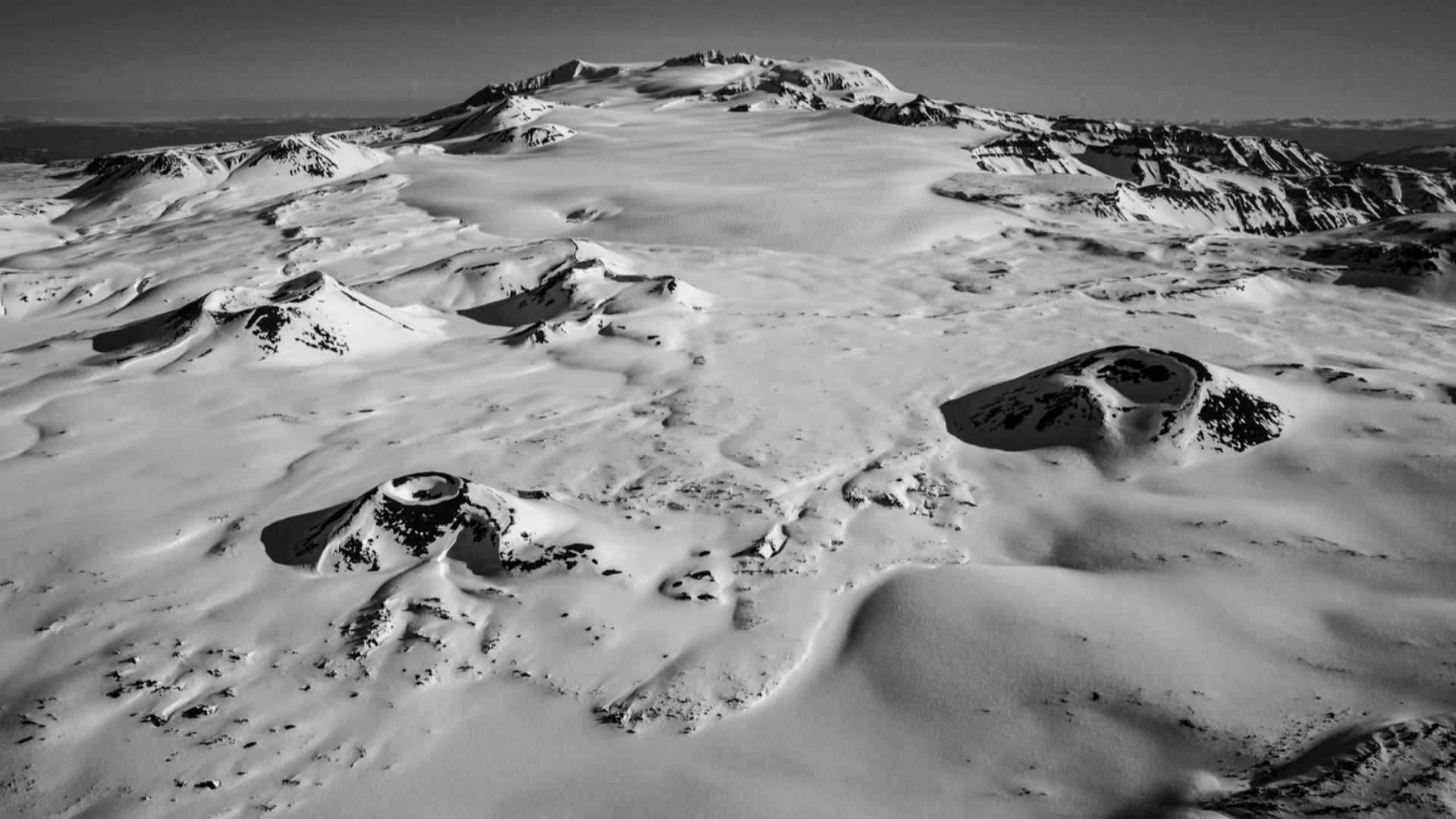
The basket was found in the Mount Edziza region of British Columbia, a dramatic volcanic landscape in Tahltan Territory. This is not some empty wilderness suddenly “discovered” by science. It is a place with deep Indigenous history, long known, used, and traveled. For generations, people moved through these highlands to hunt, gather, mine obsidian, and cross the rugged terrain.
Why Ice Patches Matter
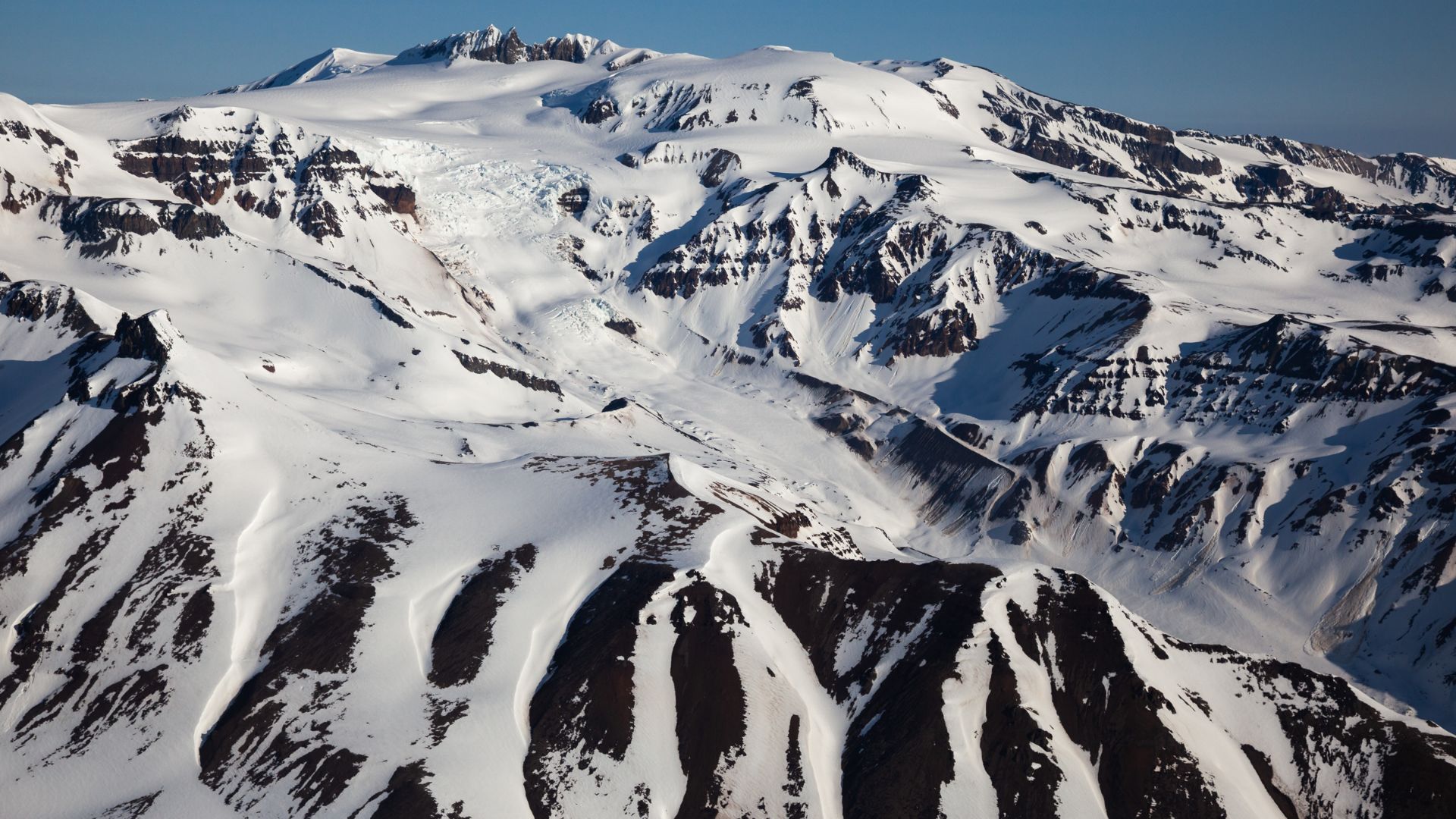
The basket survived because of ice. More specifically, it came from an ice patch, the kind of frozen deposit that can sit relatively still for long periods. Unlike glaciers, which grind and crush whatever they carry, ice patches can preserve fragile objects almost exactly where people dropped or left them. They are cold, quiet archives.
 John Scurlock, Wikimedia Commons
Not Just A Basket
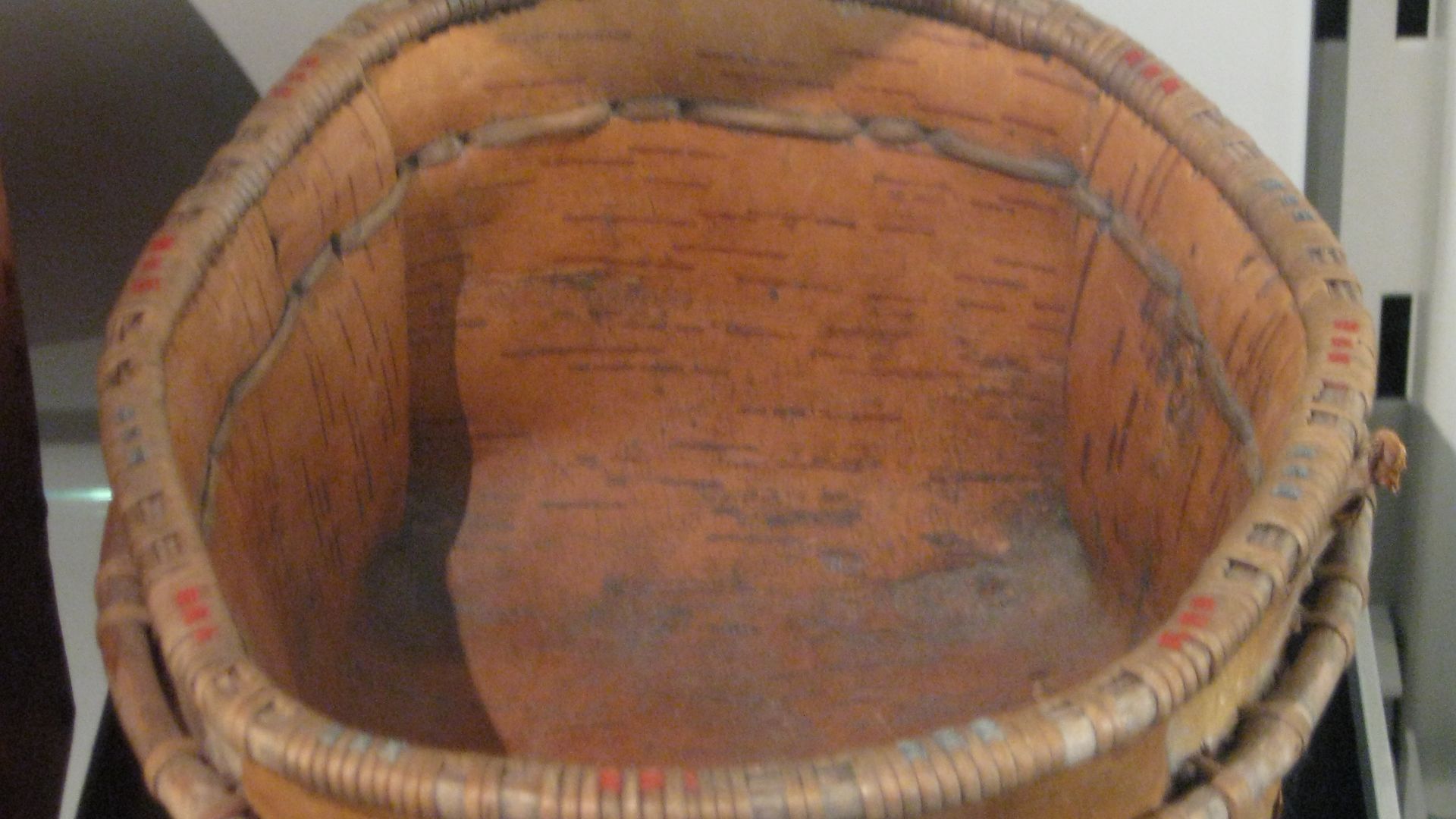
Researchers describe bark containers among the perishable artifacts found as the ice retreated. One especially interesting example had sticks stitched into its sides, suggesting it may have been a reinforced basket built to carry heavier loads. That little detail changes everything. This was not flimsy packaging. It was ancient equipment.
 National Cancer Institute, Unsplash
The Beauty Of Birch Bark
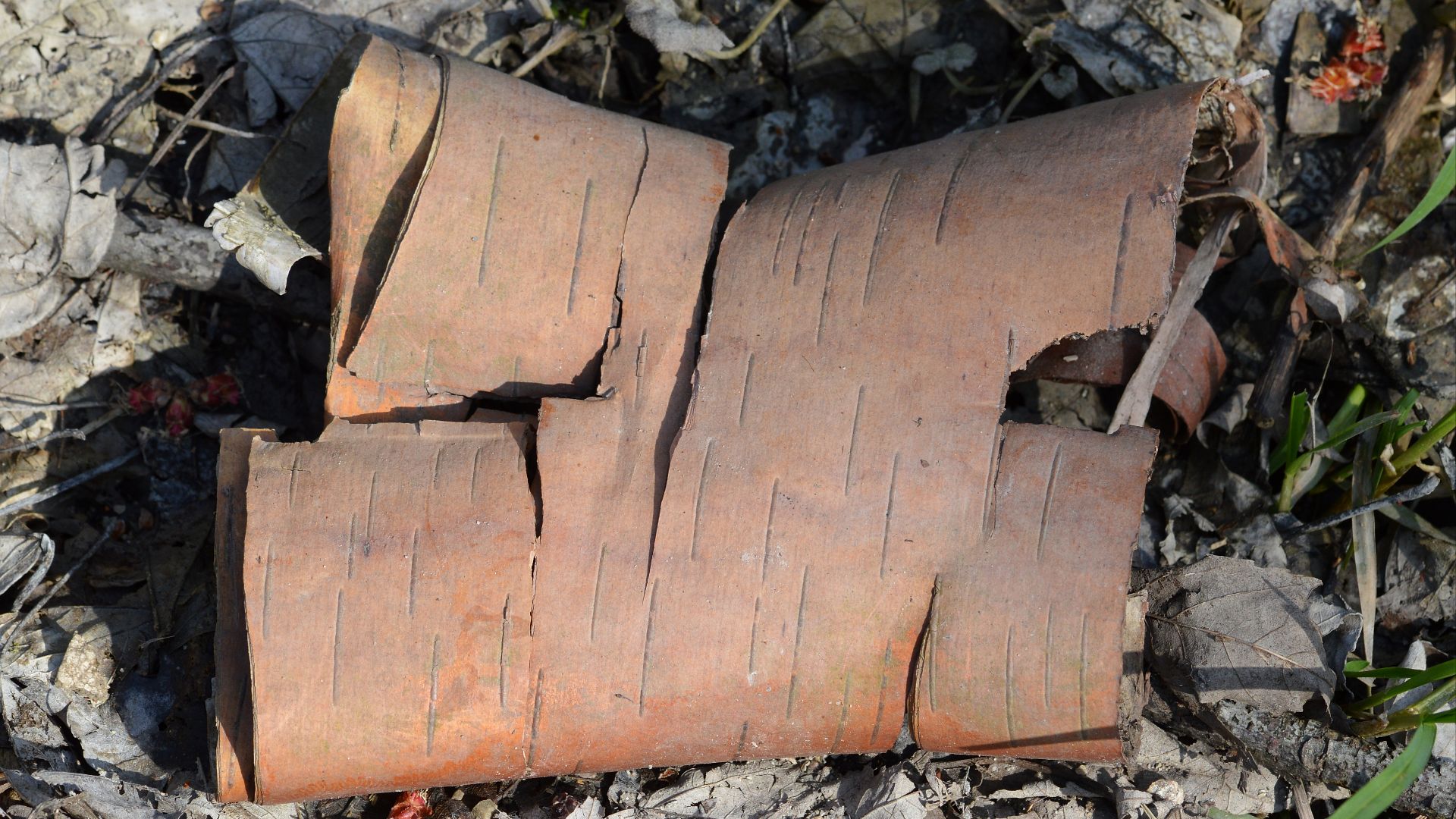
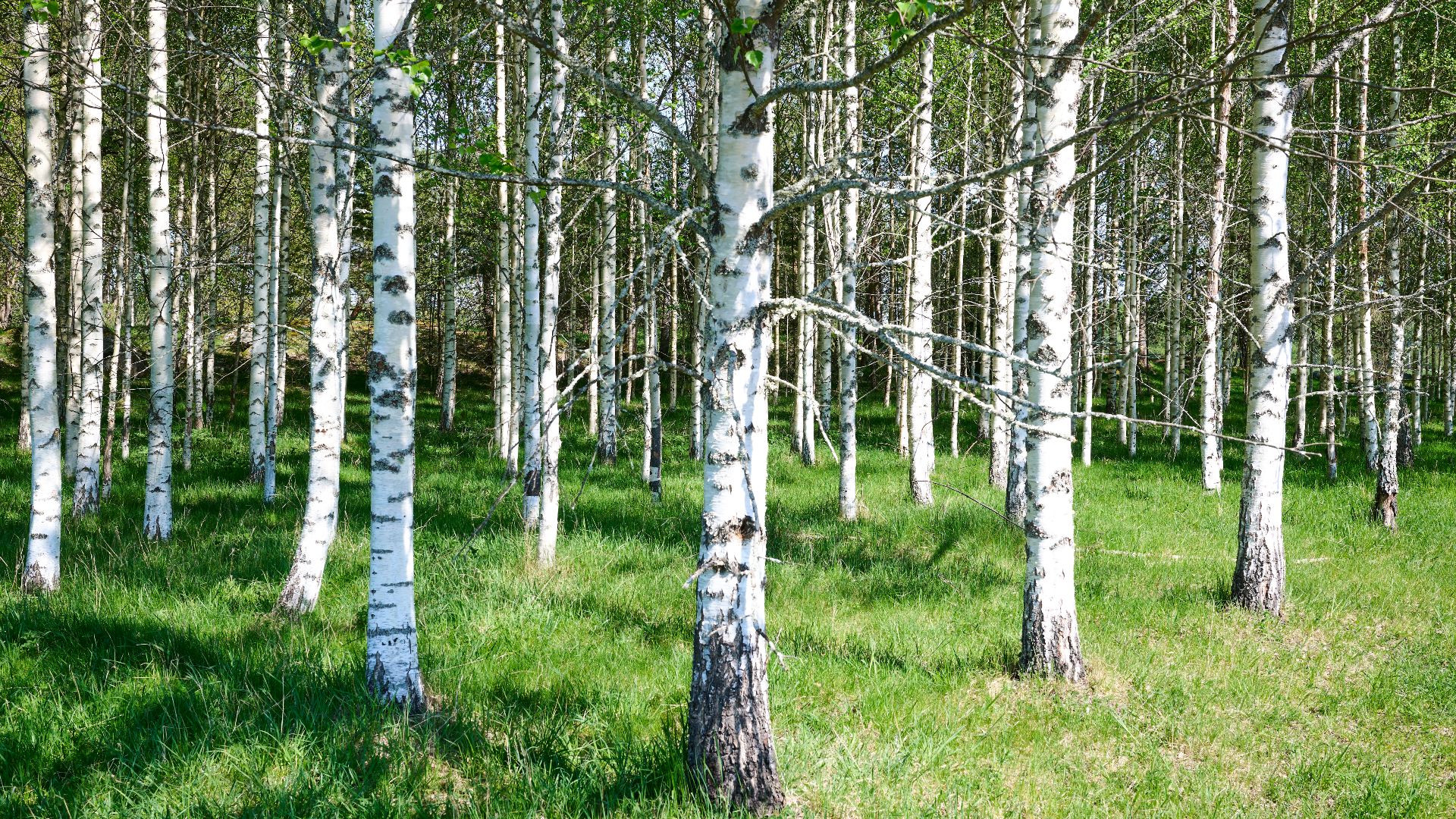
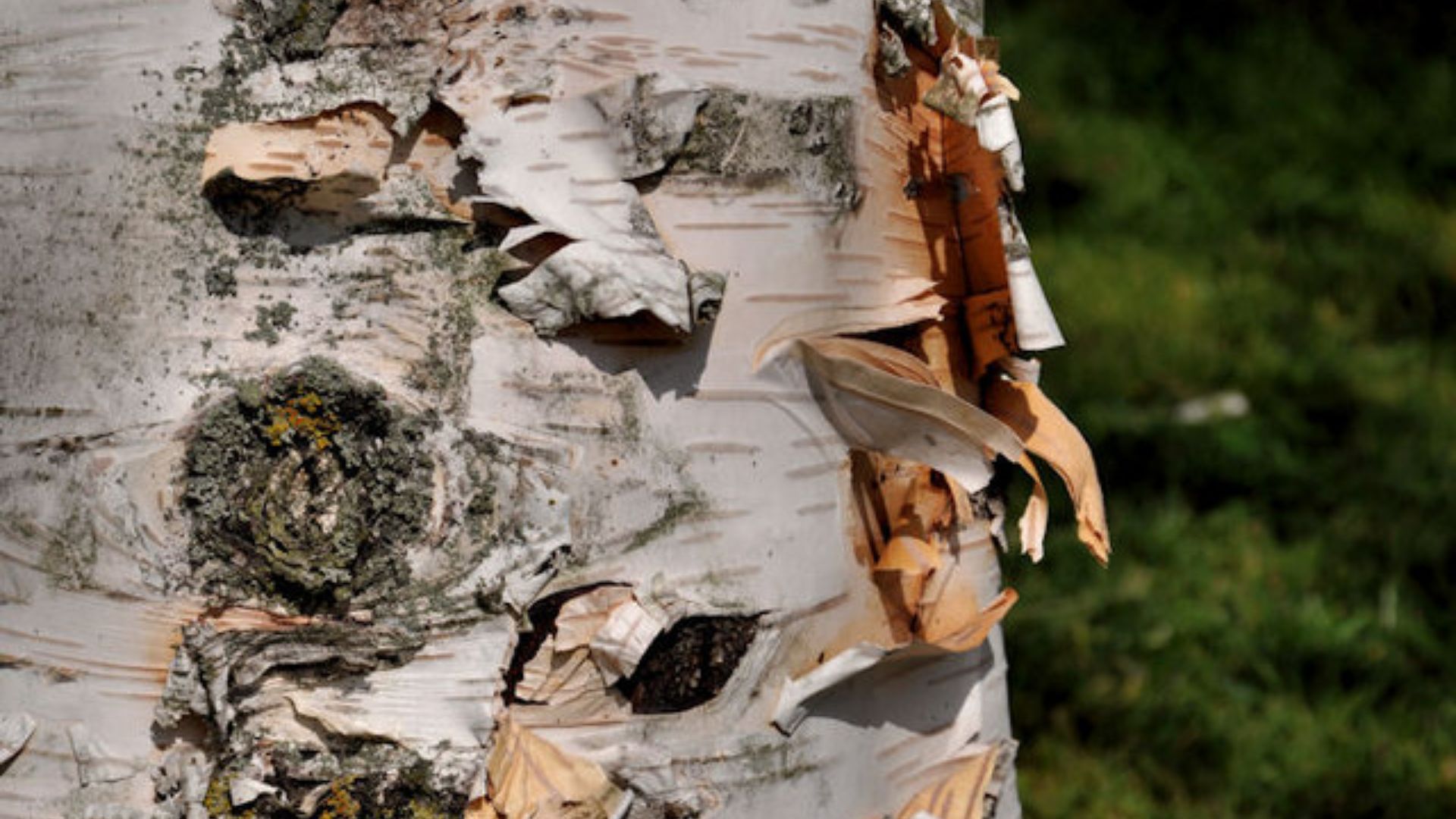
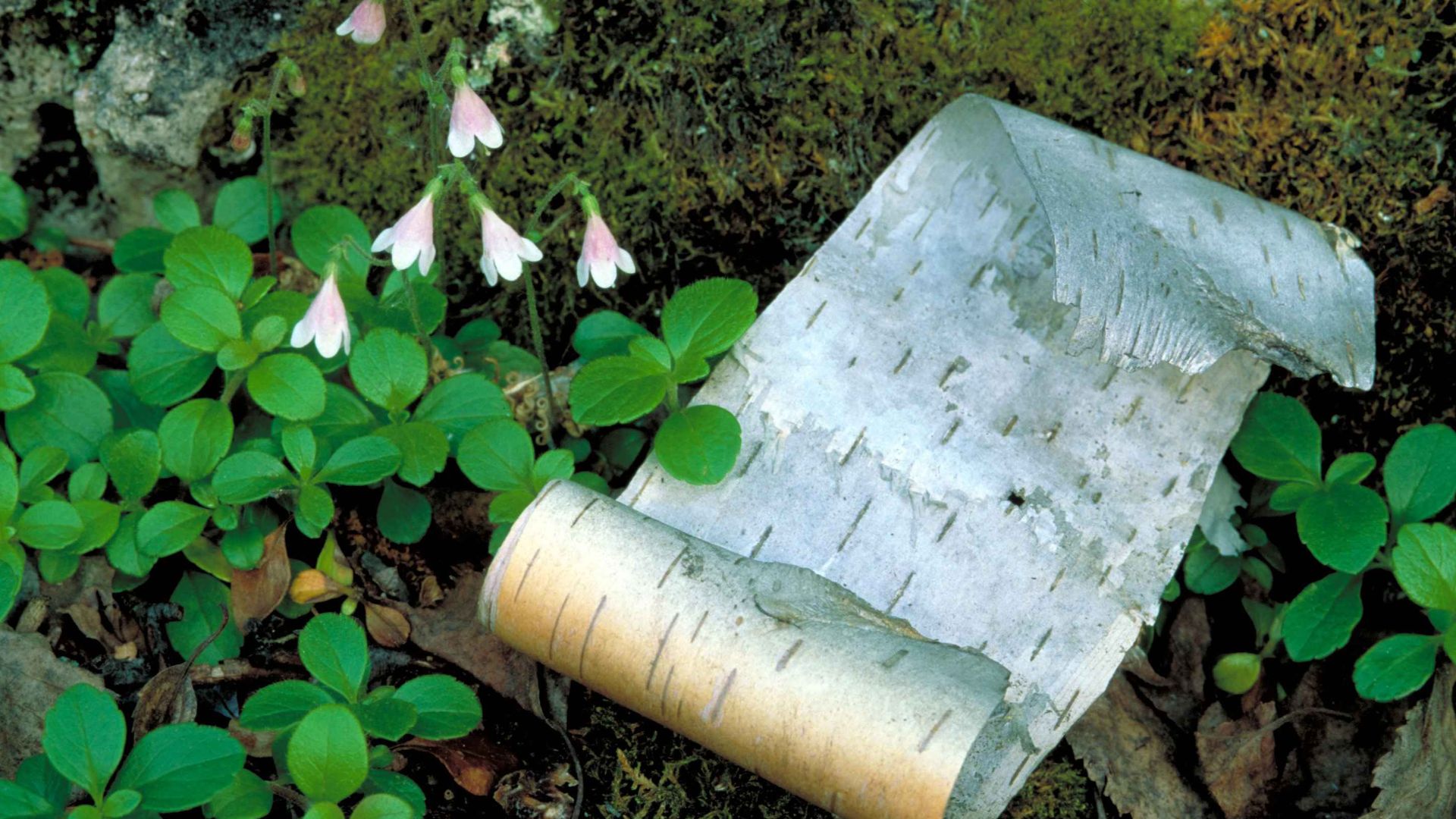
Birch bark is one of those natural materials that seems almost designed for human hands. It is light, flexible, water-resistant, and surprisingly strong when prepared well. Indigenous peoples across northern regions have long used it for containers, canoes, coverings, and other essential tools. In the basket, bark was not just material. It was technology.
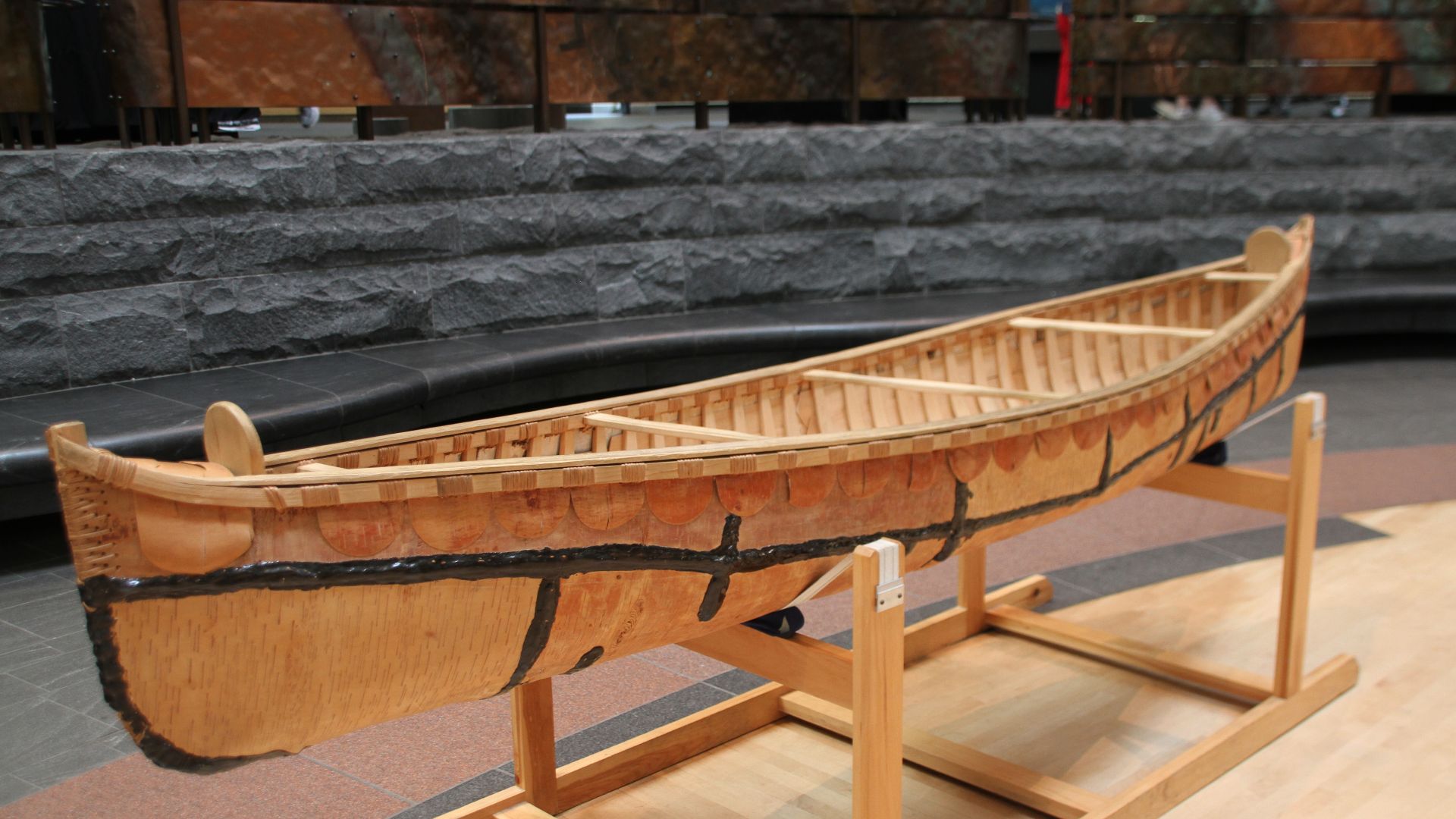 Tony Hisgett from Birmingham, UK, Wikimedia Commons
Stitched, Not Slapped Together
The basket’s construction matters. Stitching means planning. Someone folded, shaped, pierced, and fastened the bark so it would hold together under strain. Some bark containers from the site show rows of stitching, and one retained traces of the stitching material itself. That is the kind of detail archaeologists dream about.
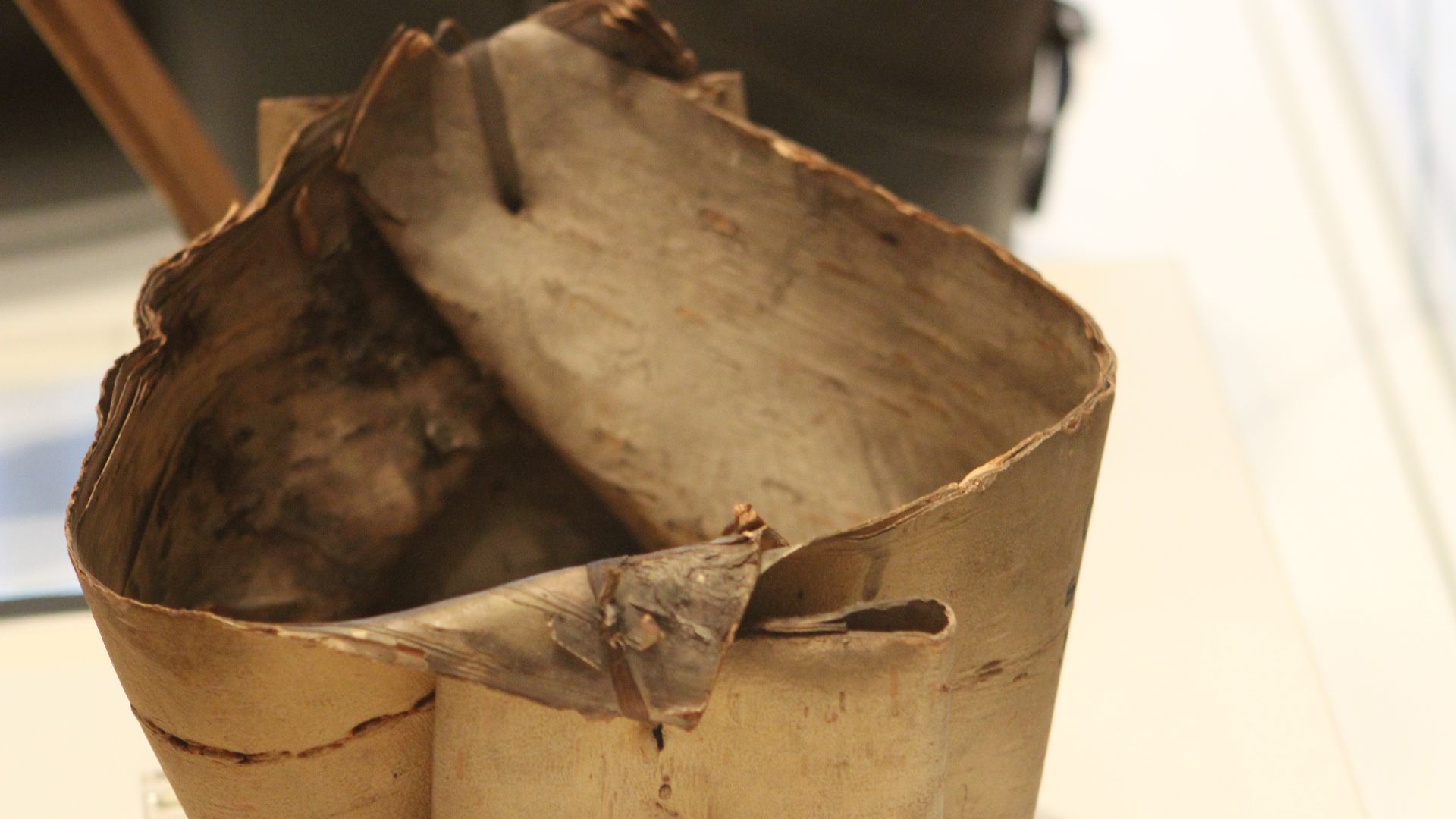 Jason Zhang, Wikimedia Commons
A Container Built For Work
A reinforced bark basket probably had a job to do. It may have carried tools, food, gathered plants, stone materials, or supplies for a trip through the mountains. The sticks stitched into the sides suggest strength was important. This was a container made by someone who expected it to be used, not admired on a shelf.
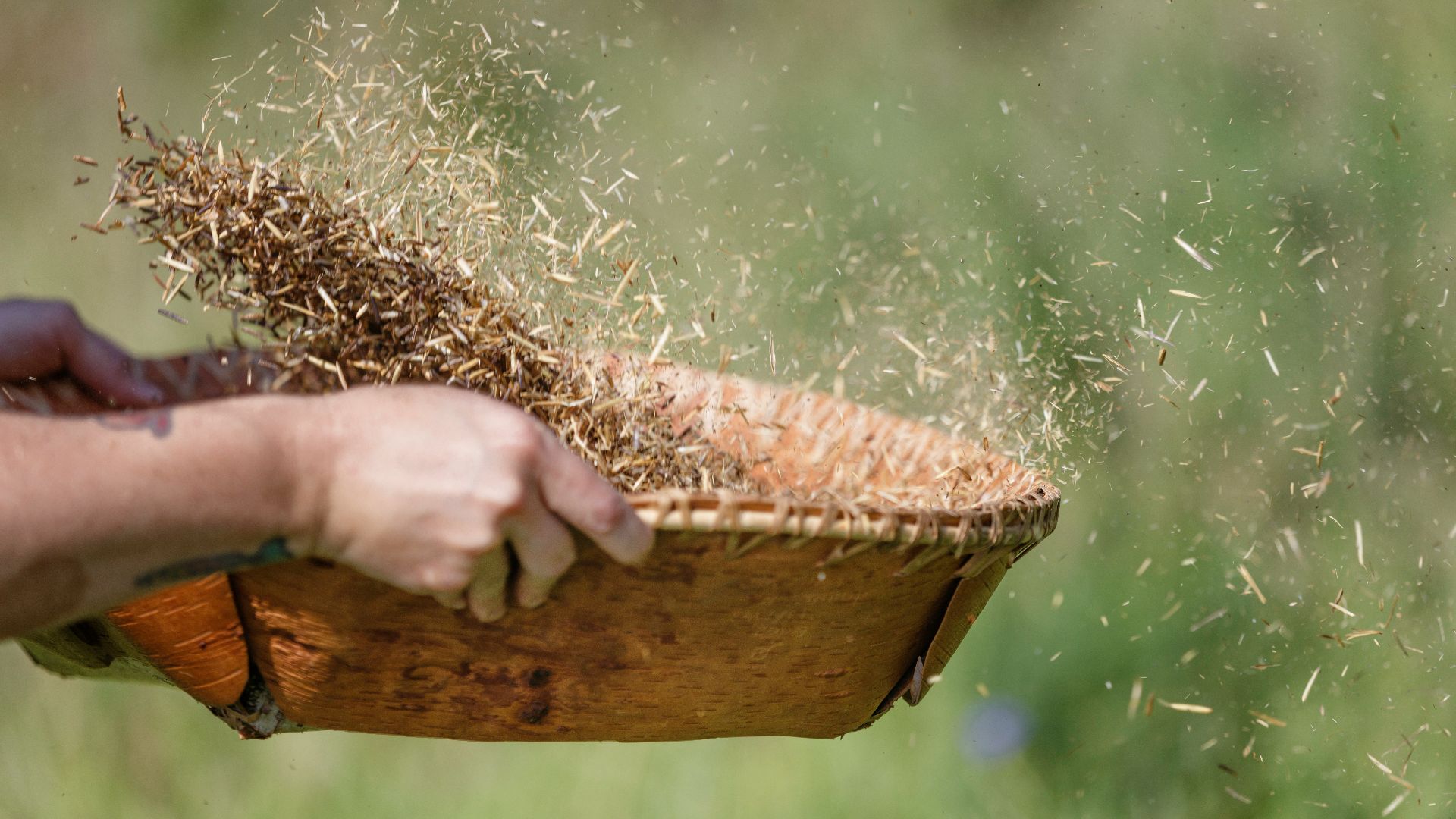 Lorie Shaull, Wikimedia Commons
The Ancient Problem Of Carrying Stuff
It sounds simple, but carrying things is one of humanity’s great technical challenges. If you are moving across rough ground, you need your hands free, your supplies protected, and your load manageable. A good basket can transform a journey. It lets you gather more, travel farther, and keep small items from disappearing into the landscape.
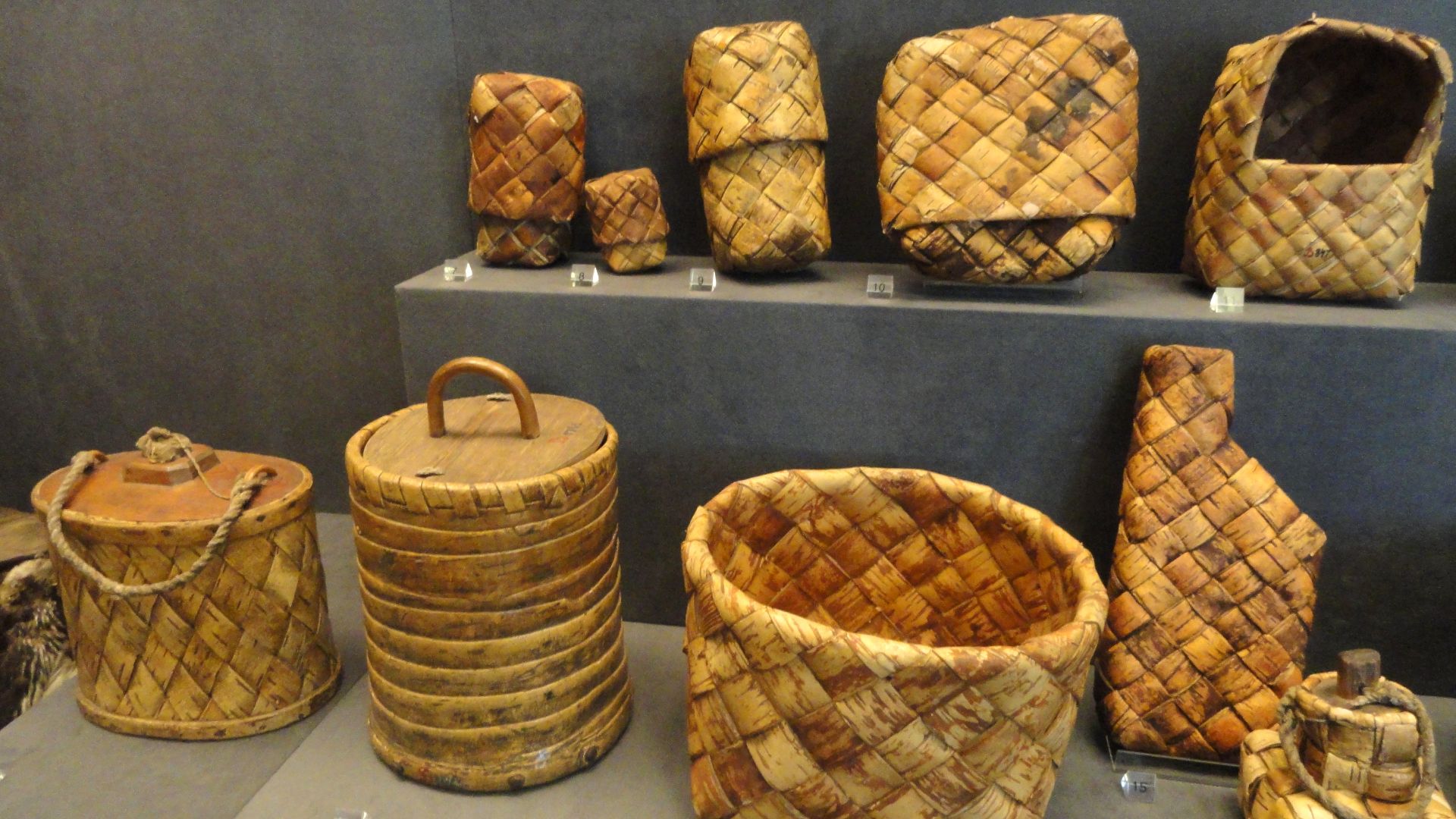
A Toolkit From The Mountain
The bark basket was not found in isolation. The Mount Edziza ice patches produced dozens of perishable artifacts, including wooden items, walking staffs, projectile shafts, hide objects, and carved antler and bone tools. Around them were obsidian artifacts, linking the area to ancient quarrying and toolmaking. The basket belonged to a busy human landscape.
Obsidian And Everyday Life
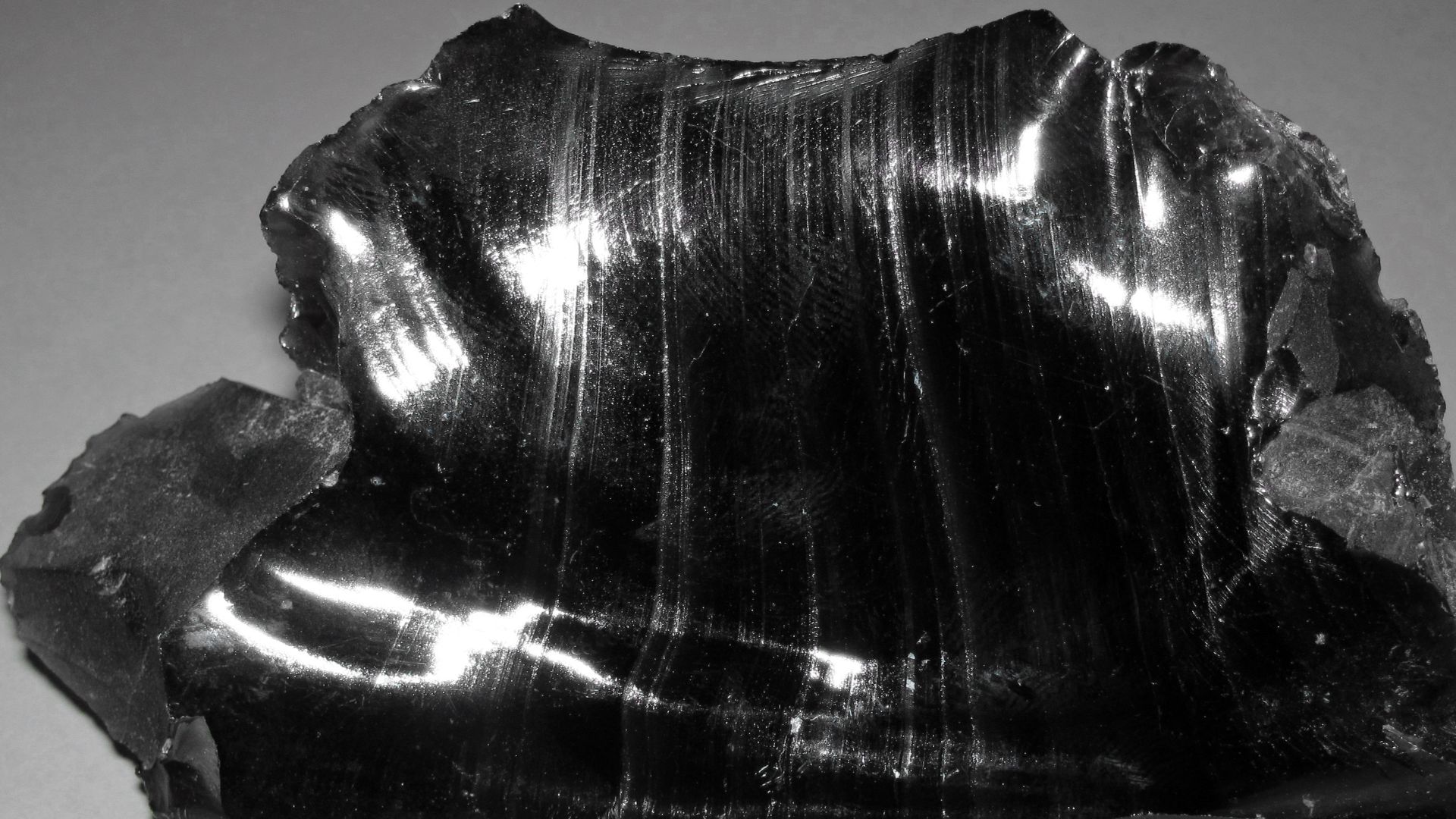
Mount Edziza is famous for obsidian, a volcanic glass prized for its sharp edges. Ancient people quarried and used obsidian there, leaving behind flakes, tools, and other traces. The basket may have been part of that wider world of movement and work: carrying supplies, transporting materials, or supporting the daily routines around resource gathering.
 James St. John, Wikimedia Commons
Why Perishable Finds Are Rare
Most ancient baskets vanish. Bark dries, cracks, rots, burns, or is eaten by insects and microbes. That means archaeologists often miss an enormous part of ancient life. Stone tools survive and dominate the story, while containers, clothing, cords, handles, bags, and wooden gear disappear. Ice gives those missing pieces a second chance.
 Ryan Hodnett, Wikimedia Commons
A Better View Of Ancient Skill
The basket reminds us that ancient technology was not only about sharp tools or hunting weapons. It was also about making things flexible, portable, repairable, and strong. That takes deep knowledge. The maker had to understand when to harvest bark, how to shape it, and how to stitch it without splitting it apart.
 Slottsviken51, Wikimedia Commons
Someone Knew The Material
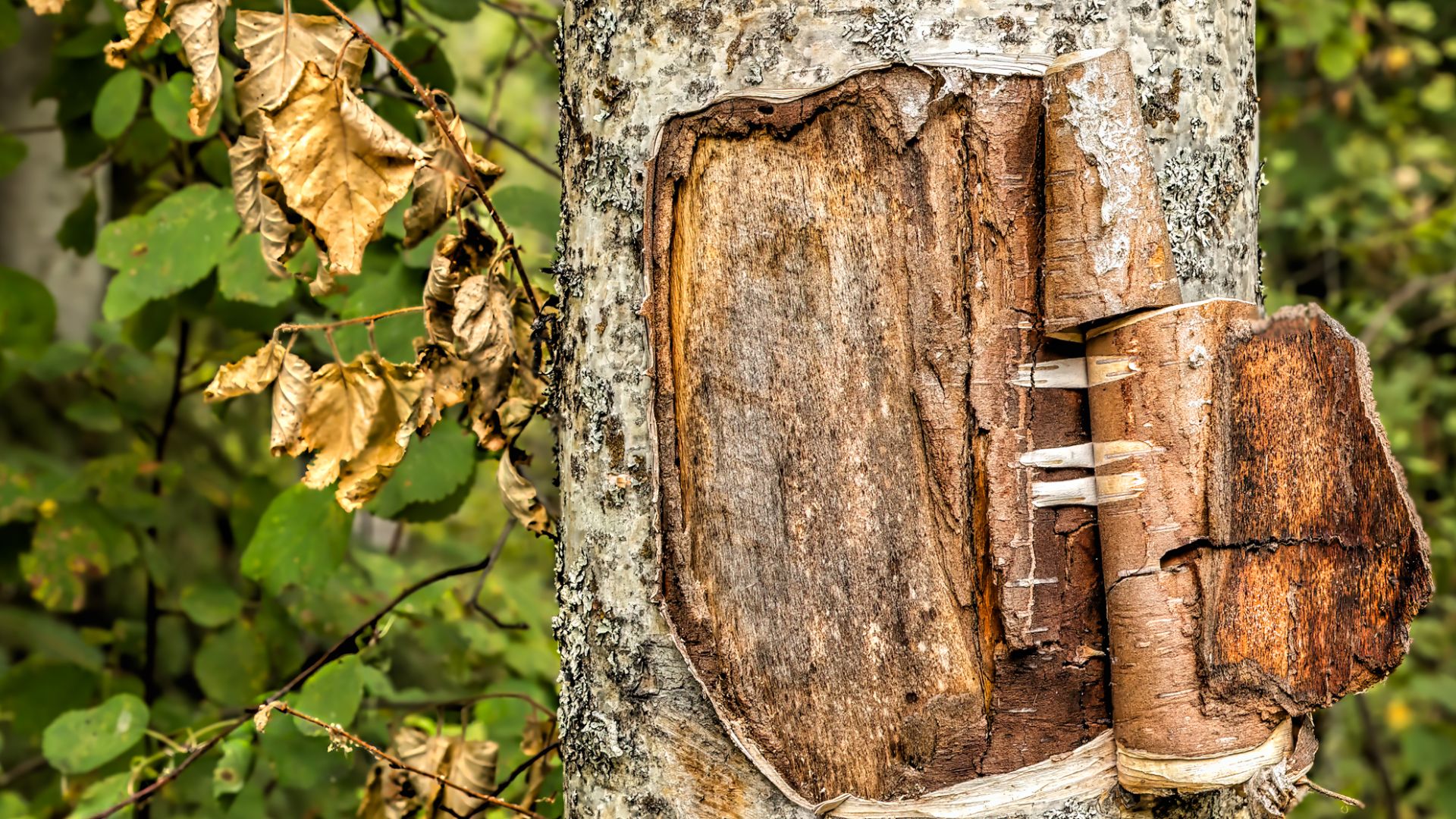
Good bark work begins before the first stitch. The maker had to choose bark with the right thickness and flexibility. Too brittle, and it cracks. Too thin, and it fails. Too stiff, and it will not fold properly. The finished basket shows a practical relationship with the forest, built through experience.
 Albert Bridge , Wikimedia Commons
A Human Handprint Without A Handprint
There may be no carved signature on the basket, but the maker is still there. Every fold, hole, stitch, and reinforcement speaks of human decisions. Someone held the bark, judged the shape, tightened the bindings, and trusted the finished container enough to put it to work. That is a wonderfully direct connection.
 Barnes Dr Thomas G, U.S. Fish and Wildlife Service, Wikimedia Commons
The Smart Simplicity Of Natural Materials
Modern people sometimes confuse natural materials with primitive materials. That is a mistake. Bark, wood, sinew, root, and fiber can be incredibly effective when handled by experts. A basket like this was lightweight, repairable, and made from local resources. It did exactly what it needed to do, with no wasted drama.
 Sheila Sund , Wikimedia Commons
The Ice Saved The Small Details
Because the basket was preserved in ice, researchers can study details that would normally be gone forever. Stitching holes, construction patterns, reinforcements, and wear all become clues. These features may help researchers understand how the object was made, what it carried, and how it fit into broader traditions of Indigenous craftsmanship.
 John Scurlock, Wikimedia Commons
A Race Against Thawing
There is a hard truth behind the excitement: melting ice is both revealing and destroying archaeological history. Once an object like a bark basket emerges, the clock starts ticking. Sun, wind, rain, and temperature changes can damage fragile materials quickly. Archaeologists must document and recover finds before they fall apart.
 Patrick Bosiger patrickbsgr, Wikimedia Commons
Climate Change Opens The Archive
The basket’s reappearance is not random. Around the world, warming temperatures are shrinking ice patches and exposing ancient artifacts. That makes this field both thrilling and urgent. Every find is a gift from the past, but also a warning from the present. The ice is not giving up its secrets gently.
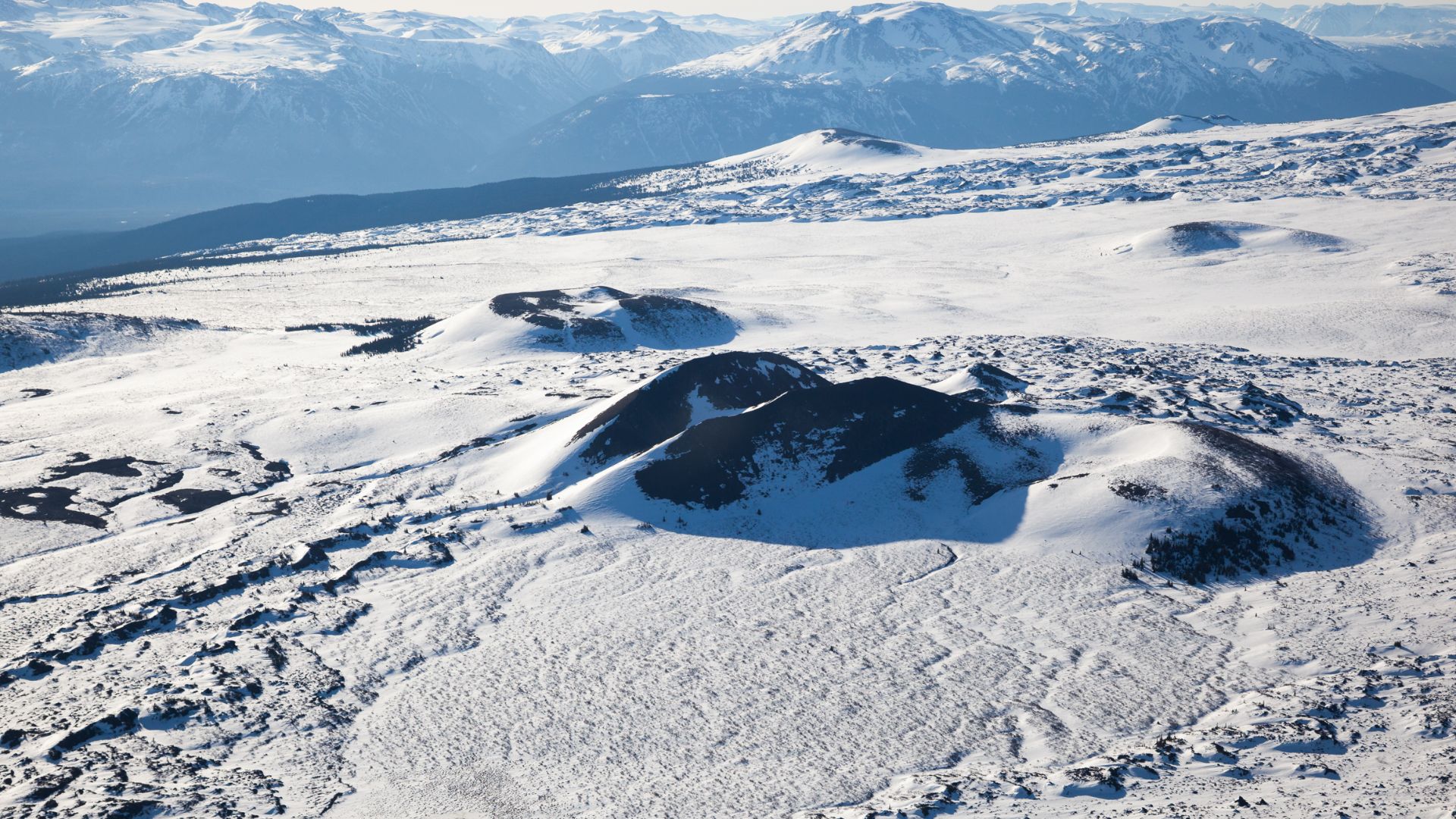 John Scurlock, Wikimedia Commons
Conservation After Discovery
Recovering a bark basket is only the beginning. Ancient organic materials need careful conservation. If they dry too quickly, they can shrink, warp, crack, or crumble. Museums and specialists use controlled conditions to slow that damage. In a way, the basket moves from one freezer into another kind of protection.

What The Basket Might Have Held
Researchers may never know exactly what the basket carried, but the possibilities are fascinating. It could have held food, tools, plant materials, small pieces of obsidian, bindings, or travel supplies. Its reinforced sides suggest that weight mattered. This was probably not a dainty little keepsake. It was made for real work.
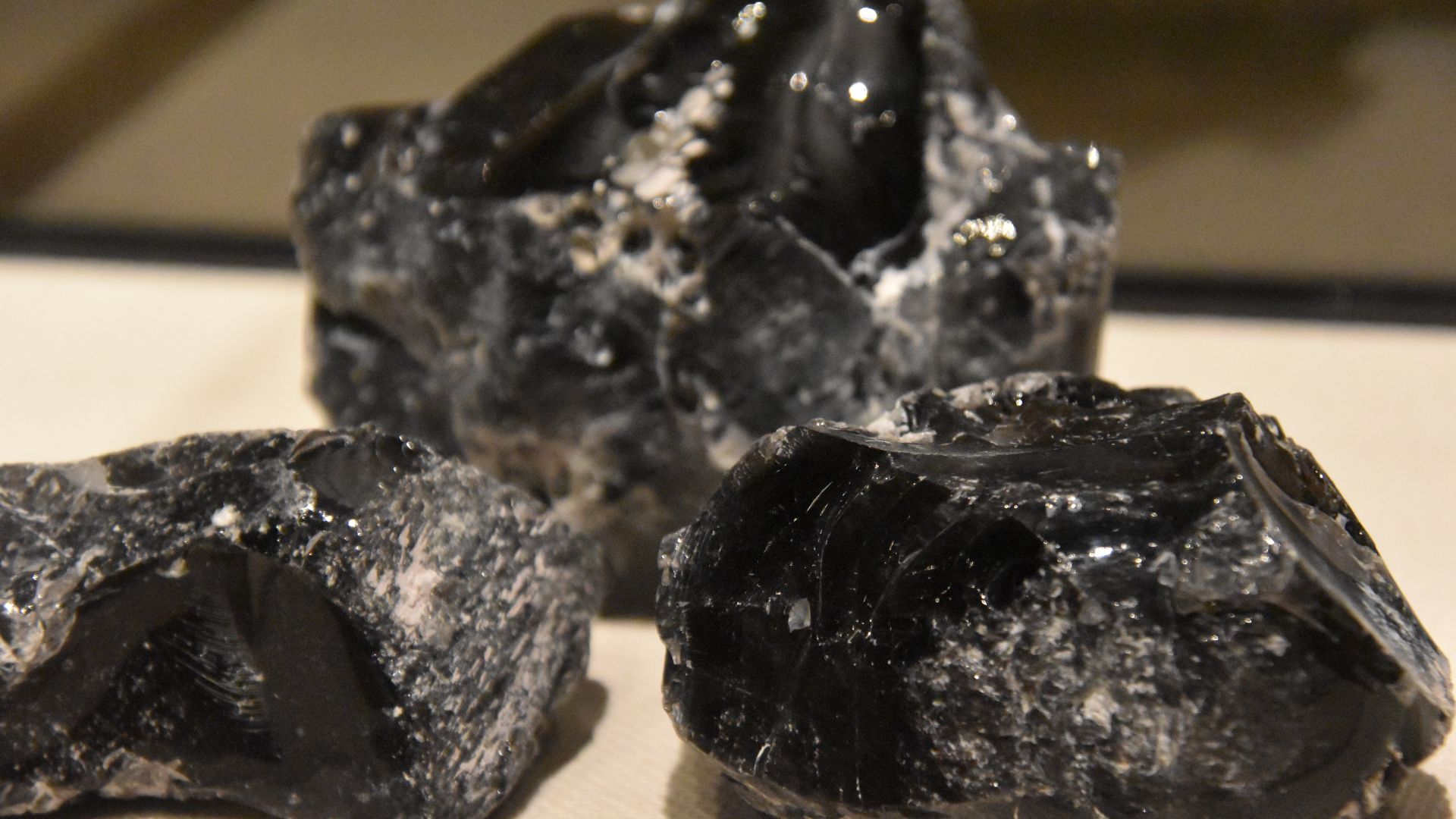 Fred Cherrygarden, Wikimedia Commons
A Glimpse Of Daily Life
That is what makes the basket so compelling. It does not tell a story of kings, battles, or buried treasure. It tells a story of daily life: packing, carrying, gathering, repairing, moving. Those ordinary actions are the backbone of human history. The basket brings them back into focus.
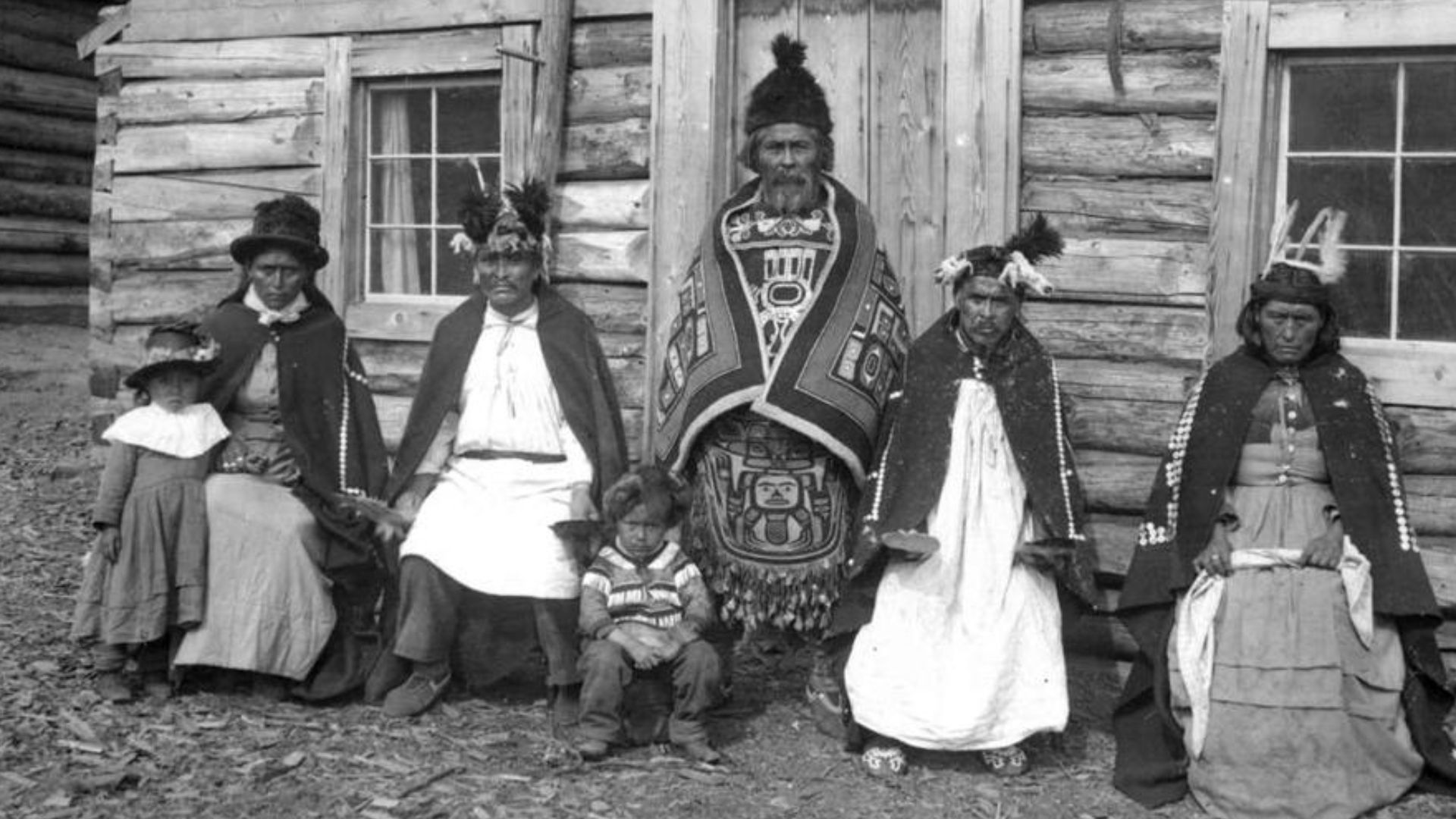 Andrew Jackson Stone (1859–1918), Wikimedia Commons
Indigenous Knowledge In The Weave
The basket also points to knowledge passed through communities. Techniques like bark selection, folding, stitching, and reinforcing are learned by watching and doing. They are not accidental. They belong to cultural traditions built over generations. The object is therefore both a tool and a trace of teaching.
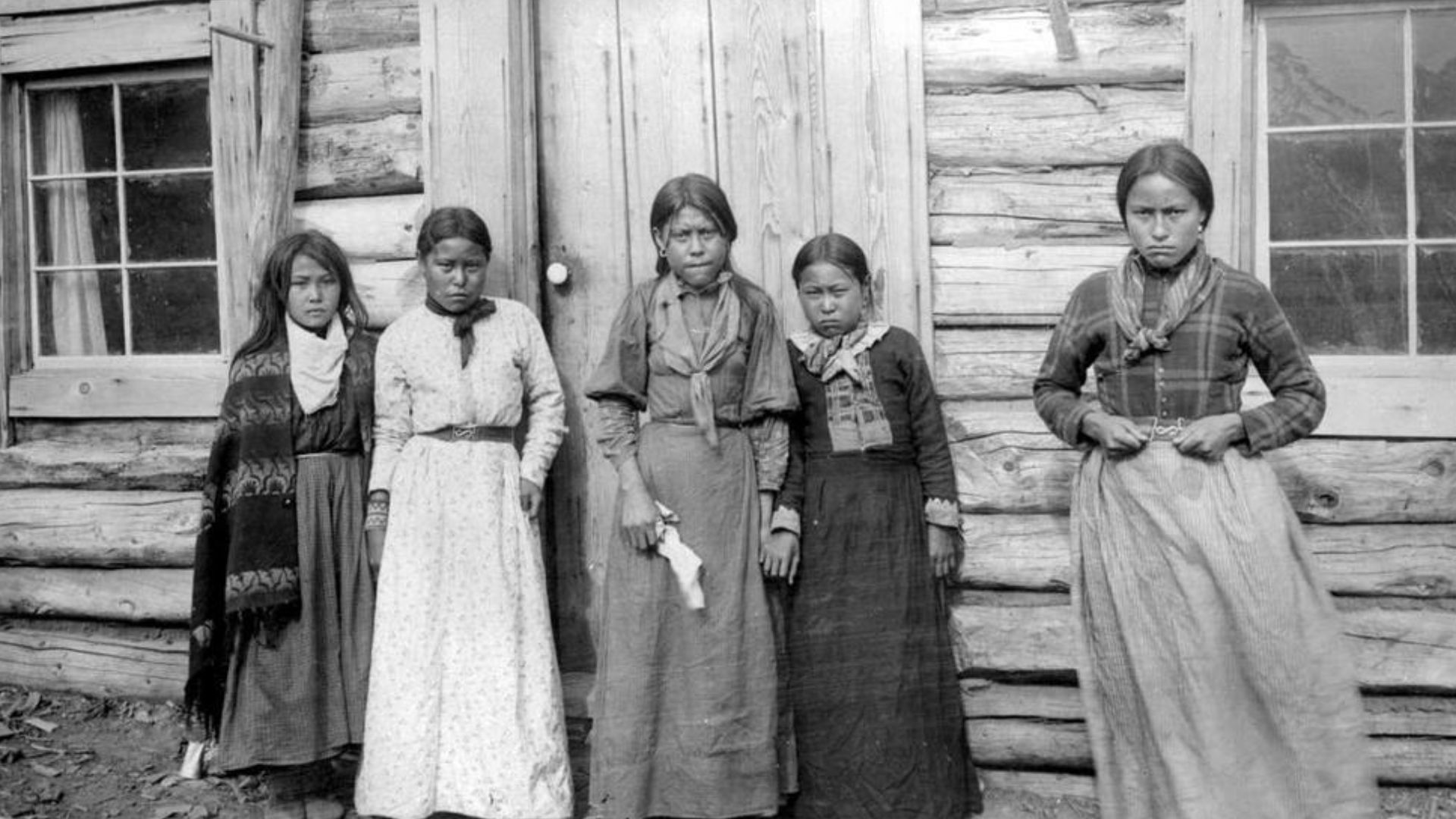
Why A Basket Can Change The Story
A single basket can reshape how we imagine the past. Without objects like this, ancient people may appear in the archaeological record mostly as hunters and stone-tool makers. Add a bark container, and suddenly we see organizers, gatherers, travelers, craftspeople, and problem-solvers. The picture becomes fuller and more human.
 Diamond Jenness, Wikimedia Commons
Strong Enough To Survive
The basket’s survival was partly luck, but its original durability mattered too. It had to be strong enough to be useful before it ever entered the ice. Its reinforced construction suggests a maker who understood stress, weight, and movement. This was engineering, even if it came from bark and stitching rather than metal and bolts.
 John Scurlock, Wikimedia Commons
A Small Object With A Big Voice
The most powerful artifacts are not always the flashiest. Sometimes they are the ones that feel familiar. Everyone understands the need for a container. Everyone has carried too many things at once. That is why this bark basket feels so immediate. Across centuries, it solves a problem we still recognize.
What The Melting Ice Reveals
The Mount Edziza finds show that ancient life in this region was rich with perishable technologies. Wooden staffs, bark containers, hide objects, and other fragile items were part of the real toolkit. Stone artifacts were only one piece of the story. The ice has widened the view, and the basket sits right at the center.
 John Scurlock, Wikimedia Commons
The Basket’s Lasting Message
In the end, the bark basket is remarkable because it is practical, personal, and beautifully ordinary. It shows ancient people using local materials with skill and confidence, crafting containers strong enough for demanding mountain life. Preserved by ice and revealed by thaw, it reminds us that the past was not crude or distant. It was clever, hands-on, and deeply human.
 Jagged Ridge Imaging, Wikimedia Commons
You May Also Like:
The Most Peaceful Countries In The World—Ranked According To Data