The Ice Remembers Everything
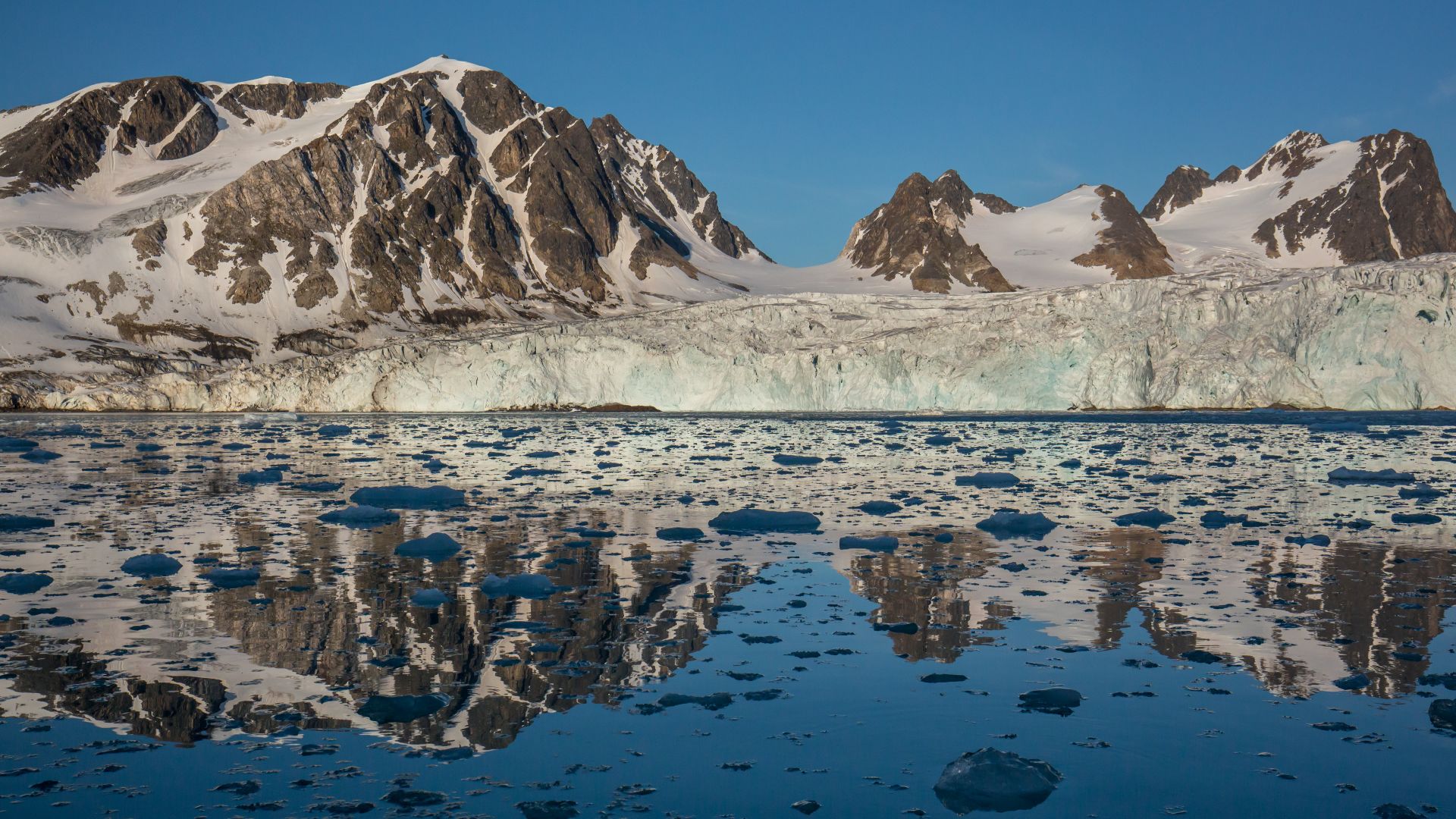
Mountain glaciers hold better records than any library ever could. A Norwegian hiker stumbled upon evidence that ancient hunters ran operations far more sophisticated than previously thought. The catch? That same melt threatens what it reveals.

Helge Titland's Accidental Discovery While Hiking In The Aurlandsfjellet Mountains
Picture yourself scrambling across Norway's Aurlandsfjellet plateau when something unusual catches your eye. Helge Titland, a 76-year-old local enthusiast, spotted cut timber jutting from melting ice in 2024. His keen observation transformed what could've been another mountain walk into archaeological gold.
 Oyvind Holmstad, Wikimedia Commons
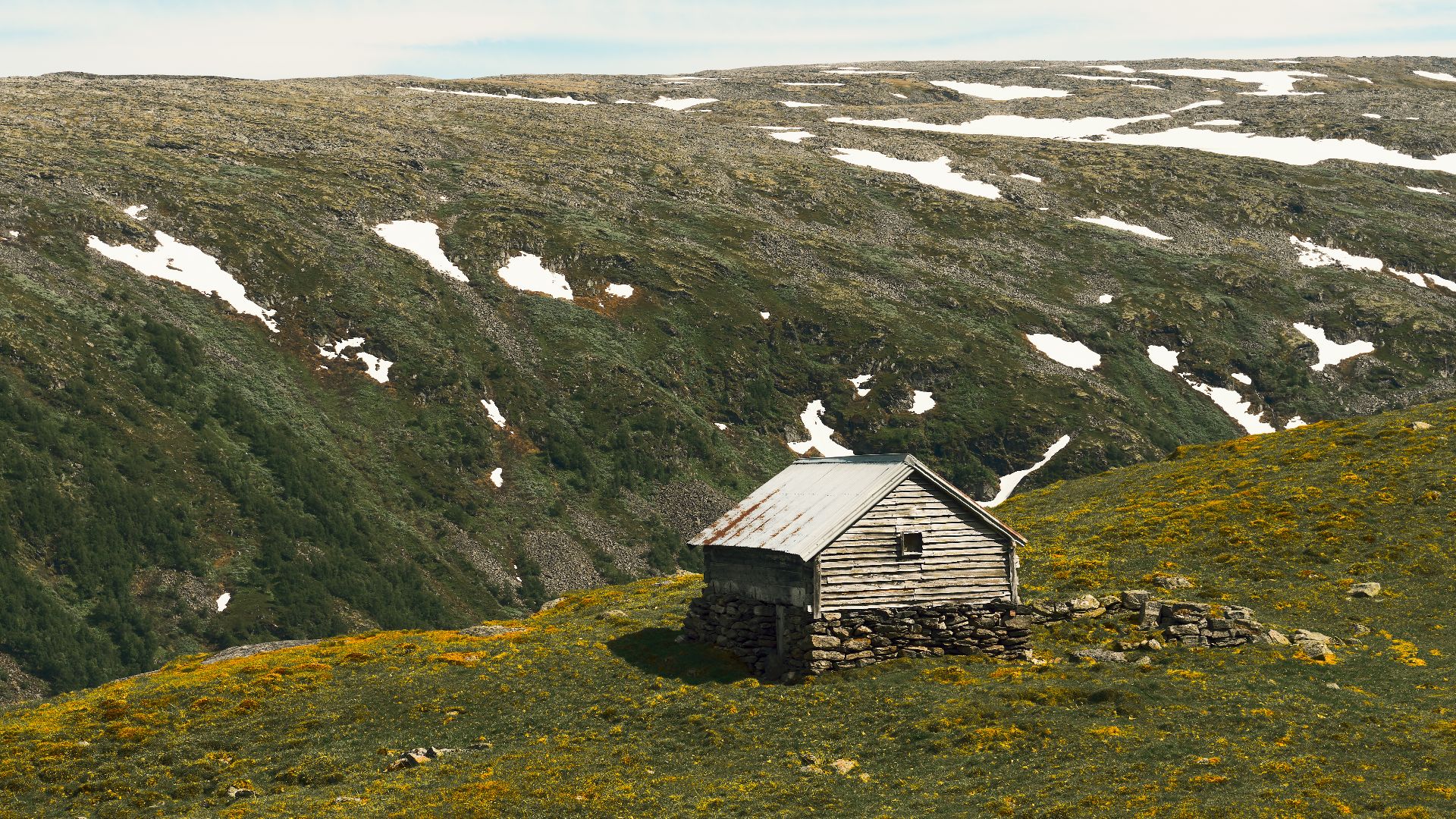
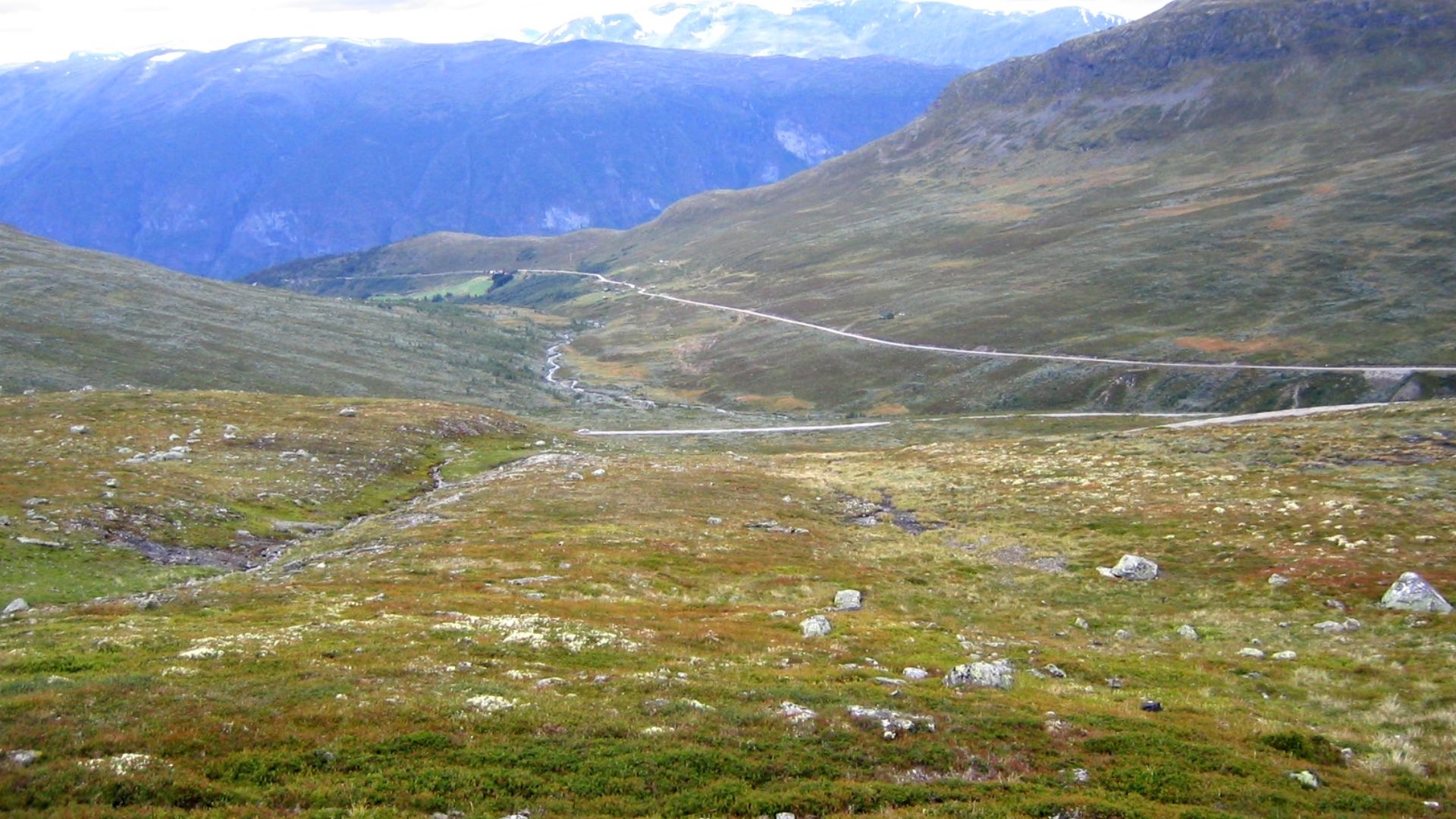
The Site's Location Is At 4,600 Feet Above Sea Level In Vestland County, Norway
Vestland County's Aurlandsfjellet plateau sits where oxygen thins and temperatures plummet year-round. Early Iron Age hunters deliberately chose this brutal elevation because reindeer migration routes crossed through these windswept passes during seasonal movements.
Evidence That The Site Functioned As A Mass-Capture Hunting Facility
Dense piles of reindeer bones mark deliberate kill zones. Extensive wooden barriers funneled entire herds into confined areas. Iron Age hunters coordinated large group efforts and organized planned operations instead of isolated or chance encounters.
 Giles Laurent, Wikimedia Commons
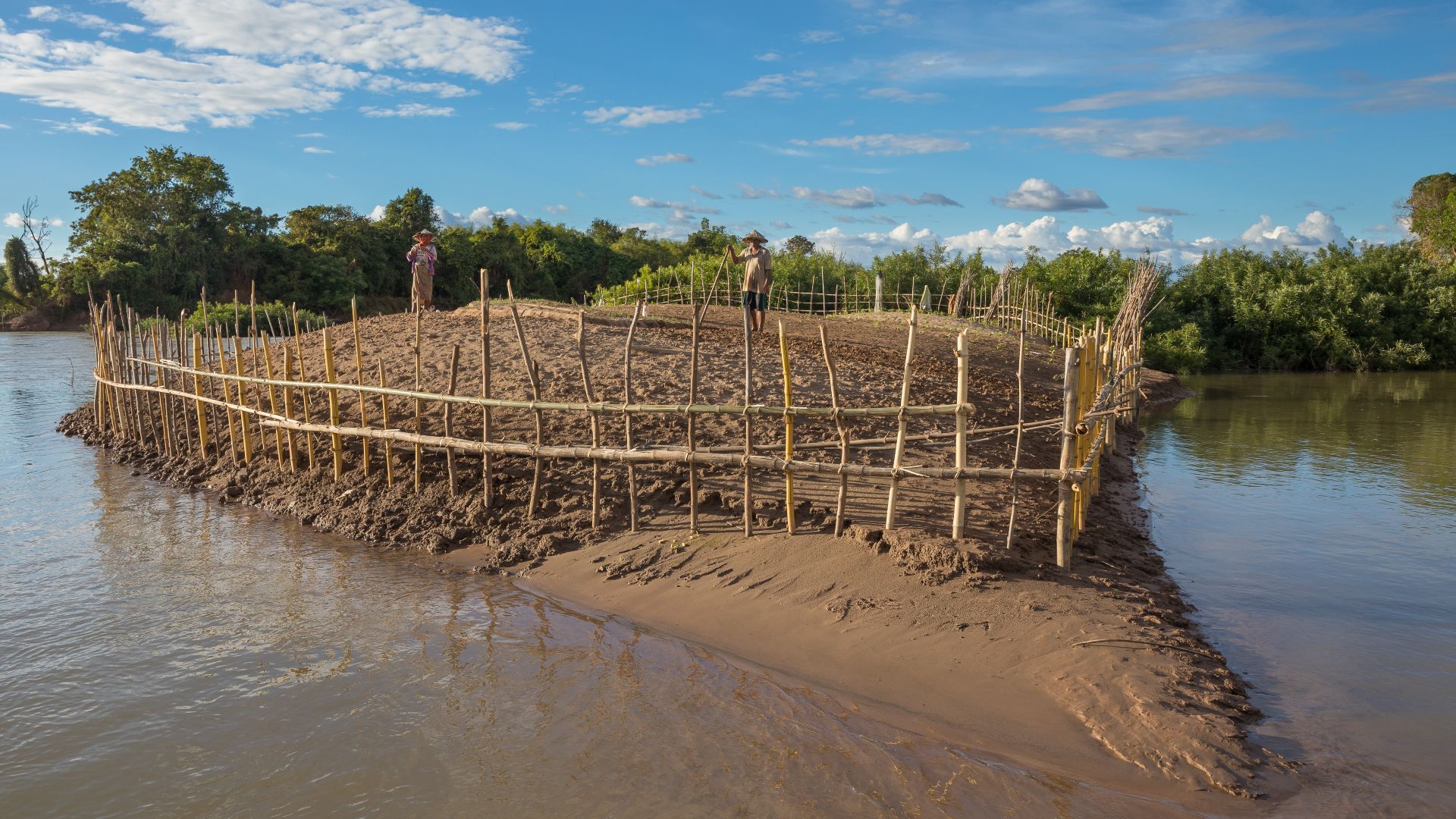
Two Wooden Fence Structures Designed To Trap And Corral Reindeer
Ancient engineers built these barriers with serious precision—no nails, just strategic placement. The fences formed a V-shaped funnel stretching across the mountainside, guiding panicked reindeer toward their doom. Hunters positioned themselves at the narrow end.
 Basile Morin, Wikimedia Commons
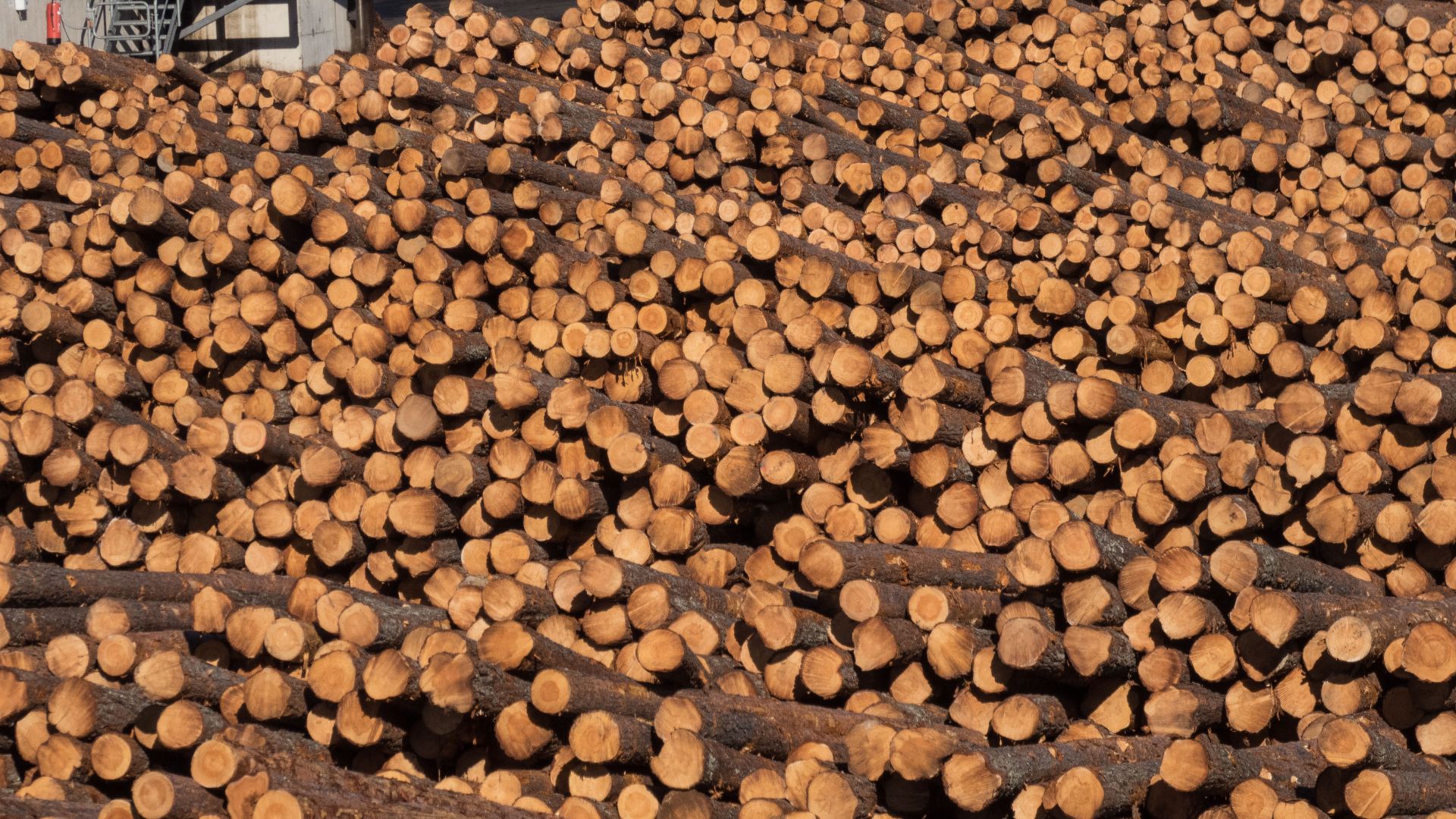
Hundreds Of Cut Logs Forming The Structural Barriers Of The Trap
Builders hauled pine logs from forests miles downslope since trees do not grow at high altitudes. Axe marks show that iron tools shaped each beam. Transporting tons of timber uphill confirms the trap justified enormous labor and careful planning.
Insights Into Early Iron Age Hunting Techniques And Practices
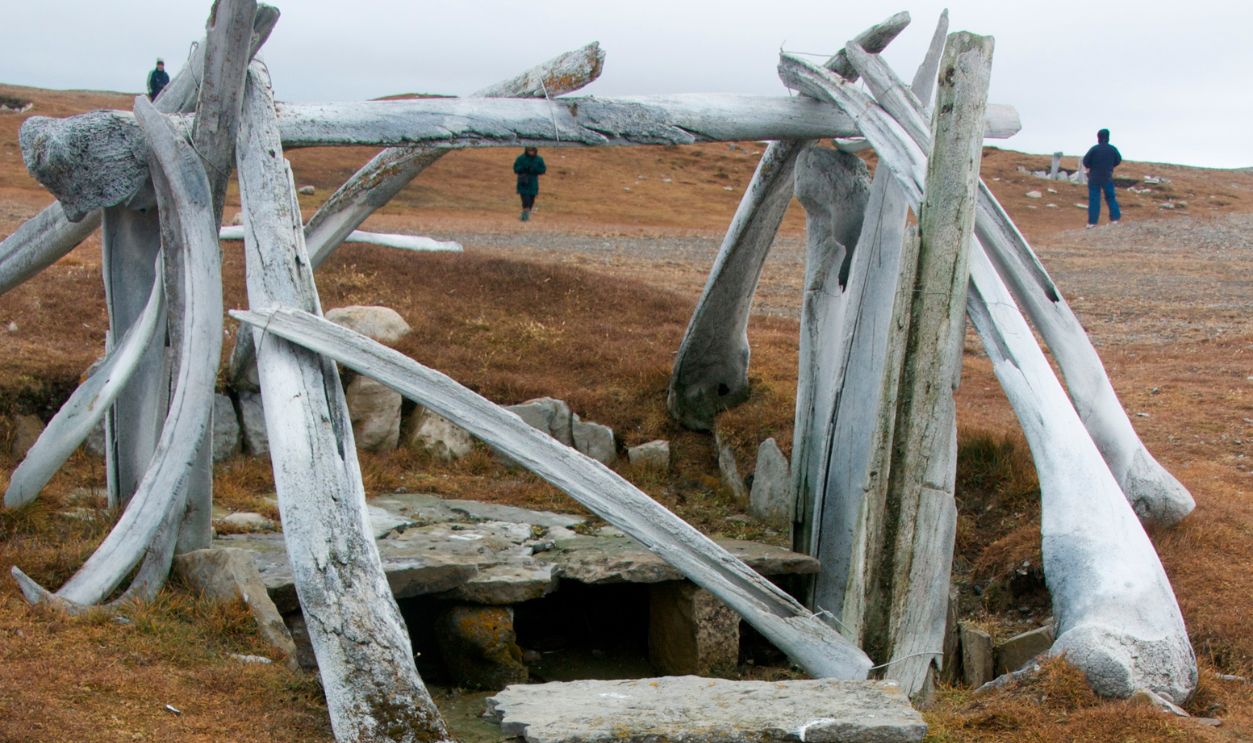
Hunters understood reindeer behavior in detail and used noise and movement to drive herds forward. Funnel-shaped systems exploited animals’s tendency to flee straight ahead. Similar traps once existed across Northern Europe, though wooden versions rarely survive.
 Education Images, Getty Images
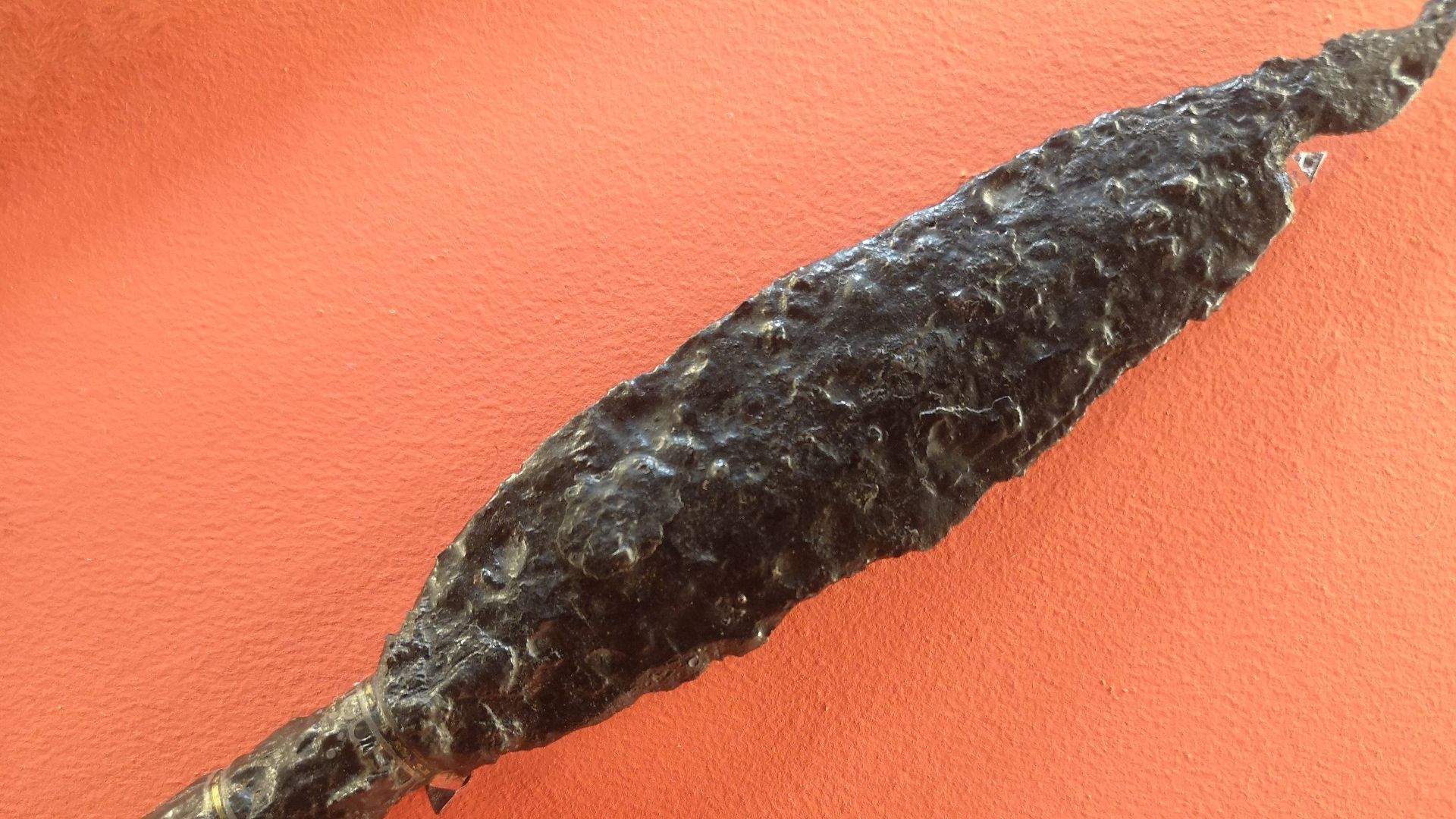
Iron Spearheads Used By Hunters At The Trapping Facility
Blacksmiths hammered these killing tools from bog iron, a resource Scandinavians extracted from wetlands for centuries. Iron spearheads, hammered to razor-sharp edges for piercing thick reindeer hide, were found in multiple specimens.
Wooden Arrows Discovered Scattered Around the Site
Craftsmen carved these projectiles from wood for use in hunting. The arrow shafts lay scattered around the site, preserved from 1,500 years ago amid hunting activities. Some shafts still retained their original shape despite spending fifteen centuries beneath glacial ice.
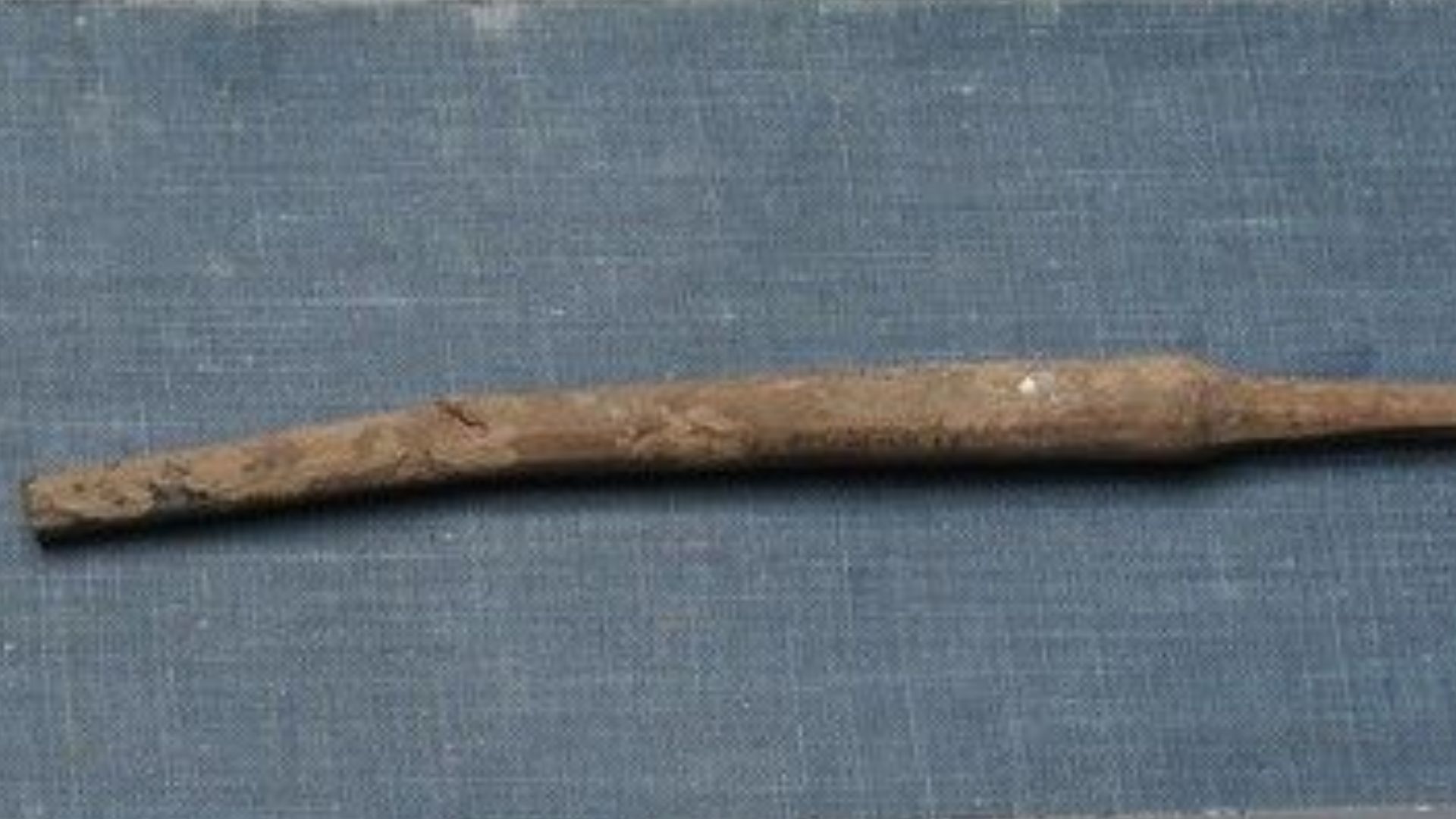
Fragments Of Bows That Iron Age Hunters Used For Killing Trapped Reindeer
These weren't your modern compound bows. Bow fragments showed evidence of careful shaping for effective use in hunts. Hunters stationed at the trap's narrow end could loose arrows rapidly, turning the confined space into what you'd call a shooting gallery.
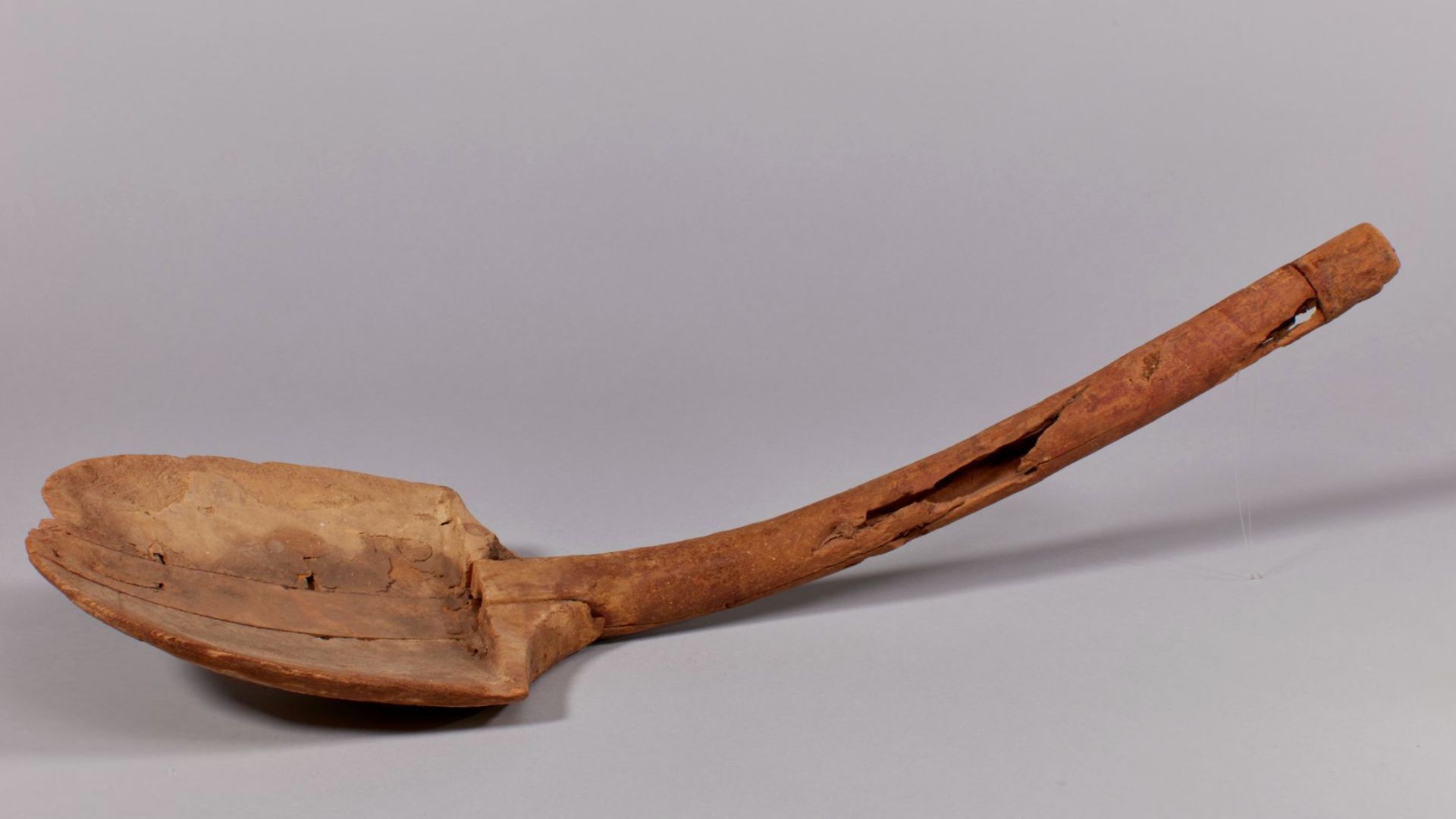 Original: unknownPhotograph: Martin Liebetruth, Wikimedia Commons
Well-Preserved Reindeer Antlers, Up To 100 In Number, Showing Cut Marks And Processing Evidence.
Butchers worked fast to leave telltale slash marks across antler bases as they harvested everything useful. The bone surfaces revealed systematic cutting patterns indicating organized meat processing operations, not desperate scavenging.
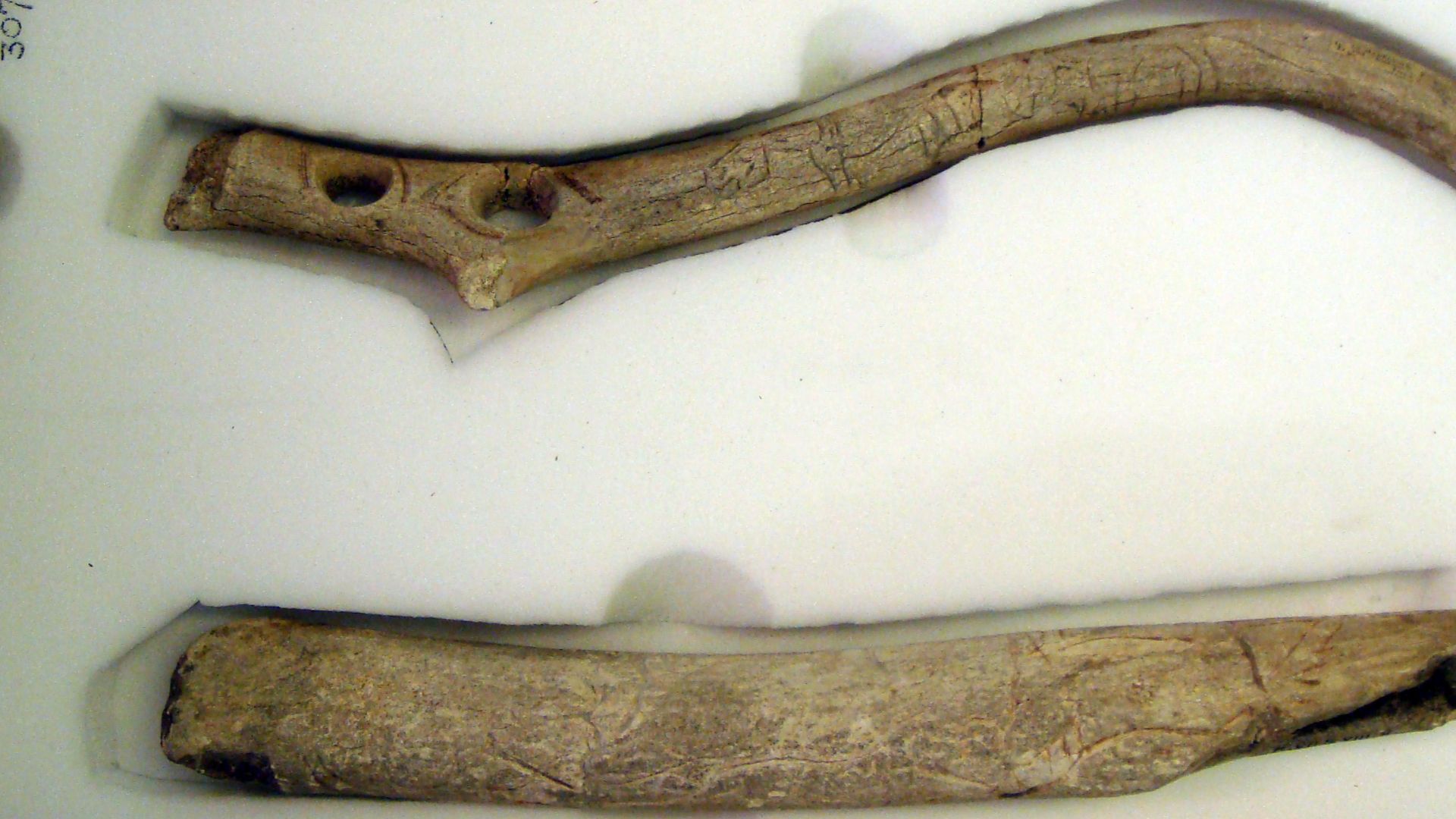
Evidence Of Reindeer Hunting’s Central Role In Iron Age Economies
Mountain traps produced meat, hides, antlers, and sinew traded through wide networks. The site’s scale suggests surplus production. Coastal wealth during the Iron Age closely followed access to productive inland hunting territories.
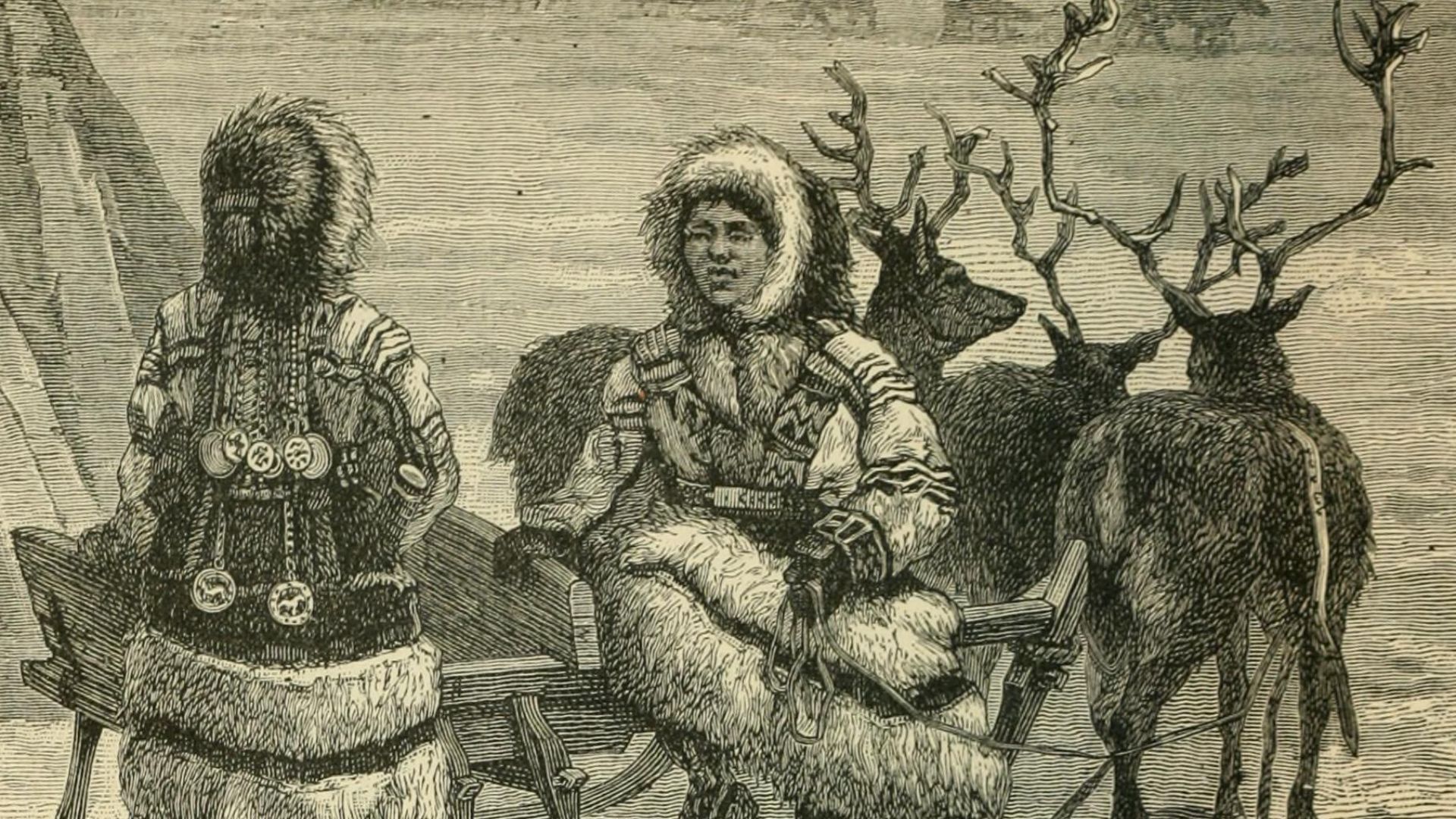 Internet Archive Book Images, Wikimedia Commons
Fjord Community Wealth Tied To Wild Reindeer Hunting Operations
Early Iron Age coastal settlements controlled marine resources alongside mountain hunting grounds. Burial evidence reveals imported goods linked to long-distance trade. Reindeer products fueled exchange networks and connected isolated fjord communities to wider European economic systems.
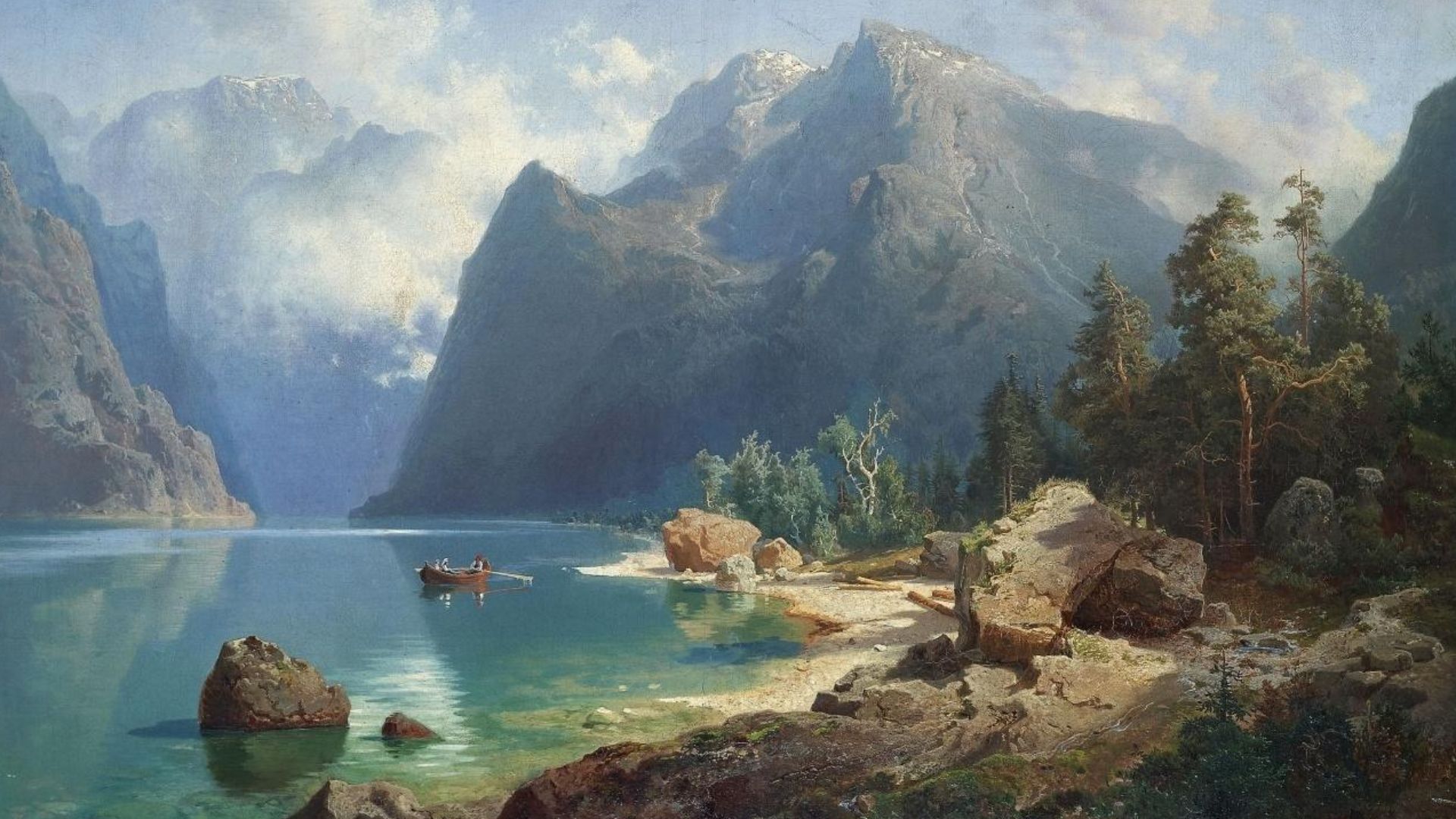 August Wilhelm Leu, Wikimedia Commons
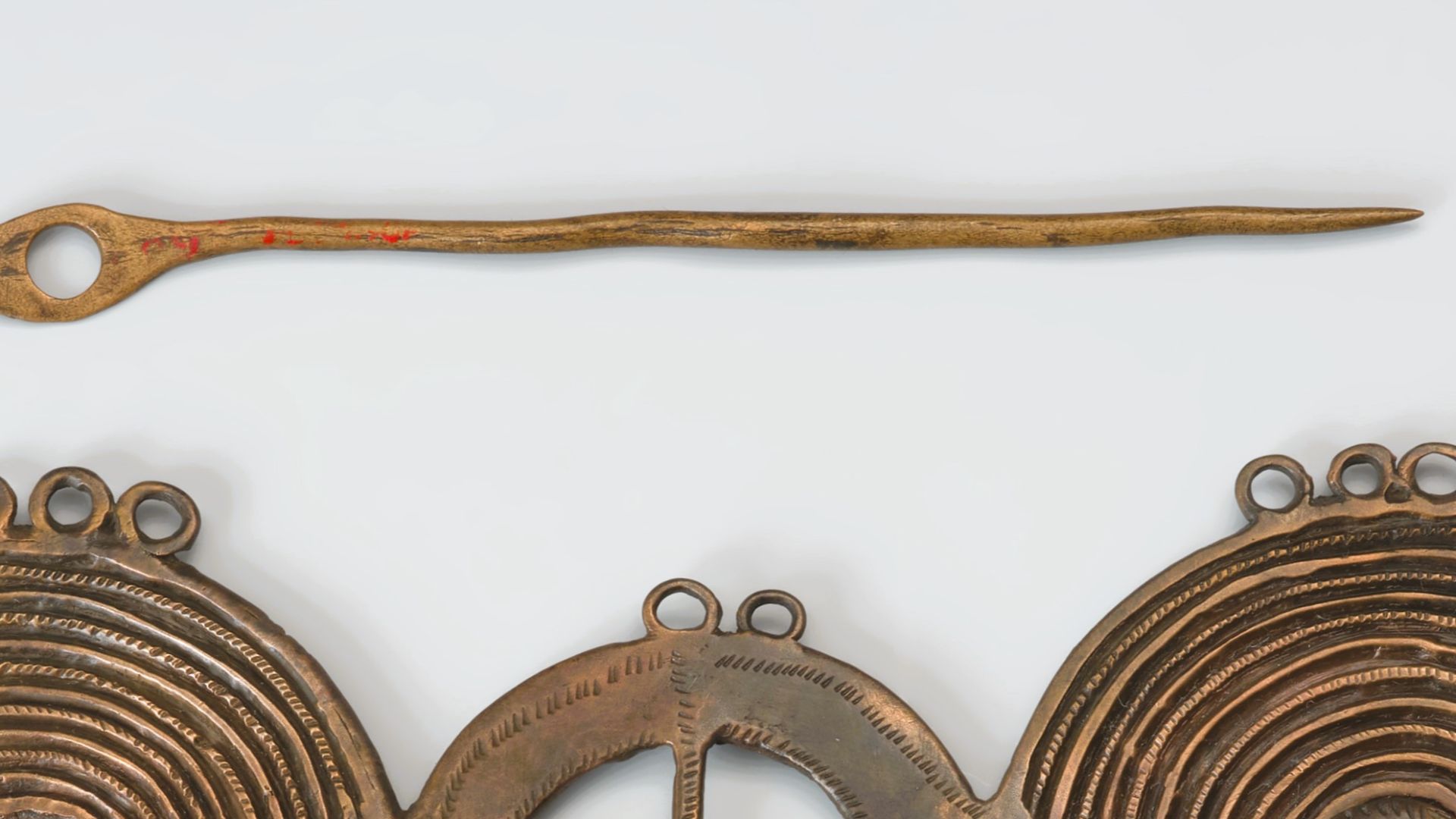
There Was A Brooch Carved From Reindeer Antler, Likely A Personal Possession
The brooch displays intricate Norse design work, suggesting its owner held significant social status within their community. Wealthy fjord settlers often accompanied hunting parties, and they treated the expeditions as a combination of business ventures and status-building adventures.
 Unknown authorUnknown author, Wikimedia Commons
A Miniature Axe-Shaped Pin Crafted From Antler
The small pin features a detailed blade carved from antler, a material suited for fine shaping. Likely used to fasten clothing, the object combined everyday utility with craftsmanship that signaled skill and personal identity.
There Were Also Various Small, Finely-Crafted Wooden Objects Of Unknown Purpose
Mystery tools littered the site. Some pieces resembled toggles or fasteners, while others looked ceremonial rather than practical. These are the kind of puzzles archeologists love because they force us to rethink everything we assume about ancient cultures.

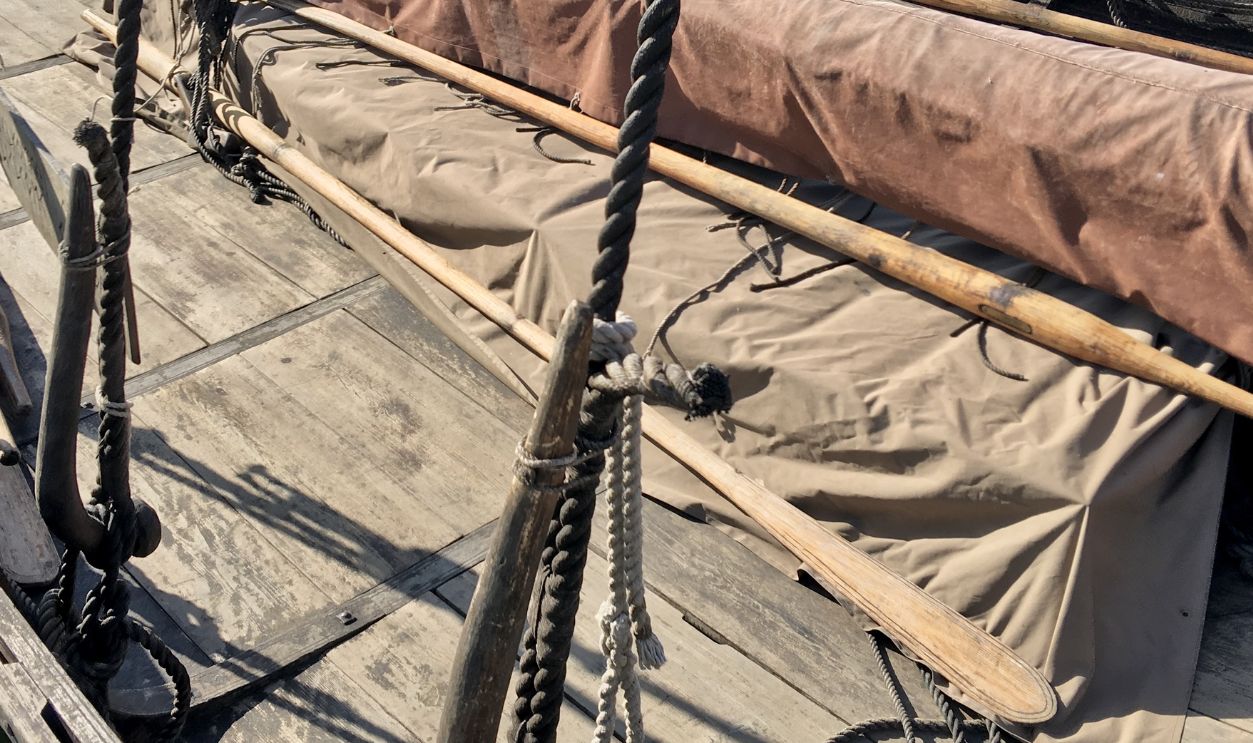
A Decorated Pine Oar With Intricate Ornamentation Found At High Elevation
A boat oar at 4,600 feet elevation, miles from any navigable water. The oar featured intricate carved ornamentation that required great artistic skill. Archaeologists remain completely stumped about why hunters lugged a heavy oar up steep mountain trails.
The Trap’s Abandonment During A Cool Climate Period In The 6th Century
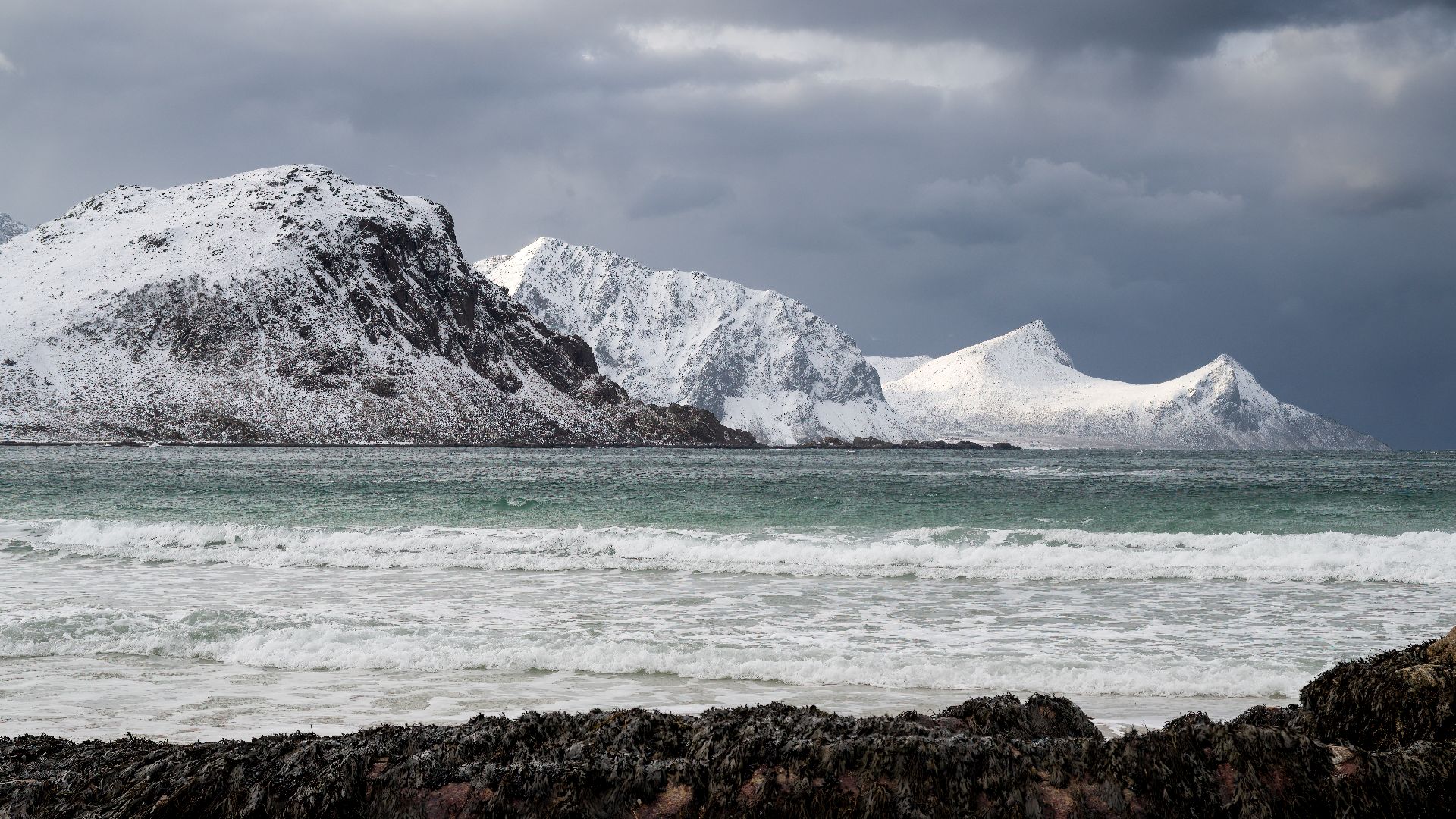
Increased snowfall during the sixth century reshaped migration routes and limited access to mountain regions. Heavier snowpack extended winter conditions and pushed communities to relocate hunting activity to lower elevations, where herds adjusted more easily.
Well-Preserved Condition Indicating Immediate Burial After Abandonment
Tool placement and scattered materials suggest hunters departed quickly. Sudden environmental change likely closed access routes before retrieval efforts occurred. Heavy snowfall sealed the site in a single season to lock objects in place under stable preservation conditions.
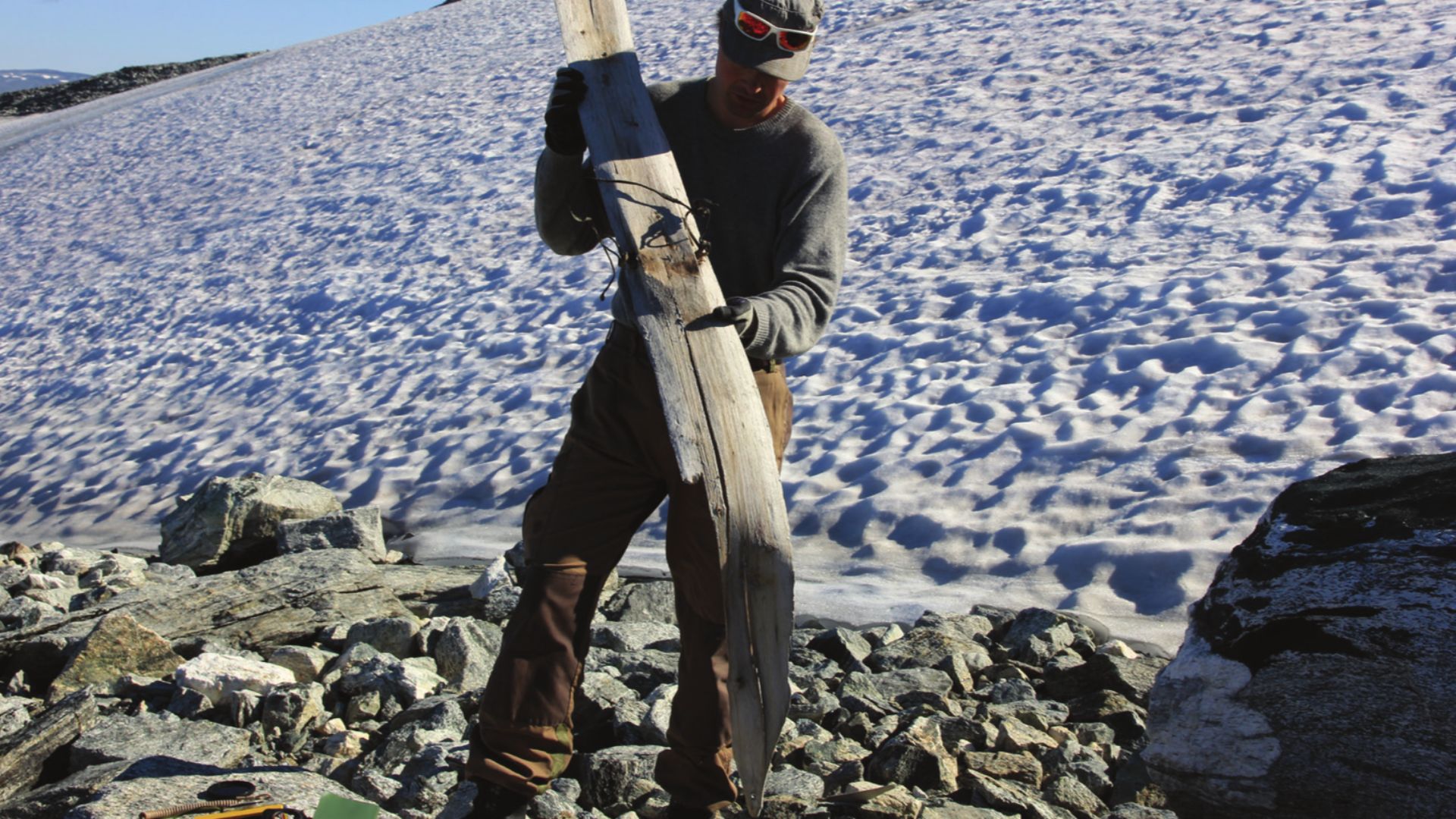 Photo: Aud Hole/Oppland County Council, Wikimedia Commons
How Rapid Burial Under Snow And Ice Preserved The Wooden Materials
Freezing conditions halted decay almost immediately after abandonment. Snow and ice sealed the site and prevented bacteria and fungi from breaking down the wood. Logs retained their shape, and tool marks were rarely seen in unfrozen archaeological contexts.
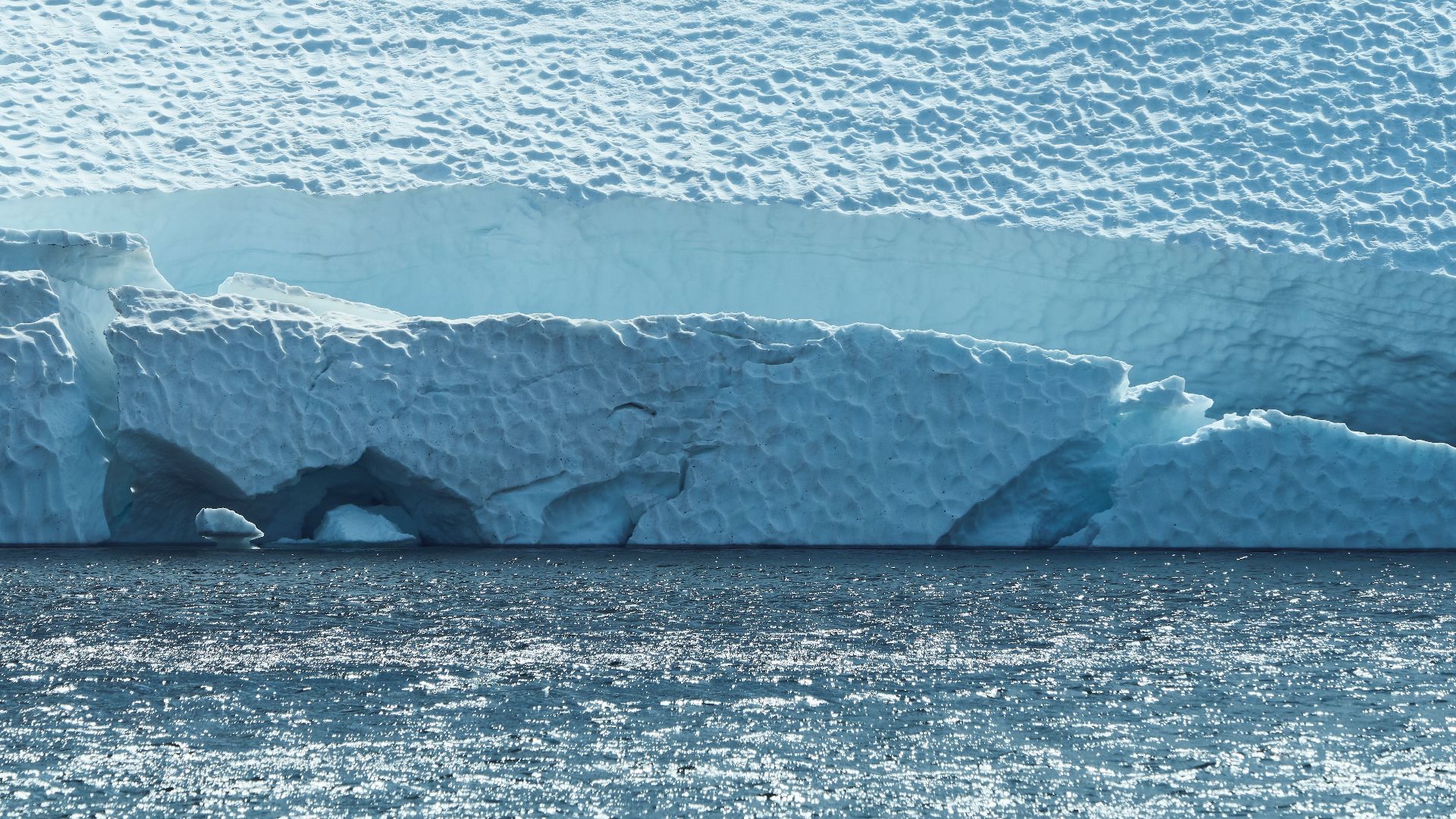 Oyvind Holmstad, Wikimedia Commons
Melting Ice That Revealed The Site After Centuries Of Preservation
Retreating ice across Norwegian mountains exposed the trap after centuries of concealment. Warming conditions now uncover archaeological sites each summer and reveal preserved structures while creating urgent challenges for documentation and long-term conservation.
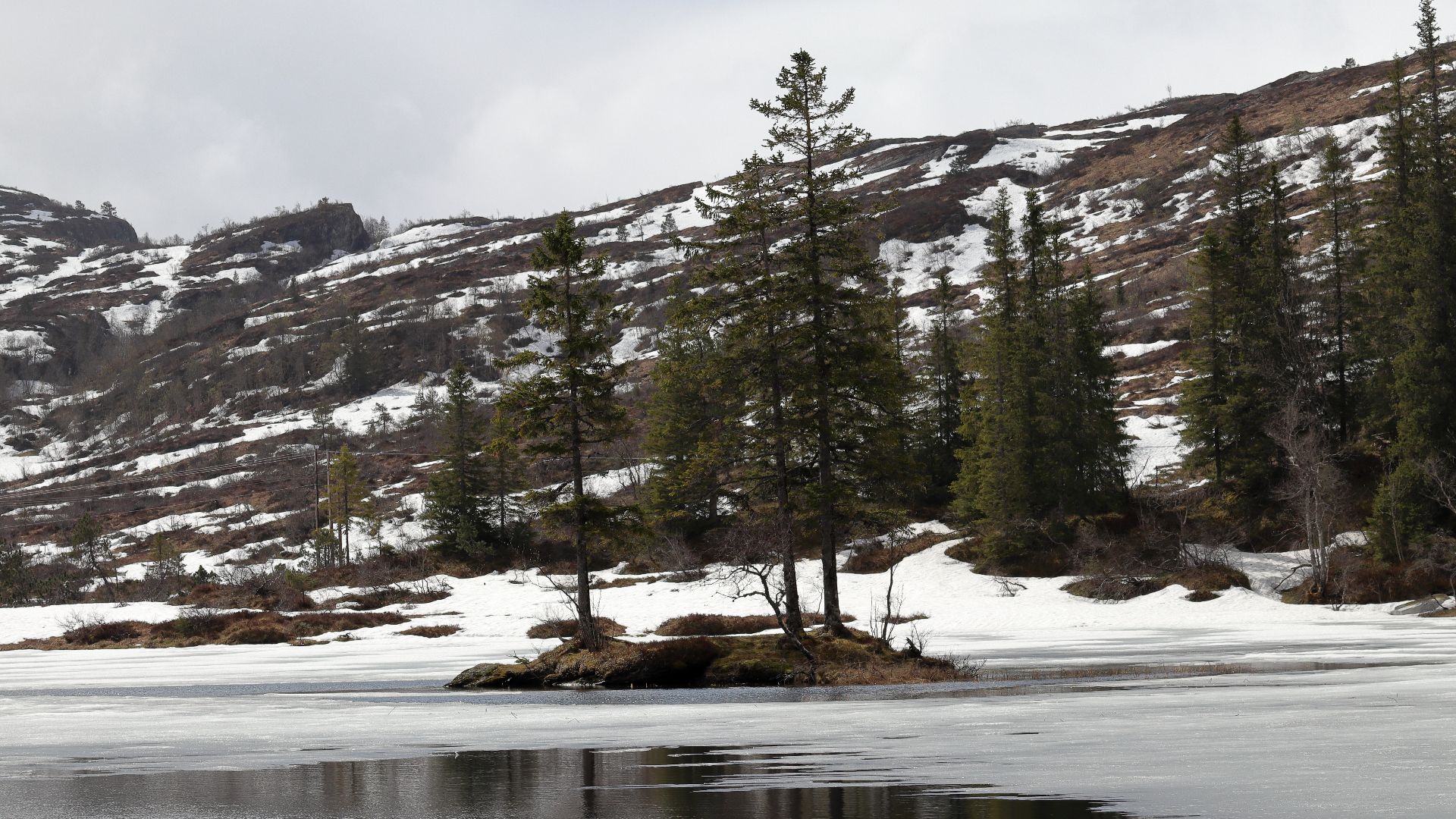 Marius Vassnes, Wikimedia Commons
University Museum Of Bergen’s Emergency Conservation Efforts In Freezers
Artifacts reached the museum inside insulated containers to avoid damage. Specialized freezers now maintain stable conditions that mimic glacial preservation. Conservators raise temperatures gradually and prevent structural collapse as trapped moisture dissipates.
 David40226543, Wikimedia Commons
The Risk That Exposed Wooden Artifacts Will Decay Rapidly Without Ice Protection
Once released from ice, organic materials degrade quickly. Bacteria, fungi, and weather cycles weaken wood within weeks. Objects preserved for over a millennium can disintegrate during a single summer without immediate conservation.

The Site Is The Only Wooden Mass-Capture Facility Found In Norwegian Ice
Stone hunting structures appear across Scandinavian mountains, yet wooden examples remain unique. Ice provided stable freezing conditions and limited oxygen, preserving timber for centuries. Written sources describe similar traps elsewhere, but physical evidence never surfaced until the Titland site emerged.
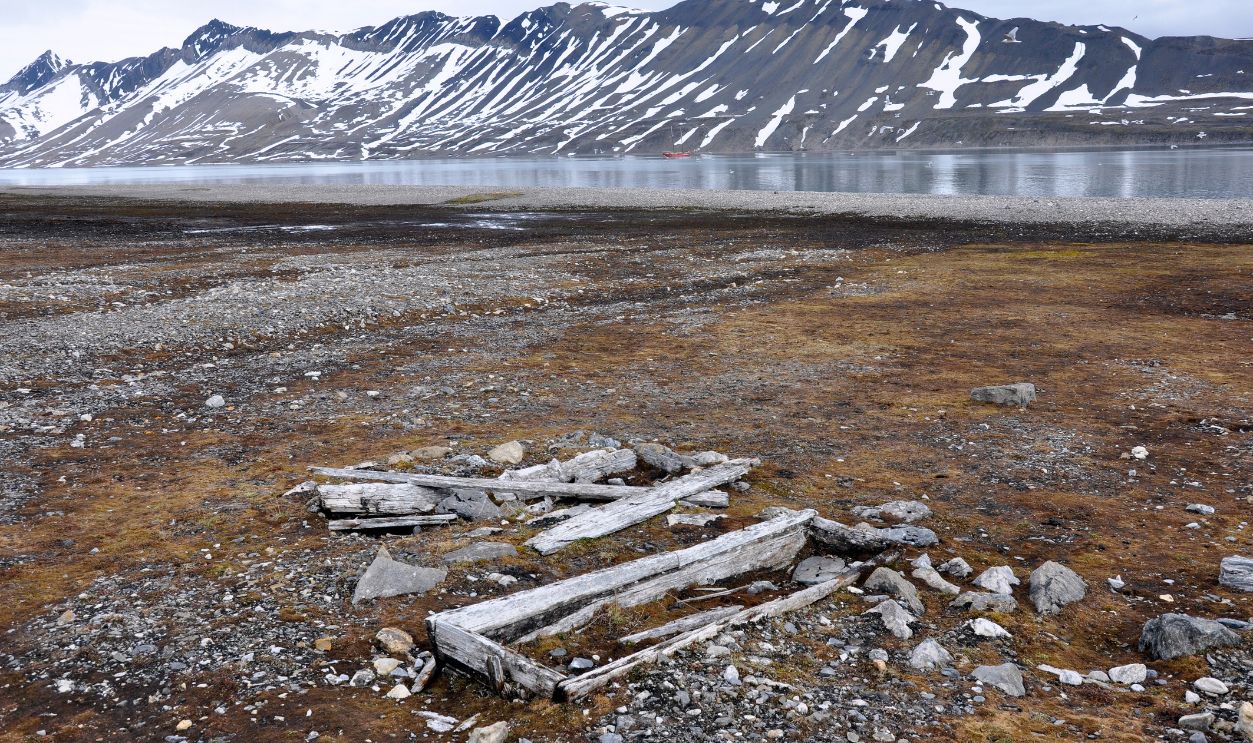
Connection Between Titland’s Multiple Finds And Climate-Driven Exposure Patterns
Titland has documented several discoveries across the same mountain region in recent years. Each find appeared in newly exposed ice zones. The sequence highlights climate-driven exposure patterns that pinpoint areas most vulnerable to rapid archaeological loss.
 Petter Ulleland, Wikimedia Commons
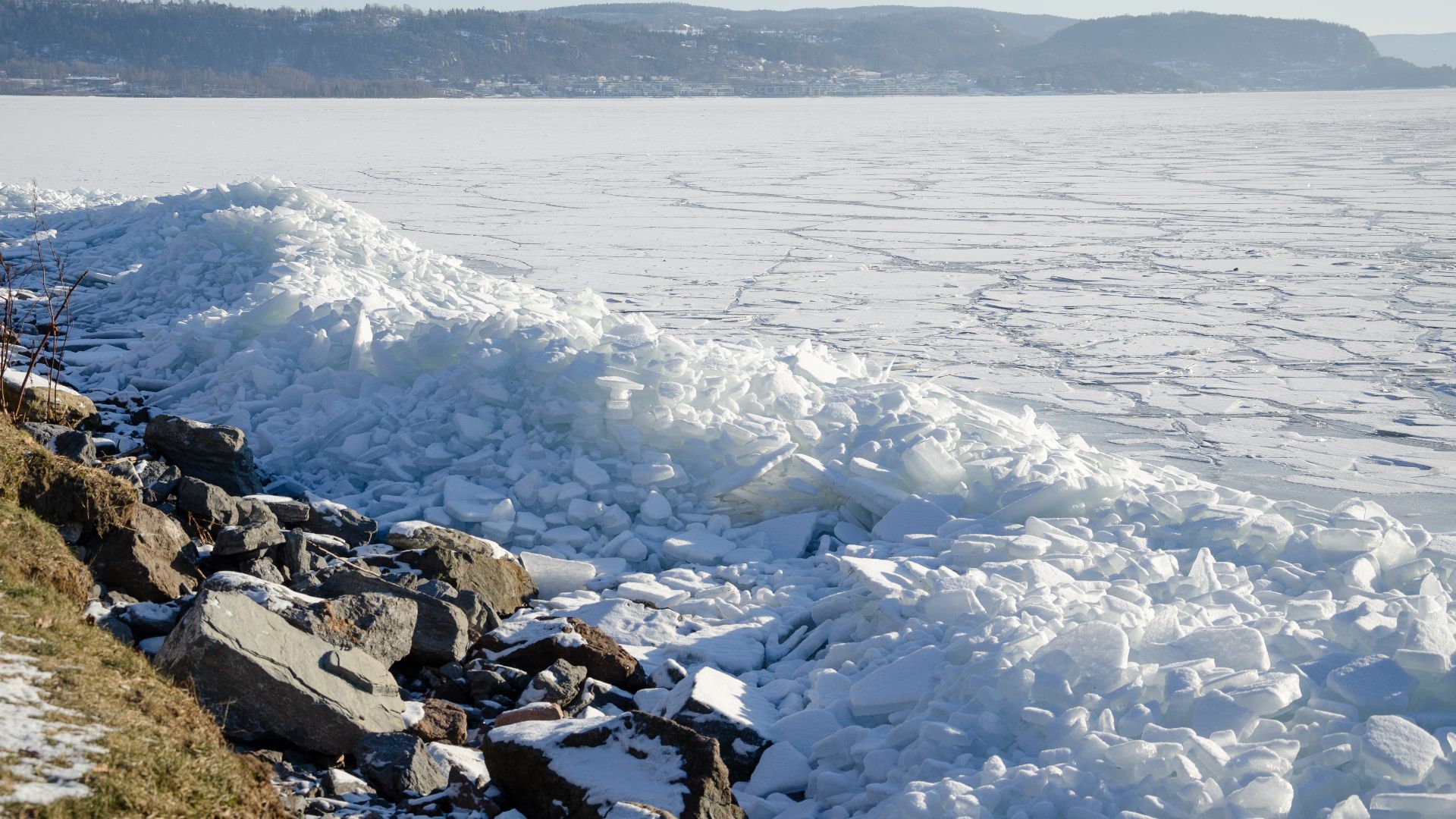
Growing Threat To Other Undiscovered Artifacts From Accelerating Ice Melt
Norway’s mountain ice continues shrinking year after year. Seasonal melt now exposes archaeological sites briefly before weather destroys them. Remote terrain delays access, meaning objects can surface and vanish between visits, taking irreplaceable historical information with them.