

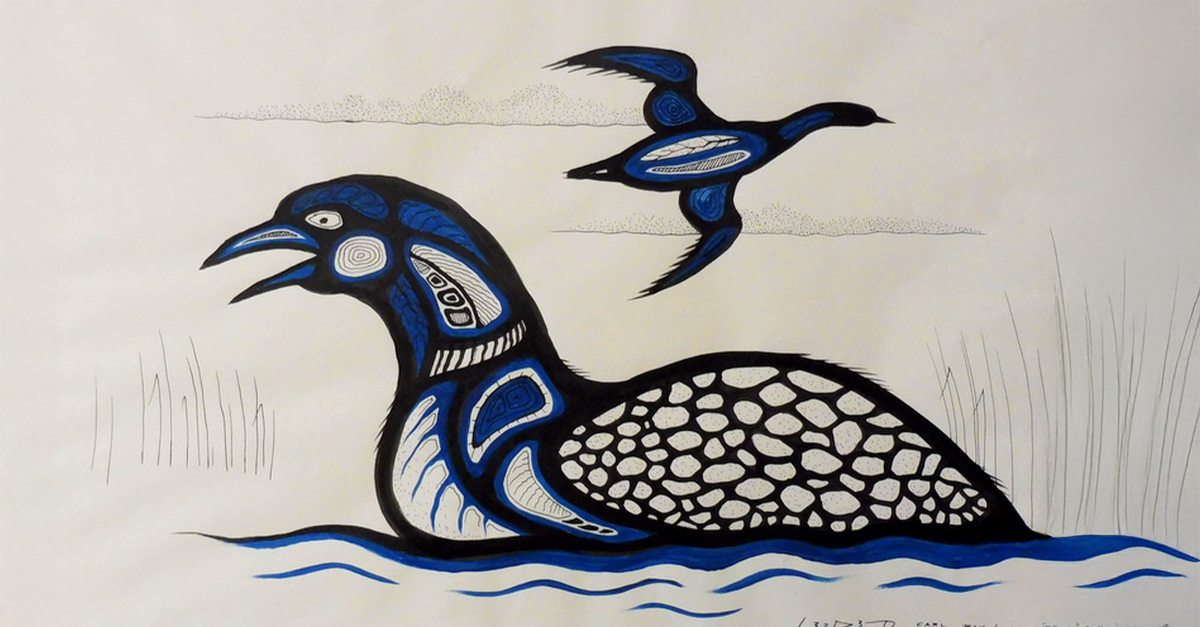
A Woodland People
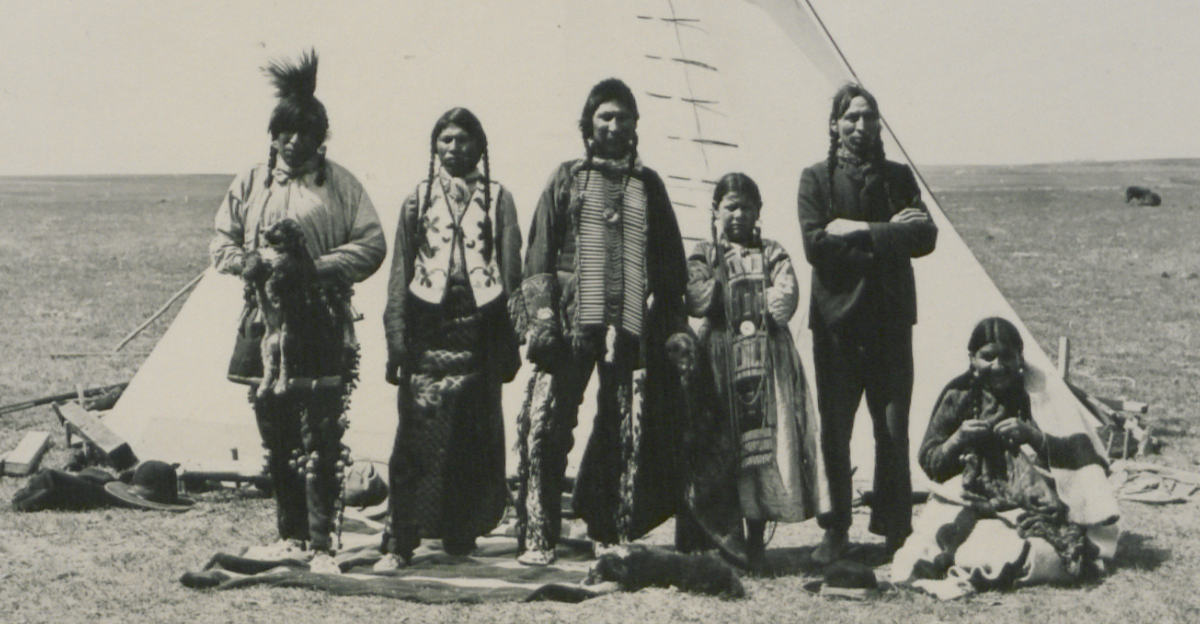
Spread across the vast forests and plains of Canada, the Cree built a way of life that adapted to some of the country’s most unforgiving landscapes. Their territory once stretched from northern Quebec along the shores of Hudson Bay all the way to Manitoba, before expanding westward into the plains of Alberta and Saskatchewan. Today, Cree communities can even be found across the border in the United States. So how did this far-reaching nation grow, adapt, and endure?
 British Library, Wikimedia Commons
A Famous Name
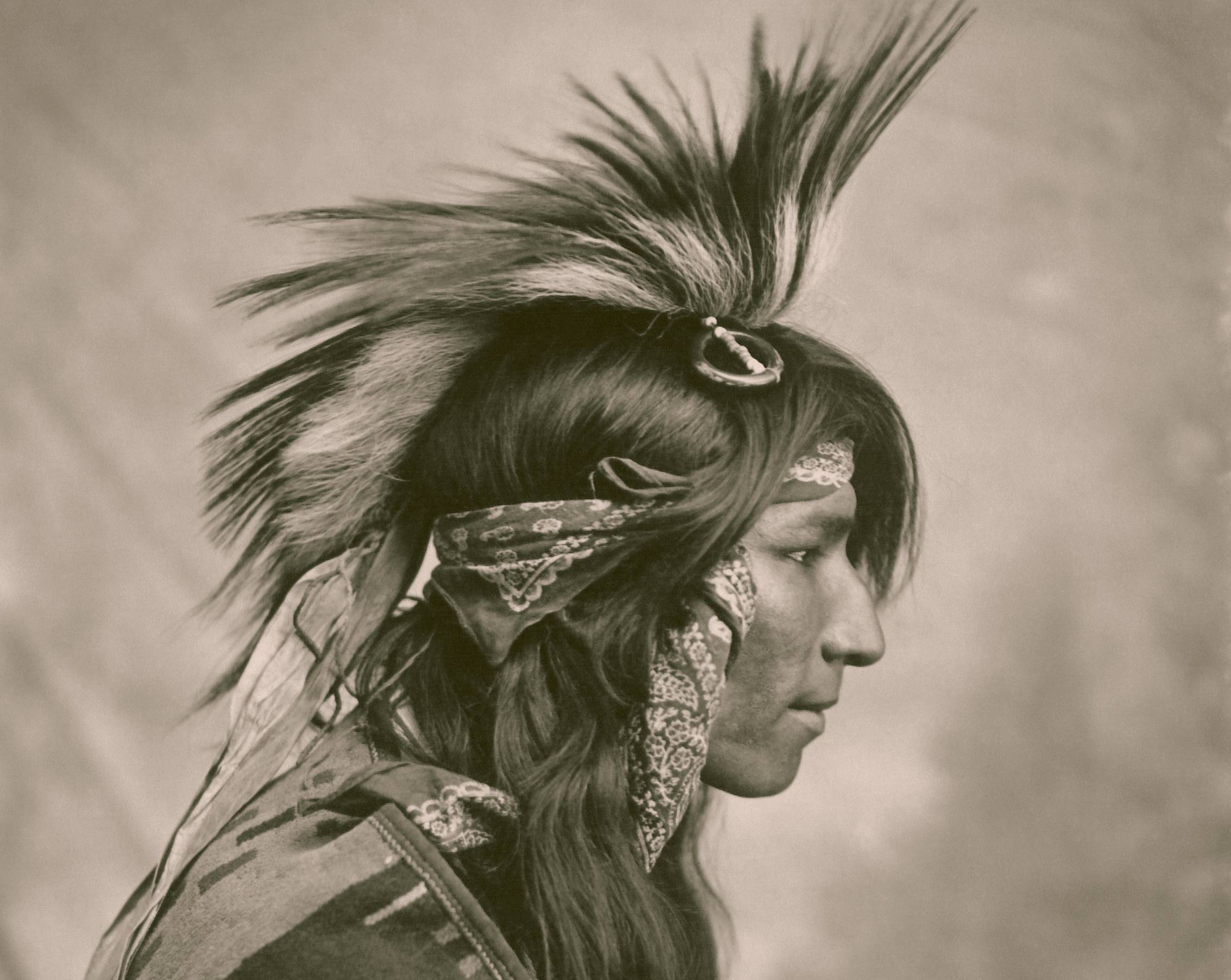
The word Cree has its origin in the word “Kiristinon”, an Ojibwa name used by the old French explorers to describe the people living around Hudson Bay. However, the Cree only use this term when speaking with outsiders; they have many different names that they use for themselves depending on the local community.
 G. E. Fleming, Wikimedia Commons
A Large And Diverse Tribe
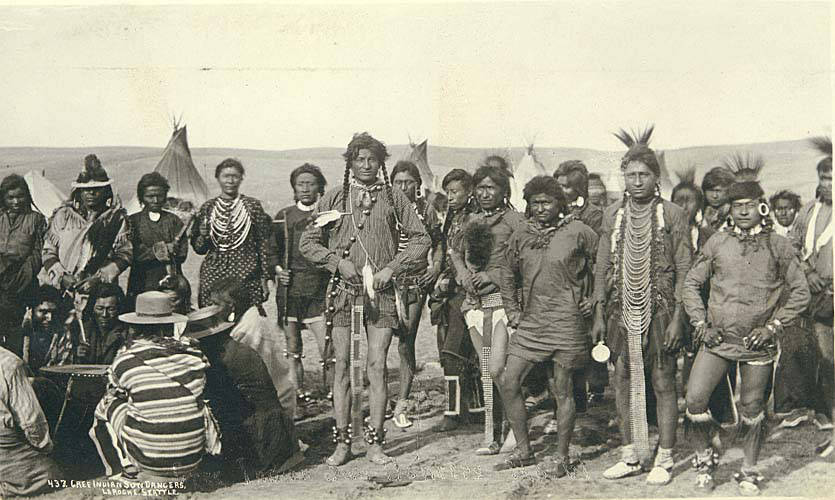
The Cree are one of the biggest tribes or First Nations in Canada, with over 350,000 people. While they traditionally lived in the forested regions around Hudson Bay, centuries of fur trading with European explorers caused them to migrate westward.
 Frank La Roche, Wikimedia Commons
The Cree Language
The Cree language is part of the Algonkian language family, and is spoken by nearly 100,000 people. Not only is Cree widely spoken, but it’s the first language for 65,000 people in Canada. It is one of the official languages of the Northwest Territories along with eight other Indigenous languages, English, and French. There are eight separate dialects of Cree.
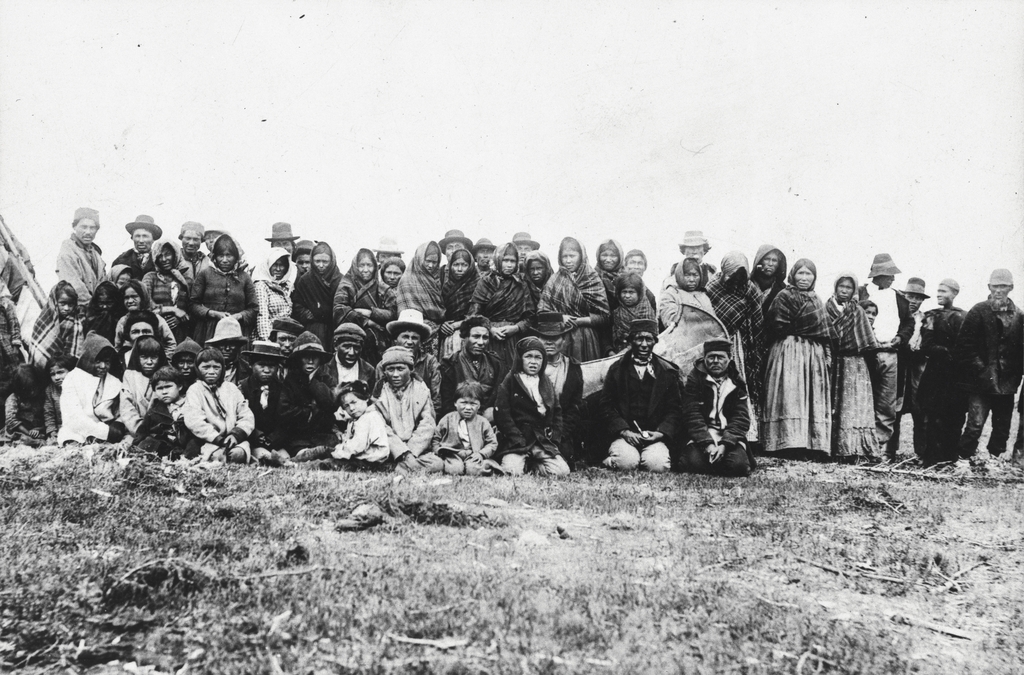 Albert Peter Low, CC BY-SA 4.0, Wikimedia Commons
First Written Language
The Cree language became the first Indigenous language to be written, using a lettering system different from Latin script to indicate the exact sounds of Indigenous speakers. This writing system, called “syllabics”, was developed in the 1800s and has proven to be a great aid in improving language acquisition of Cree.
 Christopher Chen, CC BY-SA 2.0, Wikimedia Commons
Status Of The Cree
The Cree are a recognized First Nation, or designated group within Canada that have their own reserve lands and local self-government. The Cree are the largest such group in Canada. The largest Cree band in Canada is the Lac La Ronge Band of northern Saskatchewan with a population of 12,000 people.
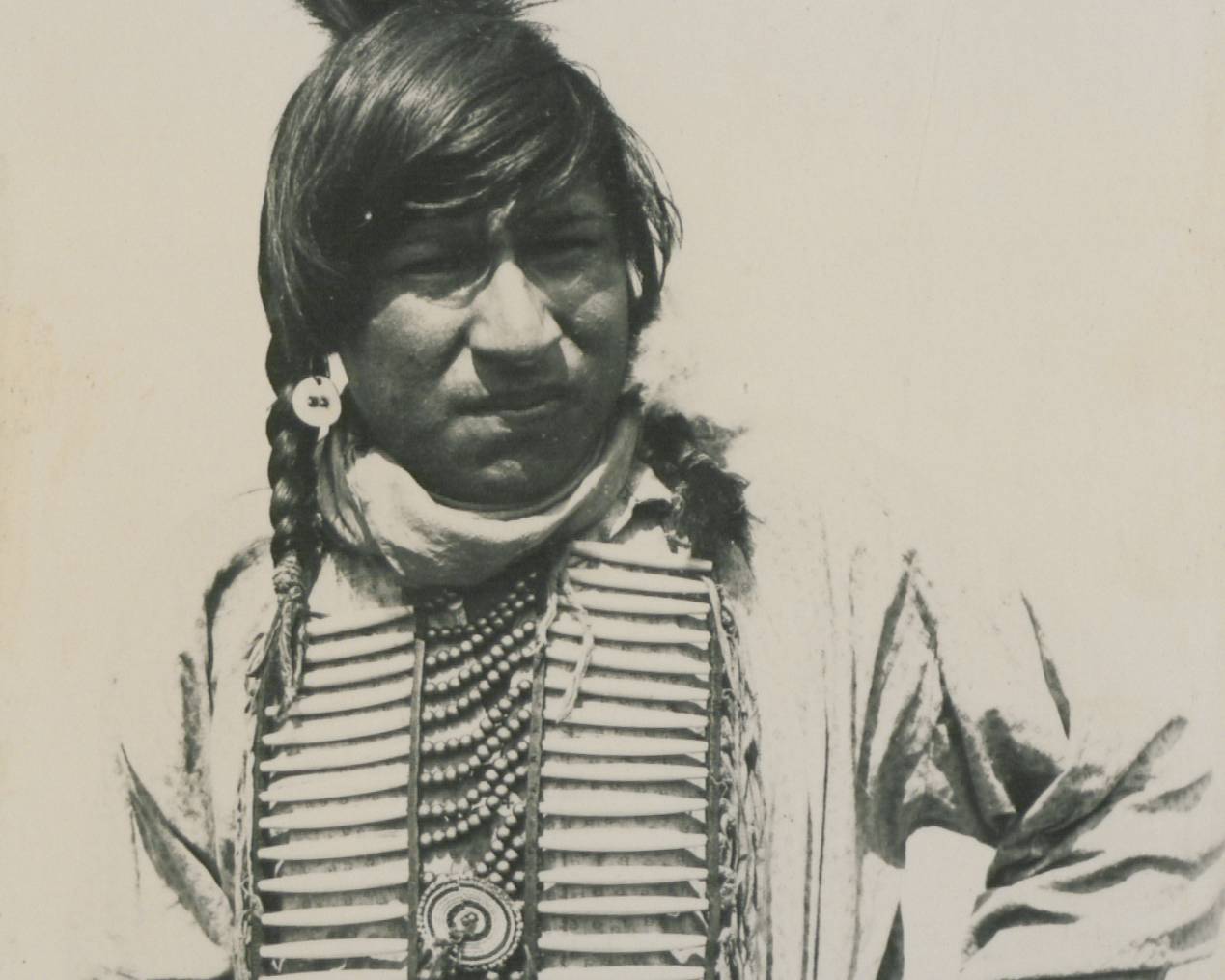 British Library, Wikimedia Commons
Traditional Cree Society
The fundamental unit of Cree society was the family. A lodge was a unit of two families who often lived together under the same roof in a group consisting of five to 15 people. Several lodges together made up a band. The bands had a lot of independence but often worked together with neighboring bands to set boundaries for outsiders.
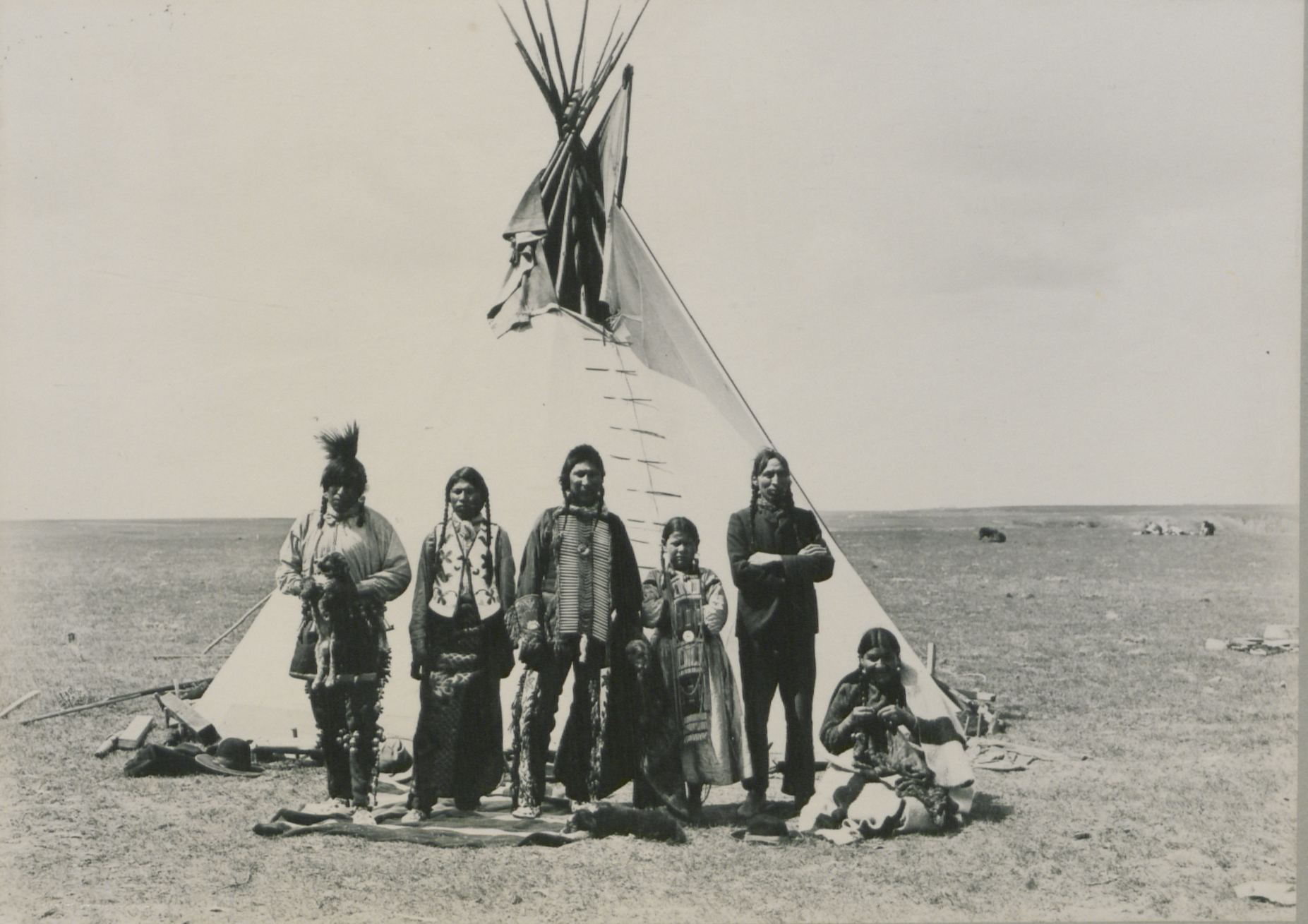 British Library, Wikimedia Commons
Cree Family Structures
Like many Indigenous societies, traditional Cree life was shaped by clearly defined roles that kept the community running smoothly. Men typically took on hunting, fishing, and protection, while women were at the heart of daily life—raising children, preparing food, gathering resources, and crafting the essential items everyone depended on.
Marriage was often arranged, reflecting the importance of family and alliance within the community, and in some cases, men could have more than one wife. At the center of it all were the elders, whose knowledge and experience made them deeply respected figures—guiding decisions and preserving traditions across generations.
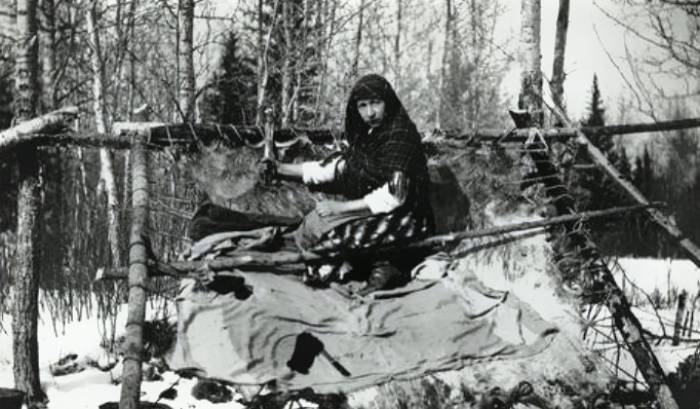 Unknown Author, Wikimedia Commons
Cree Food
The culture of the Cree has always revolved around hunting the animals of their traditional forest homelands. They hunted and trapped moose, deer, caribou, beaver, and rabbit. Meat and fish were often dried over a fire to make them last longer. Berries, roots, and other wild plants were also harvested as an added supplement to the Cree diet.
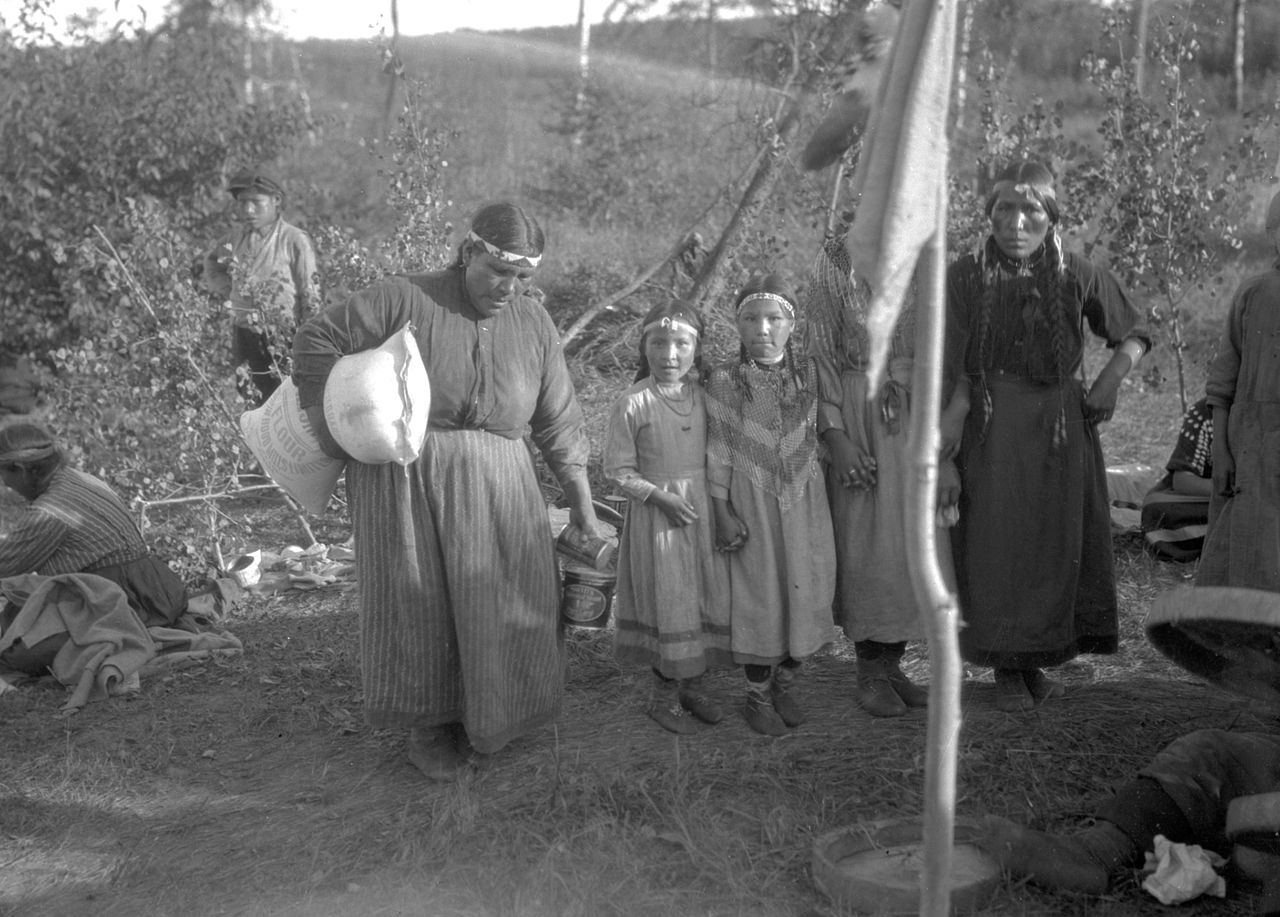 Provincial Archives of Alberta, Wikimedia Commons
Pemmican
One of the best-known examples of Cree cuisine is pemmican, a mixture of deer meat, rendered fat, and berries. The fur traders of early Canadian history quickly adopted pemmican as a convenient, portable, and nourishing food source for cross-country travel in the dense forests of the Cree lands.
 Jen Arrr, CC BY 2.0, Wikimedia Commons
Cree Clothing
Cree clothing was derived mostly from animal hides or furs and created to be practical and durable in the harsh climate. However, clothing was also fitted with elaborate quillwork, or beadwork to mark a person’s status or accomplishments. One beadwork garment was particularly important: the wampum belt.
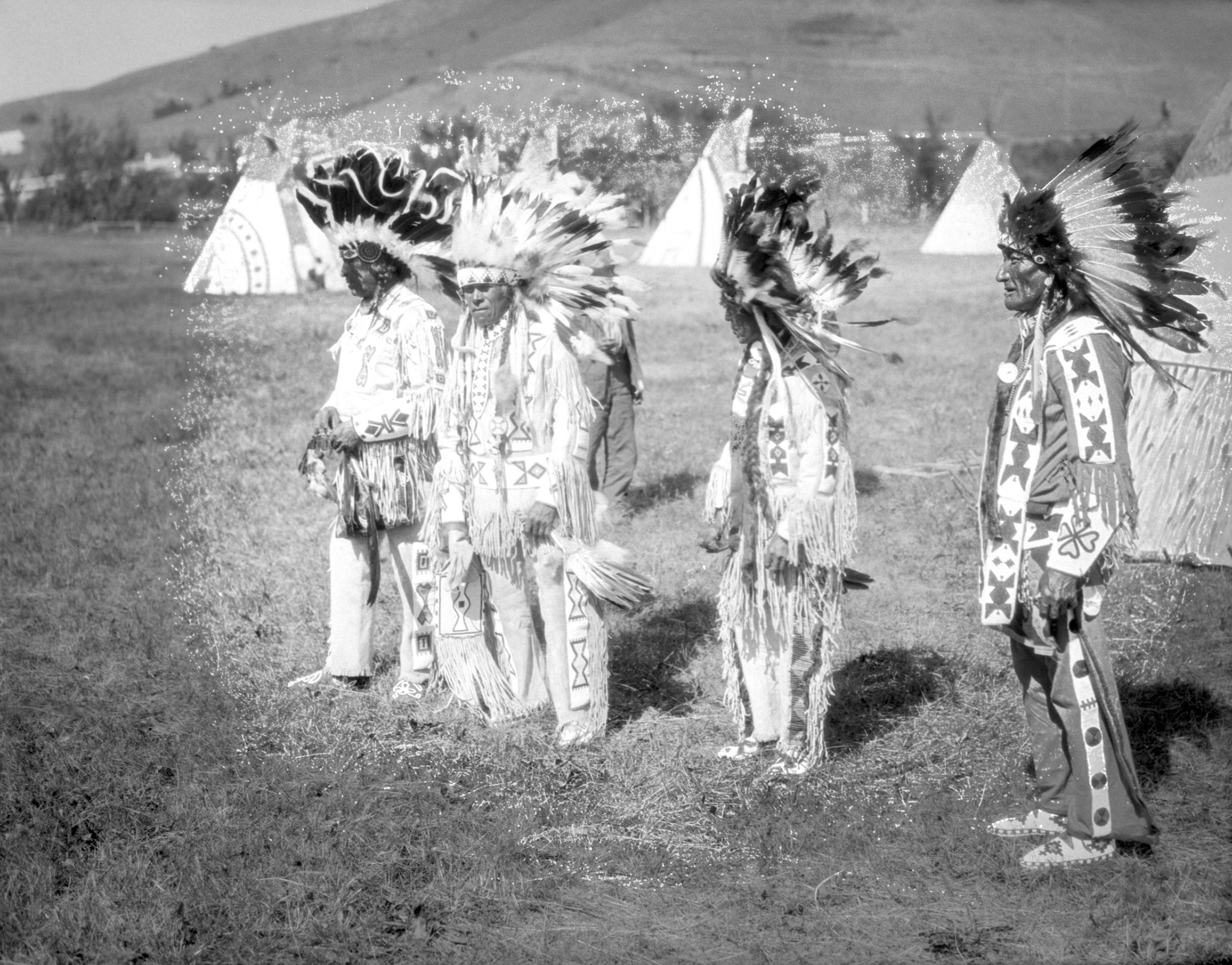 Provincial Archives of Alberta, Wikimedia Commons
The Wampum Belt
Wampum are strings of beads made from the small seashells found on the shores of the Atlantic Ocean and Hudson Bay. These beads were woven together to make the wampum belt, often used to mark agreements between different people and bands, or to tell a traditional family story.
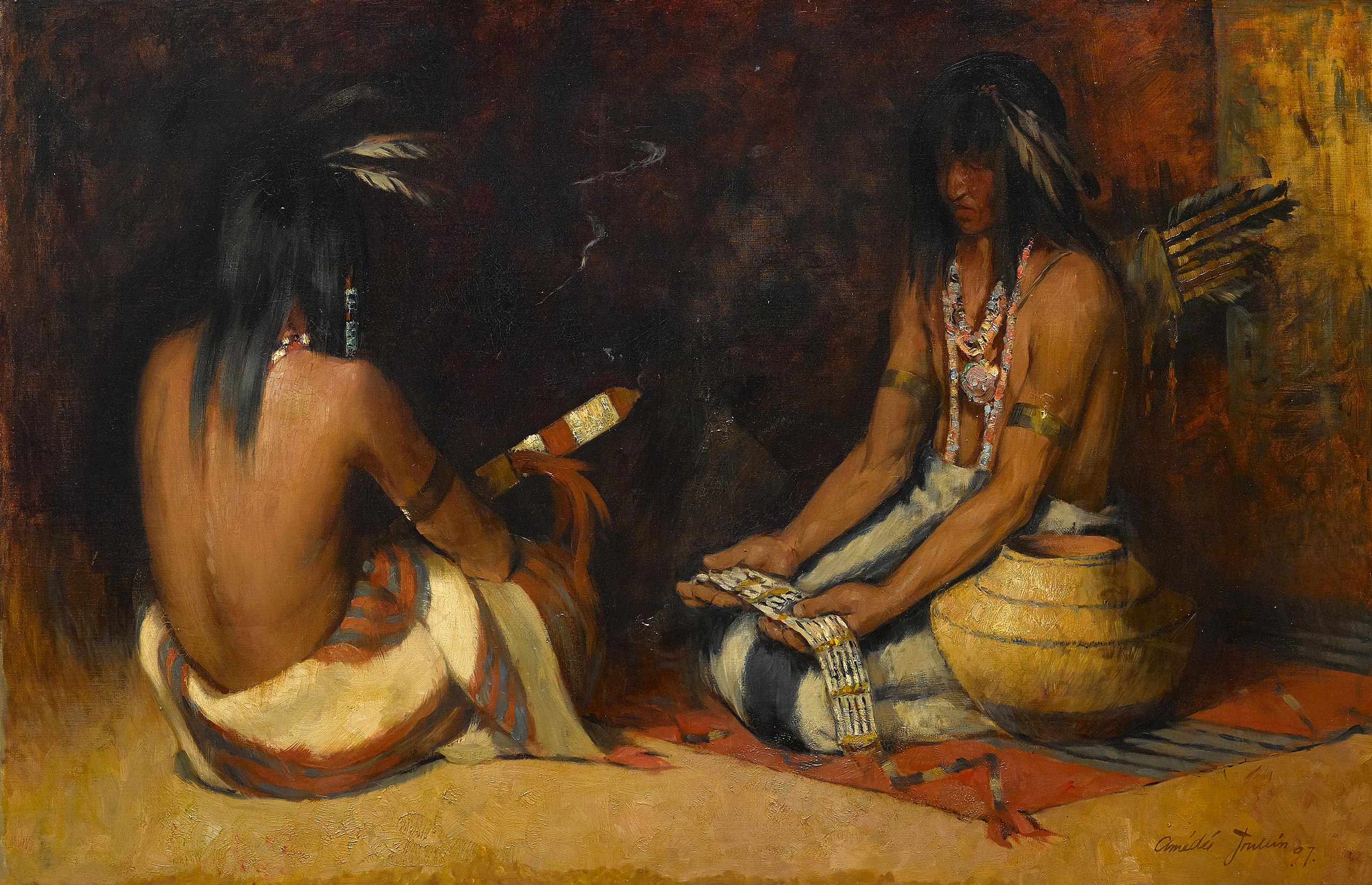 Amédée Joullin, Wikimedia Commons
Cree Homes
The Cree lived in wigwams, domed tents made of thick branches covered with animal hides. They also used teepees, conical tents that were easily dismantled and moved. Teepees were ideal for living off the land in the summer months while following animal migration paths.
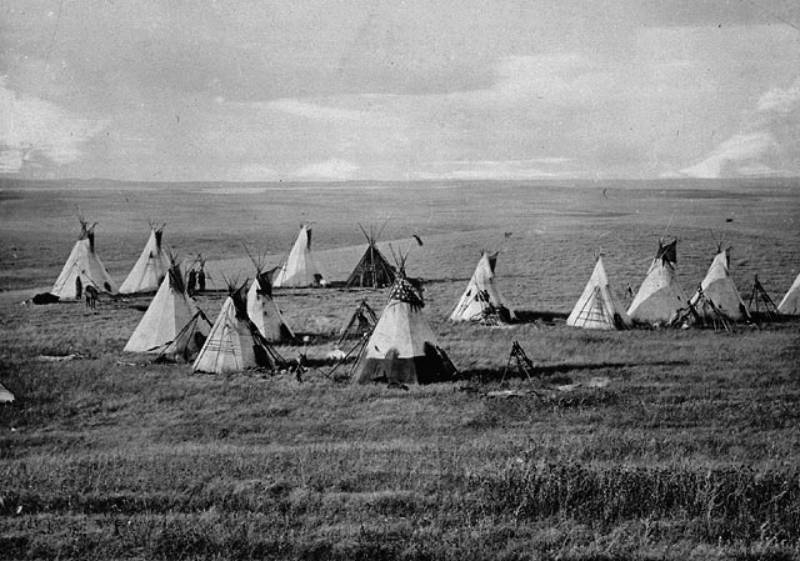 Charles Horetzky (1838 - 1900), Wikimedia Commons
Cree Celebrations And Ceremonies
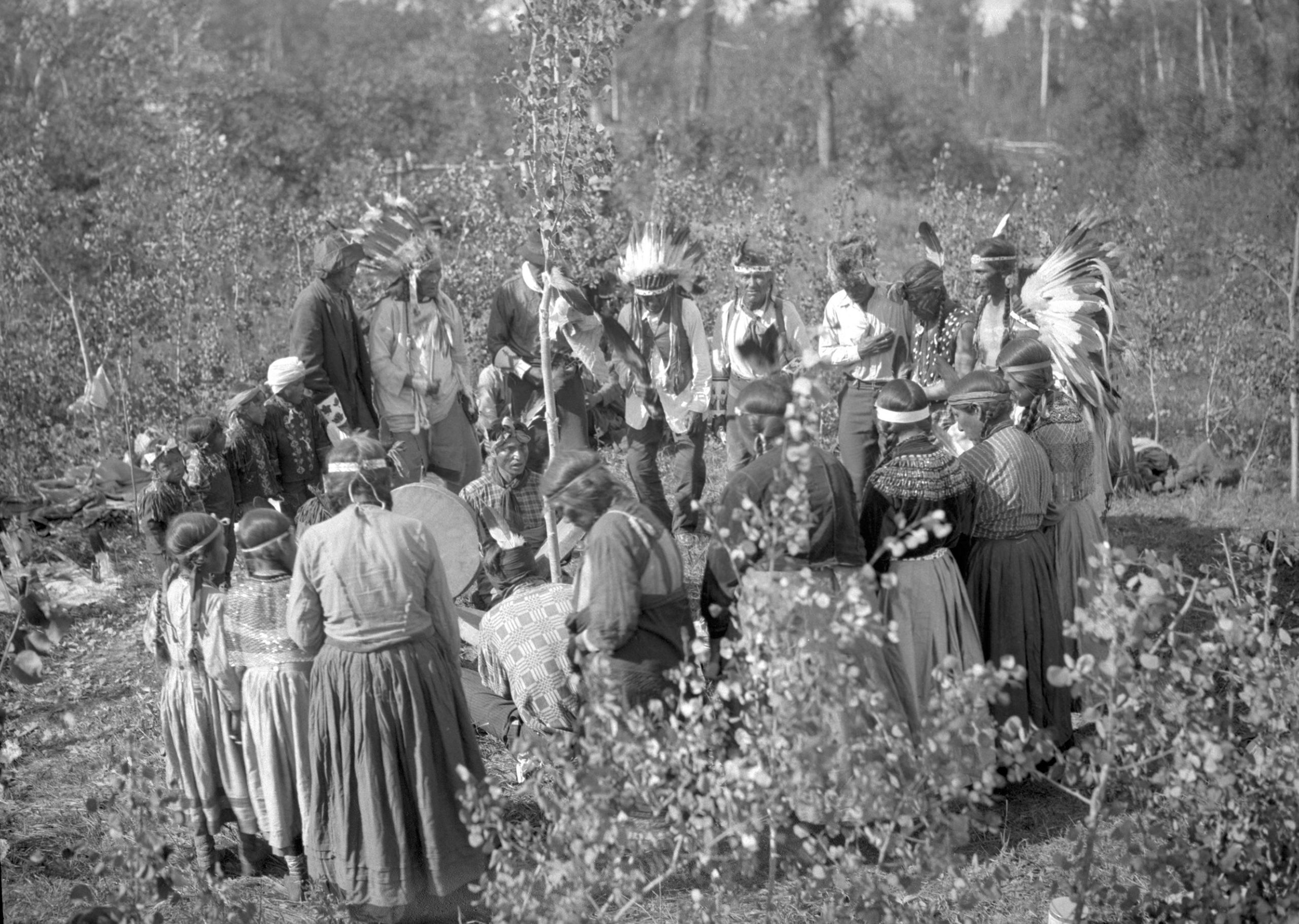
The Cree people have many different ceremonies that mark special occasions like births, deaths, marriages, and so on. The changing of the seasons is an important part of Cree life, and the coming of summer was traditionally marked by the Sun Dance, a ceremony of deep spiritual meaning.
 Provincial Archives of Alberta, Wikimedia Commons
Cree Visual Art
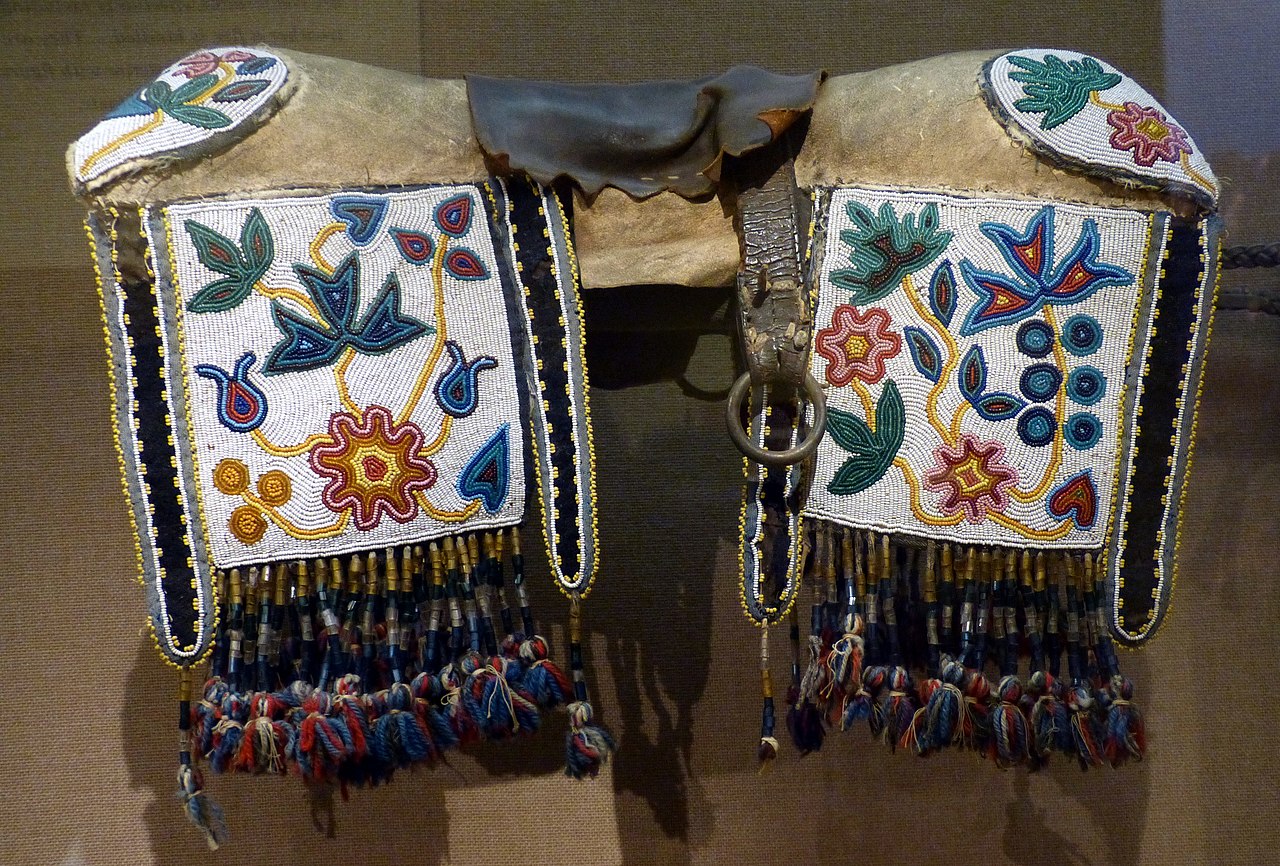
Cree artistry has long been rooted in intricate detail and a deep connection to the natural world. Traditional crafts like beadwork, quillwork, embroidery, and beautifully decorated birch bark weren’t just decorative—they carried meaning, identity, and stories within every pattern.
That vibrant spirit hasn’t faded with time. Modern Cree artists continue to draw on those traditions, blending bold colors and themes of nature into their work. You can see this legacy come to life in the paintings of artists like Carl Ray and George Littlechild, where tradition and contemporary expression meet.
 Wolfgang Sauber, CC BY-SA 3.0, Wikimedia Commons
Cree Music
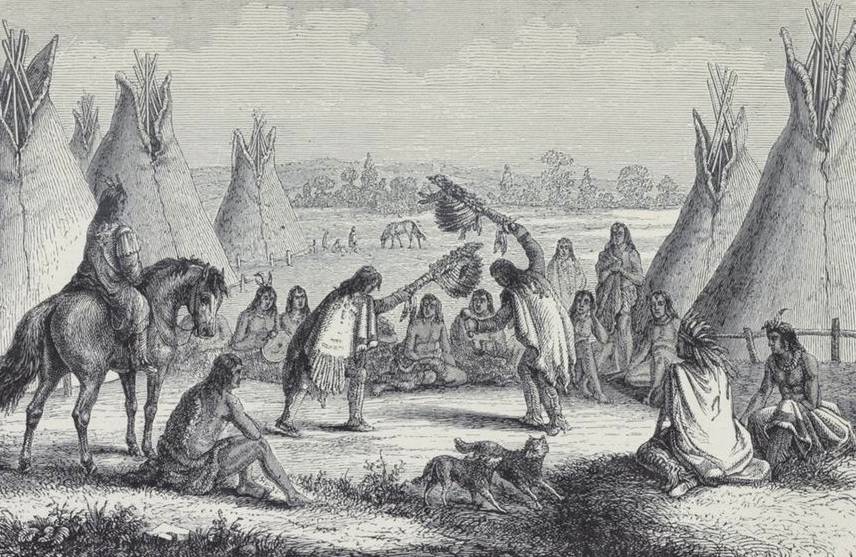
The Cree have a long tradition of music, mostly centered around the drum. The rhythmic thumping beat of the drum represents a beating heart, and is a big part of Cree and other native ceremonial traditions, usually accompanied by singing.
Cree Spirituality
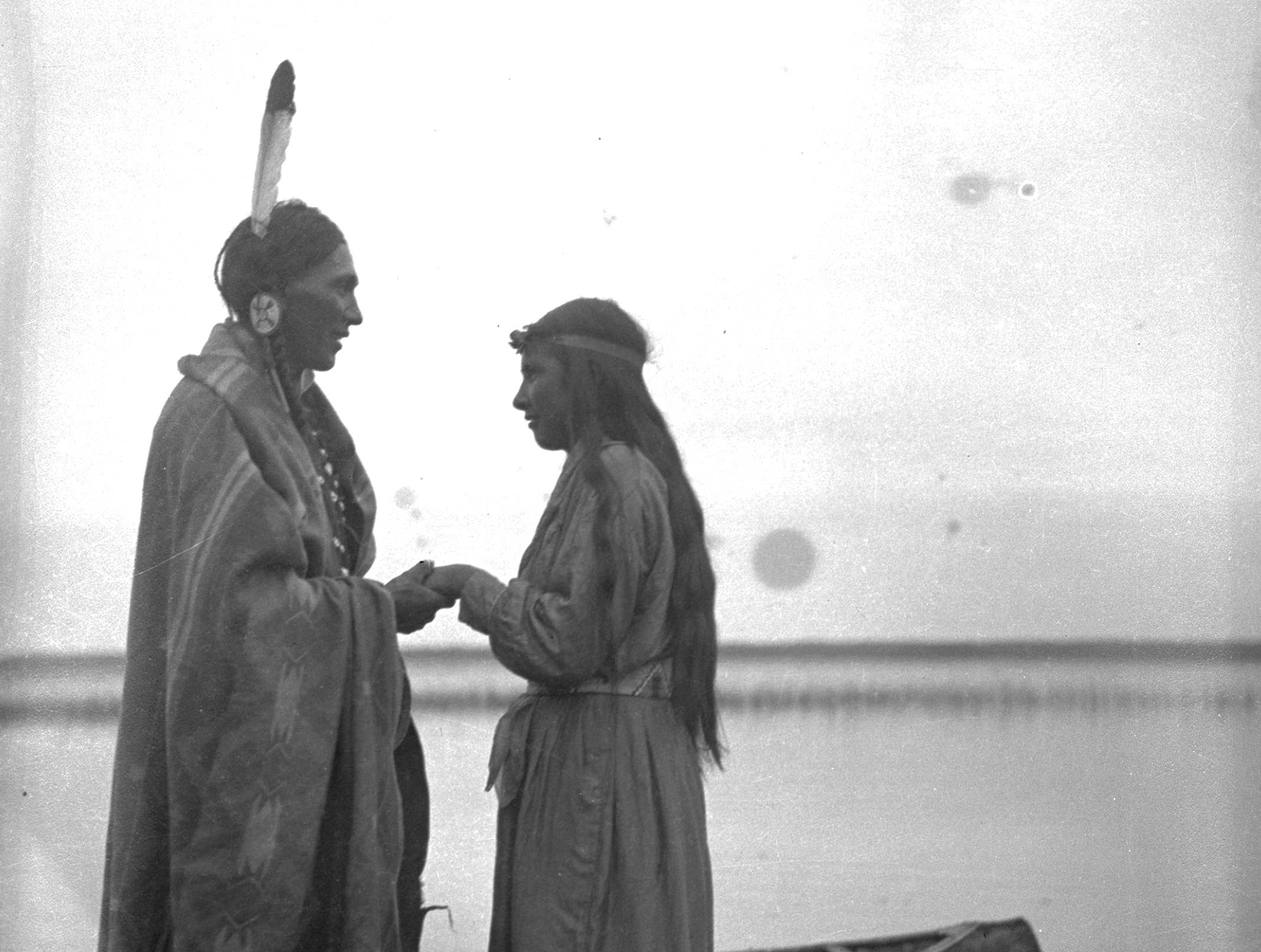
The spiritual beliefs of the Cree are strongly tied to the natural world. All living things are considered gifts of the Creator with an inner spirit of their own. The spirits go through a circle of life and have ways of communicating with living people. The Northern Lights, for example, are believed to be the spirits dancing. Dreams are another way that people can receive a message from the spirits.
 Provincial Archives of Alberta, Wikimedia Commons
Cree Mythology: The Trickster
Cree legends are built on the strong spirituality of traditional society. One important mythical figure is The Trickster, or “Weesagechak”, a spirit that could take many different possible forms, but always ended up teaching an important lesson about life and human existence. Many creation stories in Cree culture involve The Trickster and his misadventures with the Great Creator.
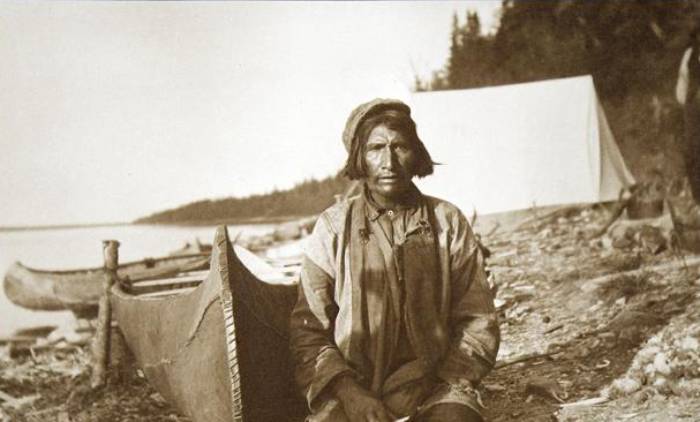 The National Archives UK, Wikimedia Commons
Cree Diversity
The Cree are one of the most diverse native groups of North America, with numerous bands inhabiting different regions of Canada and the United States. Interaction with neighboring tribes and Europeans through the centuries has brought the Cree a long way. Let’s look at the different groups of Cree across North America.
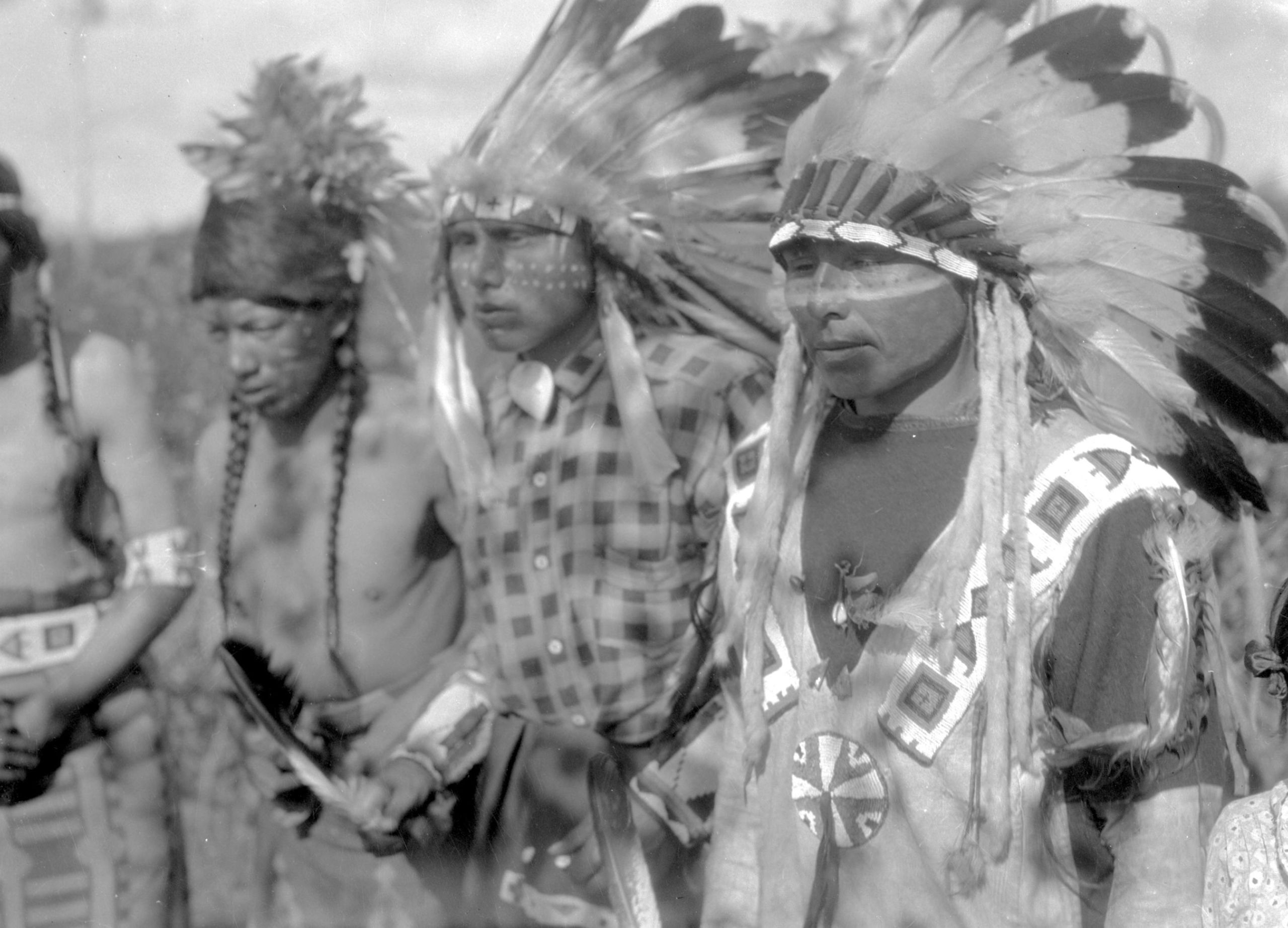 Provincial Archives of Alberta, Wikimedia Commons
Naskapi
The Naskapi, also called the Innu First Nations, inhabit northeastern Quebec and northern Labrador. They are traditionally nomadic people, and today they live mostly in two communities, one on the Atlantic Coast, and one far inland, about 15 kilometers northwest of the town of Schefferville, Quebec.
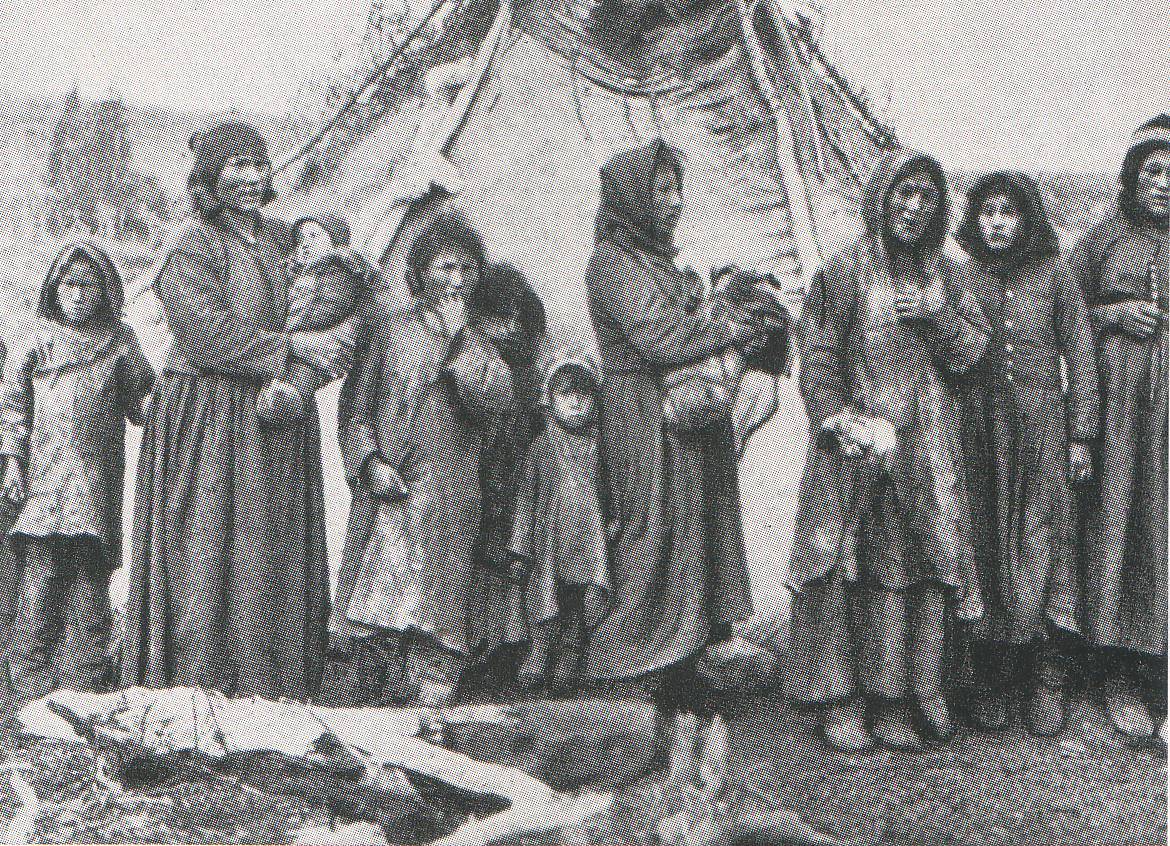 Mina Benson Hubbard, Wikimedia Commons
Montagnais
The Montagnais are another group of the Innu First Nation that are related to the Naskapi, but they live in a larger area in eastern Quebec, southern Labrador, and the Atlantic coast. They were traditionally a less nomadic group than the Naskapi people. They have numerous settlements through eastern Quebec and along the Gulf of St Lawrence.
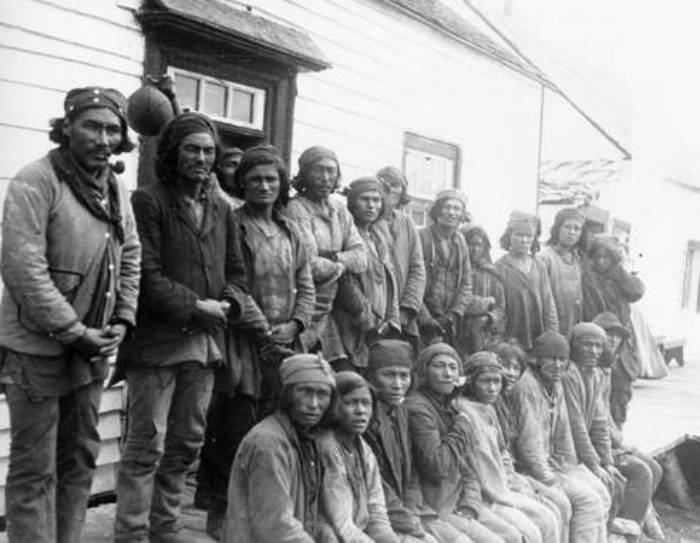 Unknown Author, Wikimedia Commons
Atikamekw
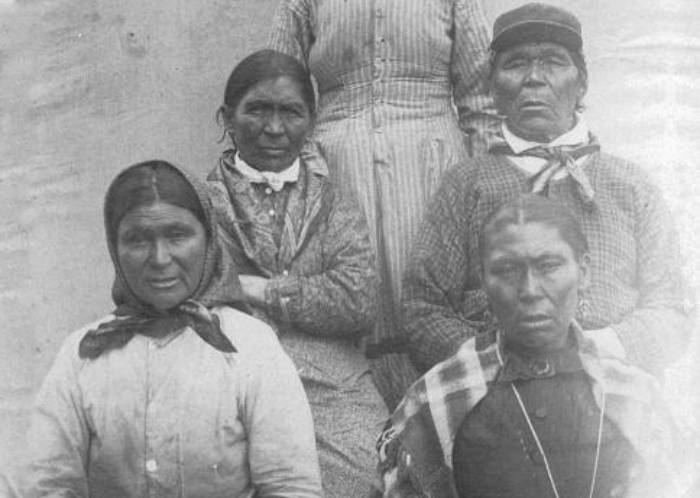
Further west of the Innu, deep in Quebec’s interior, the Atikamekw Cree established themselves along the St. Maurice River valley—an area that shaped both their lifestyle and traditions. Today, the Atikamekw are made up of three recognized nations: Obedjiwan, Manawan, and Wemotaci.
While hunting and fishing remained central to their way of life, they didn’t rely on them alone. The Atikamekw also practiced agriculture, growing crops like corn and producing maple syrup—blending survival with a strong connection to the land around them.
 Unknown Author, Wikimedia Commons
The James Bay Cree
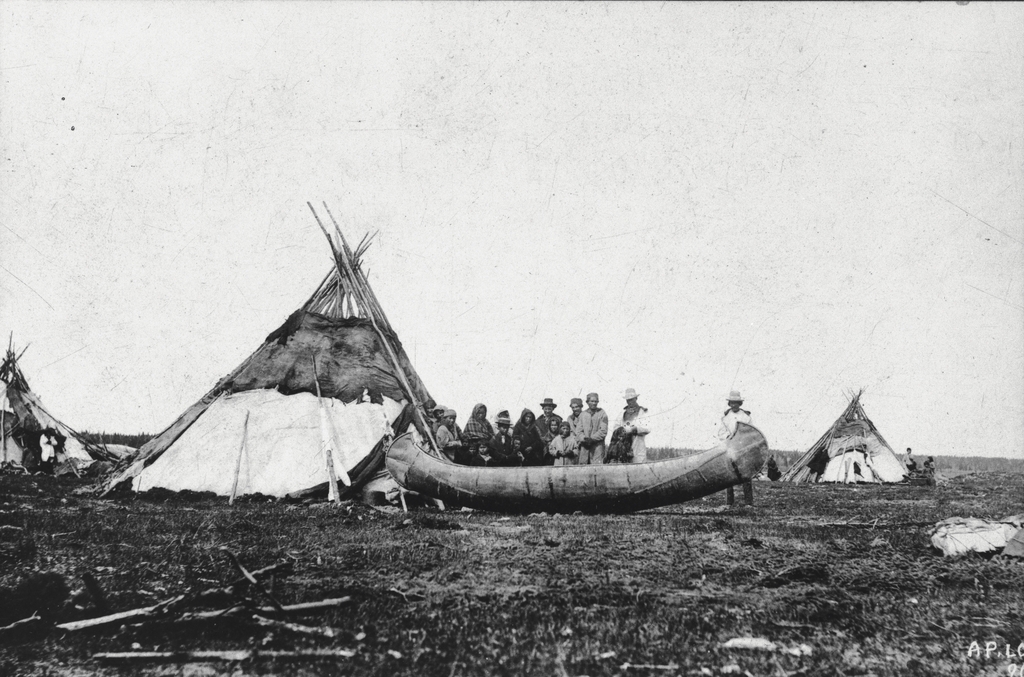
The James Bay, or East Cree, are a group of several communities on the east shore of James Bay in Quebec. The Waskaganish First Nation of James Bay is situated on the site of the first fur trading post of the Hudson Bay Company, built in 1668.
 Albert Peter Low, CC BY-SA 4.0, Wikimedia Commons
The Moose Cree
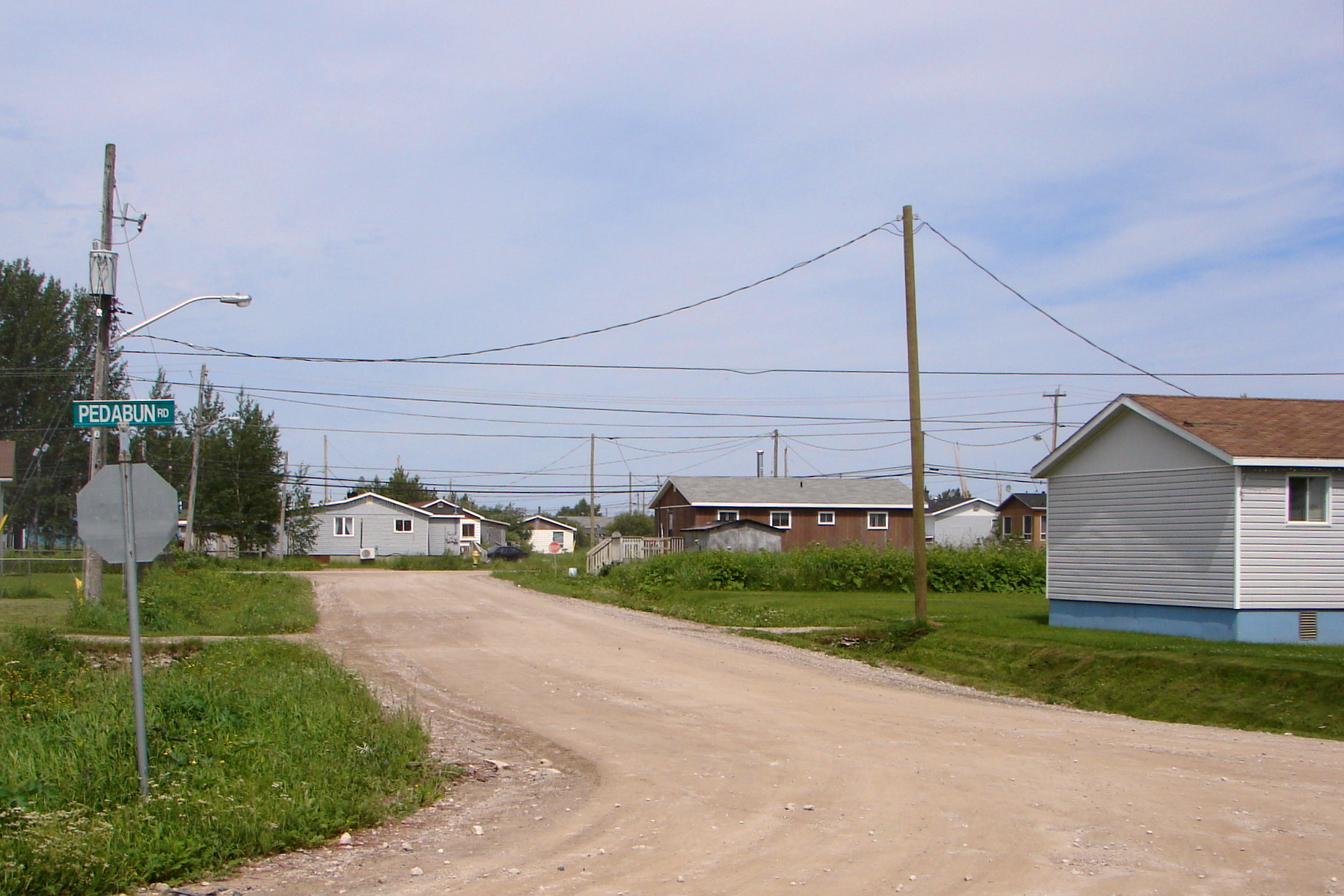
The Moose Cree consist of numerous communities throughout northern Ontario stretching all the way up to the shores of James Bay and Hudson Bay. The main population center for the Moose Cree is the village of Moose Factory on James Bay, which started as a Hudson Bay Company trading post in 1672.
 P199, CC BY-SA 4.0, Wikimedia Commons
The Swampy Cree
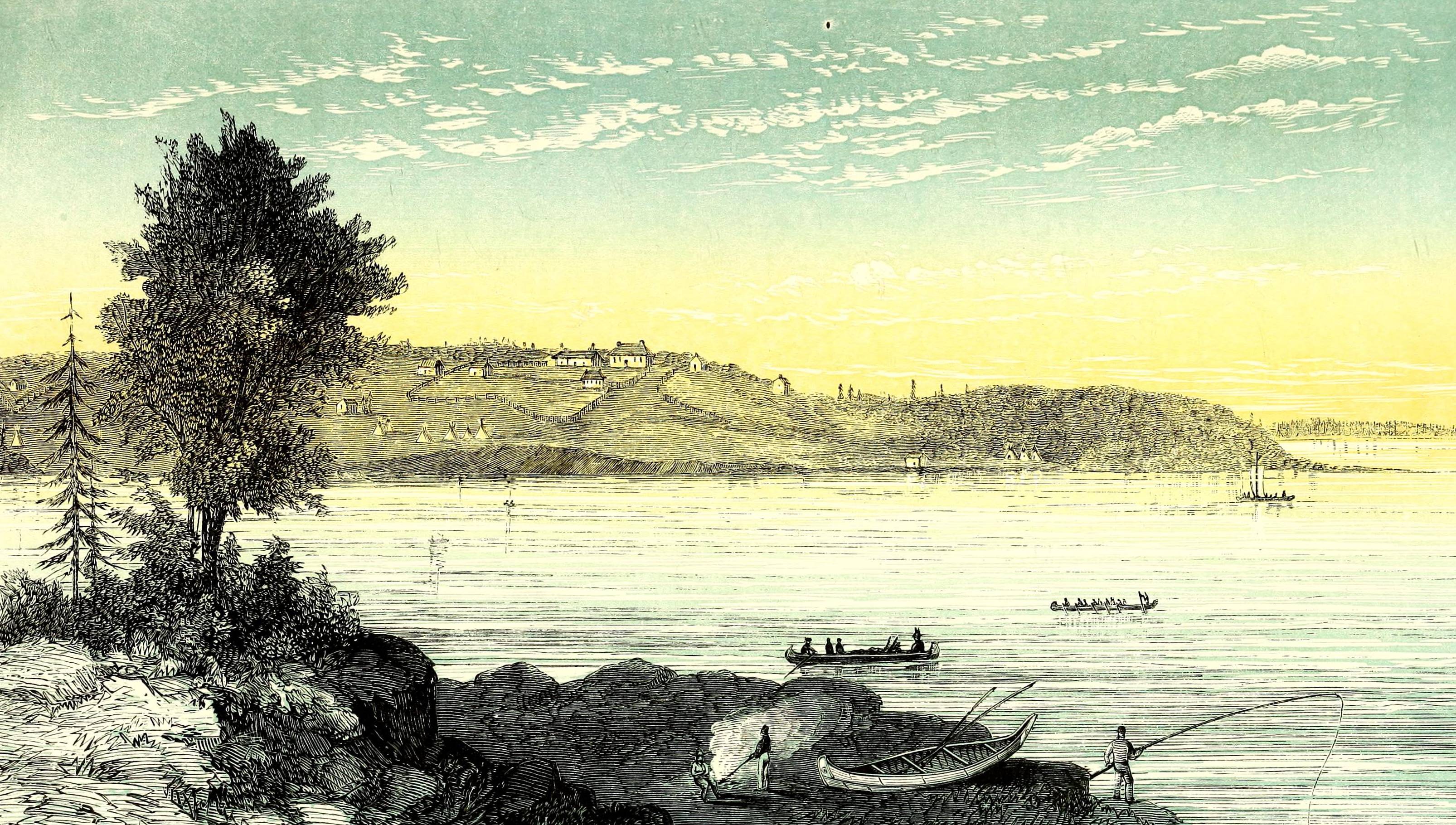
Moving further west, we meet the Swampy Cree. The Swampy Cree inhabit a vast stretch of territory along the shores of Hudson Bay and on through northwestern Ontario into northern Manitoba and Saskatchewan. The Swampy Cree are sub-divided into two regional groups, Eastern and Western. These two groups also speak their own dialect of the Swampy Cree language.
 Hind, Henry Youle, 1823-1908;, Wikimedia Commons
Woodland Cree
The Woodland Cree inhabit the same region of northern Manitoba as the Western Swampy Cree; many native communities in the region have people from both groups. The Lac La Ronge First Nation in northern Saskatchewan is a Woodland Cree nation, and is one of the largest bands in Canada. There are also Woodland Cree settlements in northern Alberta.
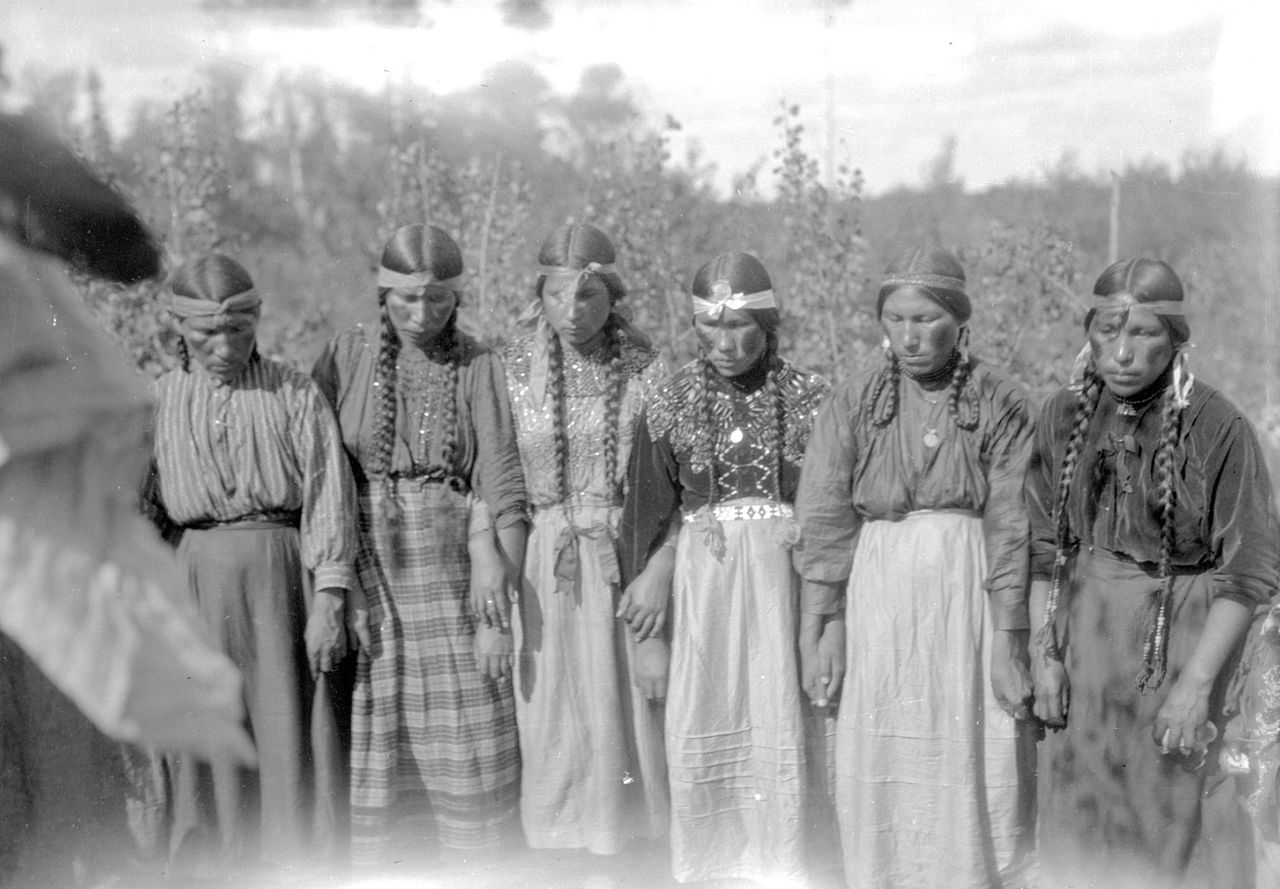 Provincial Archives of Alberta, Wikimedia Commons
The Plains Cree
The Plains Cree mostly live in a large stretch of territory in Saskatchewan and Alberta. The history of the Plains Cree reflects the westward movement of European settlement in North America and the fur trade between settlers and Cree over the centuries. As they migrated onto the open plains, they switched to buffalo hunting to survive.
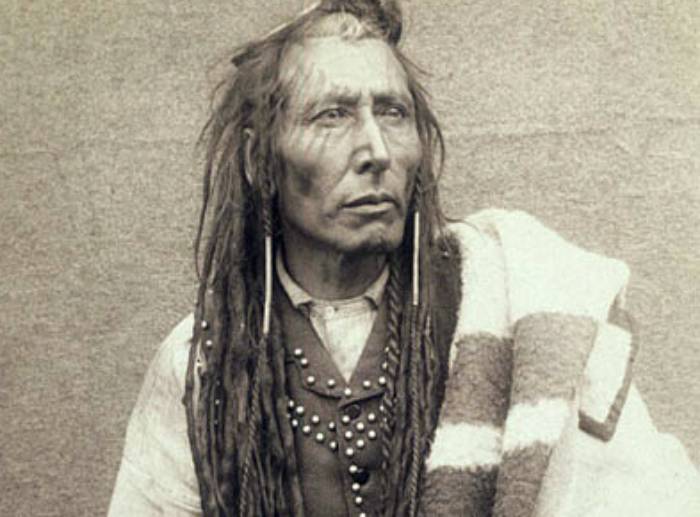 Prof. Buell, O.B., Wikimedia Commons
Cree People In The United States
There is a small population of Cree in the United States, and they mostly live on different reservations in Montana. These Cree followed the cultural patterns of their cross-border neighbors in Canada, the Plains Cree.
 Andrea Booher, Wikimedia Commons
Cree History: First Contact With The White Man
The first encounters between the Cree and European explorers date back to the early 1600s at Tadoussac, along the north shore of the St. Lawrence River. Long before Europeans arrived, this area was already a bustling hub of Indigenous trade—something the newcomers quickly noticed and tapped into, exchanging goods like furs with the Cree of Quebec.
But those early interactions brought more than just commerce. Alongside trade came sweeping changes that would reshape Cree life in ways no one could have anticipated.
 Edgar Samuel Paxson, Wikimedia Commons
First Smallpox Outbreak
Smallpox had long been a terrifying scourge in Europe, and it first appeared in the Innu communities around Tadoussac in 1616. The Cree people’s total lack of immunity to the disease meant that many perished. Once established in the Cree communities, the disease continued to be transmitted along the routes of the fur trade to other Native communities.
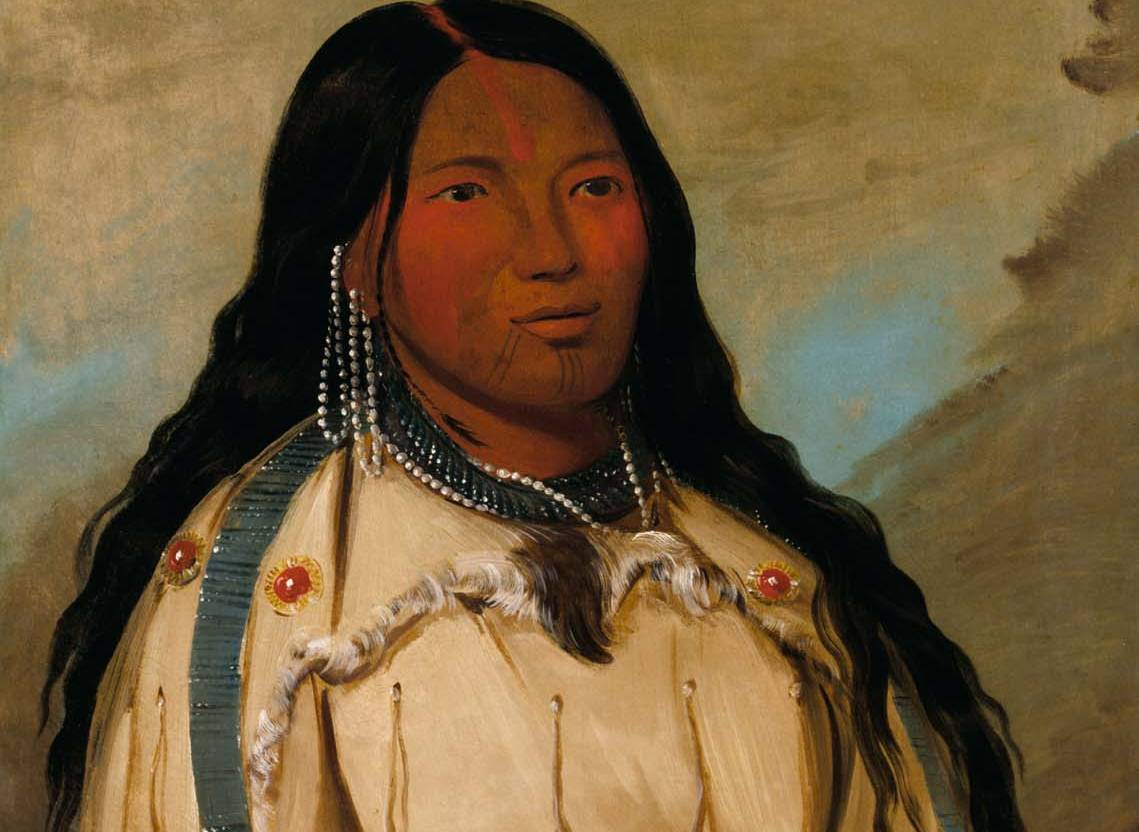 George Catlin, Wikimedia Commons
Hudson Bay Company Trading Posts
The Hudson Bay Company established trading posts along the shores of James Bay and Hudson Bay in the 1670s, and it was at these posts that French and British explorers became familiar with the Cree. The Cree helped teach the European explorers how to survive and make their way through the harsh Canadian landscape.
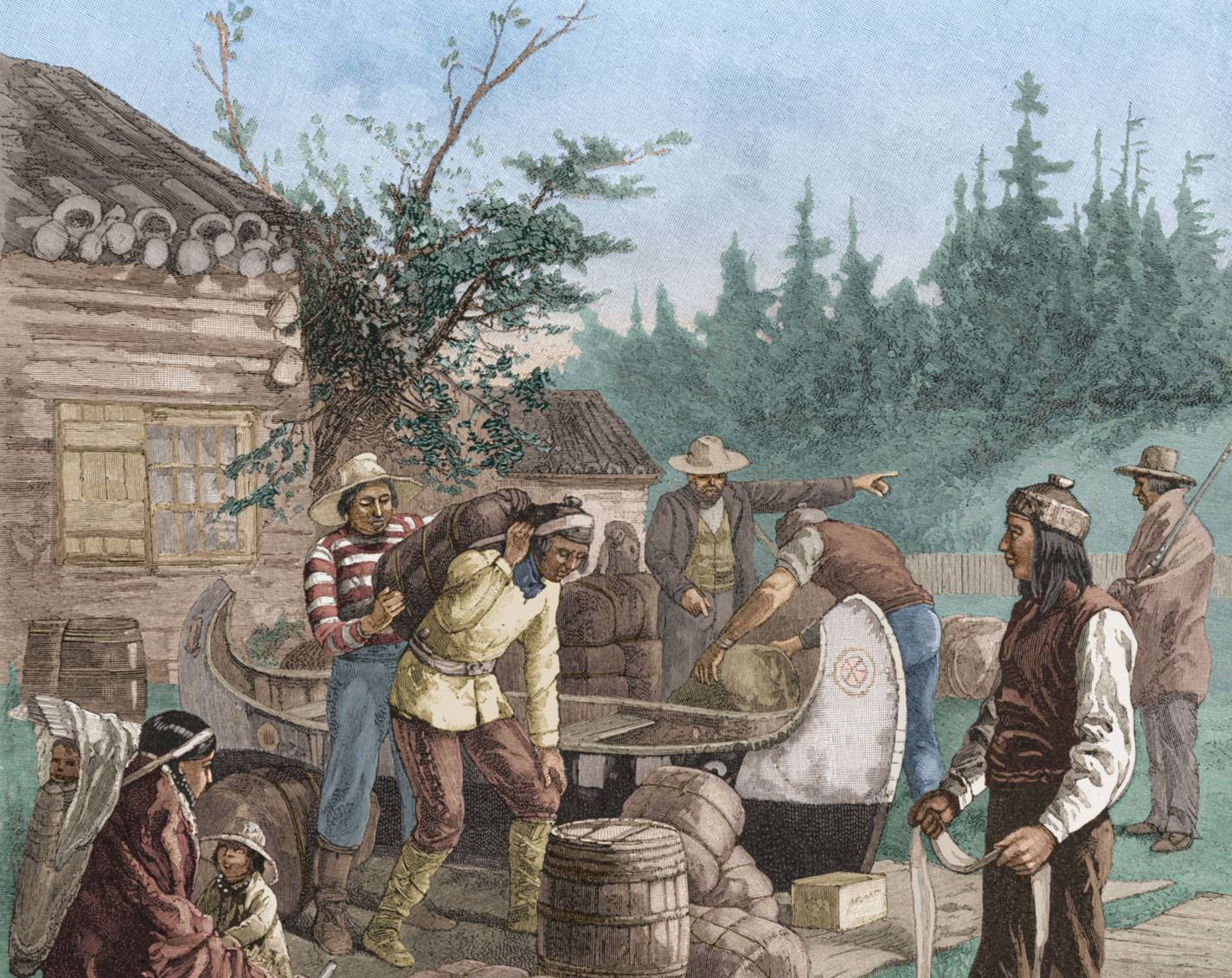 Henry Alexander Ogden, Wikimedia Commons
A Long Interaction
While most Europeans kept to the trading settlements near the rivers and other water bodies, the Cree were more or less left alone to live their lives in the traditional way in the vast woodland regions of Canada. Cree people also served a key role as middlemen between the Europeans and other Indigenous groups wanting to trade.
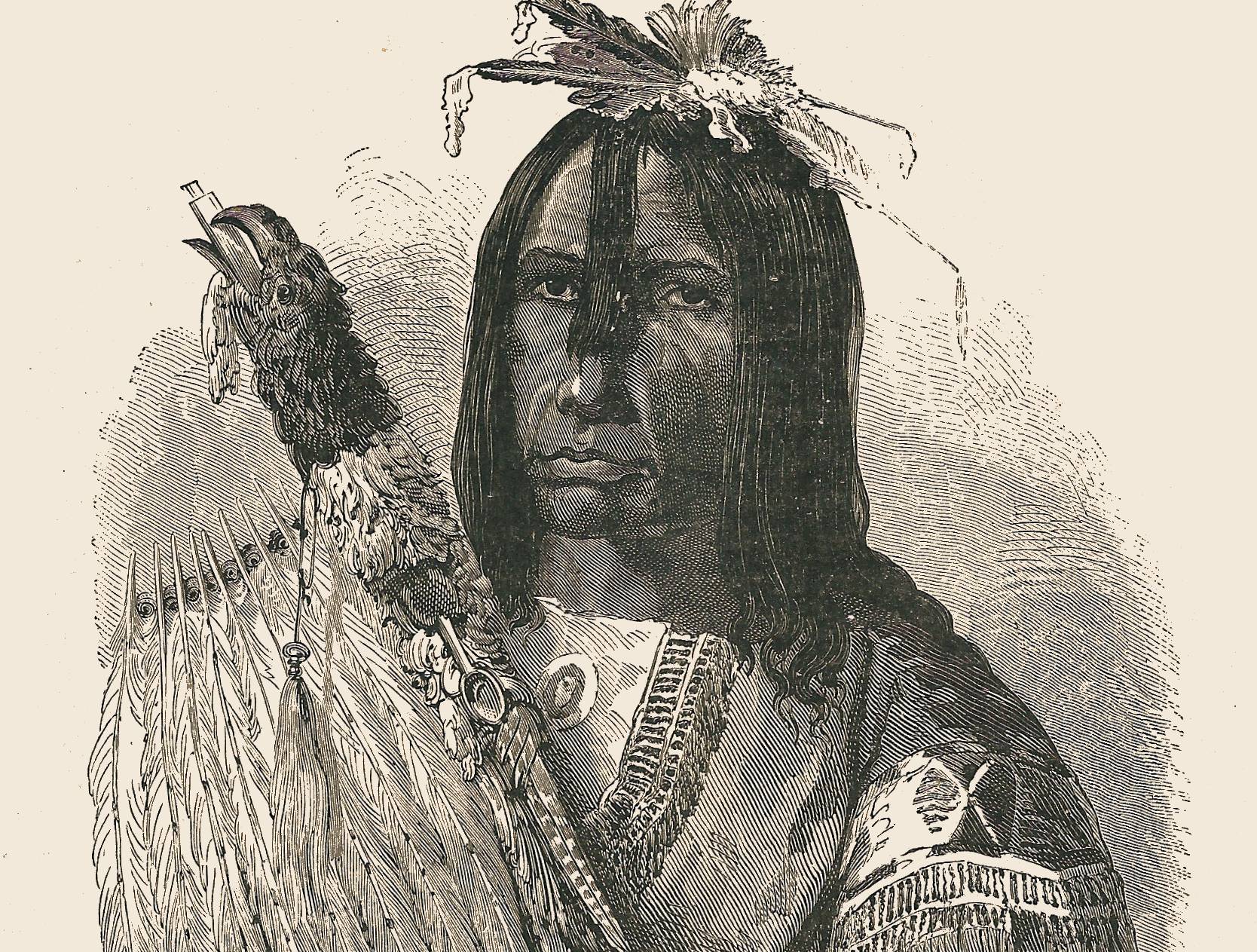 Emile Bayard, Wikimedia Commons
Time Marches On
By the early 1800s, the Hudson Bay Company had gained control of the North American fur trade. Many Cree people either moved permanently into or near the long-established trading posts, or they migrated further west. This included migrating into areas on the open plains far from their traditional woodland hunting grounds.
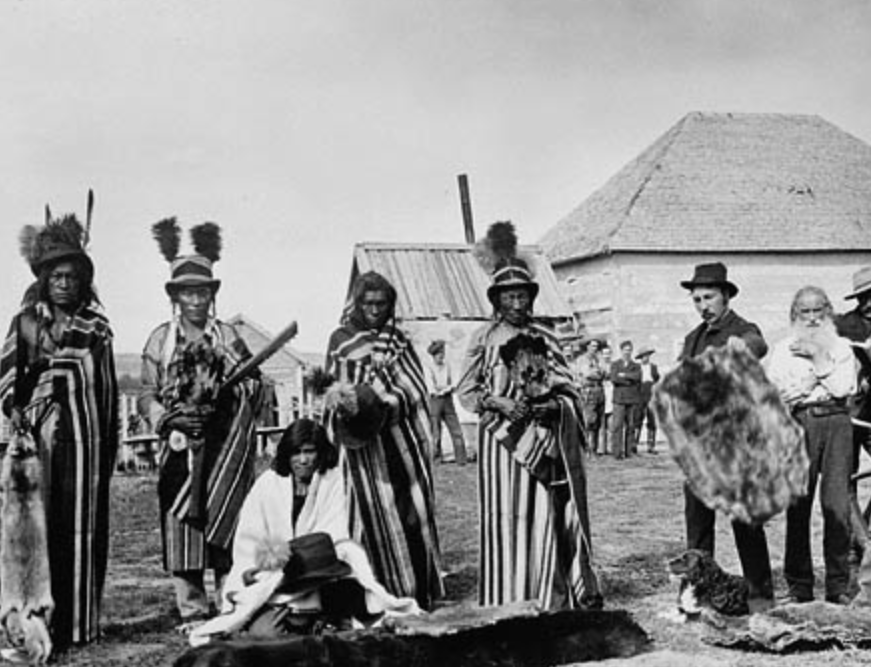 Library and Archives/Bibliothèque et Archives Canada, CC BY 2.0, Wikimedia Commons
The Metis
Many European traders and explorers married Cree women, and through the decades, these mixed people, called the Metis (MAY-tee), became their own distinct people. Canadian law recognizes the Metis as one of the country’s three main Indigenous groups, along with the First Nations and Inuit.
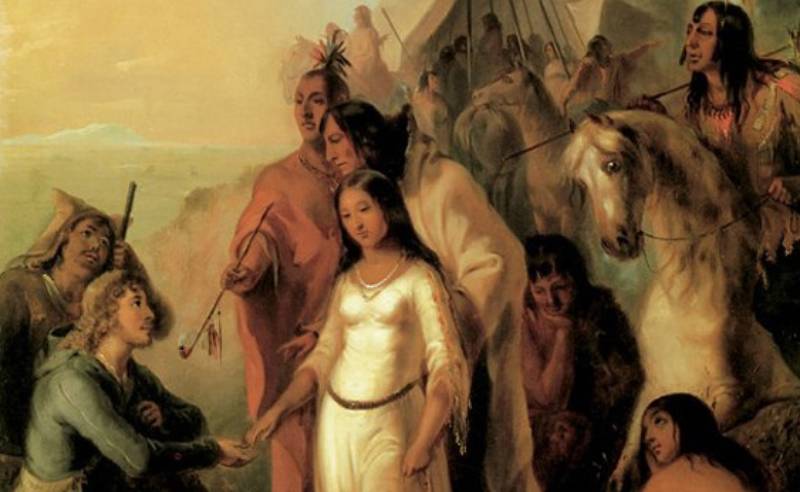 Alfred Jacob Miller, Wikimedia Commons
Smallpox Moves West
As European settlers moved west, so did the smallpox virus. Even though a vaccine had been developed in the 1700s, the small isolated communities of Cree and Metis in Canada didn’t have access to it. Outbreaks still occurred as recently as 1870, where the Metis population of St Albert, Alberta declined by almost 40%.
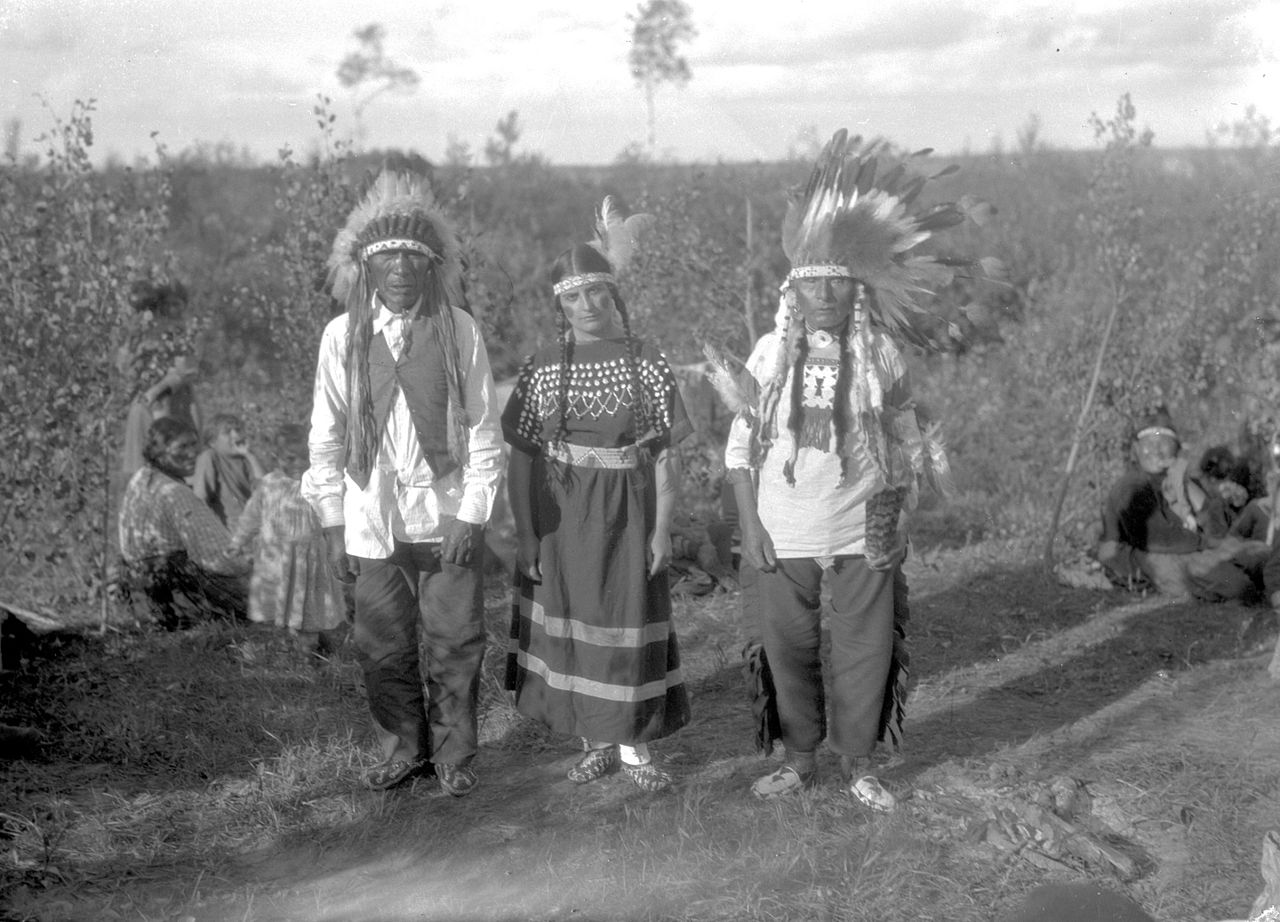 Provincial Archives of Alberta, Wikimedia Commons
A Trading People
To keep up with the growing fur trade, the Cree adapted in a major way—developing a written language with the guidance of European missionaries. It was a shift that helped them navigate an increasingly complex trading world while preserving communication across vast distances.
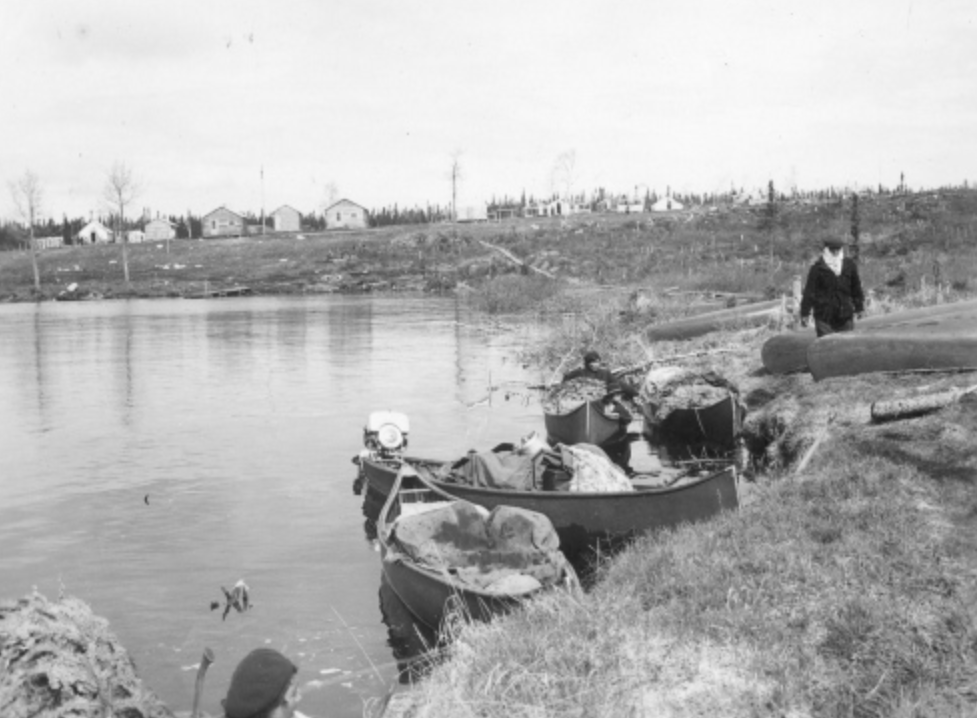
For generations, the fur trade remained central to Cree life, carrying well into the 20th century. But as global demand for furs began to decline, so too did the economy built around it. With that shift came the gradual fading of a traditional way of life that had once defined entire communities.
 Jacques Rousseau, Wikimedia Commons
Residential Schools
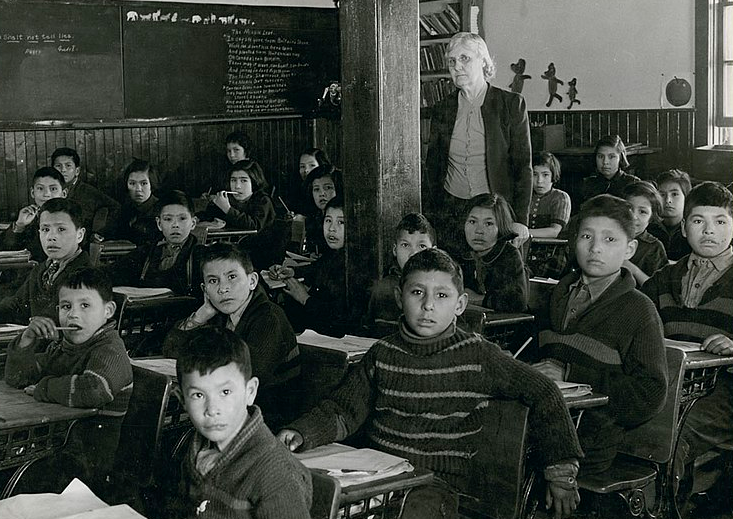
The story of Indigenous people in Canada in the 20th century can’t be told without mention of the residential school system. These schools were set up by the government to assimilate young Native people into Western clothing, language, and culture. Children were separated from their families for long periods and suffered mistreatment. The legacy of residential schools is a big topic in Canada today, and in the Cree community as they try to heal the scars of the past.
 BiblioArchives / LibraryArchives, CC BY 2.0, Wikimedia Commons
Other 20th Century Challenges
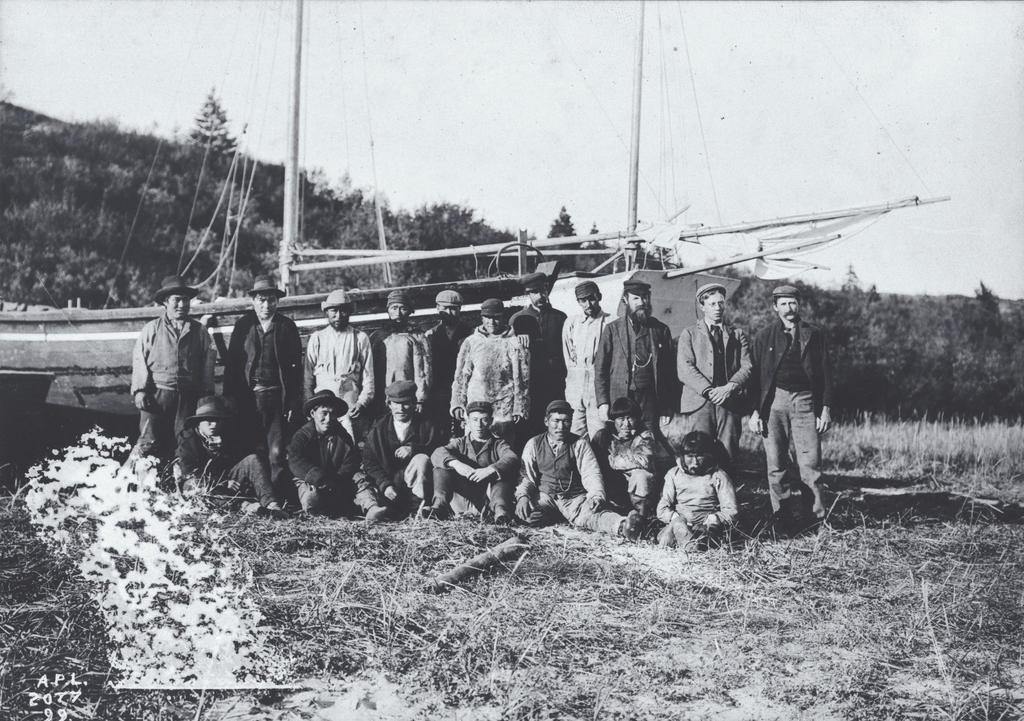
While the Cree had maintained their traditional life and trading networks over the centuries, by the 20th century, North America had been transformed into a modern industrial society. Many of the Cree had moved onto reserves, while their traditional lands and territories became a target for resources such as timber, minerals, and water for hydro projects.
 Albert Peter Low, CC BY-SA 4.0, Wikimedia Commons
The Cree Take A Stand
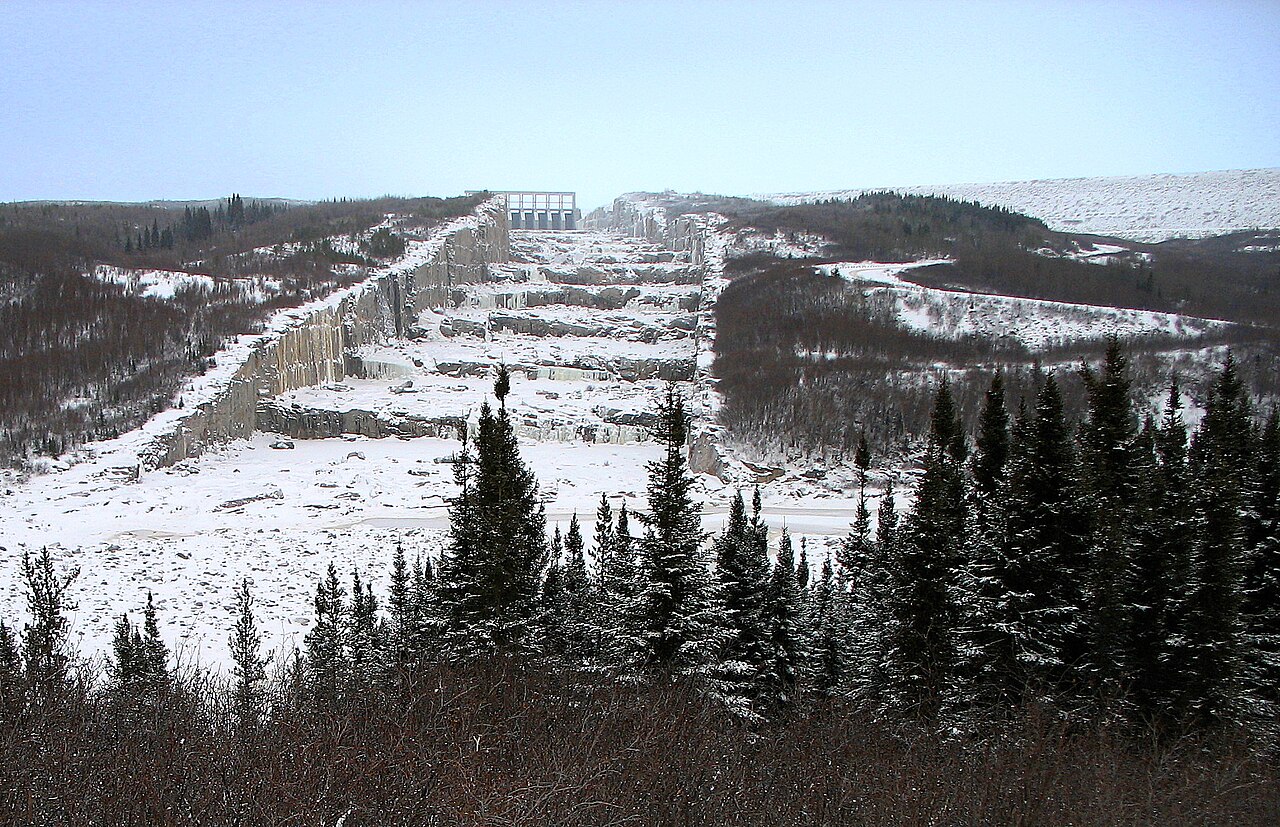
In the late 20th century, the growing demand for hydroelectric power led to proposals to develop dam projects that would flood traditional Cree territories. The James Bay Cree have successfully prevented some major projects from going forward, but forged an agreement with the Quebec government in 2002 for the sustainable development of new hydroelectric resources in exchange for joint jurisdiction of the territory with the Quebec government.
 P199, CC BY-SA 3.0, Wikimedia Commons
Towards The Future
The Cree are one of Canada’s biggest and proudest Native peoples. With a culture and history as rich as theirs, it’s not hard to see why. While many remote Cree communities still have difficult social and economic problems, the Cree are taking an active leadership role in upholding their lands, traditions, and human rights into the future.
Sources: 1, 2, 3, 4, 5, 6, 7, 8, 9, 10, 11, 12, 13, 14, 15, 16



.jpg)
_edit.jpg)
.jpeg)
.jpg)

.jpg)

.jpg)

.jpg)
.jpg)

.jpg)


.jpg)
.jpg)
.jpg)


.jpg)

_(14776325214).jpg)
.jpg)


.jpg)
._Arriv%C3%A9e_des_territoires_de_chasse.jpg)
..._%C3%89l%C3%A8ves_cris_et_leur_professeure_au_Pensionnat_indien_de_All_Saints,_(%C3%89cole_missionnaire_anglicane)..._(14185268954).jpg)
.jpg)
