


Nature Still Keeps Plenty Of Secrets
For all we've learned about our planet, there are still natural events that leave scientists scratching their heads. Researchers have developed strong theories for many of them, but a complete explanation remains out of reach. From glowing lights in the sky to mysterious sounds and moving rocks, these phenomena remind us there's still a lot left to discover.
 Chmee2/Valtameri, Wikimedia Commons
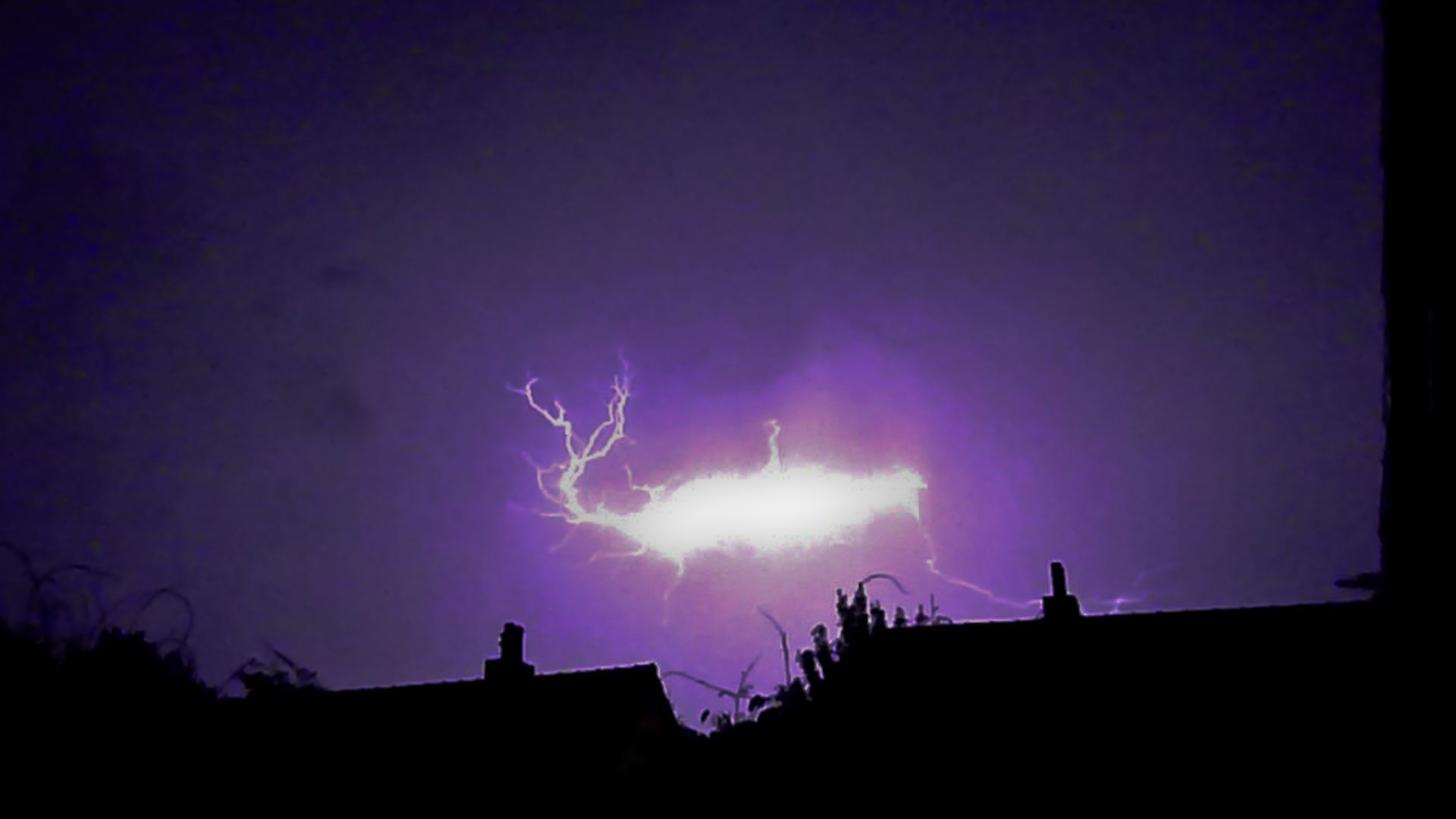
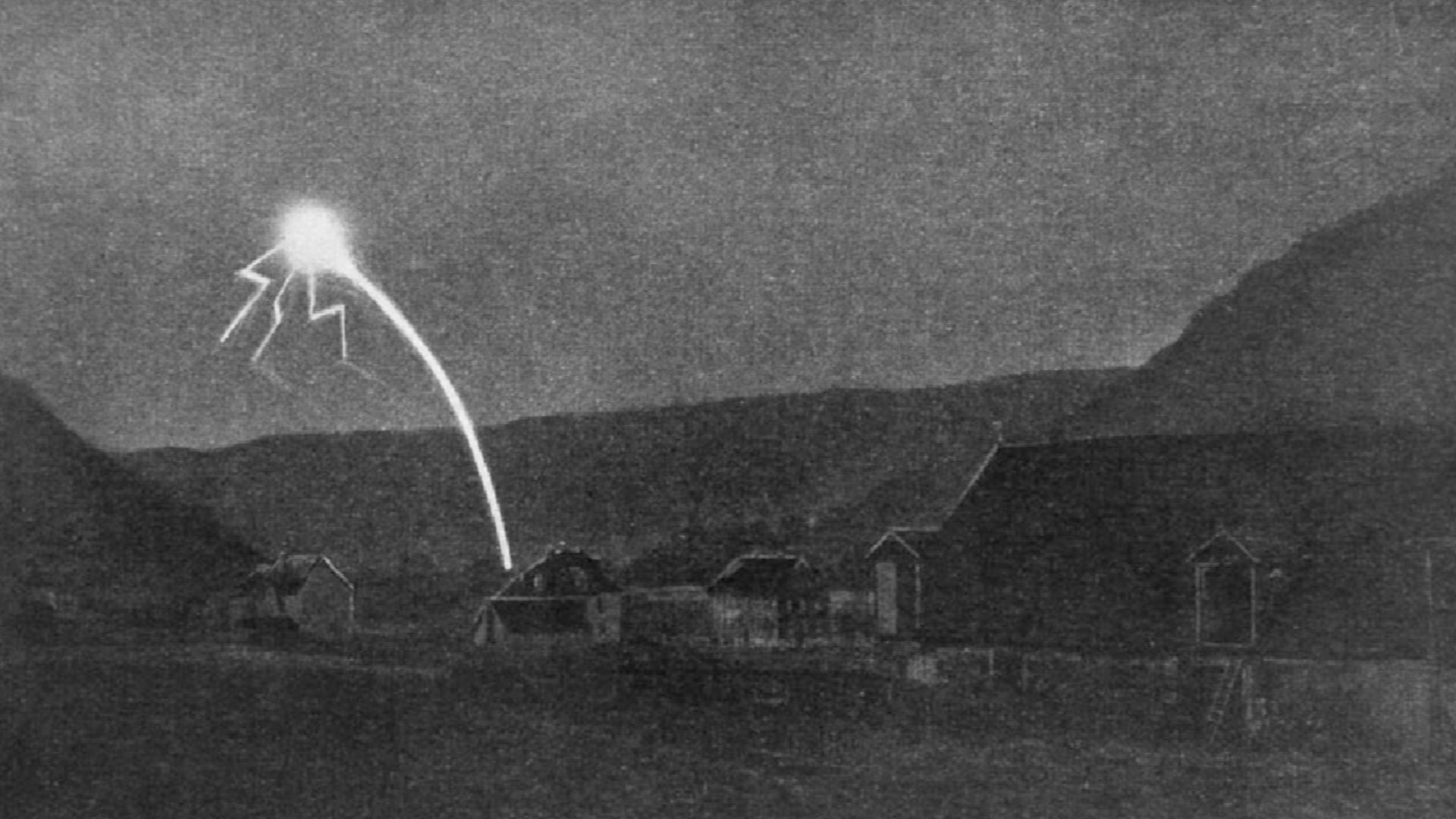
Ball Lightning
Ball lightning has been reported for centuries as glowing spheres that appear during thunderstorms, sometimes drifting through the air for several seconds before disappearing. Scientists have captured rare observations and proposed explanations involving plasma, vaporized silicon, or microwave effects, but none fully explains every documented report. Because the phenomenon is so rare and unpredictable, collecting enough data has proven incredibly difficult.
 Joe Thomissen, Wikimedia Commons
The Taos Hum
For decades, some residents of Taos, New Mexico, have reported hearing a persistent low-frequency humming sound that many others cannot detect. Numerous investigations have searched for industrial, geological, and atmospheric causes without finding one that explains every case. Whether multiple unrelated sources are responsible or a single unknown mechanism exists remains unresolved.
 Maralynyanco, Wikimedia Commons
Earthquake Lights
Unusual flashes, glowing skies, and colorful lights have occasionally been reported before or during major earthquakes. Laboratory studies suggest that electrical charges released by stressed rocks could play a role, but scientists still cannot consistently predict when or why these lights appear. The phenomenon remains one of seismology's most intriguing mysteries.
Fairy Circles
Across Namibia and parts of Australia, thousands of nearly perfect circles interrupt otherwise grassy landscapes. Some researchers argue termites create them, while others believe they result from plants naturally organizing themselves to conserve water in dry environments. Evidence supports both ideas in different locations, suggesting there may not be a single universal explanation.
 Thorsten Becker (= Beavis729, Beavis729), Wikimedia Commons
The Hessdalen Lights
Norway's Hessdalen Valley has produced mysterious floating lights for decades, attracting scientists and dedicated monitoring stations. Researchers have documented many of the events, yet no single theory explains every observation. Proposed causes include ionized gases, dust particles, and unusual atmospheric chemistry, but none has settled the debate.
 Unknown authorUnknown author, Wikimedia Commons
Rogue Waves
Sailors long described enormous waves appearing seemingly out of nowhere, and many people once dismissed the stories as exaggerations. Satellite observations eventually confirmed rogue waves are real, yet scientists are still refining models to explain exactly why some become dramatically larger than surrounding waves. Ocean conditions, currents, and wave interactions all appear to contribute.

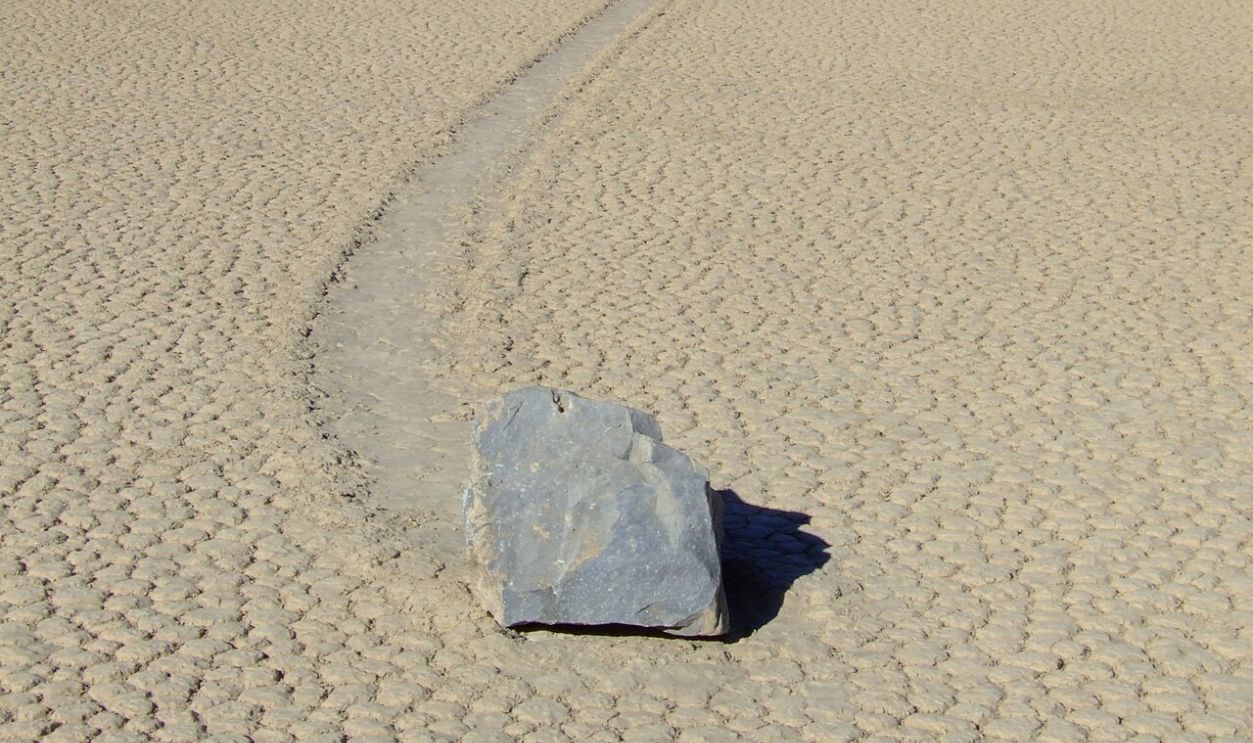
The Sailing Stones Of Death Valley
For years, heavy rocks at Racetrack Playa in Death Valley appeared to slide across the desert floor, leaving long trails behind them. Researchers finally showed that thin sheets of floating ice pushed by gentle winds can move the stones under the right conditions. While the basic movement is now understood, scientists continue studying why the necessary conditions occur so rarely.
 Lgcharlot, CC BY-SA 4.0, Wikimedia Commons
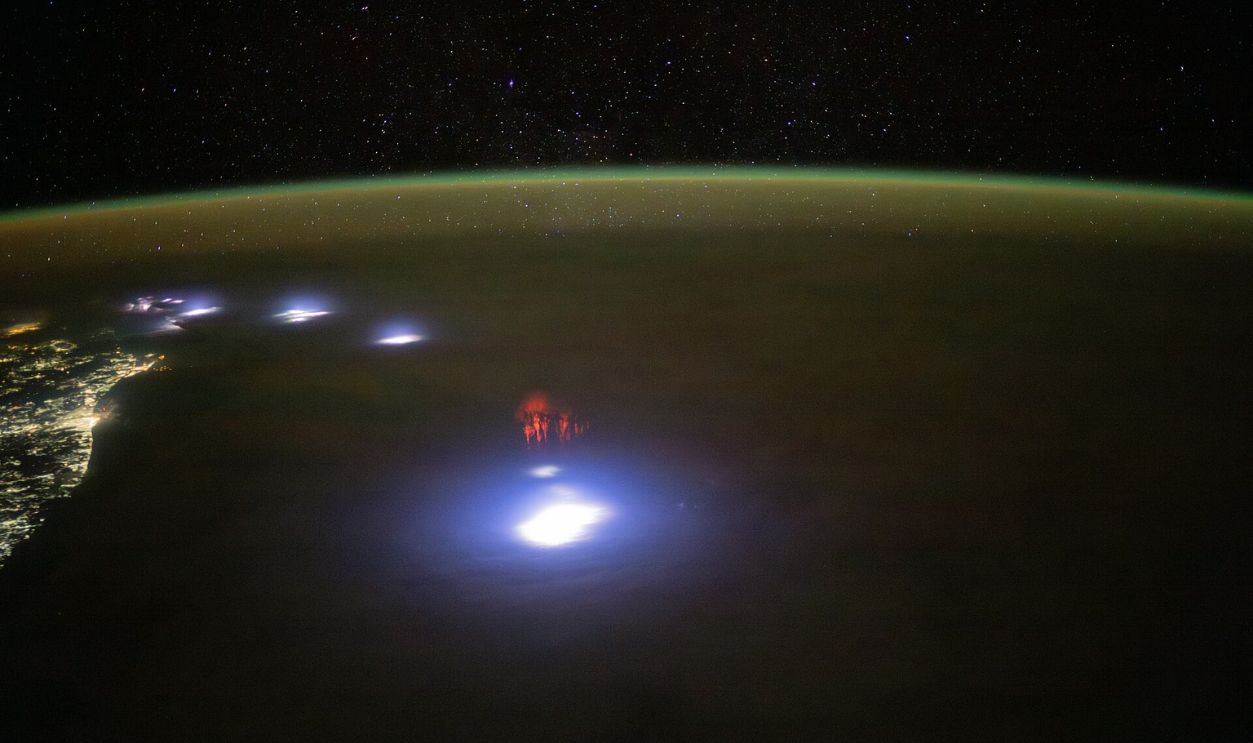
Red Sprites
High above thunderstorms, enormous red flashes known as sprites briefly illuminate the upper atmosphere. Scientists know they are linked to powerful lightning strikes, but many details about how they form and why some storms produce them more often than others remain under investigation. They were only photographed for the first time in 1989.
 NASA/JSC/ESRS/Matthew Dominick, WIkimedia Commons
Catatumbo Lightning
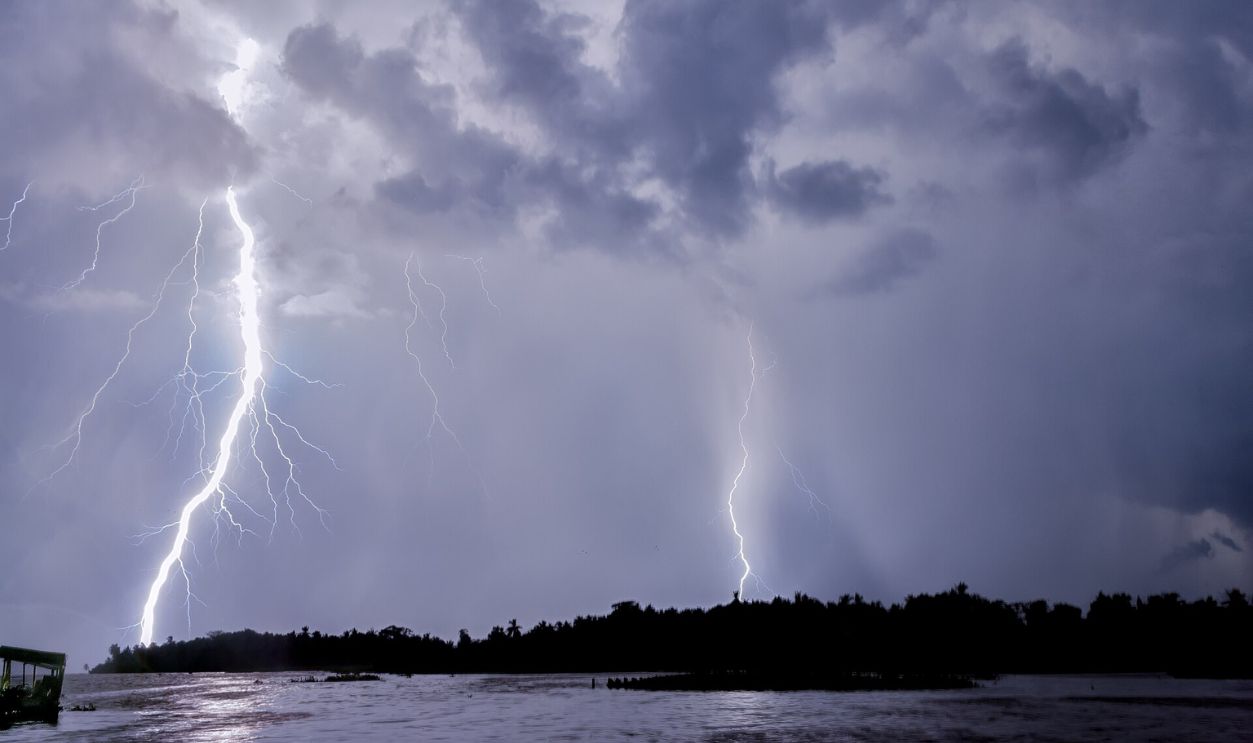
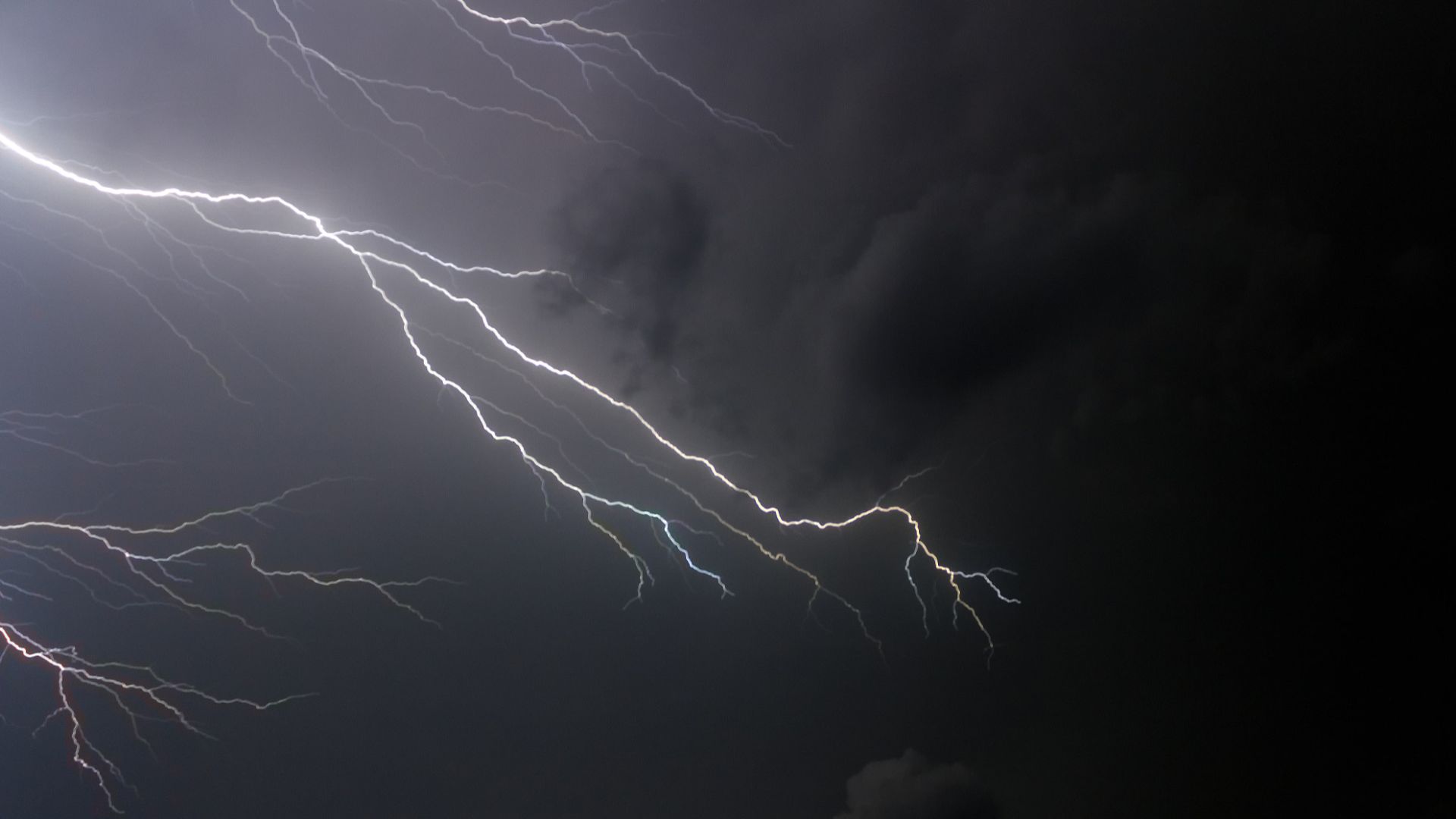
Near Venezuela's Lake Maracaibo, lightning flashes occur so frequently that the region is often called the world's lightning capital. Meteorologists have identified geography, warm moist air, and surrounding mountains as major contributors, but researchers continue studying why this area produces such remarkably persistent electrical activity compared with similar environments elsewhere.
 Fernando Flores, CC BY-SA 2.0, Wikimedia Commons
Bioluminescent Ocean Glows
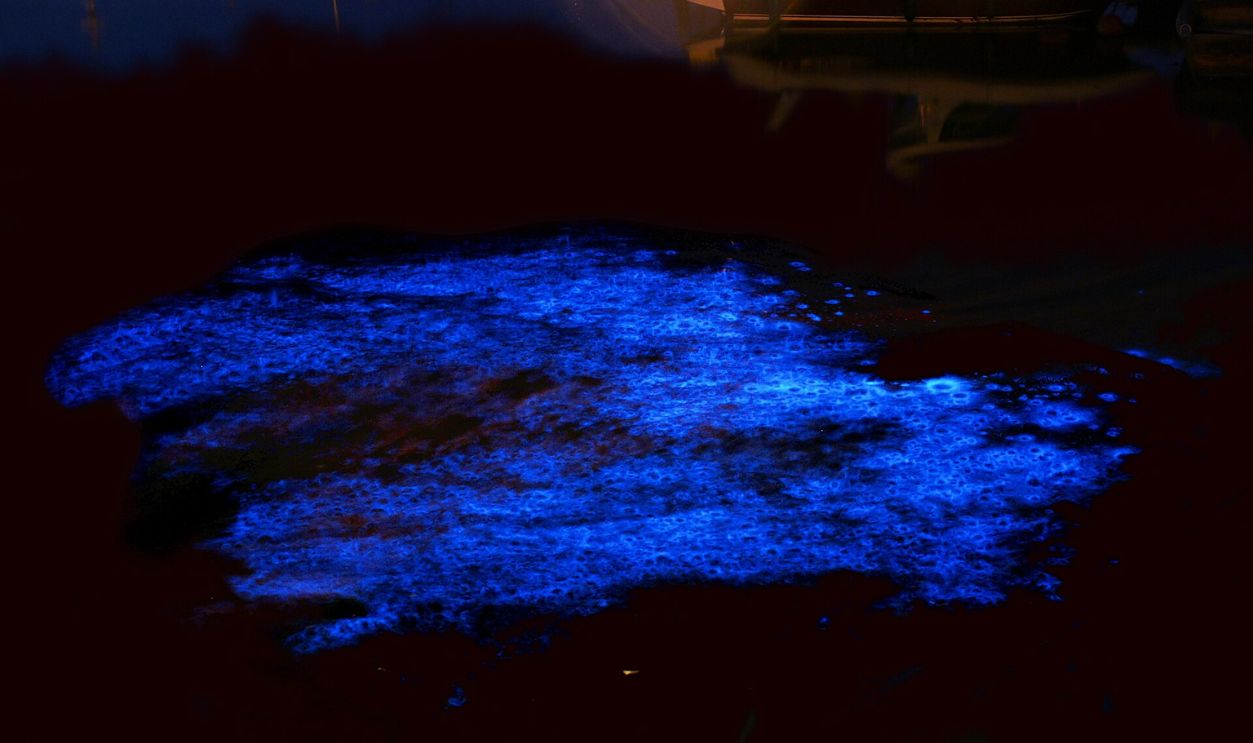
Some coastlines suddenly glow brilliant blue at night as microscopic organisms emit light when disturbed. Scientists understand the chemistry behind bioluminescence, yet predicting when massive glowing events will occur remains difficult. Ocean temperatures, nutrients, currents, and weather all influence blooms in ways researchers are still working to untangle.
 Hans Hillewaert, CC-BY-SA-4.0, Wikimedia Commons
Booming Sand Dunes
Certain sand dunes produce deep humming or booming sounds when sand begins sliding down their slopes. Laboratory experiments show that grain size, dryness, and synchronized vibrations all play important roles. Even so, scientists still cannot fully explain why only some dunes "sing" while many seemingly similar dunes remain silent.
 I, Luca Galuzzi, CC BY-SA 2.5, Wikimedia Commons
Crown Shyness
In some forests, the tops of neighboring trees stop growing just short of touching one another, creating intricate channels in the canopy. Researchers have proposed explanations ranging from branches avoiding collisions to improved light exposure and reduced disease transmission. The exact balance of factors varies among species and remains an active area of research.

Brinicles
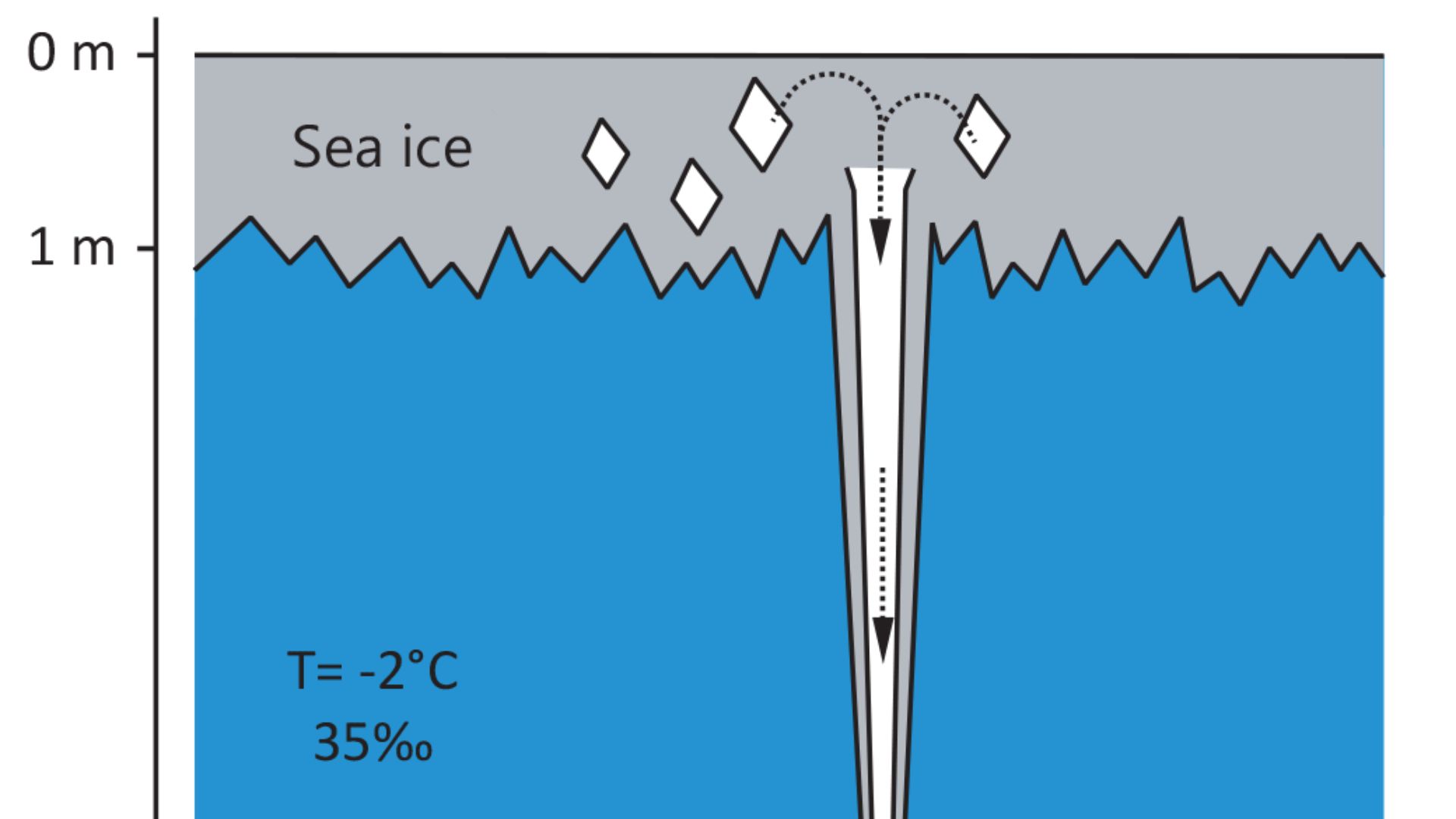
Brinicles form beneath sea ice when extremely cold, salty water sinks into the ocean and freezes surrounding seawater. Scientists understand the basic physics involved, but these structures are exceptionally difficult to observe because they form in harsh polar conditions. Many questions remain about how frequently they develop and how they influence nearby marine ecosystems.
 Nix Sunyata, Wikimedia Commons
The Green Flash
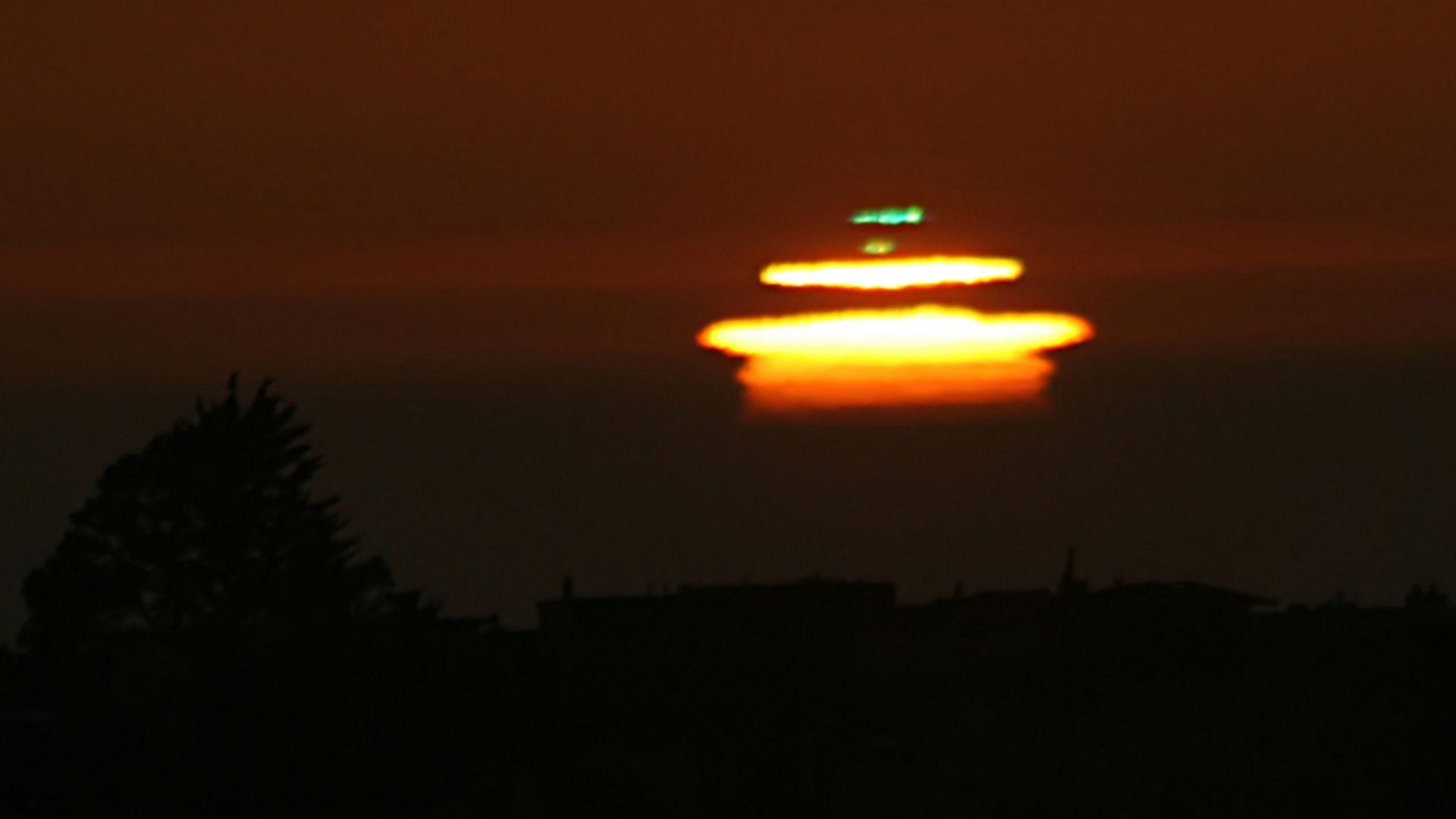
Some people watching a sunset or sunrise report seeing a brief burst of emerald-green light just as the Sun disappears or emerges. Atmospheric refraction is known to produce the effect, but predicting exactly when it will occur depends on a complicated combination of air temperature, visibility, and atmospheric layering that researchers continue to study.
 Brocken Inaglory, Wikimedia Commons
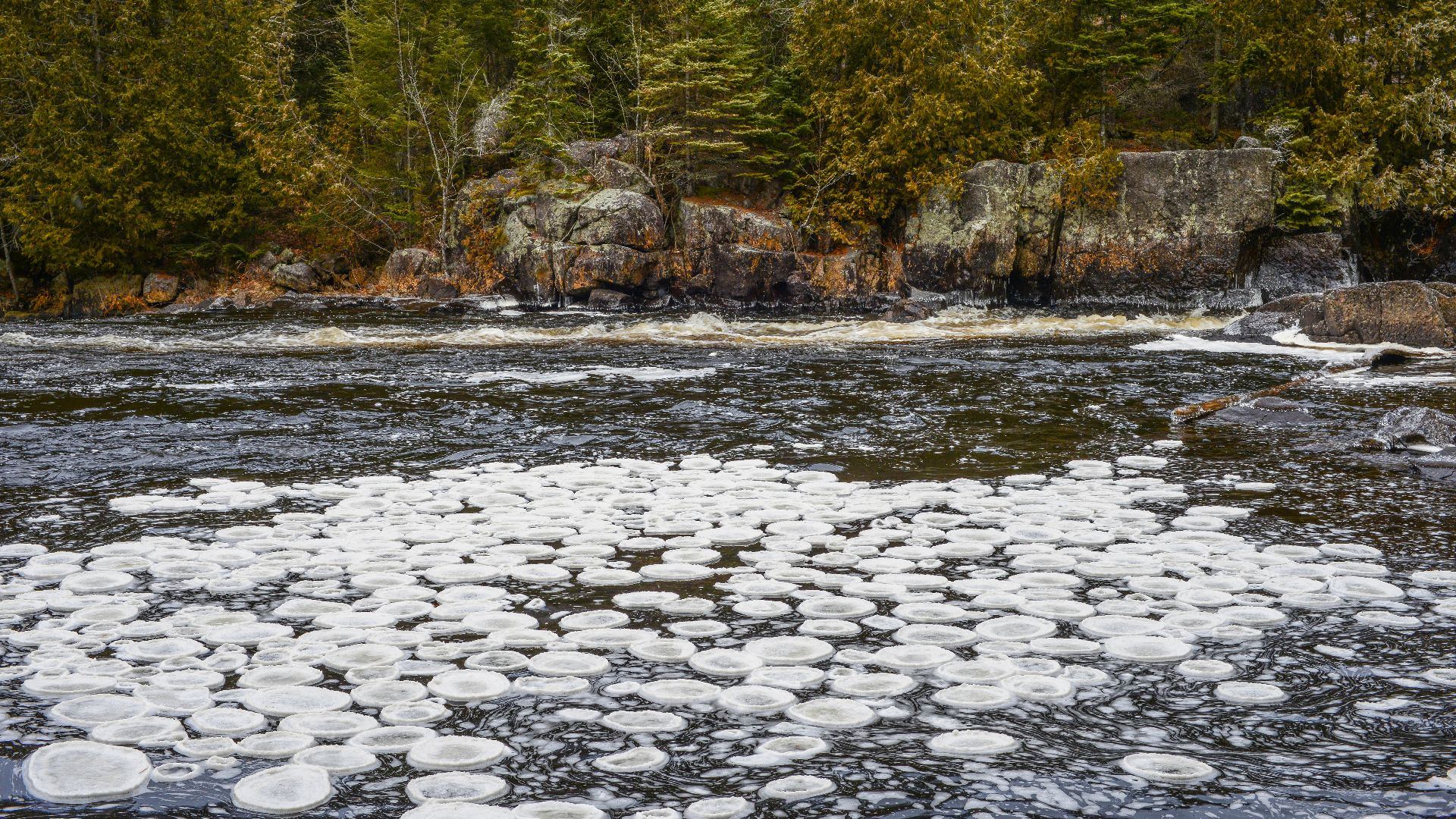
Ice Circles
Perfect circles of spinning ice occasionally appear on slow-moving rivers in cold climates. Scientists believe they form when rotating currents gradually smooth floating ice into discs, but the precise conditions required are still being investigated. Their remarkable symmetry continues to fascinate both researchers and onlookers.
 Nicolas Perrault II, Wikimedia Commons
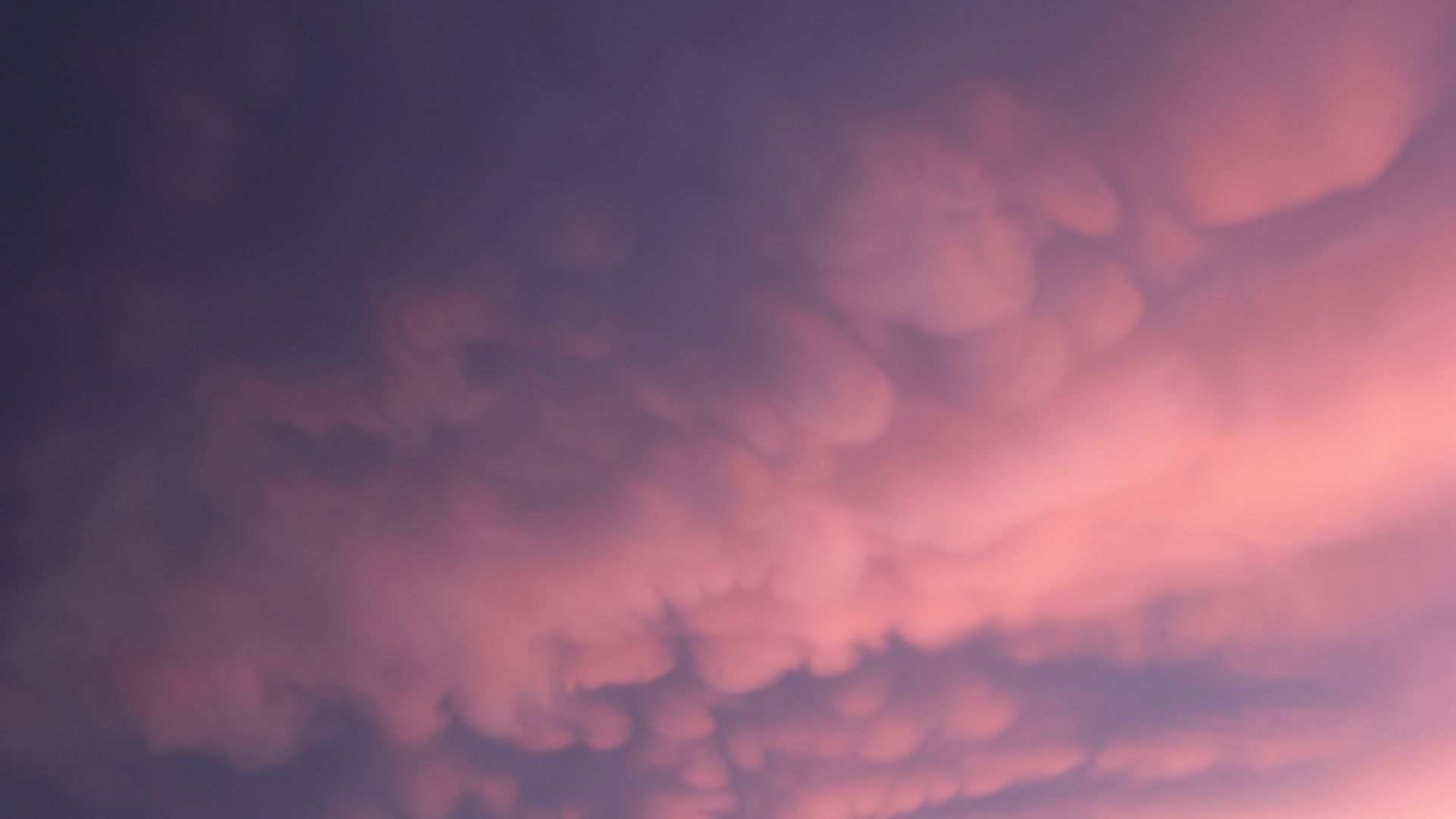
Mammatus Clouds
These dramatic pouch-like clouds hanging beneath thunderstorms create one of the sky's most unusual sights. Scientists know they often form near powerful storms, yet the exact processes responsible for their distinctive rounded shapes remain an area of ongoing research. Different atmospheric conditions may produce similar-looking formations through different mechanisms.
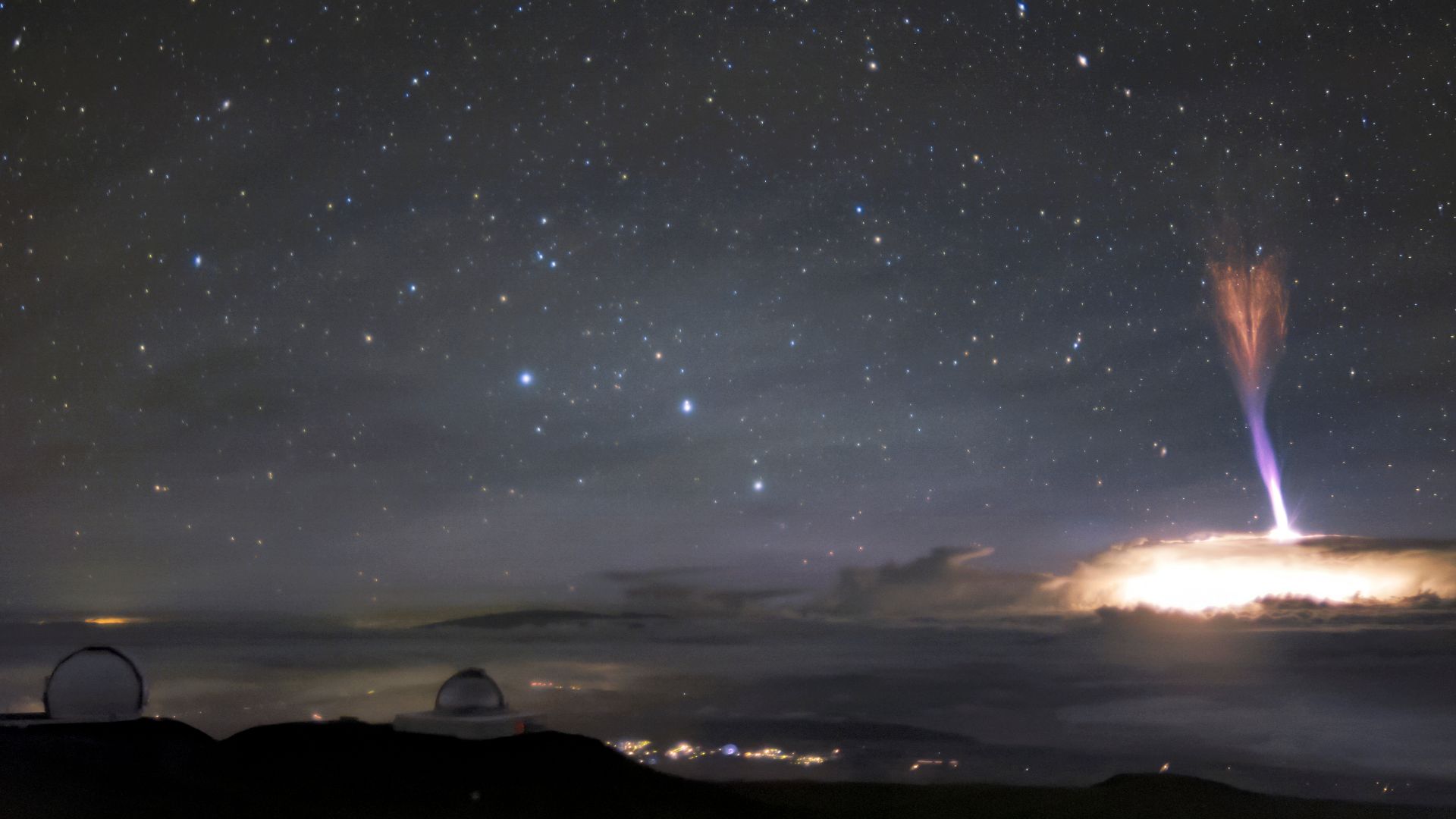
Blue Jets
Unlike ordinary lightning, blue jets shoot upward from the tops of thunderstorms toward the edge of space. They occur far less frequently than lightning strikes, making them difficult to observe and study. Researchers continue investigating how these spectacular electrical discharges develop and how they relate to other upper-atmosphere phenomena.
 International Gemini Observatory/NOIRLab/NSF/AURA/A. Smith, Wikimedia Commons
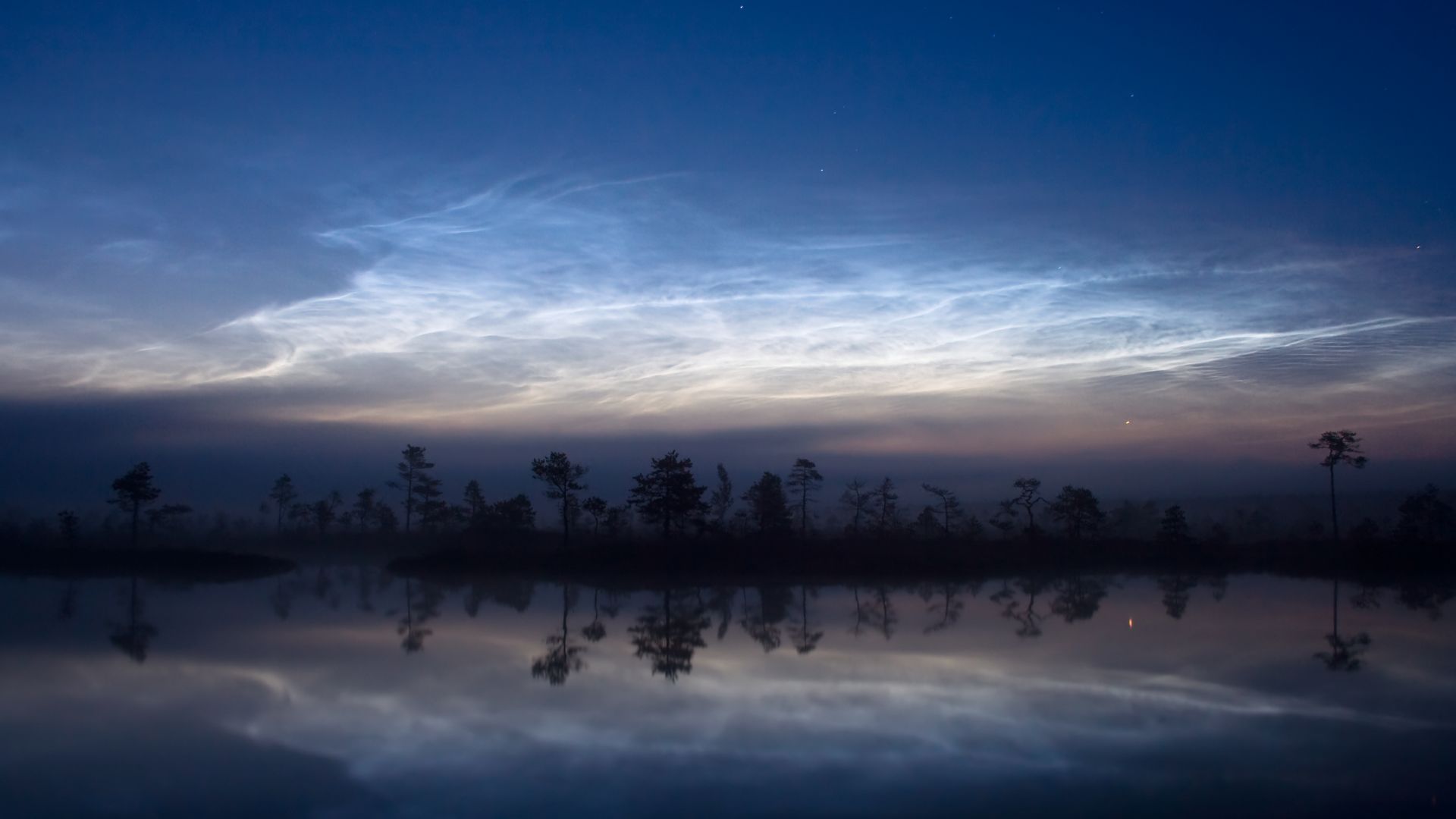
Noctilucent Clouds
These shimmering clouds form extremely high in Earth's atmosphere and become visible after sunset during certain seasons. Scientists know they consist of tiny ice crystals in the mesosphere, but questions remain about why their frequency appears to be changing and how climate patterns may influence their formation. Their increasing visibility has become an active research topic.
 Martin Koitmäe [1], Wikimedia Commons
Marine Milky Seas
On rare occasions, sailors have reported vast areas of the ocean glowing steadily across hundreds or even thousands of square miles. Satellite imagery has confirmed these extraordinary events, and scientists suspect luminous bacteria are responsible. However, researchers still do not fully understand how such enormous glowing regions develop or persist for days at a time.
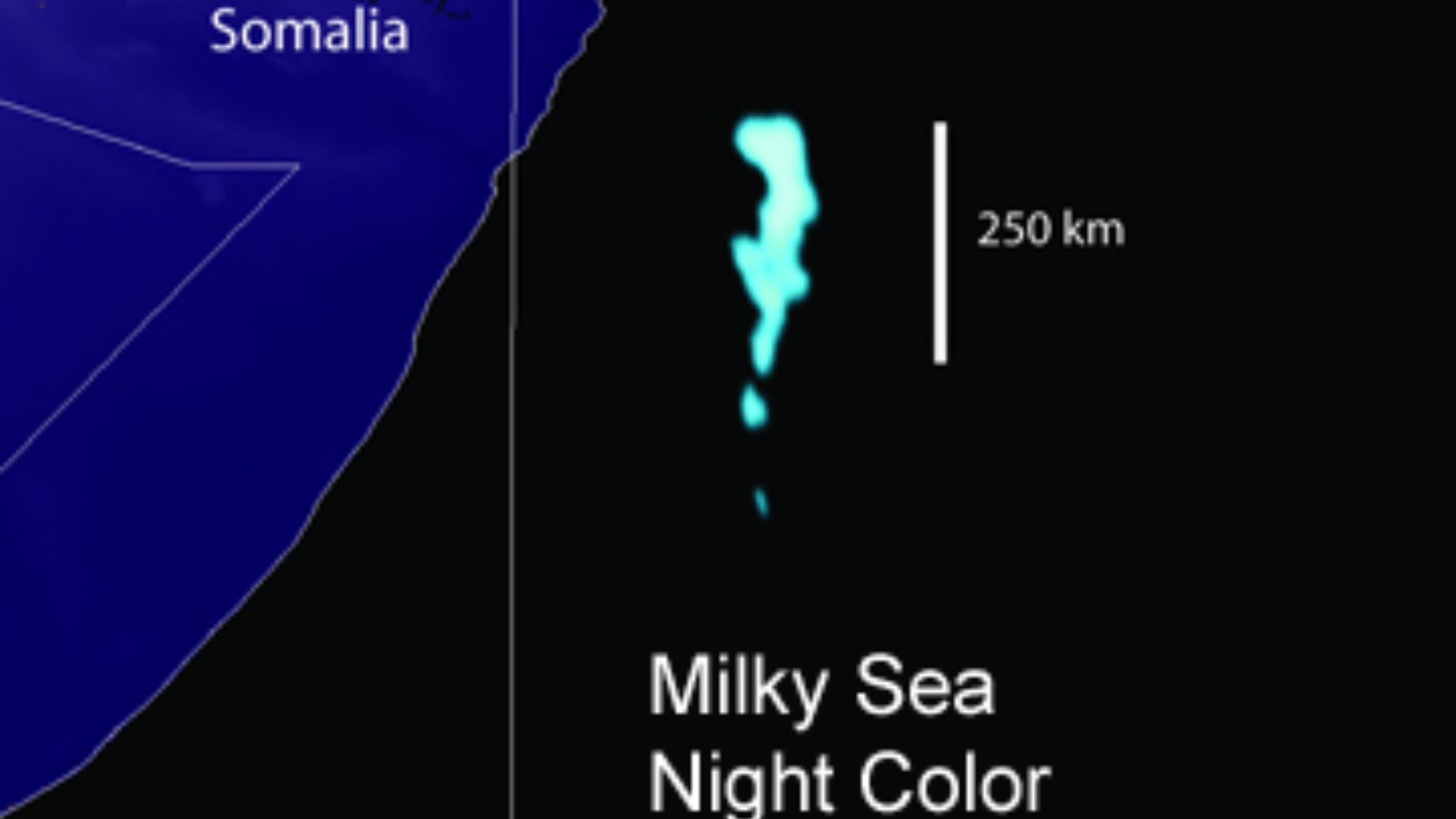 Dr Steve Miller, from the Naval Research Laboratory; and PNAS, Wikimedia Commons
Nature's Mysteries Continue To Inspire Discovery
Every one of these phenomena shows that science is a constantly evolving process rather than a finished book. Some mysteries have moved closer to explanation as technology improves, while others continue to challenge even the most advanced instruments. That's part of what makes the natural world so fascinating: every unanswered question offers another opportunity to learn something entirely new.
 Fernando Flores, Wikimedia Commons
You May Also Like:
Scientists uncover a toxic legacy of Ancient Rome that may have lowered intelligence across Europe
Source: 1








.jpg)


