Eastern Edge Surprises
Ancient treasures have an odd habit of turning up where least expected. A former junkyard became the stage for an intriguing find. The implications reach far beyond a single site, touching on questions about how cities worked.
Pietralata Discovery
Workers preparing ground for a new residential community at Parco delle Acacie stumbled upon ancient Rome hiding beneath junkyard cars and overgrown scrubland. The eastern Rome neighborhood of Pietralata, long dismissed as peripheral and historically insignificant, suddenly became the center of archaeological attention in early 2022.
Excavation Begins
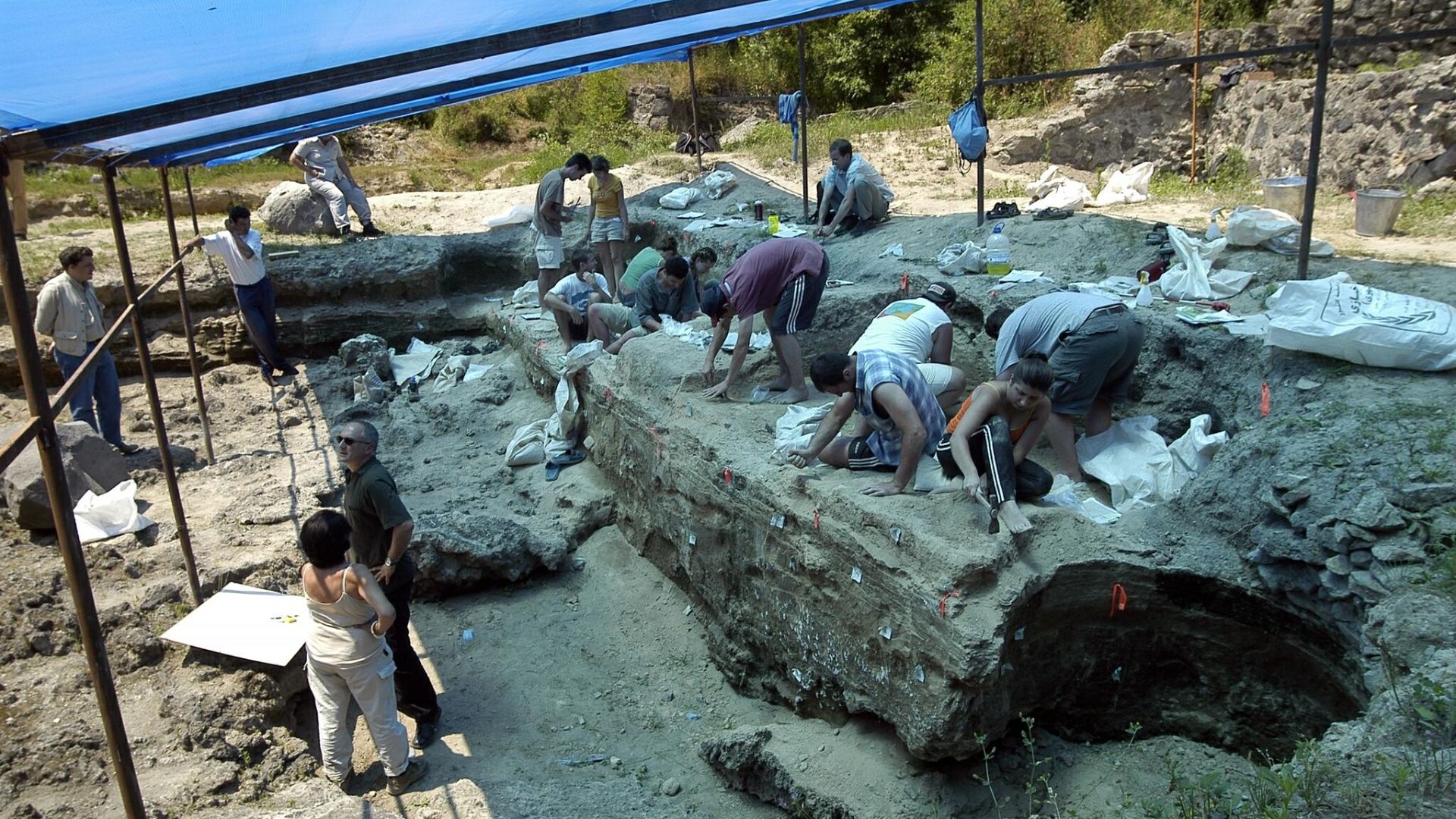
Summer 2022 marked the official start of excavations under archaeologist Fabrizio Santi's scientific direction, representing the Special Superintendency of Rome's commitment to preventive archaeology. The Italian Ministry of Culture initiated this massive four-hectare survey ahead of urban development, demonstrating how modern construction projects now routinely include archaeological assessments.
 Georgian National Museum, Wikimedia Commons
Preventive Archaeology
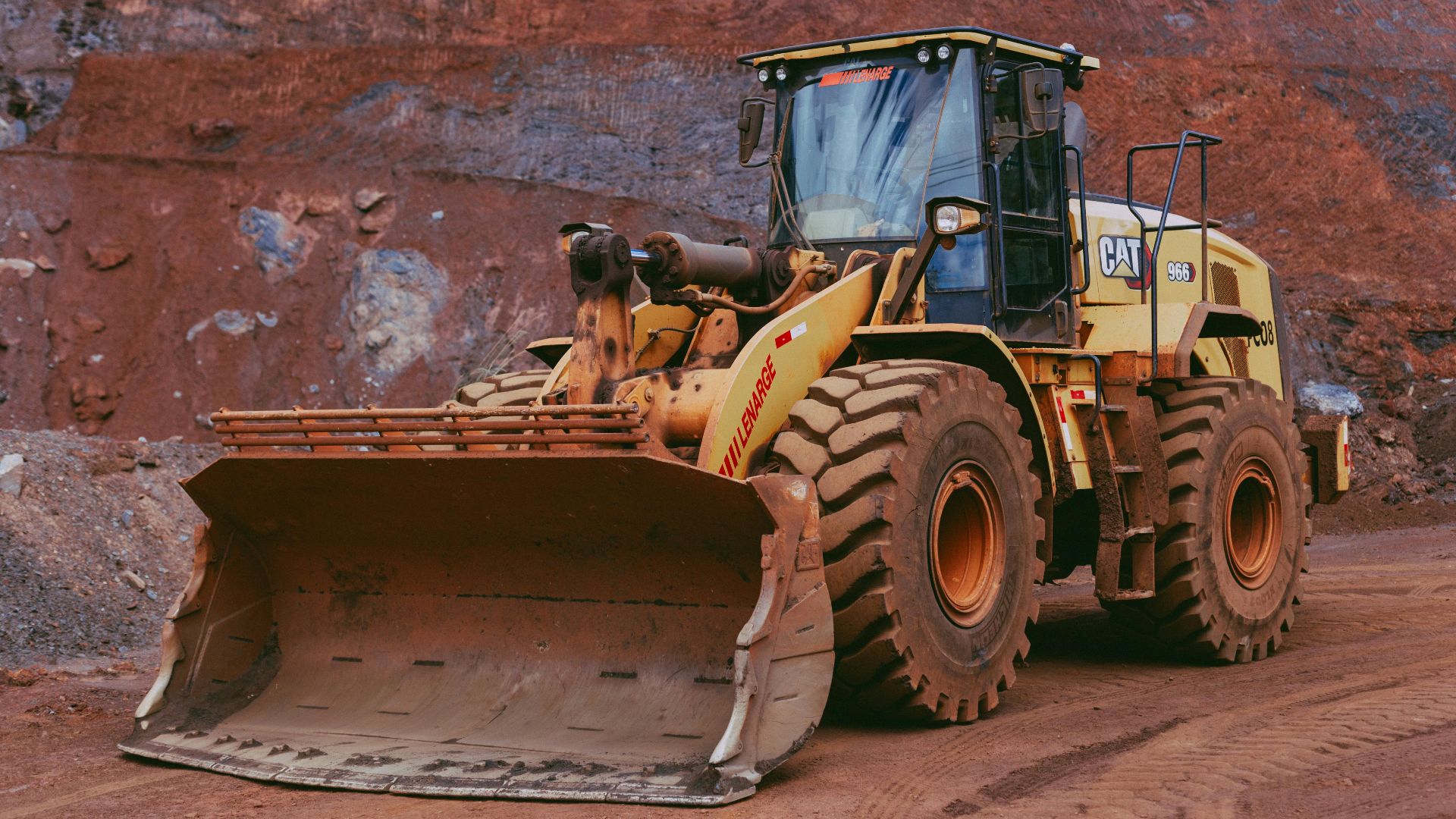
Rather than discovering ruins accidentally during construction and scrambling to preserve them, archaeologists systematically survey proposed development sites beforehand. Daniela Porro, Special Superintendent of Rome, emphasized that this approach allows a comprehensive study before bulldozers arrive, preventing irreplaceable historical loss.
Eight-Century Occupation
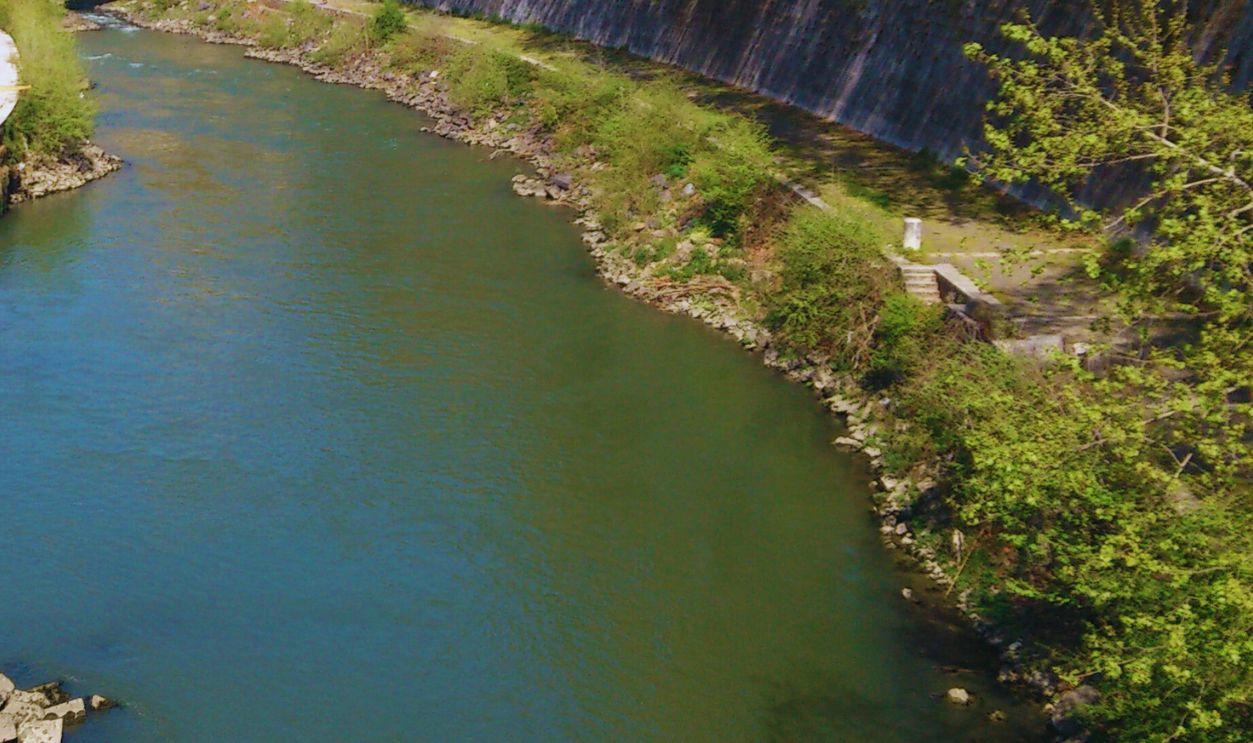
Evidence of nearly continuous human settlement emerged from the 5th century BC through the 3rd century AD, with scattered occupation continuing two centuries further. Dense occupation layers spread across several hectares revealed that Pietralata wasn't Rome's forgotten backwater but rather a thriving landscape integral to the city's evolution.
Bronze Figurines
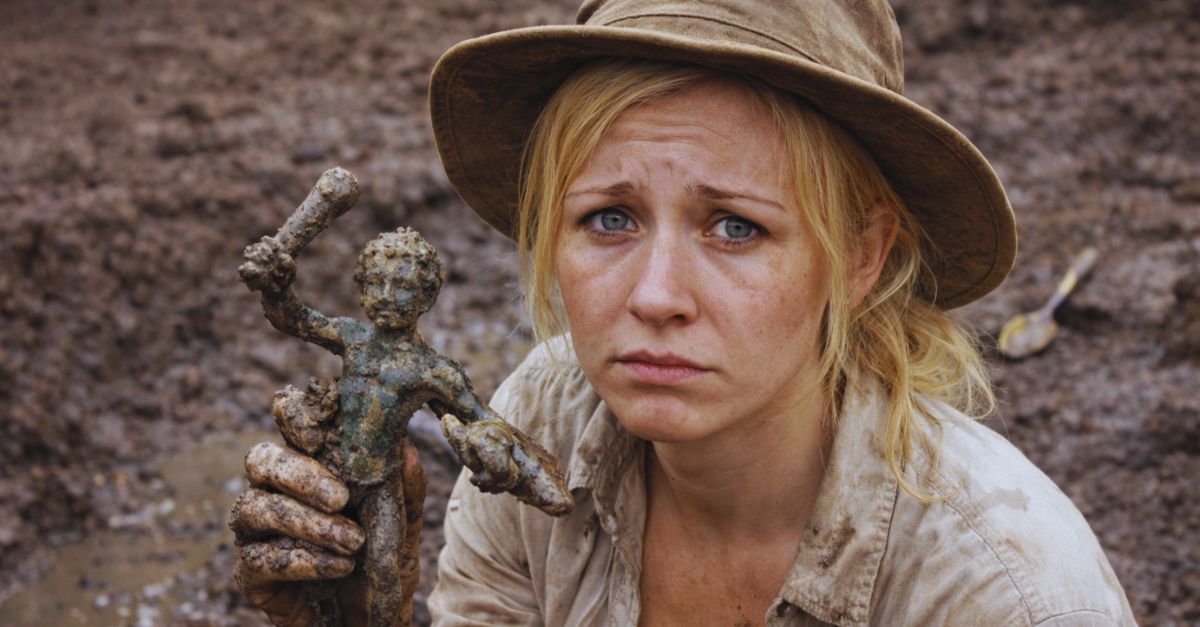
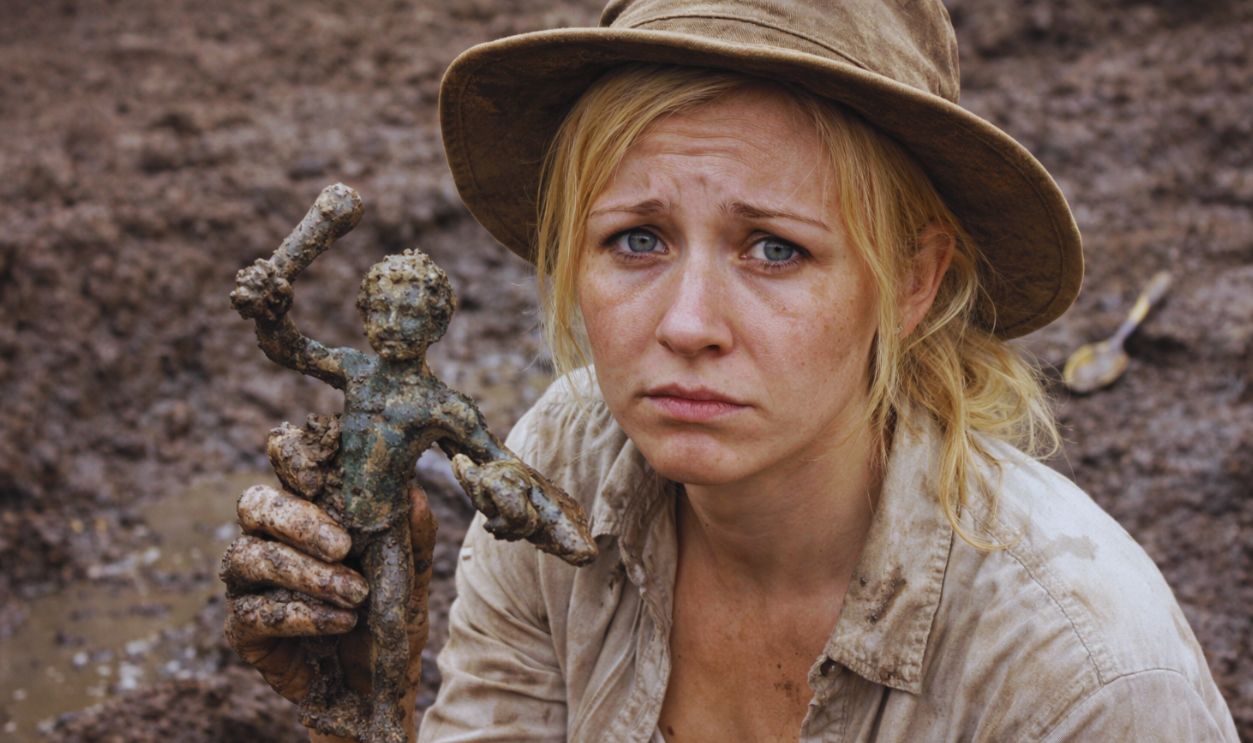
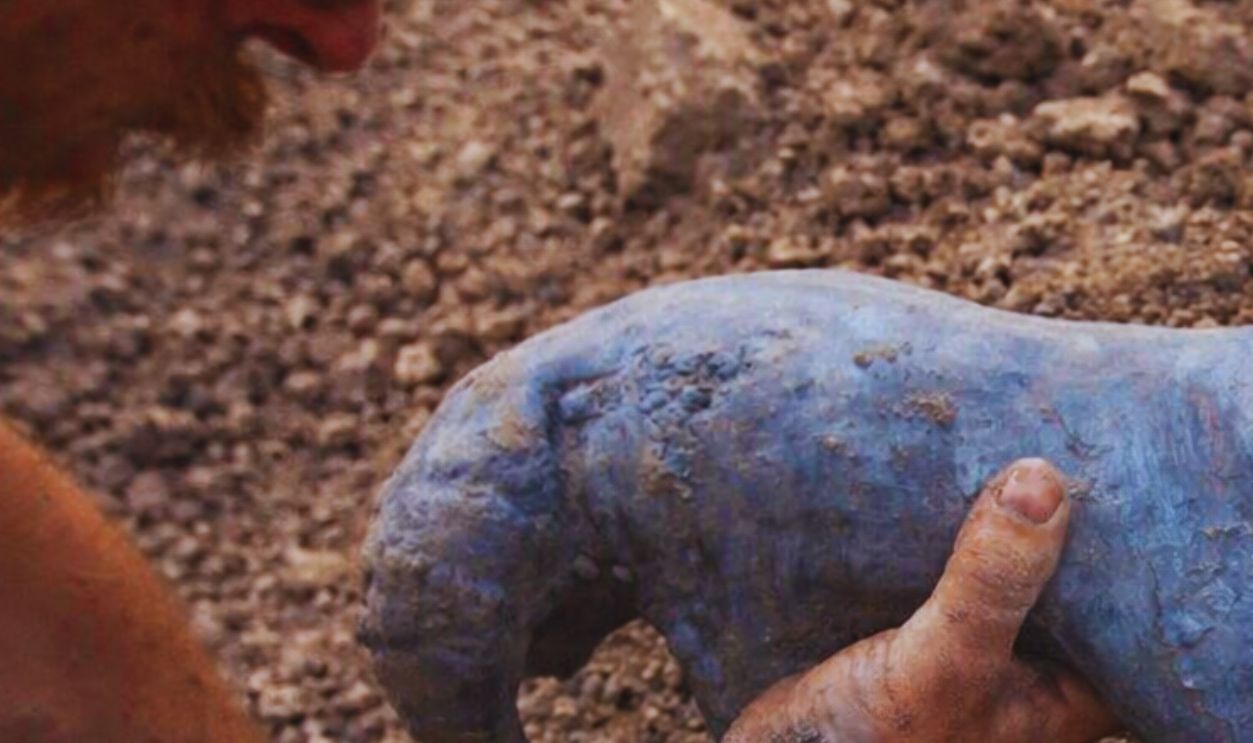
Six exquisite bronze statuettes emerged from thick mud layers that had protected them for over two thousand years, their details remarkably preserved. At least three figurines clearly depict Hercules himself, identifiable through characteristic iconography that Romans would have recognized instantly. The most striking piece stands just four inches tall.
Hercules Depicted
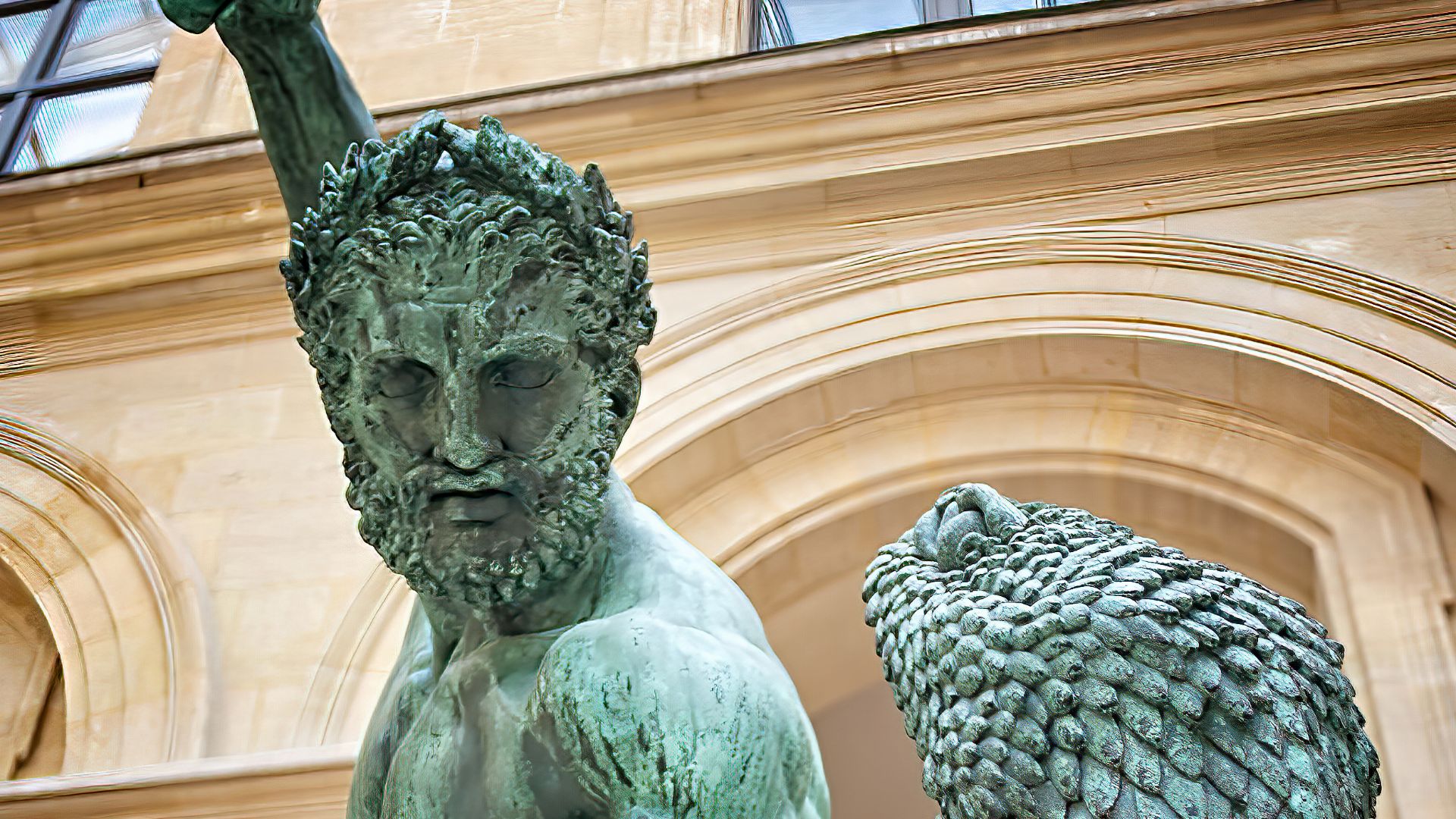
The bronze figurines captured Hercules in his most iconic pose, immediately recognizable to ancient worshippers visiting the shrine for blessings or thanksgiving. His muscular form, powerful stance, and divine attributes marked him as the half-mortal son of Jupiter, famous throughout the Roman world.
 Juanedc from Zaragoza, España, Wikimedia Commons
Shrine Structure
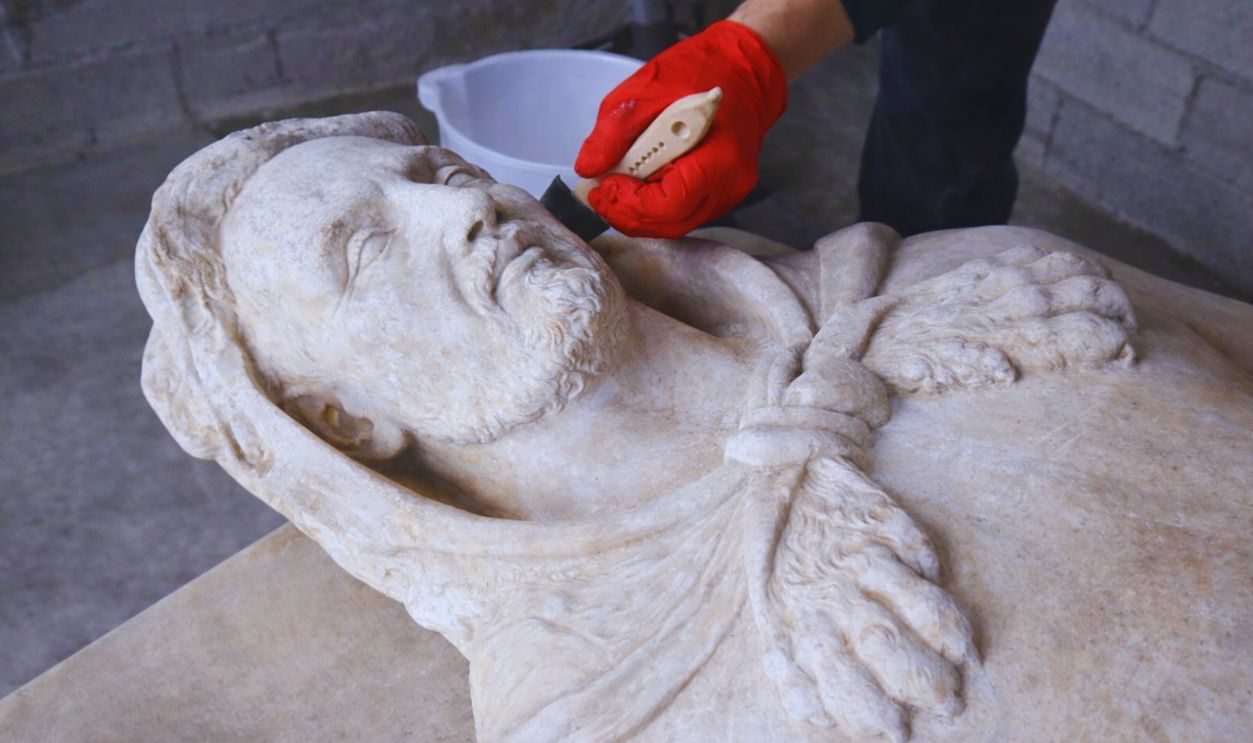
Well, the sacellum measured approximately 4.5 by 5.5 meters, constructed with tuff stone walls using the opus incertum technique common in Republican-era buildings. Interior surfaces retained traces of white plaster that once brightened the sacred space, creating an atmosphere worthy of divine presence.
Ancient Altar
A square tuff base coated with brilliant white plaster occupied the shrine's center, positioned along the entrance axis where every visitor would immediately see it. This altar served as the critical interface between mortal and divine realms, where Romans placed offerings, poured libations, and spoke prayers.
 John William Waterhouse, Wikimedia Commons
Votive Deposit
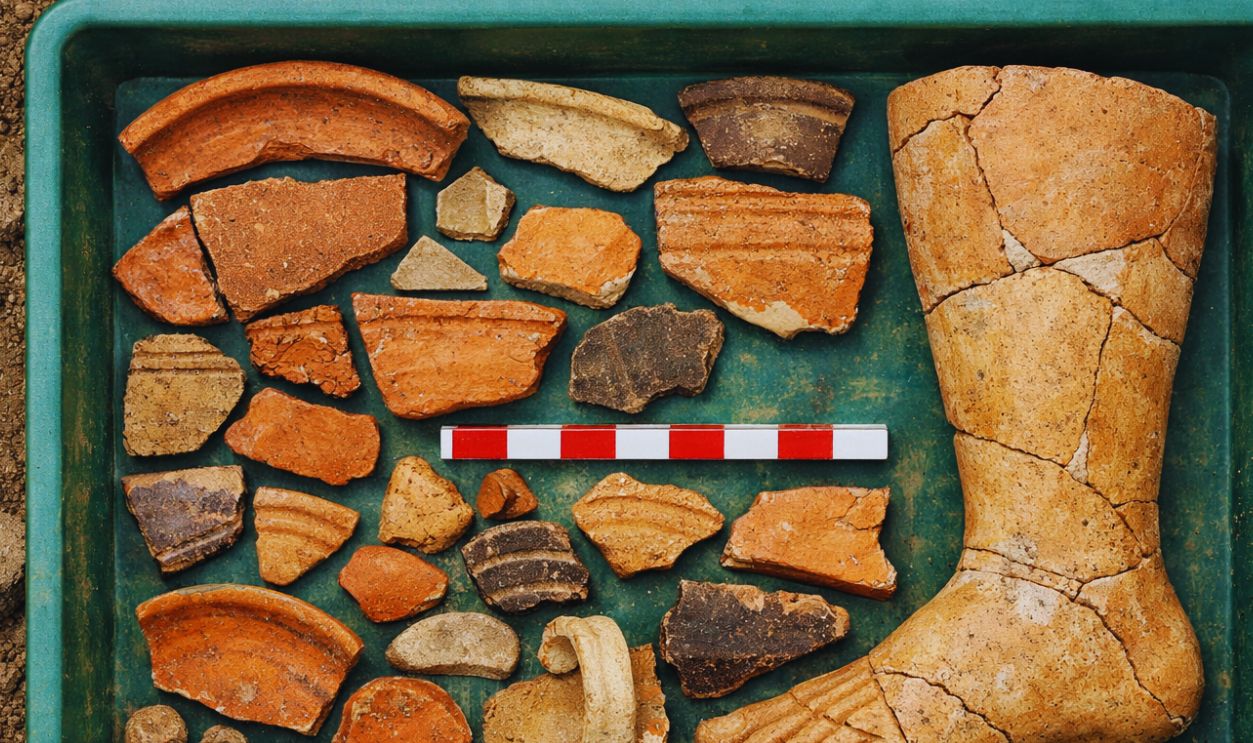
Beneath the shrine's foundation lay a deliberately decommissioned votive deposit containing accumulated offerings from earlier worship at this same location. Terracotta heads, feet, female figurines, and two ceramic bovines filled this ritual cache, representing years of devotion before the formal shrine's construction.
 Ryan Baumann, Wikimedia Commons
Terracotta Offerings
The excavation yielded numerous terracotta anatomical votives fashioned as human body parts—feet, legs, heads, and arms representing afflicted areas needing divine healing. Romans brought these molded clay representations to Hercules seeking cures for injuries, illnesses, or chronic conditions affecting the depicted body parts.
Hercules Cult
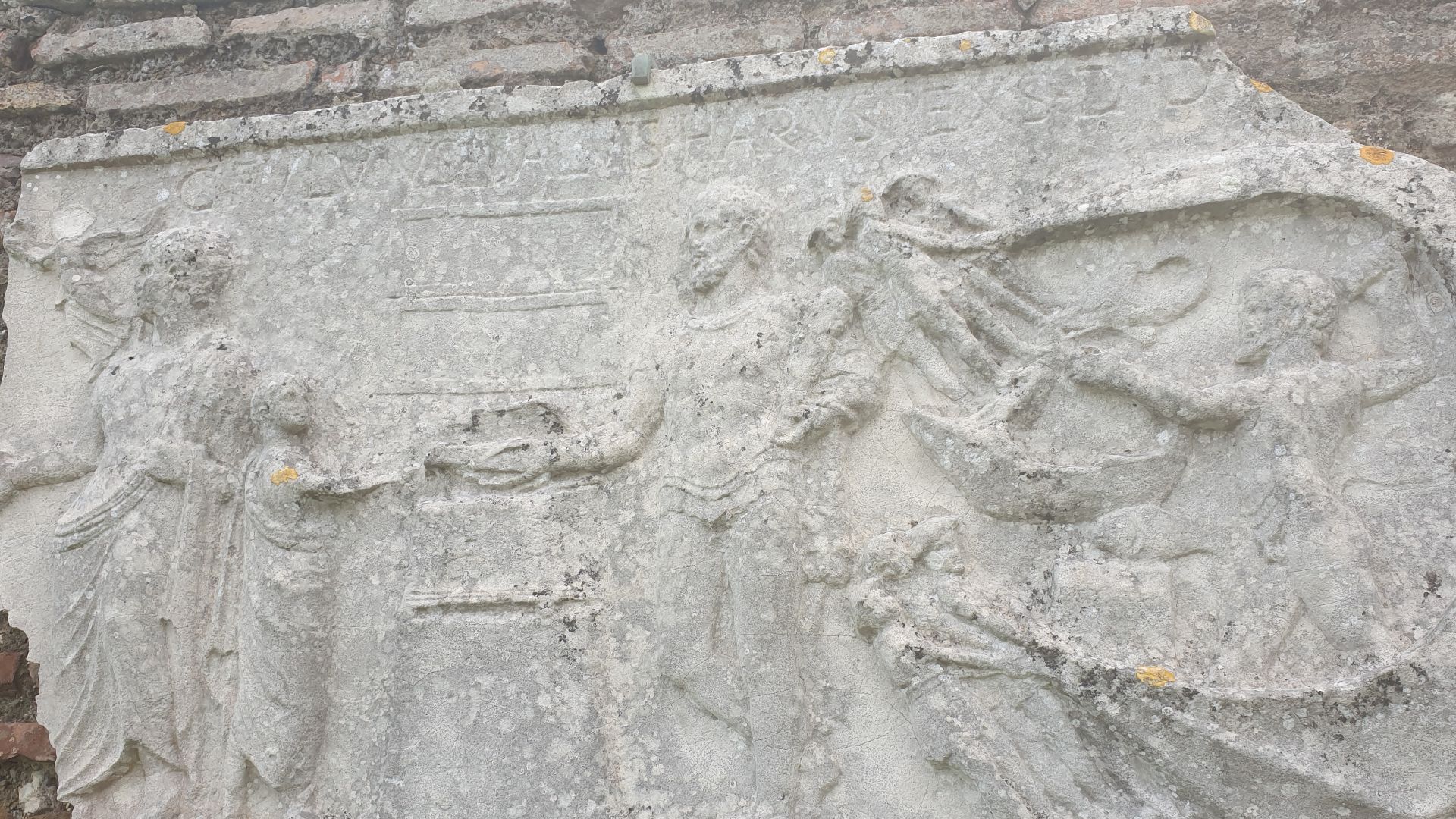
Hercules worship permeated Roman religious life far beyond simple military veneration, encompassing merchants, travelers, shepherds, and common citizens seeking divine protection. The demigod mirrored Virtus—that quintessentially Roman combination of courage, strength, and moral excellence that every citizen aspired to demonstrate.
 MumblerJamie, Wikimedia Commons
Via Tiburtina
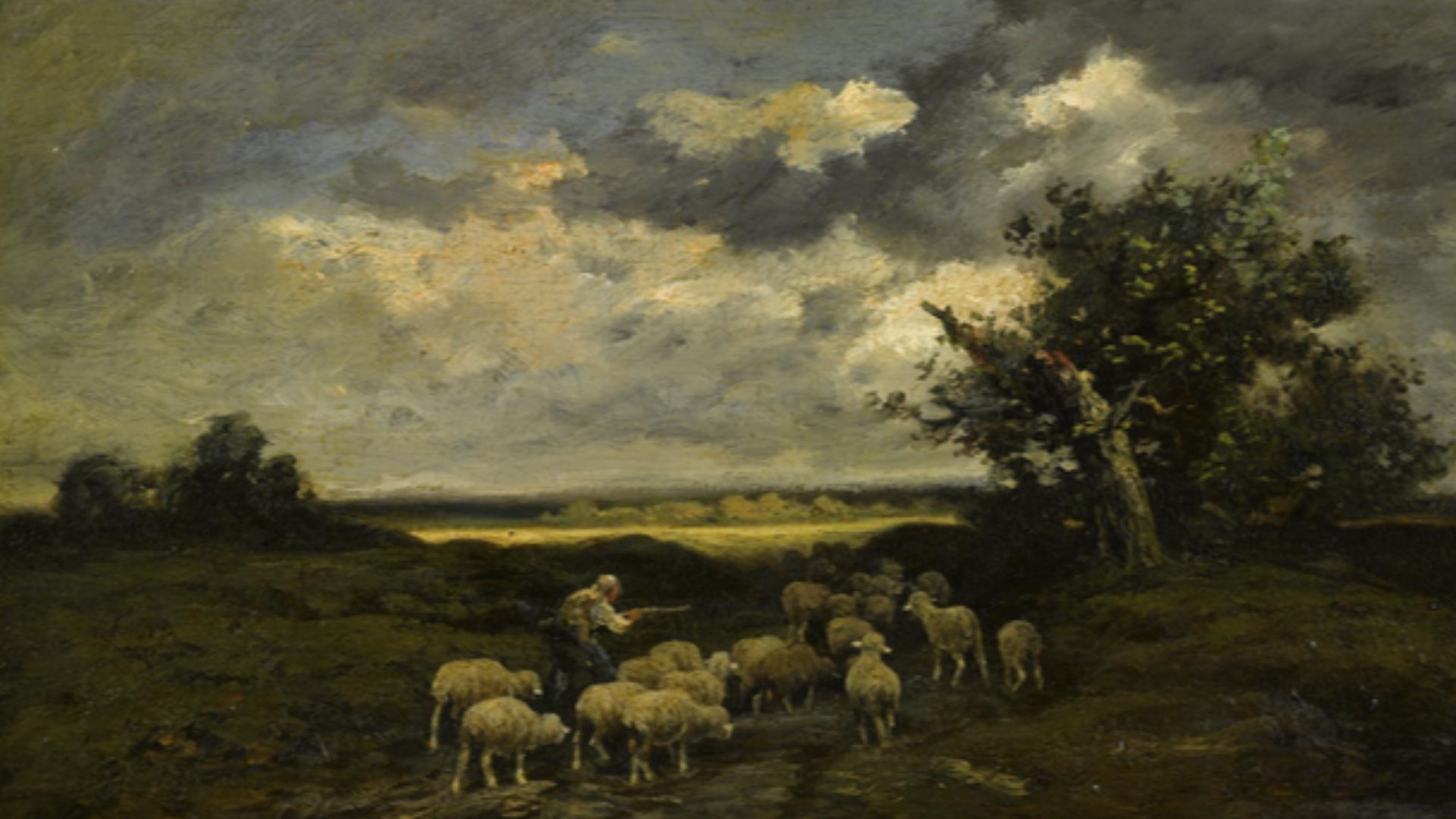
The shrine's location beside the ancient Via Tiburtina wasn't coincidental but strategically chosen along a major pastoral route connecting Rome to Tibur (modern Tivoli). Shepherds drove vast flocks of sheep, goats, and cattle along this road during seasonal migrations, creating natural opportunities for roadside worship and thanksgiving.
 Charles Jacque, Wikimedia Commons
Dating Evidence
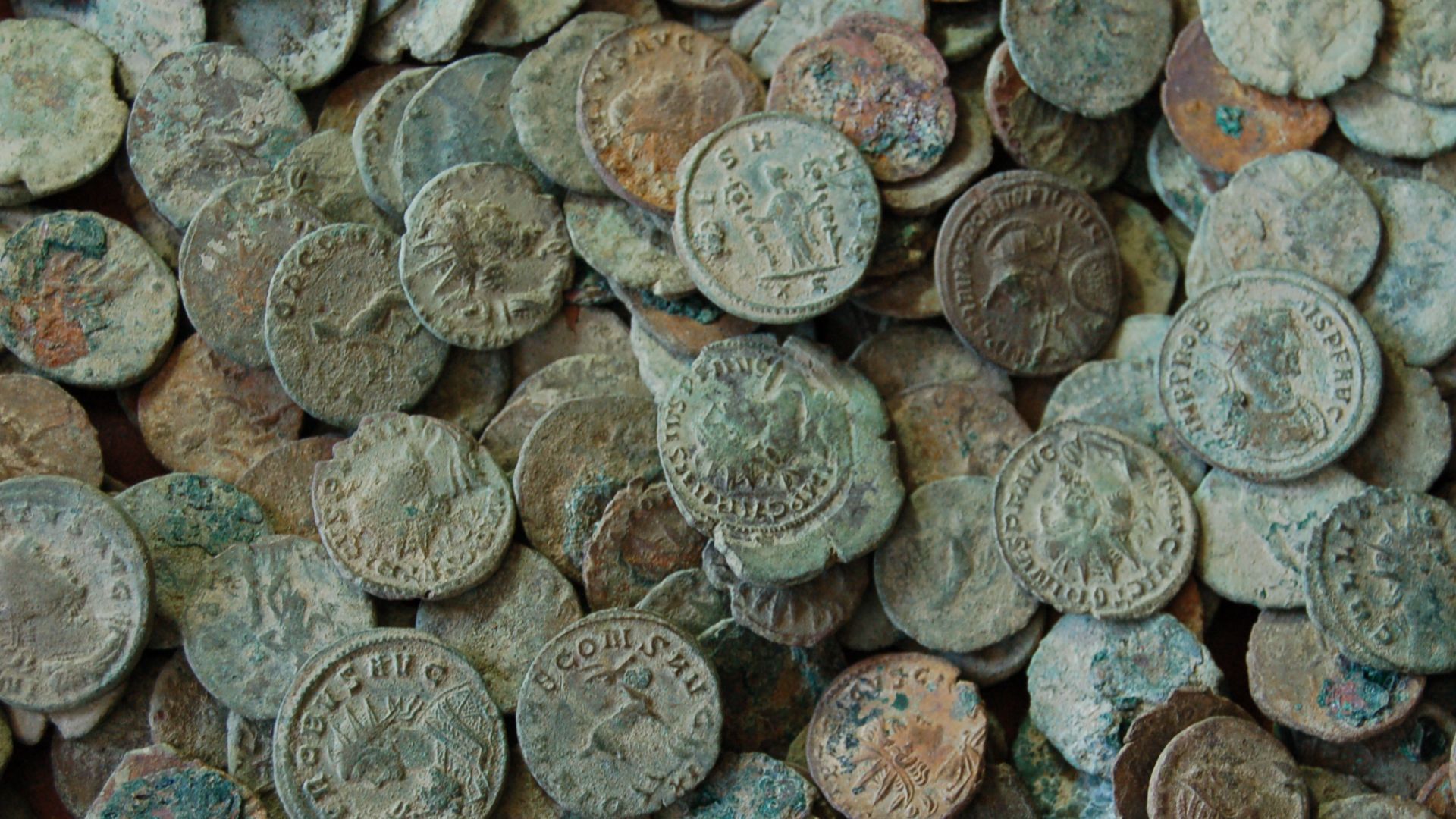
Bronze coins recovered from the shrine's construction layers pinpoint its building to between the late 3rd century and the 2nd century BC, Rome's transformative Republican period. This dates the structure during Rome's explosive Mediterranean expansion following victories in the Punic Wars against Carthage. Numismatic evidence provides archaeologists with precise chronological anchors.
 Portable Antiquities Scheme from London, England, Wikimedia Commons
Republican Tombs
Two chamber tombs carved into the tuff slope overlooked the shrine and pools, accessed via parallel corridors called dromoi in classical archaeological terminology. These weren't simple graves but monumental statements of family wealth and social status, requiring significant labor investment to excavate solid volcanic rock.
 Miguel Virkkunen Carvalho from Lahti, Finland, Wikimedia Commons
Wealthy Burials
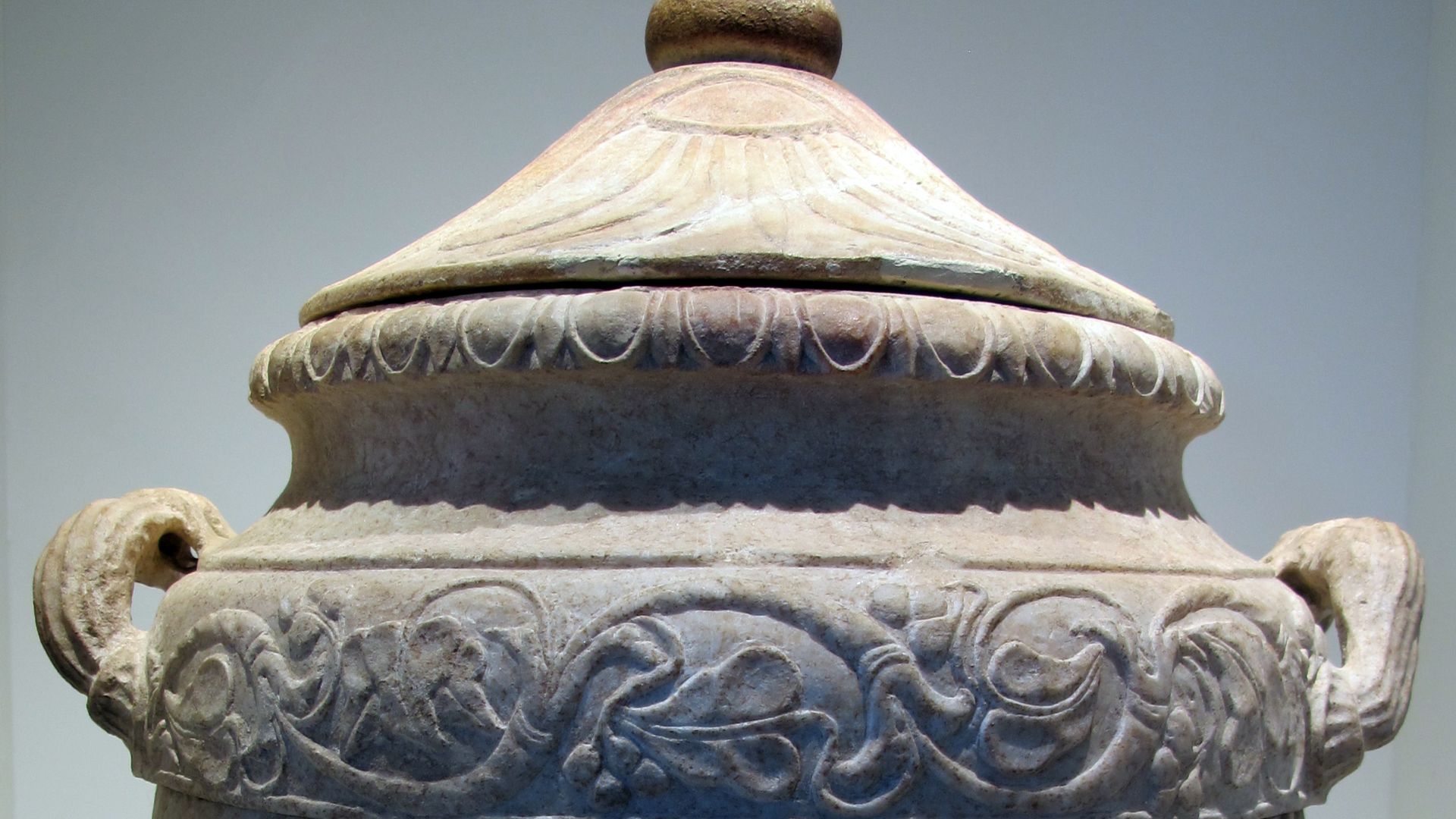
Inside Tomb A, archaeologists found a large peperino sarcophagus accompanied by three stone urns, intact ceramic vessels, black-glazed drinking cups, and a bronze mirror. The grave goods' quality and quantity indicate aristocratic or wealthy landowner status, reflecting Republican-era burial customs among Rome's elite classes.
Trepanation Skull
Tomb B yielded extraordinary evidence of ancient surgical intervention: an adult male skull showing clear signs of trepanation, the deliberate removal of bone sections. This incredibly rare find demonstrates advanced medical knowledge during Rome's Republican period, as successful trepanation required precise anatomical understanding and steady surgical skill.
Ritual Pools
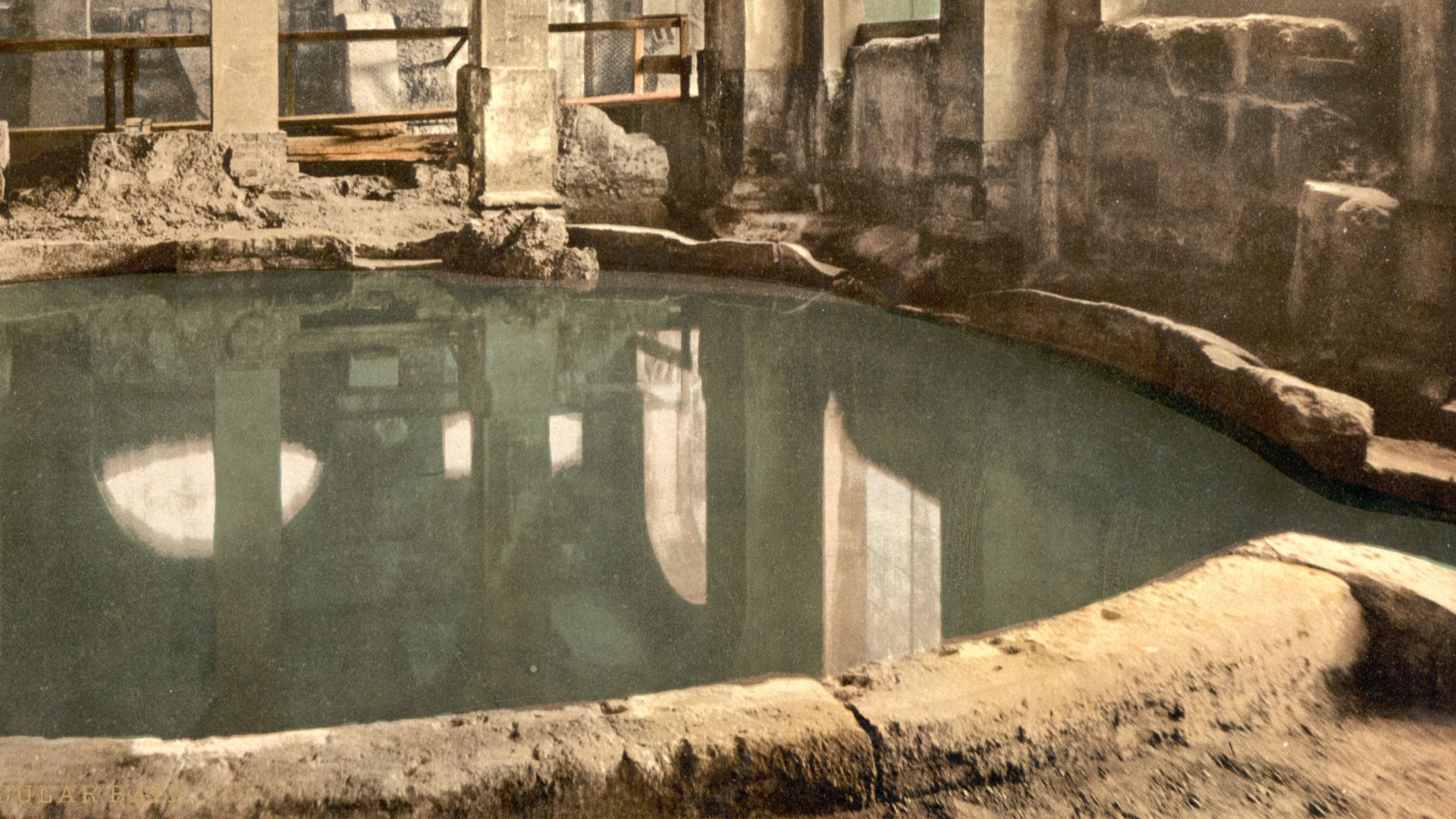
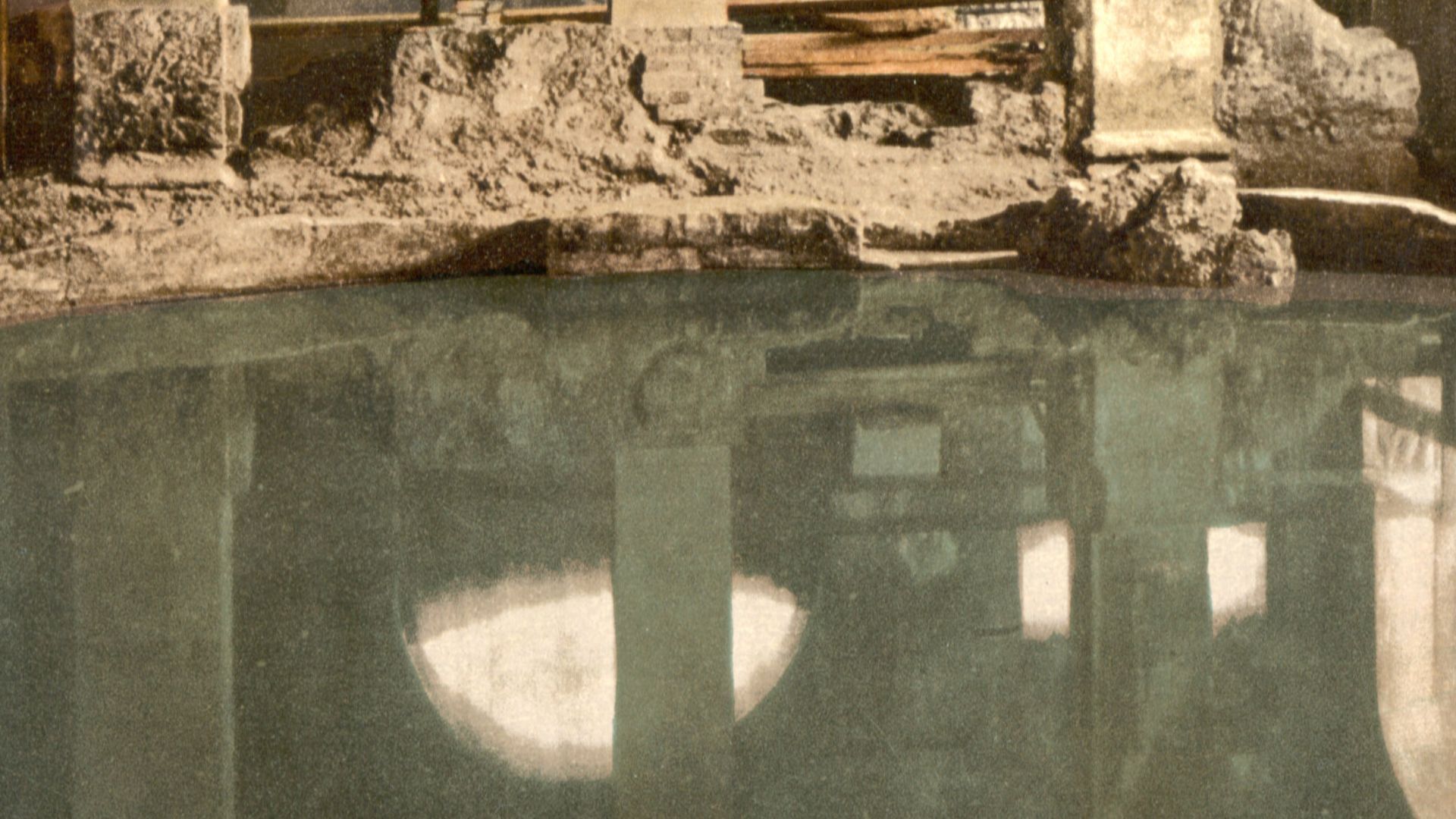
Two enormous basins dominated the site, with the eastern pool measuring approximately 28 by 10 meters and coated with waterproof white plaster. The southern basin was cut directly into tuff bedrock, reaching nearly four meters deep with basalt-paved access ramps descending into the structure.
 Unknown authorUnknown author, Wikimedia Commons
Water Mystery
No clear water inlet or outlet channels have been identified despite thorough examination, ruling out straightforward irrigation or water storage functions. The access ramps suggest people entered the water, while niches carved into basin walls hint at ritual object placement during ceremonies.
 Unknown authorUnknown author, Wikimedia Commons
Ancient Road
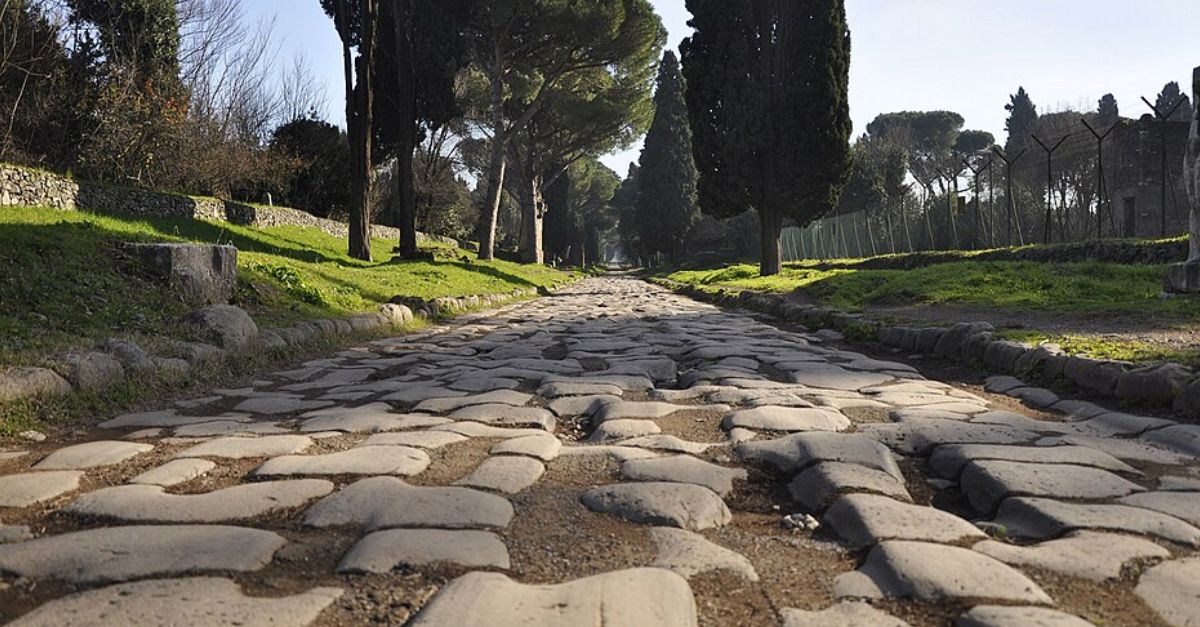
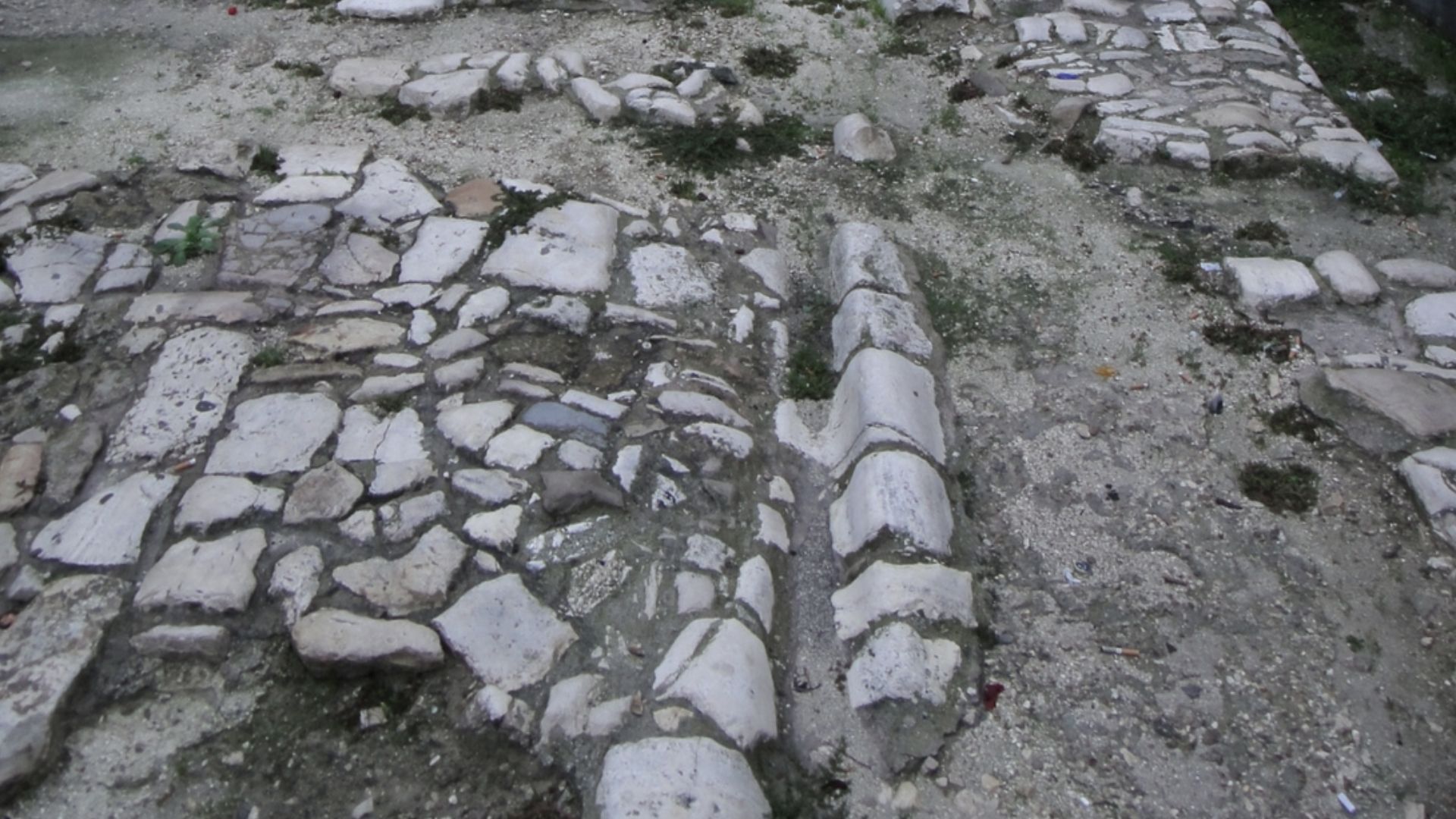
A Roman road crossed the entire site, showing two distinct construction phases. The section near Via di Pietralata featured simple beaten-earth surfacing. First formalized during the 3rd century BC Middle Republican period, the road received a major upgrade in the 1st century AD with new surfacing.
 Ainars Brūvelis, Wikimedia Commons
Pastoral Connection
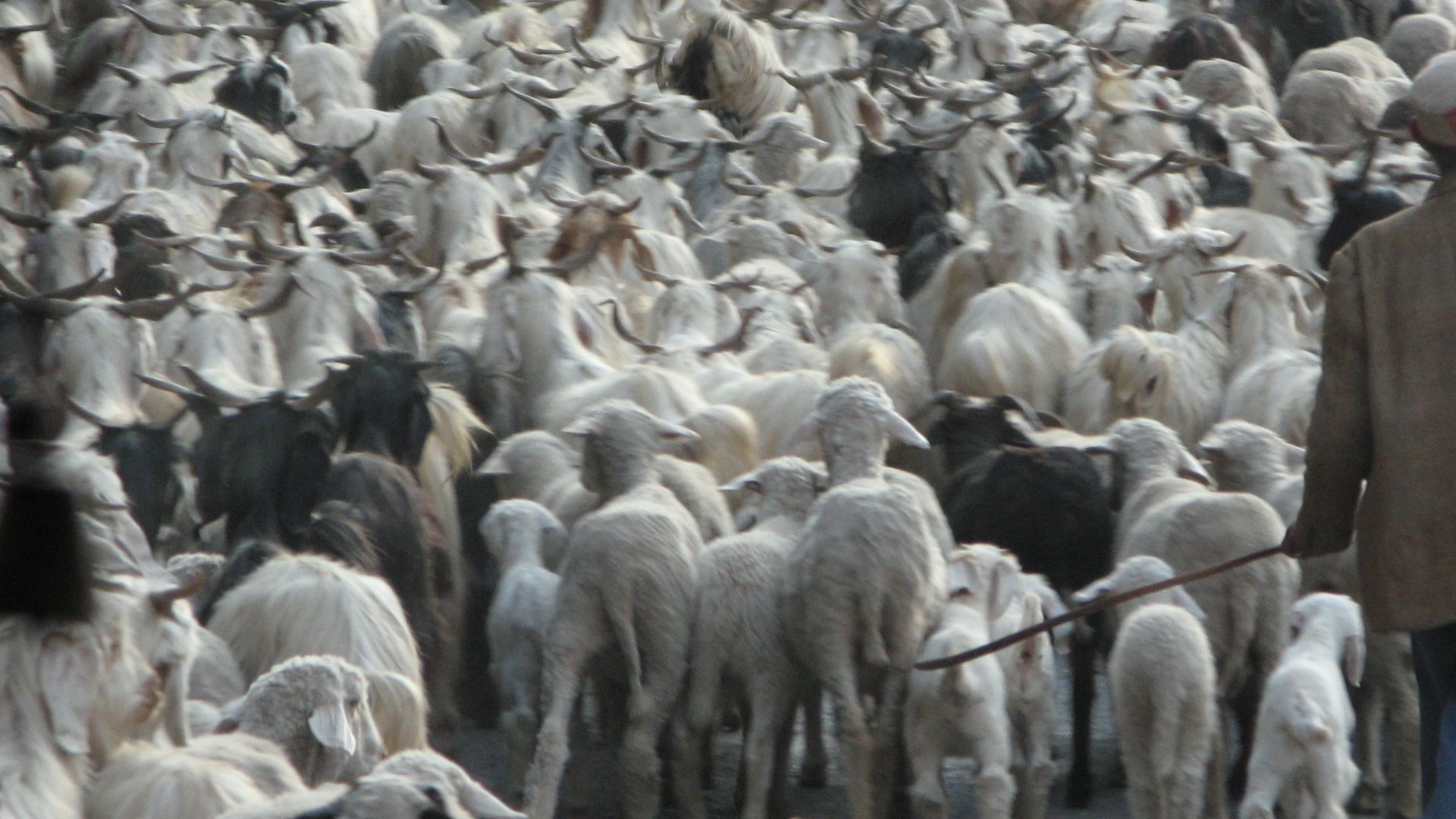
Hercules' association with pastoralism made him the natural divine protector for shepherds moving valuable livestock along dangerous ancient routes toward urban markets. The pools' proximity to the shrine and pastoral highway suggests possible ritual purification ceremonies for flocks before sale or after seasonal migrations.
 Achiwiki356 at en.wikipedia, Wikimedia Commons
Rome's Periphery
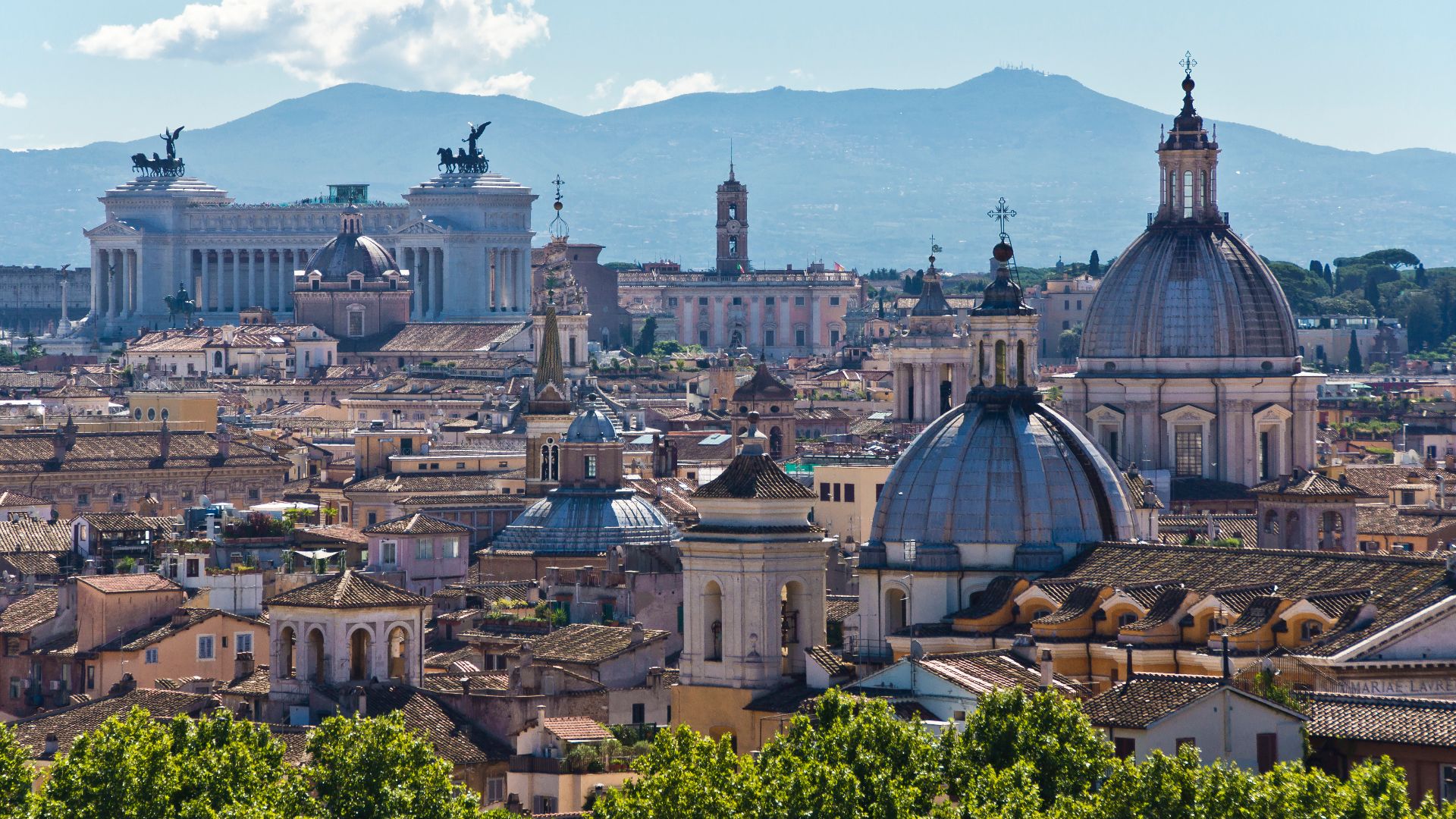
Modern assumptions about ancient Rome focus heavily on the Forum, Colosseum, and monumental center while dismissing outlying areas as historically insignificant backwaters. The eastern periphery wasn't empty countryside but rather a densely settled zone of farms, estates, shrines, and infrastructure supporting the city's massive population.
 Krzysztof Golik, Wikimedia Commons
Fabrizio Santi
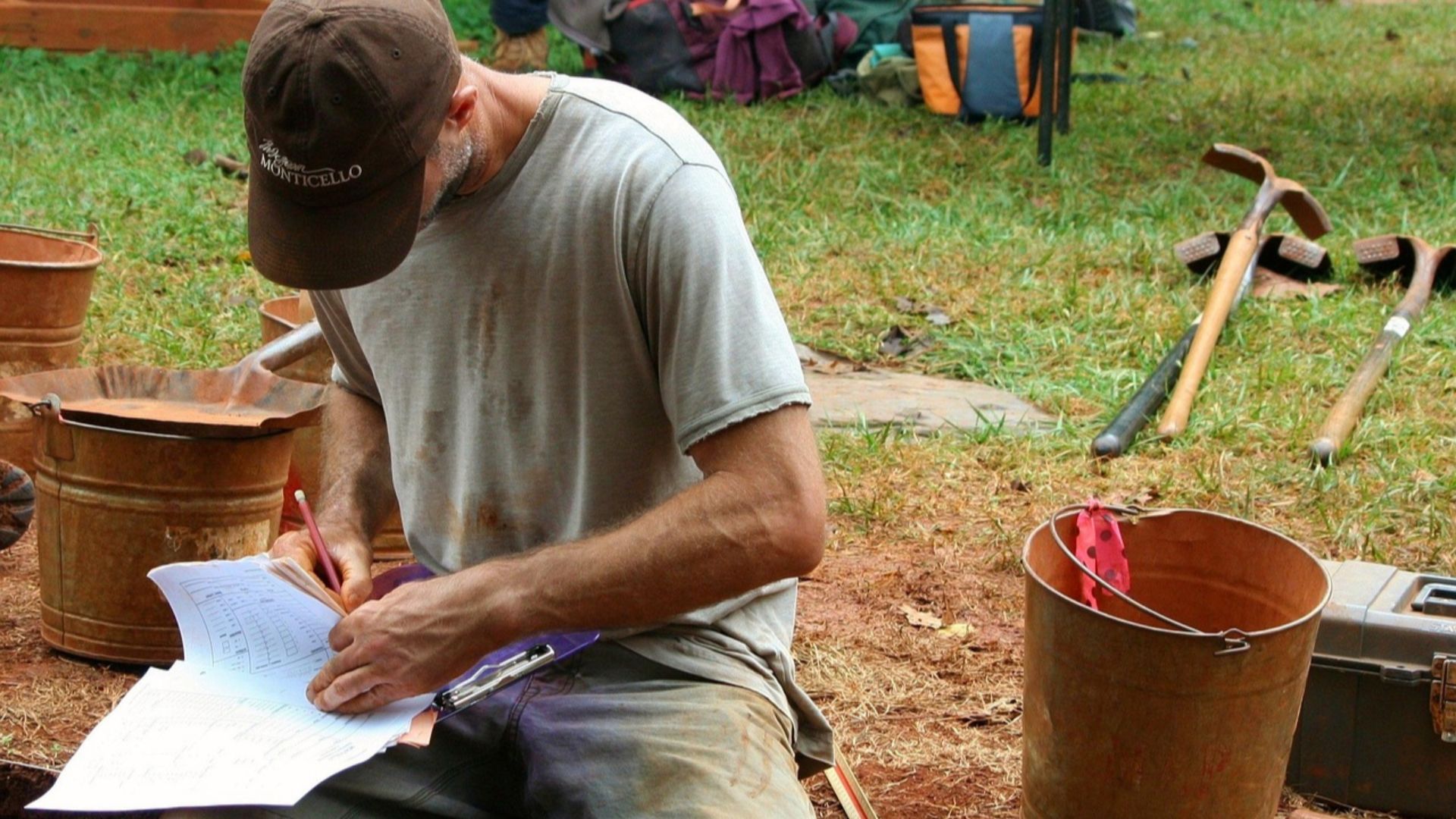
Leading the excavation is archaeologist Fabrizio Santi from the Special Superintendency of Rome, whose expertise in Republican-period archaeology proved critical for interpreting complex stratigraphy. Santi emphasized that the pools' enigmatic function remains unclear despite extensive analysis, demonstrating the intellectual humility required when confronting genuinely mysterious archaeological evidence.
Conservation Plans
Once excavation operations conclude, a detailed study will inform comprehensive enhancement plans designed to share these discoveries with Rome's residents and visitors. The Ministry of Culture envisions integrating the site into modern Rome's living fabric rather than isolating it behind fences as an inaccessible relic.
Public Access
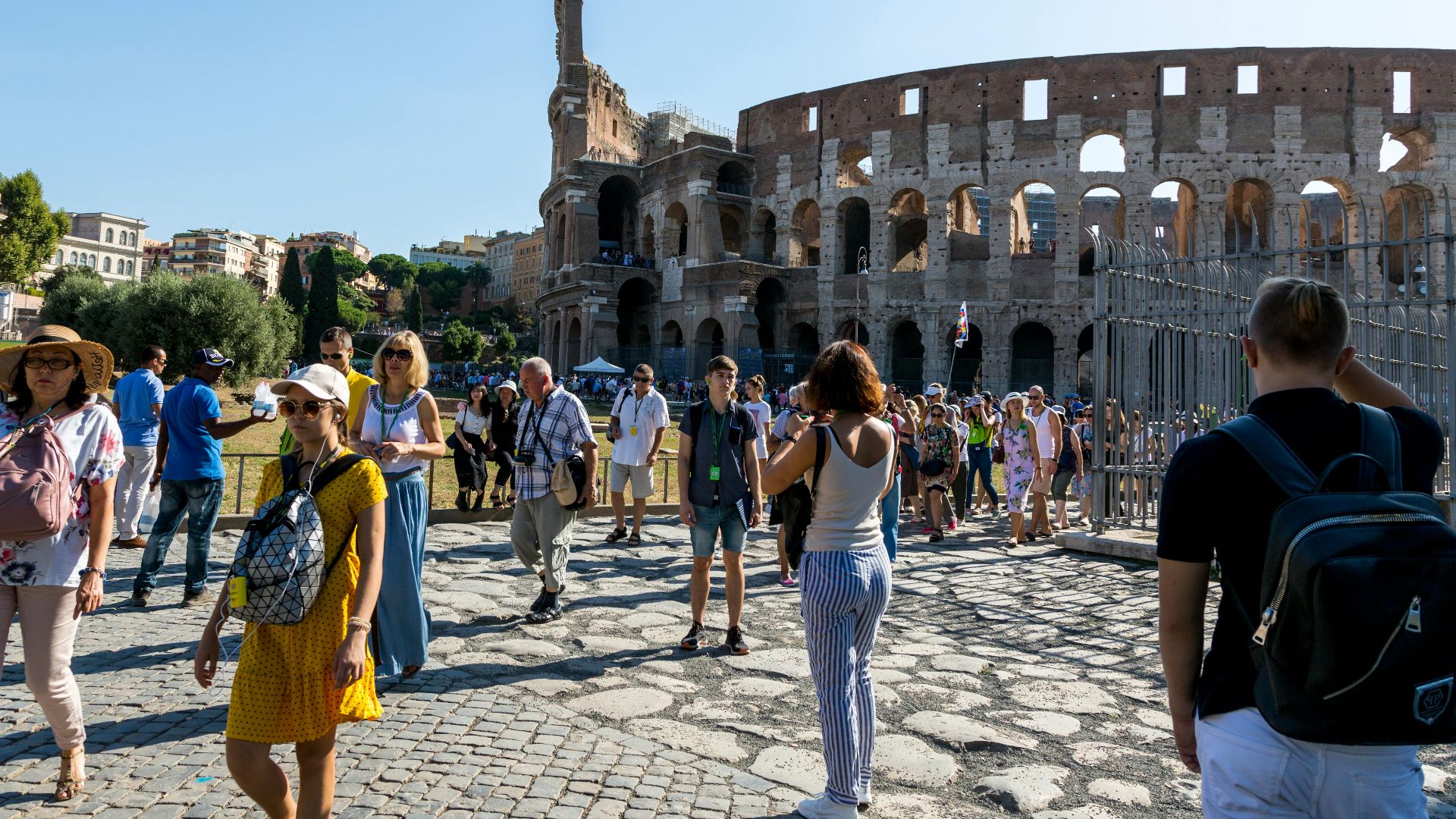
Researchers aim to return this newly uncovered history to the city, converting a neglected former park into an accessible heritage site showcasing Rome's deep past. The goal extends beyond academic publication to genuine public engagement, allowing ordinary Romans to connect with ancestors who lived, worked, and worshipped on this exact ground.
 Bert Kaufmann from Roermond, Netherlands, Wikimedia Commons