A Metal Detector Walk That Changed Everything
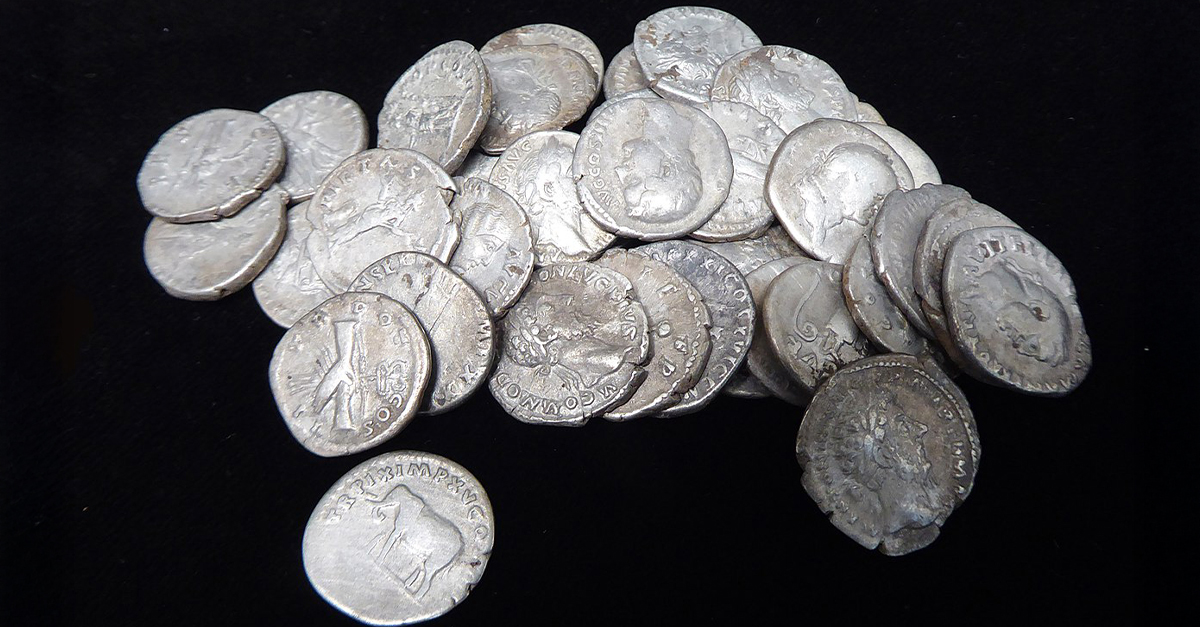
In April 2025, a routine stroll through the Romanian countryside turned into an amazing archaeological discovery. Amateur metal detectorist Marius “Bebe” Ionel Mangeac found a massive hoard of ancient Roman coins buried beneath a field. The find quickly stirred international attention because of the glimpse it offered into Roman era activity in a region long shaped by the ancient Dacian culture.
The Detector Started Beeping
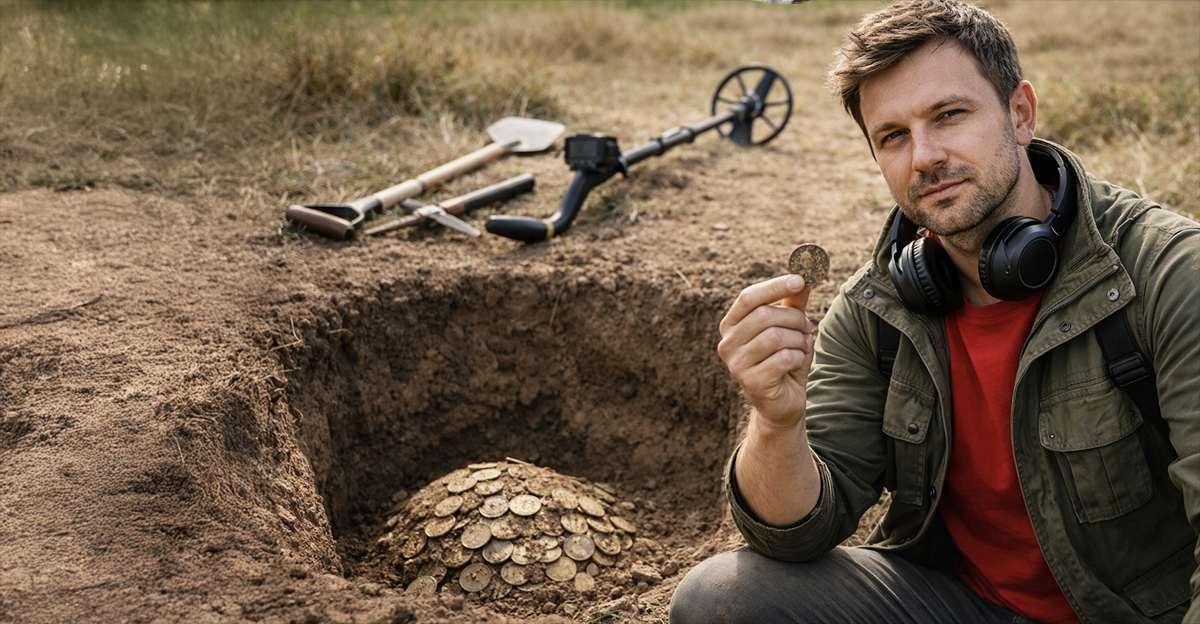
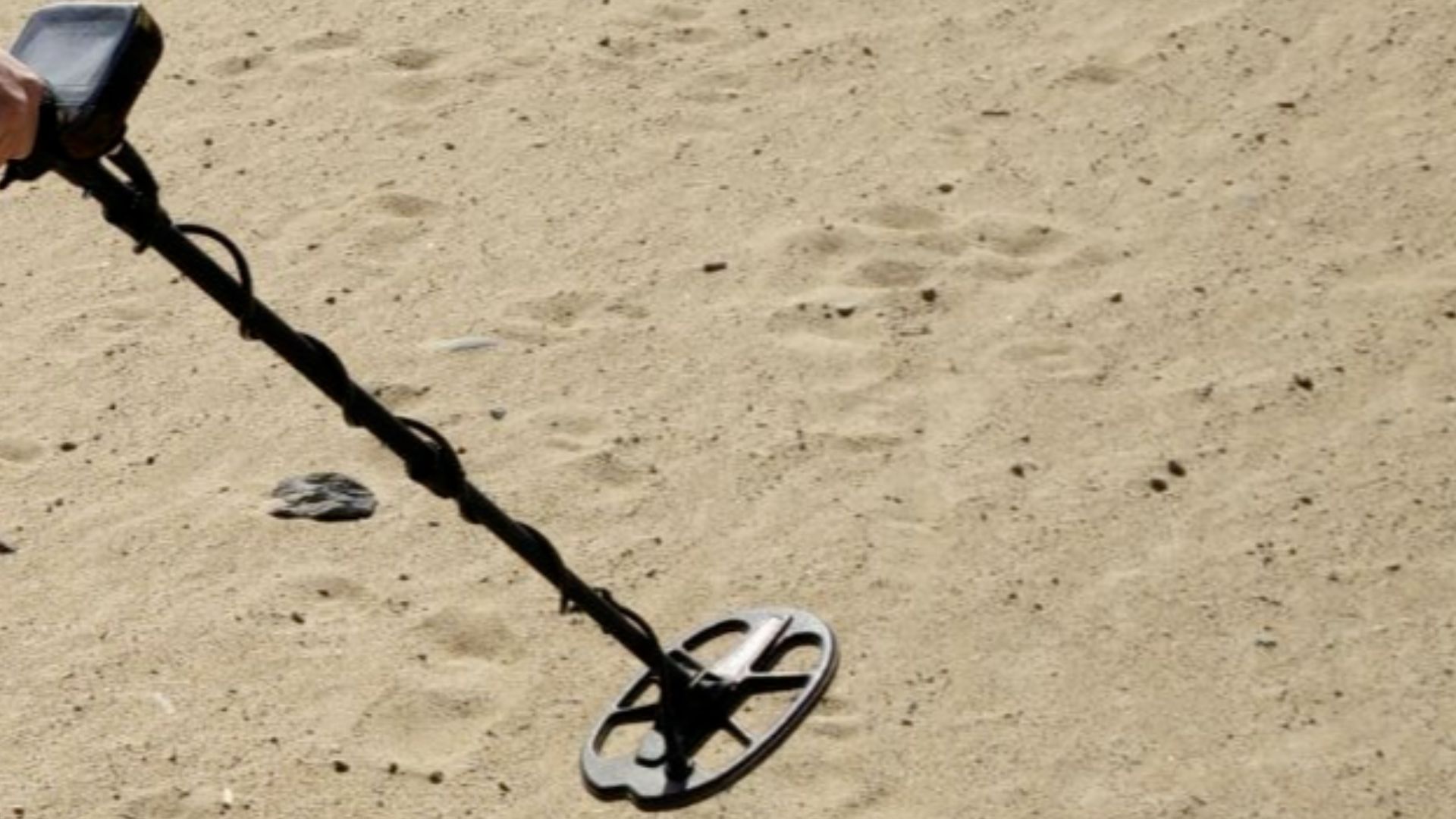
Mangeac had gone out on April 19, the Saturday before Easter, taking along his trusty metal detector as he often did on his rambles through the fields around the village of Letca Veche in southern Romania. Suddenly the machine sent out a strong signal. There was only one thing to do: start digging. But what he hauled out of the soil shocked even the most grizzled metal detectorists.
 Kyosti Viinamaki, Wikimedia Commons
An Incredible Hoard
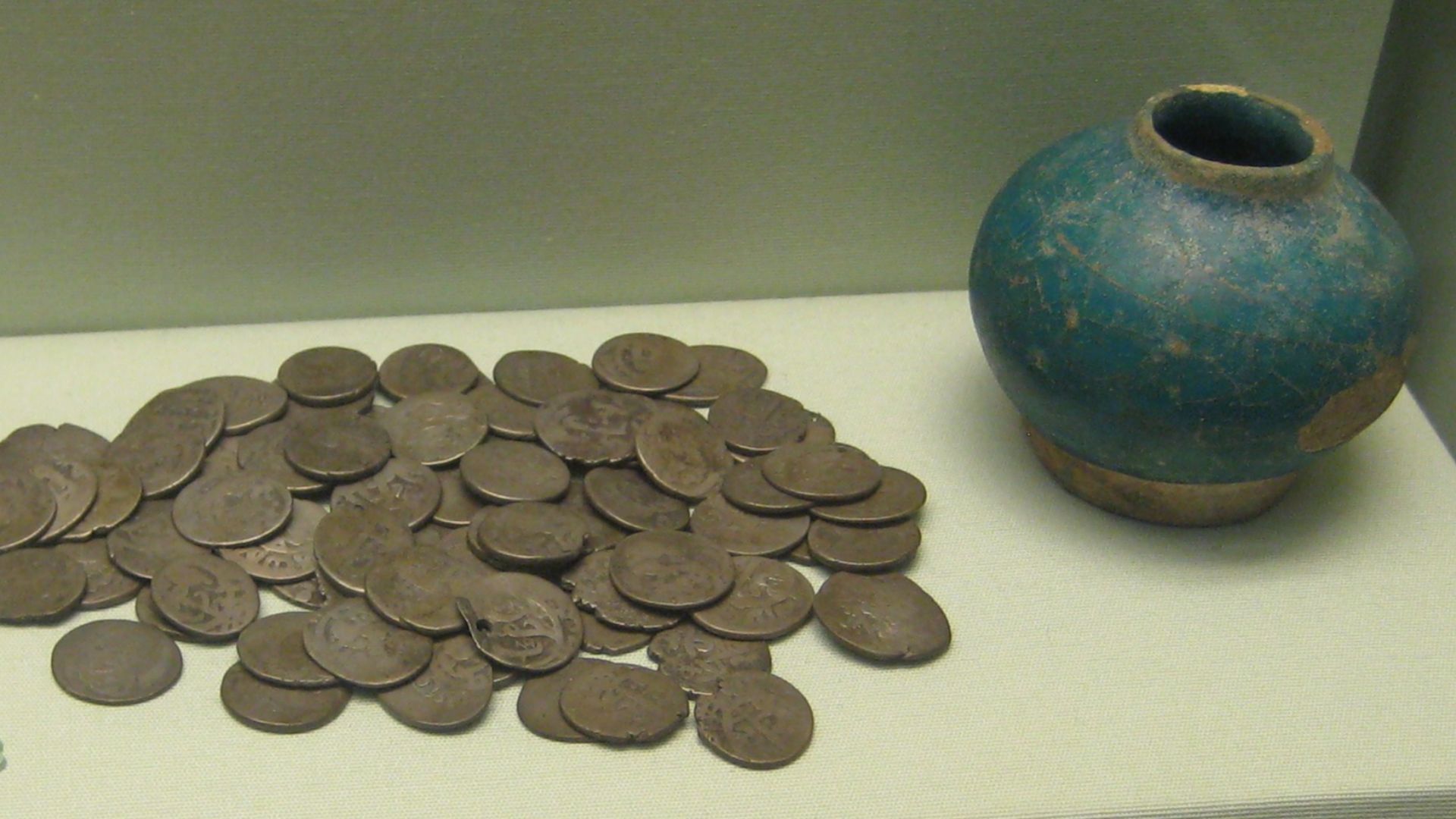
As Mangeac kept digging, he was thunderstruck to come across an enormous deposit of ancient money. The hoard eventually totaled 1,469 coins, one of the biggest discoveries of Roman silver coins in the country in recent years. The coins had been hidden together in a ceramic container nearly 17 centuries before.
A Discovery’s Stunning Impact
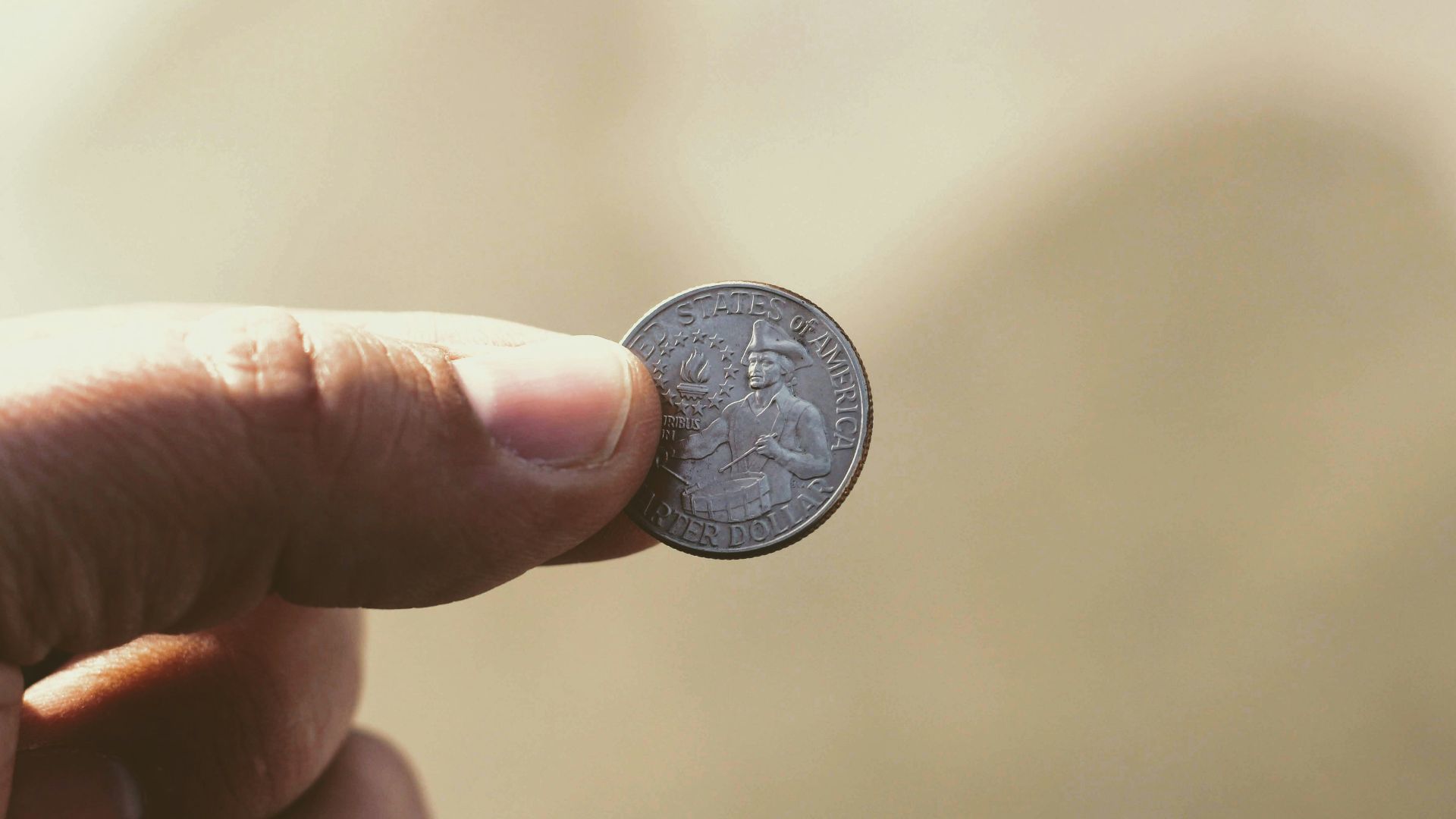
The discovery left the detectorist slack-jawed. Mangeac later described that his heart was racing as he mentally absorbed the incredible importance of what he had uncovered. He described the moment as coming face to face with history, an experience many amateur detectorists can only daydream about but rarely actually encounter.
 James St. John, Wikimedia Commons
Careful Documentation Of The Treasure
Rather than rushing out to sell or keep the find, Mangeac carefully took pictures of each coin over the following days. This documentation made certain that the hoard could be properly studied by experts. After recording the find, he handed over the entire collection to local authorities so that professional archaeologists and historians could analyze it.
 James St. John, Wikimedia Commons
What Kind Of Coins Were Found
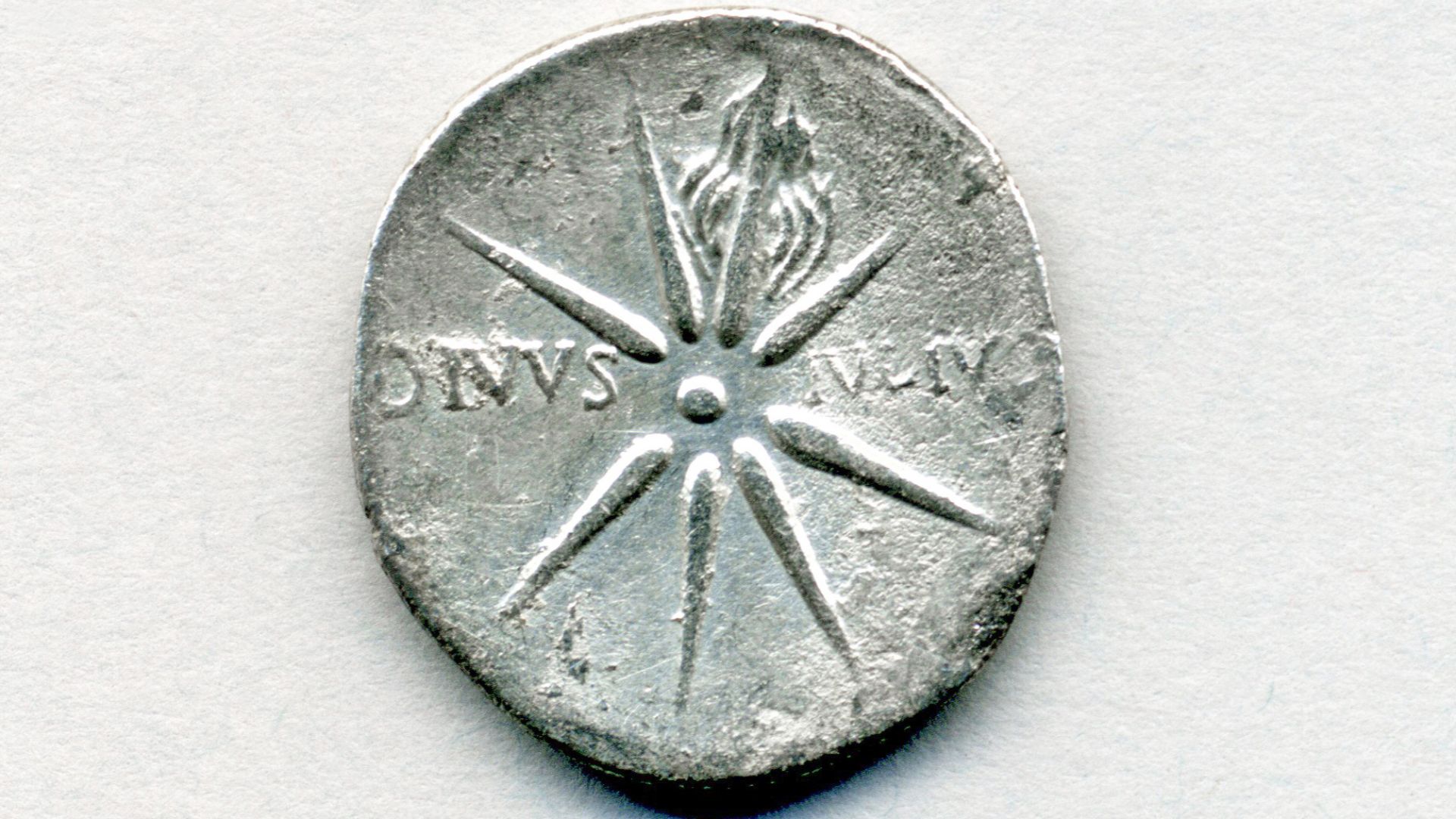
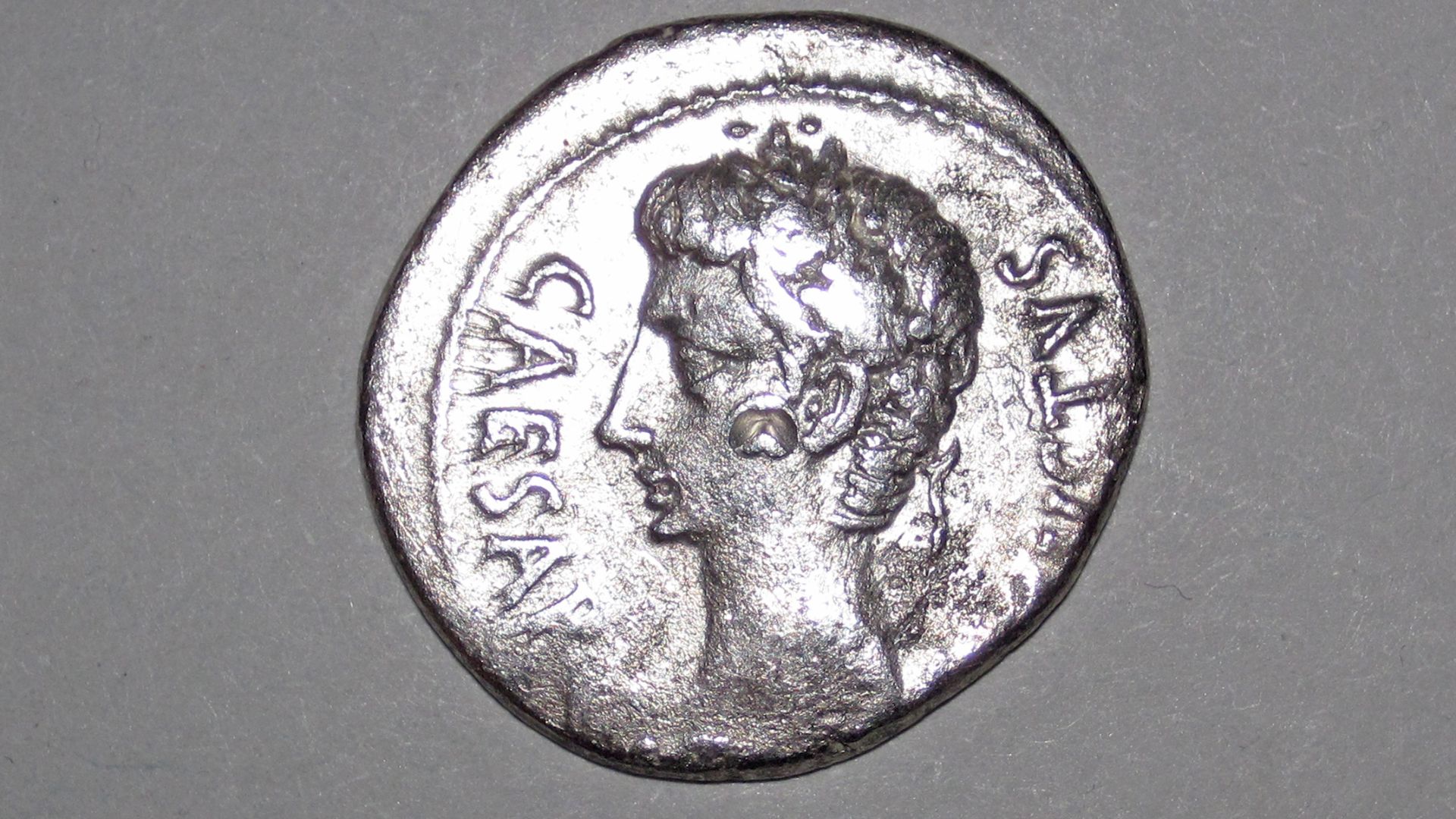
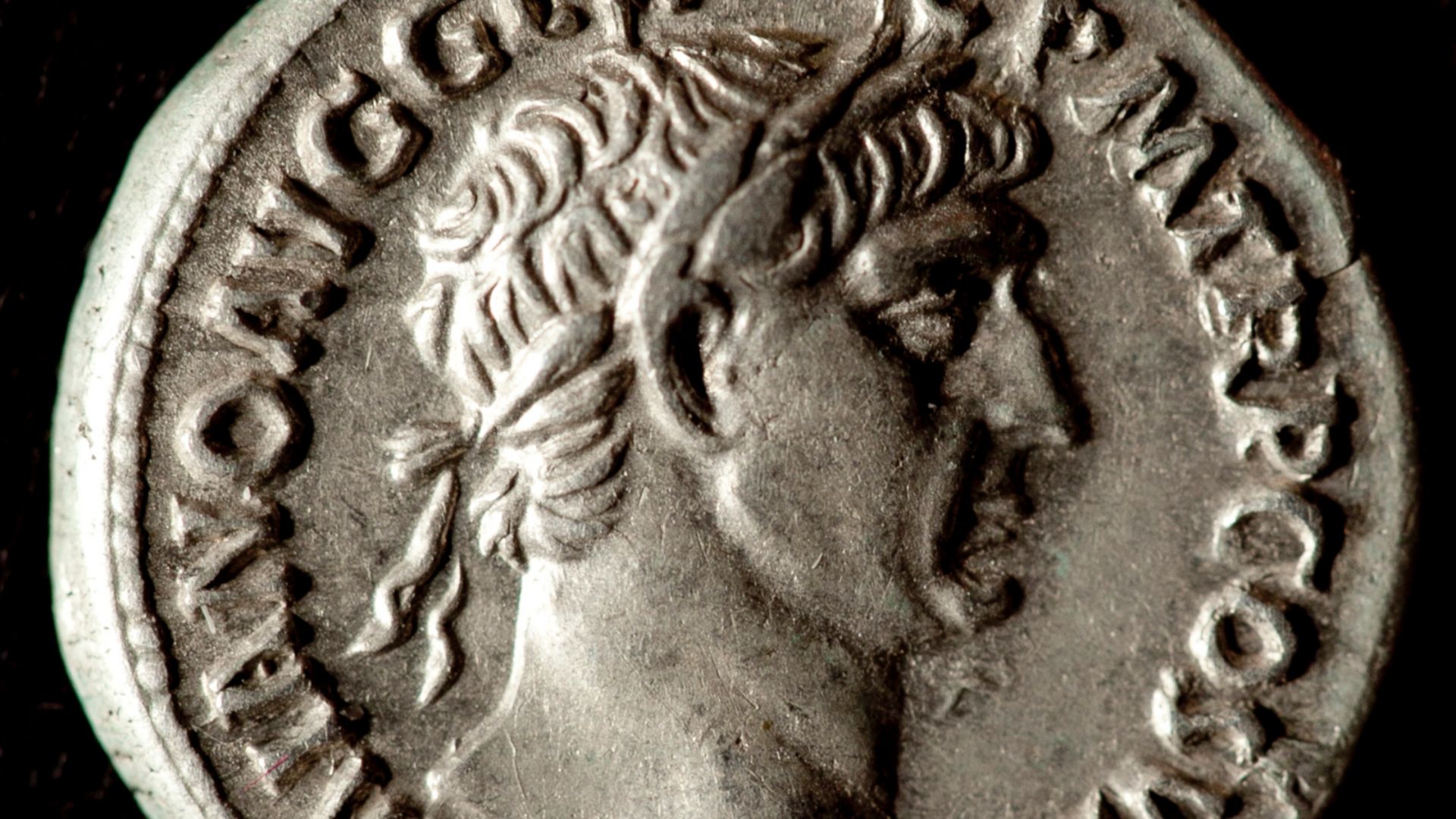
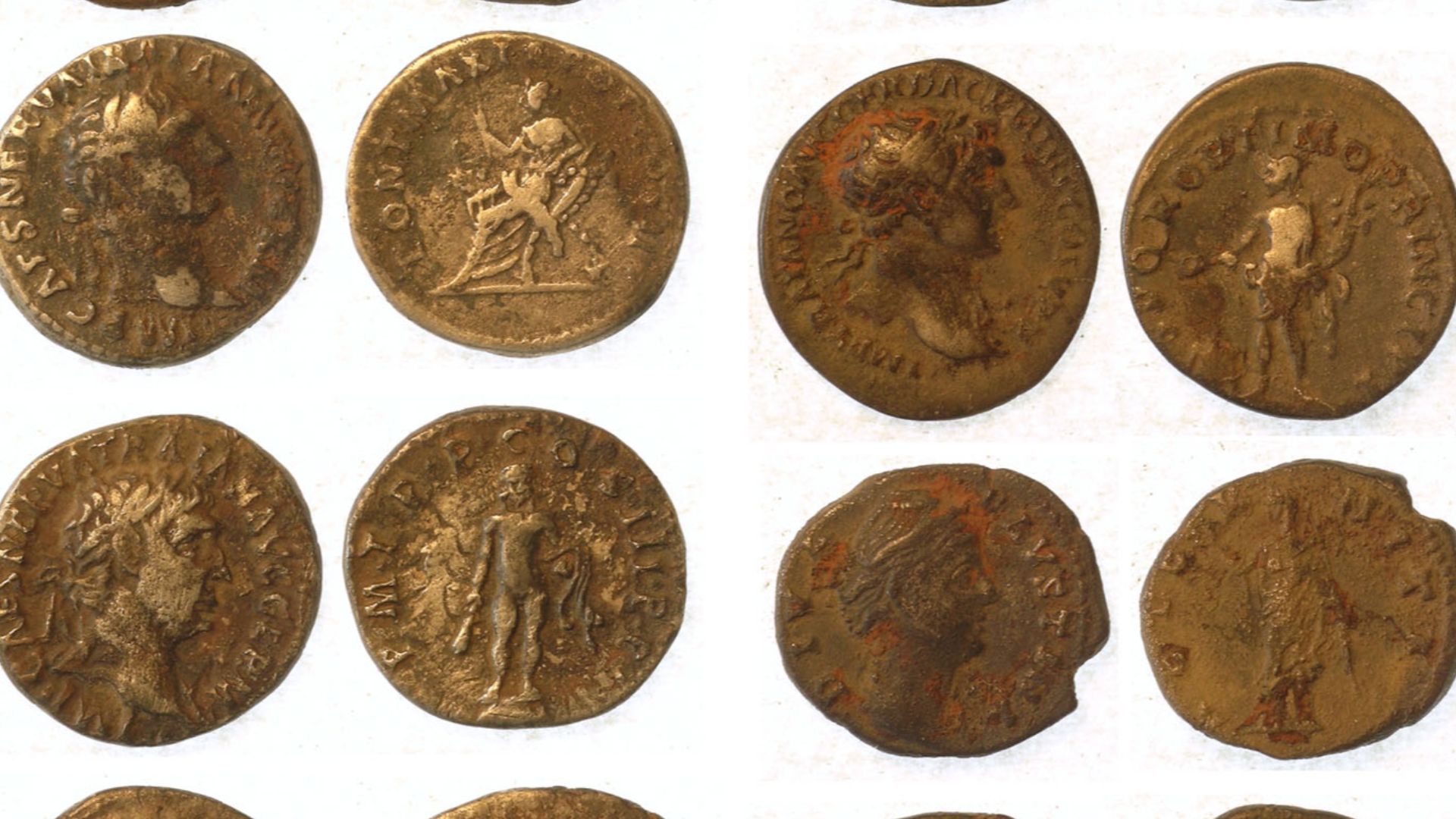
Mangeac’s hoard was primarily made up of Roman silver denarii, one of the most widely used coins in the Roman Empire. Denarii formed the backbone of Roman commerce and military pay for centuries. Their presence in Romania underscores the complex economic connections between Roman territories and the surrounding frontier regions of its sprawling empire.
![Group 4 Denarius (18 AD – 35 AD) of Tiberius (Roman emperor (Emperor 14 AD – 37 AD), also sometimes referred to as a Tribute Penny.
Obverse: TI[berivs] CAESAR DIVI AVG[vsti] F[ilivs] AVGVSTS (Caesar Augustus Tiberius, son of the Divine Augustus)
Reverse: PONTIF[ex] MAXIM[us] (The greatest bridge-builder) - Livia seated holding inverted spear and olive branch.
Catalogue: Sear (1964) - 467
When Jesus was asked whether or not it was lawful to pay tribute to Caesar, he requested that he be shown a coin. He then asked whose image appeared on the coin. On being told that it was Ceasar's, he replied](https://www.factinate.com/storage/app/media/splashtravels/2026/3/18/177384328193ac089ecd0a14f3bc747193848fb7764561a73b.jpg)
Coins From Multiple Roman Emperors
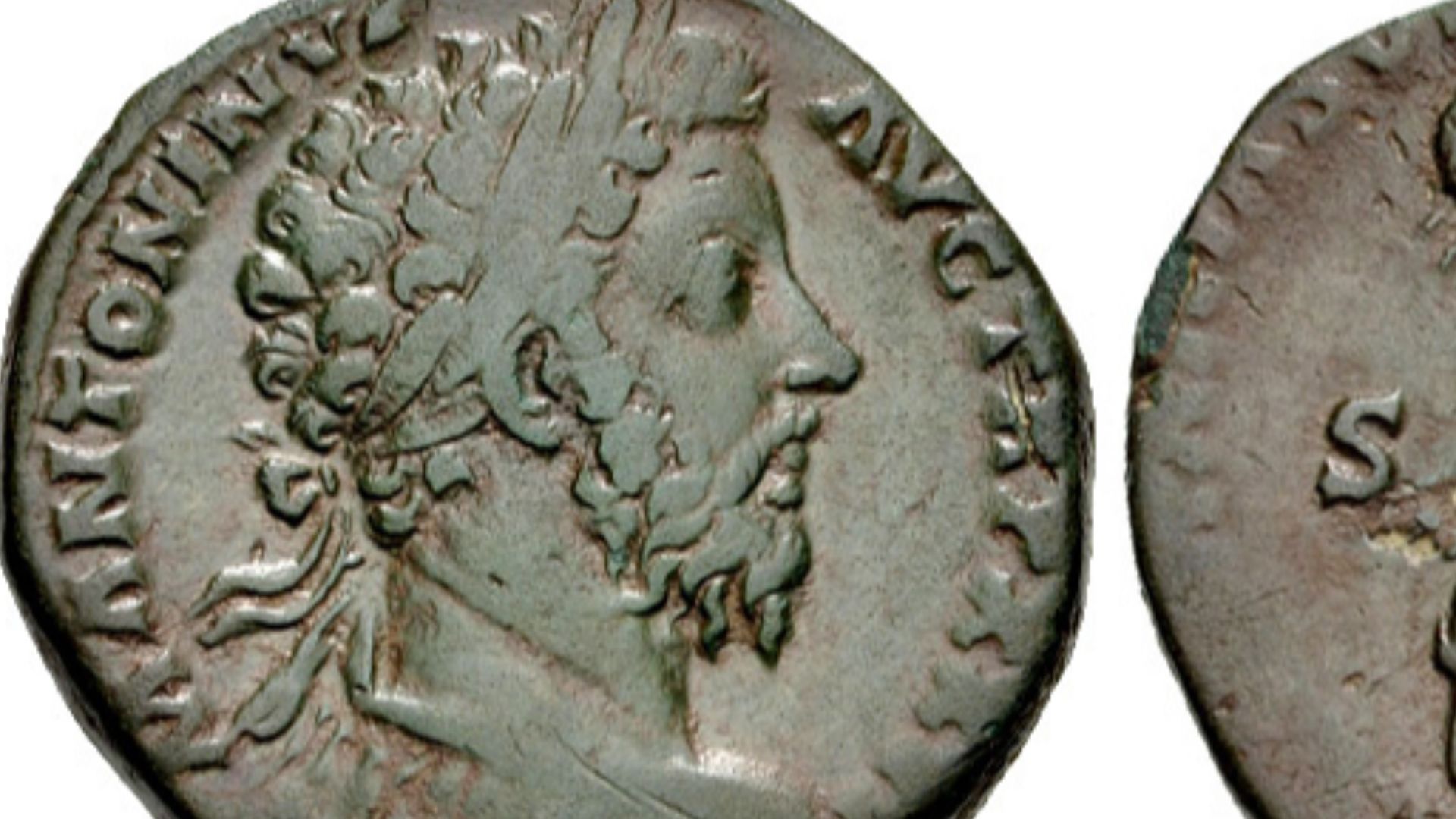
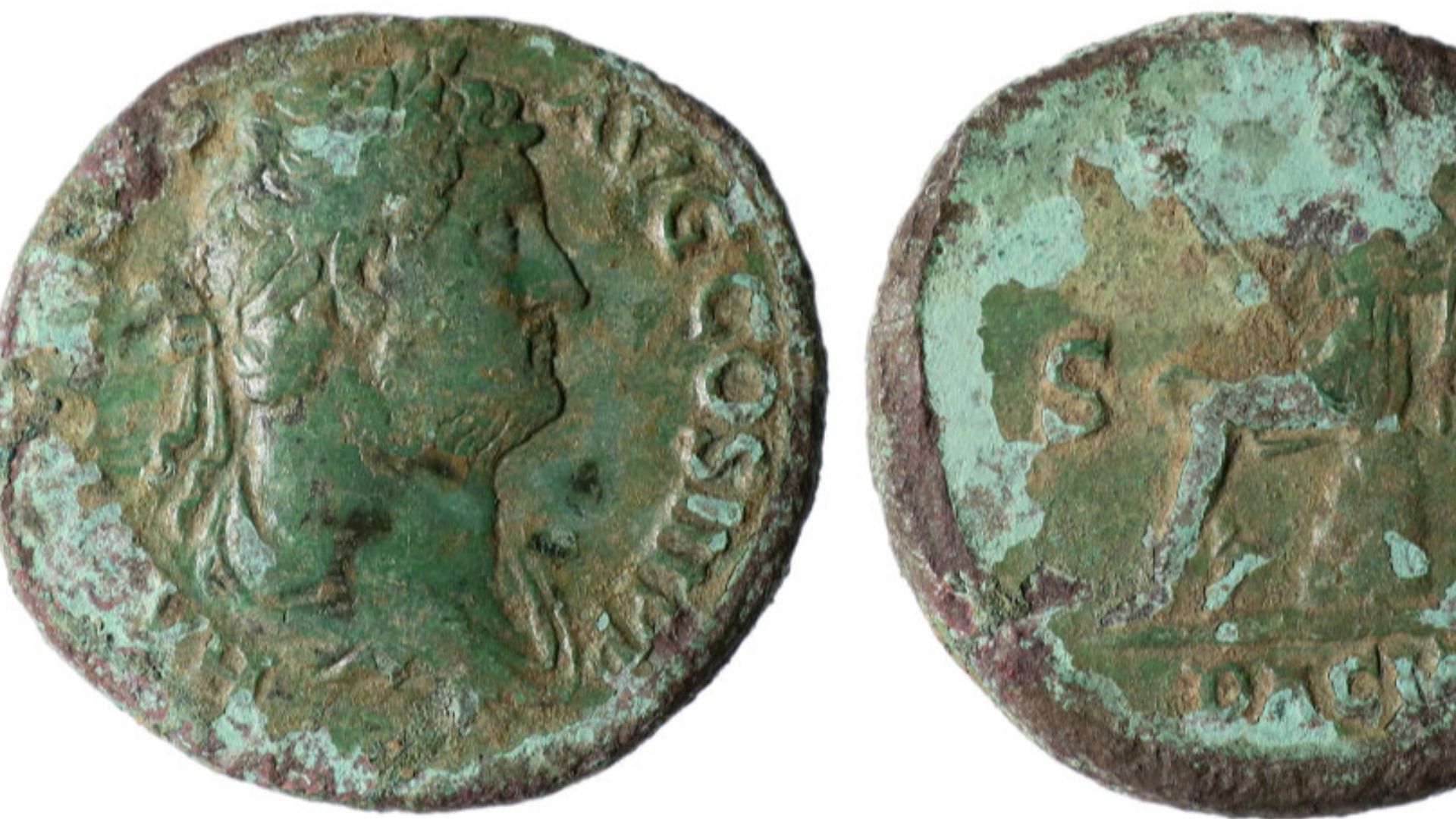
Many of the coins bear the portraits of well-known Roman emperors, including such figures as Nero and Marcus Aurelius. These images weren’t just decorative, but functioned as a kind of political messaging, boldly asserting the emperor’s image and dominance across the empire and its borderlands.
 Classical Numismatic Group, Wikimedia Commons
Why Roman Coins Reached Dacian Lands
Roman coins are commonly found in regions once inhabited by the Dacians, the ancient people who lived in much of modern Romania before and during Roman expansion. Trade, warfare, tribute payments, and military activity all helped Roman currency circulate far and wide beyond the empire’s official borders.
 Robert de Spallart (19th century), Wikimedia Commons
The Dacians And Their Powerful Kingdom
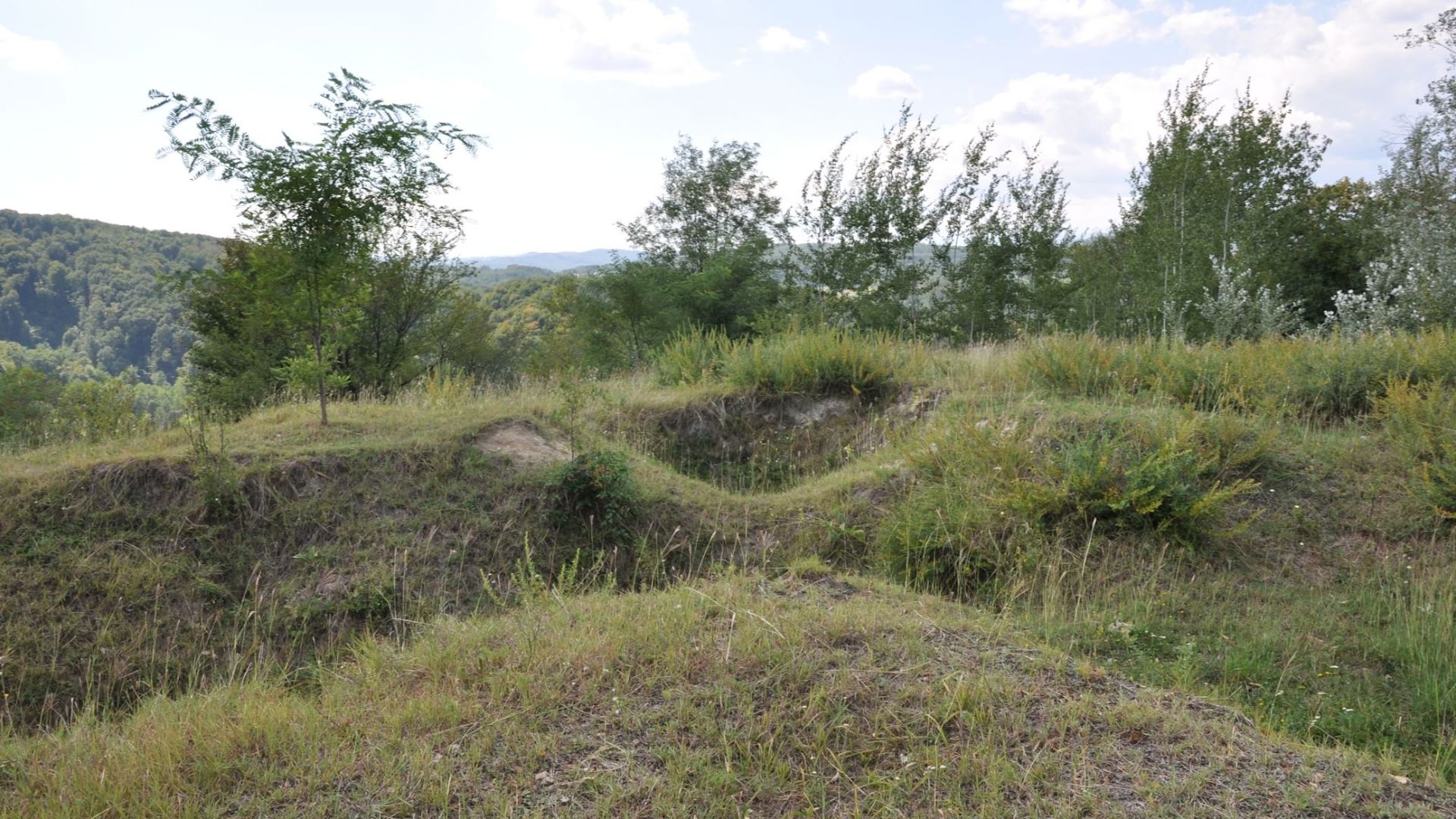
The Dacians built up a strong kingdom in the Carpathian region in the first centuries BC and AD. Their territory contained abundant natural resources, including gold and silver mines. These resources eventually attracted the attention of Roman emperors looking to expand their power.
Rome’s Campaigns Against Dacia
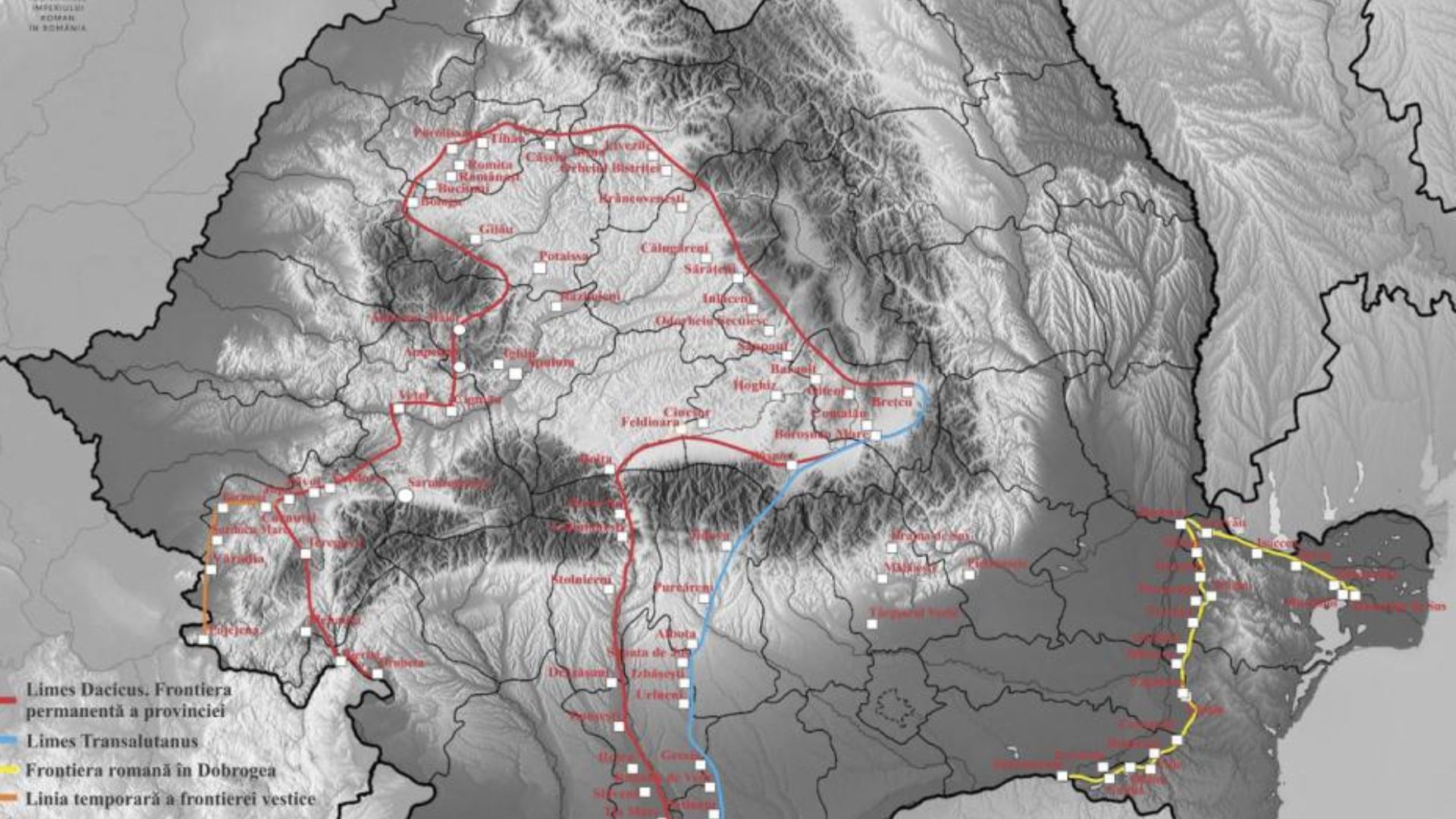
During the early second century AD, the Roman Empire launched major military campaigns against the Dacian kingdom. After fierce wars in which no quarter was given or asked for, Emperor Trajan shattered The Dacians’ will to resist, conquering the region and adding parts of it directly to the Roman Empire. Dacia and its people were wiped off the map, but their conquest would forever reshape the political and economic landscape of the area.
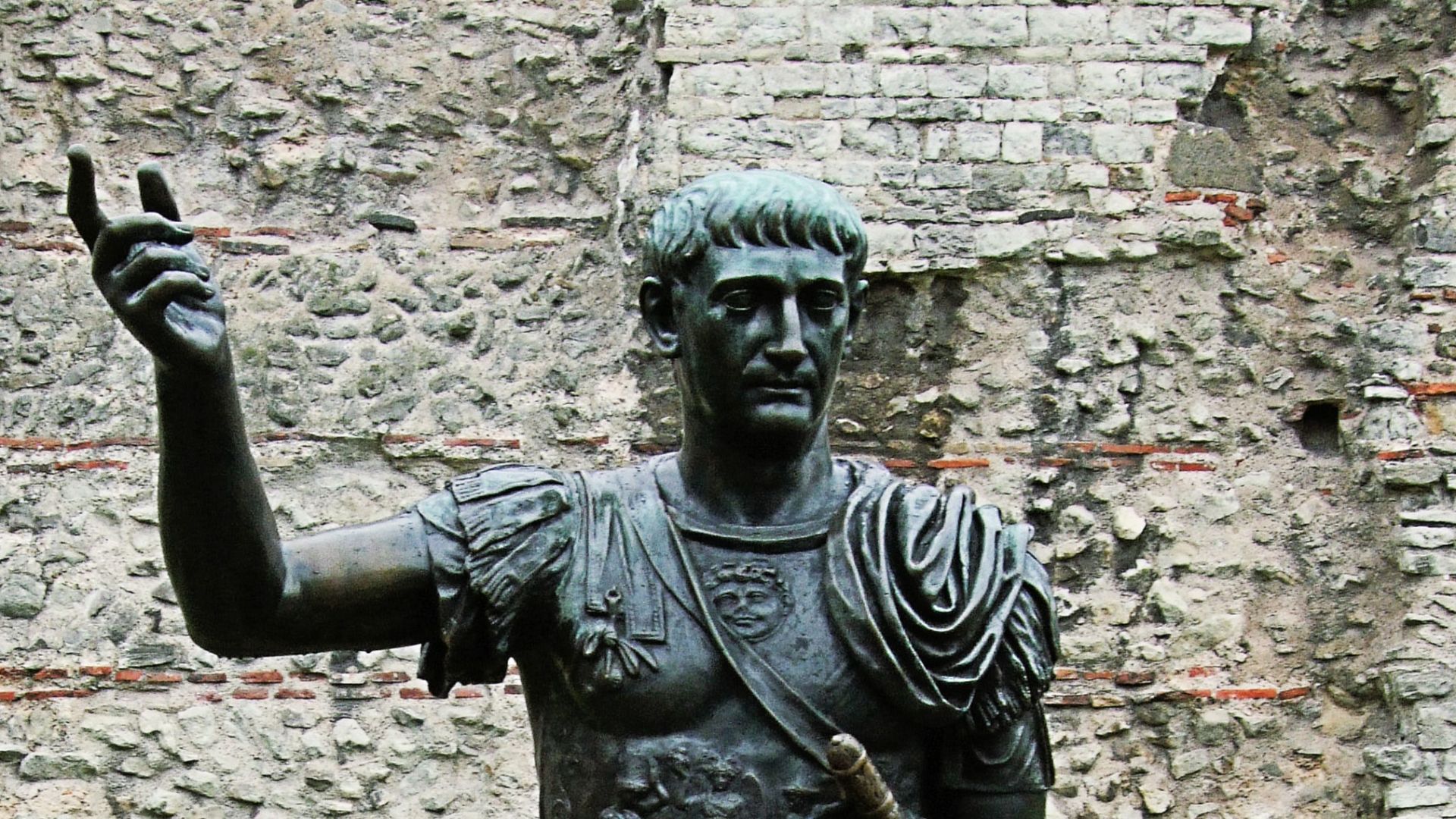 Jim Linwood, Wikimedia Commons
Roman Influence In The Region
In the difficult years that followed the conquest, Roman administration, trade networks, and cultural practices spread all around Dacia. Roman coins circulated widely, and Roman settlements dotted the region. Even areas outside direct Roman control supported thriving economic links with Roman territories through trade and diplomacy.
Why Hoards Like This Were Buried
Ancient coin hoards were often buried during times of crisis. Owners might squirrel away their wealth to protect it from war, plunder, or political upheaval. Sometimes these hidden troves were never recovered because their owners died, fled, or simply couldn’t locate the exact spot where they’d buried their stash.
 Ancientcointraders, Wikimedia Commons
The Ceramic Container That Held The Coins
The hoard discovered by Mangeac had originally been stored in a ceramic vessel before it was buried underground. Containers like this were commonplace in the ancient world as a way to store valuables. The pot protected the coins and helped keep all the treasure together for centuries under the soil.
Dating The Coins By Their Designs
Archaeologists can often pinpoint the age of coin hoards by close examination of the portraits and inscriptions stamped on each coin. Roman emperors often changed coin designs during their reigns. By identifying the newest coin in the hoard, researchers can make a pretty good educated guess as to when the treasure was buried.
 Unknown authorUnknown author, Wikimedia Commons
Window Into Ancient Economic Life
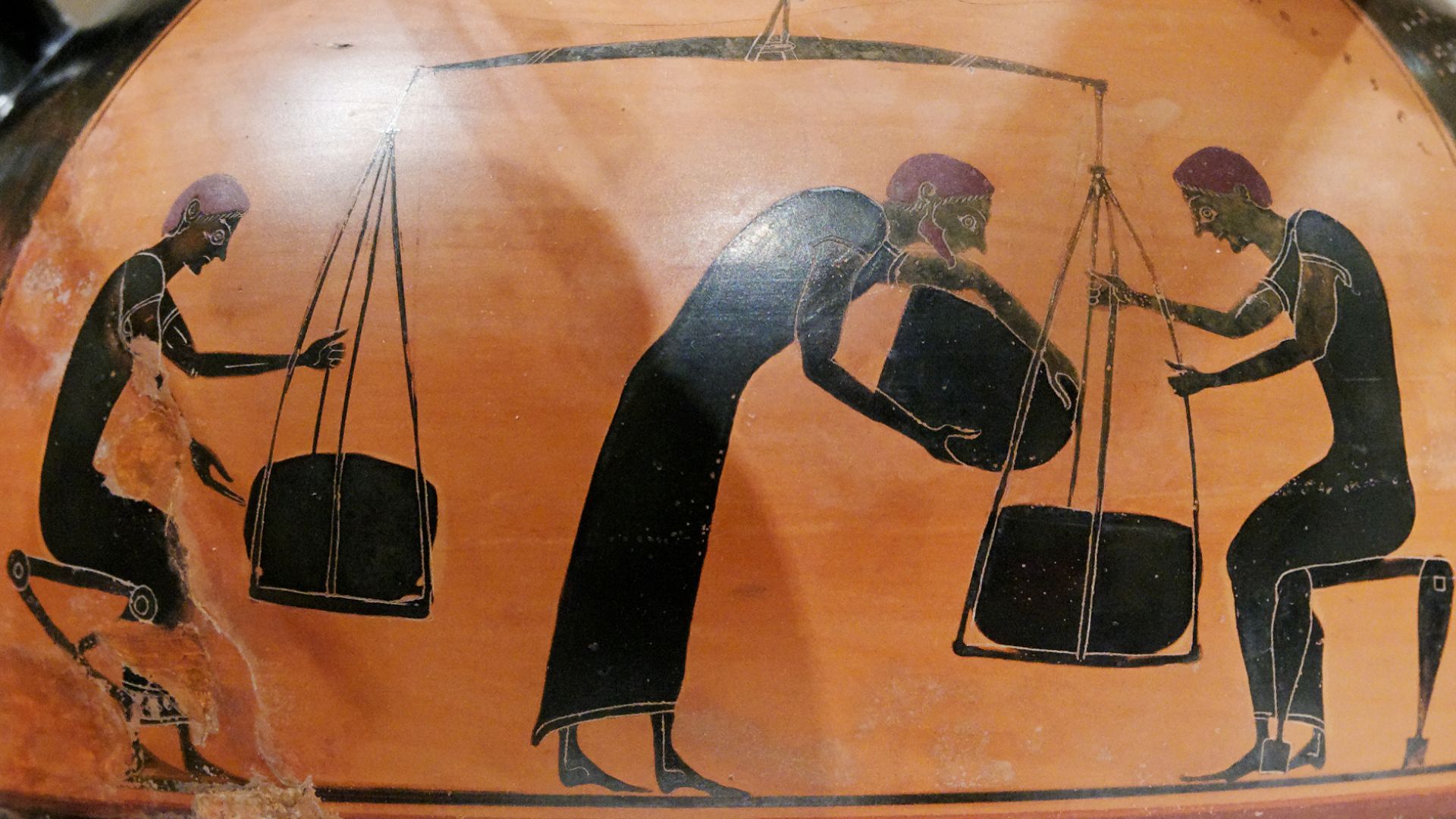
Coin hoards are priceless for their monetary value but also for the historical information they tell us. They show patterns of trade, political authority, and economic activity. Each coin is a microcosm of the economic network that once connected distant parts of the ancient world.
 Taleides as potter (signed), Taleides Painter, Wikimedia Commons
The Importance Of Responsible Detecting
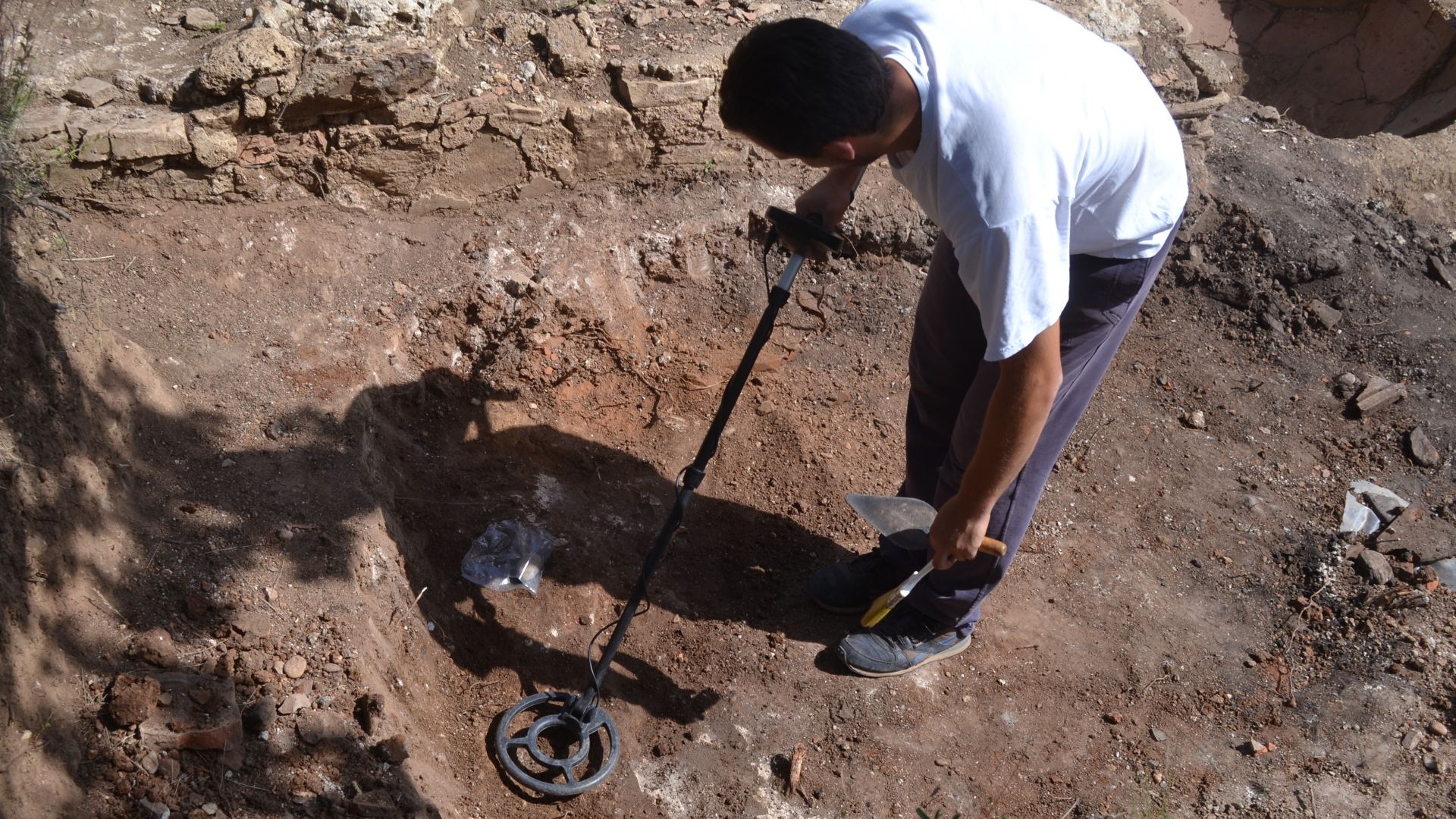
Mangeac’s decision to report the find to authorities reflects responsible metal detecting practices. Many countries encourage hobbyists to cooperate with archaeologists so discoveries can be studied properly. Responsible reporting helps preserve historical knowledge rather than allowing artifacts to disappear into private collections.
Declaring The Area An Archaeological Site
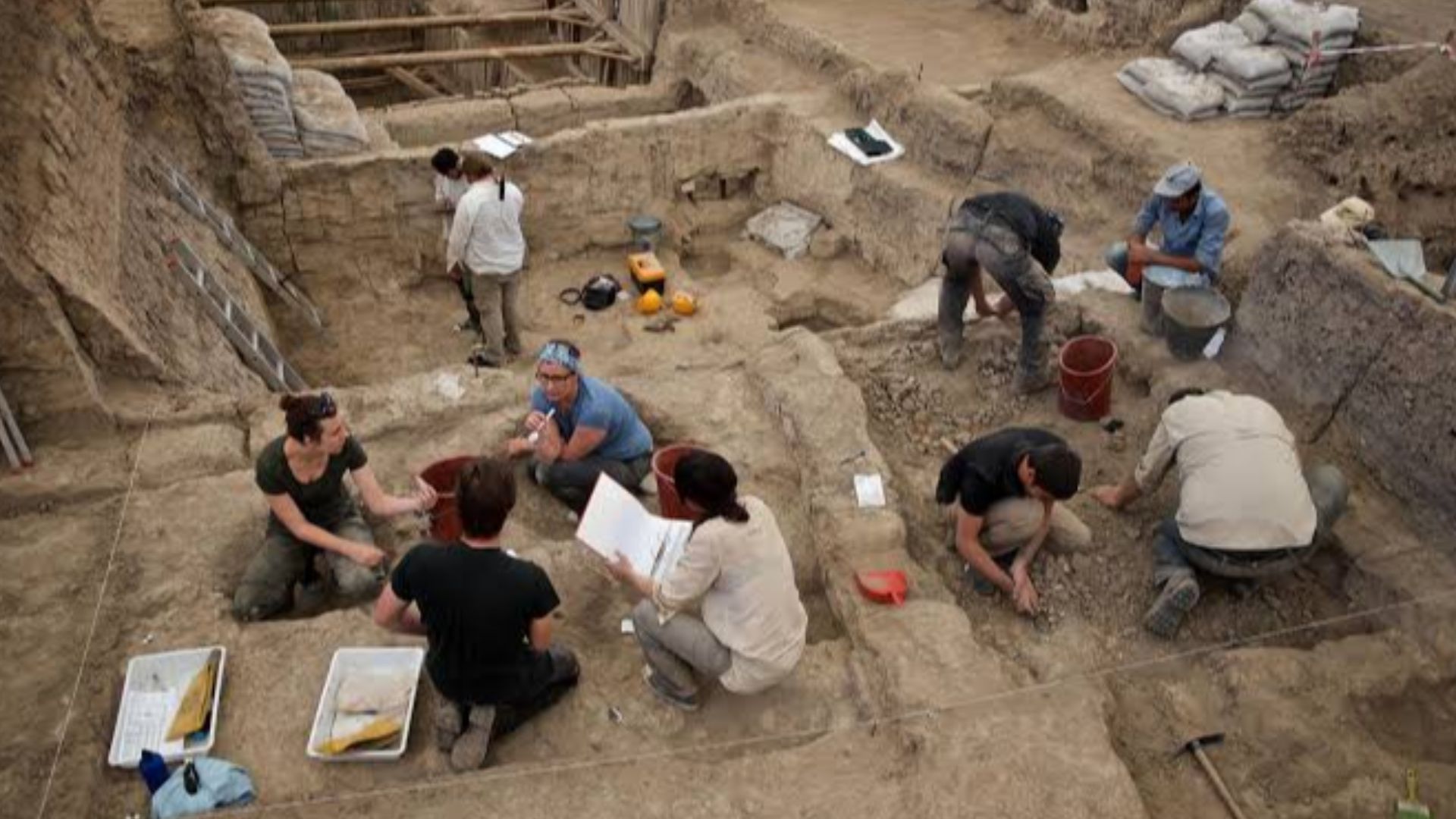
Because of the importance of the discovery, officials started surveying the area around Letca Veche as a possible archaeological site. Future surveys could dig up more artifacts or settlement remains nearby, helping historians comprehend the broader historical context of the hoard.
Romania’s Long Tradition Of Hidden Treasures
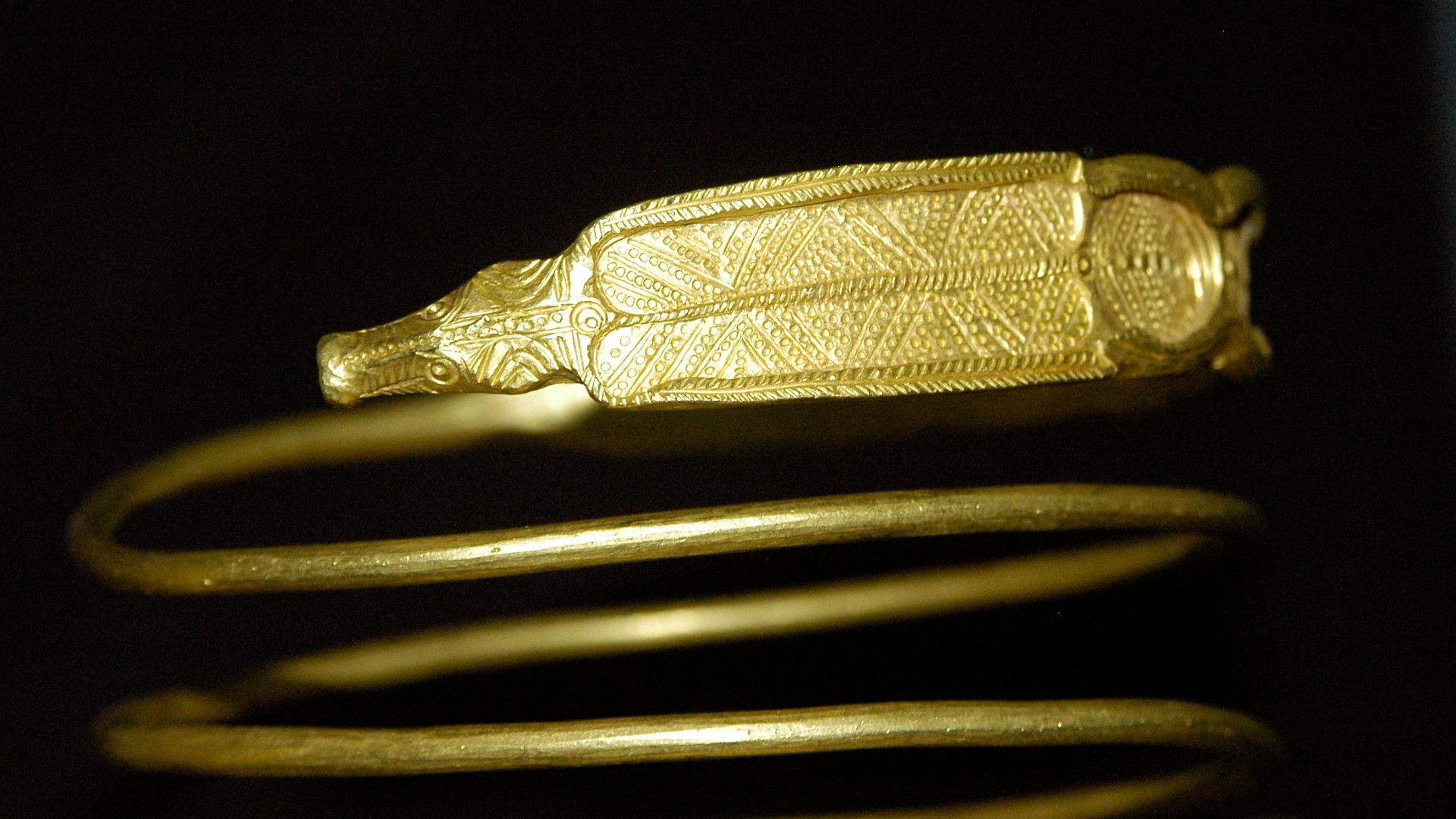
Romania has produced many remarkable archaeological finds over the centuries. From Dacian jewelry to Roman military relics, the country’s soil holds evidence of numerous cultures that lived or traveled through the region. Finds like the Mangeac hoard continue this long tradition of discoveries.
 Unknown authorUnknown author, Wikimedia Commons
Why Coin Hoards Fascinate Archaeologists
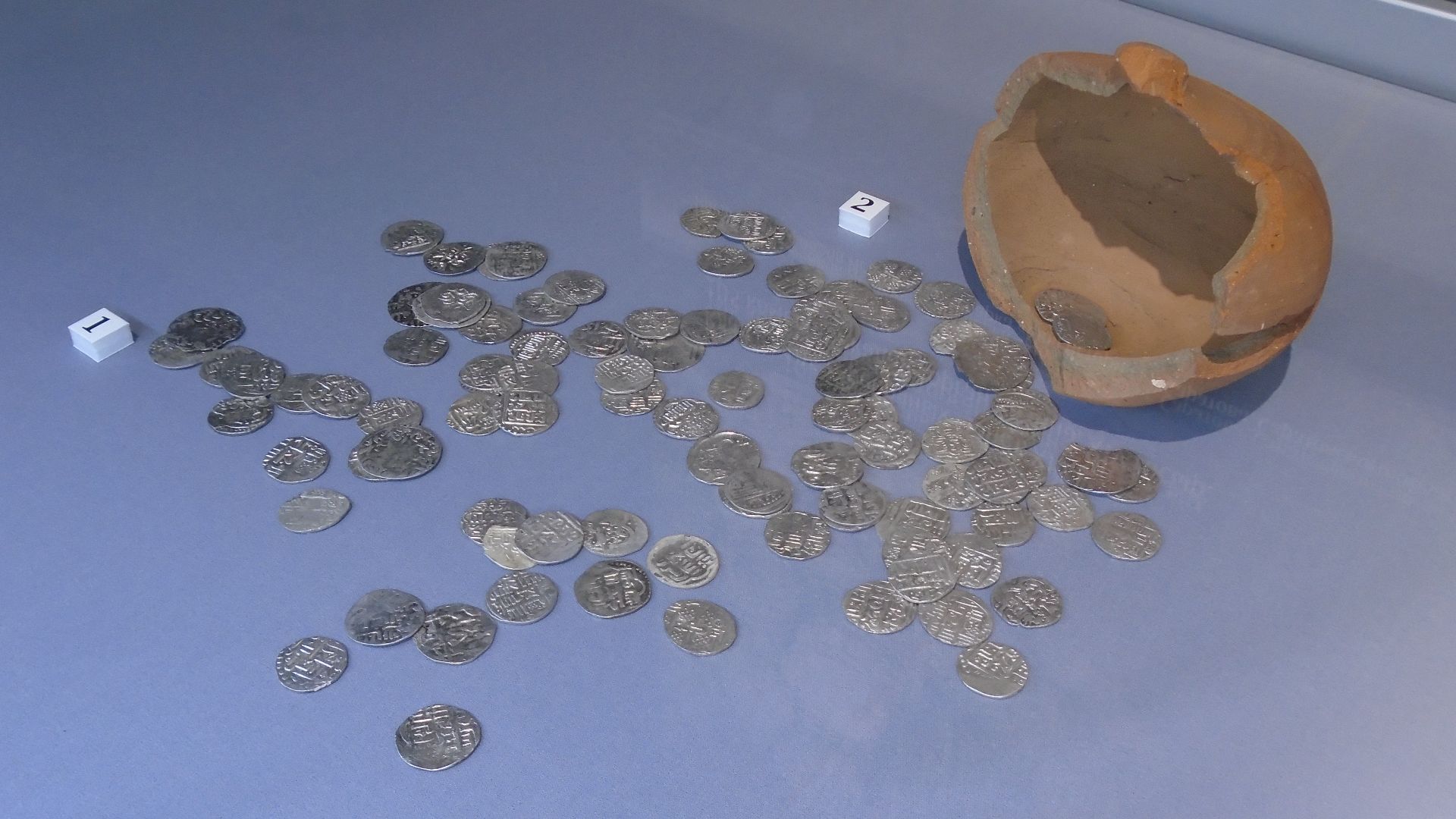
Coin hoards combine the excitement of treasure hunting with serious historical research. They allow scholars to study ancient economies, political propaganda, and trade networks all at once. Each hoard is like a time capsule sealed at the moment it was buried.
 Vyacheslav Kirillin, Wikimedia Commons
From Field To Museum Display
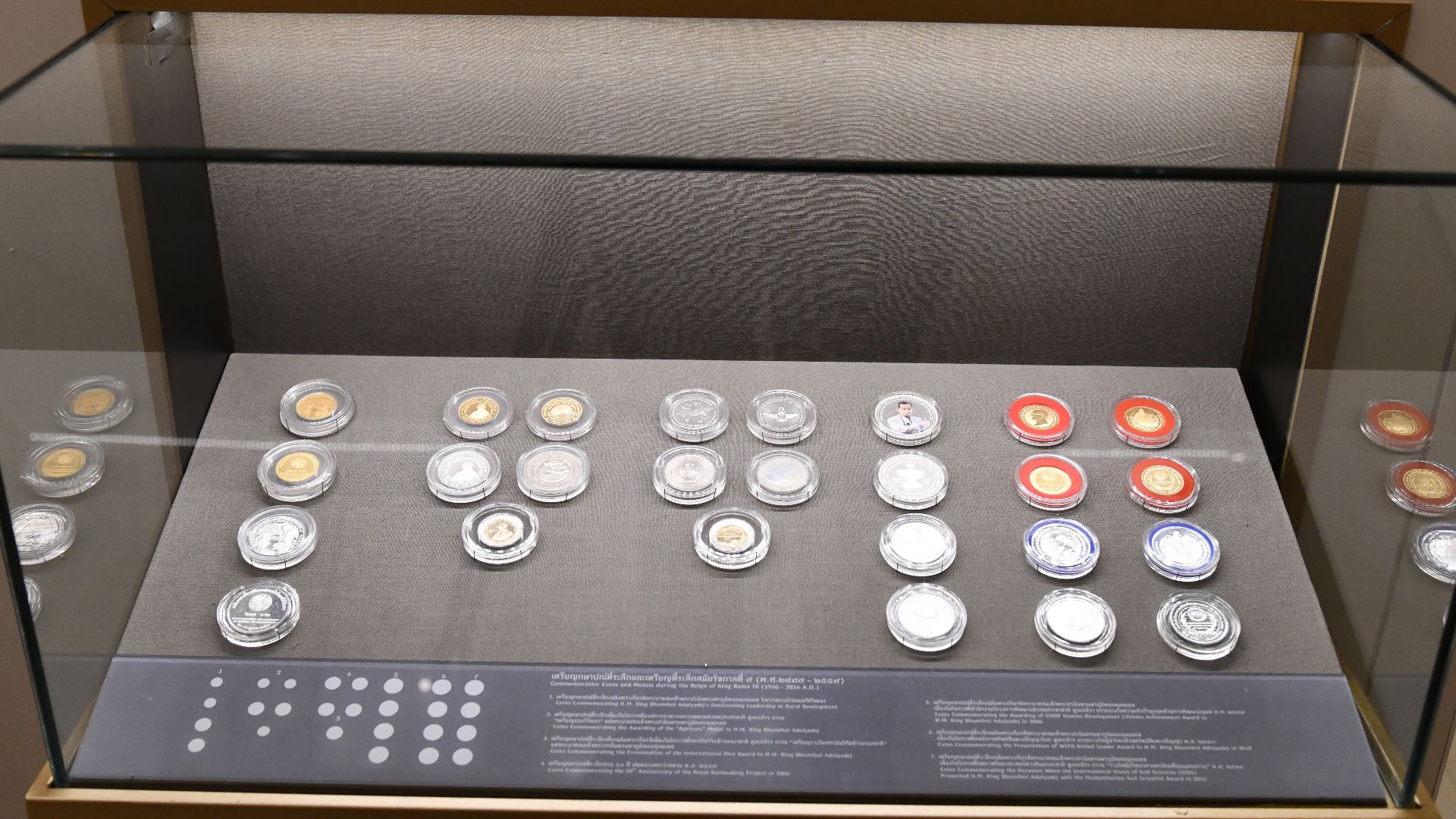
The coins discovered by Mangeac will likely be studied by archaeologists and eventually displayed in museums. Public exhibitions allow visitors to see objects that once circulated through the Roman world. They also highlight how ordinary people can play a pivotal role in the process of historical discovery.
A Modern Discovery Of An Ancient Story
The discovery near Letca Veche shows how the past can pop out unexpectedly from beneath the veneer of the modern landscape. What started out as an absent-minded walk with a metal detector stumbled across nearly two thousand years of history. The hoard of Roman denarii is an incredible reminder of the treasures that are out there still waiting to be found.
 West Yorkshire Archaeology Service, Amy Downes, 2009-06-01 13:09:37, Wikimedia Commons
You May Also Like: