The Temple Had More To Say
At first glance, this ancient temple seemed fully accounted for. Walls stood firm, carvings made sense, timelines felt neat. Then archaeologists listened to old stories instead of brushing them aside. Beneath the stone waited something far less tidy. Narrow passages and sealed routes challenged long-held assumptions about ritual life here. This article traces how certainty cracked once the floor did. Keep reading. Curiosity works best when it follows the strange stuff.
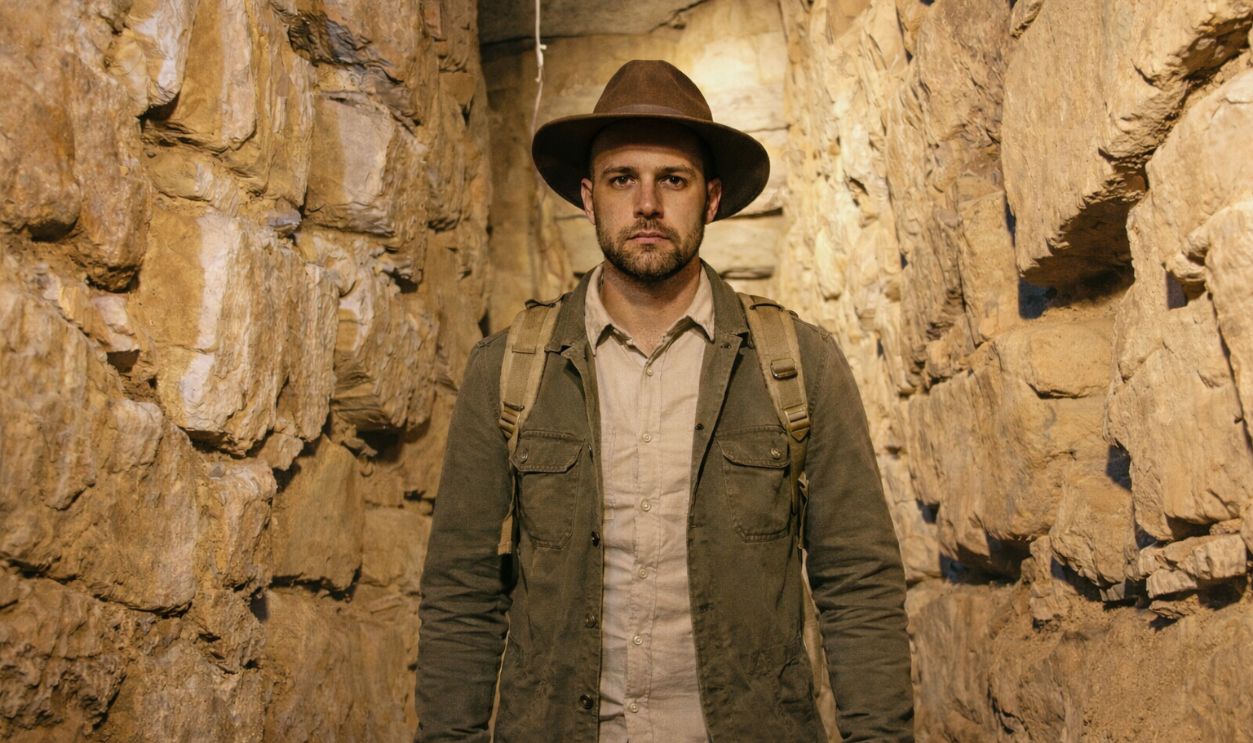 Martin St-Amant (S23678), CC BY 3.0, Wikimedia Commons, Modified
The Rumor That Would Not Die
For centuries, stories claimed hidden passages beneath Chavín de Huántar. Spanish chroniclers recorded whispers of underground chambers, while nearby communities repeated them orally. However, for a long time, scholars dismissed the idea. The rumor survived anyway, waiting for evidence to catch up.
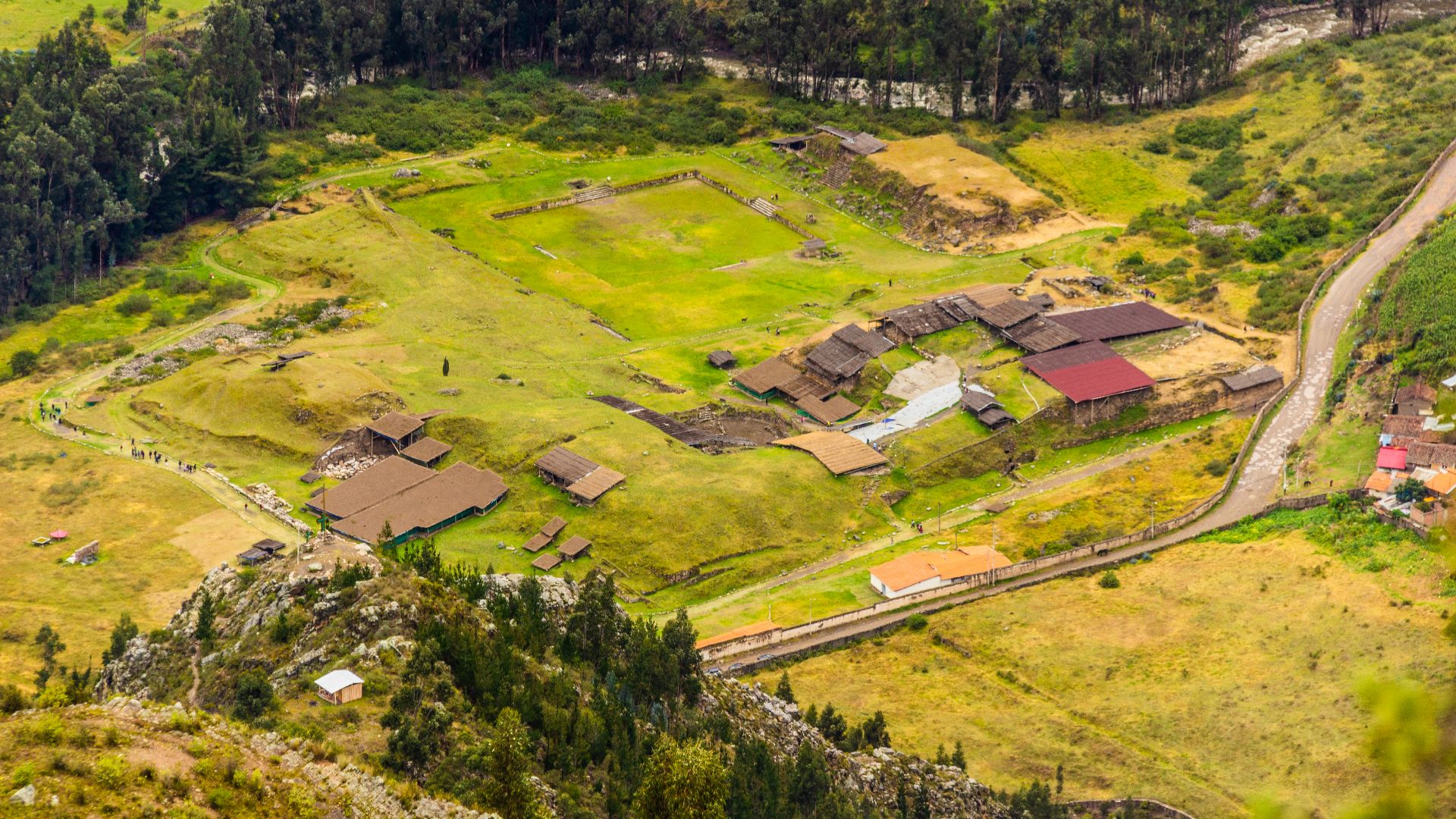
Why Scholars Looked The Other Way
Early excavations focused on temples visible above ground, partly due to limited tools. Subterranean exploration also posed safety risks and lacked a clear payoff. As a result, attention stayed above the surface. Some researchers even labeled tunnel stories symbolic rather than physical.
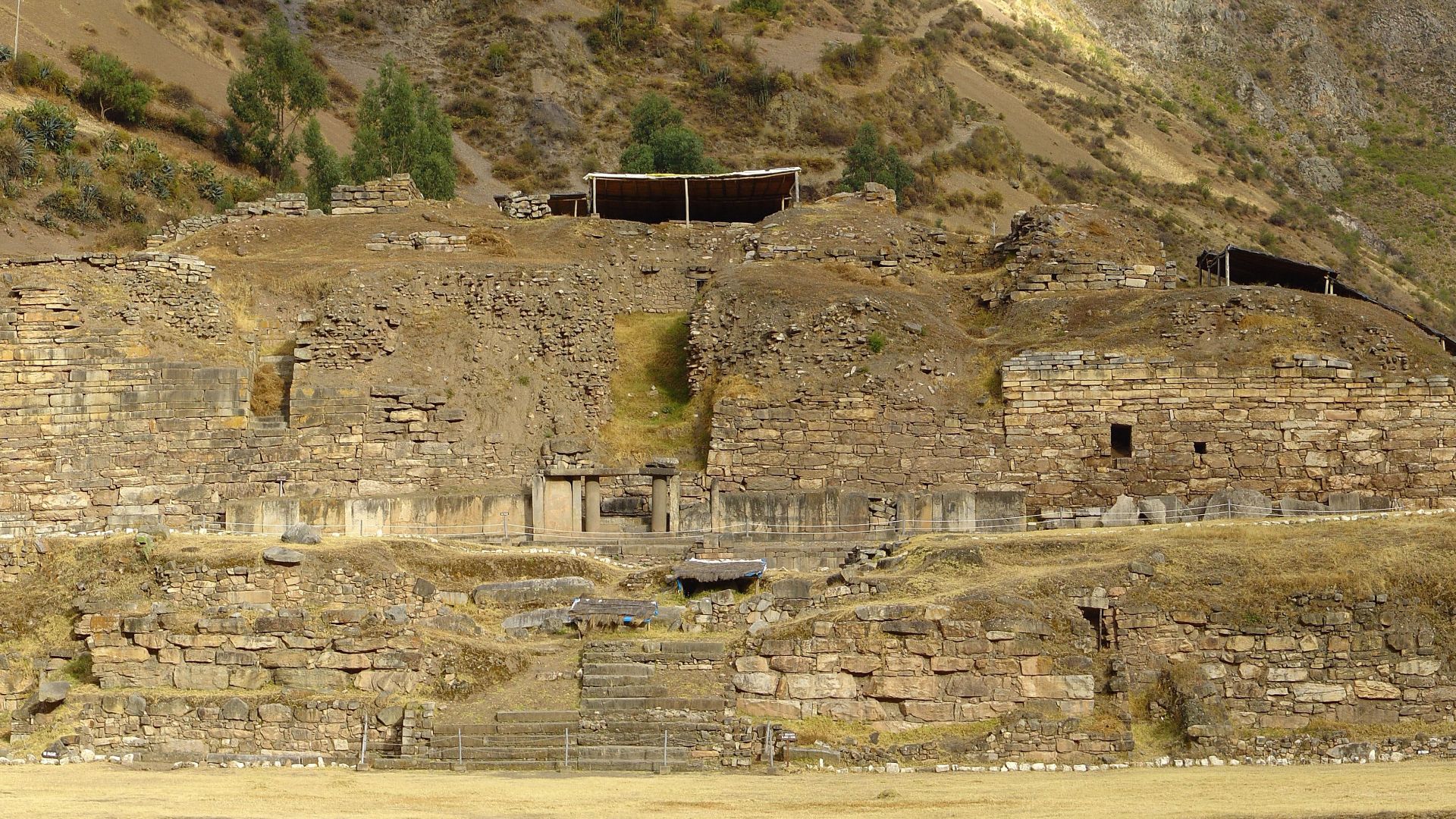 Martin St-Amant (S23678), Wikimedia Commons
A Temple That Hinted At More
The ceremonial complex dates between 1200 and 400 BCE and shows careful long-term planning. Its thick walls and sealed floors suggested internal spaces beyond view. Architects rarely built that way without reason. Even before discovery, the structure quietly implied something concealed below.
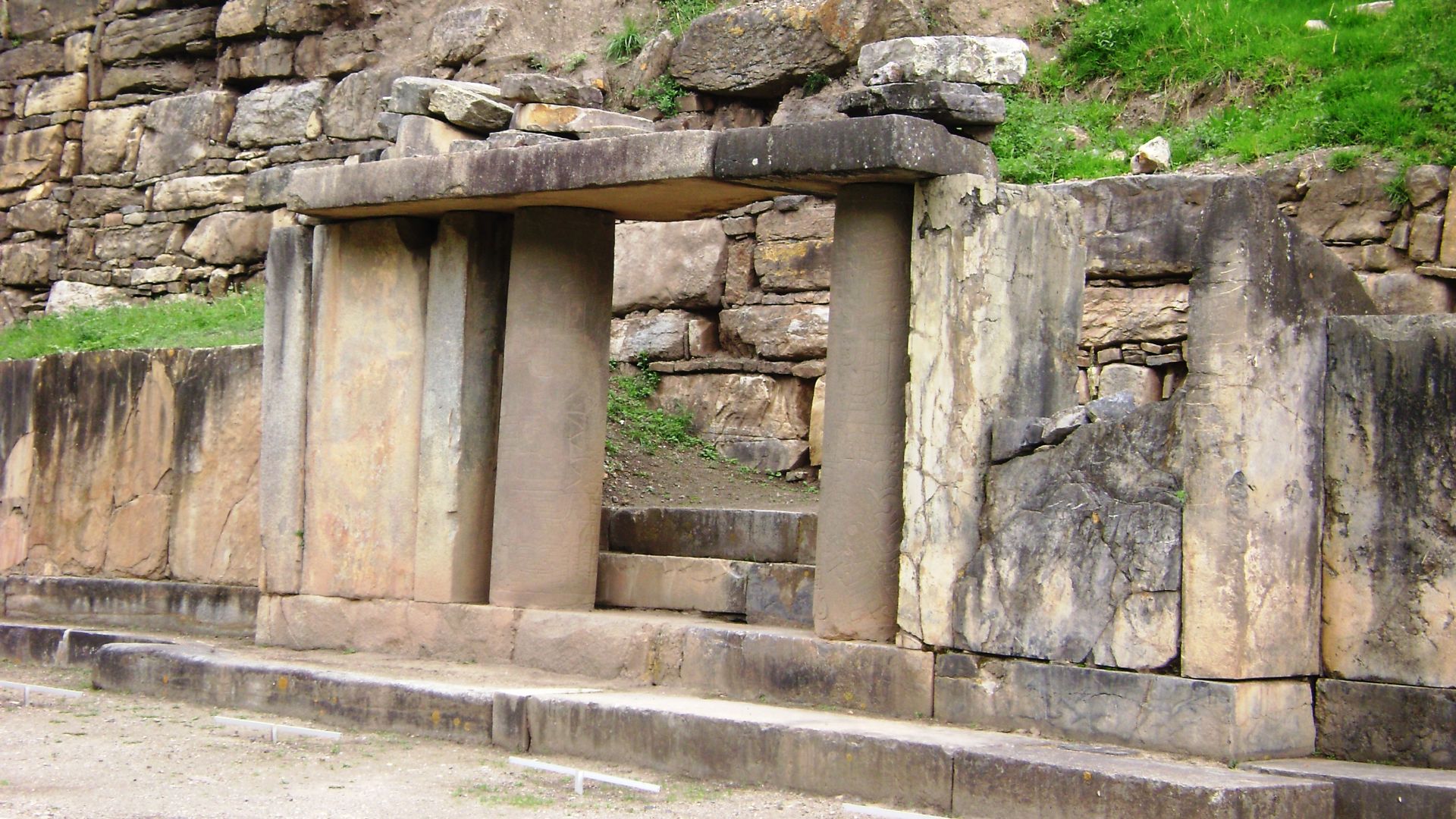
The First Signs Beneath The Stone
Unusual air circulation drew attention during later fieldwork. Cool drafts rose through cracks in floors and walls, suggesting open space beneath. Ground tests further supported the suspicion. Workers reportedly noticed temperature changes, an early clue that empty chambers lay hidden underground.
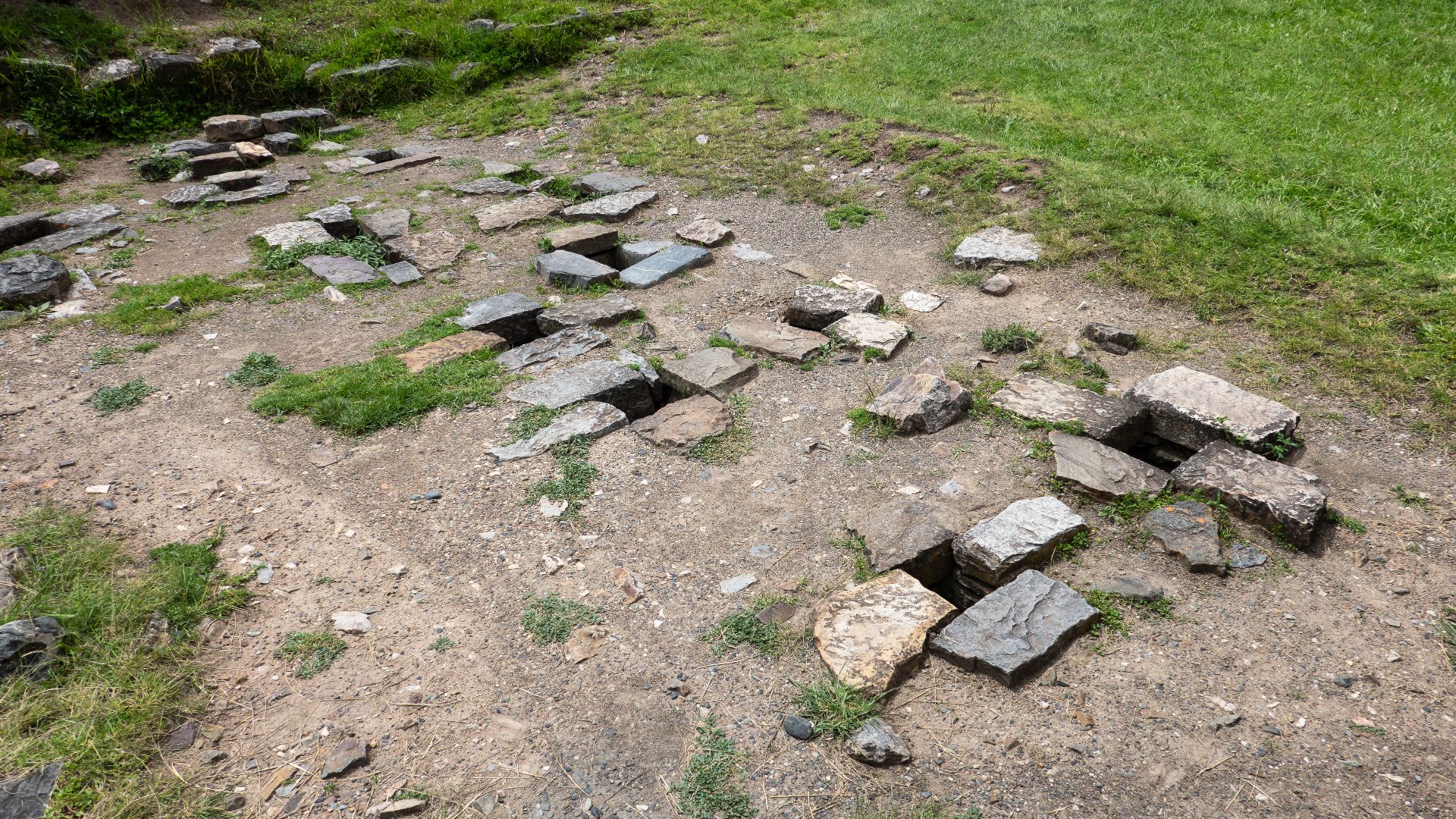
When The Labyrinth Finally Appeared
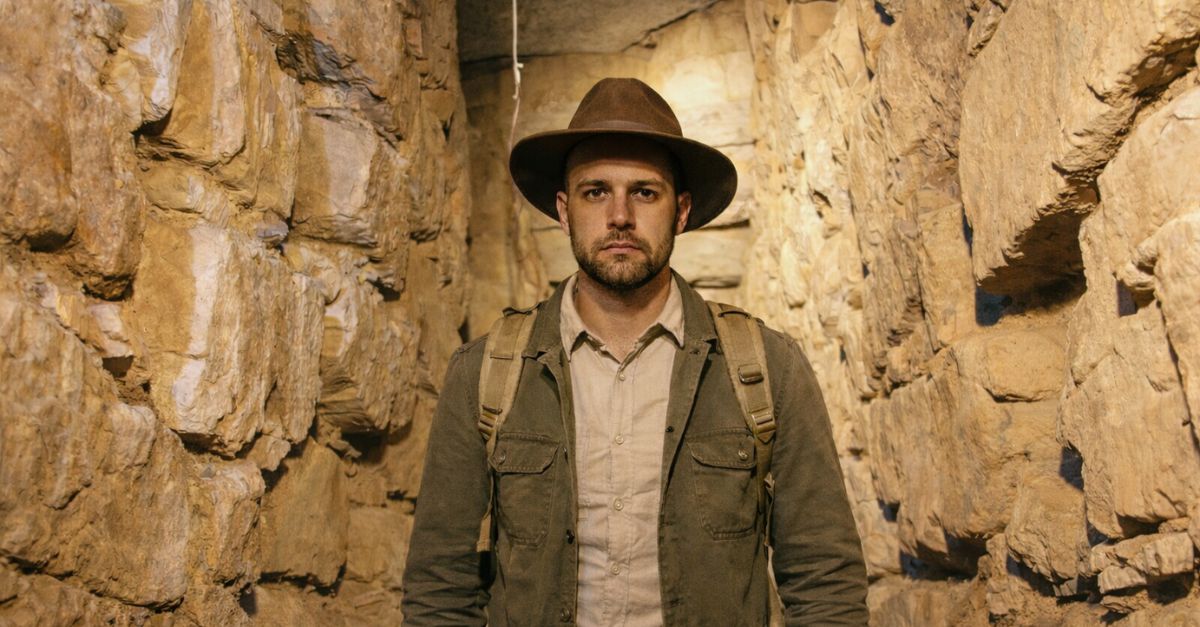
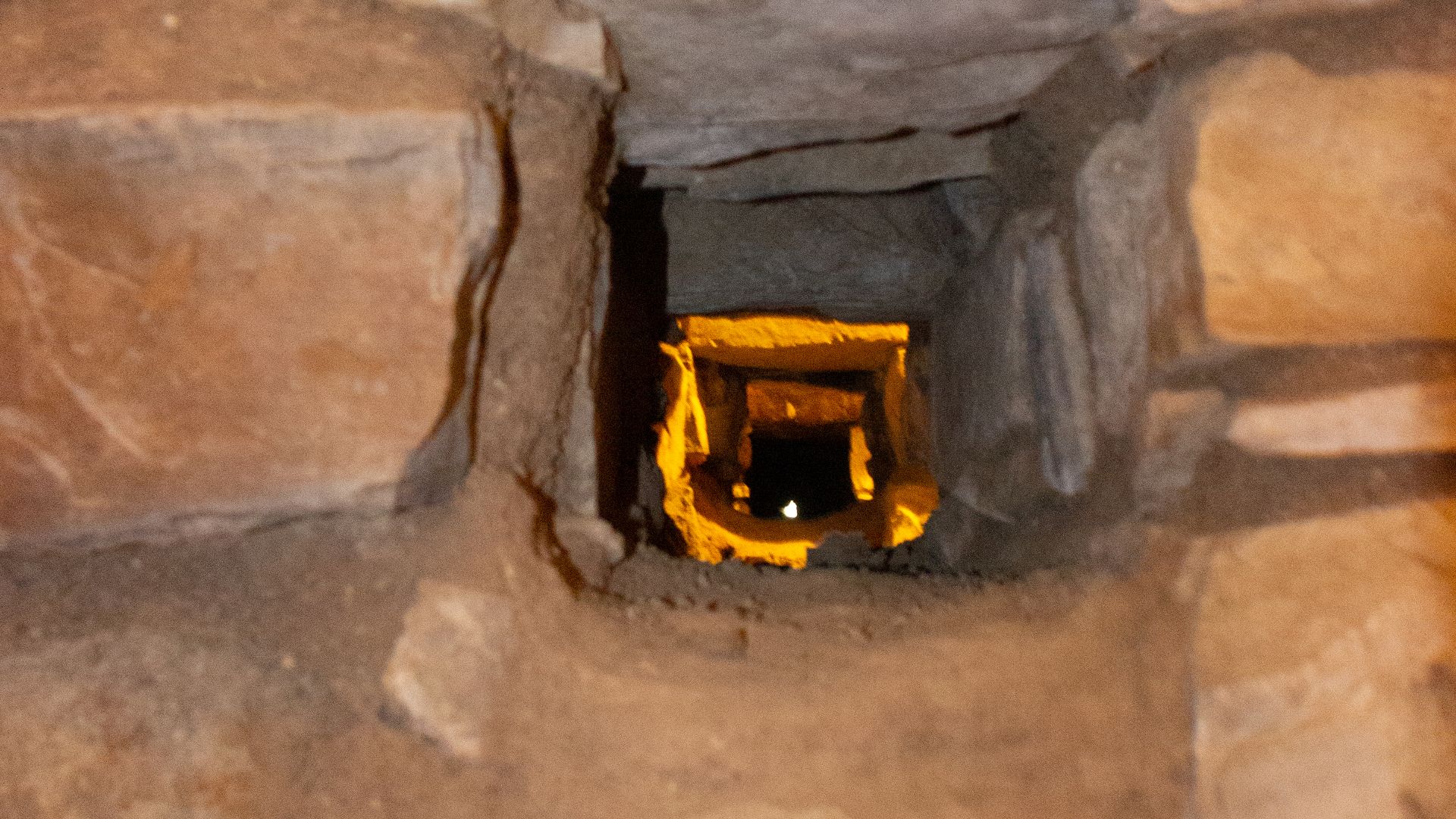
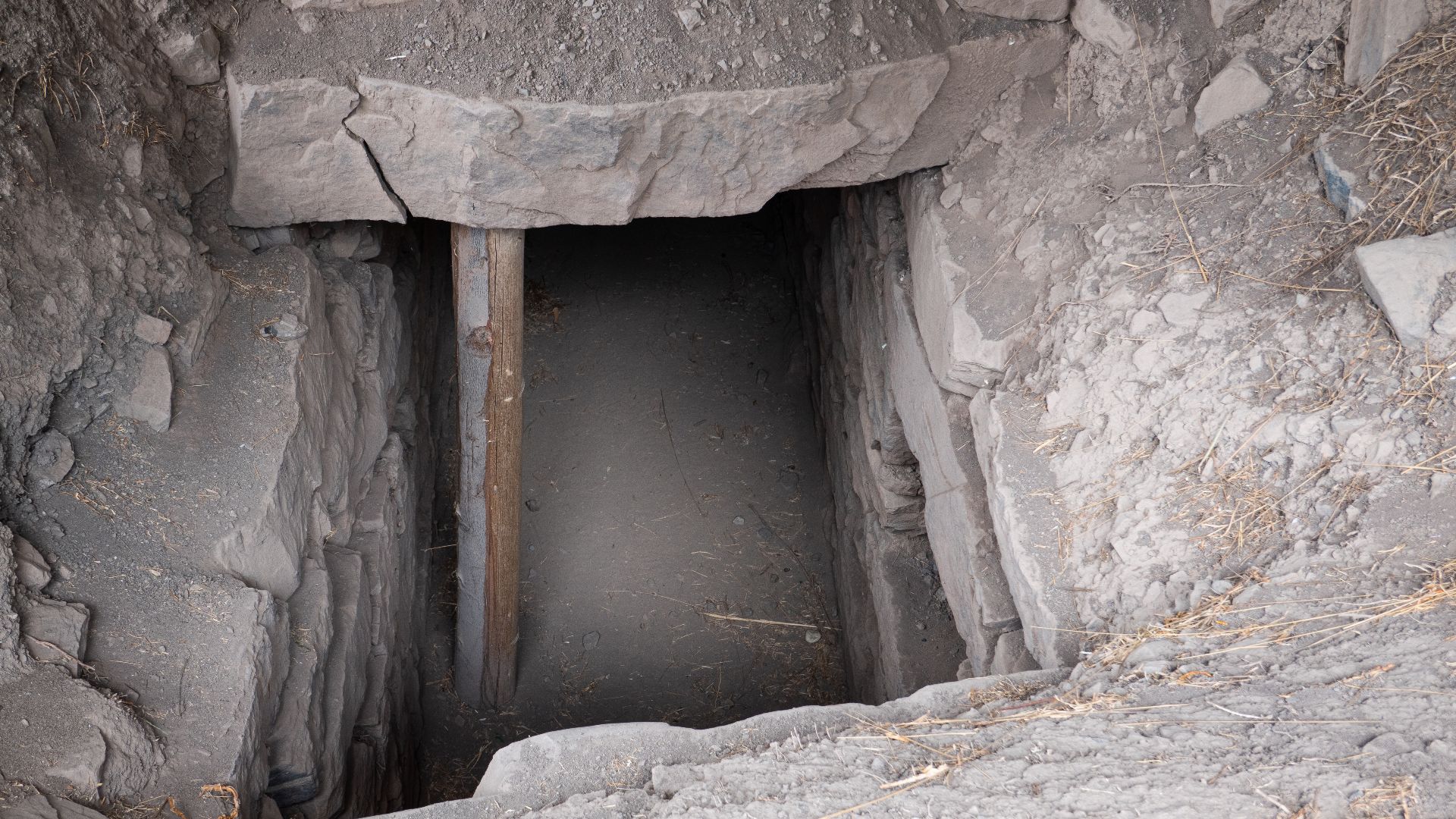
Archaeologists eventually uncovered a blocked stone corridor leading below the temple. Tool marks confirmed human construction rather than natural formation. Dating linked the passage to early temple phases. The discovery also validated generations of local claims that once sounded exaggerated.
How Old The Labyrinth?
Dating of stonework and sediment places the tunnels within the temple’s main use period, between 1200 and 400 BCE. Construction matches aboveground phases rather than later intrusion. Some corridors show repairs. Therefore, the maze was not a one-time project but a maintained space.
Not Nature’s Work
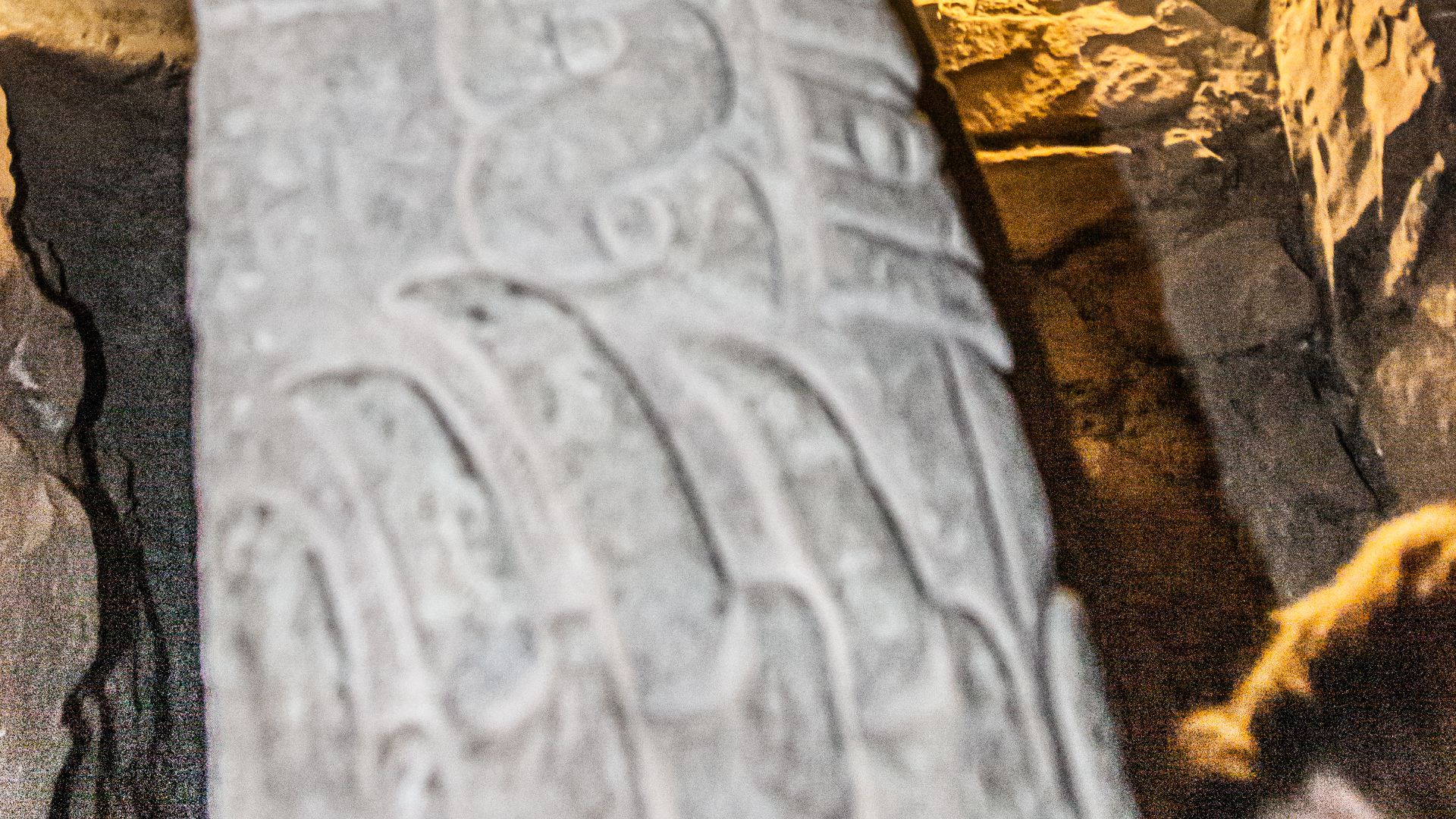
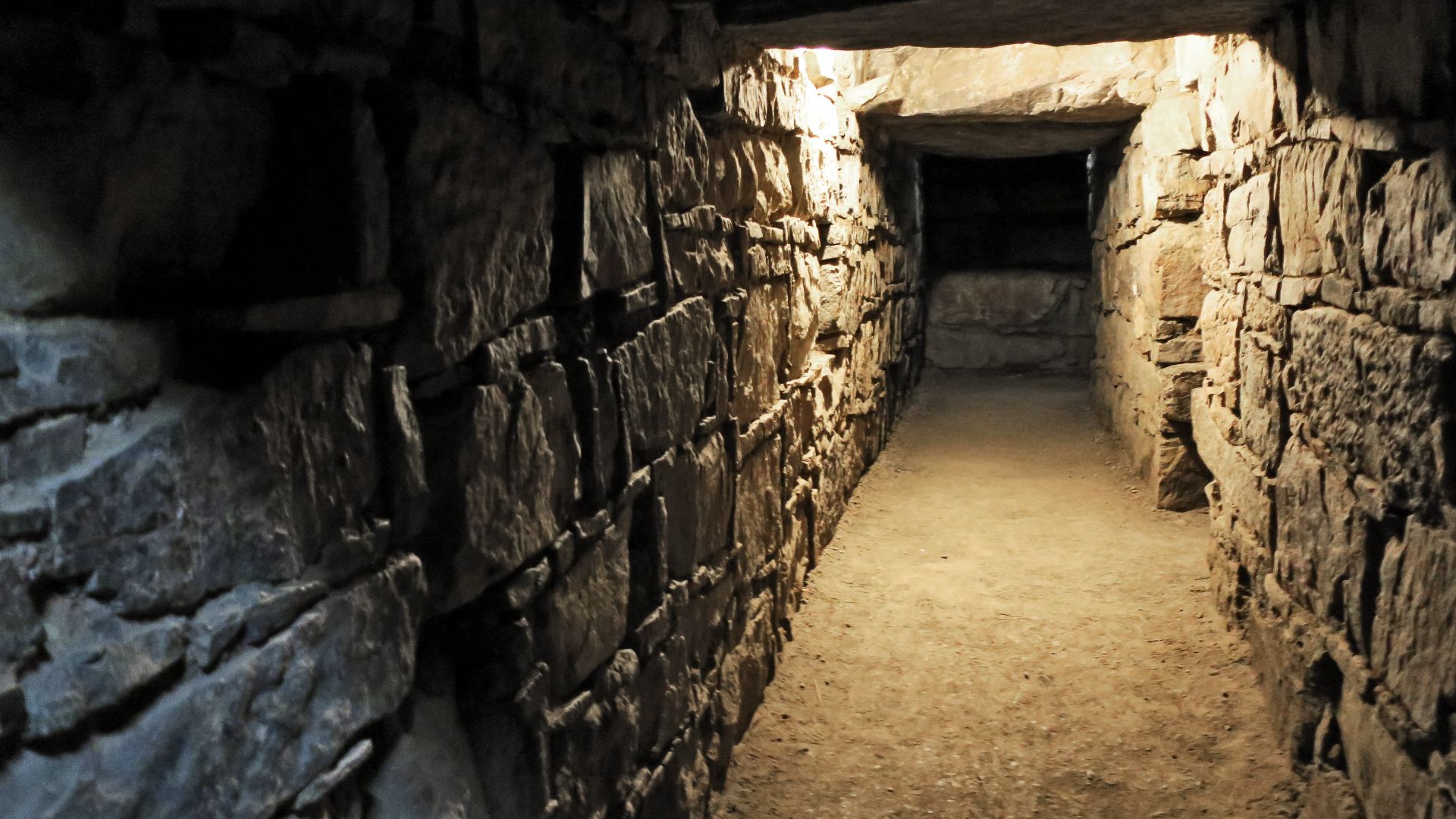
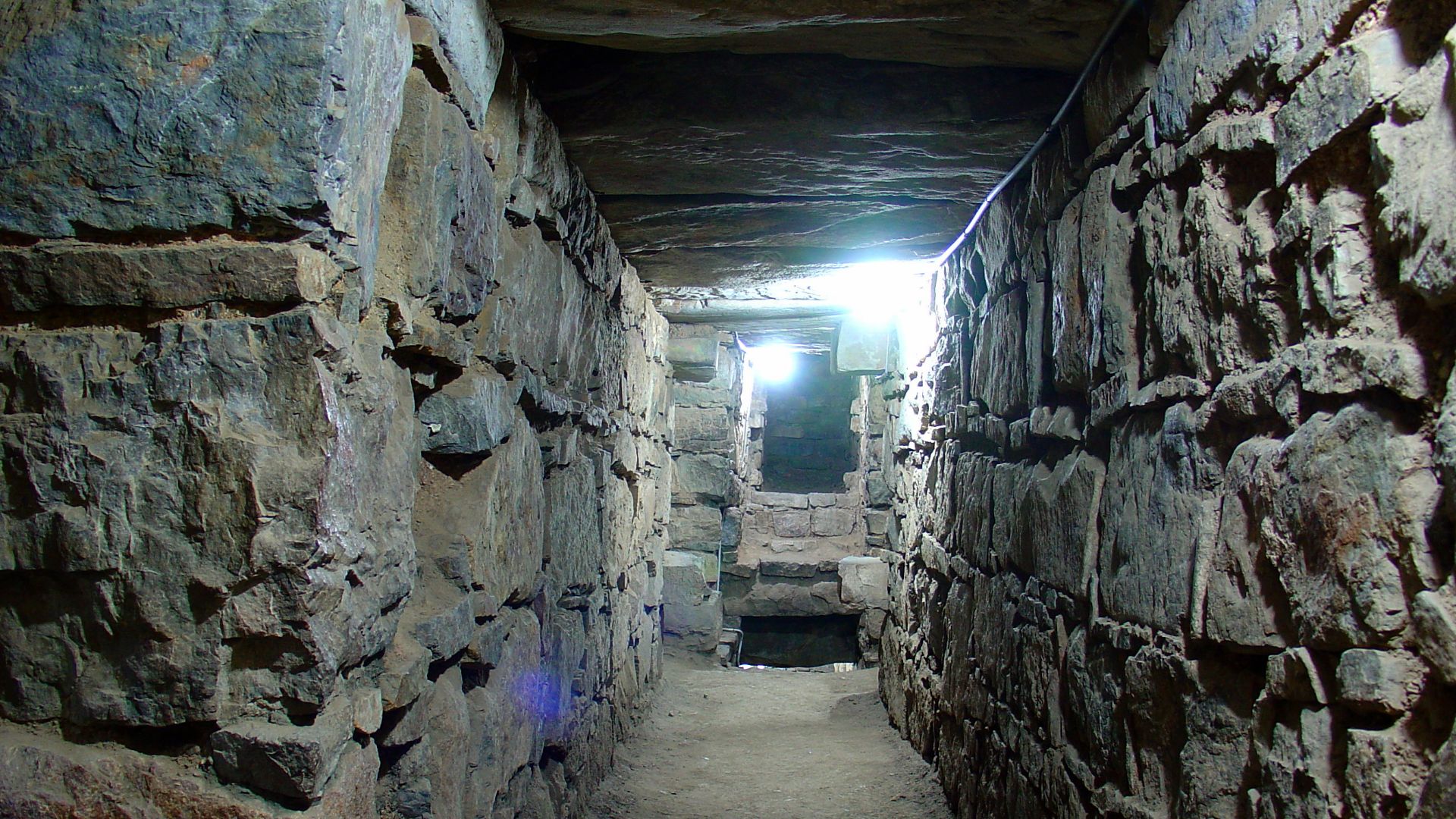
The underground passages show consistent width, sharp corners, and leveled floors. Natural caves rarely follow such patterns. Tool marks on walls confirm deliberate carving. Builders clearly planned the layout. Even today, the precision feels intentional rather than improvised.
A Design That Resists Orientation
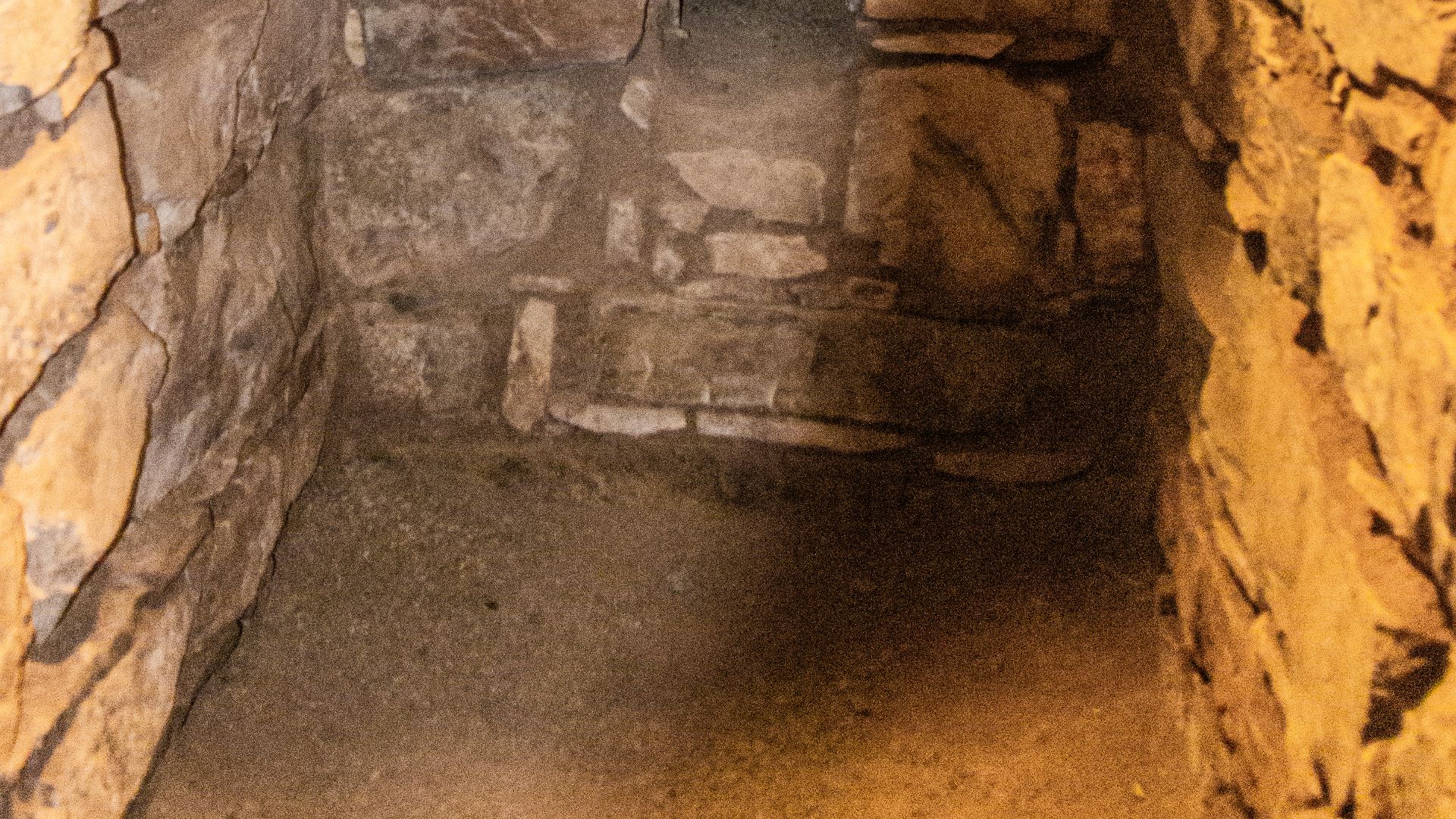
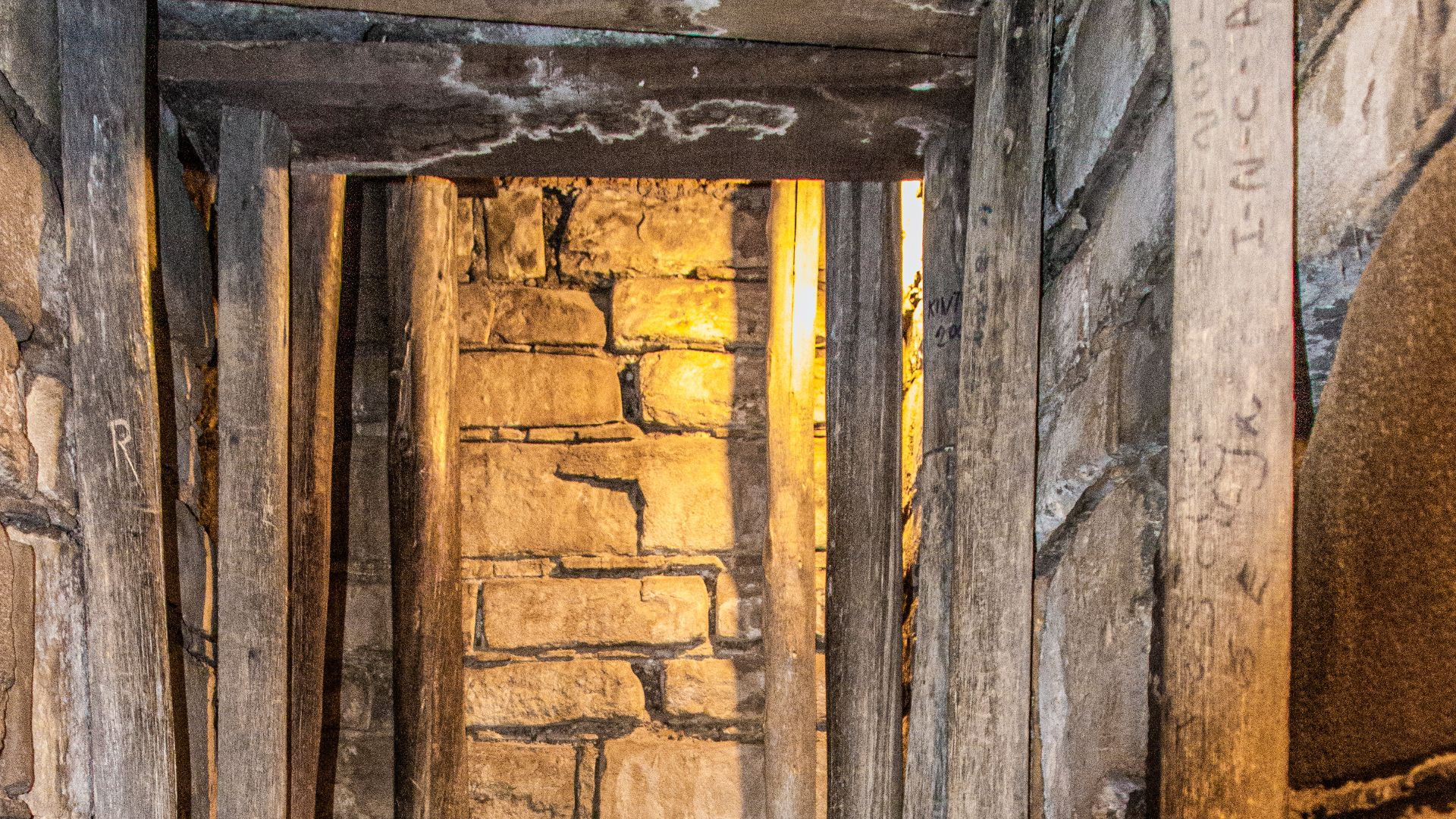
Corridors twist abruptly and limit sightlines to only a few steps ahead. Many passages are narrow enough to allow single-file movement. Direction becomes difficult to judge. Modern researchers often lose bearings without maps, a reminder that confusion was built into the design.
Darkness Comes Fast
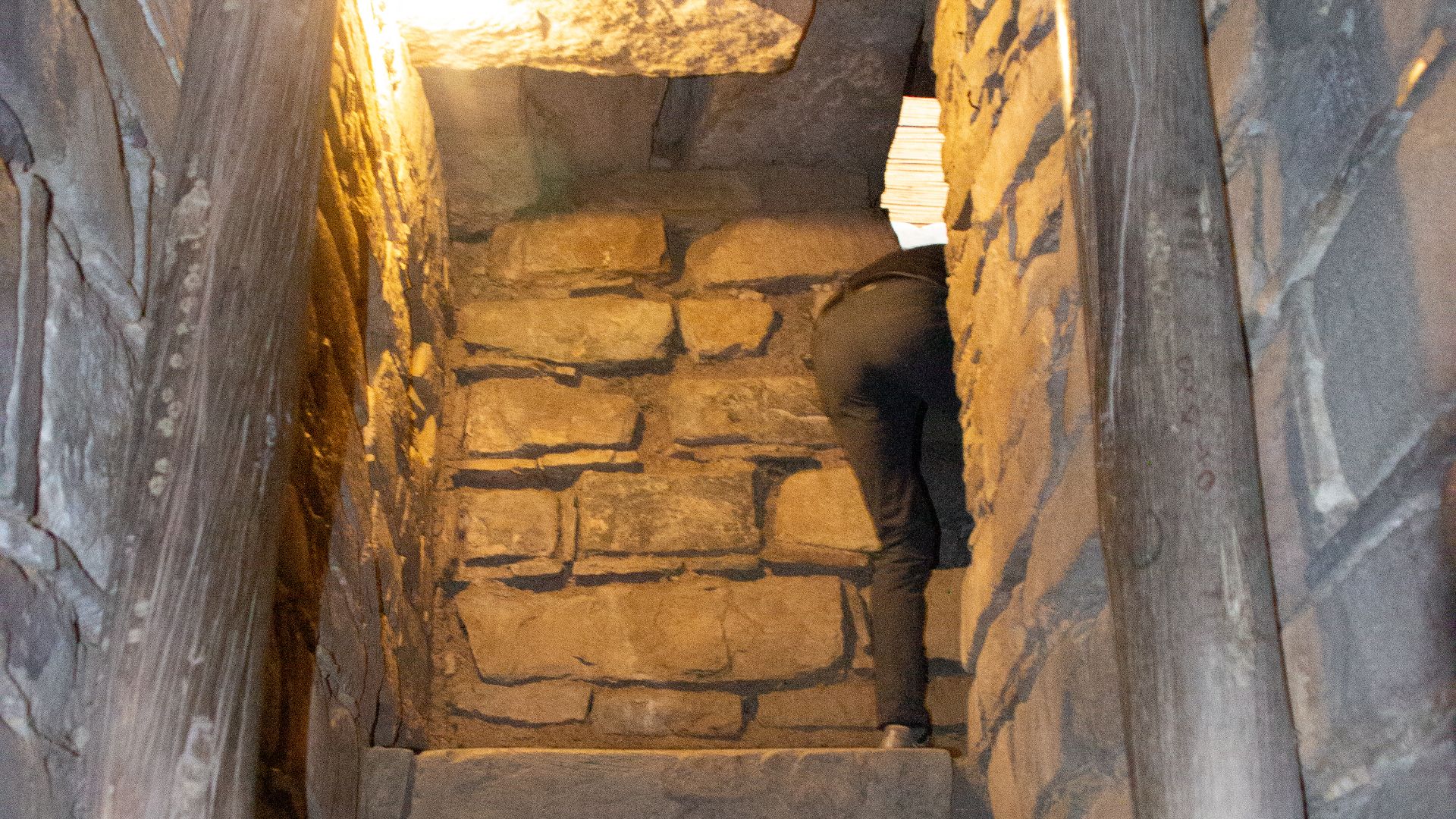
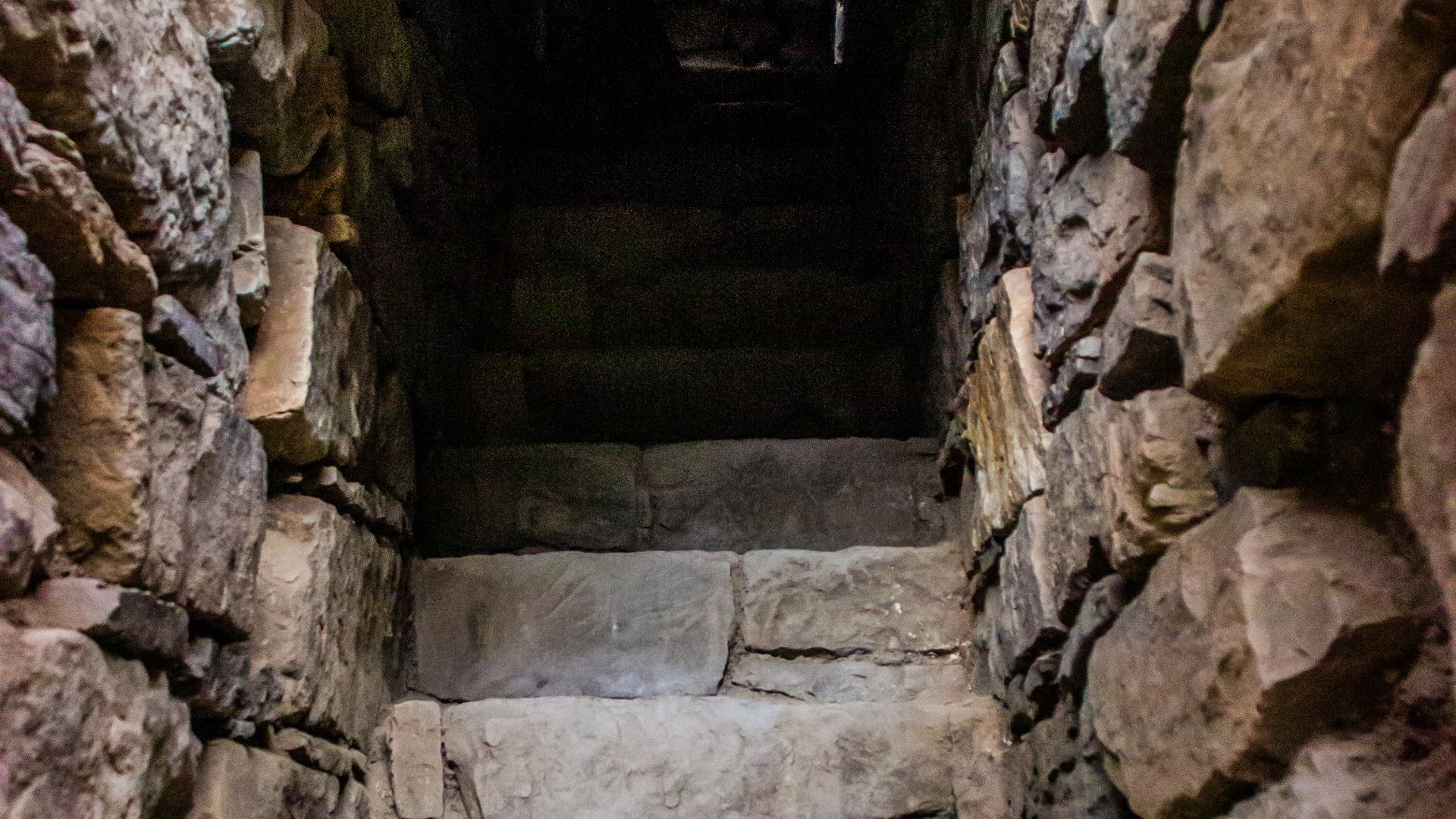
Natural light disappears almost immediately after entry. No evidence of permanent lighting fixtures exists inside the tunnels. Smoke traces suggest brief torch use only. Darkness also dominated most movement underground, which forced reliance on memory or guidance rather than vision.
Sound Behaved Strangely Below
Stone surfaces reflect noise unevenly inside the labyrinth. Echoes distort direction and distance. Voices seem to travel ahead rather than behind. Tests show sounds can appear closer or farther than their source, a sensory effect that likely surprised first-time visitors.
Shell Trumpets Beneath The Temple
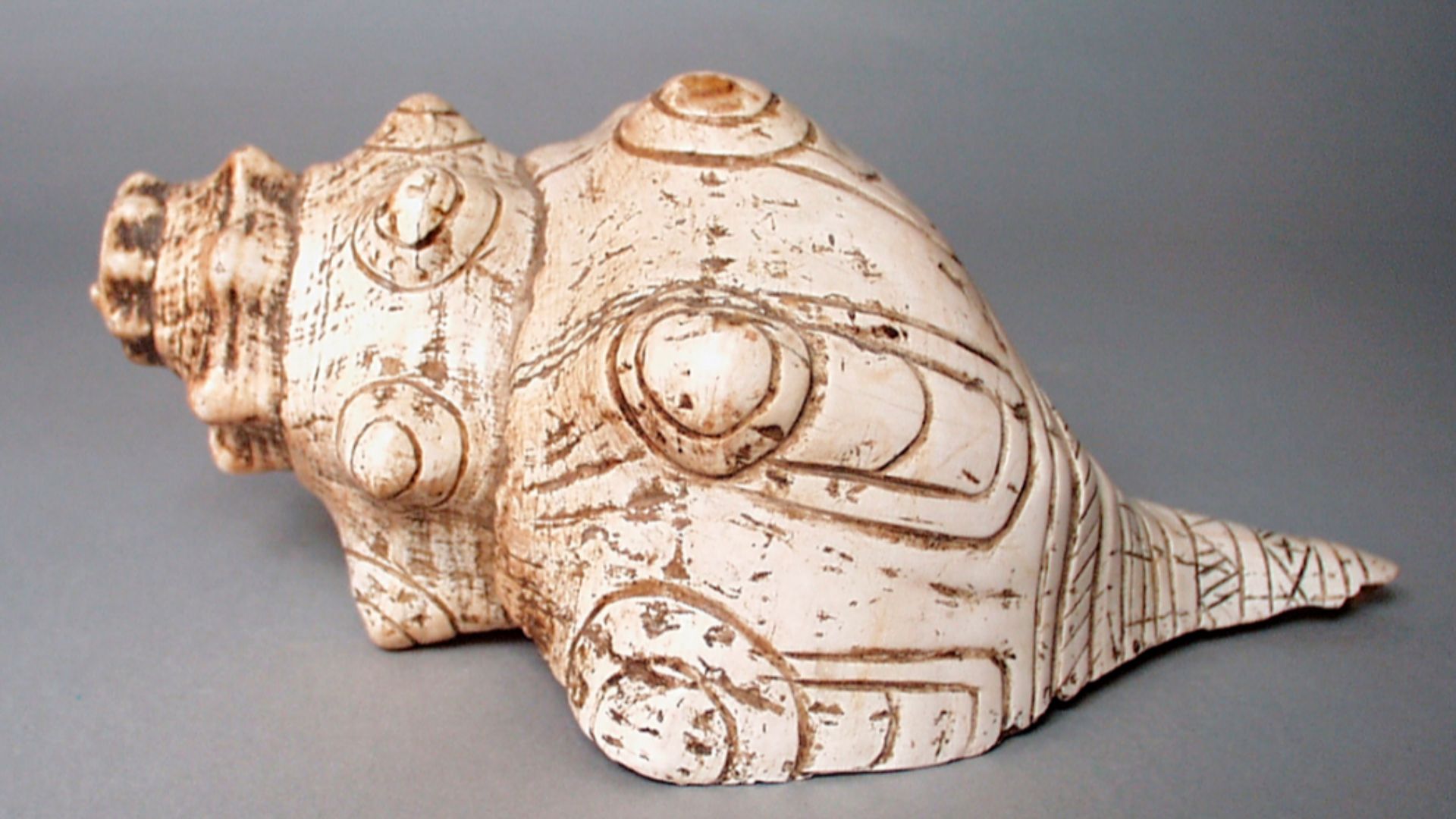
Conch shells were recovered inside underground contexts rather than surface areas. These instruments produce low, resonant tones that travel through stone corridors. Their placement suggests intentional use below ground, especially when a single blast can echo through multiple chambers at once.
The Chamber At The Center
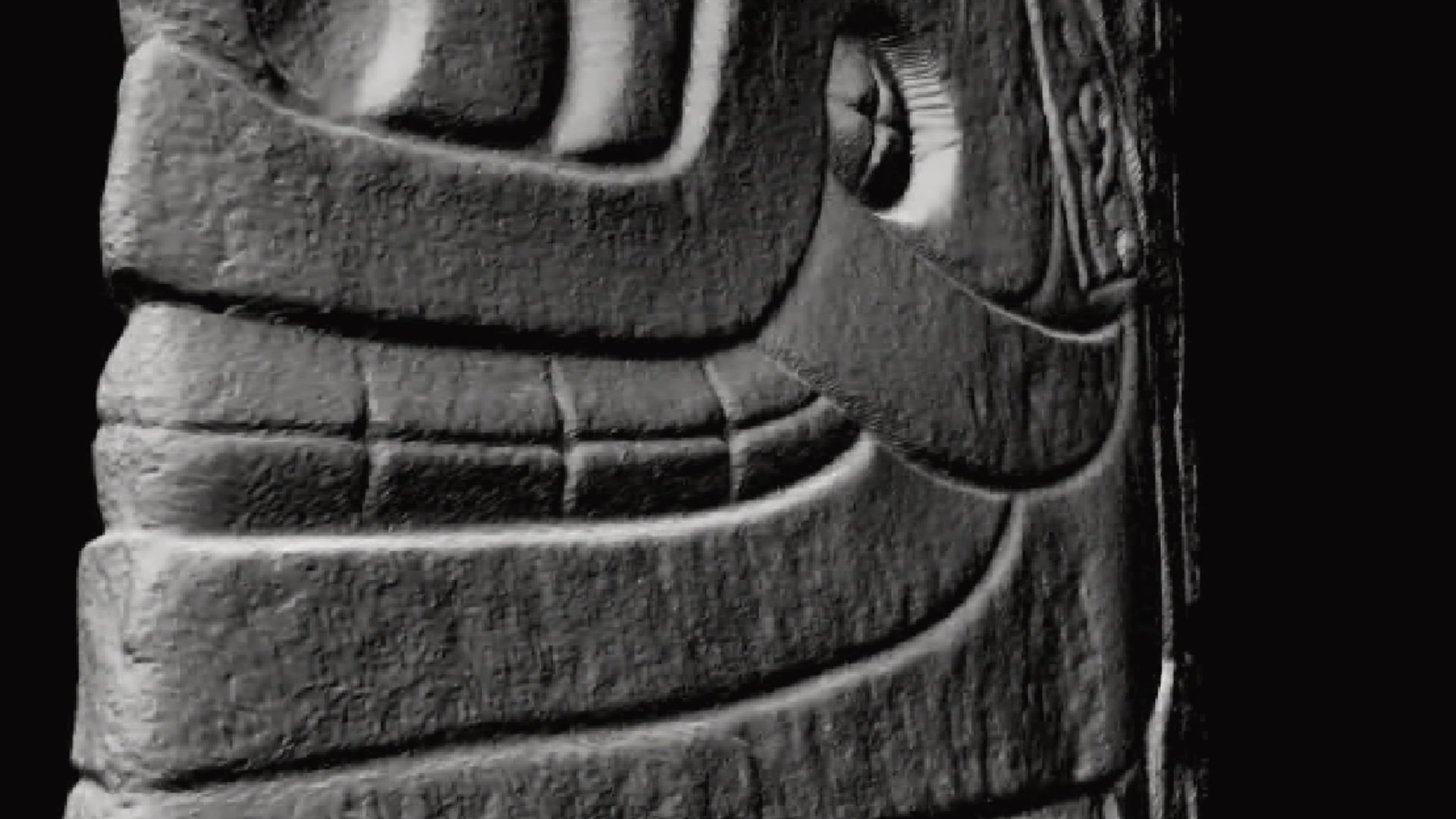
The Lanzón monolith stands deep within the underground network. All major corridors guide movement toward their chambers. Access also requires passage through narrow tunnels first. The sculpture’s position confirms that the labyrinth served a ritual purpose rather than utility or storage.
Movement Was Never Free
Passage widths narrow enough for single-file movement shaped how people advanced through the tunnels. Sharp turns limited what lay ahead, while exits remained unclear without guidance. As a result, movement depended on those who knew the route, leaving visitors to follow rather than decide.
Signs Of Repeated Ritual Use
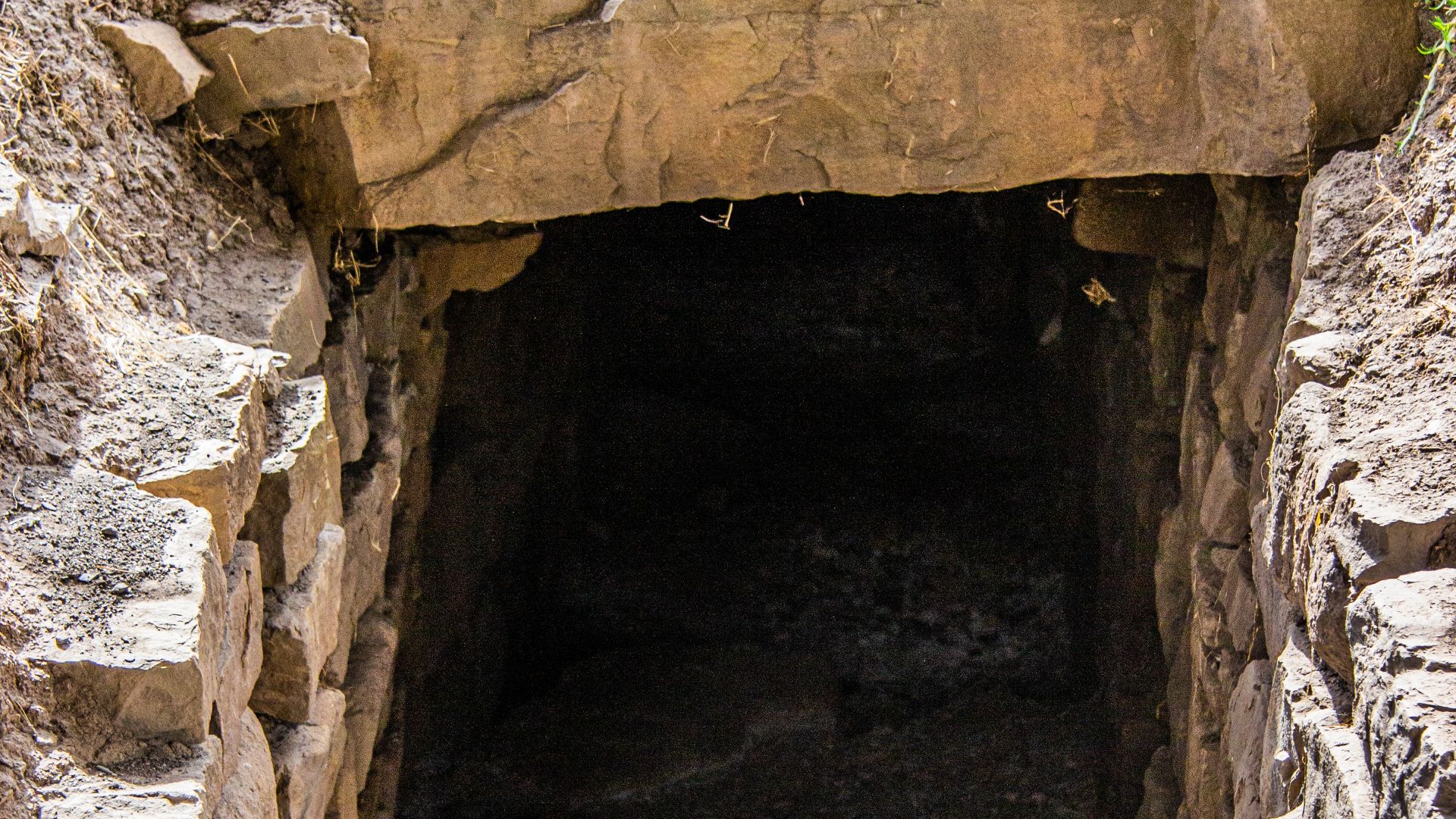
Wear patterns appear on floors and thresholds inside several chambers. Offerings and residue were recovered nearby. These traces indicate frequent ceremonial activity over time. Some surfaces also show polishing from contact, suggesting ritual interaction rather than accidental movement.
 AlisonRuthHughes, Wikimedia Commons
Bones Where Burials Do Not Belong
Human remains surfaced in corridors and water channels rather than formal graves, and their placement lacked any funerary markers. The surrounding context suggests intentional ritual deposits, possibly as offerings. Early excavators misread some fragments, which delayed recognition that ritual activity involved symbolic integration of human elements underground.
Pilgrims Came From Far Away
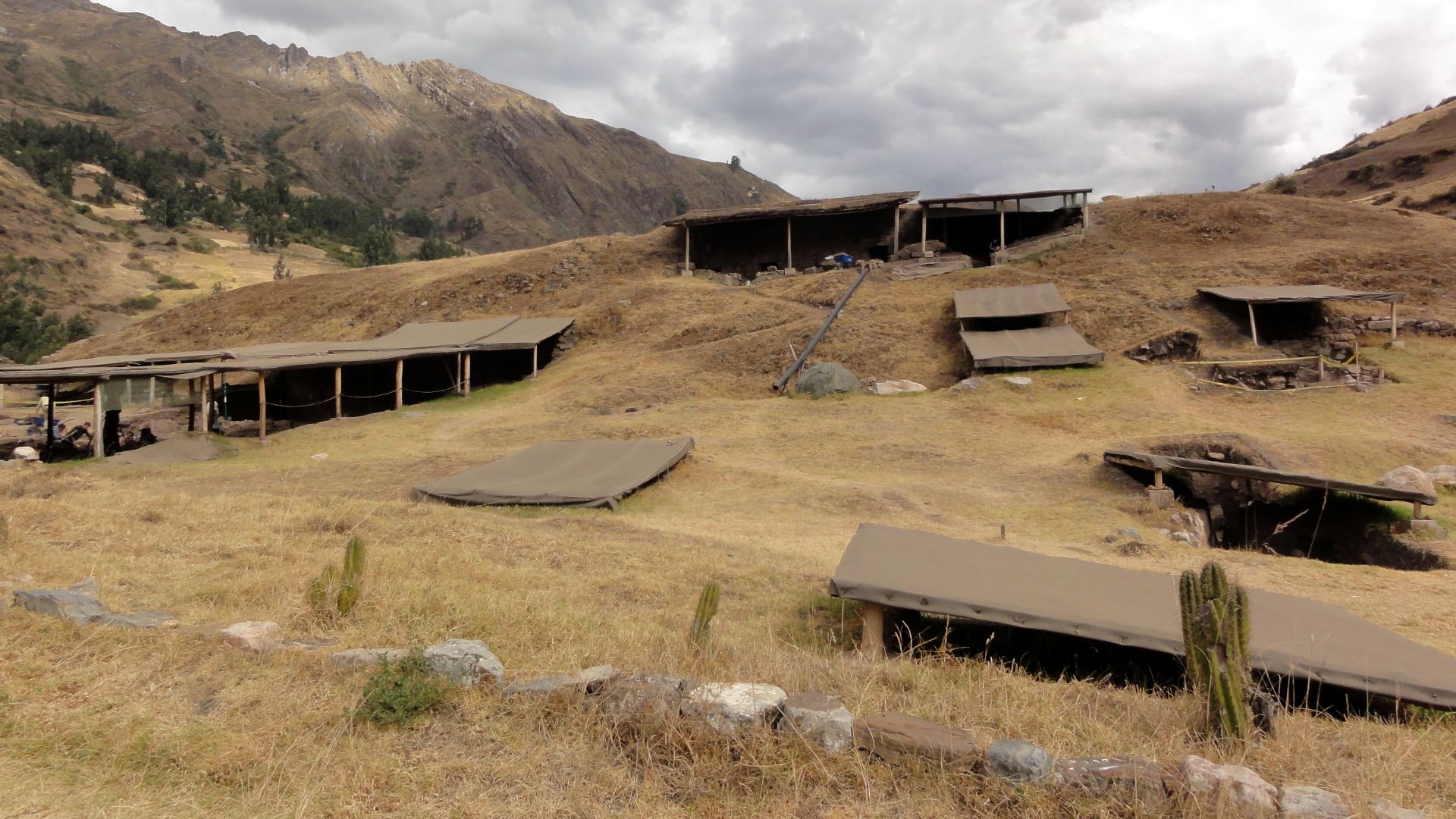
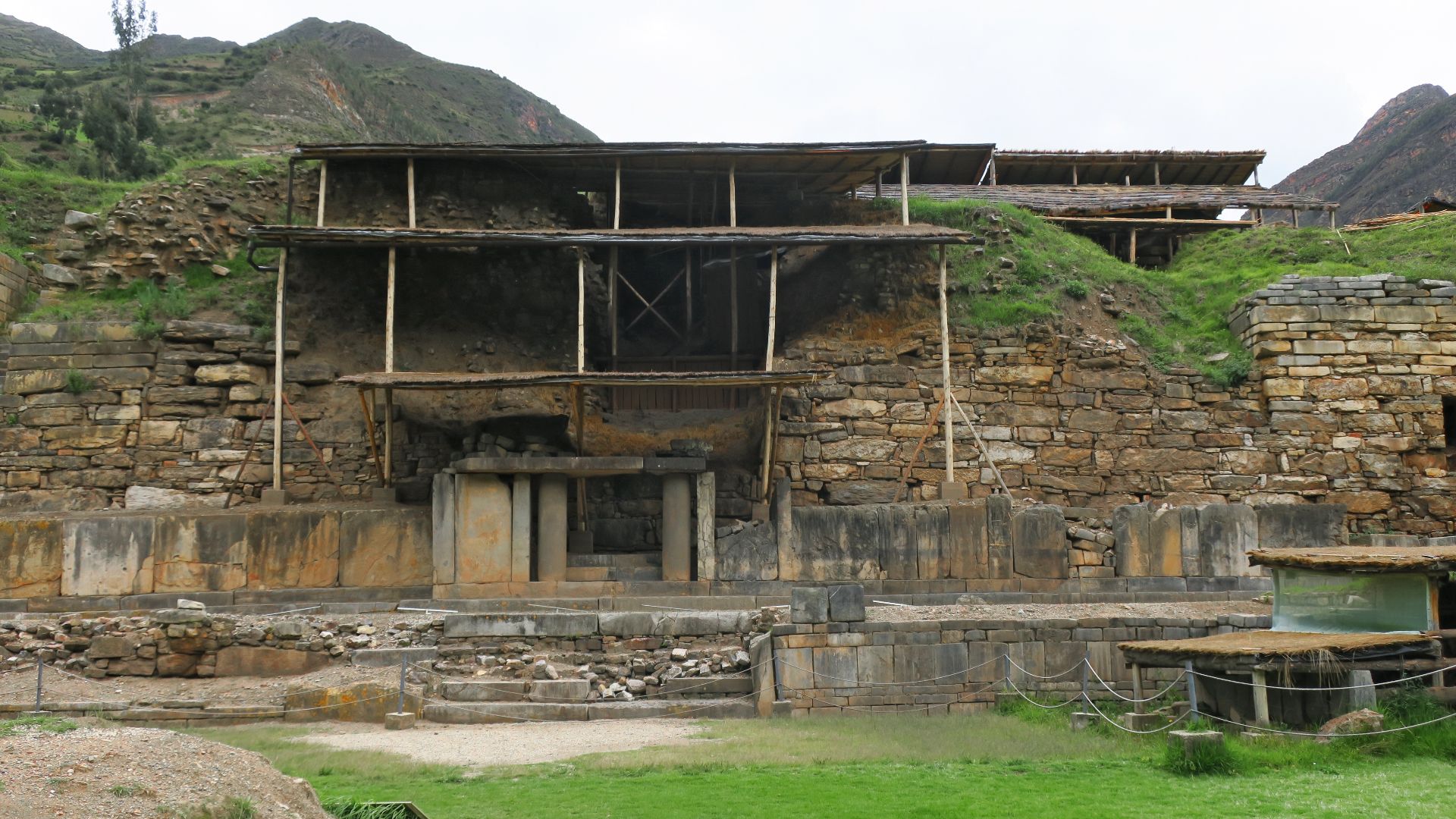
Isotopic analysis of teeth and bone shows that several individuals did not grow up near the temple. Their diets reflected distant environments. This evidence points toward pilgrimage rather than local conflict, suggesting people arrived willingly after long journeys, unaware of what participation inside the labyrinth might demand.
 AlisonRuthHughes, Wikimedia Commons
Arrival Was Only The Beginning
Pilgrims departed with communal anticipation. Weeks of travel ended at the temple gates, marking entry into sacred space. That transition deepened below ground. Underground routes immersed visitors in ritual experiences, prioritizing ceremonial structure over everyday familiarity.
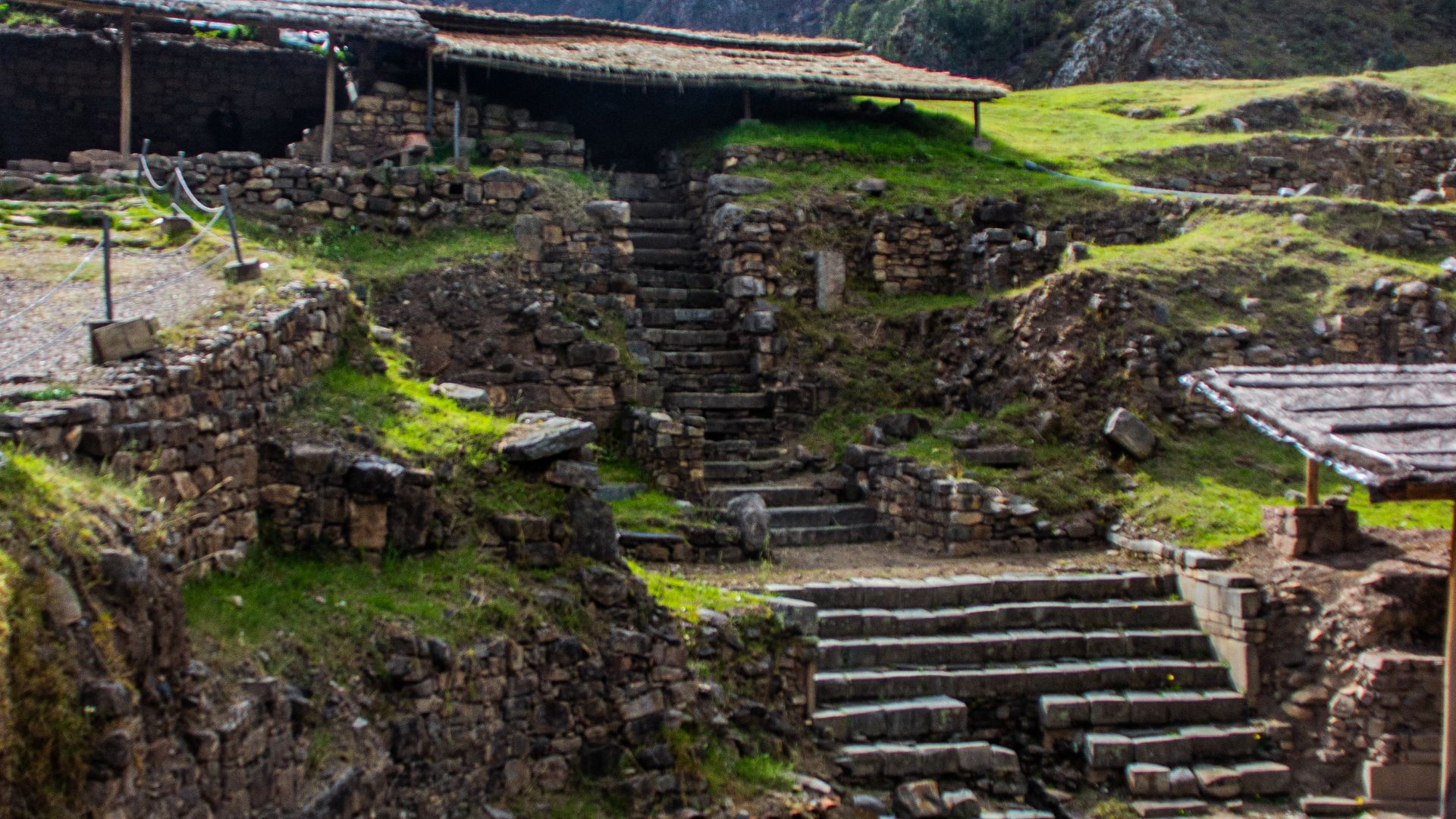
Water Was Part Of The Design
A complex hydraulic system ran beneath ritual spaces, directing water through stone channels. These routes passed below chambers used for ceremony. Their placement suggests intentional planning beyond drainage alone, allowing substances released above to move away quickly and leave surfaces seemingly untouched.
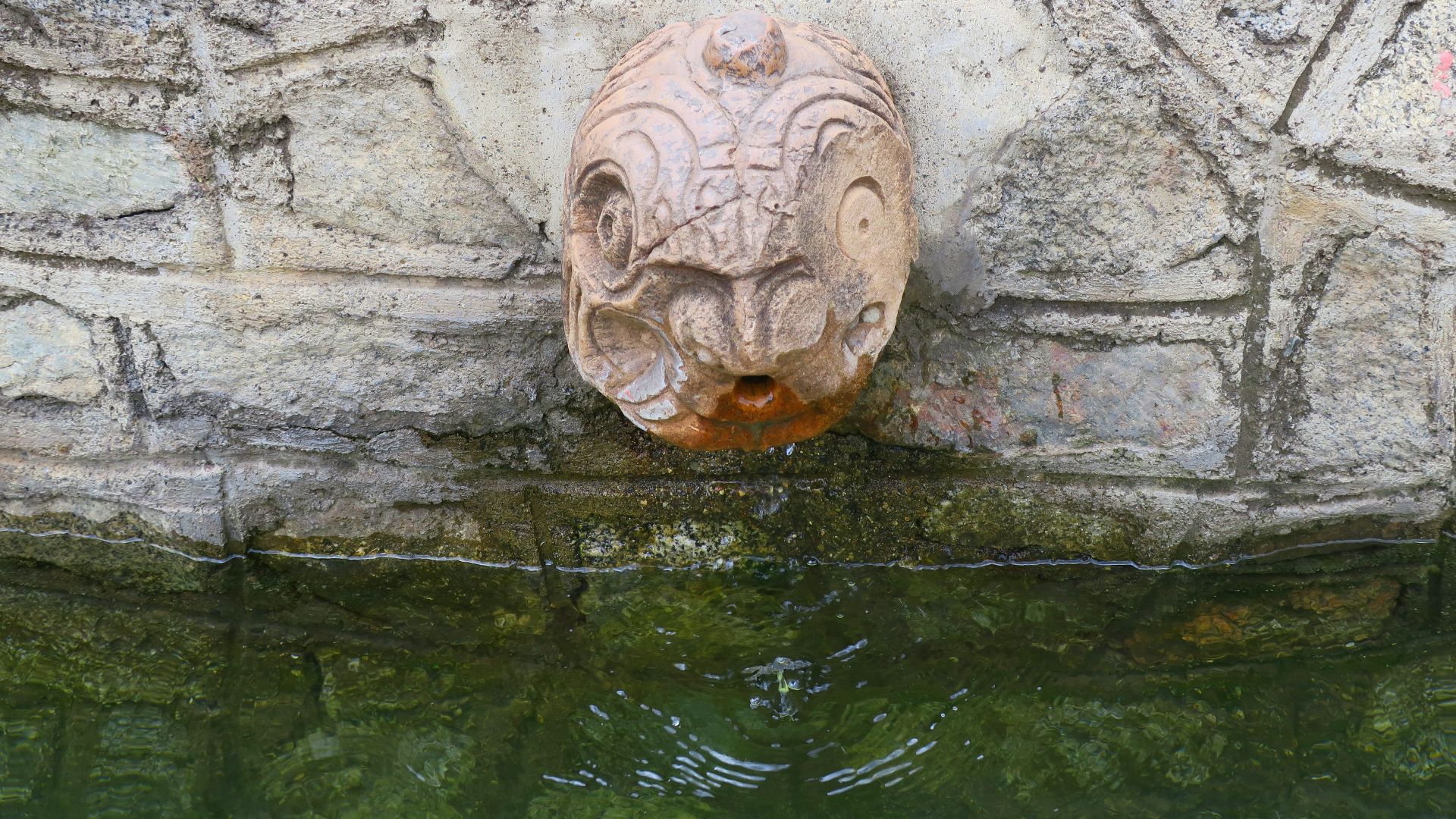 AlisonRuthHughes, Wikimedia Commons
Violence Without Visible Force
No signs point to warfare, restraint, or physical struggle. Weapons are absent. Defensive structures never appeared. That absence highlights a key aspect. Participation likely stemmed from profound belief, fostering trust in ritual authority through transformative experiences.
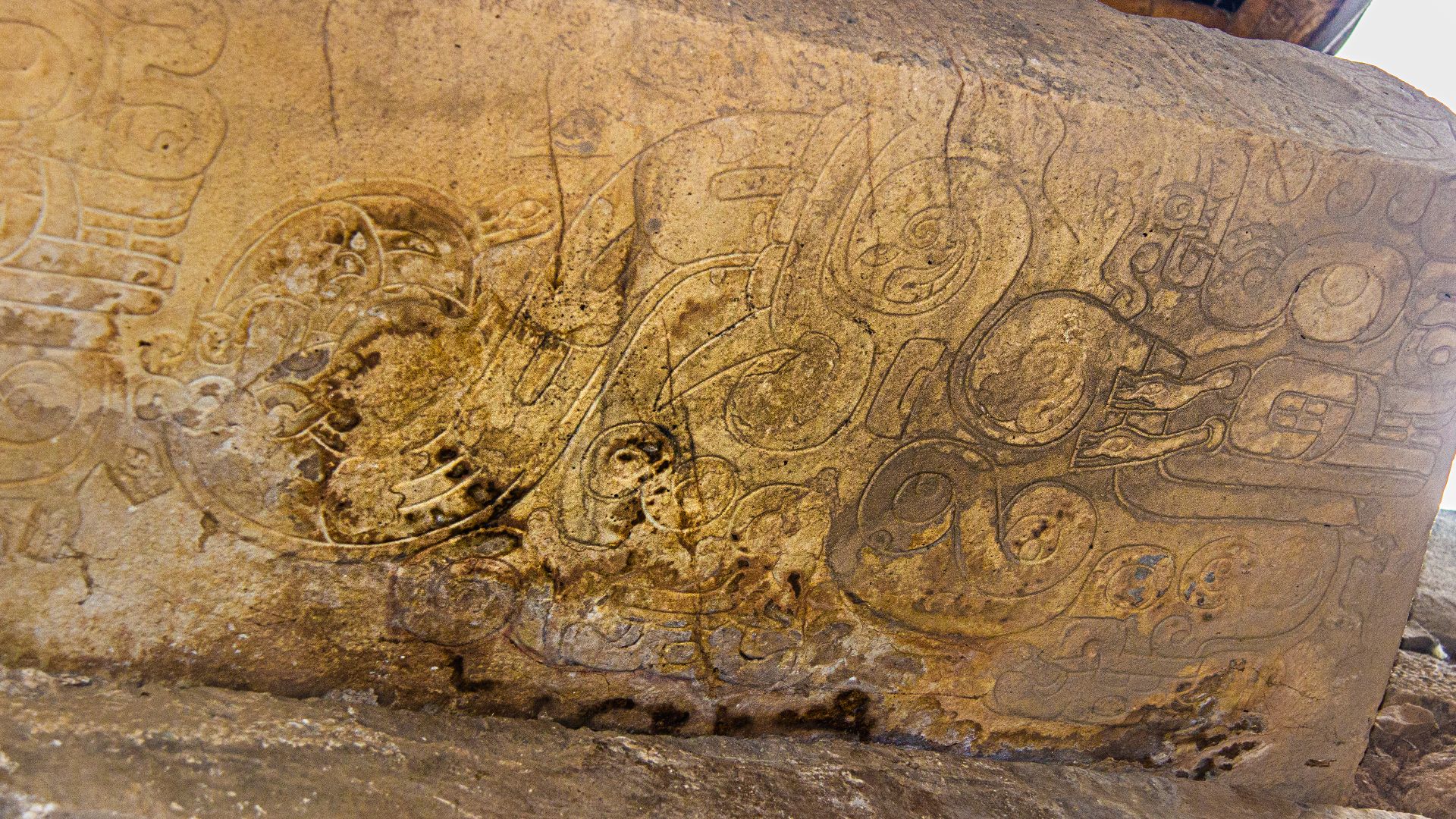
Power That Stayed Invisible
At Chavín de Huántar, control rarely announced itself openly. Authority operated through experience and secrecy. Transformative rituals unfolded out of sight, while devotion spread outward, carried by those who participated and spoke of the place with reverence.
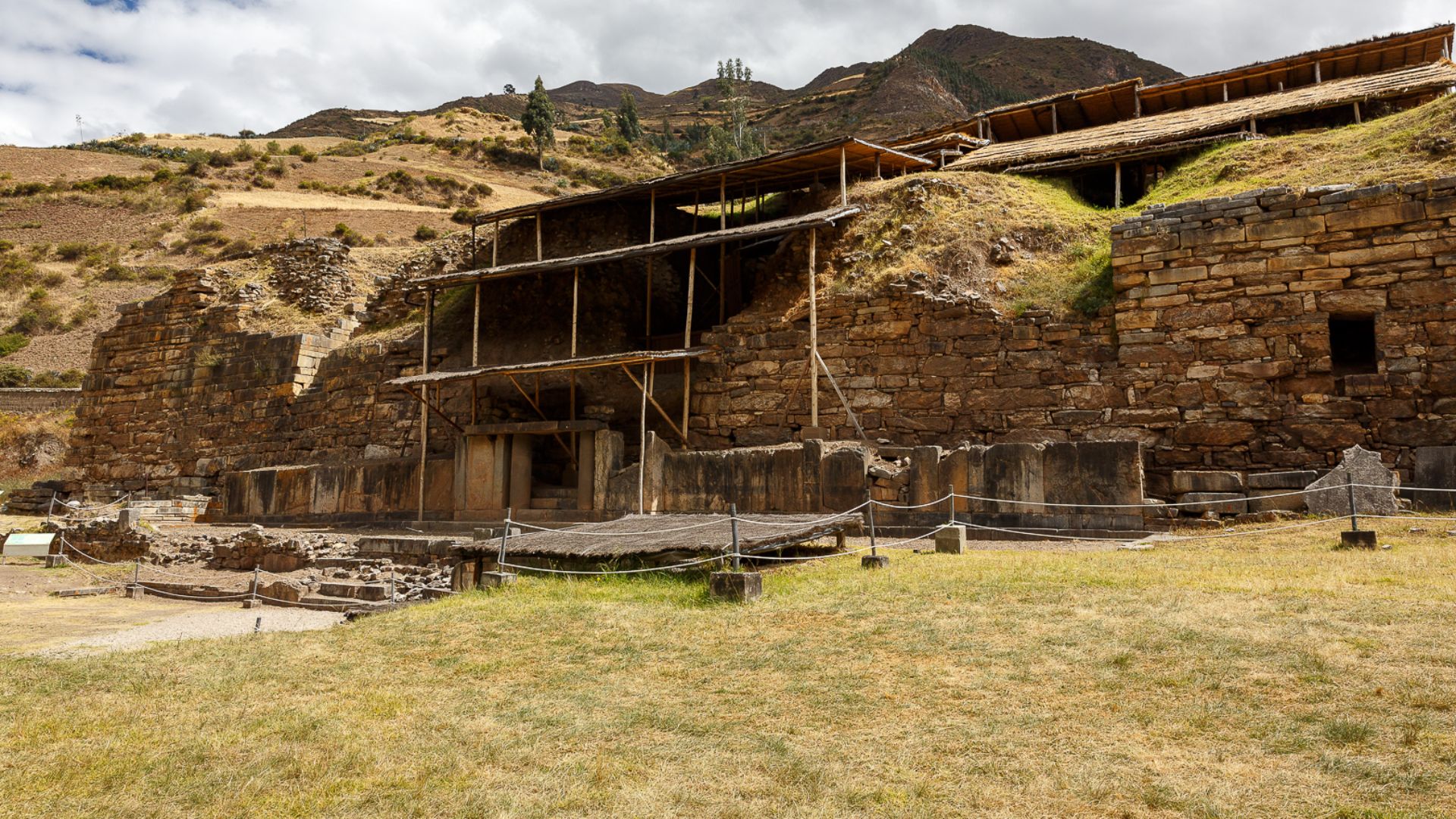 Diego Baravelli, Wikimedia Commons
Why The Labyrinth Stayed Hidden
Large sections of the underground network collapsed or were deliberately sealed over time. Sediment slowly filled unused corridors, masking entrances completely. Above ground, ritual activity continued. Below it, the labyrinth slipped out of sight, protected by neglect rather than secrecy.
Technology Changed The Conversation
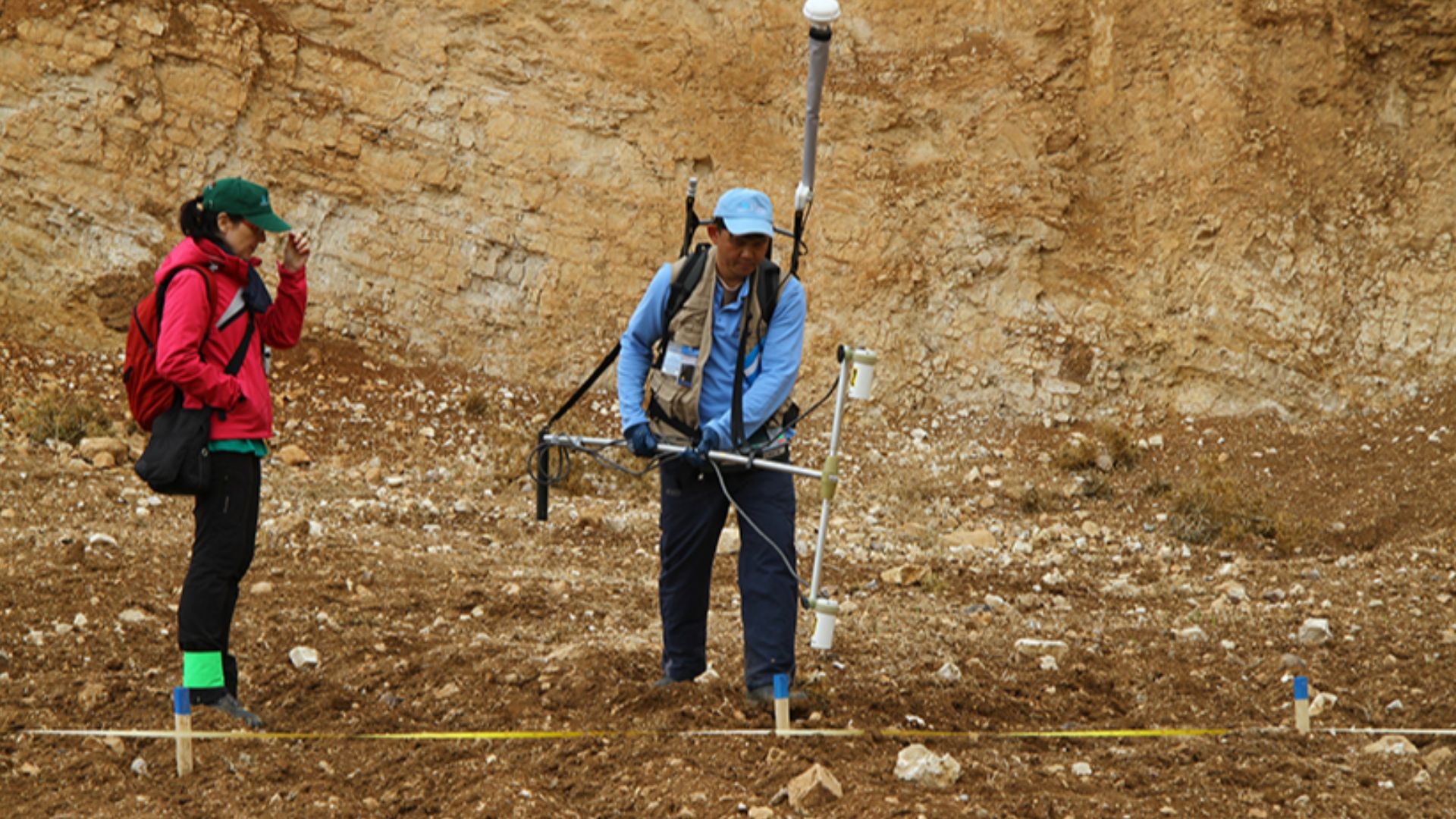
Modern surveys used ground mapping and spatial analysis to trace unseen passages. These tools revealed connections missed by earlier excavations. Instead of isolated tunnels, researchers identified a coordinated network. The scale surprised scholars and confirmed that underground design matched ceremonial intent.
 The Official CTBTO Photostream, Wikimedia Commons
What The Labyrinth Was Not
Evidence rules out storage, habitation, or military use. No domestic objects appear underground, and no signs suggest long-term presence. The space lacked comfort by design. Everything about the layout points toward short, controlled visits tied to ritual purpose alone.
Why The Stories Never Disappeared
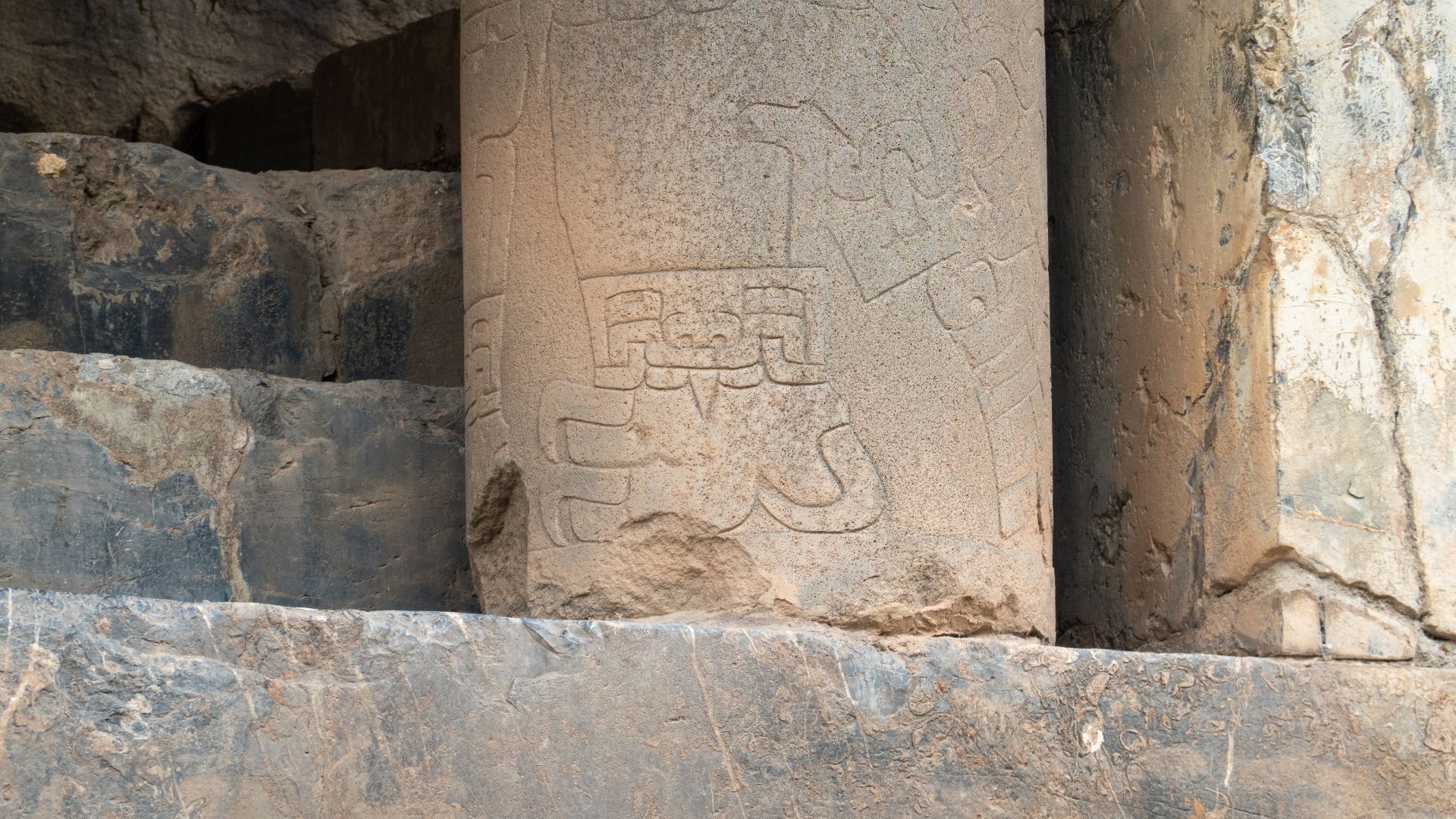
Access to the underground spaces remained limited even during Peru’s temple’s peak. Knowledge was passed selectively, while most visitors saw only surface architecture. That imbalance allowed rumors to persist without proof. Partial truth survived through memory long after physical entry disappeared.
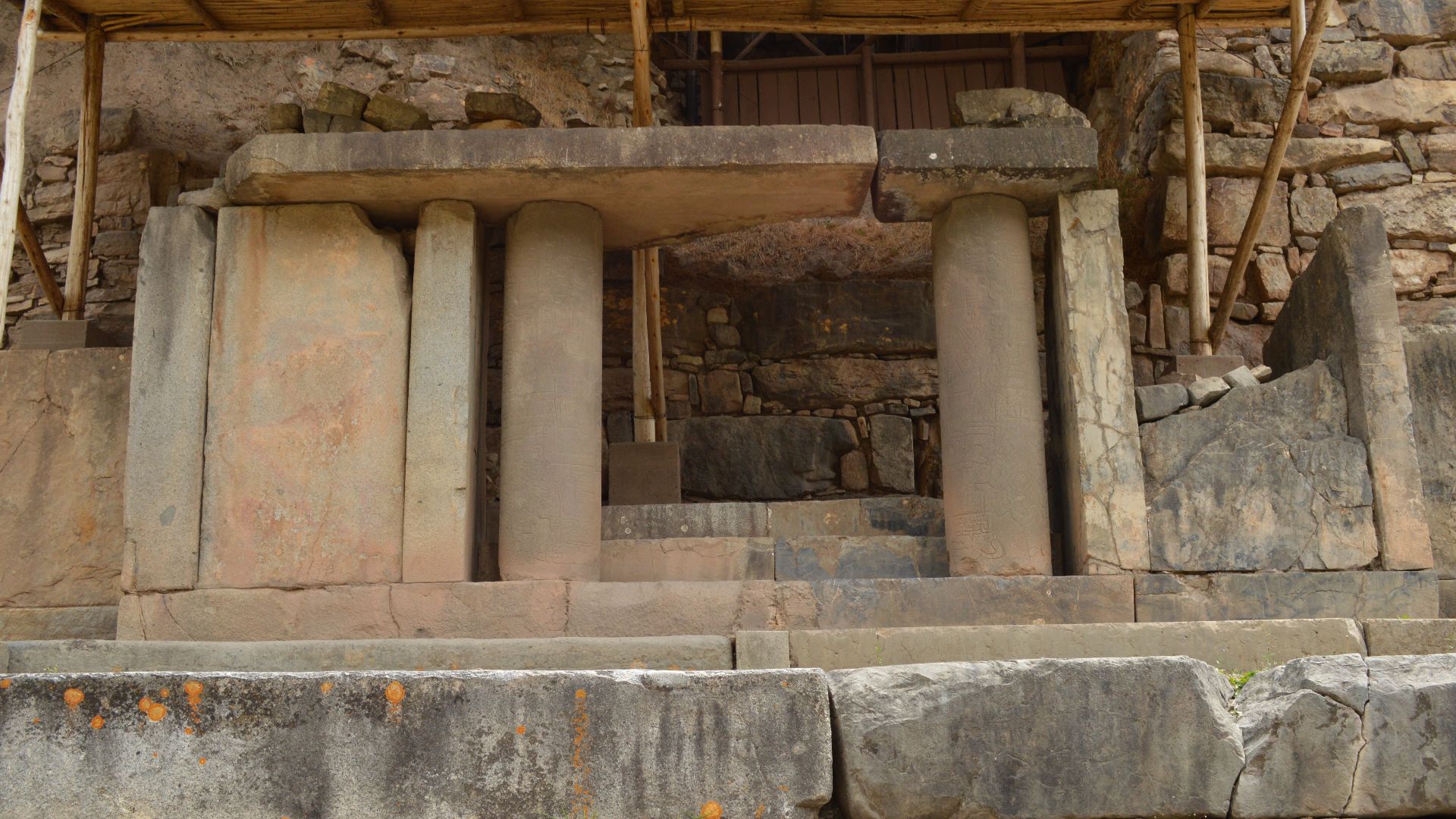 Roxana Sepulveda, Wikimedia Commons
What The Labyrinth Still Tells Us
At Chavín de Huántar, belief relied on experience more than explanation. Architecture shaped emotion, and emotion shaped loyalty. The labyrinth shows how power can work quietly, leaving no orders behind yet shaping behavior for generations.
 Martin St-Amant (S23678), Wikimedia Commons