Wrong Continent, Right Shape
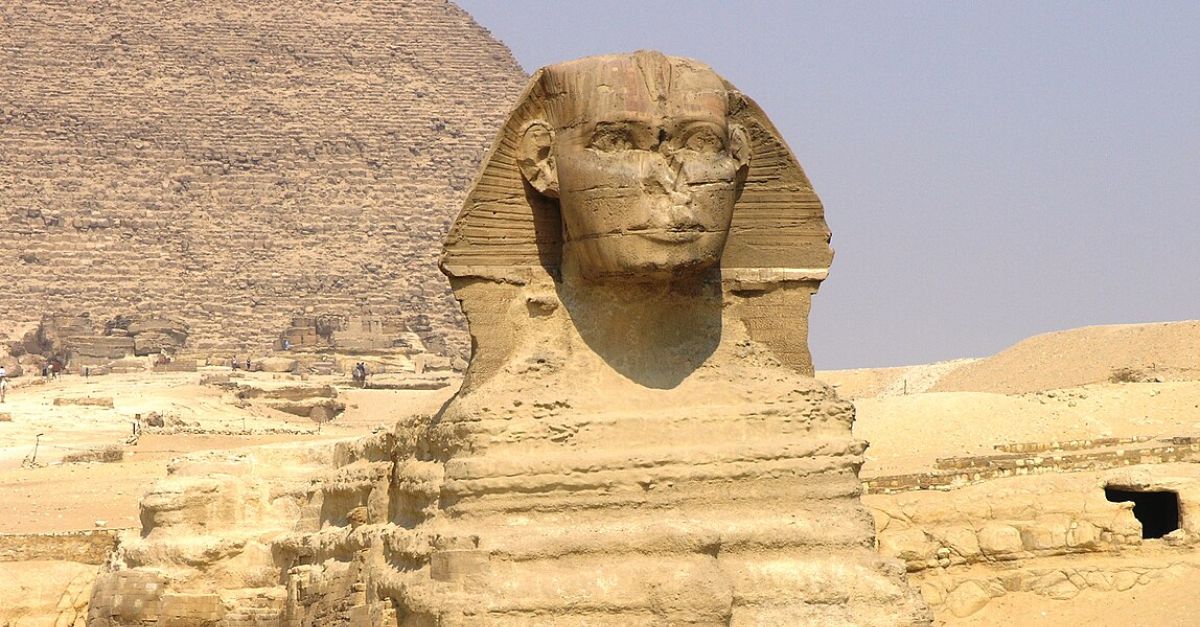
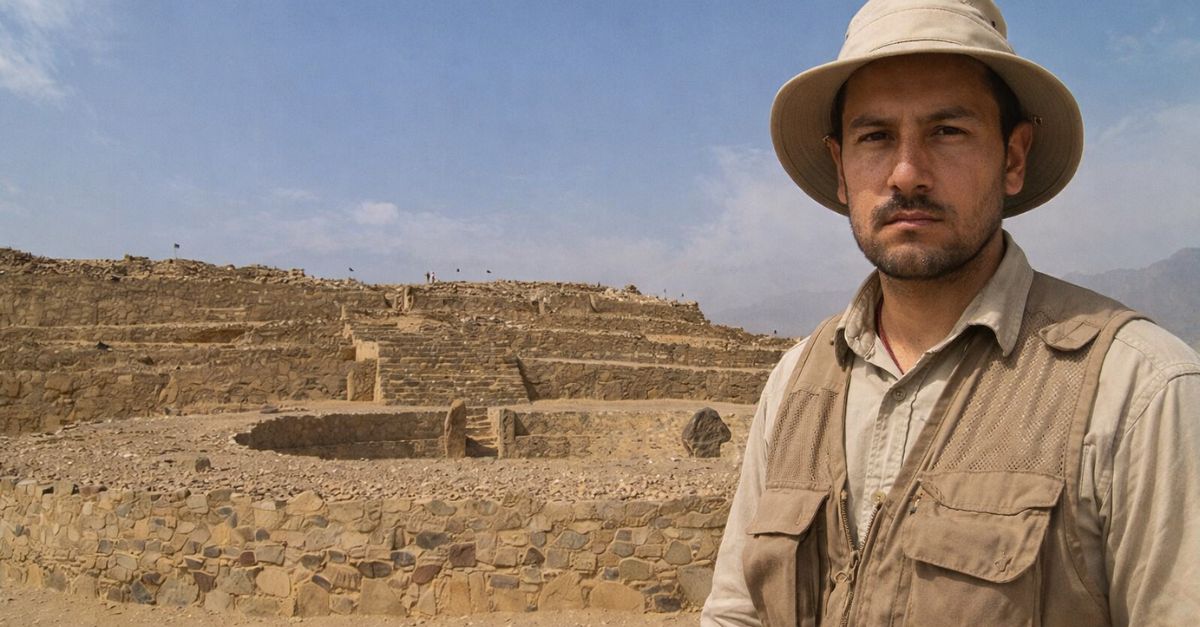
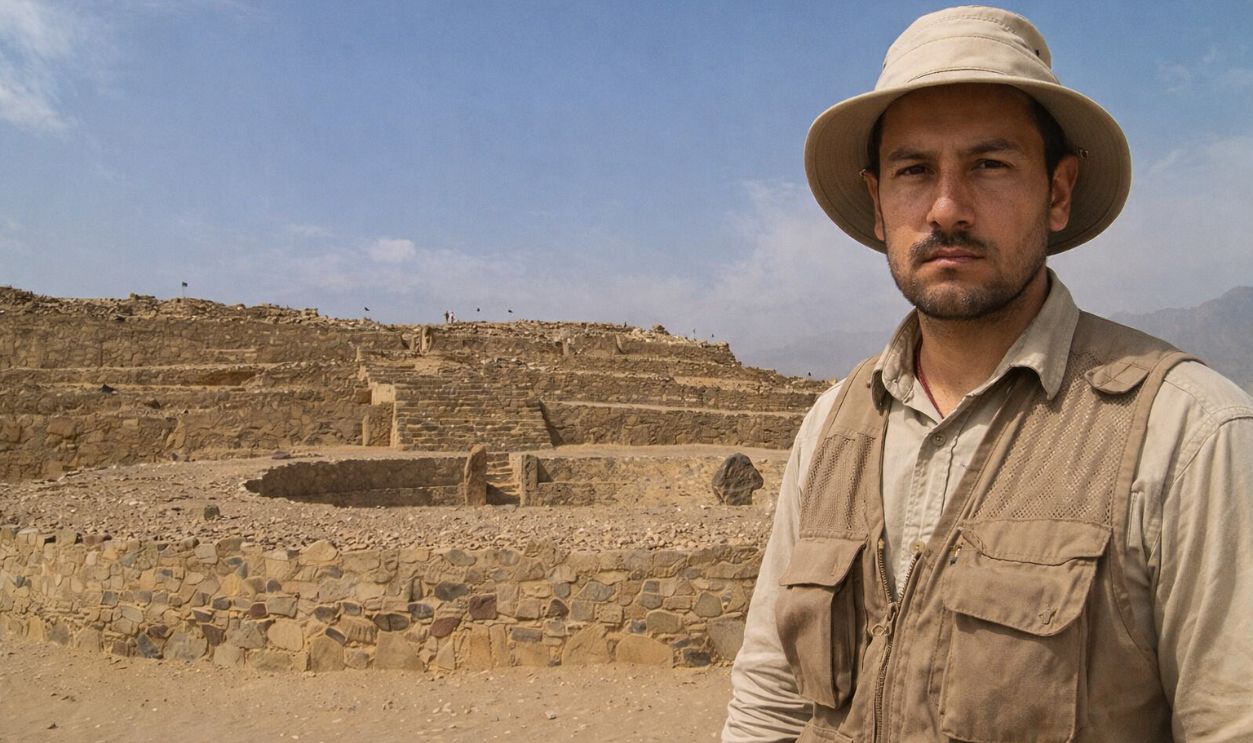
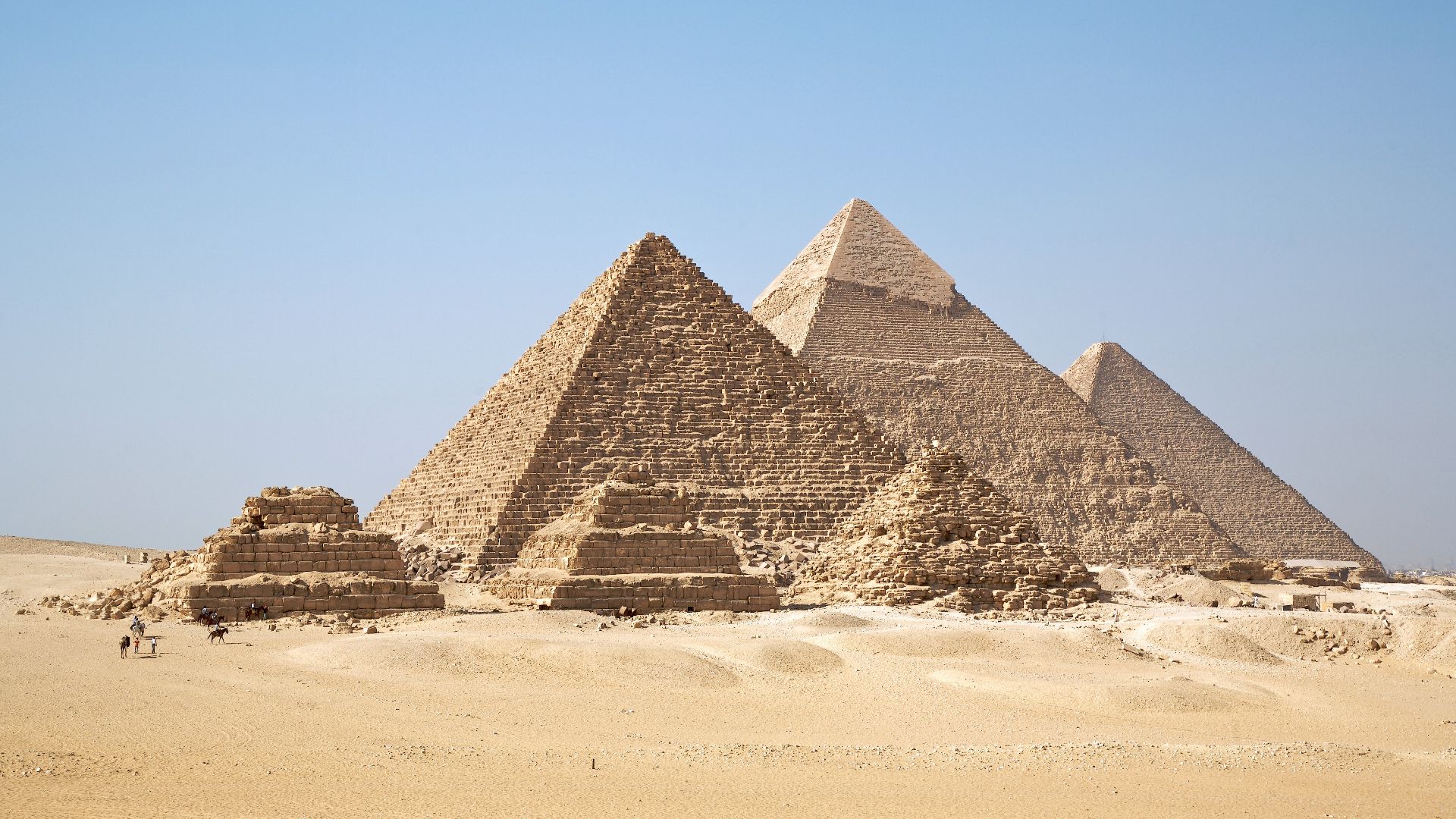
At first sight, the structure feels misplaced, like history slipped sideways. Its shape sparks Egypt comparisons, yet the ground beneath tells a story rooted in ancient Peru. That tension raises bigger questions about early building choices. Curious why distant cultures solved problems similarly? Archaeologists think they have the answer.
 Jon Gudorf Photography, CC BY-SA 2.0, Wikimedia Commons, Modified
Why It Feels Familiar
At first glance, the structure triggers a double-take. Broad platforms and sharp echo monuments people associate with Egypt. However, the resemblance stops at appearance. Geography, materials, and purpose tell a very different story once context replaces instinct.
 AlisonRuthHughes, Wikimedia Commons
A Monument in the Andes
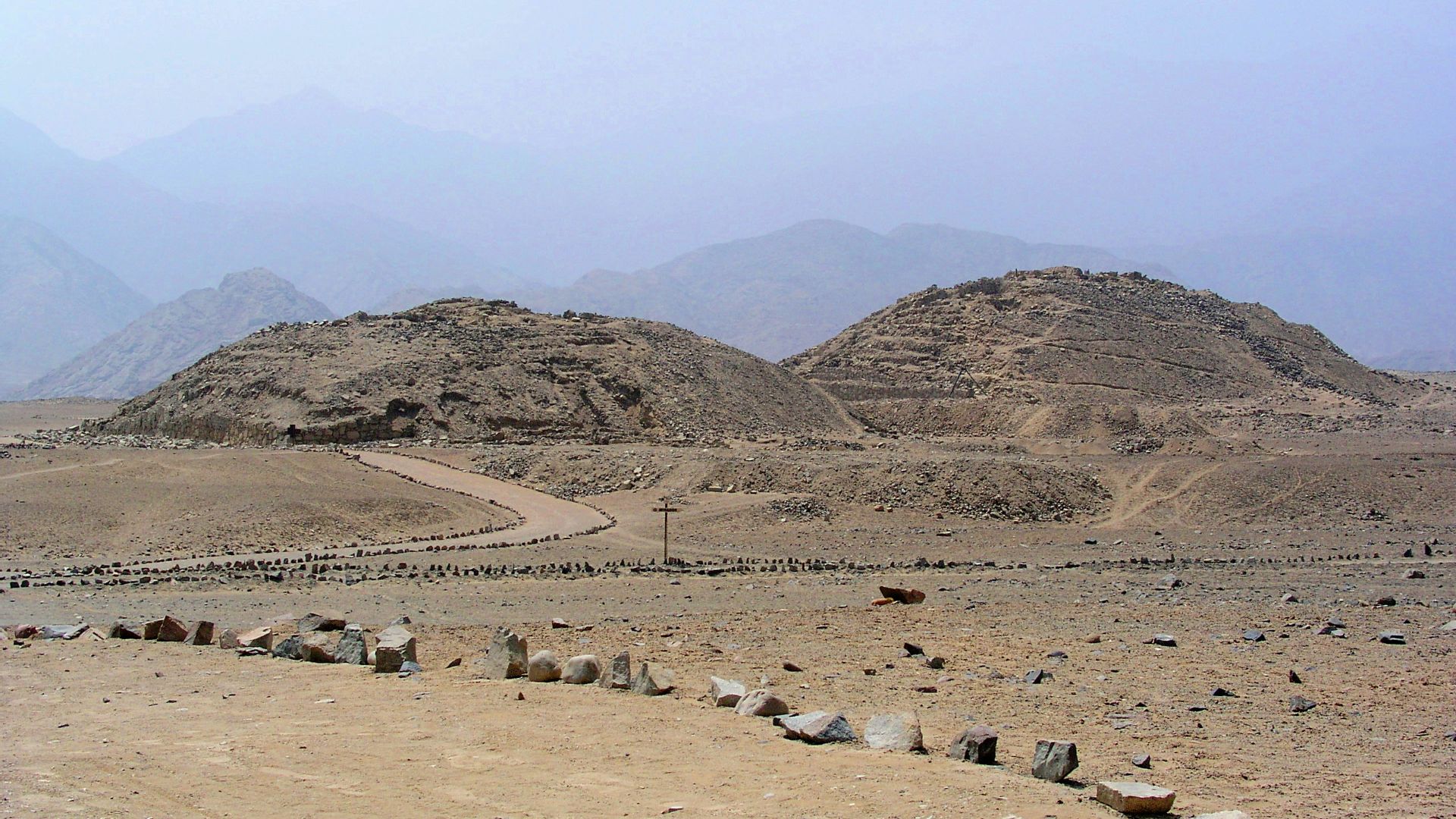
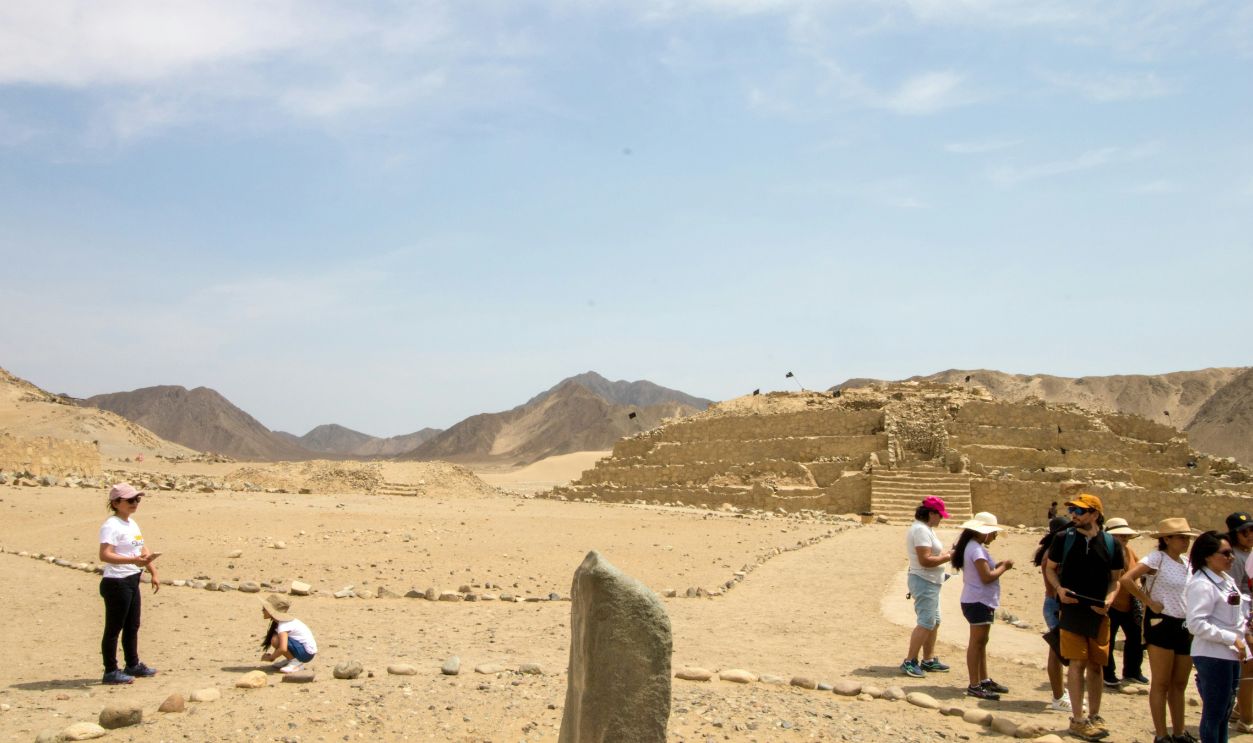
The site stands along Peru’s arid central coast, positioned near river valleys rather than floodplains. Geological surveys also show a deliberate placement away from areas of erosion risk. Because local stone dominated construction, the monument reflects regional adaptation rather than imported architectural influence.
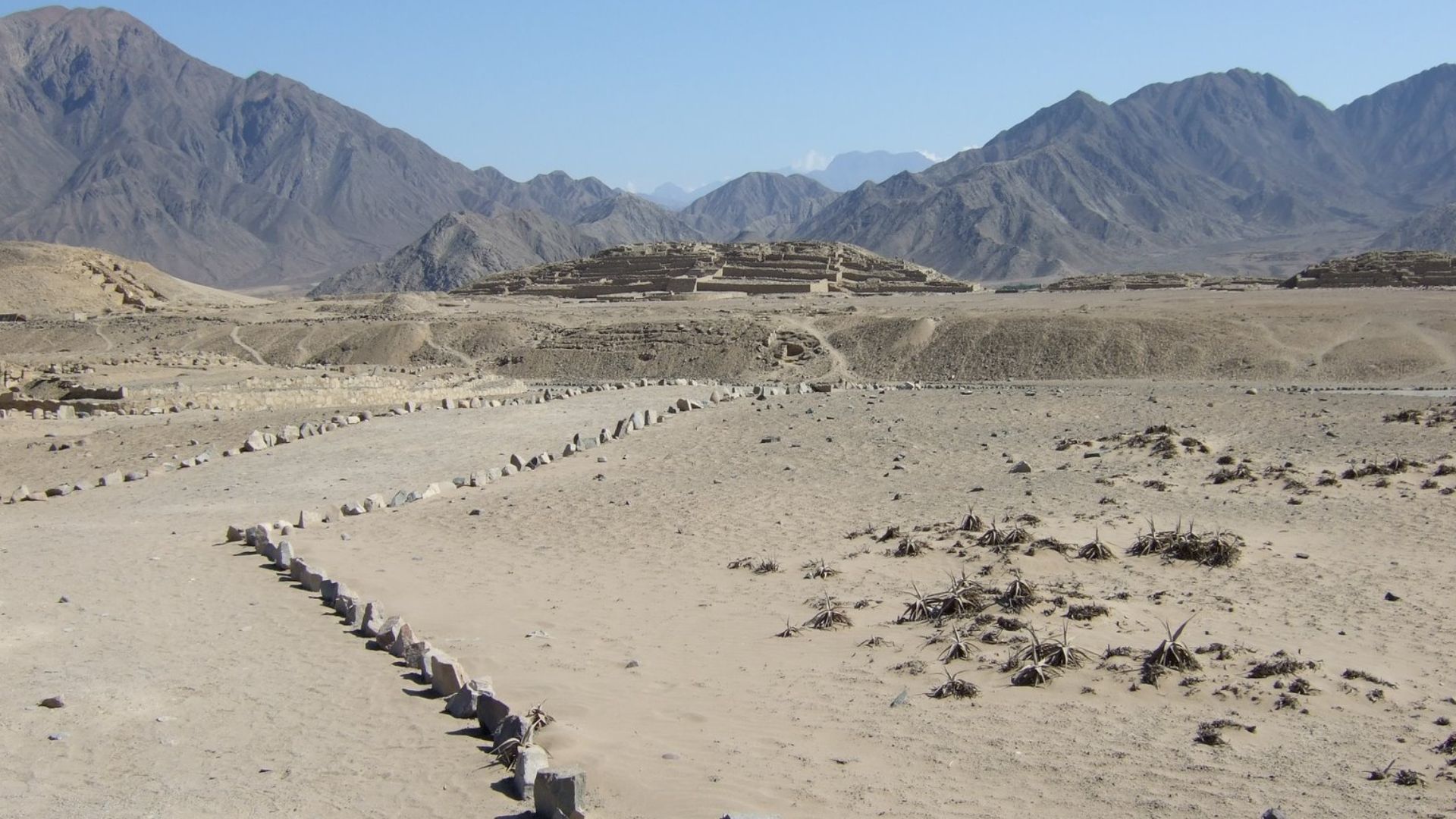
Builders Without Pharaohs
No pharaohs ruled here. No royal tombs either. Instead, the structure belongs to an early Andean society that organized labor collectively. Power flowed through cooperation, not crowns, which already sets this place apart despite its familiar silhouette.
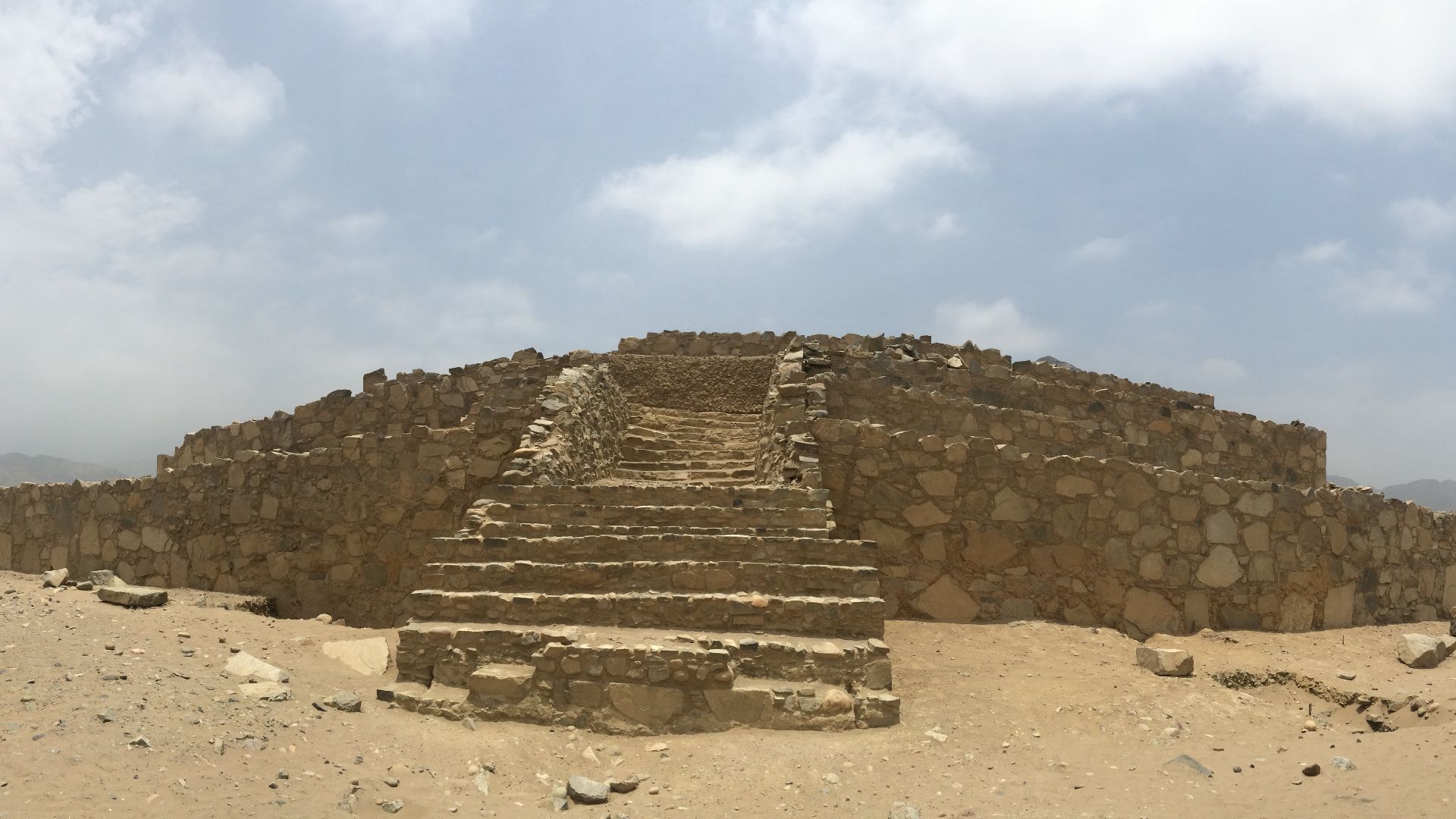 Paulo JC Nogueira, Wikimedia Commons
Older Than You Expect
Radiocarbon dating places the site around 3000 BCE. That timing overlaps with early Egyptian dynasties. Yet development occurred independently. Parallel timelines also reveal simultaneous complexity rather than borrowed ideas, reshaping assumptions about where early monumental building began.

Parallel Time, Separate Worlds
How did comparable monumental forms appear in distant regions during the same era? Similar social pressures provide an explanation. Growing populations required shared spaces that could support large gatherings, and certain shapes naturally met those needs, even without contact or cultural exchange.
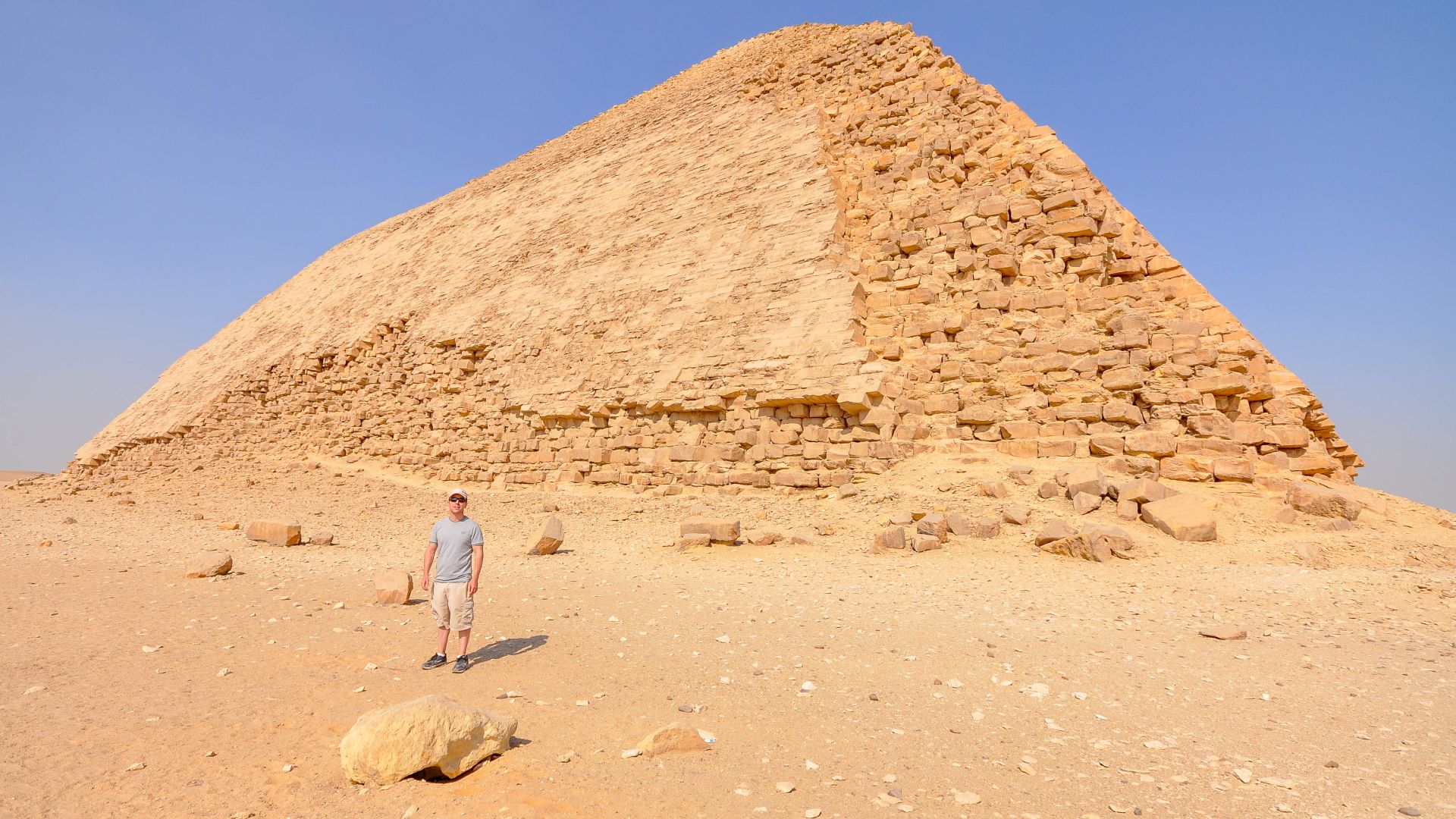 Jorge Lascar from Melbourne, Australia, Wikimedia Commons
Stone Chosen for Stability
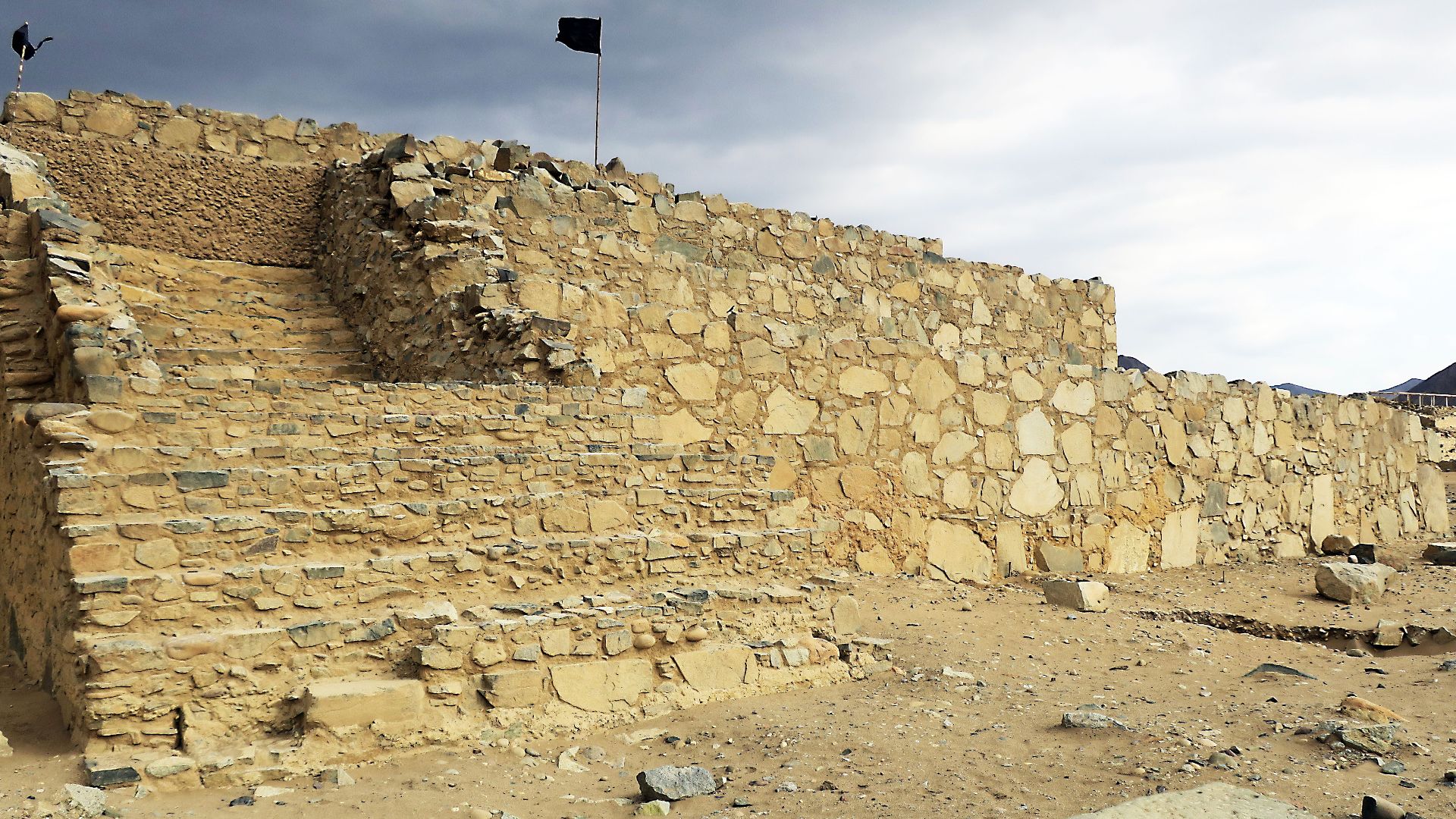
Builders used local stone and packed earth. No imported blocks. No decorative casing. Weight mattered more than finish. These choices further reduced collapse risk and suited seismic conditions, allowing massive forms to endure despite earthquakes common to the region.
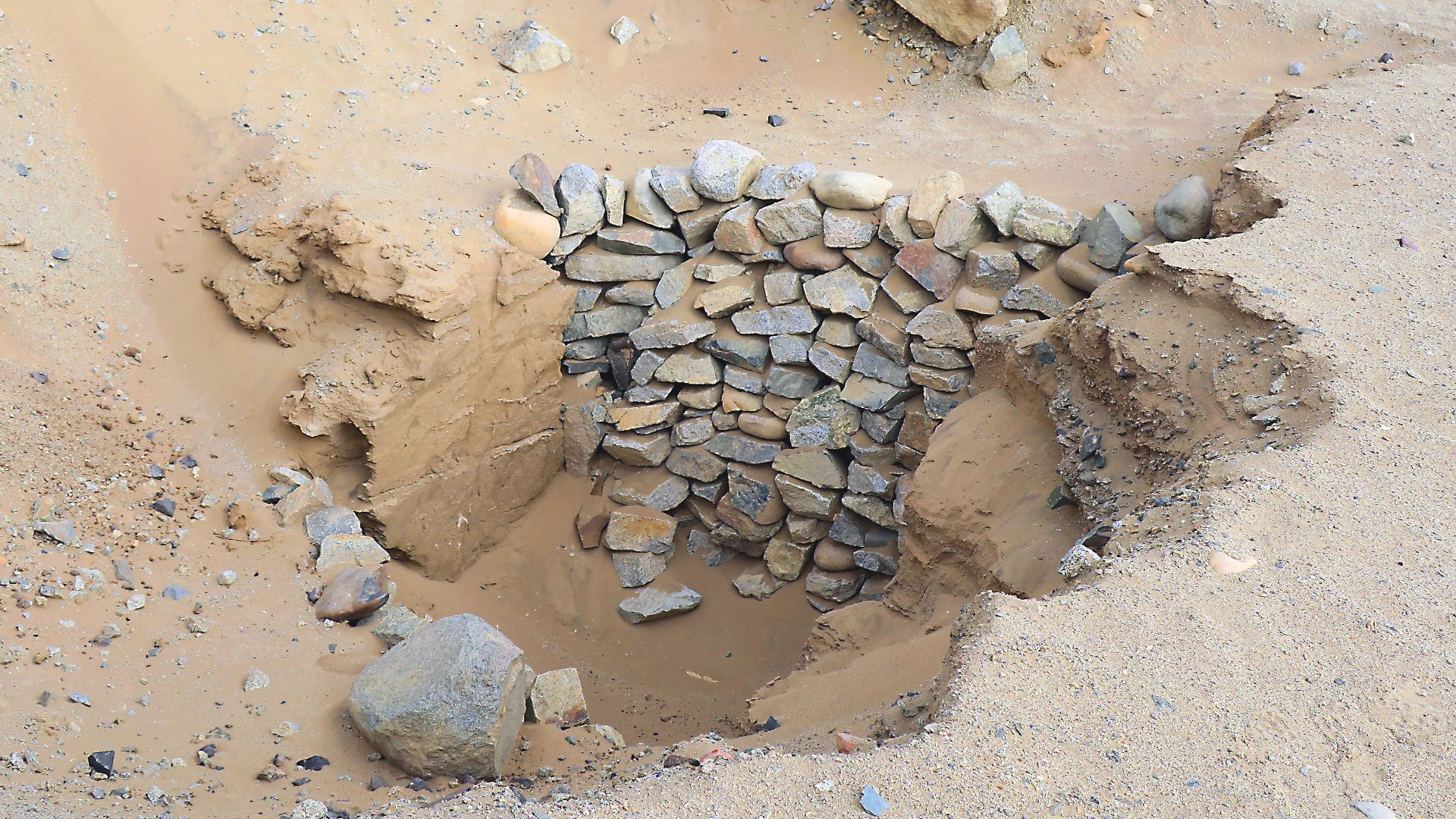 AlisonRuthHughes, Wikimedia Commons
Engineering Without Metal
Construction advanced without metal tools or draft animals. Hands moved the stone, and knowledge guided placement. Over the years, structures rose through persistence rather than force. That patience shaped monuments meant to last, even while daily life demanded constant survival work.
Why It Looks Like a Pyramid
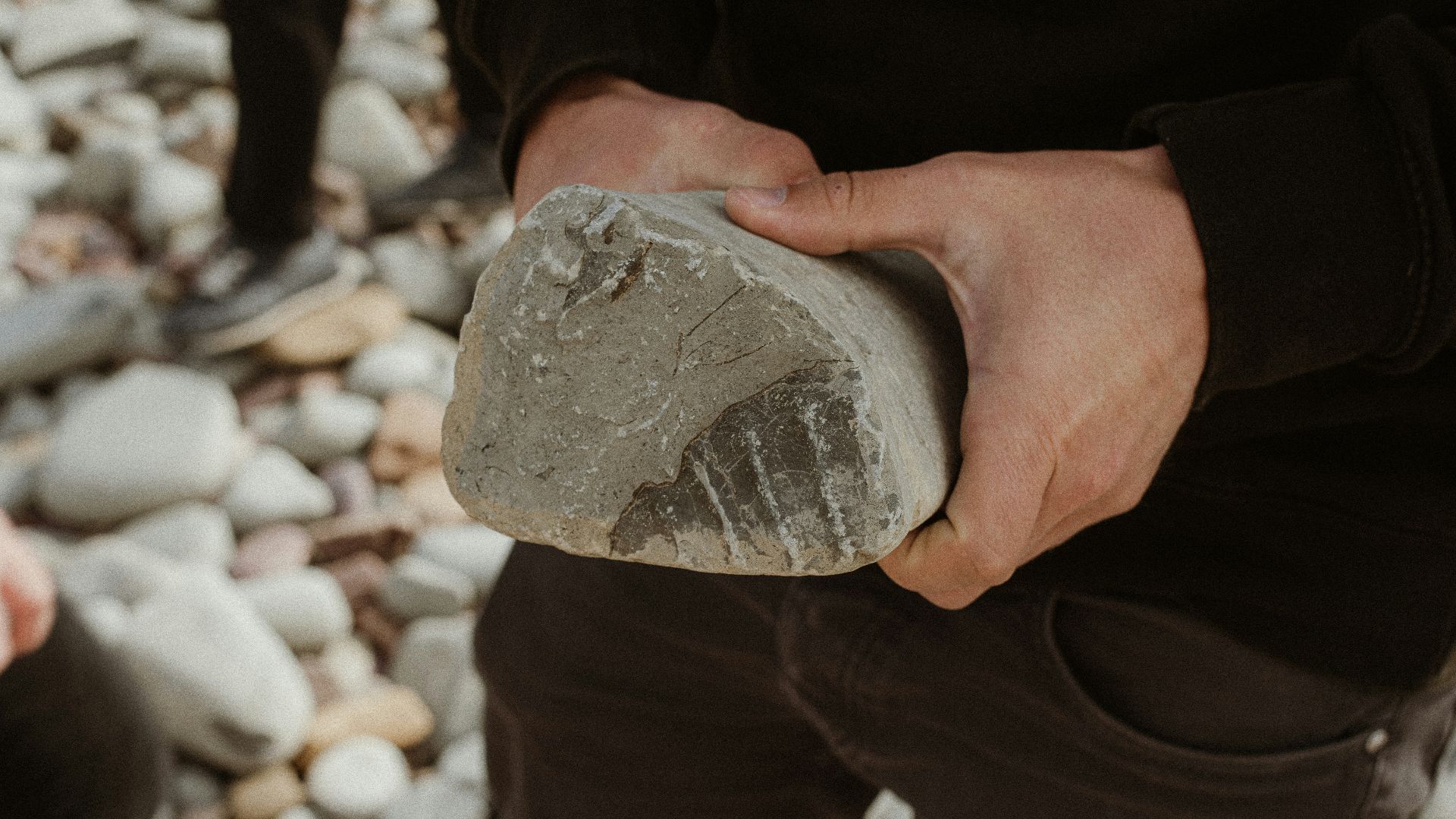
Architecture often listens before it speaks. As builders push upward, materials insist on balance and spread. Tiered construction answers that demand, creating stability through form. Symbolic meaning follows later, layered onto shapes that originated through necessity.
 Hakan Svensson Xauxa, Wikimedia Commons
Not a Tomb
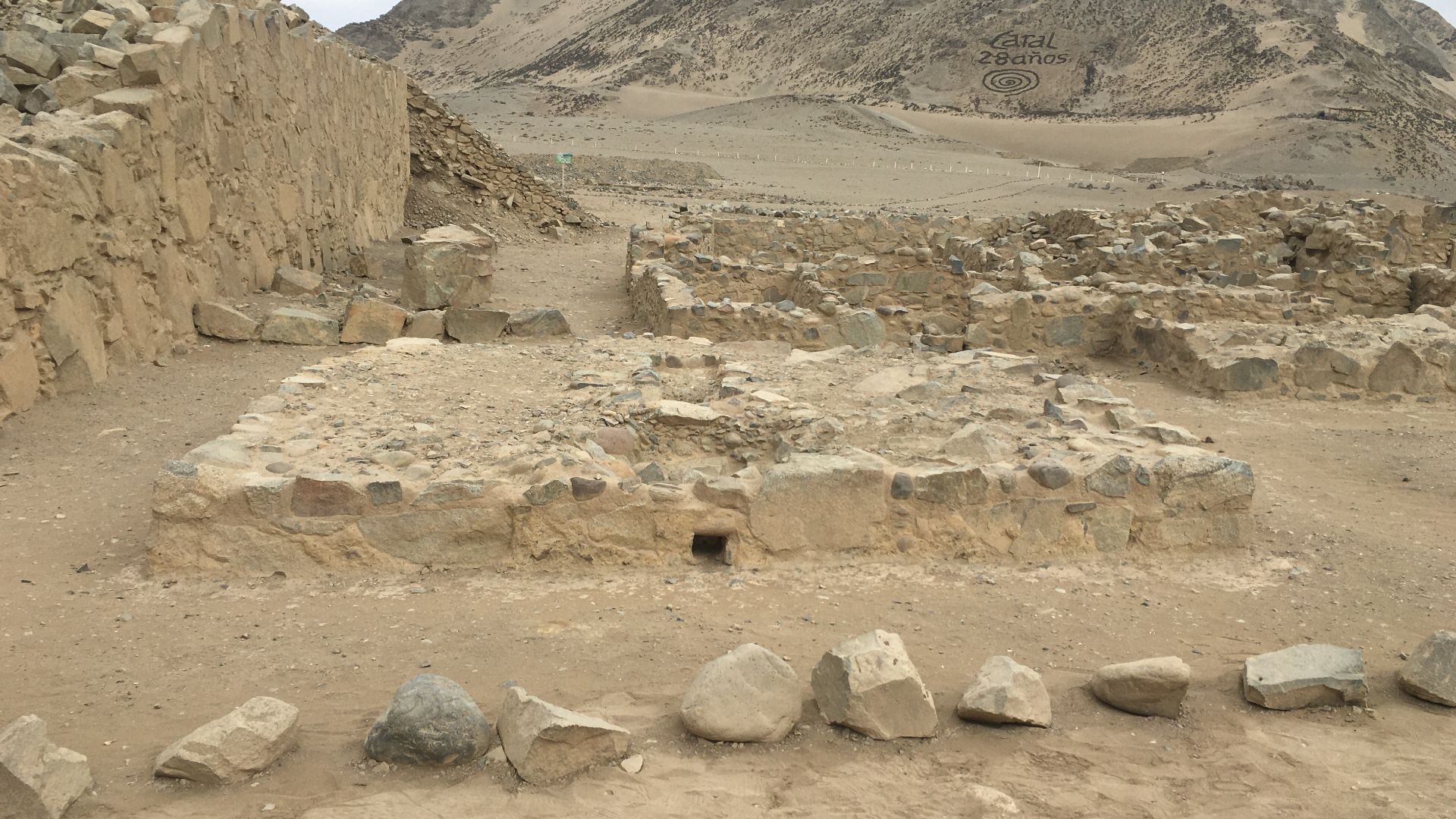
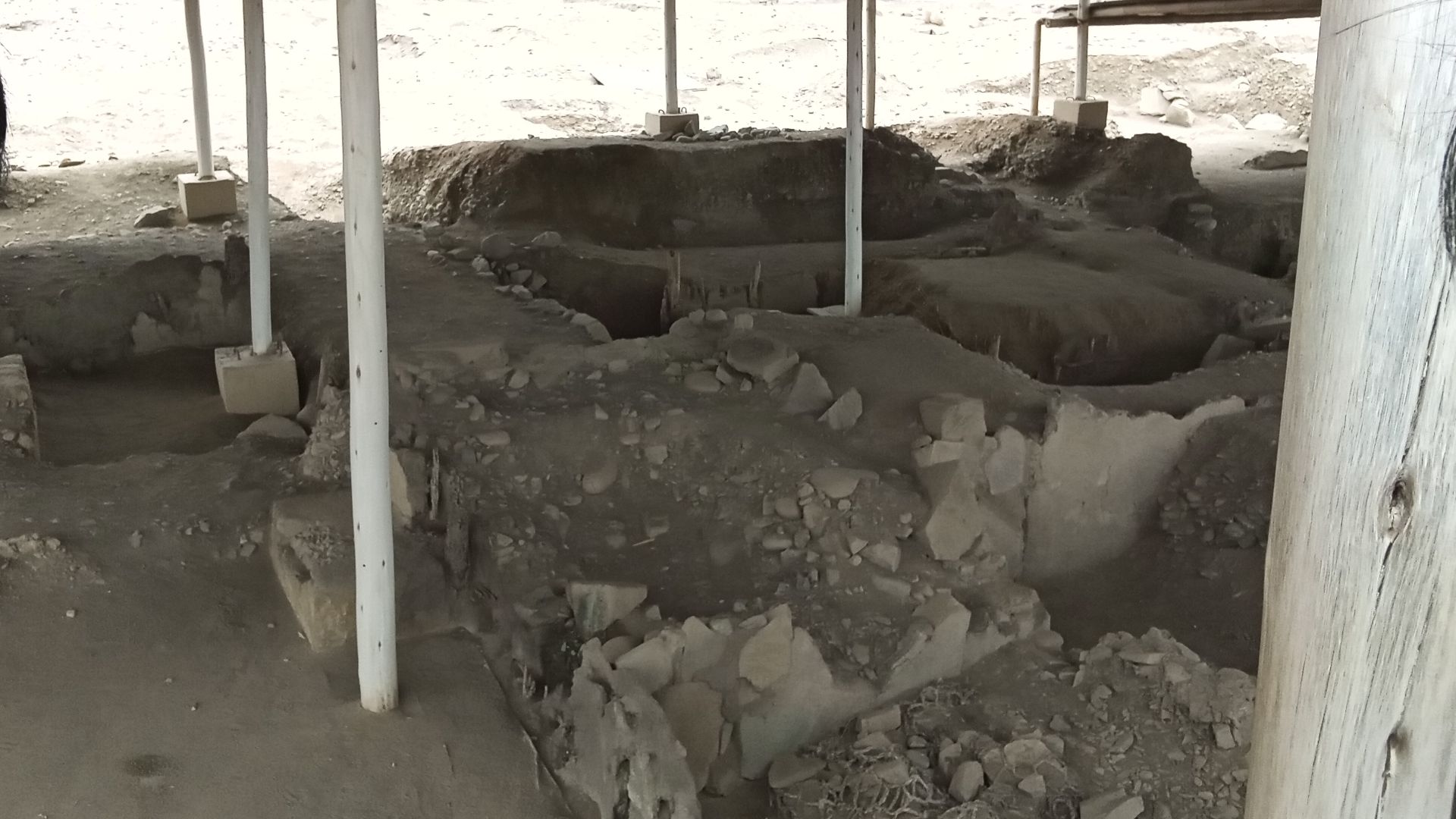
Size suggests finality, yet the evidence refuses it. Archaeologists found no graves and no offerings linked to burial practice. That absence forces a mental reset. Interpretation turns toward social use, where people meet repeatedly instead of commemorating the dead.
 JOSE MORALES CIENCIA POLITICA UNMSM, Wikimedia Commons
A Space for People
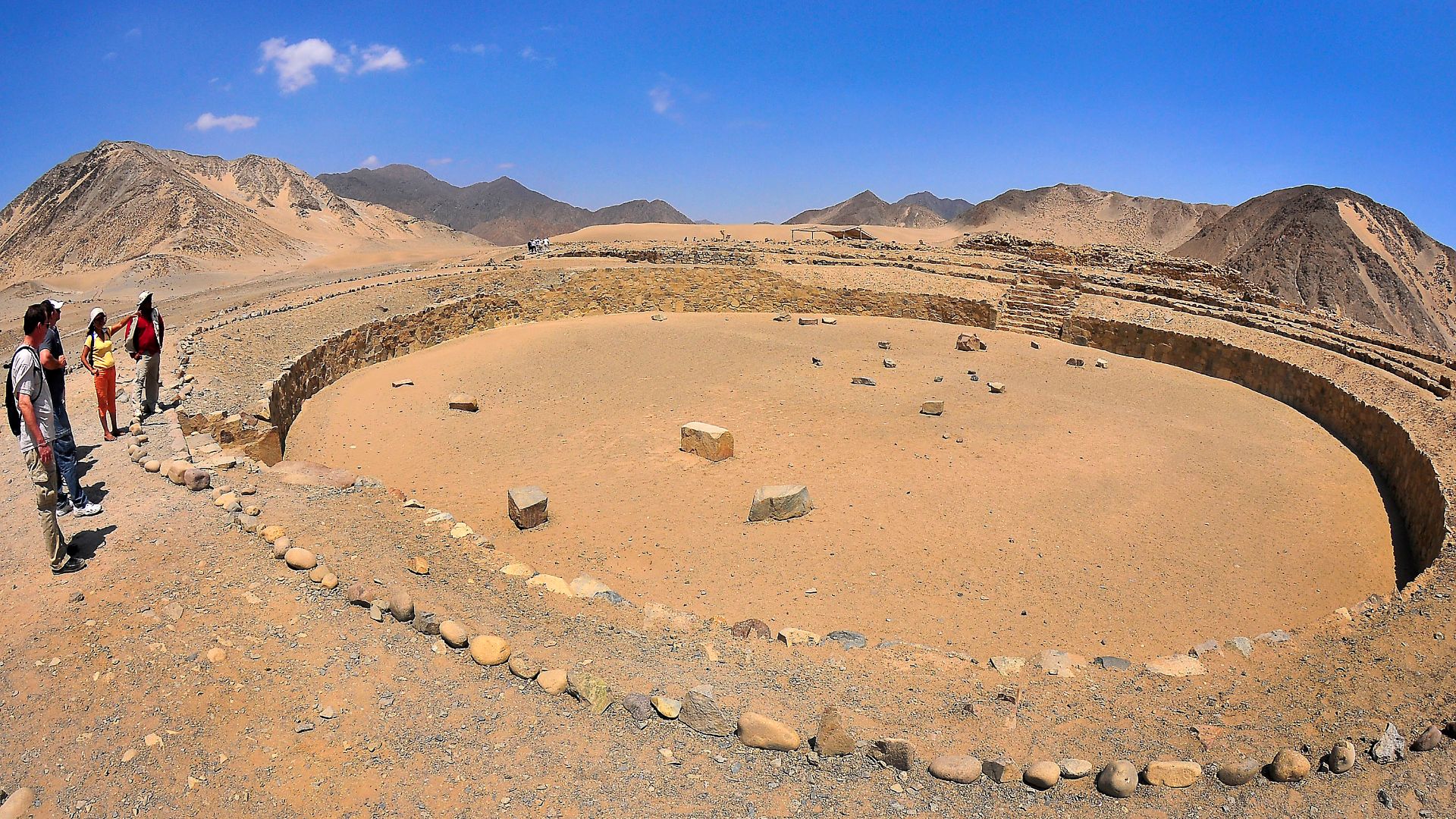
Instead of eternal rest, the site hosted repeated use. Open plazas supported ceremonies, meetings, and food sharing. Think community center, not mausoleum. People came together here regularly, proving monumentality sometimes served daily connection rather than distant legacy.
 Petty Officer 3rd Class Daniel Barker, Wikimedia Commons
Built by Many, Not One
Archaeological evidence shows no signs of centralized royal authority. Instead, construction scale points toward coordinated communal labor. Groups likely contributed seasonally by balancing building with farming. Such cooperation reflects a social organization rooted in shared responsibility rather than command.
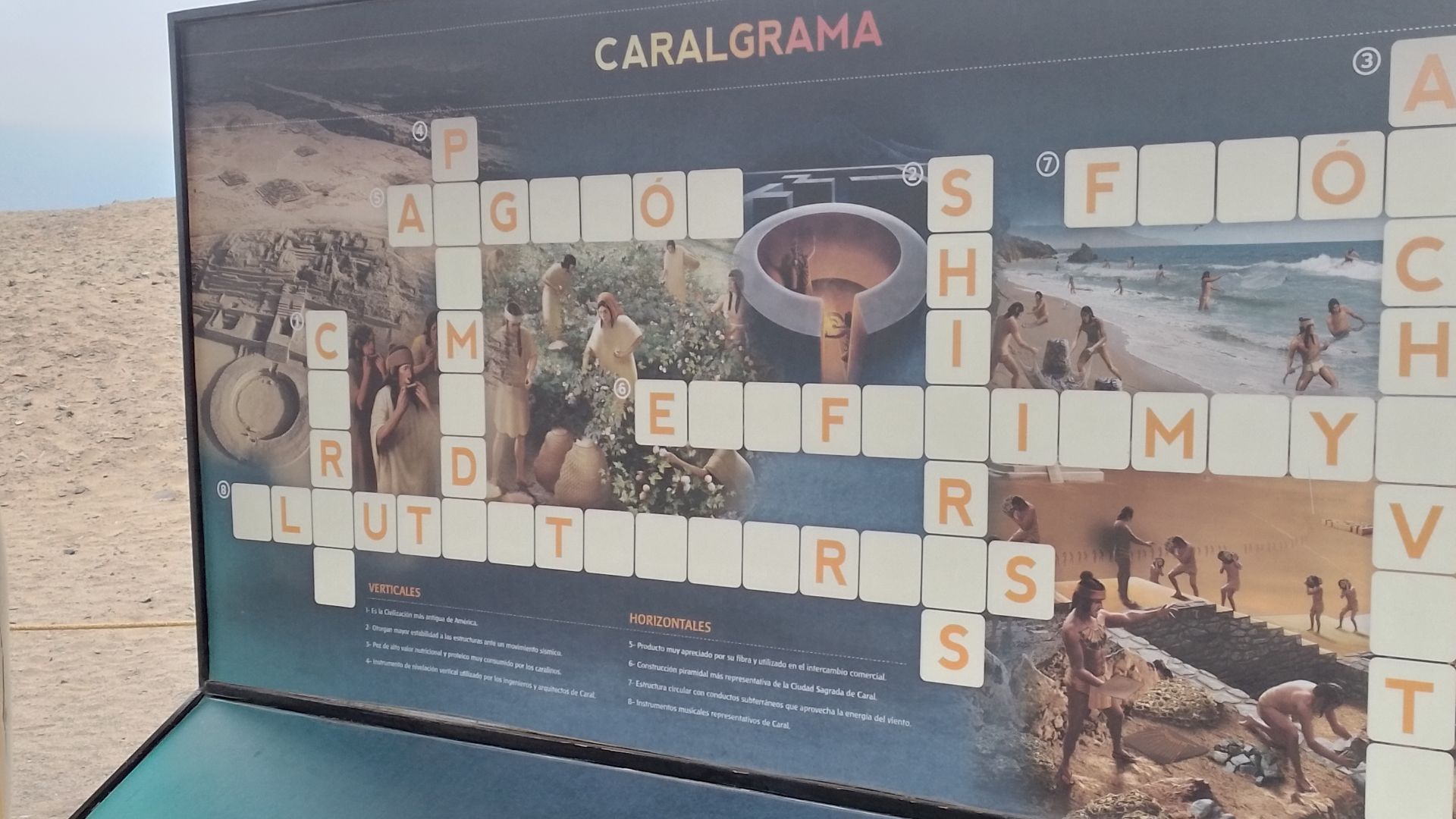 Stefanya E. Trujillo Mendoza, Wikimedia Commons
Labor Without Writing
No written records guided construction. Planning appears embedded in repeated architectural patterns and consistent measurements. Because alignment remains precise across phases, builders relied on shared knowledge systems, memory, and oral instruction to coordinate work across extended periods.
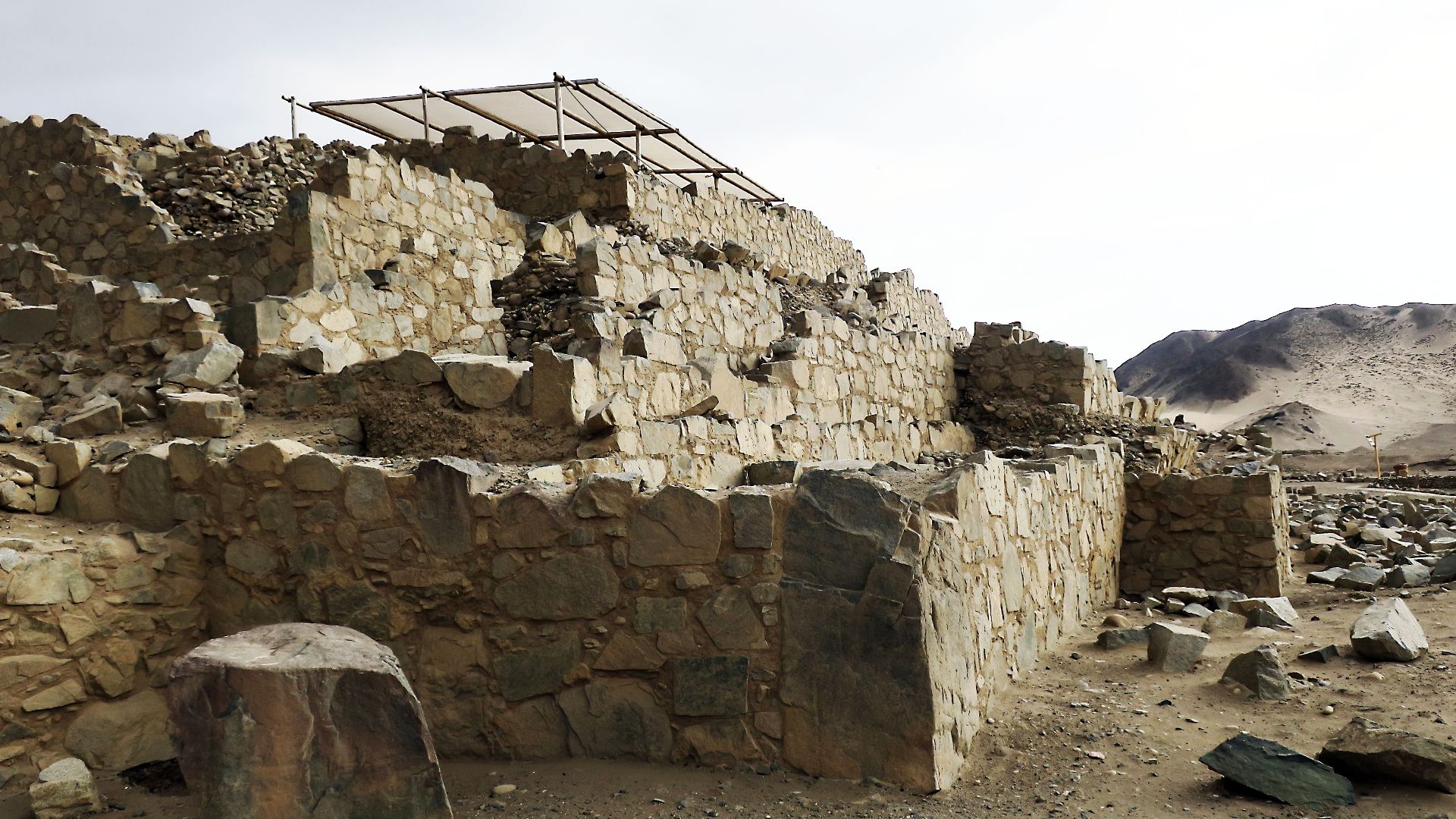 AlisonRuthHughes, Wikimedia Commons
Food Made Construction Possible
Massive building projects need steady meals. Agricultural remains nearby show reliable crop production, which supported large gatherings. That surplus freed time and energy. People could build because food systems already worked, not because monument building came first.
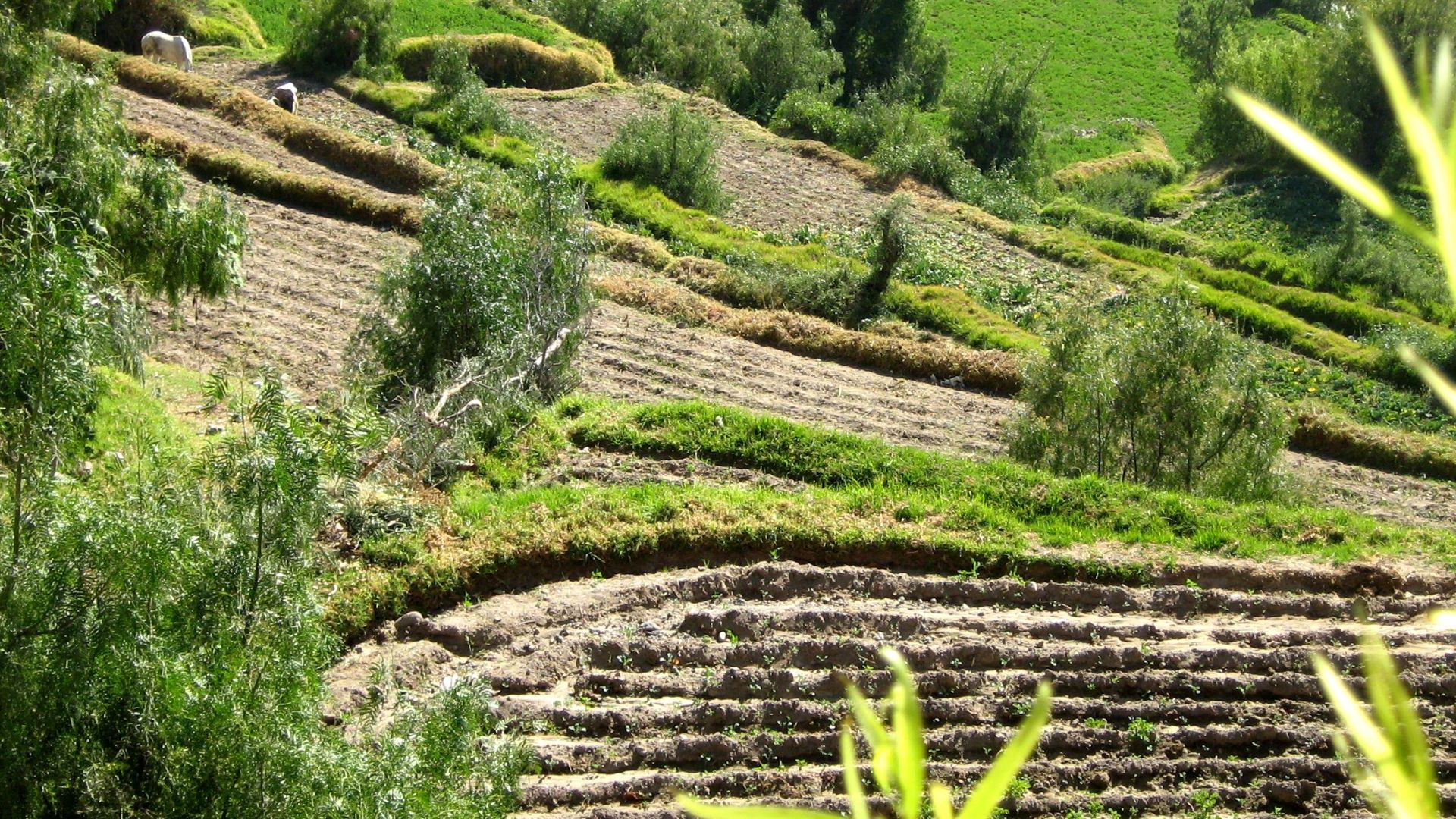 J. Thompson (talk) 21:23, 2 November 2008 (UTC), Wikimedia Commons
Farming Before Monumentality
Which came first, farming or monuments? The evidence answers clearly. Intensive agriculture developed earlier. Reliable food allowed communities to remain in one place, coordinate labor, and plan ahead. Large construction became possible only after daily survival stopped dominating every decision.
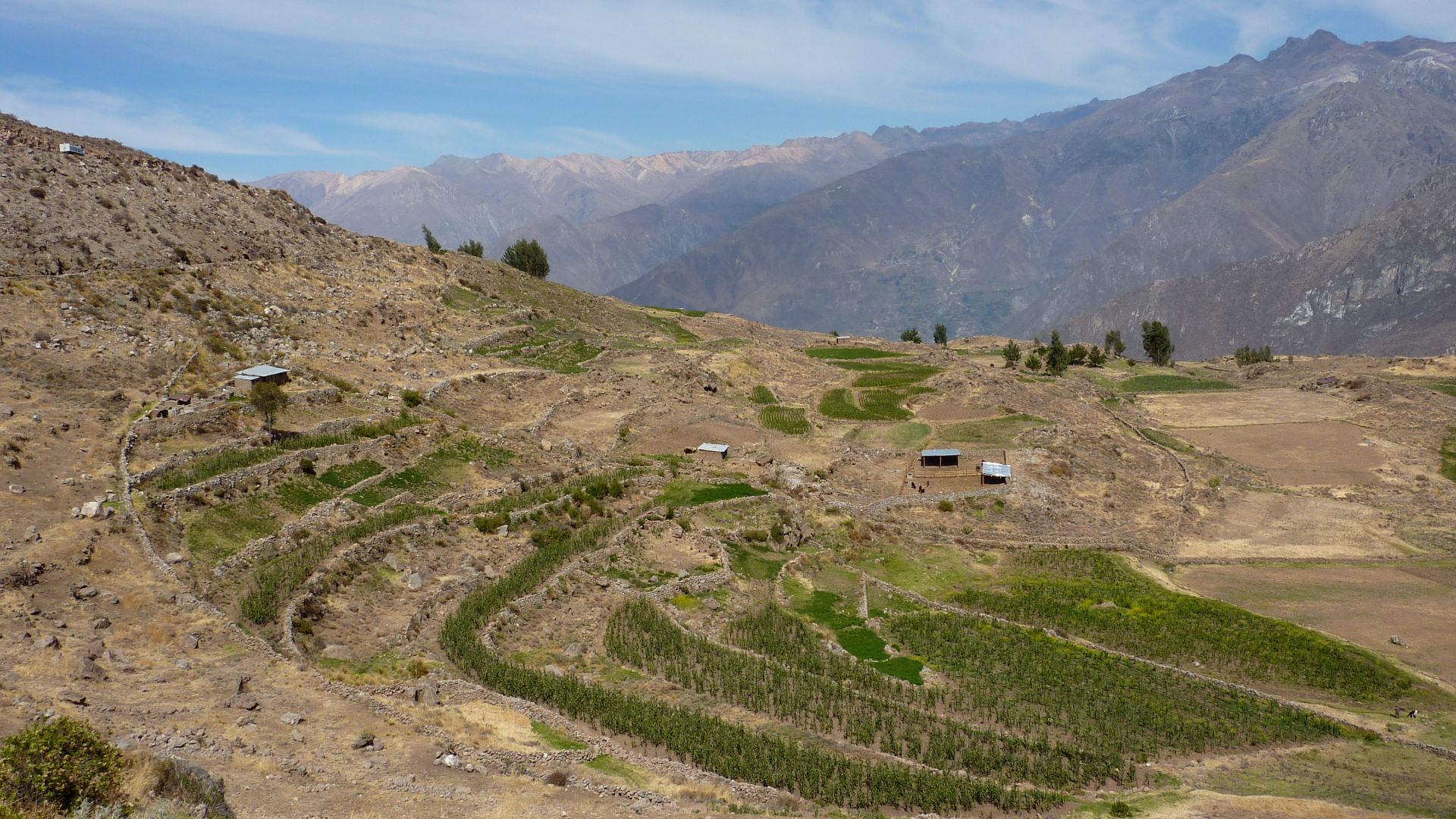
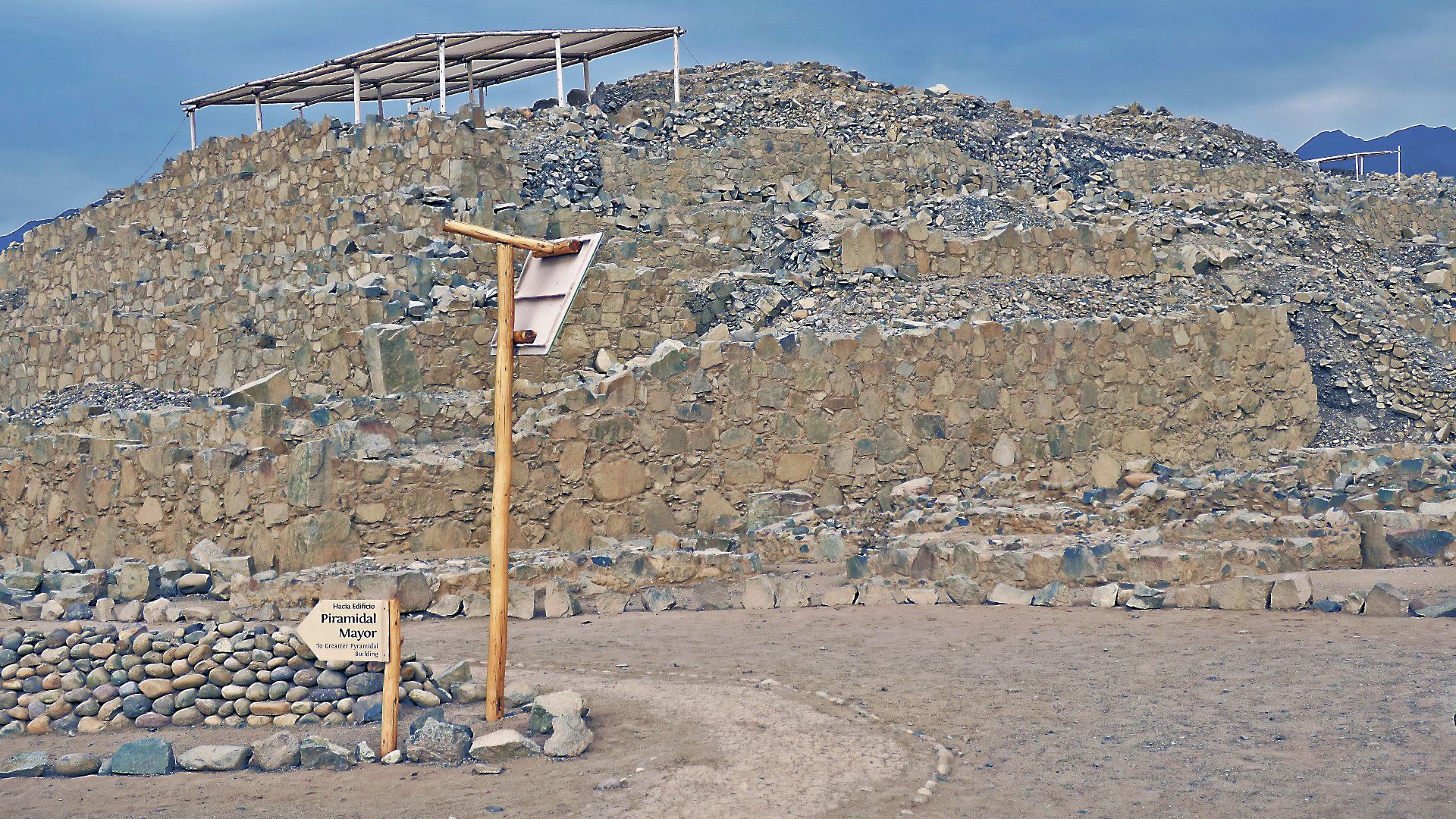
Design Choices Without Decoration
Architectural analysis indicates a deliberate absence of ornamentation. Structural investment prioritized mass and endurance over surface treatment. Such choices suggest value systems centered on use and longevity, where social meaning emerged through participation instead of visual symbolism.
 AlisonRuthHughes, Wikimedia Commons
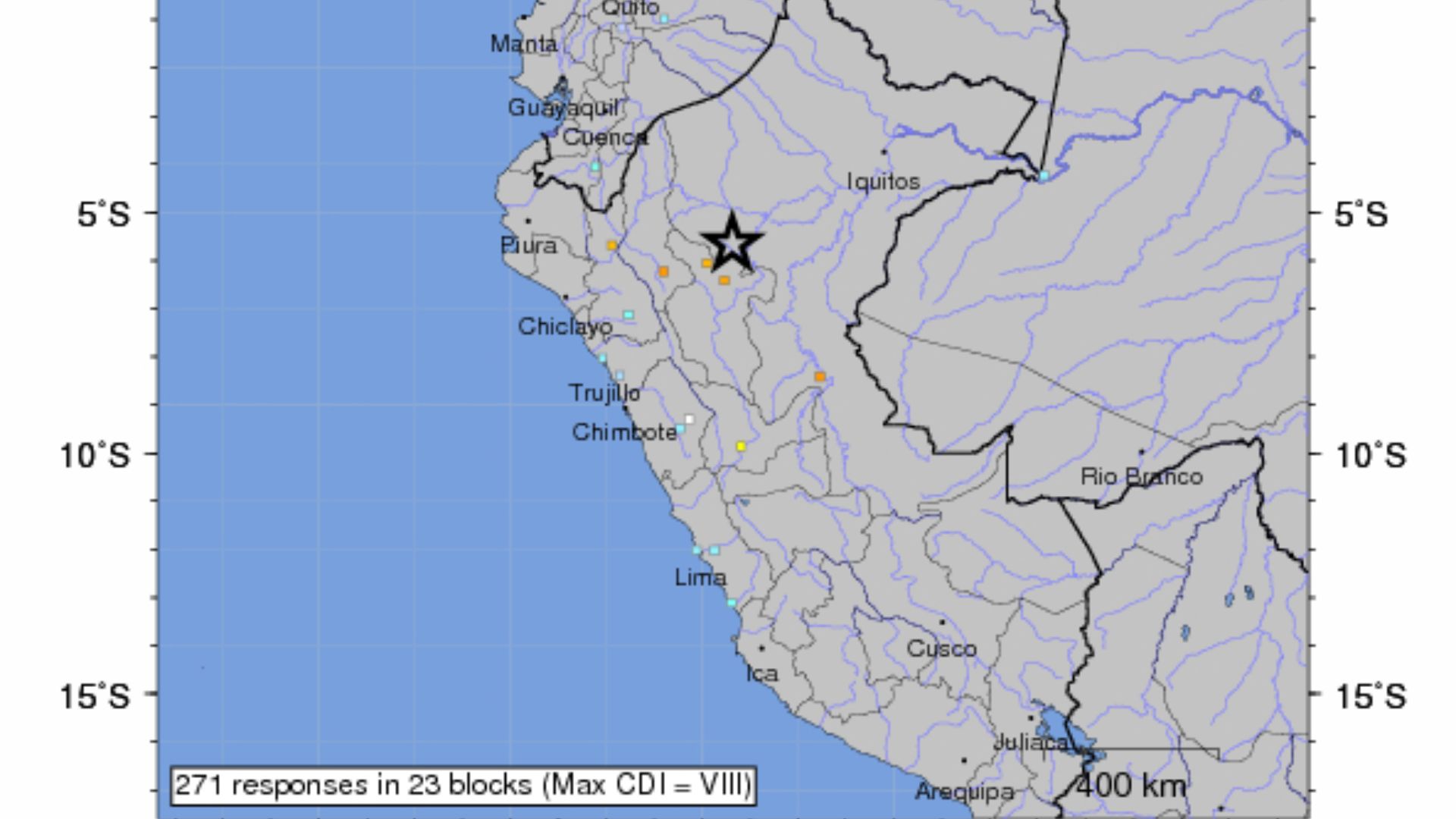
Working With a Difficult Environment
Earthquakes threaten coastal Peru. Builders knew it. Foundations spread wide, and mass stayed low. Those decisions protected lives and labor. Survival demanded respect for place, and architecture responded carefully rather than defiantly.
 United States Geological Survey, Wikimedia Commons
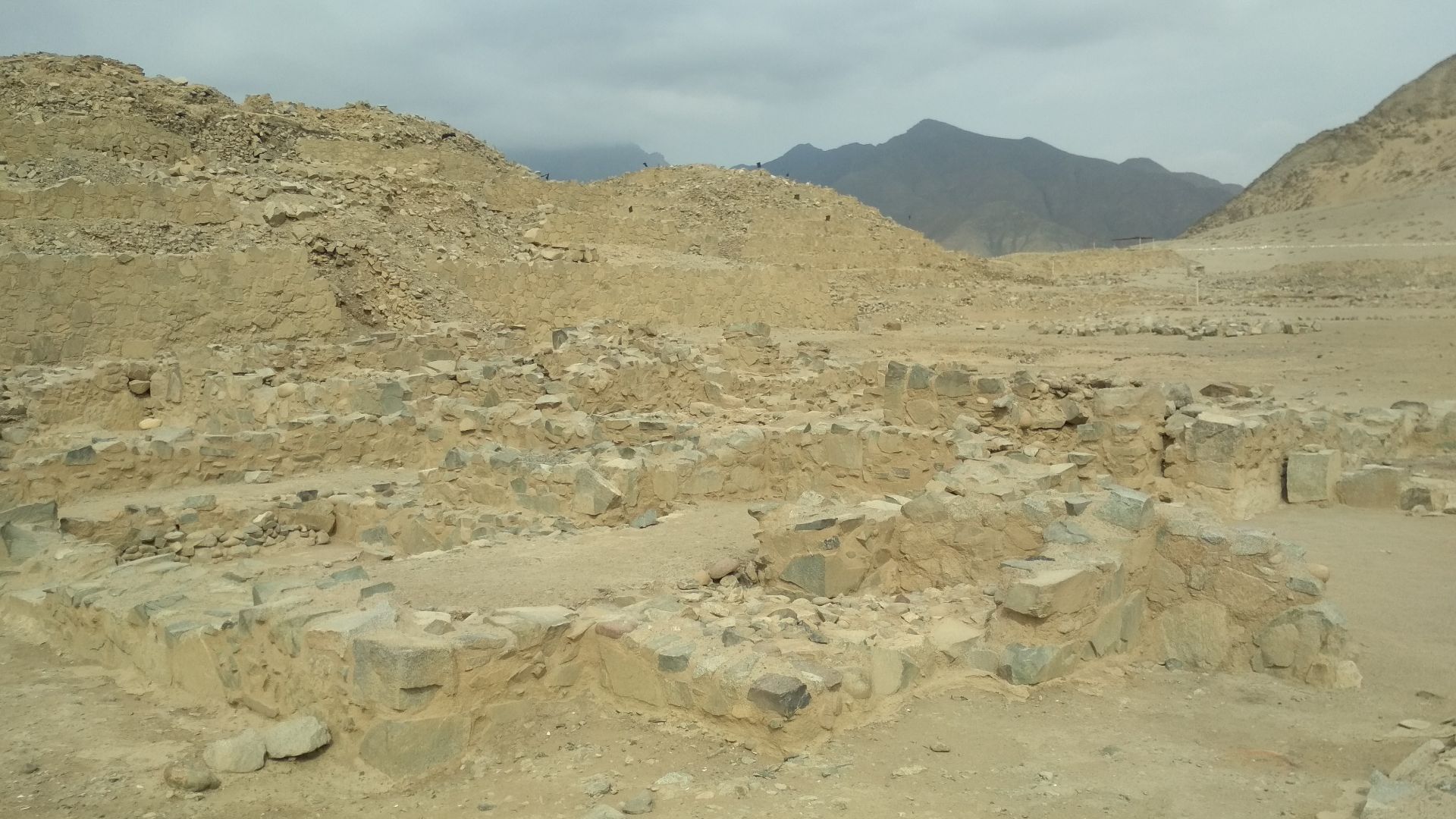
Why the Structure Endured
Longevity resulted from material choice and form. Stone and compacted earth resisted erosion, while broad bases absorbed stress. Because maintenance likely occurred during use, decay slowed. Therefore, preservation reflects foresight built directly into design.
 Johnattan Rupire, Wikimedia Commons
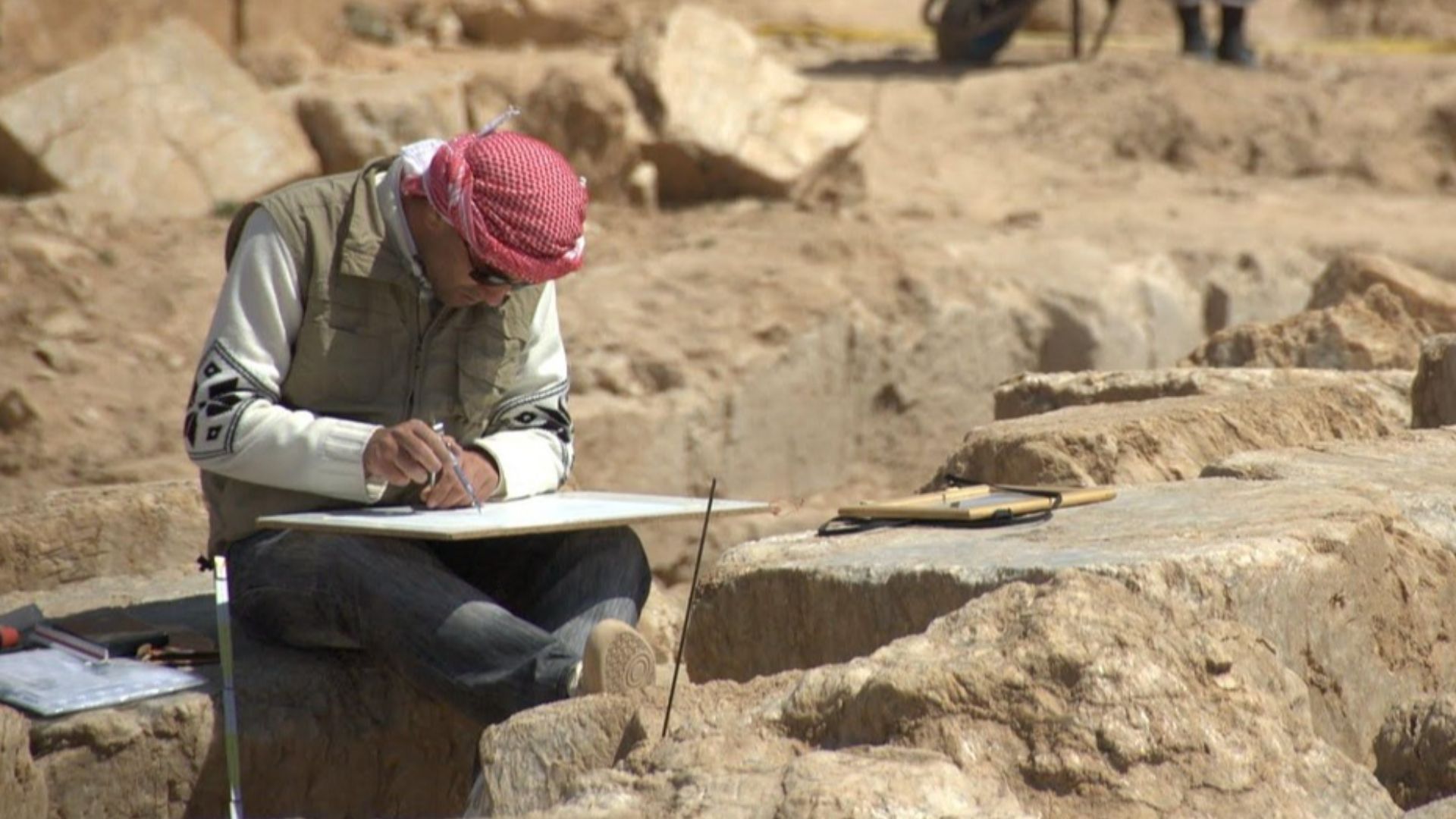
Rediscovery Took Time
For centuries, the structure blended into its surroundings. Locals passed it daily without ceremony. Only later did a systematic study reveal its age and purpose. Recognition arrived slowly, shaped by shifting archaeological perspectives.
Early Misreadings
Early researchers reached for familiar comparisons. Egypt felt comfortable. Peru felt confusing. Those shortcuts blurred understanding. Only after setting aside Old World expectations did the site make sense on its own terms.
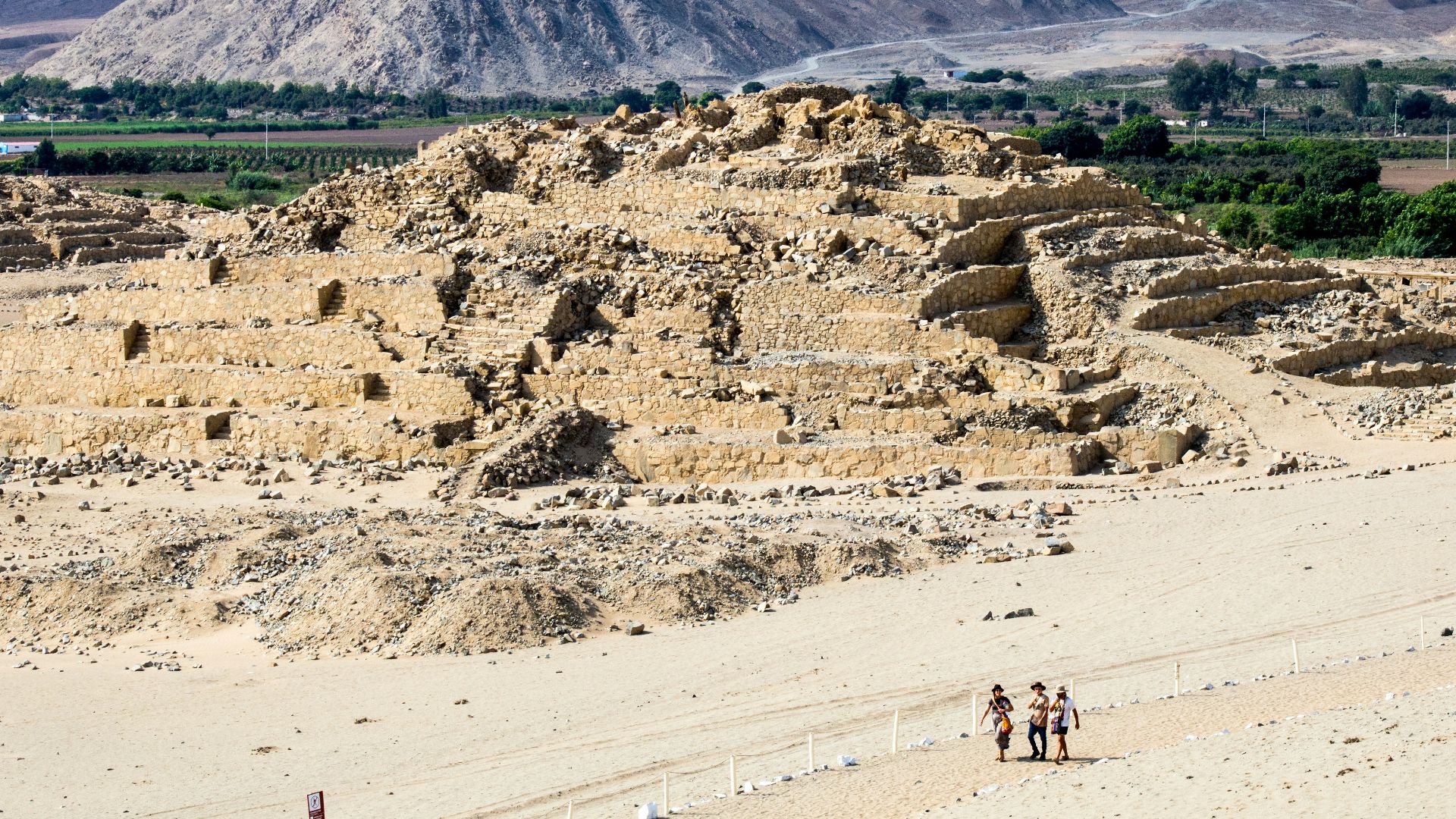 Viajes con Astro Cartografia, Unsplash
A City Without Kings
Power often implies hierarchy. This site suggests another path. Large populations organized without visible rulers or palaces. That possibility unsettles assumptions, showing complex societies can function through cooperation rather than centralized authority.
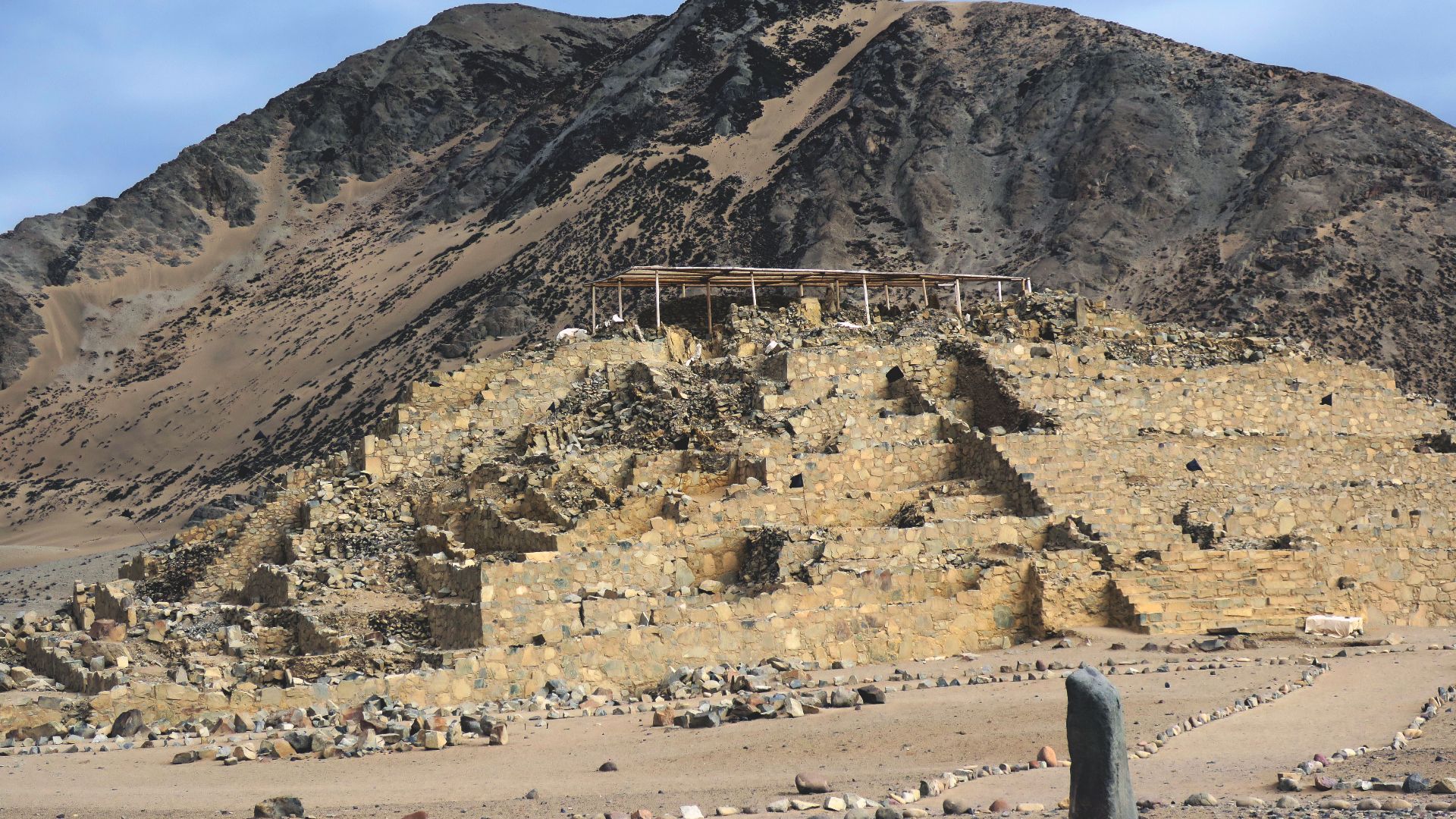 AlisonRuthHughes, Wikimedia Commons
Rethinking Early Complexity
Complexity does not always announce itself loudly. At this site, progress appears through people working together over long periods. No rulers dominate the record. Instead, shared responsibility and planning reveal a different kind of sophistication built into everyday cooperation.
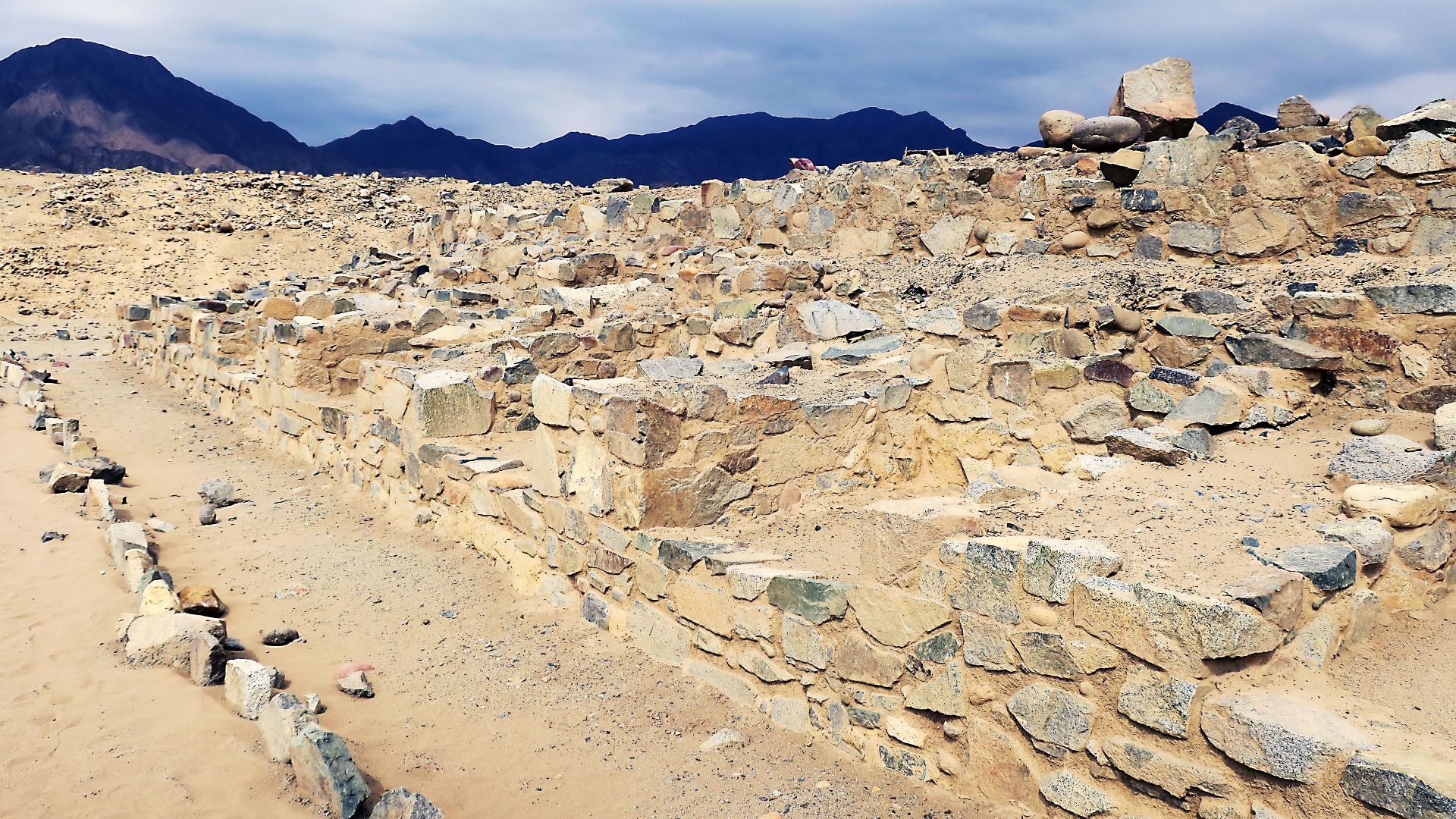 AlisonRuthHughes, Wikimedia Commons
Independent Paths to Monumental Form
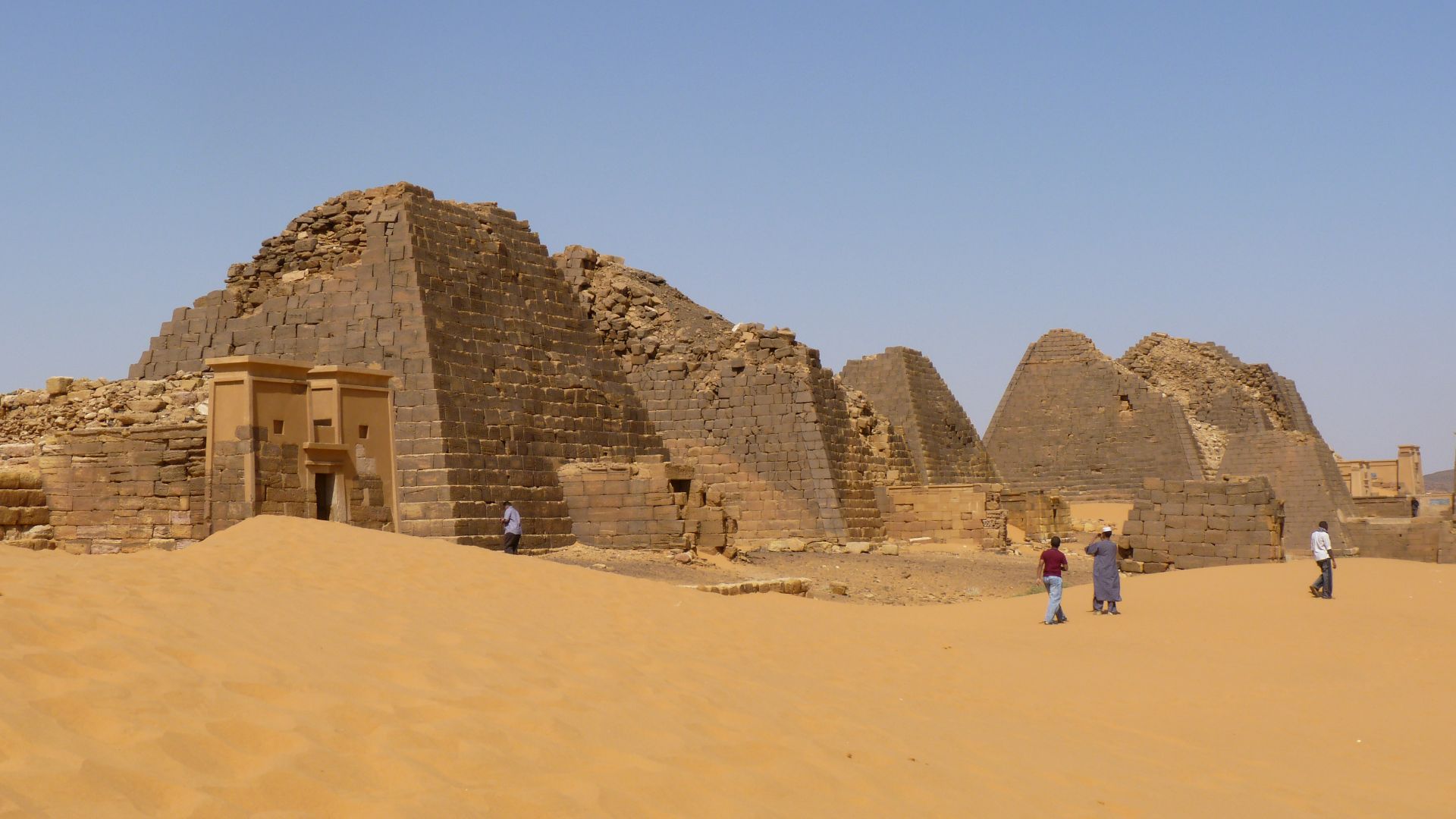
Comparative analysis shows no evidence of transoceanic contact. Architectural similarities emerged independently. Because physics constrains large construction everywhere, builders across regions favored comparable solutions. Convergence reflects shared material challenges rather than shared cultural knowledge.
Why the Comparison Keeps Happening
Egyptian pyramids dominate popular imagination, so familiar shapes trigger fast comparisons. That shortcut feels natural but misleads. Recognizing resemblance without assuming connection helps viewers appreciate local innovation instead of forcing foreign frameworks onto Andean history.
 Ricardo Liberato, Wikimedia Commons
What the Site Adds to Global History
The structure expands understanding of early urban development beyond traditional centers. It demonstrates that large-scale organization emerged independently in multiple regions. Global history grows more accurate once these parallel developments receive equal attention.
When Familiar Shapes Tell New Stories
Stone can repeat forms without repeating meaning. Similar outlines appear across continents, yet each carries its own logic. By slowing comparison and reading context carefully, familiar shapes begin telling stories that feel entirely new.
 Viajes con Astro Cartografia, Unsplash