A Very Close Call
Today there are more than eight billion people on Earth. We build cities, cross oceans in hours, and somehow still can't all agree about the whole pineapple on pizza thing.
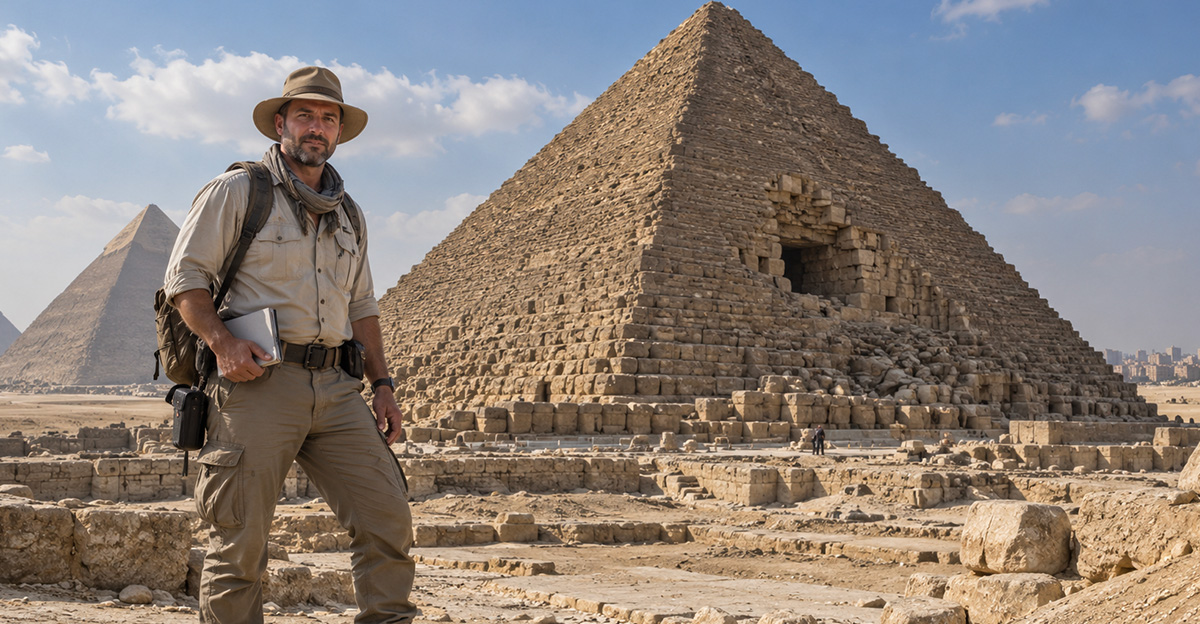
It's easy to assume humanity was always destined to become the planet's dominant species. But there was a time when our future hung in the balance—more so than you could ever imagine.
Humanity Was Hanging By A Thread
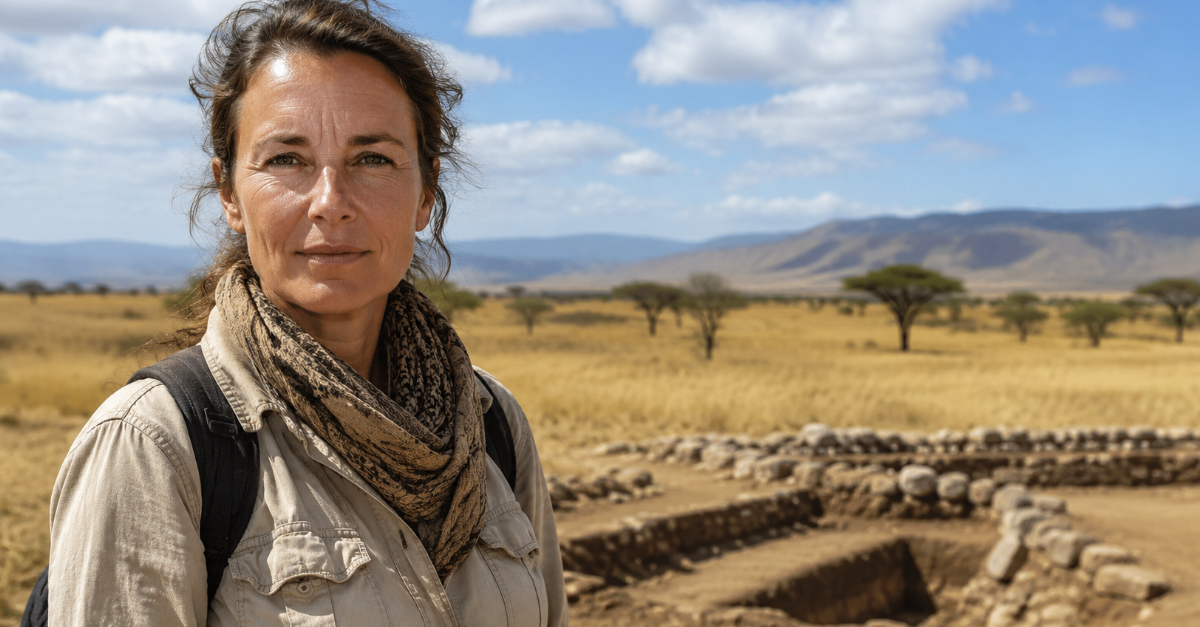
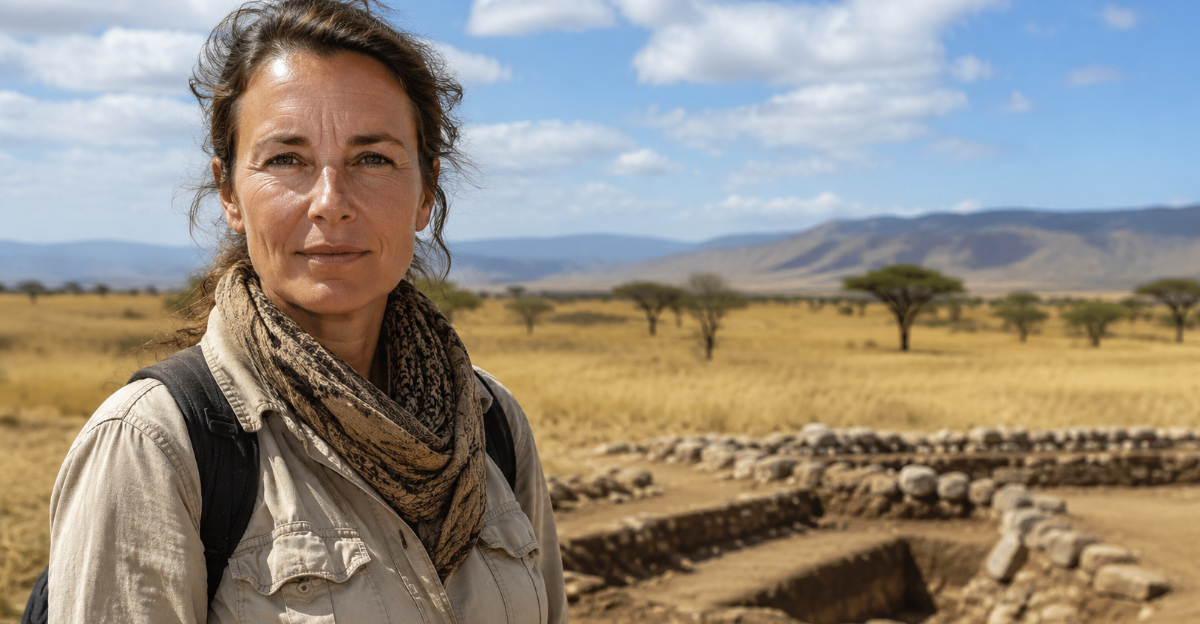
That moment appears to have happened around 74,000 years ago. Modern humans hadn't yet spread across the globe. Small groups lived across parts of Africa and beyond, surviving one season at a time. If something went seriously wrong, there was no backup plan. And according to genetic evidence, something did.
 State Office for Heritage Management and Archaeology, Wikimedia Commons
DNA Revealed Something Strange
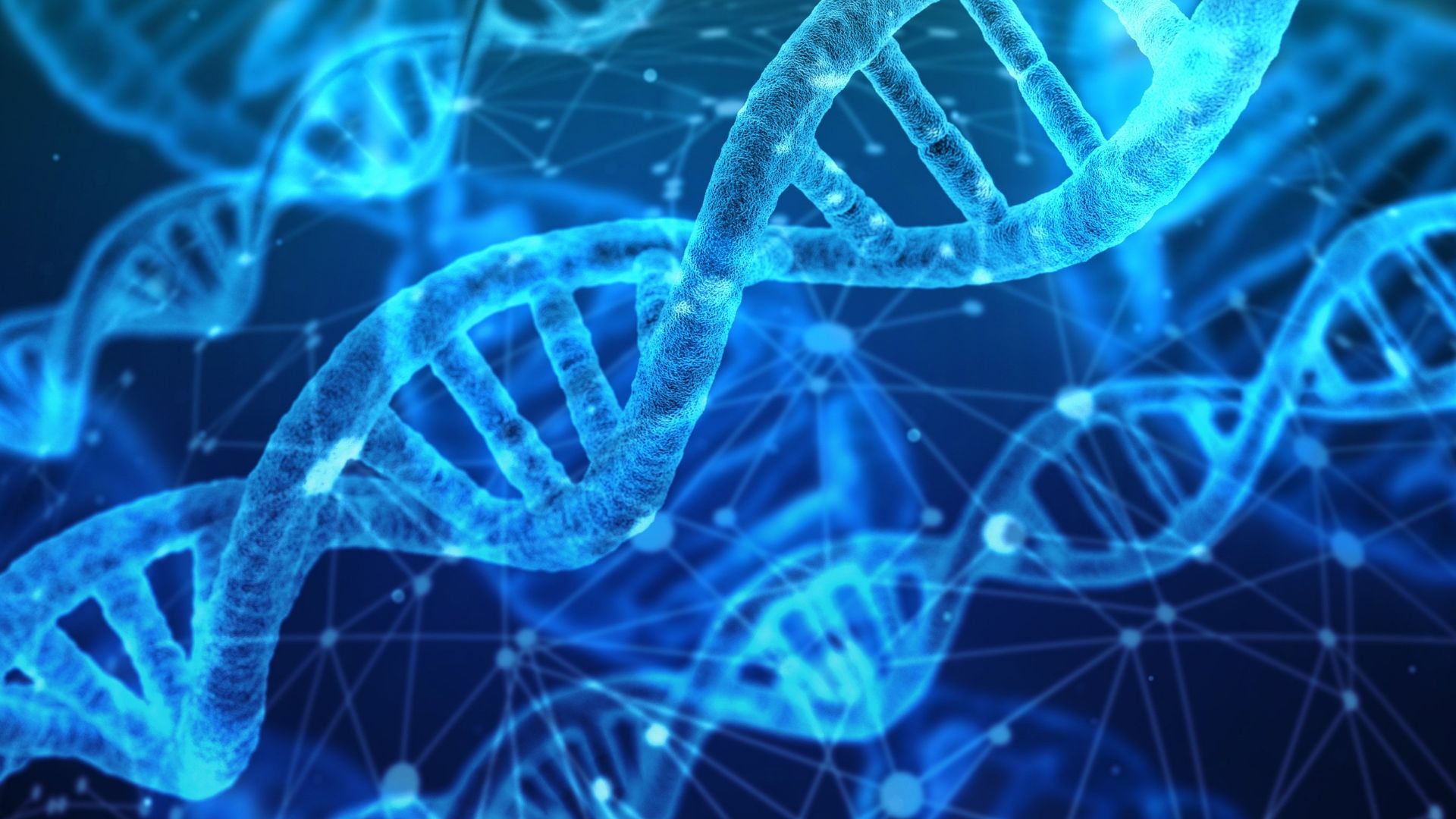
Scientists didn't discover this by finding an ancient village or a cave full of skeletons. Genetic studies have uncovered clues hidden inside our DNA. Modern humans share surprisingly little genetic diversity compared with many other species—a telltale sign that humanity passed through a severe population bottleneck.
Just A Few Thousand Survivors
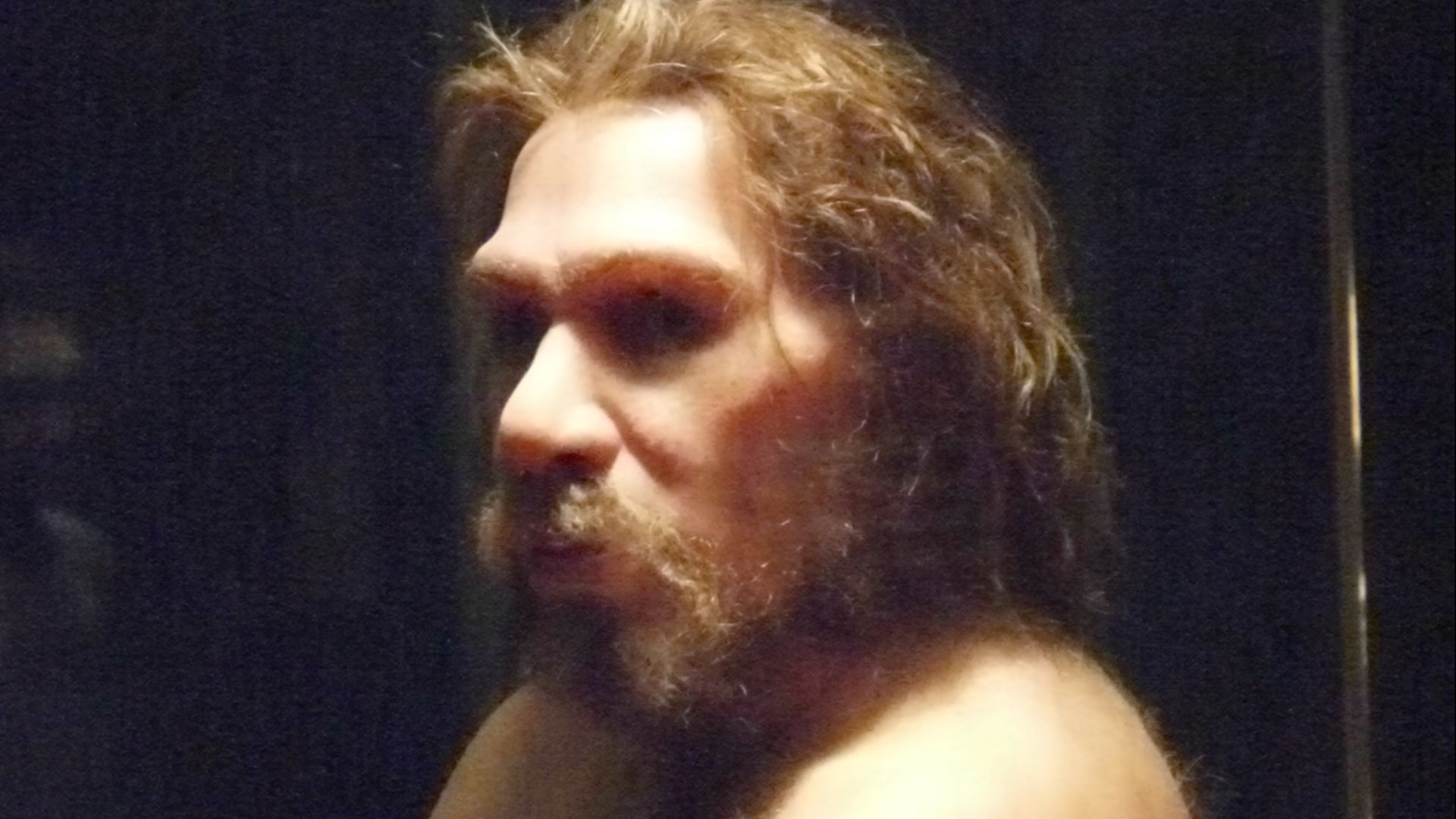
Genetic studies suggest humanity may have been reduced to only a few thousand breeding individuals—or perhaps only a few thousand people overall, depending on which scientific model proves correct. If that's even close to accurate, our species came astonishingly close to disappearing forever.
 Eden, Janine and Jim from New York City, Wikimedia Commons
Scientists Had One Leading Suspect
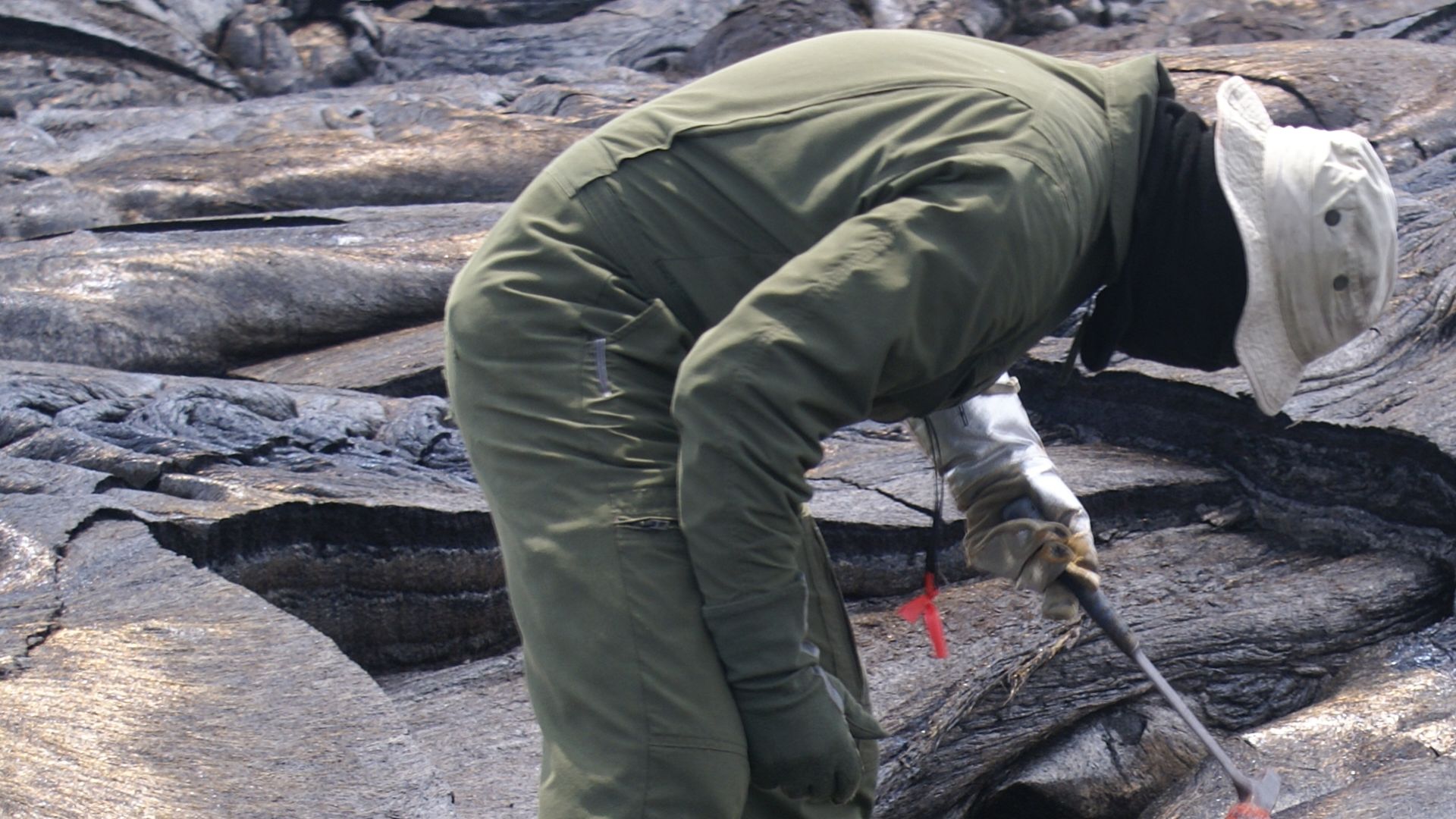
It wasn't disease. It wasn't a predator. It wasn't an asteroid. Scientists eventually focused on something even more terrifying—one of the largest volcanic eruptions of the last 2.5 million years.
 U.S. Geological Survey from Reston, VA, USA, Wikimedia Commons
The Biggest Volcano You've Probably Never Heard Of
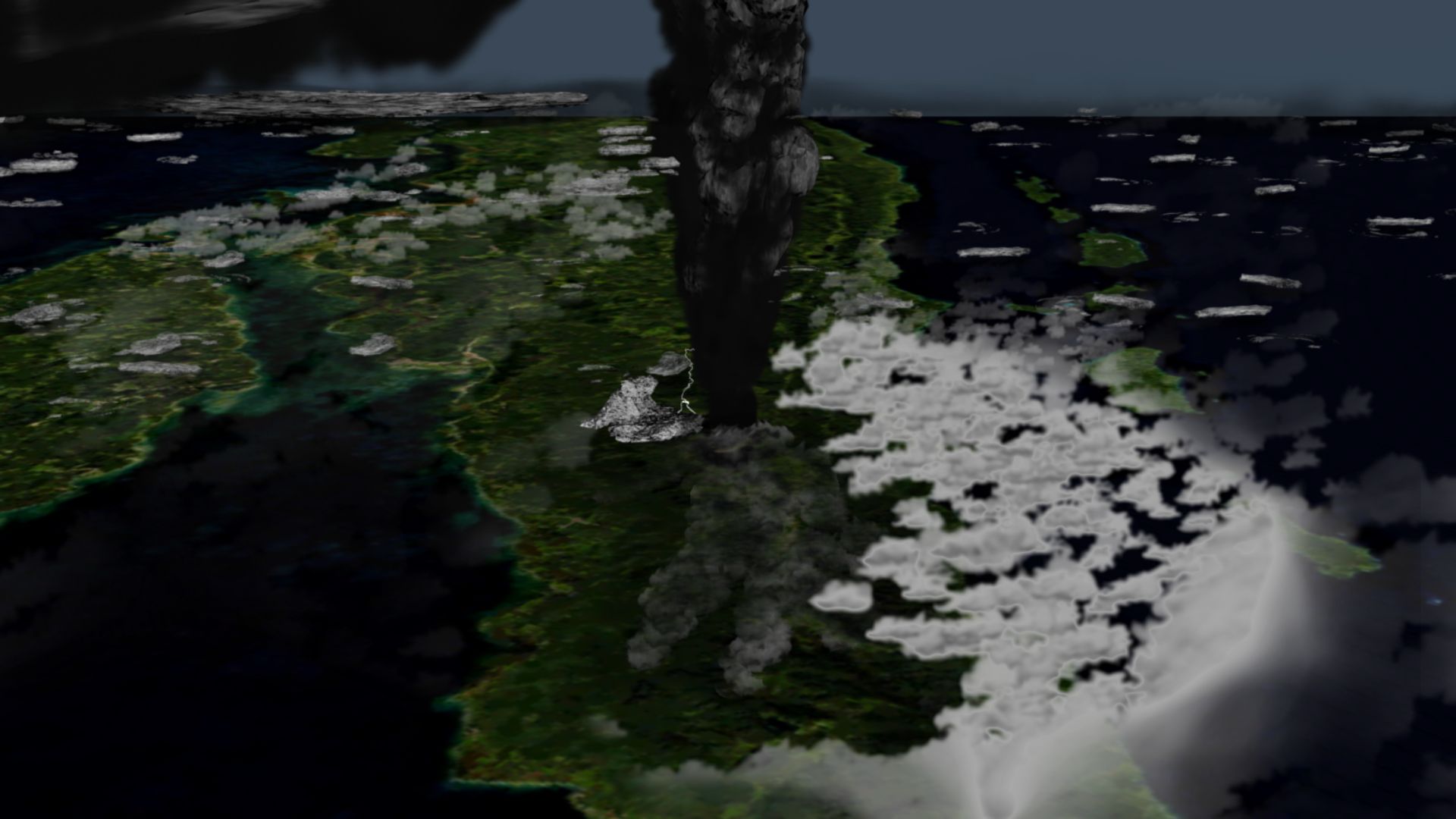
Around 74,000 years ago, the Toba supervolcano erupted on what is now the Indonesian island of Sumatra. Scientists estimate it ejected roughly 2,800 cubic kilometers (about 670 cubic miles) of material. The eruption eventually created what is now Lake Toba—the world's largest volcanic lake.
A Planet Suddenly Turned Against Us
Scientists believe the eruption may have triggered several years of cooler temperatures by blocking sunlight with sulfur aerosols—a volcanic winter. For small hunter-gatherer populations already living close to the edge, even a relatively short period of environmental chaos could have been devastating.
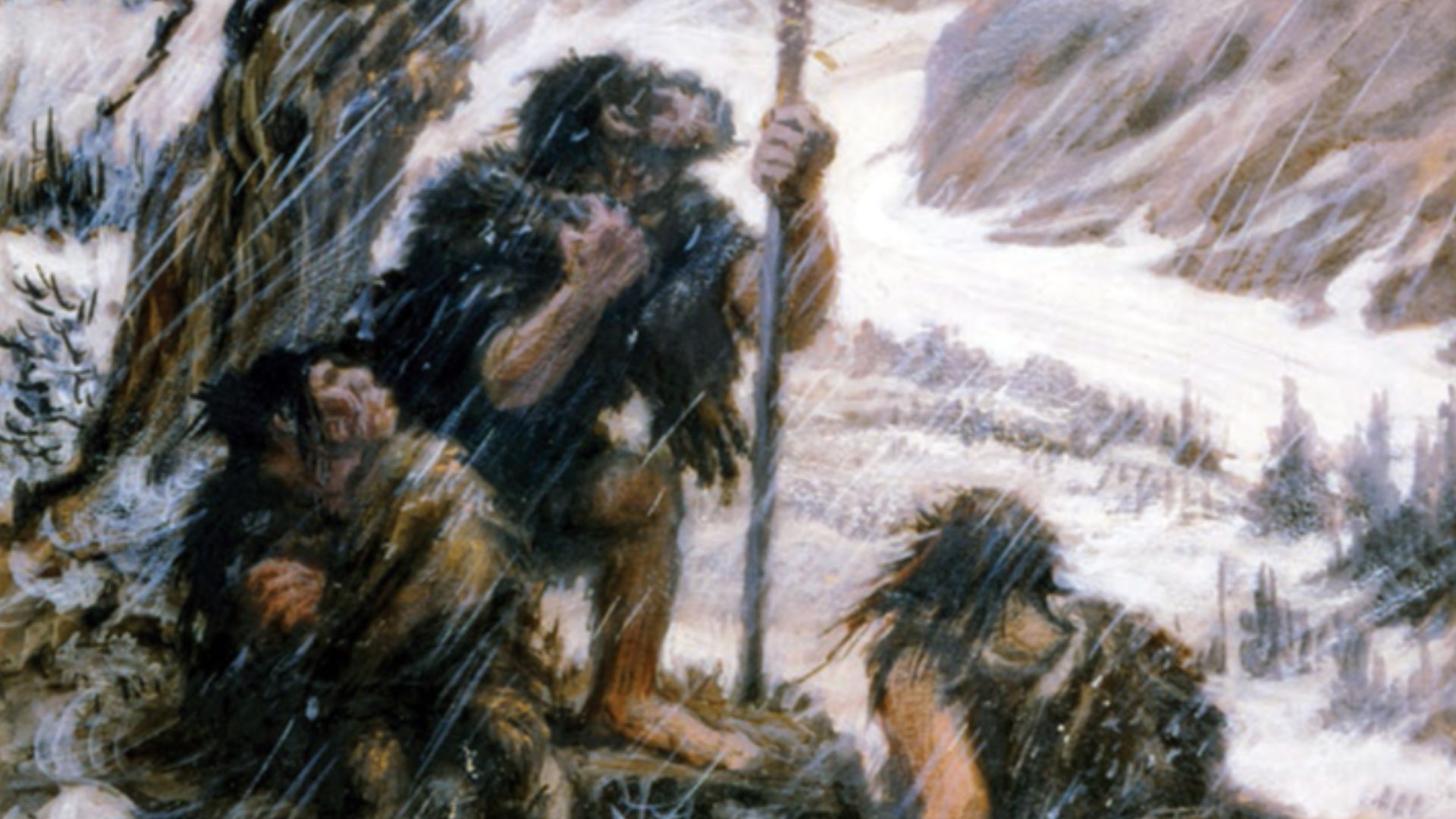 Charles R. Knight, Wikimedia Commons
It All Fit Perfectly
Scientists had a giant eruption. They had genetic evidence suggesting humanity almost disappeared. The timing lined up so well that many researchers believed Toba was the primary cause of humanity's population bottleneck.
 MRC Laboratory of Molecular Biology, Wikimedia Commons
Then The Evidence Started Fighting Back
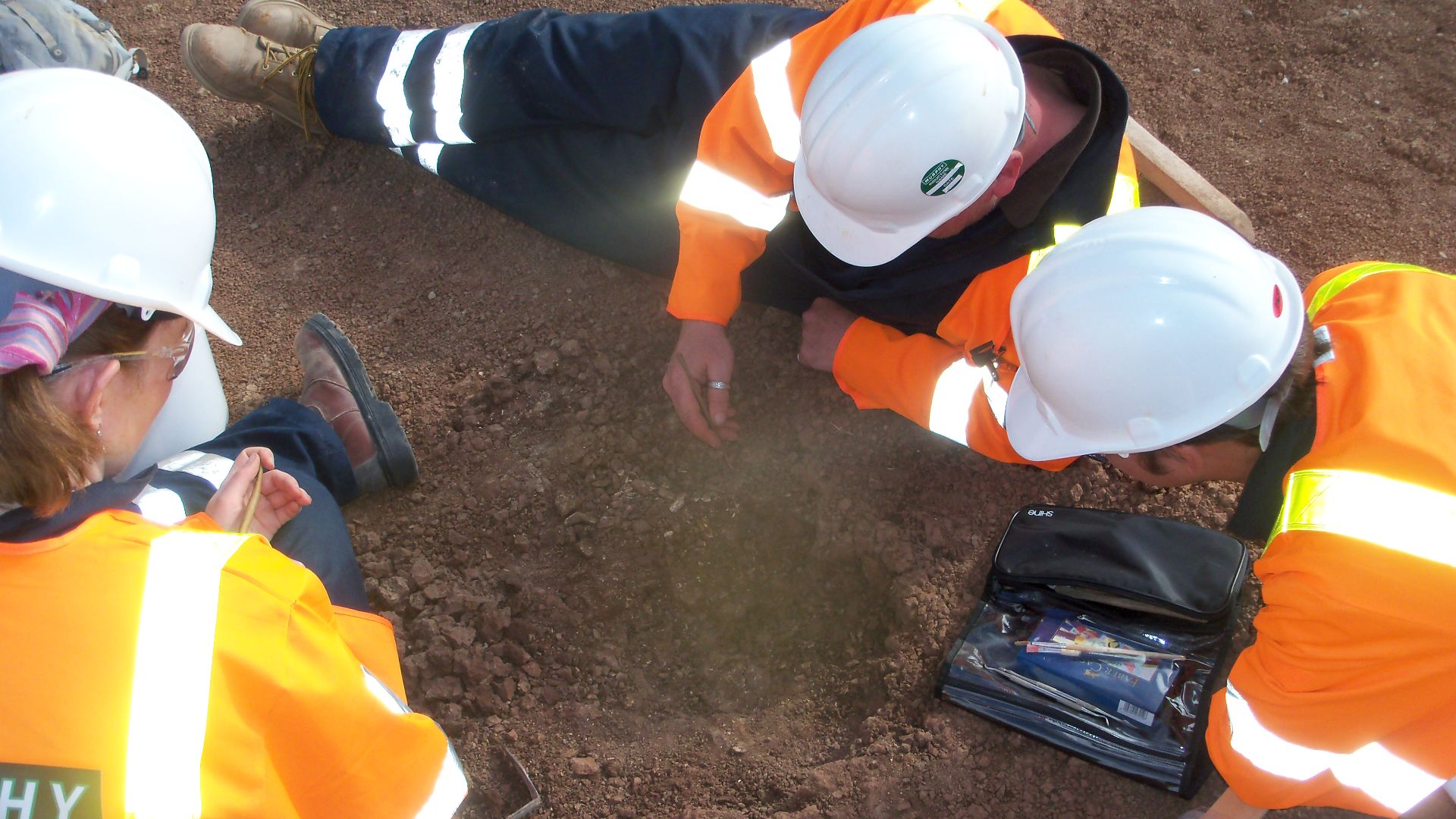
As archaeologists uncovered more ancient sites, the story became much more complicated. Instead of finding humans disappearing everywhere after the eruption, they kept finding evidence that people had survived in places many researchers never expected.
India And South Africa Changed Everything
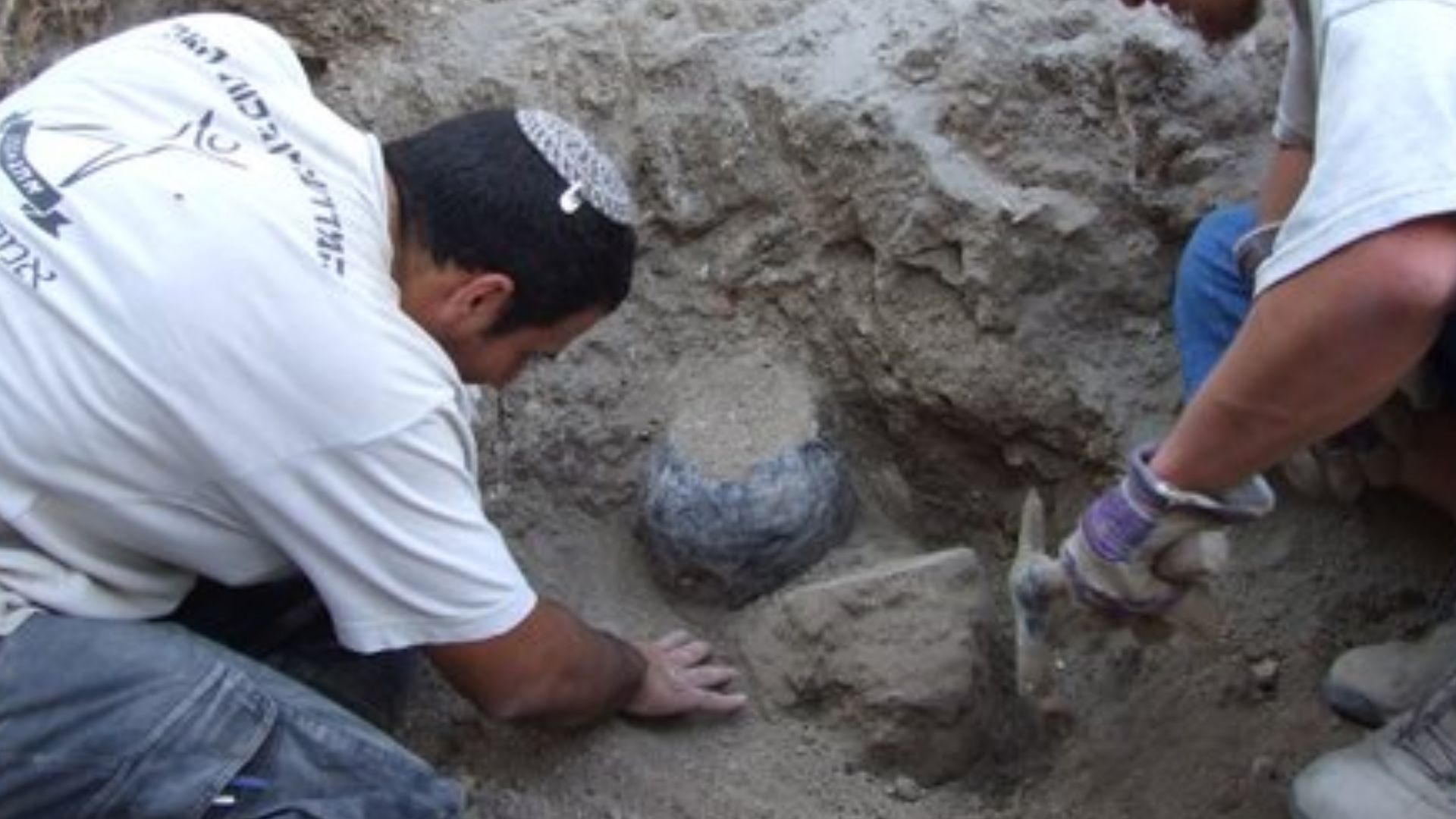
Stone tools found beneath and above Toba ash layers in India suggest people lived there both before and after the eruption. South African archaeological sites tell a similar story, showing humans continued making sophisticated tools and thriving along the coast.
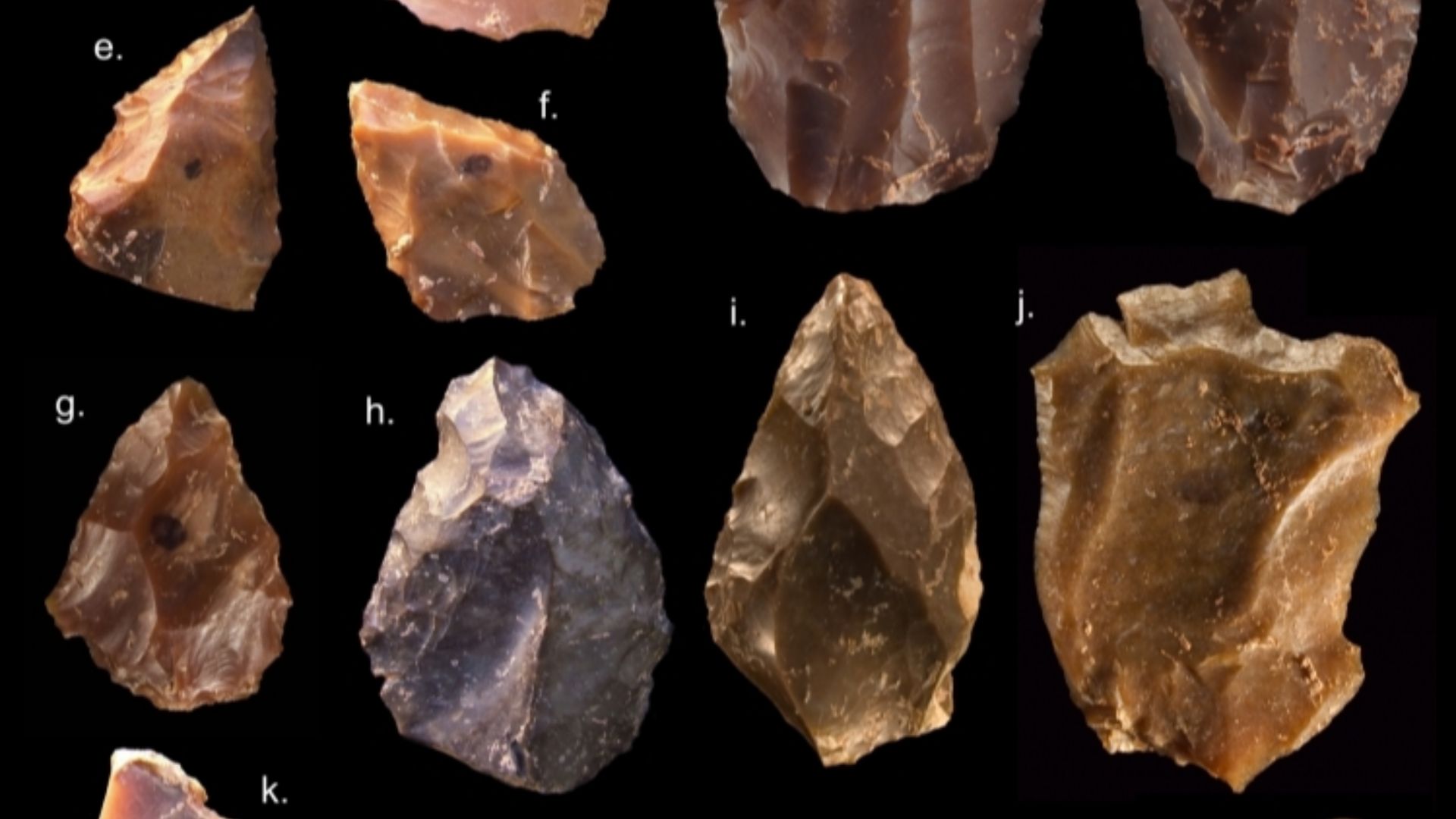 Mohammed Kamal, MPI EVA Leipzig, Wikimedia Commons
The Volcano Probably Wasn't Acting Alone
Researchers now think Toba may have been only part of the story. Earth's climate had already been changing for thousands of years, with shifting rainfall, cooler temperatures, and shrinking habitats putting increasing pressure on early human populations long before the eruption.
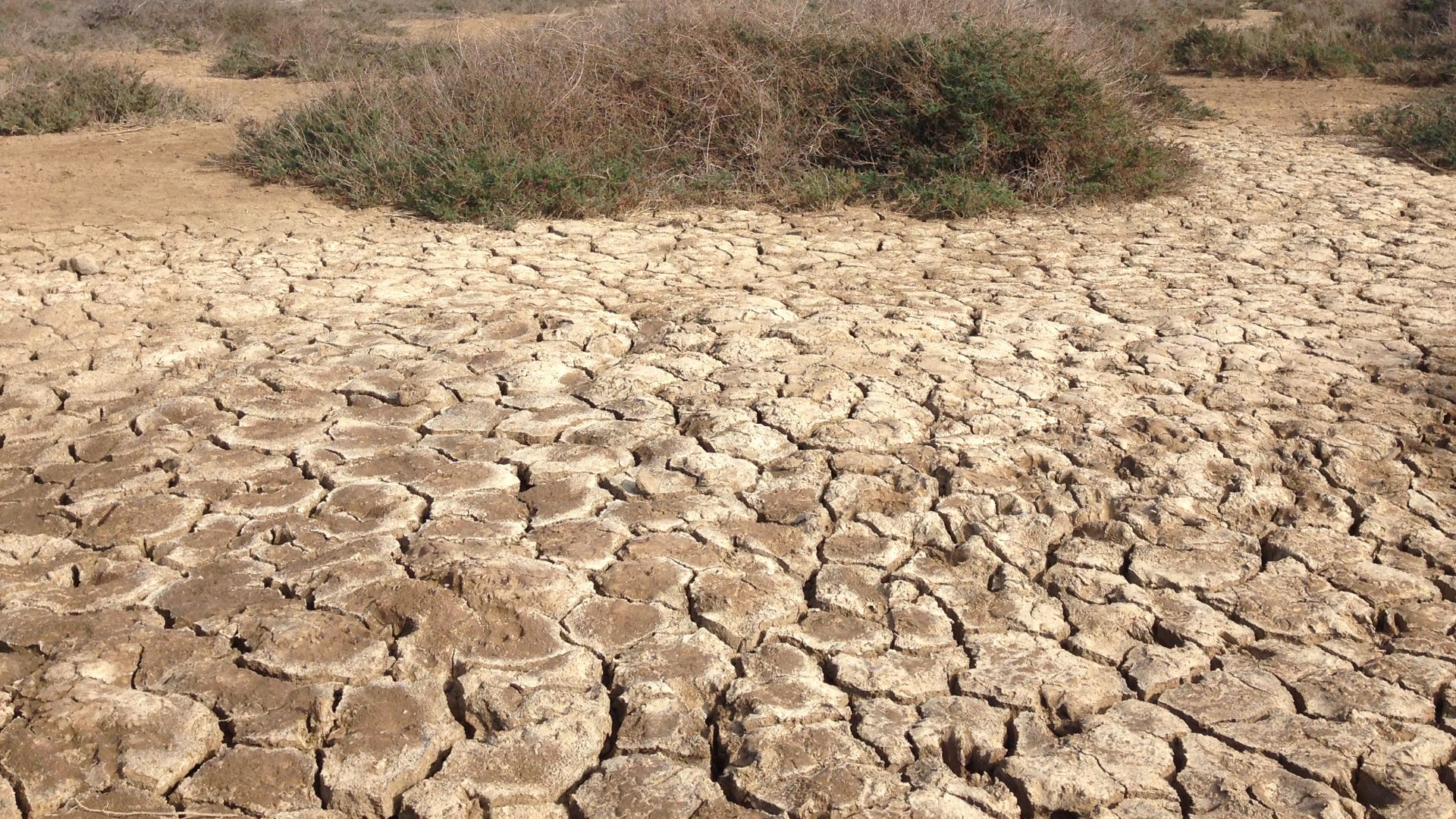 Pierre Banoori, Wikimedia Commons
It Was Probably A Perfect Storm
Rather than one disaster nearly wiping out humanity overnight, today's evidence points toward several challenges happening at once. The eruption may have been the biggest blow, but climate change, drought, shrinking habitats, and food shortages were probably already pushing many populations toward the brink.
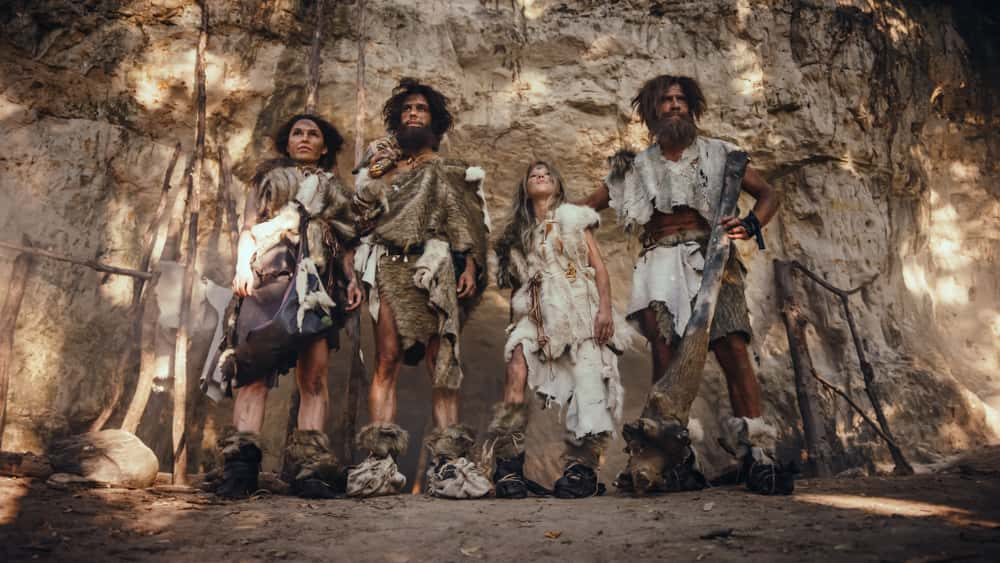
Humanity's Greatest Survival Skill
So why didn't we disappear? One answer seems to be adaptability. Unlike many animals that relied on one habitat or one food source, humans constantly adjusted. Different groups found different ways to survive instead of depending on a single strategy.
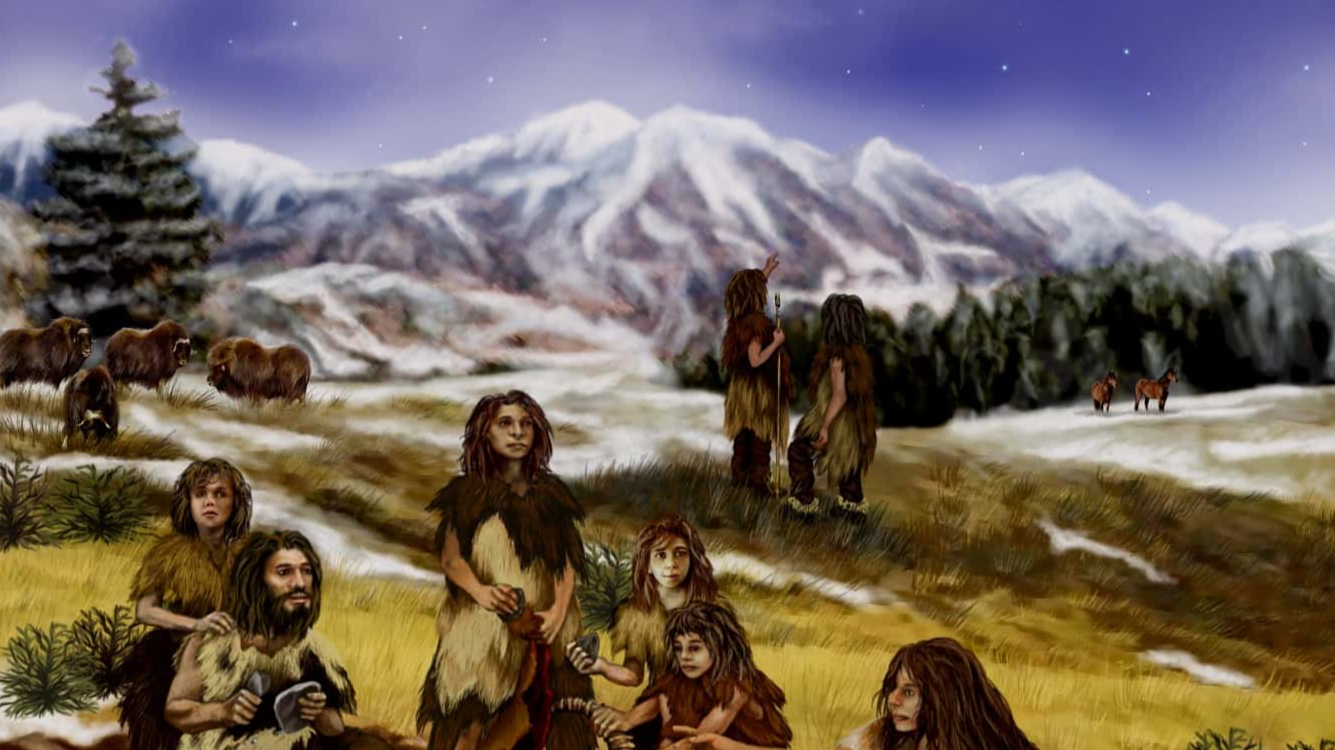
Some People Simply Had Better Options
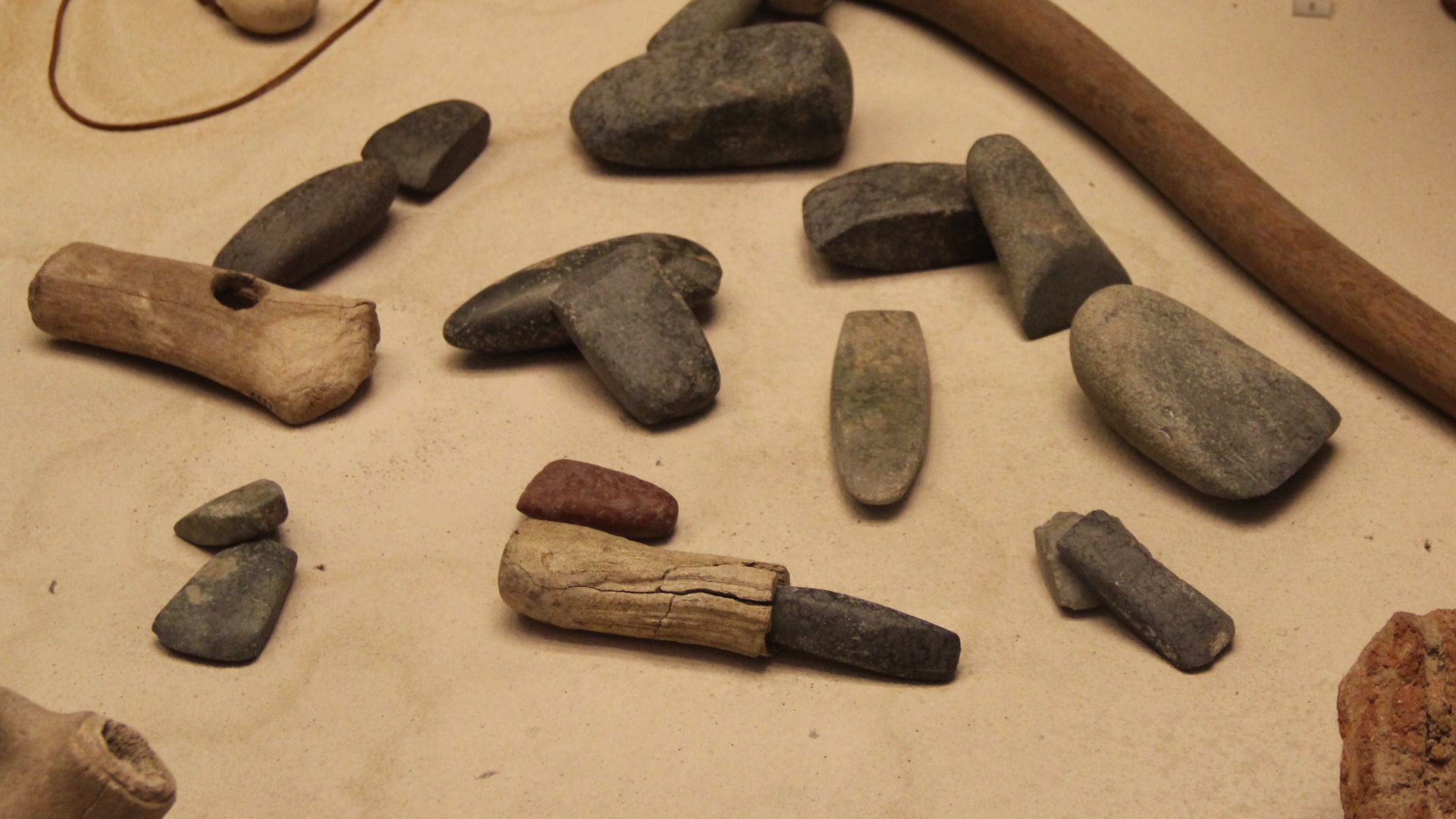
Communities living near coastlines may have had a huge advantage. Fish, shellfish, and other marine foods provided reliable nutrition when inland environments became less predictable. Better stone tools also helped humans hunt, prepare food, and adapt to unfamiliar landscapes.
Were There Really Only A Few Thousand People?
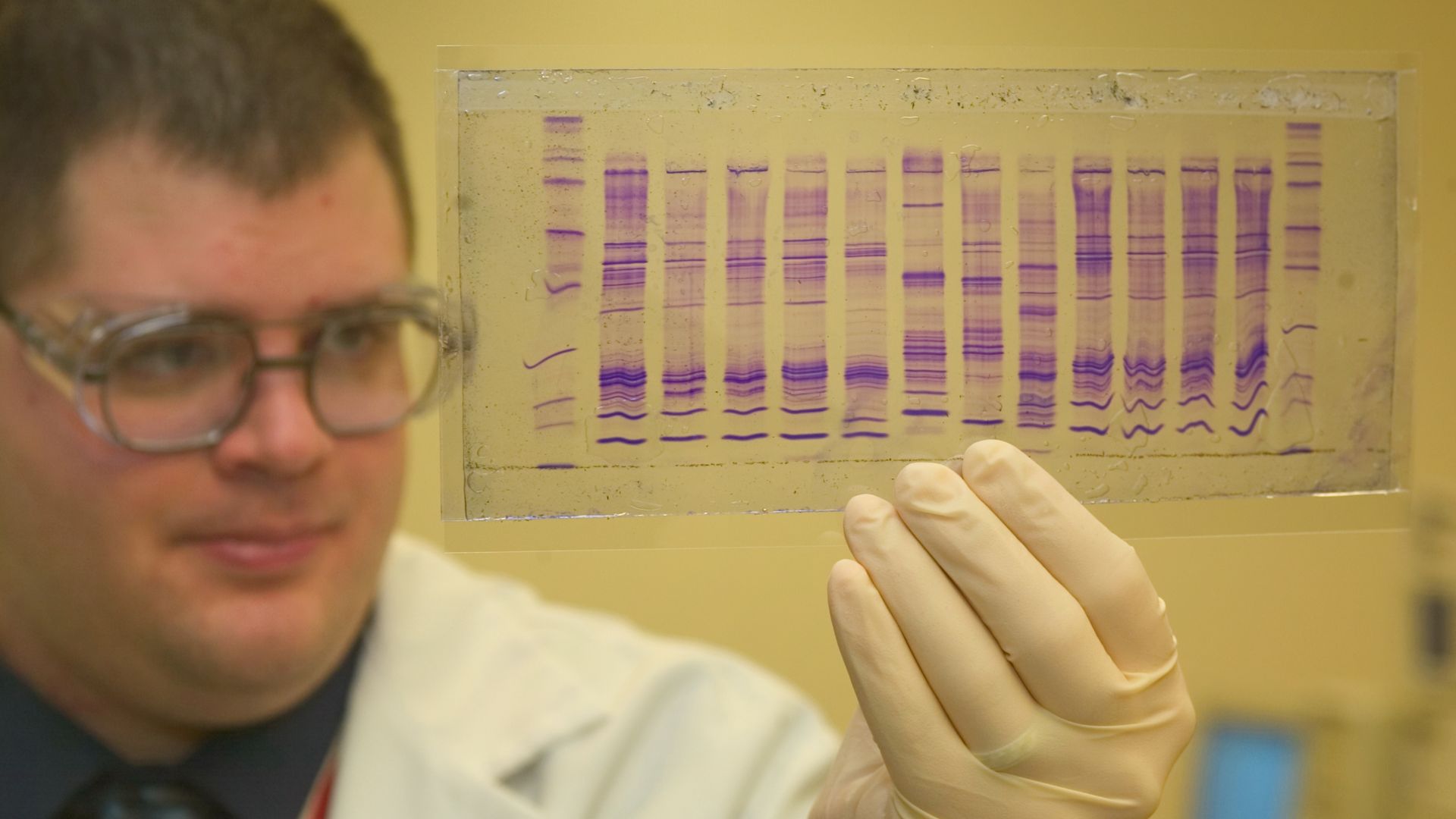
This is where many headlines oversimplify things. Scientists often estimate something called an effective population size—the number of individuals successfully passing their genes to future generations. The actual number of living humans could have been considerably larger than those genetic estimates.
 James Tourtellotte, photo editor of CBP Today[1], Wikimedia Commons
But The Bigger Picture Doesn't Change
Whether the true population was a few thousand or several times that number, humanity clearly passed through one of the most severe bottlenecks in its history. Had enough small groups disappeared, our species might never have spread across the rest of the planet.
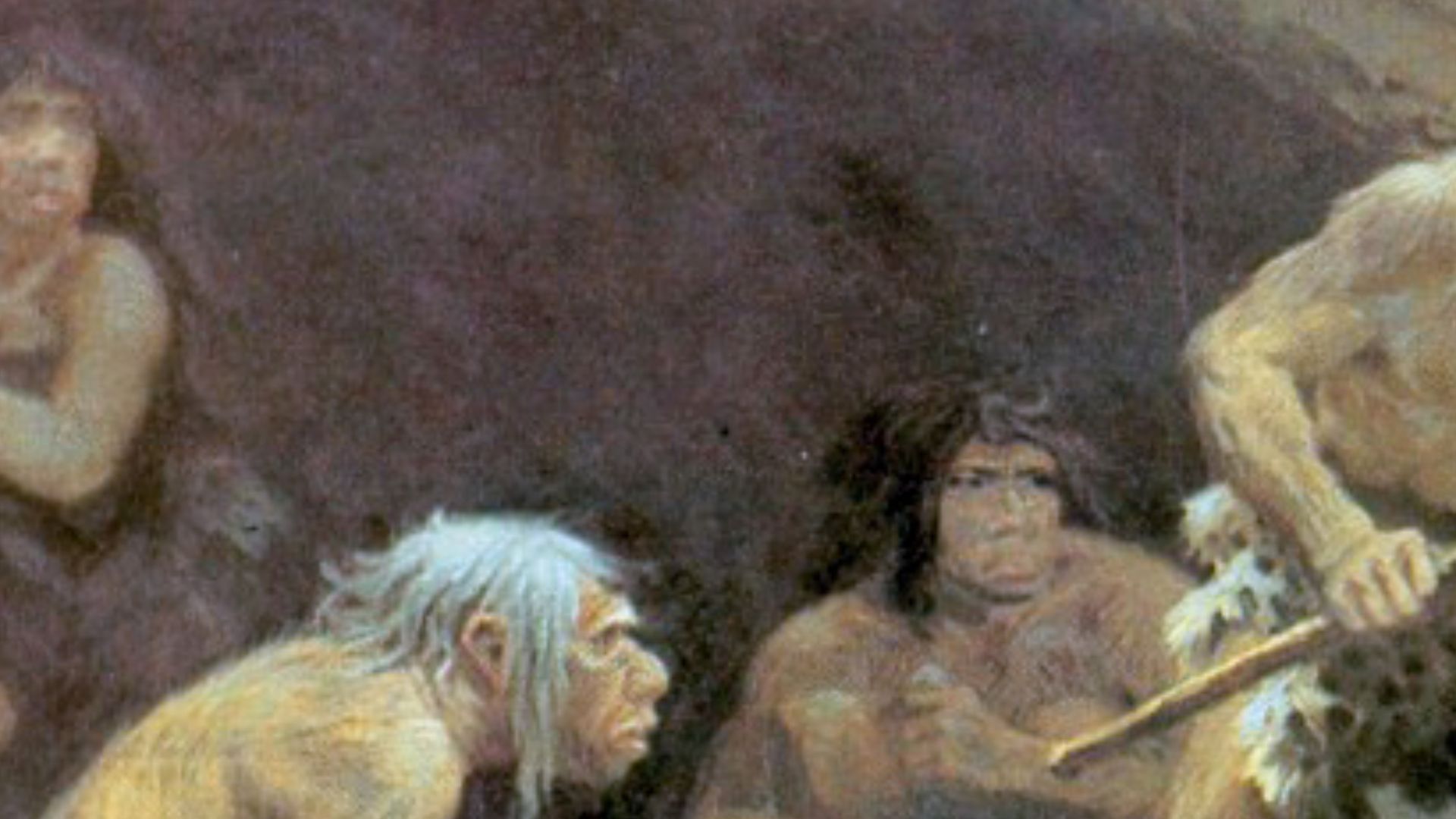 Charles Robert Knight, Wikimedia Commons
Don't Confuse It With Another Famous Bottleneck
If you've seen headlines claiming humanity fell to only about 1,200 individuals, that's a different event entirely. A 2023 study proposed another severe bottleneck roughly 930,000 years ago—hundreds of thousands of years before modern humans existed.
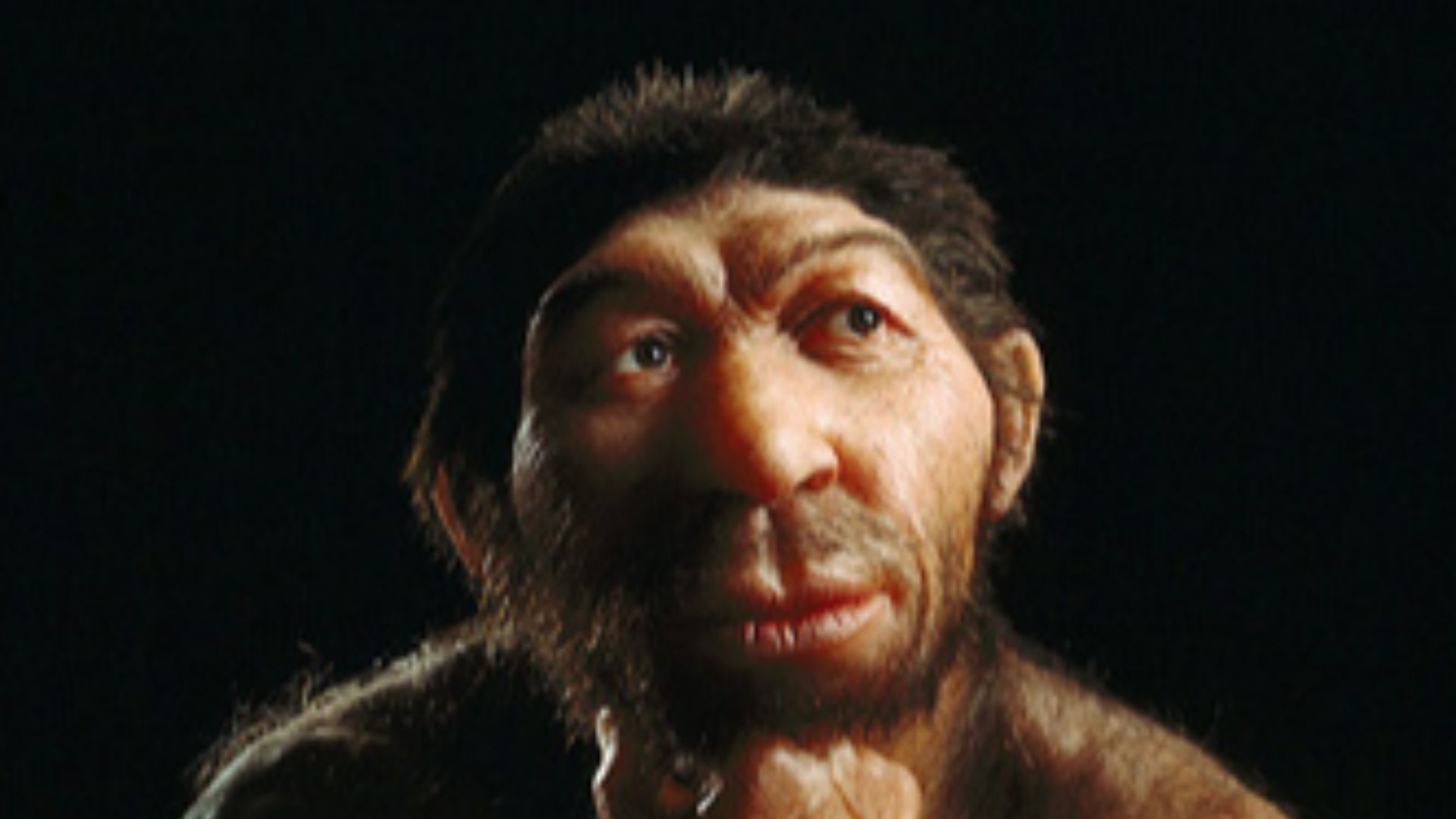
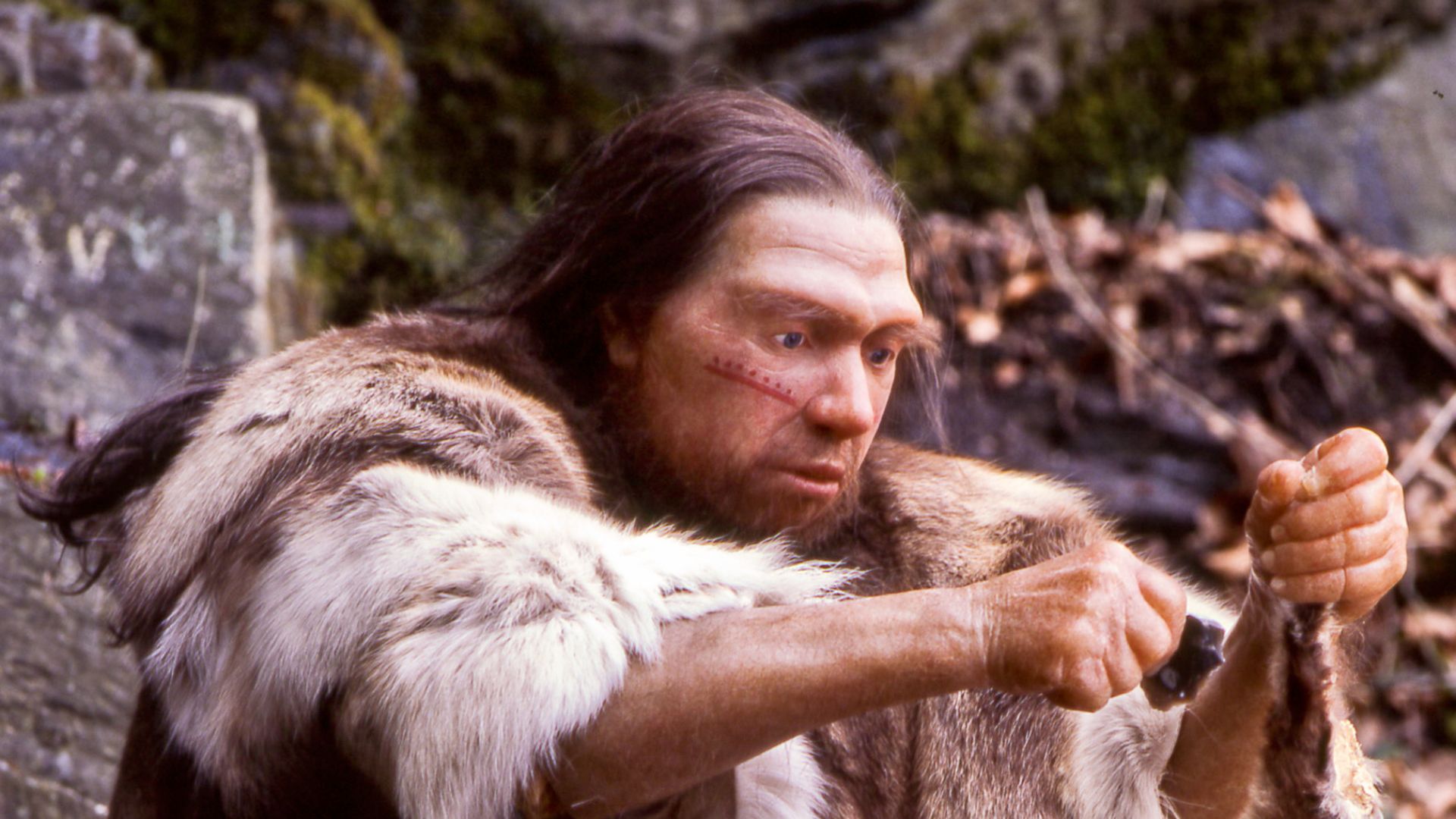 Neanderthal-Museum, Mettmann, Wikimedia Commons
What Scientists Believe Today
Most researchers agree modern humans experienced a major population bottleneck. The bigger debate is exactly when it reached its lowest point and what caused it. Toba remains one of the leading explanations, but most researchers now think it was only one piece of a much larger puzzle.
 Rhoda Baer (Photographer), Wikimedia Commons
Every Person Alive Today Has A Connection To This Story
If these genetic estimates are even close, every one of us descends from the relatively small number of humans who survived one of the most difficult periods our species has ever faced.
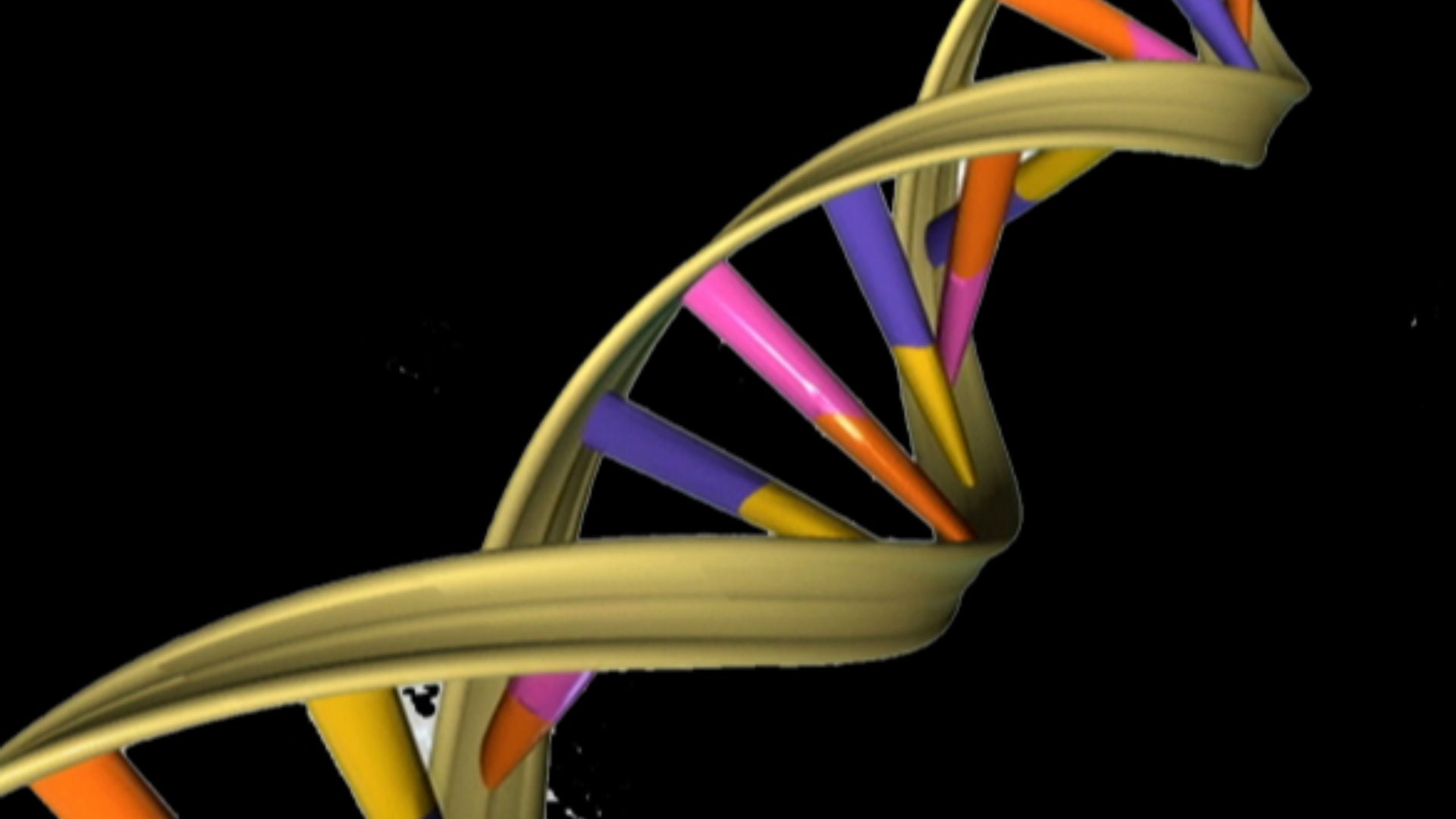
Humanity Was Never Guaranteed
Looking around today, it's easy to assume humans were destined to dominate the planet. History tells a very different story. There were moments when our future was anything but certain, and this may have been one of the closest calls of them all.
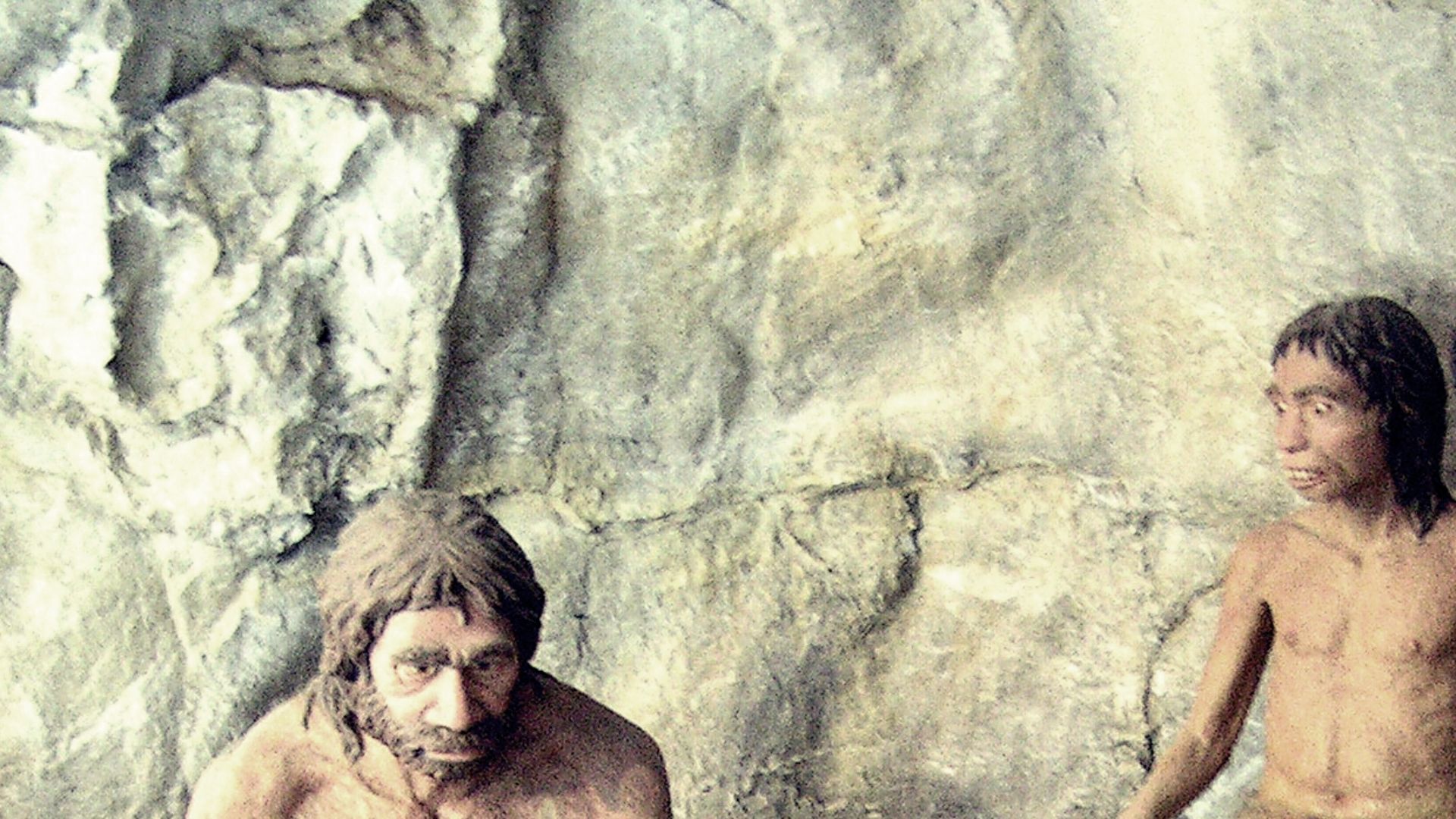 Jaroslav A. Polák from Brno, Czech Republic, Wikimedia Commons
Scientists Are Still Solving The Mystery
Every new archaeological discovery and every new DNA study adds another piece to the puzzle. The more scientists learn, the clearer it becomes that humanity's survival wasn't the result of one lucky break but countless generations adapting to an unforgiving world.
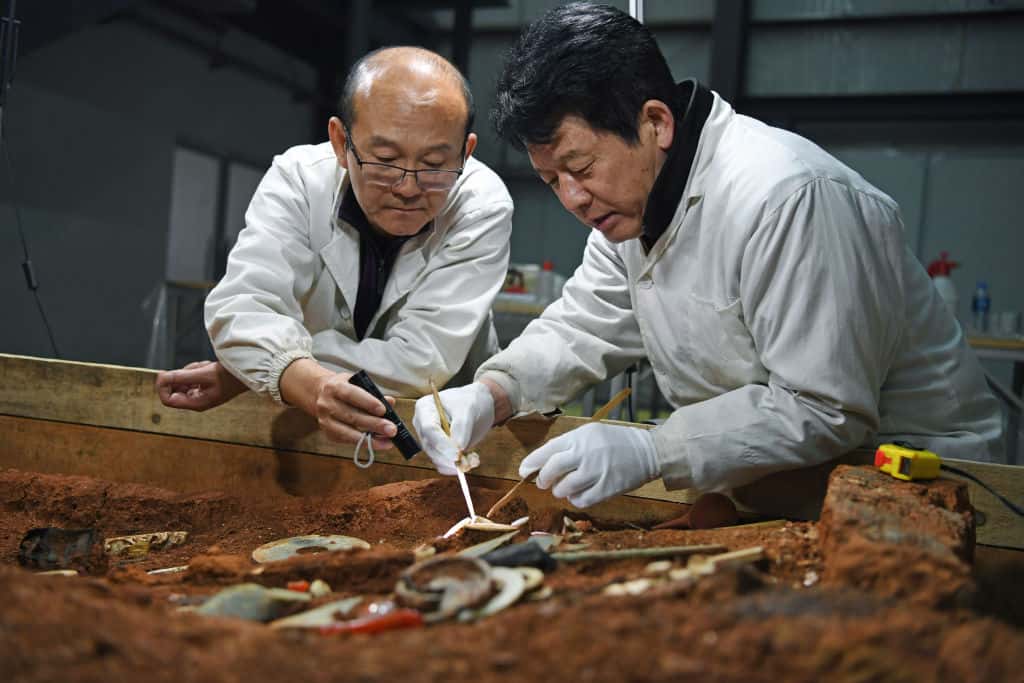
Against Almost Impossible Odds
Every person you've ever met—and every person who will ever live—can trace their family story back to one remarkably small group of humans who somehow survived when the odds were stacked against them. Had history unfolded just a little differently, there may never have been anyone left to discover what happened.
 Network Archaeology Ltd, Wikimedia Commons
You Might Also Like:
The Most Mispronounced Cities In America—How Many Are You Saying Wrong?