The Strange Shift That Changed Human History
Homo sapiens had already been living in Africa for hundreds of thousands of years when something remarkable began happening around 70,000 years ago. Suddenly, humans were expanding into harsh deserts, dense rainforests, and environments their ancestors had largely avoided. Scientists have long wondered what changed—and new research may finally explain both why it happened and how our ancestors pulled it off.

The Study That May Explain What Changed
To understand why humans suddenly became capable of living in such different environments, researchers looked far back into our species’ past. Their study, published in Nature on June 18, 2025, examined how human habitat choices shifted across Africa during the 120,000 years before our species successfully expanded beyond the continent.

Researchers Traced Where Humans Could Survive
The international team, led by Professor Eleanor Scerri of the Max Planck Institute of Geoanthropology and Professor Andrea Manica of the University of Cambridge, compared archaeological sites with ancient climate data. They were looking for a pattern—and around 70,000 years ago, one began to stand out.
This Wasn’t One Sudden Disaster
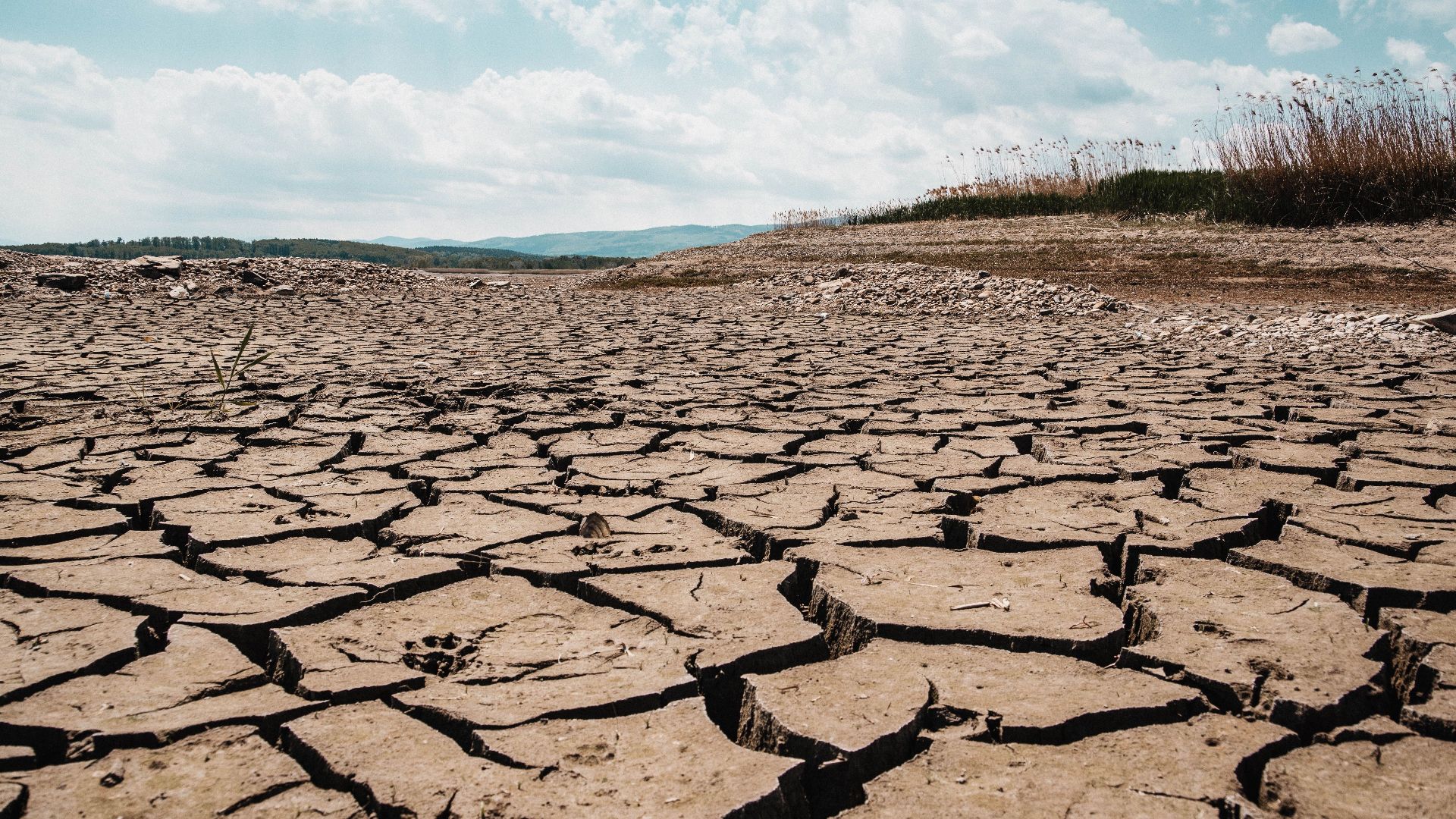
The evidence does not point to a single catastrophic event wiping out habitats overnight. Instead, Homo sapiens lived through repeated climatic swings involving rainfall, aridity, temperature, and vegetation. The important discovery is how dramatically humans widened the environments they could tolerate while those conditions changed.
Researchers Asked A Huge Question
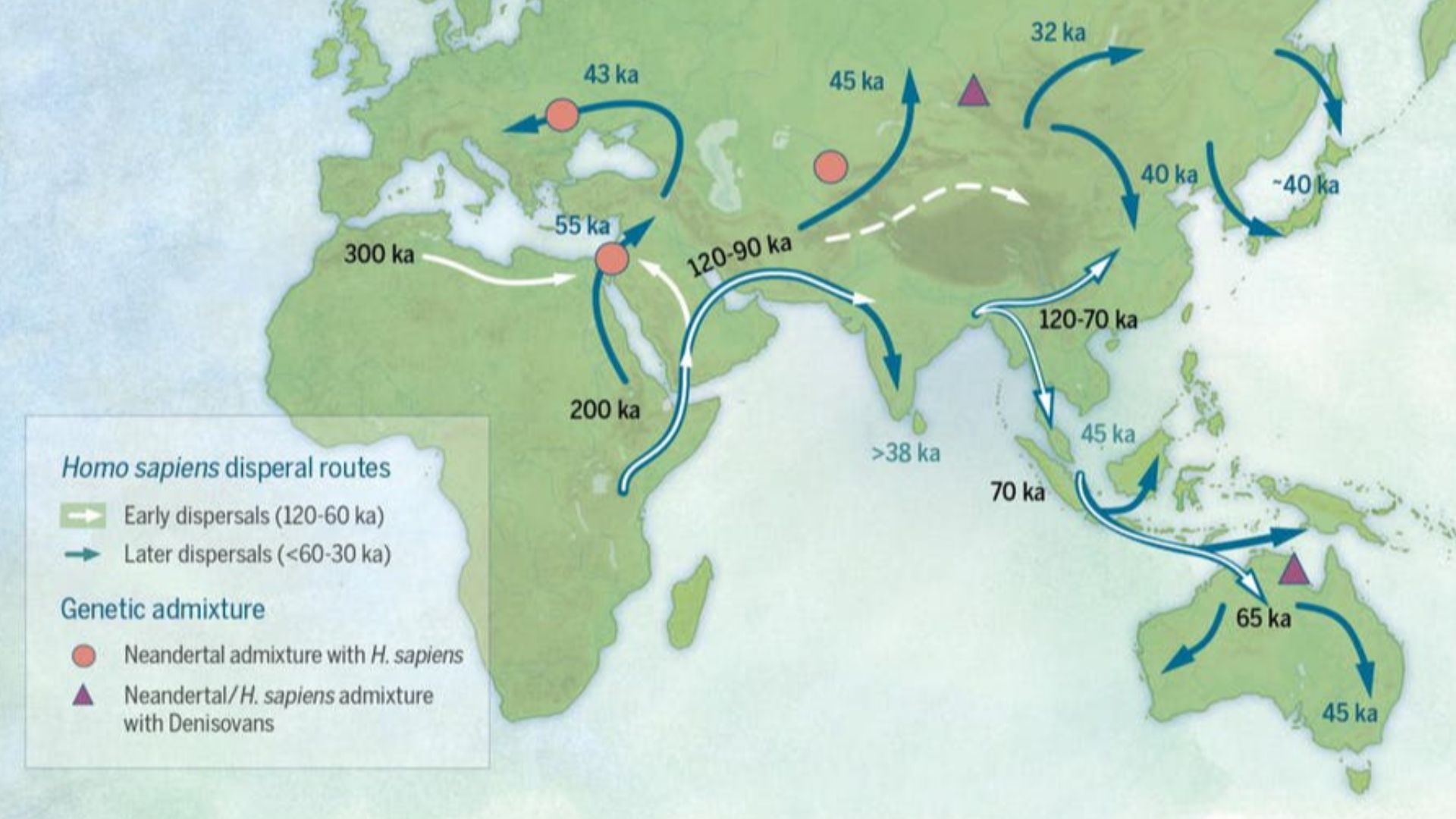
Scientists have long known that humans left Africa more than once. Fossils show earlier groups reached places such as the Middle East, but those migrations apparently failed to produce lasting populations. The research team wanted to know what made the later migration, beginning roughly 50,000 years ago, so different.

Earlier Humans Had Tried Before
Some Homo sapiens populations ventured outside Africa well before 50,000 years ago. Many of those journeys seem to have happened when wet climatic periods turned normally dry regions into greener corridors. When conditions worsened again, however, those early populations apparently failed to maintain a lasting presence.
 Katerina Douka & Michelle O’Reilly, Wikimedia Commons
Then Something Changed Around 70,000 Years Ago
Study co-author Dr. Emily Hallett of Loyola University Chicago said researchers saw “a really sharp change” in the range of habitats humans occupied beginning about 70,000 years ago. People suddenly began living successfully in environments that were much more challenging than the places humans had traditionally favored.
Now they wanted to know why.
 NordNordWest, Wikimedia Commons
Humans Started Moving Into Deserts
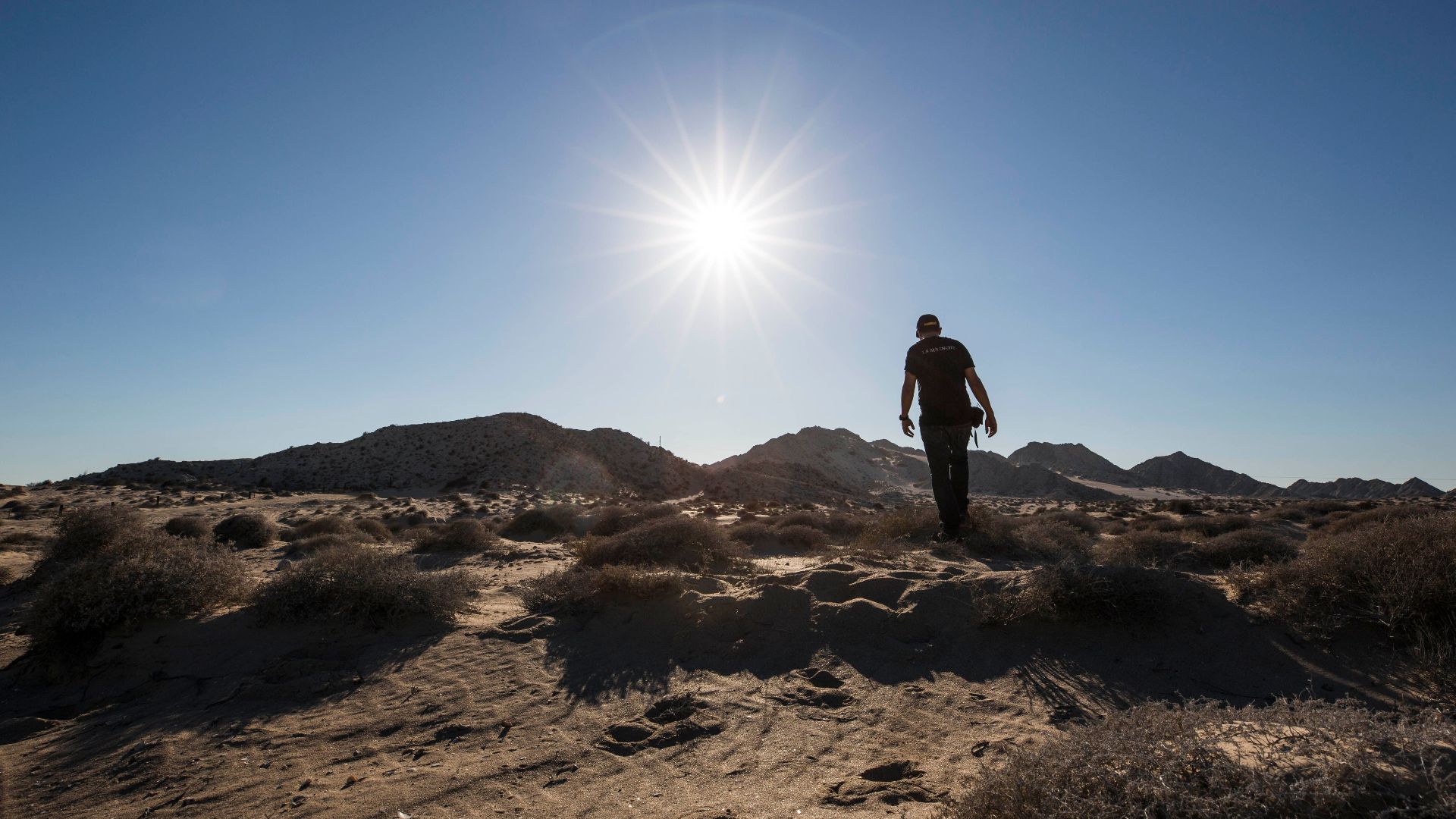
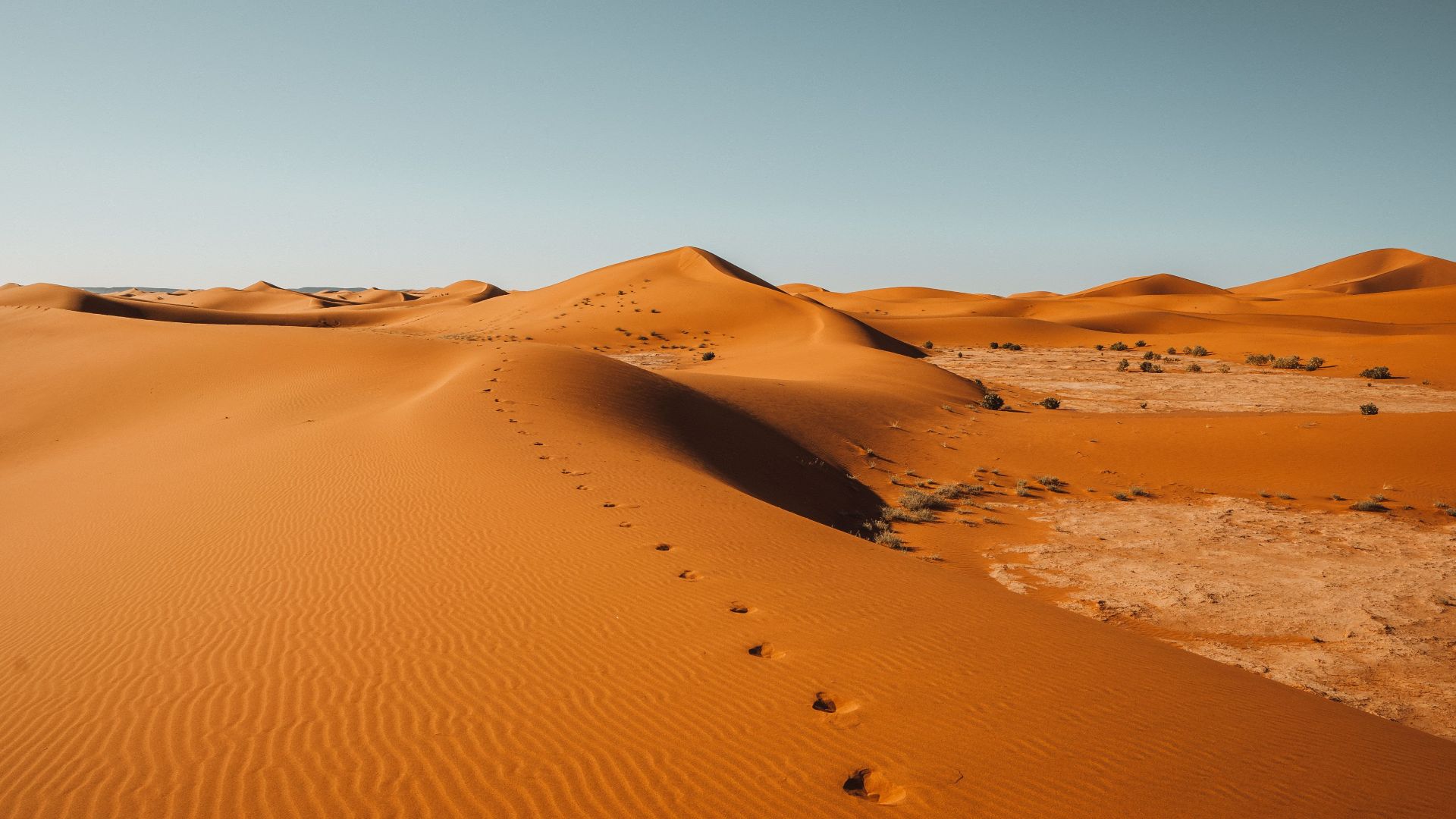
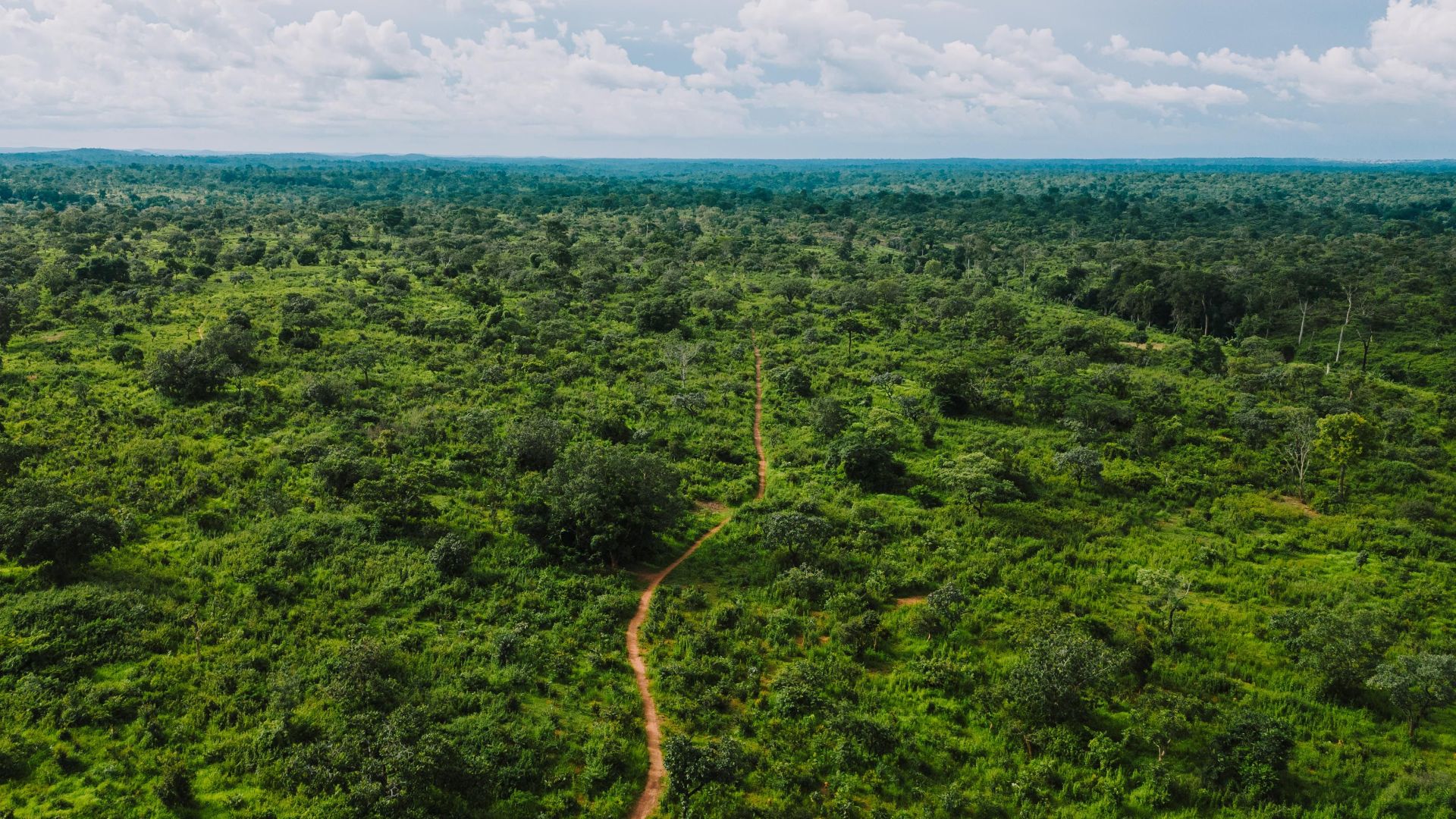
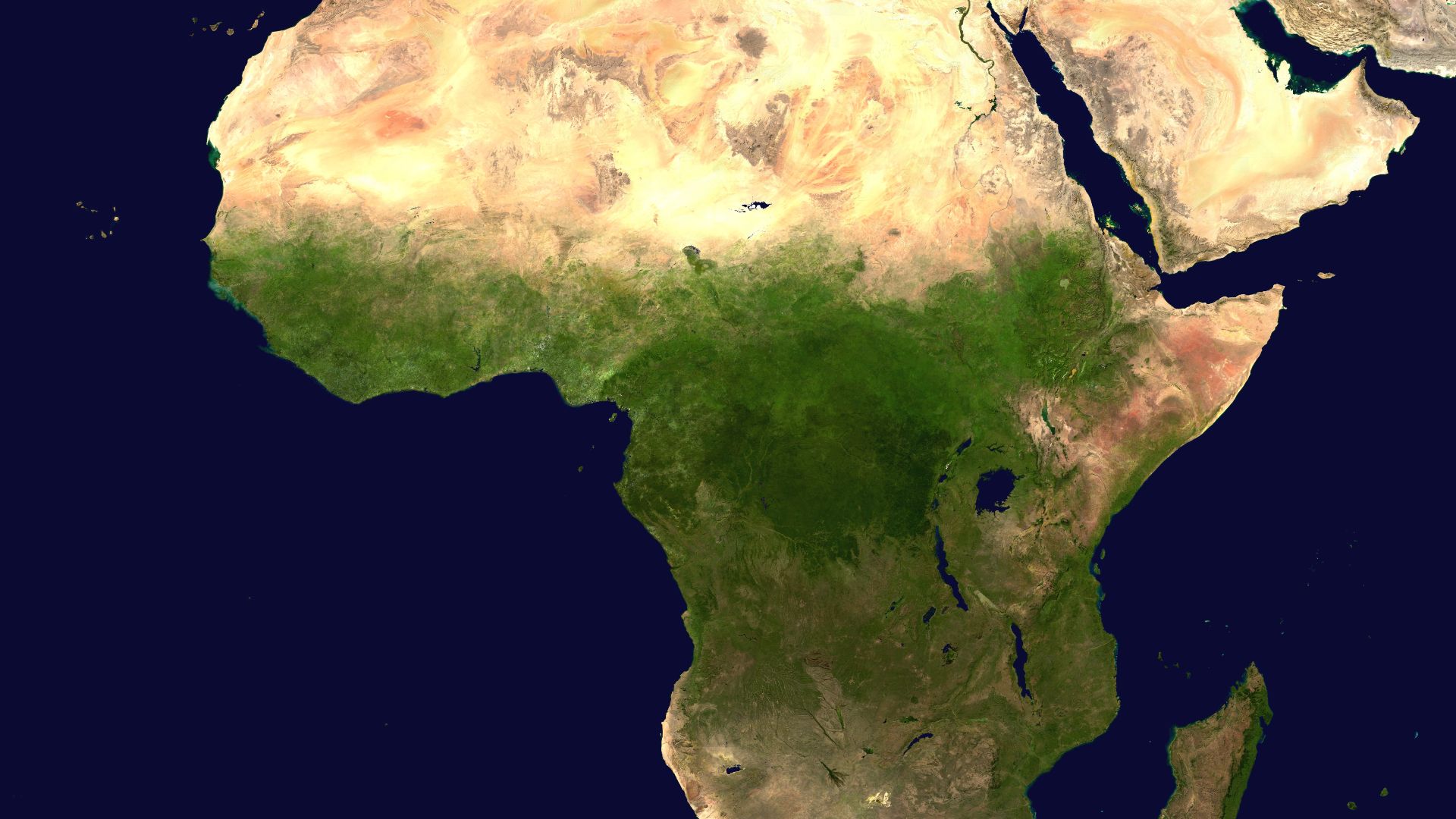
One major change involved increasingly dry environments. Archaeological evidence showed human populations pushing into arid regions including areas of the Sahara and Sahel. These landscapes offered fewer dependable water sources and forced people to become much better at predicting where resources could be found.
They Were Also Living In Rainforests
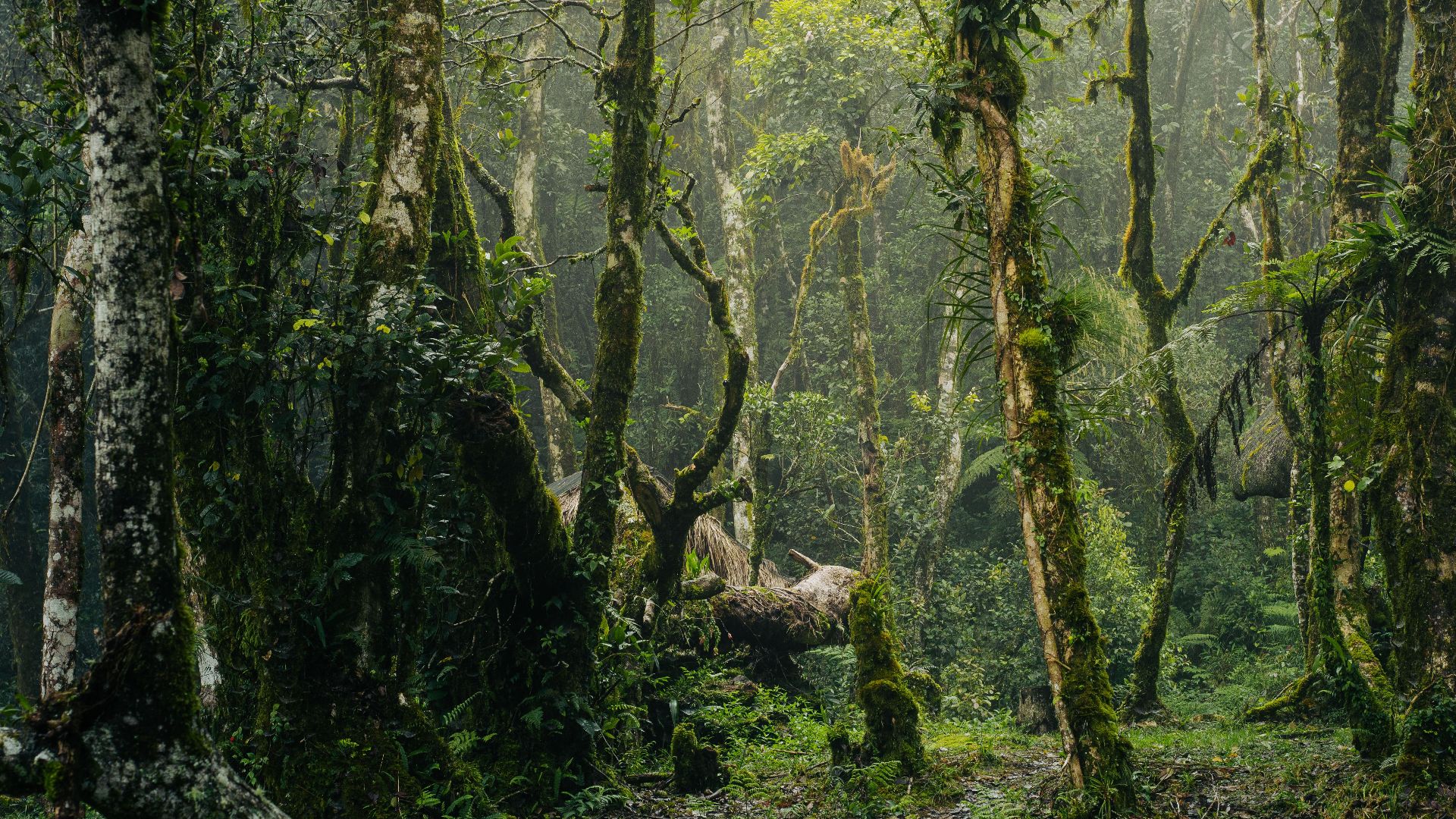
At the other extreme, humans expanded into dense tropical forests in West and Central Africa. Rainforests may look abundant, but surviving there can be surprisingly difficult for hunter-gatherers because visibility is low and many edible resources are scattered or seasonal. Humans figured it out anyway.
From Forests To Desert—That’s A Big Leap
That contrast is what impressed researchers. Our ancestors were no longer limited to a narrow environmental comfort zone. Populations were successfully exploiting both extremely wet forests and extremely dry landscapes, suggesting that humans had become far more adaptable in how they found food, water, shelter, and materials.
“Our Superpower Is That We Are Ecosystem Generalists”
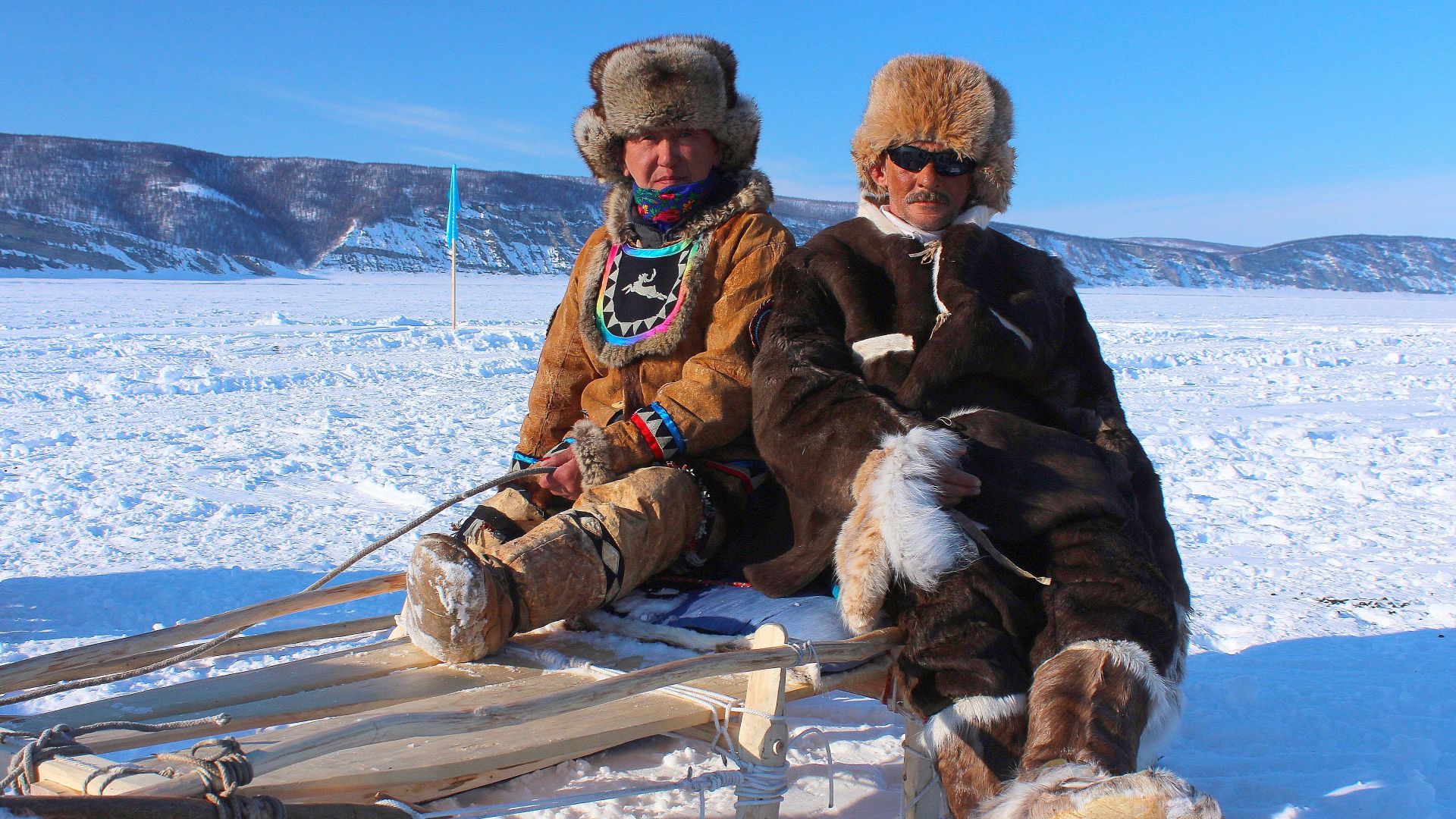
Evolutionary archaeologist Professor Eleanor Scerri put the discovery rather neatly: “Our superpower is that we are ecosystem generalists.” Humans are unusual because we can live almost anywhere—from deserts to rainforests to Arctic landscapes—and the study suggests that ability has extremely deep prehistoric roots.
Archaeologists Built A Massive Database
The team assembled archaeological evidence showing human presence across Africa from roughly 120,000 to 14,000 years ago. Instead of focusing on one cave or one region, researchers combined evidence from sites across the continent to see how the overall human ecological range changed through time.
 Frame Stock Footage, Shutterstock
Then They Reconstructed Ancient Climates
For every archaeological site, researchers modeled what the surrounding climate was probably like when humans occupied it. They used techniques borrowed from ecology known as species distribution models, which normally help scientists determine which environmental conditions an animal can tolerate.

Humans Became The Species Being Modeled
The same methods used to study animals such as deer or wild boars were applied to Homo sapiens. Researchers effectively asked: what temperature, rainfall, vegetation, and environmental conditions were humans capable of living in at different points in prehistory?

The Human “Niche” Suddenly Expanded
Ecologists use the word niche to describe the range of conditions in which a species can survive and reproduce. According to the study, the human ecological niche expanded substantially beginning around 70,000 years ago. That change happened before the major successful migration out of Africa.

The Timing Is Hard To Ignore
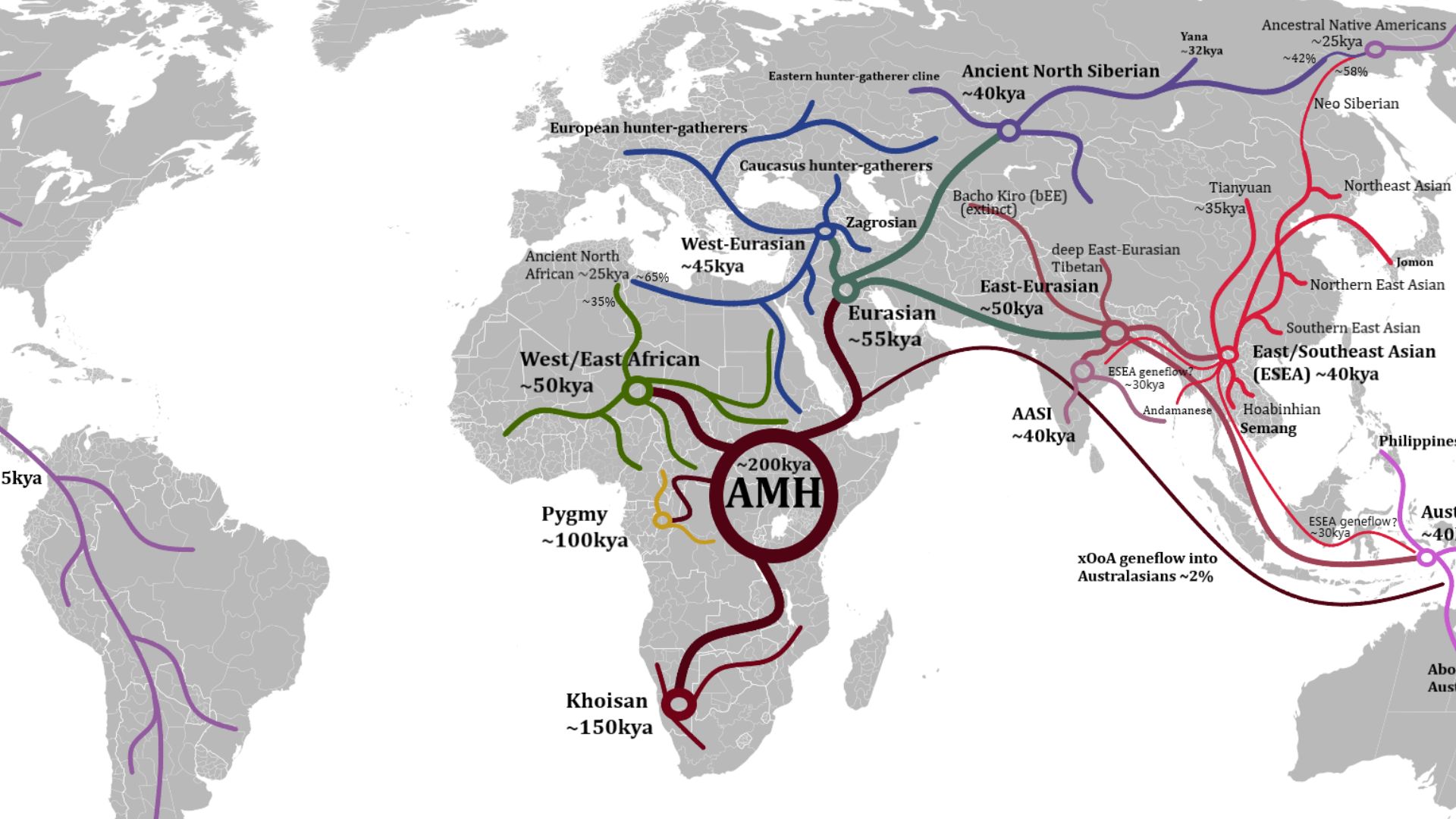
Most living people outside Africa trace the majority of their ancestry to populations that expanded into Eurasia after approximately 50,000–60,000 years ago. The new ecological flexibility appeared roughly 10,000–20,000 years before that expansion, suggesting humans had effectively been practicing for difficult environments at home first.
The Successful Route Was Actually Harder
Professor Andrea Manica pointed out an especially interesting detail. Between roughly 70,000 and 50,000 years ago, routes out of Africa appear to have been more environmentally challenging than during some earlier migrations. Yet this was the migration that succeeded on a massive scale.

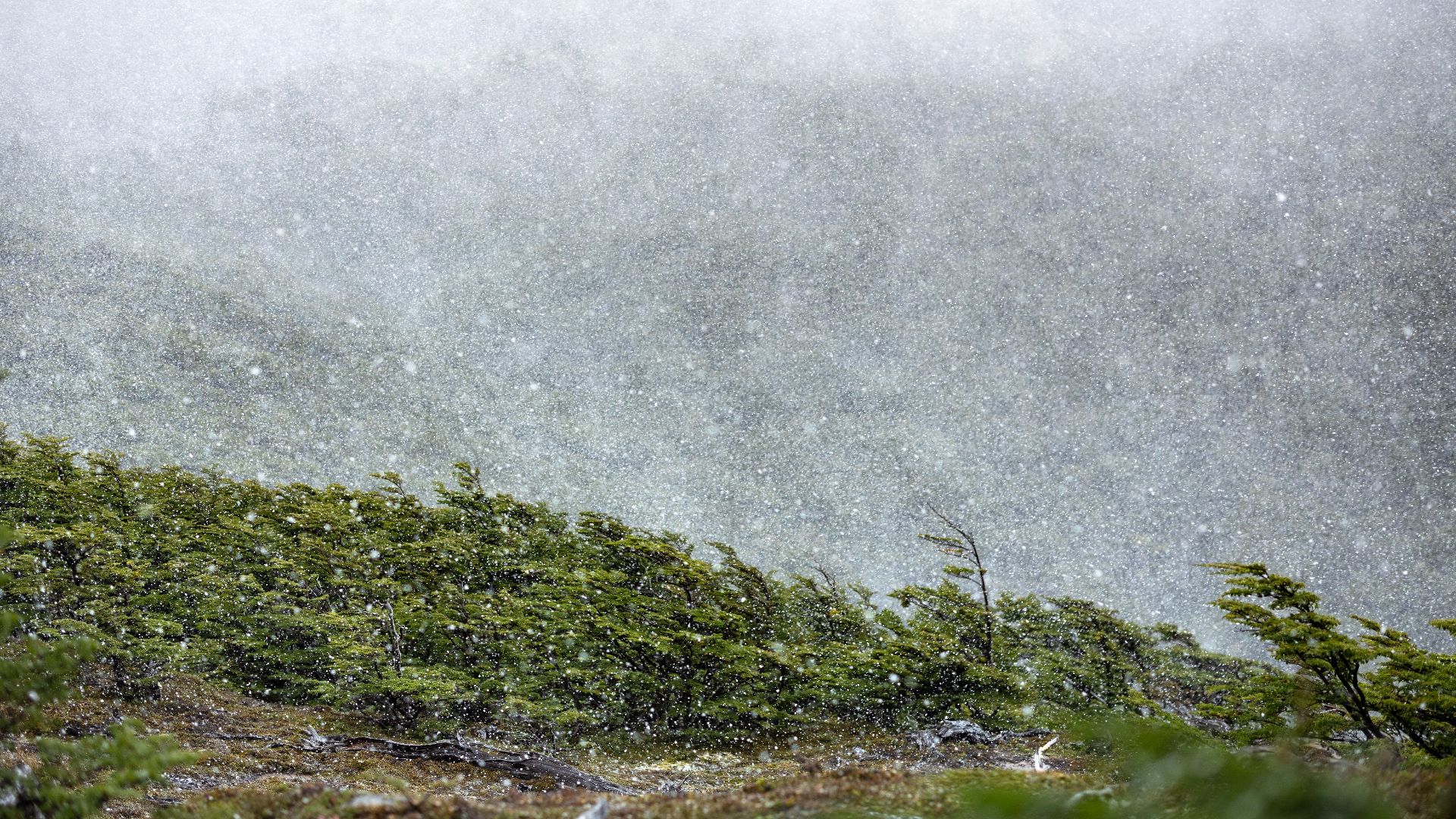
Humans Stopped Waiting For Perfect Weather
Earlier migrations often appear linked to periods when wetter climates opened easy green corridors through otherwise hostile territory. Later humans seemingly no longer needed conditions to be perfect. They had learned how to deal with difficult environments rather than simply waiting for those environments to become easier.
Technology Alone Doesn’t Explain It
Researchers have proposed that one revolutionary invention may have triggered humanity’s global expansion. Perhaps better weapons, communication, or tools suddenly appeared. But the new study found no single technological breakthrough that neatly corresponds with the successful migration.

The Real Breakthrough May Have Been Flexibility
Instead, the authors argue that the advantage may have been behavioral. Humans were becoming better at modifying their lifestyles to match local conditions. One group might develop strategies for extreme dryness while another learned how to exploit forest resources. There was no single survival manual.

Social Networks May Have Been Crucial
The researchers suggest that expanding social networks could have helped this flexibility develop. Groups living farther apart may have exchanged ideas, tools, foods, knowledge, and marriage partners. That meant a successful strategy invented in one region did not necessarily have to remain there.
More Travel Meant More Ideas
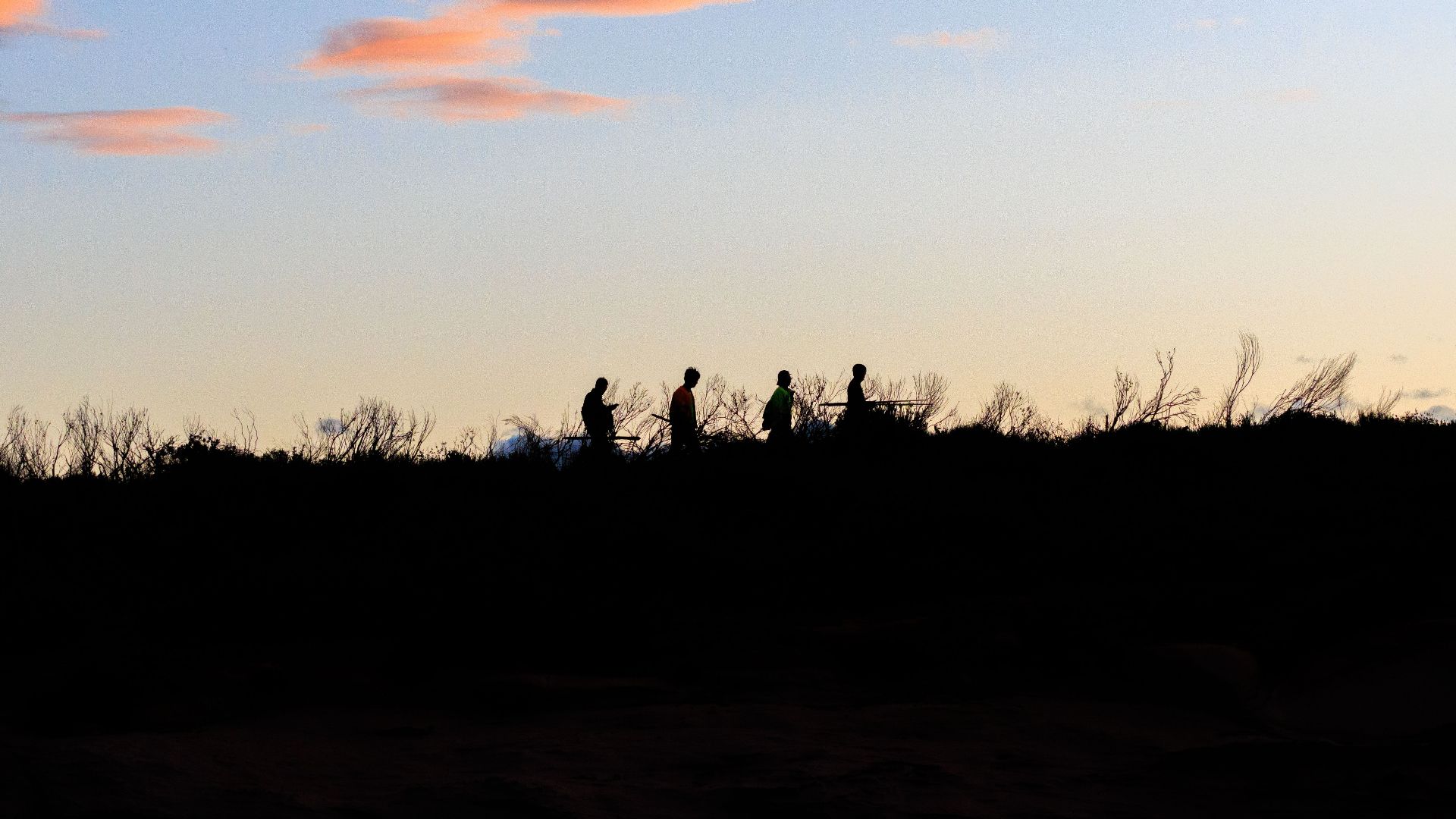
As humans occupied more of Africa, communities that had once been geographically separated could increasingly come into contact. Researchers propose that this may have created a feedback loop: wider settlement produced more cultural exchange, which created better adaptations, which then allowed people to spread even farther.
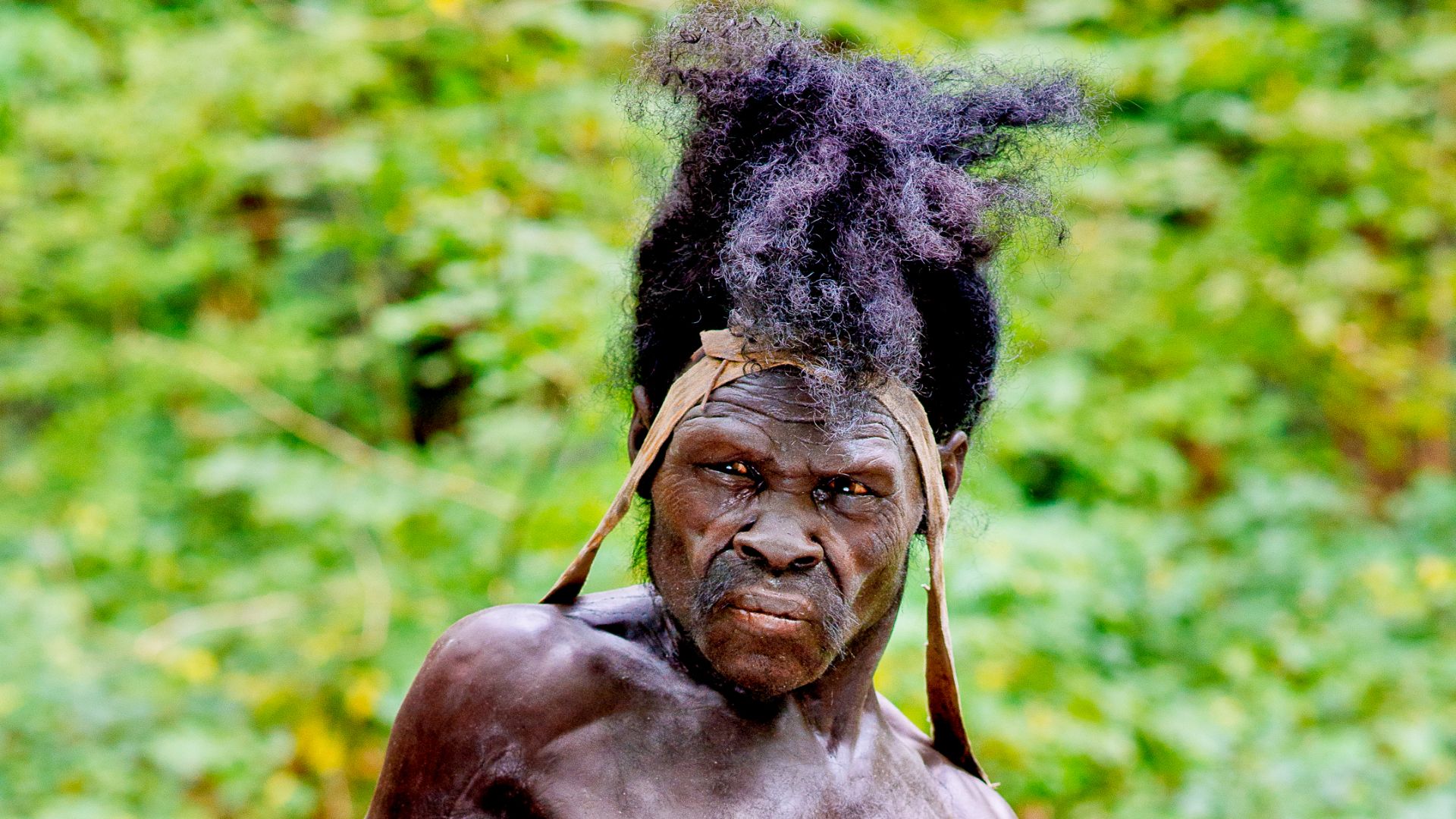 Neanderthal-Museum, Mettmann, Wikimedia Commons
Culture Became A Survival Tool
Humans do not adapt only through biological evolution. We also learn. Clothing, shelter, hunting strategies, food processing, water storage, fire use, and social cooperation can transform an environment that would otherwise be deadly into somewhere people can survive.
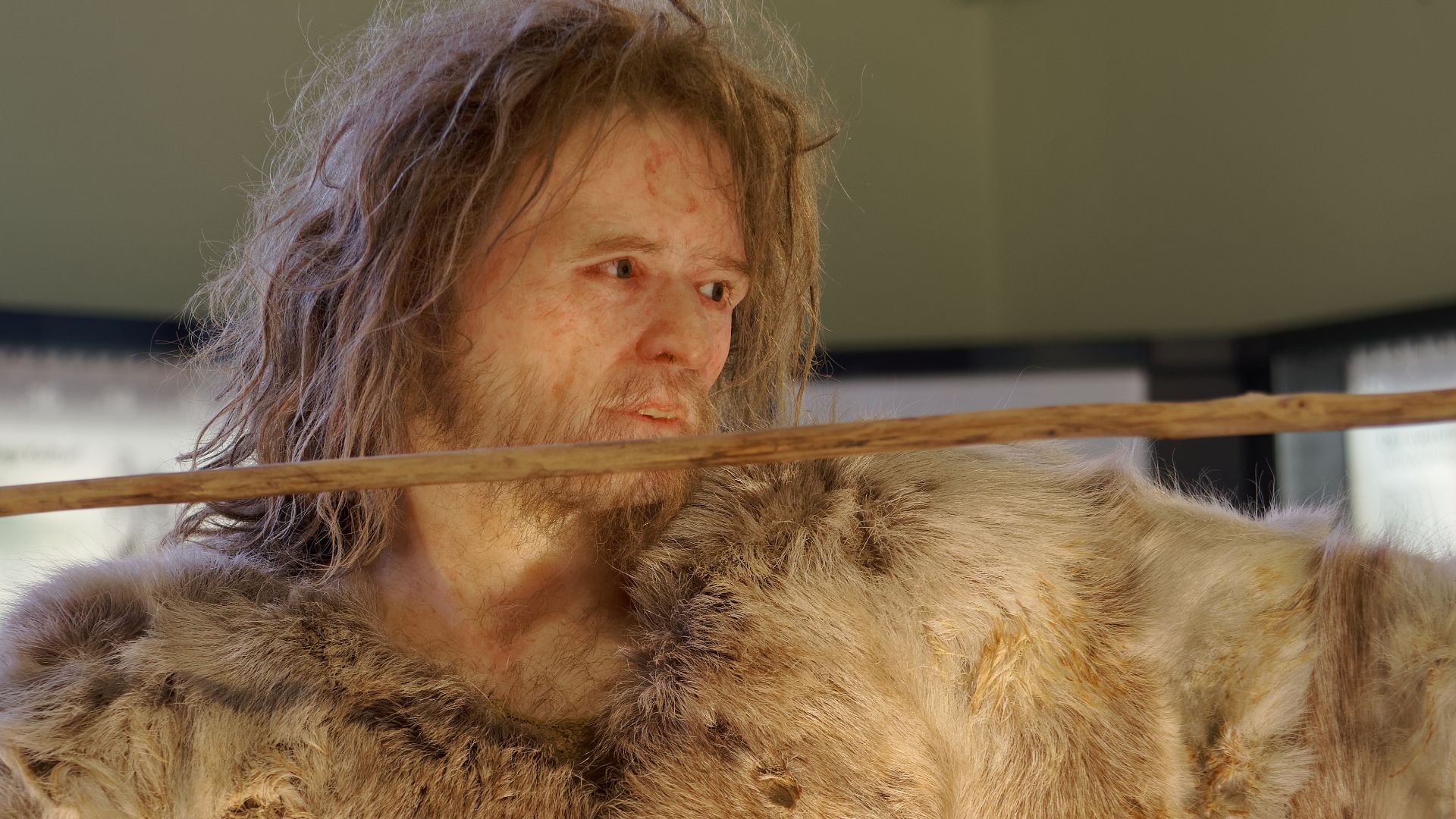 Jakub Halun, Wikimedia Commons
Climate Pressure May Have Accelerated The Change
Repeated environmental shifts would have rewarded populations capable of changing their behavior quickly. Groups tied too closely to one food source or habitat could struggle when conditions changed. More flexible populations could switch strategies, relocate, or learn to exploit resources that previous generations largely ignored.
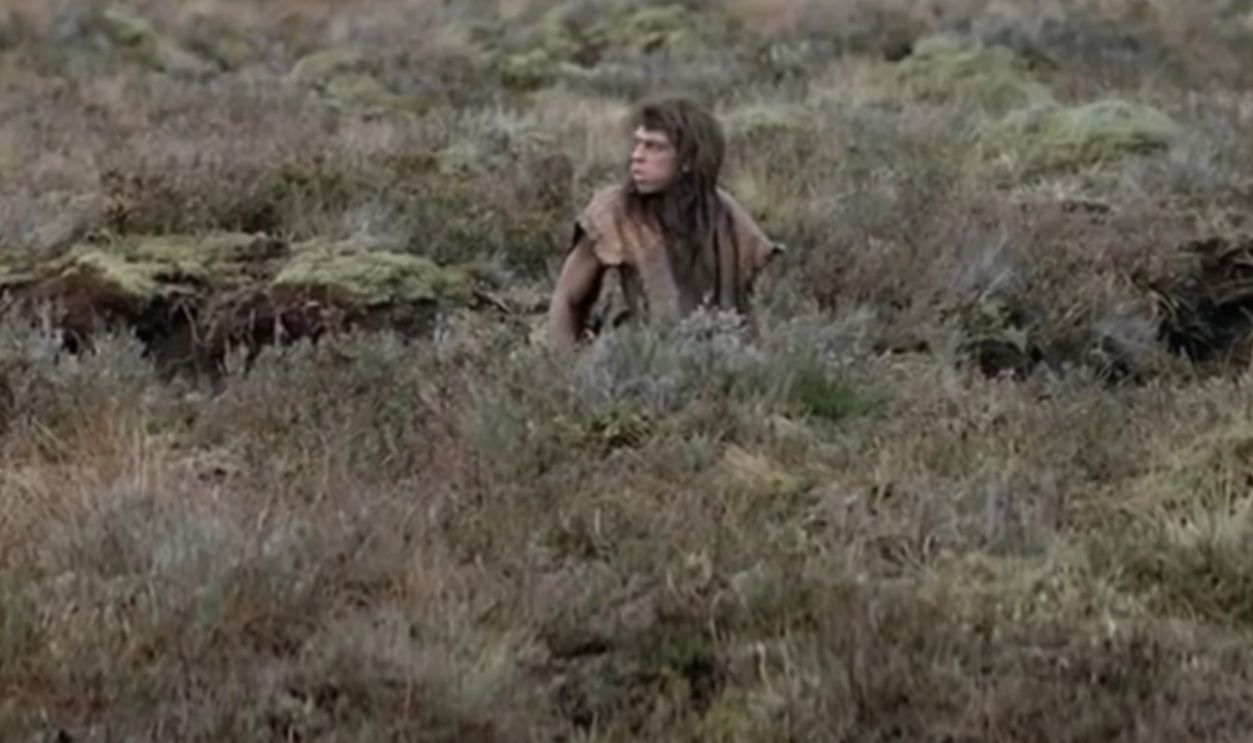 Screenshot from Quest for Fire, The Walt Disney Company (1981)
The Toba Eruption Happened Around This Era
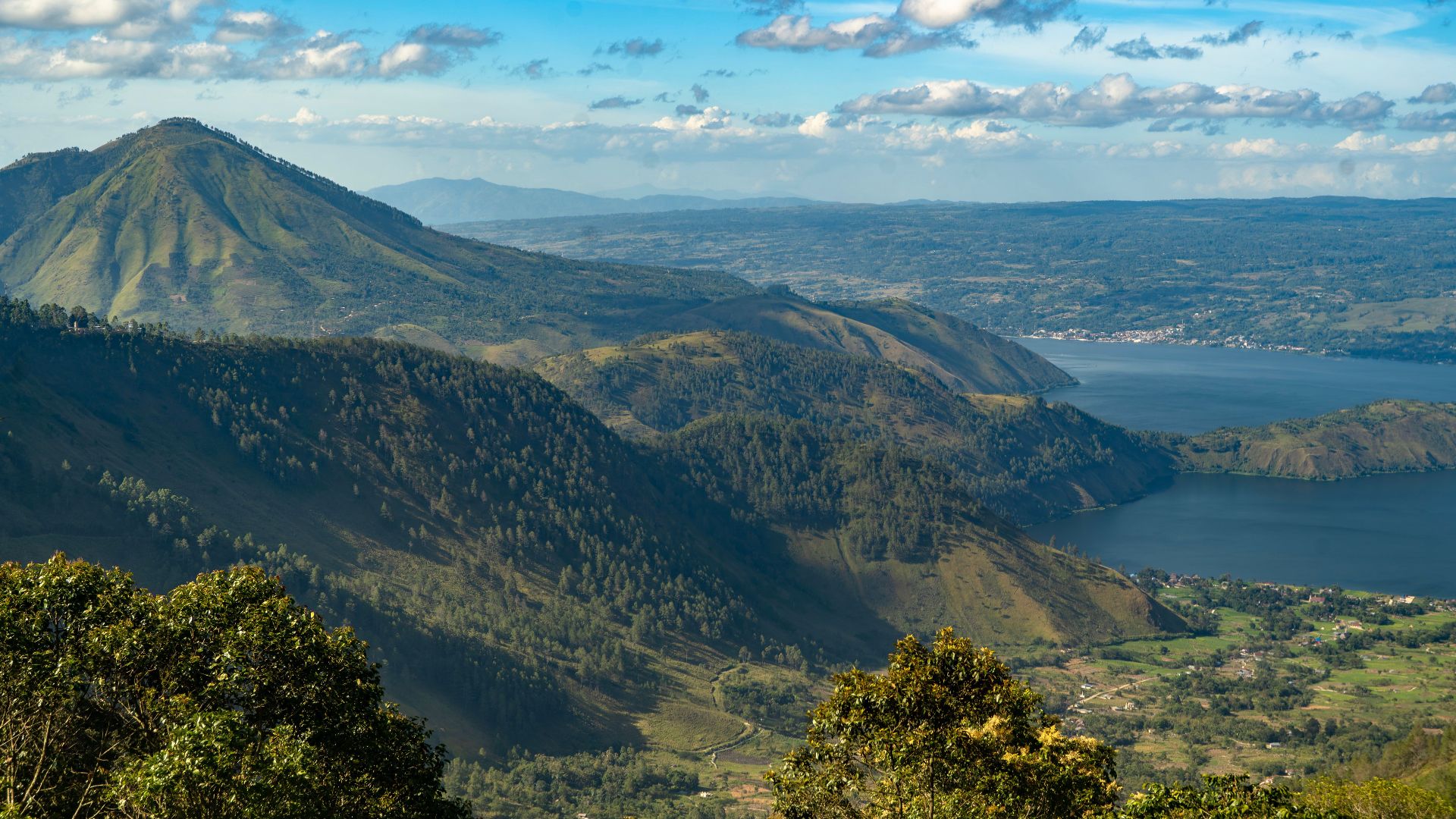
Another major event occurred roughly 74,000 years ago, when Indonesia’s Toba supervolcano produced one of the largest eruptions of the last two million years. Scientists still debate how severely it affected global climate, but archaeological evidence shows humans in South Africa survived through the event.
South African Sites Showed Continuity
Research at archaeological sites on South Africa’s southern coast discovered microscopic volcanic glass from the Toba eruption within layers containing evidence of human occupation. Instead of disappearing after the eruption, people continued living in the region—and activity at some sites may even have intensified.

Toba Probably Wasn’t Humanity’s Near-Extinction Event
Older theories suggested the eruption caused a devastating volcanic winter that nearly wiped humans out. Increasing archaeological and genetic evidence has made that scenario much less certain. Humans living thousands of kilometers from Toba apparently proved surprisingly resilient.

Climate Change Was Still A Serious Threat
Rejecting one dramatic extinction story does not mean environmental conditions were easy. Africa during this period experienced major changes in rainfall, vegetation, lakes, deserts, and coastlines. Human communities would repeatedly have needed to adjust where they traveled and what resources they relied upon.
The Landscape Was Constantly Moving Under Them
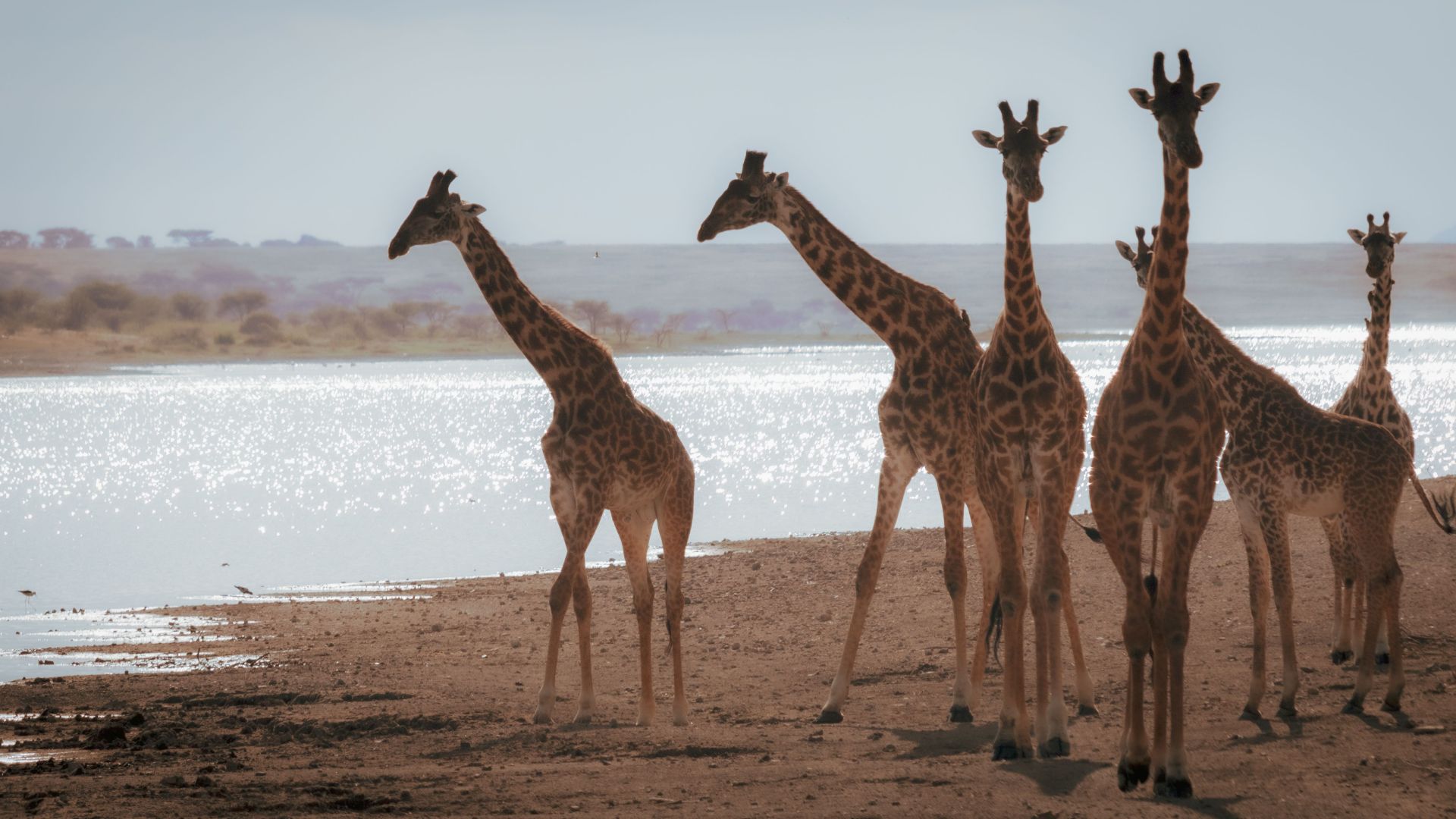
A grassland could become drier. Lakes could shrink. Forest boundaries could shift. Rivers could change course. Animals people hunted could move away. For hunter-gatherers without supermarkets or reservoirs, environmental changes were not abstract climate statistics—they directly affected whether families ate.
Humans Learned To Be Hard To Kill
The key advantage suggested by the 2025 research was not that humans became immune to climate change. It was that they became unusually good at changing their behavior when conditions turned against them. That made the species less dependent on any one specific environment.
 Screenshot from Quest for Fire, The Walt Disney Company (1981)
Then Humans Left Africa Again
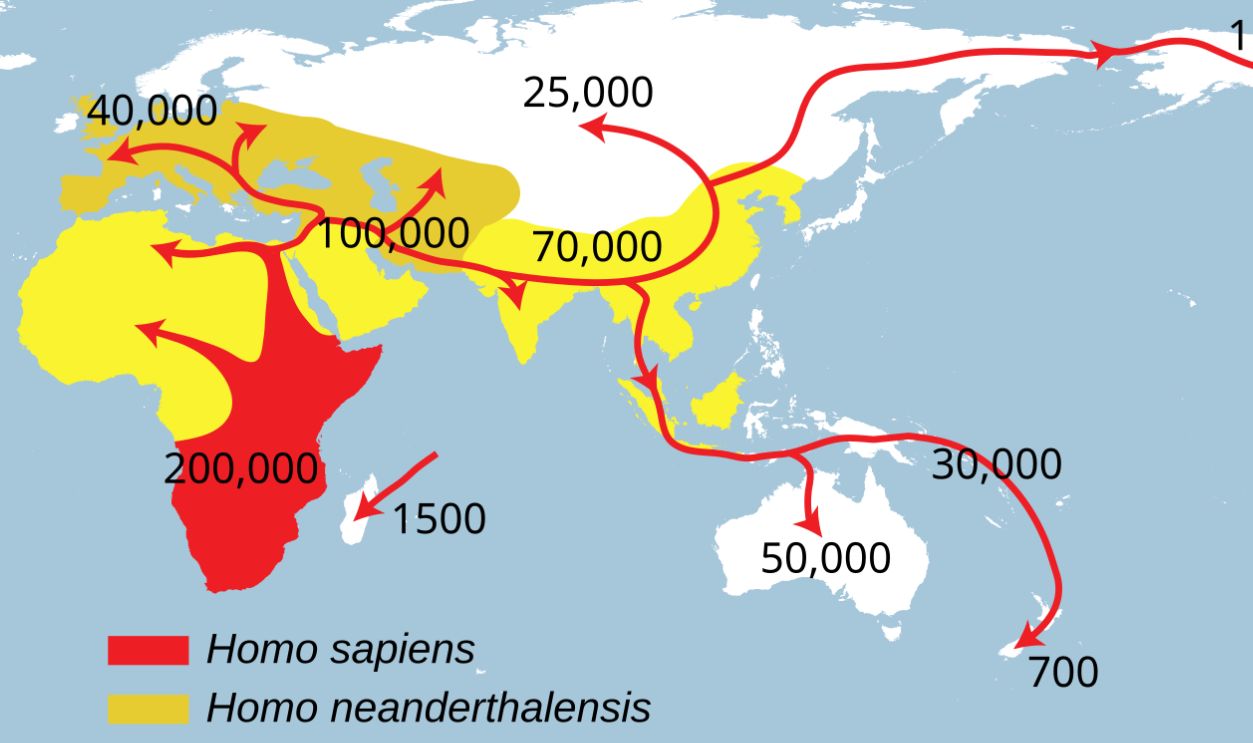
Beginning around 60,000–50,000 years ago, human populations expanded from Africa into Eurasia in a migration that had lasting consequences. Unlike earlier dispersals, these populations successfully established themselves across enormous territories and eventually contributed ancestry to nearly every non-African population alive today.
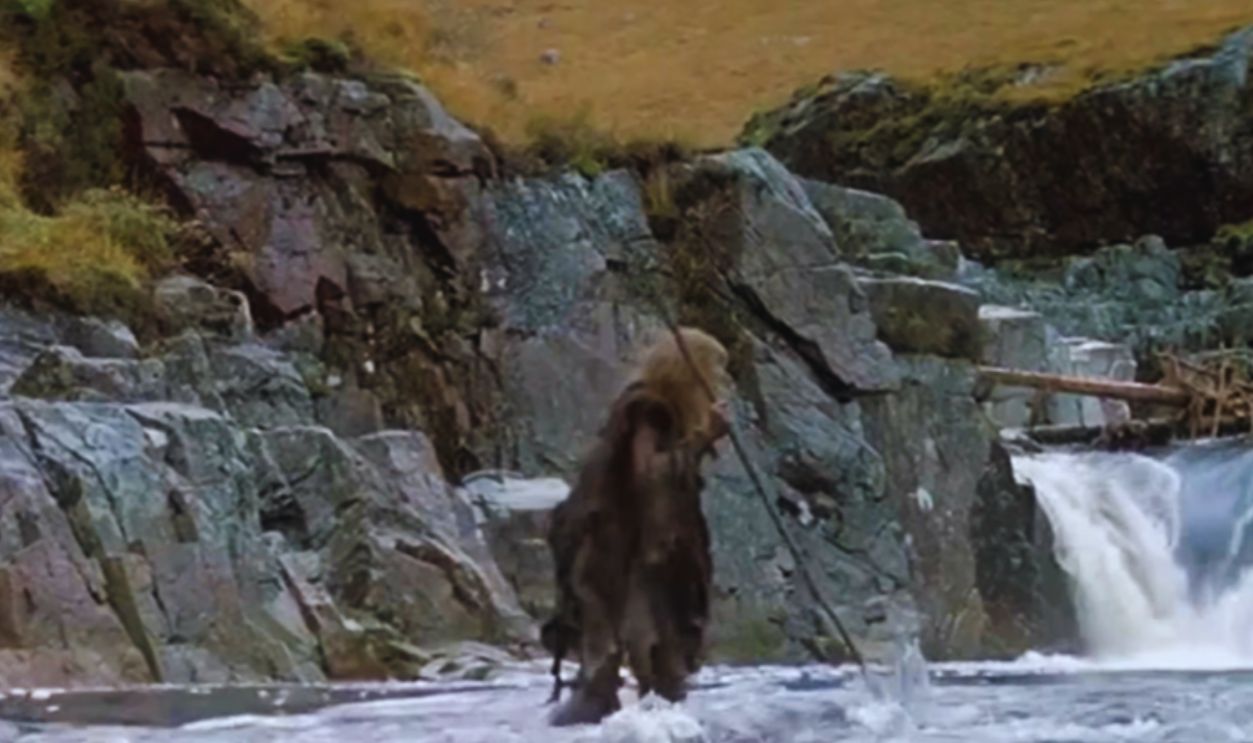 Screenshot from Quest for Fire, The Walt Disney Company (1981)
They Encountered Completely New Worlds
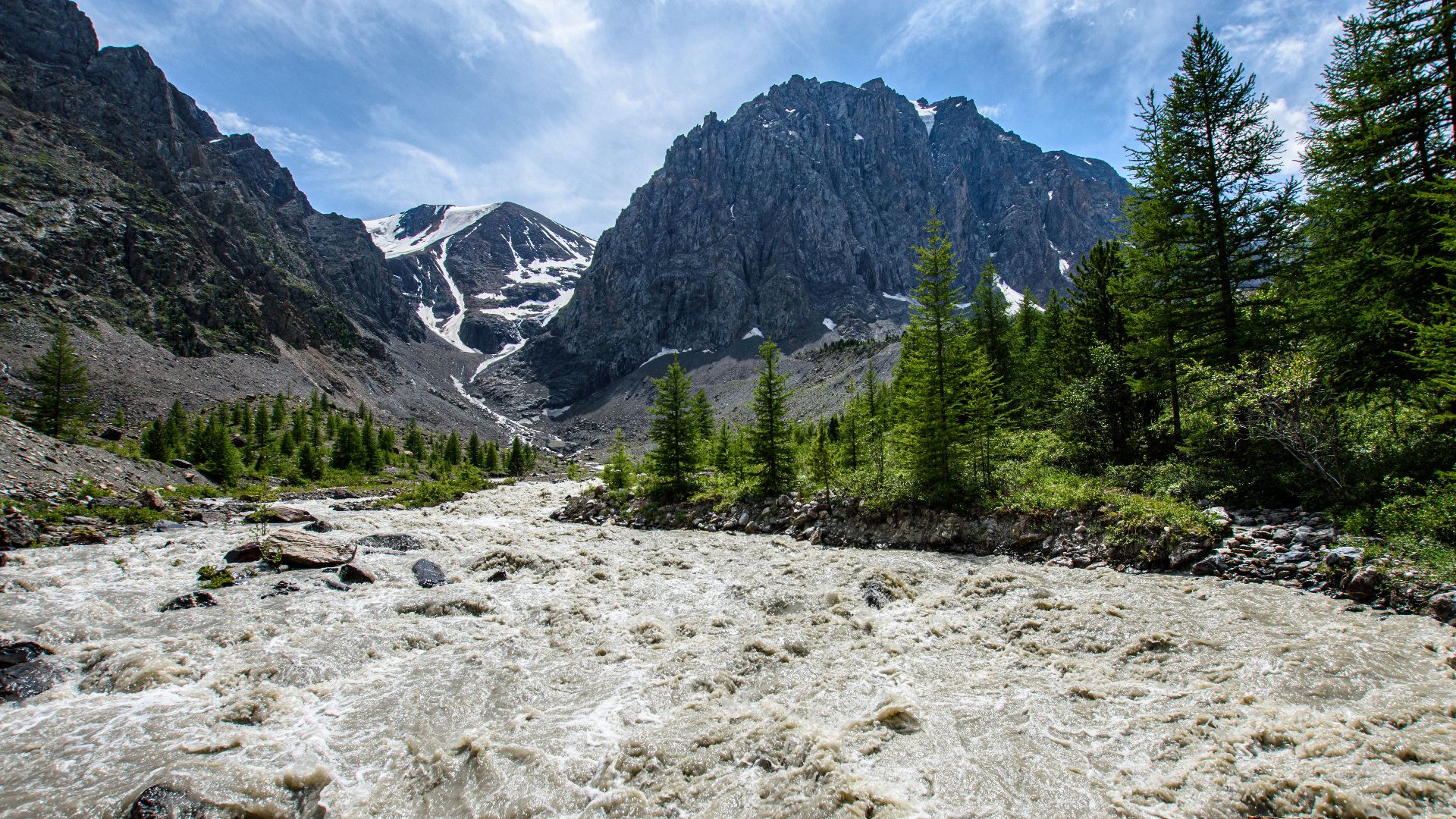
Moving into Eurasia exposed humans to mountains, deserts, seasonal grasslands, forests, cold winters, and eventually near-Arctic environments. A species accustomed only to one African ecosystem would have faced enormous difficulty. Humans arriving with generations of ecological flexibility had a very different advantage.
They Also Met Other Humans
These expanding populations encountered Neanderthals and Denisovans, whose ancestors had already been living across Eurasia for hundreds of thousands of years. Genetic evidence shows Homo sapiens interbred with both groups. Adaptability did not mean humans entered an empty world.
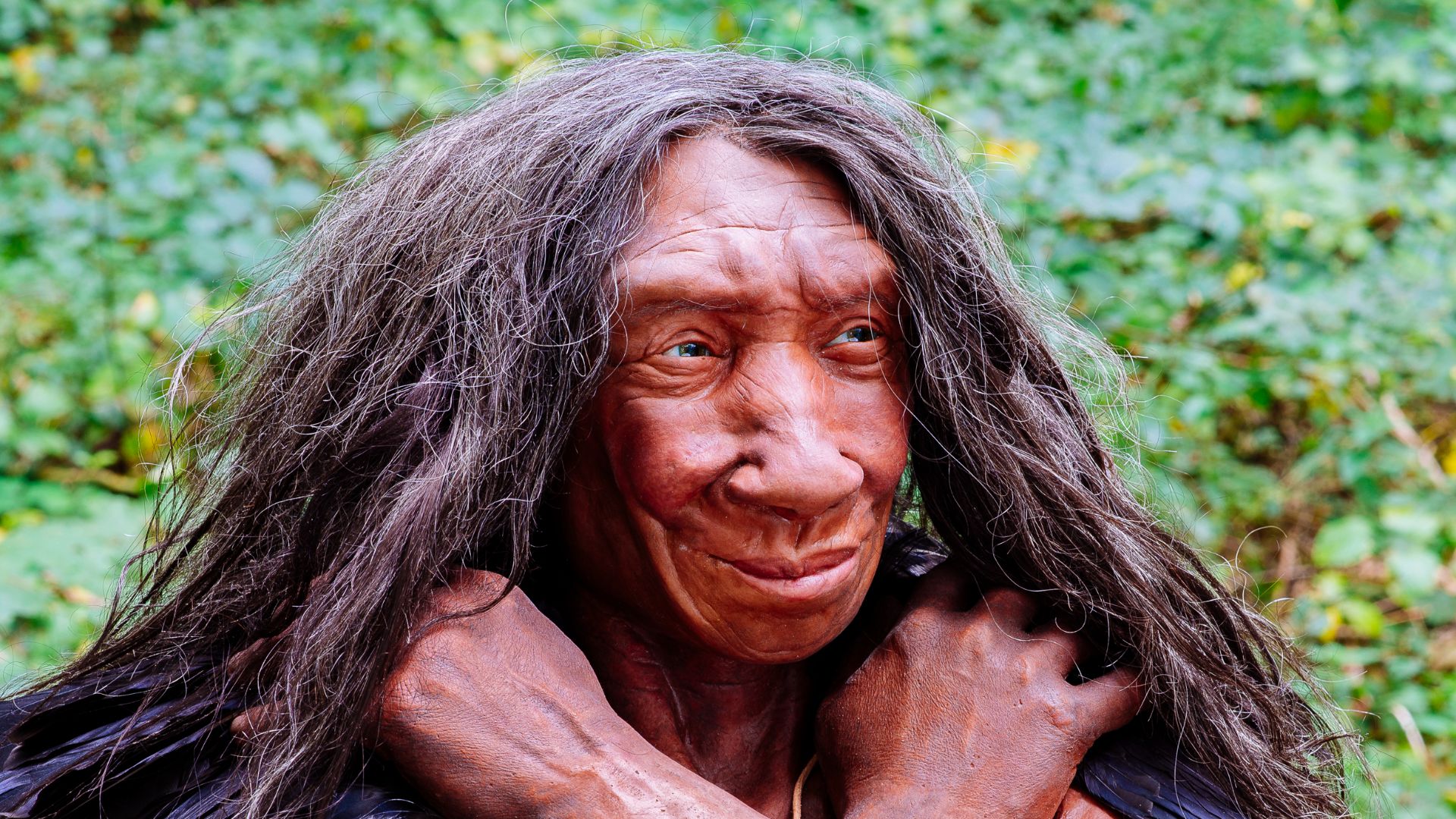 Neanderthal-Museum, Mettmann, Wikimedia Commons
Neanderthals Were Adaptable Too
University of Bordeaux archaeologist William Banks, who was not involved in the 2025 study, cautioned against treating ecological flexibility as something only Homo sapiens possessed. Earlier hominins had also survived difficult climates and successfully expanded beyond Africa long before modern humans.
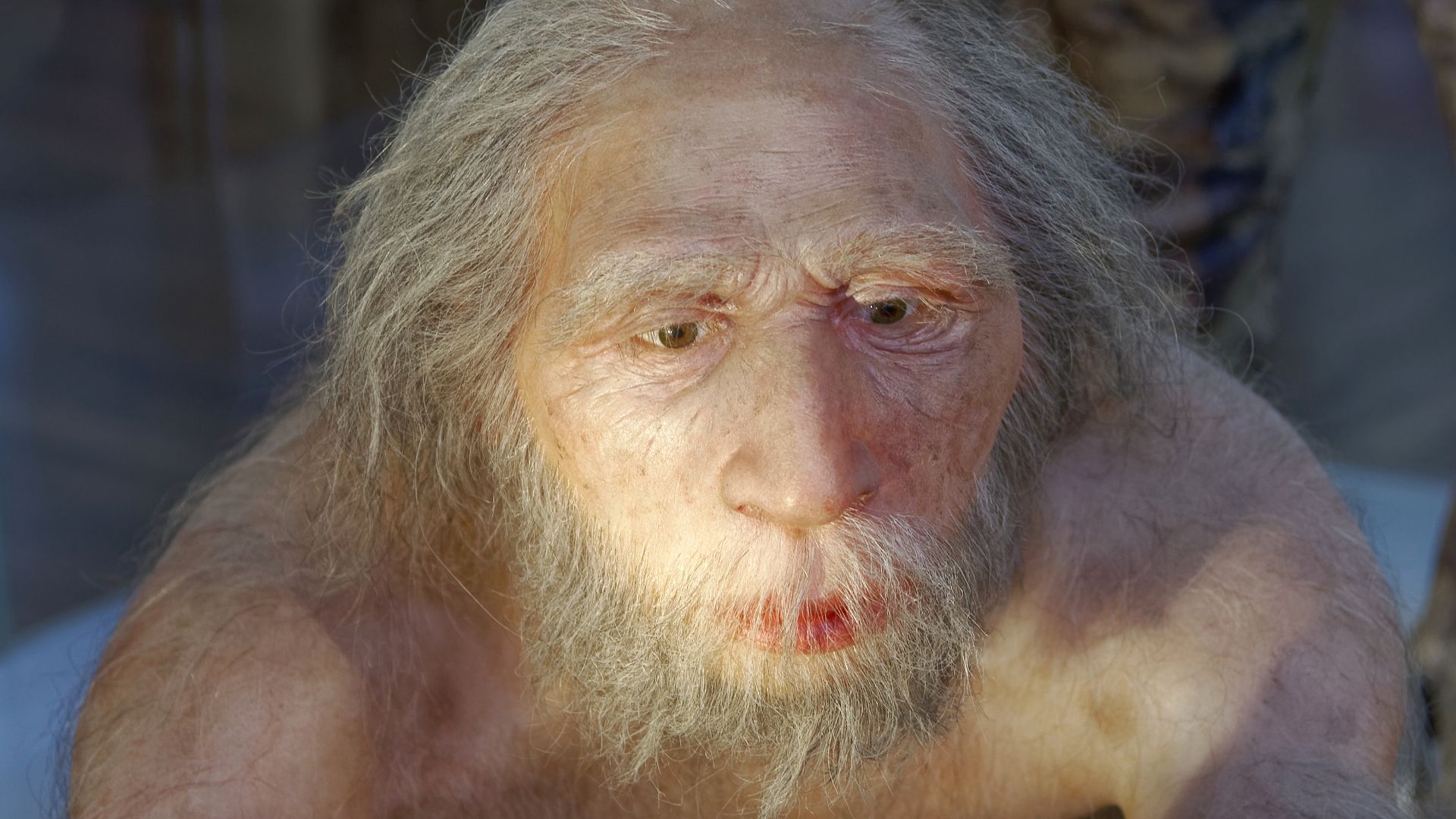 Jakub Halun, Wikimedia Commons
So Why Are We The Only Ones Left?
That remains unanswered. Environmental flexibility may help explain why one major Homo sapiens expansion succeeded, but it does not fully explain why Neanderthals, Denisovans, and other human groups eventually disappeared. Evolution rarely hands researchers one tidy explanation.

The Study Changes What “Human Advancement” Looks Like
Our ancestors may not have conquered the world because someone suddenly invented one miraculous tool. Their advantage may have been much less glamorous: learning new foods, maintaining distant relationships, adjusting movement patterns, and becoming comfortable with being uncomfortable.
 Screenshot from Quest for Fire, The Walt Disney Company (1981)
Survival Came Before Expansion
Perhaps the most important lesson is that humans developed this flexibility inside Africa before spreading successfully across the globe. The abilities that later carried people into Europe, Asia, Australia, and eventually the Americas were apparently forged while communities were dealing with difficult environments at home.
A Climate Crisis Didn’t Stop Humans—It Changed Them
The 2025 study does not show one disaster suddenly transforming human behavior. Instead, it reveals something more interesting: repeated climatic challenges appear to have pushed early humans toward increasingly diverse ways of living. Our ancestors survived not because the environment stopped changing, but because eventually, they learned to change with it.
You May Also Like: