
During a Mexican highway expansion project, crews encountered structural elements that did not meet modern standards. That discovery triggered an immediate report to Mexico’s National Institute of Anthropology and History (INAH), which dispatched a salvage team.
The details behind this find offer a clear look into how heritage protection operates alongside major infrastructure projects and why this process remains essential for documenting Mexico’s past.
A Settlement Confirmed Through Structural Evidence
INAH specialists identified the uncovered remains as part of a pre-Hispanic settlement. The most recognizable element was a pyramid platform, confirmed through its stepped architectural pattern and stone construction typical of regional ceremonial structures. Nearby areas contained walls, compacted floors, and domestic features consistent with sustained occupation.
Researchers documented the layout and construction techniques of each component. Comparisons with established sites in central Mexico supported their dating of the structures to a period predating Spanish arrival. This analysis formed the basis for targeted excavation and allowed specialists to understand how the site fit within known historical timelines.
Once the main structure was verified, attention moved to the residential sections to clarify how the surrounding community operated.
Everyday Artifacts That Define Community Life
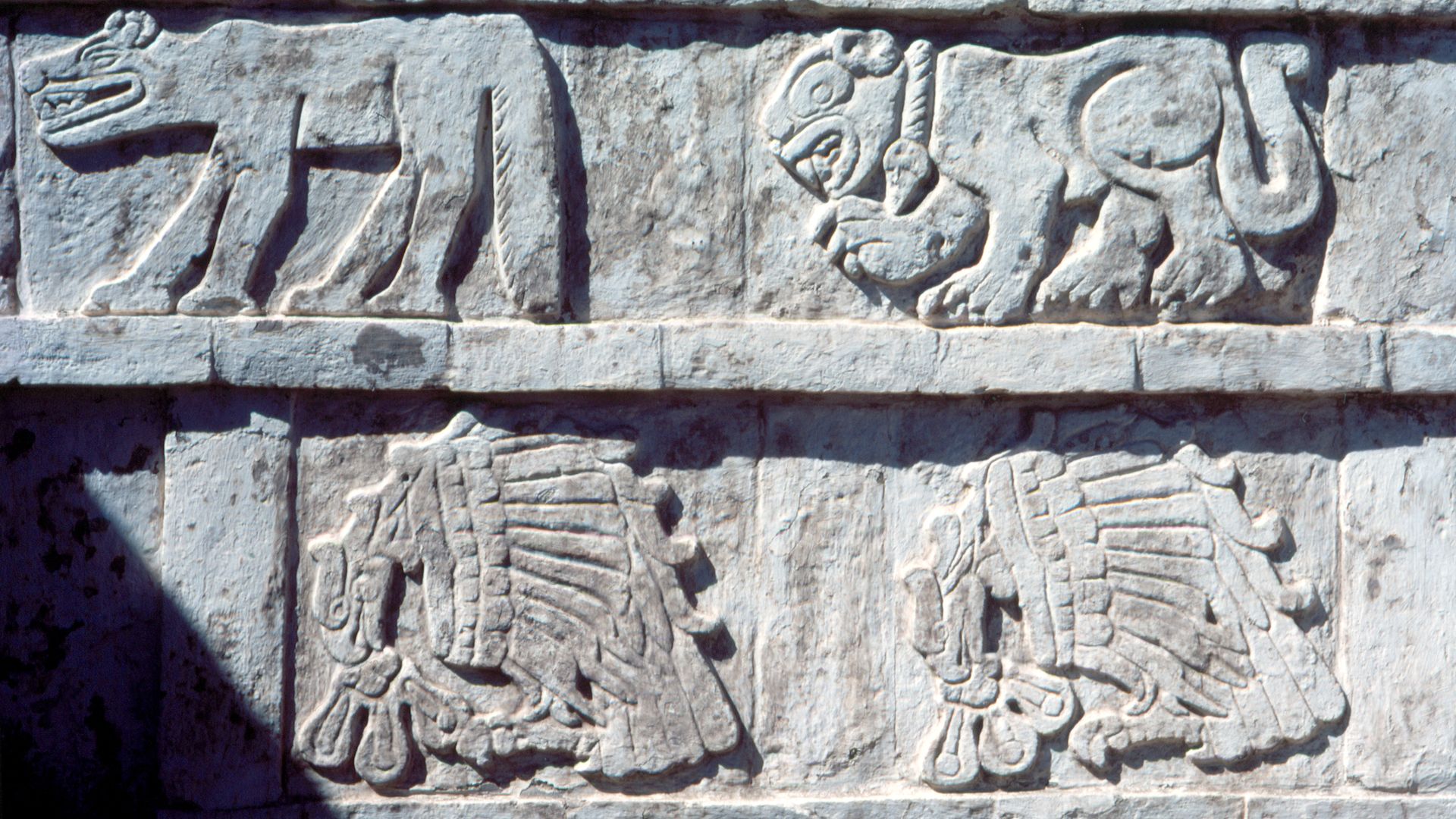
Excavators recovered pottery fragments, grinding stones, and pieces of figurines. These artifacts help outline patterns of daily life within pre-Hispanic communities. Ceramic thickness and firing techniques provided specialists with a benchmark for classifying the pieces and linking them to known cultural groups, including those active in central Mexico’s broader cultural corridor.
The spread of domestic tools and debris across defined floor areas pointed to long-term residential use. Salvage teams recorded the exact location of each find to preserve spatial accuracy for later study. Maintaining precise context ensured that cultural information remained intact despite the ongoing construction schedule, which is critical for reconstructing activity patterns within settlements of similar scale.
The Salvage Process That Protected The Site
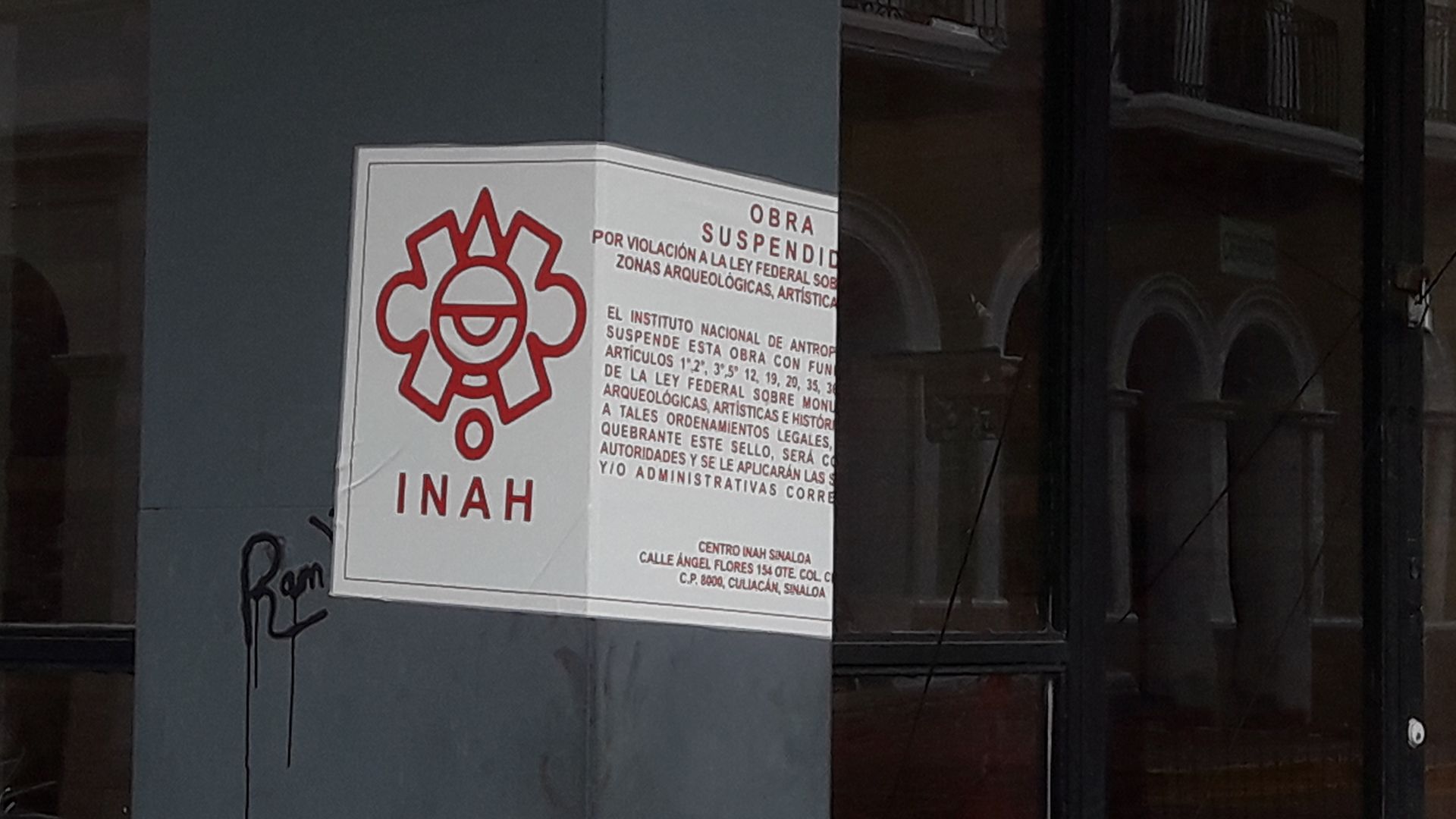
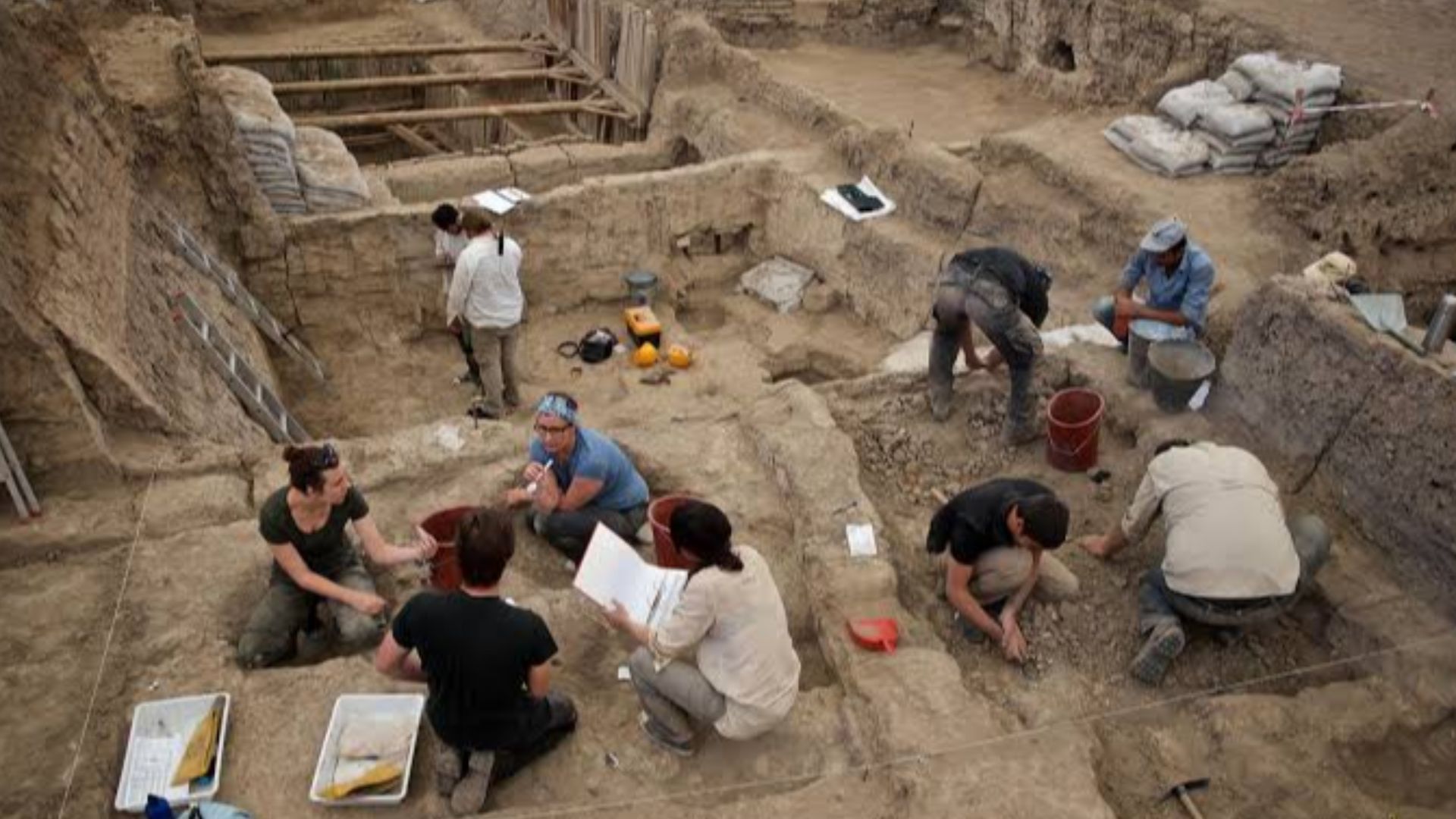
Major construction projects in Mexico must follow archaeological oversight procedures when ancient remains surface. After INAH confirmed the Hidalgo discovery, work halted in the affected zone. A multidisciplinary salvage team documented the structures through measurements, photography, architectural drawings, and stratigraphic analysis to create a complete record before any disturbance.
Archaeologists and engineers coordinated daily to keep construction moving in unaffected areas. Excavation was carried out by hand to avoid damaging foundation stones or artifacts. Once all essential features were recorded and removed for conservation, the area was cleared for construction to continue safely. This cooperative model is standard in Mexico and has allowed hundreds of infrastructure projects to progress without destroying valuable historical information.
With the rescue phase complete, researchers evaluated how the Hidalgo findings fit into broader regional patterns.
 El Nuevo Doge, Wikimedia Commons
What The Discovery Adds To Regional History
The pyramid platform aligns with ceremonial constructions found in central Mexican settlements that served administrative and ritual purposes. This connection places the Hidalgo site within a larger network of pre-Hispanic communities with similar social structures. Ceramic evidence indicates exchange links with neighboring regions, offering data that strengthens existing research on trade and cultural interaction across central Mexico.
The discovery contributes to ongoing studies of settlement density and territorial distribution. It also reinforces the need for archaeological monitoring along infrastructure corridors, which frequently overlap with ancient population centers. These overlaps are more common than the public realizes, and this makes salvage archaeology an essential component of national heritage policy.
Key Findings At The Hidalgo Site
The Pyramid platform was constructed with pre-Hispanic building techniques.
Domestic zones with compacted floors and stone alignments.
Pottery fragments linked to regional ceramic sequences.
Grinding stones and figurine pieces reflecting household activity.
Occupation layers confirming long-term settlement use.
Evidence supporting the site’s integration into larger regional networks.
Final Word
The Hidalgo discovery demonstrates how modern development and archaeological preservation can work in tandem. Salvage teams documented the pyramid platform and settlement features before construction resumed, protecting material that broadens understanding of pre-Hispanic life in the region. This type of documented preservation supports both public infrastructure and long-term research into Mexico’s ancient populations.