Rock Solid Mystery
Deep in the heart of Turkey sits Hattusa, the ancient capital of the Hittite Empire—and a site that continues to spark debate among archaeologists. Scattered throughout its ruins are massive stone blocks marked by cylindrical holes and remarkably precise cuts, details that seem surprisingly sophisticated for a civilization that thrived more than 3,400 years ago. Whether the result of forgotten techniques or extraordinary craftsmanship, the stonework remains one of the ancient world's most intriguing engineering mysteries.
Ancient Capital
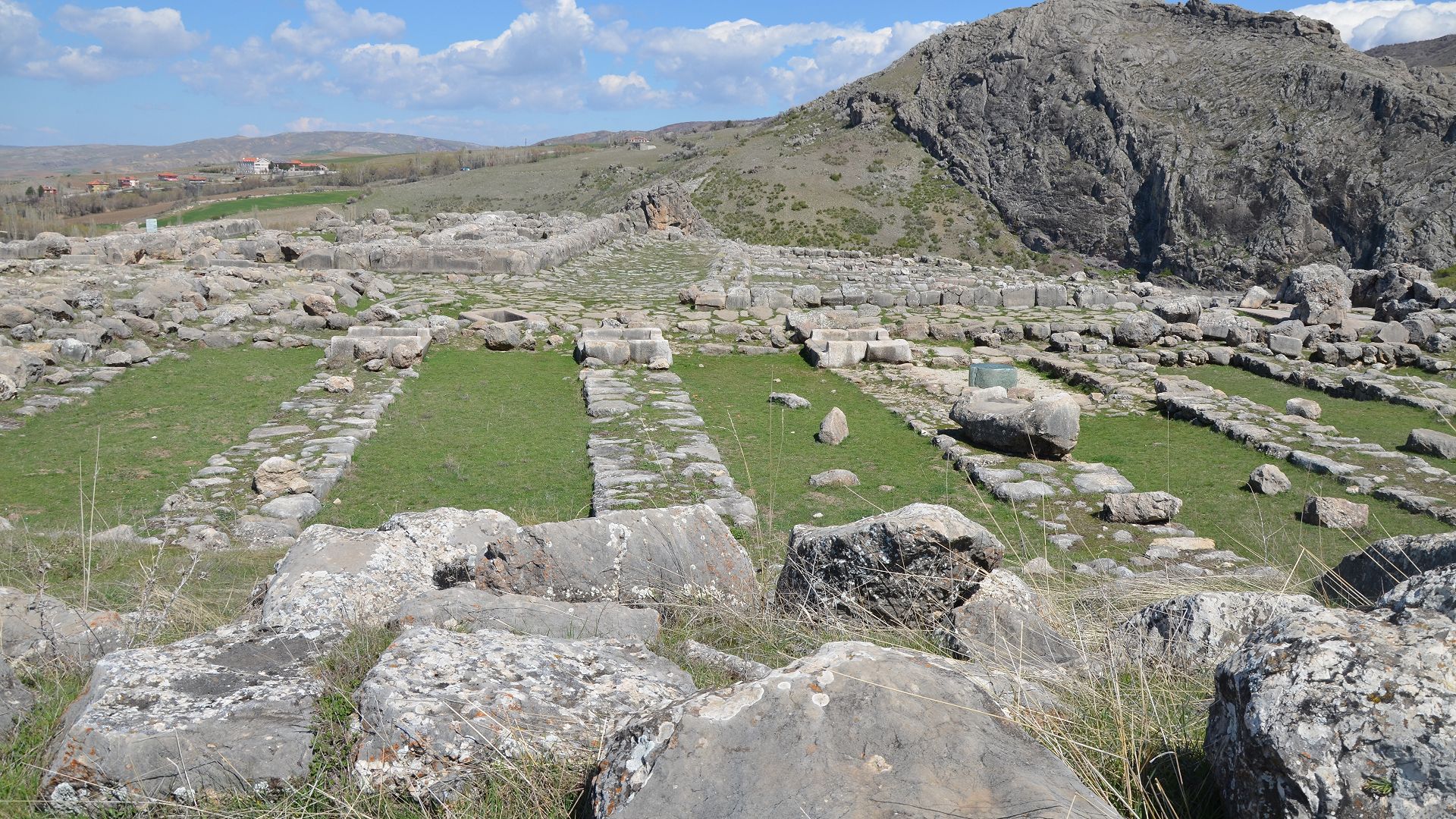
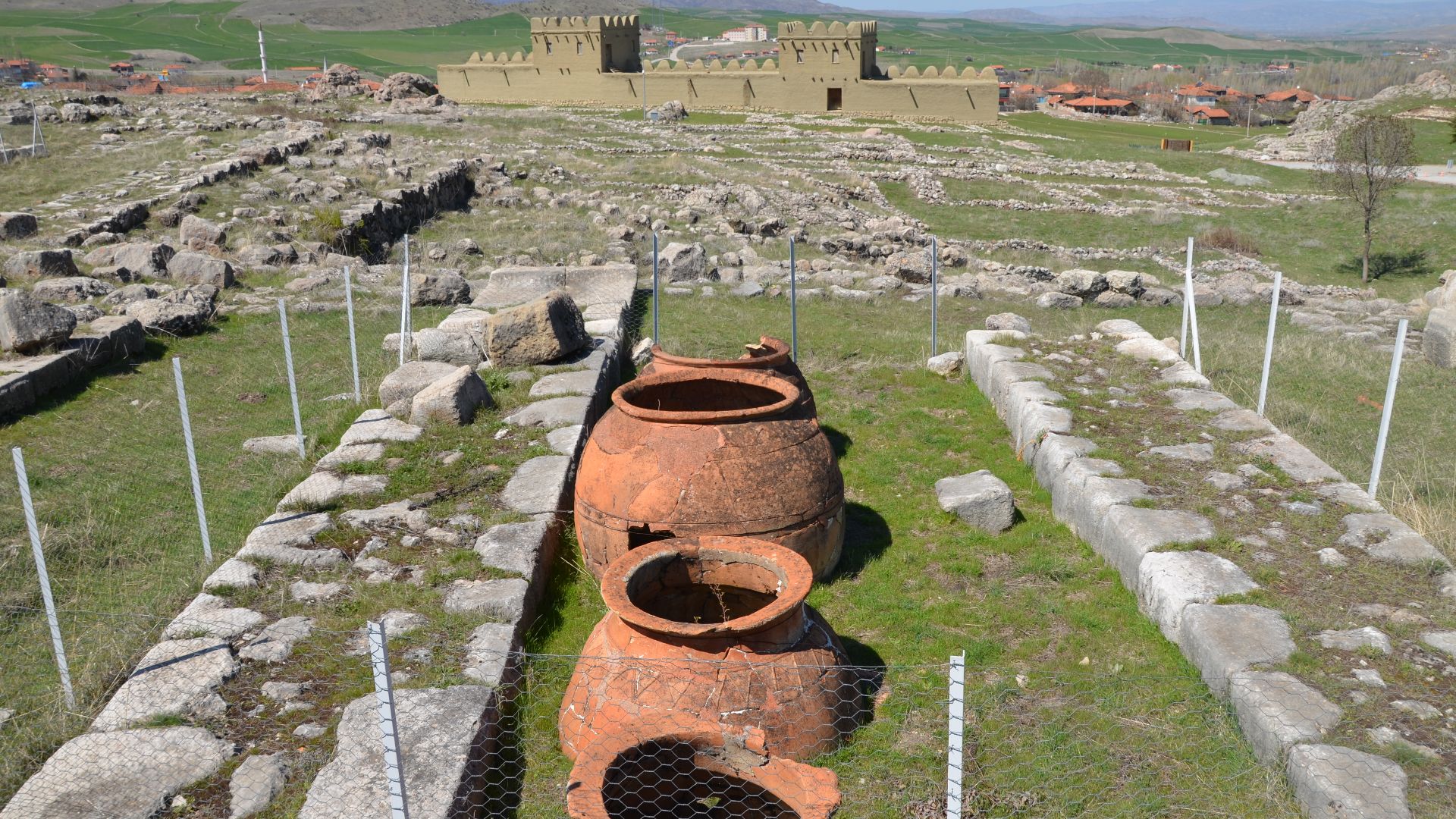
Hattusa served as the mighty capital of the Hittite Empire during the Bronze Age, roughly from 1600 to 1200 BCE. This sprawling city covered 440 acres at its peak and housed around 10,000 people. It sits within a dramatic loop of the Kizilirmak River.
 Bernard Gagnon, Wikimedia Commons
Hittite Empire
The Hittites built one of antiquity's most powerful empires, controlling several territories across Anatolia and beyond. King Labarna moved the capital from Nesa to Hattusa around 1650 BCE, taking the name Hattusili. The empire wielded bronze weapons, developed laws, and maintained diplomatic relations with Egypt.
 Oliver Kloss, Wikimedia Commons
Hittite Empire (Cont.)
This led him towards eventually signing history's first recorded peace treaty after the Battle of Kadesh. Although the fight itself ended inconclusively, with magnificent losses on both sides and no clear winner, it marked the culmination of a prolonged period of conflict over territorial control.
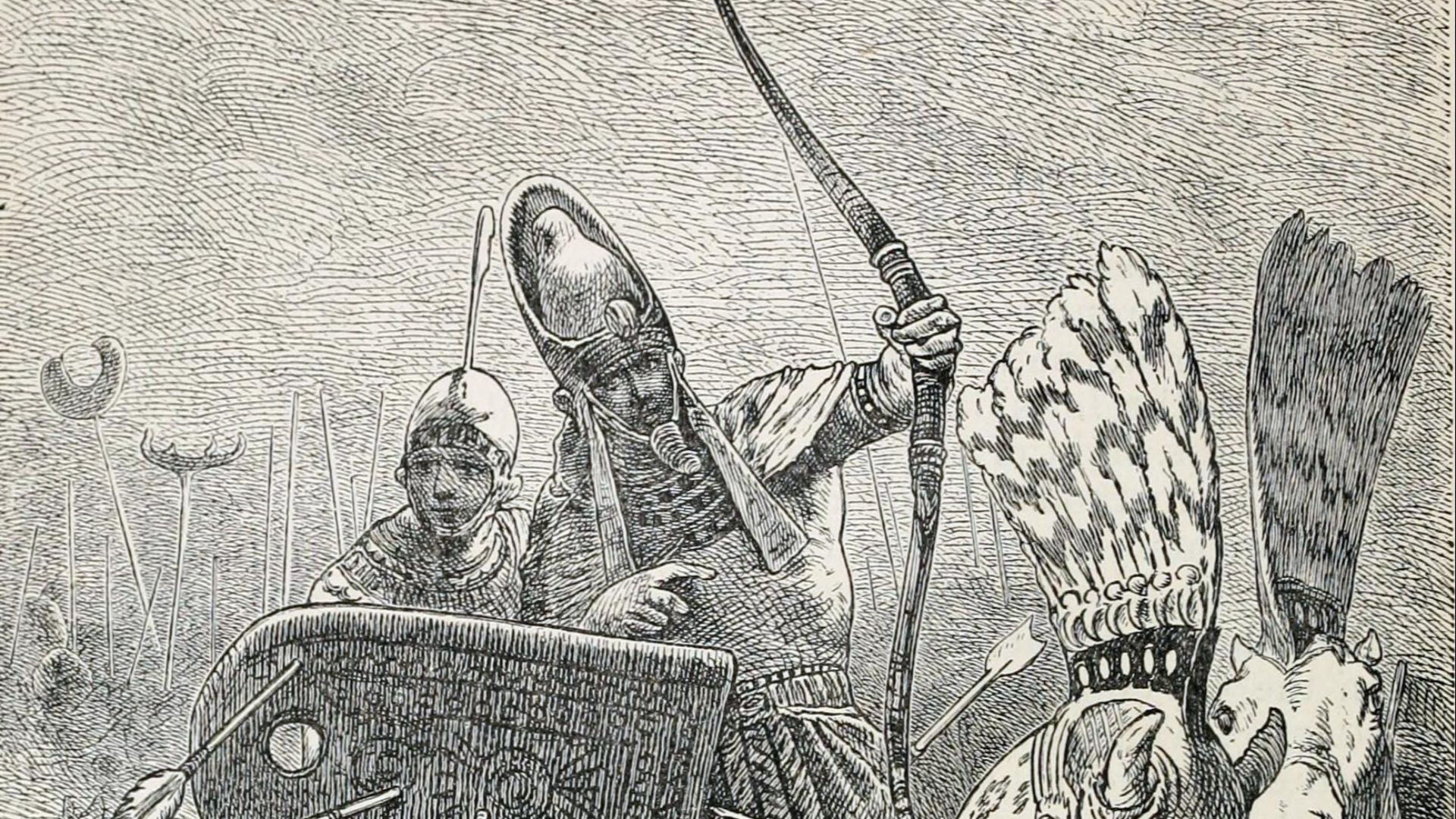 Publisher New York Ward, Lock, Wikimedia Commons
Site Discovery
French archaeologist Charles Texier stumbled upon the ruins of Hattusa in 1834 during an exploratory mission to Turkey. He discovered monumental stone structures near the village of Bogazkoy and created the first topographical measurements and site plans. Texier's initial drawings revealed massive walls, gates, and mysterious stone blocks.
 Unknown authorUnknown author, Wikimedia Commons
Excavation Begins
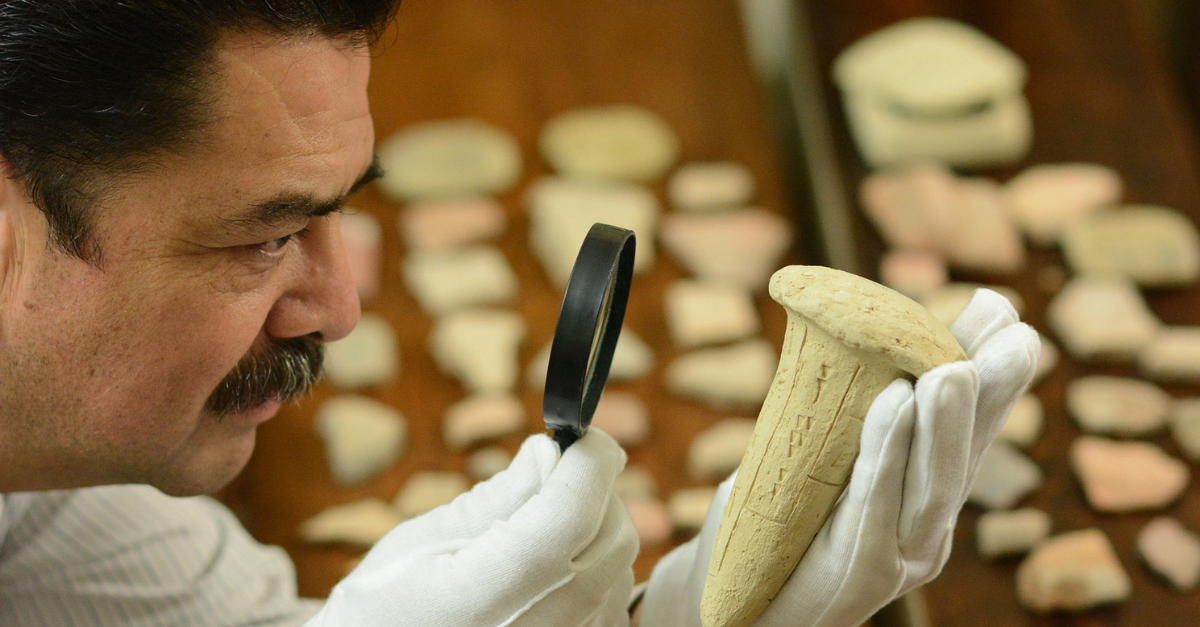
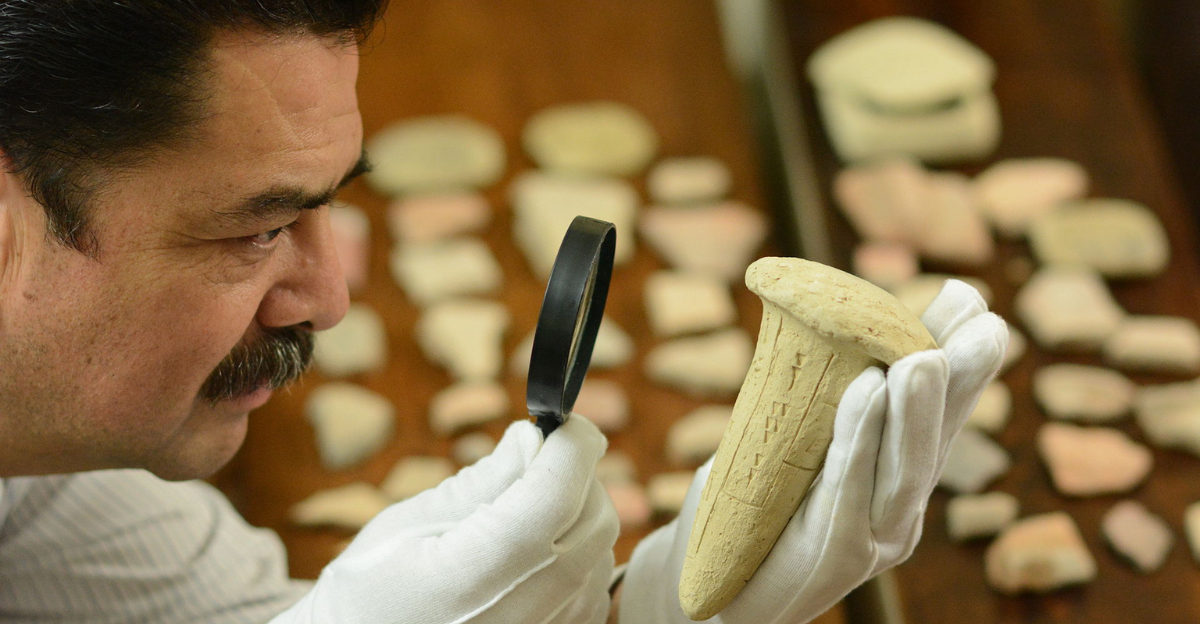
Systematic excavations then commenced in the early 20th century under Hugo Winckler and the German Oriental Society. Winckler's team unearthed many cuneiform tablets starting in 1906, confirming the location’s identity as the Hittite capital. These clay archives contained legal codes, diplomatic correspondence, and religious texts.
 Unknown author, Wikimedia Commons
Cuneiform Tablets
Numbering around 30,000, such clay tablets were found in the royal archives of the Hittite town and date primarily to the New Kingdom period of the Hittite Empire (circa 1650–1200 BCE). The majority of the tablets are written in Hittite, the oldest attested Indo-European language.
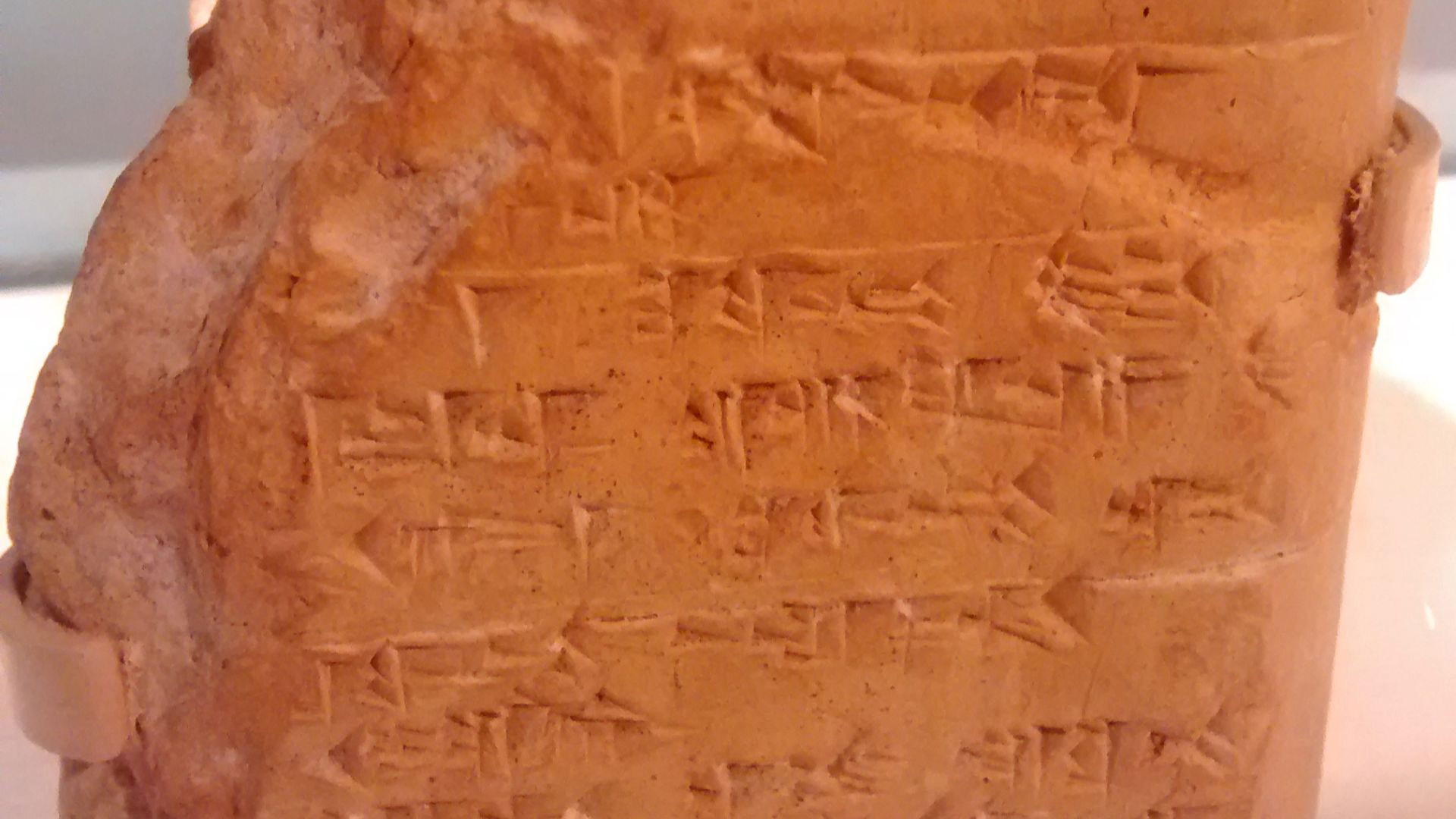 Mx. Granger, Wikimedia Commons
Massive Walls
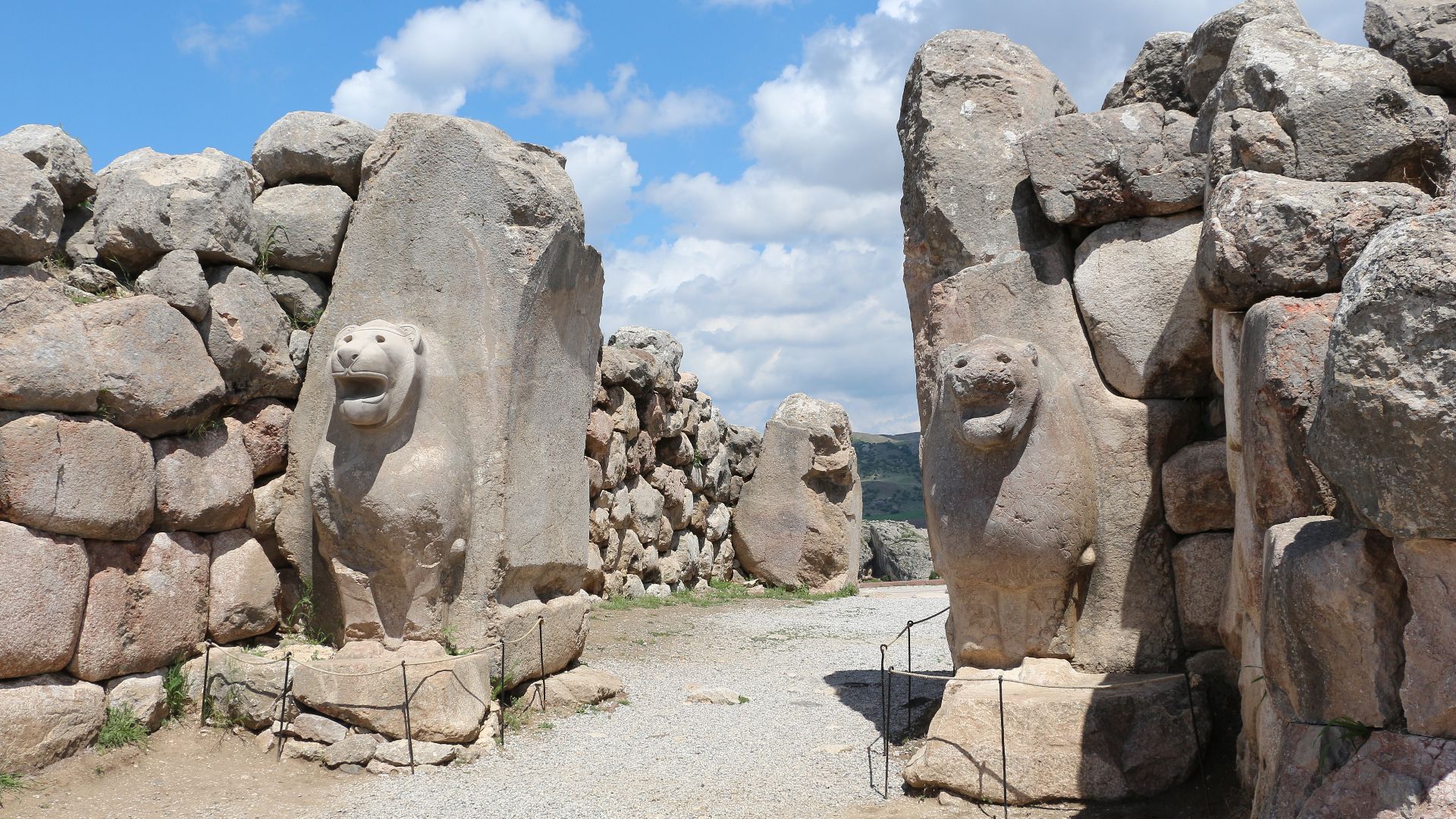
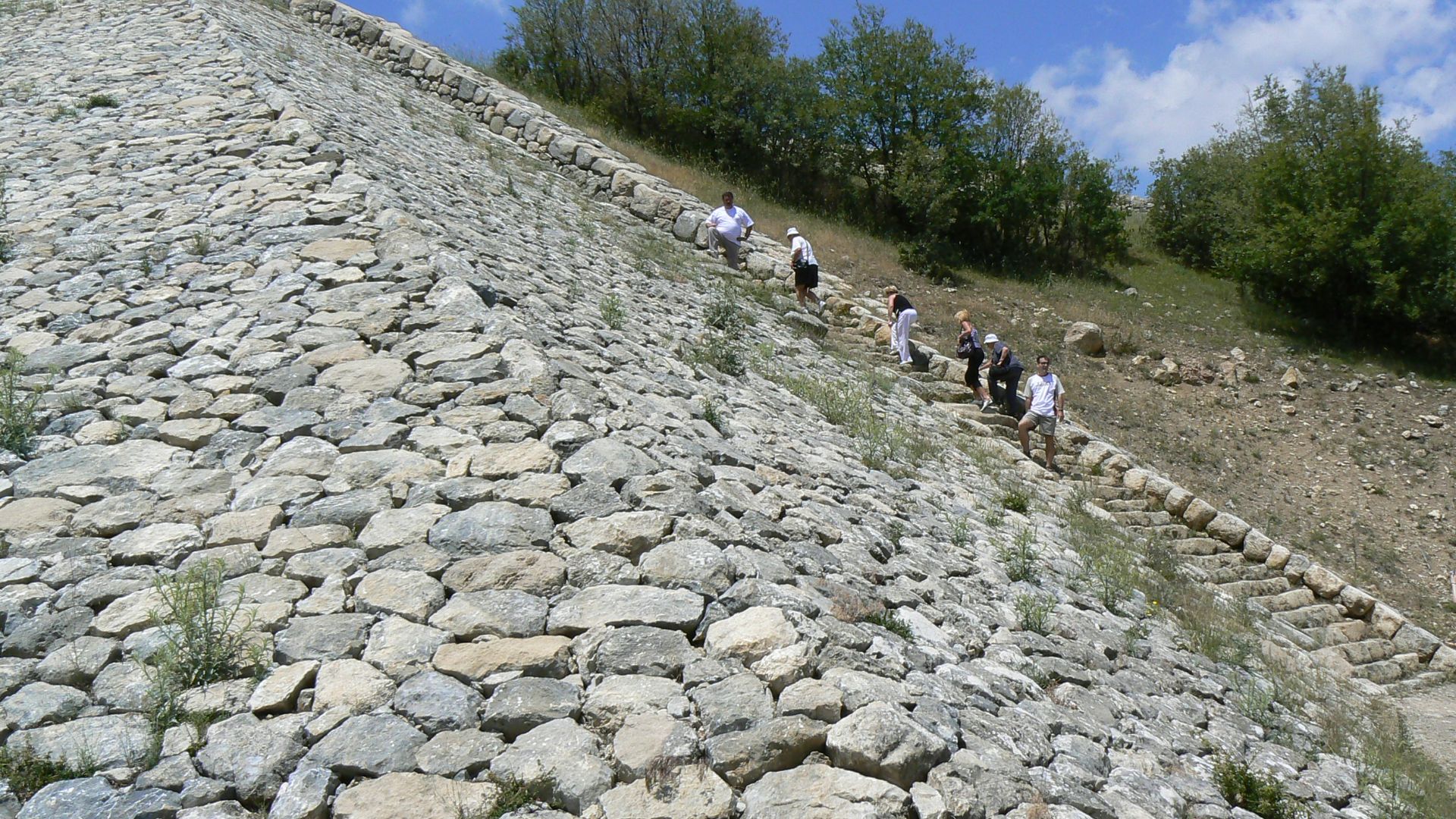
Hattusa wasn't just a city—it was a fortress built on a monumental scale. Its defensive walls stretched roughly 6.6 kilometers, encircling the capital with layers of stone and rubble designed to withstand both time and attack. Reaching up to 8 meters thick, the fortifications were punctuated by grand gateways adorned with carved lions, sphinxes, and armed warriors. These imposing entrances served as both defensive structures and powerful symbols of Hittite strength, announcing the city's importance long before visitors crossed its threshold.
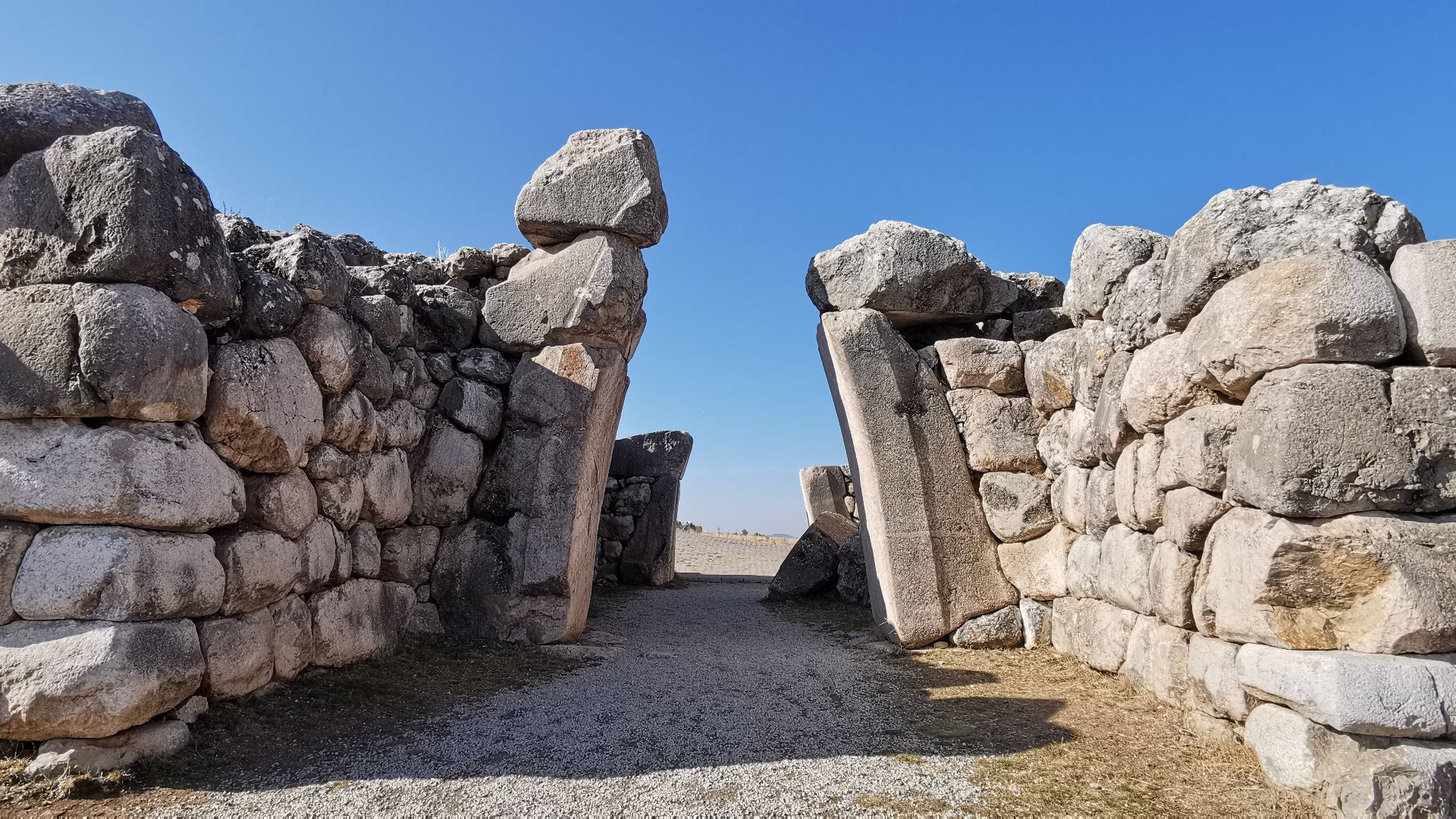 Murat Özsoy 1958, Wikimedia Commons
Fortifications
These defensive structures demonstrated fantastic Bronze Age engineering, requiring coordinated labor forces and detailed planning to construct such monumental architecture. Additionally, the fortifications protected Hattusa from rival powers and nomadic raiders, ensuring the security of this place and its inhabitants.
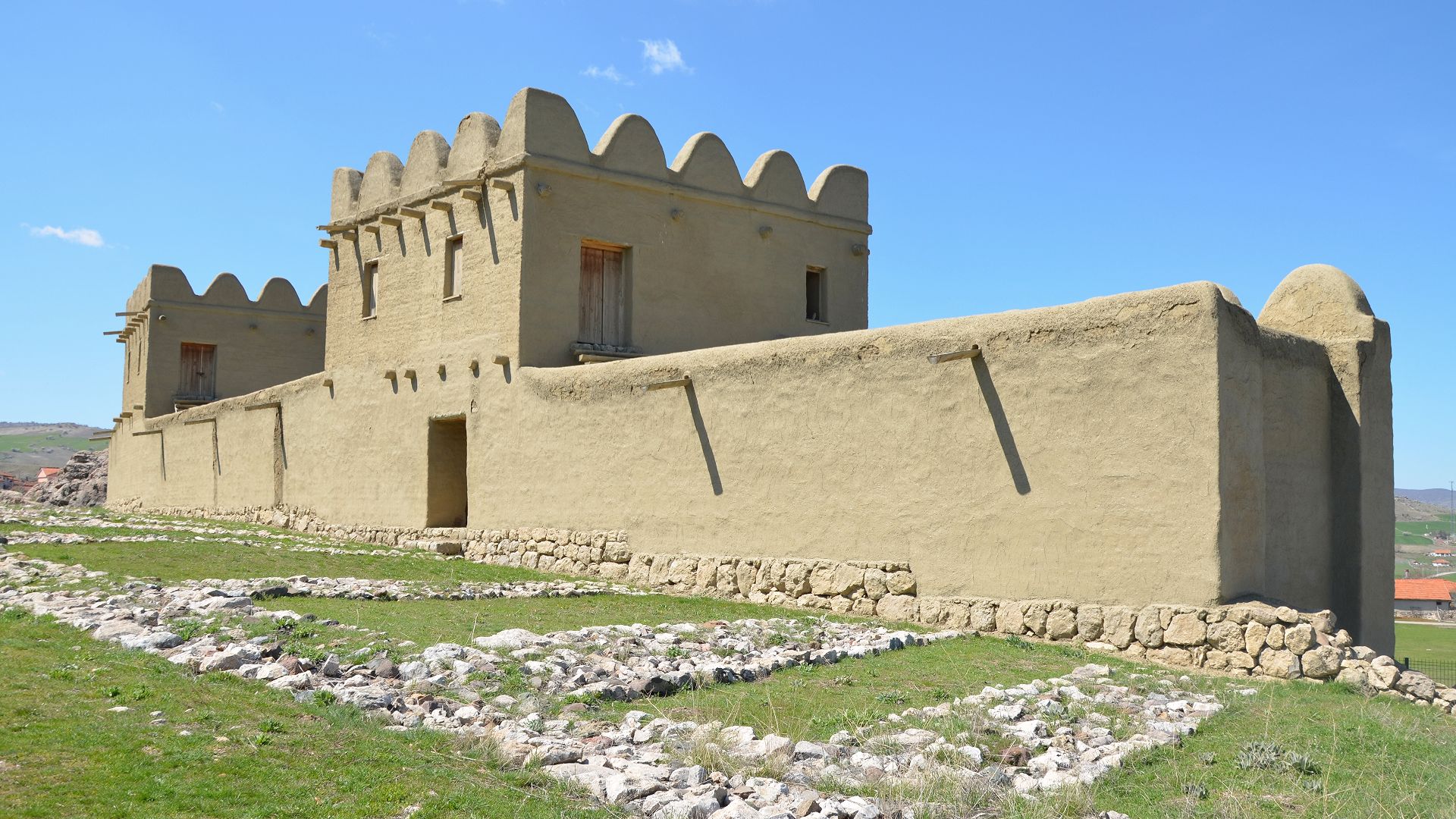 Carole Raddato from Frankfurt, Germany, Wikimedia Commons
Sphinx Gate
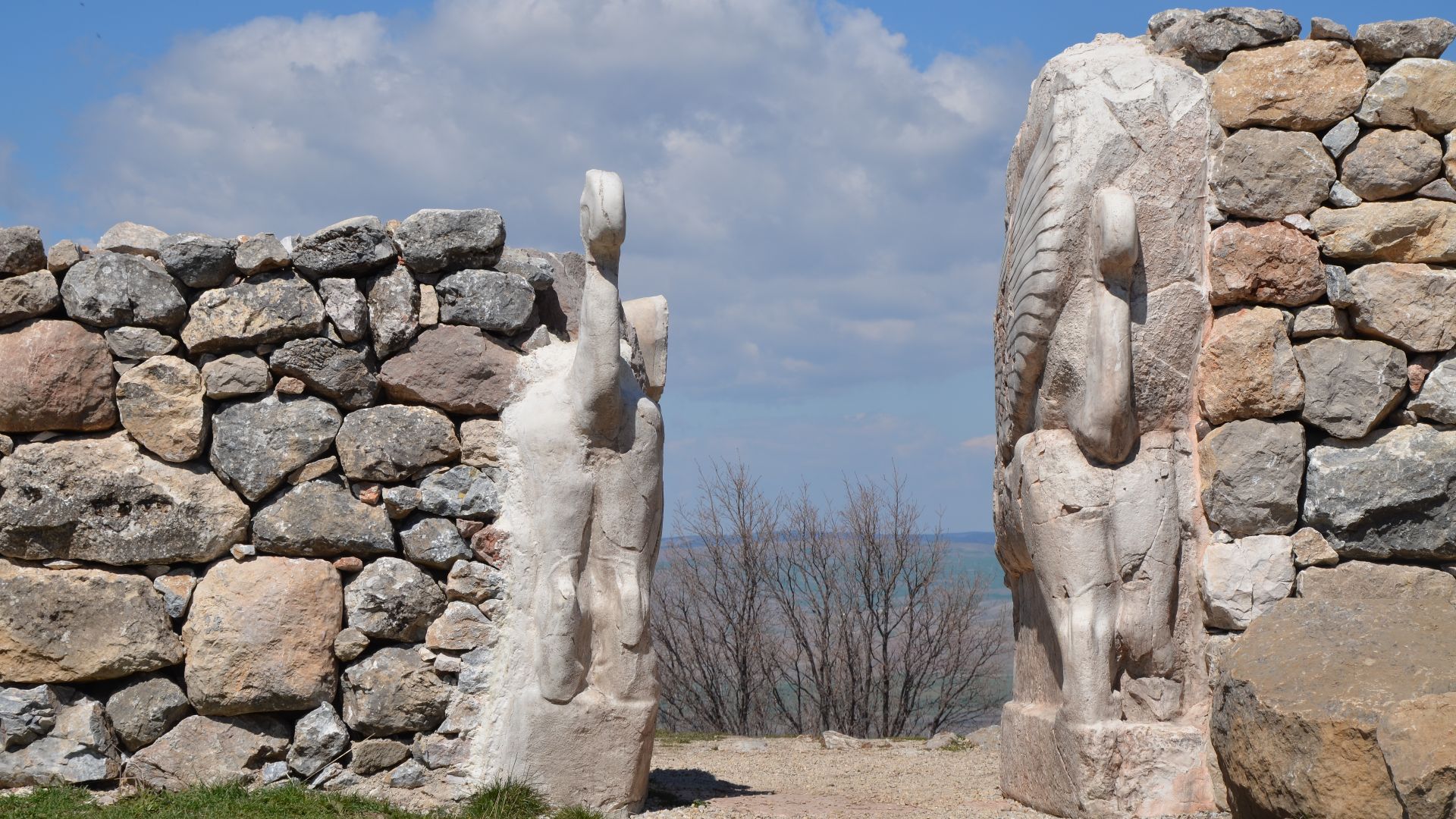
This town’s southern entrance features large stone sphinxes that originally guarded its most important gateway. German archaeologists removed these monuments in 1917 for restoration, with one eventually returning to Turkey in 1924. The sphinxes showcase intricate carving techniques achievable with Bronze Age tools.
 Carole Raddato from FRANKFURT, Germany, Wikimedia Commons
Stone Construction
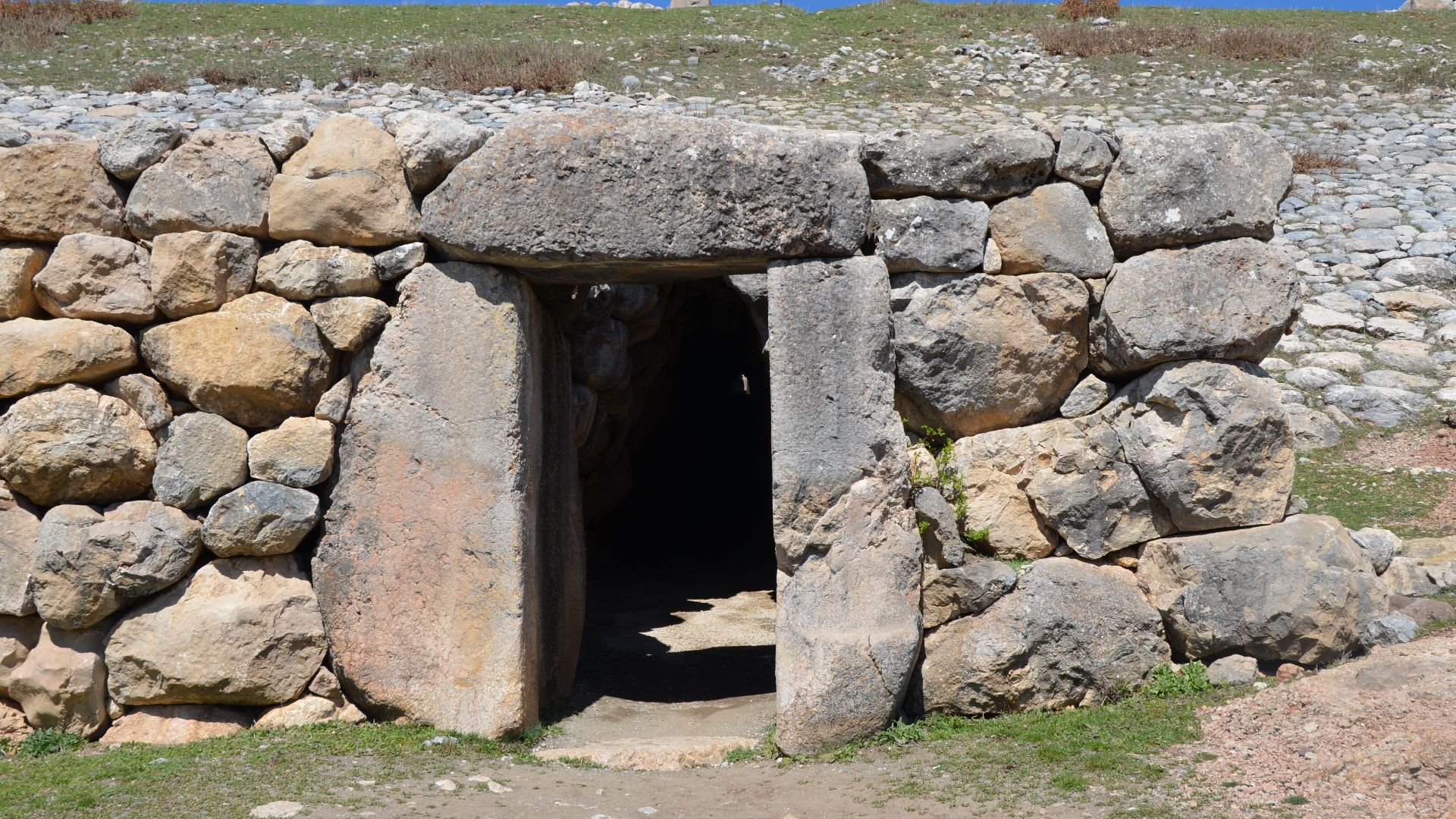
The city's builders utilized huge limestone and granite blocks, some weighing several tons, and fitted them together with good precision. Many sections originally used no mortar, relying instead on careful stone cutting and placement. Archaeological evidence shows the Hittites employed copper and bronze tools.
 Carole Raddato from FRANKFURT, Germany, Wikimedia Commons
Lever Systems
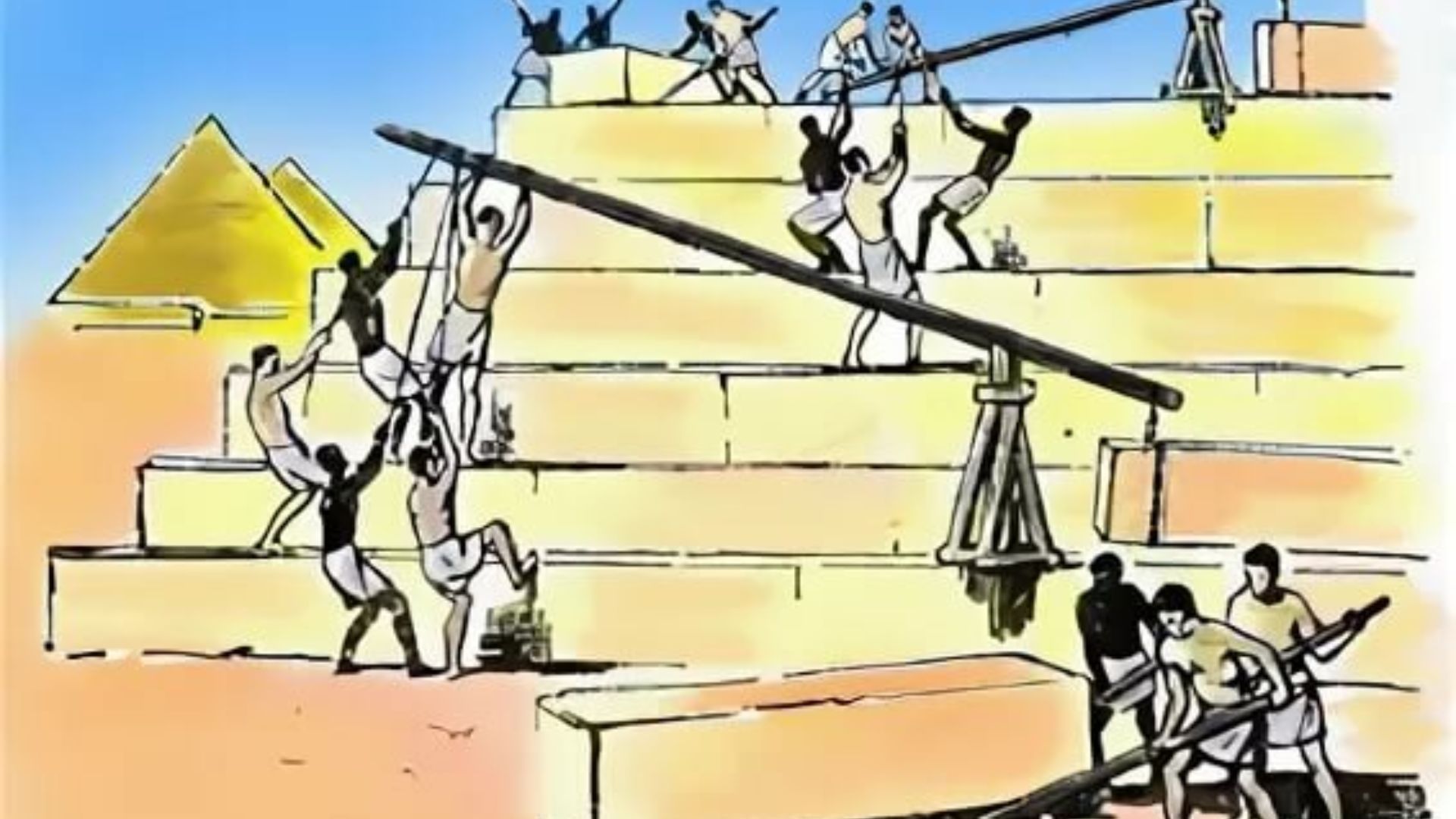
They also made use of wooden levers and sand abrasives to shape these enormous blocks into their final positions. Wooden levers were essential for moving and adjusting heavy stones. They could easily lift, tilt, or shift bricks with significantly less effort.
 Wikids.ru М., Wikimedia Commons
Cylindrical Holes
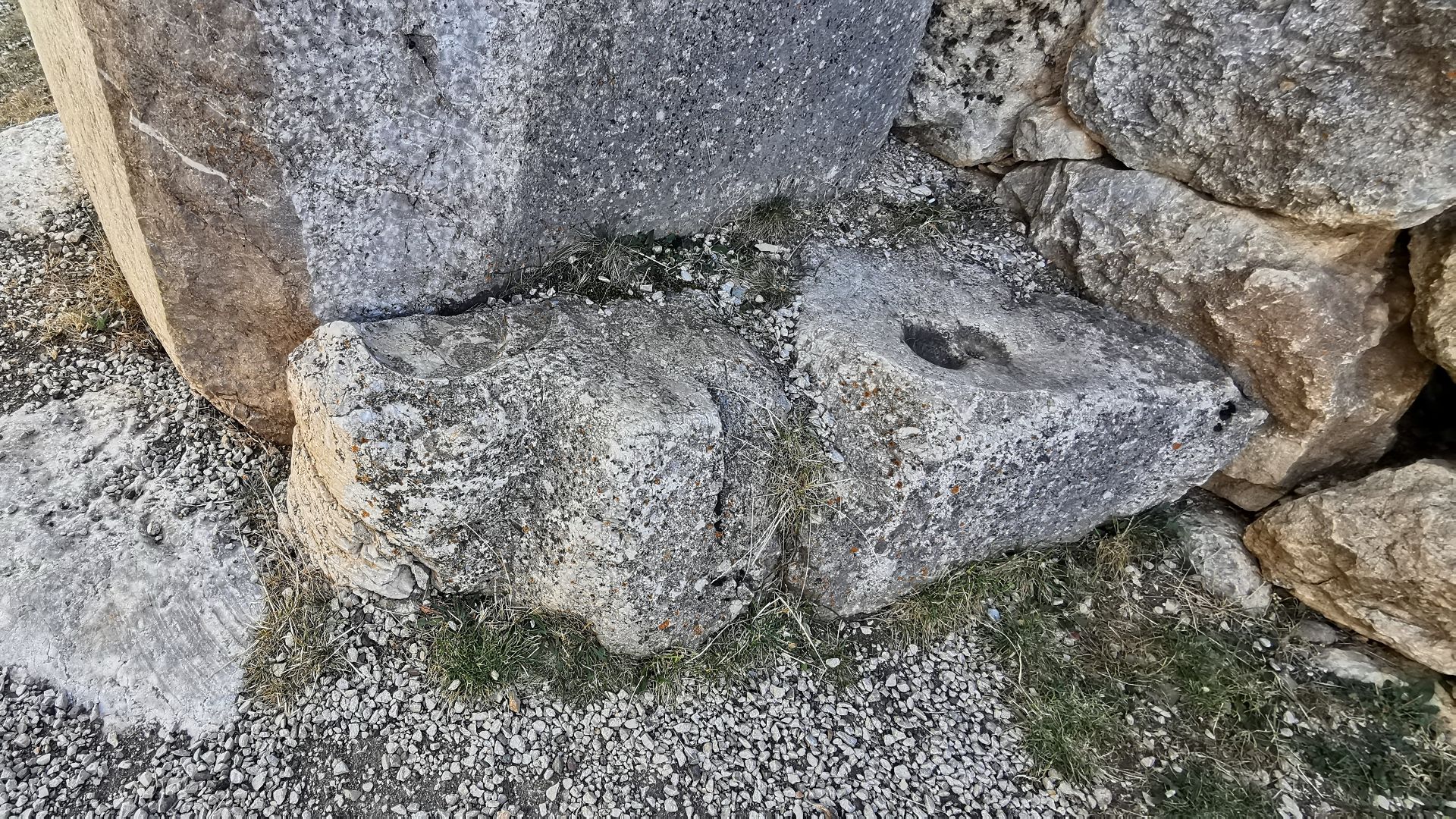
Many round holes appear throughout Hattusa's stone blocks, be it small depressions or deep cylindrical cavities. Alternative researchers have counted between 50 and 100 such holes in different site areas. These openings show weathering and age, appearing on both limestone and harder granite surfaces.
 Carole Raddato from FRANKFURT, Germany, Wikimedia Commons
Cylindrical Holes (Cont.)
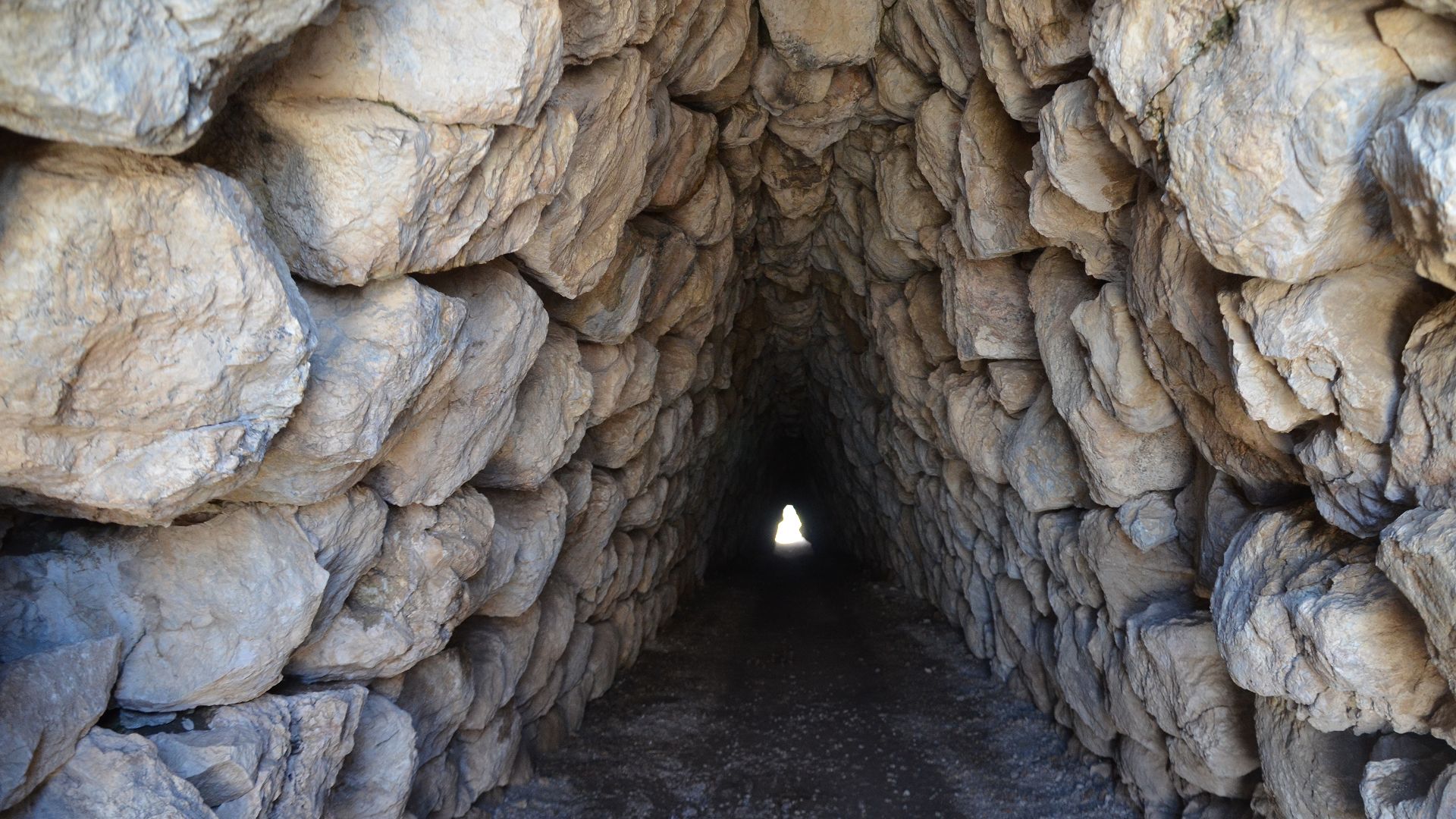
They further exhibit a fascinating range of diameters and depths, from small, shallow indentations to deeper, more uniform cylindrical bores. In some cases, the holes appear to be arranged in linear or geometric patterns, sparking curiosity and debate among scientists and visitors alike.
 Carole Raddato from FRANKFURT, Germany, Wikimedia Commons
Drilling Claims
Not everyone agrees on how Hattusa's stonework was created. Some researchers have argued that the cylindrical holes found at the site resemble the marks left by modern core drilling, citing their regular shapes and weathered interiors as evidence of unusually sophisticated workmanship. Supporters of this theory believe the precision on display would have been difficult to achieve with conventional Bronze Age tools. While mainstream archaeologists generally attribute the features to skilled ancient stonemasonry rather than lost technology, the debate continues to fuel fascination with the engineering capabilities of the Hittites.
 Murat Özsoy 1958, Wikimedia Commons
Precision Cuts
The precision cuts found at Hattusa are among the remarkable features of the site’s monumental architecture, reflecting the advanced stonemasonry skills of the Hittites. These cuts allowed large stone blocks to fit tightly together, contributing to the durability and imposing appearance of city walls, temples, and gates.
Granite Transport
Those huge granite blocks scattered throughout Hattusa originated from quarries located over 150 kilometers away, possibly near ancient Ephesus. Moving these multi-ton stones across Anatolia's rugged terrain would have required incredible logistical coordination. Each block represents weeks of transport using sledges, wooden rollers, and hundreds of workers.
 Carole Raddato from FRANKFURT, Germany, Wikimedia Commons
Green Stone
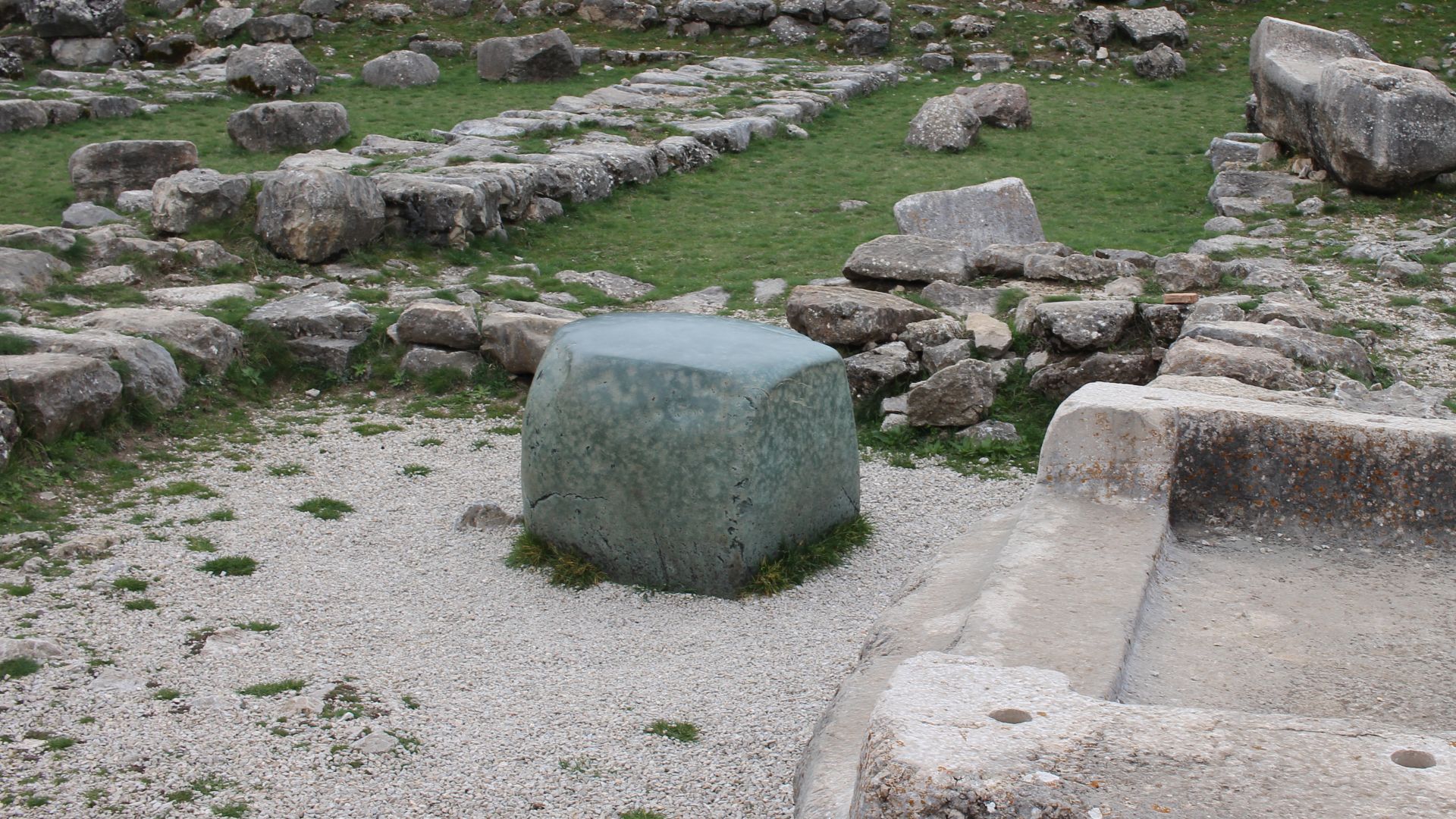
A mysterious polished green boulder in Hattusa’s Great Temple complex is known as the Hattusa Green Stone. This block (roughly 1000kg), crafted from nephrite (a form of jade), is unique at the site and stands out for both its material and enigmatic history.
 Murat Özsoy 1958, Wikimedia Commons
Green Stone (Cont.)
The original function of the Green Stone remains unknown. But researchers speculate it may have served as a base for a statue, a throne for ceremonial purposes, or possibly as an altar. However, none of the sacred stones described in Hittite texts are explicitly identified as green.
Multiple Phases
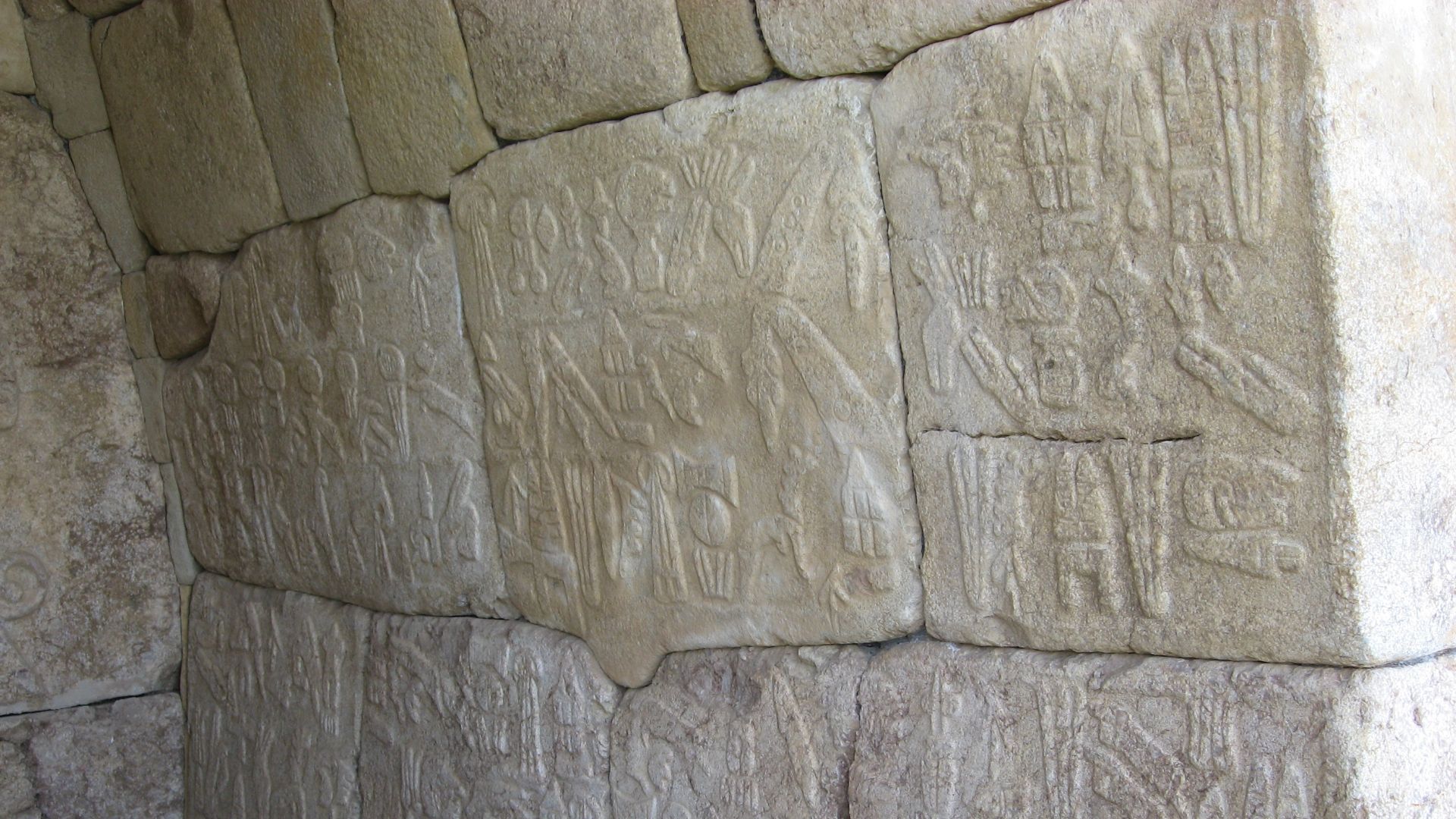
Archaeological layers highlight distinct construction periods with dramatically different building styles and stone-working quality. Earlier megalithic work shows superior precision compared to later Hittite-era additions. This suggests either the evolution of techniques over time or the establishment of completely different builder cultures occupying the site.
 https://www.flickr.com/photos/travellingrunes/, Wikimedia Commons
Archaeological Tools
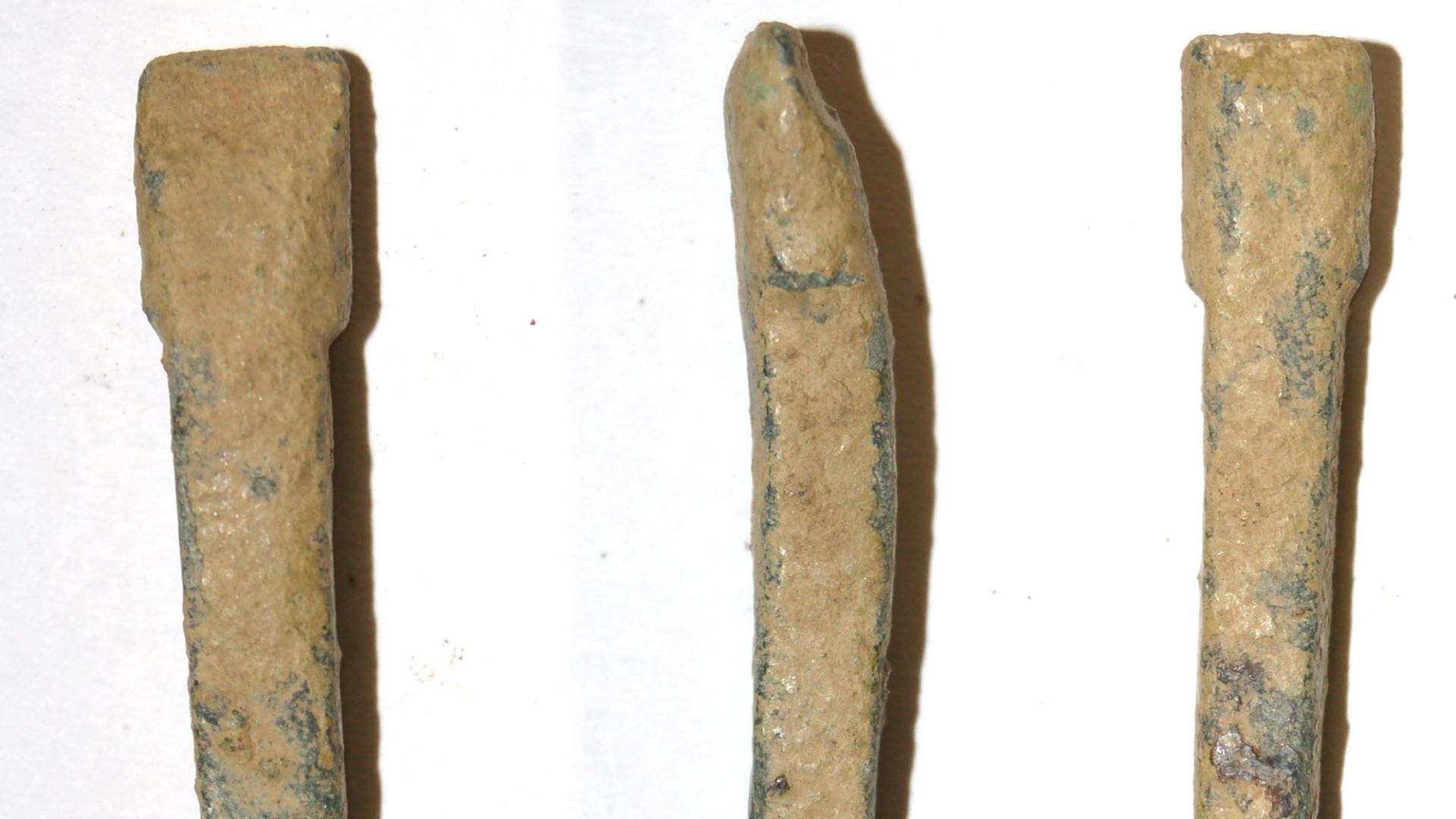
Excavations at Hattusa have yielded a wealth of actual Bronze Age tools and implements, offering direct evidence of the construction technologies used by the ancient Hittites. Researchers have uncovered copper chisels, bronze saws, and stone hammers—tools that were essential for quarrying and shaping.
 The Portable Antiquities Scheme, Philippa Walton, 2007-06-21 14:35:23, Wikimedia Commons
Archaeological Tools (Cont.)
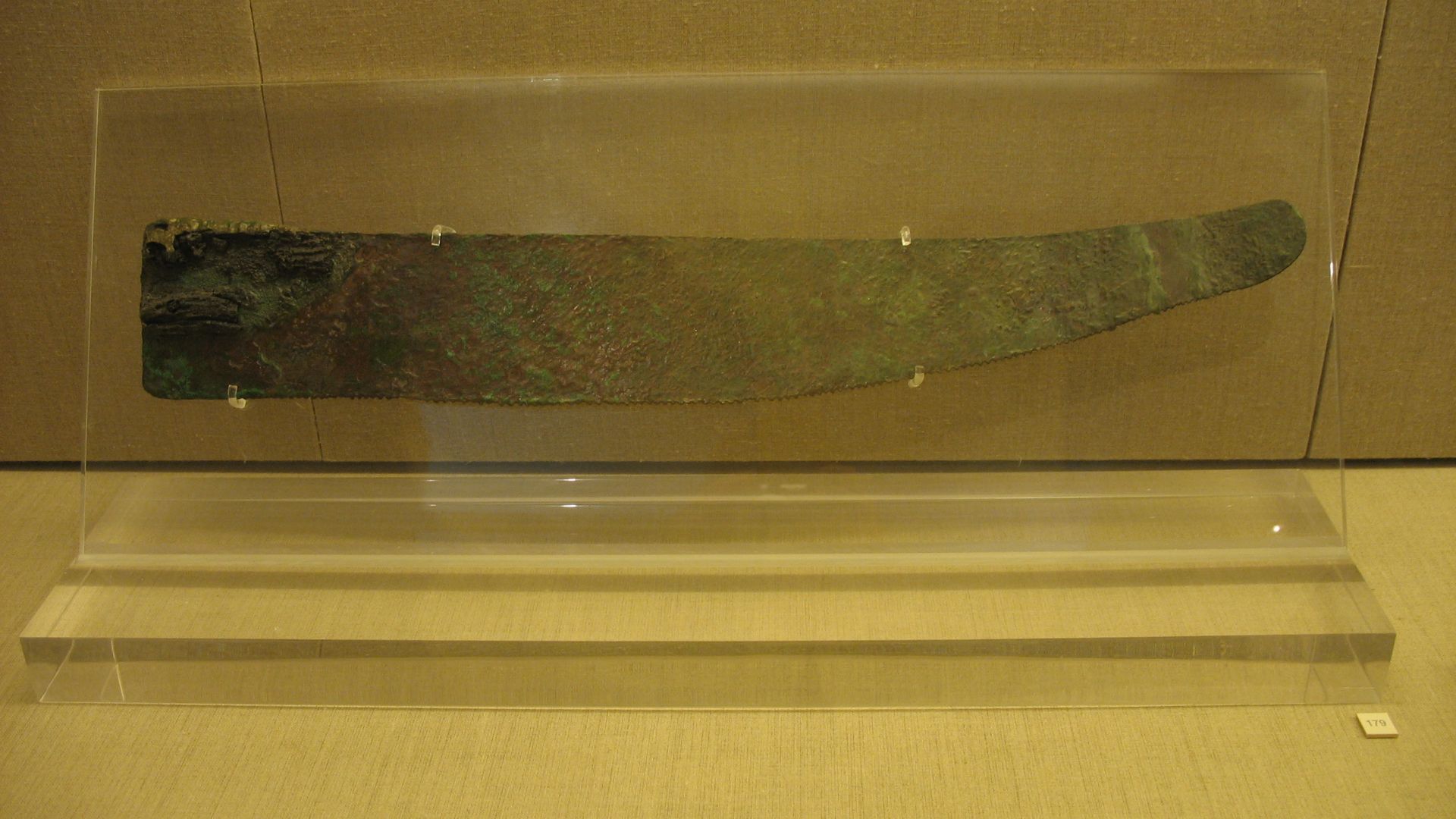
Far from relying on mysterious lost technology, the Hittites made use of the most advanced tools available in their era. Archaeological discoveries at Hattusa have uncovered evidence of skilled metalworking and sophisticated construction techniques that helped power one of the ancient world's great civilizations. One particularly intriguing find emerged in the 1990s, when archaeologists unearthed an Iron Age saw dating back roughly 2,250 years. The discovery highlighted the long tradition of craftsmanship at the site and offered a glimpse into the practical tools ancient builders used to shape their world.
Iron Age Saw
Belonging to the Galatian period, it was spotted at the Great Fortress. The saw measures about 20 centimeters in length. Although only the iron blade survives, holes on either side indicate it was initially fitted with a semicircular wooden handle.

Iron Age Saw (Cont.)
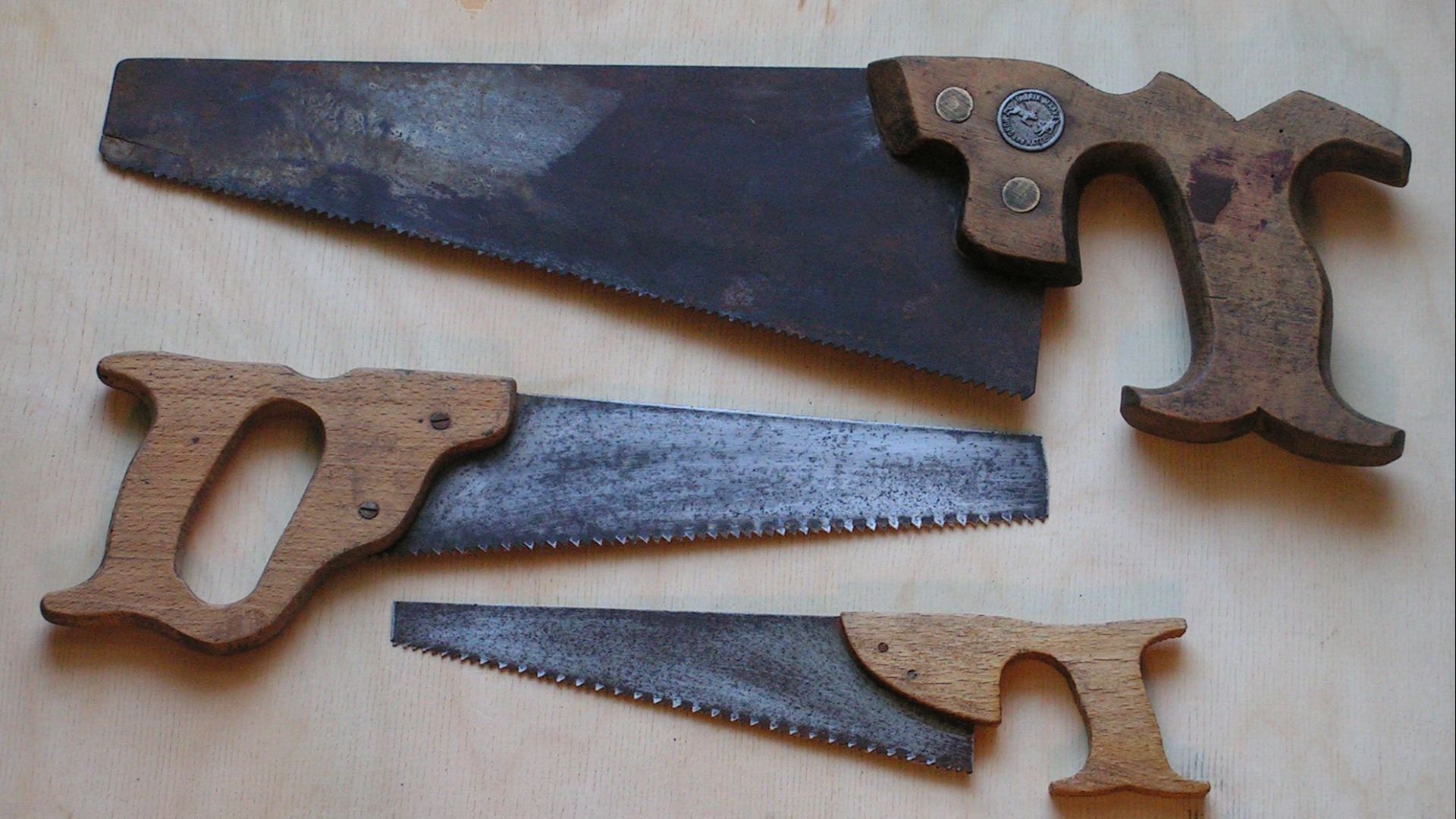
The teeth of the saw are strikingly similar to those found on modern tools. Professor Andreas Schachner, head of the excavation team, emphasized the rarity of such a find in Anatolia from this period and noted that it is the first of its kind to be discovered in the region.
Modern Research
Ongoing excavations at Hattusa continue to reveal new insights into Hittite construction techniques and daily life. Recent discoveries include workshop areas, tool caches, and partially finished stone blocks that illuminate ancient working methods. Ground-penetrating radar maps also show subsurface structures.
 Carole Raddato from Frankfurt, Germany, Wikimedia Commons