When Genetics Kicks the Family Legend in the Shins
Lots of people love the idea that their ancestry is a straight, spotless line—same place, same people, same “blood,” century after century. It’s neat. It’s tidy. It’s also not how humans work. According to DNA evidence discussed in the Harvard Gazette, the more scientists dig into ancient genetics, the more obvious it becomes: “pure bloodlines” aren’t rare or uncommon—they’re basically a fairy tale.
The “Pure Bloodline” Idea Is Untested
The whole “pure bloodline” claim depends on one big assumption: that a group stayed isolated long enough to remain genetically untouched. That would require people to stay put, avoid newcomers, and never mix with neighbors for generation after generation. Real history laughs politely and walks away.
Humans have always had reasons to move—weather, food, war, trade, curiosity, you name it. And when people move, they don’t travel in sealed containers. They connect with whoever is there.
 Unknown authorUnknown author, Wikimedia Commons
Ancient DNA Basically Ruined Everyone’s Simple Story
For a long time, researchers were stuck guessing based on artifacts, skeletons, and written records. Now they can pull DNA from ancient remains and actually see who was related to whom—and how populations changed over time.
And the results are almost annoyingly consistent. No matter where you look, you don’t find “pure”. You find mixing, layering, and repeated waves of new people showing up.
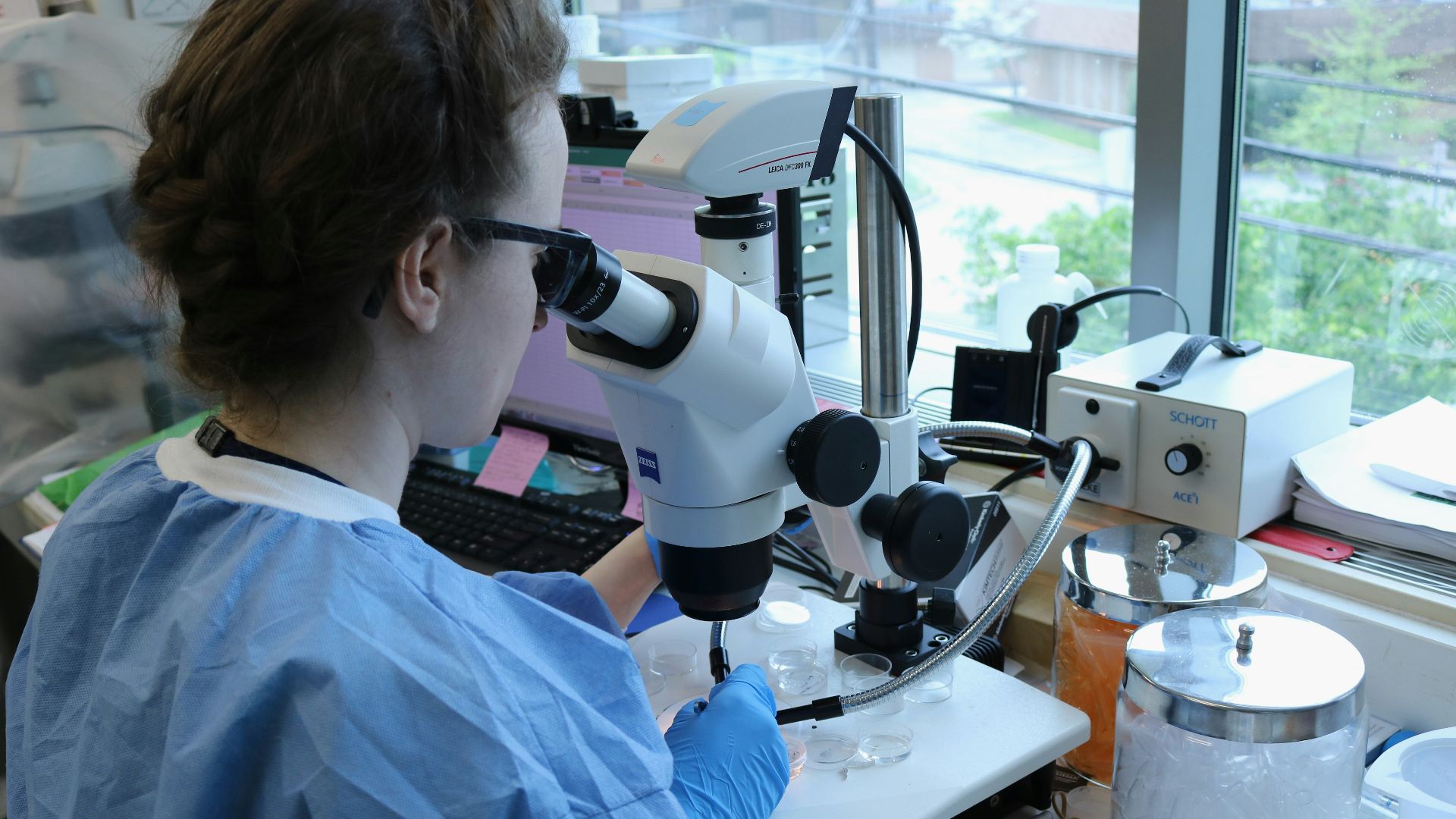 National Institute of Allergy and Infectious Diseases, Unsplash
Humans Didn’t Sit Still, Even When It Would’ve Been Convenient
The evidence points to constant migration, not the occasional dramatic move. People didn’t just relocate once in a while—they kept doing it. Some migrations were slow and gradual, others were huge surges that changed entire regions fast.
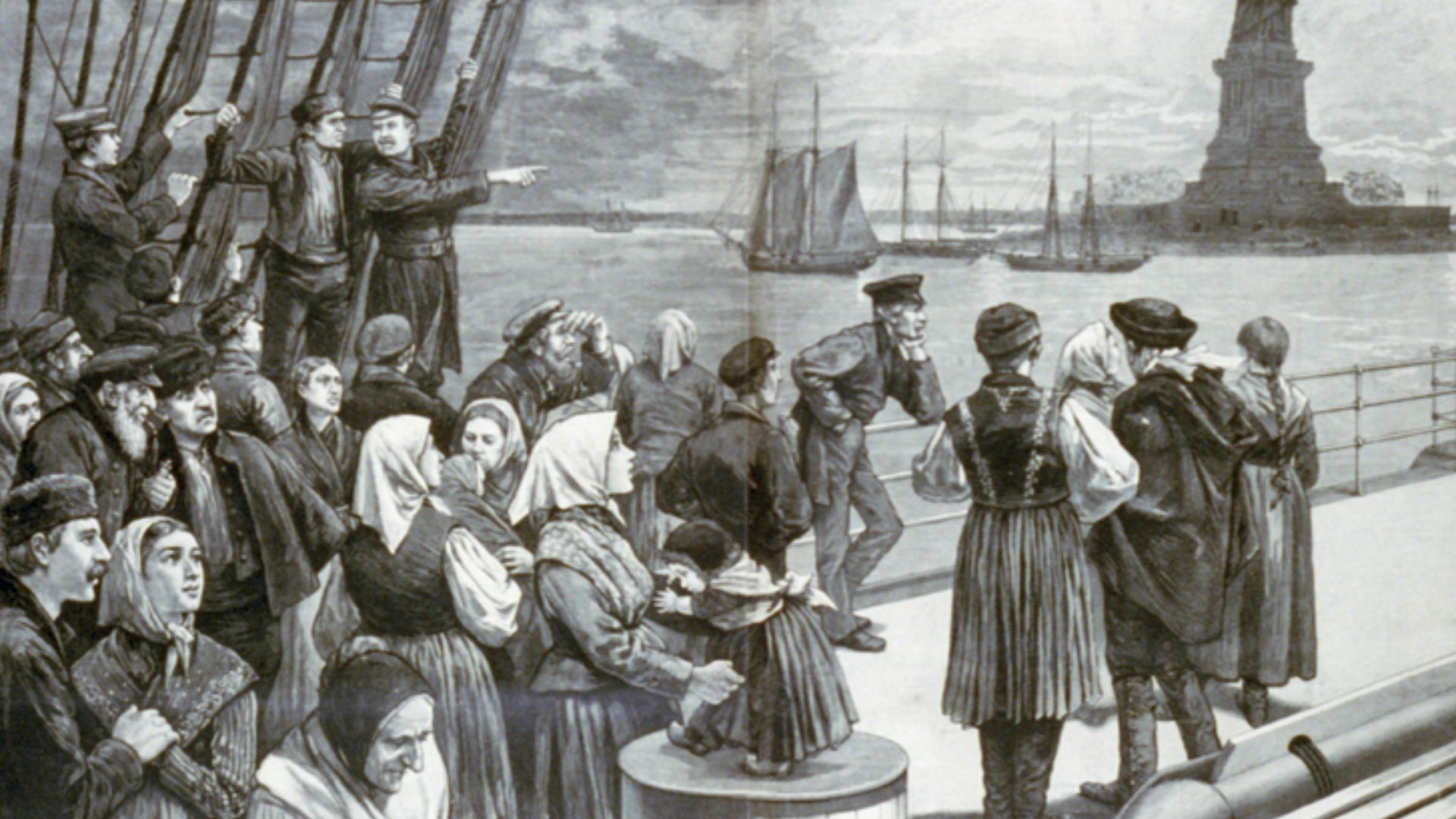 Rakshitha bhat, Wikimedia Commons
Ancient Humans Were Sometimes More Different Than We Are Now
Here’s a weird one: ancient populations could be more genetically distinct from each other than modern populations are today. Over time, as people mixed more and more, those sharp genetic differences softened.
So in a way, modern humanity is like the “blended smoothie” version of our past—less separated, more interconnected.
 PublicDomainPictures, Wikimedia Commons
Africa Shows Just How Constant the Movement Was
Africa is often described as humanity’s deepest-rooted home, and it still shows huge evidence of population shifts and mixing over time. Different groups expanded, displaced others, intermarried, merged, and reshaped the genetic landscape again and again.
If “pure bloodlines” were going to exist anywhere, you’d expect to see them there. You don’t.
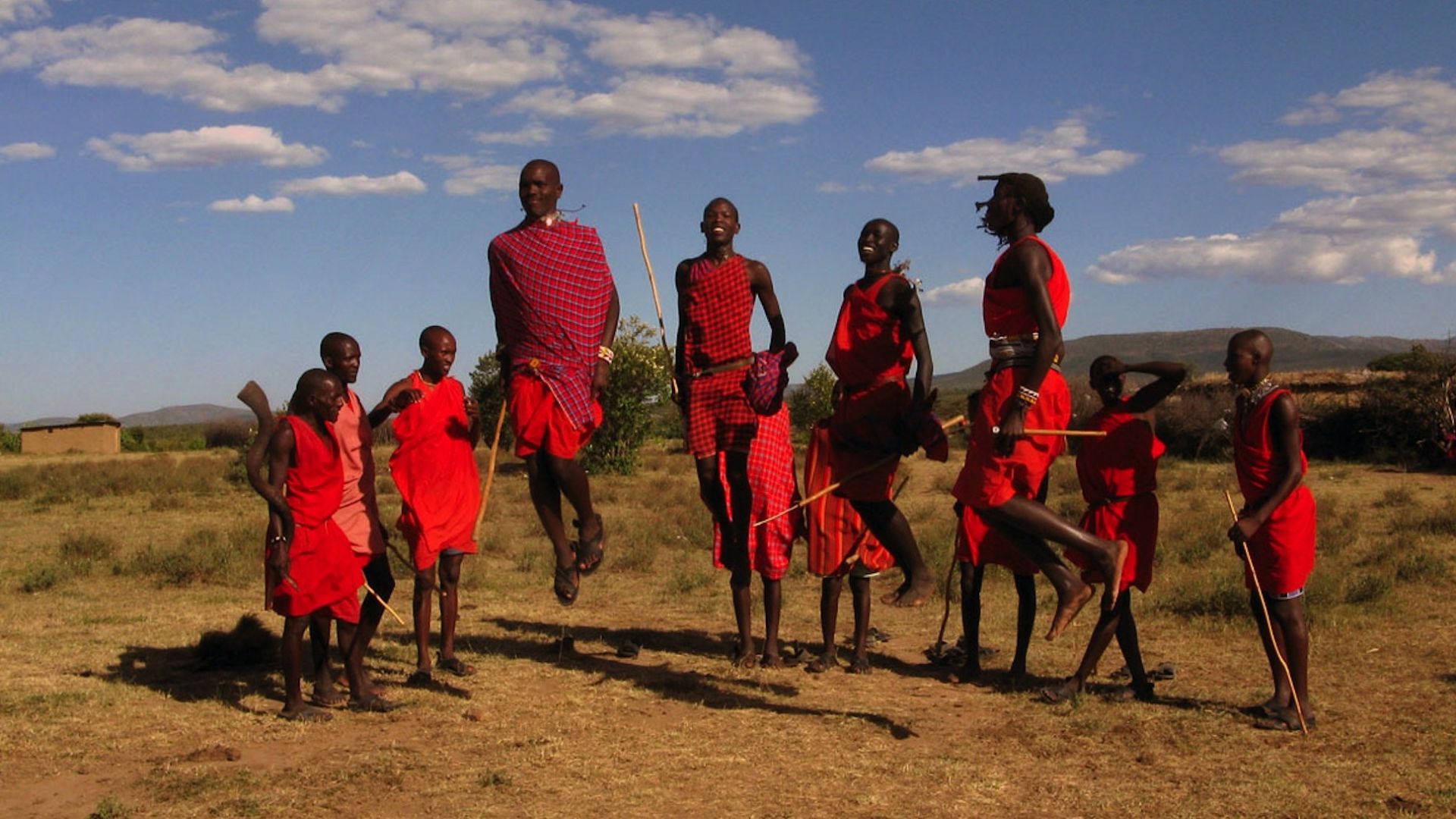 safaritravelplus, Wikimedia Commons
Neanderthals Weren’t Just a Side Character
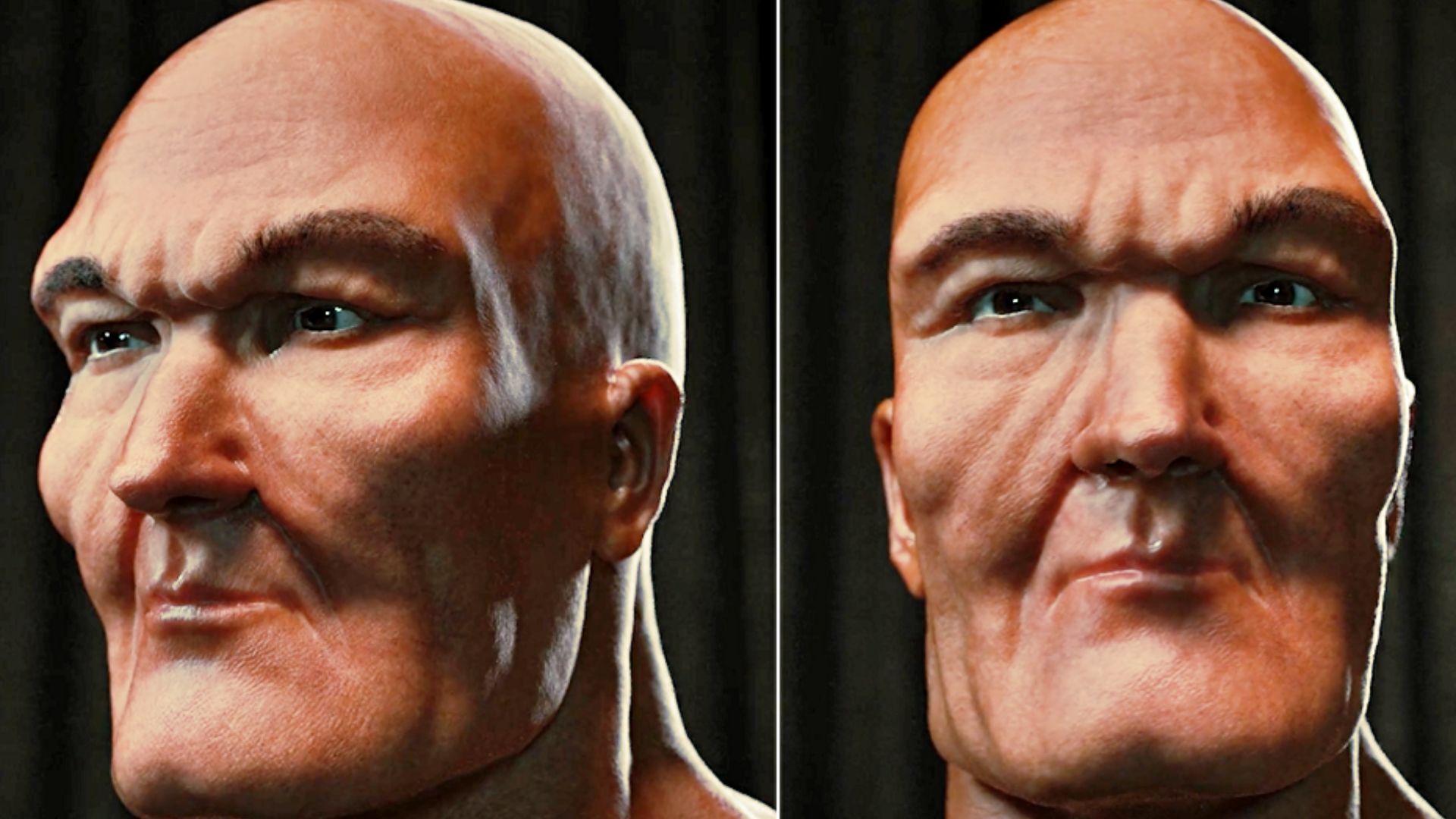
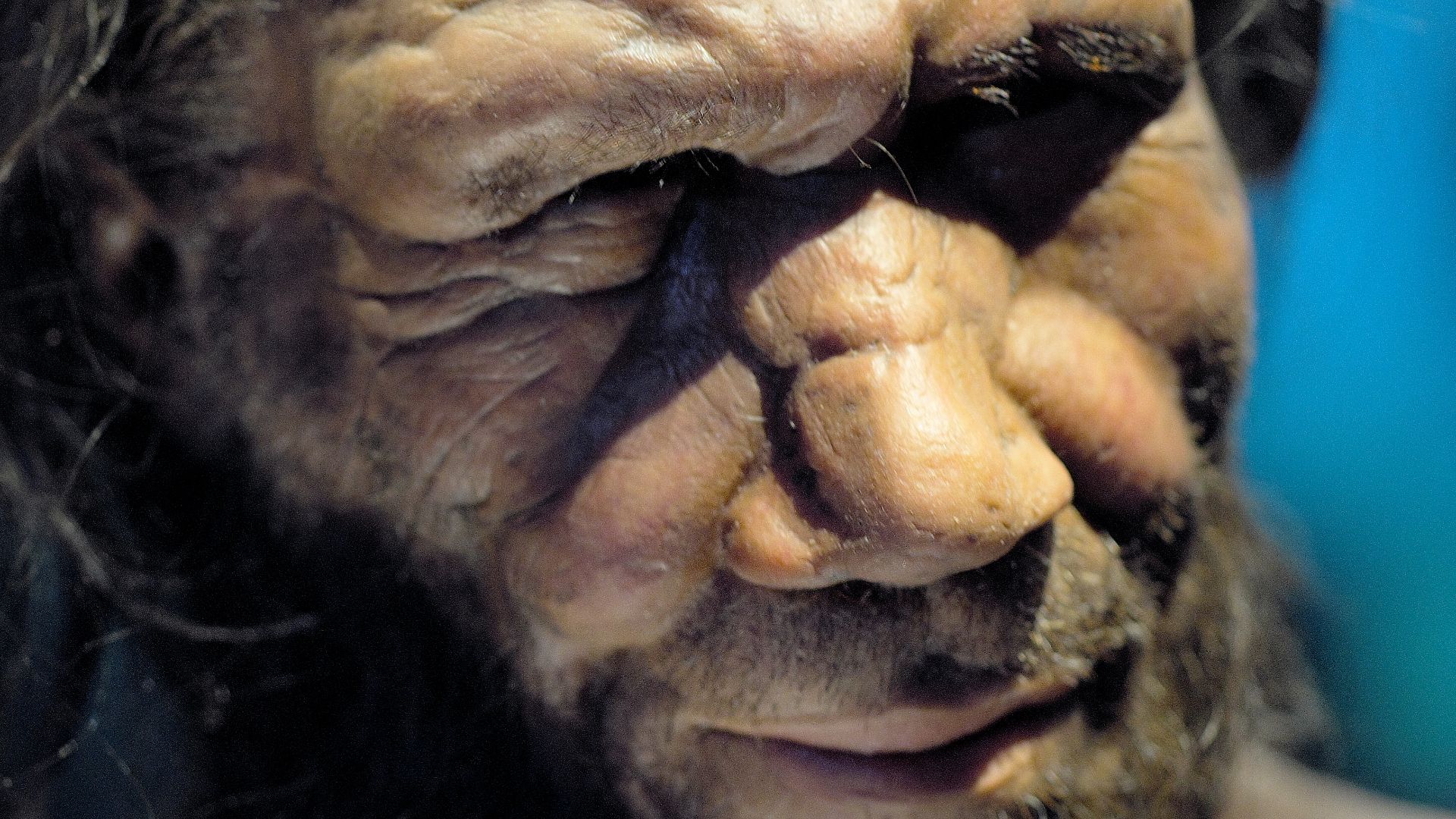
Neanderthals used to be treated like a totally separate, doomed branch of humanity. Genetics changed that vibe quickly. Many people alive today carry traces of Neanderthal DNA, which means ancient humans didn’t just bump into Neanderthals—they had kids with them.
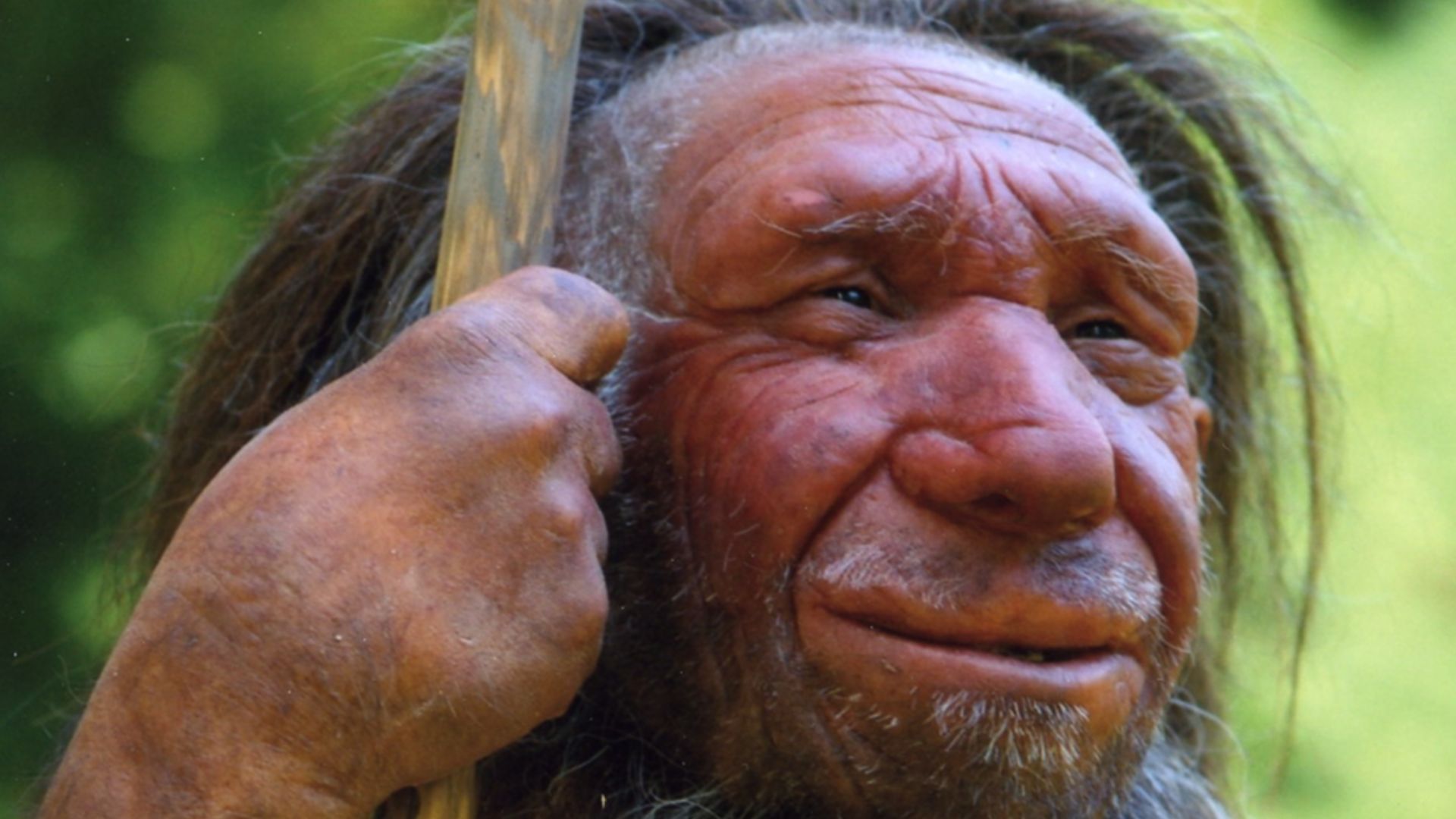 Neanderthal-Museum, Mettmann, Wikimedia Commons
Denisovans: The Plot Twist We Didn’t See Coming
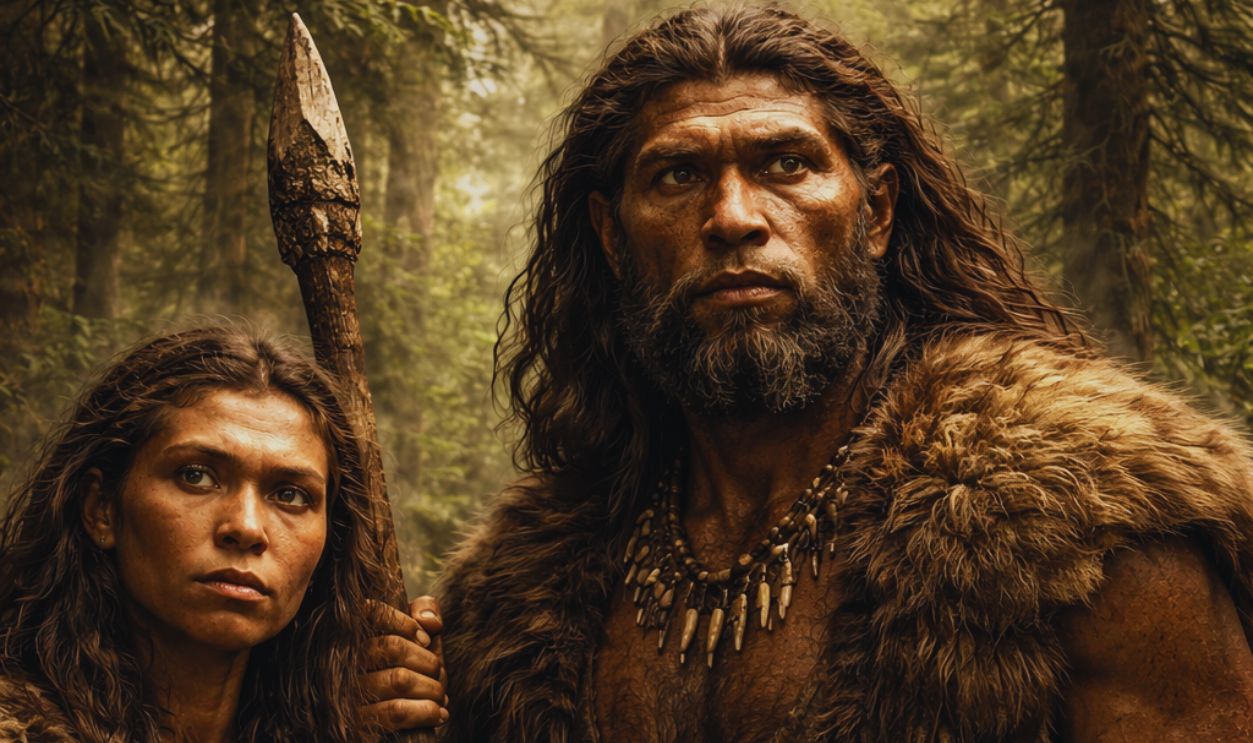
Denisovans were identified through DNA before we even had a clear fossil record for them. And yes, modern humans mixed with them too. Their genetic traces show up especially among people in parts of Asia and the Pacific.
Wherever Humans Met, Mixing Happened
This is one of the blunt takeaways: when groups encountered each other, they blended. Sometimes a little, sometimes a lot, but enough that “separate forever” just isn’t the story genetics tells. Isolation happens occasionally. Long-term isolation is basically a myth humans tell when they want their history to sound cleaner than it was.
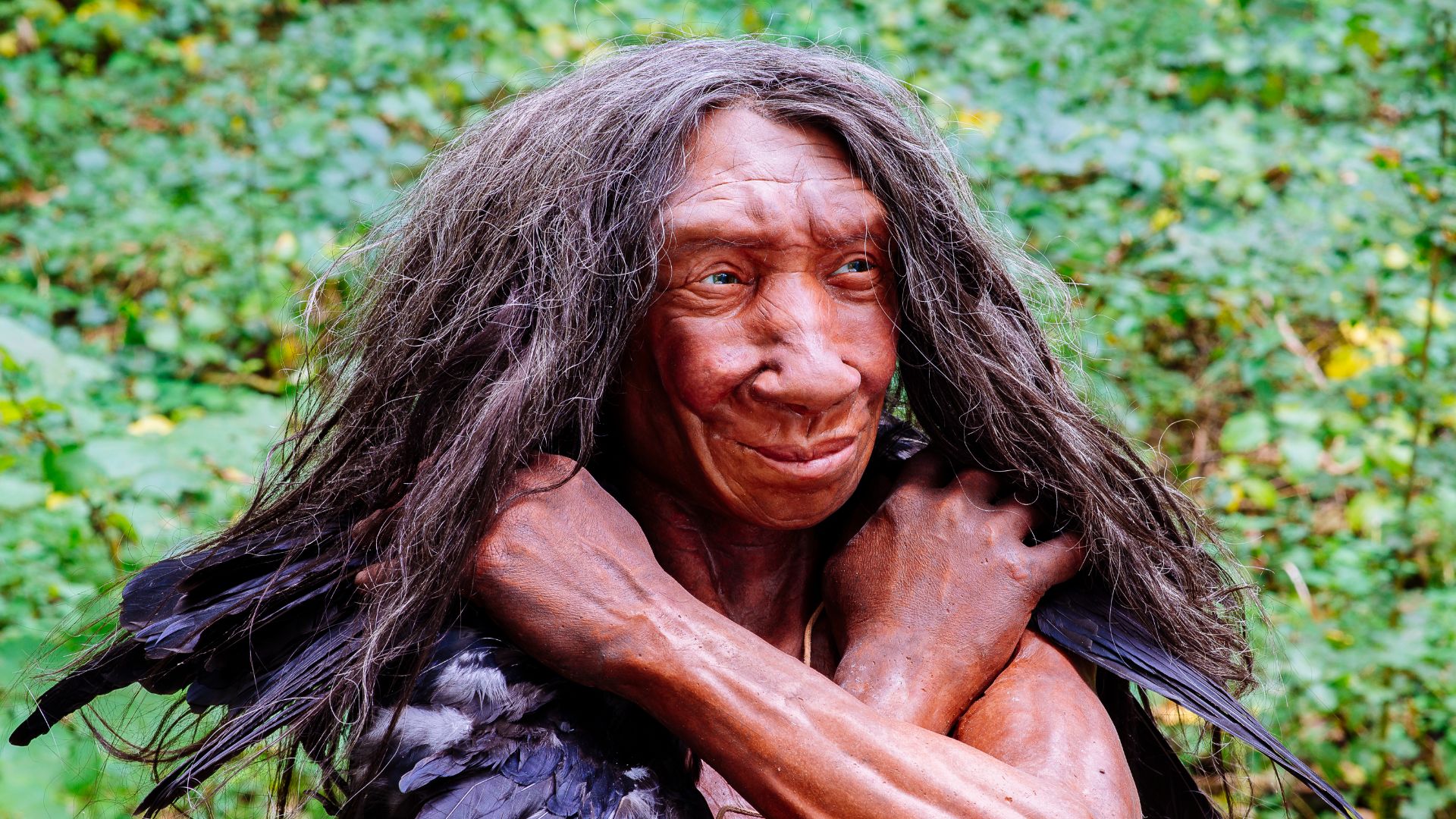 Neanderthal-Museum, Mettmann, Wikimedia Commons
DNA Keeps Smashing the Old “Ideas Spread Without People” Theory
A lot of older thinking assumed major cultural changes—new tools, farming, languages—mostly spread because people copied each other. DNA suggests something more dramatic happened a lot of the time: actual people moved in large numbers.
The Yamnaya Example Is Basically a Mic Drop
One of the well-known cases involves ancient pastoralists who expanded across parts of Europe and left a major genetic footprint. Their DNA shows up widely, implying real demographic change, not just influence at the edges.
 Wojciech Pedzich, Robert Molyneaux, Wikimedia Commons
Sometimes Regions Didn’t “Evolve”—They Got Rewritten
Genetics shows that some areas experienced big population turnovers, where new groups became dominant. That doesn’t mean the previous population vanished instantly, though. Often it means mixing happened and the genetic balance shifted over time.
 Werner Ustorf, Wikimedia Commons
Living Somewhere Today Doesn’t Mean Your Ancestors Were There Forever
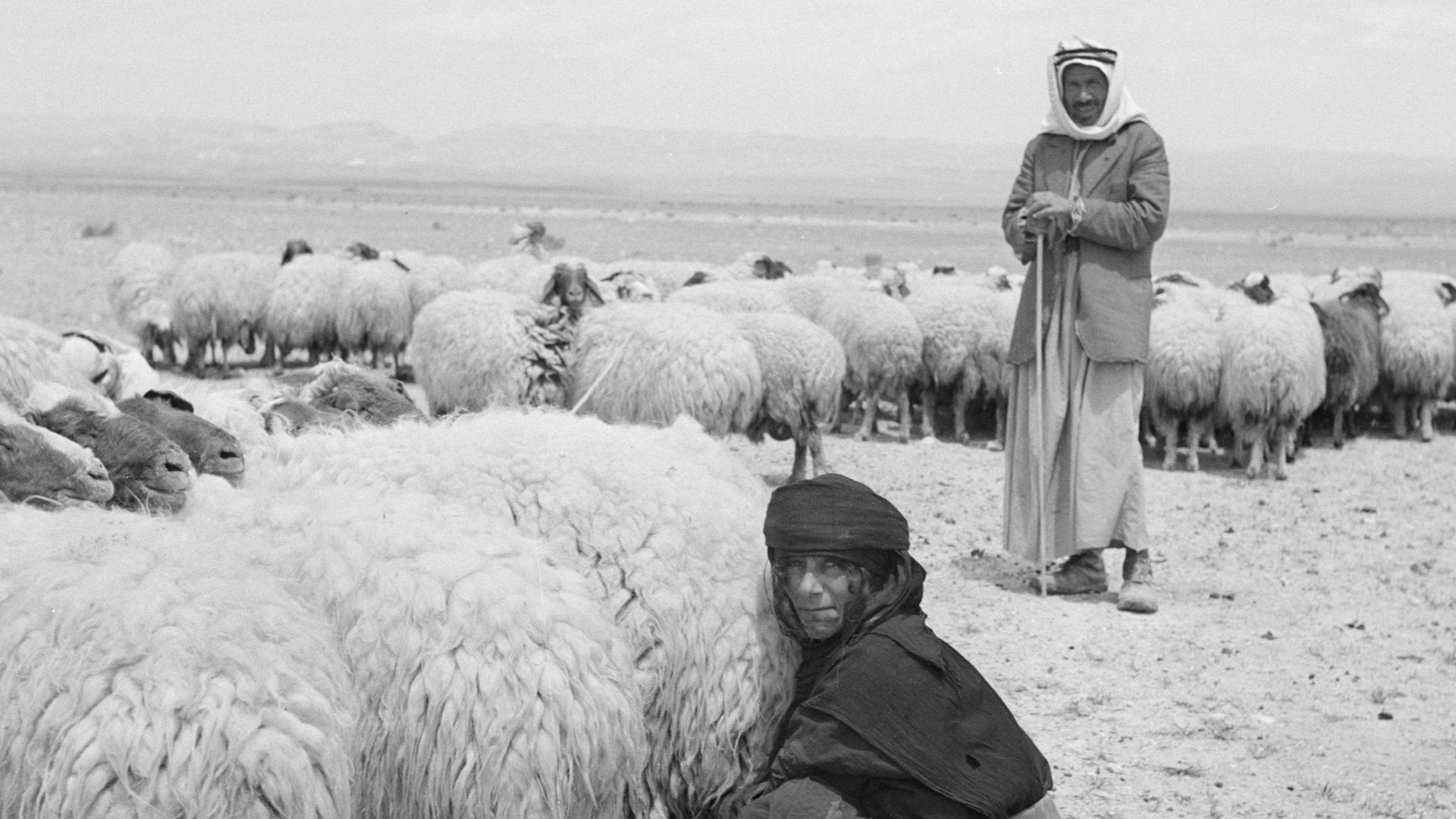
A big misconception is that modern people in a region are direct biological descendants of the ancient people who lived there. DNA often shows that’s not true. People can inherit culture, language, and identity from a place without inheriting the majority of their genes from the ancient locals.
 Willem van de Poll, Wikimedia Commons
Culture and Genetics Don’t Always Match
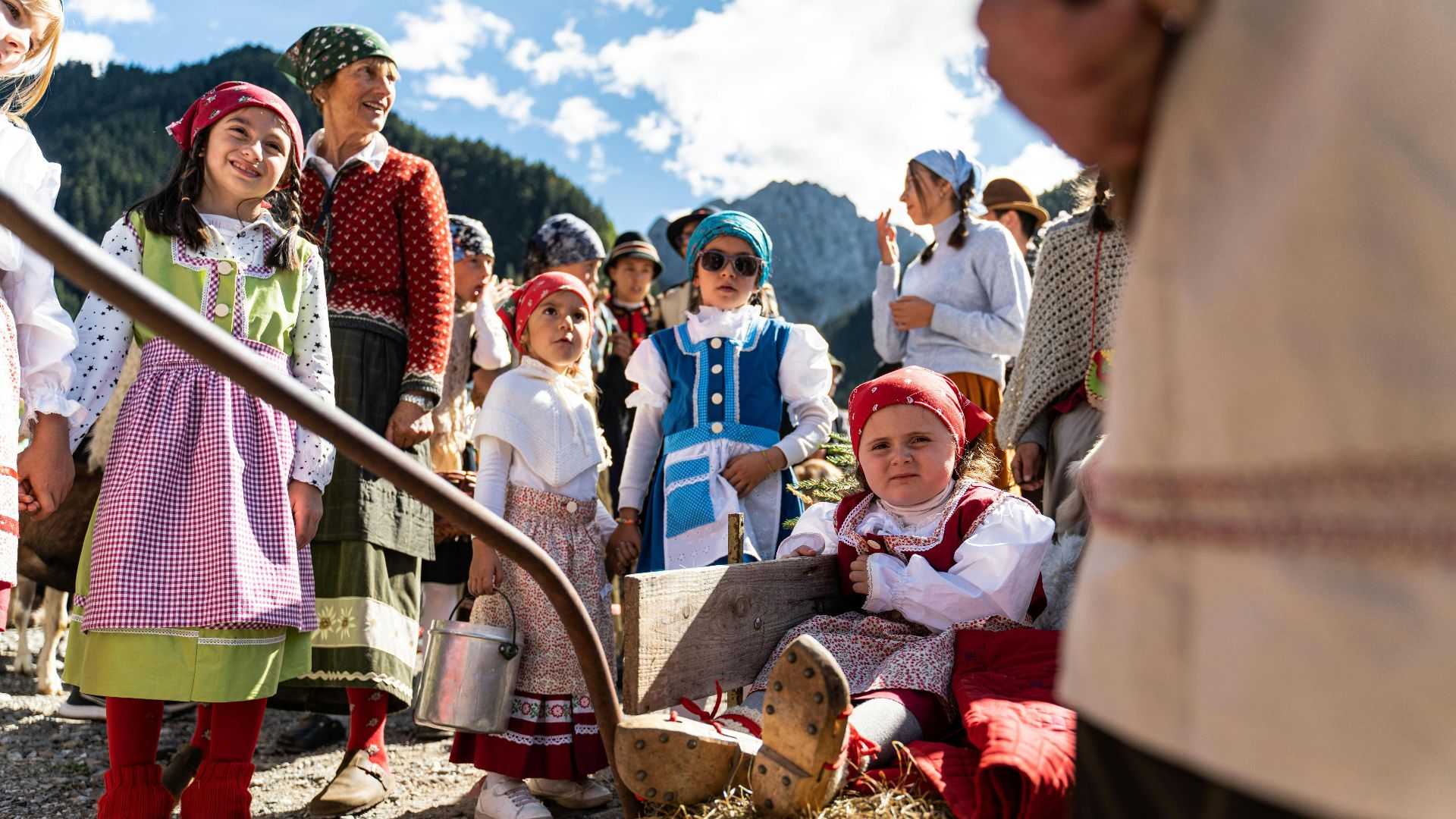
This part matters because it keeps the conversation from getting weird. DNA doesn’t decide your culture. Your language, traditions, and identity can be deeply rooted even if your genetic ancestry is mixed from multiple migrations.
Natural Selection Was Busy the Whole Time
While migration and mixing were happening, natural selection was also shaping human traits over time. Certain genetic variants became more common because they helped people survive local conditions—diet changes, climate, disease, and all the fun stuff history throws at you.
The “Superior Bloodline” Claim Doesn’t Survive Contact With Reality
The idea that any group is superior because it stayed pure doesn’t hold up because the purity part doesn’t hold up. Every population studied shows genetic blending. The “untouched lineage” pitch is basically a branding exercise, not science.
You Have More Ancestors Than You Think—And That Gets Messy Fast
Over enough generations, the number of ancestors you technically have becomes enormous. But lineages overlap, merge, and cross again and again. That’s normal. That’s the point. The real shock isn’t that bloodlines aren’t pure—it’s that anyone ever thought they could be.
Everyone Is a Genetic Patchwork Quilt
Modern humans aren’t “from one place” genetically in any clean sense. We’re stitched together from many sources across time. That’s what the data keeps showing, and it’s honestly a more interesting story than the purity myth.

Why People Still Cling to the Myth Anyway
Because it’s simple. Because it feels grounding. Because it turns identity into something that sounds solid and unquestionable. But simplicity isn’t the same thing as truth.
What This Research Should Actually Teach Us
Not that culture doesn’t matter. Not that identity is meaningless. But that biology doesn’t back up purity narratives. Human history is a long chain of movement and connection, and pretending otherwise just turns our past into propaganda.
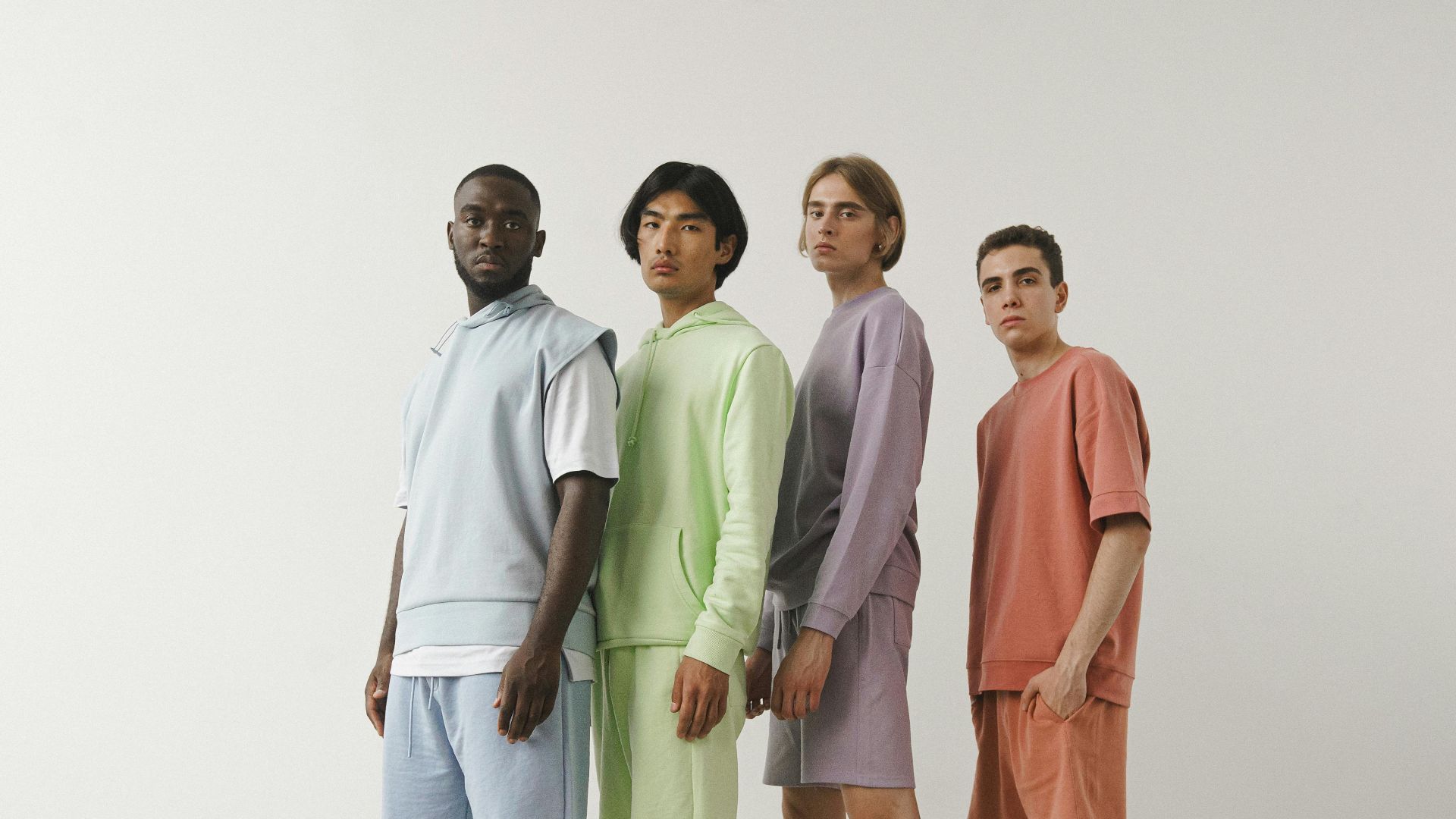
The Pure Bloodline Fantasy Ends Here
If you want the most evidence-based takeaway, it’s this: humans have always mixed. Always migrated. Always adapted. “Pure bloodlines” aren’t an endangered rarity—they’re something that never existed in the first place.
You May Also Like:
The Tale Of Sabena Flight 548: A Tragedy On Ice
Source: 1