

Mystery Of Early Civilization
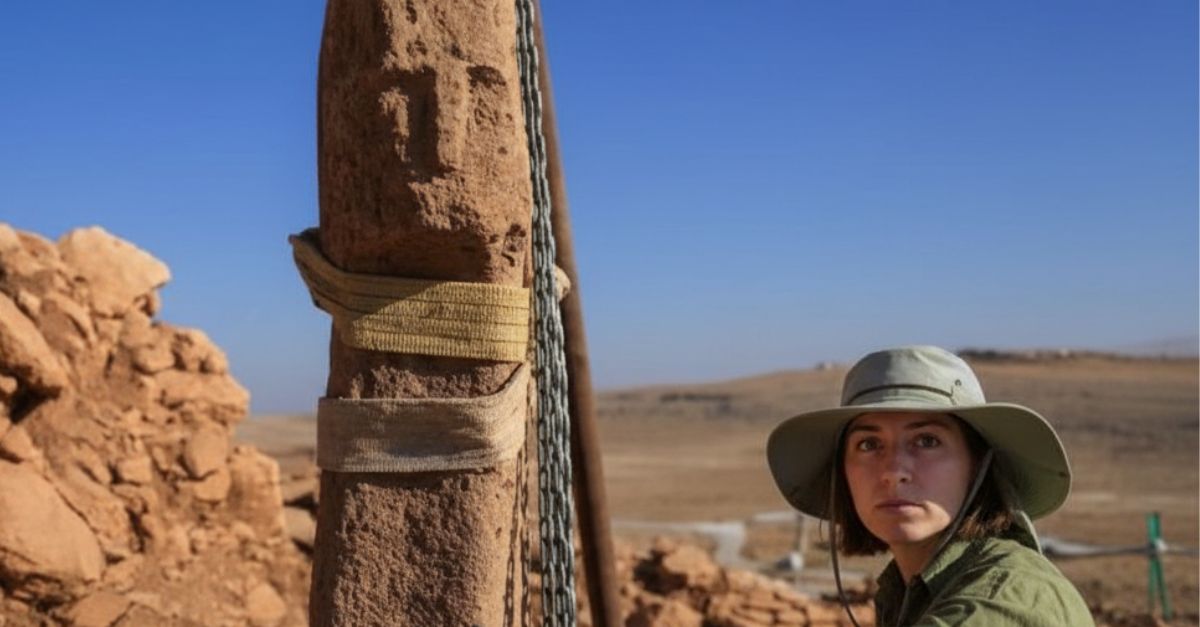
Agriculture, then religion, then monumental architecture. It makes sense, and we had no evidence to say otherwise—until Gobekli Tepe in Turkey flipped that entire sequence upside down. The logistics alone seem impossible, yet the ruins are undeniably real.
Oldest Known Temple
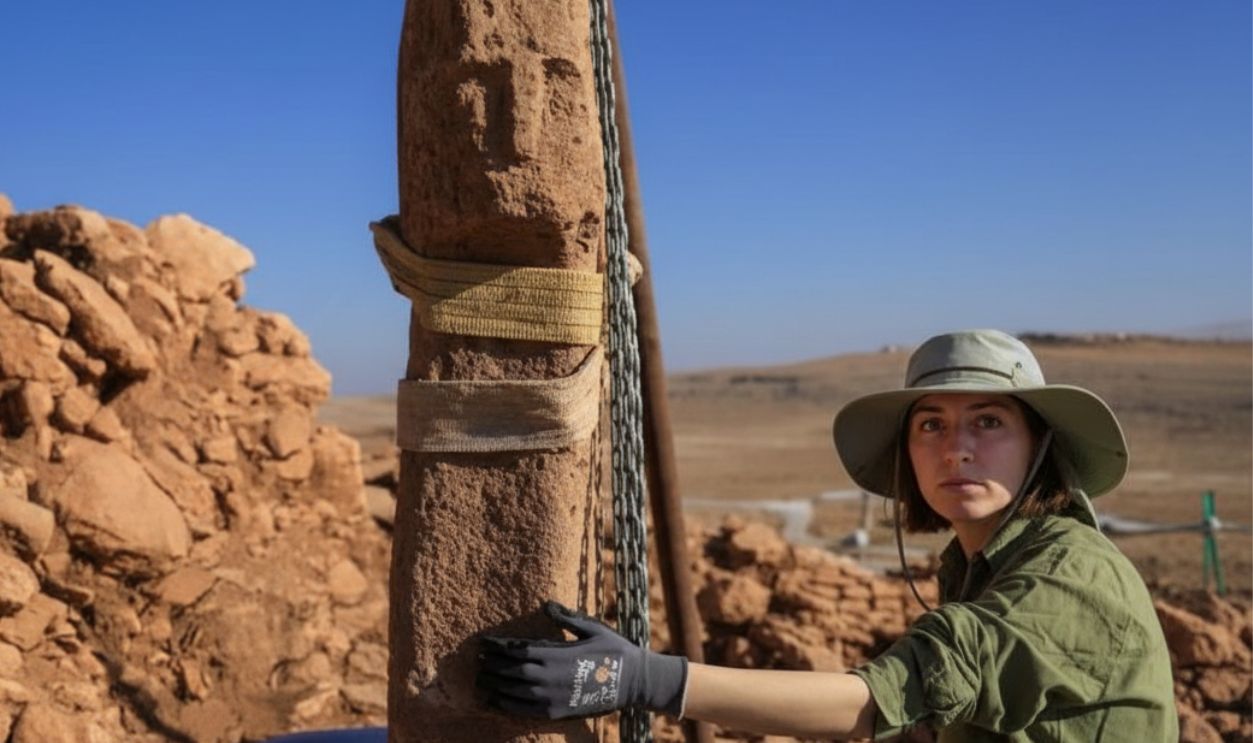
Gobekli Tepe in southeastern Turkey dates to around 9600 BCE. This monumental temple complex predates Stonehenge and the pyramids by thousands of years. Its discovery reshaped how historians understand the origins of organized religion and early social cooperation among prehistoric communities.
 Teomancimit, Wikimedia Commons
Discovery And Excavation
The site was first noted in 1963 but remained largely ignored. Klaus Schmidt began systematic excavations in 1995, revealing massive stone circles and carved pillars. His work proved that hunter-gatherers could organize large-scale construction projects long before the emergence of farming societies.

Monumental Stone Pillars
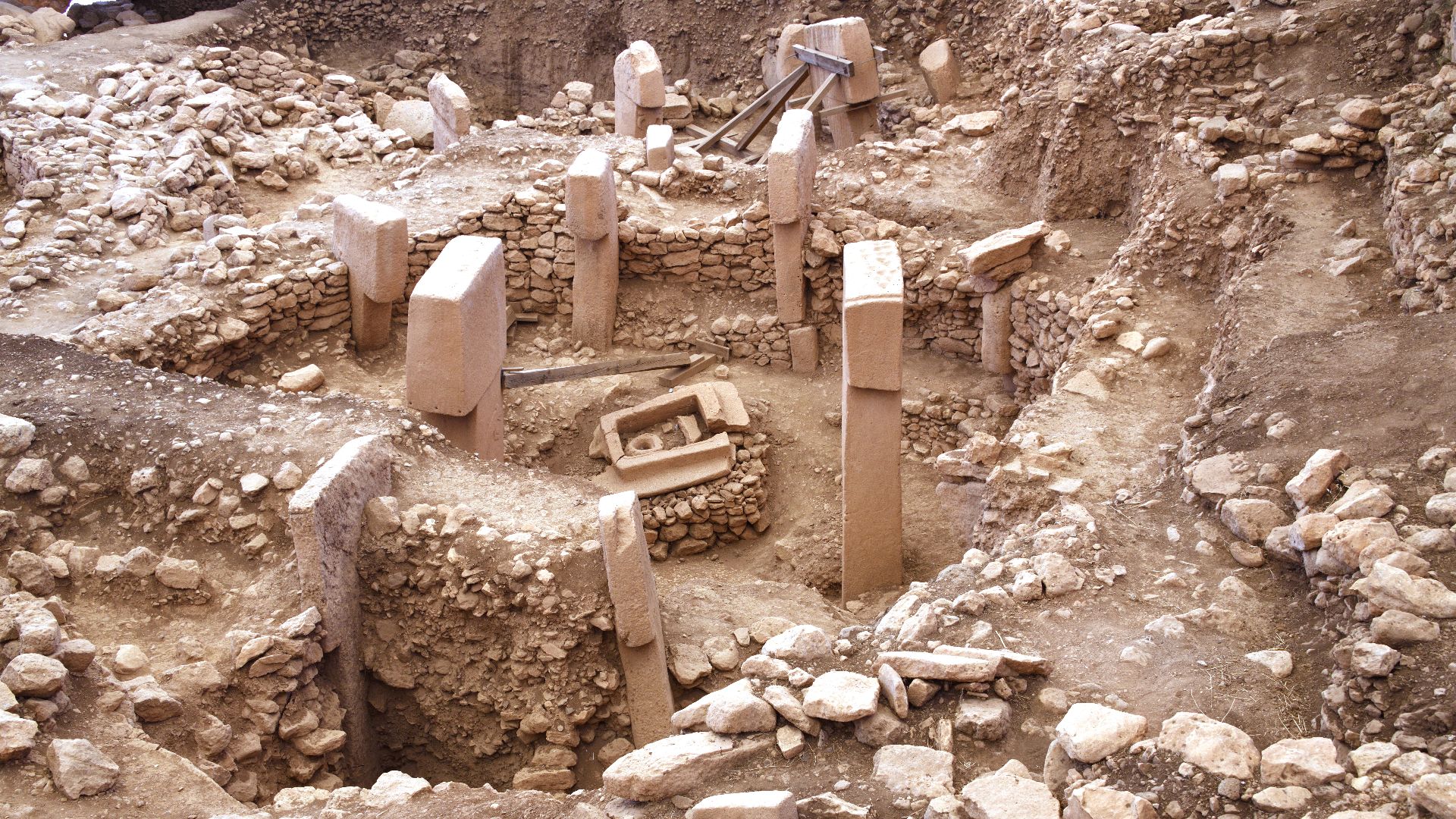
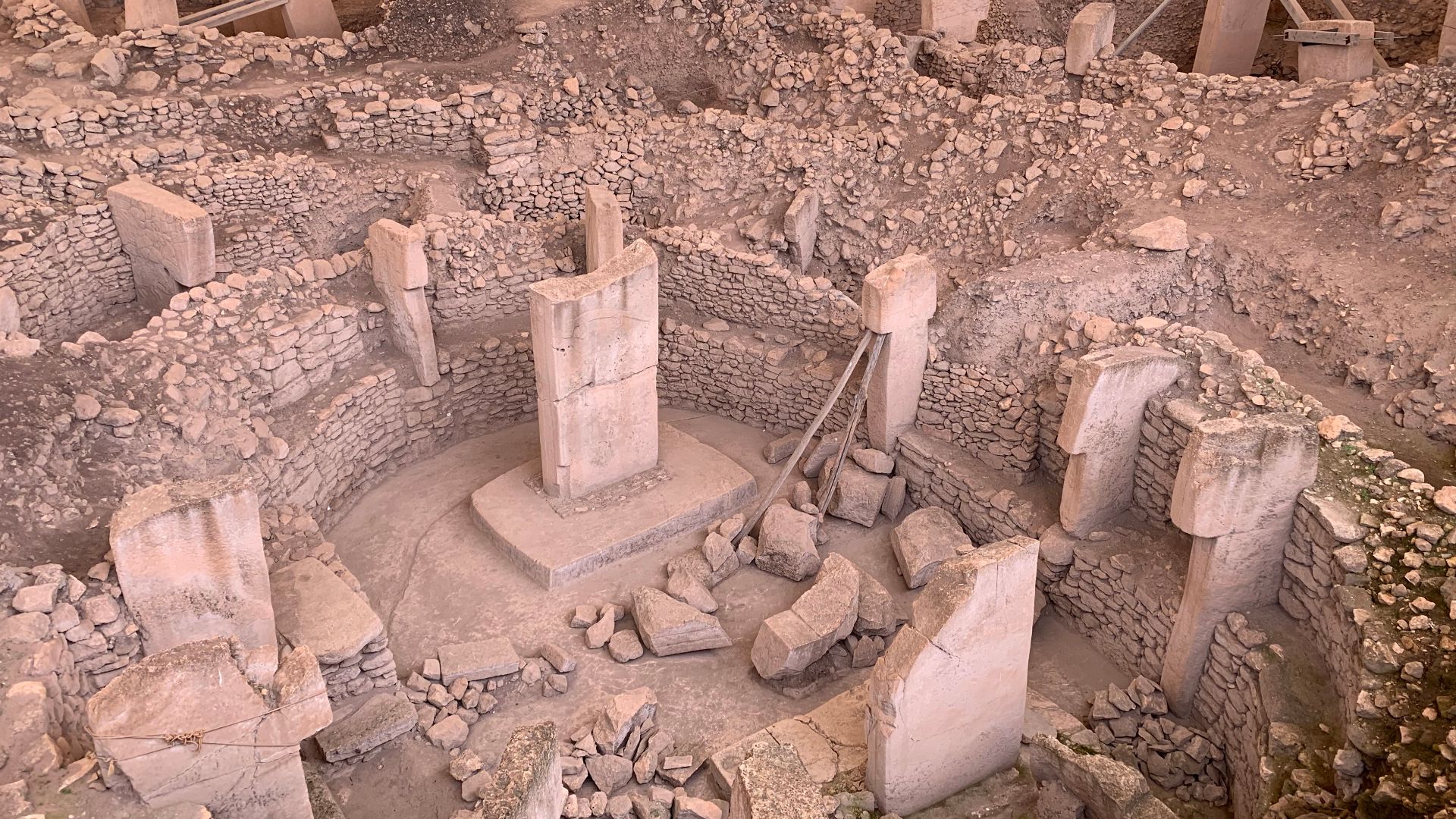
Limestone pillars at the site reach heights over five meters and weigh up to ten tons. Their arrangement in circular enclosures demonstrates advanced planning and engineering. Builders achieved this without metal tools or domesticated animals to help transport the massive stones.
Animal Carvings
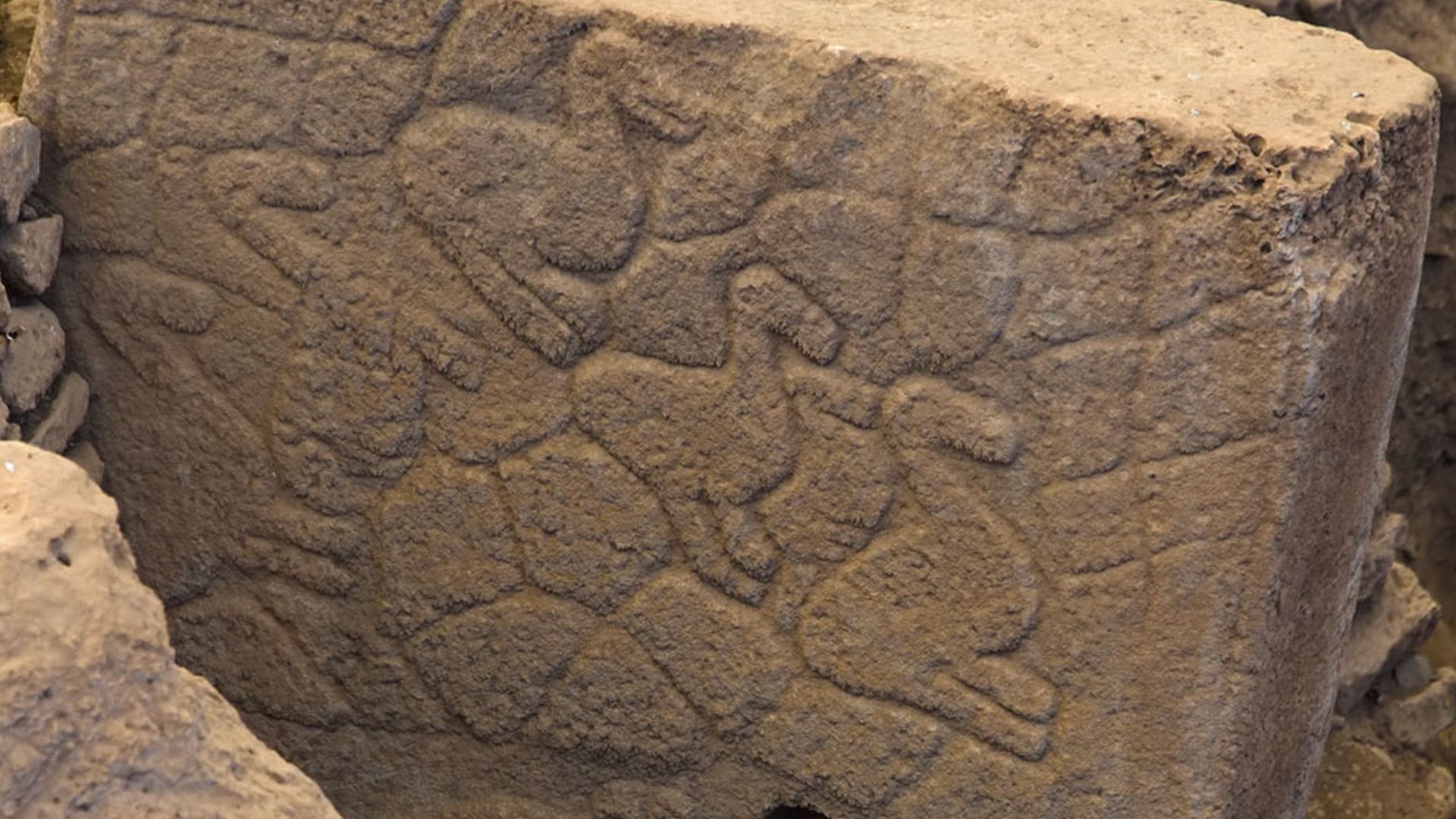
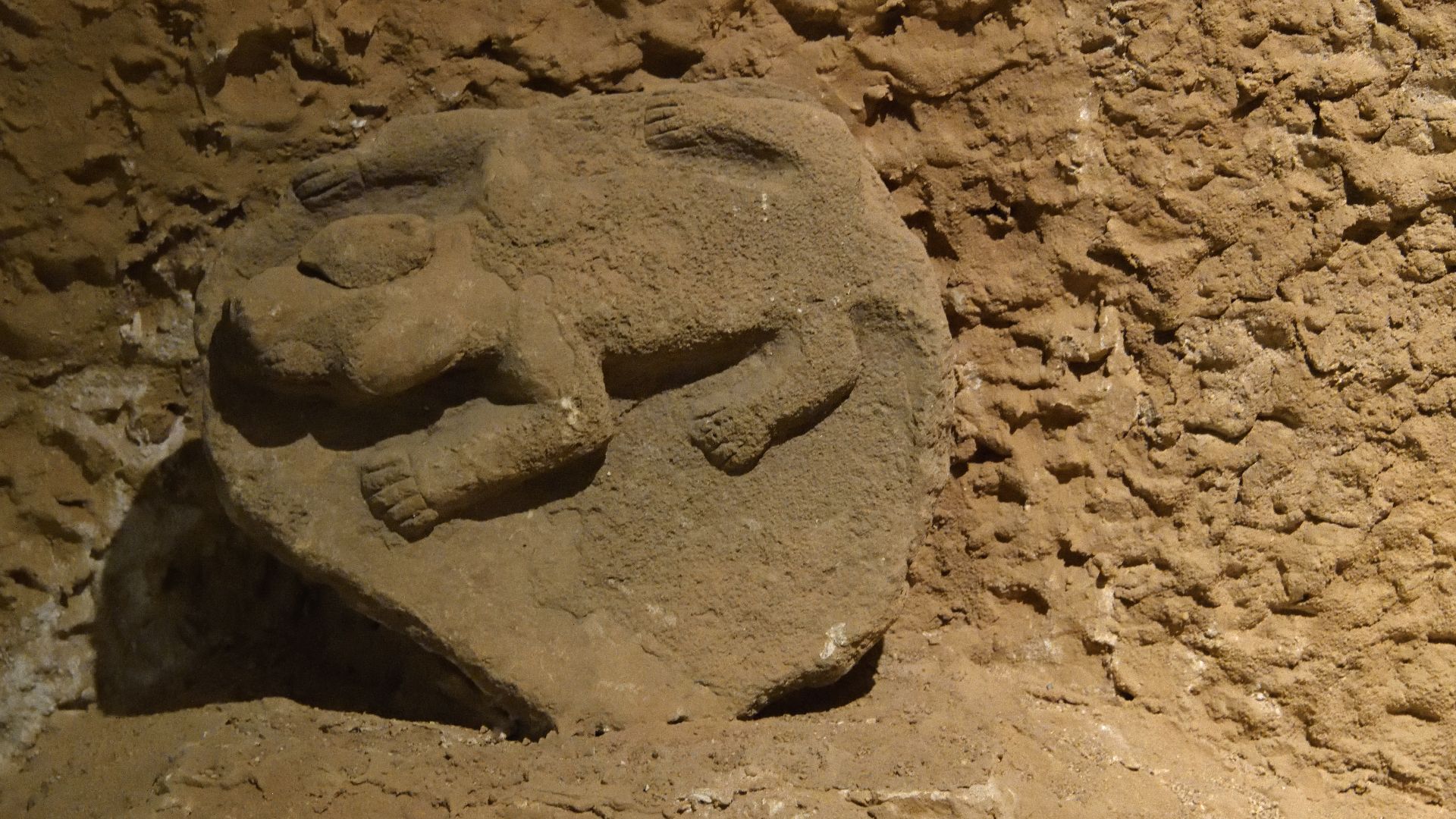
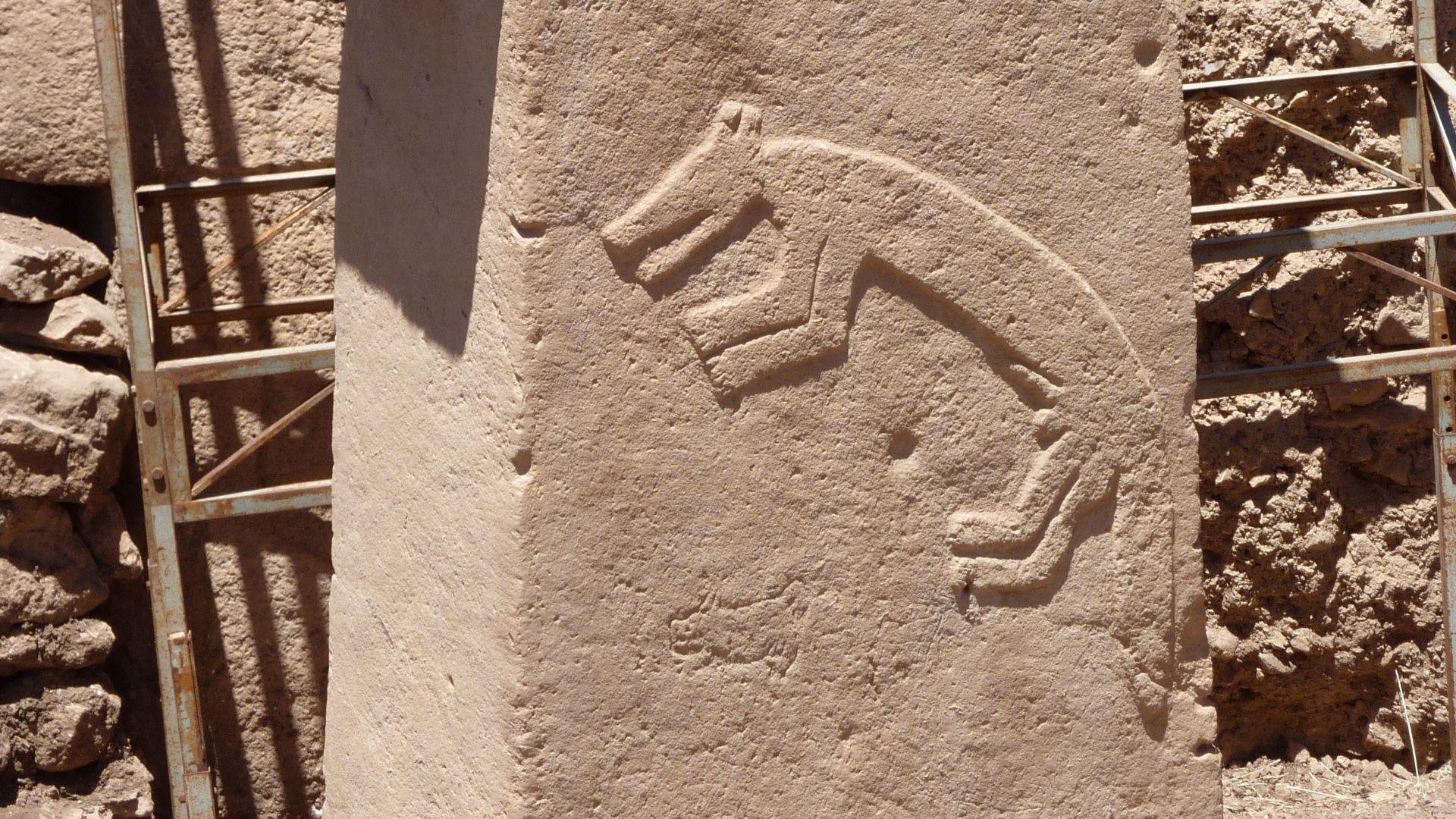
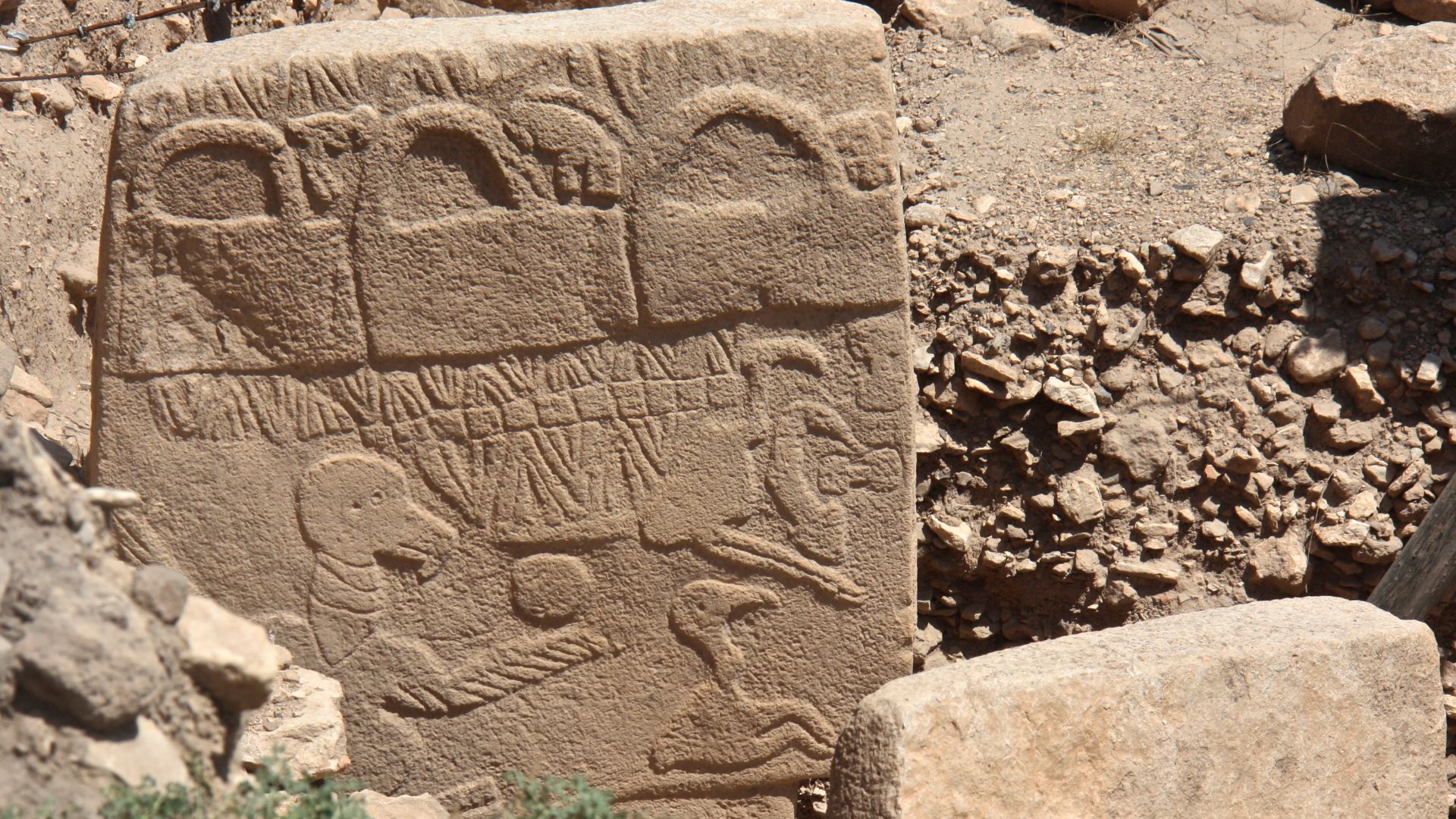
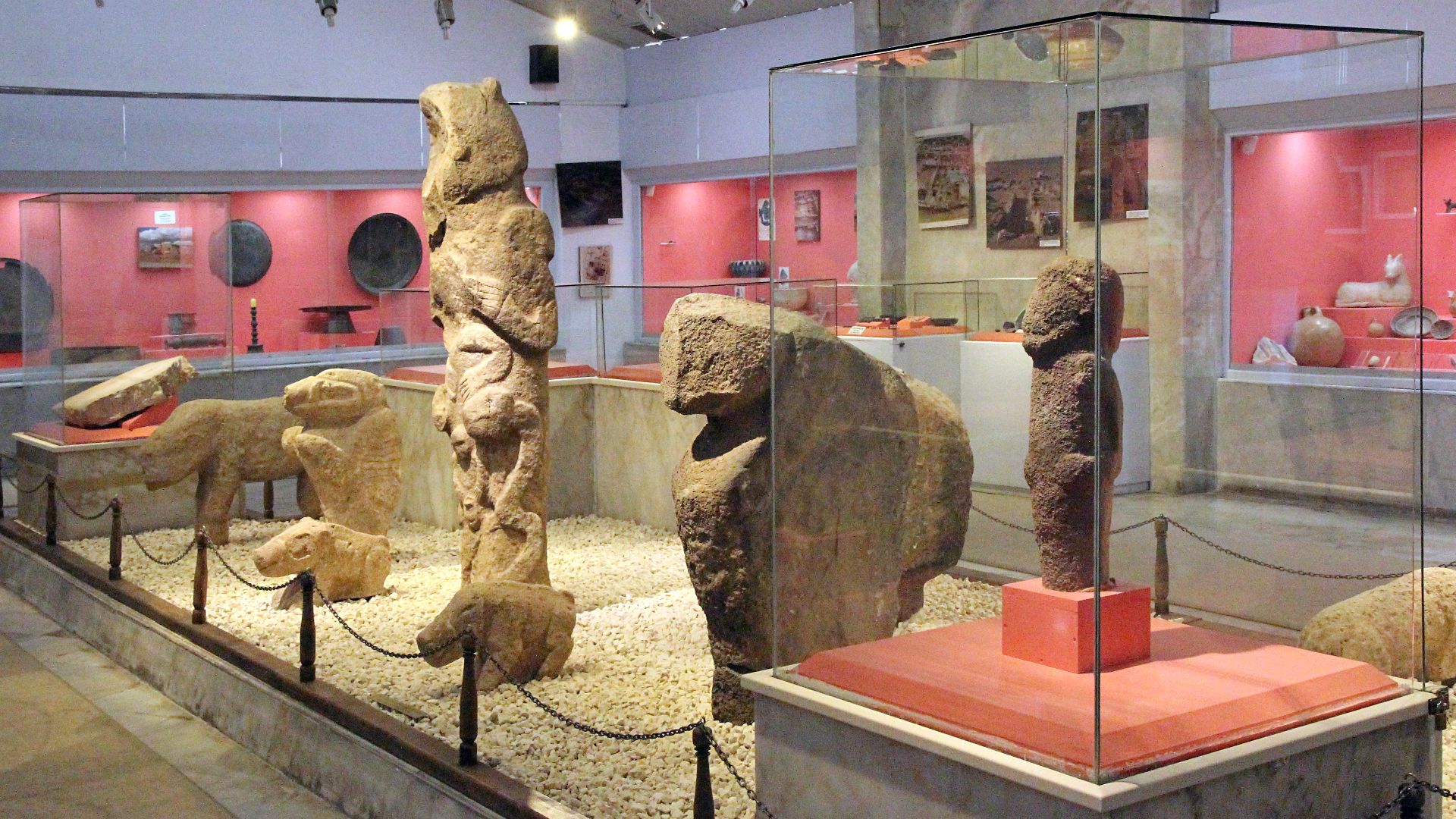
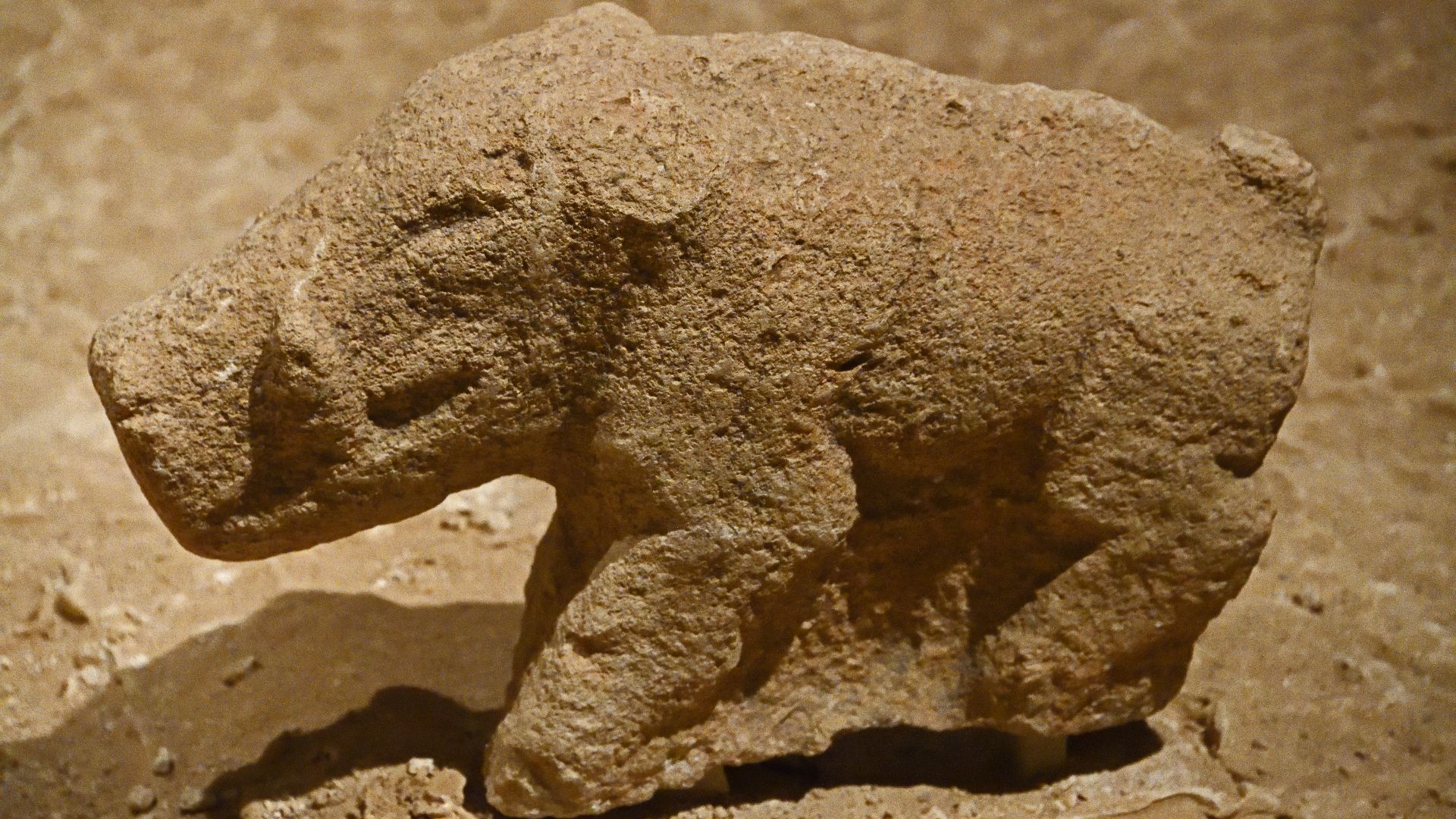
Pillars feature detailed carvings of lions, snakes, boars, and birds. These images likely carried symbolic meaning, possibly connected to myths or spiritual beliefs. The artistic sophistication suggests a ritual purpose that went far beyond simple decoration or aesthetic appeal.
Ritual Feasting Evidence
Excavations uncovered large quantities of animal bones, especially from gazelle and wild boar. This points to communal feasts held at the location. Such gatherings may have strengthened social bonds while supporting the religious or ceremonial functions of the temple complex.
Intentional Burial
Around 8000 BCE, people deliberately buried Gobekli Tepe. Archaeologists believe this was a ritual closure rather than simple abandonment. The act preserved the structures for thousands of years and now allows modern researchers to discover them in remarkably intact condition.
 Beytullah eles, Wikimedia Commons
Stone Quarry Nearby
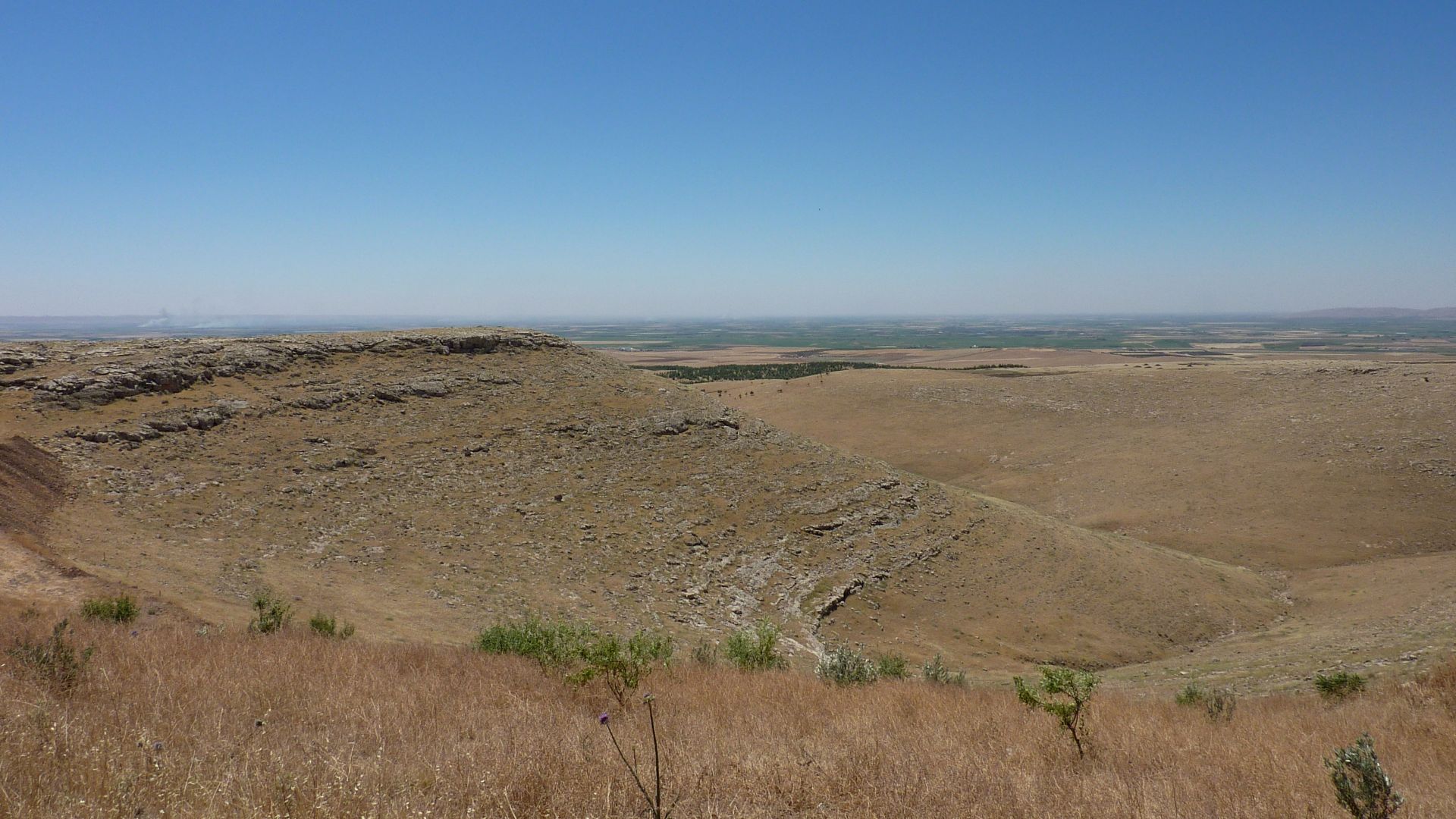
Evidence shows limestone was extracted from quarries close to the site. Marks on unfinished blocks reveal how builders shaped pillars. This nearby source explains the way communities moved such massive stones without advanced transport systems, highlighting their practical problem-solving abilities.
Abstract Symbols
Pillars display abstract shapes, including H-forms and geometric designs, alongside animal carvings. Their meaning remains unknown but may represent cosmological ideas, clan markers, or ritual codes. These symbols highlight the intellectual complexity of the people who created them.
 Sue Fleckney, Wikimedia Commons
Gobekli Tepe And Similar Sites
The site belongs to a wider tradition of early monumental architecture. Nevali Cori and Karahan Tepe in Turkey share similar carved pillars and ceremonial layouts. Together, they show that ritual architecture was a regional phenomenon rather than an isolated experiment.
Central Pillars As Figures
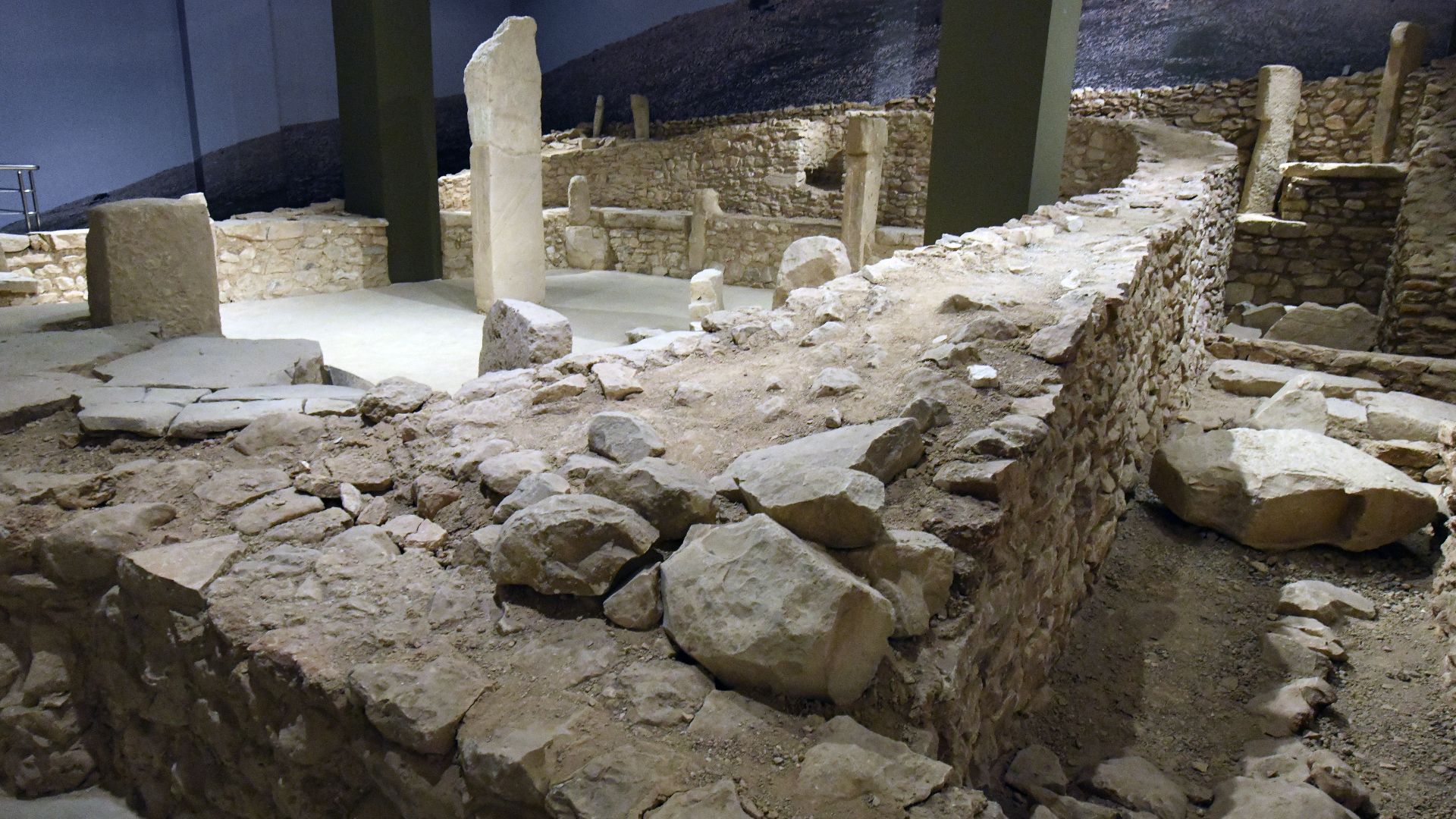
Each enclosure contains two taller central pillars. Their shape suggests stylized human forms, possibly representing gods or ancestors. Their prominent placement indicates symbolic importance, likely making them focal points during ceremonies held within the stone circles.
 Klaus-Peter Simon, Wikimedia Commons
No Domestic Structures
Excavations revealed no houses, hearths, or farming fields at the site. This absence suggests people used Gobekli Tepe as a ceremonial center rather than a settlement. Builders gathered here for rituals instead of daily living.
Grinding Stones Found
Large grinding stones discovered at Gobekli Tepe show that people processed plants. This evidence suggests food preparation supported large gatherings, even though agriculture had not yet begun. Such tools highlight the practical aspects of organizing significant communal events.
 German Archaeological Institute, photo E. Kucuk., Wikimedia Commons
Human Figures Rare
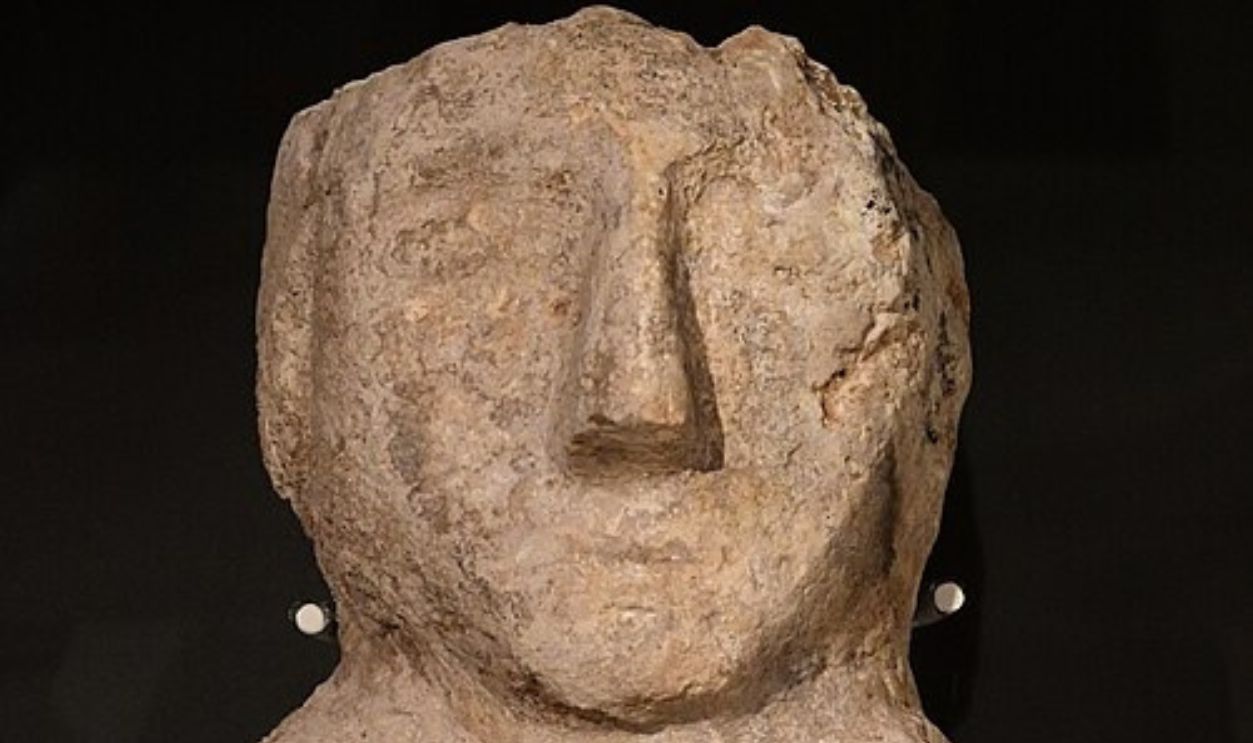
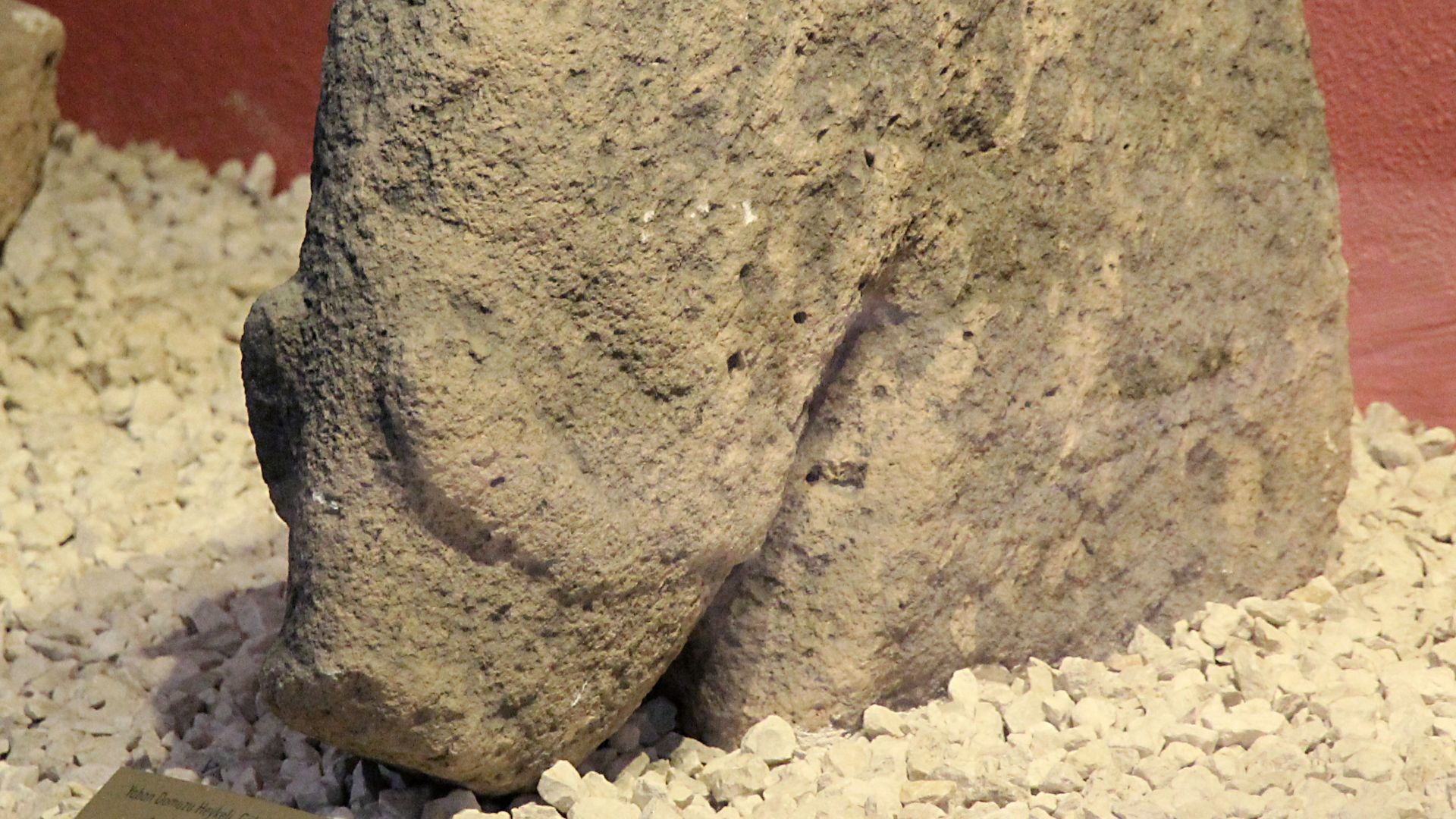
Unlike the abundant animal carvings, human depictions are scarce throughout the site. A few stylized figures appear, possibly representing shamans or deities. Their rarity suggests people portrayed humans differently, perhaps with symbolic restraint compared to vivid animal imagery.
 Marco Restano, CC BY-SA 4.0, Wikimedia Commons
Tools Of Construction
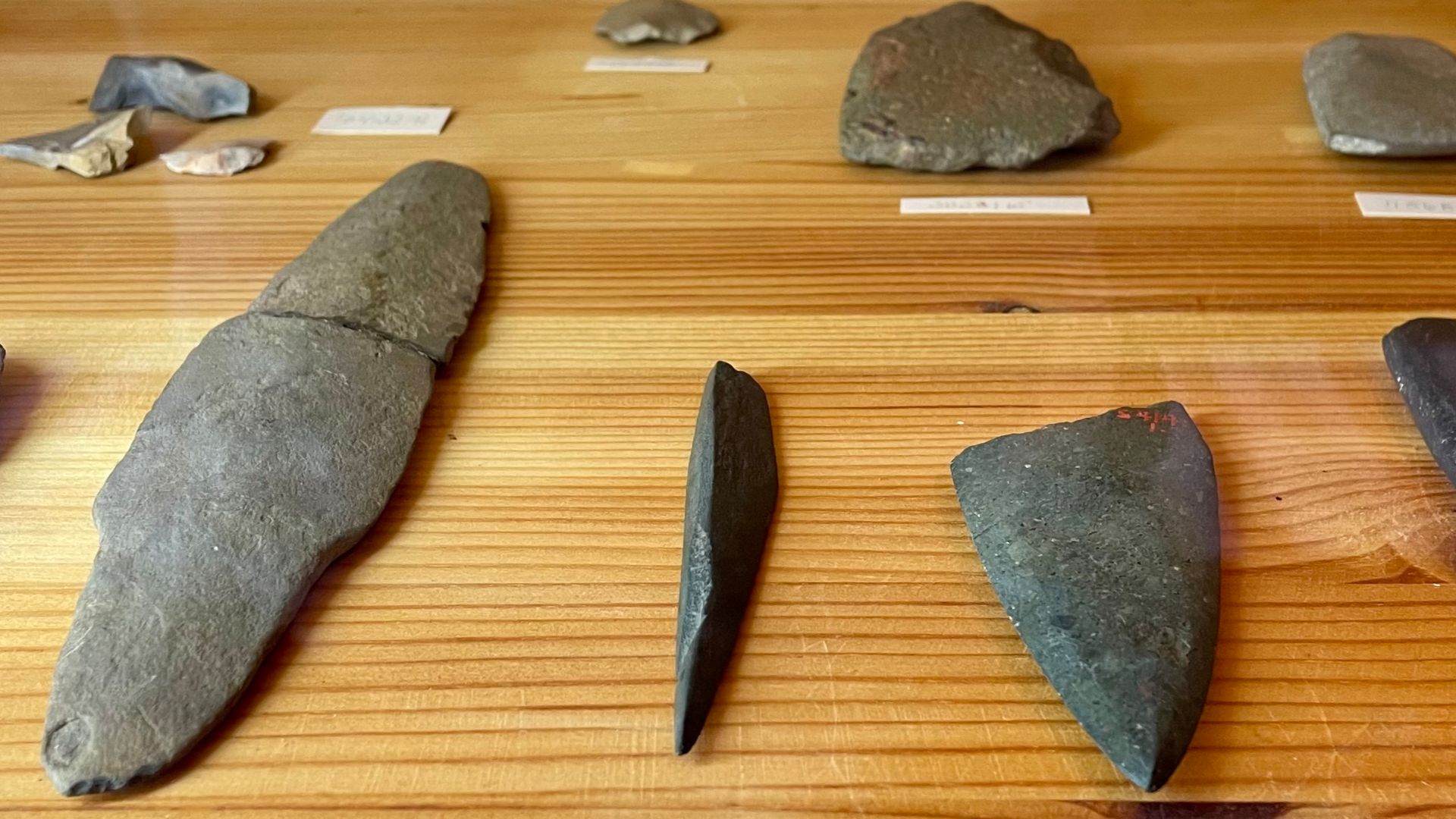
Simple stone tools carved and shaped the massive pillars. Marks left on limestone blocks reveal the tremendous effort required. These tools demonstrate remarkable skill and determination achieved without metal or advanced technology, showcasing early human ingenuity.
 Limelightangel, Wikimedia Commons
Possible Astronomical Alignments
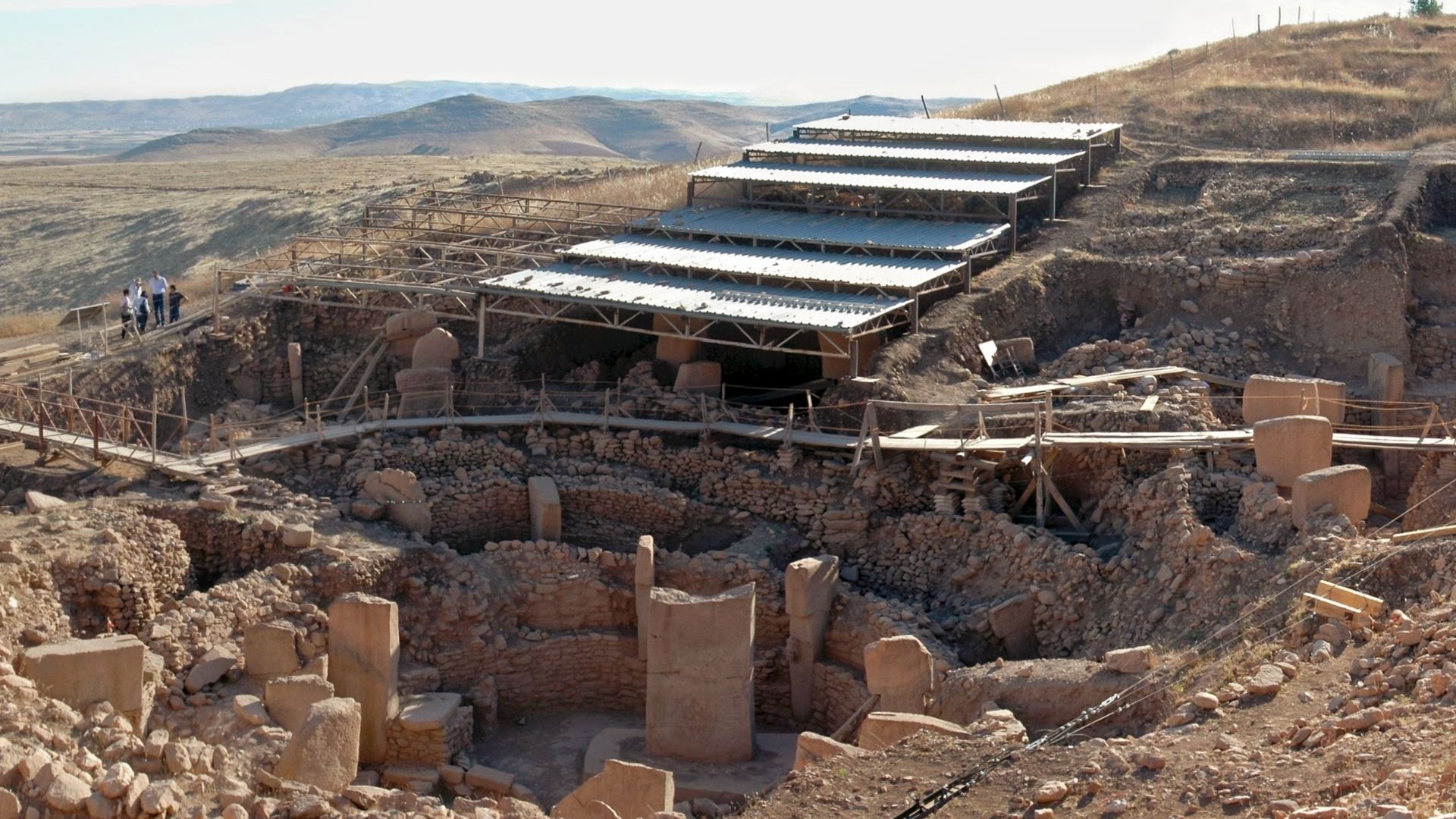
Some researchers suggest enclosures align with celestial events like solstices or star patterns. If accurate, Gobekli Tepe may have functioned as an early observatory. This would link ritual practices directly with the movement of heavenly bodies.
 Creator:Rolfcosar, Wikimedia Commons
Carved Stone Animals In Relief
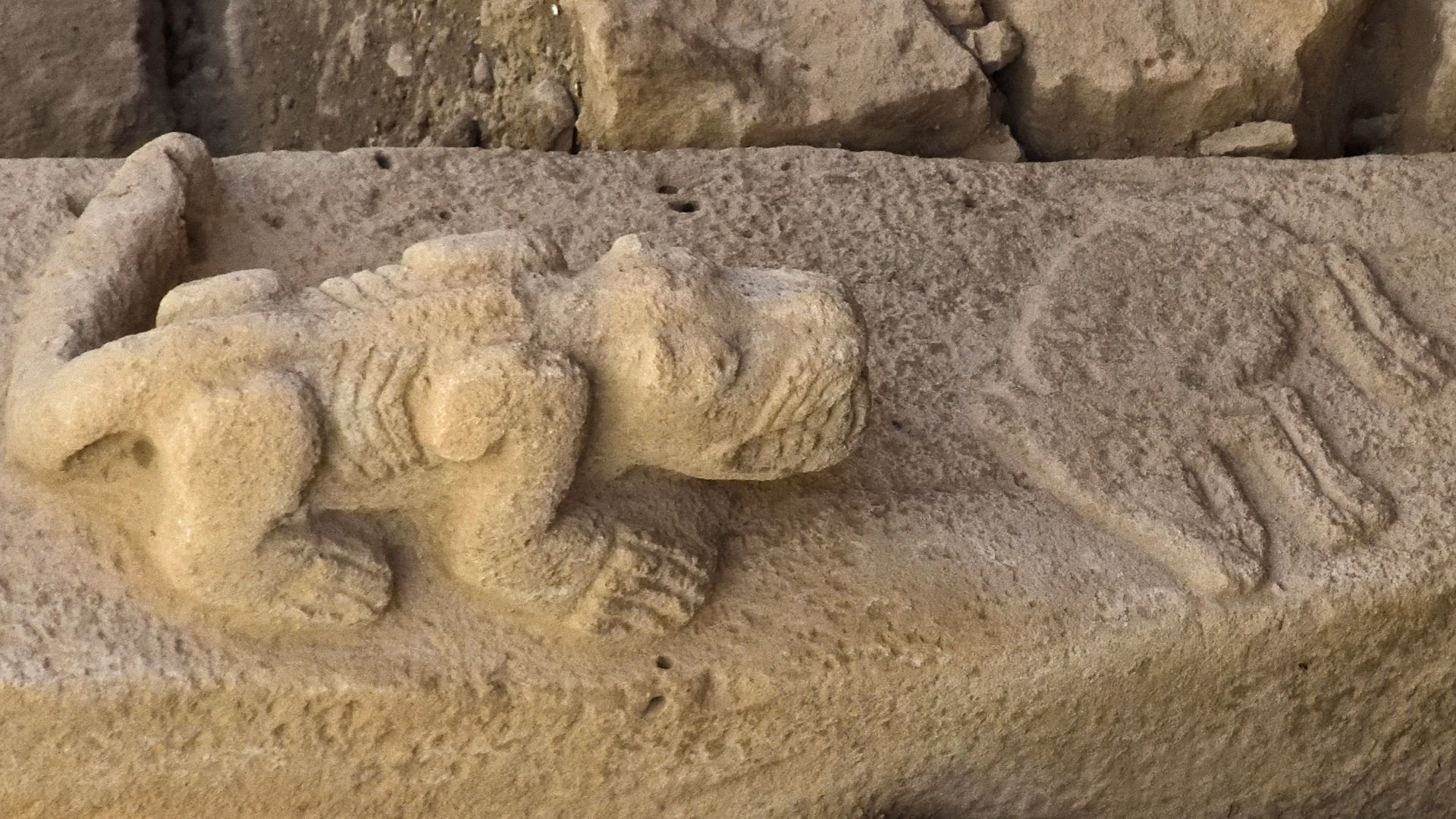
Some pillars feature animals carved in high relief, projecting from the stone surface. These striking images emphasize the importance of certain creatures in ritual life. Their bold style distinguishes Gobekli Tepe's artwork from simpler engravings found at other sites.
Use Of Animal Skulls
Excavations uncovered fragments of animal skulls placed near some pillars. These remains may have been part of ritual displays or symbolic offerings. Their deliberate positioning suggests ceremonies involved not only carvings and feasting but also physical tokens of power and belief.
Absence Of Human Burials
Despite its ceremonial scale, Gobekli Tepe contains no confirmed human graves. This contrasts sharply with later sacred sites. The pattern suggests the location did not function like later burial-centered religious spaces, even though modified human skulls hint at very different symbolic treatment of the dead.
Buried Layers
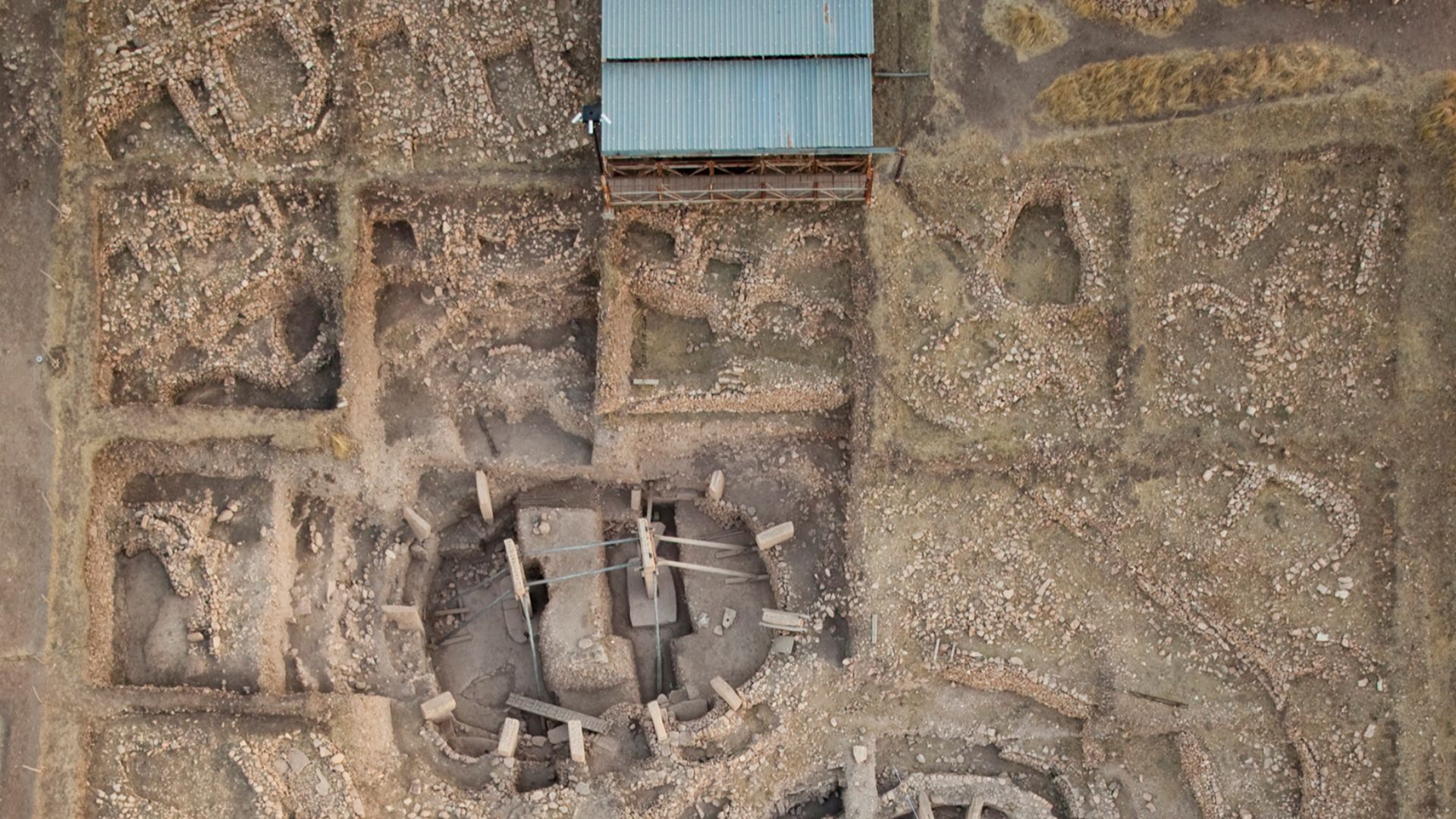
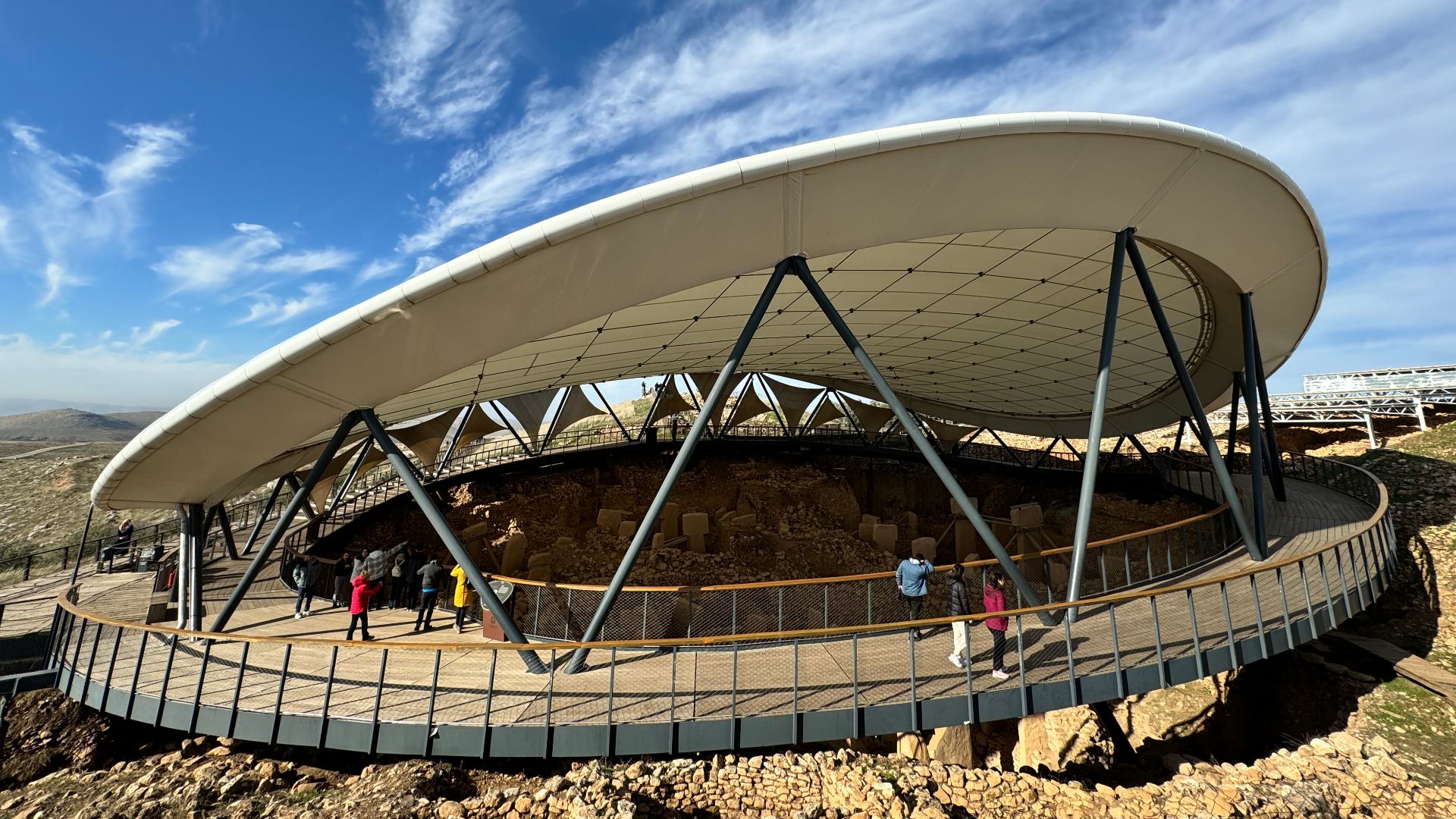
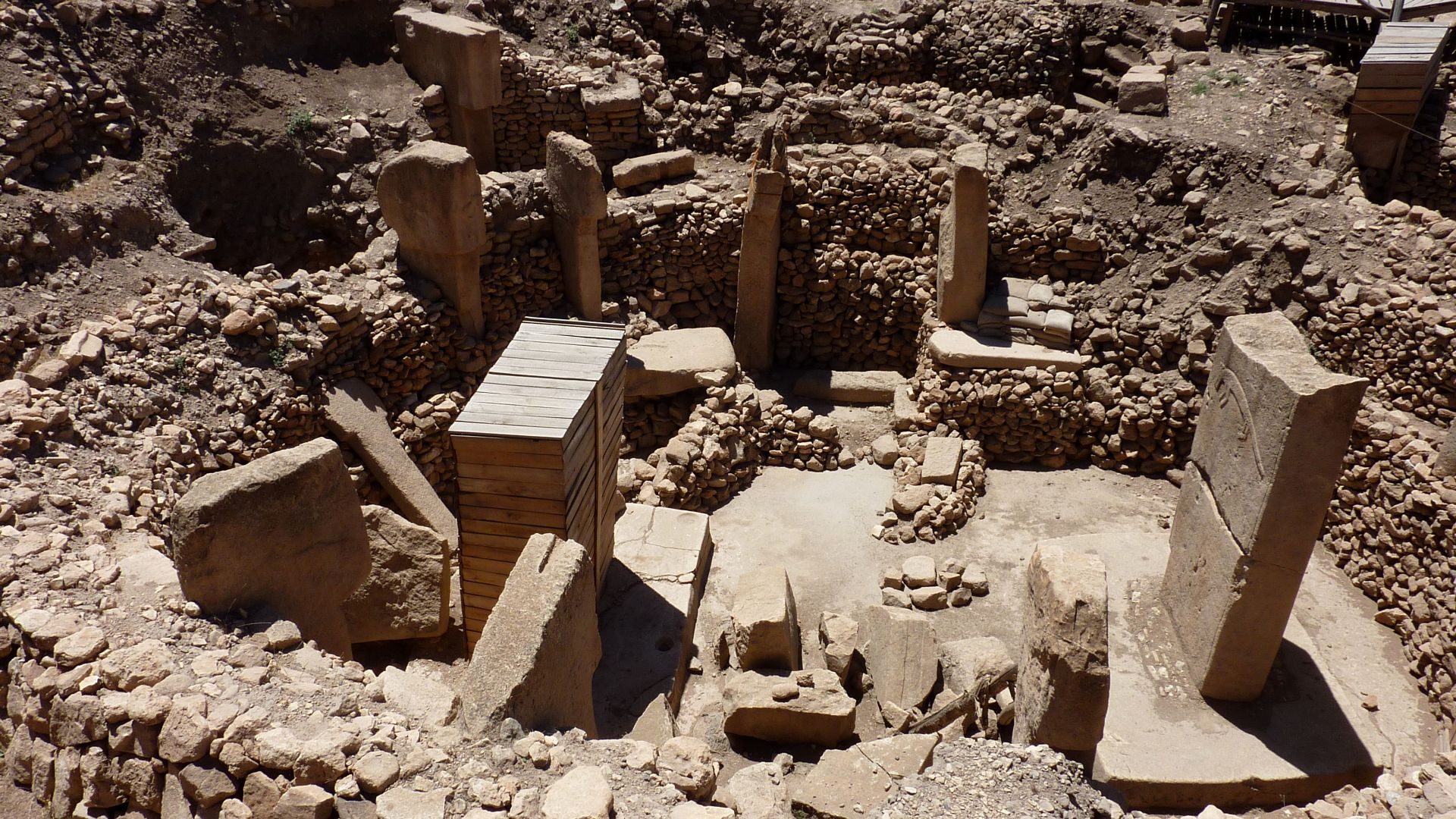
The site revealed successive layers of construction, with older enclosures buried beneath newer ones. This shows the site evolved over centuries. Successive generations added structures and rituals, creating a complex archaeological record that researchers continue to study.

UNESCO World Heritage Site
In 2018, UNESCO designated Gobekli Tepe a World Heritage Site. This recognition highlights its global importance as a cultural treasure. The designation ensures ongoing preservation efforts for future generations of researchers and visitors.

Animal Bone Tools
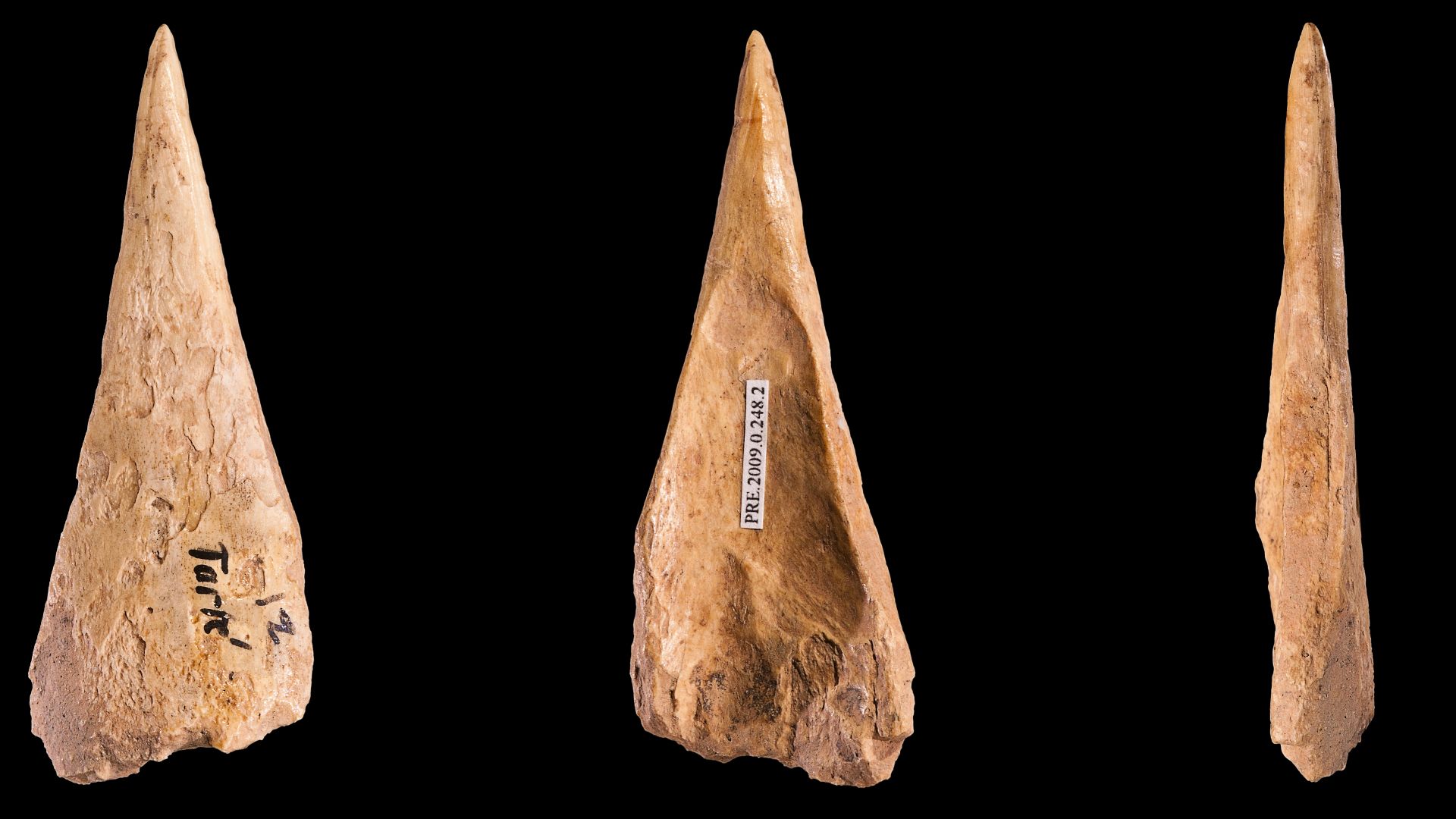
Excavations uncovered tools crafted from animal bones. People used these implements for carving and shaping limestone pillars. The discovery demonstrates resourcefulness and shows how early builders relied on available materials to accomplish complex construction tasks.
 Archaeodontosaurus, Wikimedia Commons
No Written Records
Gobekli Tepe predates writing systems entirely. Its purpose must be inferred solely from archaeological evidence. This lack of texts makes interpretation challenging and leaves room for ongoing debate about the meaning of its carvings and structures.

Community Effort
Building Gobekli Tepe required cooperation among hundreds of people. Transporting and erecting massive stones demanded shared labor and careful planning. This collective effort reflects strong social organization and unified belief systems among early hunter-gatherer groups.
 Klaus-Peter Simon, Wikimedia Commons
Continuing Excavations
Only a fraction of Gobekli Tepe has been uncovered so far. Ongoing excavations continue revealing new enclosures, carvings, and tools. Each discovery adds depth to our understanding of how early humans organized belief systems and constructed lasting monuments.
Discovery Of Microfossils
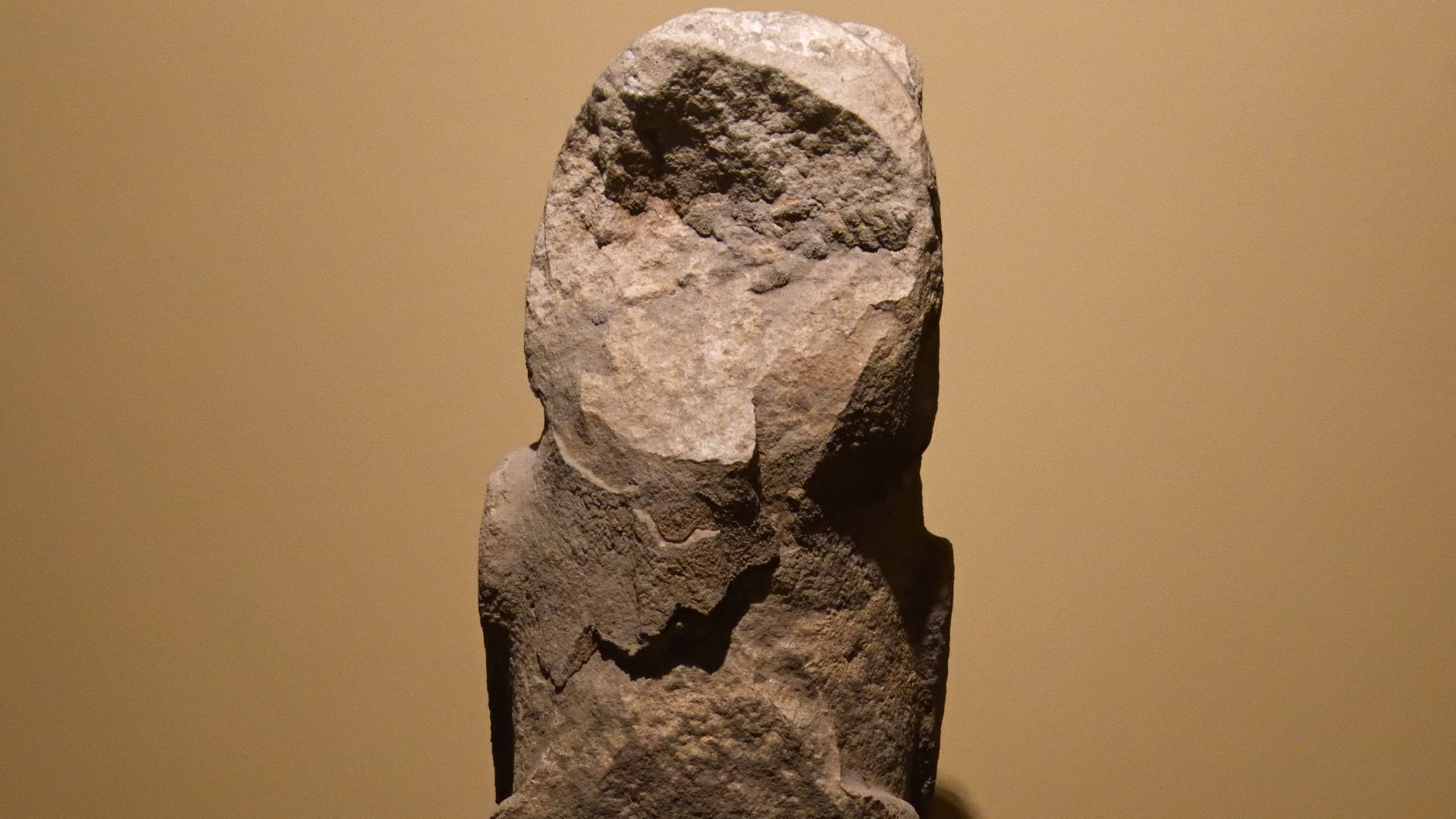
Soil samples at Gobekli Tepe contained microfossils of plants. These findings suggest people gathered wild cereals and other vegetation nearby. Such evidence provides valuable insight into the diet and environment of communities that built the site.





.jpg)
