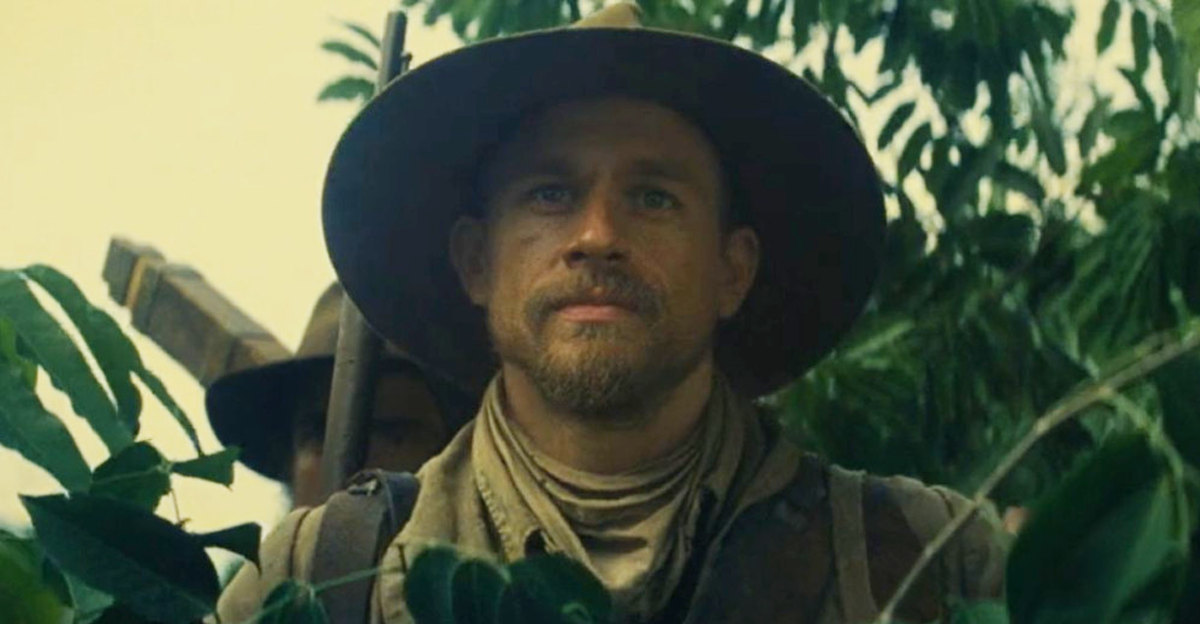
He Vanished Into The Jungle
In 1925, British explorer Percy Fawcett entered the Amazon rainforest with his son and another young man, determined to find a mysterious lost city. None of them ever returned, and their disappearance sparked one of the greatest mysteries in exploration history. For decades, people assumed the men had met a terrible fate somewhere in the jungle. But nearly 80 years later, a researcher uncovered evidence suggesting something far stranger: Fawcett might have been planning to disappear all along, hoping to establish a secret community deep in the Amazon built around his unusual spiritual beliefs.
 Screenshot from The Lost City of Z, Amazon Studios (2016), Enhanced
He Was Born To Explore
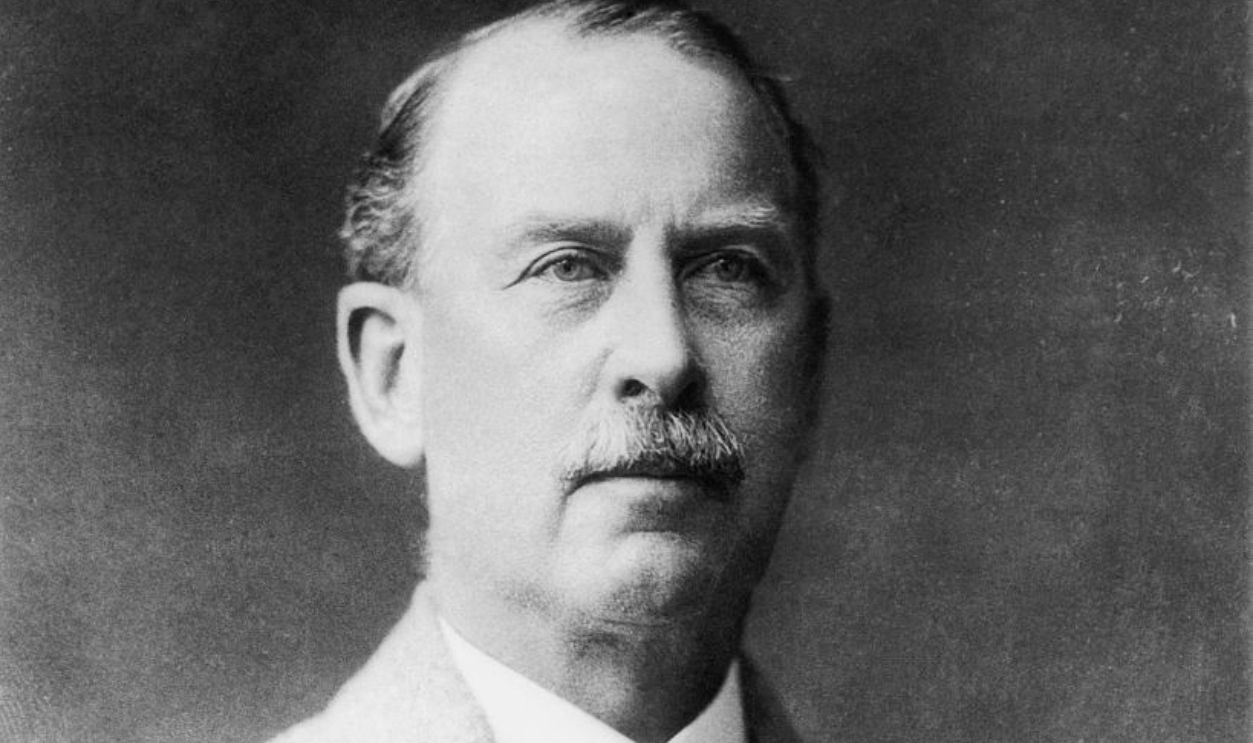
Born in England in 1867, Percy Fawcett enjoyed a comfortable upbringing and eventually joined the British Army. His military career took him to distant corners of the British Empire, but his ambitions extended far beyond serving his country. He was fascinated by geography, unexplored landscapes, and the possibility of making a discovery that would change history. Eventually, that fascination would draw him into one of the world's most unforgiving environments.
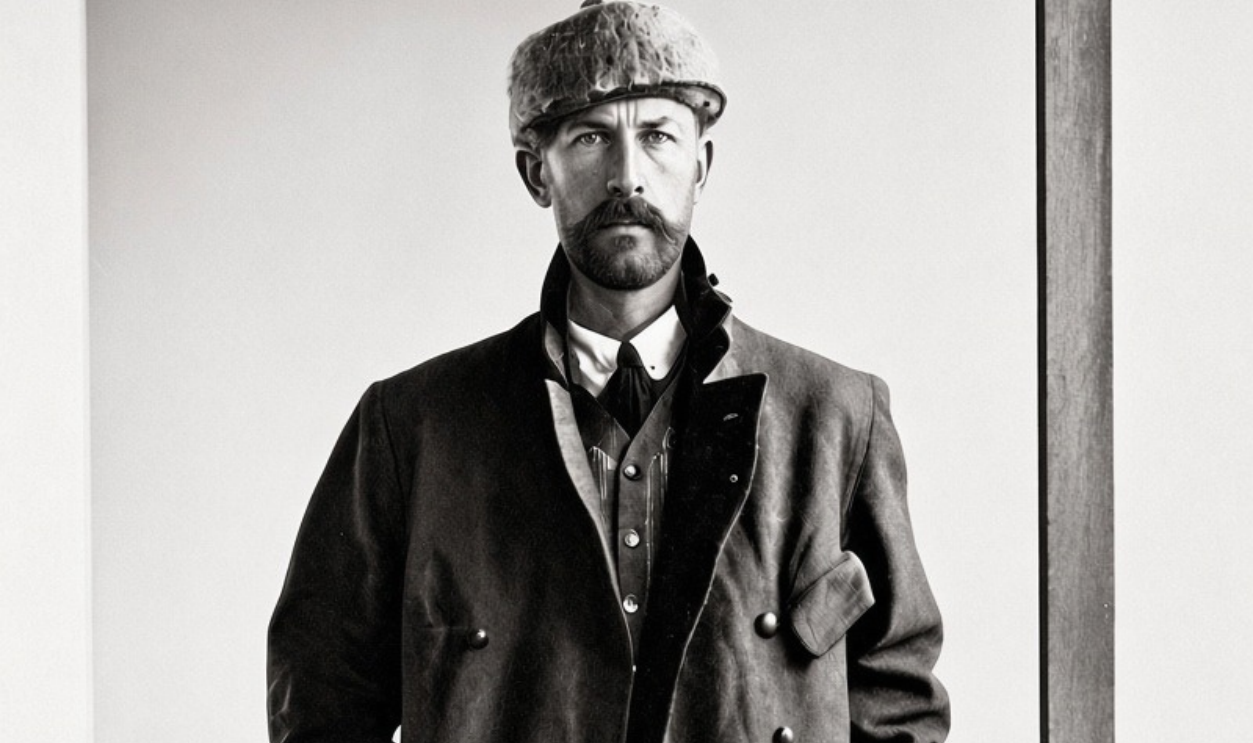 Unknown author, Wikimedia Commons, Modified
He Entered An Uncharted World
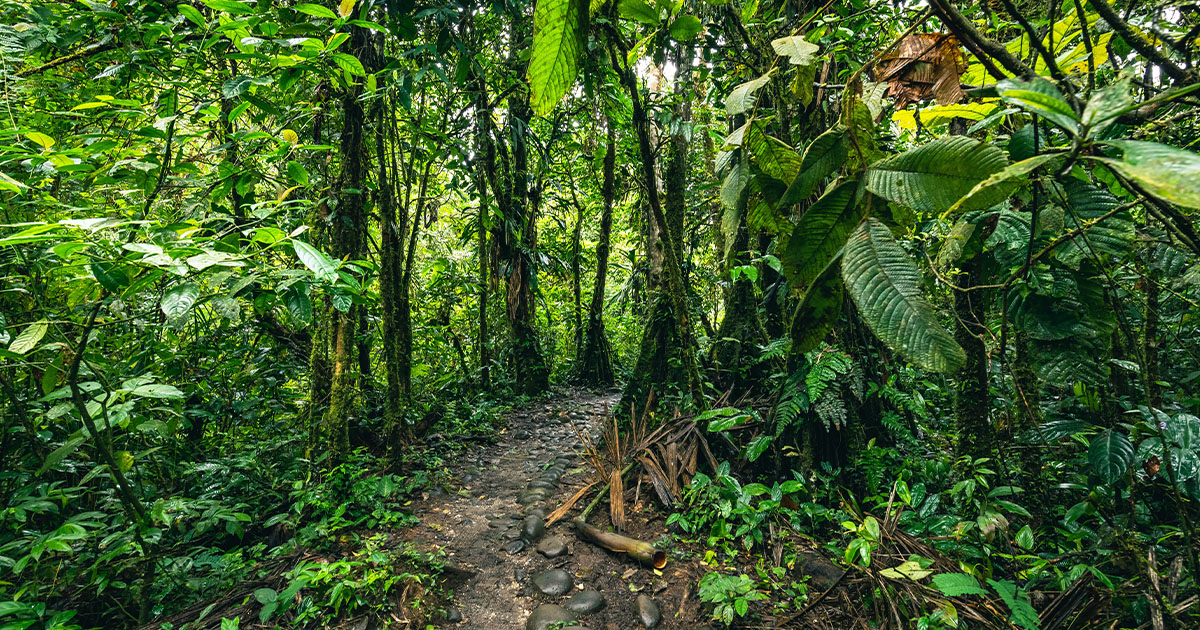
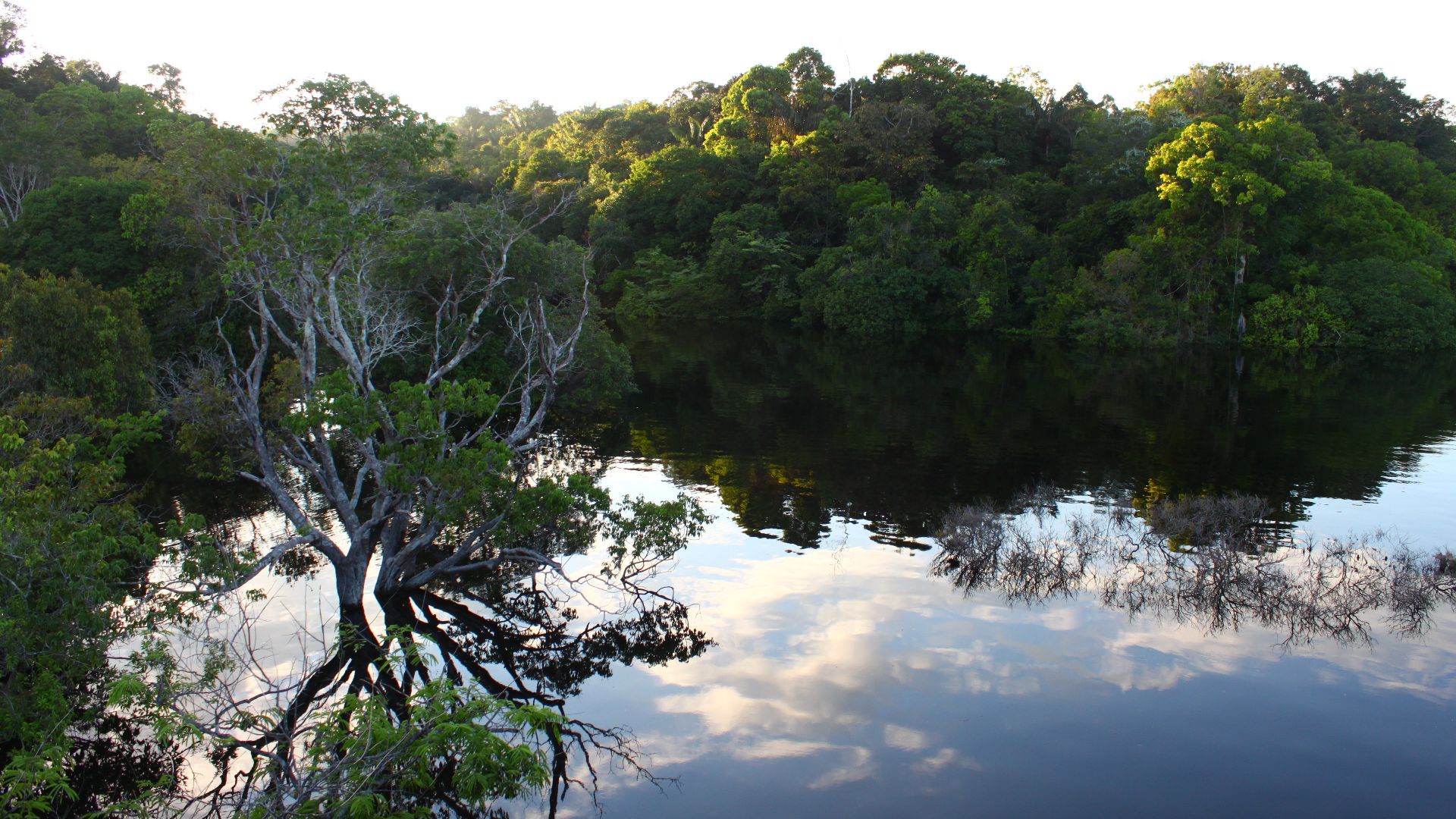
In 1906, the Royal Geographical Society sent Fawcett to South America to help survey the disputed borderlands between Bolivia and Brazil. Much of the region remained poorly mapped by European explorers, and traveling through the rainforest presented enormous challenges. Fawcett encountered unfamiliar wildlife, remote rivers, and Indigenous communities with extensive knowledge of the territory. The experience changed his life, although not quite in the way anyone expected.
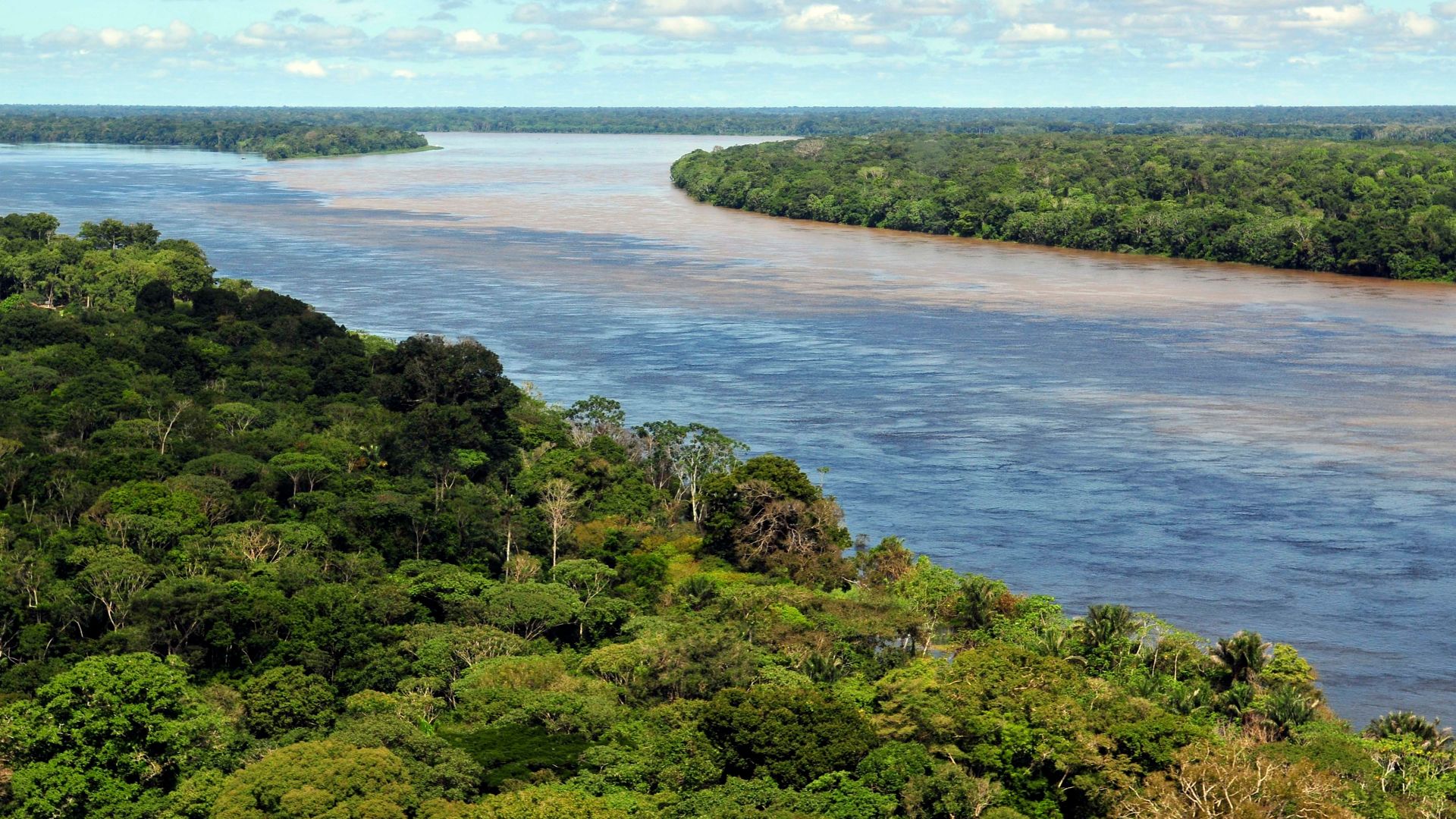 Neil Palmer/CIAT, Wikimedia Commons
The Jungle Captivated Him
Fawcett returned to South America repeatedly, completing seven expeditions between 1906 and 1924. He mapped rivers, explored remote landscapes, and became increasingly convinced that the Amazon concealed extraordinary secrets. His reports included encounters with unusual animals, including an enormous snake whose reported size attracted considerable skepticism. But the greatest discovery he hoped to make had nothing to do with wildlife.
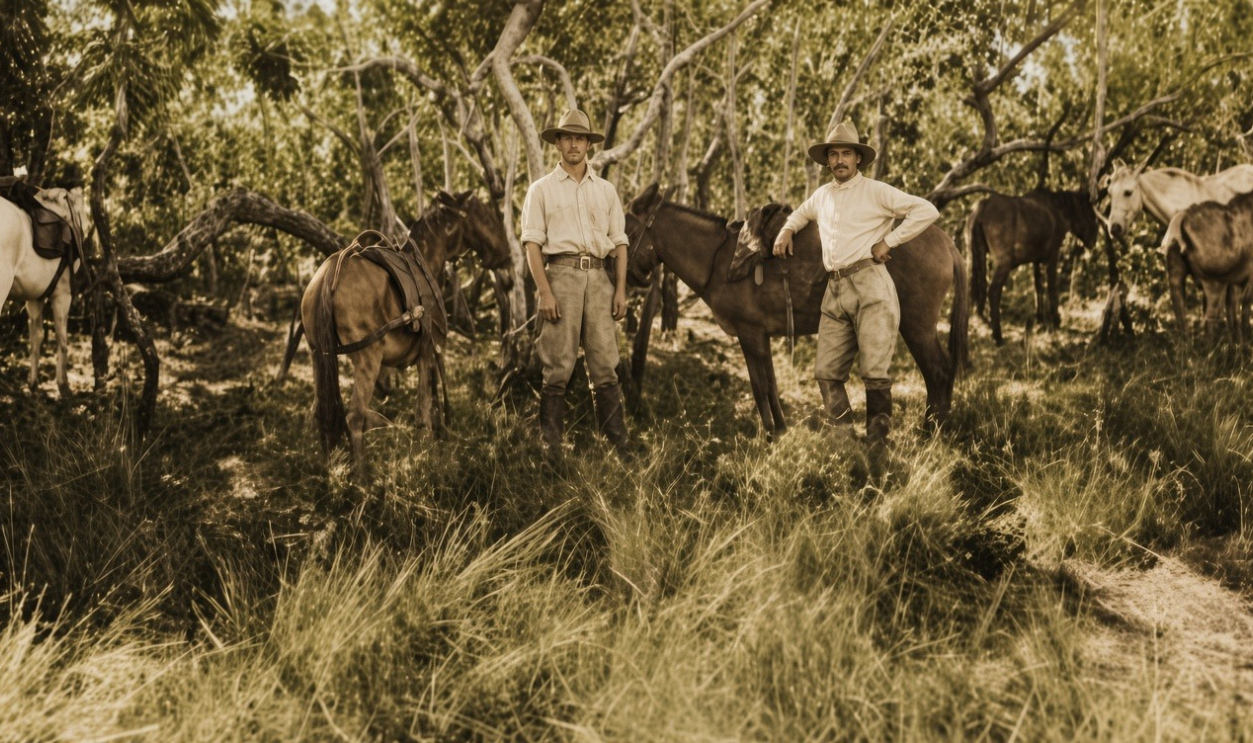 Unknown author, Wikimedia Commons, Modified
He Heard Stories Of A Forgotten Civilization
For centuries, European explorers had circulated stories about wealthy cities hidden somewhere in South America. Most famously, the legend of El Dorado had inspired countless expeditions, many ending in disappointment or disaster. Fawcett became interested in a different possibility: that the Amazon had once supported a sophisticated civilization whose settlements had disappeared beneath the forest. Many scholars of his era doubted that such large, complex communities could have flourished there, but Fawcett believed they were wrong.
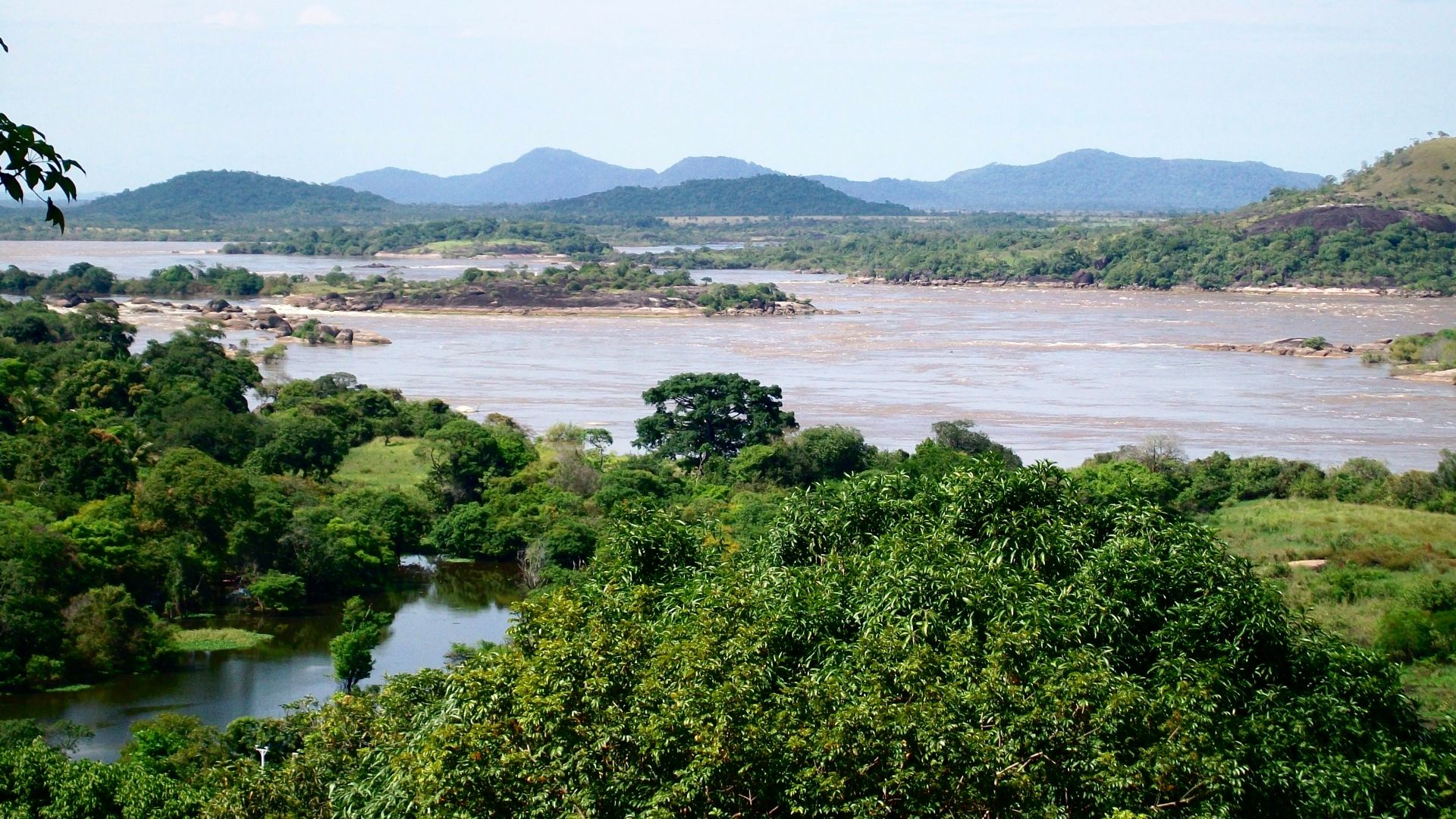 Solem josias, Wikimedia Commons
An Ancient Document Changed Everything
One of the most intriguing pieces of evidence Fawcett encountered was a Portuguese document known as Manuscript 512. Dating to the 18th century, it described an expedition that supposedly discovered the ruins of an extraordinary ancient city in Brazil. The account mentioned impressive buildings, roads, and a large central square. Nobody had conclusively identified the place, and the document's reliability was disputed, but Fawcett was fascinated by its possibilities.
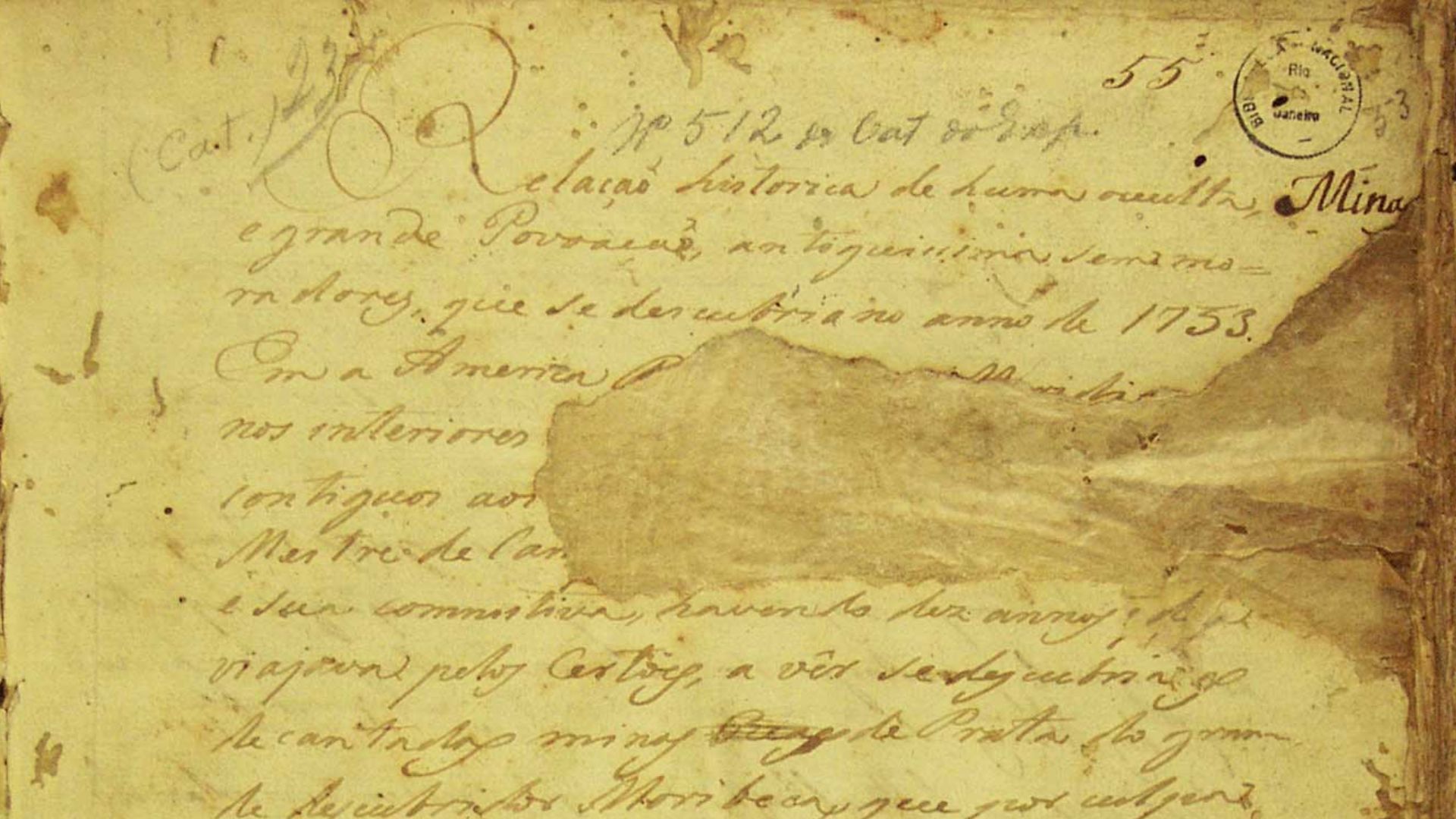 Unknown authorUnknown author, Wikimedia Commons
He Gave His Dream A Name
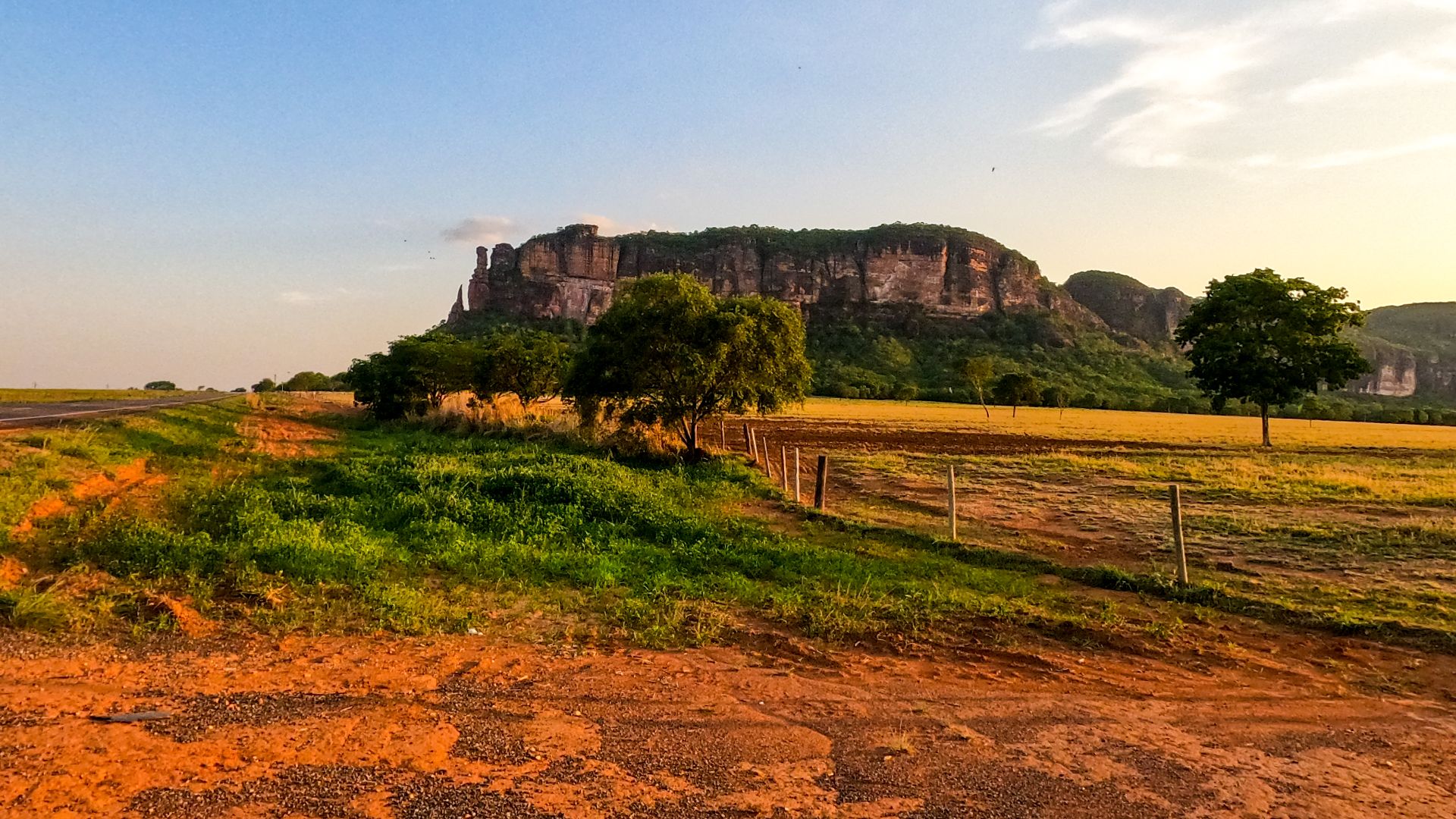
Fawcett believed that somewhere in Brazil's Mato Grosso region stood the remains of a great ancient settlement. He called this mysterious place the Lost City of Z, imagining evidence of a civilization far more advanced than many Europeans believed possible in the Amazon. Interestingly, he did not think Z was necessarily the same city described in Manuscript 512. His theory drew on several sources, and his determination to prove it soon became an obsession.
His Search Had To Wait
Just as Fawcett's ideas were taking shape, World War I interrupted his adventures. He returned to military service, fighting on the Western Front and earning recognition for his leadership. But the Amazon never left his thoughts, and after the war, he resumed his efforts to find Z. Unfortunately, his first major attempts to reach the mysterious city ended in frustration.
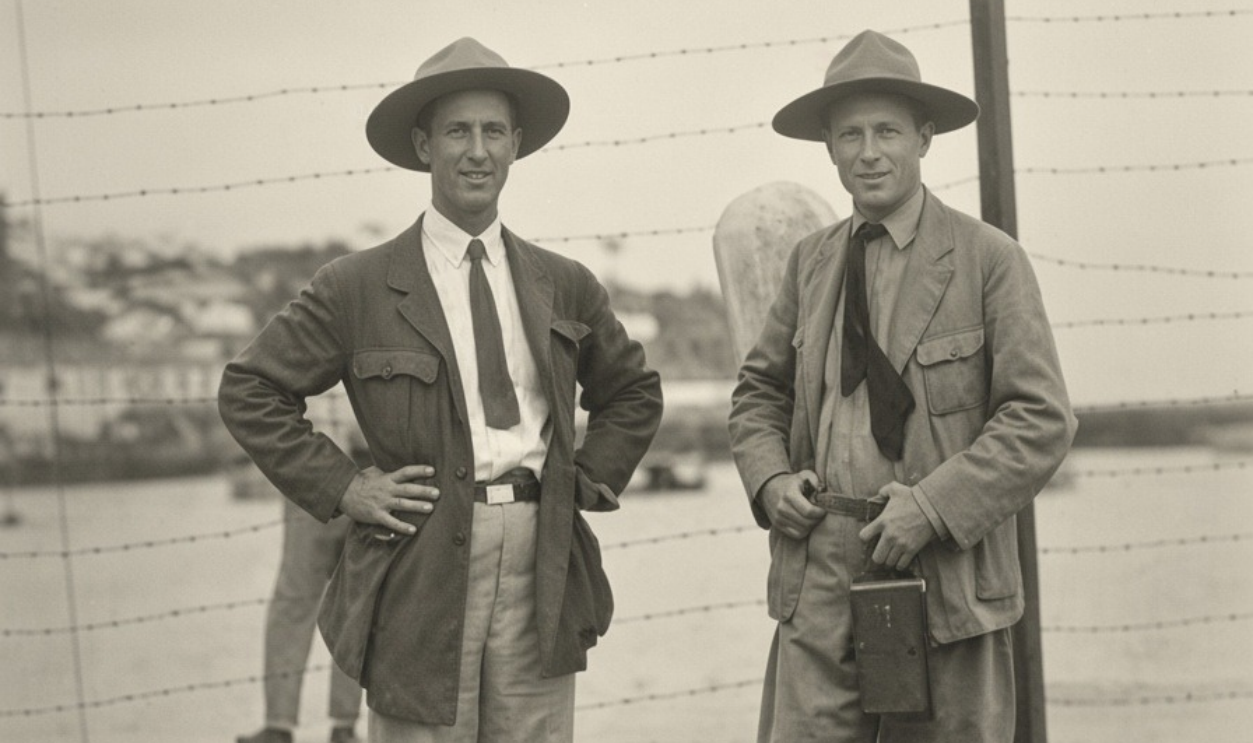 Unknown author, Wikimedia Commons, Modified
The Jungle Nearly Defeated Him
In 1920, Fawcett attempted another expedition into the Brazilian wilderness, hoping to move closer to his elusive destination. The journey went badly, and illness and logistical problems eventually forced him to abandon the attempt. Even his considerable experience could not overcome every challenge the rainforest presented. Yet rather than abandon his dream, Fawcett began preparing for an even more ambitious journey.
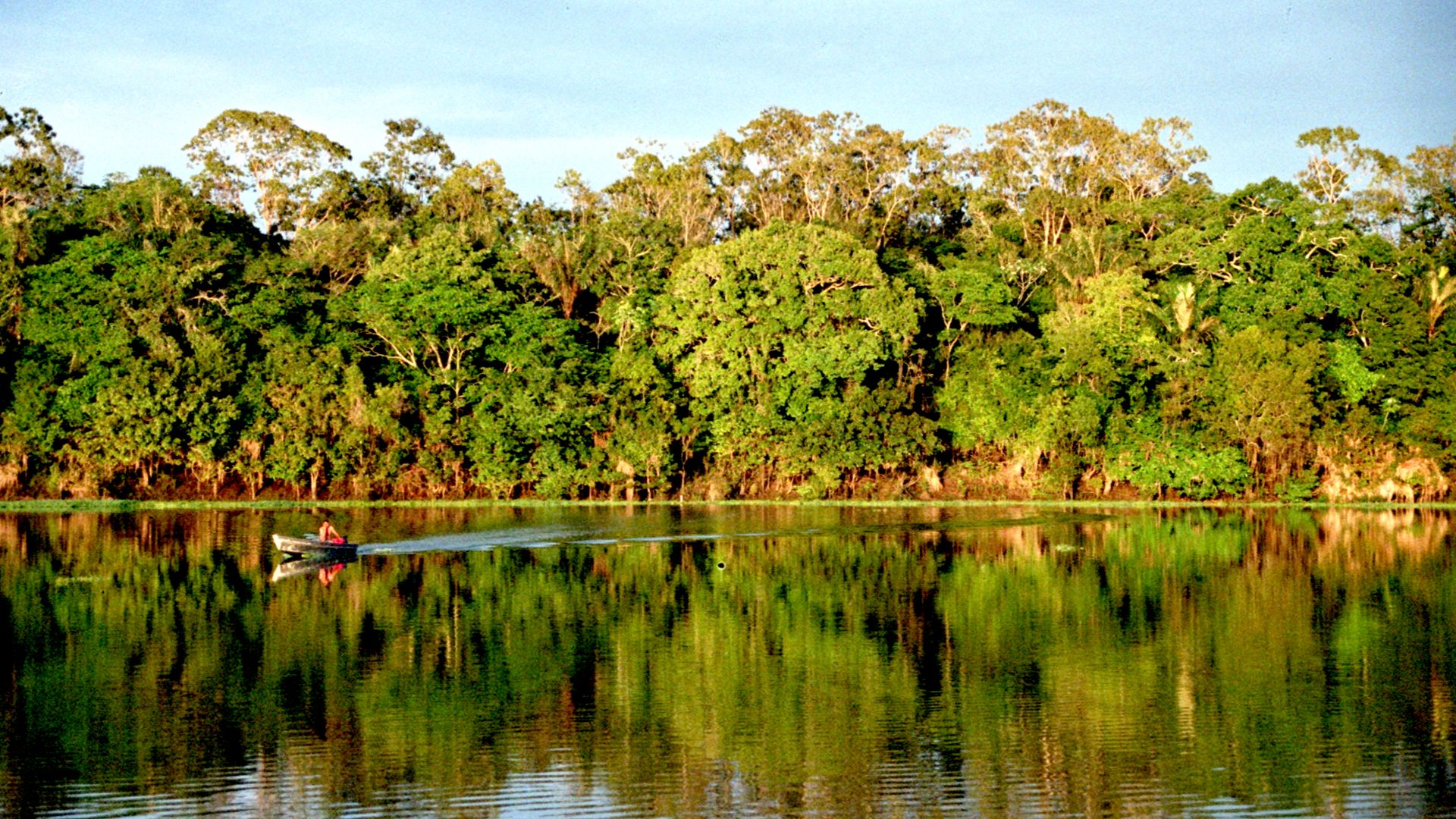
He Chose An Unusual Team
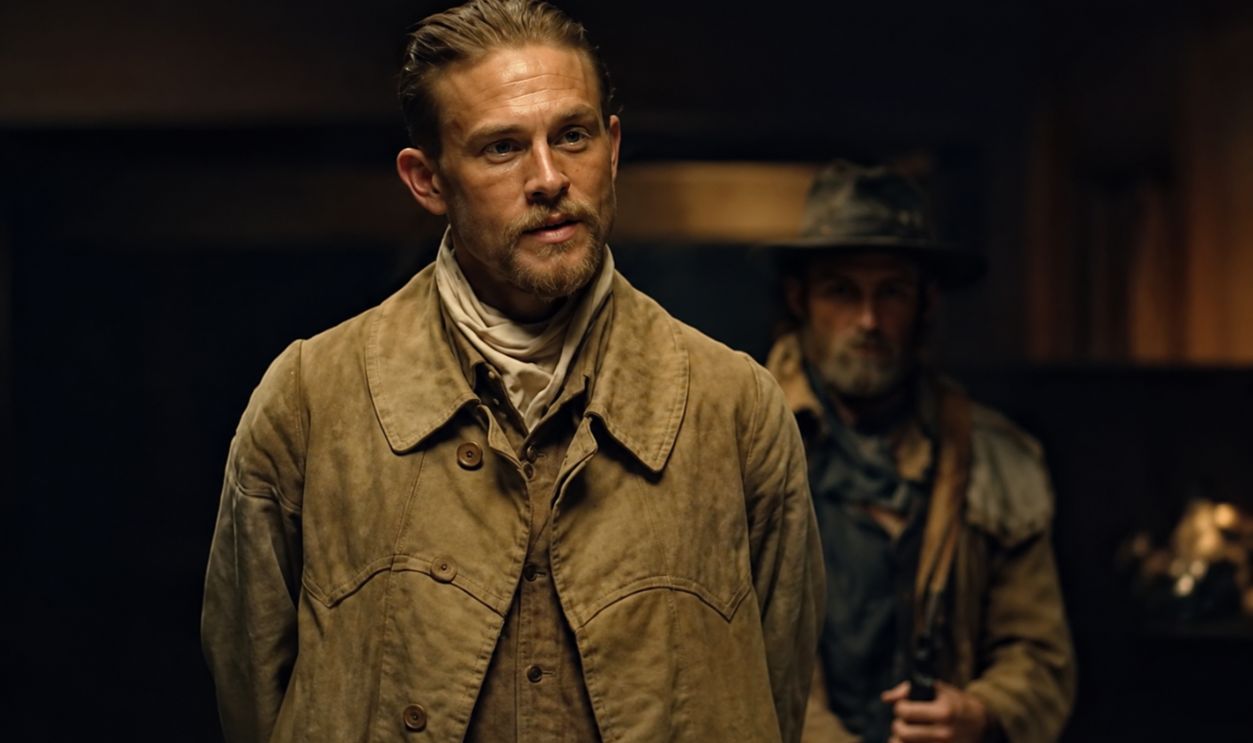
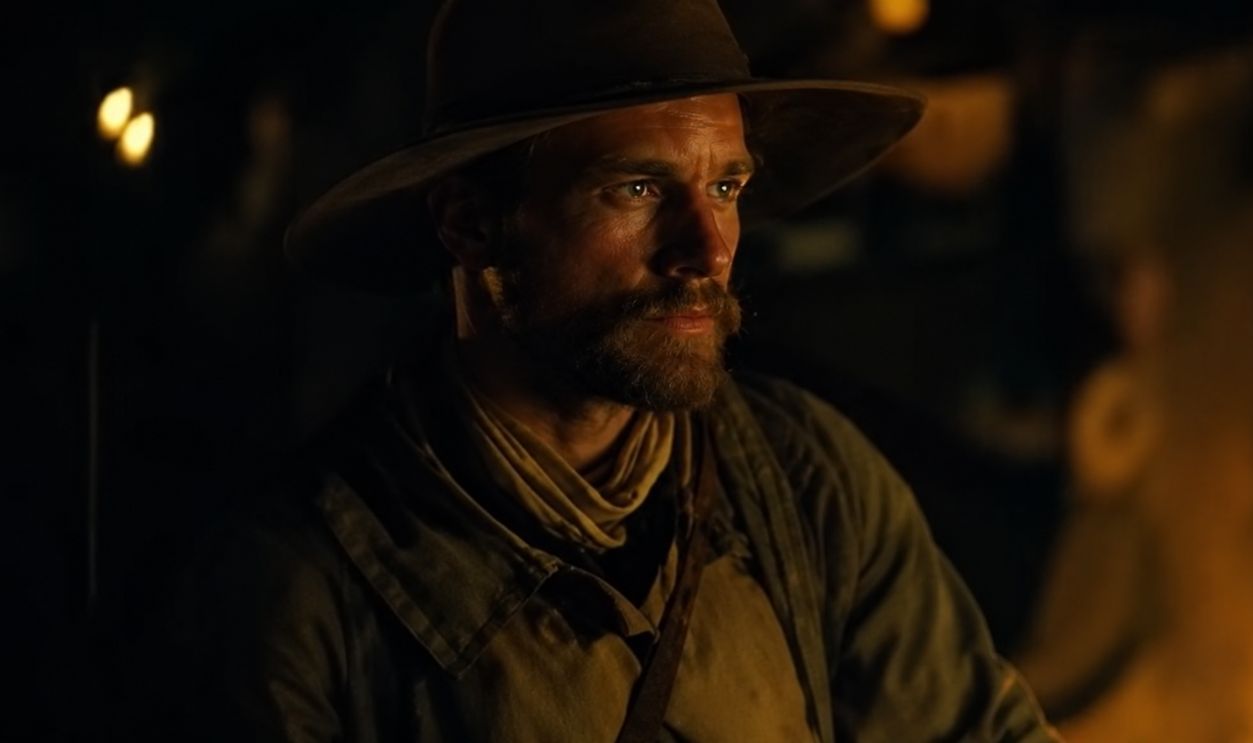
For his next expedition, Fawcett decided against assembling a large group of experienced explorers. Instead, he chose his eldest son, Jack, and Jack's close friend, Raleigh Rimell, as his principal companions. The two young men were enthusiastic and physically capable, but neither possessed anything approaching Fawcett's extensive jungle experience. It was a remarkable gamble, especially considering what the explorer had planned.
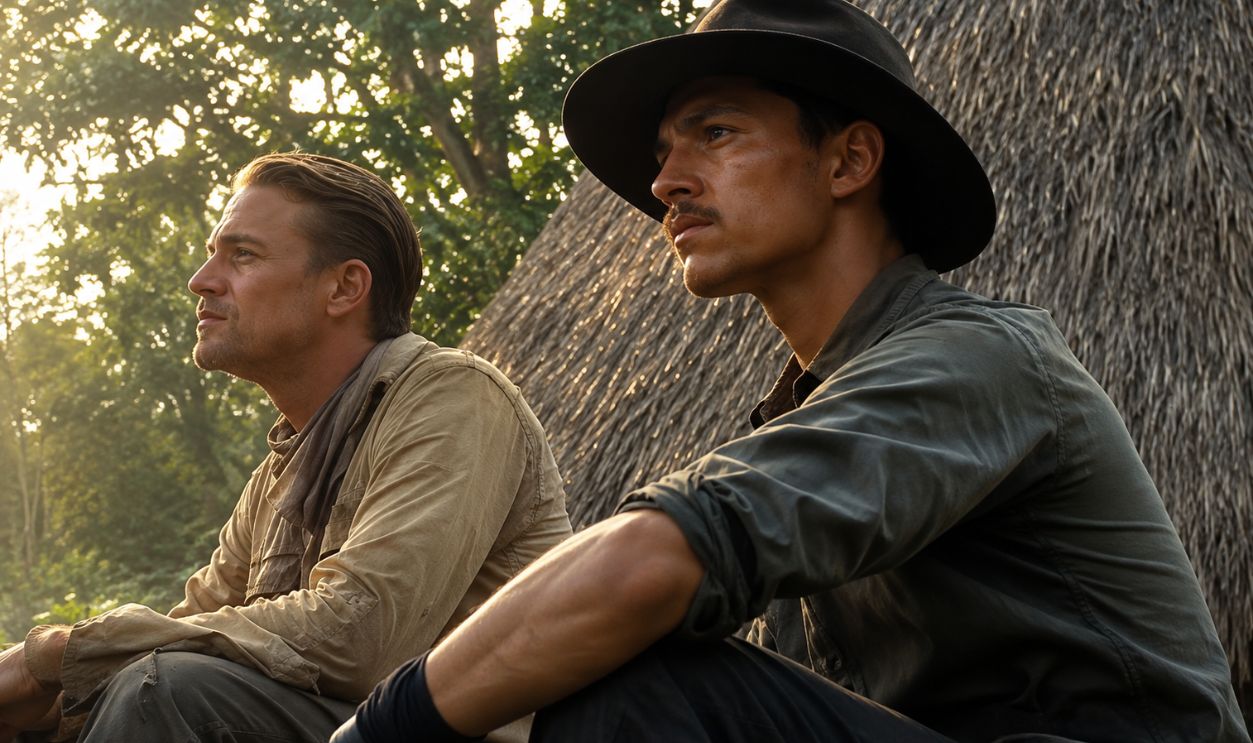 Screenshot from The Lost City of Z, Amazon Studios (2016), Modified
He Wanted To Travel Light
Fawcett believed a small expedition would move more efficiently through the rainforest and attract less unwanted attention. His party carried carefully selected equipment and supplies, intending to depend partly on the resources available along the route. But traveling light also meant having fewer provisions if illness, injury, or unexpected delays disrupted their plans. With two relatively inexperienced young men accompanying him, Fawcett was taking a considerable risk.
 Screenshot from The Lost City of Z, Amazon Studios (2016), Modified
He Made A Chilling Request
Before departing, Fawcett left instructions that would later take on an unsettling significance. If his expedition disappeared, he did not want rescue parties sent into the jungle to search for him. He understood how easily inexperienced searchers could suffer the same fate as the people they hoped to save. It sounded like a practical warning from a seasoned explorer, but decades later, researchers would wonder whether it meant something more.
 Screenshot from The Lost City of Z, Amazon Studios (2016), Modified
The Final Expedition Began
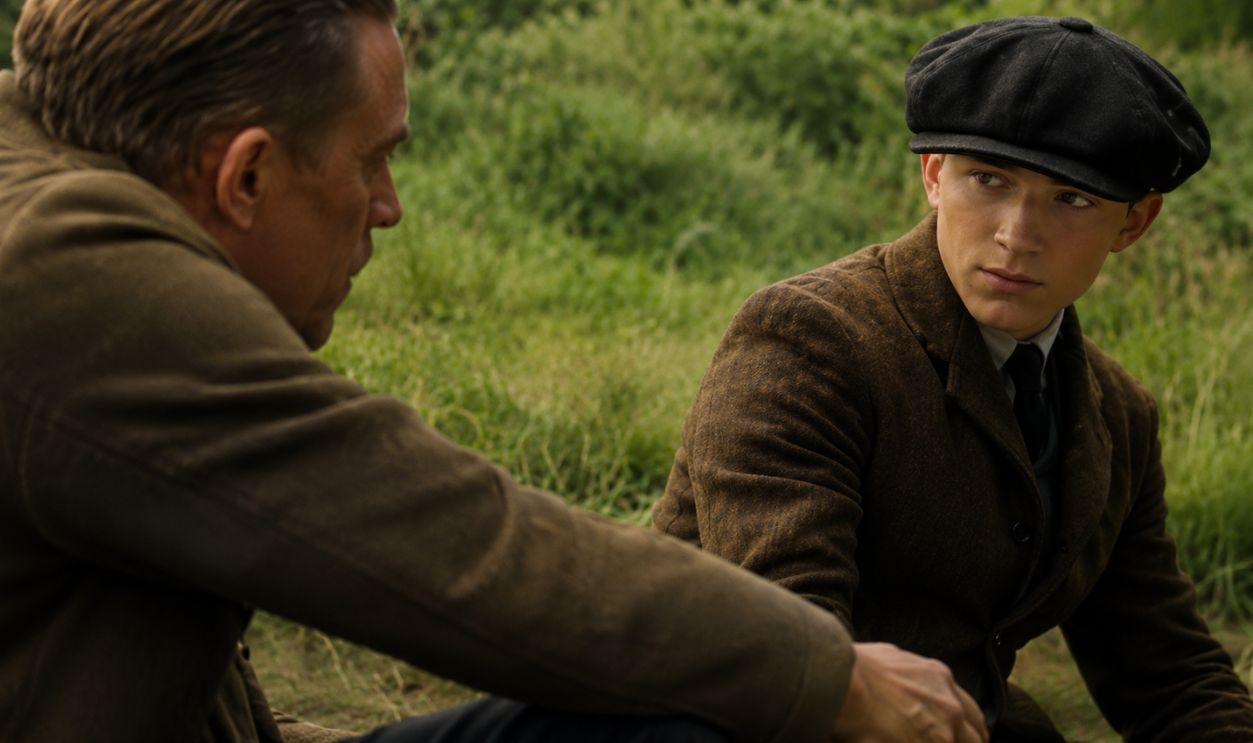
In April 1925, Fawcett departed from Cuiabá, Brazil, accompanied by Jack, Raleigh, and local helpers who would assist during the early stages. Horses, mules, and other supplies helped the group travel toward the remote interior. Fawcett was 57 years old, but his confidence in the expedition remained strong. After years of preparation and failed attempts, he believed he was finally closing in on Z.
 Screenshot from The Lost City of Z, Amazon Studios (2016), Modified
He Sent One Last Message
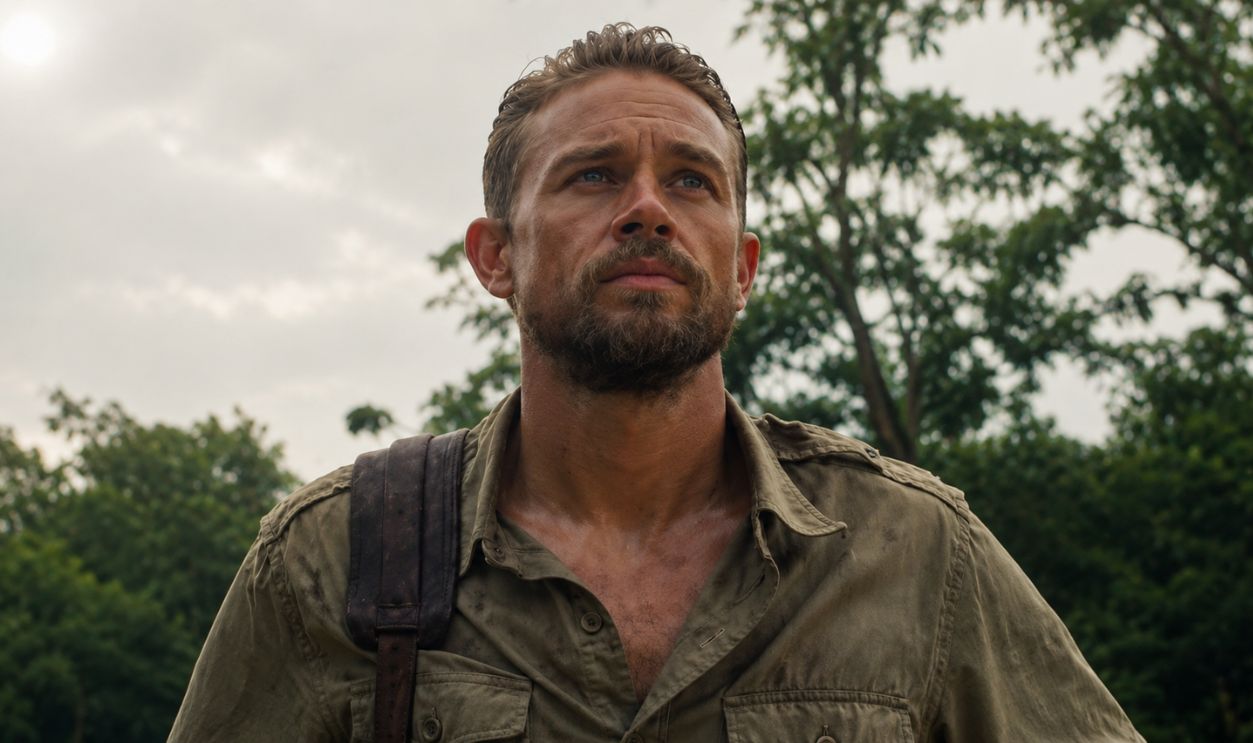
On May 29, 1925, Fawcett wrote to his wife, Nina, from a location known as Dead Horse Camp. He reported that the expedition was preparing to push farther into unexplored territory, leaving behind the support that had helped them reach that point. His message expressed confidence about what lay ahead. It would become the last confirmed communication from any of the three explorers.
 Screenshot from The Lost City of Z, Amazon Studios (2016), Modified
Then Everything Went Silent
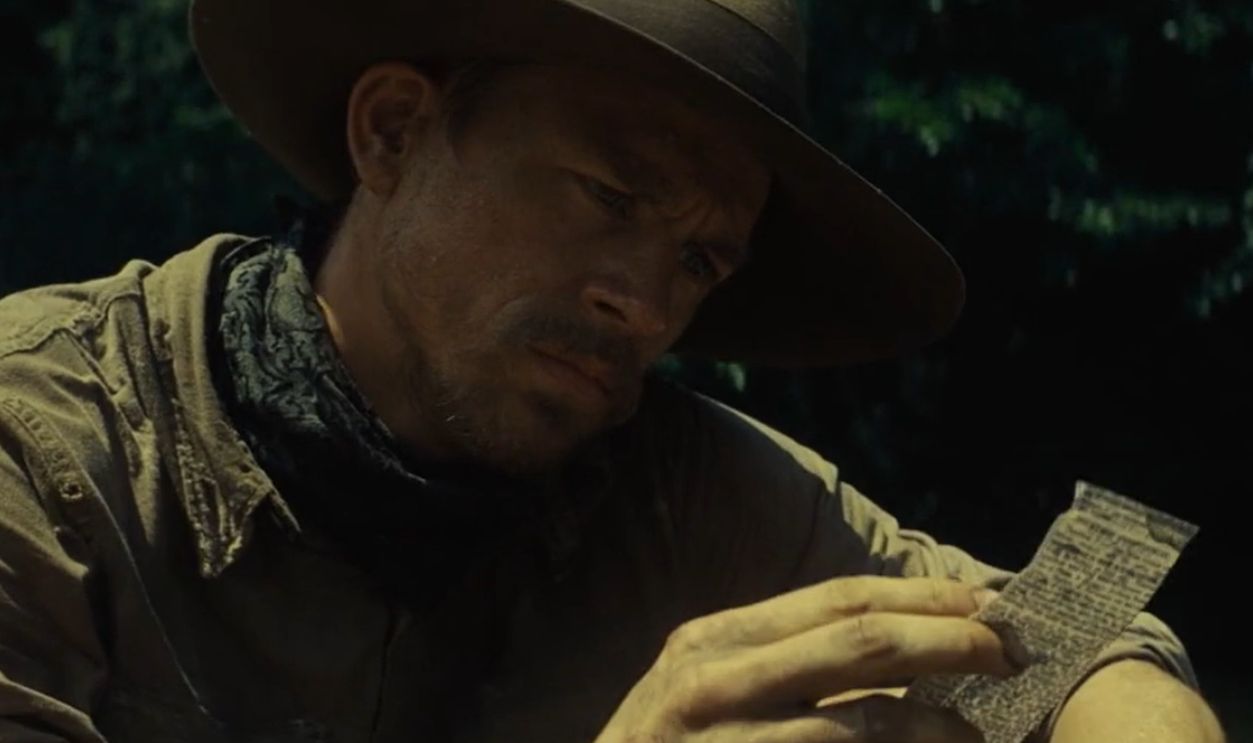
Weeks passed without further news, followed by months of increasingly uncomfortable uncertainty. Fawcett had warned that his journey might take a long time, so the initial silence was not necessarily alarming. Eventually, however, it became impossible to ignore the possibility that something had gone terribly wrong. By 1927, the expedition was widely accepted as lost, and the mystery began attracting a new generation of adventurers.
 Screenshot from The Lost City of Z, Amazon Studios (2016), Modified
Even James Bond's Brother Went Looking
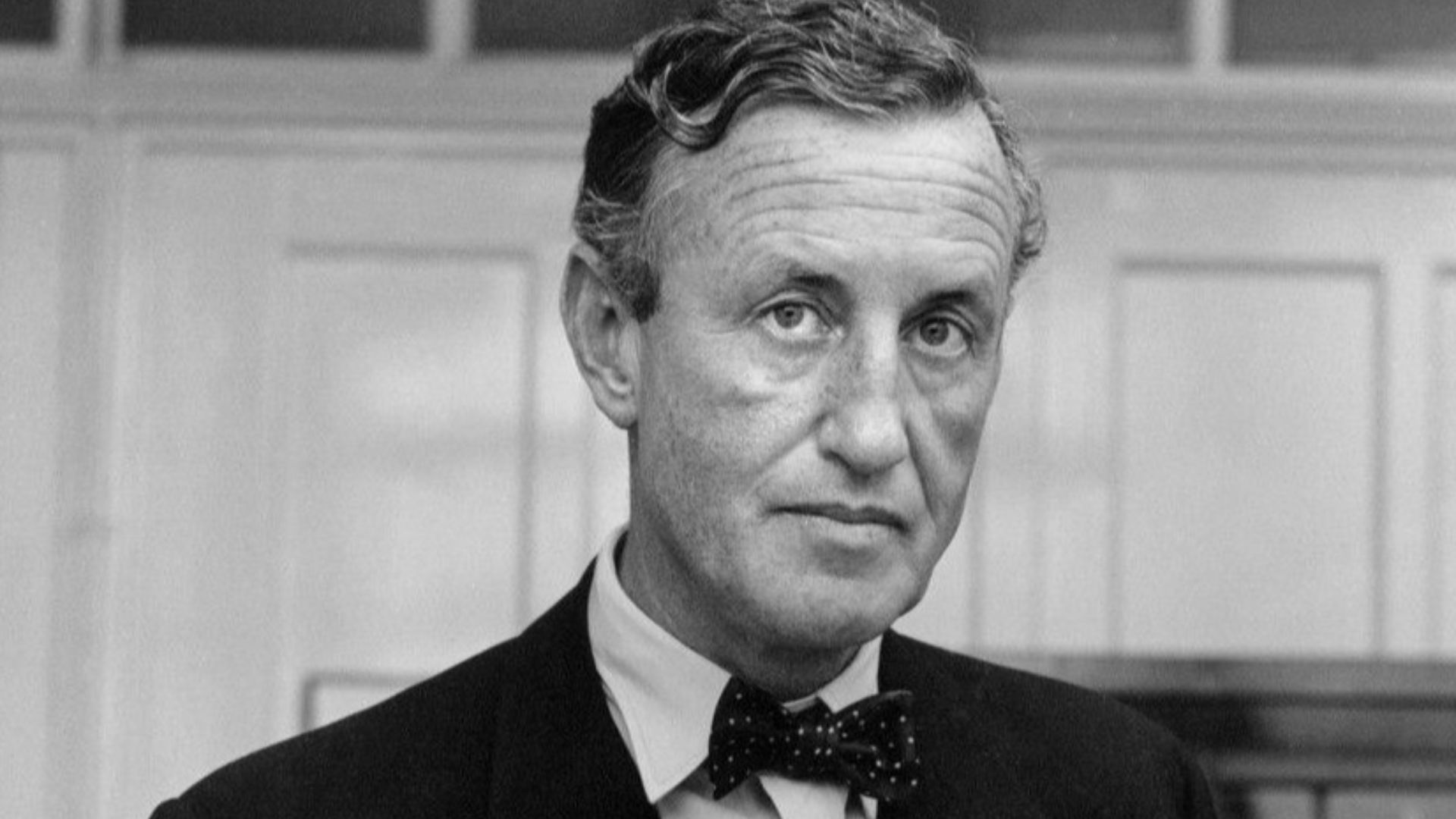
Fawcett's disappearance captured the public imagination, inspiring numerous expeditions into the Amazon. One search was led by Peter Fleming, whose younger brother Ian would later create the fictional spy James Bond. Fleming's own journey produced an entertaining travel book, but no definitive answers about the missing explorers. Despite years of searching, nobody could establish what had happened to Fawcett, Jack, and Raleigh.
 Erich Hartmann, Wikimedia Commons
A Terrifying Possibility Emerged
One explanation suggested that Fawcett and his companions had been attacked after entering territory controlled by an Indigenous community. The explorer had generally tried to maintain peaceful relations during earlier journeys, but his final route may have taken him into unfamiliar territory. Some accounts suggested that the men had ignored warnings about continuing farther east. However, the people who last encountered them offered a different perspective on what might have happened.
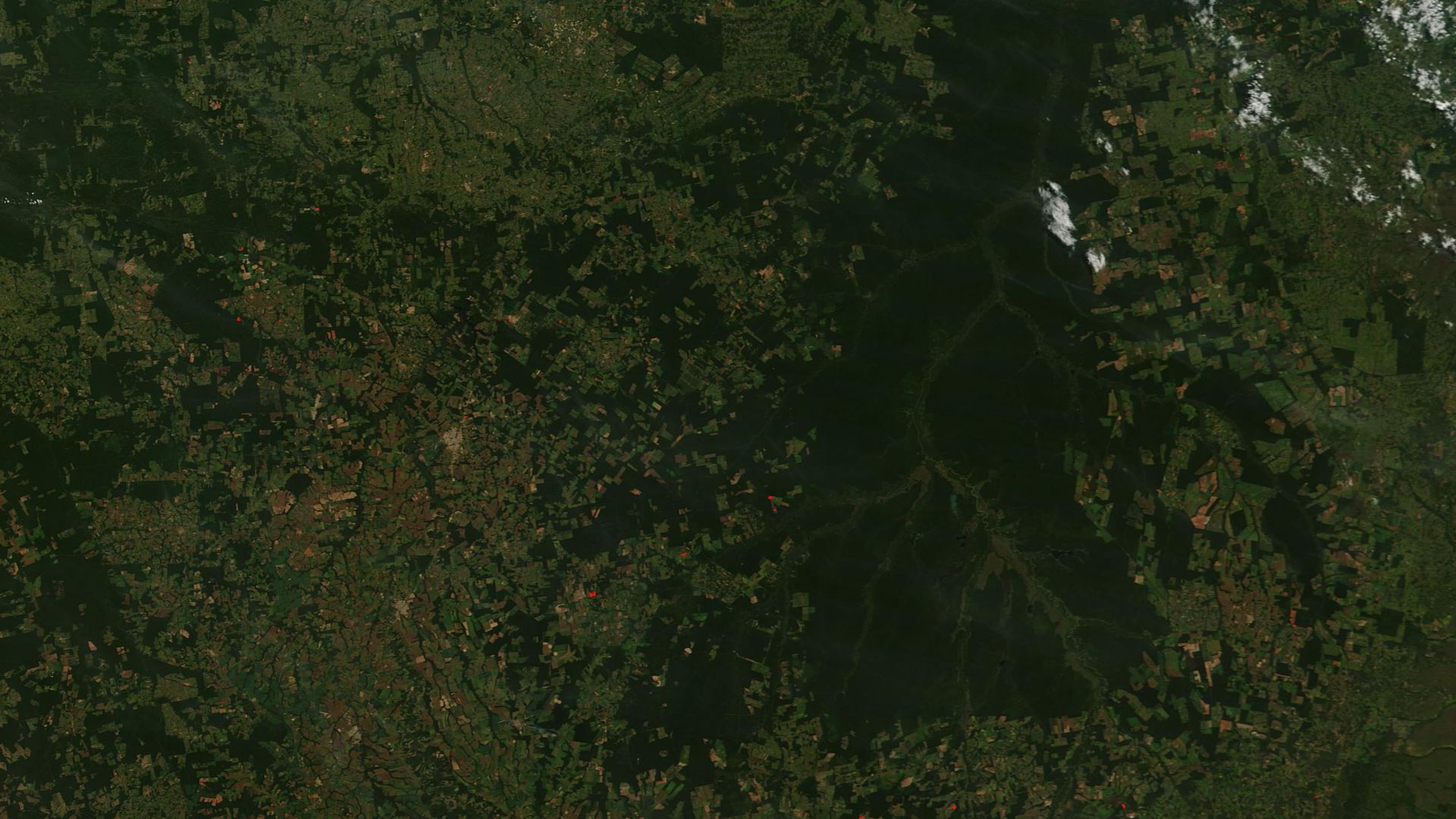 MODIS Land Rapid Response Team, NASA GSFC, Wikimedia Commons
The Kalapalo Remembered Him
When American writer David Grann investigated the disappearance decades later, he learned that the Kalapalo people had preserved accounts of Fawcett's visit. According to their oral history, the explorers had passed through their village before continuing east despite warnings about dangers ahead. Villagers remembered seeing smoke rising in the direction the men had traveled, until eventually it stopped. That unsettling detail offered a possible clue about how far the expedition had managed to travel.
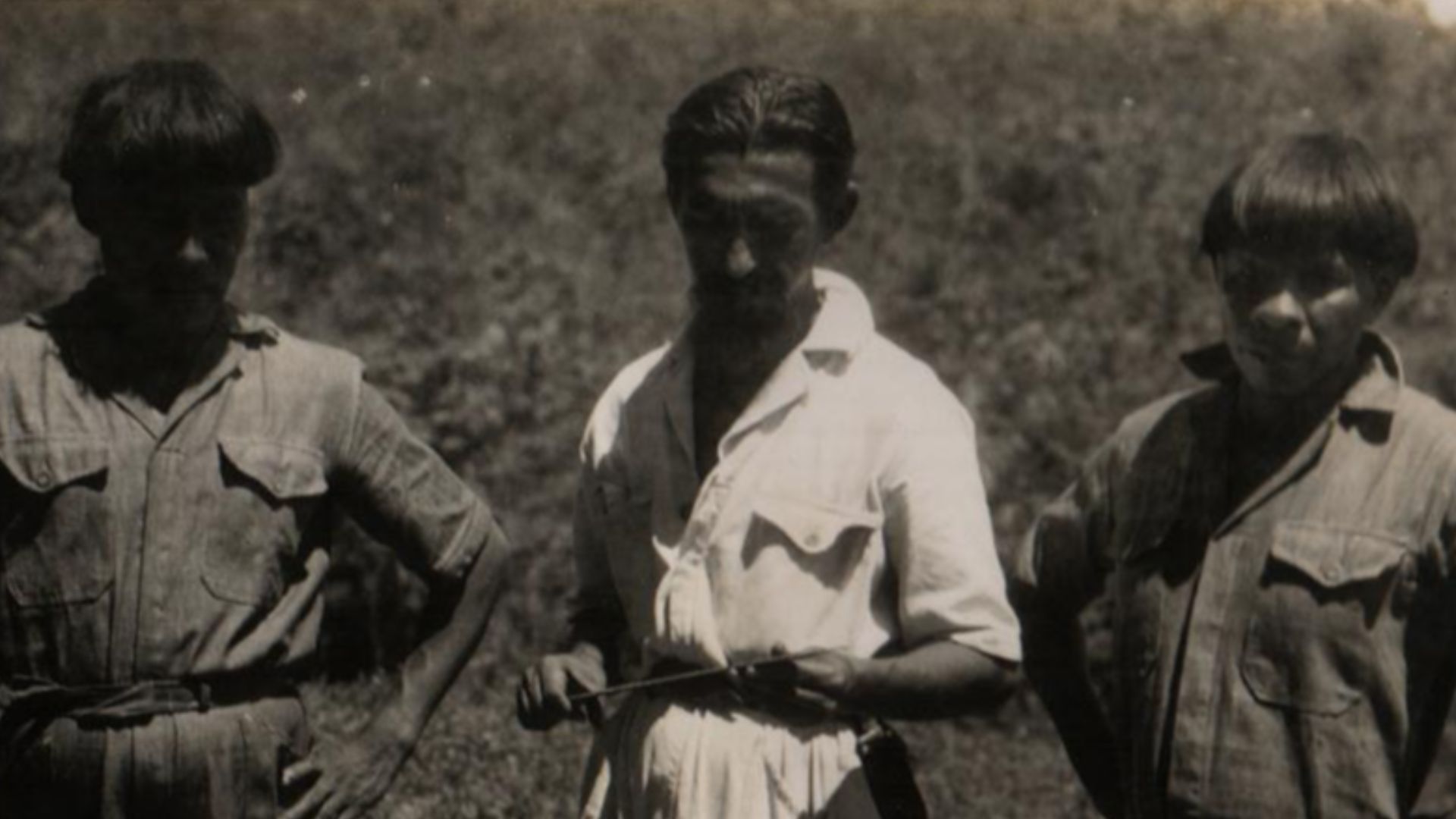
The Smoke Suddenly Stopped
According to the Kalapalo account, smoke from the explorers' campfires was visible for several days after they departed. Then it disappeared, suggesting that something had interrupted the group's progress. The villagers believed the men might have encountered violence farther into the forest, although they had not witnessed what happened. Illness, hunger, or exhaustion were also possible explanations, but none could be confirmed.
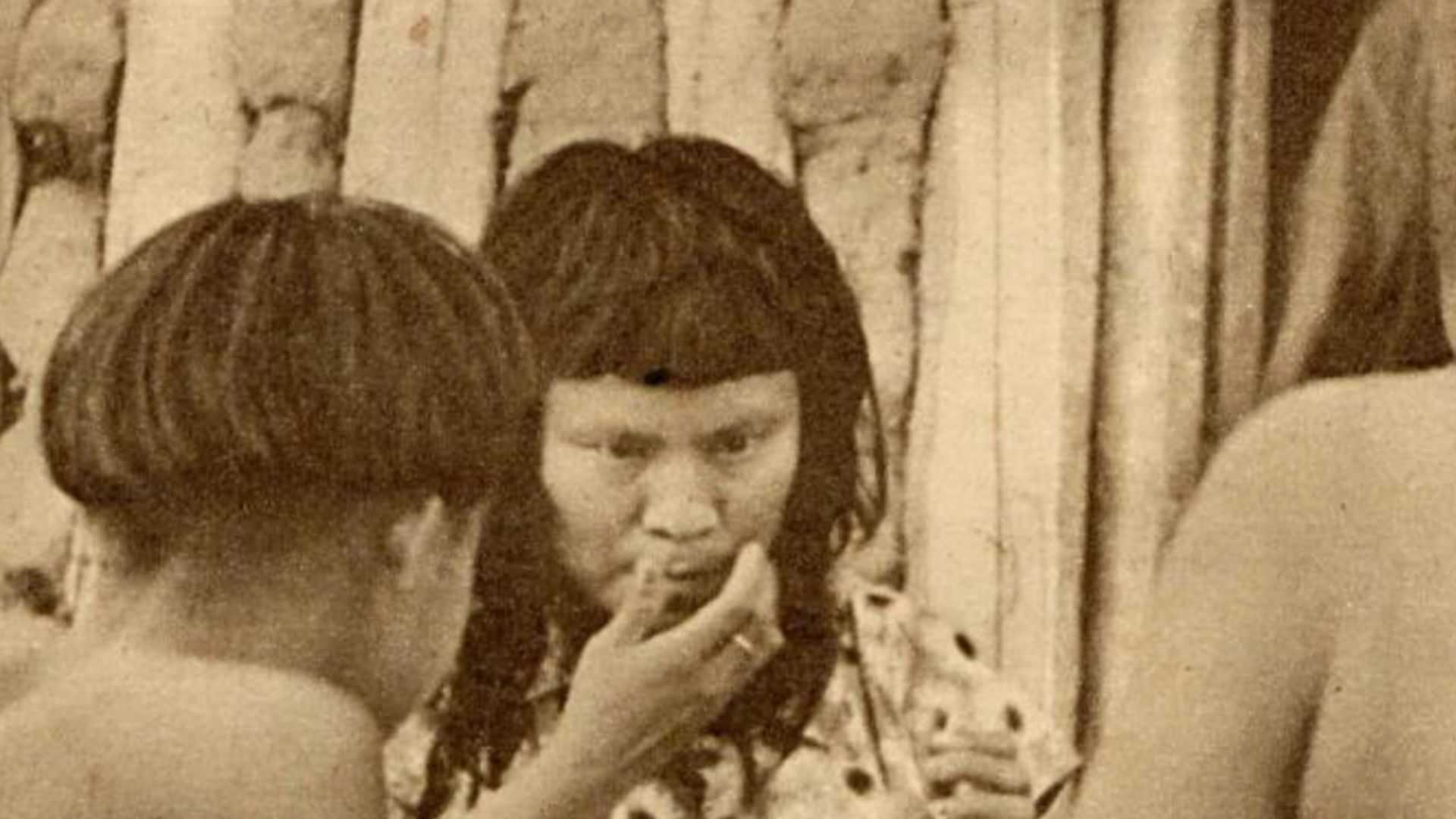 Unknown author, Wikimedia Commons
The Bones Were Not His
In 1951, human remains were presented as potentially belonging to Fawcett, raising hopes that the mystery was finally over. Brazilian explorer and anthropologist Orlando Villas-Bôas was involved in bringing the discovery to public attention. But subsequent examination determined that the bones did not belong to the missing explorer. Once again, investigators found themselves facing the same unanswered question, although a far stranger explanation was still to come.
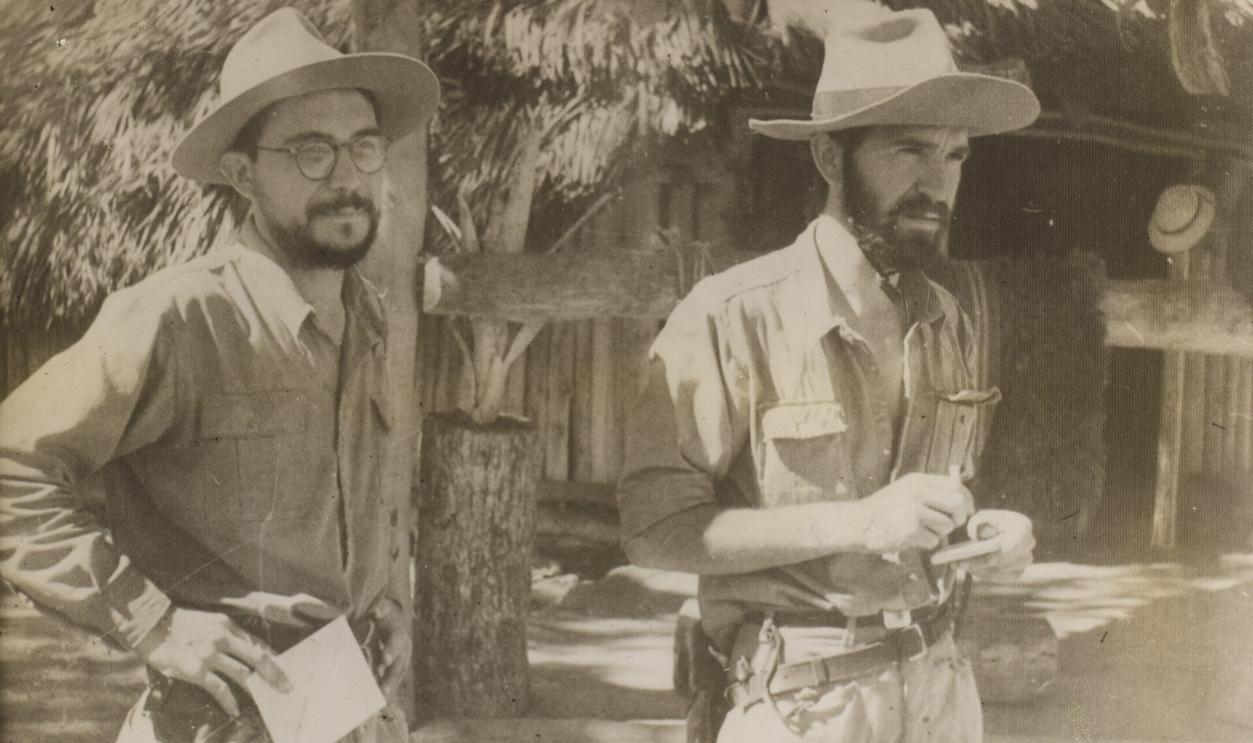 Unknown author, Wikimedia Commons
A New Theory Changed Everything
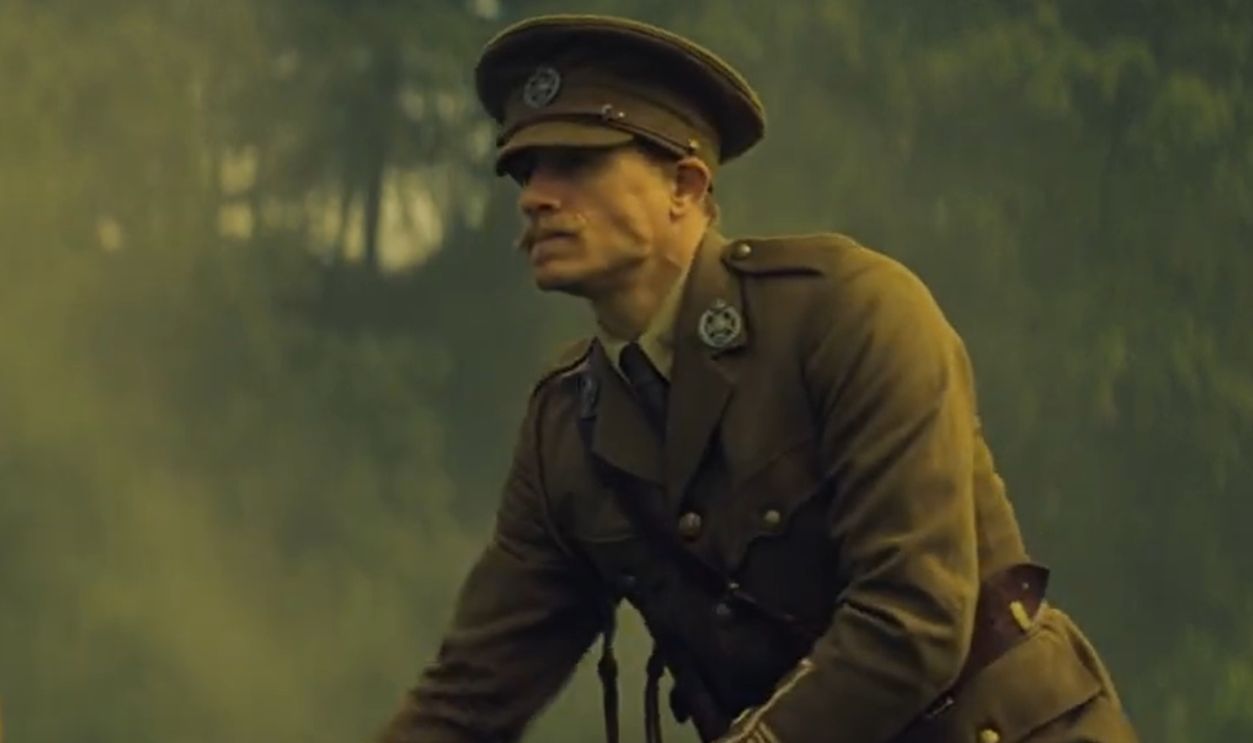
In 2004, British writer and director Misha Williams unveiled a theory that turned the entire mystery on its head. After spending years investigating Fawcett's private correspondence, Williams claimed the explorer had been hiding an extraordinary secret. According to his research, Fawcett wasn't simply planning to find a lost city and return home a hero. He may have been planning to disappear into the jungle permanently.
 Screenshot from The Lost City of Z, Amazon Studios (2016), Modified
He Had A Secret Plan
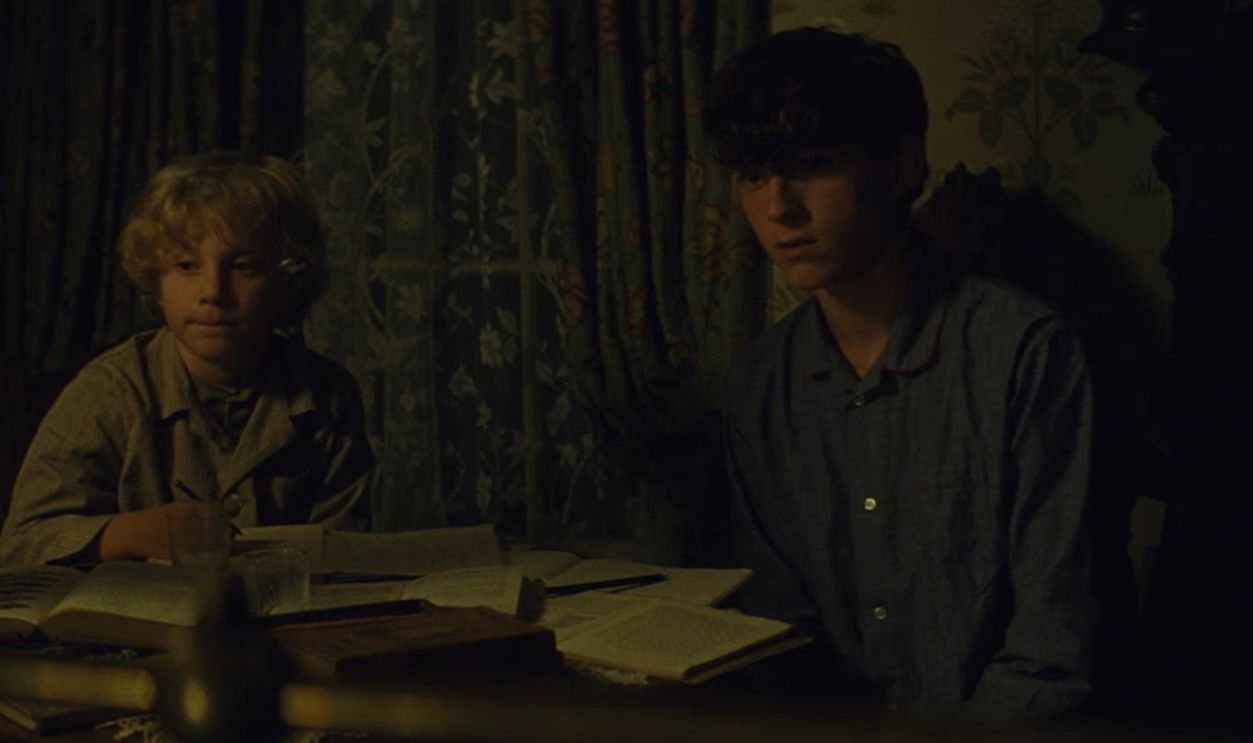
Williams believed Fawcett had been pursuing something he called the Grand Scheme, an ambitious plan to establish a secluded community deep in the Amazon. Rather than return to Britain, he supposedly intended to create an entirely new society built around unusual spiritual beliefs. Williams even claimed that numerous associates had been interested in joining him. But the strangest part of the plan involved Fawcett's own son.
 Screenshot from The Lost City of Z, Amazon Studios (2016), Modified
His Son Had A Bizarre Role
According to Williams, Fawcett's proposed community would have drawn on theosophy, a spiritual movement fascinated by hidden knowledge and mystical powers. But his interpretation of the explorer's private papers suggested something even more extraordinary. Williams believed Fawcett intended for his son Jack to become a figure of religious worship within the settlement. If true, the expedition wasn't merely a hunt for a lost city. It was the beginning of an astonishing attempt to create a new way of life.
 Screenshot from The Lost City of Z, Amazon Studios (2016), Modified
His Beliefs Went Beyond Exploration
Fawcett's fascination with spiritualism and mystical ideas was not entirely unknown before Williams began his research. His interests extended beyond geography and archaeology into questions about ancient wisdom and supernatural forces. Williams argued that these beliefs had become central to the explorer's plans for the Amazon. If his interpretation was correct, the search for Z may have been only one part of a much larger ambition.
 Screenshot from The Lost City of Z, Amazon Studios (2016), Modified
His Family May Have Known More
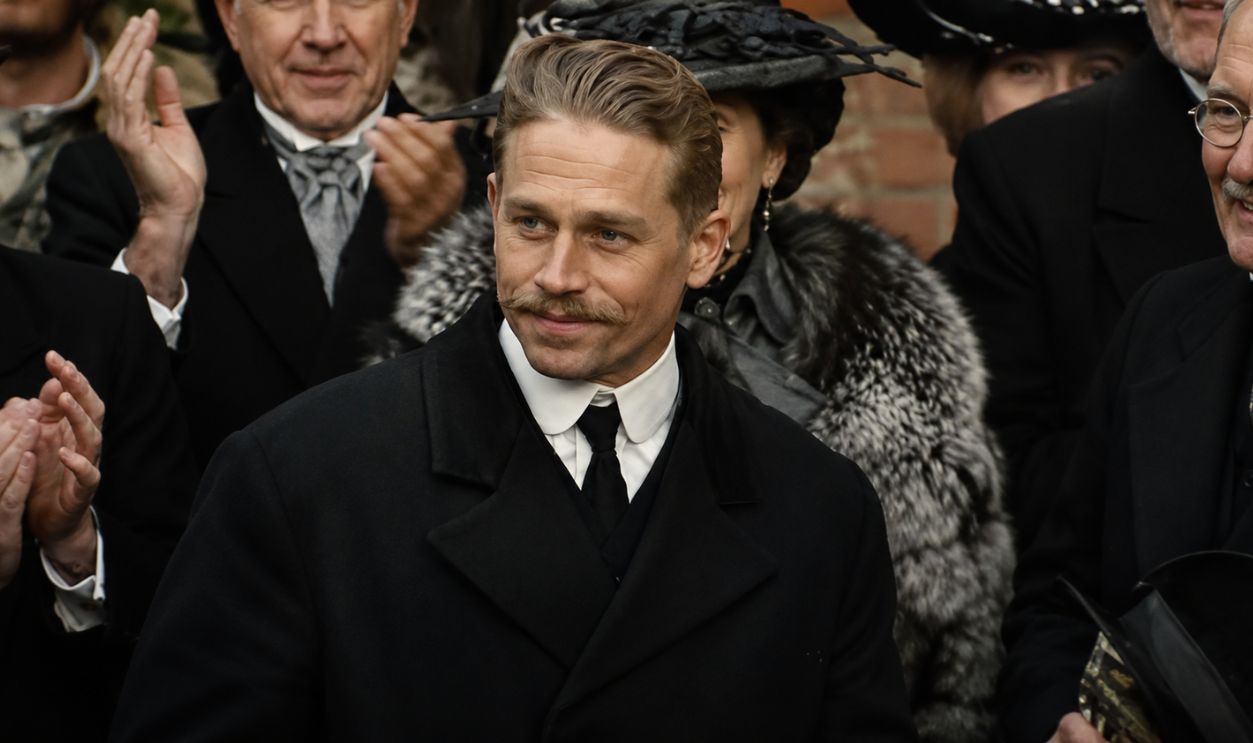
Williams also suggested that Fawcett's surviving family had helped preserve a more conventional version of his disappearance. In particular, he questioned whether Brian Fawcett's later book, Exploration Fawcett, had presented the full story of his father's intentions. Williams believed some private correspondence pointed toward a plan that had remained largely hidden from the public. However, his suggestion of a deliberate family cover-up remains an allegation rather than an established fact.
 Screenshot from The Lost City of Z, Amazon Studios (2016), Modified
Did He Really Want To Disappear?
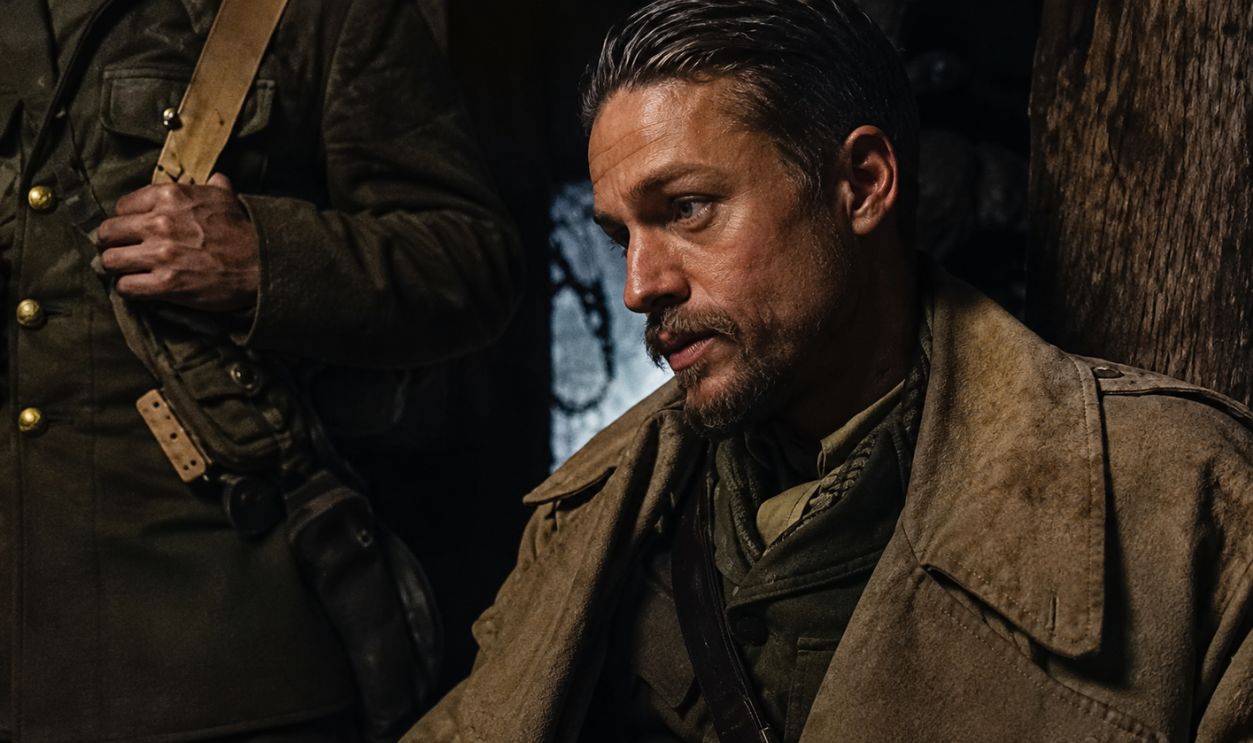
The theory offered a new way to understand Fawcett's warning against sending rescue parties after him. If he had intended to remain in the jungle permanently, discouraging searches might have served another purpose beyond protecting potential rescuers. But there is a crucial distinction between planning to establish a settlement and actually succeeding in doing so. No verified evidence has established that Fawcett, Jack, or Raleigh survived long enough to create such a community.
 Screenshot from The Lost City of Z, Amazon Studios (2016), Modified
The Theory Remains Unproven
Williams's research attracted newspaper coverage and inspired his theatrical production Amazonia, but it did not solve the disappearance. The private papers provided material for a provocative interpretation, not conclusive proof of the explorers' fate. There is still no confirmed record of Fawcett living in the rainforest after his final expedition. Yet while the mystery of his disappearance remained unsolved, another part of his story was beginning to change dramatically.
 Artur Warchavchik, Wikimedia Commons
The Lost City Wasn't Such A Wild Idea
For years, Fawcett's belief in a sophisticated ancient Amazonian civilization had been dismissed by skeptics. But archaeological work in Brazil's Upper Xingu region uncovered evidence of extensive Indigenous settlements, including roads, plazas, and carefully organized communities. Archaeologist Michael Heckenberger and his colleagues worked closely with the Indigenous Kuikuro people, drawing on their knowledge of the landscape to investigate these ancient sites. Fawcett's specific vision of Z remained unproven, but his broader belief that substantial settlements had existed in the region was no longer so far-fetched.
 Screenshot from The Lost City of Z, Amazon Studios (2016), Modified
The Jungle Had Hidden Something Extraordinary
Researchers studying the ancient settlement complex known as Kuhikugu found evidence of an organized landscape that challenged older assumptions about Amazonian history. These communities were not necessarily built around the enormous stone monuments Fawcett had imagined. Instead, they featured sophisticated earthworks, roads, and settlements adapted to their environment. The discoveries suggested that the explorer might have been looking for something real, even if he misunderstood what it would look like.
 Screenshot from The Lost City of Z, Amazon Studios (2016), Modified
His Greatest Mystery Lives On
More than a century after Fawcett entered the Amazon for the final time, nobody can say with certainty what happened to him, Jack, or Raleigh. Perhaps they succumbed to illness or exhaustion, or perhaps they encountered violence somewhere beyond their last known location. Williams's extraordinary theory raises the possibility that Fawcett intended to stay, but it offers no definitive explanation for the men's disappearance. The greatest irony is that modern archaeology has revealed traces of the kind of civilization Fawcett spent his life searching for, while the fate of the explorer himself remains hidden.
You May Also Like:
Famous Wilderness Disappearances That Still Have People Arguing About What Really Happened
Mysterious Real-Life Disappearances That Investigators Are Still Struggling To Explain